

Industry Briefing
A single destination for timely, editor-curated robotics news from around the world.

Improving Human-Robot Teamwork Through Better Communication and Alignment
A recent study from Monash University and CSIRO highlights the importance of effective communication in human-robot teams. The research emphasizes that successful collaboration hinges on alignment, which includes a shared understanding of each team member's capabilities, limitations, and roles in various tasks. This finding is significant as it suggests that enhancing communication strategies can lead to more efficient and effective teamwork between humans and robots in real-world applications. By fostering a clearer understanding of tasks and situational contexts, teams can better leverage the strengths of both human and robotic partners. Looking ahead, it will be crucial to monitor advancements in communication technologies that facilitate this alignment. Future research may explore specific methods to enhance understanding and coordination within human-robot teams, potentially transforming how these collaborations are implemented in various industries.
Robotics
New Lightweight AI Framework Enhances Real-Time Robotic Grasping with 6D Pose Estimation
A new framework has been introduced for real-time 6D pose estimation in robotics, leveraging LightGlue for effective object detection and advanced geometric mapping techniques. This innovation aims to improve the efficiency and accuracy of robotic grasping tasks. The significance of this development lies in its potential to enhance robotic capabilities in various applications, making robots more adept at interacting with their environments. By utilizing a lightweight AI framework, the technology can operate in real-time, which is crucial for dynamic settings. Looking ahead, the industry will be watching how this framework is adopted in practical applications and its impact on the efficiency of robotic systems. No further timeline was disclosed at the time of publication.

Global Localization Framework for Planetary Rovers Utilizing Interest Region Perception
A new global localization framework for planetary rovers has been introduced, focusing on interest region perception. This innovative approach enhances the rover's ability to navigate and understand its environment more effectively, which is crucial for successful planetary exploration missions. The significance of this framework lies in its potential to improve the autonomy and efficiency of planetary rovers. By leveraging interest region perception, the framework allows for better decision-making and adaptability in unknown terrains, which is essential for conducting scientific research on other planets. Looking ahead, the implementation of this global localization framework could lead to advancements in rover technology and exploration strategies. No further timeline was disclosed at the time of publication.
RESEARCH ARTICLE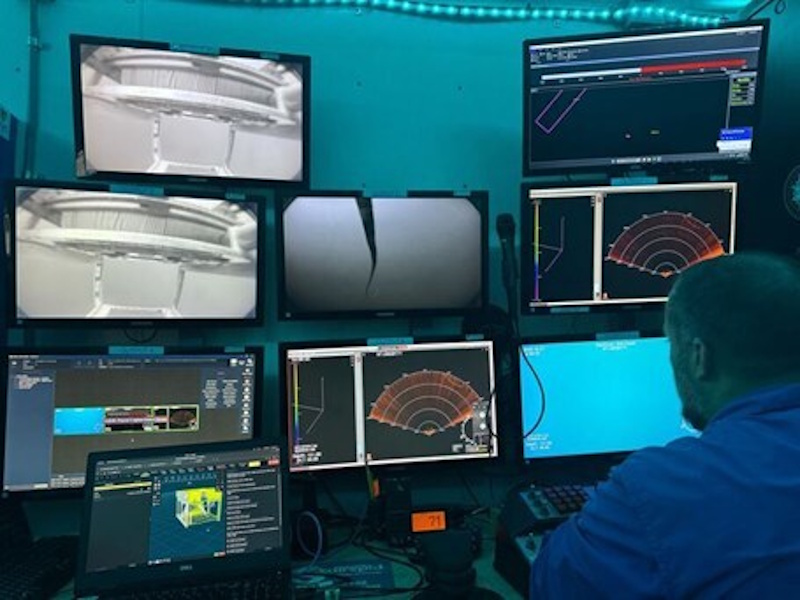
Nauticus Robotics Certifies Nauticus ToolKITT Autonomy Software on Light Work-Class ROVs & Completes First Paid Commercial Operation on a Retrofitted System
Nauticus Robotics, Inc. has successfully certified and deployed its Nauticus ToolKITT™ autonomy software on two light work-class remotely operated vehicles (ROVs) following the acquisition of SeaTrepid International in 2025. This achievement was announced today after the completion of certified pool and open-water testing. The deployment marks a significant milestone for Nauticus, as it represents the company's first paid commercial subsea project utilizing the ToolKITT™ software on a retrofitted ROV platform. This development underscores Nauticus's commitment to advancing its autonomy technology beyond proprietary systems, enhancing its capabilities in the field of autonomous subsea robotics.
nauticus robotics certification nauticus toolkitt autonomy software light work-class rov
Wang Xingxing Highlights Millimeter-Level Work Errors as Key Robot Challenge
At the fifth Global Digital Trade Expo held in Hangzhou on September 24, Wang Xingxing, founder of Yushu Technology, delivered a keynote speech titled 'From Mechanics to Intelligence: The Evolution of Embodied Futures.' He reflected on the development of the AI industry, noting that the emergence of ChatGPT has fundamentally reshaped public perception of artificial intelligence and opened new avenues for innovation. Wang predicts that the embodied intelligence sector will soon experience its own transformative moment akin to ChatGPT. Wang emphasized that when robots can complete 80% of tasks in 80% of unfamiliar scenarios through voice-embodied capabilities, the industry will reach a critical inflection point. He pointed out that the current major challenge is the insufficient accuracy in matching AI model inputs and outputs with the real physical world, leading to millimeter-level errors in robotic work. He stated that solving this issue would fully resolve the challenges faced by robots. He further explained that while robots can perform certain tasks, their efficiency remains lower compared to humans. Additionally, humanoid robots require retraining for new tasks, which further reduces efficiency. Wang's comments highlight the engineering challenges of embodied intelligence, where deviations due to calibration errors and sensor noise can lead to task failures, particularly in precision operations like grasping and placing objects.
Robotics AI Embodied Intelligence Automation
FCC Approves Nationwide Testing of Cellular Networks for Drone Connectivity
The Federal Communications Commission (FCC) has granted a temporary waiver to support the US Department of Transportation's Mobile Network Aviation Assessment Program (MNAAP). This initiative aims to test the viability of using commercial wireless networks to enhance aviation safety and security for drones operating in US airspace. This testing is significant as it addresses one of the major challenges in expanding commercial drone operations: reliable connectivity. Drones flying beyond visual line of sight (BVLOS) require dependable communication methods, which are crucial for future applications like drone delivery and automated inspections. The MNAAP will conduct tests across the contiguous United States, involving up to 2,000 authorized pilots and 200 non-federal drone operators. The FCC's waiver is set to last until October 1, 2029, allowing ample time to gather data that could inform the future integration of cellular networks into the drone ecosystem.
News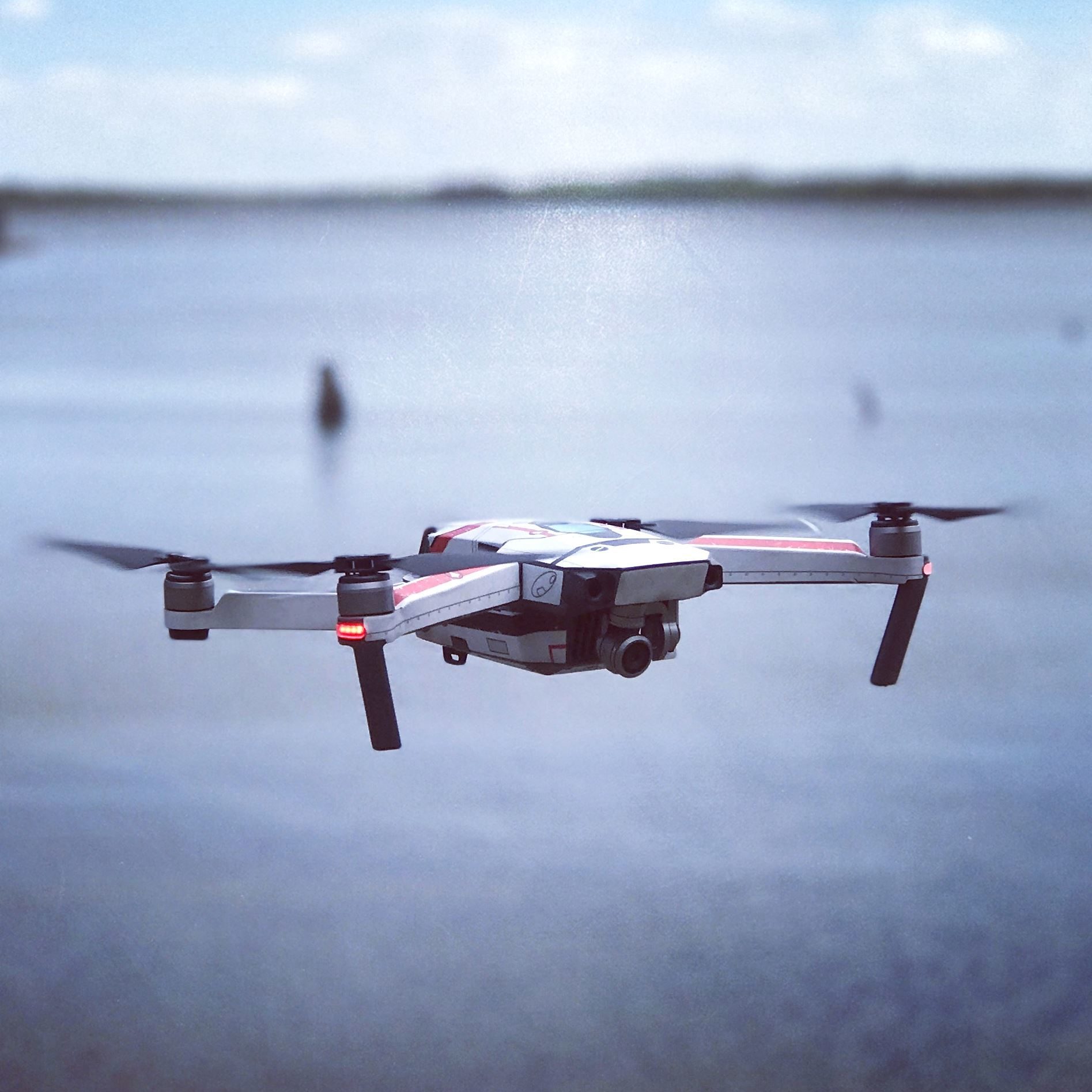
FCC Approves Nationwide Testing of Cellular Networks for Drone Safety Applications
The Federal Communications Commission (FCC) has eliminated a regulatory barrier to facilitate nationwide testing of commercial wireless networks on drones and general aviation aircraft. This order, effective September 11, supports the Department of Transportation's Mobile Network Aviation Assessment Program (MNAAP), which aims to evaluate wireless signal quality across various locations and altitudes in the contiguous United States. This initiative is significant as it seeks to determine the capability of commercial networks to support safety-related aviation services, including UAS command and control, autonomous detect and avoid systems, and counter-UAS detection. The waiver creates a controlled testing environment for participants approved by the Department of Transportation, allowing for the collection of crucial data on mobile broadband service performance. Looking ahead, the MNAAP may authorize up to 2,000 general aviation pilots to utilize a dedicated app on standard devices to report findings to a centralized database. Additionally, dedicated modules may be deployed on up to 200 UAS for targeted testing. This program could enhance understanding of airborne network performance, although the effectiveness of ground-based cellular infrastructure in aerial operations remains to be fully assessed.
Drone News Drone News Feeds News US Government BVLOS cellular connected drones
Anthropic Enhances Claude Cowork Memory System for Improved User Experience
Anthropic has announced a significant update to Claude Cowork's memory system, which will enhance user interactions by allowing the AI to retain information across different sessions. This change aims to eliminate the frustration of having to rebrief the AI on previously discussed topics, making it feel like a continuous assistant rather than separate products. The update is particularly important for users who engage in project development and need to transition smoothly from brainstorming to execution. For example, Claude will remember specific details such as headcount and speakers for a conference, streamlining the process of drafting updates or agendas without the need to re-enter information. Moving forward, users can expect Claude to automatically add topics to its memory during conversations, improving the fluidity between chat and Cowork. While sensitive information will not be stored by default, users have the option to include it. No further timeline was disclosed at the time of publication.
AI Apps Anthropic Claude
NVIDIA Vera Rubin NVL72 Achieves 30x Efficiency Improvement for AI Workloads
NVIDIA's Vera Rubin NVL72 systems have demonstrated a remarkable performance increase, achieving up to 30 times higher throughput per megawatt compared to the NVIDIA GB300 NVL72 for agentic AI workloads. This significant enhancement is crucial as agentic AI applications, which require extensive token usage for tasks like investment research, continue to proliferate across various industries. The efficiency gains from the Vera Rubin NVL72 are particularly important for power-constrained AI factories, allowing them to execute 30 times more agentic work within the same energy footprint. This leap in performance is attributed to NVIDIA's innovative GPU architecture and continuous software optimizations, which enhance the overall efficiency of both Vera Rubin NVL72 and GB300 NVL72 systems. As agentic AI workloads evolve, the demand for efficient infrastructure will only increase. Future performance measurements will need to adapt to capture the complexities of agent workflows, which can involve hundreds of thousands of tokens. No further timeline was disclosed at the time of publication.

Japan's Robotics Roadmap Highlights Disaster Response and Aging Workforce Solutions
Japan's robotics strategies emphasize disaster response and addressing an aging workforce. With a significant portion of its population over 65, robotics is seen as essential for maintaining economic stability and enhancing labor sectors like healthcare. The country's proactive approach to robotics development is driven by its vulnerability to natural disasters and a declining workforce. Japan's investment in intelligent machines aims to improve disaster response and mitigate risks to human workers, especially in light of past events like the Fukushima disaster. Looking ahead, Japan's initiatives include the Society 5.0 vision for super-smart cities and Moonshot Programs targeting advanced robotics solutions. These efforts reflect Japan's commitment to leveraging robotics for societal challenges, with no further timeline disclosed at the time of publication.

Flock Safety's Camera Controversy Highlights Need for Drone Industry Regulations
Flock Safety's automated license plate readers (ALPRs) have been instrumental in aiding law enforcement with locating stolen vehicles and missing persons. However, recent controversies surrounding the misuse of this technology underscore the necessity for robust policies governing its access and utilization, particularly in the Drone as First Responder (DFR) market. The implications of these controversies extend beyond Flock, as various agencies globally are increasingly adopting drones for enhanced situational awareness and operational outcomes. While Flock's ALPRs have reportedly assisted in resolving cases involving 1,000 missing individuals and 20,000 stolen vehicles in July alone, the scale of such surveillance raises significant privacy concerns. As the drone industry continues to evolve, it is crucial to monitor how regulatory frameworks develop in response to these challenges. The recent suspension of Flock's technology by the New Bedford police department due to misuse allegations highlights the pressing need for oversight and accountability in the deployment of surveillance technologies in public safety operations. No further timeline was disclosed at the time of publication.
Applications DFR Drone News Drone News Feeds Drones in the News Featured – Safety and Security
Kratos Valkyrie Drone Crashes During Test Flight at Dugway Proving Ground
A Kratos Valkyrie drone crashed at the U.S. Army's Dugway Proving Ground in Utah on August 4, 2026, following a test flight. The incident occurred shortly after takeoff, but no injuries or damage were reported. Kratos has paused flight operations for the Valkyrie to investigate the cause of the mishap, emphasizing safety as a priority. The crash is significant as it highlights ongoing developments in military drone technology, particularly for the Valkyrie series, which has been in operation since 2019. The U.S. Air Force is the first known operator, and the drone is being adapted for various configurations, including the Conventional Takeoff and Landing (CTOL) variant intended for the U.S. Marine Corps. Looking ahead, the investigation into the crash may impact future test flights and developments of the Valkyrie family. Kratos has expressed growing global interest in the Valkyrie drones, including partnerships for international military applications. No further timeline was disclosed at the time of publication.
News & Features Air Drones Loyal Wingman Unmanned XQ-58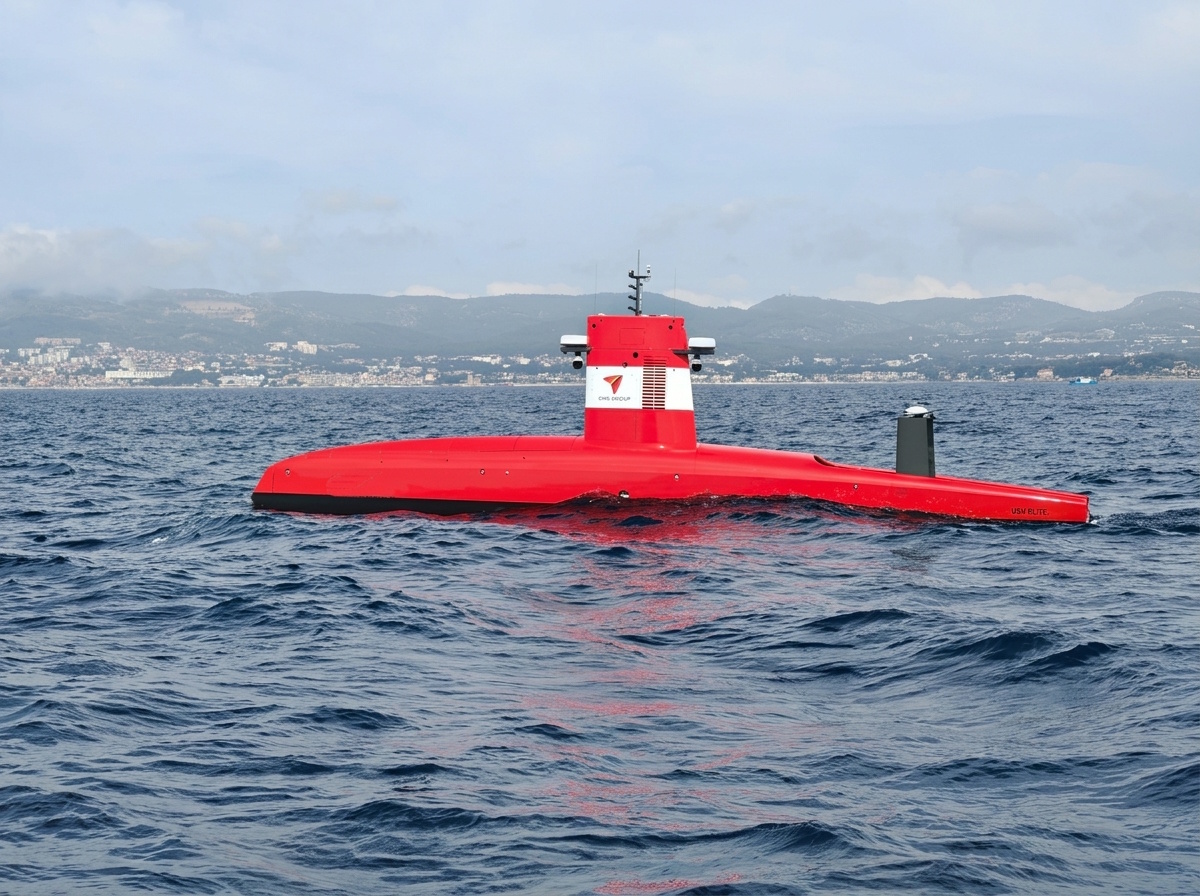
Datagrid Partners with ASN and OMS Group for Tasman Ring Network in New Zealand
Datagrid New Zealand has signed a contract with Alcatel Submarine Networks and OMS Group to establish the Tasman Ring Network. This new optical submarine cable system will connect Invercargill, located in New Zealand's South Island, to Melbourne, Australia. The Tasman Ring Network is significant as it aims to enhance connectivity and improve the resilience of New Zealand's internet infrastructure. By linking the South Island directly to Australia, the project is expected to bolster data transmission capabilities and provide a more reliable internet service for users in the region. As the project progresses, stakeholders will be keen to monitor the installation timeline and the impact of the new cable system on local internet services. No further timeline was disclosed at the time of publication.
oms group exail drix tasman ring network
MIT Develops GIFT Framework to Enhance CAD Design Accuracy Using AI Failures
Researchers from MIT, IBM, and Red Hat have introduced the Geometric Inference Feedback Tuning (GIFT) framework, which enhances AI's ability to convert 2D images into functional CAD programs. This innovation significantly improves design accuracy while reducing inference computation by approximately 80%. The GIFT framework addresses the challenge of limited high-quality CAD training data by utilizing the AI's own mistakes as a learning tool. The importance of this development lies in its potential to streamline the CAD design process, which is often hindered by the need for extensive datasets linking images to CAD programs. By focusing on 'near-misses'—outputs that are close to correct—the GIFT framework provides valuable insights into the AI's understanding, ultimately leading to better training examples and more reliable designs. Looking ahead, the GIFT framework's dual techniques, including GIFT-REJECT, promise to further refine AI-generated CAD outputs. As the research progresses, the effectiveness of GIFT in real-world applications will be closely monitored, particularly in industries reliant on precise CAD designs, such as aerospace and automotive engineering. No further timeline was disclosed at the time of publication.
AI and Robotics
Exail Secures Contract to Provide Light MCM Systems for European Navy Operations
Exail has been awarded a contract to supply three light Mine Countermeasures (MCM) systems to a European navy. These systems are designed for rapid deployment from Rigid-Hulled Inflatable Boats (RHIBs) and integrate Exail's UMIS technology, enabling efficient identification and neutralization of underwater mines. The significance of this contract lies in its provision of a modular and adaptable solution tailored to the operational needs of modern naval forces. With a compact design, the systems can operate in very shallow waters and infrastructure-limited environments, allowing for quick deployment by mine clearance and Explosive Ordnance Disposal (EOD) teams. Looking ahead, the RHIB-based systems can accommodate various payloads, including Exail's A9-M autonomous underwater vehicles and R7 remotely operated vehicles, enhancing their operational flexibility. No further timeline was disclosed at the time of publication.
exail european navy mcm system
Tesla's Optimus Robots to Support Starmind Satellite Production, Not Maintenance
Tesla's Optimus robots will not be used to repair Starmind satellites in orbit, as confirmed by recent statements from Elon Musk. Instead, these robots are intended to assist in the construction and operation of the Terafab chip manufacturing facility in Texas. The AI1 satellites, designed to disintegrate upon reentry, highlight the company's swap-and-replace strategy rather than traditional maintenance practices. This approach is significant as it reflects a broader trend in satellite management, where mass-produced satellites are replaced rather than repaired. The economics of servicing missions are prohibitive, with the cost of launching a replacement satellite being significantly lower than conducting a repair mission. This model aligns with SpaceX's operational history, where rapid replacement of satellites is more efficient than attempting to maintain them in orbit. Looking ahead, the focus will remain on the production capabilities of the Gigasat factory, which is expected to support the continuous replacement of satellites. No further timeline was disclosed at the time of publication, but the demand for rapid satellite turnover suggests a robust future for Optimus robots in terrestrial manufacturing rather than in-space servicing.

SpaceX's Starmind Plans 1 Million AI Satellites Amid Collision Risks
SpaceX has announced its ambitious Starmind project, which aims to deploy 1 million AI satellites in orbits between 500 and 2,000 km. This initiative, confirmed by Elon Musk on June 23, 2026, follows a merger with xAI, valuing the combined entity at $1.25 trillion. The satellites will function as orbital data centers, processing AI workloads powered by solar arrays and linked by optical lasers. The significance of Starmind lies in its potential to add 100 gigawatts of AI compute capacity annually, contingent on the successful operation of the Starship launch system. However, the project raises concerns regarding space debris, as the current orbital environment is already congested, with a 20% increase in collision risk reported since 2024. The European Space Agency has highlighted that the density of debris in low Earth orbit is now comparable to that of active satellites, complicating the operational landscape for new entrants like Starmind. Looking ahead, the first operational orbital AI deployments are targeted for 2028, with test launches expected in early 2027. However, the project faces scrutiny regarding its impact on space debris, as even a 1% failure rate could significantly increase the number of uncontrollable objects in orbit, exacerbating existing risks. No further timeline was disclosed at the time of publication.
SpaceX's Starmind Faces Feasibility Challenges for 1 Million Satellite Deployment
On January 30, 2026, SpaceX submitted a request to the FCC to launch up to 1 million satellites as part of its Starmind orbital compute constellation. This ambitious plan is unprecedented, as the total number of satellites ever launched globally is in the low tens of thousands. The proposal seeks a waiver from standard deployment milestones, citing reliance on the Starship's full reusability for success. The significance of this request lies in the technical and logistical challenges it presents. Experts warn that low Earth orbit may not support the proposed number of active satellites without risking a debris cascade. SpaceX's own IPO prospectus acknowledges unresolved dependencies related to Starship's launch cadence and reusability, which are critical for the orbital AI compute strategy. Looking ahead, the timeline for achieving the necessary launch cadence and manufacturing capacity remains uncertain. SpaceX's Gigasat facility in Texas aims for volume production by late 2027, but this would require unprecedented output levels. No further timeline was disclosed at the time of publication, leaving the feasibility of the Starmind project in question.
Oceaneering Launches New Electric Propulsion Work Class ROV
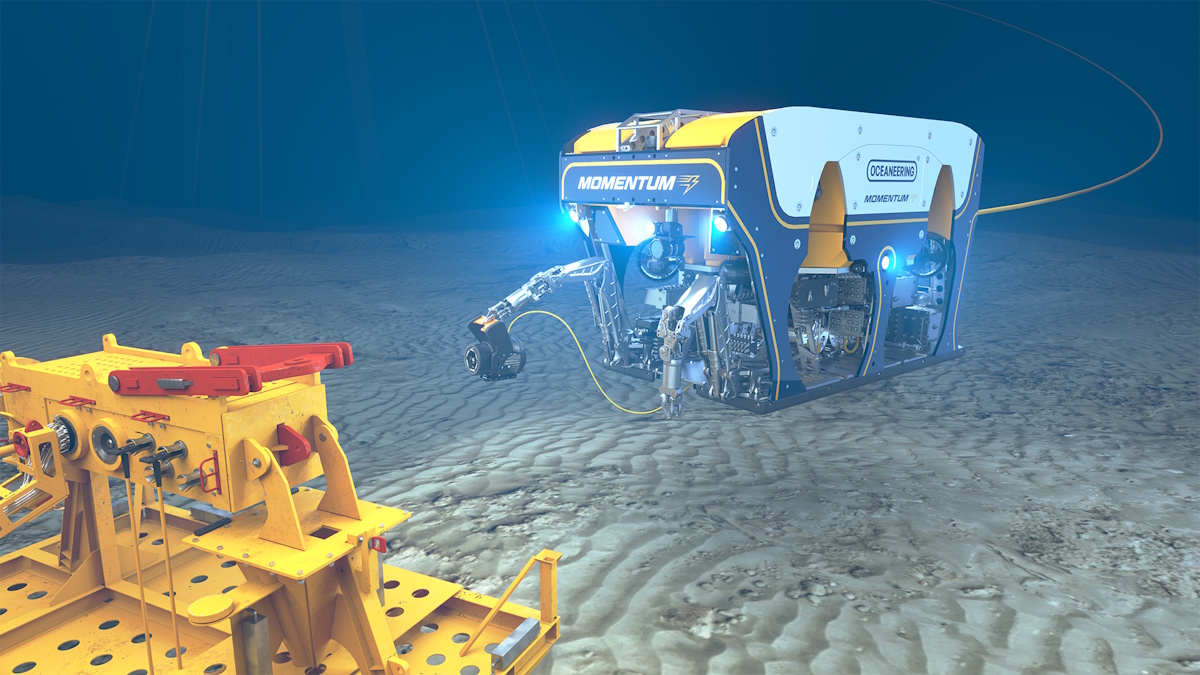
Oceaneering International, Inc. has unveiled its latest innovation in subsea technology, the Momentum™ Electric Work Class Remotely Operated Vehicle (ROV), during the Subsea Tieback Forum. This launch marks a significant advancement in the company's Subsea Robotics segment, showcasing their commitment to enhancing underwater operations. The event took place today, highlighting the growing demand for efficient and environmentally friendly solutions in the subsea industry. The Momentum™ ROV is designed to improve operational capabilities and reduce environmental impact, reflecting Oceaneering's dedication to innovation and sustainability in subsea exploration and maintenance.
oceaneering electric propulsion work class rov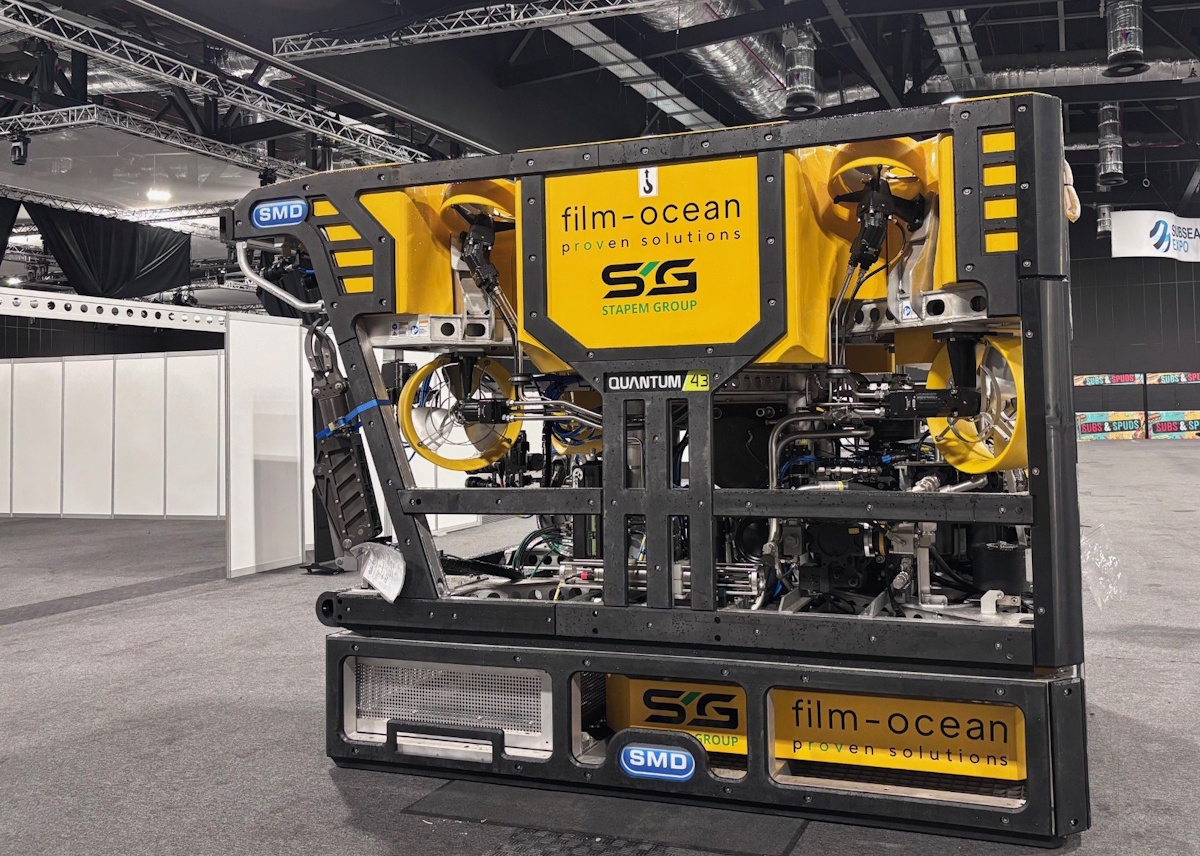
Film-Ocean Showcases New Work Class ROV and Remote Operations Centre at Subsea Expo 2026
Film-Ocean, a leading global subsea services provider and a member of the Stapem Group, is set to unveil its latest Work Class Remotely Operated Vehicle (WROV) and demonstrate its advanced Remote Operations Centre (ROC) at the upcoming Subsea Expo 2026. The event will be held on February 4 and 5, 2026. This showcase aims to highlight the company's innovative technologies and capabilities in subsea operations, reflecting its commitment to enhancing efficiency and safety in the industry. By presenting these cutting-edge solutions, Film-Ocean seeks to engage with industry professionals and stakeholders, emphasizing its role in advancing subsea service offerings.
subsea expo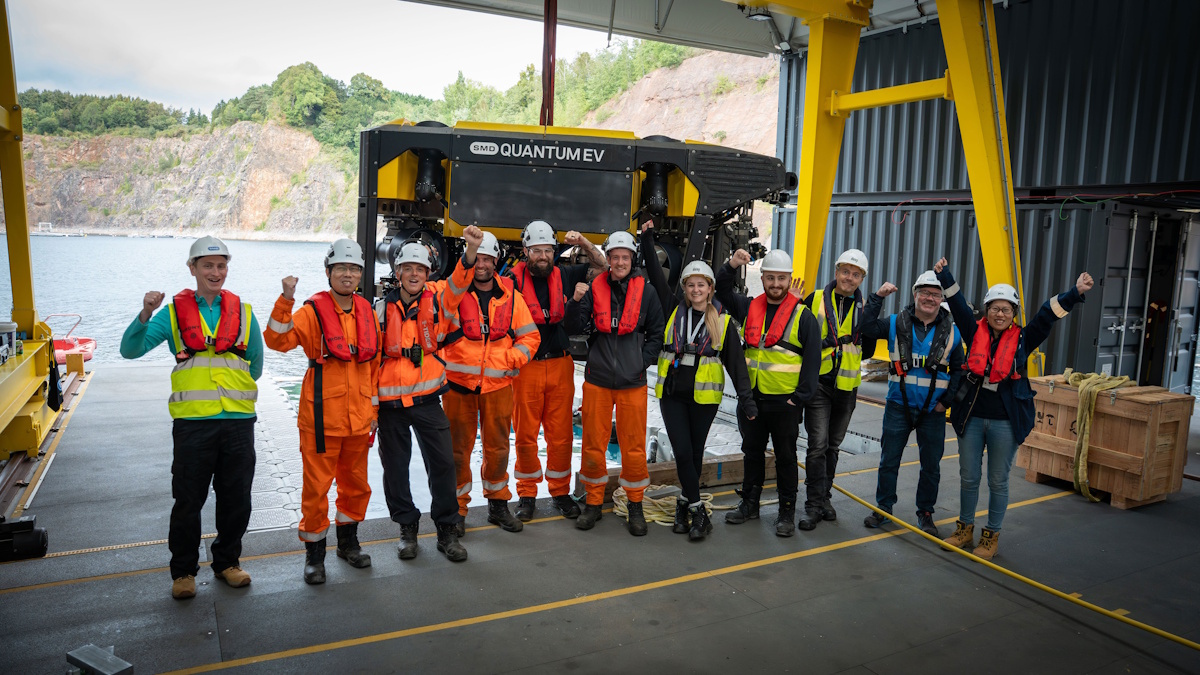
Testing Complete on First SMD Electric Work Class ROV
SMD, a subsea technology and services company, has achieved a significant milestone with the successful completion of Site Acceptance Testing (SAT) for its innovative electric work class remotely operated vehicle (ROV), the SMD Quantum EV. This testing took place at the DEEP Campus located near Bristol. The successful SAT marks a crucial step in the development and deployment of this advanced ROV, which aims to enhance subsea operations while promoting sustainability through its electric design. The completion of this testing phase underscores SMD's commitment to advancing subsea technology and meeting the growing demand for environmentally friendly solutions in the industry.
smd electric work class rov smd quantum ev site acceptance testing (sat) deep campus
FET to Deliver New Model of Work Class ROV to Nigerian Oil and Gas Firm
Forum Energy Technologies (FET) has announced a significant contract with Nigerian oil and gas company Marine Platforms (MPL) to supply two of its advanced XLX EVO III work class remotely operated vehicles (ROVs). This agreement underscores the enduring partnership between the two companies, as MPL has consistently utilized FET's systems in its operations. The deal highlights FET's commitment to enhancing subsea capabilities in the oil and gas sector, particularly in Nigeria, where the demand for innovative technology is growing. The delivery of the ROVs is expected to bolster MPL's operational efficiency and effectiveness in underwater tasks.
forum energy technologies (fet) marine platforms (mpl) xlx evo iii rov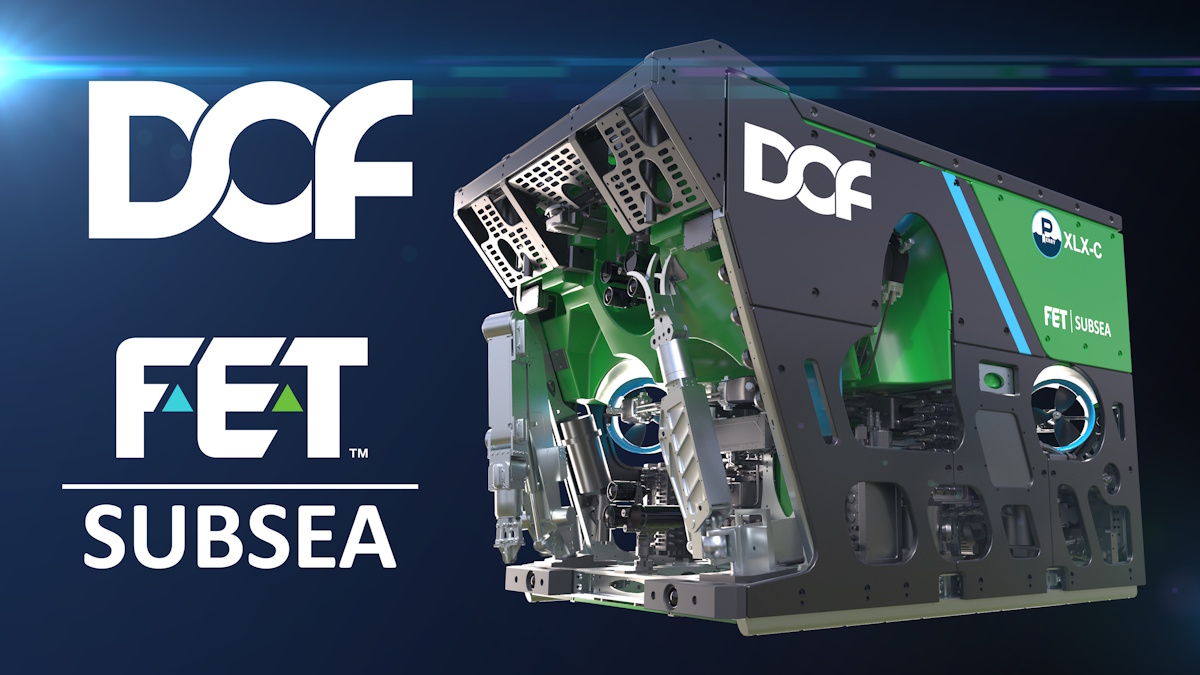
Forum Energy Technologies Secures Work-Class ROV Order
Forum Energy Technologies (FET), a prominent player in subsea robotics, has announced a new contract with its long-term client, DOF. This agreement involves the provision of a work-class remotely operated vehicle (ROV) along with a supporting tether management system. The delivery of this advanced equipment is set for late 2025 and will enhance DOF’s extensive subsea operations in Brazil. This partnership underscores FET's commitment to supporting DOF's operational capabilities in the region.
forum energy technologies (fet) dof xlx-c24 work-class rov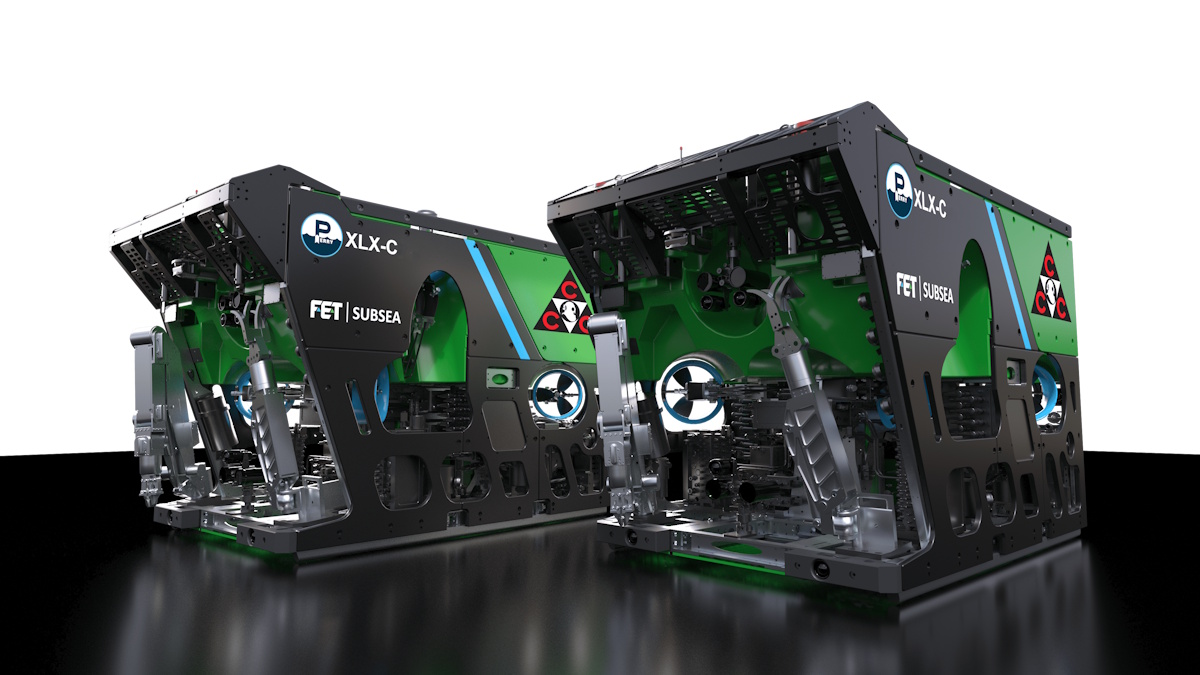
FET to Provide UAE-Based Offshore Construction Firm with Two Work Class Remotely Operated Vehicles
Forum Energy Technologies (FET) has announced that its Subsea product line has been awarded a contract to supply two work class remotely operated vehicles (ROVs) to CCC (Underwater Engineering) S.A.L, a prominent offshore construction company based in the United Arab Emirates. This partnership underscores FET's commitment to enhancing underwater engineering capabilities and supporting CCC (UE) in its ongoing projects. The contract reflects the growing demand for advanced subsea technology in the region, driven by the expanding offshore industry. The ROVs will be utilized for various underwater tasks, showcasing FET's innovative solutions in subsea operations.
fet work class remotely operated vehicles (rov)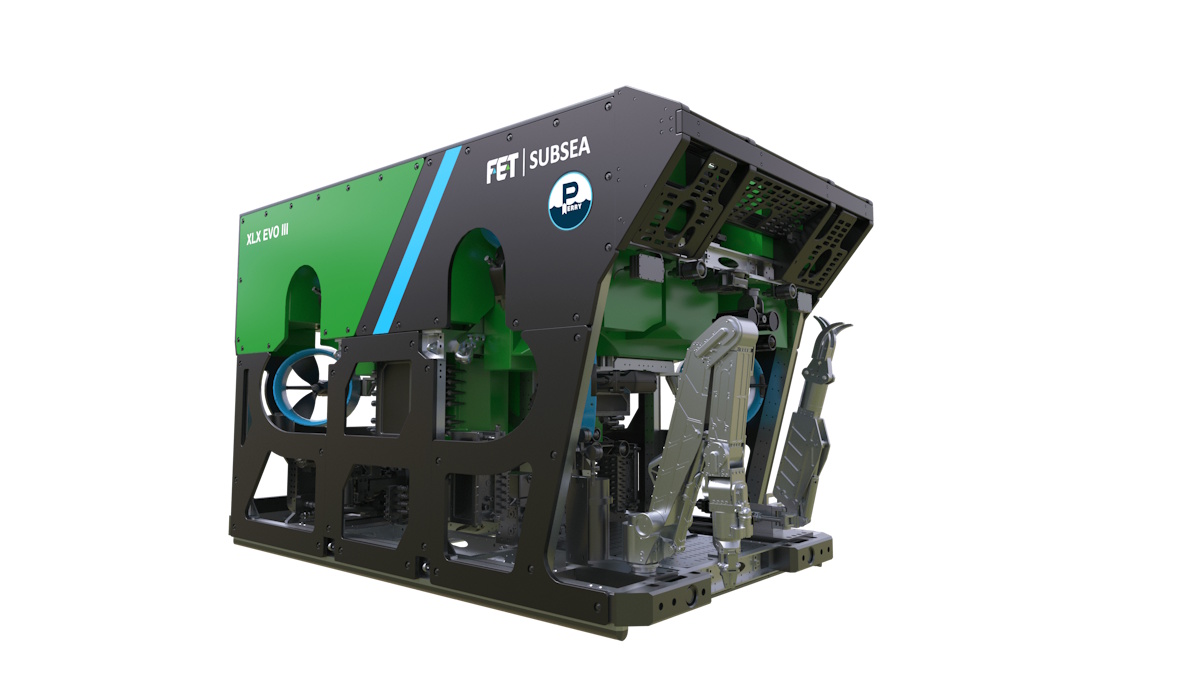
FET Brings New Generation Work Class ROV to Market
Forum Energy Technologies (FET) has unveiled its newest work class Remotely Operated Vehicle (ROV), the XLX EVO III, which represents a significant advancement in Ultra-Heavy-Duty subsea vehicle technology. This launch took place recently, showcasing FET's commitment to innovation in the subsea industry. The XLX EVO III is designed to enhance operational efficiency and safety in challenging underwater environments, addressing the growing demand for robust and reliable ROV solutions. By integrating advanced technology and engineering, FET aims to meet the evolving needs of its clients in sectors such as oil and gas, renewable energy, and underwater construction. The introduction of the XLX EVO III is expected to set new standards in subsea operations, reflecting FET's dedication to pushing the boundaries of underwater exploration and intervention capabilities.
forum energy technologies (fet) rov xlx evo iii ultra-heavy-duty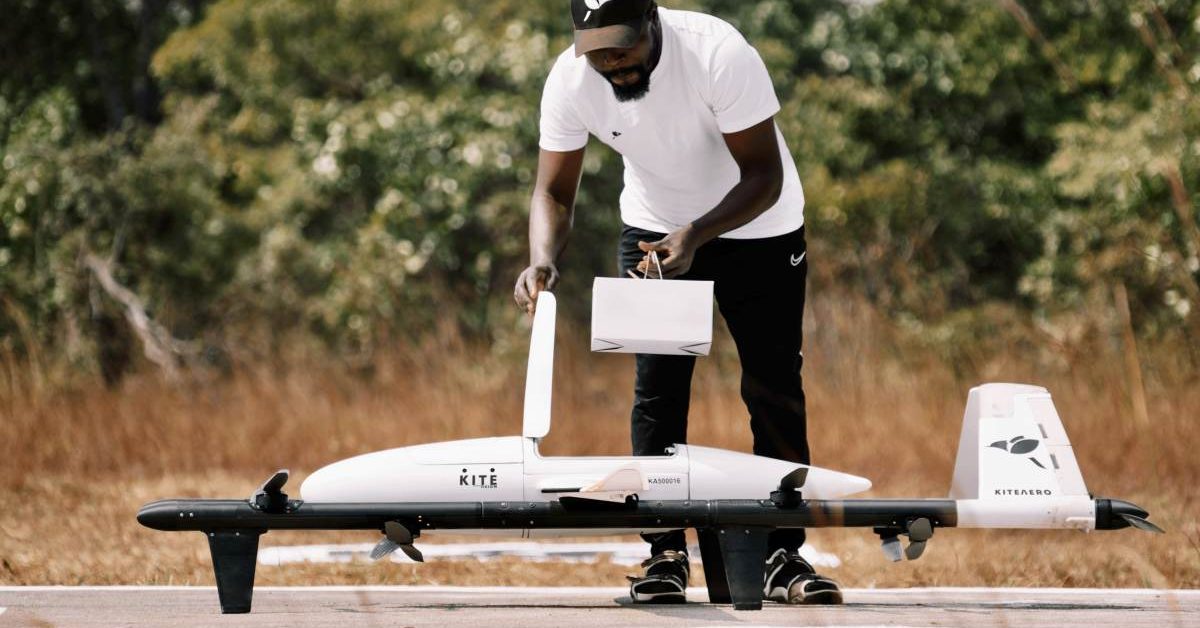
Drone Solutions International Secures BVLOS Approval for KITE Deliveries in Zimbabwe
Drone Solutions International has received regulatory approval from the Civil Aviation Authority of Zimbabwe (CAAZ) to conduct beyond visual line of sight (BVLOS) deliveries using Kite Aero’s KITE uncrewed aircraft system. This marks a significant step forward for commercial drone logistics in Zimbabwe, allowing the operator to integrate BVLOS delivery operations into its services. The approval process took six months, involving collaboration with CAAZ and Air Traffic Services to ensure compliance with safety and operational standards. Kite Aero supported the application with substantial operational data from its AXIOM drone operations management system, which has recorded over 41,000 autonomous flights and 20,000 flight hours. This data provided regulators with a solid operational record, enhancing the credibility of the KITE system. Drone Solutions plans to utilize KITE for medical and pathology logistics, facilitating air transport of critical supplies between health facilities and laboratories. This application is particularly beneficial in Zimbabwe, where transportation infrastructure can pose challenges. No further timeline was disclosed at the time of publication.
News
INTERGEO 2026 Highlights Shift from Drones to Geospatial Workflows
At INTERGEO 2026, the focus has transitioned from individual drones to comprehensive geospatial workflows. Drones, once a standalone category, now integrate seamlessly with crewed aircraft, satellites, and ground systems, enhancing data collection methods. Eric Bogard, Vice President of Marketing at Blue Marble Geographics, noted that drones are now viewed as tools within a broader toolkit for data collection, emphasizing the importance of workflow integration. This shift signifies a maturation in drone mapping technology, where the emphasis is on the results rather than the aircraft itself. The integration of drones into existing workflows allows surveyors and photogrammetrists to select the most suitable data collection methods for various scenarios. Customers at the event expressed a preference for how technologies work together rather than focusing on individual innovations, highlighting a collective industry evolution. Looking ahead, the challenge will be determining the appropriateness of drones for specific tasks and how their data can be effectively integrated into larger processes. The trend indicates that drones are now an integral part of the geospatial landscape, reshaping how surveying and mapping work is accomplished.
Applications Drone News Drone News Feeds Mapping Mapping Technology News
Addressing Workflow Gaps in Automation Projects for Improved Efficiency
In manufacturing plants, workflows often diverge between documented procedures and actual practices on the floor. This discrepancy leads to automation projects stalling, as the systems implemented follow the documented version, while undocumented exceptions continue to operate as usual. For instance, a scheduling or pricing call may rely on a single trusted individual, with no formal documentation outlining the approval process. The significance of addressing these gaps cannot be overstated. When automation is applied without considering these exceptions, they simply shift to informal channels like email or spreadsheets, creating new bypasses that undermine the intended efficiency. To mitigate this issue, it is crucial to identify and document these exceptions before scoping automation projects. To effectively capture these gaps, conducting a tabletop walkthrough can be beneficial. By having an employee unfamiliar with the workflow explain the process step by step, it becomes easier to identify points of confusion or undocumented approvals. These insights should be incorporated into the requirements document to ensure that automation is aligned with the actual workflow, thereby enhancing operational efficiency.
Process / Digital Transformation
Poland's Robot Demonstration Highlights Urgent Need for AI Responsibility Framework
On September 7, an unusual demonstration took place in Warsaw, Poland, featuring around 30 humanoid and quadruped robots. These robots gathered in front of the Polish Digital Affairs Department, waving flags and broadcasting slogans like 'Defend Jobs' and 'Regulate Now.' The event was organized by a Polish group called Democratism, aiming to spark discussions on the impact of AI and robotics on the labor market. The demonstration, while seemingly initiated by robots, was actually a human-organized PR event, led by Grzegorz Kuliś, who is the CIO of Delta Robots and CEO of a staffing company. This raises questions about the commercial motivations behind the event. Beyond its performative nature, the protest touches on a pressing issue: as AI systems increasingly participate in economic and social activities, who is held accountable for any harm they cause? This question is igniting policy debates globally. In June 2026, Argentine President Milei proposed a bill to create a new legal category for 'non-human companies' operated by AI or robots. However, this proposal has faced opposition, including from historian Yuval Noah Harari, who warns that granting legal personhood to AI could lead to a lack of accountability. A recent poll indicated that 77% of American voters believe AI should always be viewed as a human-controlled tool, highlighting the need for governance structures as AI systems act more autonomously.
AI Accountability Robot Protests Labor Market Impact Legal Personhood Technology Governance
GE Aerospace to Supply LM2500+G4 Engines for South Korea's KDDX-Class Destroyers
GE Aerospace has announced that it will provide 12 LM2500+G4 marine gas turbine engines for six KDDX-class destroyers being constructed for the Republic of Korea Navy (RoKN). The integration of the LM2500+G4 with the KDDX's full electric propulsion system is expected to enhance operational flexibility, fuel efficiency, and survivability for the vessels. This development is significant as it marks a step towards advanced naval propulsion systems, with GE Aerospace's technology reinforcing its collaboration with South Korea. The RoKN has previously procured 163 GE Aerospace marine gas turbines for 95 ships, indicating a strong track record in the region. Looking ahead, Hanwha Aerospace, GE's local partner, will manufacture engine components and support assembly and testing. The KDDX program is projected to cost 7.8 trillion won ($5.75 billion), with Hanwha Ocean as the preferred bidder for the lead ship's construction. No further timeline was disclosed at the time of publication.
Global Naval Warfare Asia GE Aerospace Hanwha Indo-Pacific
Upcoming Partial Lunar Eclipse on Aug. 27-28 Highlights Earth's Spherical Shadow
A significant partial lunar eclipse will occur overnight on August 27-28, during which over 96% of the moon will enter Earth's umbra, creating a striking visual effect. This event serves as a direct visual proof of Earth's spherical shape as the moon passes through the shadow cast by our planet. The eclipse will be visible across North America and Europe, with maximum visibility occurring at different times depending on the location. For instance, in New York, the partial phase begins at 10:33 p.m. EDT on August 27, peaking at 12:12 a.m. EDT on August 28. Observers are encouraged to appreciate the curved edge of the umbra as it moves across the moon's surface, showcasing Earth's round shadow. As the moon transitions through the penumbral and partial phases, viewers may also notice a pinkish hue due to sunlight filtering through Earth's atmosphere. This eclipse presents an excellent opportunity for both amateur and seasoned astronomers to witness a captivating celestial event that reinforces the understanding of Earth's shape.
Stargazing
Waymo Secures California Approval for Expanded Robotaxi Services in Major Cities
Alphabet Inc.'s Waymo has received approval from the California Public Utilities Commission (CPUC) to significantly expand its driverless ride-hailing services across the San Francisco Bay Area and Los Angeles, while also introducing services in Sacramento and San Diego. This expansion is set to be gradual and will adhere to a safety framework established by the company. The approval, granted on August 14, builds on an earlier operating domain expansion approved by the California DMV in November. While the application received support from various advocates, it faced objections from San Diego's Metropolitan Transit System regarding potential disruptions to local transit and taxi services. However, CPUC staff determined these objections were insufficient to block the expansion. Waymo has been preparing for its Sacramento launch since February and had previously indicated plans for San Diego by 2026. As Waymo continues to lead in the autonomous ride-hailing market, it currently facilitates over 500,000 fully autonomous electric trips weekly and has logged more than 220 million autonomous rider-only miles. No further timeline was disclosed at the time of publication.

Accelerating Software and Agentic AI to Enhance Mission Success in Classified Networks
The article discusses the critical role of software and agentic AI in achieving mission success, particularly in classified environments. It emphasizes that while commercial prototypes may function well in controlled settings, the real challenge lies in effectively deploying these technologies across secure networks. This distinction is crucial for military and defense operations, where reliability and security are paramount. Understanding the difference between sandbox testing and real-world application is essential for organizations aiming to leverage AI in sensitive operations. The deployment of advanced AI solutions can significantly enhance operational efficiency and decision-making capabilities, making it imperative for stakeholders to prioritize these technologies. The article highlights the need for a strategic approach to integrate AI into existing frameworks, ensuring that mission objectives are met without compromising security. Looking ahead, organizations must focus on overcoming the challenges associated with deploying AI in classified networks. Continuous innovation and adaptation will be key to ensuring that software and agentic AI remain at the forefront of mission-critical operations. No further timeline was disclosed at the time of publication.
Networks & Digital Warfare Sponsored Post accenture Accenture Federal Services AI cyber security
Vogue World to Launch in San Francisco, Highlighting Tech's Influence on Fashion
Vogue World is set to take place in San Francisco next year, signaling the growing intersection of technology and fashion. Anna Wintour emphasized the city's unique cultural landscape, celebrating its diversity and innovation. The event aims to bolster San Francisco's creative community and showcase its rising status in the fashion world. The decision to host Vogue World in San Francisco reflects the increasing prominence of tech billionaires in shaping cultural trends. Wintour's connections with influential tech figures, including Jeff Bezos and Mark Zuckerberg, underscore this shift. The recent Met Gala, heavily attended by tech leaders, further illustrates the blending of these two worlds, with the event even being dubbed the 'tech gala' by some. Looking ahead, the move to San Francisco raises questions about the city's evolving fashion identity, traditionally overshadowed by style capitals like New York and Paris. While the tech community is often associated with casual attire, Vogue's choice may signal a new era where tech and fashion coexist more harmoniously. No further timeline was disclosed at the time of publication.
Media & Entertainment vogue
Italy's Major Military Deployment to the Gulf Gains Attention
Italy has initiated a significant military deployment to the Gulf, marking one of its most notable missions in recent years. This operation is distinguished not only by the number of personnel involved but also by the specialized capabilities that are being sent, which are considered scarce and valuable. The importance of this deployment is underscored by its strategic implications in the region. Analysts have highlighted that the quality of the military assets being dispatched is crucial, reflecting Italy's commitment to enhancing its presence and influence in the Gulf area. Looking ahead, observers will be monitoring the outcomes of this mission and its impact on Italy's military strategy and international relations in the Gulf. No further timeline was disclosed at the time of publication.
Air Warfare Global Air Force bahrain counter-drone Europe
SenseTime Launches SenseNova U1.5-Lite-Preview Featuring Native 4K Output and Enhanced Editing Capabilities
SenseTime has introduced the SenseNova U1.5-Lite-Preview, which utilizes the NEO-Unify architecture to provide native 4K generation and advanced editing features. This new model is designed to replicate design frameworks effectively across various types of infographics and creative content. The release of SenseNova U1.5-Lite-Preview is significant as it enhances the capabilities of content creators by offering precise image editing tools and a lightweight unified multimodal model. This innovation is expected to streamline the design process and improve the quality of visual content produced by users. Looking ahead, industry professionals will be keen to observe how the SenseNova U1.5-Lite-Preview is adopted in creative sectors and its impact on the efficiency of design workflows. No further timeline was disclosed at the time of publication.

Salamanca High School's Robot Sally Faces Social Acceptance Issues Amid Controversy
Salamanca High School in Western New York has purchased a humanoid robot named Sally from Realbotix for approximately $58,000, intending to trial it in STEAM courses this fall before expanding its use to around 500 students. The project has sparked public debate following its announcement on July 10, with significant opposition from the New York State United Teachers (NYSUT) and concerns raised by State Education Commissioner Betty Rosa, leading to a suspension of the project to refine student data privacy protocols. The controversy surrounding Sally is not focused on its technical capabilities but rather on the company's background, Realbotix, which has ties to adult products through its parent company. This has raised questions about data collection and the appropriateness of having a robot associated with such a company in educational settings. Sally, designed to interact with students through a closed network, is programmed to avoid sensitive topics and does not record personal data. As the debate continues, the incident serves as a reminder for the embodied intelligence industry, which is increasingly entering sensitive environments like education and healthcare. The outcome of this situation could influence future deployments of similar technologies in schools and other sensitive contexts. No further timeline was disclosed at the time of publication.
Humanoid Robots Educational Technology Data Privacy AI
Greece Approves $4 Billion Acquisition of Israeli Air Defence System and Drones
Greece has officially authorized the purchase of a new air defence system from Israel, with a total value of up to €3.5 billion ($4 billion). This deal also includes various types of drones and military transport aircraft, enhancing Greece's military capabilities. The acquisition is significant as it reflects Greece's commitment to strengthening its defense infrastructure amid regional security concerns. The investment in advanced air defence systems and drones is expected to bolster Greece's operational readiness and deterrence capabilities. Looking ahead, the implications of this deal may influence Greece's defense strategy and its relationships with neighboring countries. No further timeline was disclosed at the time of publication.
News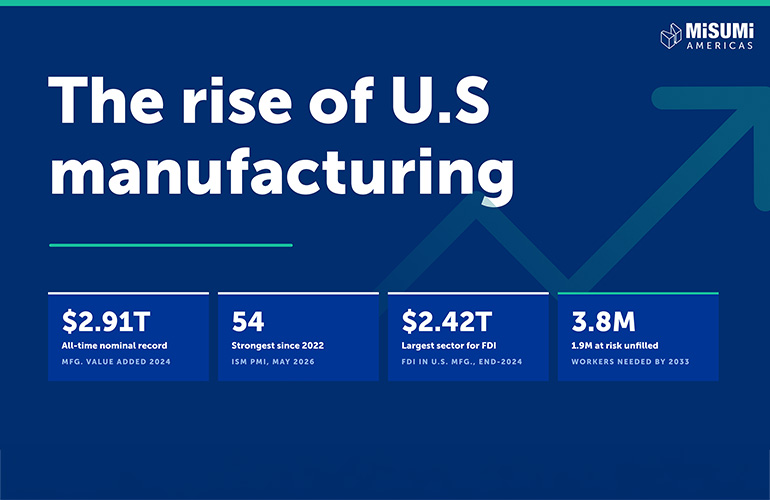
MISUMI Americas Unveils Reshoring Report Highlighting U.S. Manufacturing Growth and Workforce Needs
MISUMI Americas has released a report detailing the rise of U.S. manufacturing, which reached a record value of $2.91 trillion in 2024. The report highlights the ongoing reshoring trend driven by labor shortages and a push for national self-reliance. It notes that the manufacturing sector will require 3.8 million additional workers by 2033, with 1.9 million positions potentially remaining unfilled due to demographic shifts. The significance of this report lies in its emphasis on the challenges faced by manufacturers in attracting and retaining talent, which has been identified as the primary business challenge by over 65% of manufacturers. The report also points out that foreign direct investment in U.S. manufacturing has reached $2.42 trillion, making it the largest sector for such investments. The growth in factory construction spending, particularly in semiconductor and electric vehicle battery plants, underscores the industry's expansion. Looking ahead, the report indicates that while there has been a notable increase in vocational training enrollment, it still falls short of the workforce needs projected for 2033. No further timeline was disclosed at the time of publication.
Educational Manufacturing News education Education & Training Fictiv
Moonshot AI Launches Kimi K3, the World's First Open 3T-Class AI Model
Moonshot AI has introduced Kimi K3, a groundbreaking 2.8 trillion-parameter open-source AI model, marking it as the largest of its kind to date. This model is designed to handle complex workflows and features a one-million-token context window, enabling it to perform tasks significantly faster than traditional methods. For instance, Kimi K3 can complete a task in about two hours that would typically take one to two weeks for an experienced researcher. The significance of Kimi K3 lies in its potential to enhance scientific research workflows, allowing for the creation of interactive reports and presentations. It incorporates advanced features such as Widgets and Dashboard capabilities, which facilitate persistent, interactive workspaces. Despite its impressive performance, Kimi K3 still falls short compared to proprietary models like Claude Fable 5 and GPT 5.6 Sol, indicating that while progress is being made, there is still a competitive gap to close. Looking ahead, the focus will be on how Kimi K3 can further evolve and compete with leading AI models. Moonshot AI's innovative architecture, including Kimi Delta Attention and a Mixture-of-Experts framework, has improved scaling efficiency significantly. No further timeline was disclosed at the time of publication.
AI and Robotics Innovation
Study on Offshore Wind Turbine Blade Repair Using Particle Swarm Optimization and Advanced Control Techniques
A recent study published in the Journal of Field Robotics explores innovative methods for repairing offshore wind turbine blades. The research focuses on utilizing a Particle Swarm Optimization-Backpropagation Neural Network combined with Improved Active Disturbance Rejection Control to enhance repair efficiency. This research is significant as it addresses the growing need for effective maintenance strategies in offshore wind energy, which is crucial for maximizing energy output and minimizing downtime. The integration of advanced algorithms aims to improve the precision and reliability of repair processes, ultimately contributing to the sustainability of wind energy. Looking ahead, the implications of this study could influence future developments in wind turbine maintenance technologies. No further timeline was disclosed at the time of publication.
RESEARCH ARTICLE
Starmind's Orbital Compute vs. Terrestrial Data Centers: Analyzing Resource Advantages
Starmind's orbital compute technology presents a significant advantage over traditional ground-based data centers by eliminating constraints related to land, water, and grid permitting. While terrestrial data centers are currently cheaper and faster to construct, with U.S. data center spending reaching $85.3 billion in 2026, Starmind's approach focuses on addressing the growing resource limitations faced by hyperscale facilities. The significance of Starmind's technology lies in its ability to sidestep the increasing challenges of land and water usage. For instance, a 100 MW data center can consume approximately 530,000 gallons of water daily for cooling, while Starmind's AI1 utilizes deployable liquid radiators that require no water. This structural advantage could resonate with investors as the demand for AI computing continues to escalate, potentially leading to annual water withdrawals of up to 1.7 trillion gallons by 2027. Looking ahead, Starmind's next milestones include the launch of AI1 prototypes scheduled for early 2027. However, the technology's claims regarding cooling efficiency and operational reliability remain unverified until real flight data is available. As the industry evolves, the competition between orbital and terrestrial solutions will become increasingly relevant, particularly in the context of resource management and sustainability.
SpaceX's $1.75 Trillion Valuation Driven by Starmind's Future Potential
Starmind is a pivotal element in SpaceX's estimated $1.75 trillion IPO valuation, despite currently generating no confirmed revenue. The stock price reflects optimistic projections regarding AI infrastructure growth, which Starmind has yet to substantiate. As of early July 2026, SpaceX's stock has decreased from its 52-week high of $225.64 to around $150, indicating market skepticism about future execution. The significance of Starmind lies in its potential to transform SpaceX's revenue model beyond traditional launch services. Goldman Sachs has shifted its focus from Starlink subscriber growth to the prospects of AI revenue, including orbital computing, as a cornerstone of SpaceX's long-term valuation. This marks a substantial change in how analysts view the company's growth trajectory, necessitating rates exceeding its historical 33% growth. Looking ahead, the credibility of Starmind as a growth narrative will be crucial for maintaining investor confidence. Analysts have noted a considerable divergence in price targets, reflecting uncertainty about the value of the Starmind and xAI initiatives. No further timeline was disclosed at the time of publication regarding specific milestones for these projects.

SpaceX Unveils AI1 Satellite Specs for Starmind Constellation with Key Thermal Challenges
SpaceX has introduced the AI1 satellite, the inaugural component of its Starmind constellation, which stands 20 meters tall and has a wingspan of 70 meters. This orbital compute node is designed to deliver computing power equivalent to one NVIDIA GB300 server rack, utilizing a unique cooling system with deployable liquid radiators. The satellite's specifications were revealed during a presentation on June 8, 2026, ahead of SpaceX's IPO. The significance of the AI1 satellite lies in its role as a compute platform rather than a traditional satellite, focusing on running AI inference workloads. The satellite's cooling system, which is critical for its operation in the vacuum of space, is designed to reject heat through infrared radiation. However, independent engineers have raised concerns about the feasibility of the thermal and mass claims made by SpaceX, suggesting that the cooling requirements may exceed practical limits. Looking ahead, SpaceX plans to launch two AI1 prototypes in early 2027, with full-scale production expected to commence later that year at its Gigasat facility in Bastrop, Texas. The ongoing debate regarding the satellite's thermal management capabilities will be crucial to monitor as the project progresses, with no further timeline disclosed at the time of publication.
SpaceX Proposes 1 Million AI Satellites to Address Ground Data Center Constraints
On January 30, 2026, SpaceX filed with the FCC to launch up to 1 million AI compute satellites, positioning orbital data centers as a solution to the increasing demand for AI computing power. Ground data centers are facing significant challenges, with energy consumption projected to reach approximately 1,050 TWh in 2026, making them the fifth-largest electricity consumer globally. The demand for new data center capacity is outpacing the growth of power generation infrastructure, leading to a critical bottleneck in the grid system. The significance of this initiative lies in the structural constraints faced by ground data centers, including power delivery limitations, high water consumption, and local opposition to new projects. The Uptime Institute's 2026 outlook identifies power as the primary constraint on data center growth, with capacity clearing prices in the PJM grid skyrocketing to $329.17/MW, driven by data center expansion. Additionally, cooling requirements are becoming increasingly unsustainable, with facilities consuming vast amounts of water, further complicating their operational viability. Looking ahead, SpaceX's orbital AI compute initiative aims to circumvent these challenges by leveraging the advantages of space, such as continuous solar power and minimal local opposition. The first AI prototypes are expected to launch in early 2027, with operational deployments planned for 2028. No further timeline was disclosed at the time of publication.

Starmind's Satellite Technology Achieves 880 Billion Liters in Annual Water Savings
Starmind has announced that its satellite technology can save approximately 880 billion liters of cooling water annually at full scale. This figure is equivalent to the annual household water use of around 6.5 million Americans. The technology operates by utilizing a closed-loop liquid cooling system that eliminates the need for water during its operational life, contrasting sharply with traditional ground data centers that consume vast amounts of water for cooling. The significance of this achievement lies in the growing water consumption crisis faced by data centers, particularly as AI expansion drives demand. In 2025, U.S. data centers consumed nearly one trillion liters of water, highlighting the urgent need for sustainable solutions. Starmind's approach not only addresses direct water usage but also avoids indirect water consumption associated with electricity generation, marking a substantial shift in how computing can be conducted in a resource-efficient manner. Looking ahead, Starmind's deployment strategy includes a projected buildout of 100 GW of orbital compute per year, which could displace an additional 735 billion liters of ground water demand annually. The first tranche of 10,000 satellites is already operational, offsetting approximately 8.8 billion liters of water per year. No further timeline was disclosed at the time of publication.

SpaceX's Starmind Project: Supplier Strategy and Chip Manufacturing Plans for 2026
SpaceX's Starmind project, aimed at deploying up to 1 million AI satellites, was filed with the FCC on January 30, 2026. The initiative is designed to minimize reliance on external suppliers, with CEO Elon Musk stating that current chip production capabilities only meet 2% of the projected needs. The first satellite, AI1, is set for prototype launches in early 2027, featuring a 70-meter wingspan and a modular payload system that allows for interchangeable chips from various suppliers. The significance of Starmind lies in its ambitious supply chain strategy, which seeks to transition from external hardware suppliers to a fully integrated Musk-owned facility by 2028. The Gigasat manufacturing site in Bastrop, Texas, is expected to be operational by the end of 2027, with plans for high-volume production of the D3 chip, specifically designed for space applications. This approach aims to consolidate chip manufacturing processes under the Terafab joint venture, which has an estimated initial investment of $55 billion. Looking ahead, the next milestone for Starmind is the launch of AI1 prototypes in early 2027, while the full-scale chip production at Terafab is projected to ramp up significantly thereafter. However, analysts express skepticism regarding the feasibility of achieving Musk's ambitious compute goals, which may require substantial investment and time to establish the necessary manufacturing capabilities.
SpaceX Launches Starmind Project for 1 Million AI Satellites by 2028
SpaceX has officially named its orbital AI infrastructure project 'Starmind,' which aims to deploy a constellation of up to 1 million satellites. This initiative, confirmed by Elon Musk on June 22, 2026, will enable AI inference directly in space, utilizing solar energy rather than terrestrial power sources. The first satellite, designated AI1, was unveiled on June 8, 2026, and is designed to operate in sun-synchronous orbits. The significance of Starmind lies in its potential to overcome the limitations faced by ground-based data centers, such as land, power, and water constraints. By running AI computations in orbit, Starmind can provide a more efficient solution to the growing demand for AI computing power. The project leverages the existing Starlink infrastructure for data transmission, distinguishing its function from Starlink's internet relay capabilities. Looking ahead, SpaceX plans to begin hardware deployment with the AI1 satellite, while full-scale production and deployment of the satellite constellation are targeted for 2028. As of now, no Starmind satellites have been launched, and further engineering challenges remain to be addressed, particularly regarding the scalability of the satellite design.

SpaceX IPO Provides Indirect Investment Opportunity in Starmind Project
Starmind does not have a standalone stock or ticker; investors can gain exposure through SpaceX (ticker: SPCX), which began trading on Nasdaq after its IPO on June 12, 2026. Starmind is integrated within SpaceX, contributing to the company's AI and space initiatives, and its performance directly influences SPCX shares. The significance of Starmind lies in its role as a division of SpaceX, which encompasses other projects like Starlink and Starship. As of early July 2026, SPCX shares are trading between $149 and $150, significantly lower than their 52-week high of $225.64. The project’s milestones, such as AI1 prototype updates, can impact SpaceX's stock performance, making it essential for investors to monitor these developments closely. Looking ahead, the early 2027 launch of AI1 prototype satellites is a critical milestone that could provide verifiable data affecting Starmind's valuation and, consequently, SPCX stock. No further timeline was disclosed at the time of publication, but the upcoming events will be pivotal for investors tracking the relationship between Starmind and SpaceX's stock performance.

SpaceX's Starmind Targets AI Labs with $6.3 Billion Compute Contracts
SpaceX's Starmind is designed to provide wholesale AI compute services to businesses, particularly AI labs and cloud customers, rather than individual consumers. The service operates similarly to AWS, where users benefit from applications running on Starmind without direct subscriptions. The compute capacity of a single AI1 satellite is comparable to one NVIDIA GB300 rack, emphasizing its enterprise-grade capabilities. The significance of Starmind lies in its positioning as a potential fourth hyperscaler, joining the ranks of AWS, Microsoft Azure, and Google Cloud. The Reflection AI contract, valued at $150 million per month, exemplifies the enterprise-focused model, with total payments potentially reaching $6.3 billion through 2029. This contract highlights the growing demand for AI compute resources, particularly from AI-native startups and labs. Looking ahead, the focus will remain on securing additional enterprise contracts as Starmind expands its offerings. No consumer-facing products or subscriptions have been announced, and the current strategy is to cater to businesses with substantial AI workloads. No further timeline was disclosed at the time of publication.
Robotics needs a service framework.
RSF defines a common language for robot service capability, lifecycle operations, certification pathways, and service-provider networks.
Join the RobotToday community on LinkedIn
Daily robotics news, in-depth analysis, conference highlights, and discussions with professionals worldwide.







