

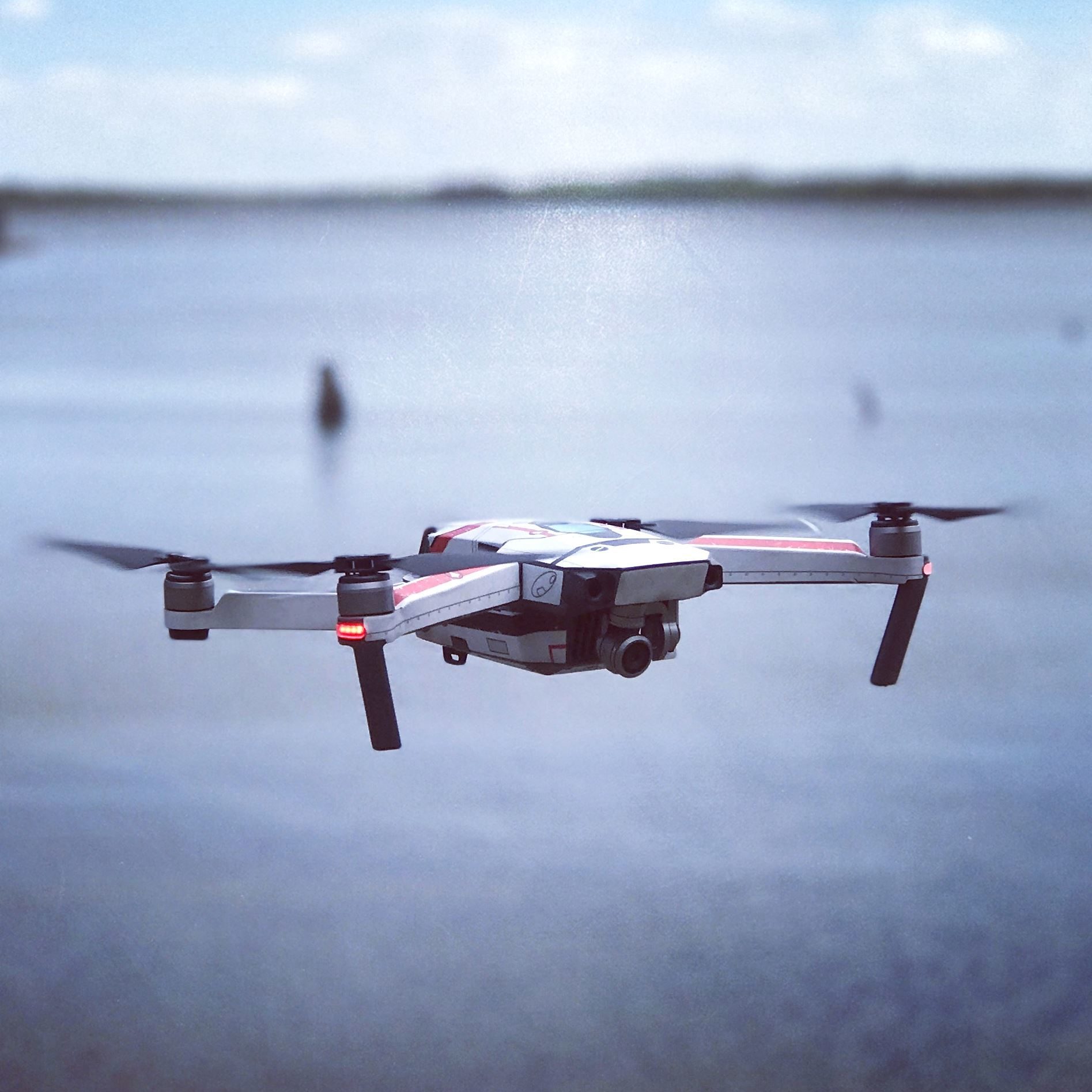
The Federal Communications Commission (FCC) has eliminated a regulatory barrier to facilitate nationwide testing of commercial wireless networks on drones and general aviation aircraft. This order, effective September 11, supports the Department of Transportation's Mobile Network Aviation Assessment Program (MNAAP), which aims to evaluate wireless signal quality across various locations and altitudes in the contiguous United States.
This initiative is significant as it seeks to determine the capability of commercial networks to support safety-related aviation services, including UAS command and control, autonomous detect and avoid systems, and counter-UAS detection. The waiver creates a controlled testing environment for participants approved by the Department of Transportation, allowing for the collection of crucial data on mobile broadband service performance.
Looking ahead, the MNAAP may authorize up to 2,000 general aviation pilots to utilize a dedicated app on standard devices to report findings to a centralized database. Additionally, dedicated modules may be deployed on up to 200 UAS for targeted testing. This program could enhance understanding of airborne network performance, although the effectiveness of ground-based cellular infrastructure in aerial operations remains to be fully assessed.
Editor's Note
The FCC's recent decision to support the MNAAP reflects a growing recognition of the importance of integrating wireless communications into aviation safety. As drone operations expand, understanding the performance of commercial networks in the air will be critical for ensuring safe and reliable operations. Stakeholders should monitor the outcomes of this testing program as it may influence future regulations and technology adoption in the aviation sector.

































Leave a comment