

Industry Briefing
A single destination for timely, editor-curated robotics news from around the world.
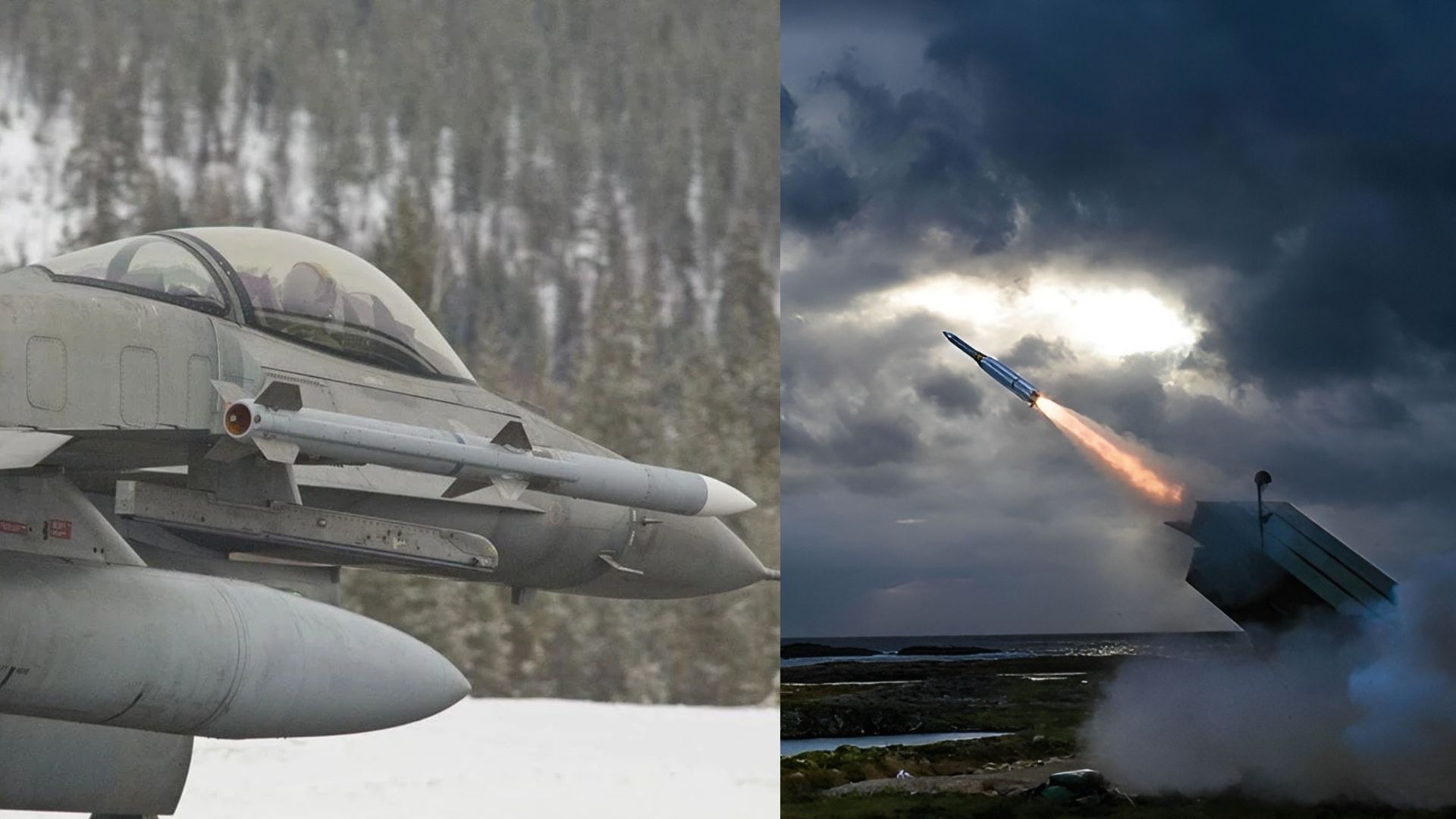
Raytheon Secures $20.7B Pentagon Contract to Boost AMRAAM Missile Production to 1,900 Annually
Raytheon has secured a multiyear U.S. defense contract valued at up to $20.7 billion, aimed at ramping up AMRAAM missile production to a record 1,900 units per year. This five-year agreement, awarded on September 25, is part of the U.S. Department of War's Arsenal of Freedom initiative, which seeks to enhance American weapons manufacturing capabilities. The significance of this contract lies in its potential to meet the increasing demand for missile inventories from the U.S. military and its allies. Raytheon has already seen a near doubling of AMRAAM output in 2025 compared to 2024, highlighting the missile's critical role in beyond-visual-range air combat and its integration into the NASAMS air-defense system. Looking ahead, Raytheon is focused on expanding its manufacturing capacity and ensuring a steady supply chain to support the ambitious production goals. The company is also considering international co-production opportunities as it navigates the complexities of increasing missile output while maintaining quality and efficiency in its operations. No further timeline was disclosed at the time of publication.
Military
Kratos and GE Aerospace Successfully Ignite GEK800 Turbofan Engine for Missiles
Kratos Defense & Security Solutions and GE Aerospace have achieved a major milestone with the first successful ignition of the GEK800 turbofan engine. This engine is designed for next-generation US cruise missiles, marking a significant advancement in missile technology. The successful ignition of the GEK800 engine is crucial as it represents progress in developing advanced propulsion systems for military applications. This milestone underscores the collaboration between Kratos and GE Aerospace in enhancing the capabilities of US defense systems. Looking ahead, the focus will be on further testing and development of the GEK800 engine to ensure its reliability and performance in operational environments. No further timeline was disclosed at the time of publication.
News
Seven Influential Missiles That Transformed Aerospace Engineering During the Cold War
The Cold War spurred significant advancements in missile technology, driven by the need for military superiority. Innovations in propulsion, navigation, and materials were crucial as both the U.S. and the Soviet Union developed missiles capable of long-range, rapid response, and precise operation under challenging conditions. Key missiles like the Soviet R-7 and America's SM-65 Atlas exemplified these advancements. The R-7, designed by Sergei Korolev, became the first intercontinental ballistic missile in 1957 and later launched satellites, marking a pivotal moment in the Space Age. The Atlas missile, with its unique pressure-stabilized tanks, pushed the boundaries of weight reduction and structural integrity, enabling significant missions including John Glenn's orbital flight. The Polaris A-1 and Minuteman missiles further revolutionized military operations. The Polaris A-1 transformed submarines into mobile launch platforms, while the Minuteman introduced automated launch control with solid-fuel stages, enhancing readiness and efficiency. No further timeline was disclosed at the time of publication.
Military
ESA and Pokémon Company Launch Space Initiative Featuring Pikachu at ISS
The European Space Agency (ESA) has partnered with The Pokémon Company International (TPCI) to celebrate World Space Week 2026. As part of this collaboration, a Pikachu toy spent 67 days aboard the International Space Station (ISS), completing 1,040 orbits around Earth alongside seven astronauts, including ESA's Sophie Adenot. This initiative aims to inspire curiosity about space among younger generations, aligning with ESA's mission to engage the public in space exploration. ESA Director General Josef Aschbacher emphasized the importance of this partnership in creating unique experiences that connect people with space. Looking ahead, the collaboration will feature exhibitions and interactive programs at ESA sites and major museums in Europe, along with exclusive merchandise. A Pokémon GO in-game event will also run from October 4, 2026, to April 30, 2027, allowing players to engage with space-themed gameplay, including encounters with Astronaut Pikachu.

Icarus Robotics Conducts First True Microgravity Tests for ISS-Bound Robot JOY
Icarus Robotics is conducting four parabolic flights from September 9 to 11 to test JOY, its free-flying robot designed for the International Space Station (ISS). This marks the first operation of JOY in true microgravity, allowing for critical assessments of its capabilities. The significance of this testing lies in JOY's role in alleviating the workload of astronauts, who are currently limited in number and time. With NASA valuing astronaut time at approximately $130,000 per hour, optimizing robotic assistance for cargo handling and logistics is crucial as the demand for operations in space increases. Looking ahead, JOY is scheduled to launch to the ISS in 2027 as part of the JOYRIDE-1 mission. The data collected from these parabolic flights will be instrumental in refining JOY's systems before its hardware is handed over to NASA in January. No further timeline was disclosed at the time of publication.
News Space embodied ai free-flying robot icarus robotics international space station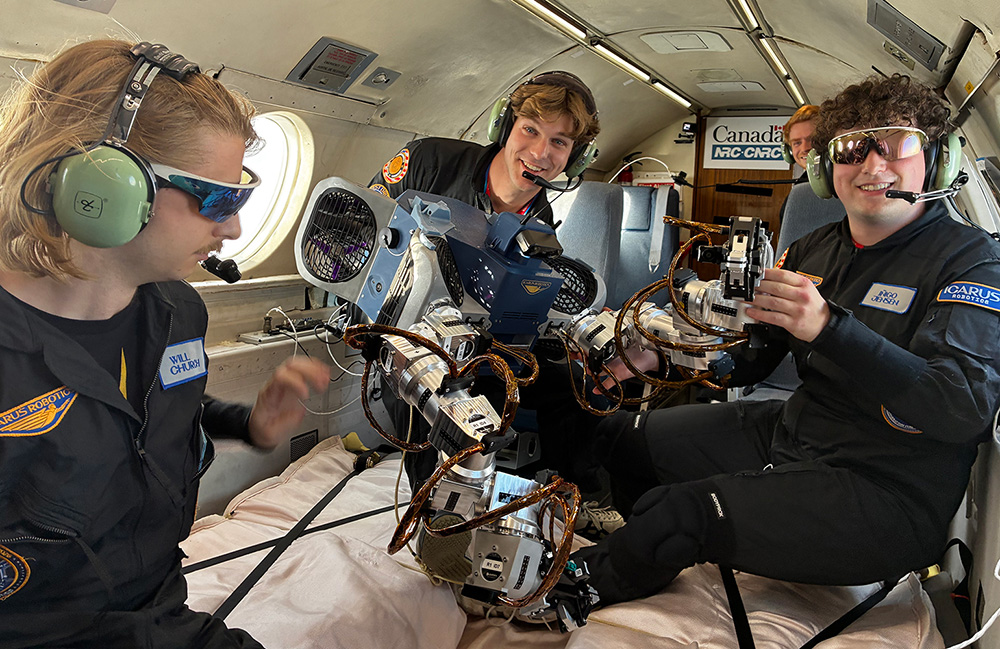
Icarus Robotics Successfully Tests JOY Robot in Microgravity for ISS Mission
Icarus Robotics announced the successful testing of its free-flying robot, JOY, during four parabolic flights from September 9 to 11. Over these flights, JOY completed 66 parabolas, achieving a total of 2 minutes of weightlessness. This robot is designed to operate within the International Space Station (ISS) and assist with cargo and logistics tasks. The significance of this testing lies in Icarus Robotics' goal to enhance astronaut efficiency by allowing them to focus on critical research and mission objectives. The company plans to launch JOY, named Joyride-1, to the ISS in 2027, following a mission management agreement with Voyager Technologies. The recent flights mark a crucial step before the finalization of JOY’s hardware for NASA handover in January. Looking ahead, Icarus Robotics aims to refine JOY's capabilities further, having already tested its manipulation, state estimation, and flight control systems. The positive results from these tests provide confidence for the upcoming handover to NASA, as the team prepares for the next phase of development and deployment.
Aerospace Arms / Manipulators Cobot Arms Collaborative Robots End Effectors / Grippers Markets / Industries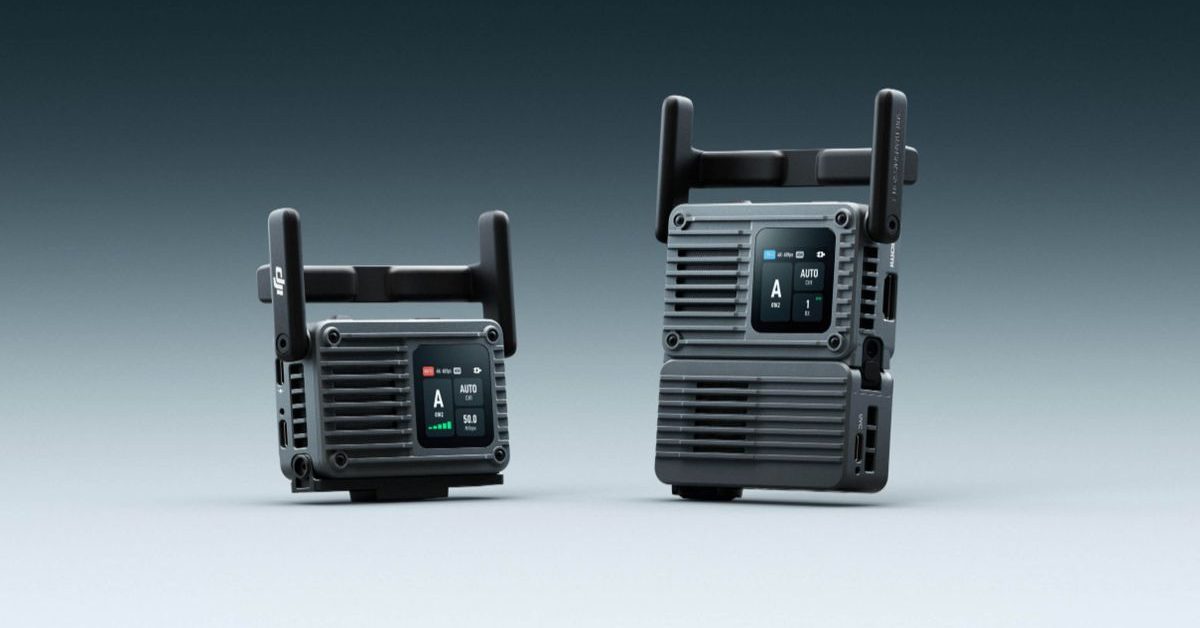
DJI Launches SDR Transmission 2 for Enhanced 4K HDR Video on Film Sets
DJI has introduced the SDR Transmission 2, a wireless video transmission system tailored for professional filmmaking. This system significantly improves interference resistance, image quality, and transmission range, facilitating easier management of multi-camera setups on crowded film sets. The SDR Transmission 2 can transmit DCI 4K at 60fps with 10-bit HDR and H.265 at up to 50Mbps, while maintaining a low latency of 35ms. With a transmission range of up to 4 kilometers, it is suitable for various filming scenarios, including outdoor productions and FPV drone work. Notably, each unit can function as either a transmitter or receiver, allowing flexible configurations. The system supports up to eight receivers per transmitter and can accommodate up to five transmitters and 40 receivers in larger productions. No further timeline was disclosed at the time of publication.
News
Trump Dismisses AI Threats as Hoax During Call with Jensen Huang
During the All-in Summit in Los Angeles on September 14, Jensen Huang received a call from former President Donald Trump, who dismissed concerns about AI dangers as a hoax. Trump emphasized the value of data centers, likening them to oil for the next 20 to 25 years, and stated that robots and AI would not take over everything. He urged caution but insisted that the industry should not be slowed down. Huang responded by affirming the importance of ensuring that the benefits of AI reach everyone in the U.S., including all industries and states. He echoed Trump's sentiment that AI should not be slowed, referencing recent calls from industry leaders like Anthropic's Dario Amodei and OpenAI's Sam Altman for a more cautious approach to AI development. Trump's stance contrasts sharply with these calls for moderation. The implications of this conversation suggest a strong support for AI infrastructure investment and data center development in the current policy environment. Huang's commitment to not slowing AI development signals ongoing demand for chips and computing power, positioning AI infrastructure as a critical component of future energy strategy rather than a technology requiring restraint. No further timeline was disclosed at the time of publication.
AI Data Centers NVIDIA Technology Policy
Wingcopter Unveils All-Electric Wingcopter 262 for Tactical Reconnaissance in Defense Sector
Wingcopter has launched the all-electric Wingcopter 262, featuring a wingspan of 262 centimeters (103 inches) and a tactical range of 150 kilometers (93 miles). This new vertical take-off and landing aircraft is designed for defense and security applications, offering up to six hours of flight endurance and a maximum takeoff weight of 10 kilograms (22 pounds). The introduction of the Wingcopter 262 is significant as it enhances reconnaissance capabilities with AI-enabled cameras and resilient navigation for GNSS-denied environments. The aircraft's modular battery system allows for quick mission readiness, making it suitable for persistent aerial surveillance in tactical operations. Wingcopter's experience in unmanned aircraft development underpins this innovative platform. Looking ahead, Wingcopter's new business unit, Wingcopter Security and Defence, aims to expand its portfolio in the defense sector, including logistics and reconnaissance. The company is also collaborating with TAF Industries to support drone production in Ukraine. No further timeline was disclosed at the time of publication.
Defense Drone News Drone News Feeds Military News
Rethinking Air and Missile Defense Due to Concurrent Attacks on US Bases
Recent attacks on US bases during the Iran conflict have highlighted vulnerabilities in air-and-missile-defense systems. Despite high overall effectiveness, these incidents reveal significant gaps that need to be addressed to enhance security measures. The implications of these vulnerabilities are critical for national defense strategies. As threats evolve and become more sophisticated, it is essential for military planners to reassess current defense capabilities and consider upgrades or new technologies to mitigate risks. Looking ahead, the focus will likely shift towards developing more robust air-and-missile-defense systems. Continuous evaluation and adaptation will be necessary to counteract emerging threats effectively. No further timeline was disclosed at the time of publication.
Air Warfare air and missile defense Air Force AMD strategy Counter UAS Counter UAS cUAS
Iran Claims Capture of US Underwater Drone Capable of 20,000 Feet Missions
Iran's Islamic Revolutionary Guard Corps announced the capture of an American underwater drone near the Strait of Hormuz. The drone, resembling Anduril's Dive-LD, is designed for Intelligence, Surveillance, and Reconnaissance missions and can operate at depths of up to 6,000 meters. This incident highlights the growing significance of unmanned underwater vehicles in naval operations, as they can conduct extended missions without risking crew safety. The Dive-LD's flexibility allows it to be equipped with various sensors and payloads, making it suitable for diverse tasks, from mine warfare to seabed surveys. As nations invest in autonomous underwater systems, the focus will be on the development of larger vehicles alongside smaller models like the Dive-LD. No further timeline was disclosed at the time of publication.
Military
US Air Force Conducts Sentinel Dragon 26-02 Exercise to Test Nuclear Missile Readiness
The US Air Force executed a four-day exercise named Sentinel Dragon 26-02 from August 4 to 7, 2026, to evaluate its nuclear missile force's readiness under unexpected conditions. The drill involved a simulated drone threat and the recapture of a missile launch facility, testing the transition from routine operations to high-pressure scenarios without prior notice. This exercise is significant as it emphasizes the necessity for a nuclear deterrent to maintain constant readiness, as highlighted by Maj. Gen. Colin Connor of the 20th Air Force. The lack of traditional preparation time forced operational units to rely on their command-and-control systems and adapt to unforeseen challenges, showcasing their ability to perform under pressure. Looking ahead, the exercise's focus on integrating security forces with air units and managing complex scenarios indicates a shift towards a more cohesive operational approach. The results will likely influence future training and operational strategies, particularly in how the Air Force prepares for potential threats involving unmanned aerial vehicles. No further timeline was disclosed at the time of publication.
Military
General Atomics Unveils Wildfire Drone with 9,200-Mile Range and Anti-Ship Missile Capability
General Atomics Aeronautical Systems Inc. (GA-ASI) has introduced its Wildfire unmanned aircraft, designed as a faster and more cost-effective alternative to the MQ-9A Reaper. The Wildfire aims to fulfill the Pentagon's Massed Modular Aircraft (MMA) program requirements, supporting long-endurance missions and potential civil applications. The significance of the Wildfire lies in its ability to perform reconnaissance and strike missions, traditionally managed by the Reaper, while also being suitable for commercial cargo transport. GA-ASI President David Alexander emphasized the aircraft's design for high-demand missions and cost-conscious customers, highlighting its flexibility and scalability. Looking ahead, the Air Force has set a fiscal 2031 target for the MMA program, with an aim for 20 mission-ready aircraft. GA-ASI asserts that the Wildfire could enter service ahead of schedule and produce more than twice the number of aircraft within the same timeframe, reflecting the military's shift towards lower-cost unmanned systems. No further timeline was disclosed at the time of publication.
Military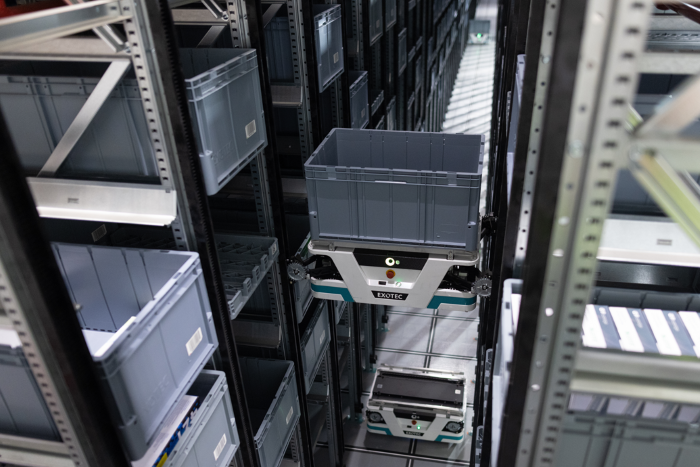
Warehouse Automation Can Reduce Carbon Emissions by Up to 25 Percent
Logistics operators have the potential to decrease their overall carbon emissions by as much as 25% through the automation of their warehouses. This significant reduction highlights a critical yet often overlooked opportunity for the logistics industry to mitigate its environmental impact. The importance of this development lies in its capacity to address the growing concerns regarding carbon footprints within the logistics sector. By implementing automated systems, companies can not only enhance operational efficiency but also contribute positively to sustainability efforts, aligning with global environmental goals. Looking ahead, it will be essential to monitor how logistics operators adopt automation technologies and the subsequent effects on their carbon emissions. The ongoing evolution of warehouse automation could play a pivotal role in shaping a more sustainable future for the logistics industry. No further timeline was disclosed at the time of publication.
Nowaste Logistics First to Install AutoCase from AutoStore with Swisslog's Support
Nowaste Logistics has made history as the first company globally to implement the AutoCase solution from AutoStore in one of its warehouses. This innovative system, which was launched in autumn 2025, has been supplied and installed by Swisslog, marking a significant milestone in logistics automation. The implementation of AutoCase is crucial as it represents a leap forward in warehouse efficiency and automation, allowing Nowaste Logistics to enhance its operational capabilities. According to Patrik Johnfors, head of solution design and implementation at Nowaste Logistics, the AutoCase solution is designed to optimize logistics processes and improve service delivery. Looking ahead, industry observers will be keen to see how the deployment of AutoCase impacts Nowaste Logistics' operational performance and whether it sets a precedent for other companies in the logistics sector. No further timeline was disclosed at the time of publication.
Logistics News Warehouse robots autocase automated case handling autostore
NOAA Selects Mississippi State University to Lead New Northern Gulf Research Institute
NOAA has appointed Mississippi State University to host the Cooperative Institute in the Gulf of America (CINGA), aimed at enhancing research collaboration on Gulf ecosystems. This initiative builds on a 20-year partnership with NOAA, focusing on science-based decision-making for the northern Gulf region. The establishment of CINGA is significant as it comes with a funding award of up to $100 million over five years, with a potential renewal based on performance. The institute will collaborate with nine partner institutions, leveraging their expertise to improve natural resource management and coastal resilience in the Gulf of America. Looking ahead, CINGA will address major research themes, including advancements in environmental modeling, forecasting capabilities, sustainable development of marine resources, and enhancing data accessibility. No further timeline was disclosed at the time of publication.
noaa mississippi state university northern gulf research institute
Journal of Field Robotics Releases Volume 43, Issue 7 in October 2026
The Journal of Field Robotics has published its Volume 43, Issue 7, which spans pages 4277 to 4279. This issue is part of the ongoing contributions to the field of robotics, showcasing the latest research and developments. The release of this issue is significant as it provides insights into advancements in robotics, contributing to the body of knowledge that supports innovation and application in various sectors. Researchers and practitioners can benefit from the findings presented in this volume. Looking ahead, readers should keep an eye on future issues of the Journal of Field Robotics for continued updates and research findings that may influence the robotics landscape. No further timeline was disclosed at the time of publication.
ISSUE INFORMATION
XPENG Launches Production of World's First Advanced Humanoid Robot with Official Facility Commissioning
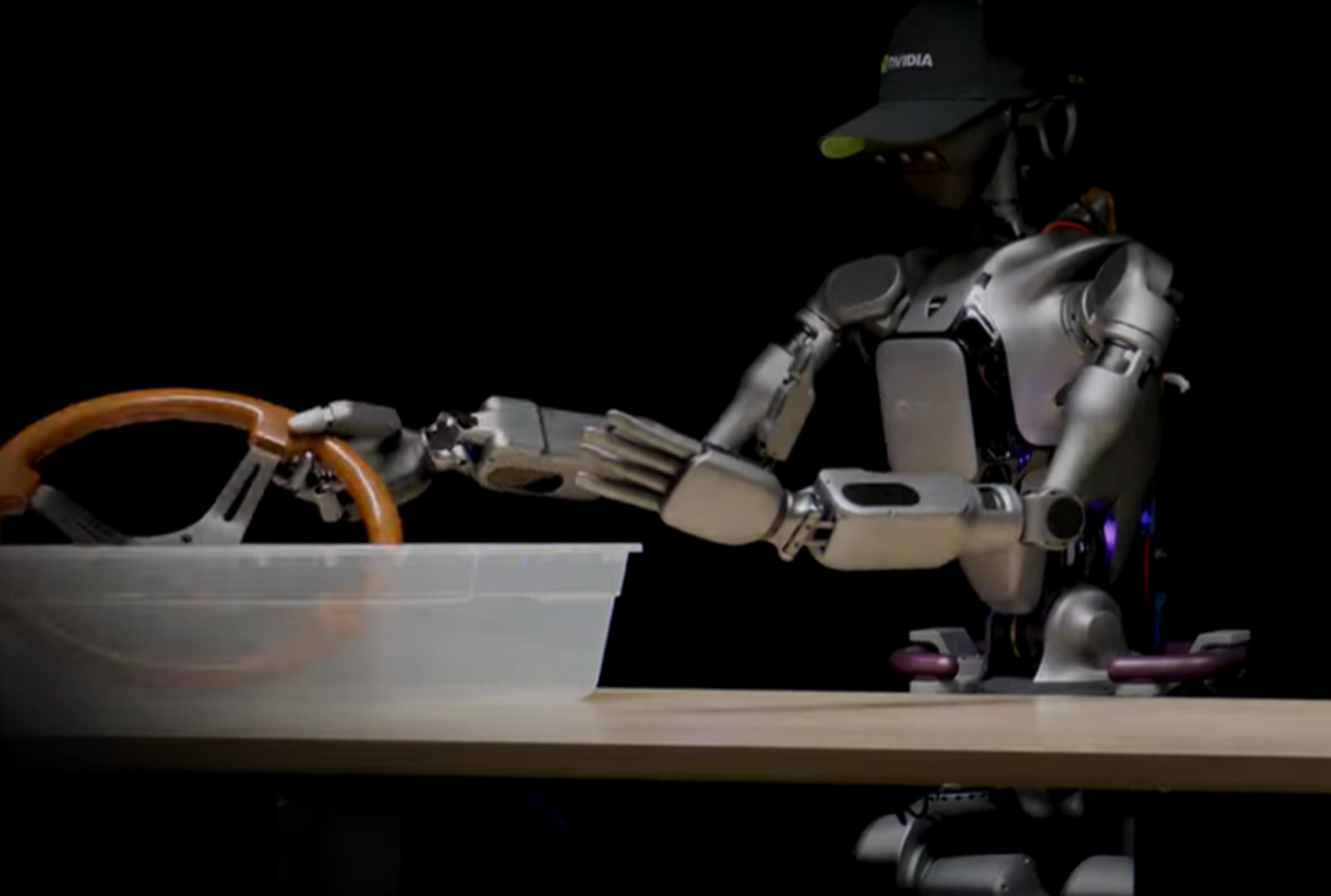
XPENG has officially launched its humanoid robot production lines, successfully completing the manufacturing of the world's first advanced humanoid robot. This milestone signifies a significant transition from research and development prototyping to actual production-line manufacturing. The achievement is crucial as it demonstrates XPENG's capabilities in humanoid robotics, potentially influencing the future of automation and robotics in various sectors. The autonomous walking of the humanoid robot off the production lines showcases advancements in technology and manufacturing processes. Looking ahead, industry observers will be keen to see how XPENG's humanoid robot performs in real-world applications and how it impacts the competitive landscape of robotics. No further timeline was disclosed at the time of publication.
Taiwan Proposes $4.6 Billion Supplementary Defense Budget for Drones and Missiles
Taiwan's cabinet has proposed a supplementary defense budget of T$145.7 billion ($4.59 billion) for the year 2026. This budget aims to enhance Taiwan's military capabilities, particularly in the areas of drones and missiles, in response to ongoing pressures from China. The proposed budget is significant as it reflects Taiwan's commitment to strengthening its defense amid rising tensions in the region. The focus on drones and missiles indicates a strategic shift towards modernizing its military assets to better address potential threats. Looking ahead, it will be important to monitor how this budget proposal progresses through the legislative process and whether it will be fully approved. No further timeline was disclosed at the time of publication.
News
NASA's CADRE Mission to Test Autonomous Rovers for Lunar Exploration
NASA is set to launch the Cooperative Autonomous Distributed Robotic Exploration (CADRE) mission, sending three small rovers to the Moon in late 2026. These rovers will autonomously explore a designated area, coordinating tasks and electing a leader without human intervention. This mission aims to assess the feasibility of operating multiple autonomous rovers on the lunar surface, which is crucial for future explorations, especially at the lunar South Pole where water ice could support a lunar economy. The significance of the CADRE mission lies in its potential to revolutionize lunar exploration. By testing the rovers' ability to operate independently, NASA hopes to establish a framework for sustained lunar operations that do not require constant oversight from Earth. This capability is essential for future missions that aim to utilize lunar resources, such as ice for propellant and life support, which could pave the way for a more extensive lunar economy. Looking ahead, the success of the CADRE mission could lead to further advancements in autonomous robotic systems for space exploration. As the rovers face challenges such as communication disruptions and harsh lunar conditions, their performance will provide valuable insights into the development of resilient robotic teams capable of operating in remote environments. No further timeline was disclosed at the time of publication.

ROC-E Automates 4,127 Logistics Missions at MECAPREC in One Year
In Lavelanet, Ariège, MECAPREC has entrusted part of its internal logistics to the mobile robot ROC-E. After one year of operation, the robot has completed 4,127 automated missions, saving operators 690.84 kilometers of travel. ROC-E, developed by ROB’OCC, has been in service since August 2024, assisting in transporting tools, moving parts between production and quality control workshops, and handling packages from the receiving area. The significance of this implementation lies in the reallocation of three months' worth of human labor to production, preparation, and operational oversight. The robot's offline architecture allows it to function without active Wi-Fi or 5G, avoiding the need to modify the factory's IT infrastructure. The integration and training were completed in just one day, leading to a notable reduction in repetitive movements and an improvement in team availability for production tasks, as stated by Paul Bermes, industrial manager at MECAPREC. Looking ahead, MECAPREC aims to assess whether these efficiency gains can be sustained with the addition of more robots and variations in production flows. The results thus far provide a solid case for automation in logistics, highlighting the practical benefits of ROC-E beyond mere speed, as it enhances operator well-being and productivity.
Robots
Japan Requests Record $55.6 Billion Defense Budget for Extended-Range Missiles and Drones
Japan's defense ministry has proposed a record budget of 8.89 trillion yen ($55.6 billion) for the upcoming fiscal year, focusing on advanced weaponry including Northrop Grumman's AGM-88G AARGM-ER anti-radar missile. This marks Japan's first interest in dedicated anti-radar capabilities, reflecting a shift in military priorities. The significance of this budget lies in Japan's strategic pivot towards enhancing its defense capabilities amid regional tensions, particularly with China and Russia. The request highlights a preference for stand-off missiles, drones, and AI technologies, indicating a modernization of Japan's defense posture. Looking ahead, the budget request anticipates the release of key national security documents that will clarify procurement priorities. Notably, Japan aims to develop domestic missile systems and enhance its unmanned capabilities, including the acquisition of additional MQ-9B SeaGuardian drones and interceptor drones, which will play a crucial role in its defense strategy.
Air Warfare Global AARGM Air Force Asia Defense Budget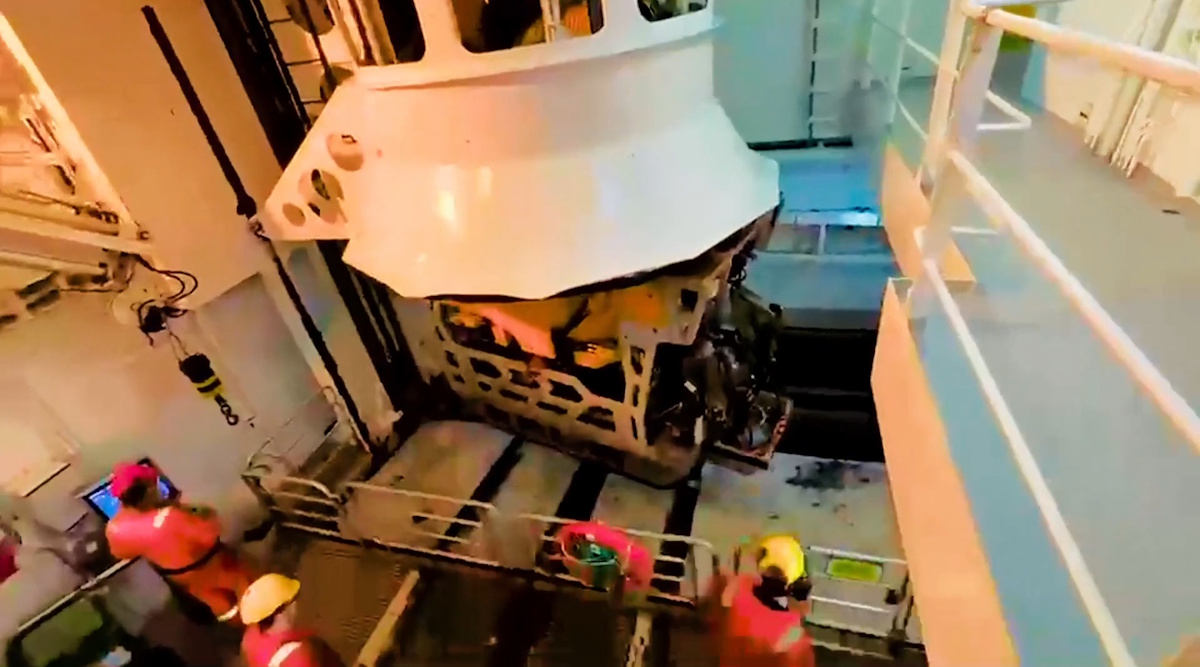
Spirit Energy Completes £40 Million Decommissioning Campaign in UK North Sea
Spirit Energy has successfully concluded a £40 million decommissioning campaign in the UK North Sea, which involved plugging and abandoning three subsea wells and removing over 234 tonnes of subsea infrastructure. The operation, conducted between April and July 2026, was executed in collaboration with more than 30 supply chain partners, including DeepOcean and Well-Safe. This campaign is significant as it underscores the vital role of domestic gas in the UK's energy security, with the Seven Seas and Grove G5 wells having produced a total of 56 billion cubic feet of gas, sufficient to heat over 2.5 million homes for a year. The project adhered to the North Sea Transition Authority's Decommissioning Charter, emphasizing collaboration and efficient resource deployment. Looking ahead, the successful completion of this complex operation, which involved over 114,000 hours of work, highlights the importance of teamwork in decommissioning efforts. No further timeline was disclosed at the time of publication.
spirit energy uk north sea decommissioning campaign
Russia Intensifies Drone and Missile Attacks on Kyiv with New Strategy
Russia has significantly increased the frequency and duration of its attacks on Kyiv, with Ukrainian officials reporting a record number of drone waves targeting the capital. This shift from mass barrages to smaller, more frequent assaults suggests a strategic change aimed at exhausting air defenses and disrupting daily life in the city. On August 27, Kyiv experienced 13 air raid alerts, the highest since the war began, with residents forced to seek shelter repeatedly throughout the day. The implications of this new strategy are profound, as it aims to wear down the Ukrainian populace and hinder commerce. Ukrainian officials, including Iryna Terekh, CEO of Fire Point, have noted that the relentless attacks are designed to instill fear and despair among citizens, potentially undermining their will to resist. The ongoing assaults have not only disrupted daily activities but have also resulted in civilian casualties, highlighting the severe impact of these military tactics. Looking ahead, the situation remains tense as Russia continues its bombardment of Kyiv and surrounding regions. The potential for further escalation exists, with the possibility that this strategy could backfire on Moscow, as suggested by military analysts. No further timeline was disclosed at the time of publication.
News & Features Around The Globe Europe Russia Ukraine
Nissan-Mitsubishi Alliance Faces Uncertain Future After Disappointing Decade
As Nissan Motor approaches the 10th anniversary of its investment in Mitsubishi Motors, the partnership has shown minimal progress, leading to speculation about potential changes. The end of the lockup period for Nissan's stake raises questions about possible divestment and the entry of new partners like Honda or Foxconn. The significant decline in Mitsubishi Motors' market capitalization, which has fallen approximately 40% since Nissan's investment in October 2016, underscores the challenges faced by both automakers. This lackluster performance highlights the need for strategic shifts to regain competitiveness in the evolving automotive landscape. Looking ahead, industry observers will be watching for any announcements regarding Nissan's stake and potential partnerships. No further timeline was disclosed at the time of publication, but the situation remains fluid as both companies seek to redefine their strategies in a rapidly changing market.

Purdue University's New Underwater Robot Enhances Ocean Mission Reliability
Purdue University's College of Engineering has developed a new underwater robot that is currently patent-pending. This innovative robot is designed to enhance ocean research, underwater infrastructure inspection, and search-and-rescue operations by adapting to mission requirements in real time. It can function as a drifter, a glider, or a thruster-driven vehicle as needed. The significance of this development lies in its potential to improve the reliability and efficiency of various underwater missions. By being able to switch between different operational modes, the robot can better meet the specific demands of each task, thereby increasing the effectiveness of ocean exploration and safety operations. Looking ahead, the adaptability of this underwater robot could pave the way for more advanced applications in marine technology. No further timeline was disclosed at the time of publication.
Robotics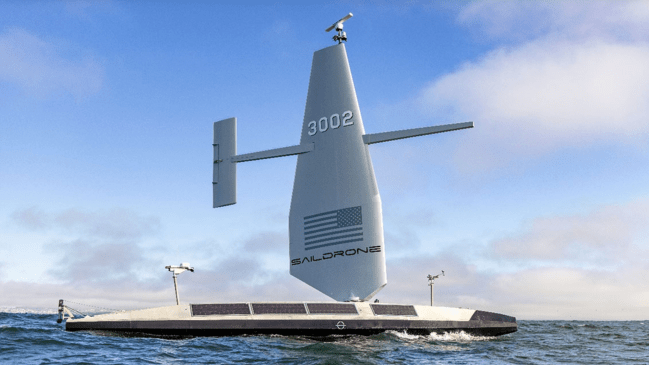
Lockheed Martin and Saildrone Test Missile System on Unmanned Vessel During RIMPAC 2026
Lockheed Martin and Saildrone successfully demonstrated missile launches from an unmanned surface vessel during the RIMPAC 2026 exercise near Hawaii. This integration of Lockheed Martin’s Joint-Air-to-Ground Missile (JAGM) Dual Launcher and Adjunct Remote Engagement System (ARES) on a Surveyor-class Saildrone marks a significant advancement in adapting commercial autonomous platforms for military applications. The demonstration highlights the potential for unmanned vessels to operate alongside traditional naval forces, as evidenced by the vessel's engagement with a surrogate high-speed surface craft while coordinating with the USS Theodore Roosevelt Carrier Strike Group. The rapid development of this system, from concept to live demonstration in just six months, underscores the efficiency of integrating existing defense technologies with commercial platforms. Looking ahead, both companies plan to expand testing capabilities on Saildrone platforms, including the larger Spectre-class vessel. This initiative aims to enhance the operational use of unmanned systems in naval missions, with a focus on integrating advanced weaponry and reducing technical risks associated with deploying new military technologies.
Military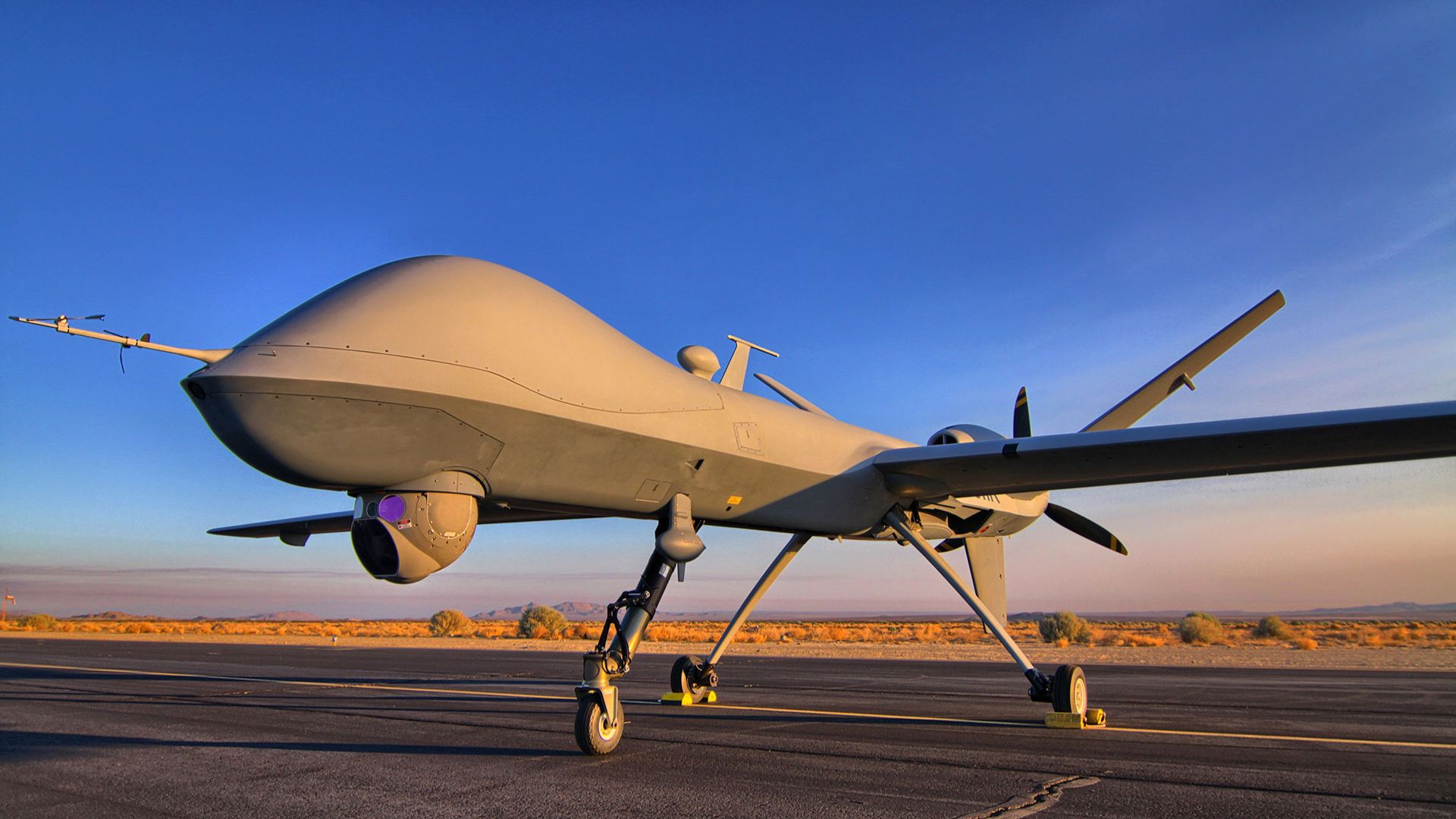
General Atomics Introduces Wildfire Drone with 11,500-Mile Range and Anti-Ship Missile Capability
General Atomics has announced the Wildfire, a new long-range unmanned aircraft concept designed to meet modern drone warfare demands and potentially succeed the MQ-9 Reaper. This Unmanned Aerial System (UAS) aims to fulfill the Pentagon's requirements for medium-altitude, long-endurance aircraft capable of intelligence, surveillance, reconnaissance, and strike missions. The Wildfire is being developed with a 10,000-nautical-mile ferry range and the capacity to carry up to four AGM-158C Long Range Anti-Ship Missiles (LRASM). It is also designed to coordinate swarms of up to 100 aircraft under semi-autonomous control, addressing the Pentagon's evolving airpower strategy that anticipates losses in high-end conflicts. The Pentagon's Massed Modular Aircraft (MMA) program seeks cost-effective, modular unmanned aircraft capable of operating in significant numbers. General Atomics aims to meet these requirements, with prototype flight testing expected to begin within 21 months of contract award, targeting initial operational capability by fiscal year 2031.
Military
Evidence of Ancient 1-Kilometer Cliff May Explain Grand Canyon's Missing Geological History
Researchers have proposed the existence of a massive ancient cliff, the 'Great Escarpment of Laurentia,' which may have significantly influenced the geological history of the Grand Canyon. This escarpment, estimated to be around 1 kilometer high and spanning thousands of kilometers, formed between 800 million and 750 million years ago during the breakup of the supercontinent Rodinia. The study, led by Thomas Gernon from the University of Southampton, suggests that this colossal cliff system triggered extensive erosion, exposing some of North America's oldest geological formations. This erosion may provide a new explanation for the Great Unconformity, a significant gap in the rock record of the Grand Canyon where over a billion years of geological history is missing. The researchers' models indicate that the escarpment's formation and subsequent retreat could have led to the loss of up to 8 kilometers of rock in nearby areas. This finding highlights the complex geological processes that shaped the Grand Canyon region and suggests that the missing geological record may be attributed to the evolution of this ancient landscape rather than a single event.
Science
Ocean Robotics Planet Magazine Issue 48 Now Available for Professionals
Ocean Robotics Planet Magazine has released its 48th issue, featuring a variety of articles focused on advancements in ocean robotics. Highlights include discussions on how Schilling and Allseas are innovating work class ROVs, and QYSEA's all-in-one compact ROV designed for inspection and survey tasks. This issue emphasizes the importance of marine robotics in safeguarding energy supplies and addressing climate science challenges. Articles also cover the integration of uncrewed systems in subsea surveillance and the preparation of EUROATLAS's Greyshark AUV for production, showcasing the evolving landscape of marine technology. Readers should look out for insights into the future of work class ROV power and the upcoming 2026 Underwater Glider User Group Workshop. The magazine serves as a key resource for professionals in the ocean robotics sector, providing valuable information on current trends and innovations.
rov planet magazine ocean robotics planet magazine no:48 2026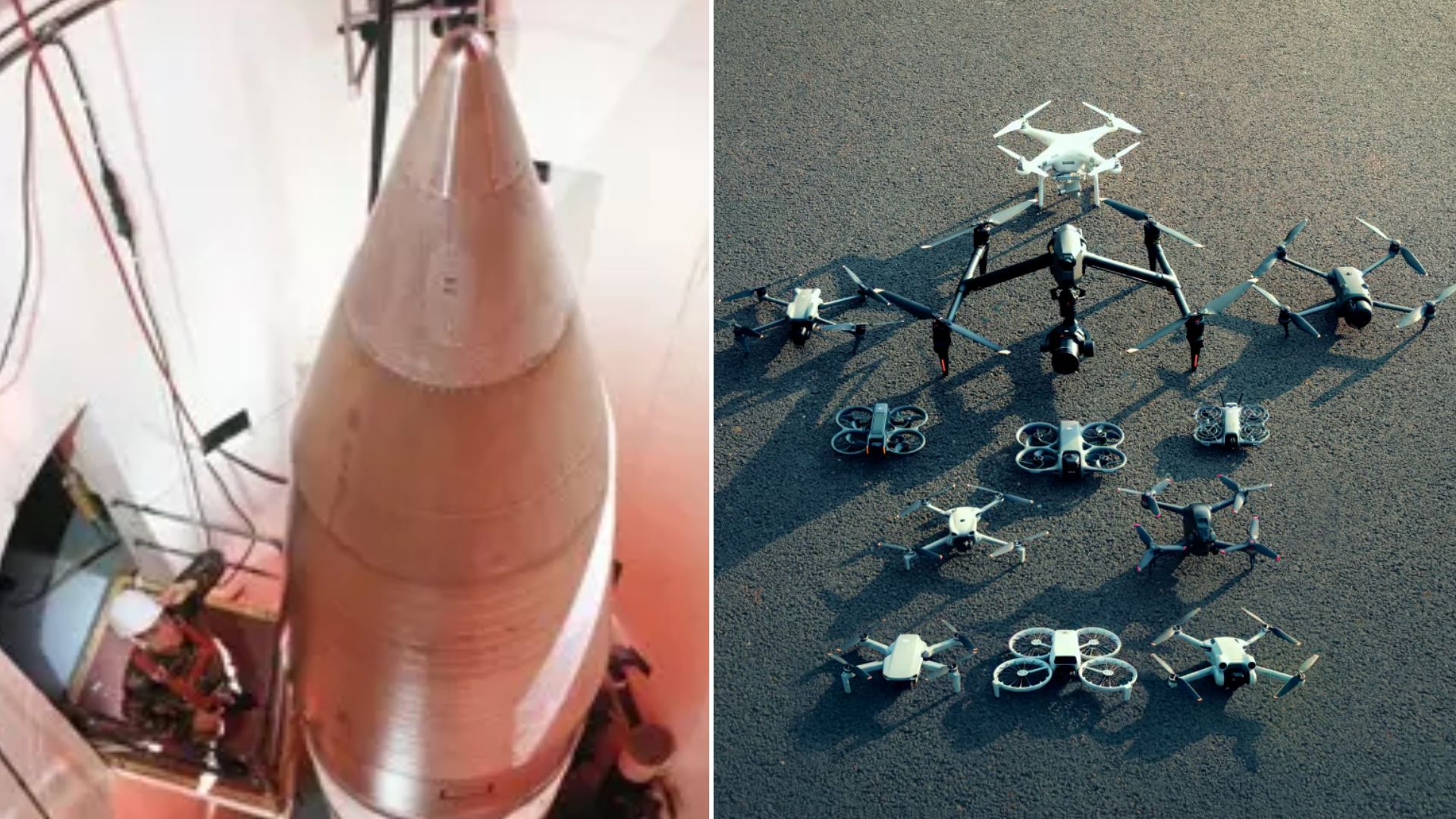
U.S. Air Force Plans to Acquire DJI Drones for Counter-Drone Training at Missile Base
The U.S. Air Force intends to purchase DJI drones for counter-drone training at F.E. Warren Air Force Base, which is part of the Minuteman III missile system. This initiative, led by the 90th Missile Security Operations Squadron, aims to enhance personnel's ability to detect and neutralize drone threats in the vicinity of the base. This procurement is significant as DJI drones dominate the commercial market, accounting for 80% to 85% of global sales, making them ideal for realistic training scenarios. The Air Force's decision to use these drones, despite existing restrictions on Chinese technology, highlights the need for effective training against prevalent drone threats, especially given the 350 reported incursions over U.S. military installations in 2024. Looking ahead, the Air Force plans to modify the acquired drones with RIZER software to ensure data security while allowing personnel to train against the unique characteristics of DJI systems. No further timeline was disclosed at the time of publication.
Military
Korea Aerospace Industries and Hyundai Rotem Collaborate on KF-21 Air-to-Air Missiles
Korea Aerospace Industries (KAI) and Hyundai Rotem have entered into a memorandum of understanding (MoU) to collaborate on the development and integration of advanced airborne weaponry, specifically focusing on air-to-air missiles for the KF-21 fighter jet. This partnership is significant as it underscores the growing emphasis on enhancing the capabilities of the KF-21, which is a key component of South Korea's defense strategy. The collaboration aims to leverage both companies' expertise in aerospace and defense technology to create more effective and advanced weapon systems. Looking ahead, industry stakeholders will be keen to observe the progress of this collaboration and its impact on the KF-21 program. No further timeline was disclosed at the time of publication.
News
Journal of Field Robotics Volume 43, Issue 6 Released in September 2026
The Journal of Field Robotics has published its Volume 43, Issue 6, which spans pages 3613 to 3616. This issue is set to contribute to the ongoing discourse in the field of robotics, showcasing the latest research and developments. The release of this issue is significant as it highlights advancements and findings that could influence future robotics applications and technologies. Researchers and practitioners in the field will benefit from the insights shared in this publication, which aims to foster innovation and collaboration. Looking ahead, readers should keep an eye on the implications of the research presented in this issue for both academic and practical applications in robotics. No further timeline was disclosed at the time of publication.
ISSUE INFORMATION
U.S. Army Intercepts Over 1,400 Iranian Missiles and Drones During Recent Conflicts
The U.S. Army successfully intercepted more than 1,400 Iranian missiles and drones during two recent Middle East conflicts, as reported by Lt. Gen. John Rafferty, commander of the U.S. Army Space and Missile Defense Command. This significant achievement highlights the Army's role in air and missile defense, particularly during the 12-day war between Iran and Israel, where 125 ballistic missiles were engaged. This operation underscores the importance of U.S. military capabilities in the region, especially as concerns grow over the depletion of interceptor stocks. The Army's 32nd Air and Missile Defense Command adapted to counter advanced threats, utilizing systems like THAAD and Patriot, which are regarded as leading technologies globally. The collaborative defense efforts with partner nations further emphasize the strategic significance of integrated air defense systems. Looking ahead, the U.S. military's ongoing challenges with interceptor inventory and the need for replenishment will be critical to monitor. As the region continues to face missile threats, the effectiveness of the U.S. and allied air defense systems will be pivotal in maintaining security and operational readiness. No further timeline was disclosed at the time of publication.
Land Armies Around The Globe Iran Israel Land-Based Ballistic Missile Defense
U.S. Missile Defense Agency Seeks New Mobile Radar to Enhance Defense Capabilities
The U.S. Missile Defense Agency (MDA) is initiating plans for a new radar system to replace the AN/TPY-2, which is integral to the THAAD missile defense system. This move follows recent vulnerabilities exposed by Iran's successful targeting of static missile defense radars, highlighting the need for a more mobile solution. The MDA's call for innovative prototype concepts for the Forward-Based Mode (FBM) Radar Next aims to develop a system that can be rapidly deployed and relocated, addressing the increasing sophistication of adversarial missile capabilities. The agency's budget request for the 2027 Fiscal Year includes funding for next-generation radar prototypes to enhance emerging technologies for the FBM Radar fleet. As the MDA progresses with this initiative, the focus will be on creating a radar system capable of high-sensitivity detection and rapid deployment, ensuring interoperability with existing command and control networks. No further timeline was disclosed at the time of publication.
Land Land-Based Ballistic Missile Defense News & Features
Accelerating Software and Agentic AI to Enhance Mission Success in Classified Networks
The article discusses the critical role of software and agentic AI in achieving mission success, particularly in classified environments. It emphasizes that while commercial prototypes may function well in controlled settings, the real challenge lies in effectively deploying these technologies across secure networks. This distinction is crucial for military and defense operations, where reliability and security are paramount. Understanding the difference between sandbox testing and real-world application is essential for organizations aiming to leverage AI in sensitive operations. The deployment of advanced AI solutions can significantly enhance operational efficiency and decision-making capabilities, making it imperative for stakeholders to prioritize these technologies. The article highlights the need for a strategic approach to integrate AI into existing frameworks, ensuring that mission objectives are met without compromising security. Looking ahead, organizations must focus on overcoming the challenges associated with deploying AI in classified networks. Continuous innovation and adaptation will be key to ensuring that software and agentic AI remain at the forefront of mission-critical operations. No further timeline was disclosed at the time of publication.
Networks & Digital Warfare Sponsored Post accenture Accenture Federal Services AI cyber security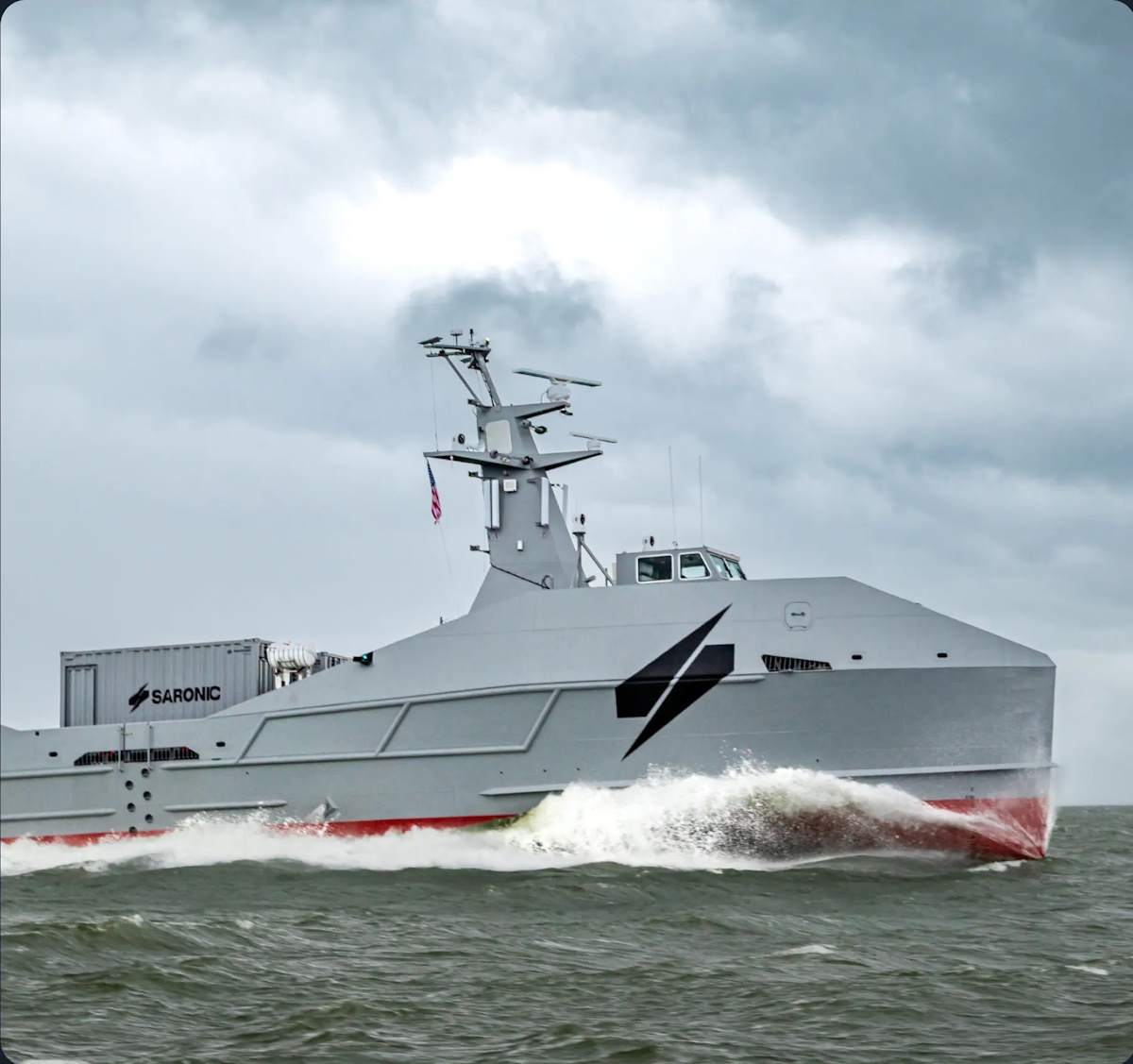
Saronic Establishes On-Water Testing Site for Marauder in Gulfport, Mississippi
Saronic has expanded its operations to Gulfport, Mississippi, where it has set up a site for on-water testing of its Medium Unmanned Surface Vessel (MUSV), Marauder, at the Port of Gulfport. This facility will support the testing and commissioning of the 180 ft. autonomous ships as they transition from production to delivery. The establishment of this site is significant as it reflects Saronic's commitment to scaling production and enhancing the capabilities of unmanned maritime systems. The Port of Gulfport provides a robust ecosystem of partners from industry, academia, and government, which is essential for advancing maritime technology. Looking ahead, Saronic's first Marauder has already begun extensive testing, logging hundreds of hours of trials. Additional units are under construction in Franklin, Louisiana, indicating a ramp-up in production. No further timeline was disclosed at the time of publication.
saronic expansion on-water testing marauder usv
UK SMEs Lag in Robot Adoption Due to Skills Shortage, Not Funding Issues
The robotization process in the UK manufacturing sector is experiencing a significant stagnation, with three-quarters of SMEs not utilizing any robots, according to Make UK. The UK's robot density stands at 112 units per 10,000 manufacturing workers, which is about half the EU average and well below the global average of 151 units. Despite over a decade of government funding and skill programs, the situation remains largely unchanged. The primary issue is not financial but rather a lack of skilled professionals who can effectively implement and operate robotic systems. While manufacturers often assume that funding is the main barrier, the real challenge lies in programming robots, integrating them with existing systems, and ensuring they meet specific operational requirements. The shortage of robotics engineers proficient in ROS2 (Robot Operating System) exacerbates this problem, leaving many manufacturers with limited options. As a result, many medium-sized manufacturers either hire costly system integrators or abandon the idea of automation altogether. The infrastructure for robot development has not been designed for the existing workforce, which already possesses software capabilities. The emergence of ROS2-based platforms offering browser-based development environments and simulation tools could help bridge this gap, but the current tools available in the UK are still inadequate for empowering workers to utilize robotics effectively.
Robotics Manufacturing Automation Skills Development Industrial Technology
Army Seeks Counter-Drone Missile Under $150K Compatible with Raytheon Coyote Launcher
The U.S. Army has initiated a search for a counter-drone missile, referred to as the Next Generation C-sUAS Missile, with a budget cap of $150,000. This missile is required to be compatible with Raytheon's Coyote launcher, as specified in the Request for Information (RFI). This initiative is significant as it highlights the Army's ongoing efforts to enhance its capabilities in countering unmanned aerial systems (UAS). The integration with Raytheon's Coyote launcher suggests a focus on leveraging existing technologies to improve operational efficiency and effectiveness against drone threats. Looking ahead, the Army's search for this missile indicates a growing emphasis on developing advanced defense systems to address the evolving challenges posed by drones. No further timeline was disclosed at the time of publication.
Land Warfare Army counter drone Counter UAS cUAS coyote Drones
Navy Extends Saildrone's Counter-Drug Mission with Voyager USVs in Caribbean and Eastern Pacific
The U.S. Navy has renewed its task order for Saildrone, extending the deployment of Voyager unmanned surface vehicles (USVs) in the Caribbean and Eastern Pacific regions. This extension aims to enhance maritime surveillance and counter-drug operations in these critical areas. The significance of this mission lies in the Navy's commitment to combating drug trafficking and ensuring maritime security. By utilizing advanced technology like the Voyager USVs, the Navy can effectively monitor vast ocean areas, making it a vital asset in the fight against illegal drug activities. Looking ahead, the continued operation of Voyager USVs will be crucial in maintaining a strong presence in the Caribbean and Eastern Pacific. No further timeline was disclosed at the time of publication.
Naval Warfare Adm. Daryl Caudle Caribbean Sea Drones Eastern Pacific Navy
Fire Point CEO Discusses Development of Missiles and Drones Against Russian Forces
Fire Point CEO Iryna Terekh recently shared insights on the company's evolution from a garage startup to a key player in missile and drone production. Amid ongoing threats from Russian missiles, Terekh highlighted the effectiveness of their FP-1 and FP-2 drones, as well as the new Flamingo cruise missiles, which enhance Ukraine's long-range capabilities. The significance of Fire Point's advancements lies in their strategic aim to counter Russian aggression. The FP-9 ballistic missile, designed to strike targets up to 500 miles away, and the FP-7.x interceptor, intended as a cost-effective alternative to Patriot systems, are pivotal in strengthening Ukraine's defense. Terekh's leadership has been crucial in navigating the challenges of weapon development under constant threat. Looking ahead, the status of the FP-9 program and the development of indigenous missile systems will be critical. Terekh's insights into the use of AI in weapon systems and the challenges faced during production highlight the innovative approaches being taken to ensure Ukraine's defense capabilities remain robust. No further timeline was disclosed at the time of publication.
News & Features Around The Globe Europe Land Land-Based Ballistic Missile Defense Russia
Certified Systems Integrators Mitigate Commissioning Risks in Robotic Production Cells
Commissioning a robotic production cell involves complex testing across various components, including robot controls and safety functions. Despite successful shop demonstrations, issues can arise during actual plant operations due to discrepancies in parameters, wiring, and network conditions. A qualified systems integrator plays a crucial role in minimizing these risks by treating the entire system as a cohesive unit with clear acceptance criteria. The importance of certified systems integrators lies in their ability to establish a comprehensive commissioning plan that begins during the design phase. This plan includes an approved controls narrative, I/O list, and network map, ensuring that all interfaces are clearly defined. By transforming vague requirements into measurable outcomes, integrators can effectively address potential issues before production begins, thus enhancing operational reliability. Looking ahead, it is essential for teams to conduct thorough factory testing to identify and resolve logic and interface problems. The IEC 62381:2024 standard emphasizes the need for agreed-upon test procedures among owners, buyers, and vendors. As commissioning challenges often stem from the interaction between various components, a holistic approach to testing will be vital for successful robotic cell operations in real-world environments.
Automation Automation News Industry Robotics Robotics and Automation Robotics and Automation News
Event 38 and TB2 Collaborate on Modular Drone Payload Systems for Versatile Missions
Event 38 Unmanned Systems and TB2 Aerospace have partnered to integrate TB2’s Drone Recharging Operational Payload System (DROPS) with Event 38’s E455 fixed-wing VTOL unmanned aircraft. This collaboration emphasizes a shift towards modular drone systems capable of executing various missions using a single aircraft platform. The significance of this partnership lies in its potential to transform drone operations by standardizing how drones manage mission equipment. The DROPS platform is designed for autonomous payload handling, which enhances the operational range of electric aircraft and allows for multiple mission configurations without the need for different aircraft. Looking ahead, the integration of the E455 and DROPS could lead to advancements in defense resupply, remote sensor deployment, and public safety operations. No further timeline was disclosed at the time of publication.
Applications Cargo Defense defense Delivery Drone News
Addressing Challenges in Air-and-Missile Defense with Solid Rocket Motors
The ongoing conflict in Iran has highlighted the effectiveness of US air-and-missile-defense (AMD) systems, yet the replenishment of munitions stockpiles remains a significant challenge. The AN/TPY-2 radars, essential for the Terminal High Altitude Area Defense (THAAD) system, have suffered damage, prompting the US to relocate these critical assets from other regions, potentially weakening AMD capabilities elsewhere. The implications of these challenges are profound, as the US military's ability to deter threats relies heavily on the availability of interceptors, which utilize solid rocket motors (SRMs). The complexities of manufacturing SRMs, coupled with inconsistent demand signals, complicate efforts to ramp up production. Chris Spagnoletti, CEO of Ursa Major, emphasizes the need for innovation in manufacturing processes to enhance capacity and reduce costs. Looking ahead, the defense industrial base faces a multifaceted challenge in meeting the evolving demands for AMD systems. The intricate nature of SRM production, which involves volatile materials and stringent quality controls, means that any increase in demand will require significant time and resources to address. No further timeline was disclosed at the time of publication.
Land Warfare AN/TPY-2 Army CSIS cyber security DOD
NOAA Expands Weather Forecasting with Drones from Swiss Company Meteomatics
The National Oceanic and Atmospheric Administration (NOAA) is enhancing its weather forecasting capabilities by integrating drones into its data collection methods. Collaborating with Swiss technology firm Meteomatics, NOAA is currently testing the Meteodrones at a pilot site near the University of Oklahoma. This initiative aims to improve the accuracy and efficiency of weather models, particularly for severe weather warnings. The addition of drones is significant as it addresses the limitations of traditional weather balloons, which are costly and typically used only once. Meteomatics' hexacopters can be operated repeatedly and remotely, allowing for more flexible data collection based on real-time weather conditions. This capability is expected to enhance the precision of weather data, ultimately leading to better forecasting and warning systems for events like tornadoes and hurricanes. As Meteomatics continues to develop its drone operations in the U.S., it has already established a network of drone data-collection sites in Europe. The company’s Meteodrones are designed to withstand challenging weather conditions and are compliant with U.S. government regulations. No further timeline was disclosed at the time of publication.
Drone News Drone News Feeds News Weather atmospheric data drone Brad Guay Meteomatics
Tennant Achieves 30% Reduction in Product-Use Emissions Amid Autonomous Cleaning Growth
Tennant Company has reported a 30% reduction in greenhouse gas emissions from product use compared to its 2021 baseline, as detailed in its 2026 Sustainability Report. This significant achievement highlights the potential of commercial cleaning operations to contribute to environmental sustainability. The report indicates that Tennant sourced 99% of its electricity from renewable sources in 2025, showcasing the company's commitment to reducing its environmental footprint. The advancements in battery-powered equipment, autonomous cleaning, and detergent-free technologies are enabling organizations to minimize water, energy, and chemical usage while maintaining effective cleaning performance. Looking ahead, Tennant's sustainability strategy is strengthened by insights from its first Double Materiality Assessment, which will guide future investments and innovation. No further timeline was disclosed at the time of publication.
Infrastructure News autonomous cleaning cleaning robots cleaning technology commercial cleaning robots
China Deploys YJ-20 Hypersonic Anti-Ship Missile on Type 052D Destroyers
Recent evidence shows that China's YJ-20 hypersonic anti-ship missile is being deployed on the People's Liberation Army Navy's Type 052D destroyers. This development indicates a strategic shift, allowing the missile to be utilized across a wider range of vessels rather than being limited to the larger Type 055 destroyers. The YJ-20 missile, capable of reaching speeds over Mach 6 and with a range of 1,000–1,500 km, poses a significant threat to large surface combatants, enhancing China's anti-access/area-denial capabilities in the western Pacific. The Type 052D destroyers, of which approximately 35 are operational, are now expected to increase the number of platforms capable of launching hypersonic strikes. While the recent launch footage suggests a move towards broader deployment, it remains uncertain if this will lead to large-scale fielding of the YJ-20 on these destroyers. No further timeline was disclosed at the time of publication.
Sea Destroyers Naval Munitions Navies People's Liberation Army Navy (China) Sea-Launched Hypersonic Missiles
Advancing Manufacturing Startups with Evidence-Based Commissioning Beyond Checklists
An automated production line may pass factory-acceptance testing and individual equipment checks yet still be unprepared for actual production. This unpreparedness often stems from unproven behaviors within the integrated system rather than incomplete hardware or software. The International Society of Automation’s ISA-105 framework emphasizes the need for a broader assessment of startup readiness, which encompasses the collective functionality of controllers, robots, safety systems, and personnel. The distinction between factory-acceptance testing and startup readiness is crucial for automation teams. Traditional checklists focus on project deliverables, which do not necessarily indicate that production outcomes are achievable. A more effective approach involves defining specific production capabilities that the plant must demonstrate, such as executing production orders and maintaining output under installed conditions. This shift in focus from mere completion of controls to proven operational readiness is essential for successful manufacturing. To ensure readiness, teams should map the runtime chain for each critical capability, identifying all necessary prerequisites and decision points. For instance, a production order may be valid in the manufacturing execution system, but execution could fail due to outdated codes or unavailable systems. This comprehensive mapping is vital for confirming that all components work together effectively before production begins. No further timeline was disclosed at the time of publication.
Factory / Design
Japan and US Face Critical Decisions in Missile Defense Cooperation Ahead of FY2027 Budget
The United States and Japan are at a pivotal moment in their bilateral air and missile defense cooperation, particularly as Japan prepares its FY2027 budget and key strategic documents. This relationship, which has evolved since Japan adopted the Patriot air defense system in the 1980s, now includes advanced technologies like Aegis ships and the Glide Phase Interceptor for hypersonic defense. Japan's defense expenditures have reached $58 billion, reflecting a commitment to enhancing its missile defense capabilities. However, challenges remain, particularly regarding the modernization of the Patriot system, which is hindered by compatibility issues with the new 360-degree Lower Tier Air and Missile Defense Sensor (LTAMDS). The urgency of these developments is underscored by the increasing threats from aerial attacks, necessitating improved detection and tracking capabilities. Looking ahead, the decisions made in the upcoming strategic documents will significantly influence the future of Japan's missile defense strategy. The potential split on Patriot modernization poses a risk to the effectiveness of the defense relationship, making it crucial for both nations to navigate these complexities effectively. No further timeline was disclosed at the time of publication.
Air Warfare Land Warfare Opinion aegis Air Force AMRAAM
Comparing Surface-to-Air Missiles and Interceptor Drones for Air Defense
The evolution of air defense strategies has been significantly influenced by the rise of drones, which present new challenges for traditional systems. While surface-to-air missiles (SAMs) are powerful against high-speed threats like fighter jets and cruise missiles, their high cost makes them less effective against inexpensive drones. This has led militaries to explore drone interceptors as a more economical alternative for neutralizing UAVs. Drone interceptors are designed to engage slower-moving targets, making them ideal for small reconnaissance and attack drones. These interceptors often utilize simpler airframes and components, allowing for a cost-effective response to low-value threats. The goal is to avoid using expensive missiles against cheaper drones, thus optimizing resource allocation in modern air defense. As military strategies continue to adapt, the effectiveness of both SAMs and drone interceptors will be crucial to watch. While SAMs excel in speed and engagement capabilities against fast-moving threats, the development of specialized drone interceptors may reshape air defense dynamics. No further timeline was disclosed at the time of publication.
MilitaryRobotics needs a service framework.
RSF defines a common language for robot service capability, lifecycle operations, certification pathways, and service-provider networks.
Join the RobotToday community on LinkedIn
Daily robotics news, in-depth analysis, conference highlights, and discussions with professionals worldwide.







