Industry Briefing
A single destination for timely, editor-curated robotics news from around the world.
PNDbotics Showcases Humanoid Robots for Real-World Industrial Applications
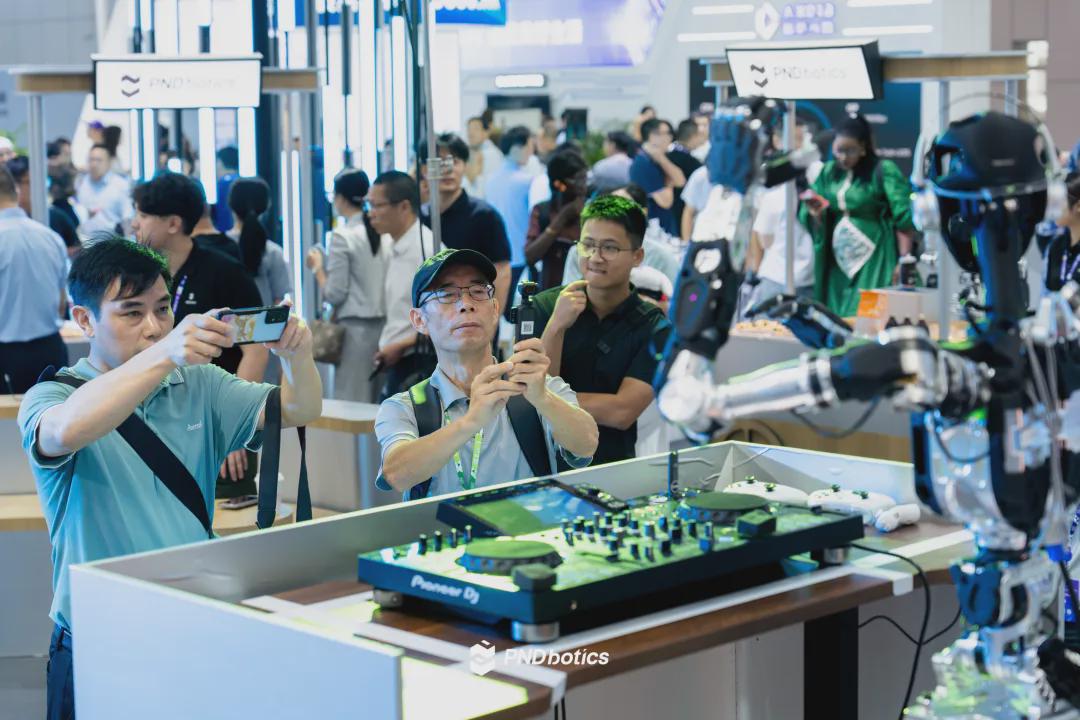
PNDbotics is exploring the application of humanoid robots in real industrial tasks at the Future Factory exhibition, held from September 11 to 13 at the Ningbo International Exhibition Center. The showcase emphasizes the robots' ability to understand tasks, recognize environments, and adapt execution strategies in dynamic production settings. This initiative is significant as it addresses the challenges of integrating humanoid robots into complex industrial environments, where continuous decision-making is crucial. Unlike controlled lab settings, real factories present fluctuating conditions that require robots to perform a series of interconnected actions, demonstrating their full operational capabilities. Looking ahead, the focus will be on how these robots can effectively connect with real production environments and validate their reliability through successful task execution. The goal is to enhance the robots' system capabilities, moving beyond mere movement to achieving task completion in manufacturing settings.
Humanoid Robots Industrial Automation Robotics Technology AI Manufacturing Solutions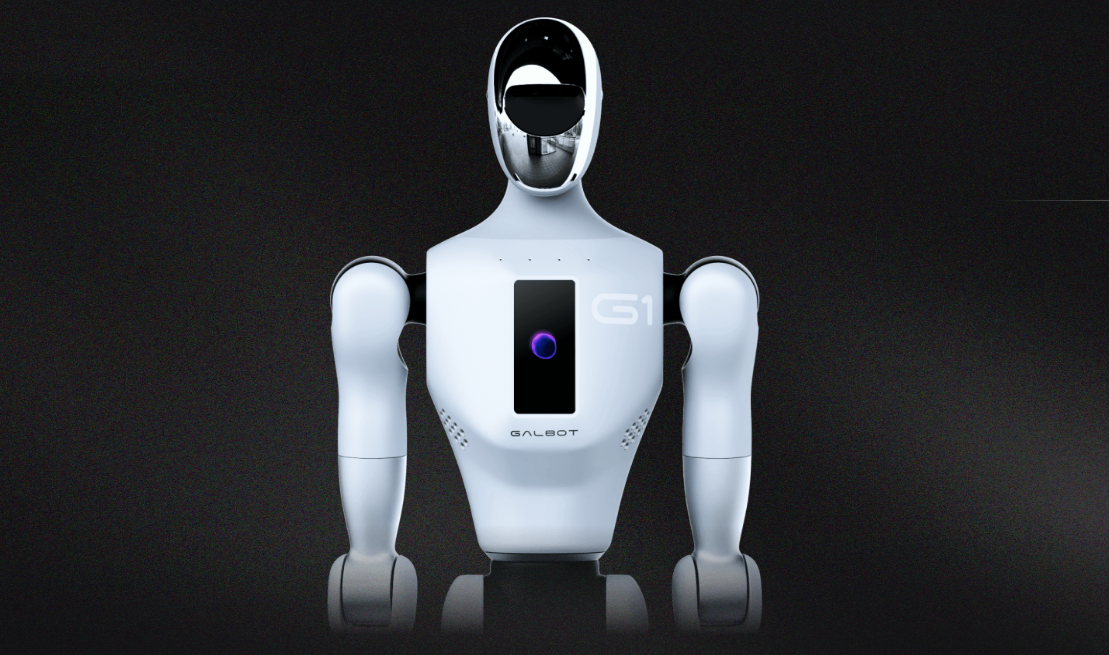
Galbot's Journey Towards Integrating Embodied AI Robots in Industrial Production Lines
Galbot, a Chinese embodied AI robotics company, is advancing the integration of robots into industrial production environments. Founded in May 2023, the company has raised over RMB 2.4 billion ($360 million) in funding, with a valuation exceeding RMB 22 billion ($3.27 billion). Galbot's G1 robot features a mobile platform and dual-arm manipulation system, enabling it to adapt to various tasks in flexible manufacturing scenarios. The demand for robots that can perform complex tasks in dynamic environments is growing as manufacturing shifts towards greater flexibility and intelligence. Traditional industrial robots, which are typically fixed and perform repetitive tasks, are being challenged by the need for more adaptable solutions. Galbot's innovations, including the G1 and S1 robots, aim to address these challenges by providing greater mobility and efficiency in manufacturing processes. As the embodied AI sector gains momentum, Galbot's focus on industrial applications positions it well for future growth. The company is set to play a significant role in transforming production methods, allowing robots to take on hazardous and repetitive tasks while collaborating with human workers to enhance productivity and safety. No further timeline was disclosed at the time of publication.
Up and Comers AI Highlight News Robotics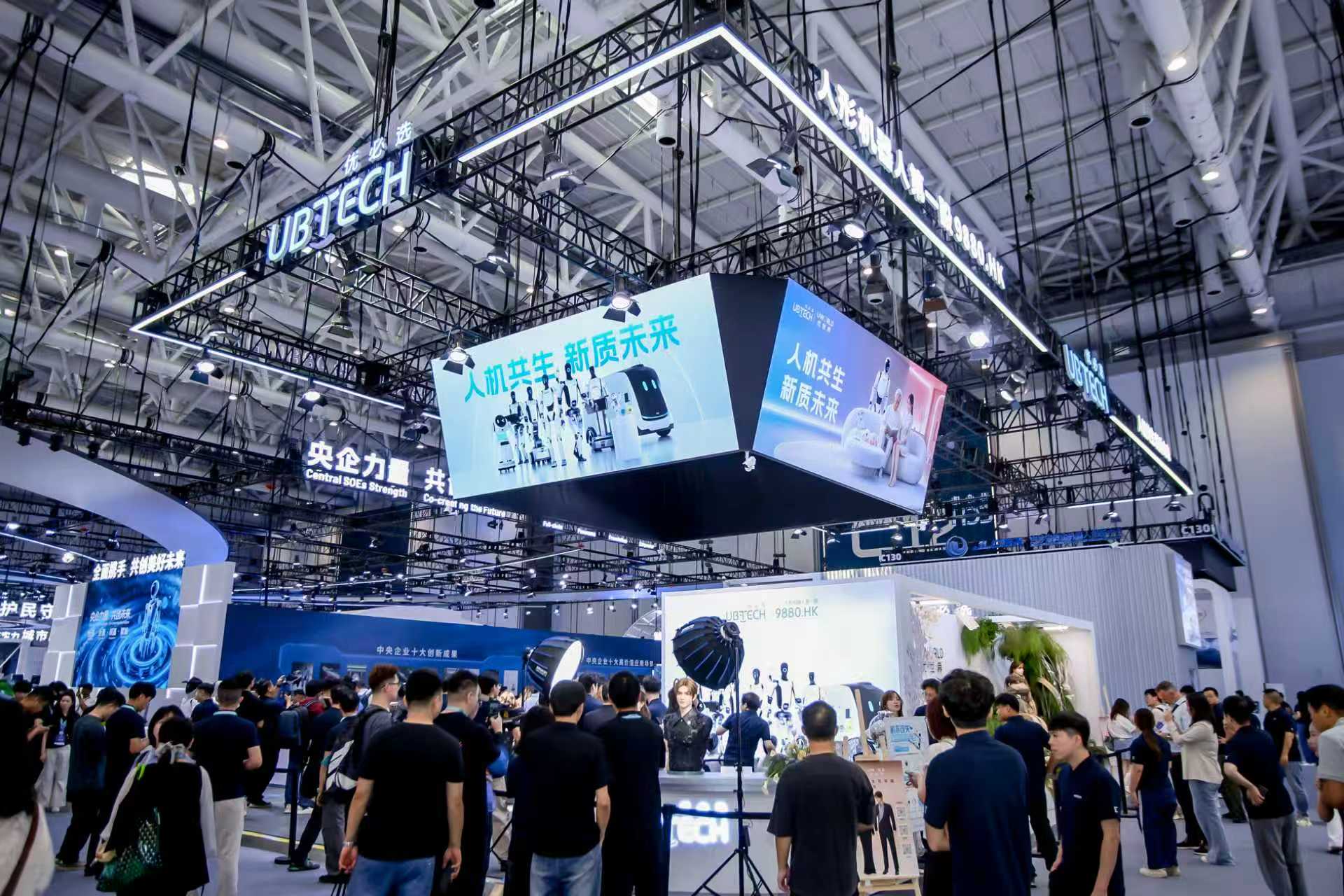
UBTECH Unveils New Humanoid Robots for Industrial, Commercial, and Home Use at WRC 2026
From August 19 to 23, 2026, the World Robot Conference (WRC 2026) took place in Beijing, where UBTECH showcased a range of humanoid robots designed for industrial, commercial, and home applications. Highlighted products included the industrial humanoid robot Cruzr Y1, the commercial service robot Walker C1, and the ultra-bionic humanoid robot U1, marking a significant step towards the market application of humanoid robots. This event is pivotal as 2026 is recognized as the inaugural year for the market application of humanoid robots, transitioning from conceptual exploration to practical, scalable development. UBTECH's strategy encompasses a comprehensive approach to industrial strength, commercial service, and emotional engagement in home consumption, leveraging technology and data to enhance the productivity value of humanoid robots. Looking ahead, UBTECH's commitment to advancing embodied intelligence technology is crucial for the successful deployment of humanoid robots across various sectors. No further timeline was disclosed at the time of publication.
Humanoid Robots Industrial Automation Commercial Robotics Home Robotics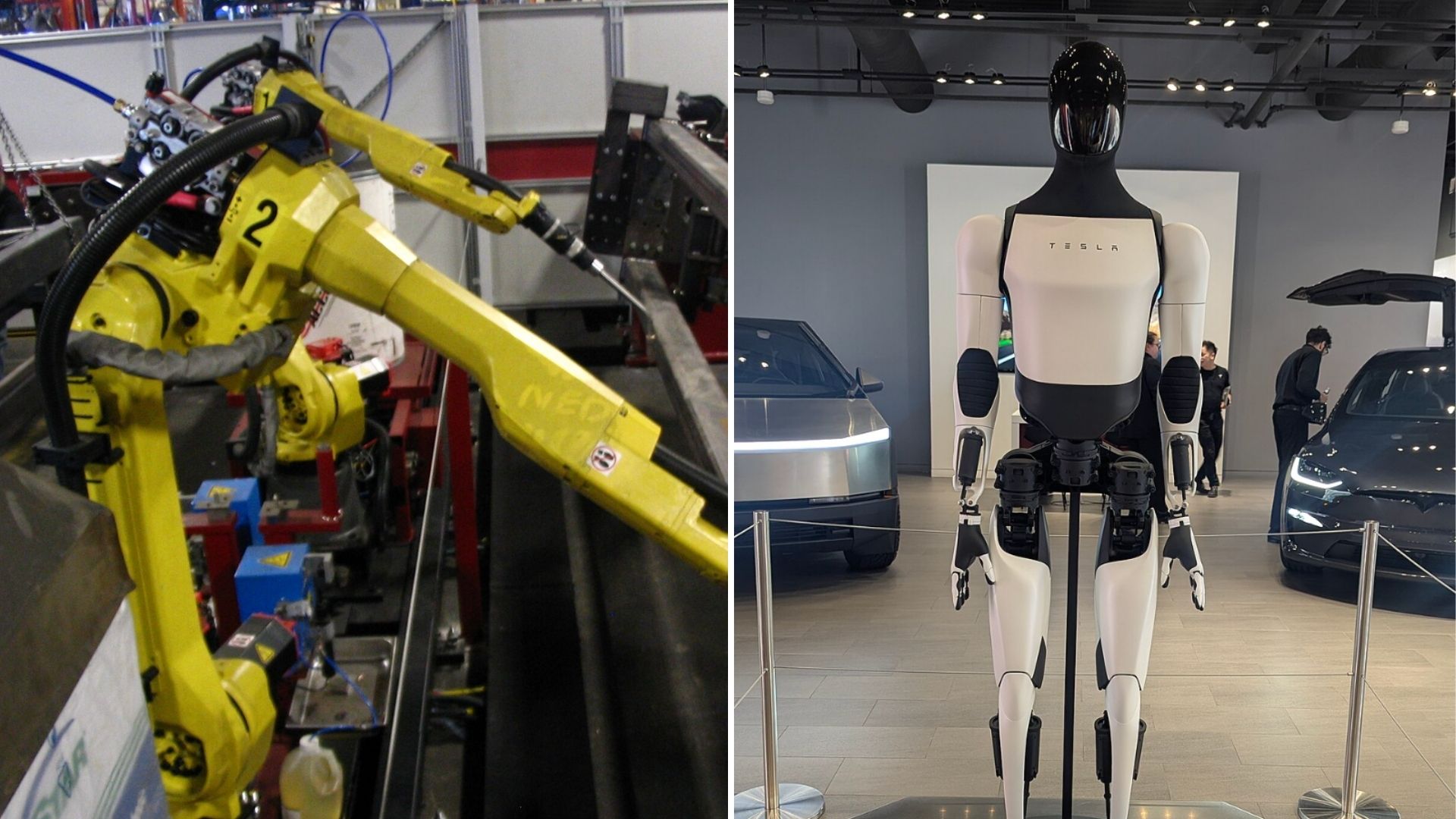
Humanoid Robots Enter Factories: Will They Surpass Traditional Industrial Robots?
Humanoid robots are emerging as a new element in factory automation, capable of walking between workstations and handling components. However, traditional industrial robots still dominate the automated factory landscape, raising questions about the future of humanoid integration in manufacturing environments. The significance of this development lies in the contrasting benefits of humanoids and industrial robots. While humanoids offer flexibility, industrial robots provide proven productivity, having been established in factories for decades. In 2024, factories installed 542,000 industrial robots, contributing to a global total of approximately 4.66 million, according to the International Federation of Robotics. Looking ahead, the competition between humanoids and industrial robots will intensify as manufacturers weigh the costs and benefits of each technology. Collaborative robots are also gaining traction, representing 10.5% of industrial robot installations in 2023, which may further challenge the role of humanoids in factories. No further timeline was disclosed at the time of publication.
AI and Robotics
igus Introduces Twisterchain Energy Chain for 600-Degree Rotation in Industrial Robots
igus GmbH has launched a new self-supporting twisterchain energy chain designed for industrial applications, particularly in palletizing. This innovative product enables reliable cable management through rotation angles exceeding 600° on compact industrial robots, addressing challenges related to energy supply and cable collisions during operation. The introduction of the twisterchain is significant as it resolves two critical issues faced by robotics in industrial settings. Compact robots, which perform tasks like screwing and assembly, have struggled with energy supply along their fast-rotating first axis. Additionally, palletizing robots often encounter problems with uncontrolled hoses colliding with tools. The new energy chain allows power and data cables to follow full rotations safely, even under dynamic motion profiles. Looking ahead, igus's twisterchain could enhance the efficiency and reliability of industrial robots, particularly in applications requiring high mobility and precision. No further timeline was disclosed at the time of publication.
Assembly Batteries / Power Supplies Industrial Robots Manufacturing Materials News
Humanoid Robots Transforming Brownfield Factories for Industrial Automation
Humanoid robots are emerging as a transformative force in manufacturing, particularly in brownfield factories. Their ability to adapt to existing human-centric environments allows for seamless integration into production workflows, minimizing the need for extensive modifications. This adaptability is crucial as manufacturers seek to modernize facilities without incurring significant capital investment or operational disruption. The significance of humanoid robots lies in their unique design and functionality, which enable them to perform a wide range of tasks in dynamic environments. Unlike traditional automated guided vehicles (AGVs) and autonomous mobile robots (AMRs), humanoids can navigate and adjust to changing conditions, making them well-suited for environments built around human dimensions. This capability positions them as a viable solution for manufacturers looking to enhance automation in legacy systems. Looking ahead, organizations must focus on workforce training and process reevaluation to ensure effective human-robot collaboration. The integration of a robust digital thread and the creation of digital twins will be essential for simulating interactions and validating workflows before deploying humanoids in production. No further timeline was disclosed at the time of publication.
Factory / Robotics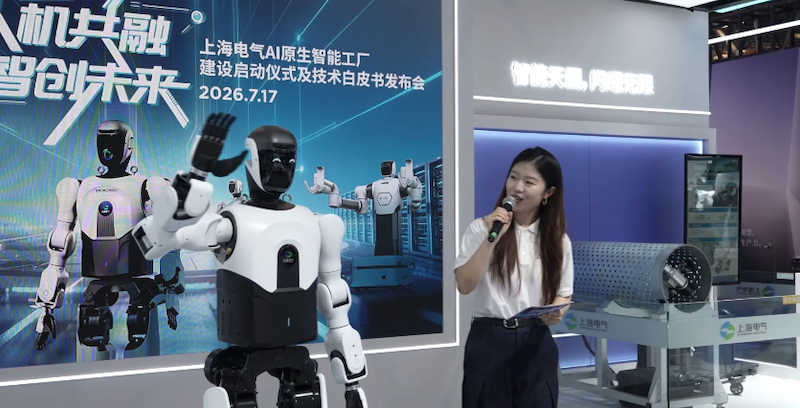
Shanghai Electric Showcases Humanoids, Industrial Robots, and AI Smart Factory Innovations
At the 2026 World Artificial Intelligence Conference, Shanghai Electric presented its advanced embodied intelligence solutions for industrial applications. The company emphasized its capabilities in embodied AI robots, core components, and AI-native smart factory technologies, showcasing a comprehensive portfolio designed for various industrial scenarios. This development is significant as it highlights the integration of machine precision with human expertise, aiming to enhance collaboration in manufacturing processes. Shanghai Electric's robotics solutions address critical tasks such as connector insertion, intelligent assembly, and flexible sorting, showcasing innovations like the planetary roller screw and DexHand dexterous hand. Looking ahead, Shanghai Electric's launch of 51 AI models under the “StarCloud Intelligent Manufacturing” series marks a shift towards data-driven operations in manufacturing. The release of the “AI-Native Smart Factory Technology White Paper” outlines a new architecture for real-time production optimization, indicating a transformative approach to industrial automation. No further timeline was disclosed at the time of publication.
Artificial Intelligence Robotics AI-native smart factory embodied ai humanoid robots industrial ai
Challenges in Developing Household Robots with Industrial Logic Highlighted by Stanford Report
The Stanford 2026 AI Index Report reveals that humanoid robots achieve an 89.4% success rate in controlled environments for household tasks, but this drops to 12.4% in real homes. Despite a projected 508% increase in global humanoid robot shipments by 2025, most production is focused on industrial applications, leaving household integration a challenge. Tesla's Optimus is in trial production, with a public release expected by late 2027, though industry analysts remain skeptical. The traditional metrics for evaluating robots—speed, load, and precision—are inadequate for home environments, which prioritize safety and emotional interaction. The complexity of household tasks requires a shift from industrial logic to a more nuanced understanding of family dynamics. Figure 03, designed specifically for home use, aims for limited deployment in 2026. Demonstrations show impressive autonomous capabilities, but concerns arise about performance in typical family settings. The company Future Not Far, founded in Shanghai, has completed significant funding and is testing its F1 robot in homes, achieving high user satisfaction and engagement metrics.
Humanoid Robots Household Robotics AI Robotics Technology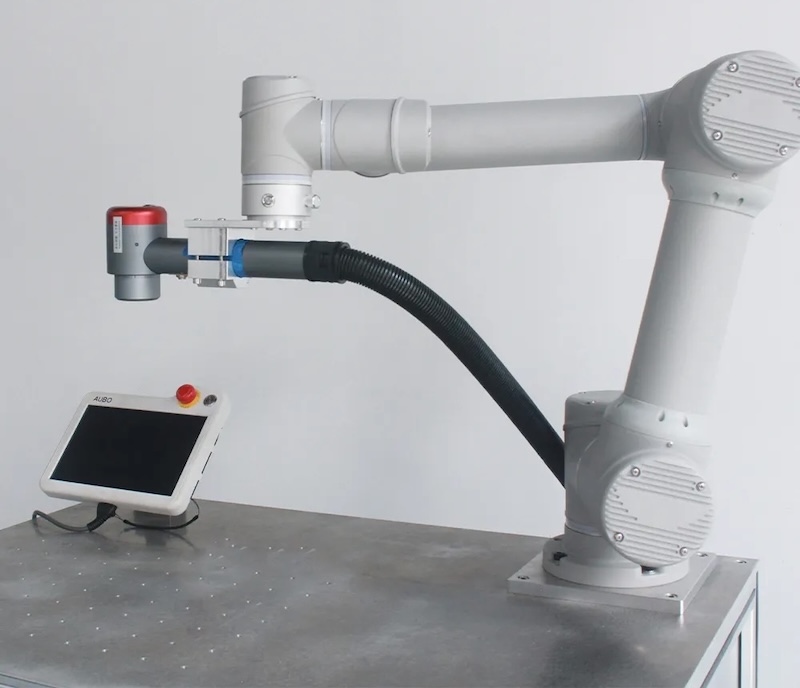
Integrating Industrial Robots with Laser Cleaning Systems Enhances Production Efficiency
Recent advancements in technology are transforming factory operations, with companies striving to reduce cycle times, cut costs, and ensure quality. The integration of industrial robots with laser cleaning systems is emerging as a solution to automate the removal of burrs from metal components, significantly enhancing productivity and efficiency in production lines. This combination of technologies is crucial as it addresses the need for cleaner surfaces before processes like painting, coating, or welding, which are essential for maintaining product quality. Laser cleaning, a modern technique that utilizes powerful laser beams to eliminate unwanted materials without damaging the underlying metal, offers a more environmentally friendly alternative to traditional cleaning methods that often rely on harsh chemicals. As more companies explore the benefits of industrial laser cleaning machines, the focus will be on how these systems can further optimize production lines. The automation of the cleaning process not only saves time but also improves overall manufacturing efficiency. No further timeline was disclosed at the time of publication.
Engineering Robotics Technology factory automation industrial automation industrial robots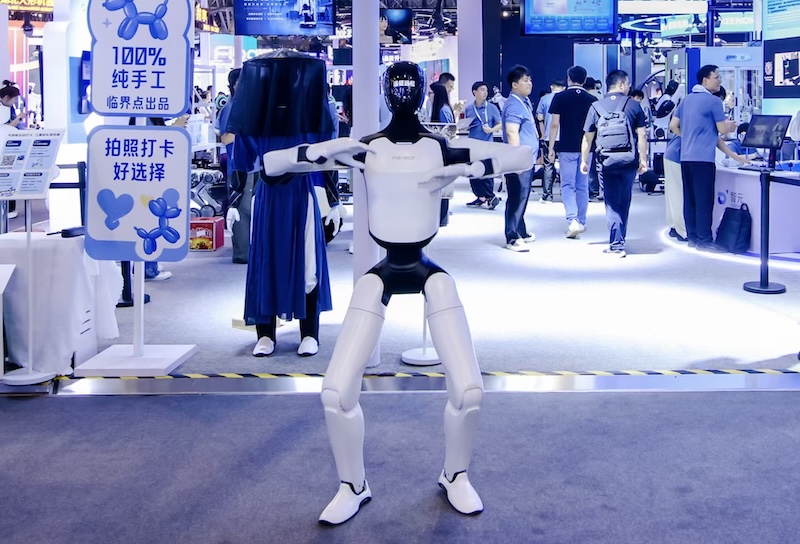
AGIBOT Launches Four New Robots at WAIC 2026, Expanding Industrial AI Portfolio
AGIBOT introduced four new robotic products at the World Artificial Intelligence Conference (WAIC) 2026 in Shanghai, enhancing its humanoid robots and industrial automation systems. The new offerings include the AGIBOT A3 Ultra humanoid robot, X2 EDU education platform, G2 Max industrial robot, and OmniHand 3 Ultra-M dexterous robotic hand, alongside the deployment of over 30 robots for visitor assistance at the event. This expansion is significant as it underscores AGIBOT's commitment to advancing embodied AI technology, moving beyond mere demonstrations to reliable integration in real-world applications. The A3 Ultra, G2 Max, and OmniHand 3 Ultra-M are designed to tackle critical challenges in humanoid platforms, industrial tasks, and dexterous manipulation, reflecting the company's focus on delivering practical value at scale. Looking ahead, AGIBOT's strategy aims to transition embodied AI from laboratory settings to consistent commercial and industrial workflows. No further timeline was disclosed at the time of publication.
Events Humanoids News A3 Ultra agibot artificial intelligence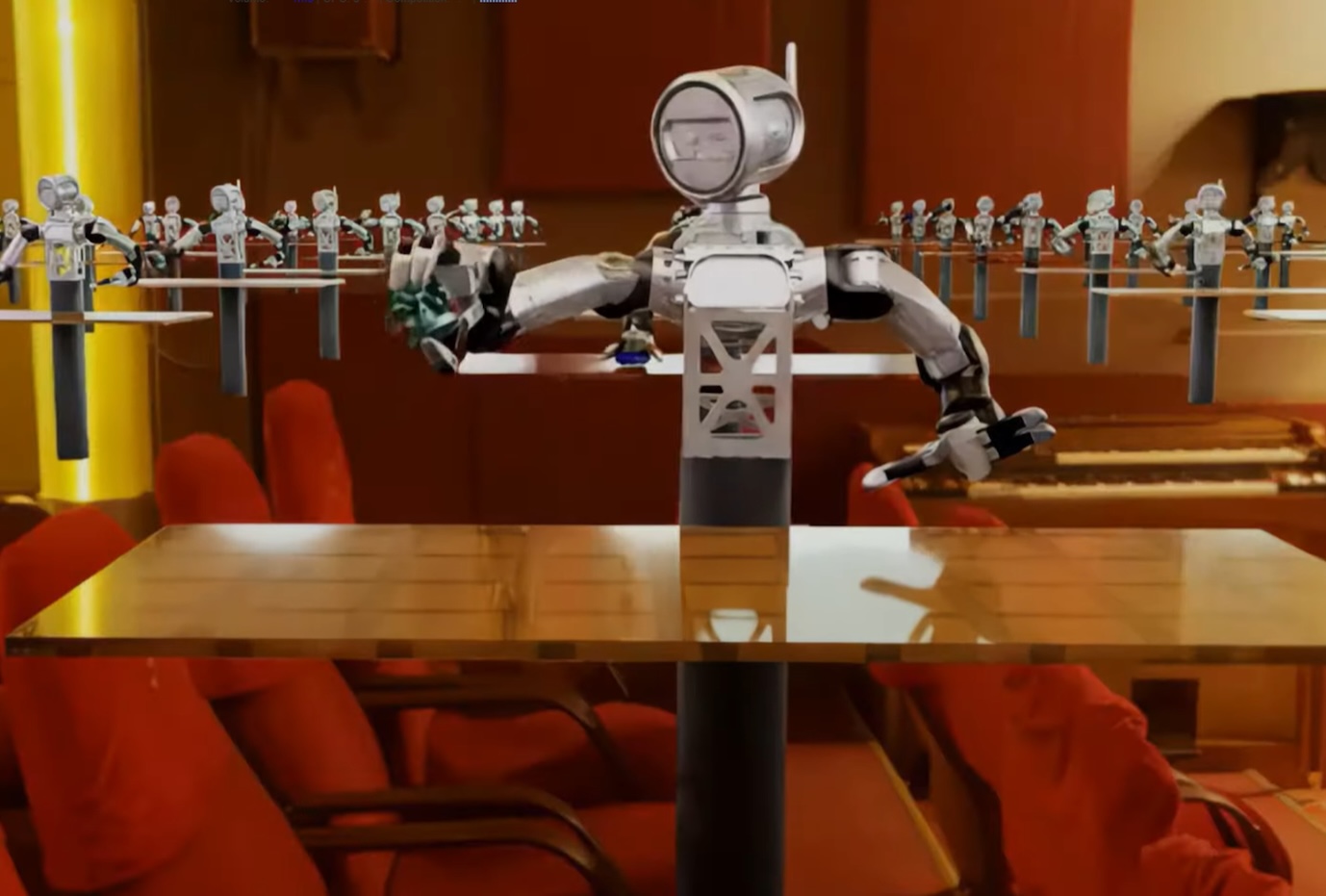
Unitree's Founder Predicts Commercial Rise of Humanoid Robots in Two Years
During the World Robot Conference in Beijing, Unitree's founder announced that humanoid robots could achieve commercial viability within two years. This shift indicates a significant transition in the industry, moving from entertainment-focused applications to practical uses in various sectors, including factory assembly lines and household tasks. The potential for humanoid robots to serve in industrial and domestic environments highlights the growing demand for automation solutions. As companies like Unitree pivot towards real-world applications, the implications for labor efficiency and productivity in manufacturing and home settings could be substantial. Looking ahead, industry stakeholders should monitor Unitree's developments and the broader market response to humanoid robots. The next two years will be critical in determining whether these robots can successfully integrate into everyday operations and how they will reshape existing workflows.
The Rise of Autonomous Mobile Robots in Industrial Automation
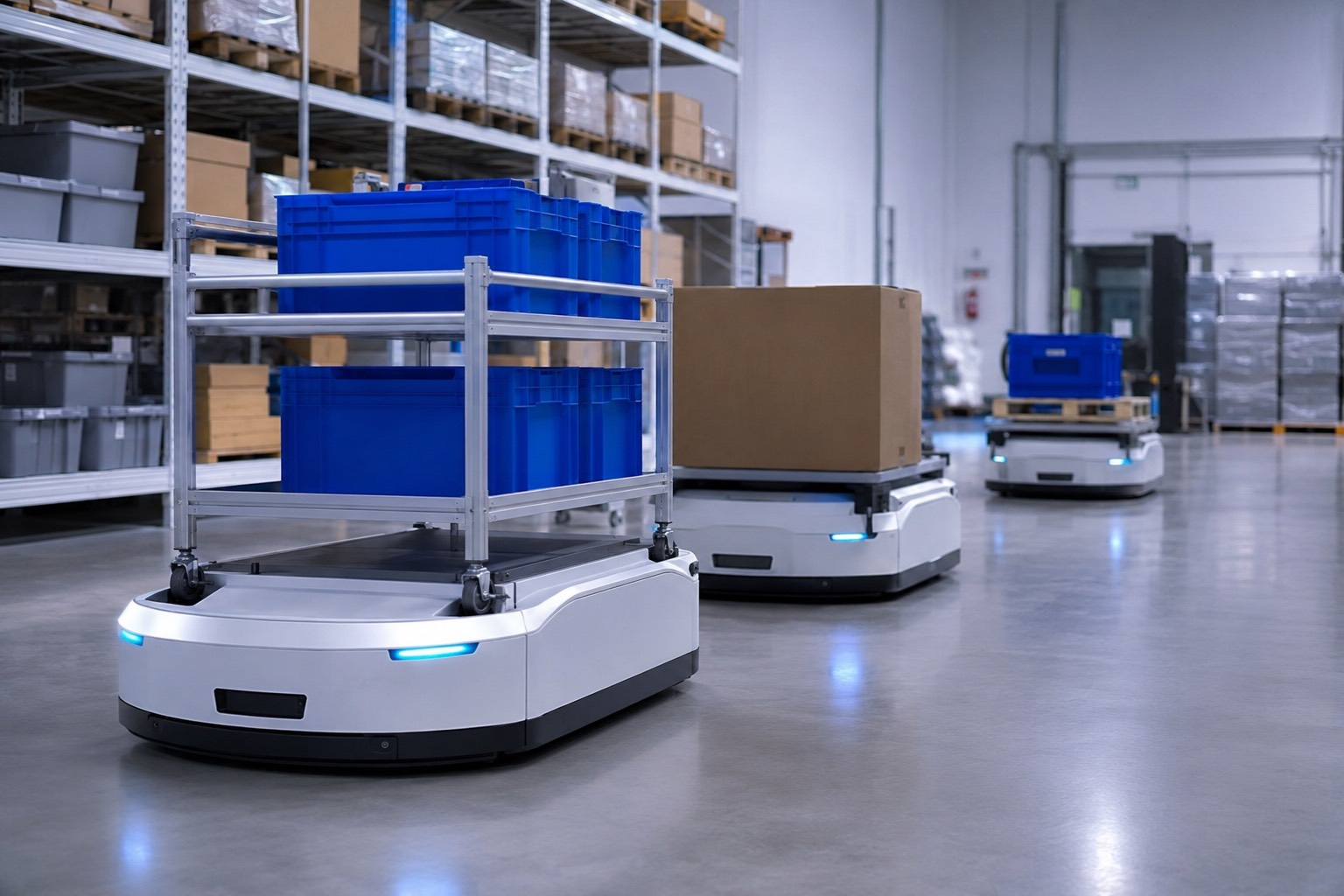
Autonomous Mobile Robots (AMRs) are rapidly transforming industrial automation, moving beyond traditional fixed conveyors and AGVs. Their flexibility meets the evolving demands of logistics driven by e-commerce growth, product customization, and labor shortages. AMRs utilize advanced technologies like sensors, cameras, LiDAR, and AI to navigate dynamically without fixed infrastructure. This adaptability is crucial as industries face fluctuating volumes and changing processes, making AMRs a vital component of modern supply chains. According to the International Federation of Robotics, AMRs are among the fastest-growing segments in professional robotics. As deployments increase in logistics centers, fleet management software is becoming as critical as the robots themselves, indicating a shift towards integrated automated solutions.
À la une IA Industrie Robotique AMR automatisation des entrepôts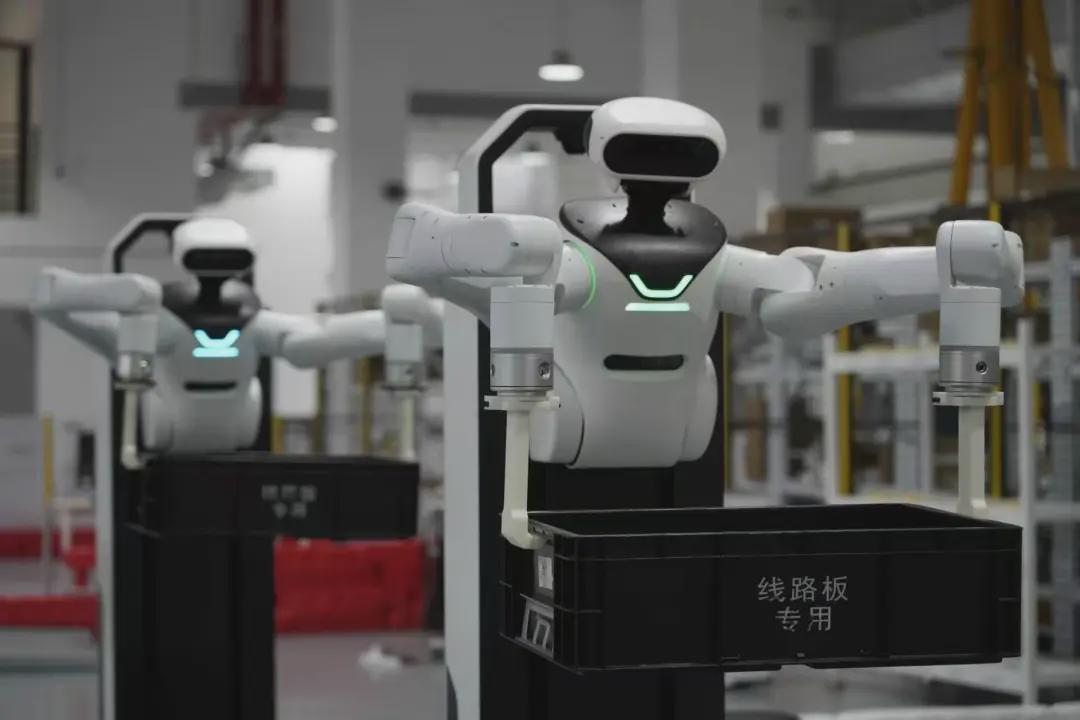
Humanoid Robots Target Specific Roles in Industrial Settings
JAKA has introduced various humanoid robots designed for specific industrial tasks, such as the JAKA K1-25, which can lift up to 50 kg. These robots are not merely for display but are being integrated into production lines of leading global industrial companies. The focus has shifted from creating a universal robot to addressing practical questions like load capacity, operational continuity, and return on investment. The industry has been exploring the concept of general-purpose robots, but the reality of deploying robots in factories necessitates a more detailed approach. JAKA's strategy emphasizes specialization, enabling robots to learn specific tasks rather than attempting to replicate human capabilities entirely. This shift is crucial as companies prioritize functionality and cost-effectiveness over mere technical prowess. The JAKA K1-25 exemplifies this approach by prioritizing strength and precision, with a rated load capacity of 50 kg and a repeat positioning accuracy of ±0.1 mm. As industries like automotive manufacturing and heavy equipment production require handling of heavy components, the focus is on ensuring robots can perform these tasks effectively, rather than merely showcasing advanced movements.
Humanoid Robots Industrial Automation Robotics AI Manufacturing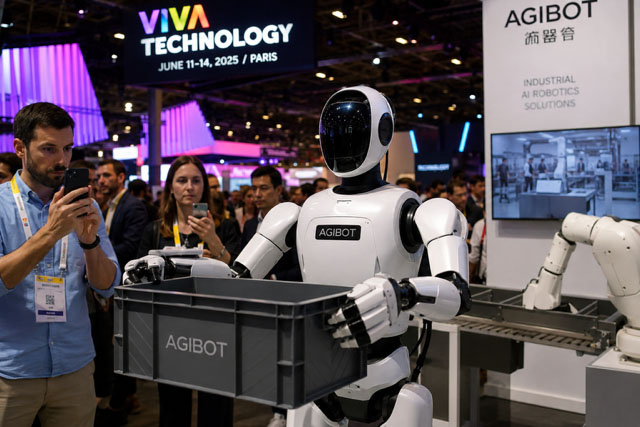
VivaTech 2026: The Year Humanoid Robots Became an Industrial Reality
VivaTech 2026, held at Porte de Versailles in Paris on June 17 and 18, marked its tenth anniversary by highlighting significant advancements in artificial intelligence and the maturation of robotics. The event showcased the growing trend of humanoid robots transitioning into industrial applications, reflecting a global shift in technology. Attendees had the opportunity to witness firsthand the innovations that are shaping the future of robotics, underscoring the industry's evolution and its increasing relevance in various sectors.
À la une IA Industrie Robotique automatisation industrielle. CNRS robotique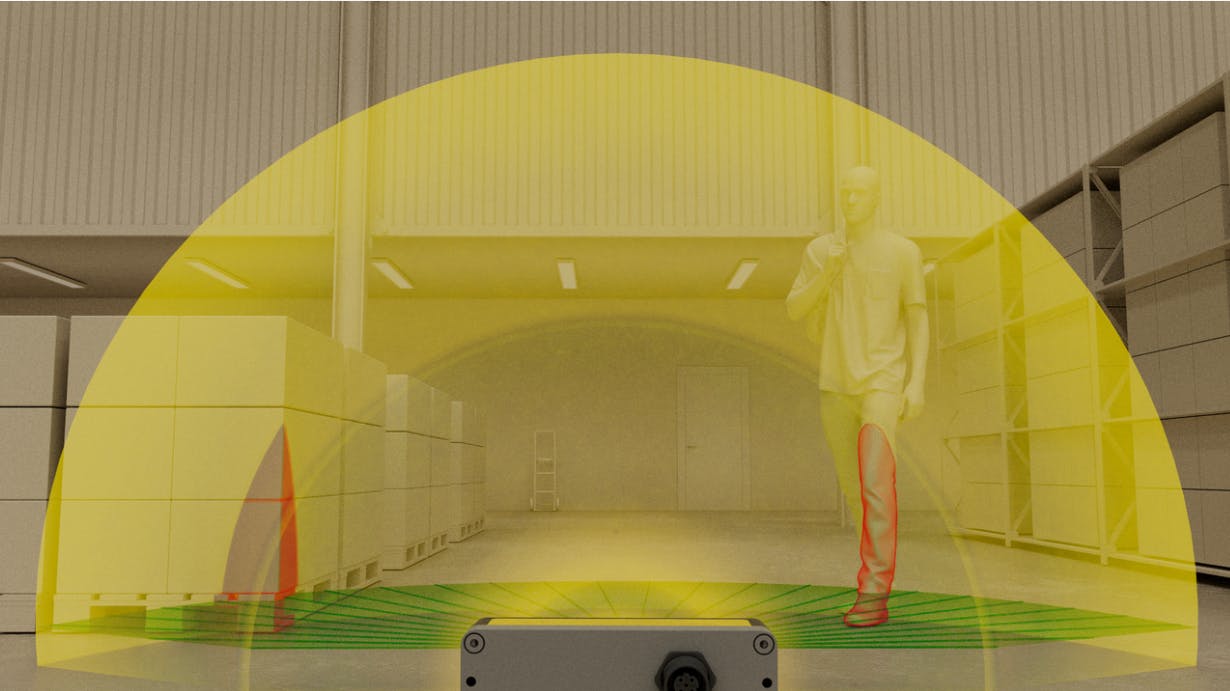
Sonair Launches Safety-Certified Sensor for Robots and Industrial Automation
A leading technology company has announced the launch of a groundbreaking sensor, touted as the first of its kind, specifically designed for autonomous mobile robots (AMRs) and industrial automation. This innovative product aims to enhance operational efficiency and precision in various industrial applications. The announcement was made earlier this week, highlighting the company's commitment to advancing automation technology. By integrating this sensor into AMRs, businesses can expect improved navigation and obstacle detection, ultimately streamlining their processes. The development of this sensor reflects the growing demand for advanced automation solutions in the industry, driven by the need for increased productivity and reduced labor costs.
Factory / Sensors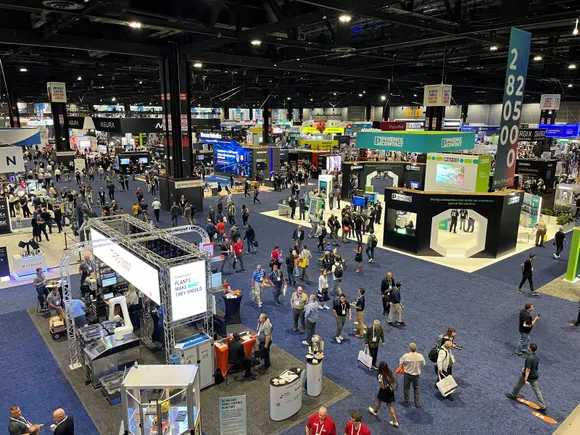
Humanoid hype, surging investor capital and the state of industrial robots
Executives at Automate recently convened to explore the future of robotics, highlighting advancements in bipedal prototypes and the rising demand for automation across various industries. The discussions, which took place during a key industry event, emphasized the increasing accessibility of robotic technologies for manufacturers of all sizes. This focus on innovation aims to address the evolving needs of the market and enhance operational efficiencies. By fostering collaboration and sharing insights, industry leaders are seeking to drive the adoption of robotics, ultimately transforming manufacturing processes and improving productivity.
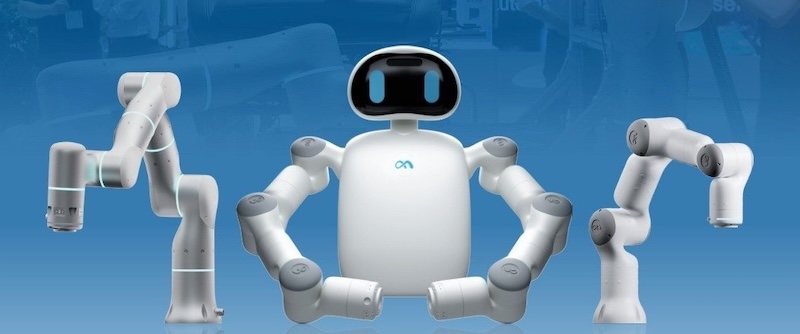
Flexiv launches new ‘adaptive robots’ for industrial automation
Flexiv has introduced two innovative adaptive robots aimed at enhancing tactile sensing and physical AI capabilities within the realm of industrial automation. The company unveiled its flagship Enlight robotic arm and the Mico dual-arm robotic platform, marking a notable advancement in force-controlled robotics and embodied intelligence. The Enlight arm features a seven-axis design, allowing for greater flexibility and precision in various applications. This launch, which took place recently, underscores Flexiv's commitment to pushing the boundaries of robotics technology to meet the evolving needs of the manufacturing sector. By integrating advanced sensing and control mechanisms, these robots are expected to improve operational efficiency and adaptability in complex industrial environments.
Industrial robots News adaptive robots cobots collaborative robots embodied ai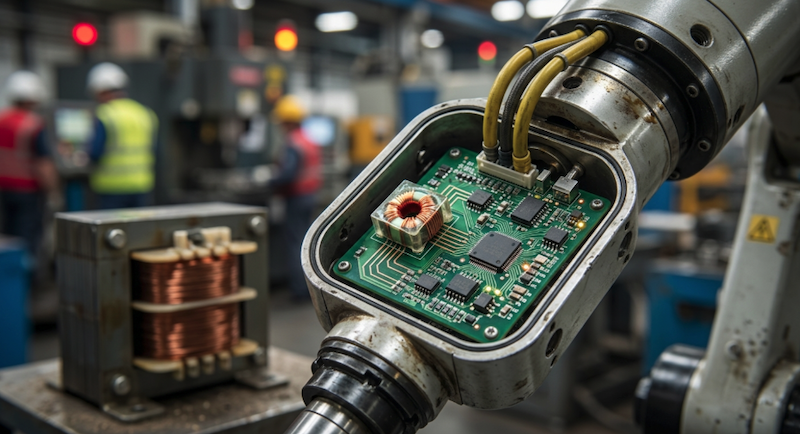
The Small Component Problem Behind More Reliable Industrial Robots
In a groundbreaking development for the manufacturing industry, advanced automation technology is transforming assembly lines and semiconductor packaging facilities. A robotic arm, capable of executing movements with sub-millimeter precision at an impressive rate of 300 cycles per minute, is at the forefront of this innovation. These robotic systems are enhanced by machine vision technology, remote input/output blocks, and sensitive microcontrollers, allowing for seamless coordination and efficiency in production processes. This technological advancement is taking place in various industrial settings, where multiple machines share a common power source through an industrial rail system. The integration of heavy CNC machines into this grid further exemplifies the collaborative nature of modern manufacturing, where precision and speed are paramount. The motivation behind this shift towards automation is to increase productivity and reduce human error in manufacturing processes. By leveraging sophisticated robotics and interconnected systems, companies aim to streamline operations and enhance overall output. As industries continue to adopt these cutting-edge technologies, the future of manufacturing looks increasingly automated and efficient, promising significant advancements in production capabilities.
Components Design Engineering Industrial robots amrs automation news
NVIDIA Halos for Robotics: A New Era for Industrial Robot Safety
Recent advancements in industrial robotics have marked a significant milestone in the integration of physical artificial intelligence. Over the past few years, the field has experienced unprecedented growth, evolving beyond mere data analysis and text generation. Now, AI technology is enabling machines to perceive their surroundings, make real-time decisions, and interact directly with their environment. This evolution is exemplified by NVIDIA's latest innovations, which are set to enhance the safety and functionality of industrial robots. As these developments unfold, the landscape of robotics is transforming, paving the way for smarter and more autonomous machines in various industries.
À la une IA Industrie Robotique automatisation industrielle. cobot industriel
NVIDIA's Halos for Robotics: A New Era for Industrial Robot Safety
Recent advancements in industrial robotics have marked a significant milestone in the integration of physical artificial intelligence. Over the past few years, the field has experienced unprecedented growth, with AI evolving beyond mere data analysis and text generation. Now, machines equipped with this technology can perceive their surroundings, make real-time decisions, and interact directly with their environment. This transformation is highlighted in a recent article discussing NVIDIA's Halos for Robotics, which emphasizes the new era of safety in industrial robots. The developments signal a shift in how robots operate, enhancing their capabilities and effectiveness in various industrial applications.
À la une IA Industrie Robotique automatisation industrielle. cobot industriel
Vention and FANUC America Join Forces to Bring Industrial Robots to Vention's AI-Driven Hardware and Software Platform
At Automate 2026, live demonstrations showcased the capabilities of FANUC's CRX10iA and LR Mate 200iD robots, which are enhanced by Vention's advanced MachineMotion AI and MachineLogic software. These technologies are designed to optimize machine tending and adaptive robotic motion applications. The event, taking place in 2026, highlights the growing integration of artificial intelligence in automation processes, aiming to improve efficiency and flexibility in manufacturing environments. By leveraging these innovative solutions, companies can streamline operations and adapt to varying production demands, reflecting the industry's shift towards smarter, more responsive automation systems.
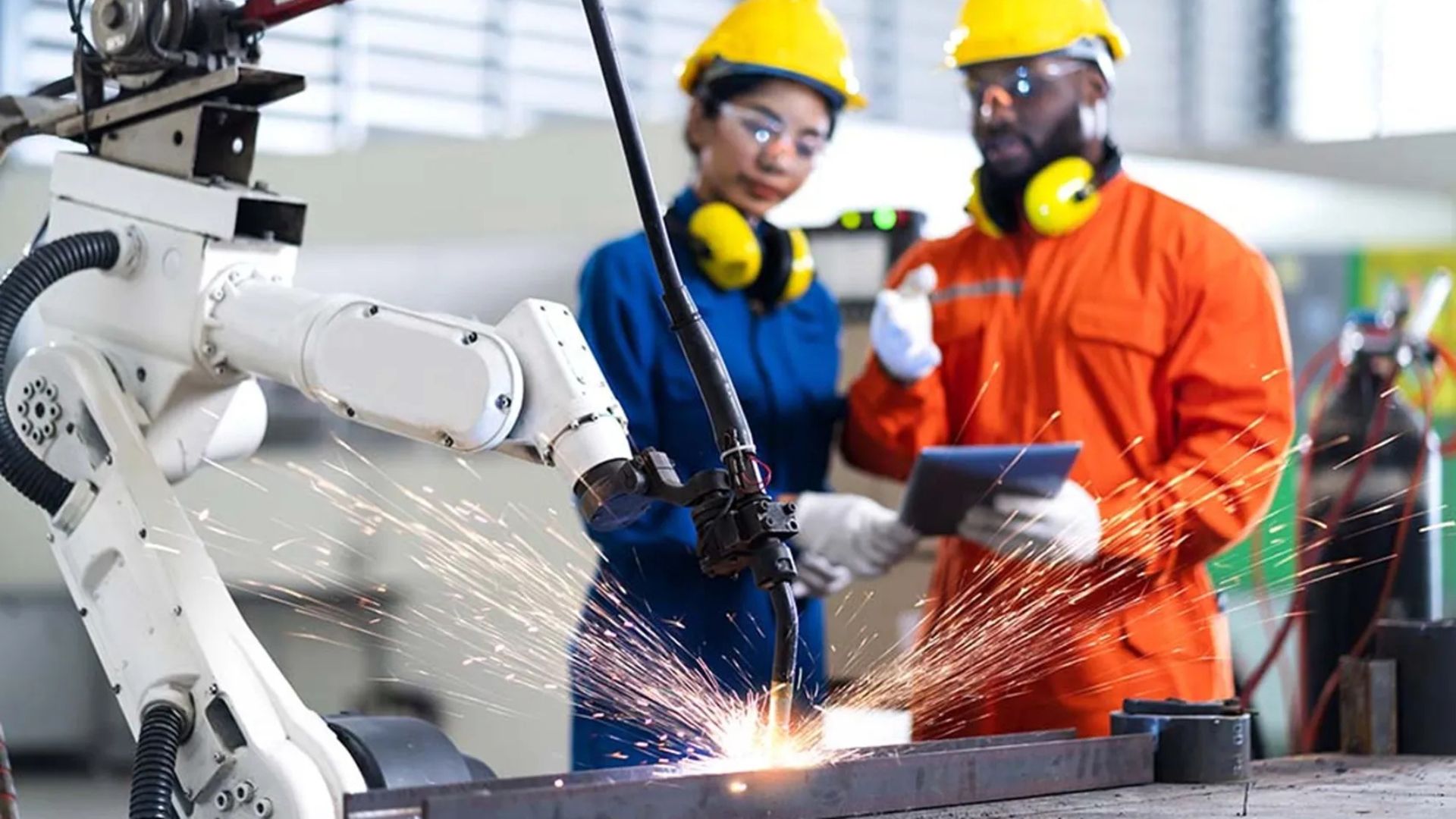
New vision-based safety tech lets industrial robots work safely near humans
Sensory Robotics has achieved safety certification for its innovative system that enables industrial robots to operate autonomously in various environments. This significant milestone was announced recently, marking a crucial step forward in the integration of advanced robotics into industrial applications. The certification process involved rigorous testing and evaluation to ensure that the system meets stringent safety standards, reflecting the company's commitment to enhancing workplace safety and efficiency. By allowing robots to function independently, Sensory Robotics aims to streamline operations and reduce the risk of accidents in manufacturing settings. The certification not only positions the company as a leader in the robotics field but also opens new opportunities for businesses looking to adopt automated solutions.
AI and Robotics
Standard Bots Raises $200M in Series C Funding at $1B Valuation to Scale American-Made, AI-Native Industrial Robots
Standard Bots, a U.S.-based robotics company, has successfully secured $200 million in a Series C funding round, primarily led by RoboStrategy. Existing investors, including General Catalyst, also contributed to this significant investment. This funding round elevates the company's valuation to $1 billion and is aimed at enhancing the production capabilities of its AI-powered industrial robots. The influx of capital will enable Standard Bots to expand its operations and meet the growing demand for advanced robotics solutions in various industries.
AI AI Funding & Investment Robotics funding General Catalyst industrial robotics
Standard Bots Raises $200 Million Series C at $1 Billion Valuation to Scale American-Made, AI-Native Industrial Robots
Standard Bots is set to account for 10% of new industrial robot deployments in the United States by next year, reflecting a significant shift in the automation landscape. This anticipated growth comes as industries increasingly seek to enhance efficiency and productivity through advanced robotic solutions. The surge in demand for industrial robots is driven by the need to streamline operations and reduce labor costs amid a competitive market. Standard Bots, leveraging innovative technology and strategic partnerships, is positioning itself as a key player in this evolving sector. As companies across various industries adopt automation, the impact of Standard Bots’ contributions will likely reshape the future of manufacturing and logistics in the U.S.
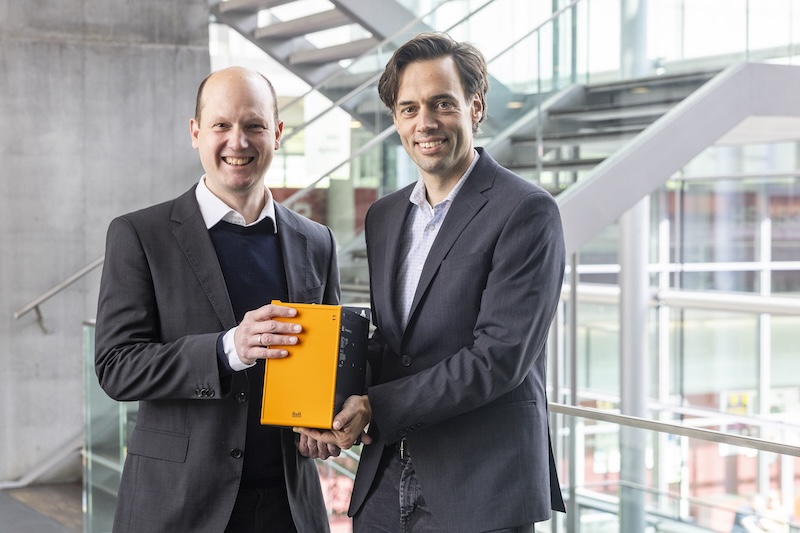
ABB and Salzburg researchers patent AI system to cut energy use in industrial robots
Salzburg University of Applied Sciences has partnered with ABB’s Machine Automation Division, B&R, to enhance energy efficiency in industrial automation through the application of artificial intelligence. This collaboration is centered at the Josef Ressel Center for Intelligent and Secure Industrial Automation (JRZ ISIA), where the two entities aim to translate cutting-edge research into viable solutions for industrial drive systems. By leveraging AI technologies, the initiative seeks to optimize energy consumption and improve operational efficiency in manufacturing processes, addressing the growing demand for sustainable industrial practices.
Industrial robots News abb ai in manufacturing AI optimization automation news
Small Industrial Robots Pros and Cons: An Honest Review for Lean Automation
In a bid to enhance manufacturing efficiency through "Lean Automation," many producers are turning to small industrial robots, such as the JAKA MiniCobo, which offers a compact solution to traditional bulky systems. These mini robot arms, designed to fit in tight spaces, provide a low-risk entry into automation, allowing manufacturers to maximize productivity while minimizing waste. The JAKA MiniCobo, weighing just 9.4 kg and featuring a 580 mm reach with a 1 kg payload, is particularly suited for delicate tasks in sectors like electronics and medical services. Its integrated intelligent drive module simplifies installation, eliminating the need for bulky control cabinets and enabling a plug-and-play experience. While small robots offer advantages such as energy efficiency, lower total cost of ownership, and safer operation near human workers, they also face limitations. Most can handle payloads under 2 kg and may struggle with high-torque tasks due to their lightweight construction. Additionally, they require careful management in high-temperature environments to prevent overheating. The JAKA MiniCobo exemplifies the principles of Lean Automation by reducing space and complexity while maintaining precision, making it an attractive option for manufacturers looking to streamline operations.
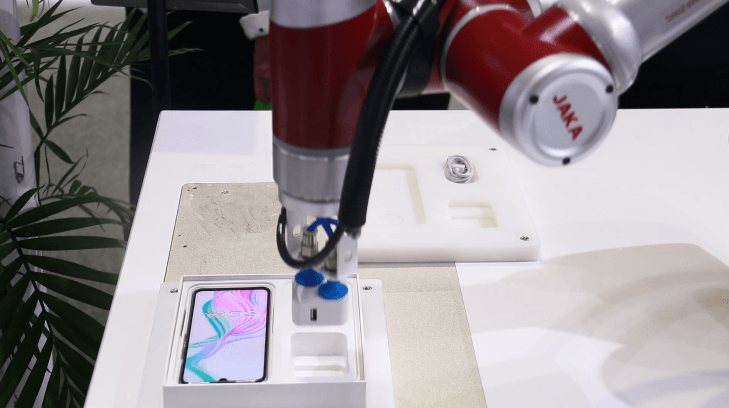
Which Company Makes Industrial Robots?
The global manufacturing sector is witnessing a significant transformation as it shifts from traditional high-speed automation to flexible collaborative systems. This change, driven by the emergence of "Industry 5.0," prioritizes human-machine synergy, allowing robots to operate safely alongside human workers. By 2026, the industrial robotics market has diversified, with companies adapting to the specific needs of production lines, moving beyond the dominance of the "Big Four" in heavy-duty manufacturing. Innovators in the field are now focusing on creating robots that are "Smart, Simple, Small," featuring intuitive graphical interfaces and wireless connectivity. This shift has enabled smaller enterprises to adopt automation technologies previously reserved for larger factories, resulting in increased productivity across various sectors, including electronics, food and beverage, and logistics. JAKA Robotics, a leader in this industrial revolution since 2014, emphasizes the concept of "embodied intelligence" in its robots. Their JAKA Zu series supports payloads up to 20kg with high precision, while the JAKA A series caters to delicate assembly lines with even greater accuracy. JAKA distinguishes itself with user-friendly innovations, such as mobile terminal APP control, which simplifies the automation process. The company’s commitment to providing safe and reliable robotic solutions positions it at the forefront of the evolving landscape of industrial innovation, paving the way for a new era in manufacturing.

The Silent Stabilizer: Why Gyroscopes Are Essential for Next-Gen Industrial Inspection Robots
A newly developed robot equipped with a gyro-backed stabilization system is revolutionizing workplace safety and efficiency. This innovative technology ensures that cameras remain level and navigation remains precise, allowing for the accurate detection of defects while minimizing risks for workers. By maintaining stability during operation, the robot enhances inspection processes and helps prevent accidents in various industrial settings. As companies increasingly prioritize safety and quality control, this advancement is set to play a crucial role in transforming how inspections are conducted, ultimately leading to safer work environments and improved operational outcomes.

Swiss Kemaro Pre-Closes $5M in Series B Round to Fund Expansion of Autonomous Industrial AI-Native Cleaning Robots
Swiss industrial robotics company Kemaro has successfully secured $5 million in an initial pre-closing of its Series B funding round, which aims to raise a total of $20 million. The pre-closing was spearheaded by Spicehaus Partner AG. The funds will be utilized to enhance sales operations, facilitate international expansion, and support the development of new products. Founded in [year], Kemaro is positioning itself for significant growth in the robotics sector.
AI AI Funding & Investment Robotics funding KEMARO robots
How Thermal Imaging Modules Are Transforming Industrial Robots for Safer 24/7 Operations
The integration of a high-performance Thermal Imaging Module represents a significant engineering advancement aimed at addressing critical challenges in industrial automation. This strategic upgrade not only enhances sensor capabilities but also mitigates issues such as unexpected downtime, fire hazards, and environmental constraints. By implementing this technology, industries can improve operational efficiency and safety, ultimately leading to more reliable production processes. The move comes as companies seek innovative solutions to enhance their systems and reduce risks associated with traditional monitoring methods.
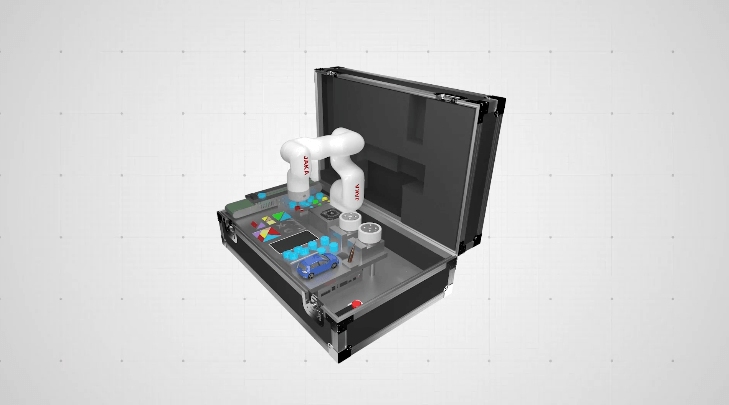
The ROI of Deploying Small Industrial Robots in Lean Manufacturing Cells
In a bid to enhance efficiency and cost-effectiveness in manufacturing, a company has successfully integrated small industrial robots, particularly the JAKA MiniCobo, into its lean manufacturing cells. This initiative, which began recently, aims to automate repetitive tasks such as material handling and machine tending, thereby alleviating labor bottlenecks and ensuring consistent production output. The JAKA MiniCobo stands out due to its compact design and flexibility, allowing for deployment in previously unsuitable spaces. By utilizing intuitive programming, the robot reduces setup time, enabling workers to concentrate on higher-value tasks. This streamlined approach not only boosts productivity but also improves product quality by minimizing human error, essential in lean manufacturing where even minor enhancements can significantly impact return on investment (ROI). Flexibility is a critical advantage of these small robots, which can be rapidly redeployed across various production line sections to meet changing demands without extensive reconfiguration. This adaptability leads to reduced downtime and more efficient scheduling, allowing manufacturing cells to respond dynamically to production needs while managing operational costs effectively. Although initial investment is a consideration, the focus remains on understanding the broader factors that influence cost-effectiveness, including labor savings, improved product consistency, and faster cycle times. The implementation of the JAKA MiniCobo not only promises direct labor replacement savings but also offers low maintenance requirements, ensuring a sustainable positive ROI over time. Overall, the deployment of small industrial robots represents a strategic move to maximize efficiency, enhance product quality, and optimize workforce allocation, demonstrating the tangible benefits of automation in modern manufacturing environments.
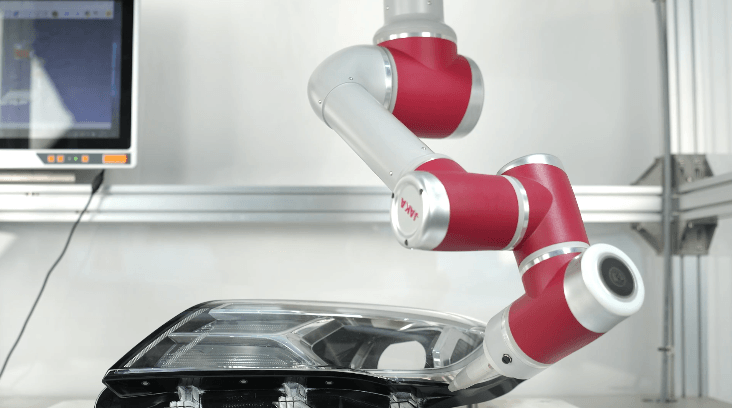
Cobot Arms vs. Traditional Arm Robots Industrial: TCO and Flexibility Comparison
Manufacturers are increasingly reassessing the role of automation in their long-term production strategies, particularly in light of the advantages offered by collaborative robots (cobots) compared to traditional industrial robots. JAKA, a leader in this field, reports a surge in demand for adaptable industrial robot arms that can be quickly deployed to meet fluctuating production requirements. This trend underscores a shift towards collaborative automation, which enhances efficiency without the need for rigid setups or complex infrastructure. The total cost of ownership (TCO) is a critical factor in this evaluation, extending beyond the initial purchase price of robotic systems. Traditional robots often incur higher indirect costs due to the need for safety measures, intricate integration, and extended commissioning times. In contrast, cobots simplify installation and allow for rapid redeployment across various tasks, ultimately lowering TCO. JAKA emphasizes that manufacturers also consider maintenance, retraining, and downtime when selecting automation solutions. Flexibility is another significant advantage of cobots, which are designed for easy reprogramming to accommodate varying product specifications. The JAKA Zu3, for instance, is frequently utilized in adhesive applications, allowing manufacturers to adapt to changing workflows efficiently. This capability is particularly beneficial in fast-paced environments with short product lifecycles. Moreover, cobots enhance safety by taking over hazardous tasks, thereby reducing the risk of accidents while ensuring consistent processing precision and product quality. While traditional robots remain effective for high-volume operations, collaborative robots offer a balanced solution that prioritizes safety, quality, and adaptability. JAKA continues to innovate in this space, helping manufacturers align their automation strategies with evolving production needs.
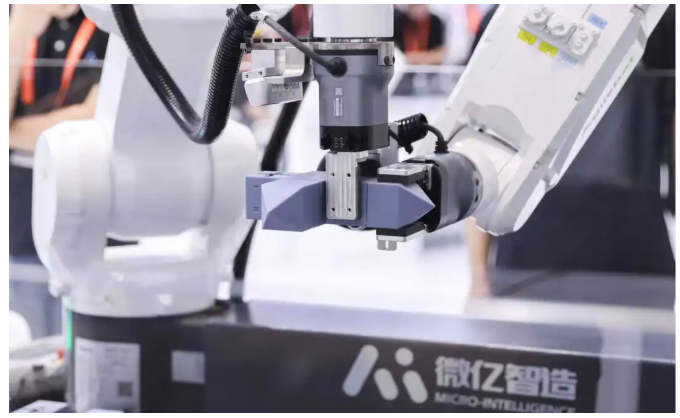
The Leading Player in Industrial Embodied Intelligent Robots: How to Tap into a New $1.3 Trillion Blue Ocean?
Weiyi Intelligent Manufacturing, based in Changzhou, Jiangsu, has made significant strides in the field of digital transformation within the manufacturing sector by developing embodied intelligent robots (EIIR). These advanced robots are designed to autonomously adapt and perform tasks, effectively integrating artificial intelligence with robotics. This innovation aims to enhance production efficiency and flexibility across various industries, marking a notable advancement in manufacturing technology. As the demand for smarter manufacturing solutions grows, Weiyi's EIIR technology positions the company at the forefront of this evolving landscape, showcasing the potential for AI-driven automation to revolutionize traditional production processes.
Industrial Robots AI Integration Manufacturing Automation Smart Manufacturing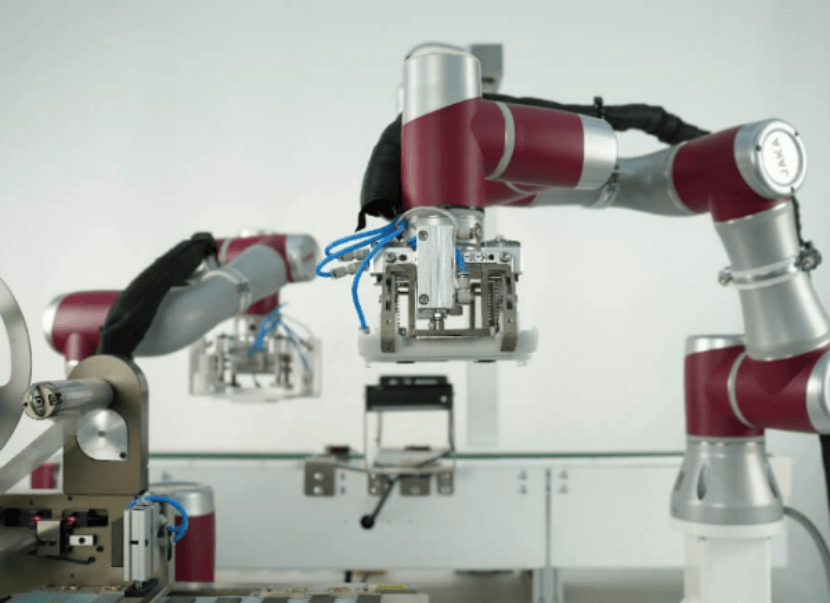
Cobots vs. Traditional Industrial Robots: Which Is Better for SMEs?
Small and medium-sized enterprises (SMEs) are increasingly faced with the challenge of choosing between collaborative robots (cobots) and traditional industrial robots for upgrading their production lines. This decision, influenced by factors such as production space, workforce skill levels, and the frequency of product changes, is crucial for aligning automation solutions with operational needs. JAKA, a company specializing in automation technology, emphasizes the importance of flexibility and safety in this choice. Collaborative robots are designed to work alongside human operators, allowing for gradual automation without significant changes to factory layouts. They require less safety fencing and can be installed more quickly than traditional robots, making them suitable for smaller manufacturing environments. JAKA's systems are tailored for rapid redeployment and user-friendly programming, enabling SMEs to implement automation incrementally while managing costs effectively. In addition to flexibility, SMEs prioritize process consistency and quality control. JAKA’s AL solution is engineered for precise and repeatable motion, essential for applications like adhesive application, which helps maintain product quality and reduce defect rates. The adaptability of cobots allows for quick adjustments to different workpieces, minimizing the need for additional equipment investments during process changes and enhancing workplace safety by reducing manual handling of hazardous tasks. Ultimately, the choice between cobots and traditional robots varies for each SME, depending on their production volume and flexibility needs. JAKA advocates for a practical approach to automation that supports gradual growth, enabling SMEs to enhance efficiency while ensuring operational stability.
Industrial Collaborative Robots for Research and Development (R&D) Labs
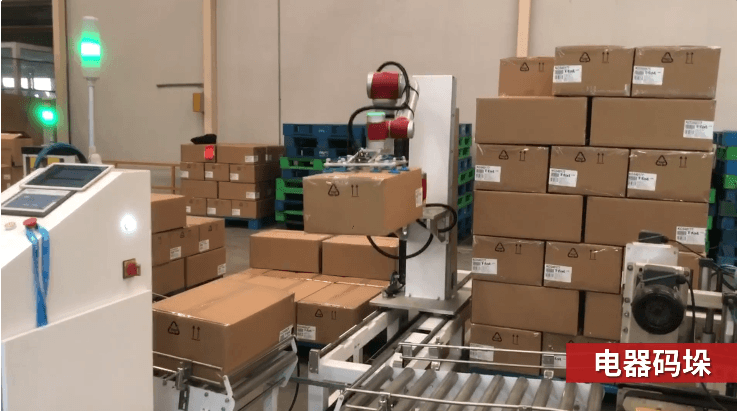
In a bid to enhance productivity and precision in research and development laboratories, a company has adopted industrial collaborative robots, specifically the JAKA systems. These robots are designed to work alongside human researchers, automating repetitive and time-consuming tasks while maintaining high consistency. By integrating these cobots into daily operations, the company enables its staff to focus on critical areas such as experimental design and data analysis, thereby reducing human error and ensuring rigorous quality standards. One notable implementation is the JAKA Pro16 Palletizing solution, which features a compact structure and lightweight design, making it suitable for space-constrained laboratories. This automation alleviates the burden of manual palletizing, traditionally a labor-intensive task, and significantly boosts production efficiency while improving ergonomics for operators. The JAKA robots are equipped with advanced control algorithms and force-sensing technology, ensuring safe interactions with human personnel. Their flexibility allows for quick adaptation to various experimental setups, supporting tasks from handling delicate samples to repetitive assembly work. This adaptability not only reduces training time but also enables laboratories to meet evolving project demands without sacrificing safety or efficiency. By leveraging JAKA systems, the company aims to streamline operations, enhance working conditions, and maintain high accuracy standards, ultimately fostering innovation and advancing research capabilities across multiple disciplines.

Scaling Industrial Robots in the Age of AI
Robotic Foundation Models (RFMs) are emerging as a transformative technology in the field of robotics, akin to large language models used for text generation. These generative AI models are designed to enhance the capabilities of robots by enabling them to perform and predict a wide range of tasks with remarkable accuracy. The development of RFMs allows robots to adapt to changing conditions in real-time without the need for extensive reprogramming. As of October 2023, researchers and developers are focusing on training these models using extensive datasets, which significantly improves the robots' ability to learn and operate in dynamic environments. The motivation behind this innovation is to streamline robotic operations across various industries, making them more efficient and versatile. By leveraging RFMs, robots can better understand and respond to their surroundings, ultimately leading to increased productivity and reduced operational costs. The ongoing advancements in RFMs signal a pivotal shift in how robots are integrated into everyday tasks, promising to revolutionize sectors such as manufacturing, logistics, and healthcare. As this technology continues to evolve, it is expected to play a crucial role in the future of automation and artificial intelligence, paving the way for smarter, more capable robotic systems.
What Are the 5 Types of Industrial Robots?
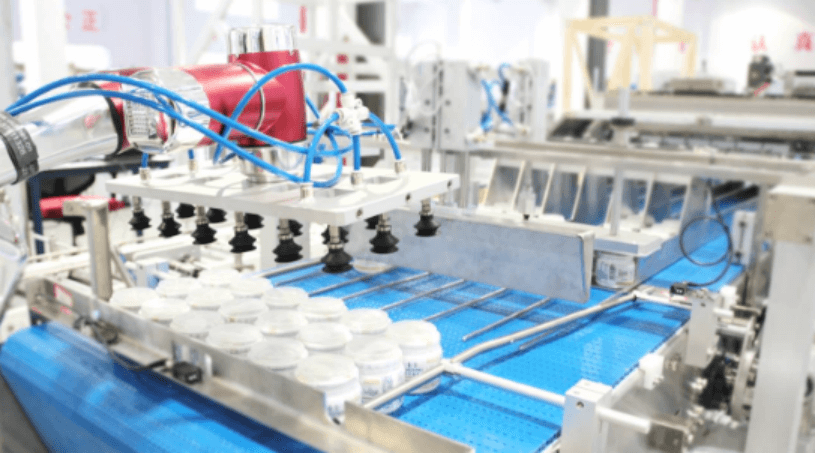
JAKA, an industrial robot company, is at the forefront of automation technology, focusing on five primary types of robots that cater to various production needs. These include articulated robots, known for their flexibility and complex movements, which are essential for tasks like welding and assembly. The compact design of JAKA's Zu series exemplifies this versatility, allowing operation in confined spaces. Additionally, the SCARA robot specializes in high-speed, precise motions within a horizontal plane, making it ideal for electronics manufacturing. JAKA emphasizes engineering principles that ensure repeatability and stability in all its robotic models. The delta robot, characterized by its parallel-linked arms, excels in ultra-high-speed picking and packaging, particularly in the food and pharmaceutical industries. JAKA is committed to delivering reliable automation solutions that meet rigorous production standards. The Cartesian robot, or gantry robot, operates on three linear axes, making it suitable for applications such as 3D printing and precise dispensing. Its intuitive programming aligns with JAKA's mission to make automation accessible. Lastly, collaborative robots, or cobots, represent a significant shift towards human-centric automation, designed to work safely alongside human workers. JAKA focuses on developing accessible cobots equipped with user-friendly programming and safety features. Overall, JAKA aims to provide a diverse range of robotic solutions that enhance flexibility, efficiency, and collaboration in modern manufacturing environments.
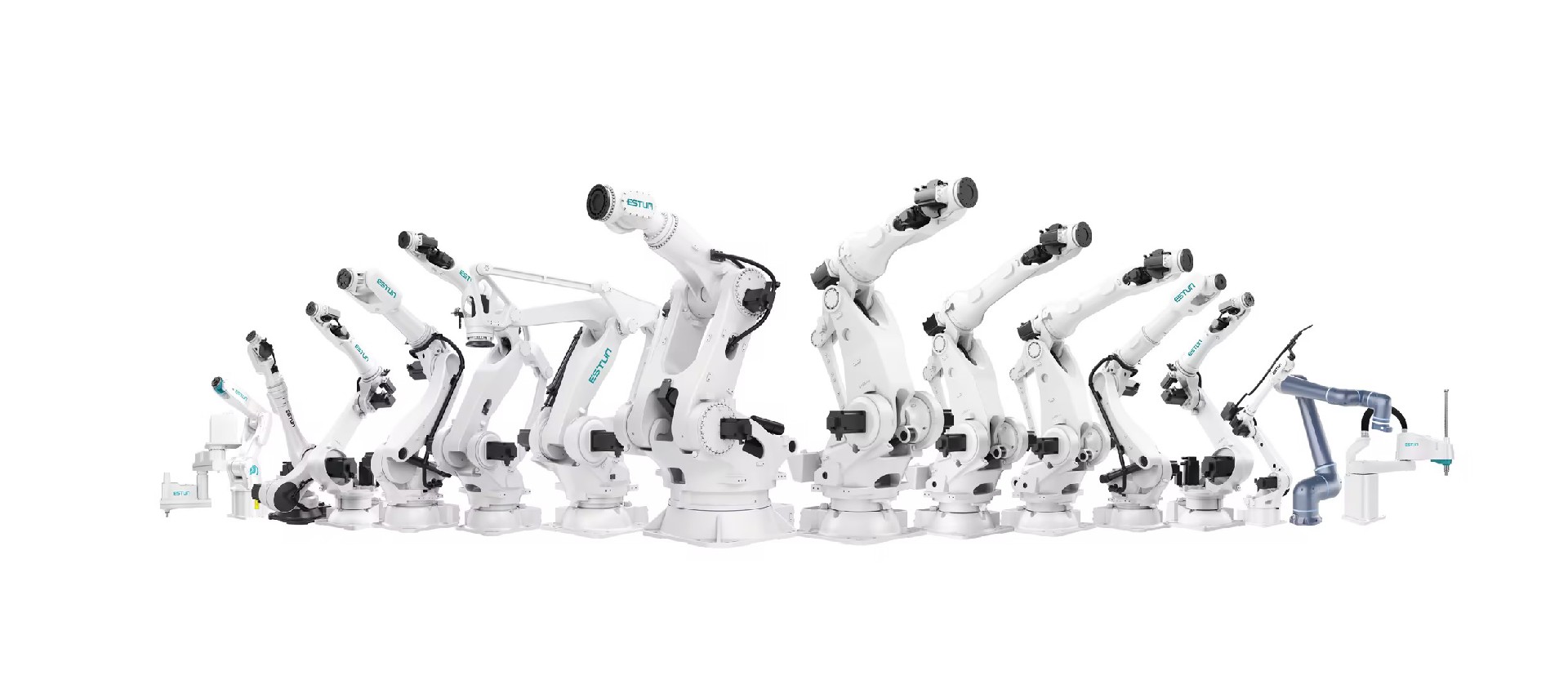
Estun's iER Series Intelligent Industrial Robots Launch with Impact! Redefining Standards and Ushering in a New Era of Ecosystem!
Estun, a prominent robotics brand in China, has unveiled its latest innovation, the iER series of robotic products. This launch marks a significant advancement in robotic technology, showcasing a comprehensive overhaul of its software system. The iER series is designed to enhance operational efficiency and adaptability in various industrial applications. By integrating cutting-edge technology, Estun aims to solidify its position as a leader in the robotics sector and meet the growing demands of automation in the market. The introduction of the iER series reflects Estun's commitment to continuous innovation and excellence in robotics.
ESTUN AUTOMATION ROBOTICS SERVO SYSTEMS
BTM INDUSTRIAL IS HOSTING AN ONLINE SALE OF INDUSTRIAL ROBOTS ON DECEMBER 17-18, 2025
A significant court-authorized sale is underway, involving the liquidation of over 200 robots specifically designed for automating various industrial tasks, including welding, manufacturing, packaging, warehousing, and food processing. This event, which aims to clear all assets regardless of their market value, reflects the ongoing trend of automation in the manufacturing sector. The sale is expected to attract interest from companies looking to enhance their operational efficiency through advanced robotics technology. The timing of this liquidation comes as industries increasingly seek to streamline processes and reduce labor costs.

Robot Talk Episode 132 – Collaborating with industrial robots, with Anthony Jules
In a recent conversation, Claire spoke with Anthony Jules, the CEO and co-founder of Robust.AI, regarding the company's innovative autonomous warehouse robots designed to collaborate with human workers. Robust.AI is recognized as a leader in AI-driven warehouse automation, with its flagship product, Carter™, specifically engineered to integrate seamlessly into existing workflows without causing disruptions. This approach aims to enhance operational efficiency while ensuring that human employees can continue their tasks alongside the robots. The discussion highlighted the growing importance of automation in logistics and the potential for technology to improve workplace dynamics.
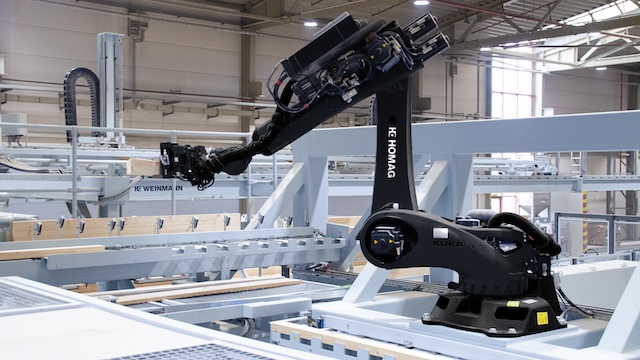
China produces 76,300 industrial robots in September, up 28.3% y-o-y
In September, China saw a significant increase in industrial robot production, with the Ministry of Industry and Information Technology reporting the rollout of 76,300 units, marking a 28.3% rise compared to the same month last year. This surge contributed to a cumulative production total of 595,000 robots from January to September, exceeding the total output for the entirety of the previous year. The robust growth in robot manufacturing is largely attributed to the rising demand for automation across various sectors, reflecting a broader trend towards increased efficiency and technological advancement in the Chinese industry.
News Feed
China Installed Nearly 300,000 Industrial Robots in 2024, More Than All Other Markets Combined
In 2024, China significantly advanced its industrial automation by installing 295,000 new industrial robots, surpassing the total installations of all other countries combined, as reported by the International Federation of Robotics (IFR). This surge contributed to a global deployment of 524,000 new robotic units, raising the total number of operational robots worldwide to 4.46 million, marking a 9% increase from the previous year. With 2.03 million robots in operation, China continues to dominate the global market, solidifying its position as the leading nation in industrial robotics. This trend reflects China's commitment to enhancing productivity and efficiency in its manufacturing sector, driven by the increasing demand for automation and technological advancement.
News Feed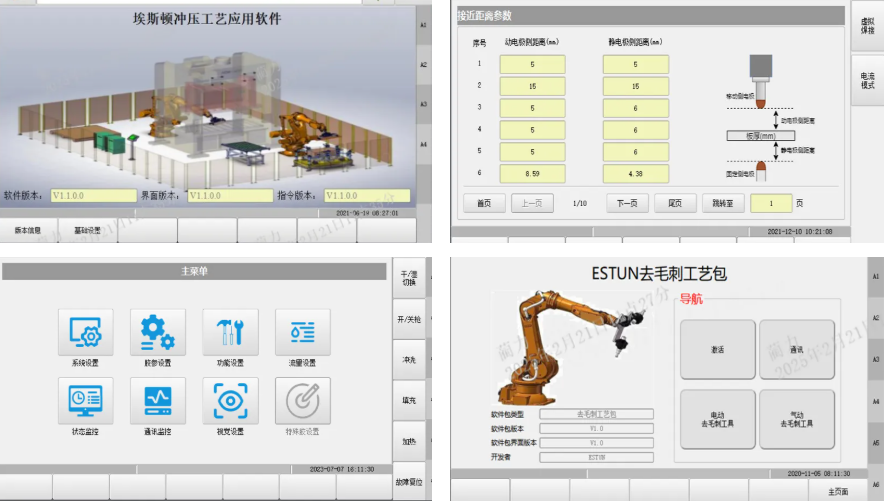
ESTUN Heavy-Payload Robots Set the Gold Standard in Industrial Reliability with MTBF 120,000 Hours Certification!
ESTUN has announced a significant milestone for its heavy-payload series of industrial robots, achieving a Mean Time Between Failures (MTBF) certification of 120,000 hours with a zero-failure performance. This accomplishment underscores the company's commitment to producing highly stable, reliable, and durable robotic solutions, positioning its products at the forefront of the industry. The certification reflects rigorous testing and quality assurance processes, demonstrating ESTUN's capability to meet the demanding needs of high-end manufacturing sectors. This achievement not only enhances the company's reputation but also sets a new standard in the robotics field, potentially influencing future developments and innovations in industrial automation.
ESTUN AUTOMATION ROBOTICS SERVO SYSTEMS
Casbot Secures $14 Million to Advance Humanoid Robots for Industrial and Harsh Environments
Casbot, a Chinese developer specializing in humanoid robots, has successfully secured nearly $14 million in angel funding. This financial boost will enable the company to mass-produce its bipedal robots, which are designed for challenging industrial and mining environments. The funding comes as Casbot seeks to leverage its innovative AI architecture, allowing the robots to adapt effectively to real-world conditions. The investment marks a significant step in the company's mission to enhance automation in demanding sectors.
China Casbot
Unitrees Strategic Focus on Industrial Robots Amid Household Safety Concerns
Unitree, a Chinese robotics company, is shifting its focus from household robots to industrial applications, citing safety concerns as a primary reason for this strategic change. The company aims to enhance the safety features of its humanoid robots, with the intention of making them suitable for domestic environments in the future. This decision reflects a growing emphasis on ensuring that robotic technology can be safely integrated into everyday life, while still addressing the demands of industrial sectors. By refining its designs and functionalities, Unitree is positioning itself to meet both current market needs and future consumer expectations.
G1 Unitree Robotics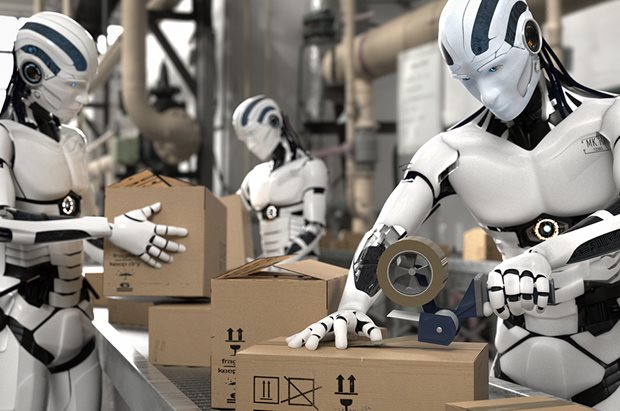
Estun Leads Domestic Industrial Robots, Four Breakthroughs Create New Industry Benchmarks
In 2024, domestic industrial robot manufacturers in China achieved a significant milestone, capturing over 52.3% of the market share, as reported by MIR DATABANK. Estun, a prominent player in the industry, maintained its position as the leading manufacturer, consistently ranking first in annual shipments. The company's impressive year-on-year growth reflects its strong performance and innovation in the robotics sector, contributing to the overall expansion of the domestic market. This surge in market share underscores the increasing competitiveness of Chinese robotics manufacturers on a global scale, driven by advancements in technology and rising demand for automation solutions across various industries.
ESTUN AUTOMATION ROBOTICS SERVO SYSTEMSRobotics needs a service framework.
RSF defines a common language for robot service capability, lifecycle operations, certification pathways, and service-provider networks.
Join the RobotToday community on LinkedIn
Daily robotics news, in-depth analysis, conference highlights, and discussions with professionals worldwide.