Industry Briefing
A single destination for timely, editor-curated robotics news from around the world.
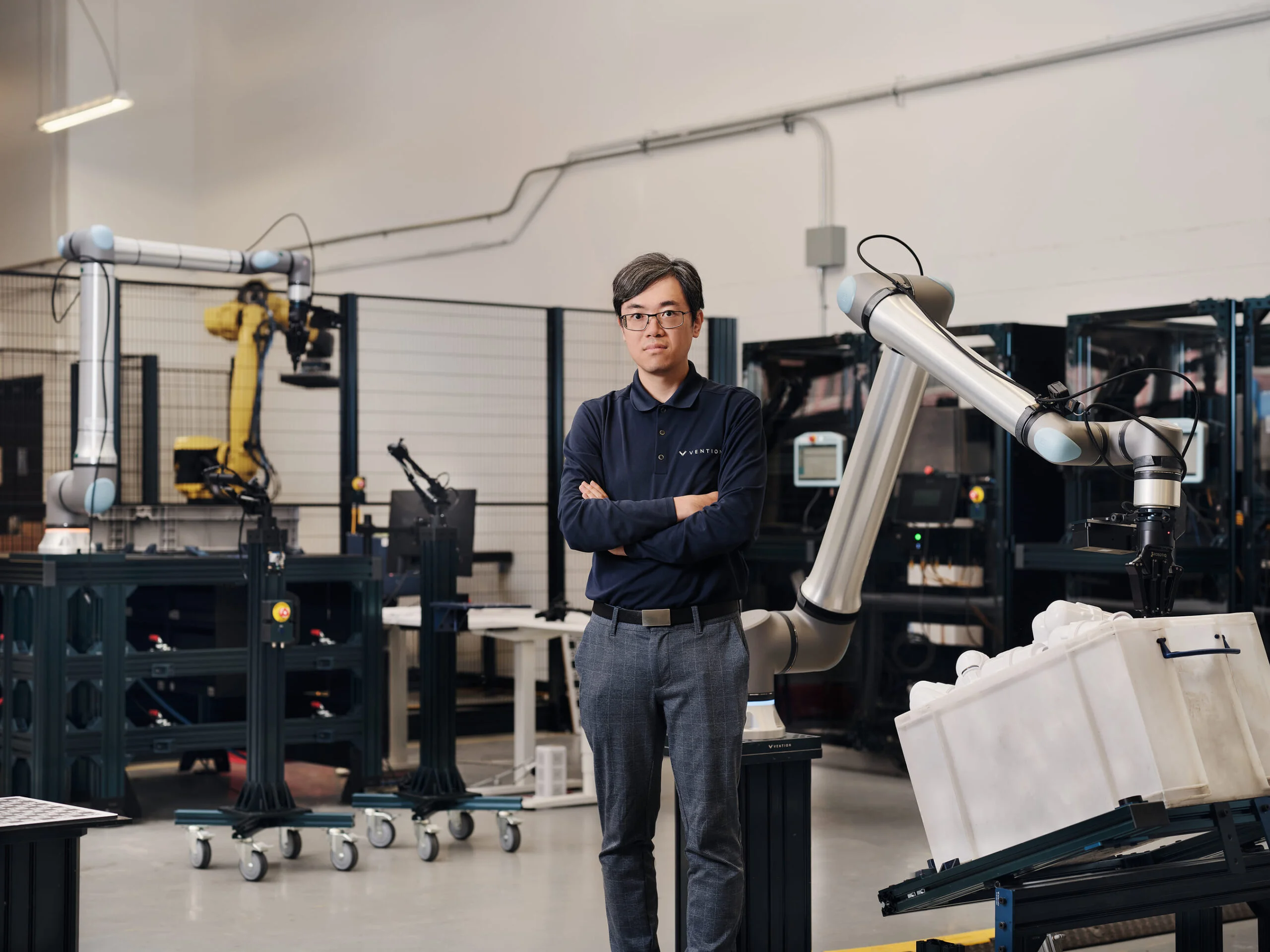
Vention Launches Montreal AI Lab to Enhance Industrial Robotics Capabilities
Vention has inaugurated a physical AI research lab in Montreal aimed at advancing robotic manipulation for manufacturing applications. The lab, directed by Jimmy Li and advised by Joelle Pineau, will leverage industrial data and customer insights to develop scalable robotic systems. With a focus on real-world production challenges, the lab aims to create technologies that enhance reliability and reduce costs in automation. This initiative is significant as Vention's physical AI segment has seen a remarkable 400% revenue increase over the past year, indicating a growing demand for advanced automation solutions. The lab's unique approach integrates academic research with practical production feedback, allowing for rapid development and testing of new robotic systems. This model positions Vention to address complex manufacturing tasks that have traditionally been difficult to automate. Looking ahead, Vention's Montreal lab is expected to expand its team and generate new intellectual property. The company plans to release a public software development kit for its GRIIP manipulation pipeline, which breaks down robotic tasks into manageable stages. No further timeline was disclosed at the time of publication.
AI AI Funding & Investment Robotics Canada.Montreal computer vision industrial robotics
Meltio Introduces US-Assembled Meltio Robot Cell for Industrial Metal 3D Printing
Meltio has unveiled a US-assembled version of its Meltio Robot Cell, designed for industrial metal 3D printing. This initiative targets industrial customers throughout the Americas, aiming to enhance accessibility and efficiency in additive manufacturing. The decision to assemble the system in the United States is significant as it aims to minimize shipping and customs delays that typically arise from importing equipment from Spain. This strategic move is expected to streamline operations for customers and improve the overall user experience. Looking ahead, Meltio's focus on local assembly may lead to further innovations and adaptations of the Meltio Robot Cell to meet specific regional demands. No further timeline was disclosed at the time of publication.
Design Engineering Manufacturing News Robotics abb robotics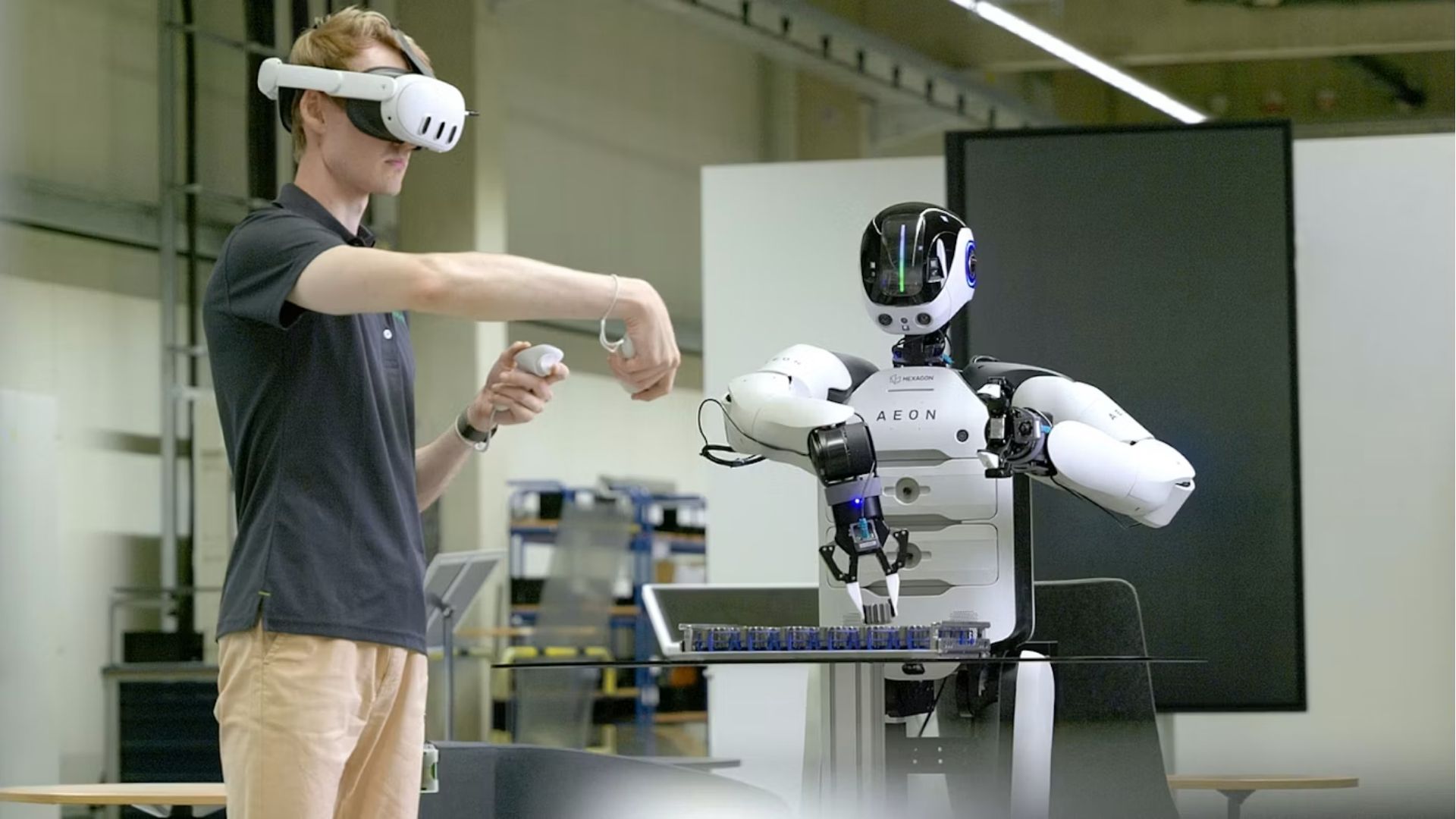
AEON Joins Schaeffler's Humanoid Gym to Enhance Industrial Skills for Robot Deployment
AEON has entered Schaeffler’s Humanoid Gym in Germany, marking a significant step in their collaboration to integrate humanoid robots into industrial settings. This facility will be instrumental in teaching AEON new manufacturing capabilities, validating its learning, and preparing it for a planned deployment of at least 1,000 humanoid robots in the coming years. The importance of this initiative lies in its structured approach to training, validation, and deployment, which will enable AEON to acquire essential industrial skills while Schaeffler builds the necessary expertise to manage and integrate these robots into its operations. This dual focus on technology and organizational readiness is crucial for successful adoption in manufacturing environments. Looking ahead, the collaboration between Hexagon Robotics and Schaeffler is set to evolve as they work towards deploying the humanoids. However, no specific timeline for individual deployments has been disclosed, nor have the initial industrial capabilities or tasks for AEON been identified. The Humanoid Gym will serve as a foundational space for developing these capabilities.
AI and Robotics
Universal Robot Launches Da Sheng 1: A Versatile Industrial Dexterous Hand
At the WRC exhibition, Universal Robot unveiled the Da Sheng 1, an industrial-grade dexterous hand designed to overcome existing limitations in robotic gripping technology. This innovative product aims to combine the high load capacity of traditional grippers with the versatile operational capabilities of dexterous hands, addressing a significant industry challenge. The Da Sheng 1 features a dynamic reconfiguration ability, allowing it to switch between multiple operational configurations, thus enhancing its adaptability for various tasks on production lines. This capability is crucial as manufacturing trends shift towards high variety and frequent changeovers, necessitating more flexible robotic solutions. Looking ahead, the industry will be keen to observe how the Da Sheng 1 performs in real-world applications and whether it can effectively replace traditional grippers in diverse operational scenarios. No further timeline was disclosed at the time of publication.
Dexterous Hands Industrial Robotics Automation Technology Robotics Innovation
Tsubaki KabelSchlepp Introduces Robotrax System for Protecting Industrial Robot Cables
Tsubaki KabelSchlepp has launched the Robotrax System, a specialized three-dimensional cable carrier designed to protect electrical cables and hoses in six-axis articulated robots. This innovative system addresses the mechanical stress caused by rapid movements and torsional twists, which often lead to conductor fatigue and costly production halts. The Robotrax System features a central steel cable that absorbs tensile loads, preserving conductor integrity and extending cable service life. Its unique spherical link design allows for smooth flexing across three axes, while modular cable routing prevents signal interference and mechanical abrasion. This design significantly reduces installation and maintenance time, making it a valuable solution for automated manufacturing environments. Looking ahead, the Robotrax System's active retraction mechanism minimizes collision risks during complex robot movements. With tailored protective accessories, it is built to withstand demanding industrial conditions. No further timeline was disclosed at the time of publication.
Articulated-robots Robot-uptime Automation Robot-arms Manufacturing Factory-robots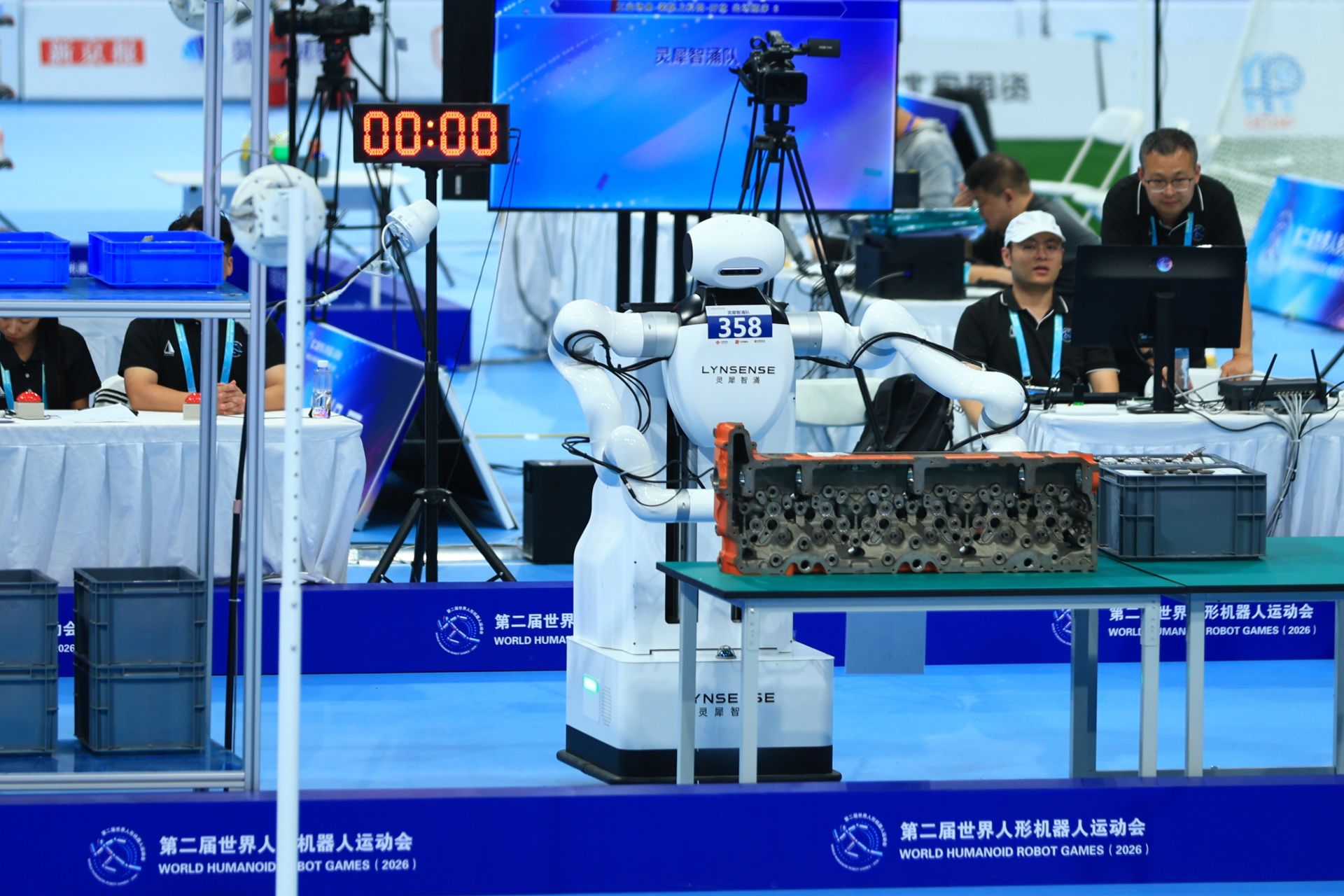
ROSS Harness Secures Third Place in World Humanoid Robot Competition for Industrial Tasks
In the 2026 World Humanoid Robot Competition for Industrial Applications, a robot successfully completed three tasks: transporting a 10kg material box, selecting seven types of parts, and assembling 18 engine valves with sub-millimeter precision. The Lingxi Zhiyong robot autonomously achieved a total score of 160, ranking third among established industry leaders and marking the only startup to reach the national top three in its debut. This competition highlights the pressing challenges in the field of embodied intelligence robotics, emphasizing the need for robots to perform reliably in real industrial environments. Unlike other competitions, this event focused on continuous, accurate task execution within industrial time constraints, showcasing the necessity for robots to deliver verifiable production results. Lingxi Zhiyong, founded by a PhD graduate from the University of Science and Technology of China, is addressing these challenges with its unique approach combining the CONWAY industrial native model and the ROSS Harness self-evolution engine. As the industry grapples with the gap between model capabilities and real-world delivery, the focus is shifting from merely developing advanced models to effectively utilizing them in practical applications.
Embodied Intelligence Industrial Robotics Automation Technology Robot Competitions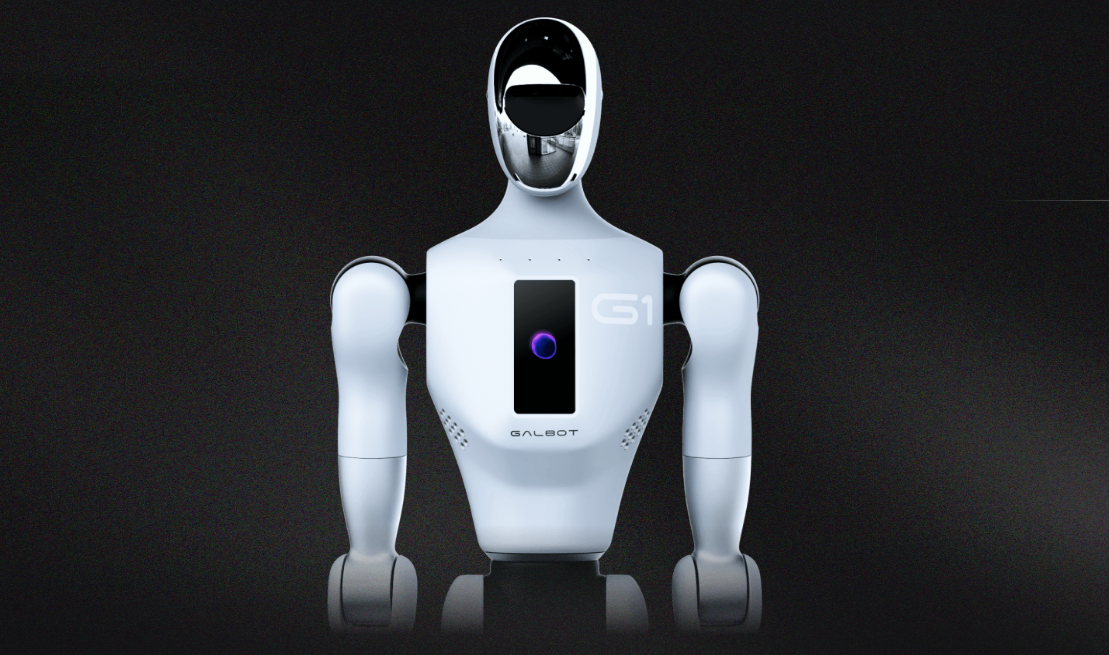
Galbot's Journey Towards Integrating Embodied AI Robots in Industrial Production Lines
Galbot, a Chinese embodied AI robotics company, is advancing the integration of robots into industrial production environments. Founded in May 2023, the company has raised over RMB 2.4 billion ($360 million) in funding, with a valuation exceeding RMB 22 billion ($3.27 billion). Galbot's G1 robot features a mobile platform and dual-arm manipulation system, enabling it to adapt to various tasks in flexible manufacturing scenarios. The demand for robots that can perform complex tasks in dynamic environments is growing as manufacturing shifts towards greater flexibility and intelligence. Traditional industrial robots, which are typically fixed and perform repetitive tasks, are being challenged by the need for more adaptable solutions. Galbot's innovations, including the G1 and S1 robots, aim to address these challenges by providing greater mobility and efficiency in manufacturing processes. As the embodied AI sector gains momentum, Galbot's focus on industrial applications positions it well for future growth. The company is set to play a significant role in transforming production methods, allowing robots to take on hazardous and repetitive tasks while collaborating with human workers to enhance productivity and safety. No further timeline was disclosed at the time of publication.
Up and Comers AI Highlight News Robotics
Zoomlion Highlights Industrial Embodied Intelligence at 2026 World Robot Conference
The 2026 World Robot Conference (WRC) will feature Zoomlion showcasing its advancements in industrial embodied intelligence. This event, which has been held since 2015, aims to unite companies, researchers, and industry stakeholders to demonstrate innovations in robotics and their practical applications. The focus of this year's conference is on enhancing human-robot collaboration and ensuring that technology development aligns more closely with industrial demand. This emphasis is crucial as industries increasingly seek to integrate advanced robotics solutions to improve efficiency and productivity. As the conference approaches, attendees should watch for new insights into how embodied intelligence can transform industrial processes. No further timeline was disclosed at the time of publication.
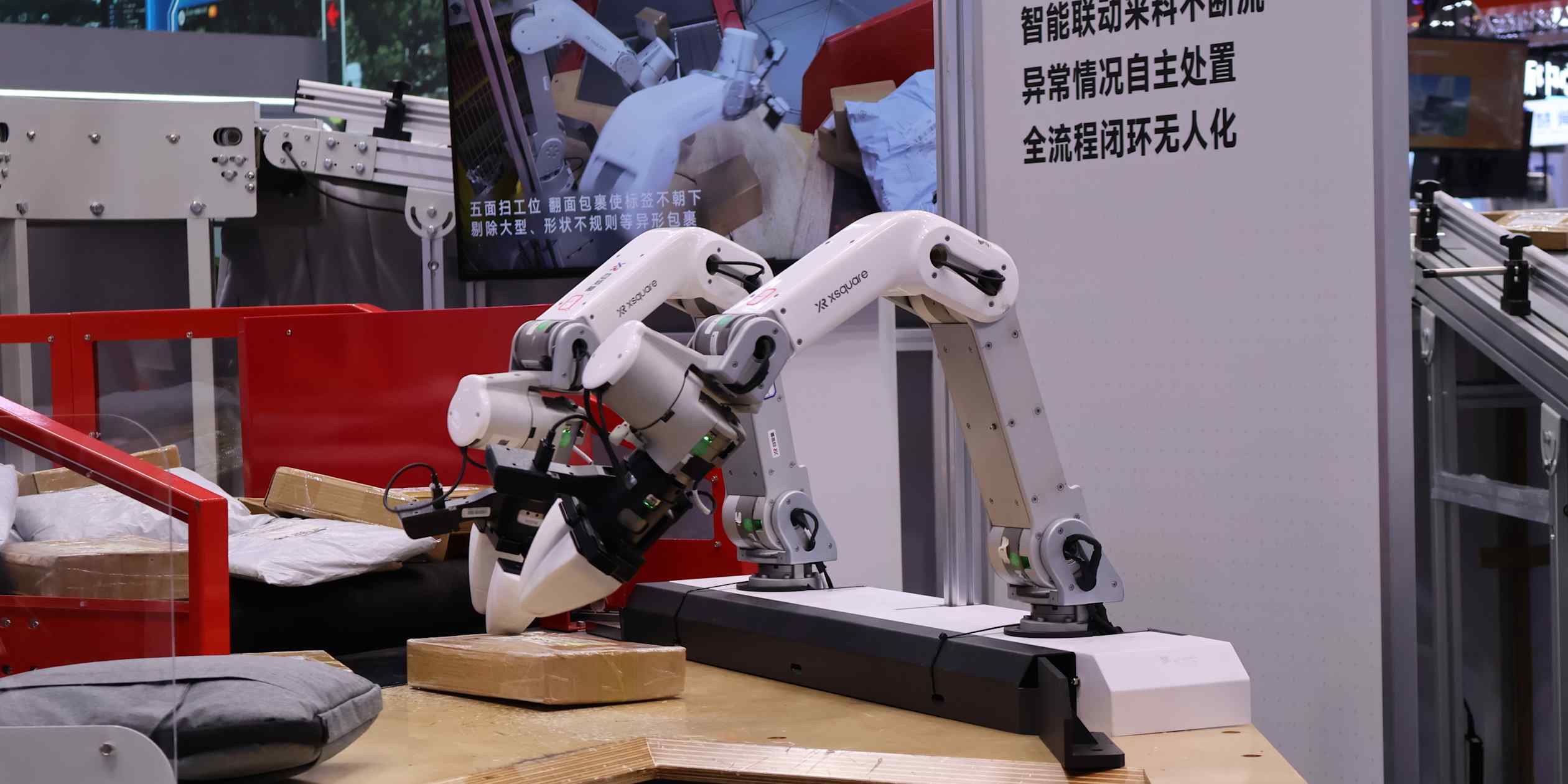
Chinese Startup X Square Robot Launches Robot Arms for Warehouse Parcel Sorting
X Square Robot, a Chinese startup, has announced the rollout of robot arms designed to sort parcels in logistics warehouses. This technology aims to match human sorting speeds, addressing the growing demand for efficient parcel handling as the industry processes approximately 200 billion parcels annually. The introduction of these robot arms is significant as it represents a shift towards automation in logistics, potentially improving operational efficiency and reducing reliance on human labor. The deployment of such technology is timely, given the increasing volume of parcels being handled in warehouses, which necessitates faster sorting solutions. Looking ahead, the technology was unveiled at the 2026 World Robot Conference in Beijing on August 19. No further timeline was disclosed at the time of publication, but the industry will be watching closely to see how X Square Robot's innovations impact logistics operations and workforce dynamics.
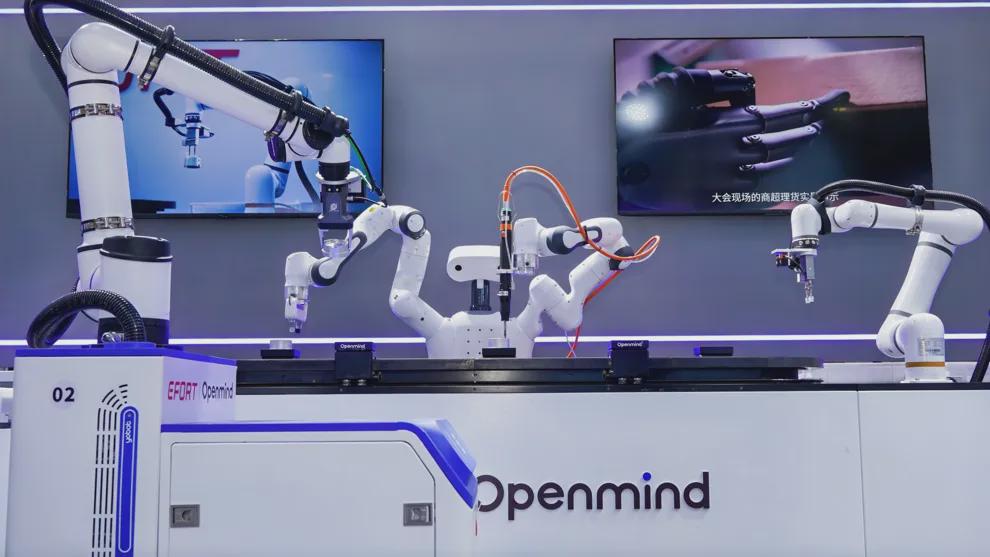
Industrial Robotics Market Growth: From 5.7 Billion to 77 Billion in China
The industrial robotics sector in China is witnessing a significant transformation, with the market projected to grow from 57.4 billion yuan in 2025 to over 110 billion yuan by 2026. This shift is marked by an increase in companies showcasing practical applications of robotics, moving beyond mere demonstrations to real-world implementations in factories. This evolution is crucial as it reflects a growing consensus within the industry that the scale is sufficient, but the focus must now shift to effective utilization of robotic technologies. Despite advancements, the actual deployment of robots in production environments remains low, with estimates suggesting that less than 10% of robots are actively working in factories, highlighting a substantial gap between potential and reality. Looking ahead, the industry faces challenges in bridging this gap, as evidenced by the low penetration rate of robots in general production, currently below 2%. Companies like Aeffort are attempting to address these issues by introducing versatile robotic solutions that integrate advanced technologies for seamless operation in manufacturing settings. No further timeline was disclosed at the time of publication.
Industrial Robotics Automation Technology AI in Manufacturing Robotic Systems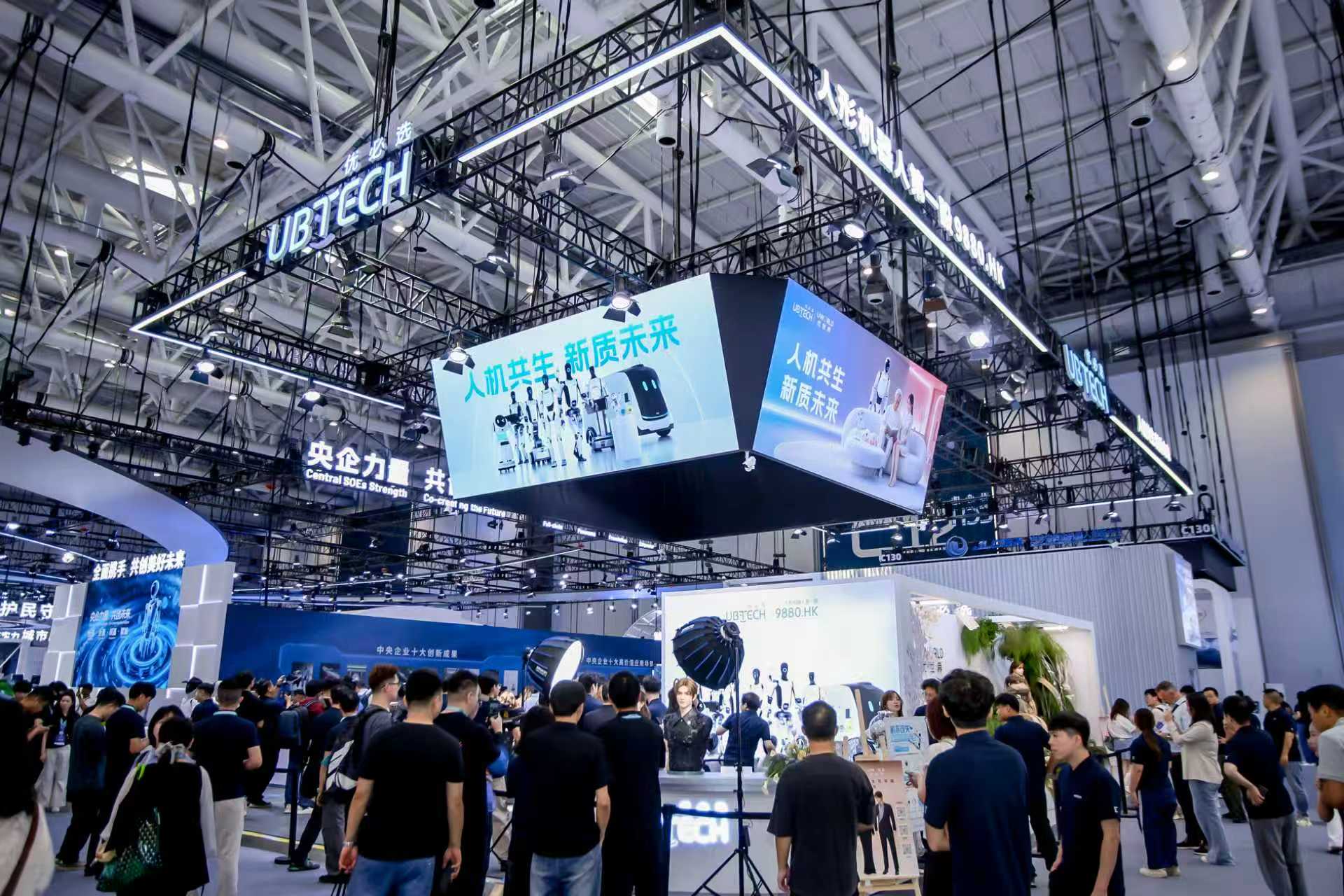
UBTECH Unveils New Humanoid Robots for Industrial, Commercial, and Home Use at WRC 2026
From August 19 to 23, 2026, the World Robot Conference (WRC 2026) took place in Beijing, where UBTECH showcased a range of humanoid robots designed for industrial, commercial, and home applications. Highlighted products included the industrial humanoid robot Cruzr Y1, the commercial service robot Walker C1, and the ultra-bionic humanoid robot U1, marking a significant step towards the market application of humanoid robots. This event is pivotal as 2026 is recognized as the inaugural year for the market application of humanoid robots, transitioning from conceptual exploration to practical, scalable development. UBTECH's strategy encompasses a comprehensive approach to industrial strength, commercial service, and emotional engagement in home consumption, leveraging technology and data to enhance the productivity value of humanoid robots. Looking ahead, UBTECH's commitment to advancing embodied intelligence technology is crucial for the successful deployment of humanoid robots across various sectors. No further timeline was disclosed at the time of publication.
Humanoid Robots Industrial Automation Commercial Robotics Home Robotics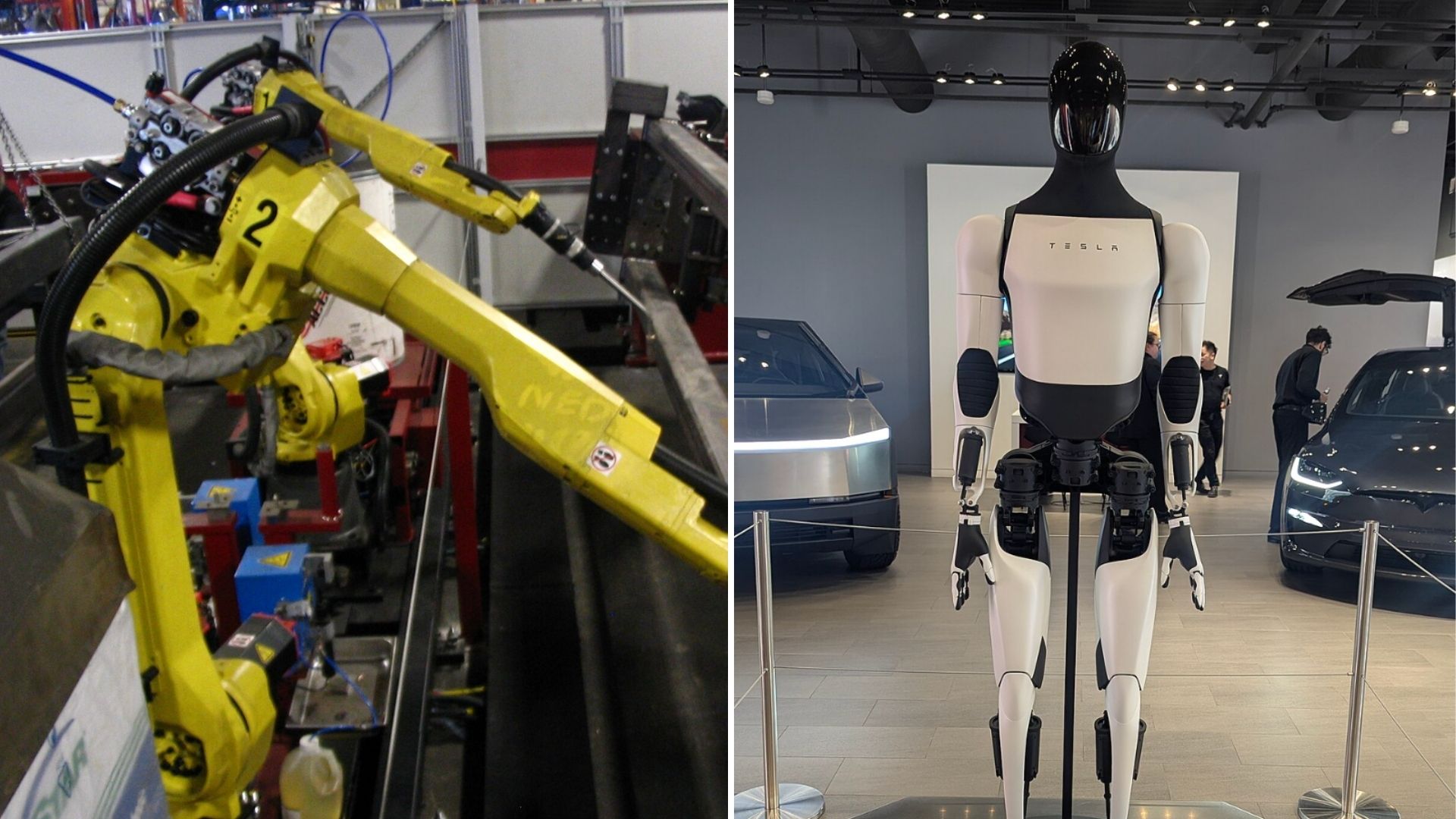
Humanoid Robots Enter Factories: Will They Surpass Traditional Industrial Robots?
Humanoid robots are emerging as a new element in factory automation, capable of walking between workstations and handling components. However, traditional industrial robots still dominate the automated factory landscape, raising questions about the future of humanoid integration in manufacturing environments. The significance of this development lies in the contrasting benefits of humanoids and industrial robots. While humanoids offer flexibility, industrial robots provide proven productivity, having been established in factories for decades. In 2024, factories installed 542,000 industrial robots, contributing to a global total of approximately 4.66 million, according to the International Federation of Robotics. Looking ahead, the competition between humanoids and industrial robots will intensify as manufacturers weigh the costs and benefits of each technology. Collaborative robots are also gaining traction, representing 10.5% of industrial robot installations in 2023, which may further challenge the role of humanoids in factories. No further timeline was disclosed at the time of publication.
AI and Robotics
Bee-Inspired Algorithm Enhances Consensus in Robot Swarms for Autonomous Operations
Recent advancements in swarm robotics have introduced a bee-inspired algorithm that aids robot swarms in reaching consensus autonomously. This capability is crucial for operations in challenging environments, such as disaster zones or chemical spills, where human intervention is limited or unsafe. The ability for robots to collectively decide on actions and destinations is vital for their effectiveness in various applications. However, this collective decision-making process can be compromised by faulty machines or misleading information, which can disrupt the entire swarm's functionality. As the technology develops, it will be important to monitor how these algorithms are implemented in real-world scenarios. Future deployments will likely focus on enhancing the reliability of information sharing among robots to mitigate the risks associated with faulty observations and manipulated messages. No further timeline was disclosed at the time of publication.
Robotics
China's Industrial Robot Exports Increased by 13.2% in First Seven Months of 2023
In the first seven months of 2023, China's industrial robot exports surged by 13.2%, reflecting a significant growth in the robotics sector. The introduction of an independent customs tariff code in January has led to a more than fivefold increase in the export value of intelligent bionic robots within six months. The variety of exported robots is expanding, with cleaning robots accounting for over 70% of exports, while industrial and humanoid robots are rapidly gaining traction. This growth is crucial as it highlights China's shift towards high-end robotics, with applications ranging from autonomous inspections in industrial parks to advanced manufacturing processes. Customs authorities have implemented supportive measures, such as tax reductions and streamlined services, to facilitate the export process for robotics companies. For instance, over 200 tax exemption procedures were processed by Beijing Customs in the first half of the year, saving companies more than 120 million yuan in R&D costs. Looking ahead, the demand for industrial robots is expected to continue expanding across various sectors, including automotive, electronics, and pharmaceuticals. The development of a classification database for robot products and innovative inspection services by customs is likely to further enhance the competitiveness of Chinese robotics on the global stage. No further timeline was disclosed at the time of publication.
Industrial Robots Robot Exports Customs Innovation Automation Technology
Florida Firm Haddy Utilizes Robotic Arms for 3D Printed TF-179 Drone Boat Production
Haddy, a Florida-based manufacturing company, has successfully produced the TF-179 Drone Boat using large-format robotic 3D printing. This innovative approach highlights the integration of additive manufacturing into maritime and defense sectors, allowing for faster production and more complex designs compared to traditional methods. The significance of this development lies in the evolving landscape of maritime manufacturing, where digital production technologies enable the rapid creation and modification of specialized vessels. Haddy's use of industrial robotic arms not only enhances production efficiency but also shortens development cycles, which is crucial for adapting to the dynamic requirements of unmanned maritime systems. Looking ahead, Haddy's advancements in robotic manufacturing indicate a growing demand for specialized maritime platforms within the US defense sector. As the company continues to refine its capabilities, the focus will likely remain on producing unmanned vessels that meet the changing operational needs of defense applications. No further timeline was disclosed at the time of publication.
Innovation
LumiBot Secures Angel Funding to Enhance Industrial Robotic Hands with Heat Management
LumiBot, a provider of dexterous robotic solutions, has successfully completed an angel funding round amounting to tens of millions, led by Changyou Technology's investment arm. This marks the first investment from Changyou's robotics fund established in June 2026 and highlights a significant case of material companies entering the core components of humanoid robots. The funding is crucial as it reflects a shift in the investment logic of the humanoid robot supply chain, moving from a focus on motion control to enhancing the reliability of end-effectors. LumiBot's innovative heat management capabilities are pivotal for meeting industrial standards, addressing the overheating issues that have hindered the adoption of dexterous hands in factories. Looking ahead, LumiBot plans to release a flagship model with 23 active degrees of freedom in October, featuring an active cooling design that significantly improves joint temperature management. The company aims to deliver 100 to 200 units in 2026, indicating a growing demand for advanced robotic solutions that prioritize operational efficiency over mere flexibility.
Robotics Heat Management Industrial Automation AI Engineering
Avatar Robotics Secures $6.5 Million Seed Funding to Enhance Industrial Automation
Avatar Robotics has successfully raised $6.5 million in seed funding to expand its capabilities in industrial automation. Since its launch in December 2025, the company has utilized its robots to pack, sort, and ship over 900,000 products, including those for a major global beauty retailer, demonstrating the effectiveness of its technology in real-world applications. This funding is significant as it positions Avatar Robotics to further develop its adaptive robotic solutions, which are designed to enhance operational flexibility and productivity in industrial settings. The ability to quickly respond to changing production requirements is crucial in today's fast-paced manufacturing environment, where traditional automation methods often fall short. Looking ahead, industry stakeholders should monitor Avatar Robotics' progress in deploying its technology across various sectors. The company's focus on creating an unlimited industrial workforce through advanced robotics could reshape the landscape of automation and address ongoing labor shortages in manufacturing. No further timeline was disclosed at the time of publication.

Challenges Ahead for RV Reducers in Industrial Robotics Market
Recently, Zhang Yueming, Chief Scientist at Beijing Zhihong Precision Transmission Technology and a professor at Beijing University of Technology, stated that the first phase of domestic replacement for core components of industrial robots has concluded. In the medium and small load sector, represented by RV reducers, domestic alternatives have largely been achieved. However, in high-load scenarios such as automotive manufacturing, foreign brands still hold 80% to 90% of the market share. This shift is significant as it marks a transition from merely having domestic products to focusing on the strength of these products. The ability to define independent technological routes will determine the competitive outcome. According to the Ministry of Industry and Information Technology, revenue from China's robot manufacturing enterprises is projected to exceed 90 billion yuan from January to May 2026, reflecting a 26.9% year-on-year growth, maintaining its status as the world's largest industrial robot market for 13 consecutive years. Zhang revealed that Zhihong Technology has been collaborating with Beijing University of Technology for nearly a decade to pursue forward development, moving away from imitation. Their products have achieved benchmarks against international giants like Nabtesco in key performance indicators. Notably, Zhihong is developing a gear transmission joint module with complete independent intellectual property rights, aiming to create a new category not previously seen overseas. Analysts believe that as domestic brands surpass 50% market share, core component companies must innovate and validate under heavy load conditions to transition from being merely usable to leading the market.
RV Reducers Industrial Robotics Automation Technology Manufacturing Innovation
University of Florida Launches Robotics Lab for Industrialized Construction Initiatives
The University of Florida (UF) has inaugurated a new robotics lab focused on industrialized construction, supported by a $1 million donation from Autodesk. This initiative aims to tackle Florida's housing shortage and the anticipated retirement wave in the construction workforce. The lab will enhance the university's Industrialized Construction Engineering (ICon) degree program, which is set to welcome its first cohort this fall. This lab is significant as it addresses critical issues in the construction industry, including worker safety and operational efficiency. By utilizing advanced manufacturing principles, the program emphasizes a shift from traditional construction methods to more precise, technology-driven processes. The integration of digital workflows, including BIM and AI, alongside hands-on experience with a COBOD BOD3 3D concrete printer, positions UF at the forefront of modern construction education. Looking ahead, the lab will provide essential resources for students and researchers to explore automated construction methods. The collaboration with Autodesk will facilitate the use of cutting-edge computational tools, enhancing the educational experience. No further timeline was disclosed at the time of publication.
Academia / Research Construction News autodesk STEM
Autodesk and University of Florida Launch Advanced Robotics Lab for Industrialized Construction
Autodesk has made a $1 million donation to establish the Autodesk Design and Make Laboratory at the University of Florida. This initiative aims to equip students with the necessary skills for careers in industrialized construction, addressing a significant workforce gap as 41% of the current workforce is expected to retire by 2031. The establishment of this lab is crucial as Florida faces a shortage of over 121,000 homes and rental units. By preparing students for the industrialized construction sector, the lab will contribute to alleviating both housing and labor shortages in the region, fostering a new generation of skilled professionals. Looking ahead, the focus will be on how effectively the lab can bridge the skills gap in the construction industry and support local workforce development. No further timeline was disclosed at the time of publication.

igus Introduces Twisterchain Energy Chain for 600-Degree Rotation in Industrial Robots
igus GmbH has launched a new self-supporting twisterchain energy chain designed for industrial applications, particularly in palletizing. This innovative product enables reliable cable management through rotation angles exceeding 600° on compact industrial robots, addressing challenges related to energy supply and cable collisions during operation. The introduction of the twisterchain is significant as it resolves two critical issues faced by robotics in industrial settings. Compact robots, which perform tasks like screwing and assembly, have struggled with energy supply along their fast-rotating first axis. Additionally, palletizing robots often encounter problems with uncontrolled hoses colliding with tools. The new energy chain allows power and data cables to follow full rotations safely, even under dynamic motion profiles. Looking ahead, igus's twisterchain could enhance the efficiency and reliability of industrial robots, particularly in applications requiring high mobility and precision. No further timeline was disclosed at the time of publication.
Assembly Batteries / Power Supplies Industrial Robots Manufacturing Materials News
Humanoid Robots Transforming Brownfield Factories for Industrial Automation
Humanoid robots are emerging as a transformative force in manufacturing, particularly in brownfield factories. Their ability to adapt to existing human-centric environments allows for seamless integration into production workflows, minimizing the need for extensive modifications. This adaptability is crucial as manufacturers seek to modernize facilities without incurring significant capital investment or operational disruption. The significance of humanoid robots lies in their unique design and functionality, which enable them to perform a wide range of tasks in dynamic environments. Unlike traditional automated guided vehicles (AGVs) and autonomous mobile robots (AMRs), humanoids can navigate and adjust to changing conditions, making them well-suited for environments built around human dimensions. This capability positions them as a viable solution for manufacturers looking to enhance automation in legacy systems. Looking ahead, organizations must focus on workforce training and process reevaluation to ensure effective human-robot collaboration. The integration of a robust digital thread and the creation of digital twins will be essential for simulating interactions and validating workflows before deploying humanoids in production. No further timeline was disclosed at the time of publication.
Factory / Robotics
Agile Robotics Partners with CRRC to Advance Dexterous Manipulation Technology in Industrial Applications
Agile Robotics has signed a technical framework agreement with a subsidiary of CRRC to explore the adaptation, verification, and iteration of dexterous manipulation technology in high-end equipment manufacturing. This collaboration marks a significant breakthrough for the relatively new company, providing access to complex industrial scenarios shortly after completing a multi-million yuan angel round funding. The partnership is crucial as it highlights the growing importance of practical applications over theoretical parameters in the dexterous manipulation industry. While many companies focus on degrees of freedom and complexity, the real challenge lies in creating reliable industrial devices that can operate continuously in factory settings. CRRC, a leader in rail transportation equipment manufacturing, exemplifies the complexities of China's manufacturing landscape, where automation solutions often face limitations. Agile Robotics has developed a product line that includes an 11-degree-of-freedom manipulator, which is now in small-batch production and being marketed. The company aims to meet real market demands while also advancing high-precision operations with a 23-degree-of-freedom product. The collaboration with CRRC may be just the beginning of a broader exploration into the practical applications of dexterous robotics in industrial environments.
Agile Robotics Industrial Automation High-End Equipment Manufacturing Robotic Technology
Zhejiang IPLUSMOBOT Technology Launches NERA Robotics Product Line for Industrial AI
Zhejiang IPLUSMOBOT Technology has introduced the NERA-P omnidirectional chassis and NERA-C controller at the WAIC. This launch aims to standardize navigation and control for autonomous mobile robots (AMRs), establishing a reusable embodied intelligence infrastructure for both humanoid wheeled and quadruped robots. The significance of this development lies in its potential to enhance the capabilities of robots in various industrial applications. By providing a standardized platform, IPLUSMOBOT is positioning itself to facilitate the integration of advanced navigation and control systems across different robotic platforms, which can lead to improved efficiency and versatility in automation. Looking ahead, industry stakeholders should monitor how the adoption of the NERA product line influences the robotics landscape. The focus on embodied AI infrastructure may drive further innovations in robot design and functionality. No further timeline was disclosed at the time of publication.
Industry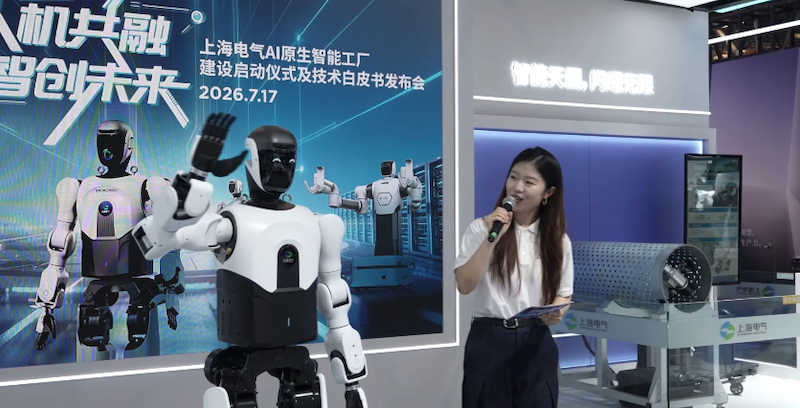
Shanghai Electric Showcases Humanoids, Industrial Robots, and AI Smart Factory Innovations
At the 2026 World Artificial Intelligence Conference, Shanghai Electric presented its advanced embodied intelligence solutions for industrial applications. The company emphasized its capabilities in embodied AI robots, core components, and AI-native smart factory technologies, showcasing a comprehensive portfolio designed for various industrial scenarios. This development is significant as it highlights the integration of machine precision with human expertise, aiming to enhance collaboration in manufacturing processes. Shanghai Electric's robotics solutions address critical tasks such as connector insertion, intelligent assembly, and flexible sorting, showcasing innovations like the planetary roller screw and DexHand dexterous hand. Looking ahead, Shanghai Electric's launch of 51 AI models under the “StarCloud Intelligent Manufacturing” series marks a shift towards data-driven operations in manufacturing. The release of the “AI-Native Smart Factory Technology White Paper” outlines a new architecture for real-time production optimization, indicating a transformative approach to industrial automation. No further timeline was disclosed at the time of publication.
Artificial Intelligence Robotics AI-native smart factory embodied ai humanoid robots industrial ai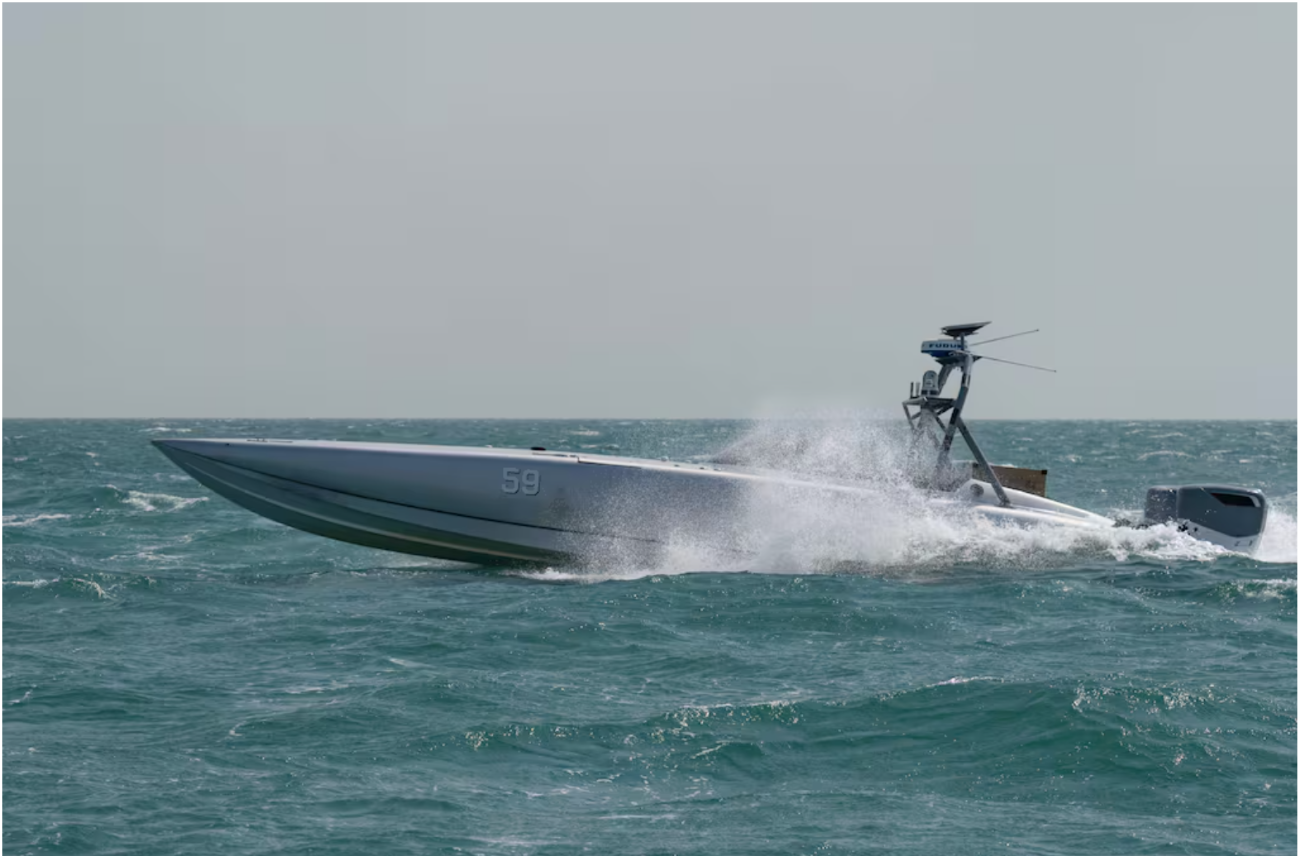
Pentagon Issues Urgent Request for Robotic Boats to Deploy Drone Swarms in 120 Days
The Pentagon has issued an urgent solicitation for the development of robotic boats capable of launching drone swarms within 120 days. This initiative, led by the Defense Innovation Unit (DIU) under the Department of Defense, aims to address the rising costs of modern warfare, where expensive naval vessels are increasingly vulnerable to cheaper unmanned threats. The DIU's project, codenamed SWAP-USV, seeks solutions that can autonomously track and intercept asymmetric maritime threats, such as high-speed smuggling boats and semi-submersibles. The robotic boats must carry at least two small drones with a combined payload capacity of 2 kilograms (approximately 4.4 pounds) for kinetic strikes, emphasizing the need for cost-effective defense mechanisms in contested environments. Looking ahead, the DIU has outlined a two-phase testing approach, with Sprint 1 requiring a fully mission-capable unmanned surface vehicle (USV) ready for testing within 29 days of selection, and a $40 million prize for successful solutions. The urgency of the 120-day timeline reflects the Pentagon's recognition of the need to adapt to evolving maritime threats and cost dynamics in warfare.
Robotic Boats Drone Technology Military Innovation Defense Technology
Japanese University Startups Innovate AI Robot Arms for Handling Delicate Foods
Japanese university startups are developing artificial intelligence-driven robot arms capable of delicately handling fragile items like sushi and cake. These advancements in physical AI technology are attracting interest from major companies, including Toyota Motor, due to their potential to reduce labor costs in various industries. The significance of these innovations lies in their ability to replicate human-like flexibility in grasping objects, which is crucial for tasks involving delicate foods. As the demand for automation in food handling grows, these technologies could play a vital role in enhancing efficiency and precision in food preparation and service. Looking ahead, the collaboration between startups and established companies like Toyota may lead to further advancements in physical AI applications. No further timeline was disclosed at the time of publication.

Challenges in Developing Household Robots with Industrial Logic Highlighted by Stanford Report
The Stanford 2026 AI Index Report reveals that humanoid robots achieve an 89.4% success rate in controlled environments for household tasks, but this drops to 12.4% in real homes. Despite a projected 508% increase in global humanoid robot shipments by 2025, most production is focused on industrial applications, leaving household integration a challenge. Tesla's Optimus is in trial production, with a public release expected by late 2027, though industry analysts remain skeptical. The traditional metrics for evaluating robots—speed, load, and precision—are inadequate for home environments, which prioritize safety and emotional interaction. The complexity of household tasks requires a shift from industrial logic to a more nuanced understanding of family dynamics. Figure 03, designed specifically for home use, aims for limited deployment in 2026. Demonstrations show impressive autonomous capabilities, but concerns arise about performance in typical family settings. The company Future Not Far, founded in Shanghai, has completed significant funding and is testing its F1 robot in homes, achieving high user satisfaction and engagement metrics.
Humanoid Robots Household Robotics AI Robotics Technology
Ensuring Optimal Fibre Optic Performance in Industrial Robotics Applications
Microscopic contamination on fibre connector end faces can significantly disrupt light transmission in industrial robotics. In applications where precision, repeatability, and uptime are paramount, even minor contamination can lead to performance challenges. This highlights the importance of maintaining clean fibre optics to ensure reliable operation in robotic systems. The impact of contamination on fibre optics is critical for industries relying on robotic technology. Performance issues stemming from even small amounts of contamination can hinder operational efficiency and reliability, which are essential for maintaining competitive advantage in automation. As robotics continue to evolve, ensuring the integrity of fibre optic connections becomes increasingly vital. Looking ahead, organizations must prioritize the cleanliness of fibre optics in their robotic systems. No further timeline was disclosed at the time of publication. Companies should invest in best practices for maintenance and monitoring to mitigate contamination risks and enhance overall system performance.

FloatForm Develops Hybrid Control for Reconfigurable Aquatic Swarms of Miniature Robot Boats
FloatForm has introduced a novel approach that combines distributed onboard control with lightweight centralized planning to manage self-assembling robotic boats. This innovative hybrid control system allows for effective coordination of miniature robot boats during controlled aquatic experiments. The significance of this development lies in its potential applications in various fields, including environmental monitoring, search and rescue operations, and marine research. By enabling the formation of reconfigurable swarms, FloatForm's technology could enhance the efficiency and adaptability of robotic systems in aquatic environments. Looking ahead, it will be important to monitor further advancements in FloatForm's technology and its deployment in real-world scenarios. No further timeline was disclosed at the time of publication.
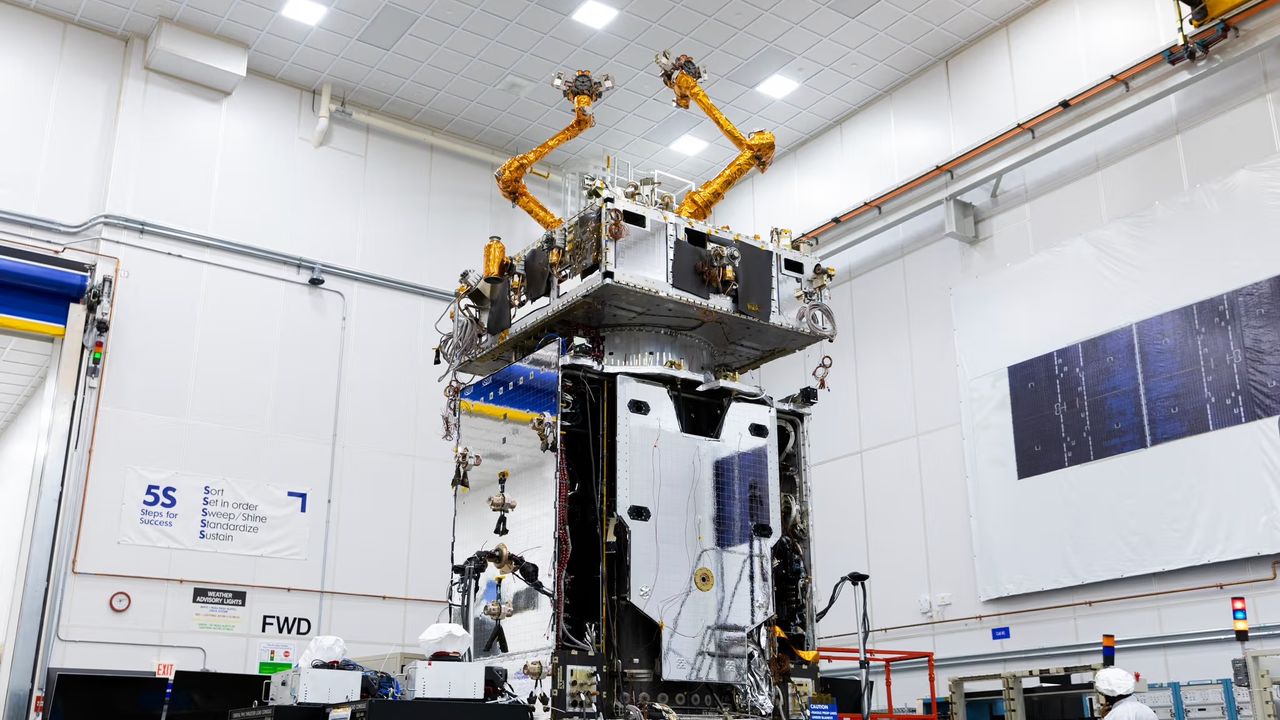
SpaceX Launches Innovative Satellite Repair Drone with Robotic Arms to Earth Orbit Today
SpaceX is set to launch a groundbreaking satellite-servicing mission today, July 21, using a Falcon 9 rocket from Cape Canaveral Space Force Station. The mission, named MRV-MEV, will deploy a Mission Robotic Vehicle (MRV) and three Mission Extension Pods (MEPs) to geostationary orbit (GEO) at an altitude of 22,236 miles (35,786 kilometers). The MRV, equipped with two robotic arms, will attach the MEPs to client satellites, extending their operational lives. This mission is significant as it marks the first launch of MEPs, which are designed to provide up to eight years of life extension for satellites in GEO. The MRV will not only install MEPs but also has capabilities to relocate, inspect, repair, and upgrade satellites in orbit. This advancement in satellite servicing technology is expected to enhance the resilience of space assets, as noted by Northrop Grumman, the parent company of SpaceLogistics, which operates the spacecraft. Looking ahead, the MRV will remain in GEO after installing the MEPs, awaiting future missions. The successful deployment of this technology could pave the way for more complex satellite servicing operations, building on Northrop Grumman's previous experiences with the Mission Extension Vehicle projects. No further timeline was disclosed at the time of publication.
Launches & Spacecraft Space Exploration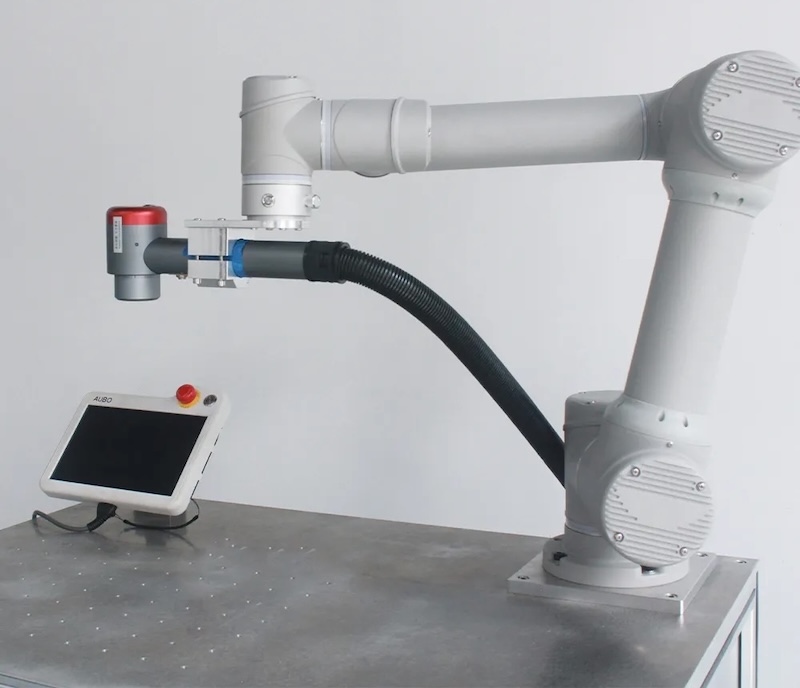
Integrating Industrial Robots with Laser Cleaning Systems Enhances Production Efficiency
Recent advancements in technology are transforming factory operations, with companies striving to reduce cycle times, cut costs, and ensure quality. The integration of industrial robots with laser cleaning systems is emerging as a solution to automate the removal of burrs from metal components, significantly enhancing productivity and efficiency in production lines. This combination of technologies is crucial as it addresses the need for cleaner surfaces before processes like painting, coating, or welding, which are essential for maintaining product quality. Laser cleaning, a modern technique that utilizes powerful laser beams to eliminate unwanted materials without damaging the underlying metal, offers a more environmentally friendly alternative to traditional cleaning methods that often rely on harsh chemicals. As more companies explore the benefits of industrial laser cleaning machines, the focus will be on how these systems can further optimize production lines. The automation of the cleaning process not only saves time but also improves overall manufacturing efficiency. No further timeline was disclosed at the time of publication.
Engineering Robotics Technology factory automation industrial automation industrial robots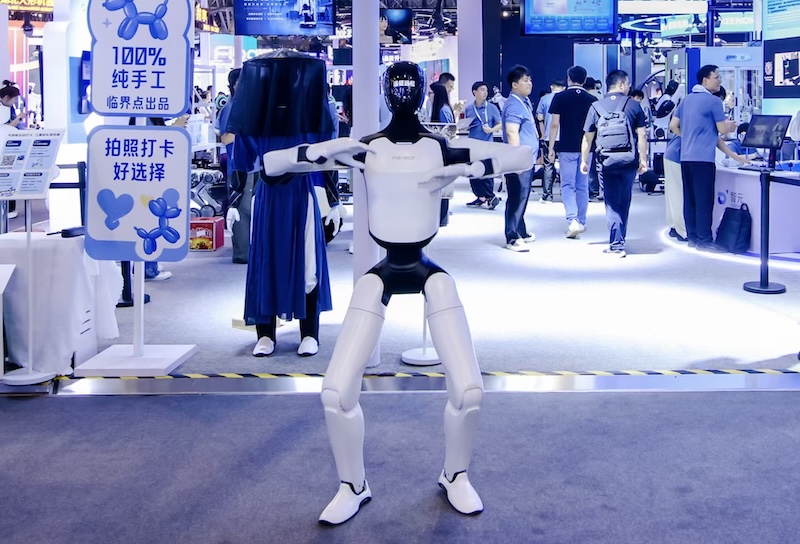
AGIBOT Launches Four New Robots at WAIC 2026, Expanding Industrial AI Portfolio
AGIBOT introduced four new robotic products at the World Artificial Intelligence Conference (WAIC) 2026 in Shanghai, enhancing its humanoid robots and industrial automation systems. The new offerings include the AGIBOT A3 Ultra humanoid robot, X2 EDU education platform, G2 Max industrial robot, and OmniHand 3 Ultra-M dexterous robotic hand, alongside the deployment of over 30 robots for visitor assistance at the event. This expansion is significant as it underscores AGIBOT's commitment to advancing embodied AI technology, moving beyond mere demonstrations to reliable integration in real-world applications. The A3 Ultra, G2 Max, and OmniHand 3 Ultra-M are designed to tackle critical challenges in humanoid platforms, industrial tasks, and dexterous manipulation, reflecting the company's focus on delivering practical value at scale. Looking ahead, AGIBOT's strategy aims to transition embodied AI from laboratory settings to consistent commercial and industrial workflows. No further timeline was disclosed at the time of publication.
Events Humanoids News A3 Ultra agibot artificial intelligence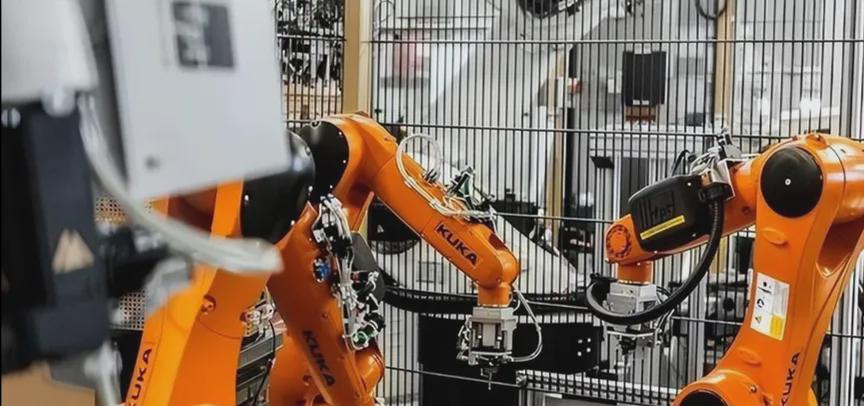
Midea Group Signs 300 Million RMB Strategic Deal to Expand Industrial Robotics
Midea Group's subsidiary KUKA has signed a strategic cooperation agreement with YINGKE Medical and YINGKE Recycling, valued at over 300 million RMB. This deal includes 1,500 industrial robots, 500 mobile and embodied intelligent robots, and 50 automated storage systems, showcasing Midea's commitment to expanding its industrial robotics capabilities. This partnership signifies a pivotal shift for Midea, transitioning from project-level procurement to a comprehensive group-level strategic collaboration. The collaboration aims to enhance production efficiency through advanced automation solutions, integrating AI visual recognition and adaptive grasping technologies. Looking ahead, Midea's focus on its ToB business model is expected to accelerate, with KUKA playing a crucial role in this transformation. The industry will be watching closely to see how this strategic partnership evolves and contributes to Midea's growth in the industrial automation sector. No further timeline was disclosed at the time of publication.
Industrial Robotics Automation Solutions Smart Manufacturing B2B Technology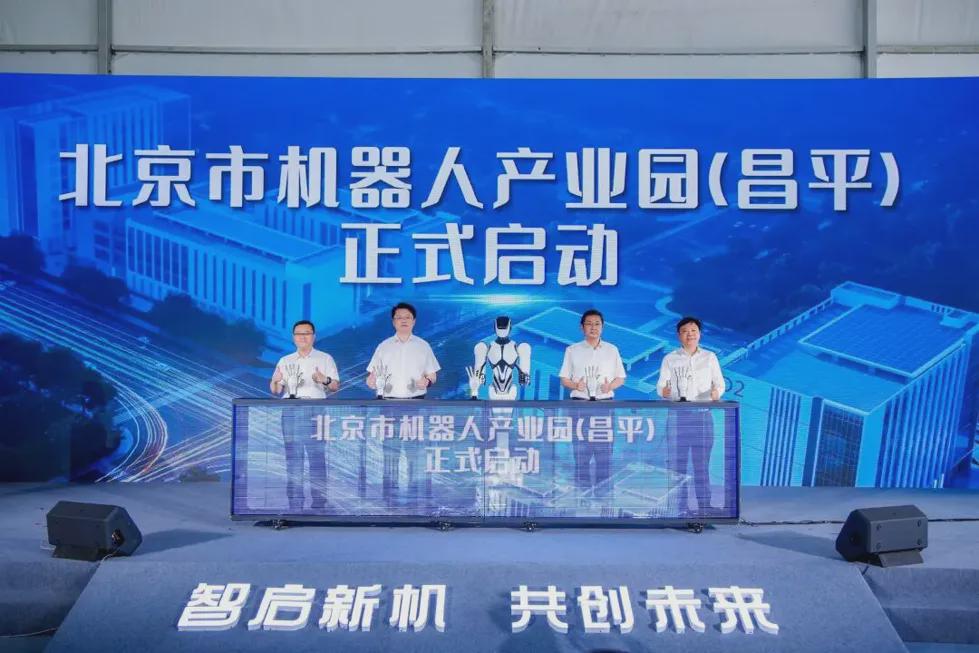
Beijing Launches Specialized Robot Industrial Park in Changping to Boost Innovation
On July 6, Beijing inaugurated its first specialized Robot Industrial Park in Changping, designed to encompass the entire robot industry chain. This initiative aims to enhance innovation and research in robotics, attracting high-quality enterprises and fostering collaboration among government, academia, and industry leaders to bolster the growth of the digital economy in Beijing. The establishment of this park is significant as it represents a strategic move to strengthen Beijing's position in the robotics sector. By focusing on the entire industry chain, the park is expected to facilitate advancements in technology and increase the competitiveness of local firms in the global market. This initiative aligns with China's broader goals of advancing its digital economy and technological capabilities. Looking ahead, stakeholders will be monitoring the park's development closely to assess its impact on the robotics industry in Beijing. No further timeline was disclosed at the time of publication regarding specific projects or partnerships that may emerge from this initiative.
Robot Industry Innovation Hub Industrial Park Research and Development Smart Manufacturing
Vention Launches Leading Physical AI Lab in Montreal for Industrial Robotics Advancement
Vention has inaugurated Canada's premier Physical AI and industrial robotics lab in Montreal, aimed at enhancing robotic manipulation through the integration of advanced AI research into scalable manufacturing solutions. This initiative is significant as it focuses on applied manufacturing use cases, industrial data collection, and the development of post-training foundation models for robotics, leveraging existing intellectual property while generating new innovations. Looking ahead, stakeholders should monitor the lab's progress in bridging AI research with practical manufacturing applications. No further timeline was disclosed at the time of publication.

Palladyne AI and Fanuc America Collaborate on AI-Enhanced Robotics for Industry
Palladyne AI and Fanuc America have established a strategic partnership to advance AI-driven robotic automation tailored for manufacturing, warehousing, and logistics sectors. This collaboration aims to integrate Fanuc's industrial robots with Palladyne IQ, focusing on enhancing motion planning, adaptive behavior, and human-assisted learning capabilities. The significance of this partnership lies in addressing challenges faced by manufacturers and logistics operators, such as skilled labor shortages and the need for increased productivity. By combining their technologies, the companies aim to create more adaptable robotic systems that can efficiently respond to dynamic environments, ultimately streamlining deployment processes across various operations. Looking ahead, the collaboration will also emphasize joint customer validation and the development of standardized deployment workflows, which are expected to simplify the introduction of robotic automation. No further timeline was disclosed at the time of publication.
AI AI Funding & Investment Capital Markets Robotics automation Fanuc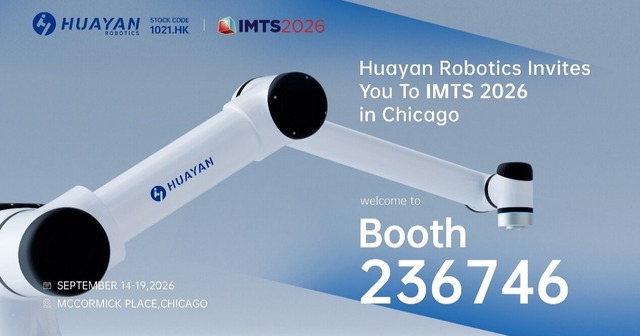
Huayan Robotics to Showcase 7-Axis Humanoid Arms at IMTS 2026 in Chicago
Chinese robotics manufacturer Huayan Robotics will exhibit at the International Manufacturing Technology Show (IMTS 2026) in Chicago from September 14 to 19, 2026. The company plans to showcase its advanced manufacturing capabilities, including welding, palletizing, CNC machine tending, vision inspection, and force control polishing. The IMTS, a historic manufacturing technology exhibition established in 1927, is expected to host over 2,000 exhibitors and attract more than 90,000 visitors in 2026. Huayan Robotics will present its collaborative robots, including the E12-Pro welding robot with a reach of 1.8 meters and a payload capacity of 60 kg, designed for large or irregular welding tasks. Additionally, Huayan Robotics will display its 7-axis humanoid robot arms, the HY 7 and Echo 5, which offer flexibility and obstacle avoidance in confined spaces. The company has over 20 years of experience in technology development and has implemented its collaborative robots across more than 60 process scenes in over 50 countries. No further timeline was disclosed at the time of publication.
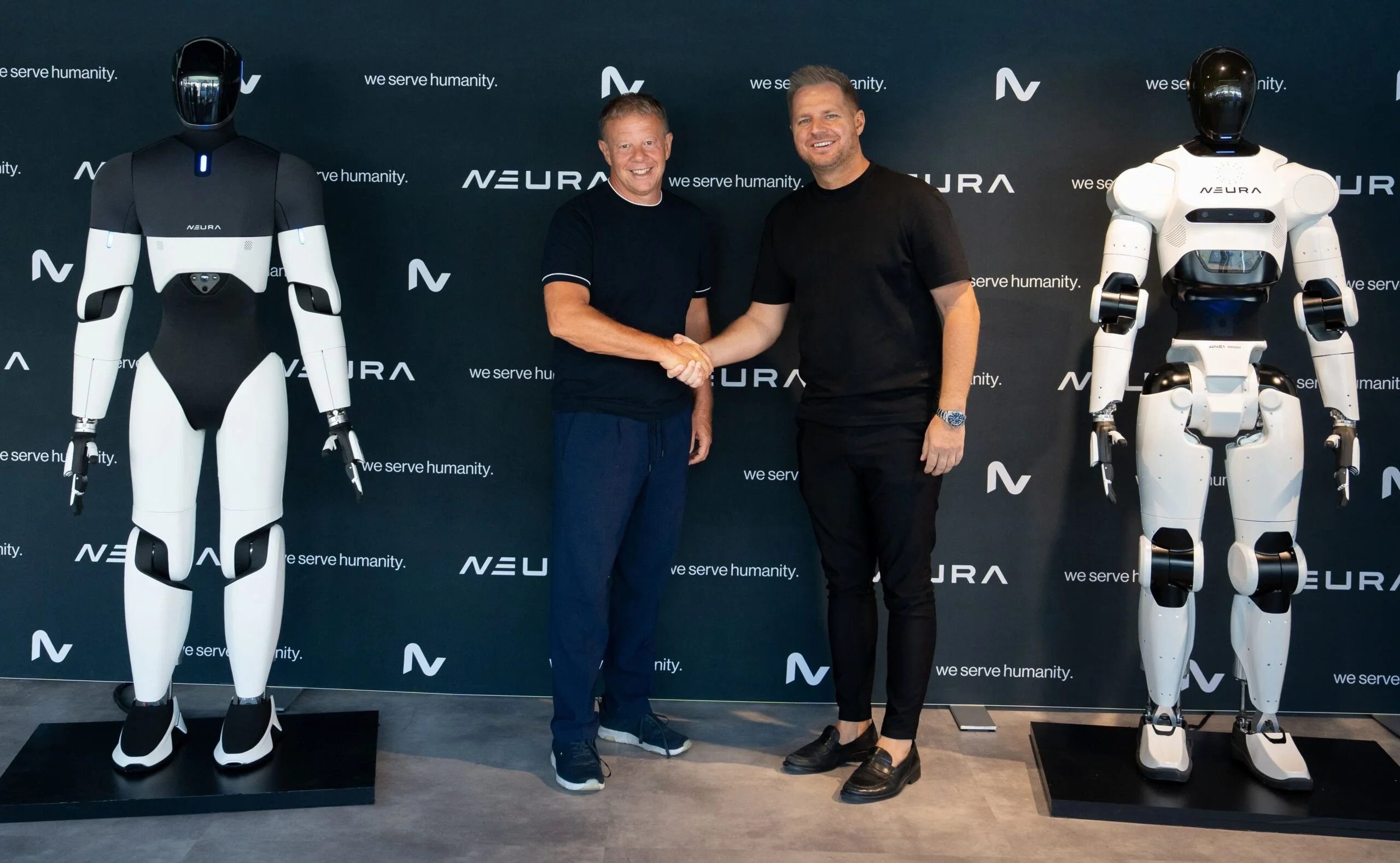
Neura Robotics and Seco Form Strategic Partnership for Physical AI and Robot Compute
Neura Robotics and Seco have established a strategic partnership focused on developing robot compute hardware and physical AI automation. This collaboration aims to manufacture key computing components for Neura's cognitive robots, including the 4NE1 humanoid, using Qualcomm Dragonwing processors. The partnership also includes plans to open a Neura Gym in Italy for training and to collect real-world production data from industrial applications. This partnership is significant as it aims to enhance the capabilities of Neura's robots through advanced computing and physical AI, which could revolutionize semiconductor and electronics manufacturing. By leveraging real-world data, Neura and Seco intend to create automation solutions that can be deployed globally, thereby contributing to a broader European physical AI ecosystem that integrates regional robotics and manufacturing expertise. Looking ahead, the collaboration will focus on training machines to handle complex production processes, with the goal of scaling these capabilities across various manufacturing environments. No further timeline was disclosed at the time of publication.
AI AI Funding & Investment Capital Markets Robotics Europe Germany
Emerging 2D Flex Feeding Revolutionizes Industrial Part Picking with Simplified Vision Systems
The article discusses the advancements in 2D Flex feeding technology, which simplifies robotic vision for industrial part picking. Unlike traditional 3D bin picking, this new approach allows for quicker and more reliable implementations, making it accessible for a broader range of applications. This innovation is significant as it enhances the capabilities of industrial robots in manufacturing, reducing the complexity associated with advanced vision systems. Experts Nicholas Kern from SICK and Nick Barron from Feedall highlight the advantages of flex feeding over bowl feeding, showcasing early adopters who are already experiencing substantial benefits. Looking ahead, the future of feeding robots appears promising with the integration of smarter vision systems. As this technology continues to evolve, it will be essential to monitor its adoption and impact on manufacturing efficiency and productivity. No further timeline was disclosed at the time of publication.
Factory / Robotics
Transitive Robotics Expands Remote Teleop to Control Robotic Arms via Internet
Transitive Robotics has extended its Remote Teleop tool to enable remote control of robotic arms over the Internet. The new version 0.20 introduces virtual reality controllers and mouse gesture commands while maintaining existing WebRTC video and stop mechanisms for mobile robots. This advancement allows for remote operation beyond just wheeled bases. This development is significant as it enhances the capabilities of robotic systems, particularly with the integration of small SO-101 arms used within the LeRobot ecosystem. The official technical page indicates that the software can simultaneously control a mobile robot and a manipulator, providing a more versatile solution for remote operations. Looking ahead, the implications of this update include potential applications in remote assistance, demonstration collection for training, manual recovery after failures, and supervision of isolated machines. However, the accuracy and performance of the system under unstable network conditions remain to be evaluated. No further timeline was disclosed at the time of publication.
Robots
Lumos Robotics Unveils MOS2 as an AI Worker for Industrial Applications
Lumos Robotics has officially launched the Lumos MOS2, a next-generation heavy-duty mobile manipulator aimed at industrial applications. This innovative device is already deployed at Mitsubishi Electric's PLC production lines, where it performs inspection, material handling, and assembly tasks. The introduction of the Lumos MOS2 signifies a significant advancement in embodied intelligence within the robotics sector. By integrating AI capabilities into a mobile manipulator, Lumos Robotics enhances operational efficiency and productivity on the factory floor, addressing the growing demand for intelligent automation solutions. Looking ahead, the performance and adaptability of the Lumos MOS2 in real-world industrial settings will be crucial to its success. As companies increasingly seek to optimize their manufacturing processes, the effectiveness of this new technology will be closely monitored. No further timeline was disclosed at the time of publication.

Bill Gates Advocates for Robot Tax and Human Reserved Jobs to Address AI Impact
Bill Gates recently shared his thoughts on the social implications of AI in a detailed essay on Gates Notes. He supports the idea of a 'robot tax' to discourage employers from replacing human workers with machines, suggesting that this could help fund retraining programs and enhance the safety net for displaced workers. Additionally, Gates proposed the concept of 'Human Reserved' jobs, where certain roles would be protected from AI encroachment, ensuring that humans remain in positions that require empathy and nuanced understanding. These proposals are significant as they aim to mitigate the labor market disruptions caused by AI advancements. Gates' suggestions reflect a growing concern among industry leaders about the balance between technological progress and its effects on employment. The idea of a robot tax could slow the transition to automation, while Human Reserved jobs would safeguard certain professions from being automated, thus preserving job opportunities for workers in vulnerable sectors. Looking ahead, the implementation of these ideas could reshape the regulatory landscape surrounding AI and automation. However, many questions remain regarding the specifics of how such policies would be enforced and who would be responsible for establishing these guidelines. No further timeline was disclosed at the time of publication.
AI Bill Gates
Enhancing Robot Automation: The Need for Advanced Machine Vision Beyond Object Detection
In modern manufacturing, a significant gap exists between object detection and robotic action. While artificial vision software can identify components with high accuracy, robotic arms often remain inactive due to insufficient spatial information. This highlights the necessity for engineering teams to focus on spatial calibration and deep sensor integration to enhance automation efficiency. The demand for streamlined production processes drives the need for machines that can handle parts with minimal pre-sorting. This requirement emphasizes the importance of transforming raw camera data into actionable commands through a multi-stage process, which includes classifying, locating, and estimating the position of objects in 3D space. The integration of Six Degrees of Freedom (6DoF) tracking is crucial for accurate robotic movements. Looking ahead, the industry must adopt a dynamic approach to calibration, treating it as an ongoing process rather than a one-time task. By utilizing automated calibration routines, manufacturers can ensure the reliability of their robotic systems over time, particularly in complex environments where traditional 2D vision systems fall short. No further timeline was disclosed at the time of publication.
Unitree's Founder Predicts Commercial Rise of Humanoid Robots in Two Years
During the World Robot Conference in Beijing, Unitree's founder announced that humanoid robots could achieve commercial viability within two years. This shift indicates a significant transition in the industry, moving from entertainment-focused applications to practical uses in various sectors, including factory assembly lines and household tasks. The potential for humanoid robots to serve in industrial and domestic environments highlights the growing demand for automation solutions. As companies like Unitree pivot towards real-world applications, the implications for labor efficiency and productivity in manufacturing and home settings could be substantial. Looking ahead, industry stakeholders should monitor Unitree's developments and the broader market response to humanoid robots. The next two years will be critical in determining whether these robots can successfully integrate into everyday operations and how they will reshape existing workflows.

NASA's SPARK Project Aims to Deploy Ion-Powered Aerobots in Titan's Caves
NASA is funding the SPARK project, which aims to deploy swarms of silent, spherical aerobots to explore the underground caves of Titan, Saturn's largest moon. Led by Daniel Drew from the University of Hawaii at Mānoa, the project utilizes electrohydrodynamic (EHD) propulsion, allowing for maneuverability without disturbing the delicate surface layers. This initiative is significant as it seeks to navigate Titan's unique karst terrain, characterized by liquid methane lakes and intricate underground channels. The EHD thrusters are expected to be over 100 times more power-efficient on Titan than on Earth, making them suitable for long-duration missions in harsh environments. Looking ahead, while the timeline for the SPARK aerobots' deployment remains uncertain, the project holds promise for revolutionizing cave exploration on Titan, similar to how the Ingenuity helicopter has advanced Mars exploration. The development of these aerobots could open new avenues for understanding extraterrestrial environments.
Space
JD.com Unveils Comprehensive AI Industrialization Strategy with Open-Source AI Models
JD.com founder Richard Liu announced the company's initiative to eliminate technology barriers by opening its full-stack self-developed AI to global partners. This move is part of JD's broader strategy to enhance its logistics capabilities and foster collaboration in the AI sector. The company's significant investment in research and development, which increased by 53.2% in the first half of the year, underscores its commitment to building the world's largest embodied data collection center. By open-sourcing its EgoLive and JoyAI models, JD.com aims to drive innovation and efficiency in logistics through advanced robotics. Looking ahead, JD.com is set to deploy its robots across logistics operations, enhancing its service capabilities. No further timeline was disclosed at the time of publication.

ModuTech Secures Pre-A Funding to Advance Touch Perception in Robotics Market
ModuTech, a Shenzhen-based company, has completed a Pre-A funding round worth several million yuan, led by Falcon Investment and Yihua Capital. This funding will support the expansion of their research and development team, production lines, and global business outreach. ModuTech aims to address the challenges of touch perception in robotics, which is crucial for tasks requiring fine manipulation. The touch perception market for humanoid robots is projected to exceed $320 million by 2026, with a growth rate of over 160%. This segment is recognized as the fastest-growing within humanoid robot components. ModuTech differentiates itself by integrating sensor technology with data collection and tactile modeling, creating a comprehensive system that enhances robotic capabilities in precision tasks. As the industry faces challenges with fragmented tactile data, ModuTech's approach includes a multi-modal data system that aligns tactile, visual, and robotic state data. This innovation transforms physical interactions into high-quality, task-level data, enabling sensors to evolve from mere hardware to valuable data sources that inform decision-making in robotics.
Touch Perception Humanoid Robots Industrial Robotics Sensor Technology
Unitree Robotics Partners with Ten Universities in Manufacturing Hubs Before IPO
Unitree Robotics, a Chinese humanoid robot manufacturer, has established partnerships with over ten universities in key manufacturing cities such as Qingdao, Hefei, Suzhou, Wuhan, and Guangzhou ahead of its IPO. This initiative aims to create a talent pipeline while also serving as a customer-acquisition strategy. The significance of these partnerships lies in the fact that scientific research and education contribute to more than 70 percent of Unitree's revenue from humanoid robots. By collaborating with educational institutions, Unitree is positioning itself to enhance its market presence and drive innovation in the robotics sector. Looking ahead, it will be important to monitor how these partnerships evolve and their impact on Unitree's business model and revenue streams. No further timeline was disclosed at the time of publication.

EnPower and Echion Collaborate to Manufacture Ultra-High-Power Battery Cells for Robotics
EnPower, Inc. and Echion Technologies Ltd have announced a partnership to develop ultra-high-power battery cells in the U.S. for the North American industrial robotics market. This collaboration aims to combine Echion's XNO® niobium-based anode technology with EnPower's manufacturing expertise to create advanced battery solutions for automated guided vehicles and industrial robots. This partnership is significant as it aligns with Washington's efforts to secure the robotics supply chain and enhance domestic manufacturing capabilities. By producing these battery cells in the U.S., the companies aim to support critical infrastructure and autonomous systems, which are increasingly vital in various sectors, including AI datacenter power. Looking ahead, the agreement establishes EnPower as a key manufacturing partner for XNO® cells in North America. The companies plan to deepen their collaboration as their joint programs progress, indicating a strong commitment to advancing battery technology for industrial applications. No further timeline was disclosed at the time of publication.
Robotics needs a service framework.
RSF defines a common language for robot service capability, lifecycle operations, certification pathways, and service-provider networks.
Join the RobotToday community on LinkedIn
Daily robotics news, in-depth analysis, conference highlights, and discussions with professionals worldwide.