Industry Briefing
A single destination for timely, editor-curated robotics news from around the world.
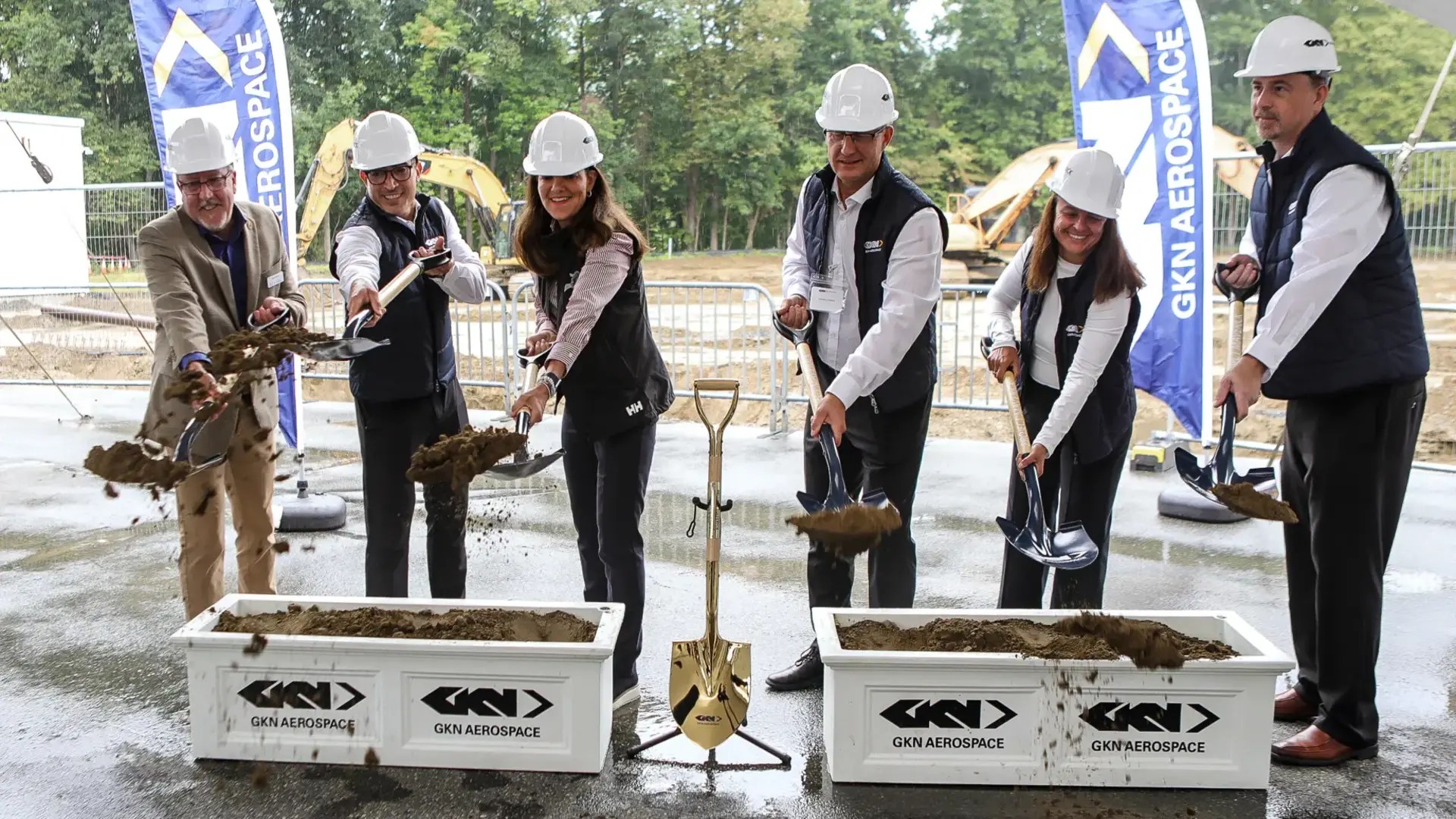
GKN Aerospace Initiates $16 Million Expansion in New Hampshire to Boost Engine Component Production
GKN Aerospace has commenced a $16 million expansion of its facility in North Charlestown, New Hampshire, to enhance production capacity for aero-engine components. The expansion will add approximately 57,000 square feet, increasing the facility's total size to nearly 97,000 square feet, as reported by GKN Aerospace. This expansion is significant as it aims to meet the rising demand from engine customers, according to Joakim Andersson, president of Engines at GKN Aerospace. The larger facility will not only support business growth and workforce expansion but will also enable a broader range of manufacturing activities, including turning operations and non-destructive testing (NDT). Looking ahead, GKN plans to introduce additional manufacturing capabilities at the expanded site, which will include a dedicated production cell for high-performance compressor blades and vanes. This initiative is expected to strengthen operational ties with GKN's Muncie, Indiana, facility and create new skilled jobs, reinforcing GKN's position in the engine component supply chain.
News
Alibaba Integrates 1688 and Alibaba.com Under Unified Management Structure
Alibaba has initiated the integration of its domestic wholesale platform 1688 with the cross-border marketplace Alibaba.com, placing both under the leadership of Kuo Zhang, Alibaba's vice president and president of Alibaba.com. The former head of 1688 will transition to a different role within the organization. This strategic move aims to streamline operations between the two platforms, which have functioned independently for over 20 years, catering to domestic and international wholesale markets. By unifying these platforms, Alibaba seeks to enhance connectivity between Chinese suppliers and overseas buyers, leveraging shared operations and AI tools to improve efficiency. Looking ahead, the integration is expected to foster greater collaboration and innovation within Alibaba's Global Wholesale segment. No further timeline was disclosed at the time of publication.
News Feed
Lyte Secures $165 Million in Series C Funding to Enhance Robot Sensing Capabilities
Lyte AI Inc. has successfully raised $165 million in Series C funding, achieving a post-money valuation of $1.6 billion. Founded in 2021, the Sunnyvale-based company specializes in designing processors, multimodal sensors, and software that enable robots to accurately perceive their surroundings. This funding will accelerate the deployment of LyteVision, their perception platform, into various robotics applications. The significance of this funding round lies in Lyte's innovative approach to solving the sensing challenges faced by robots. According to co-founder and CEO Alexander Shpunt, the company focuses on creating a comprehensive perception foundation, from custom silicon to spatial data generation. With this investment, Lyte aims to expand its reach across industries such as inspection, logistics, and manufacturing, where accurate sensing is crucial for operational safety and efficiency. Looking ahead, Lyte plans to significantly grow its workforce, hiring across multiple domains including silicon, software, and operations. The company has already raised a total of $272 million since its inception and is poised to become a key player in the robotics sector, as indicated by the strong demand for its technology from early customers. No further timeline was disclosed at the time of publication.
Artificial Intelligence Artificial Intelligence / Cognition Design / Development Financial Investments News
Lyte Secures $165 Million Funding, Tripling Valuation to $1.6 Billion
Lyte, a rapidly expanding robotics and AI startup formed by key members of Apple's Face ID team, has successfully raised approximately $165 million in its latest funding round. This significant investment has resulted in a valuation increase, bringing the company's worth to $1.6 billion. The funding is crucial for Lyte as it positions the company for further growth and development in the competitive robotics and AI landscape. With a valuation now exceeding $1 billion, Lyte is poised to enhance its product offerings and expand its market presence. Investors and industry watchers should keep an eye on Lyte's next steps, as the company aims to leverage this funding to accelerate innovation and potentially introduce new technologies. No further timeline was disclosed at the time of publication.

Lyte Secures $165 Million Series C Funding Led by Maverick Silicon for Robot Perception
Lyte has announced a successful $165 million Series C funding round, led by Maverick Silicon. This financing values the company at $1.6 billion post-money and marks a significant step as Lyte prepares for production deployments. The funding is crucial for Lyte, a company specializing in physical AI perception, as it aims to enhance robots' understanding of their environments. With this investment, Lyte is positioned to advance its technology and expand its market presence, which is vital in the rapidly evolving robotics sector. Looking ahead, Andrew Homan from Maverick Silicon will join Lyte's board, indicating a strategic partnership that could influence future developments. No further timeline was disclosed at the time of publication.
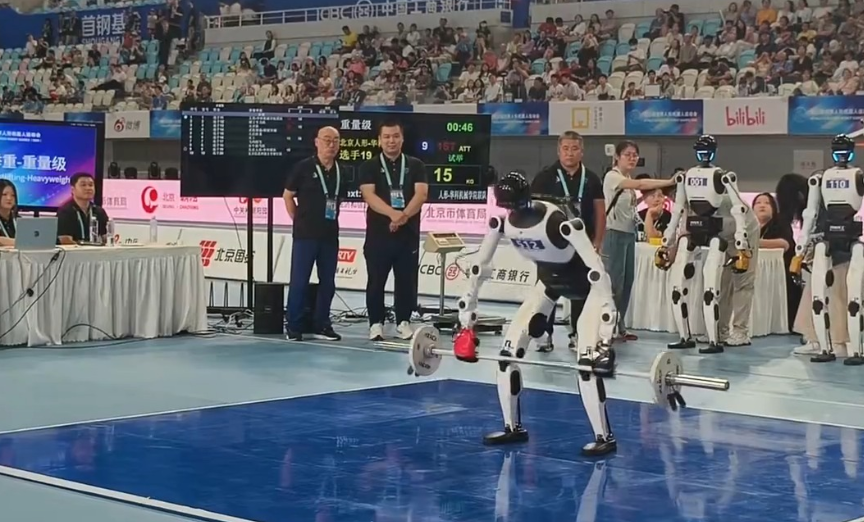
Beijing Humanoid–HUST Team Secures First Weightlifting Title with 16kg Lift
The Beijing Humanoid–HUST team achieved a significant milestone by winning the first humanoid robot weightlifting title, successfully lifting 16 kilograms. The robot initially lifted 15 kilograms before adding weight to complete the impressive 16-kilogram lift. This achievement took place during the second World Humanoid Robot Games, which featured 51 competitions and over 2,000 robots from 16 countries. This victory is notable as it highlights advancements in humanoid robotics and showcases the competitive spirit within the field. The event not only emphasizes the capabilities of humanoid robots but also fosters international collaboration and innovation among participants from various countries. The participation of 16 nations underscores the growing interest and investment in robotics technology. Looking ahead, the success of the Beijing Humanoid–HUST team may inspire further developments in humanoid robotics and weightlifting capabilities. As the World Humanoid Robot Games continue, it will be interesting to observe how other teams respond and innovate in this rapidly evolving field. No further timeline was disclosed at the time of publication.
News Feed
SpaceX and Tesla Launch $16.8 Billion Terafab Chip Factory to Secure Supply Chains
SpaceX and Tesla are embarking on the construction of Terafab, a semiconductor manufacturing facility, as part of a joint venture with Intel. This $16.8 billion investment in a 100-million-square-foot plant in Grimes County, Texas, is crucial for both companies to enhance their supply chain resilience and support growth in electric vehicles and AI technologies. The Terafab initiative aims to produce 1 terawatt of compute, significantly exceeding the current global supply. By vertically integrating chip production, SpaceX and Tesla seek to mitigate geopolitical risks associated with reliance on external suppliers like TSMC and Samsung, while also reducing operating costs associated with chip manufacturing. As the project progresses, stakeholders should monitor the complexities of semiconductor manufacturing and the necessary commercial agreements between Tesla and SpaceX. The successful implementation of Terafab could substantially derisk both companies' operations and positively influence their stock performance in the long term.

Solid Launches Viewla IPC-16LTEII Security Camera Compatible with Three Carriers
On August 18, Solid released the Viewla IPC-16LTEII, a SIM-enabled security camera. This device can operate in areas without internet by simply inserting a SIM card and providing power. It supports networks from NTT Docomo, au, and SoftBank, with successful connectivity confirmed for Rakuten Mobile as well. The Viewla IPC-16LTEII can record for approximately four weeks on a microSD card (sold separately) with a capacity of up to 128GB. Users can remotely access video footage via smartphones or PCs. The camera is designed to be waterproof and dustproof, making it suitable for outdoor installation. Optional features include a solar panel and recording via SolidCLOUD, which ensures no loss of footage. The camera measures 58mm in width, 52mm in height, and 213mm in depth, with a maximum resolution of 1920x1080 pixels (Full HD). No further timeline was disclosed at the time of publication.

Li Feifei and Yunzhu Li Discuss Robotics Challenges on a16z Podcast
In a recent a16z podcast, Li Feifei and Yunzhu Li from SceniX discussed the challenges in robotics, emphasizing that the biggest bottleneck lies not in hardware but in the scarcity of data and underestimation of evaluation systems. They highlighted the importance of simulation as a necessity for robotics, providing capabilities that real data cannot replace. The conversation also touched upon the integration of World Labs and SceniX, which combines generative 3D world modeling with real-to-sim-to-real engineering. This collaboration aims to create a robust infrastructure for robot learning and evaluation, leveraging both sparse inputs and high-fidelity environmental mapping. Looking ahead, Li Feifei noted that the future of robotics may involve multimodal models capable of both simulating actions and generating action commands. The path to practical robotics should begin with structured environments, gradually moving to semi-structured and unstructured settings, with a focus on specialized forms for specific tasks rather than general humanoid robots.
Robotics AI Simulation Data Scarcity Machine Learning
Fei-Fei Li and a16z Discuss Robotics Challenges Beyond Hardware Limitations
In a recent a16z podcast, Fei-Fei Li and SceniX co-founder Yunzhu Li discussed the challenges in robotics, emphasizing that the primary bottleneck lies not in hardware but in the scarcity of data and the undervaluation of evaluation systems. They highlighted the importance of simulation as a necessity for robotics, providing capabilities that real data cannot replace. The conversation also touched on the integration of World Labs and SceniX, which combines generative 3D world modeling with real-to-sim-to-real engineering. This partnership aims to create a robust infrastructure for robot learning and evaluation, addressing the need for scalable data sources in the robotics field. Looking ahead, Li mentioned that the development of foundational robot models may evolve into a form that encompasses both simulation and action dimensions. The immediate focus should be on structured environments like warehouses and industrial lines before tackling unstructured environments, with specialized forms of robots being more commercially viable than humanoid designs.
Robotics AI Simulation Data Science 3D Modeling
AMD Launches Advanced 16-Core Zen 5 Processor for Robotics and AI Applications
On July 23, AMD unveiled the Ryzen AI Embedded X100 series processors at the Advancing AI 2026 conference, designed specifically for physical AI and autonomous robotics. This system-on-chip integrates a 16-core Zen 5 CPU, a 40-unit RDNA 3.5 GPU, and an XDNA 2 NPU, enhancing the capabilities of robotic 'brains' for perception, reasoning, and decision-making. The X100 series significantly boosts performance metrics, achieving up to 2.1 times higher multi-threaded CPU performance compared to Intel's Core Ultra series, and 3.4 times better real-time performance than NVIDIA's Jetson Thor. The unified memory architecture allows for shared memory among CPU, GPU, and NPU, enabling over 8000 control decisions per second with latency under 100 milliseconds, bringing robotic response times closer to human instinct. The X100 series includes six SKUs, with industrial-grade reliability for continuous operation over ten years. AMD's Kria AI solutions will leverage this technology, supporting a wide range of applications from humanoid robots to industrial automation. Samples are currently being provided to customers, with mass production expected in Q4 2026.
Robotics AI Processors Embedded Systems Autonomous Robots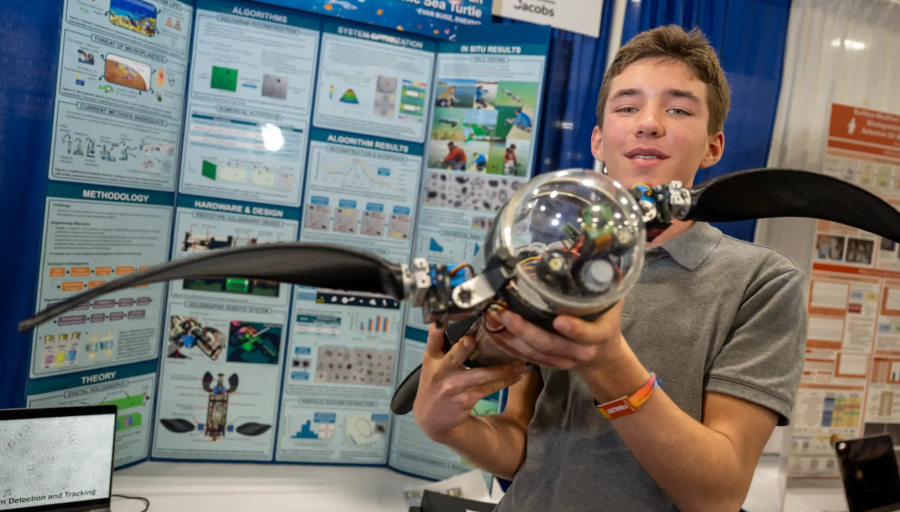
16-Year-Old Evan Booz Develops AI Turtle for Microplastic Detection, Wins $50,000 Scholarship
Evan Booz, a 16-year-old from Canada, has created an AI-powered robotic turtle capable of swimming autonomously to detect microplastics. His innovation earned him the Gordon E. Moore Award at the Regeneron International Science and Engineering Fair in May, along with a $50,000 scholarship. The robotic turtle, inspired by a camping trip where Booz observed a snapping turtle, took about five months to develop. It features an underwater 3D holographic camera and an AI model trained to identify microplastics, achieving a 94% accuracy rate. This technology allows for real-time analysis in water, eliminating the need for time-consuming and costly laboratory sample testing. Booz plans to use the scholarship for his college education in science or engineering and aims to open-source his research to advance microplastic monitoring technology. As the AI turtle quietly navigates lakes, it represents both the curiosity of a young inventor and a critical tool in addressing the urgent issue of microplastic pollution.
AI Robotics Environmental Technology Microplastic Detection Sustainable Innovation
Air Force Suspends F-16 Ejection Seat Competition for 90 Days
The U.S. Air Force has announced a 90-day suspension of the competition for new ejection seats for the F-16 aircraft. This decision comes after the Air Force previously indicated plans to reopen the Next Generation Ejection Seat program, raising questions about the future of the procurement process. This suspension is significant as it sets the stage for a final decision regarding the competition for the ejection seats, which are critical for pilot safety during emergencies. The outcome of this decision could impact the timeline and direction of the Air Force's efforts to enhance the safety features of the F-16 fleet. As the Air Force evaluates its options, stakeholders will be watching closely for any developments regarding the Next Generation Ejection Seat program. No further timeline was disclosed at the time of publication.
Air Warfare Air Force B-1 Collins Aerospace f-15 f-16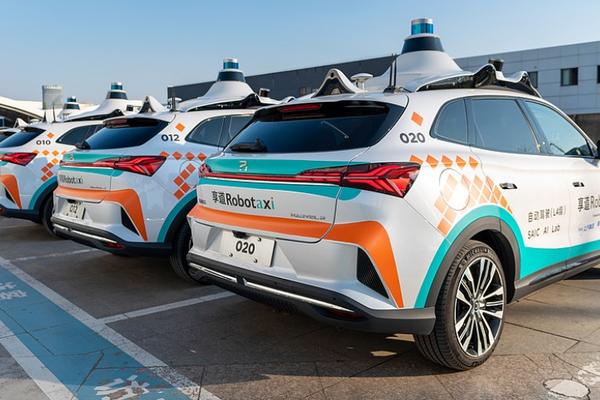
Xiangdao faces 16% "platform tax" challenge.
In May 2026, Xiangdao Mobility, backed by SAIC Group, submitted a revised prospectus to the Hong Kong Stock Exchange, marking its second attempt at an initial public offering (IPO). This updated filing includes comprehensive financial and operational data for the entirety of 2025, signaling an improvement in the company's profitability. Despite a steady increase in revenue, which rose from 5.718 billion yuan in 2023 to 6.774 billion yuan in 2025, the number of active drivers has stagnated. The monthly active driver count grew marginally from 94,000 to 100,000, with a notable 9% drop from 2024 to 2025. This discrepancy suggests that revenue growth is primarily driven by an increase in orders per driver rather than an expansion of the driver base. As the ride-hailing market approaches saturation, with over 20 major cities issuing capacity warnings in 2026, Xiangdao reported an average of 8.6 daily orders per vehicle in 2025, reflecting a 14.6% year-on-year increase. However, the company relies heavily on external platforms for 98.5% of its orders, incurring significant commission costs that compress profit margins. Looking ahead, Xiangdao aims to pivot towards autonomous driving technology, collaborating with partners like Momenta for development while focusing on enhancing its smart dispatch and safety monitoring systems. However, the transition to Robotaxi services raises questions about future profitability and market positioning, especially as the company remains cautious about international expansion compared to its competitors.

OPPO launches Reno16 series, featuring "3D floating sphere + live stickers" to set new smartphone trends.
On May 25, 2026, OPPO held the "Reno Land Fantasy Night" launch event, unveiling a range of new products including the OPPO Reno16 smartphone series, OPPO Pad 6 tablet, OPPO Pad Air5 learning tablet, OPPO Enco Air5s noise-canceling earbuds, and the OPPO Bubble selfie screen. The event focused on meeting the diverse needs of young users in areas such as learning, creation, socializing, live streaming, and gaming, emphasizing stylish aesthetics, innovative imaging technology, AI experiences, and seamless cross-device collaboration. The Reno16 series features a design inspired by the "Dream Core Planet" aesthetic, utilizing a pioneering 3D floating technology for a striking visual effect. The series includes advanced camera systems with a 200-megapixel main camera and enhanced imaging algorithms for realistic portrait experiences. Additionally, the Reno16 Pro is tailored for live streaming, equipped with stabilization technology and a powerful battery for extended use. Alongside the smartphones, OPPO introduced the Pad 6 tablet, designed for students with features like AI-assisted note-taking and seamless connectivity with OPPO smartphones. The Enco Air5s earbuds offer lightweight design and advanced noise-canceling capabilities, making them ideal for immersive learning experiences. To support students, OPPO announced exclusive purchase subsidies, with the Reno16 series and Pad 6 set to officially launch on May 29, 2026, available through various online and offline channels.
Hermeus Licensed by Pratt & Whitney to Manufacture F100-PW-229 Fighter Engines
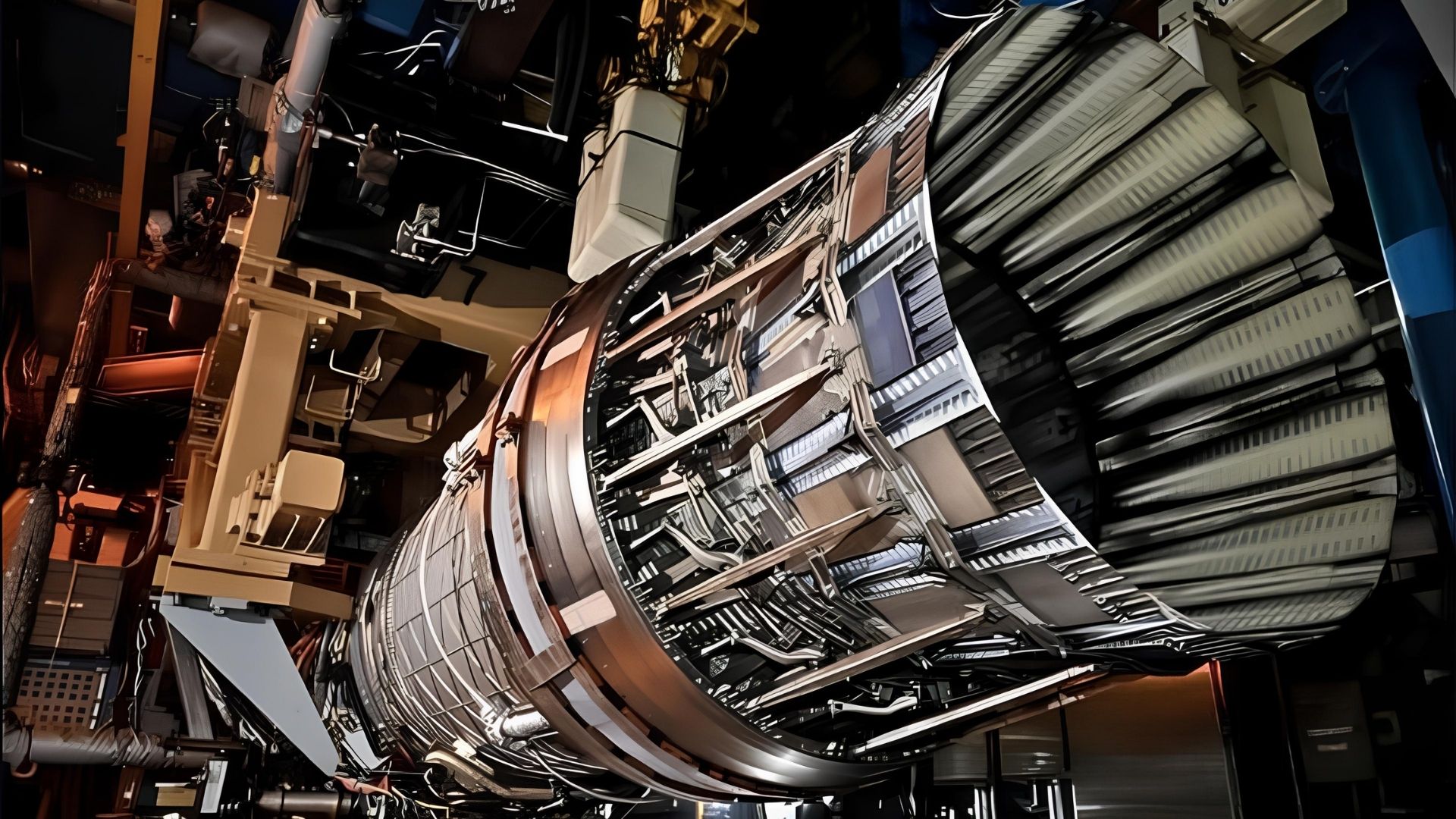
Pratt & Whitney has granted aerospace startup Hermeus a license to produce F100-PW-229 turbofan engines, establishing a new U.S. production source for this widely utilized fighter engine. This agreement allows Hermeus to manufacture the F100 under Pratt & Whitney’s standards while employing its rapid-build manufacturing techniques, enhancing domestic engine capacity and bolstering the U.S. defense industrial base. The F100-PW-229, operational since 1992, has accumulated over 30 million flight hours and powers aircraft for 23 air forces. The agreement addresses Hermeus's need to integrate engine manufacturing closer to its Quarterhorse unmanned aircraft production, reducing reliance on external suppliers. CEO Zach Shore indicated that production levels will depend on customer demand, positioning Hermeus as a licensed manufacturer rather than a new engine developer. With the U.S. Air Force projecting peak demand for F100 engines to exceed 180 annually by fiscal year 2034, this partnership is timely. It aims to enhance manufacturing innovation and supply-chain resilience, providing Pratt & Whitney with additional capacity and reducing dependence on a single production source. No further timeline was disclosed at the time of publication.
Military
Nabuurs Reduces Cleaning Labor by 60-70% with Autonomous Tennant T16AMR Scrubber
Nabuurs Supply Chain Solutions has successfully reduced its cleaning labor requirements by an estimated 60 to 70% through the deployment of an autonomous Tennant T16AMR floor scrubber at its 60,000m² logistics facility in Oosterhout. This initiative, which began in July 2025, followed a thorough trial and ROI analysis aimed at maintaining cleaning standards while minimizing the labor needed for conventional scrubber operations. The introduction of the T16AMR has allowed Nabuurs to achieve consistent cleaning results without the need for a dedicated operator, as the machine autonomously cleans an average of 1,774m² per day. This significant reduction in labor has improved operational efficiency and enabled the company to maintain high cleaning standards across its busy logistics environment. Looking ahead, Nabuurs is considering the potential for rolling out autonomous cleaning solutions to additional sites in the Netherlands, building on the success of the T16AMR at Oosterhout. The collaboration with Tennant continues to evolve, focusing on further enhancing operational efficiency and standardizing cleaning processes across the logistics network.
AMR and AGV Automation Systems and Shuttles IT in Logistics Warehouse Property Warehousing autonomous cleaning
BD Deploys Vmax 160 to Enhance Pharmacy Automation and Care at Fairview
BD has initiated the first U.S. deployment of its Vmax 160 system at Fairview, marking a significant advancement in pharmacy automation. This innovative technology expands beyond traditional dispensing methods, addressing the increasing demand for specialty therapies and complex medication fulfillment requirements. The deployment of the BD Vmax 160 is crucial as health systems face challenges in managing the growing need for refrigerated medications and specialized treatments. By enhancing pharmacy automation, BD aims to streamline operations and improve patient care, ultimately transforming the future of pharmacy services. Looking ahead, the impact of the Vmax 160 on pharmacy operations will be closely monitored. As health systems adapt to evolving medication management needs, further developments in pharmacy automation technology are expected. No further timeline was disclosed at the time of publication.

European Space Agency Locates Philae Lander on Comet 67P After Two-Year Search
On September 2, 2016, the European Space Agency successfully located its long-lost Philae lander on Comet 67P after an extensive two-year search. Philae, which was deployed by the Rosetta spacecraft in November 2014, had experienced a rough landing due to failed harpoons, leading it to bounce and ultimately rest in a shadowed area where it could not generate sufficient solar power. The discovery of Philae's location provided closure for the European Space Agency, as it marked the culmination of a challenging mission that aimed to understand comet behavior. Despite its limited operational time, Philae made significant contributions, including the detection of organic materials on the comet's surface, before its batteries were depleted. Looking ahead, the Rosetta mission concluded with a controlled crash landing on Comet 67P on September 30, 2016. The mission's findings continue to influence our understanding of comets and their role in the solar system, making it a pivotal moment in space exploration history.
Space Exploration
GoPro Acquired by Starman Holding for $285 Million, Expanding into Defense and Aerospace
GoPro has been acquired by Starman Holding for $285 million, marking a significant shift for the company. Previously known for consumer action cameras, GoPro's CEO Nick Woodman now positions the company as a leader in imaging and optical solutions for national security, focusing on defense and aerospace sectors. This acquisition comes shortly after YouTuber Mark 'Markiplier' Fischbach became GoPro's largest shareholder, holding 8.5% of the company. Starman Holding's CEO Charles Tebele emphasized the merger's potential to combine GoPro's optical expertise with Starman's manufacturing capabilities, aiming to bring critical component production back to the U.S. Looking ahead, GoPro plans to maintain its consumer product lines while exploring new opportunities in defense and aerospace consulting. The deal is expected to close by the end of the year, although further details regarding the transition and shareholder plans remain undisclosed.
Cameras Gadgets News Tech
Second World Humanoid Robot Games Features 2,056 Robots from 16 Countries
The second edition of the World Humanoid Robot Games has attracted 666 teams and 2,056 robots from 16 countries across six continents. This marks a significant increase in participation, with the number of robots quadrupling since the inaugural event. This year's games highlight the growing global interest in humanoid robotics and the advancements in technology that allow for more complex and capable robots. The event serves as a platform for showcasing innovations and fostering international collaboration in the field of robotics. Looking ahead, observers will be keen to see the performances and capabilities demonstrated by the participating robots. No further timeline was disclosed at the time of publication.

X Square Robot Exceeds Figure AI's Benchmark by Sorting 1,816 Parcels in One Hour
Shenzhen's X Square Robot achieved a remarkable feat by sorting 1,816 parcels in a single hour using basic grippers. This performance surpassed its self-imposed target of 1,248 parcels, which aligns with Figure AI's sustained hourly average. This accomplishment is significant as it highlights the capabilities of X Square Robot in the logistics sector, showcasing how advanced automation can enhance efficiency in parcel sorting. The ability to exceed established benchmarks demonstrates the potential for increased productivity in warehouse operations. Looking ahead, industry observers will be keen to see how X Square Robot continues to innovate and improve its sorting capabilities. No further timeline was disclosed at the time of publication.

Live Robot Sorting Achieves 1816 Packages Per Hour, Surpassing Figure AI by 45%
On August 12, 2026, a live, unscripted logistics sorting demonstration showcased a robot achieving a sorting rate of 1816 packages per hour. This performance surpassed the previous benchmark set by Figure AI, which stood at 1248 packages per hour, marking a 45% improvement. The robot utilized a simple configuration of two mechanical arms and grippers, significantly reducing costs by approximately 70% compared to Figure AI's humanoid robot with a dexterous hand. The significance of this achievement lies not only in the impressive sorting speed but also in the complexity of the packages handled. Unlike Figure AI's standardized parcels, the robot sorted a diverse array of real-world packages, achieving over 98% accuracy. This highlights a critical difference in operational conditions, as sorting efficiency cannot be directly compared across different scenarios. Looking ahead, the contrasting technological approaches between the two companies will be pivotal. While Figure AI focuses on humanoid robots with advanced dexterity, the simpler hardware configuration of the robot in this demonstration has proven effective in both efficiency and adaptability. No further timeline was disclosed at the time of publication.
Robotic Sorting Logistics Automation AI Technology Robotic Arms
Terafab Advances to Permitting Phase with $16.8 Billion Project Confirmation
On August 6, 2026, Terafab confirmed a significant milestone with Tesla and SpaceX, announcing a $16.8 billion investment for the Grimes County site. This project aims to construct a facility exceeding 100 million square feet, which would make it the largest building in the world by floor area, surpassing the current record held by the AvtoVAZ assembly building in Russia. The importance of this development lies in its scale and the potential impact on the construction and technology sectors. Terafab's facility is expected to utilize Intel's 14A process and incorporate sustainable practices, such as on-site wastewater treatment. However, the project's future remains uncertain, as highlighted by the May IPO filing, which indicated that neither Tesla nor Intel is obligated to continue their involvement. Looking ahead, stakeholders should monitor the project's progress through the permitting and foundations phase, as key dates remain unpublished. The recent validation from ASML's CEO adds credibility to the endeavor, but the financial health of SpaceX, which reported a net loss despite increased sales, raises questions about the project's sustainability and funding in the long term.

Travis Kalanick's Atoms Secures $1.7 Billion Funding Led by Andreessen Horowitz
Travis Kalanick's robotics venture, Atoms, has successfully raised $1.7 billion in a funding round led by Andreessen Horowitz, with Ben Horowitz joining the board. Notably, Uber participated in this round, marking a reconnection between Kalanick and the company he founded, which ousted him as CEO in 2017 due to various controversies. This funding is significant as it represents Kalanick's ambition to expand Atoms beyond its origins in ghost kitchens, with plans to delve into heavy industry automation and potentially mining. The investment is seen as a continuation of Kalanick's vision to digitize the physical world, leveraging software to enhance productivity in various sectors. Looking ahead, Kalanick has hinted at building a “wheelbase for robots” with Atoms, although specific plans remain undisclosed. The involvement of prominent investors like Andreessen Horowitz suggests a strong belief in Kalanick's capabilities to innovate within traditional industries, making this a development to watch closely in the robotics and automation landscape.
AI Fundraising Venture a16z Andreessen Horowitz robotics
xAI Files Lawsuit Against Terry Harwood for Allegedly Using Grok to Create CSAM Deepfakes
Elon Musk's xAI has initiated legal action against Terry Wayne Harwood, accusing him of using the Grok AI chatbot to generate child sexual abuse material (CSAM). The lawsuit alleges that Harwood intentionally bypassed Grok's safeguards to alter images and create CSAM, violating the company's policies. Harwood, who was arrested in February on multiple felony charges related to CSAM, is claimed to have used Grok to convert non-consensual images into explicit content. This lawsuit is significant as it highlights the potential legal and reputational risks associated with AI technologies like Grok, especially following the introduction of features that allow image editing. xAI's claims suggest that Harwood's actions not only breached their policies but also exposed the company to substantial legal challenges. The case follows a trend of increasing scrutiny on AI-generated content and the responsibilities of companies in preventing misuse. Looking ahead, xAI is seeking damages and legal expenses from Harwood, as well as a court order to prevent him from using Grok in the future. This lawsuit marks a notable moment in the ongoing conversation about the ethical implications of AI tools and the accountability of their users. No further timeline was disclosed at the time of publication.
AI News Policy Tech Twitter - X xAI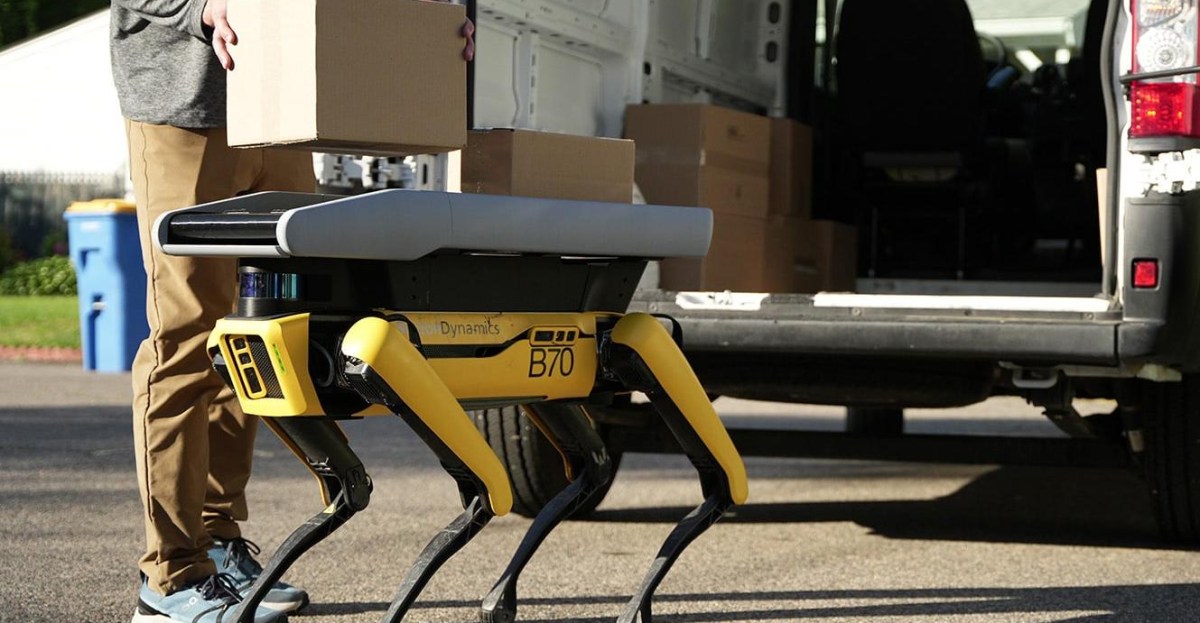
Boston Dynamics Tests Spot Robot for Last-Mile Delivery Solutions
Boston Dynamics is exploring the use of its Spot robot for package deliveries, equipped with a new conveyor belt accessory. This innovation aims to autonomously transport packages from vehicles to customers' doorsteps, potentially easing the workload of delivery drivers. The initiative is significant as it addresses the challenges of last-mile delivery, where human navigational skills are often required to overcome obstacles like stairs and cluttered pathways. Boston Dynamics is currently in discussions with major logistics companies to transition from demonstrations to a full pilot project. Looking ahead, the company believes Spot's ability to navigate uneven terrain will enhance its effectiveness in suburban environments. This could not only alleviate physical strain on delivery drivers but also increase their efficiency, allowing them to handle more packages. No further timeline was disclosed at the time of publication.
Gadgets News Robot Tech
UK Ministry of Defence Awards £3.16m Contracts for Low-Cost Drone Interceptors
The UK Ministry of Defence has allocated £3.16 million in contracts to three British SMEs for the development and testing of new low-cost drone interceptors. This initiative aims to enhance the UK's capabilities in countering drone threats effectively and affordably. The significance of this funding lies in its potential to bolster national security by enabling rapid development of innovative solutions to address emerging aerial threats. By engaging SMEs, the MoD is fostering a competitive environment that encourages technological advancements in drone interception. Looking ahead, the success of these trials could lead to further investments in drone defense technologies. No further timeline was disclosed at the time of publication.
News
LXJ International Holdings Fails Fifth IPO Attempt Amid Market Shifts
LXJ International Holdings Limited, known as 'Laoxiangji', submitted its IPO application to the Hong Kong Stock Exchange on January 8, 2026, but the application expired on July 8, 2026. This marks the fifth unsuccessful attempt by the company, which is recognized as a leading player in the Chinese fast-food sector, to enter the capital market over the past five years. The repeated failures of Laoxiangji's IPO attempts highlight significant challenges in the Chinese fast-food industry, particularly amid rising competition and changing consumer preferences. The company's struggles reflect broader market dynamics, where traditional dining establishments face increasing pressure from the growing popularity of delivery services and healthier eating trends. Looking ahead, industry observers will be keen to see if Laoxiangji will make another attempt to go public or pivot its strategy in response to market conditions. No further timeline was disclosed at the time of publication regarding the company's future plans or potential restructuring efforts.
SpaceX's Starmind Plans 1 Million AI Satellites Amid Collision Risks
SpaceX has announced its ambitious Starmind project, which aims to deploy 1 million AI satellites in orbits between 500 and 2,000 km. This initiative, confirmed by Elon Musk on June 23, 2026, follows a merger with xAI, valuing the combined entity at $1.25 trillion. The satellites will function as orbital data centers, processing AI workloads powered by solar arrays and linked by optical lasers. The significance of Starmind lies in its potential to add 100 gigawatts of AI compute capacity annually, contingent on the successful operation of the Starship launch system. However, the project raises concerns regarding space debris, as the current orbital environment is already congested, with a 20% increase in collision risk reported since 2024. The European Space Agency has highlighted that the density of debris in low Earth orbit is now comparable to that of active satellites, complicating the operational landscape for new entrants like Starmind. Looking ahead, the first operational orbital AI deployments are targeted for 2028, with test launches expected in early 2027. However, the project faces scrutiny regarding its impact on space debris, as even a 1% failure rate could significantly increase the number of uncontrollable objects in orbit, exacerbating existing risks. No further timeline was disclosed at the time of publication.
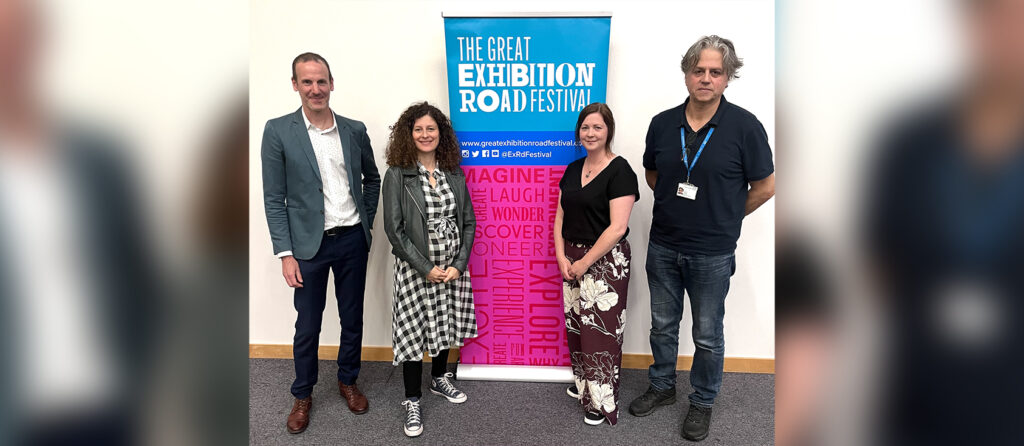
Robot Talk Episode 162 – The robot doctor will see you now
Over the past four decades, the field of medicine has undergone significant transformation due to advancements in robotics, computer vision, and artificial intelligence, particularly in the realm of robot-assisted surgery. These innovative technologies are enhancing the capabilities of healthcare professionals in various areas, including diagnosis, surgical procedures, and rehabilitation. However, as these medical tools become more autonomous, pressing ethical questions have emerged regarding their use and implications in patient care. The ongoing evolution of these technologies prompts a critical examination of the balance between innovation and ethical responsibility in healthcare.

Sunrun Surges 26% on 16-Gigawatt Virtual Power Plant Deal With Tesla and Renew Home
Sunrun's stock surged by 26% to $16.17 on June 24, 2026, following the announcement of a significant partnership with Tesla and Renew Home to create a 16-gigawatt virtual power plant. This collaboration aims to address the increasing electricity demand from data centers and artificial intelligence workloads, which Goldman Sachs projects will reach 66 gigawatts by 2027. The partnership will leverage dispatchable capacity from home battery systems and smart devices, positioning Sunrun as a key player in the energy market without the need for new infrastructure. The initiative is particularly relevant in Virginia, where the partners already have over 300 megawatts ready for deployment, expected to grow to at least 500 megawatts by 2030. Sunrun CEO Mary Powell emphasized the urgency of modernizing the grid to meet contemporary energy needs, while Tesla's Colby Hastings highlighted the existing resources in American homes as part of the solution. Despite the positive market reaction, Sunrun's stock remains down 11% year-to-date, raising questions about the sustainability of this rally. Investors are advised to monitor the company's ability to secure firm contracts with hyperscalers and the execution of their capacity plans in the coming months, as these factors will be crucial for the company's future performance.

Student Teams from 16 Countries Compete in St. John’s at 2026 MATE World Championship
The 2026 MATE ROV Competition World Championship is set to take place in St. John’s, Newfoundland & Labrador, Canada, drawing top student teams from across the globe. Celebrating its 24th year, this prestigious event highlights the talents of young innovators in engineering, technology, teamwork, and problem-solving. The competition aims to inspire and challenge students, providing them with a platform to demonstrate their skills and creativity in designing remotely operated vehicles (ROVs). By fostering collaboration and innovation, the championship not only showcases the capabilities of future engineers but also emphasizes the importance of hands-on experience in STEM fields.
2026 mate rov world championship event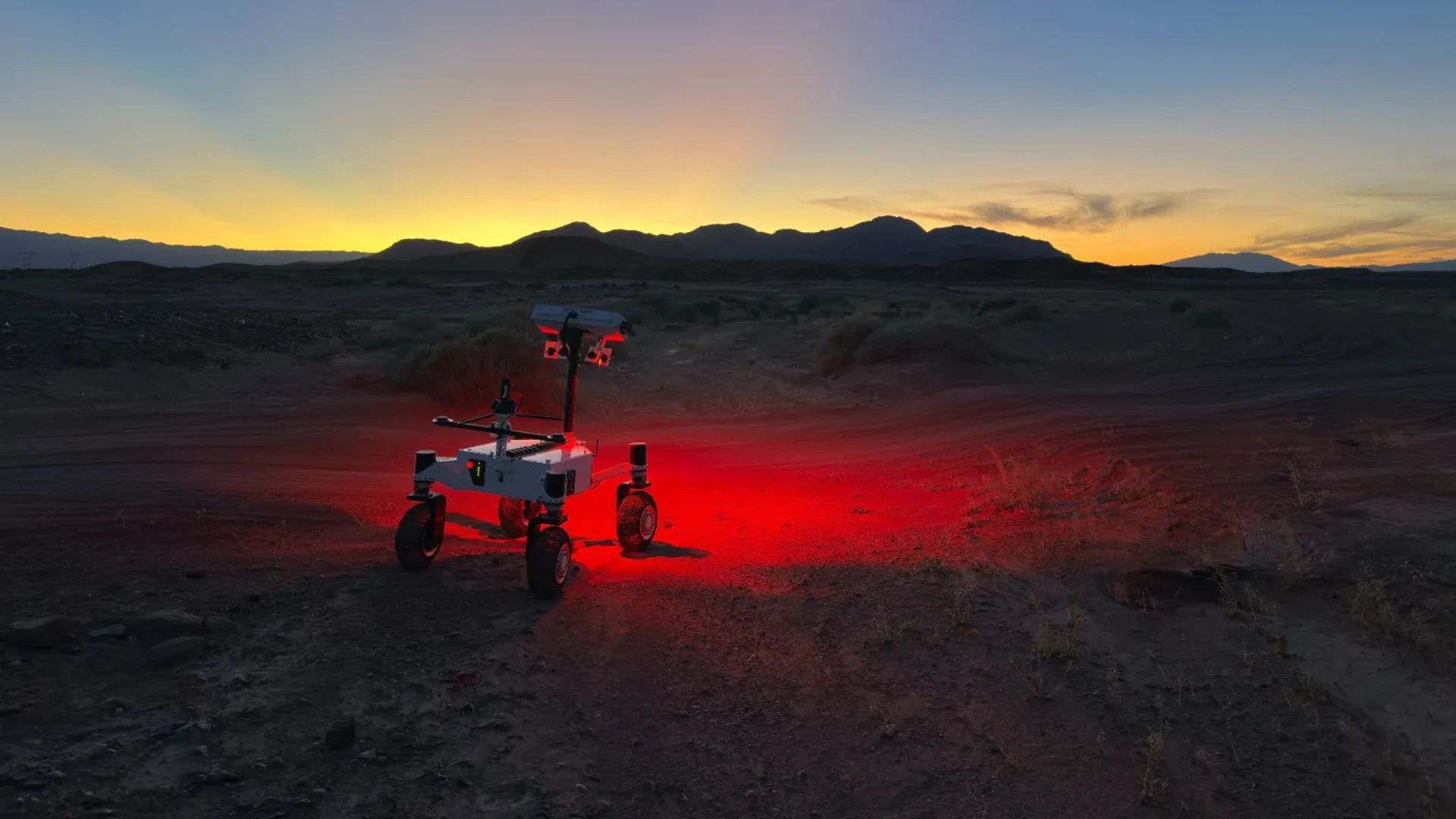
NASA’s new prototype rover completes 16-mile autonomous desert trek
NASA's Jet Propulsion Laboratory (JPL) has unveiled an innovative prototype, a four-wheeled vehicle measuring four feet in length, engineered for high-speed and long-distance travel. This development, announced recently, aims to enhance exploration capabilities on planetary surfaces, potentially paving the way for future missions to Mars and beyond. The vehicle's design incorporates advanced technology to navigate challenging terrains efficiently, addressing the need for faster and more reliable transportation in extraterrestrial environments. By leveraging cutting-edge engineering and robotics, JPL seeks to overcome the limitations of current exploration vehicles, ensuring that future missions can cover greater distances in shorter timeframes. The prototype is a significant step forward in NASA's ongoing efforts to expand human presence in space and improve the tools available for scientific discovery.
AI and Robotics
Robot Talk Episode 161 – Collaborative haptic systems, with Allison Okamura
Claire recently engaged in a conversation with Allison Okamura, a prominent figure in the field of engineering at Stanford University, where she holds the position of Richard W. Weiland Professor. The discussion centered on the development of advanced robotic systems designed for haptic interaction, which allows users to experience touch sensations through technology. Okamura's research encompasses a wide range of interests, including haptics, teleoperation, virtual reality, medical robotics, soft robotics, rehabilitation, and education. As the Director of Graduate Studies for Mechanical Engineering at Stanford, she is at the forefront of integrating these innovative technologies into various applications, aiming to enhance user experience and interaction in both medical and educational settings. The dialogue highlights the significance of haptic technology in creating more immersive and effective robotic systems, reflecting ongoing advancements in the field.

Upsampling method sharpens AI vision with up to 16 times less GPU memory
A collaborative research team from KAIST and various international institutions has made significant advancements in computer vision technology, enhancing artificial intelligence's ability to perceive its surroundings. This new technology improves GPU memory efficiency by up to 16 times, allowing AI systems to operate with minimal memory usage. The breakthrough, announced recently, is expected to play a crucial role in advancing the development of humanoid robots and on-device AI, potentially transforming how these technologies are integrated into everyday life. The innovation underscores the growing importance of efficient AI systems in various applications, from smartphones to robotics.
Robotics
XINMING Unveils R216g 3D Vision AI Module at Shanghai Conference
At the 2026 Zhangjiang Embodied Intelligence Developer Conference, XINMING unveiled its latest innovation, the R216g 3D Vision AI module. This cutting-edge technology is specifically designed for humanoid robots and collaborative arms, boasting advanced spatial perception capabilities that ensure high precision in complex environments. The introduction of the R216g aims to significantly improve the efficiency and reliability of physical AI applications across a range of industries, reflecting XINMING's commitment to advancing robotics and artificial intelligence.
3D Vision AI Humanoid Robots Collaborative Robotics Spatial Intelligence Industrial Automation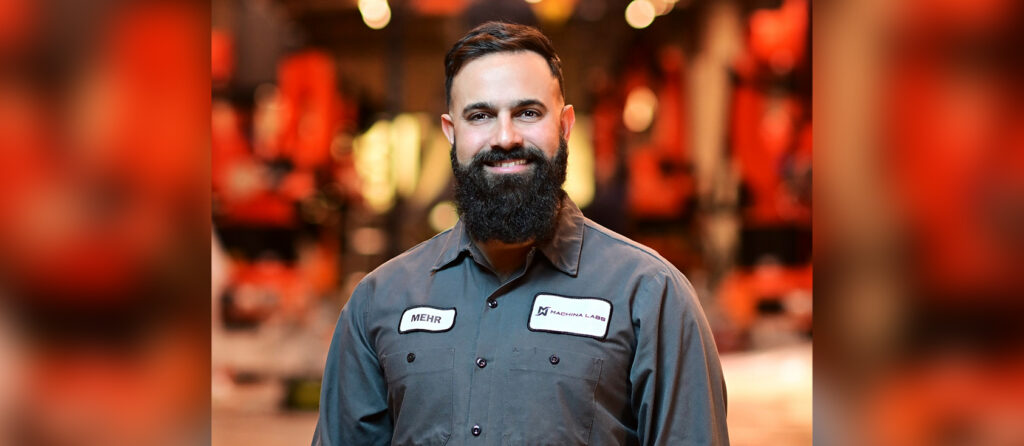
Robot Talk Episode 160 – Robotic blacksmiths, with Edward Mehr
Claire recently spoke with Edward Mehr, Co-Founder and CEO of Machina Labs, regarding the company's innovative RoboCraftsman technology. This advanced system is designed to shape complex metal components specifically for the aerospace, defense, and automotive sectors. With a background in advanced manufacturing, robotics, and artificial intelligence, Mehr is at the forefront of integrating AI-driven robotics into flexible manufacturing processes. The conversation highlighted how RoboCraftsman is revolutionizing the production of intricate metal parts, addressing the growing demand for precision and efficiency in these critical industries.

EVENT: Unmanned Maritime Systems Technology USA - Arlington, VA - Sept 14-16, 2026
The 5th Annual Unmanned Maritime Systems Technology (UMST) USA Conference is set to take place, positioning itself as North America’s premier event focused on the development of unmanned and autonomous maritime technologies. Scheduled for later this year, the conference will gather industry leaders, researchers, and technology developers to discuss innovations and advancements in maritime capabilities. The event aims to foster collaboration and knowledge sharing among participants, highlighting the growing importance of unmanned systems in enhancing maritime operations and safety. Attendees will have the opportunity to engage in discussions, attend workshops, and network with experts in the field, all contributing to the ongoing evolution of maritime technology.
events unmanned maritime systems technology usa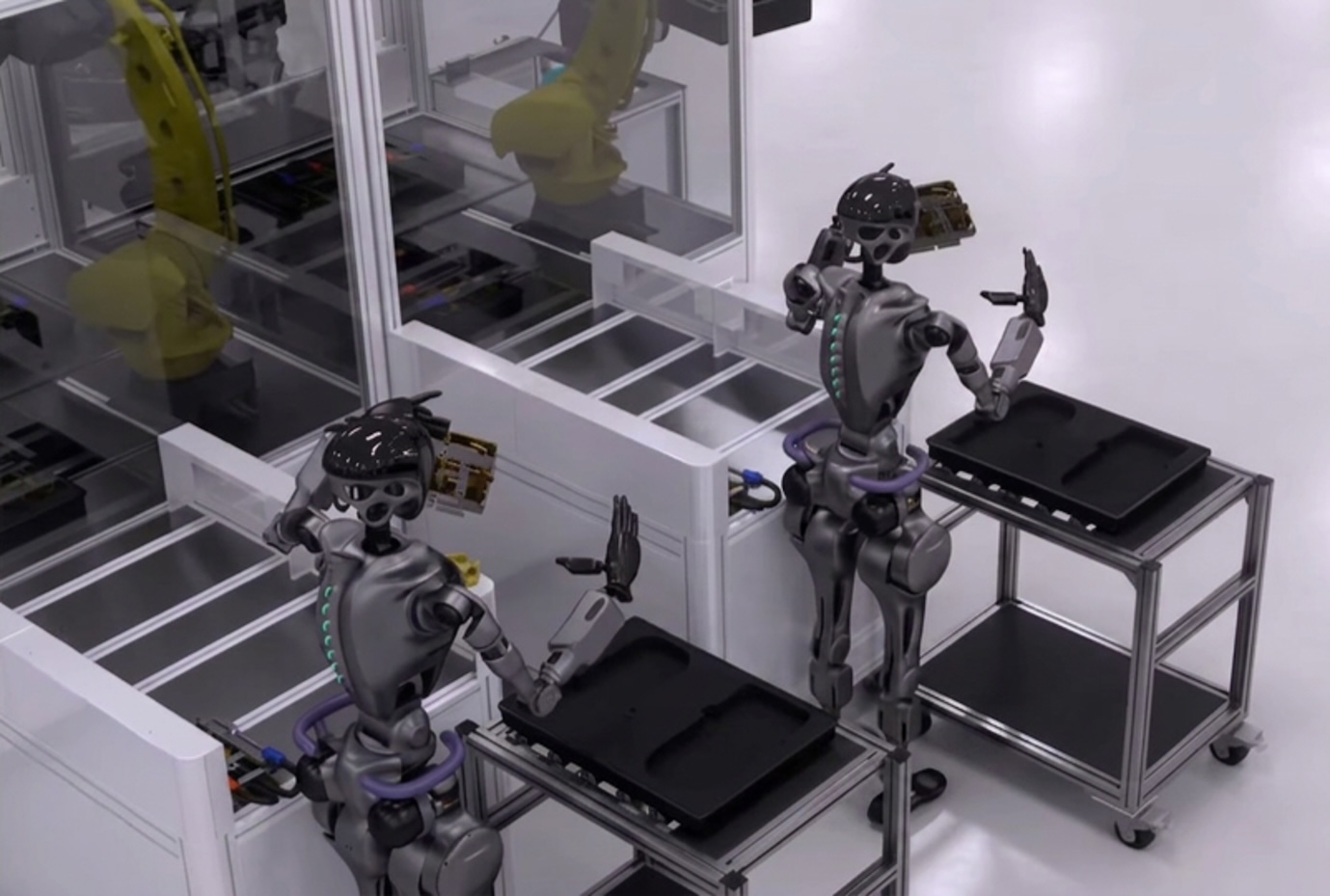
Romania deploys F-16s after Russian drone strike on civilian infrastructure
Romania has formally requested the deployment of allied anti-drone capabilities to enhance its national defense and strengthen NATO's eastern flank. This initiative comes amid growing security concerns in the region, particularly in light of recent geopolitical tensions. The request underscores Romania's commitment to bolstering its military readiness and collaborating with NATO allies to address potential threats. The deployment aims to provide advanced technological support to protect Romanian airspace and deter any hostile actions. The move reflects a broader strategy within NATO to reinforce its eastern defenses in response to evolving security dynamics in Europe.
Air Warfare Global Air Force counter drone drone Europe
CVPR 2026 fields 16,000+ paper submissions on technical advances in AI
The program committee for the 2026 Conference on Computer Vision and Pattern Recognition (CVPR), a premier event in artificial intelligence and computer vision research, has unveiled the details of this year's technical program. Co-sponsored by the IEEE Computer Society and the Computer Vision Foundation, the conference has attracted a record number of submissions, reflecting the growing interest and advancements in the field. Scheduled to take place in 2026, CVPR will serve as a platform for researchers and industry professionals to share their latest findings and innovations. The committee's announcement highlights the importance of collaboration and knowledge exchange in advancing computer vision technologies.
Engineering Events Science agentic ai ai research artificial intelligence
China’s AI start-up funding triples to US$16b in first quarter amid bets on LLMs, robotics
In the first quarter of the year, funding for artificial intelligence start-ups in China experienced a remarkable surge, increasing nearly threefold compared to the same period last year. Investors directed over 110 billion yuan (approximately US$16.2 billion) into these ventures, marking a 185 percent rise. This significant influx of capital is largely attributed to heightened enthusiasm surrounding large language models (LLMs) and embodied AI technologies, reflecting a growing confidence in the country's technology sector. The data, released by a Beijing-based research firm, underscores the accelerating interest and investment in AI as a key driver of innovation in China’s evolving tech landscape.

Terra Drone's Indonesia CEO sentenced to 16 months for deadly fire
The CEO of Terra Drone's Indonesian subsidiary has been sentenced to 16 months in prison by an Indonesian court for negligent homicide following a tragic fire that occurred in December 2025. The blaze, which erupted at the company's office in Jakarta, resulted in the deaths of 22 employees and left 15 others injured. The court found the CEO guilty of negligence, specifically related to the improper storage of batteries, which was identified as the cause of the fire. This incident represents a significant setback for the Japanese startup as it seeks to expand its operations in the region. The ruling was delivered on May 22, 2026, highlighting the serious consequences of workplace safety violations.
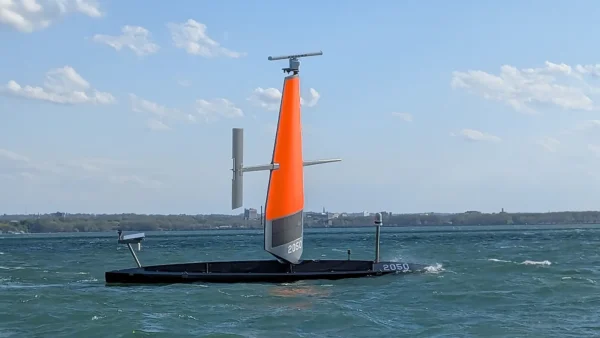
Saildrone Deploys 16 Voyager USVs for Coast Guard Great Lakes Mission
Saildrone, an autonomous maritime company based in Alameda, California, has announced the deployment of 16 Voyager unmanned surface vehicles (USVs) to enhance surveillance capabilities for the US Coast Guard. This initiative, which is part of a $15.5 million contract, aims to support Coast Guard missions across the Great Lakes and the Northeast. The deployment was officially announced on May 11, 2026, marking a significant step in the integration of advanced technology into maritime operations. The use of these unmanned vehicles is intended to improve monitoring and response efforts in these vital waterways, reflecting the Coast Guard's commitment to maintaining safety and security in the region.
Drone News Drone News Feeds News ocean safety and security seadrones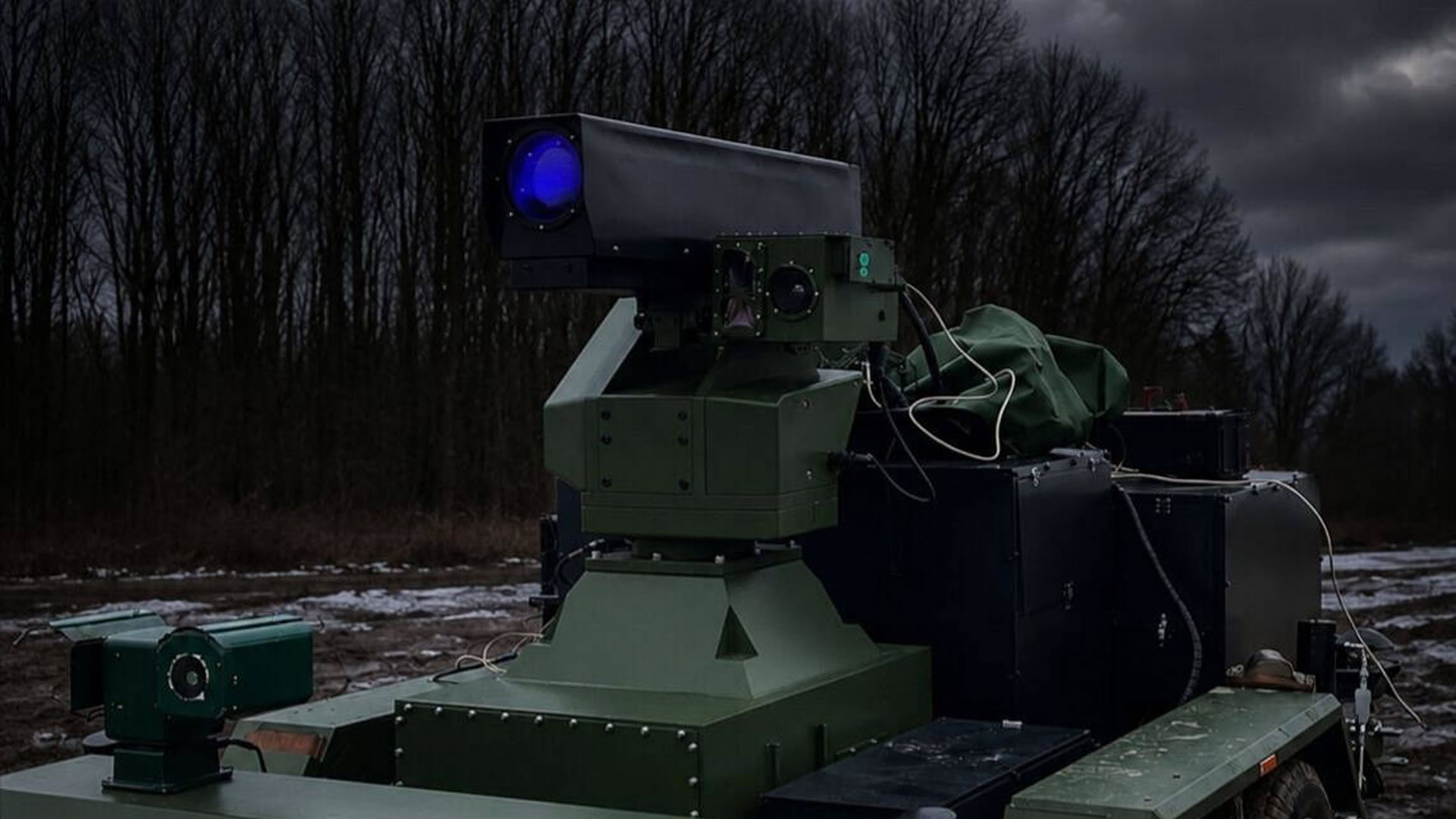
Ukrainian anti-drone laser system with 16400-foot engagement range nears deployment
Ukraine’s Celebra Tech is making significant progress toward the deployment of its Tryzub anti-drone laser weapon, a development that could enhance the country’s defense capabilities amid ongoing conflict. The company has been working diligently to finalize the technology, which aims to counter the increasing threat posed by enemy drones. As tensions continue to escalate, the urgency for effective defense solutions has become paramount. The Tryzub system is designed to target and neutralize drones with precision, potentially shifting the dynamics of aerial warfare in the region. Celebra Tech's advancements are expected to play a crucial role in bolstering Ukraine's military readiness as the nation seeks to protect its airspace from hostile incursions.

This former a16z partner and solo VC has backed 6 unicorns. Now he's raised $50 million to invest in hard tech
Refactor Capital, a venture capital firm established by Zal Bilimoria, has successfully raised $50 million for its fifth fund, which will focus on investments in hard technology. This new fund aims to support innovative companies developing advanced technological solutions. The fundraising comes at a time when there is a growing demand for investments in sectors that emphasize tangible, impactful technological advancements. Bilimoria's vision for the fund is to identify and nurture startups that are poised to make significant contributions to the hard tech landscape.
Tech AI limited-synd venture-capital investing robotics
Powering 160,000 hours of discovery at MIT.nano
The NanoFab Equipment Management and Operations (NEMO) system has been introduced to enhance the management of shared facilities, focusing on tool training, reservations, and lab communications. This innovative platform aims to streamline operations for users, ensuring efficient access to equipment and resources. The system is designed to support collaborative research environments by providing a centralized hub for managing various aspects of facility usage. With the implementation of NEMO, users can expect improved coordination and communication within the lab, ultimately fostering a more productive research atmosphere. The rollout of this system is expected to significantly benefit researchers and technicians alike, facilitating a smoother workflow and better resource allocation.
Facilities Research Open source Collaboration Software Nanoscience and nanotechnology
Maritime Security Summit: Washington DC, USA - July 15-16, 2026
The 2nd Annual Maritime Security Summit, organized by DSI, is set to convene key stakeholders including members of the Department of the Navy (DoN), the U.S. Coast Guard (USCG), port security executives, and marine technical solutions providers. Scheduled to take place in October 2023, this prominent event will focus on the integration of emerging capabilities, tools, and technologies aimed at enhancing maritime dominance and ensuring sustained readiness. Participants will engage in discussions emphasizing the critical role of alliances and partnerships in bolstering Maritime Domain Awareness (MDA) across the nation’s coastlines, ports, and vessels. By fostering collaboration among various sectors, the summit aims to address current challenges and explore innovative solutions to improve maritime security and operational effectiveness.
maritime security summit event defense
It’s Gonna Be May: 16 Games Hit the Cloud This Month, With More NVIDIA GeForce RTX 5080 Power
As May approaches, GeForce NOW is set to enhance its gaming offerings by adding 16 new titles to its platform. This update includes several highly anticipated AAA games that will be available for streaming on their launch day. Members will have the opportunity to access their PC game libraries instantly from popular services such as Steam, Xbox, PC Game Pass, and GOG. This initiative aims to provide gamers with seamless access to a diverse range of games, enhancing the overall cloud gaming experience.
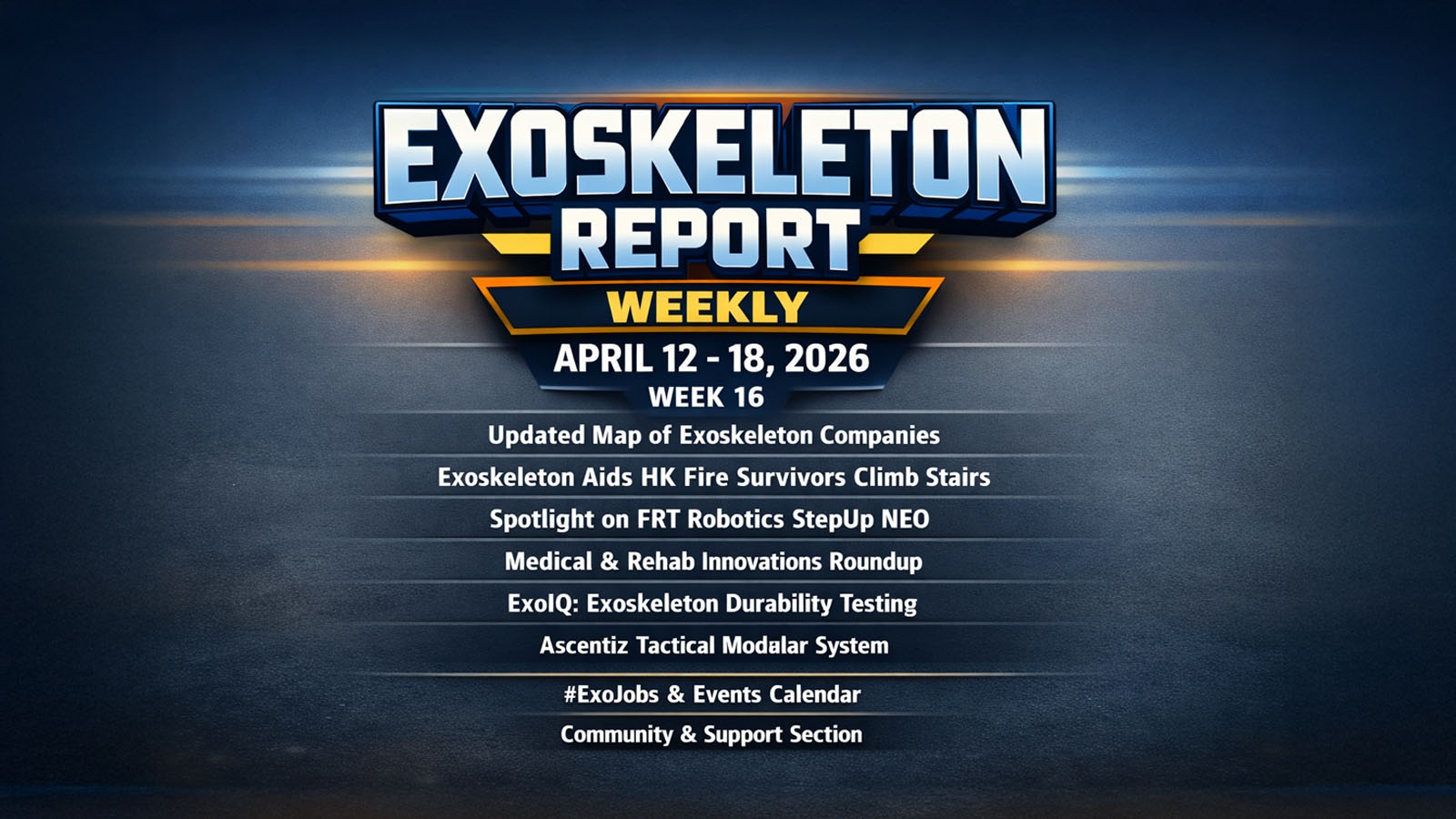
Exoskeleton News, April 18 2026 – Week 16
The latest edition of the Exoskeleton Report, published on April 18, 2026, highlights advancements in wearable robotics and exoskeleton technology. This 79th weekly newsletter showcases the potential of these innovations to enhance human capabilities beyond traditional applications. The report aims to inform readers about the latest developments in the field, emphasizing the growing significance of wearable technology in various sectors. By providing insights and updates, the newsletter serves as a valuable resource for professionals and enthusiasts interested in the future of robotics and its impact on society.
Robotics needs a service framework.
RSF defines a common language for robot service capability, lifecycle operations, certification pathways, and service-provider networks.
Join the RobotToday community on LinkedIn
Daily robotics news, in-depth analysis, conference highlights, and discussions with professionals worldwide.