Top News

Industry Briefing

A single destination for timely, editor-curated robotics news from around the world.

Rise of the robots: China releases plan aimed at increasing consumers’ AI options

Rise of the robots: China releases plan aimed at increasing consumers’ AI options

Chinese authorities are set to enhance the integration of artificial intelligence (AI) into consumer markets, as outlined in a recent plan by the Ministry of Commerce alongside seven other ministries. This initiative, which includes 17 new measures, aims to stimulate consumption growth by incorporating AI into various sectors, including consumer goods, services, and retail. The strategy focuses on the development of smart products, the deployment of robots, and the establishment of supportive infrastructure and standards. By promoting the concept of "AI Plus Consumption," the government seeks to create innovative drivers for economic growth and improve the overall consumer experience.

Morrisons HGV Strike Threat Withdrawn

Morrisons HGV Strike Threat Withdrawn

A potential strike by nearly 500 HGV drivers supplying Morrisons stores in northern England has been averted following a successful agreement between the Unite union and Eddie Stobart regarding the use of agency labor. The drivers, stationed at distribution centers in Wakefield, Stockton-on-Tees, and Northwich, had previously voted in favor of industrial action. The resolution comes after negotiations aimed at addressing the drivers' concerns, ensuring job security and fair labor practices. The agreement marks a significant step in maintaining operations and service continuity for Morrisons in the region.

CV, Trucks, Vans and Trailers Jobs and Training Road Transport and Haulage Transport and Distribution drivers Eddie Stobart
BilibiliWorld 2026 is China's first overseas ticketed ACG event; 17 measures to promote AI in consumer development; Kuaizhou-11 rocket successfully

BilibiliWorld 2026 is China's first overseas ticketed ACG event; 17 measures to promote AI in consumer development; Kuaizhou-11 rocket successfully

Didi Autonomous Driving showcased its advancements in self-driving technology at the MOVE 2026 conference held in London on June 17-18. The company highlighted its achievement of L4-level core technology and the delivery of its new Robotaxi model, R2, developed in collaboration with GAC Aion, which is currently undergoing road tests in cities like Guangzhou and Beijing. Since launching all-weather passenger testing in select areas last year, Didi has maintained a safe and stable operational performance. On June 18, Cainiao's Vice President Bi Jianghua announced plans to deploy four large-scale climbing robot warehouses globally within the next four months, following successful trials during the 618 shopping festival. This initiative aims to enhance the efficiency of e-commerce supply chains. DingTalk's new CEO, Chen Yusen, communicated organizational changes in a company-wide letter, establishing a core platform business department and integrating various teams to streamline operations. The State Administration for Market Regulation is overseeing an antitrust compliance rectification for Huolala, mandating the cessation of practices that unreasonably lower freight prices and enforcing fair pricing algorithms. The company is expected to refund 1.2 billion yuan to drivers and reduce its commission rates. Additionally, Cao Cao Mobility announced its RoboX strategy at the International Automotive and Supply Chain Expo in Hong Kong on June 18, planning to deploy 100,000 Robovans by 2030 to enhance logistics networks. BilibiliWorld 2026 will be the first comprehensive ACG exhibition in China to offer overseas ticket sales, with tickets available globally starting June 20, for the event scheduled from July 10-12 in Shanghai. KKR has committed $1.4 billion to expand Altavair's commercial aircraft leasing portfolio, while Manifold AI has secured nearly 1 billion yuan in Pre-A funding. In economic news, Goldman Sachs suggests the Federal Reserve may need to implement consecutive rate hikes in September if inflation remains high. Meanwhile, Hong Kong plans to launch five-year government bond futures on August 3, 2026. The Ministry of Commerce has introduced 17 measures to promote the integration of artificial intelligence into consumer markets.

5 Common Truck Tire Problems and How to Fix Them

5 Common Truck Tire Problems and How to Fix Them

Truck owners are being urged to pay close attention to changes in ride quality, as neglecting these signs can significantly reduce tire lifespan and compromise safety on the highway. Experts warn that failing to address common tire issues can lead to sudden blowouts, posing a serious risk to drivers and others on the road. With the increasing reliance on trucks for transportation and logistics, understanding how to identify and resolve tire problems is crucial for maintaining optimal vehicle performance. Owners are encouraged to regularly inspect their tires and seek professional assistance when necessary to ensure their rigs operate safely and efficiently under pressure.

Engineering automation news commercial vehicles fleet maintenance fleet operations fleet safety
Waymo Is Charging $29.99 A Month For Faster Robotaxi Pickups — Here's What Subscribers Get

Waymo Is Charging $29.99 A Month For Faster Robotaxi Pickups — Here's What Subscribers Get

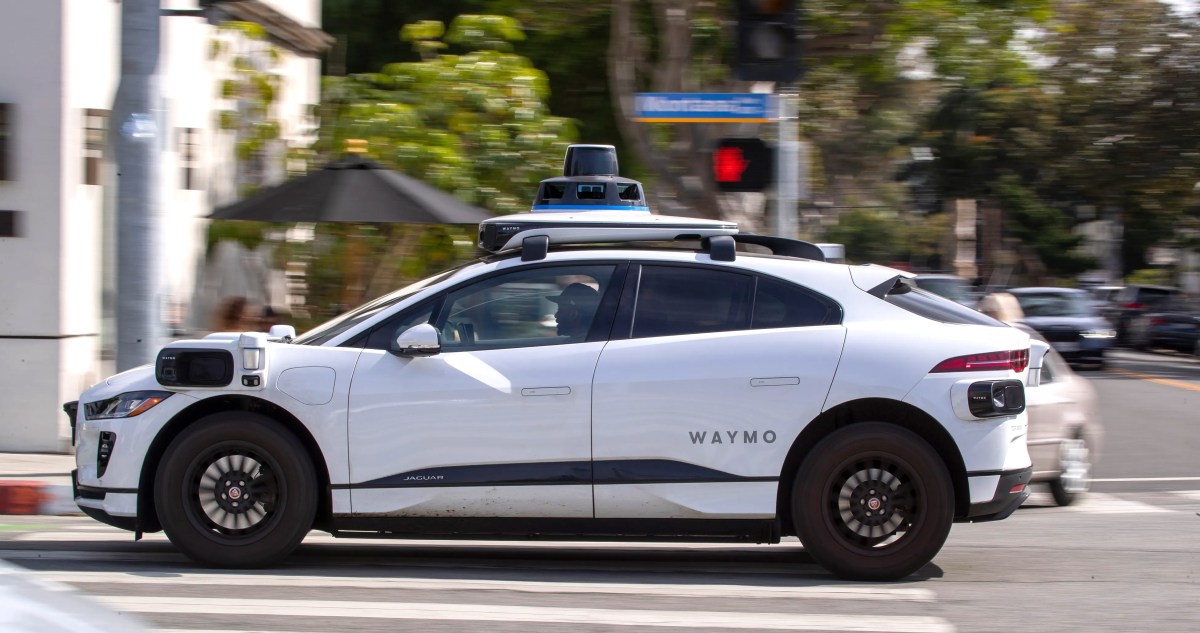
Waymo, the autonomous vehicle service operated by Alphabet Inc., has launched a new subscription tier called "Waymo Premier," priced at $29.99 per month. Announced on June 14, 2026, this invite-only program aims to provide subscribers with faster pickup times and early access to new service areas. Initially available to select riders in San Francisco, Los Angeles, and Phoenix, the subscription includes benefits such as prioritized pickups, 10% cash back on rides, and five free cancellations each month. The introduction of this subscription service comes as Waymo continues to expand its operations in the U.S. and recently acquired a self-driving proving ground in Arizona, previously owned by Apple Inc. However, the company is facing challenges, including a recall of over 3,791 autonomous vehicles due to a software glitch that could lead to dangerous driving conditions. Additionally, Waymo's partnership with Uber Technologies Inc. has faced scrutiny, with some Uber executives questioning the scalability and reliability of fully autonomous services compared to a hybrid model that includes human drivers.

Europe unifies autonomous vehicle laws, speeds up robotaxi expansion

Europe unifies autonomous vehicle laws, speeds up robotaxi expansion

Autonomous taxi services have experienced significant growth in major metropolitan areas across the United States, revolutionizing urban transportation. As of October 2023, companies specializing in self-driving technology have expanded their fleets and operational zones, responding to increasing demand for efficient and cost-effective travel options. The rise of these services is driven by advancements in artificial intelligence and robotics, enabling safer and more reliable rides without human drivers. Cities such as San Francisco, Los Angeles, and New York have become key testing grounds, where regulatory frameworks are evolving to accommodate this innovative mode of transport. The integration of autonomous taxis into public transit systems aims to alleviate traffic congestion and reduce carbon emissions, aligning with broader environmental goals. As these services continue to develop, stakeholders are closely monitoring their impact on urban mobility and the potential challenges they may pose to existing transportation infrastructures.

Stellantis unveils $70 billion turnaround plan, targets positive cash flow by 2028

Stellantis unveils $70 billion turnaround plan, targets positive cash flow by 2028

Stellantis CEO Antonio Filosa announced a comprehensive five-year strategic plan on Thursday, aimed at transforming the automotive giant with an investment of 60 billion euros (approximately US$69.7 billion). This ambitious initiative, revealed during a press conference, is designed to enhance the company's competitiveness in the rapidly evolving automotive market. Filosa emphasized the importance of innovation and sustainability as key drivers of the plan, which seeks to address the growing demand for electric vehicles and advanced technology integration. The strategic roadmap outlines specific goals and initiatives that Stellantis intends to implement over the next five years, positioning the company to adapt to changing consumer preferences and regulatory landscapes.

Alibaba's Amap has announced plans to expand its traffic light countdown feature internationally, bringing the service to more countries and regions worldwide.

Alibaba's Amap has announced plans to expand its traffic light countdown feature internationally, bringing the service to more countries and regions worldwide.

Alibaba's Amap has unveiled plans to expand its AI-powered traffic light countdown feature globally, currently operational at 500,000 intersections throughout China. This initiative aims to address navigation challenges faced by drivers around the world. The announcement highlights Amap's commitment to enhancing urban mobility and improving traffic management through innovative technology. By leveraging artificial intelligence, the feature is designed to provide real-time updates on traffic light changes, ultimately facilitating smoother and more efficient travel for users. The global rollout is part of Amap's strategy to position itself as a leader in smart transportation solutions, reflecting the growing demand for advanced navigation tools in urban environments.

Technology
China says integration of AI, advanced manufacturing can help offset economic headwinds

China says integration of AI, advanced manufacturing can help offset economic headwinds

Chinese Premier Li Qiang emphasized the need for stronger collaboration between artificial intelligence companies and advanced manufacturing sectors during a visit to Beijing on Monday. This initiative is part of China's strategy to cultivate new economic growth drivers in response to declining domestic demand and increasing external challenges. During his tour, which included Xiaomi’s electric vehicle factory and the Humanoid Robot Innovation Centre—housing numerous AI start-ups and research institutions—Li highlighted the importance of accelerating the development and application of AI technologies. His remarks reflect the government's commitment to fostering innovation and enhancing the country's industrial capabilities amidst a shifting economic landscape.

5/17/2026: Betting on War; The Knowledge; Christopher Nolan

5/17/2026: Betting on War; The Knowledge; Christopher Nolan

In a recent analysis, experts have noted that prediction markets are increasingly placing bets on the likelihood of war, challenging conventional odds and raising concerns about global stability. This trend reflects a growing unease among investors and analysts regarding geopolitical tensions and potential conflicts. Meanwhile, in London, taxi drivers are expressing skepticism about the rise of robotaxis, voicing concerns over safety, job security, and the reliability of autonomous vehicles. The city's iconic cabbies have long been a staple of urban transport, and their apprehension highlights the broader debate surrounding the integration of technology in public transportation. In a separate development, acclaimed filmmaker Christopher Nolan recently participated in an interview with "60 Minutes," where he discussed his creative process, the challenges of filmmaking, and his latest projects. Nolan's insights provide a glimpse into the mind of one of the industry's most influential directors, as he reflects on the evolving landscape of cinema and storytelling. These stories collectively underscore the intersections of technology, societal change, and the arts, illustrating the diverse challenges and opportunities facing contemporary society.

Robotaxis pose a threat to London's iconic black cabs

Robotaxis pose a threat to London's iconic black cabs

London's iconic black cab drivers, known for their rigorous training that requires them to memorize 25,000 streets to obtain a license, are facing potential competition from the emergence of robotaxis in the city. As autonomous vehicles prepare to enter the market, the traditional taxi industry is bracing for a shift in the transportation landscape. This development comes as technology advances and regulatory frameworks evolve, allowing for the introduction of self-driving cars to provide rides in London. The rise of robotaxis could challenge the livelihoods of cab drivers who have long relied on their extensive knowledge of the city's streets. With the rollout of these automated services expected soon, the future of London's black cabs hangs in the balance, prompting discussions about the implications for both drivers and passengers.

London's cabbies memorize 25,000 streets. But will robotaxis overtake them?

London's cabbies memorize 25,000 streets. But will robotaxis overtake them?

London's iconic black cab drivers, known for their extensive knowledge of the city's streets, are facing a new challenge as several companies work to introduce robotaxis to the capital. This technological shift comes as part of an ongoing effort to modernize urban transportation and improve efficiency. The testing of these autonomous vehicles is currently underway, with the aim of integrating them into London’s busy streets by late 2023. The push for robotaxis is driven by advancements in artificial intelligence and the growing demand for innovative transport solutions that can alleviate congestion and reduce emissions. As these companies navigate regulatory hurdles and public acceptance, the future of traditional taxi services hangs in the balance, prompting drivers to adapt to the evolving landscape of urban mobility.

London cabbies not ready to hand over their keys to AI-powered, autonomous taxis

London cabbies not ready to hand over their keys to AI-powered, autonomous taxis

London's iconic black cab drivers, known for their extensive knowledge of the city's streets, are facing new competition as several companies introduce robotaxis to the urban landscape. This shift in transportation technology is occurring amid ongoing advancements in autonomous vehicle capabilities. As these companies work to integrate robotaxis into London’s busy streets, traditional cab drivers are being tested not only on their navigation skills but also on how they adapt to the evolving transportation environment. The push for robotaxis is driven by a desire to enhance urban mobility and reduce congestion, prompting a significant transformation in the way residents and visitors may choose to travel around the city. The introduction of these autonomous vehicles marks a pivotal moment in London's transportation history, raising questions about the future role of human drivers in a rapidly changing industry.

Alibaba’s Qwen AI is coming to cars, allowing drivers to order food and book hotels by voice

Alibaba’s Qwen AI is coming to cars, allowing drivers to order food and book hotels by voice

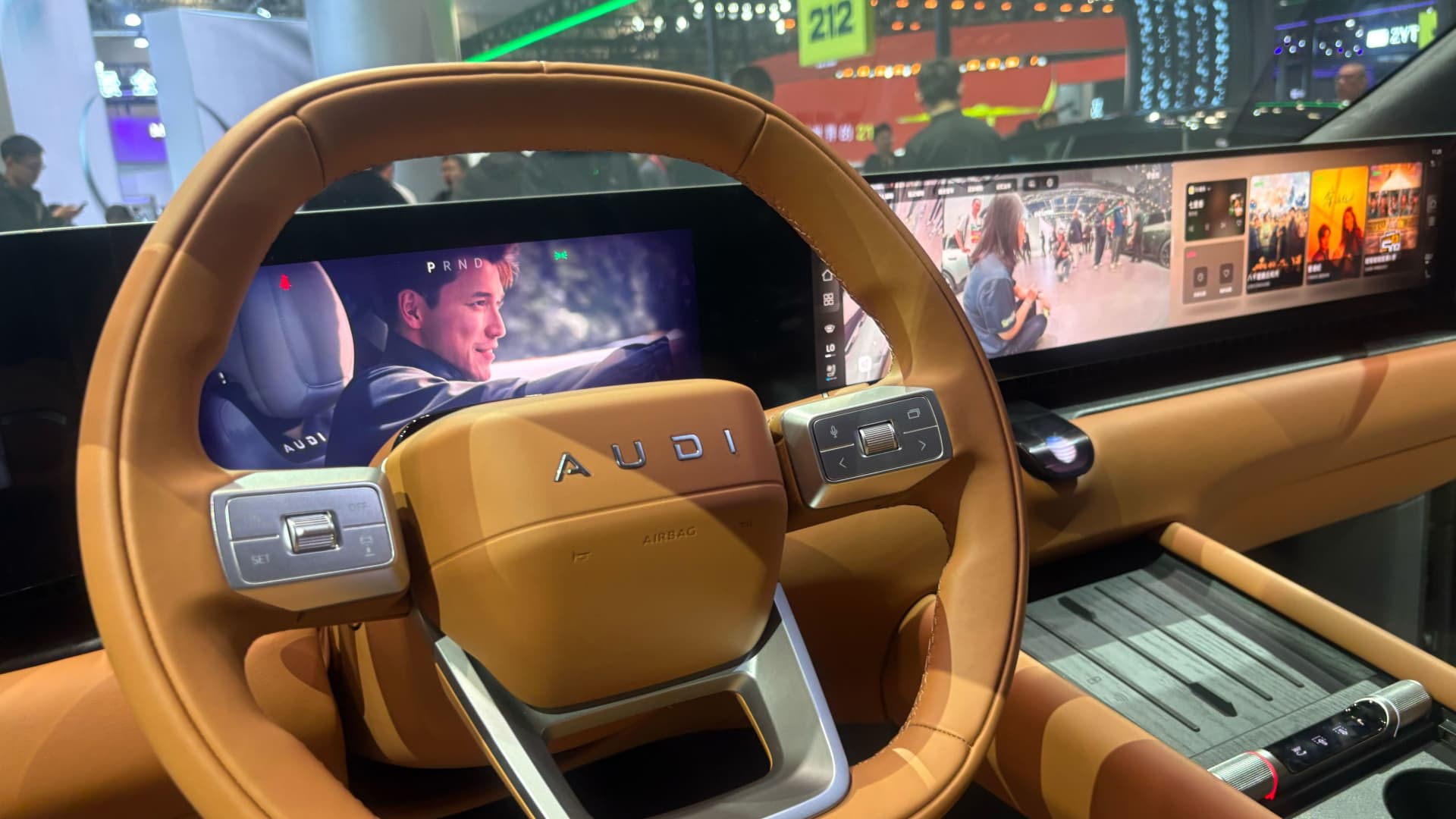
Alibaba is set to launch its Qwen AI technology across various car brands, enhancing the driving experience with innovative hands-free features. This initiative allows drivers to seamlessly order meals and manage deliveries directly from their vehicles, promoting convenience and safety on the road. The rollout is expected to take place in the coming months, as the company aims to integrate advanced artificial intelligence into everyday driving scenarios. By leveraging its expertise in AI and data analytics, Alibaba seeks to transform how drivers interact with their vehicles, making tasks that typically require manual input more efficient and accessible. This move aligns with the growing trend of smart technology in the automotive industry, as companies increasingly prioritize user-friendly solutions that enhance mobility.
Huawei unveils “HAMOMO” AI companion robot for HarmonyOS cockpit

Huawei unveils “HAMOMO” AI companion robot for HarmonyOS cockpit

Huawei has unveiled HAMOMO, an innovative AI companion robot aimed at transforming in-car interaction within its HarmonyOS cockpit. The launch took place recently, showcasing the company's commitment to integrating advanced technology into automotive experiences. This new robot is designed to enhance user engagement through voice AI capabilities and expressive features, allowing for a more intuitive and interactive driving experience. By leveraging artificial intelligence, Huawei seeks to address the growing demand for smart technology in vehicles, positioning itself as a leader in the automotive tech space. The introduction of HAMOMO reflects the company’s strategy to create a seamless blend of technology and user-friendly interfaces, ultimately aiming to improve safety and convenience for drivers and passengers alike.

AI
Measuring ROI: How Collaborative Robots in Manufacturing Drive Profitability

Measuring ROI: How Collaborative Robots in Manufacturing Drive Profitability

In a bid to enhance profitability and operational efficiency, a manufacturing company has integrated JAKA collaborative robots into its production processes. This strategic move, implemented recently, aims to address challenges related to labor costs and production consistency. By utilizing the JAKA S5 platform for tasks such as gluing, the company has mechanized production, improving both the quality of output and the accuracy of material usage. The adoption of these robots not only reduces manual labor but also allows workers to focus on more skilled tasks, thereby driving efficiency gains that positively impact return on investment (ROI). The flexibility of JAKA systems enables easy relocation within the workspace, facilitating quick adaptations to changing production needs while ensuring safe interactions with human operators. Beyond labor savings, the integration of JAKA robots has led to significant improvements in product quality, consistency, and throughput, further enhancing profitability. The precise control offered by these systems minimizes waste and rework, resulting in lower operational costs. Additionally, the robots' rapid deployment and flexible programming capabilities shorten production cycles, enabling the company to respond swiftly to market demands. Overall, the company's investment in collaborative automation through JAKA robots represents a comprehensive approach to boosting profitability, demonstrating that operational efficiency, quality, and flexibility are key drivers of long-term success in the manufacturing sector.

Semiconductor Innovations for the Next Generation of Robots

Semiconductor Innovations for the Next Generation of Robots

Texas Instruments (TI) has unveiled a new technology aimed at enhancing the performance of motors by integrating FETs, drivers, and current sensing into a single compact package. This innovation addresses the growing demand for high power density and precise control in motor applications, particularly in industries where space is at a premium. By reducing the size of the circuit board, TI's solution not only optimizes performance but also simplifies the design process for engineers. The announcement comes as part of TI's ongoing commitment to advancing motor control technology, reflecting the company's response to industry needs for more efficient and space-saving solutions. This development is expected to significantly impact various sectors, including automotive and industrial automation, where compact and efficient motor systems are crucial.

Screwdriving Robot vs. Manual Assembly: Speed, Consistency, and Ergonomics

Screwdriving Robot vs. Manual Assembly: Speed, Consistency, and Ergonomics

JAKA is pioneering the integration of screwdriving robots into assembly lines, marking a significant shift in manufacturing operations aimed at enhancing productivity and workplace safety. This transition, which is currently being evaluated, focuses on three key performance metrics: operational pace, output consistency, and the physical impact on workers. The introduction of robotic screwdrivers allows for uninterrupted operation at a steady pace, eliminating the fluctuations associated with human labor due to fatigue or distractions. This consistent rhythm facilitates reliable production scheduling and output predictions, akin to the performance of polishing robots that require precision in repetitive tasks. Moreover, the automation of screwdriving significantly improves output uniformity by applying consistent torque and placement, reducing common fastening defects that arise from human error. This enhancement not only boosts product quality but also minimizes waste and ensures compliance with stringent production standards. From an ergonomic perspective, the deployment of screwdriving robots alleviates the physical strain on workers, particularly in challenging environments that can lead to repetitive strain injuries. By removing operators from these demanding tasks, companies can reassign them to roles that involve supervision and quality inspection, thereby fostering a safer and more efficient workplace. As businesses consider this technological shift, JAKA emphasizes that the evaluation process should encompass not just the replacement of manual labor but also a comprehensive redesign of systems and the redeployment of human resources. The company’s expertise in robotic technology supports this transition, enabling manufacturers to focus on more complex, value-added activities while ensuring a sustainable operational framework.

WeRide begins commercial deployment of driverless robotaxis in Abu Dhabi

WeRide begins commercial deployment of driverless robotaxis in Abu Dhabi

WeRide, a Chinese company specializing in autonomous driving technology, has made a significant breakthrough by securing the world’s first city-level Level 4 (L4) driverless commercial operation license outside the United States. This milestone was announced on Monday and is backed by the approval of the UAE federal government. The newly granted license allows WeRide to launch Robotaxi services in Abu Dhabi, operating without the need for in-vehicle safety drivers. The approval was facilitated by the RegLab, which oversees regulatory frameworks for innovative technologies in the region. This development marks a pivotal step in the advancement of autonomous transportation and reflects the UAE's commitment to embracing cutting-edge technologies in urban mobility.

News Feed
CATL to build 10 battery swap stations in Hong Kong by 2027

CATL to build 10 battery swap stations in Hong Kong by 2027

Chinese battery manufacturer CATL has announced plans to establish 10 electric vehicle battery swap stations throughout Hong Kong by the end of 2026. This initiative aims to significantly decrease the charging time for electric vehicles in the city, thereby enhancing operational efficiency for local taxi drivers. The company revealed its intentions in a statement made on June 1, highlighting the growing demand for faster charging solutions as the adoption of electric vehicles continues to rise. By implementing these battery swap stations, CATL hopes to facilitate a smoother transition to electric mobility, addressing both convenience for drivers and the broader goal of reducing carbon emissions in urban transportation.

News Feed
Alibaba chairman points to AI as core growth engine for e-commerce and cloud businesses

Alibaba chairman points to AI as core growth engine for e-commerce and cloud businesses

During an internal event on May 10, Alibaba Group Chairman Joe Tsai presented the company's strategic roadmap for the next three to five years, focusing on e-commerce and the integration of "Cloud + AI" as the key drivers of future growth. Tsai underscored his belief that artificial intelligence will play a pivotal role across all business segments, positioning it as a core component of Alibaba's strategy moving forward. This initiative aims to enhance the company's competitive edge and adapt to the evolving digital landscape.

News Feed
Humanoid Robot Market Forecasts: A Landscape of High Hopes and Wide Disagreement

Humanoid Robot Market Forecasts: A Landscape of High Hopes and Wide Disagreement

Recent analyses of the humanoid robot market indicate a general agreement among experts regarding key drivers such as advancements in artificial intelligence and ongoing labor shortages. However, there is significant divergence in opinions concerning the market's size, anticipated growth rates, and timelines for adoption. These discrepancies are further complicated by geopolitical factors that may influence the sector's development. As the industry evolves, stakeholders are closely monitoring these dynamics to better understand the future landscape of humanoid robotics.

market analysis market forecast
AI and livestreaming were the key drivers in this year’s Double 11, China’s biggest shopping festival

AI and livestreaming were the key drivers in this year’s Double 11, China’s biggest shopping festival

In the early hours of November 11, e-commerce platforms in China released performance statistics for Singles Day, the nation's largest consumer festival. Unlike previous years, companies refrained from highlighting their gross merchandise value (GMV) totals, a figure that had been a focal point during the event's peak popularity in the 2010s. This shift in reporting reflects a changing landscape in consumer behavior and market dynamics, as platforms adapt to evolving expectations and economic conditions. The decision to downplay GMV figures suggests a more cautious approach amid increasing competition and a focus on sustainable growth rather than sheer sales volume.

On the Cusp Alibaba Double 11 Highlight JD News
RobotToday Initiative

Robotics needs a service framework.

RSF defines a common language for robot service capability, lifecycle operations, certification pathways, and service-provider networks.