Industry Briefing
A single destination for timely, editor-curated robotics news from around the world.

Traffic Congestion in Europe Costs Fleets Over €2.6 Million Annually
Traffic congestion in Europe is increasingly impacting urban freight operators, leading to higher fuel costs, reduced productivity, and increased emissions. A recent study by Geotab revealed that over 1.58 million litres of fuel were wasted due to vehicles idling in traffic during 2025, resulting in an estimated €2.6 million in wasted fuel. This figure reflects the average European fuel prices for that year. The findings highlight the financial and environmental implications of prolonged idling in urban areas, particularly in cities like London, which faces unique challenges due to its stop-start traffic patterns. London recorded the highest fuel consumption among the cities analyzed, with a significant percentage of fuel burned while stationary. In contrast, cities like Berlin and Amsterdam demonstrated better fuel efficiency despite congestion. As fuel prices continue to rise, with diesel exceeding €2 per litre in early 2026, the cost of idling could escalate to approximately €3.6 million. Fleet operators must adopt more efficient vehicle and route management strategies to mitigate these costs and reduce emissions. No further timeline was disclosed at the time of publication.
Couriers and Express Road Transport and Haulage Transport and Distribution congestion costs efficiency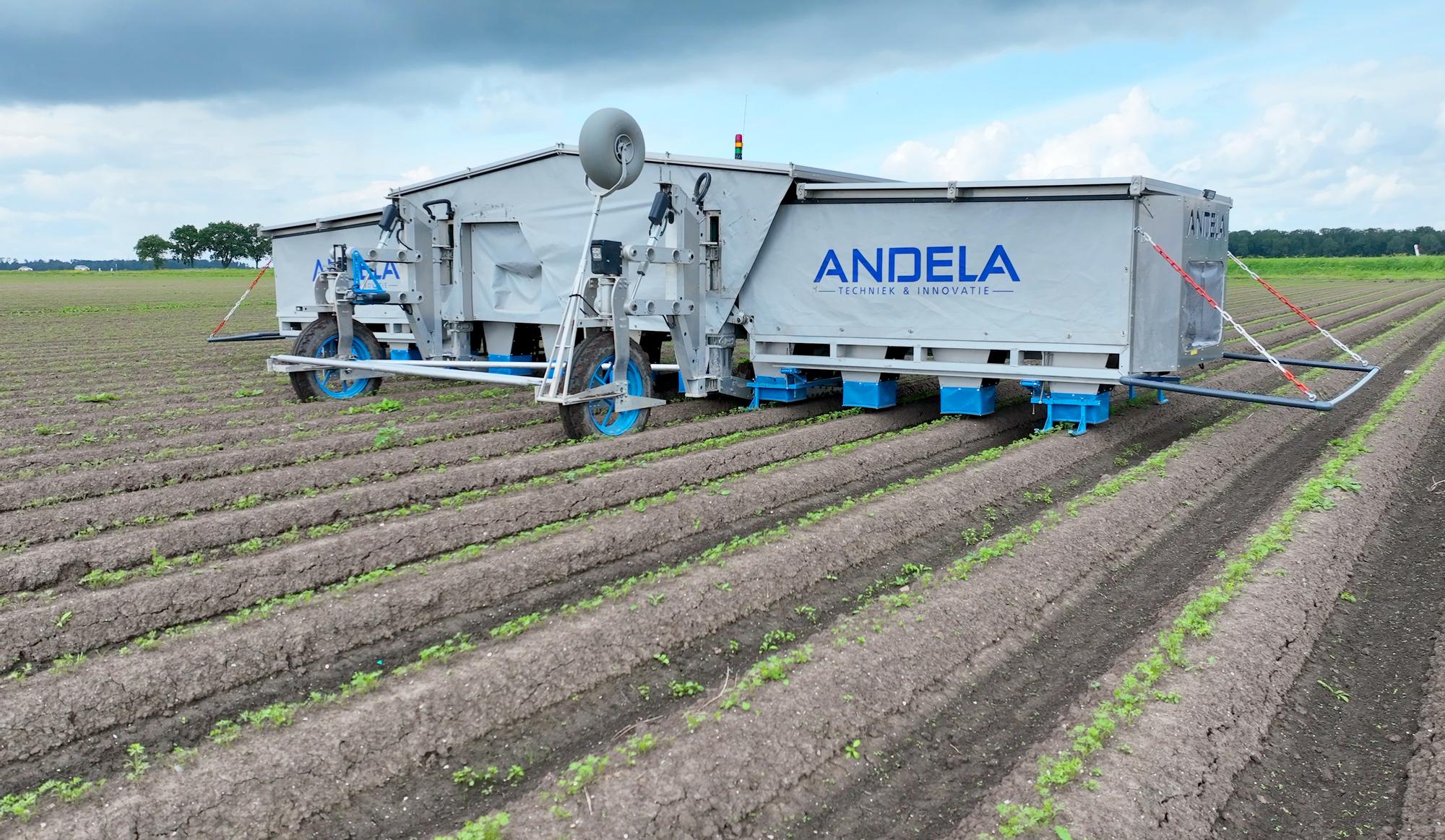
Challenges in Reducing Costs of Agricultural Robots Like the Andela Weeder
The Andela Robot Weeder is priced at approximately €800,000 (US$961,000), raising questions about the factors influencing its cost. Unlike traditional machinery, the price of agricultural robots is increasingly determined by the economic value they provide rather than manufacturing costs. This shift in perspective complicates the business case for growers, as the value derived from labor replacement and efficiency gains becomes paramount. As labor shortages and restrictions on herbicides grow, the competition landscape for agricultural robots may change significantly. Robots may not need to compete solely on price against traditional methods like chemical weed control. Instead, they could emerge as essential tools, altering the pricing dynamics in the market. While advancements in technology will likely enhance the performance of agricultural robots, this does not guarantee a decrease in their prices. The value proposition for farmers will focus more on the economic benefits rather than the cost of production, making the future of pricing in this sector uncertain. No further timeline was disclosed at the time of publication.
Crop solutions autonomous farm farm management mechanical weeder robotics weed control
Microsoft and Palantir Urge Businesses to Retain AI Sovereignty Amid Rising Costs
Microsoft CEO Satya Nadella recently emphasized the importance of maintaining AI sovereignty in a widely discussed essay that garnered over 66 million views. He warned against relying on external AI models, advocating for companies to develop their own 'token capital' alongside human capital to create proprietary AI capabilities. This call to action comes as businesses face skyrocketing AI usage costs, exemplified by Uber's rapid depletion of its AI budget within four months. The significance of Nadella's message lies in its timing, as companies increasingly utilize AI agents that consume vast amounts of tokens, leading to concerns over escalating expenses without corresponding value. Palantir Technologies echoed this sentiment with a manifesto stressing the need for organizations to retain control over their AI capabilities and data. The manifesto's provocative statements have sparked a debate about the implications of AI model dependency and the potential for industry hollowing out if businesses do not take charge of their AI strategies. Looking ahead, both Microsoft and Palantir are positioning themselves as essential partners in the development of proprietary AI systems. As companies navigate the complexities of AI integration, the focus will likely shift towards establishing robust learning loops that enhance both human and token capital. No further timeline was disclosed at the time of publication for specific initiatives from either company to address these challenges.

Manufacturers Assess Automation ROI by Evaluating IT Reliability and Downtime Costs
Manufacturers typically calculate the return on investment (ROI) for automation by focusing on labor savings and increased throughput. However, a critical factor often overlooked is the cost associated with automation downtime, which can significantly impact overall profitability. This aspect of IT reliability is essential for determining the true financial benefits of robotic systems in smart manufacturing environments. Understanding the hidden costs of automation downtime is vital for manufacturers aiming to optimize their operations. When automation systems experience failures, the resulting downtime can negate the anticipated labor savings and throughput gains. This highlights the importance of investing in reliable IT infrastructure to ensure continuous operation and maximize the ROI of automation investments. Looking ahead, manufacturers should prioritize strategies that enhance IT reliability to mitigate downtime risks. No further timeline was disclosed at the time of publication, but ongoing assessments of automation systems will be crucial in refining ROI calculations and ensuring sustainable manufacturing practices in the future.

Intel reveals new XBM memory architecture patent to reduce AI memory costs by bypassing HBM silicon interposer.
On July 8, Intel revealed a recently filed patent application for a new high-bandwidth memory architecture called Cross-Batch Memory (XBM). This innovative design aims to reduce advanced packaging costs and alleviate the "memory wall" bottleneck faced by AI chips. By eliminating the silicon interposer required for High Bandwidth Memory (HBM) and utilizing UCIe interconnect technology along with an integrated redundancy repair mechanism, XBM enhances efficiency. The patent outlines a back-end transistor (BEOL) DRAM stacking design that maintains packaging dimensions similar to HBM4 while improving scalability and supporting defect repair to boost yield.
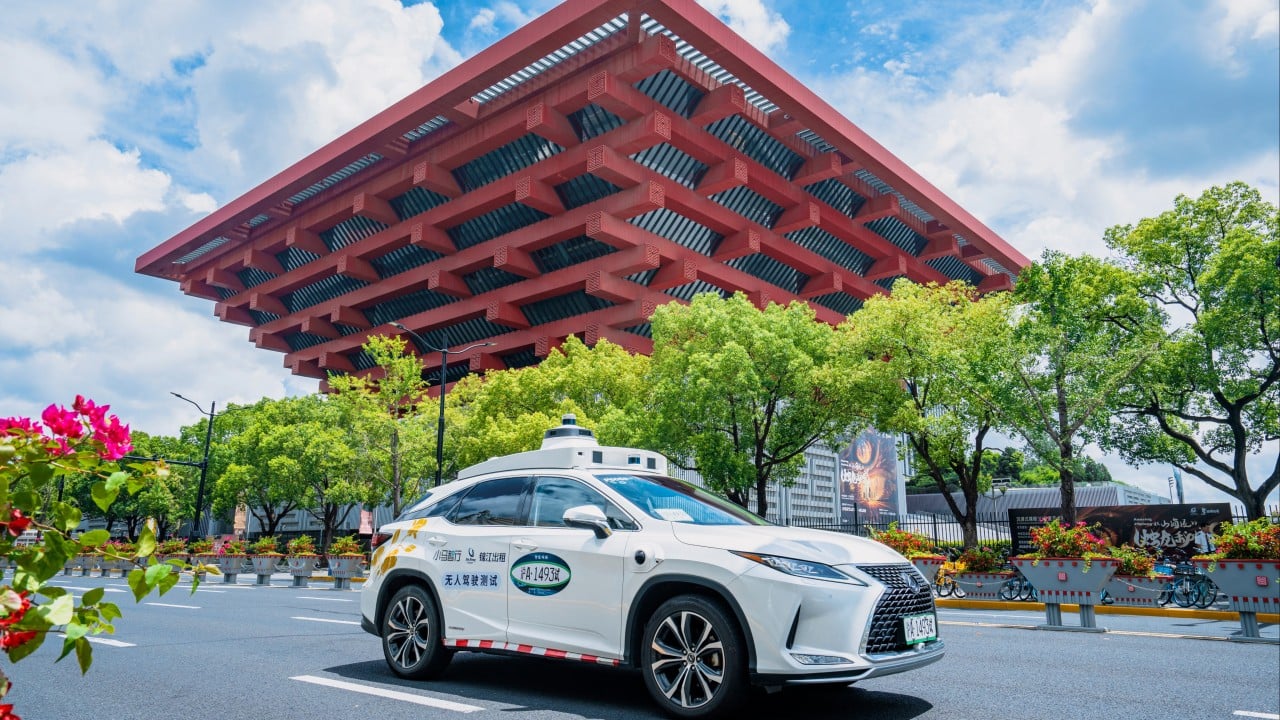
Global robotaxi market set to hit US$1t by 2040 as China tech costs plummet: Morgan Stanley
The global robotaxi market is projected to reach a value of $1 trillion by 2040, as highlighted in a recent report by Morgan Stanley. The investment bank's analysis, released on Friday, indicates that Chinese companies such as Baidu, Xpeng, and WeRide are poised to emerge as regional leaders in this burgeoning sector, competing alongside established global players like Tesla and Waymo. The forecast emphasizes that declining manufacturing costs in China will serve as a significant yet often overlooked catalyst for the industry's growth. With advancements in supply chain efficiency, the cost of components for Chinese-manufactured robotaxis is expected to decrease, further enhancing their competitive edge. This combination of innovation and cost reduction positions these companies to capitalize on the expanding demand for autonomous transportation solutions in the coming years.

Microsoft lifts price of Xbox consoles due to soaring component costs
Microsoft has announced a price increase for its Xbox game consoles, a decision that follows a similar move by Apple, which recently raised prices for its MacBooks and iPads. The timing of Microsoft's announcement aligns closely with Apple's adjustments, suggesting a broader trend in the tech industry regarding pricing strategies. This decision is likely driven by rising production costs and market dynamics, as companies seek to maintain profit margins amid economic pressures. The price hikes are expected to take effect in the coming weeks, impacting consumers looking to purchase new gaming hardware. As both tech giants navigate these changes, the implications for consumers and the competitive landscape in the gaming and electronics markets remain to be seen.

Euro credit default swap costs rise amid renewed concerns over AI.
Concerns over the valuation of AI companies have led to a deterioration in market sentiment, resulting in increased costs for credit default protection on euro-denominated bonds. A report from Deutsche Bank strategists highlights that worries about the technology sector have overshadowed investor optimism regarding progress in U.S.-Iran negotiations. According to data from S&P Global Market Intelligence, the iTraxx Europe Crossover index, which tracks euro high-yield credit default swaps, rose by 3 basis points to 250 basis points. Meanwhile, the iTraxx Europe Main index, which monitors euro investment-grade credit default swaps, increased by 1 basis point to 52 basis points.

Microsoft launches general availability of "Copilot Cowork" at about 40% lower prompt costs than competitors.
Microsoft has launched the general availability of a new feature called "Copilot Cowork" within its Microsoft 365 Copilot suite. This innovative agent function is designed to automate complex tasks, significantly reducing prompt costs by approximately 40% compared to competitors. Additionally, it includes robust cost control features, enhancing efficiency for users. The rollout aims to streamline workflows and improve productivity for businesses leveraging Microsoft 365 tools.

Genesis World 1.0 Launches: Infrastructure to Reduce Robot Evaluation Costs to Zero
Genesis AI has revolutionized simulation technology by prioritizing rapid iteration over sheer data volume in the evaluation of robot models. The company has achieved an impressive 89% real-world relevance in its simulations, which allows for extensive validation within virtual environments. This advancement significantly reduces the reliance on physical hardware and associated costs. The innovative infrastructure developed by Genesis AI is designed to facilitate continuous development in the robotics sector, transforming the evaluation process and improving overall efficiency.
Robot Evaluation Simulation Technology Robotics Infrastructure AI Development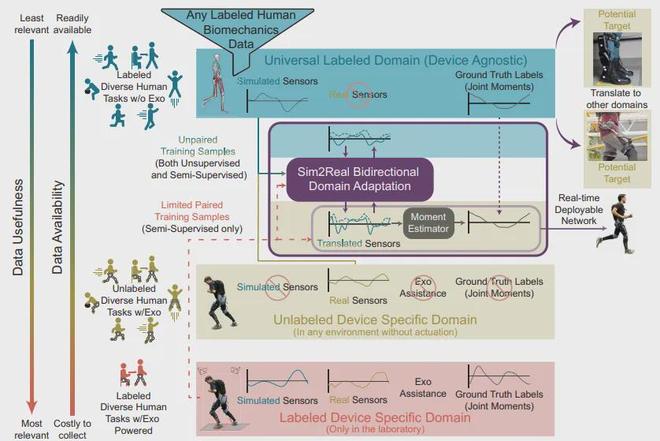
Science Robotics: Deep Domain Adaptation Significantly Reduces Exoskeleton Data Annotation Costs
A research team at Georgia Tech has introduced a groundbreaking deep domain adaptation framework that significantly minimizes the reliance on exoskeleton-specific annotated data, cutting the requirement by 95% while ensuring optimal control performance. This innovative method utilizes open-source biomechanics datasets to convert human motion data into training data for exoskeletons. The development aims to tackle the substantial costs associated with data acquisition in the field, thereby enhancing the efficiency and accessibility of exoskeleton technology.
Exoskeleton Technology Data Annotation Biomechanics Machine Learning Robotics
"Computing power surpasses Nvidia, with costs only 1/10! BabyAlpha A3 debuts, consumer-grade AI intelligence reaches a turning point..."
In a significant advancement for consumer-grade artificial intelligence, the BabyAlpha A3 has been launched, boasting computing power that exceeds that of Nvidia while costing only a fraction—one-tenth—of the price. This development marks a pivotal moment in the AI industry, as it democratizes access to high-performance computing capabilities for consumers and smaller enterprises. The BabyAlpha A3 is expected to empower a broader range of applications, from personal use to small business operations, by making advanced AI technology more affordable and accessible. The introduction of this product highlights the ongoing competition in the tech sector, where companies are striving to innovate and reduce costs to capture a larger share of the market. As the demand for AI solutions continues to grow, the BabyAlpha A3 represents a notable shift towards more accessible and cost-effective AI tools for everyday users.
Robotics Automation AI
How to File a DBA Online: Requirements, Costs, and Registration Process
In a competitive business landscape, establishing a strong brand presence is crucial for success. Many entrepreneurs are utilizing a "Doing Business As" (DBA) name to differentiate their brand from their legal business name. This strategy allows them to create a distinct identity without the need to form a new legal entity. The process of filing for a DBA can often be completed online, making it accessible for business owners seeking to enhance their market visibility and attract customers. By adopting a DBA, businesses can better align their branding with their target audience, ultimately fostering growth and recognition in their respective industries.
Business Economy automation news business branding business compliance business formation
Starmind's Orbital Compute vs. Terrestrial Data Centers: Analyzing Resource Advantages
Starmind's orbital compute technology presents a significant advantage over traditional ground-based data centers by eliminating constraints related to land, water, and grid permitting. While terrestrial data centers are currently cheaper and faster to construct, with U.S. data center spending reaching $85.3 billion in 2026, Starmind's approach focuses on addressing the growing resource limitations faced by hyperscale facilities. The significance of Starmind's technology lies in its ability to sidestep the increasing challenges of land and water usage. For instance, a 100 MW data center can consume approximately 530,000 gallons of water daily for cooling, while Starmind's AI1 utilizes deployable liquid radiators that require no water. This structural advantage could resonate with investors as the demand for AI computing continues to escalate, potentially leading to annual water withdrawals of up to 1.7 trillion gallons by 2027. Looking ahead, Starmind's next milestones include the launch of AI1 prototypes scheduled for early 2027. However, the technology's claims regarding cooling efficiency and operational reliability remain unverified until real flight data is available. As the industry evolves, the competition between orbital and terrestrial solutions will become increasingly relevant, particularly in the context of resource management and sustainability.
SpaceX Proposes 1 Million AI Satellites to Address Ground Data Center Constraints
On January 30, 2026, SpaceX filed with the FCC to launch up to 1 million AI compute satellites, positioning orbital data centers as a solution to the increasing demand for AI computing power. Ground data centers are facing significant challenges, with energy consumption projected to reach approximately 1,050 TWh in 2026, making them the fifth-largest electricity consumer globally. The demand for new data center capacity is outpacing the growth of power generation infrastructure, leading to a critical bottleneck in the grid system. The significance of this initiative lies in the structural constraints faced by ground data centers, including power delivery limitations, high water consumption, and local opposition to new projects. The Uptime Institute's 2026 outlook identifies power as the primary constraint on data center growth, with capacity clearing prices in the PJM grid skyrocketing to $329.17/MW, driven by data center expansion. Additionally, cooling requirements are becoming increasingly unsustainable, with facilities consuming vast amounts of water, further complicating their operational viability. Looking ahead, SpaceX's orbital AI compute initiative aims to circumvent these challenges by leveraging the advantages of space, such as continuous solar power and minimal local opposition. The first AI prototypes are expected to launch in early 2027, with operational deployments planned for 2028. No further timeline was disclosed at the time of publication.
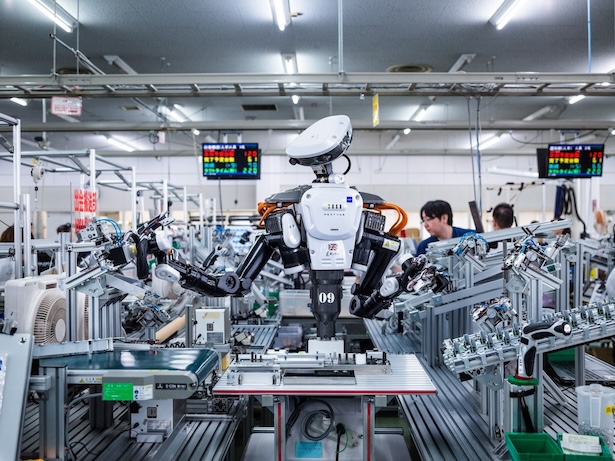
SpaceX's Starship V3 Plans for 1 Million Starmind Satellites by 2030
SpaceX's Starship V3 is set to revolutionize satellite deployment, aiming to launch 1 million Starmind satellites by 2030. The spacecraft can carry over 100 tonnes to low Earth orbit (LEO), significantly more than the Falcon 9's capacity. As of May 2026, Starship has completed 12 flights, with the next mission scheduled for late July 2026, focusing on operational payloads including AI1 prototypes in early 2027. This ambitious plan is crucial for expanding orbital compute capacity, targeting an annual addition of 100 GW through a million tonnes of satellite hardware. SpaceX's strategy hinges on achieving a launch cadence of approximately 12,000 flights, equating to about three launches per day. The company has invested over $15 billion in the Starship program, with expectations to begin payload deliveries in the second half of 2026, starting with Starlink V3 satellites. Looking ahead, the successful deployment of the Starmind constellation will depend on Starship's ability to meet its cost targets of $10–20 million per flight. If achieved, this would make launching satellites more economical than building ground data centers. The next significant milestone will be the launch of AI1 prototypes in early 2027, with full-scale deployments commencing in 2028 from the new Gigasat factory in Texas.

Tesla's Optimus Robots to Support Starmind Satellite Production, Not Maintenance
Tesla's Optimus robots will not be used to repair Starmind satellites in orbit, as confirmed by recent statements from Elon Musk. Instead, these robots are intended to assist in the construction and operation of the Terafab chip manufacturing facility in Texas. The AI1 satellites, designed to disintegrate upon reentry, highlight the company's swap-and-replace strategy rather than traditional maintenance practices. This approach is significant as it reflects a broader trend in satellite management, where mass-produced satellites are replaced rather than repaired. The economics of servicing missions are prohibitive, with the cost of launching a replacement satellite being significantly lower than conducting a repair mission. This model aligns with SpaceX's operational history, where rapid replacement of satellites is more efficient than attempting to maintain them in orbit. Looking ahead, the focus will remain on the production capabilities of the Gigasat factory, which is expected to support the continuous replacement of satellites. No further timeline was disclosed at the time of publication, but the demand for rapid satellite turnover suggests a robust future for Optimus robots in terrestrial manufacturing rather than in-space servicing.

Boston Dynamics' Atlas Welcomes a "Weight Reduction" Revolution: Components Reduced by Nearly an Order of Magnitude, Costs Expected to Drop Significantly
Boston Dynamics has announced a significant advancement in its Atlas robot, achieving a dramatic reduction in component weight by nearly an order of magnitude. This breakthrough, revealed in October 2023, is expected to lead to substantial cost savings for the company. The weight reduction is part of Boston Dynamics' ongoing efforts to enhance the robot's performance and efficiency, making it more accessible for various applications. By utilizing innovative materials and design techniques, the company aims to improve the robot's agility and functionality while lowering production expenses. This development marks a pivotal moment in robotics, as lighter robots can operate more effectively in diverse environments, potentially transforming industries that rely on automation and advanced robotics.
Robotics Automation AI
At $269, DJI Mini 3 drone costs less than many action cameras
Many potential drone buyers often hesitate due to concerns over cost and quality, with the ideal models appearing too expensive while cheaper options seem unreliable. This internal struggle typically delays their decision to purchase, despite a strong desire to capture memorable moments during trips and family vacations. However, DJI has addressed these concerns with significant discounts on their drones during this year's Prime Day event, making high-quality options more accessible. By offering competitive pricing, DJI aims to encourage consumers to finally invest in the technology they have long desired, potentially transforming their experiences and enabling them to document cherished memories.
News
Microsoft unveils new AI models to lessen reliance on OpenAI and lower costs for developers
During its Build developer conference, Microsoft unveiled a new suite of generative AI models aimed at competing in the rapidly evolving artificial intelligence market, which is currently dominated by OpenAI, Anthropic, and Google. The announcement, made on a significant platform for developers, highlights Microsoft's commitment to advancing AI technology and expanding its capabilities in this competitive landscape. By introducing these models, Microsoft seeks to leverage its existing resources and expertise to carve out a stronger presence in the AI sector, responding to the growing demand for innovative AI solutions. The move is part of a broader strategy to enhance its offerings and attract developers to its ecosystem, positioning the company as a formidable player in the ongoing AI race.
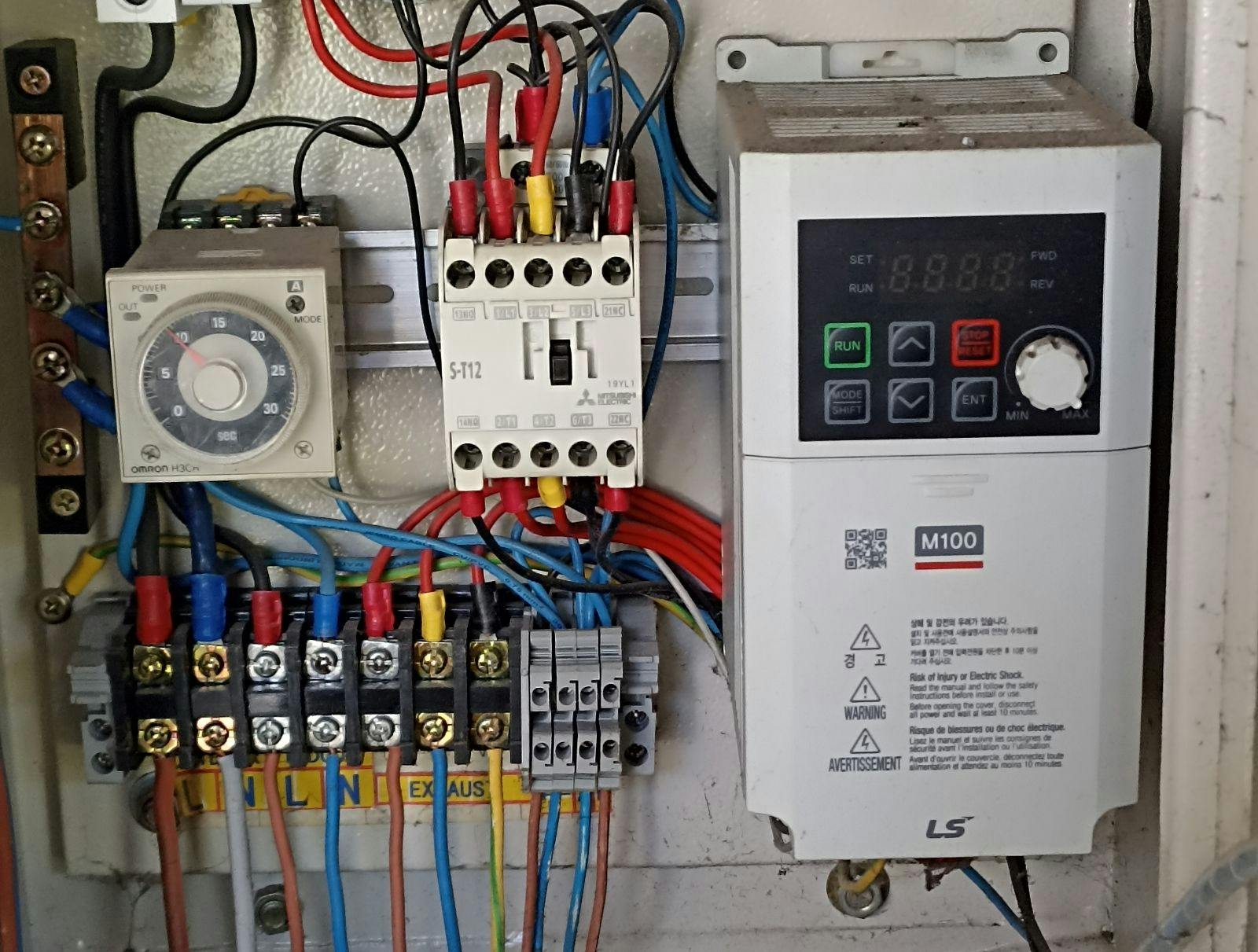
Quiz: How to Avoid VFD Cable Costs
In a recent industry discussion, experts emphasized the importance of preventing bearing damage and ensuring proper termination of variable frequency drive (VFD) cables. This guidance comes in response to increasing concerns about equipment reliability and operational efficiency in manufacturing settings. The discussion took place during a technical seminar held in October 2023, where engineers and technicians gathered to share best practices and innovative solutions. The seminar highlighted that improper cable termination can lead to significant operational failures, including bearing wear and electrical interference, which can ultimately disrupt production processes. To mitigate these risks, specialists recommended implementing rigorous installation protocols and regular maintenance checks. They outlined a series of steps that include using high-quality materials, adhering to manufacturer specifications, and conducting thorough inspections of cable connections. By following these guidelines, companies can enhance the longevity of their equipment and reduce the likelihood of costly downtimes. The insights shared during the seminar are crucial for organizations looking to optimize their machinery's performance and ensure a smooth operation in an increasingly competitive market.
Factory / Plant Maintenance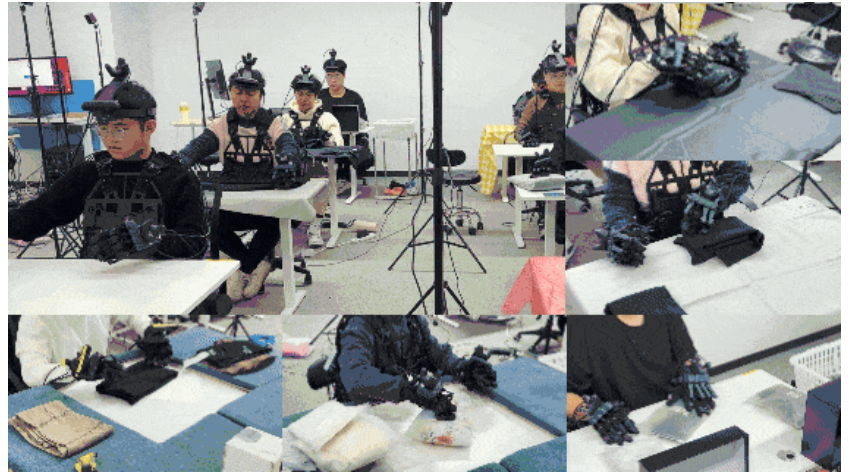
Interview with Lingchu Intelligent CEO Wang Qibin: Reducing Data Costs is More Important than Competing in Humanoid Robots
Lingchu Intelligent has successfully raised 2 billion yuan in angel and Pre-A round financing, marking a significant step in its mission to enhance data collection and operational capabilities. The company, led by CEO Wang Qibin, aims to shift the focus away from traditional hardware solutions, emphasizing the critical role of high-quality, low-cost human operation data. This strategic direction is intended to address and overcome existing challenges within the field of embodied intelligence. The funding will enable Lingchu Intelligent to further develop its innovative approaches and strengthen its position in the industry.
Data Collection Logistics Automation Robotics AI Operational Efficiency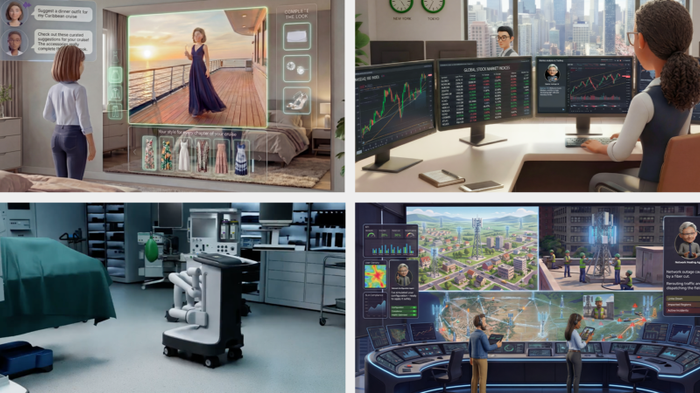
How AI Is Driving Revenue, Cutting Costs and Boosting Productivity for Every Industry in 2026
Artificial intelligence is rapidly becoming a fundamental component across various industries, driving significant advancements and efficiencies. As businesses recognize the transformative potential of AI, there is a growing emphasis on evaluating the technology's return on investment. Companies are strategically investing in AI to enhance productivity and innovation, aiming to leverage its capabilities to stay competitive in an increasingly digital landscape. This shift highlights the urgency for organizations to integrate AI solutions effectively, ensuring they maximize the benefits while navigating the complexities of implementation. As the technology continues to evolve, its role as a critical infrastructure for future growth becomes increasingly clear.
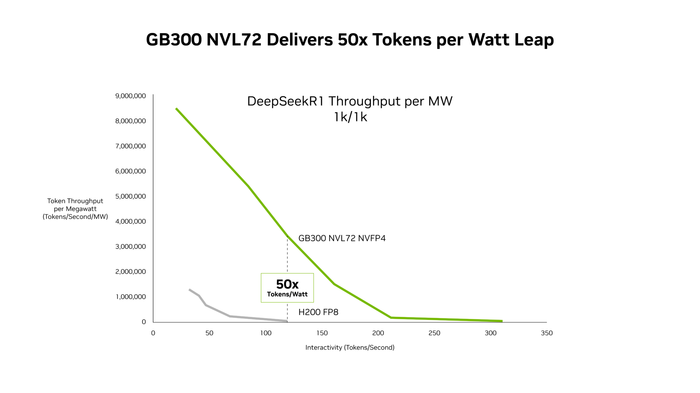
New Data Shows NVIDIA Blackwell Ultra Delivers up to 50x Better Performance and 35x Lower Costs for Agentic AI
The NVIDIA Blackwell platform has gained significant traction among top inference providers, including Baseten, DeepInfra, Fireworks AI, and Together AI, achieving reductions in cost per token by as much as 10 times. Building on this success, NVIDIA has introduced the Blackwell Ultra platform, which aims to enhance these cost efficiencies further. This development reflects NVIDIA's commitment to advancing AI technology and providing more affordable solutions for inference tasks, thereby supporting the growing demand for cost-effective AI applications in various industries.

Leading Inference Providers Cut AI Costs by up to 10x With Open Source Models on NVIDIA Blackwell
In a groundbreaking development in artificial intelligence, various sectors are harnessing the power of tokens to enhance user interactions. From providing diagnostic insights in healthcare to facilitating character dialogues in interactive gaming and enabling autonomous resolutions in customer service, these AI-driven applications are revolutionizing how industries engage with users. This shift is occurring as organizations seek to improve efficiency and user experience by leveraging advanced AI technologies. The integration of tokens allows for seamless communication and problem-solving, showcasing the versatility of AI across different fields. As of October 2023, this trend is expected to continue evolving, further embedding AI into everyday interactions and services.

China’s food-delivery price war sees Meituan, Alibaba, JD.com incur $14B in costs across two quarters
In the third quarter of 2025, Meituan reported a staggering operating loss of 19.8 billion yuan ($2.7 billion), marking its largest loss since going public. This significant downturn is attributed to intense competition in China's food delivery sector, which has driven companies to engage in heavy subsidy spending. Meanwhile, Alibaba experienced a sharp decline in its operating profit, plummeting from 35.2 billion yuan to just 5.4 billion yuan ($4.9 billion to $0.75 billion). JD.com also faced challenges, reporting an operating loss of 10.5 billion yuan ($1.4 billion). The ongoing battle for market share among these major players highlights the pressures of maintaining profitability amidst aggressive pricing strategies and consumer incentives.
News Feed
Silicon Valley stunned as China’s DeepSeek-R1 surpasses US AI giants, undercuts costs
Tensions escalated in Silicon Valley this week following the launch of DeepSeek's R1 model, a Chinese AI technology that has surpassed leading U.S. companies such as OpenAI, Meta, and Anthropic in third-party performance benchmarks. The unease began earlier with the release of DeepSeek v3, which already outperformed Meta’s Llama 4. The R1 model, unveiled on January 20, has been noted for its significant improvements in model inference capabilities, raising concerns among American tech firms about competition and innovation in the rapidly evolving AI landscape.
News Feed
Yuequan Bionics Launches Innovative 299.7g Y-Hand M1 with Unique Biomechanical Technology
On July 3, Yuequan Bionics unveiled the Y-Hand M1, a dexterous robotic hand weighing 299.7 grams. Unlike competitors that focus on increasing degrees of freedom, the Y-Hand M1 employs a unique bionic tension-compression technology, achieving significant dexterity with only 26 degrees of freedom. This innovation is crucial as the robotics industry grapples with the challenge of balancing performance, cost, and reliability in dexterous hands. The Y-Hand M1 represents a paradigm shift, addressing the industry's 'impossible triangle' where high performance often leads to increased costs and reduced reliability. Looking ahead, the dexterous hand market in China is projected to grow significantly, with sales expected to reach 70,200 units in 2026. As investment in this sector surges, the Y-Hand M1's unique approach may set a new standard for future developments in robotic manipulation technology. No further timeline was disclosed at the time of publication.
Dexterous Hands Bionic Technology Robotics Innovation Embodied Intelligence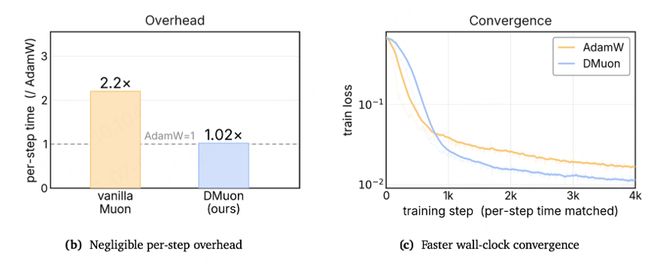
Variable Launches DMuon Optimizer to Improve Distributed Muon Model Infrastructure Efficiency by 30%
Variable Robotics has introduced the DMuon optimizer, enhancing the distributed Muon model infrastructure's efficiency by approximately 30%. This new optimizer addresses the additional computational and communication costs associated with using Muon in distributed training, which previously resulted in an end-to-end step time 2.2 times longer than AdamW. The significance of DMuon lies in its ability to maintain the faster convergence benefits of the Muon optimizer while reducing the end-to-end step time to just 1.02 times that of AdamW. This improvement is achieved through fine-grained communication optimization, computation-aware load balancing, and a high-performance kernel system, making DMuon a viable option for embodied model training without requiring changes to parameter update rules or training frameworks. Looking ahead, DMuon is expected to become a new default choice for embodied model training, as it effectively mitigates the redundant computations and communication overhead that previously hindered Muon's performance in distributed environments. No further timeline was disclosed at the time of publication.
Neural Network Optimization Distributed Training Machine Learning Infrastructure AI Models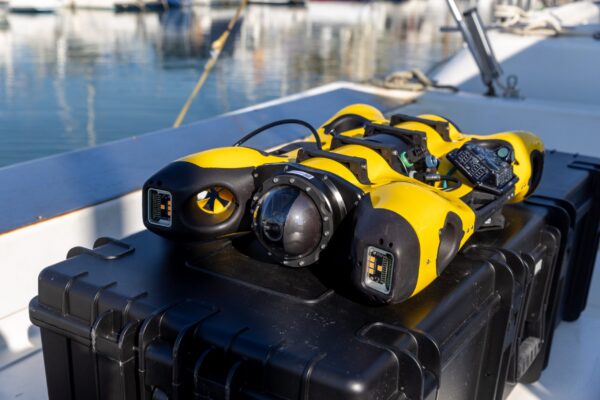
MFE Offshore Partners with Hydromea to Distribute EXRAY Underwater Inspection ROV
MFE Offshore, based in Houston, has announced its partnership with Swiss robotics developer Hydromea to distribute the Hydromea EXRAY underwater inspection ROV. This agreement, made public on July 9, 2026, enhances MFE Offshore's subsea portfolio, which was launched earlier this year. The EXRAY offers a tetherless alternative for underwater inspections, reducing costs and risks associated with traditional methods. The significance of this partnership lies in the EXRAY's ability to provide efficient and safe data collection in challenging underwater environments. As stated by Wendy Post, general manager of MFE Offshore, the demand for advanced inspection technologies is increasing as operators face more complex underwater challenges. The EXRAY's capabilities, including real-time control and live HD video transmission, position it as a valuable tool for energy operators. Looking ahead, MFE Offshore will showcase the EXRAY during a Demo Day on July 16 at its Houston facility, allowing potential customers to see the ROV in action. This event highlights MFE Offshore's commitment to bringing innovative inspection solutions to the energy sector, with no further timeline disclosed at the time of publication.
Drone News Drone News Feeds Inspection News seadrones underwater drones
Lumisition Robotics Secures $7 Million in Angel Funding for All-Terrain Quadruped Robot Development
Lumisition Robotics, founded in February 2026 by a team of experts including a former DJI engineer, has raised approximately 50 million yuan (around $7 million) in angel funding led by Zhengxuan Capital. The funds will primarily support product development, algorithm iterations, and preparations for mass production of their consumer-grade quadruped robots aimed at outdoor applications. The company targets homeowners in Europe and North America, outdoor enthusiasts, and the elderly, focusing on practical applications such as transporting goods over challenging terrains. Unlike many consumer robots that emphasize companionship, Lumisition aims to enhance physical labor capabilities, addressing needs like last-mile transportation in large residential areas. Their product line will include various models suited for urban, light urban, and outdoor environments. Lumisition Robotics plans to conduct outdoor testing in October 2027 and officially launch their product at CES 2027, with mass production expected to begin between April and May 2027. The company is also focused on reducing hardware costs through innovative design and optimization strategies, ensuring competitive pricing while maintaining performance.

X Square Robot Develops Integrated Stack for General-Purpose Robotics
X Square Robot, a Chinese company focused on embodied AI, is pioneering an integrated stack for general-purpose robots. This stack combines data learning, a world model for predicting physical changes, and an action model that integrates perception, planning, reasoning, and decision-making. The company emphasizes the importance of quality interaction data over sheer quantity, utilizing its Universal Manipulation Interface (UMI) to enhance data collection. The significance of X Square Robot's approach lies in its potential to unify various aspects of robotic intelligence, addressing the fragmented nature of current systems. By prioritizing interaction quality and establishing a closed inspection loop for data validation, the company aims to create a more effective learning environment for robots. This method not only reduces costs but also enhances the reliability of the training data, which is crucial for developing general-purpose robots capable of performing diverse tasks. Looking ahead, X Square Robot's WALL-WM world model represents a shift towards event-based action prediction, allowing for more coherent and context-aware robotic behavior. As the company continues to refine its models and data collection methods, the broader robotics community will be watching for independent validation of its results and the potential implications for the future of general-purpose robotics.
Home-robots Type-sponsored Large-language-models Embodied-intelligence Ai-robots Robot-learning
Mistral AI Introduces Robostral Navigate for Autonomous Robotic Navigation
Mistral AI has launched Robostral Navigate, the first AI model specifically designed for robotic navigation. This marks a significant shift for the French company, which has previously focused on large language models, as it ventures into Physical AI. The goal is to enable robots to understand natural language instructions, interpret their surroundings using a standard RGB camera, and plan routes without relying on complex sensor infrastructures. The introduction of Robostral Navigate is important as it simplifies the navigation process, traditionally reliant on multiple technologies like LiDAR and depth cameras, which are costly and complex to integrate. By utilizing only RGB images and natural language commands, Mistral AI's approach could significantly reduce costs for robot manufacturers. An RGB camera is much cheaper than industrial LiDAR sensors, making this technology more accessible. Robostral Navigate operates on a model with 8 billion parameters, balancing computational power and operational efficiency. This size allows for faster execution on embedded platforms with limited resources, crucial for timely navigation decisions. Mistral AI trained the model on nearly 400,000 trajectories across over 6,000 simulated environments, showcasing its potential for real-world applications. No further timeline was disclosed at the time of publication.
À la une IA Industrie Robotique AMR benchmark R2R-CE
The Importance of Nearshore Call Centers in Supporting Robotics and Automation
Robotics and automation are transforming various sectors, including manufacturing, healthcare, and logistics. While these technologies enhance efficiency and reduce costs, they still require human intervention for troubleshooting. Nearshore call centers have emerged as essential support systems, providing real-time assistance for complex technical issues that automated systems cannot resolve. As businesses increasingly adopt automation, the need for effective customer support becomes critical. Nearshore call centers offer a cost-effective solution, delivering high-quality support that enhances customer experience. These centers facilitate smoother communication and faster response times due to their proximity and cultural familiarity, ensuring that customers receive the personalized assistance they need when unexpected issues arise. Looking ahead, companies must balance operational efficiency with customer satisfaction. The role of nearshore call centers will continue to be vital in maintaining service standards, offering multilingual support, and ensuring that customers can easily access help. No further timeline was disclosed at the time of publication.
Business Communications artificial intelligence automation business automation contact centers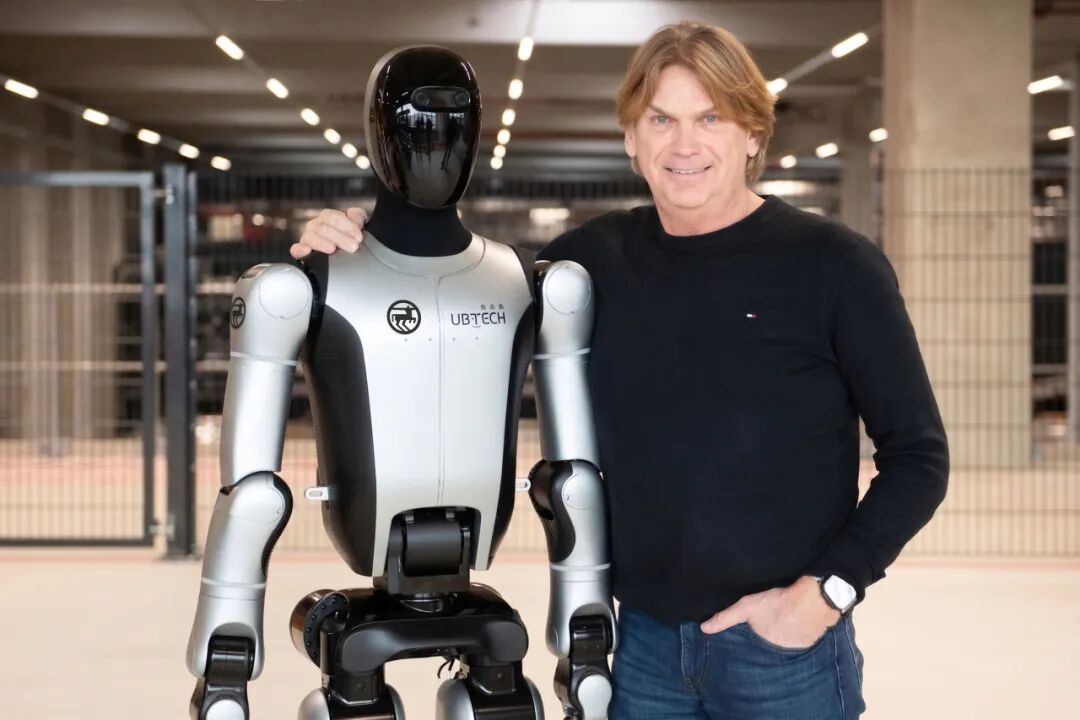
UBTECH Collaborates to Enhance Global Reach of Humanoid Robots in European Retail Logistics
UBTECH has announced partnerships aimed at accelerating the deployment of humanoid robots in European retail logistics environments. This initiative is part of UBTECH's broader strategy to expand its global footprint and enhance operational efficiencies in logistics through advanced robotics technology. The significance of this collaboration lies in its potential to transform retail logistics by integrating humanoid robots, which can streamline operations, reduce labor costs, and improve service delivery. As the demand for automation in logistics grows, UBTECH's efforts may set a precedent for the adoption of robotics in various sectors across Europe. Looking ahead, industry stakeholders should monitor UBTECH's progress in deploying these humanoid robots and the impact on logistics operations. The effectiveness of these robots in real-world applications will be crucial in determining the future of robotics in retail logistics. No further timeline was disclosed at the time of publication.
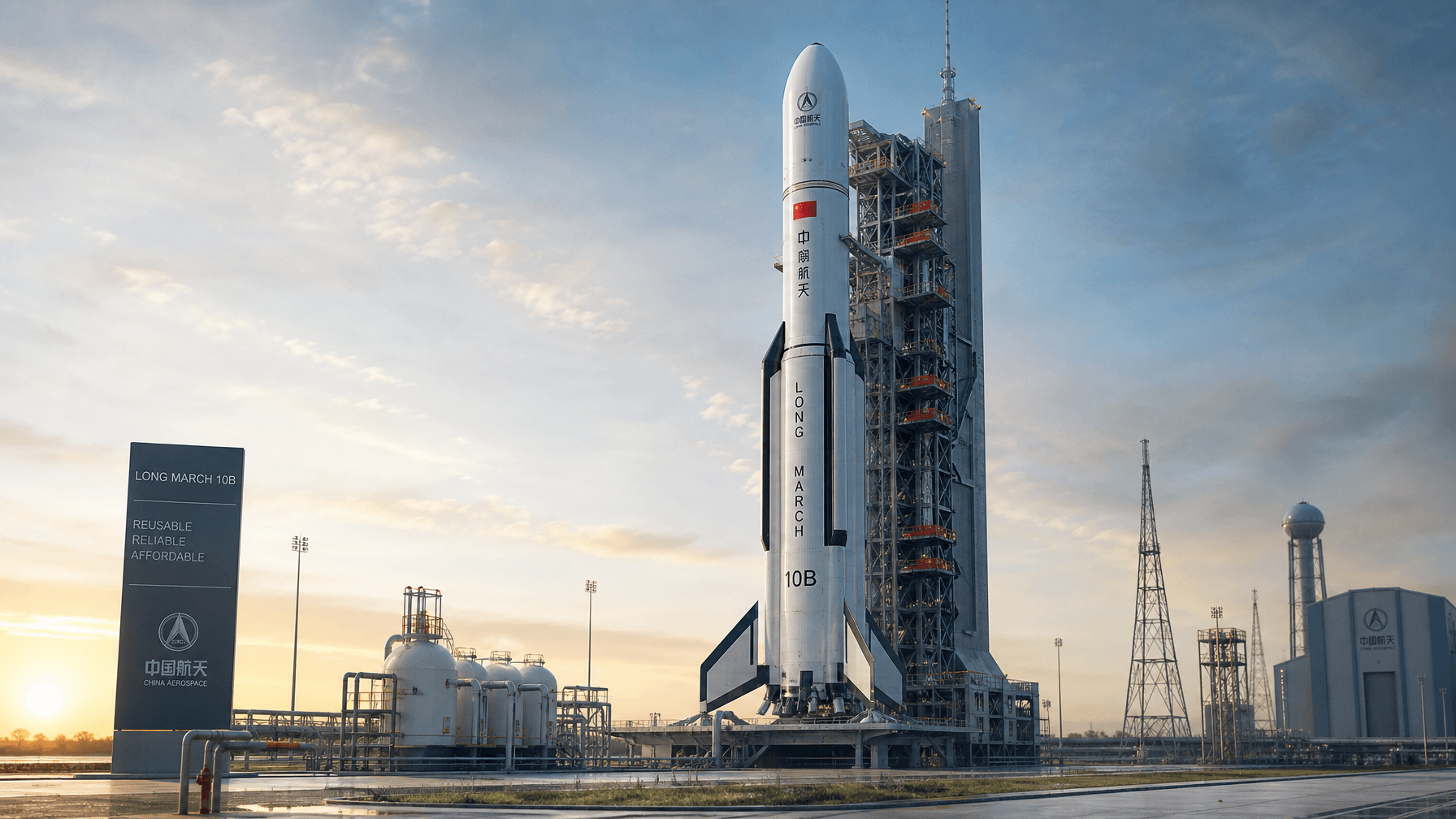
Long March 10B Achieves Successful Recovery, Boosting China's Commercial Space Efforts
China's Long March 10B rocket successfully completed its first flight recovery, marking a significant milestone in the country's commercial space sector. This achievement is expected to accelerate competition among companies like LandSpace and JianYuan, which are also aiming for reflight milestones by the end of 2023. The successful recovery of the Long March 10B is crucial as it demonstrates China's growing capabilities in reusable rocket technology, which is essential for reducing launch costs and increasing launch frequency. This development positions China as a formidable player in the global commercial space race, potentially attracting more investments and partnerships in the sector. Looking ahead, both LandSpace's Zhuque-3 and JianYuan's YX-1 are targeting their own reflight milestones within the same timeframe. No further timeline was disclosed at the time of publication, but the ongoing advancements suggest a rapidly evolving landscape in China's commercial space endeavors.
Technology
Westlake Robotics Raises Over 100 Million Yuan to Enhance Dual-Pretraining Technology
Westlake Robotics completed a funding round exceeding 100 million yuan in June 2026, backed by Henan Investment Group's Huirong Fund. This marks the company's third financing round in five months, with total disclosed funding reaching several hundred million yuan. The funding is aimed at advancing their unique dual-pretraining technology, which combines a general brain and a humanoid small brain for improved robotic performance. The significance of this funding lies in Westlake Robotics' differentiated technical approach, utilizing a dual-pretraining model that integrates VLA and world model fusion. Their General Action Expert (GAE) model addresses common issues in humanoid robots, such as stiffness and imbalance, by enabling real-time interpretation of human motion intent. This capability allows a single operator to control multiple Westlake o1 robots simultaneously, reducing deployment and labor costs in applications like logistics inspection and data collection. Looking ahead, Westlake Robotics plans to use the latest funding to further develop their unified embodied large model and accelerate deployment with industrial clients. The company, founded by academic researchers from Westlake University, is positioned to leverage its strong academic background to bridge the gap between laboratory demonstrations and real-world applications. No further timeline was disclosed at the time of publication.
Robotics Embodied Intelligence Automation Logistics AI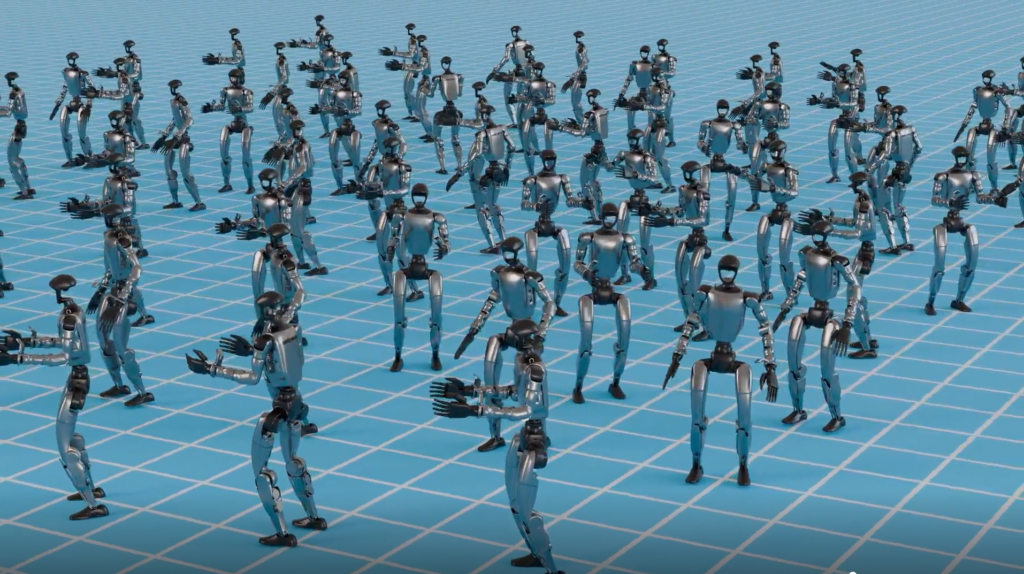
SoftServe Introduces Virtual Gyms for Enhanced Robotics Training and Deployment
SoftServe has highlighted the importance of 'virtual gyms' for robotics teams, emphasizing their role in preparing robots for dynamic environments. These high-fidelity simulation environments allow robots to train, fail, and recover safely before real-world deployment, addressing the challenges posed by unpredictable operational conditions. The global robotics market is projected to grow at a 19.6% CAGR from 2026 to 2036, underscoring the need for effective training solutions like virtual gyms to enhance robotic autonomy and performance. The shift from programmed automation to physical AI necessitates that robots adapt to constantly changing environments, which traditional training methods struggle to accommodate. Virtual gyms integrate technologies such as digital twins, reinforcement learning, and sensor modeling to provide a comprehensive training platform. This approach mitigates the risks and costs associated with real-world trials, enabling teams to generate valuable training data in a controlled setting, thus improving deployment success rates. Looking ahead, the adoption of virtual gyms is expected to become a standard practice in robotics development, as they offer a solution to the simulation-to-reality gap. No further timeline was disclosed at the time of publication, but the increasing complexity of robotic tasks suggests that the demand for such training environments will continue to rise as the industry evolves.
Artificial Intelligence Artificial Intelligence / Cognition Autonomous Mobile Robots (AMRs) Development Tools / SDKs / Libraries Industrial Robots Logistics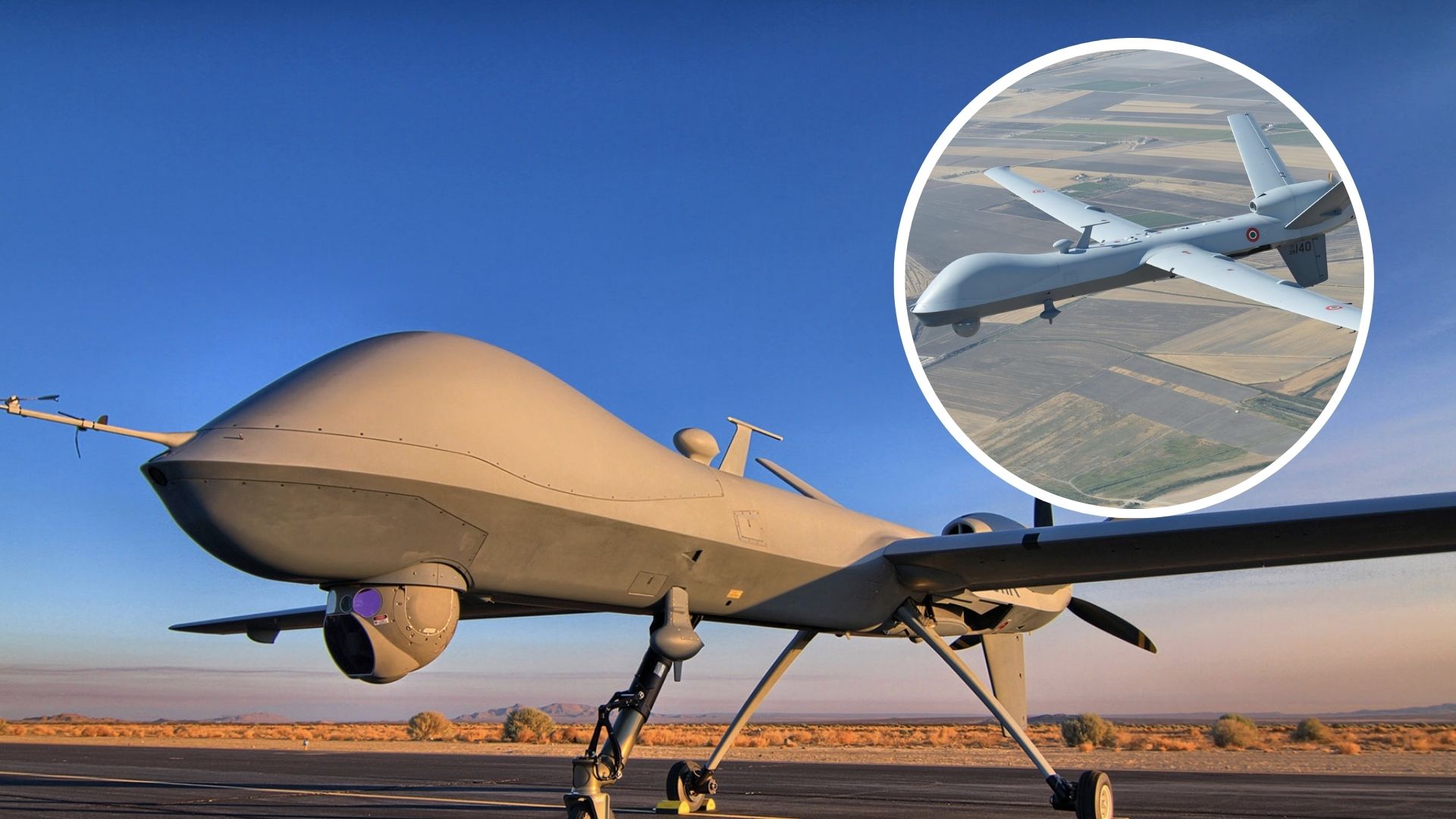
U.S. Department of Defense Launches Massed Modular Aircraft Initiative for Cost-Effective Drones
The U.S. Department of Defense is initiating the Massed Modular Aircraft (MMA) program to develop low-cost combat drones capable of performing missions similar to the MQ-9A Reaper. This initiative reflects a strategic shift towards utilizing affordable, expendable drones in modern warfare, particularly in light of recent conflicts that have exposed the vulnerabilities of high-value aircraft in contested airspace. The Pentagon aims to create a fleet of modular, long-range unmanned aircraft that can be rapidly reconfigured for various missions, significantly reducing operational costs while maintaining effectiveness against advanced enemy defenses. This shift is driven by the need for a more sustainable military approach, as the loss of MQ-9 Reapers during operations against Iran has highlighted the financial burden of relying on expensive platforms. With each MQ-9 costing approximately $30 million, military planners recognize that a strategy focused solely on high-value aircraft is increasingly untenable. The MMA initiative seeks to provide a flexible, risk-tolerant option that can deploy large numbers of drones to overwhelm enemy defenses, thereby ensuring operational capability despite potential losses. Looking ahead, the Pentagon's focus on massed modular aircraft indicates a significant evolution in military tactics. The ability to deploy swarms of low-cost drones could complicate enemy air defenses and enhance reconnaissance and strike capabilities. No further timeline was disclosed at the time of publication, but the emphasis on affordability and modularity suggests a proactive response to the changing dynamics of modern warfare and the need for cost-effective solutions in defense operations.
Military
Humanoid Robot H1 Completes First Live Gallbladder Surgery Under Surgeon Control
In July 2026, a humanoid robot successfully performed the world's first live gallbladder surgery on a pig under the control of a surgeon. This groundbreaking procedure, documented by Nature and featured on the front page of the New York Post, has sparked significant discussions in the tech community about the implications of humanoid robots in surgical settings, particularly regarding remote control and AI capabilities. The significance of this achievement lies in its potential to disrupt the surgical robotics market, which has been dominated by the Da Vinci surgical system for nearly two decades. The Da Vinci system, known for its high costs exceeding $2 million, relies on specialized robotic arms and instruments. In contrast, the humanoid robot's design allows it to utilize standard surgical tools, which could lead to reduced costs and increased accessibility for hospitals. Looking ahead, the successful completion of this surgery marks a pivotal moment for humanoid robots in healthcare. While regulatory hurdles and clinical validation processes remain, the experiment demonstrates that humanoid robots can perform complex surgical tasks. The next challenge will be determining when the costs associated with these robots can be lowered enough for broader adoption by hospitals beyond top-tier institutions. No further timeline was disclosed at the time of publication.
Humanoid Robots Surgical Robotics AI in Healthcare Remote Surgery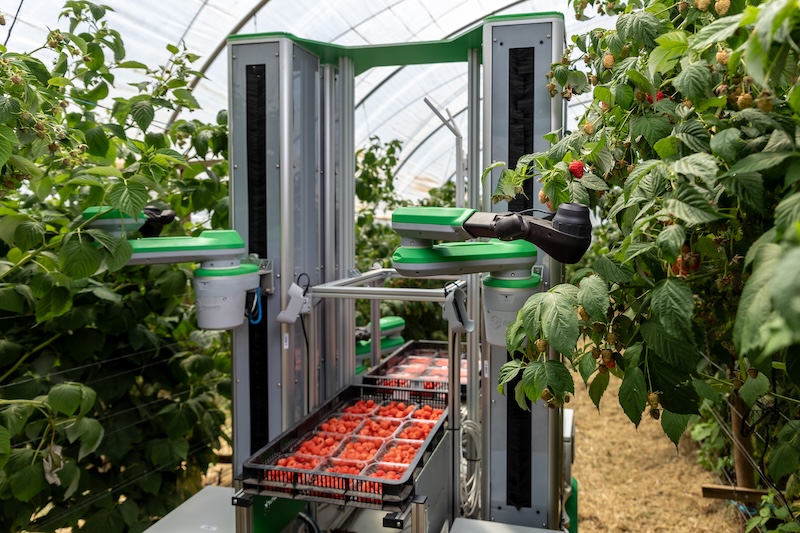
Fieldwork Robotics Receives £2.5 Million Investment for Berry Harvesting Automation
Fieldwork Robotics has secured a £2.5 million investment from SEED Innovations to enhance its selective and modular berry harvesting robots. This funding is part of a Seed+ fundraising initiative announced in April 2026, aimed at addressing labor shortages and rising costs in berry production. The investment will facilitate the transition from technology validation to commercial trials, with production robots already deployed in a two-year program in Norfolk and Stafford. The significance of this investment lies in its potential to alleviate pressing challenges faced by berry growers, including labor shortages and increased harvesting costs. By utilizing autonomous harvesting robots, Fieldwork aims to boost productivity and reduce reliance on seasonal labor, thereby minimizing food waste and stabilizing consumer prices. Jim Mellon, chairman of SEED Innovations, emphasizes the opportunity for robotics and AI to tackle real-world agricultural issues, aligning with Fieldwork's mission to enhance farm efficiency. Looking ahead, Fieldwork Robotics anticipates operating multi-robot fleets on farms by 2027, contingent on the success of ongoing trials. Additionally, the company plans to expand its operations internationally, with trials set to take place in Australia as part of its global growth strategy. No further timeline was disclosed at the time of publication.
Agriculture Financials & Investments agri robotics agricultural robotics agriculture automation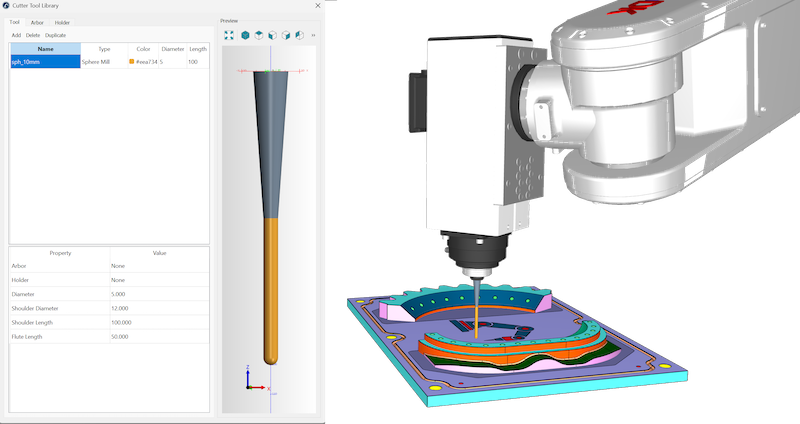
RoboDK Launches CAM Software to Reduce Robotic Machining Deployment Time by 40%
RoboDK has introduced its new CAM software, enabling robotic machining programs to be generated directly from CAD files. This innovation, showcased at the Automate Show, promises to reduce deployment time by up to 40%, allowing users to create toolpaths and collision-free motions without manual coding. The software aims to simplify the robotic machining process for manufacturers and integrators, even those lacking programming expertise. The significance of RoboDK CAM lies in its potential to overcome the traditional complexities associated with robot programming, which have hindered the adoption of robotic machining. By automating the generation of machining programs from CAD designs, RoboDK CAM facilitates rapid integration into production environments, thereby reducing costs and enhancing efficiency. CEO Albert Nubiola emphasized that this approach transforms CAD into the starting point for automation, making deployments faster and more consistent. Looking ahead, RoboDK's recent software update, Version 6.0, enhances performance and simulation capabilities, including support for over 1,400 robot models. The next milestone for RoboDK will be to further expand its software's capabilities and user accessibility. No further timeline was disclosed at the time of publication.
News Robot simulation Software Automate 2026 CAD-to-robot CAM software
SoftBank to Enhance Store Management with AI and Autonomous Robots in Seven & i Investment Talks
SoftBank is reportedly in discussions to invest in Seven & i Holdings, focusing on enhancing store management through its proprietary AI technology. The investment aims to integrate autonomous robots into the retail operations, potentially transforming customer service and inventory management. Specific figures regarding the investment or timeline for implementation were not disclosed at the time of publication. This initiative is significant as it aligns with the growing trend of utilizing AI and robotics in retail to streamline operations and improve efficiency. By leveraging its in-house AI capabilities, SoftBank seeks to address challenges in store management, which can lead to better resource allocation and enhanced customer experiences. The integration of autonomous robots could also reduce labor costs and improve operational accuracy. Looking ahead, industry observers will be keen to see how this potential investment unfolds and its impact on Seven & i's operations. The timeline for the rollout of AI and robotic solutions remains unclear, with no further details disclosed at this time. Stakeholders will monitor developments closely as the retail sector continues to evolve with technology adoption.
News ai Japan paypay Retail Seven & i Holdings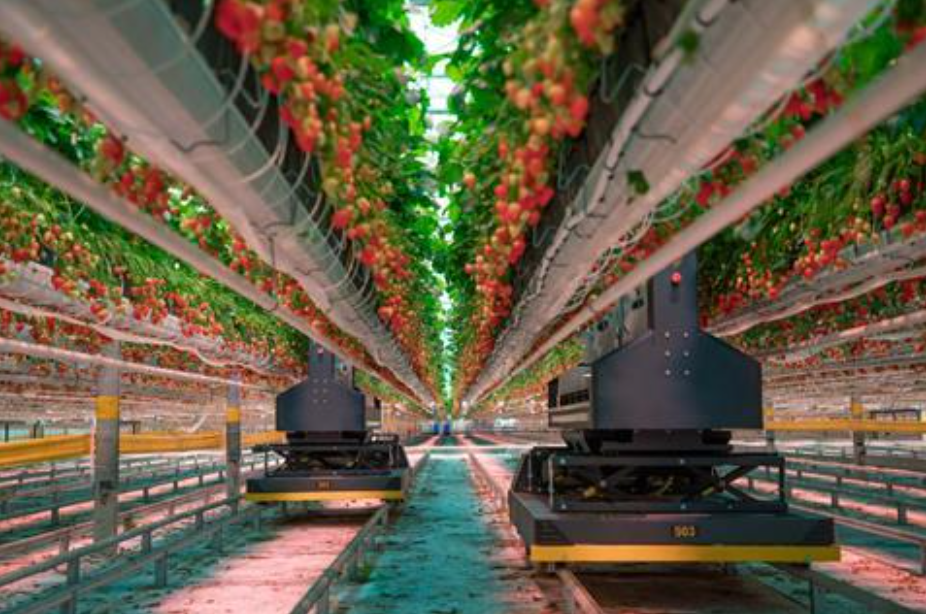
Dogtooth Technologies Secures £14 Million for AI-Powered Strawberry Harvesting
UK-based Dogtooth Technologies has successfully raised over £14 million in funding to enhance its AI-driven strawberry picking robots. The financing, provided by 24 Haymarket, EMV Capital, and ACF Investors, along with a grant from Innovate UK, aims to accelerate the deployment of these robots in both the UK and international markets. The company has already established a fleet of approximately 70 robots operating on commercial farms in the UK and Australia, harvesting tens of tons of fruit each season. The significance of this funding lies in addressing the ongoing labor shortages in agriculture, which have made robotic harvesting a necessity rather than a luxury. Dogtooth's robots utilize advanced computer vision and precision mechanical arms to autonomously navigate complex growing environments, identify ripe fruit, and perform harvesting without damage. This technology allows for continuous operation, even in cooler night conditions, thereby extending the shelf life of harvested produce. Looking ahead, Dogtooth Technologies is poised to expand its market presence, having recently delivered systems to Dyson Farming, a UK indoor berry producer. As the global horticultural industry grapples with seasonal labor shortages and rising costs, the successful deployment of these agricultural robots could signal a shift towards more widespread adoption of embodied intelligence in farming. No further timeline was disclosed at the time of publication.
Agricultural Robotics AI Technology Fruit Harvesting Embodied Intelligence
UC San Diego Team Demonstrates G1 Humanoid Robot 'Surgie' in First Live Surgery
On July 8, a research team from the University of California, San Diego, published a groundbreaking study in Nature, showcasing the G1 humanoid robot, nicknamed 'Surgie.' This robot, weighing 27 kg and priced from $13,500, successfully performed two laparoscopic cholecystectomies on live pigs, marking a significant milestone in robotic surgery. The significance of this achievement lies in the G1's affordability and adaptability compared to traditional surgical robots like the da Vinci system, which costs between $500,000 and several million dollars. Surgeon's remote control of the G1 allows for deployment in various settings, including rural areas, battlefields, and potentially space missions, without the need for specialized operating room modifications. Despite the success, the technology still faces challenges before clinical application, such as the need for frequent recalibration during surgery, which increases operation time. The G1's limited arm span of 450 mm also restricts its operational range. No further timeline was disclosed at the time of publication for the next steps in this research.
Humanoid Robots Surgical Robotics Remote Surgery Medical Technology
OpenAI Launches GPT 5.6 as Preferred Model for Microsoft 365 Copilot Integration
OpenAI has announced that its latest model, GPT 5.6, will serve as the preferred AI model for Microsoft 365 Copilot, enhancing productivity applications like Word, Excel, and PowerPoint. This announcement came amid reports of Microsoft increasingly utilizing its in-house models, known as MAI, to reduce costs. The launch event took place on Thursday, reinforcing the ongoing collaboration between the two companies despite speculation about a potential rift. The significance of this announcement lies in the continued integration of OpenAI's advanced AI capabilities within Microsoft's suite of productivity tools. OpenAI emphasized its commitment to enhancing user experience across Microsoft applications, which could lead to improved functionality and user engagement. The partnership aims to leverage AI to benefit a broader range of individuals and organizations, maintaining a competitive edge in the productivity software market. Looking ahead, it remains to be seen how the relationship between OpenAI and Microsoft will evolve, especially with Microsoft’s in-house models gaining traction. No further timeline was disclosed at the time of publication regarding future developments or enhancements to the partnership. Observers will be keen to monitor how this dynamic affects both companies' strategies in the AI and productivity sectors.
AI Copilot gpt-5.6 Microsoft OpenAI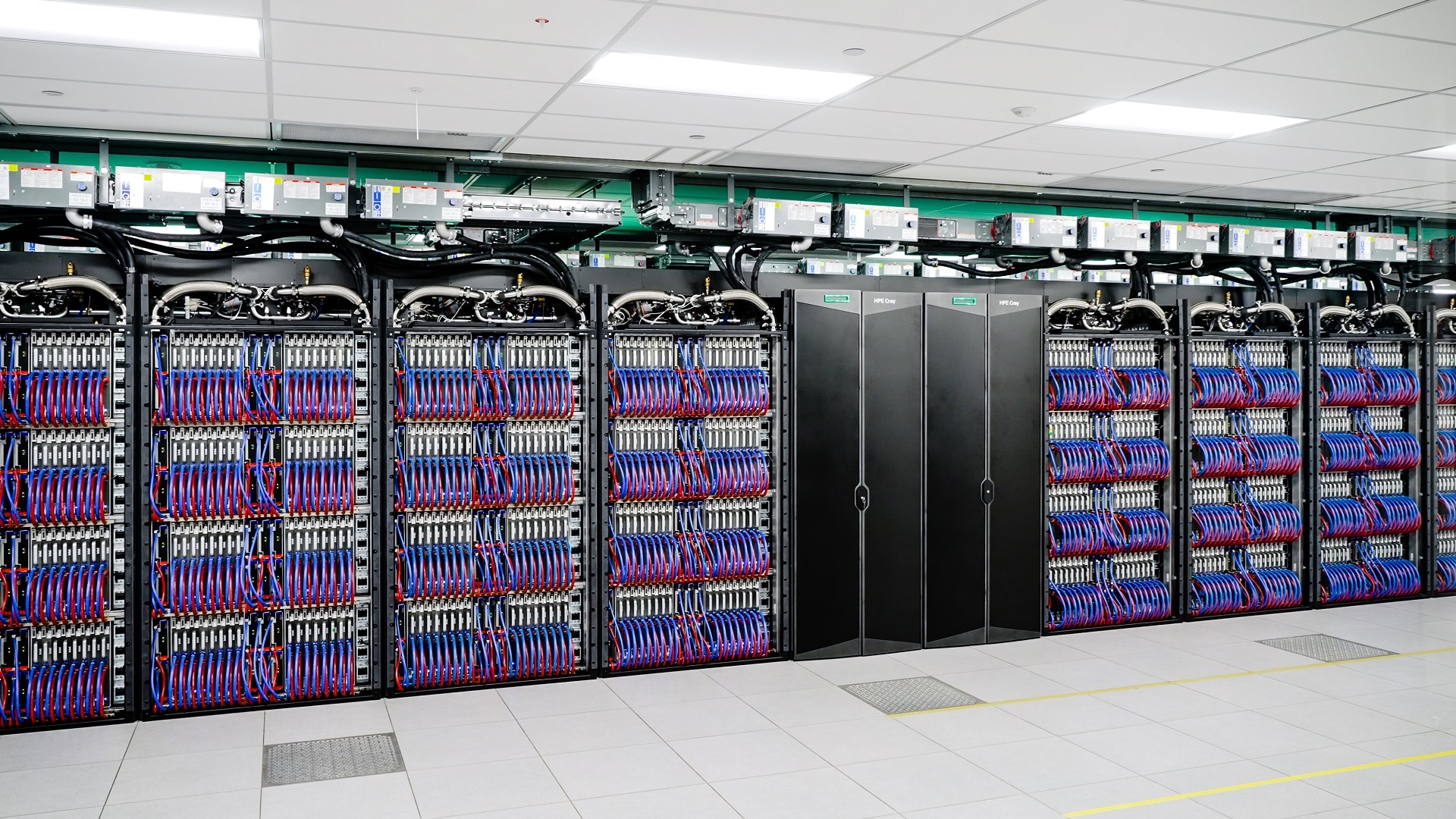
Argonne National Laboratory launches ChemGraph framework for automated chemistry simulations
Researchers at Argonne National Laboratory have introduced ChemGraph, an open-source framework that automates complex computational chemistry simulations using AI agents. Built on the Aurora exascale supercomputer, ChemGraph simplifies the simulation process by allowing users to describe scientific problems in plain language, which the system then translates into computational tasks. This innovation aims to enhance research in materials science, battery design, and combustion systems by streamlining workflows and reducing the need for specialized expertise. The significance of ChemGraph lies in its ability to combine large language models with agent-based automation, enabling researchers to conduct simulations without manually navigating every technical step. By distributing tasks among AI agents, the framework enhances efficiency and reduces costs associated with computational resources. This approach not only improves the accuracy of simulations but also allows for the integration of various scientific software and libraries, ensuring that results are physics-based rather than solely reliant on language model outputs. Looking ahead, ChemGraph's open-source nature has already led to adaptations for other applications, such as X-ray absorption spectroscopy and high-throughput materials screening. The research team envisions further educational applications, providing a platform for professors to teach advanced computational techniques while simplifying the exploration of research questions for students. No further timeline was disclosed at the time of publication.
AI and Robotics
MIT and EPFL Develop Flapping Robot for Aerial and Aquatic Exploration
Engineers from MIT and EPFL have created a flapping-wing aerial-aquatic vehicle (FAAV) that weighs under 300 grams. This robot can swim underwater and transition to flight, mimicking the behavior of diving birds. The research, published in Science, showcases the robot's ability to adapt its mechanics for both mediums, which differ significantly in density and resistance. The significance of this development lies in its potential applications in oceanography and environmental monitoring. The FAAV can access areas that are typically hazardous for traditional vessels, allowing scientists to collect data from locations such as icebergs or marine habitats. This innovation could reduce operational costs and enhance data collection efficiency in marine research. Looking ahead, the research team aims to refine the FAAV's design and functionality. Future experiments will likely focus on optimizing the robot's performance in various aquatic environments. No further timeline was disclosed at the time of publication.
Bioinspiration Drones Mechanical engineering Oceanography and ocean engineering Research Robotics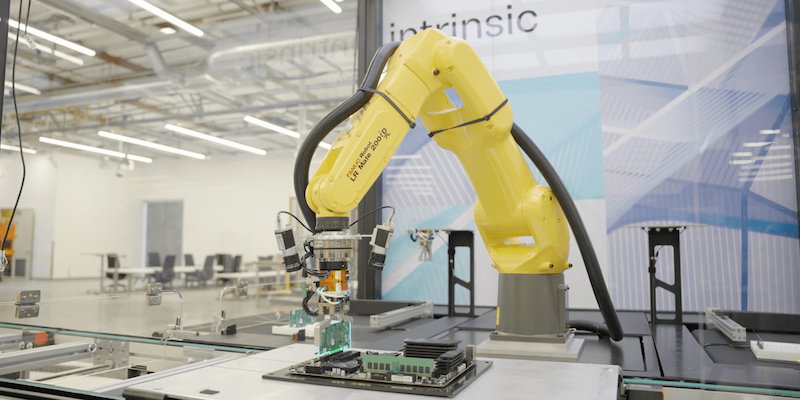
Intrinsic’s vision for physical AI: Building the software-defined factory
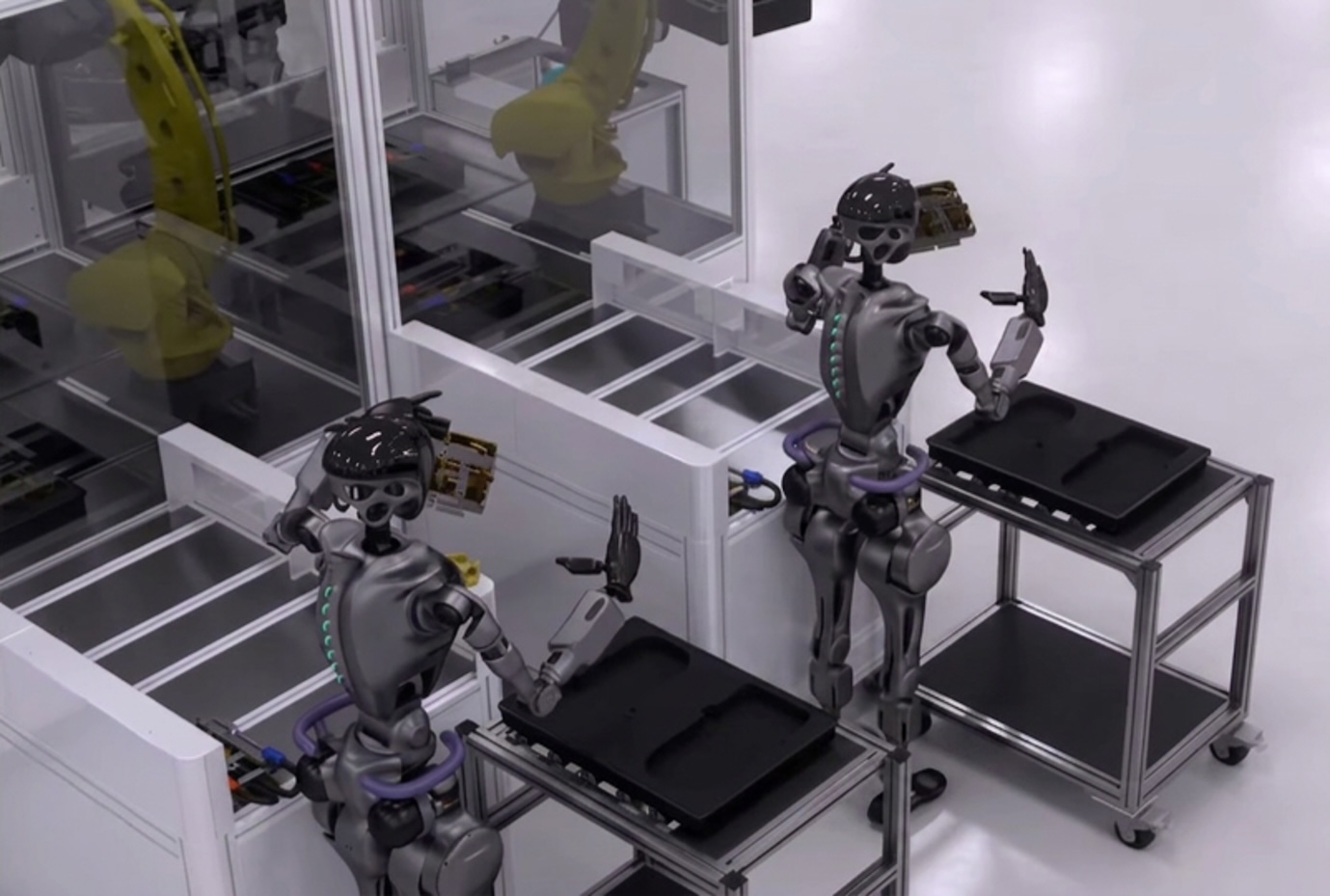
For decades, the industrial automation sector has adhered to a consistent model, where production lines have accelerated, robots have gained enhanced capabilities, and software has evolved, yet the fundamental approach has remained unchanged. Automation systems have traditionally been designed for specific tasks, resulting in high costs and lengthy processes for achieving flexibility. However, this conventional model is now facing significant challenges as manufacturers strive to adapt to rapidly changing market demands and consumer preferences. The push for more versatile and efficient automation solutions is prompting a reevaluation of existing practices, signaling a potential shift in the industry towards more adaptable and cost-effective systems. As companies seek to enhance their competitiveness, the evolution of automation technology is becoming increasingly critical in meeting the dynamic needs of the manufacturing landscape.
Artificial Intelligence Factories News ai robotics Automate 2026 electronics assembly
ABB Robotics and Roche Partner to Enhance Laboratory Efficiency with Intelligent Robotics
ABB Robotics has entered into a collaboration with Roche to develop digitally connected laboratories utilizing intelligent robotics. This partnership aims to improve laboratory workflows significantly, with initial applications focusing on pathology slide handling and enhancing intralogistics within Core Labs. The deployment will feature a variety of ABB Robotics technologies, including autonomous mobile manipulation and fixed articulating robots. This collaboration is significant as it represents a shift towards integrating advanced robotics in laboratory settings, which can lead to increased efficiency and reduced operational costs. By automating tasks such as slide handling, laboratories can expect to streamline processes, minimize human error, and enhance overall productivity. The use of intelligent robotics in this context is expected to set a new standard for laboratory operations. Looking ahead, the first applications of this collaboration are anticipated to roll out soon, although no specific timeline was disclosed at the time of publication. Stakeholders in the robotics and healthcare sectors should monitor this partnership closely, as it may pave the way for further advancements in laboratory automation and connectivity.
Robotics needs a service framework.
RSF defines a common language for robot service capability, lifecycle operations, certification pathways, and service-provider networks.