

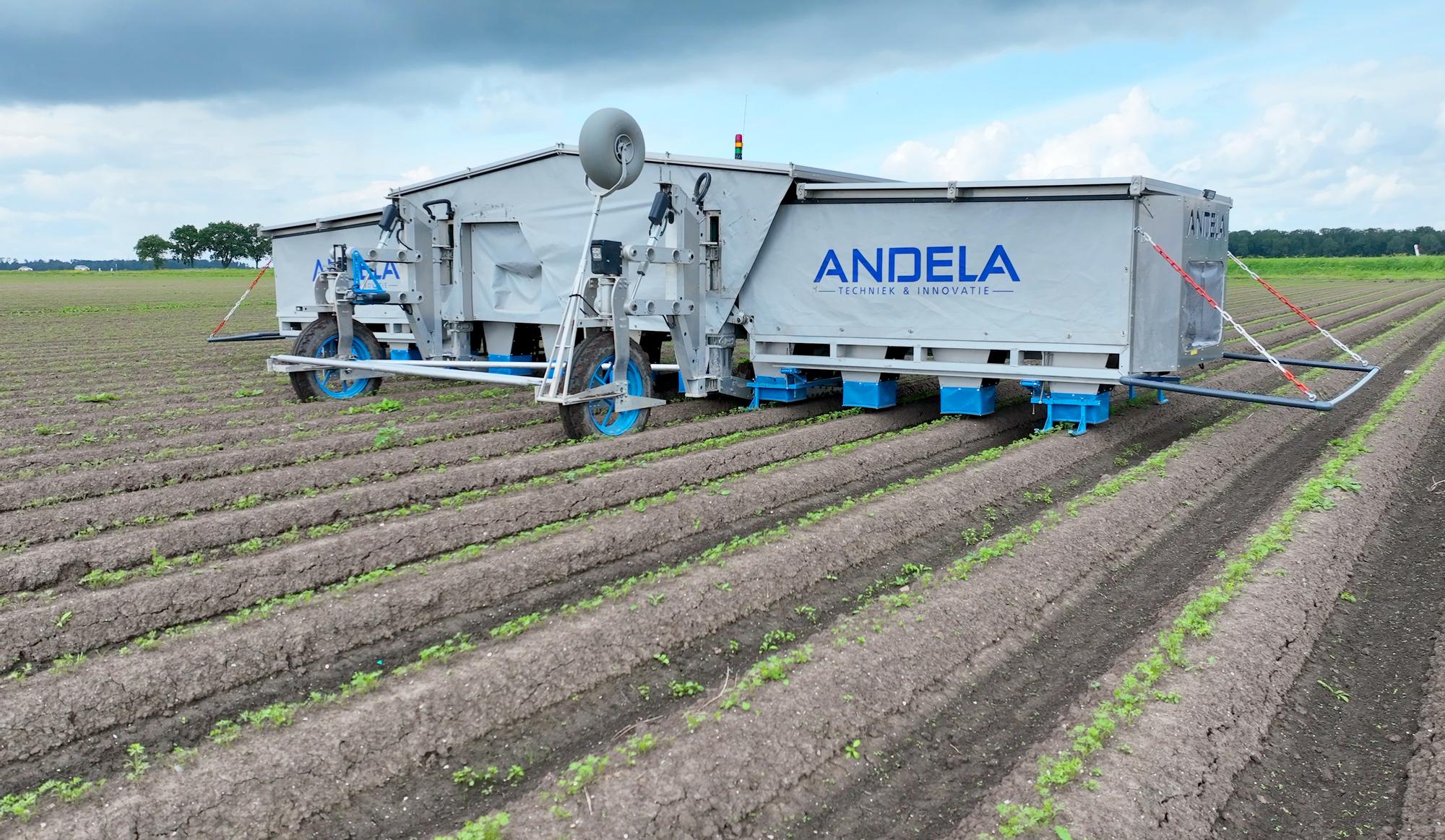
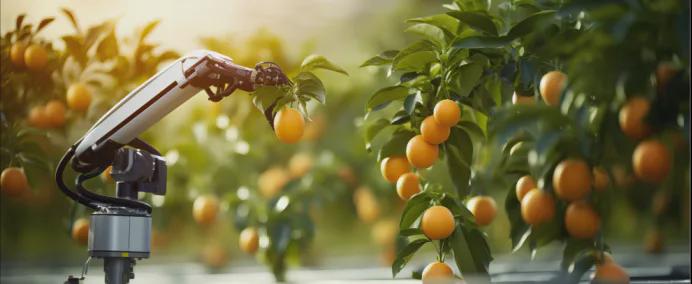
The Andela Robot Weeder is priced at approximately €800,000 (US$961,000), raising questions about the factors influencing its cost. Unlike traditional machinery, the price of agricultural robots is increasingly determined by the economic value they provide rather than manufacturing costs. This shift in perspective complicates the business case for growers, as the value derived from labor replacement and efficiency gains becomes paramount.
As labor shortages and restrictions on herbicides grow, the competition landscape for agricultural robots may change significantly. Robots may not need to compete solely on price against traditional methods like chemical weed control. Instead, they could emerge as essential tools, altering the pricing dynamics in the market.
While advancements in technology will likely enhance the performance of agricultural robots, this does not guarantee a decrease in their prices. The value proposition for farmers will focus more on the economic benefits rather than the cost of production, making the future of pricing in this sector uncertain. No further timeline was disclosed at the time of publication.
Editor's Note
The agricultural robotics sector is at a pivotal point where economic value is becoming the primary determinant of pricing. As labor shortages and environmental regulations evolve, understanding the financial implications of robotic solutions will be crucial for farmers and manufacturers alike. This shift may redefine competitive strategies in the agricultural technology landscape.





























Leave a comment