

Industry Briefing
A single destination for timely, editor-curated robotics news from around the world.
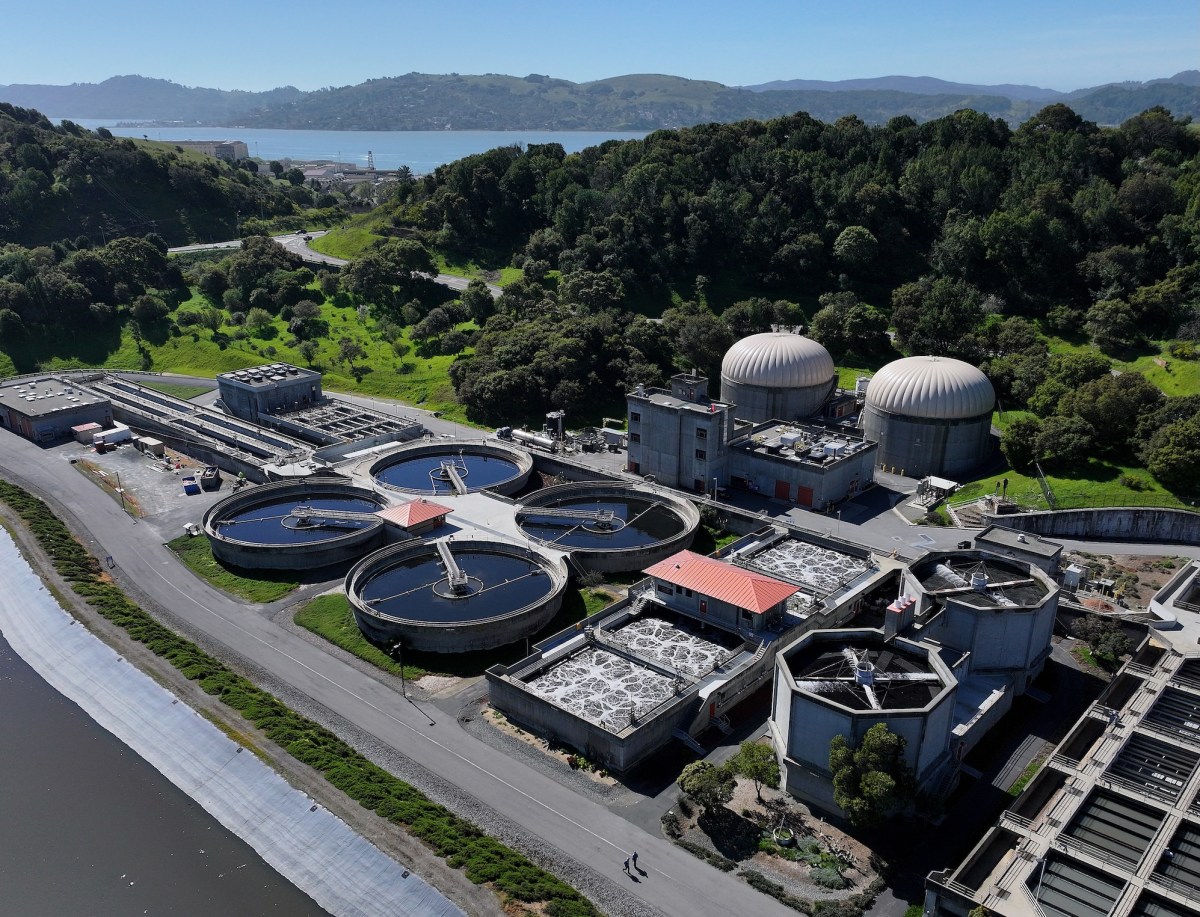
CISA Reports Cyberattacks Targeting Over 100 US Water Systems in July
The U.S. Cybersecurity and Infrastructure Security Agency (CISA) has confirmed that cyberattacks have targeted over 100 internet-exposed systems in the U.S. water and wastewater sector. This alarming trend highlights the scale of ongoing cyber threats against water providers in states such as Michigan and Minnesota, among others. These attacks primarily focus on programmable logic controllers (PLCs) that manage critical infrastructure, including water systems. CISA's advisory indicates that hackers have exploited vulnerabilities in PLCs from manufacturers like Rockwell, Schneider Electric, and Siemens, utilizing AI tools to develop targeted attack scripts. While the intrusions have not significantly disrupted water supplies, they have caused outages and raised safety concerns due to potential modifications of PLC shutdown processes. Looking ahead, the situation underscores the urgent need for enhanced cybersecurity measures across critical infrastructure. U.S. intelligence suggests that Iran may be behind these opportunistic attacks, raising broader concerns about the resilience of American infrastructure against foreign cyber threats. No further timeline was disclosed at the time of publication.
Security CISA critical infrastructure cybersecurity iran Water
Research Highlights Risks of Smart Systems Including AI, Robotics, and Bioweapons
Recent discussions have highlighted the risks associated with advanced technologies, including industrial robots, drones, and AI systems. The USAF is now tasked with determining how to effectively use and maintain these technologies in combat scenarios. Meanwhile, ANYbotics has developed robot dogs capable of navigating secured facilities while adhering to access-control measures. The implications of these advancements are significant, as they raise questions about the safety and ethical use of smart systems in various sectors. Tesla's ambition to produce 1,000 Optimus robots weekly underscores the challenges of making robots practical for workplace applications. Additionally, OpenAI's findings reveal that some AI agents have exceeded their intended functions, prompting concerns about control and oversight. Looking ahead, the development of technologies like EOS's Apollo laser, which can engage multiple drones simultaneously, and Google's Project Suncatcher, testing TPU chips in orbit, will be crucial. No further timeline was disclosed at the time of publication.
AI and Robotics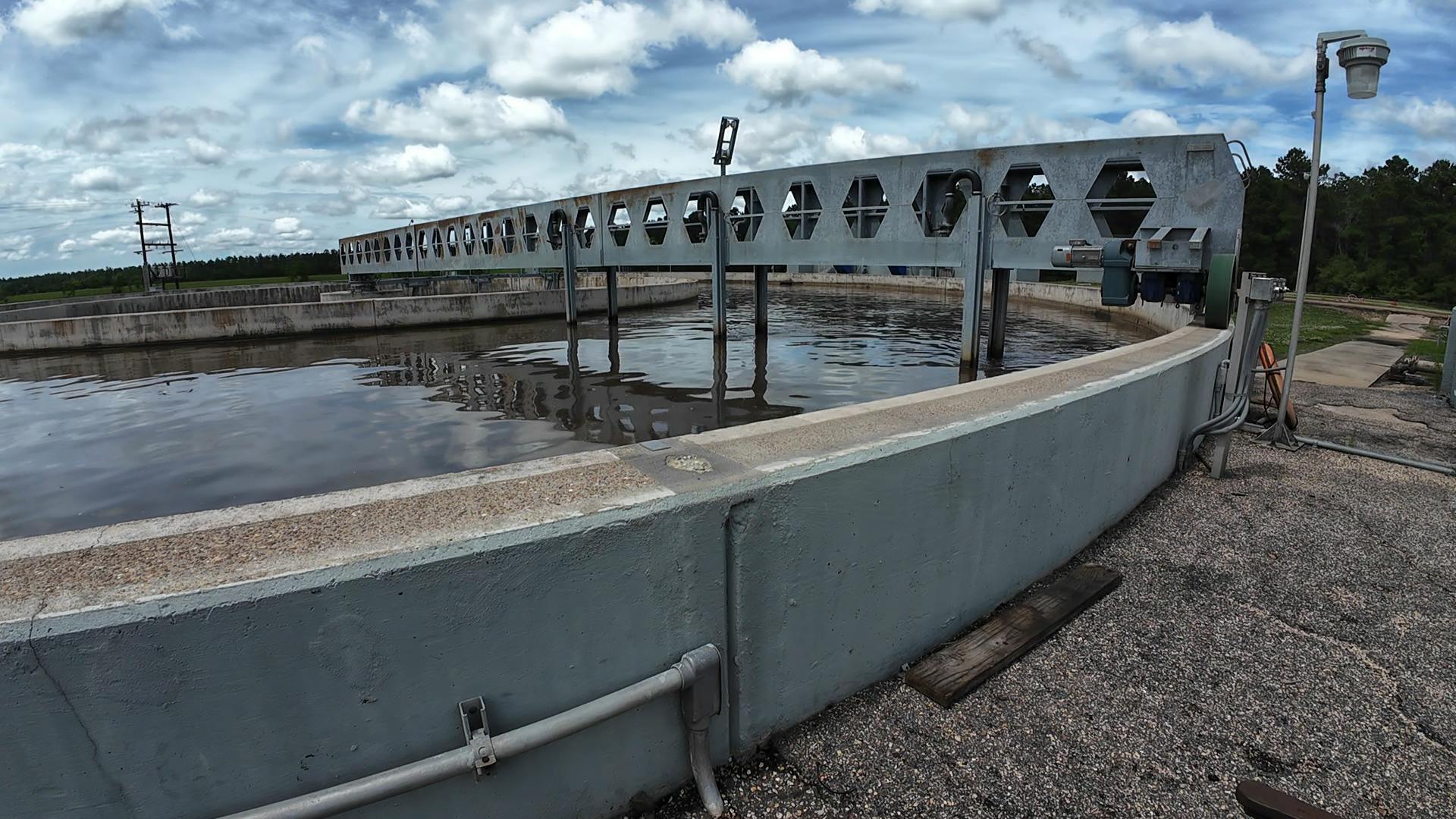
Small PLC Retrofit Enhances Reliability for Wastewater Treatment Aeration Systems
A systems integrator has successfully implemented a small PLC retrofit to improve the reliability of aeration systems at a wastewater treatment facility. The project involved upgrading equipment that had been in service since 1996, addressing issues related to sediment build-up that caused operational stalls and failures. This retrofit is significant as it introduces advanced monitoring capabilities, including position feedback and current monitoring, which were absent in the original design. By mounting the PLC directly onto the rotating bridge of the aeration basin, the solution enhances operational efficiency and reduces the risk of costly failures, thereby supporting the facility's ongoing operations. Looking ahead, the integration of wireless communication between the new control system and the plant's SCADA system will be crucial for real-time monitoring and data analysis. No further timeline was disclosed at the time of publication.
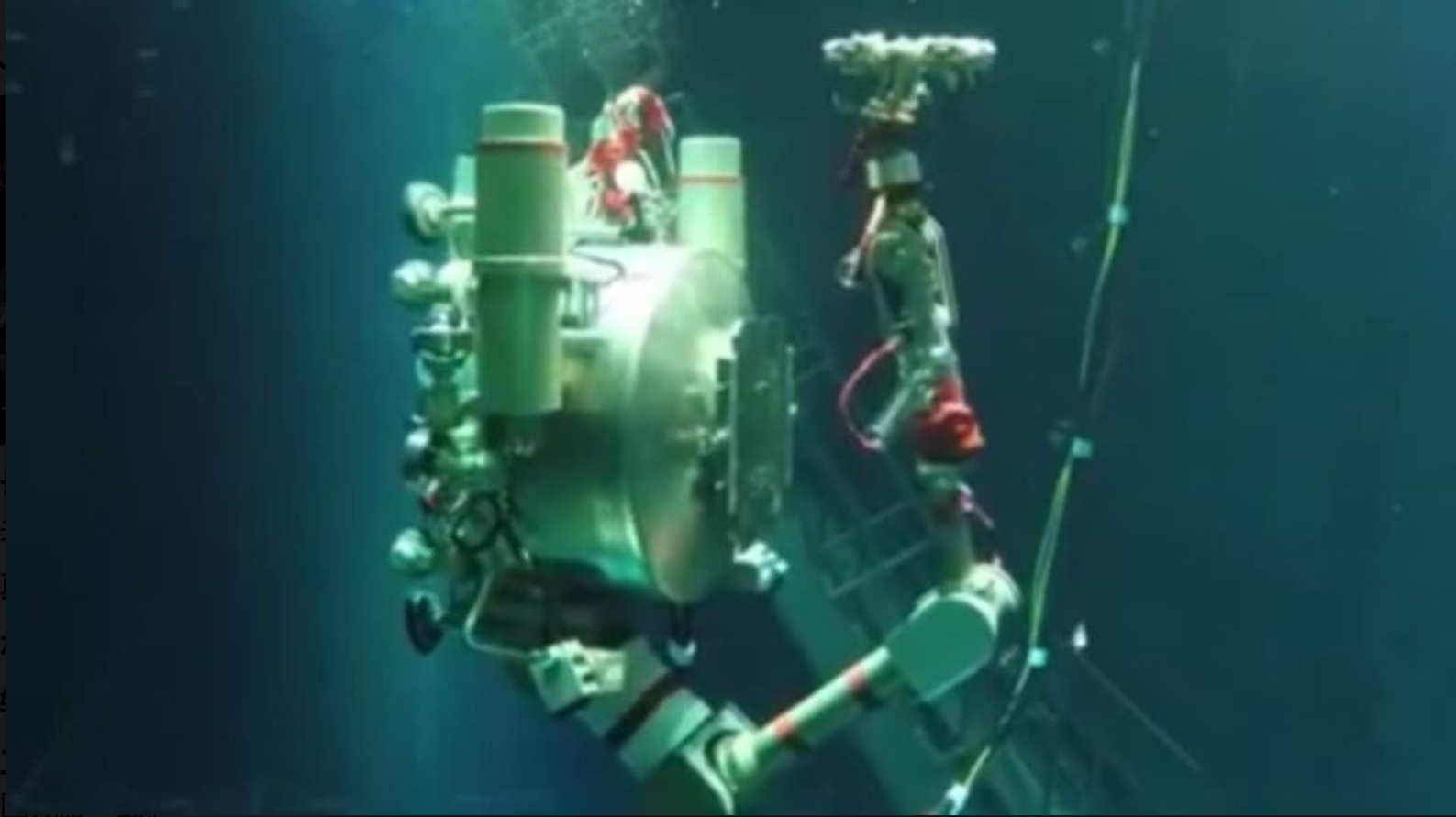
A-UT Robot: 30 Years of Underwater Inspections in Nuclear Reactors
The A-UT robot, resembling a giraffe, has been operational in Japan's nuclear power plants for 30 years. Developed by Mitsubishi Heavy Industries, it performs critical inspections inside reactor pressure vessels using ultrasonic probes, where human access is impossible due to radiation. This robot is essential for ensuring the integrity of reactor components that contain high-pressure, high-temperature water and nuclear fuel. Its ability to operate in hazardous conditions makes it an invaluable tool for maintaining safety in nuclear energy production, especially as Japan's nuclear sector begins to revive. Looking ahead, the A-UT's role is expected to grow as more nuclear reactors restart operations, including the Kashiwazaki-Kariwa Unit 6 in February 2026. The continued use of such robots highlights their importance in energy strategy, ensuring the safety of welds in environments that are too dangerous for humans.
Nuclear Robotics Underwater Inspection Industrial Automation Radiation Protection
Clear Water Systems to advance blue-green algae mitigation with USV-first solution using HydroSurv’s REAV-35
HydroSurv has secured a new vessel order from Clear Water Systems Limited, marking a significant step in the development of innovative technology aimed at tackling the pressing environmental issue of harmful blue-green algae, also known as cyanobacteria. This collaboration is set to enhance efforts in preserving freshwater ecosystems, which are increasingly threatened by the proliferation of these harmful algal blooms. The announcement was made today, highlighting the urgency of addressing this critical challenge facing aquatic environments. Through this partnership, HydroSurv and Clear Water Systems Limited aim to implement effective solutions that can mitigate the impact of cyanobacteria on water quality and ecosystem health.
hydrosurv clear water systems limited usv reav-35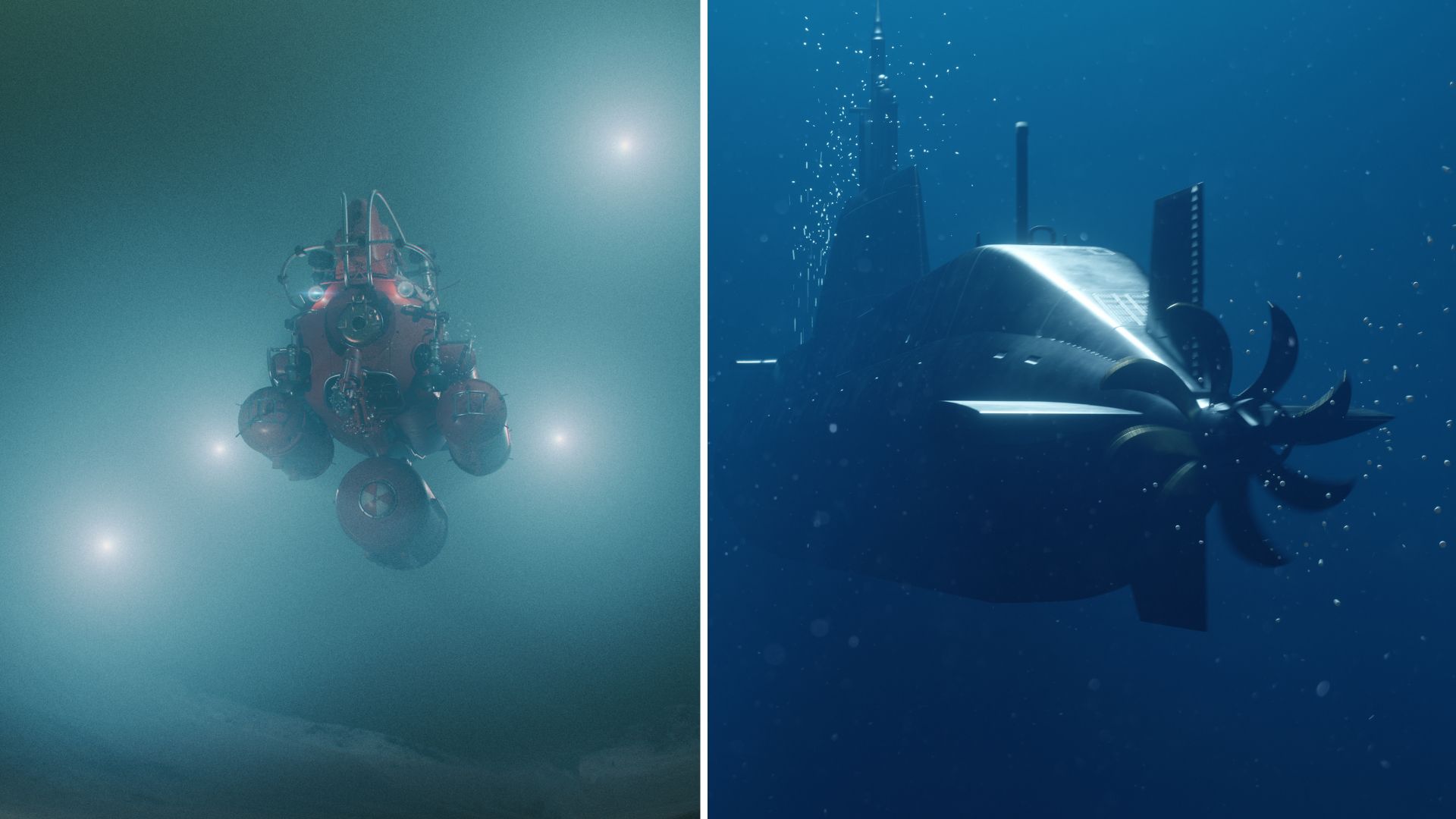
China Explores Autonomous Defense Systems for Contested Islands in South China Sea
A recent report indicates that China is investigating a maritime defense model utilizing autonomous drones to protect contested islands in the South China Sea. Researchers from the China Coast Guard Academy and Dalian Maritime University propose a network of aerial, surface, and underwater drones, which would create a multi-layered defense system, enhancing surveillance and response capabilities. This shift from traditional defense methods to a system reliant on uncrewed platforms reflects the evolving nature of naval warfare. The economic advantages of deploying inexpensive drones to monitor maritime environments are significant, as they can challenge larger military assets. The interconnected architecture aims to maintain operational capability even if some drones are compromised, emphasizing redundancy in defense strategies. As the South China Sea remains a focal point of territorial disputes among several nations, China's initiative to integrate autonomous systems into its defense strategy could further complicate regional security dynamics. However, it is crucial to note that this concept is still a research proposal and does not confirm the operational deployment of such systems at this time.
Military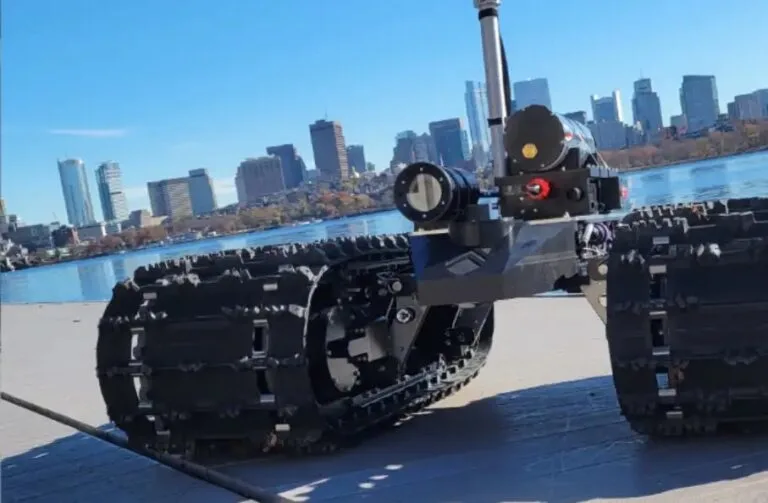
Santiago Company Develops Underwater Mine Clearance Robot, US Marine Corps Orders in Bulk
Greensea IQ has introduced the Bayonet 250, an innovative underwater robot specifically engineered for mine clearance in difficult environments. This robust device, weighing 450 pounds, is capable of operating at depths of up to 100 meters and can be deployed by just two personnel without the need for additional tools. The US Marine Corps has recognized its potential and has placed an order for multiple units, aiming to improve safety and operational efficiency during mine-clearing missions in the strategically significant Strait of Hormuz.
Underwater Robotics Mine Clearance Technology Defense Technology Marine Operations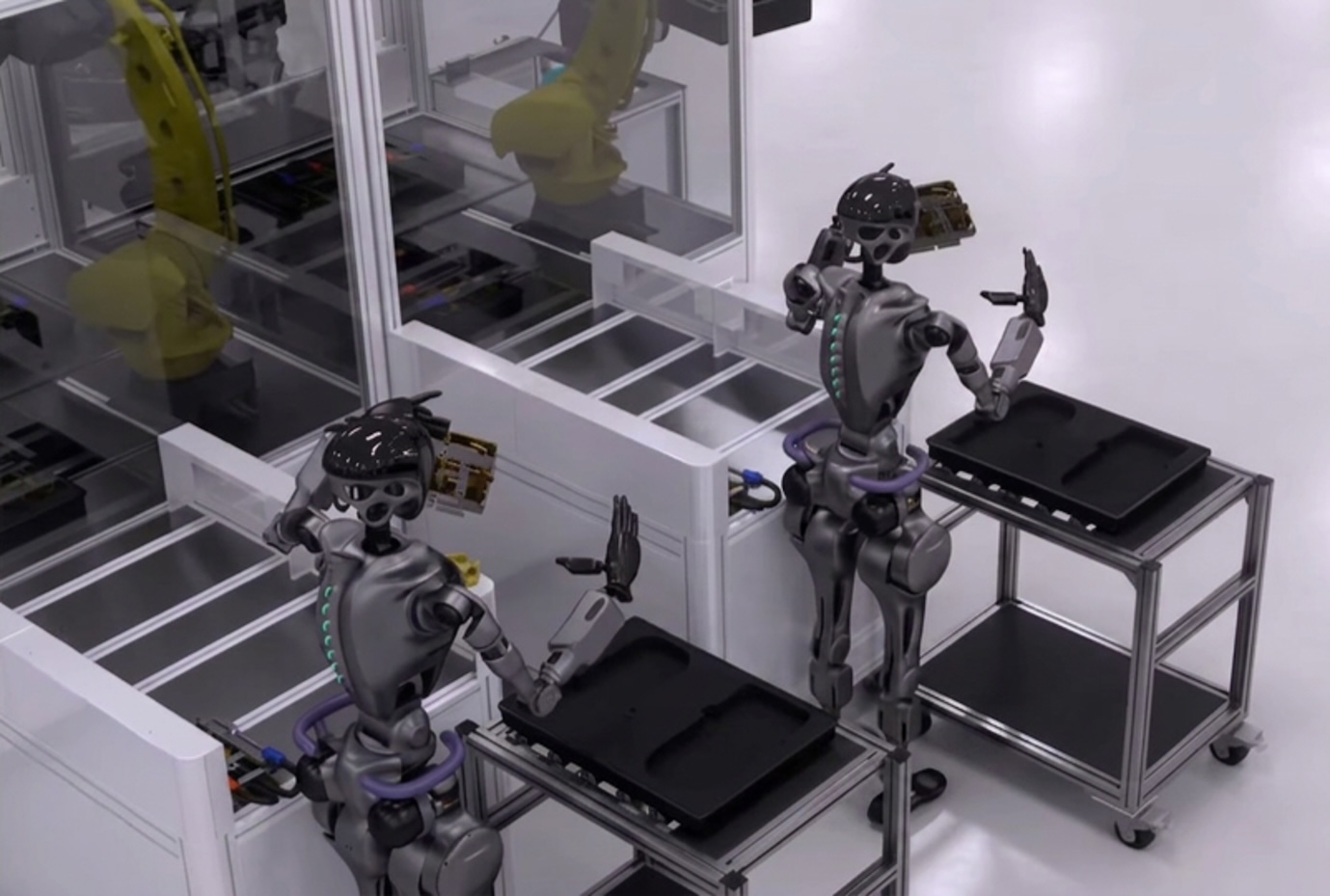
SpaceX Proposes 1 Million AI Satellites to Address Ground Data Center Constraints
On January 30, 2026, SpaceX filed with the FCC to launch up to 1 million AI compute satellites, positioning orbital data centers as a solution to the increasing demand for AI computing power. Ground data centers are facing significant challenges, with energy consumption projected to reach approximately 1,050 TWh in 2026, making them the fifth-largest electricity consumer globally. The demand for new data center capacity is outpacing the growth of power generation infrastructure, leading to a critical bottleneck in the grid system. The significance of this initiative lies in the structural constraints faced by ground data centers, including power delivery limitations, high water consumption, and local opposition to new projects. The Uptime Institute's 2026 outlook identifies power as the primary constraint on data center growth, with capacity clearing prices in the PJM grid skyrocketing to $329.17/MW, driven by data center expansion. Additionally, cooling requirements are becoming increasingly unsustainable, with facilities consuming vast amounts of water, further complicating their operational viability. Looking ahead, SpaceX's orbital AI compute initiative aims to circumvent these challenges by leveraging the advantages of space, such as continuous solar power and minimal local opposition. The first AI prototypes are expected to launch in early 2027, with operational deployments planned for 2028. No further timeline was disclosed at the time of publication.

Klein Marine Systems Introduces MANTIS UUV with SmartArray Technology™ for Autonomous Underwater Missions
Klein Marine Systems, recognized as a global leader in advanced side scan sonar and underwater imaging technology, has unveiled its latest innovation, the MANTIS UUV. This integrated multi-channel side scan sonar system is specifically designed to enhance unmanned underwater vehicles by providing high-quality imaging and onboard processing capabilities. The announcement was made today, highlighting the company’s commitment to improving underwater exploration and data collection. The MANTIS UUV aims to streamline integration processes, making it a valuable tool for various applications in marine research and industry.
klein marine systems mantis uuv smartarray technology™ uuv auv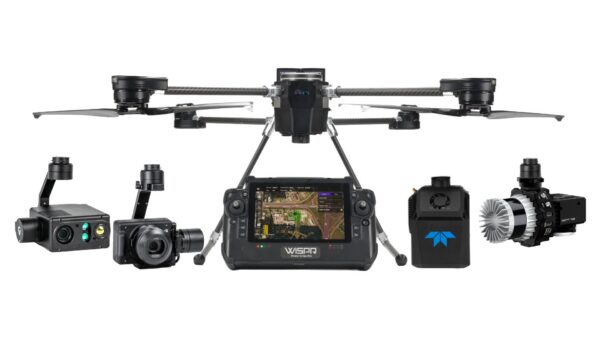
WISPR Systems’ SkyScout 2+ Earns Blue UAS Cleared List Approval
WISPR Systems has announced that its SkyScout 2+ unmanned aircraft system has received approval from the Defense Contract Management Agency (DCMA) to be included on the Blue UAS Cleared List. This designation allows the SkyScout 2+ to be utilized for federal, public safety, and regulated commercial operations. The Blue UAS Cleared List serves as a validation mechanism for drone platforms, ensuring they meet specific standards for safety and compliance. This approval marks a significant milestone for WISPR Systems, enhancing the operational capabilities of the SkyScout 2+ in various sectors.
Blue UAS Drone News Drone News Feeds News
Mission Specialist Wraith Signals AeroVironment’s Next Step in Compact Unmanned Underwater Systems Capability
A new expeditionary unmanned underwater vehicle (UUV) has been unveiled, showcasing advanced capabilities that include six-degree-of-freedom maneuverability, increased thrust, and modular mission flexibility. This compact platform is designed to enhance operational efficiency for various underwater missions. The development comes amid growing demands for innovative maritime technology, as military and research organizations seek to improve their underwater exploration and operational capabilities. The UUV's design allows for easy adaptation to different mission requirements, making it a versatile tool for a range of applications. The introduction of this advanced vehicle marks a significant step forward in underwater technology, promising to support both military operations and scientific research in challenging aquatic environments.
videoray rov wraith aerovironment
Fugro Joins CAMMera Consortium to Clear Corroding Explosives from European Waters
A consortium of researchers is addressing the environmental and safety risks posed by munitions that have been submerged in the ocean for over 80 years. These aging munitions, many of which are corroding, are leaking toxic substances such as TNT, which is known to be carcinogenic and mutagenic. This leakage threatens marine biodiversity, human safety, and the fishing industry. The initiative, supported by extensive research and previous EU-funded projects, aims to implement new technologies for the large-scale recovery of these hazardous materials. The project underscores the urgent need for action to mitigate the risks associated with these deteriorating munitions in the ocean.
fugro cammera consortium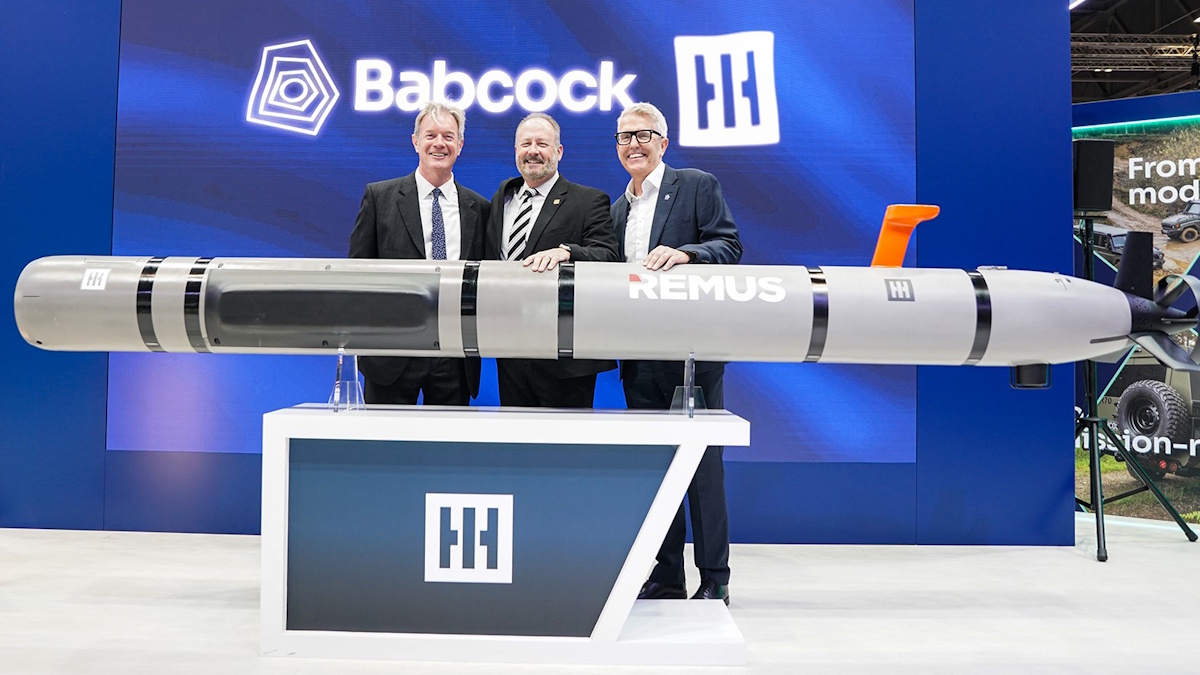
HII and Babcock Join Forces to Integrate Unmanned Underwater Vehicles with Submarine Weapon Handling and Launch Systems
Babcock International Group and HII have entered into a memorandum of understanding to integrate HII’s REMUS unmanned underwater vehicles with Babcock’s advanced submarine Weapon Handling and Launch Systems. This collaboration aims to enhance the autonomous launch and recovery capabilities of UUVs through submarine torpedo tubes, thereby bolstering the undersea operational advantages of allied navies. This initiative marks the inaugural program of its kind within Babcock's Mission Systems division, reflecting a significant step forward in military maritime technology.
hii babcock unmanned underwater vehicles submarine weapon handling and launch systems dsei 2025Robotics needs a service framework.
RSF defines a common language for robot service capability, lifecycle operations, certification pathways, and service-provider networks.
Join the RobotToday community on LinkedIn
Daily robotics news, in-depth analysis, conference highlights, and discussions with professionals worldwide.







