

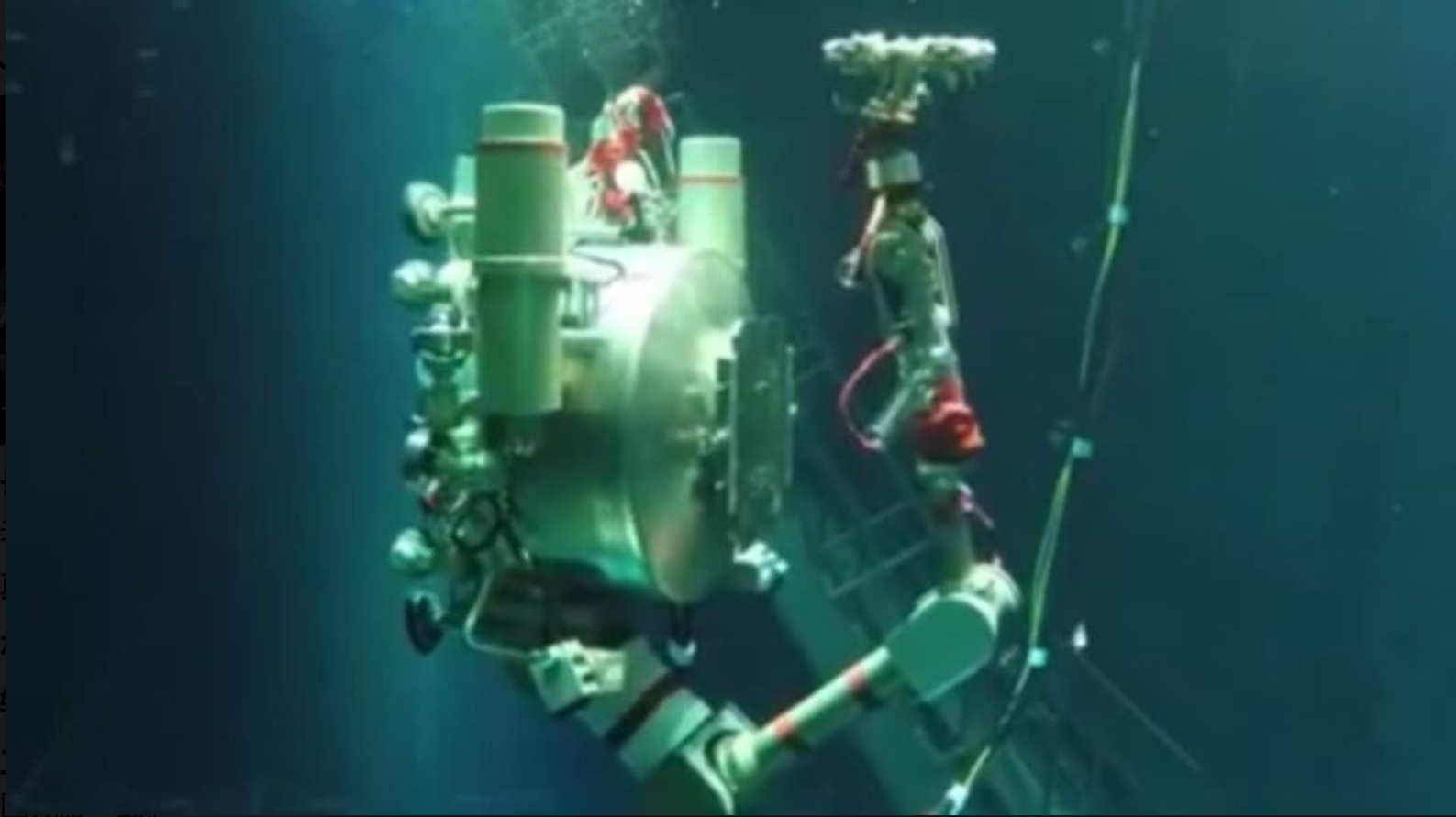
The A-UT robot, resembling a giraffe, has been operational in Japan's nuclear power plants for 30 years. Developed by Mitsubishi Heavy Industries, it performs critical inspections inside reactor pressure vessels using ultrasonic probes, where human access is impossible due to radiation.
This robot is essential for ensuring the integrity of reactor components that contain high-pressure, high-temperature water and nuclear fuel. Its ability to operate in hazardous conditions makes it an invaluable tool for maintaining safety in nuclear energy production, especially as Japan's nuclear sector begins to revive.
Looking ahead, the A-UT's role is expected to grow as more nuclear reactors restart operations, including the Kashiwazaki-Kariwa Unit 6 in February 2026. The continued use of such robots highlights their importance in energy strategy, ensuring the safety of welds in environments that are too dangerous for humans.
Editor's Note
The A-UT robot exemplifies the intersection of robotics and nuclear safety, showcasing how advanced technologies can mitigate risks in high-stakes environments. As Japan's nuclear energy sector reopens, the reliance on such autonomous systems will likely increase, emphasizing the need for innovation in safety protocols and maintenance practices.
























Leave a comment