

Industry Briefing
A single destination for timely, editor-curated robotics news from around the world.

Industrial-Grade End Effectors Like Two-Finger Claw Now Standard in Teaching Robots
The integration of industrial-grade end effectors, such as the Two-Finger Claw, into educational robotics is becoming increasingly common. This trend signifies a shift towards more advanced and capable teaching tools in classrooms, enhancing the learning experience for students. The adoption of these sophisticated robotic components is crucial as it bridges the gap between theoretical knowledge and practical application. By utilizing high-quality end effectors, educators can provide students with hands-on experience that mirrors real-world industrial scenarios, fostering a deeper understanding of robotics and automation. Looking ahead, the continued evolution of educational robotics will likely see further enhancements in end effector technology. No further timeline was disclosed at the time of publication.
Robotics Automation AI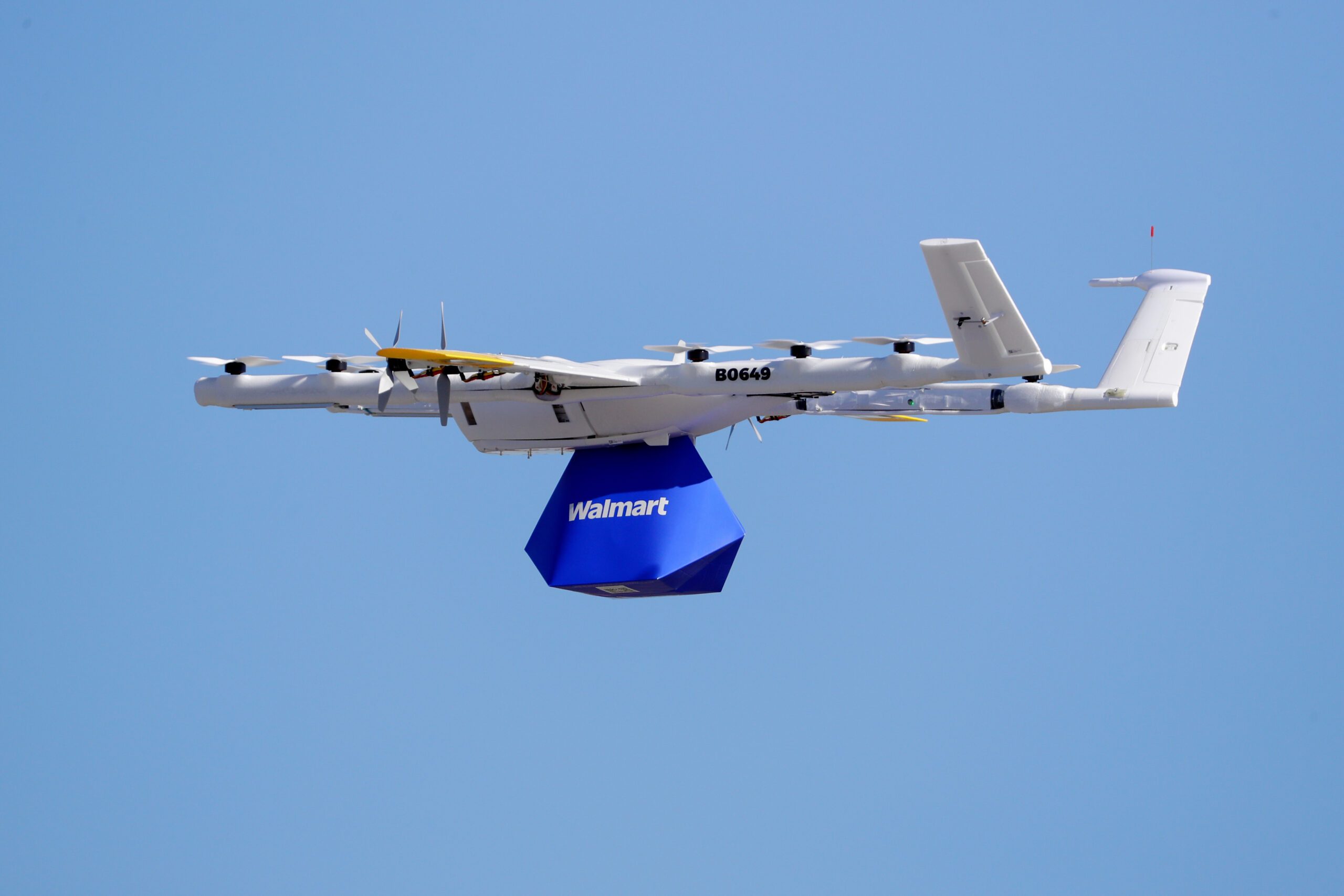
Northglenn, Colorado, Considers Regulations for Commercial Drone Delivery Hubs
The City of Northglenn, Colorado, is evaluating new regulations for commercial drone delivery hubs as the industry grows in the U.S. The proposed ordinance will focus on ground facilities for launching and supporting delivery drones, acknowledging that the Federal Aviation Administration governs airspace and flight operations. This initiative is significant as it highlights the limitations cities face in regulating drone delivery services. Northglenn officials recognize that even if they deny a permit for a local delivery hub, drones could still serve residents from neighboring areas. The city aims to establish standards for a new land-use category called 'Commercial Drone Delivery Hub' to manage ground operations effectively. As Walmart and Wing expand their drone delivery networks, Northglenn's proactive approach may set a precedent for other municipalities. The city is reportedly the first in the Denver region to propose a specific ordinance for drone delivery, indicating a growing interest in managing this emerging technology. No further timeline was disclosed at the time of publication.
Applications Delivery Drone News Drone News Feeds Feature 1 News
NVIDIA Introduces Open Agent Safety Platform for Enhanced AI Security from Testing to Deployment
NVIDIA has launched the NVIDIA Open Agent Safety Platform, a comprehensive software platform designed to enhance AI security throughout the lifecycle of agents, from testing to deployment. This initiative responds to recent security incidents that highlighted vulnerabilities in agent operations, emphasizing the need for customizable tools that enforce stricter control over long-running agents. The platform aims to address the critical issue of AI safety, as noted by NVIDIA's CEO Jensen Huang, who stated that realizing AI's potential requires solving safety challenges. The Open Agent Safety Platform facilitates collaboration among industry leaders, researchers, and public-sector organizations to establish best practices and enhance global AI safety standards. Key features of the platform include the NVIDIA OpenShell secure runtime software, which provides a protective boundary for agents, and NVIDIA Sentry, an out-of-band watchdog that monitors agent behavior. Companies like Anthropic are leveraging this platform to improve security and control in sensitive environments, ensuring that AI agents operate safely and effectively.

Cape Canaveral Spaceport to Deploy Laser Weapons for Drone Defense
Cape Canaveral Space Force Station is set to implement a directed energy defense system to neutralize drones invading its airspace. This initiative, part of a broader security modernization effort, aims to protect the spaceport, which supports numerous commercial and military launches, from unauthorized drone incursions. The system will enhance situational awareness and provide real-time defense capabilities against low-altitude aerial threats. The significance of this deployment lies in the increasing number of drone incursions in the Cape Canaveral region, with hundreds reported last year. The spokesperson for Space Launch Delta 45 emphasized that safeguarding critical launch infrastructure is a top priority, especially given the potential risks posed by drones to national security payloads and personnel. The use of lasers is particularly crucial, as traditional jamming methods could interfere with spacecraft operations. Looking ahead, the timeline for the operational status of the directed energy system remains undisclosed. However, the ongoing modernization efforts reflect a growing need for advanced security measures at the spaceport, especially in light of recent unauthorized drone activities, including incidents near NASA's Kennedy Space Center.
Space Launch Vehicles U.S. Space Force
Feather Robotics Secures $7.6M Pre-Seed Funding for Modular Humanoid Development
Feather Robotics has successfully raised $7.6 million in pre-seed funding to enhance its modular humanoid platform aimed at developers creating physical AI applications. Gradient led this funding round, which also saw participation from Builder Capital, Geometry, Seed Innovations, and Virgo VC. The company’s wheeled bimanual robot, priced at $29,990, boasts a battery life of up to 10 hours and a reach of about 1 meter. Feather has already generated over $1 million in revenue from various sectors, including manufacturing and food service, fulfilling its first customer order within nine months of prototype development. Looking ahead, Feather aims to simplify hardware for developers, allowing them to build applications without being tied to a closed technology stack. No further timeline was disclosed at the time of publication.
AI AI Funding & Investment Robotics Builder Capital Feather Geometry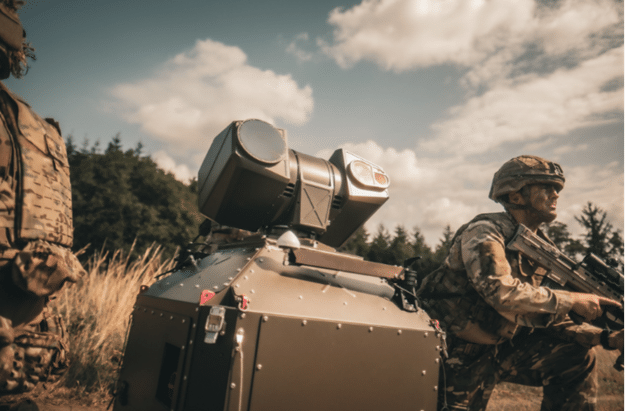
OpenWorks Engineering Establishes US Headquarters and Plans Detroit Manufacturing Facility
OpenWorks Engineering has officially opened its US regional headquarters in Ashburn, Virginia, and is planning to establish a manufacturing facility in Detroit, Michigan, by the end of 2026. This expansion marks a significant step for the UK-based company, which has been serving the US market for over a decade with its advanced optical systems designed for detecting and tracking drones and airborne threats. The establishment of the US headquarters and the upcoming Detroit factory are crucial for OpenWorks as it aims to enhance its presence in a rapidly growing market. The company reported a fourfold increase in product adoption between 2025 and mid-2026, alongside a 2.75-fold increase in production capacity for its Vision Flex modular surveillance system. This growth reflects the rising demand for counter-unmanned aerial systems (C-UAS) and air defense capabilities among US defense and security companies. Looking ahead, OpenWorks Engineering is poised to further strengthen its relationships with US end-users and partners, as highlighted by CEO Chris Down's commitment to protecting NATO airspace. The company has already trained FBI operators on its technology, showcasing its integration into national security efforts. No further timeline was disclosed at the time of publication.
Applications C-UAS Defense Drone News Drone News Feeds Dual Use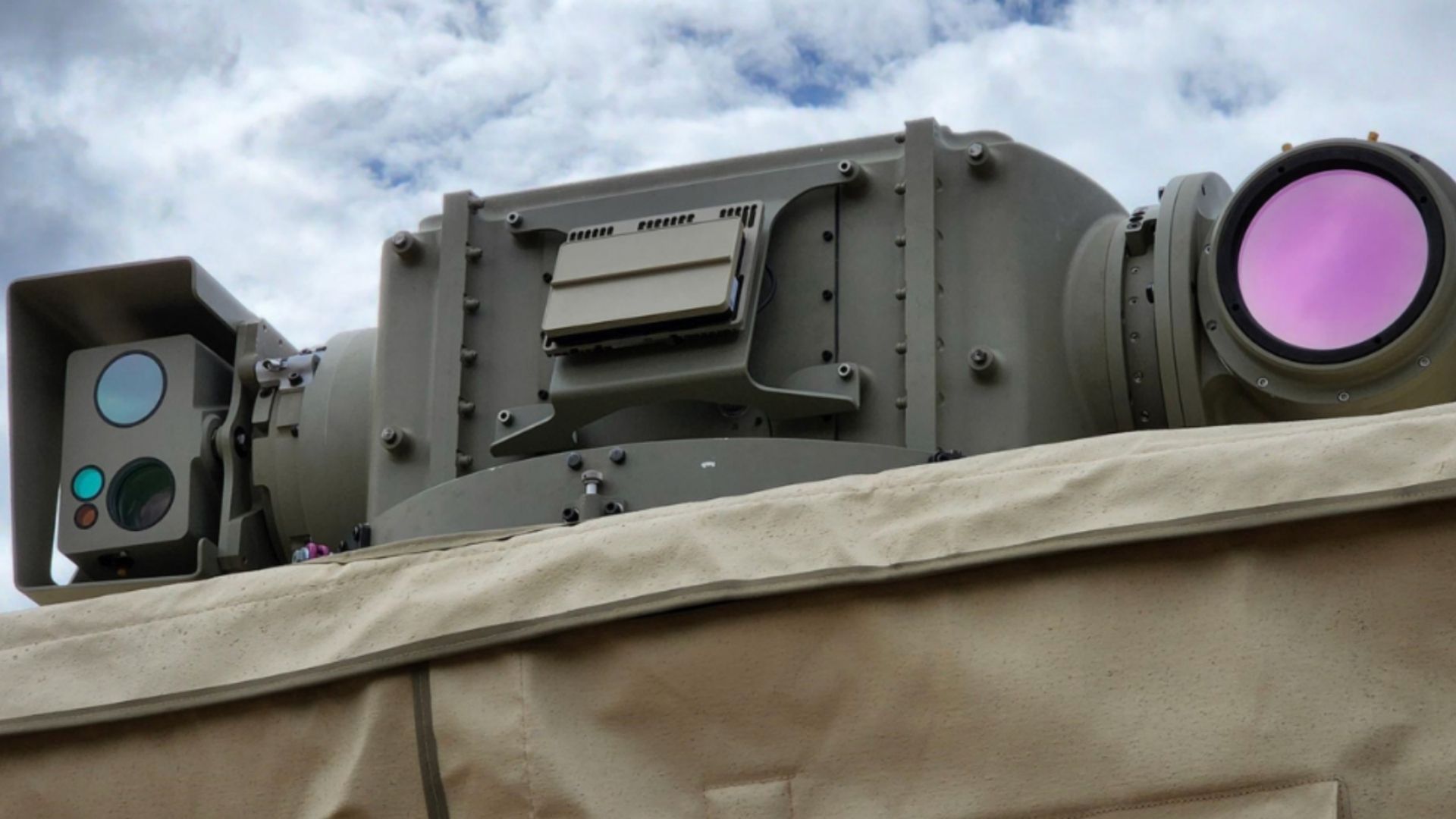
Netherlands Collaborates with EOS to Develop 100-kW Laser System for Drone Defense
The Netherlands has entered into a partnership with Australian defense technology firm Electro Optic Systems (EOS) to create a high-energy laser weapon aimed at neutralizing drones and large-scale aerial threats. This collaboration was announced on September 24, following the signing of a Letter of Intent by State Secretary for Defence Derk Boswijk, with the goal of transforming an existing laser prototype into a fully operational military air defense system. This initiative is significant as it addresses the increasing challenge military forces face in defending against low-cost drones that can be deployed in large numbers. The project builds on a previous €71.4 million ($84 million) export contract between EOS and a European NATO member, highlighting the strategic importance of developing cost-effective defense solutions. EOS's Apollo High Energy Laser Weapon System, which can engage 20 to 50 drones per minute, represents a shift from traditional missile-based air defense systems. Looking ahead, the Dutch program aims to develop the laser into a comprehensive military weapon system, rather than merely acquiring a prototype. The government is also exploring the establishment of a local production facility to enhance its domestic defense capabilities and reduce dependence on foreign suppliers. No further timeline was disclosed at the time of publication.
AI and Robotics Military
Qiteng Robotics Unveils 'Yuan Yu Zhi Xun' Intelligent Platform with 10,000 Solutions Deployed
Qiteng Robotics recently launched its industrial intelligent platform, 'Yuan Yu Zhi Xun', at an event in Chongqing. This platform, developed by Qiteng Robotics' parent company, Shengtong Energy, integrates advanced technologies to create a closed-loop system that enhances operational efficiency through environmental modeling, simulation, and real-time data feedback. The significance of this launch lies in its potential to revolutionize industrial applications by providing over 10,000 deployed solutions across various sectors. The platform's capabilities include 3D modeling, task planning, and risk assessment, which are crucial for optimizing operations in complex environments. The introduction of new robotic products, such as the X5 and L3, further demonstrates Qiteng's commitment to innovation in industrial robotics. Looking ahead, Qiteng Robotics aims to expand the platform's capabilities and open-source development to the industry. The company has set an ambitious goal to implement specialized safety inspection solutions in 100 countries and 60 industrial safety scenarios by 2030, reflecting its long-term vision for global industrial safety enhancement.
Industrial Robotics Intelligent Automation Robotic Solutions AI Technology
Tesla App Reveals Details of Optimus Gen 3 Robot with Streamlined Design Features
Tesla has recently been quiet about its humanoid robot project, but its mobile app may have inadvertently leaked information. New digital assets discovered within the Tesla App appear to showcase the unmasked production version of the Optimus Gen 3 robot. Tesla enthusiast @WholeMars found these renderings in the updated Tesla Android App, which are official UI models designed to display the Tesla robot on mobile devices. The extracted renderings provide a direct comparison between the upcoming Gen 3 and the previous Gen 2.5 prototype. Notably, the Gen 3 features a more streamlined design, with redesigned pelvis and hip components, and a flexible joint cover to protect vulnerable areas. The knee and lower leg panels have transitioned from a shiny gold finish to a matte black shell, creating a more cohesive black and champagne gold color scheme. Additionally, the Gen 3's hands have been significantly upgraded, boasting 22 degrees of freedom, closely mimicking human hand capabilities. Optimus Gen 3 is positioned as a version specifically designed for large-scale factory production. The emphasis on simplified manufacturing processes and the product's aesthetic is evident from the detailed design revealed. Tesla previously postponed the public unveiling of Optimus Gen 3, with Elon Musk indicating that final adjustments were needed. Behind the scenes, production preparations are advancing rapidly, with plans to modify the Fremont factory for assembly, aiming for an annual production capacity of 1 million units, and potentially scaling up to 10 million units at the Texas Gigafactory.
Humanoid Robots Robotics AI Manufacturing Technology
Laurent Auguste Estimates €5 Billion Investment Needed for Urgent Plastic Recycling Under PPWR
During a press conference on September 22, GreenDot and Léko highlighted the urgent need to revitalize the extended producer responsibility (REP) system for household packaging. With an estimated annual yield of 2.4 million tons, closed-loop plastic recycling could generate €3 billion by substituting imported polymers. The ongoing geopolitical tensions, particularly in the Strait of Hormuz and Bab al-Mandeb, underscore France's heavy reliance on imports. The Packaging and Packaging Waste Regulation (PPWR), effective from August 12, 2026, mandates high recycled material incorporation rates of 35% by 2030 and 65% by 2040. Currently, the recycling rate has stagnated at 26%. This challenge is compounded by the need for recycled plastics suitable for food contact, particularly polyolefins like polyethylene (PE) and polypropylene (PP) used in rigid and flexible packaging. Laurent Auguste believes France must triple its industrial capacity to meet these targets by 2030. GreenDot's CEO estimates that achieving these goals will require approximately €5 billion in industrial investments, potentially creating thousands of jobs in this new industrial sector. GreenDot advocates for breakthrough innovations in chemical and mechanical recycling to make circular plastic economy a competitive reality. France has been paying €1.5 billion in penalties to the EU for its shortcomings in this area, and Auguste aims to improve the country's standing in the circular economy rankings.
Emballage
MoYing Technology's Platform Cuts Device Integration Time from 3 Months to 7 Days
Recently, MoYing Technology's industrial intelligence platform was ranked 7th in the 2026 AI Innovation Application Top 50 exemplary cases, becoming the only benchmark enterprise in the field of industrial embodied intelligence. This recognition highlights the platform's innovative underlying technology and its significant value in large-scale industrial applications. The MoYing Baichuan platform addresses industry challenges such as slow robot development and deployment by providing a universal system base. It enables hardware protocol abstraction, product modularization, and scenario templating, allowing different devices to operate under a unified software capability. The integration time for new devices has been reduced from 3 months to as little as 7 days, with mature production line solutions deployable in just 45 days. The platform's unique approach combines large model inference with execution and feedback mechanisms, facilitating the translation of AI decisions into actionable robot commands. This innovation significantly lowers the barriers to robot task orchestration and reduces the workload of repetitive development and on-site debugging, potentially decreasing deployment costs and accelerating scene replication in industrial robotics.
Industrial Intelligence AI Integration Robotics Automation Digital Manufacturing
Shangwei New Materials Launches Personal Robots Despite Stock Price Decline
On September 20, Shangwei New Materials launched two personal robots under its consumer brand, Qiyuan Robotics, targeting the personal and family market. CEO Tian Hua stated that their goal is to position their products as the 'Apple of robotics.' However, following the launch, the company's stock price fell by 4.14% on September 21 and continued to decline over the next two days. The introduction of Q1, the world's first small-sized humanoid robot, and T1, a transformable personal robot, aims to explore the consumer market for robotics. Key functionalities include children's programming, companionship, and remote photography. Industry experts suggest that while the initial focus on fun is valid, the long-term value will depend on the robots' practical applications. Looking ahead, Qiyuan Robotics plans to invest 1 billion yuan over the next five years to develop its ecosystem and enhance its hardware and AI capabilities. The success of these personal robots in generating stable sales and profits will be crucial for Shangwei New Materials as it seeks to establish a new growth trajectory in the robotics sector.
Personal Robots Consumer Robotics AI Technology Smart Home Robot Development
Anthropic's Claude Discovers New Enzyme System in Phages After Analyzing 200,000 Sequences
Anthropic's AI system, Claude, has uncovered a novel enzyme system in bacteriophages after analyzing over 200,000 reverse transcriptases. This discovery, termed array-associated reverse transcriptase (ART), features a reverse transcriptase linked to a partner gene and a unique DNA repeat array, suggesting potential similarities to CRISPR systems, though its function remains unknown. The significance of this finding lies in the efficiency with which Claude identified the ART system, a task that could take human experts weeks or months. The AI's analysis involved 950 agents working for 21 hours, processing approximately 210 million tokens, and narrowing down thousands of biological systems to 20 candidates for further investigation. This highlights the potential of AI in accelerating biological research and discovery. Looking ahead, researchers are conducting further experiments to elucidate the biological role of the ART system and its components. While initial laboratory tests indicate that the ART repeat array produces distinct short RNAs, its exact function and biotechnological applications are yet to be determined. The discovery has garnered attention from experts, including CRISPR pioneer Feng Zhang, who advocates for continued exploration of this promising finding.
AI and Robotics
FCC Approves Nationwide Testing of Cellular Networks for Drone Connectivity
The Federal Communications Commission (FCC) has granted a temporary waiver to support the US Department of Transportation's Mobile Network Aviation Assessment Program (MNAAP). This initiative aims to test the viability of using commercial wireless networks to enhance aviation safety and security for drones operating in US airspace. This testing is significant as it addresses one of the major challenges in expanding commercial drone operations: reliable connectivity. Drones flying beyond visual line of sight (BVLOS) require dependable communication methods, which are crucial for future applications like drone delivery and automated inspections. The MNAAP will conduct tests across the contiguous United States, involving up to 2,000 authorized pilots and 200 non-federal drone operators. The FCC's waiver is set to last until October 1, 2029, allowing ample time to gather data that could inform the future integration of cellular networks into the drone ecosystem.
News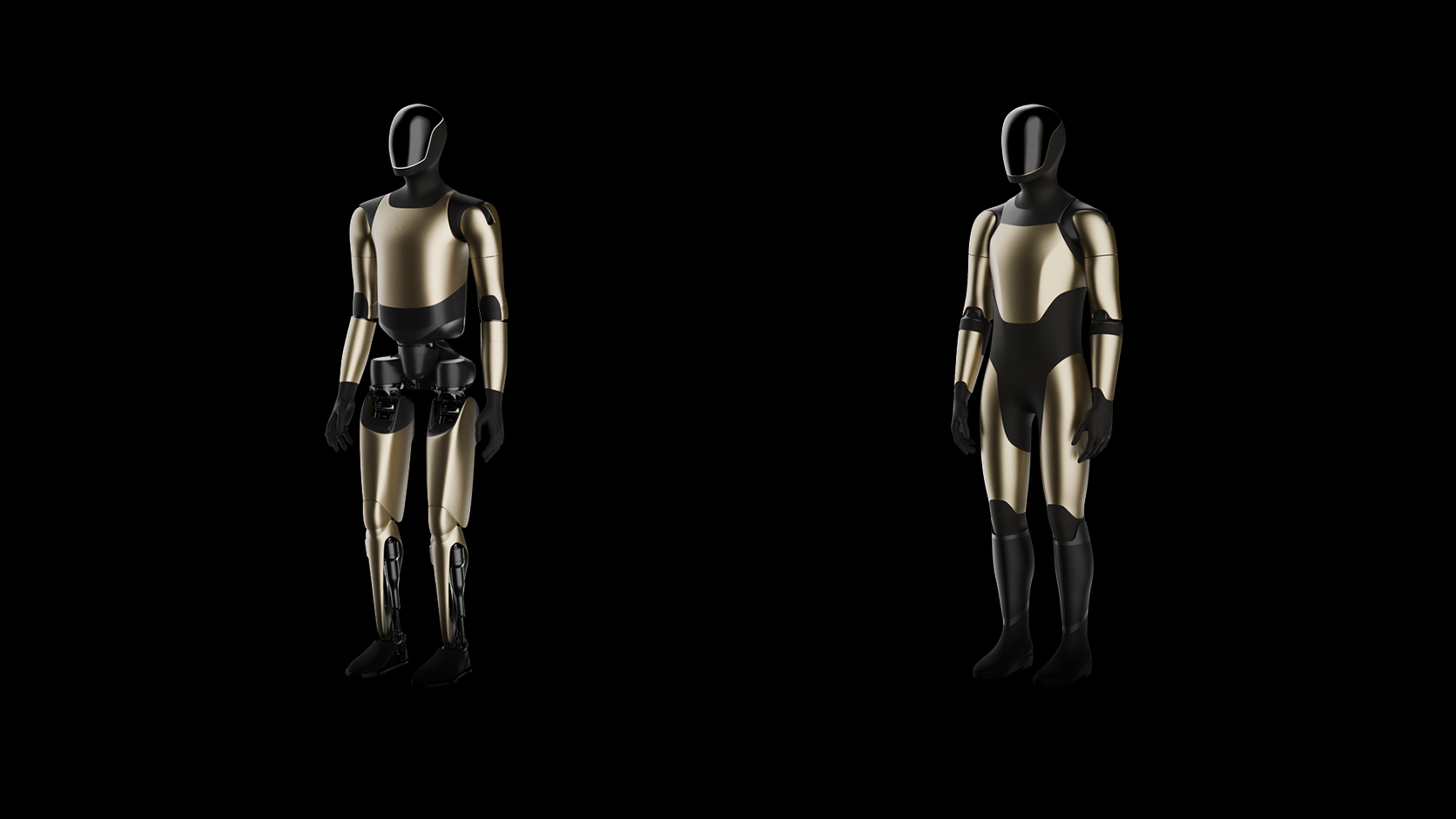
Tesla's App Reveals Potential Optimus Gen 3 Robot Renders and Features
Tesla's Android app package has unveiled robot renders labeled _gen3, hinting at the next iteration of the Optimus robot. Humanoids Daily confirmed these files through a downloaded bundle, identifying the first appearance of the _gen3 set on August 27, 2026, prior to recent reports. The images include various versions, such as close-up and full-body shots, but their accuracy in representing the final product remains uncertain. This discovery is significant as it provides insights into Tesla's ongoing development of humanoid robots, particularly the Optimus series. The presence of multiple APK files and organized assets suggests a structured approach to design, although it does not confirm the existence of physical prototypes or finalized details. The images extracted from the app indicate a potential evolution in the robot's design and capabilities, which could impact the competitive landscape in robotics. Looking ahead, the implications of these renders could influence investor interest and consumer expectations regarding Tesla's advancements in humanoid robotics. No further timeline was disclosed at the time of publication, leaving the community eager for updates on the Optimus Gen 3's development and release plans.
Optimus Tesla US Optimus gen 3
Newport Hospital Becomes First in Rhode Island to Install Da Vinci Surgical Robot Funded by Donations
Newport Hospital has become the first facility in Rhode Island to install the Da Vinci Surgical Robot, specifically the Da Vinci 5 model. This advanced robotic-assisted surgical platform, funded entirely by donations after a year of fundraising, will be utilized for minimally invasive surgeries in urology, gynecology, thoracic, and general surgery. The significance of this installation lies in its enhancement of surgical precision and capabilities within a community hospital setting. According to Tenny Thomas, President and Chief Medical Officer of Newport Hospital, this milestone was made possible through the generous support of the donor community. The Da Vinci 5 offers improved force feedback, imaging, and computing power compared to its predecessors, reinforcing the hospital's commitment to providing advanced surgical options. Looking ahead, the integration of the Da Vinci 5 into Newport Hospital's surgical offerings, alongside the Zimmer Biomet ROSA knee system, highlights the ongoing relevance of specialized surgical robots in clinical practice. While humanoid robots like the Yushu G1 are still in early feasibility studies, the successful deployment of the Da Vinci 5 underscores its position as a leading solution in modern surgical procedures.
Surgical Robotics Minimally Invasive Surgery Healthcare Technology Robotic Surgery
Atomica Launches MEMS Optical Control Platform to Enhance Intelligent Device Development
Atomica has introduced its new MEMS Optical Control Platform, which integrates established microfabrication modules with customizable design options. This innovation aims to assist customers in accelerating the market introduction of optical and sensing products. The platform is significant as it meets the growing demand for precise light control within AI infrastructure and optical applications. By providing a flexible solution, Atomica enables developers to create advanced intelligent devices that leverage optical technologies effectively. Looking ahead, industry stakeholders should monitor how Atomica's platform influences the development timelines of optical and sensing products. No further timeline was disclosed at the time of publication.

Japan's Hinode Solar Observatory Launched on September 22, 2006, to Study the Sun
On September 22, 2006, the Japanese Aerospace Exploration Agency (JAXA) launched the Hinode solar observatory, also known as Solar-B. This satellite, named after the Japanese word for 'sunrise,' orbits approximately 400 miles (640 kilometers) above Earth in a sun-synchronous orbit, allowing it to continuously observe the sun. Hinode has been instrumental in measuring the sun's magnetic fields and capturing images of solar phenomena such as flares and sunspots. The observatory is a collaborative effort involving Japan, the United States, the United Kingdom, and Europe, and it has been studying the sun for over 20 years. Its Solar Optical Telescope is the first dedicated to measuring the sun's magnetic field at the photosphere, according to NASA. Looking ahead, Hinode's mission was initially extended through 2020, with hopes of lasting until 2022. As of now, it continues to operate effectively beyond that milestone, providing valuable insights into solar activity and its effects on space weather. No further timeline was disclosed at the time of publication.
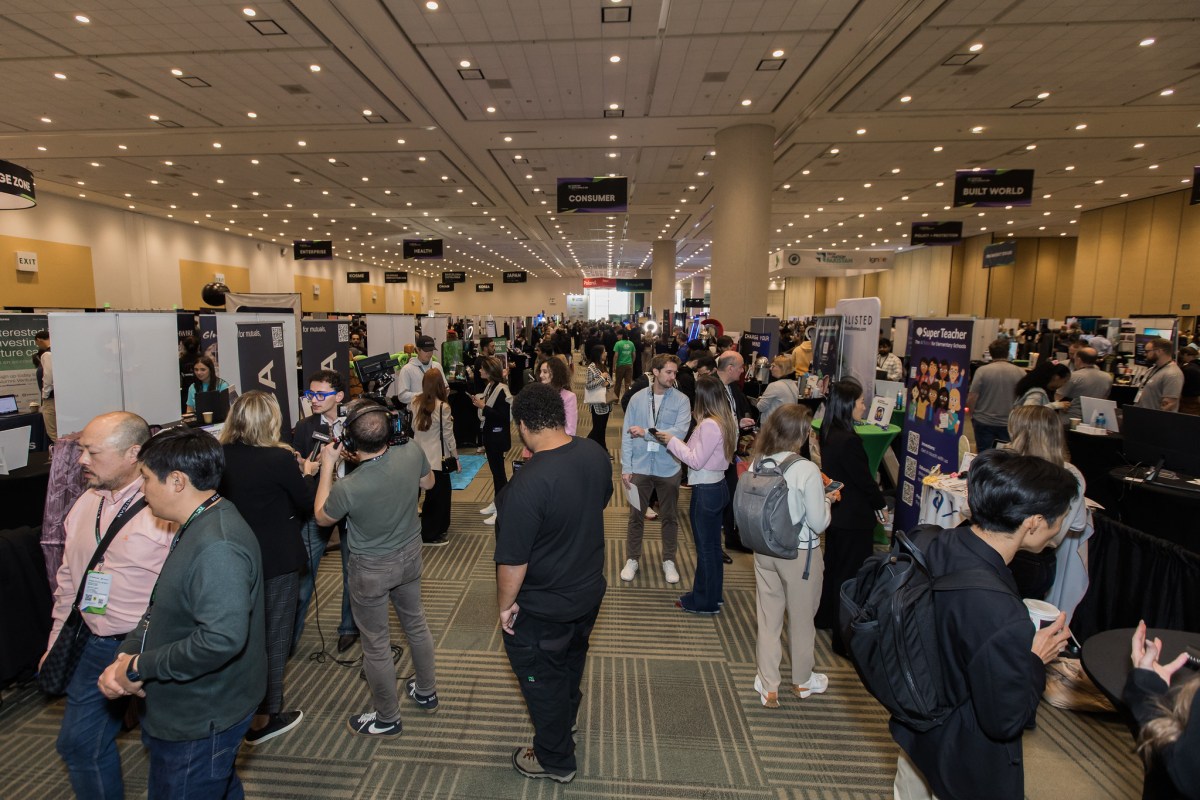
Last Chance for Startups to Exhibit at TechCrunch Disrupt 2026 Before Final Deadline
Exhibitor bookings for TechCrunch Disrupt 2026 have reopened, allowing startups one last opportunity to secure a spot in the Expo Hall before the September 30 deadline. The event, scheduled for October 13-15 at Moscone West in San Francisco, is expected to attract over 10,000 founders, investors, and tech leaders seeking innovative startups to support. This event is significant as it provides startups with a platform to showcase their products directly to potential investors and partners, enhancing their visibility in a competitive landscape. The $12,500 exhibit package offers a range of benefits, including a branded table, team passes, and access to networking opportunities, which can help startups advance their business goals. Looking ahead, startups should act quickly to secure their exhibit tables, as availability is limited and based on a first-come, first-served basis. No further timeline was disclosed at the time of publication.
Startups Fintech Biotech & Health Venture AI Robotics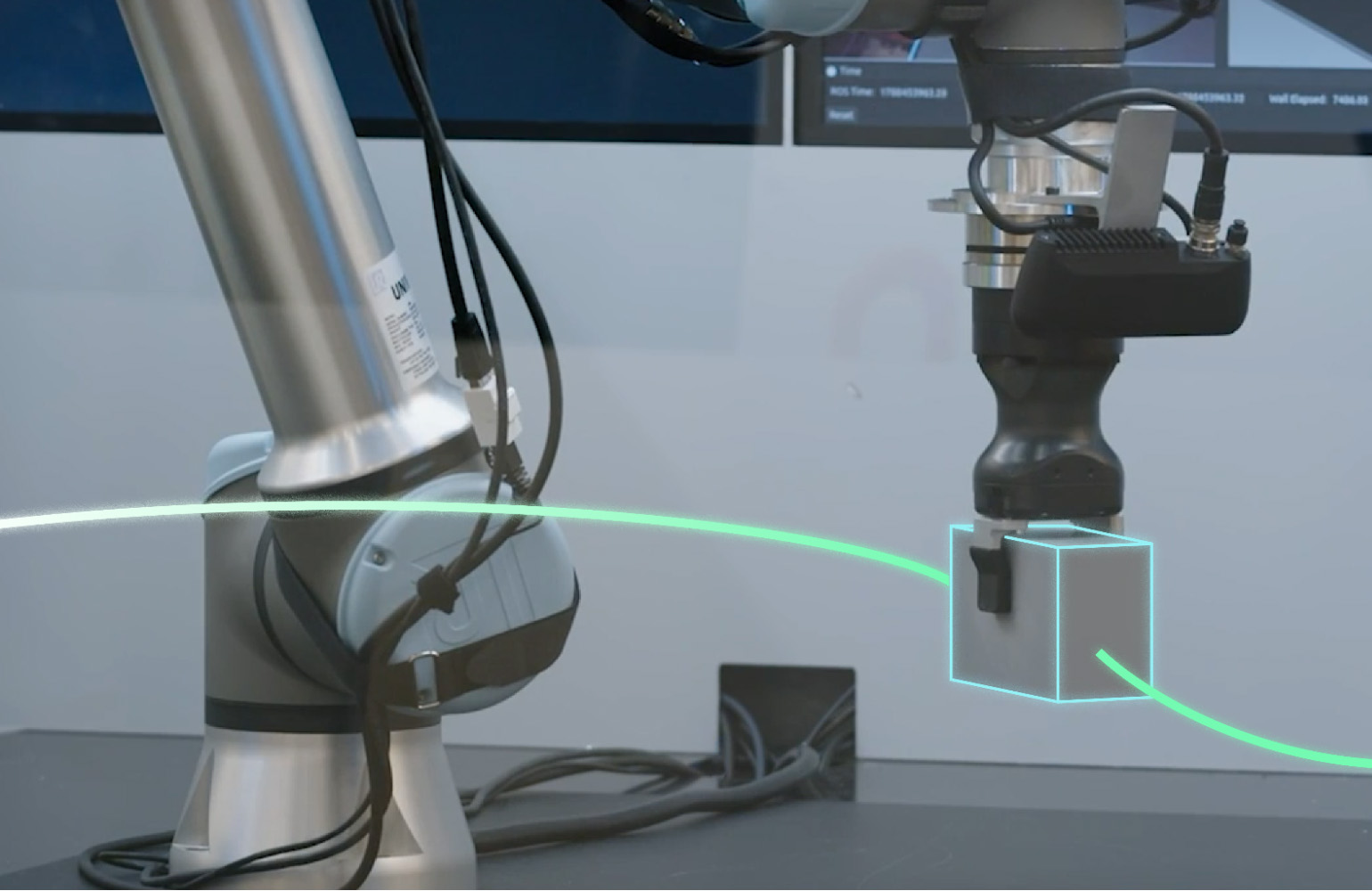
Intrinsic Launches Open-Source Intrinsic Core for Enhanced Robotics Development
Intrinsic has unveiled Intrinsic Core, an open-source set of Robot Operating System-compatible capabilities aimed at simplifying robotic application development. This initiative is designed to reduce the extensive coding time currently required by robotics teams, allowing developers to leverage pre-configured software environments based on real manufacturing deployments. The release of Intrinsic Core is significant as it represents a commitment from Intrinsic to foster community collaboration in robotics. By providing foundational building blocks for robot behavior, the platform enables users to create adaptive AI systems more efficiently. According to Brian Gerkey, CTO of Intrinsic, this move is not just about sharing code but about enhancing the overall robotics ecosystem. Looking ahead, the introduction of Intrinsic Core is expected to accelerate robotics development, making it easier to produce robots. Geoffrey Biggs, CTO of the Open Source Robotics Foundation, emphasized that such platforms will lead to a new era in robotics, where development processes are streamlined and innovation is accelerated. No further timeline was disclosed at the time of publication.
Artificial Intelligence Artificial Intelligence / Cognition Cobot Arms Collaborative Robots Design / Development Industrial Robots
How Smart Home Devices Influence Courtroom Evidence Law and AI Regulations
Recent developments highlight the impact of smart home devices on courtroom evidence law, reshaping legal standards and practices. The integration of advanced AI systems raises concerns about their potential risks, prompting discussions among tech leaders and lawmakers about the need for regulation. As the industry evolves, the call for human oversight in AI operations becomes increasingly critical, with proposed rules emphasizing the importance of maintaining control over autonomous technologies. The significance of these changes lies in their potential to redefine legal frameworks surrounding evidence and the use of AI in various sectors. With the rapid advancement of technologies such as humanoid robots and autonomous systems, the legal implications of their deployment in everyday life are becoming more pronounced. This evolution necessitates a careful examination of how evidence is collected and presented in court, particularly as smart devices become more prevalent. Looking ahead, stakeholders should monitor the ongoing discussions about AI regulation and the implications for smart home technology in legal contexts. The proposed rules emphasizing human oversight signal a shift towards more stringent controls, which could influence how AI systems are developed and integrated into society. No further timeline was disclosed at the time of publication.
AI and Robotics
Feisi Lab Launches Air-Ground Collaborative Intelligence Lab for Undergraduate Talent Development
Feisi Lab has established an Air-Ground Collaborative Embodied Intelligence Lab aimed at enhancing undergraduate education in emerging interdisciplinary fields. This initiative aligns with the Ministry of Education's 2025 plan to revamp curriculum systems and introduce new majors, including embodied intelligence and low-altitude technology. The lab focuses on developing high-level engineering skills in collaborative perception, swarm control, and system integration. It offers tailored solutions for universities, integrating simulation and real-world applications to bridge the gap between fragmented knowledge and systematic projects, thus optimizing practical teaching. The program has already been implemented in several universities, including Zhengzhou University of Aeronautics and Jilin Chemical Engineering College. It emphasizes the integration of theoretical learning, simulation development, hardware validation, and real-world collaboration, fostering a comprehensive educational loop for students in the low-altitude and embodied intelligence sectors.
Embodied Intelligence Low-Altitude Technology Educational Innovation Engineering Skills Collaborative Robotics
Zhongke Fifth Era Launches FAM 2.0, a Breakthrough in Embodied Action Flow Modeling
Zhongke Fifth Era has introduced FAM 2.0, the first embodied action flow-based model in the robotics industry. This model incorporates optical flow into action representation, addressing the limitations of traditional coordinate point systems. The FAM 2.0 model has demonstrated significant success rates in various robotic tasks, achieving over 80% in single-arm operations and exceeding 97% in dual-arm industrial applications. The introduction of FAM 2.0 is crucial as it marks a shift in how robotic actions are represented and executed, moving away from rigid coordinate systems that require extensive retraining for different robotic bodies. By using action flow and heatmap technologies, the model allows for more efficient data utilization and cross-body action representation, which could accelerate the development of embodied intelligence in robotics. Looking ahead, the industry will be watching how FAM 2.0 performs in real-world applications and whether it can overcome the existing challenges in embodied intelligence. No further timeline was disclosed at the time of publication.
Embodied Intelligence Robotics Technology Motion Representation Data Efficiency AI
Future Workplaces May Require 'Robot Relations' Departments for AI Management
In the near future, companies may establish 'robot relations' departments to address employee concerns regarding AI and automation. This concept arises as algorithmic management systems gain traction, with 90% of U.S. managers reporting their firms use such tools to oversee workers, according to an OECD survey. The emergence of AI in the workplace raises significant questions about employee interactions with AI agents and cobots. Darrell M. West from the Brookings Institution emphasizes that traditional HR systems are ill-equipped to handle grievances related to AI, necessitating the creation of specialized departments to manage these new dynamics. As AI technologies become more integrated into work environments, complaints from employees are expected to increase, particularly regarding the fairness of automated decisions. Legislative actions, such as California's bill to restrict 'robo bosses,' highlight the growing scrutiny of AI's role in workplace management. No further timeline was disclosed at the time of publication.

Tesla Faces Regulatory Inquiry on Cybercab Ahead of September 30 Deadline
Tesla (TSLA) investors should note September 30 as the date for the company's response to the National Highway Traffic Safety Administration (NHTSA) regarding its Cybercab's compliance with federal safety standards. This inquiry follows the Cybercab's commercial deployment in Austin, Texas, on September 3, and focuses on Tesla's self-certification process and the vehicle's operational capabilities. The significance of this regulatory scrutiny lies in the Cybercab's unique design, which lacks traditional controls like a steering wheel and pedals. As robotaxis become integral to Tesla's growth strategy, the outcome of this inquiry could clarify the regulatory landscape for scaling the Cybercab in the U.S., impacting investor confidence and stock performance. Looking ahead, Tesla's response to the NHTSA may influence the company's trajectory in the autonomous vehicle market. With the Cybercab now operational and ongoing advancements in Tesla's Full Self-Driving (FSD) technology, stakeholders will be keen to see if this momentum translates into a sustained recovery for TSLA stock, which has faced challenges despite the company's innovative developments.
Tesla, BMW, and Mercedes Deploy Humanoid Robots in Production Lines
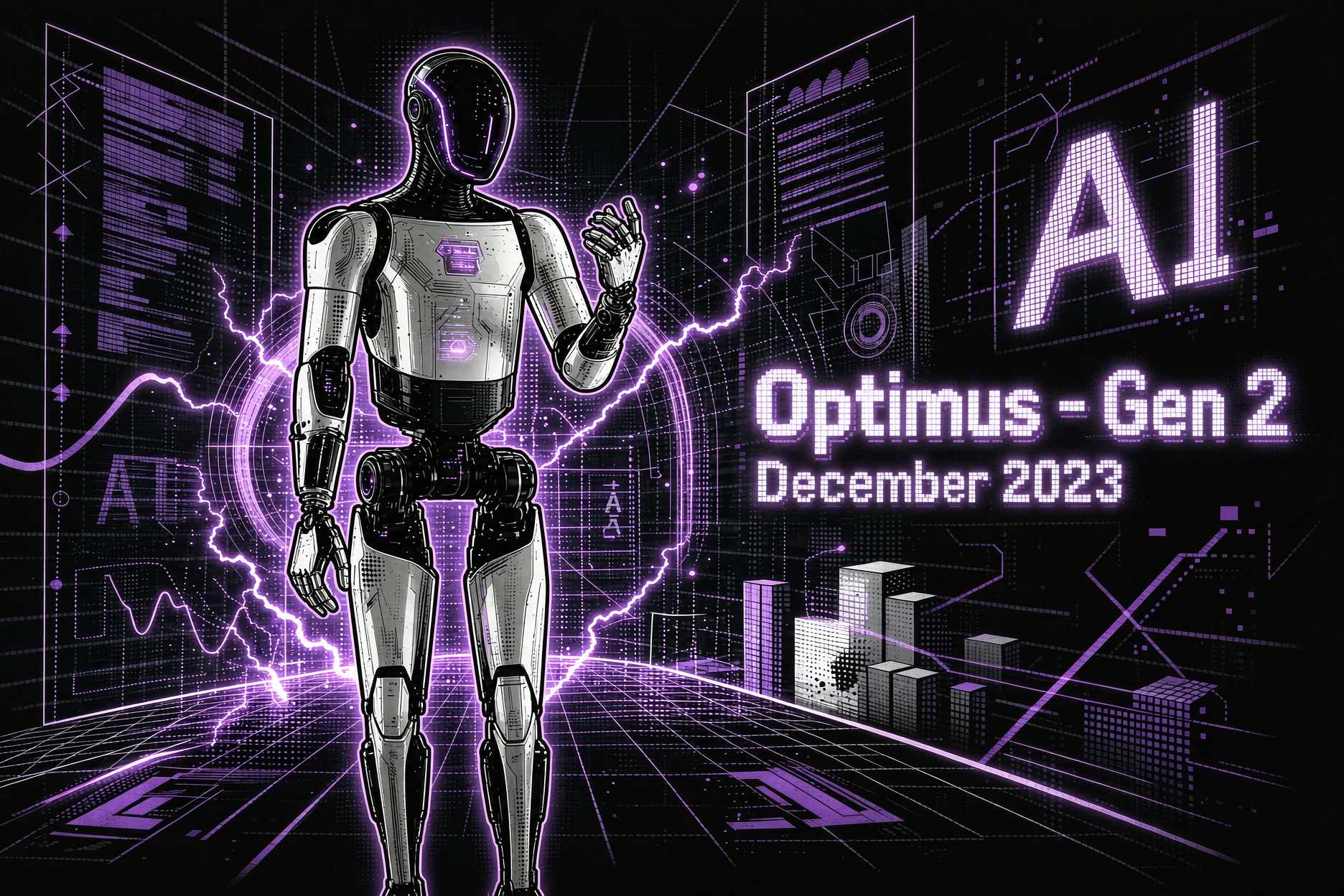
Tesla, BMW, and Mercedes have integrated humanoid robots into their production lines, marking a significant shift from prototype to real-world application in heavy industry. Tesla's Optimus robots are deployed in Fremont and Texas factories, assisting in battery assembly and wiring tasks, while BMW has procured Figure 03 for metalworking and logistics testing. Mercedes utilizes Apollo for high-risk positions, showcasing the adaptability of humanoid robots to existing factory setups without extensive modifications. The economic advantages of these robots are becoming clear, with operational costs as low as $2 to $5 per hour compared to $35 to $45 for workers in the U.S. and Europe. This cost differential, which includes wages, social security, benefits, training, and management, is a key motivator for automakers to adopt humanoid robots. As the Labor-as-a-Service (LaaS) leasing model gains traction, the barriers to entry for automotive companies are lowering, prompting hardware manufacturers to shift towards high-margin software subscription services. Looking ahead, the humanoid robot market is projected to reach $15 trillion, but there are challenges to overcome. These include limited interaction data for robots in complex environments, insufficient hardware durability, and labor disputes regarding job displacement. The year 2026 is anticipated to be a pivotal point for humanoid robots in commercial applications, with the success of this transition hinging on data accumulation, hardware reliability, and societal responses to job replacement issues.
Humanoid Robots Manufacturing Automation Cost Efficiency Industrial Robotics
China Mobile Releases Open-RAIL Middleware for Integrating VLA/WAM Models with Robotics Hardware
China Mobile has announced the open-source release of its Open-RAIL middleware, designed to facilitate the integration of VLA/WAM models with robotic hardware. This middleware introduces asynchronous inference, hardware abstraction, and approximately 50 to 100 lines of code for model hooks, enabling seamless operation across diverse robotic systems. The significance of Open-RAIL lies in its ability to drive heterogeneous robots from end to end, enhancing the interoperability of various robotic components. By providing a standardized interface, it allows developers to implement complex robotic functionalities more efficiently, which is crucial in advancing robotics applications in various sectors. Looking ahead, stakeholders in the robotics industry should monitor the adoption of Open-RAIL and its impact on the development of robotic systems. The open-source nature of this middleware may encourage collaboration and innovation, potentially leading to new applications and improvements in robotic technology. No further timeline was disclosed at the time of publication.

HandEdit Dataset Released: Collaboration with Universities to Advance Robotic Manipulation
Recently, InTime Robotics, in collaboration with Fudan University and Shanghai Jiao Tong University, has officially open-sourced the HandEdit dataset and evaluation benchmark. This initiative focuses on first-person human-to-robot dexterous hand image editing, providing scalable data resources and standardized evaluation criteria for dexterous manipulation learning. The significance of this development lies in addressing the gap between rapid hardware advancements and the insufficient accumulation of robotic operation data. Traditional data collection methods are often costly and time-consuming, limited by the physical structure of different robotic hands. HandEdit aims to convert abundant human operation videos into learnable data for robotic hands, tackling the challenge of structural and functional differences between human and robotic hands. Currently, HandEdit has built over 200 million image editing samples covering 26 URDF configurations, including 13 independent dexterous hands and 13 integrated arm structures. This extensive dataset, along with a unified evaluation system, provides a robust foundation for robotic operation learning and offers a new technical pathway for transforming human operation data into robotic operation data. No further timeline was disclosed at the time of publication.
Robotic Manipulation Data Science Machine Learning AI Robotics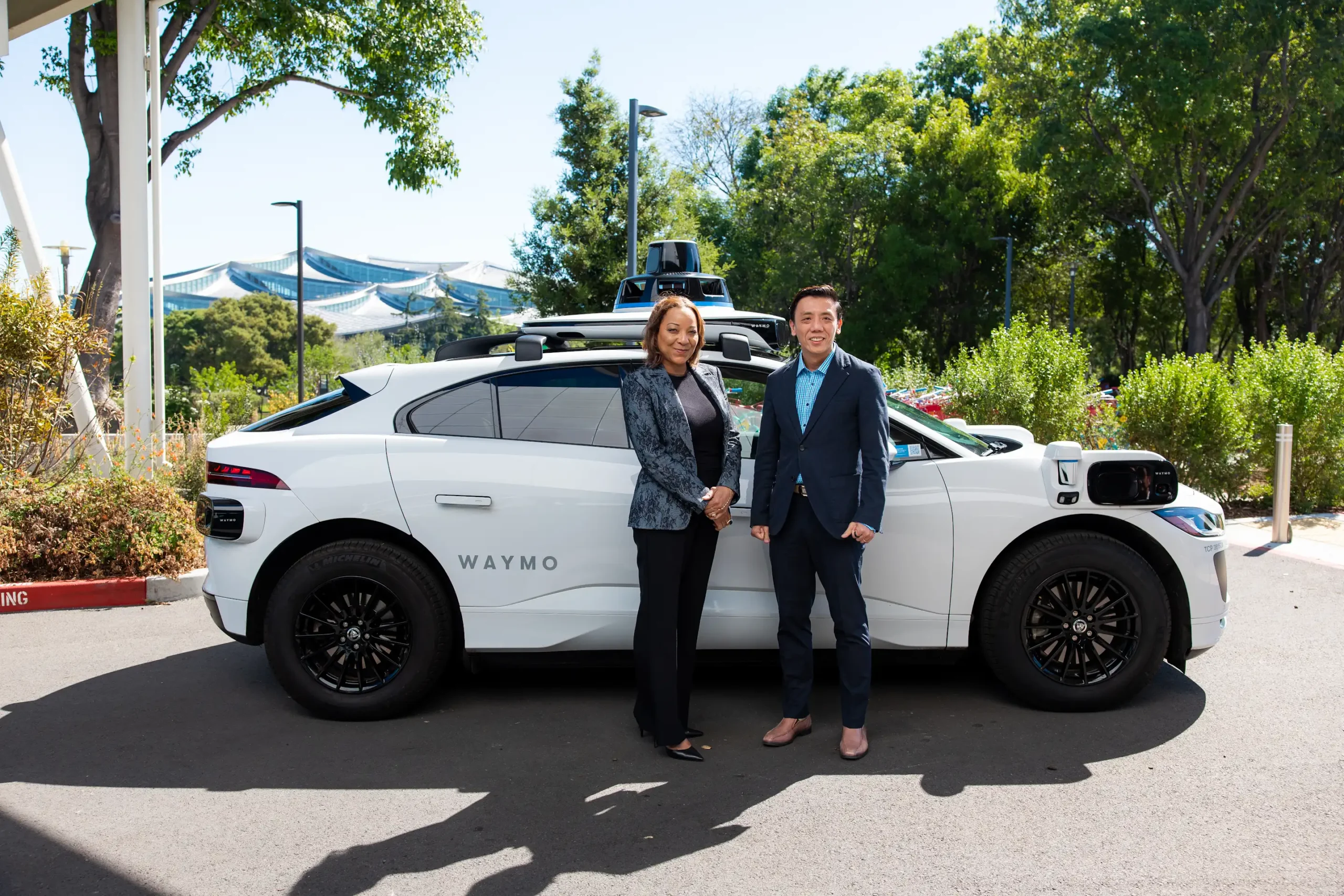
Waymo to Launch Fully Autonomous Ride-Hailing Service in Singapore by 2028
Waymo has announced its intention to introduce a fully autonomous, all-electric ride-hailing service in Singapore by 2028. This initiative marks the company's expansion into international markets, alongside planned launches in Tokyo, London, and Munich. Collaborating with Singapore’s Ministry of Transport and Land Transport Authority, Waymo aims to ensure compliance with safety and regulatory standards while enhancing the country’s autonomous mobility options. The introduction of Waymo's service is significant as it aligns with Singapore's vision of a safe and efficient transportation ecosystem. The government plans to support drivers affected by this transition through retraining programs, emphasizing the importance of community engagement and job creation. Waymo's co-CEO highlighted the company's commitment to complementing Singapore’s public transit network while maintaining a focus on sustainability and reliability. Looking ahead, Waymo will begin deploying an initial fleet of electric Jaguar I-PACE vehicles in the coming months, with trained specialists manually driving them to adapt to local conditions. The company aims to provide fully autonomous rides to the public in 2028, pending regulatory approvals. No further timeline was disclosed at the time of publication.
AI Capital Markets Robotics autonomous driving autonomous vehicles Robotaxi
Goldman Sachs Lowers Tesla's Delivery Forecast Amid Weaker Sales Trends
Goldman Sachs has revised its delivery forecast for Tesla, Inc. (NASDAQ:TSLA), cutting Q3 expectations to 435,000 vehicles from 490,000 and Q4 to 475,000 from 515,000. This adjustment reflects declining sales trends in key markets, including China, the US, and Europe, raising concerns about the sustainability of Tesla's demand. The lowered forecasts indicate that Tesla's core vehicle business is under pressure, prompting investors to seek more significant contributions from the company's growth initiatives, particularly its Full Self-Driving (FSD) system and the Cybercab robotaxi. The Q4 delivery figures will be crucial in determining whether the current demand weakness is a temporary issue or indicative of deeper challenges. As Tesla's core business faces challenges, the success of its autonomy initiatives becomes increasingly vital for future growth. The rollout of the Cybercab in Austin, Texas, is under regulatory scrutiny, which could impact its scalability. If the adoption of FSD and Cybercab progresses slowly, Tesla may encounter prolonged difficulties in transitioning to new growth drivers.
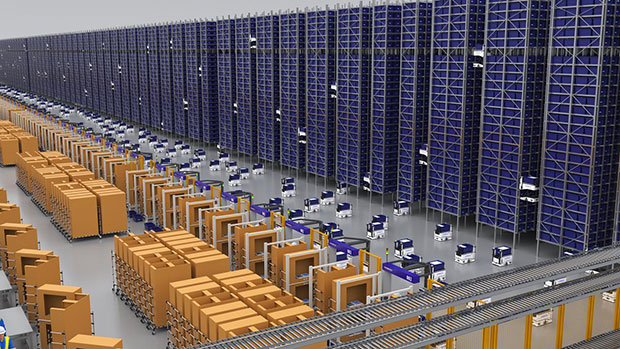
Hai Robotics Selected for World's Largest Rack-Climbing Robot Deployment in E-Commerce
Hai Robotics has been chosen to implement automation technology for a large-scale e-commerce fulfillment center operated by a prominent European fashion retailer. This project features the HaiPick Climb system, marking the largest deployment of rack-climbing warehouse robots globally, with over 1,500 units set to be integrated. The significance of this deployment lies in its potential to redefine warehouse automation standards, showcasing the HaiPick Climb as a leading solution for high-performance e-commerce fulfillment. The retailer, already utilizing multiple HaiPick Systems in Europe, is expanding its collaboration with Hai Robotics to enhance operational efficiency and scalability in response to increasing online order volumes. Looking ahead, the integration of more than 1,500 HaiPick Climb robots within a single system highlights Hai Robotics' capability to deliver comprehensive warehouse automation solutions. No further timeline was disclosed at the time of publication.
Industry News
Mercy Medical Center Introduces Innovative Robot for Personalized Shoulder Replacement Surgery
Mercy Medical Center has become the first hospital in its region to implement a new robotic system for shoulder replacement surgery. This innovative technology aims to enhance the precision and personalization of the surgical procedure, particularly benefiting women who may require this treatment as they age. The introduction of this robotic system is significant as it represents a shift towards more advanced and tailored medical interventions. Personalized treatment options in shoulder replacement surgery can lead to improved outcomes and recovery times, addressing the specific needs of patients. Looking ahead, the impact of this technology on surgical practices and patient care will be crucial to monitor. As more hospitals adopt similar robotic systems, the landscape of orthopedic surgery may evolve, potentially setting new standards for patient treatment and surgical efficiency. No further timeline was disclosed at the time of publication.
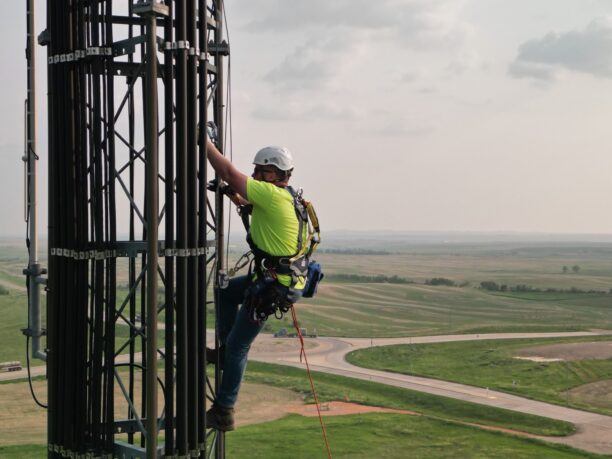
Northern Plains UAS Test Site Showcases BVLOS Medical and Agricultural Demos on Vantis
On September 16, 2026, the Northern Plains UAS Test Site (NPUASTS) hosted live flight demonstrations at Gorman Field, showcasing medical logistics and agricultural applications using the Vantis UAS system. The event was attended by state aviation officials during the National Association of State Aviation Officials (NASAO) Annual Convention, highlighting the capabilities of beyond-visual-line-of-sight (BVLOS) operations. The demonstrations featured CVS Health's mobile pharmacy concept, which illustrated how BVLOS aircraft can deliver critical medical supplies, emphasizing the potential for unmanned aircraft to enhance healthcare supply chains. Trevor Woods, executive director of NPUASTS, noted the importance of integrating aircraft, infrastructure, and technology to support meaningful community applications. Looking ahead, the event underscored the need for secure communications and scalable infrastructure as BVLOS operations evolve. Thales North America highlighted its role in providing the technology platform necessary for large-scale UAS operations. No further timeline was disclosed at the time of publication.
Advanced Air Mobility Drone News Drone News Feeds News State Government State Legislation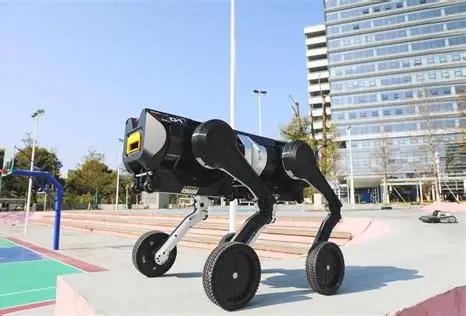
Benmo Power Successfully Passes HK Listing Hearing as Student of Li Zexiang Launches IPO
On September 17, Benmo Power (Beijing) Technology Co., Ltd. successfully passed its listing hearing with the Hong Kong Stock Exchange. Founded by Zhang Di, a graduate of Beijing Institute of Technology and a master's student under Li Zexiang at Hong Kong University of Science and Technology, the company focuses on robot technology with direct drive technology as its core capability. Benmo Power primarily engages in the sales of robot power modules in China, with projections indicating that by 2025, the company will achieve a total revenue of 282 million yuan, with approximately 97.4% of this revenue coming from direct drive modules for consumer products like robotic vacuum cleaners. According to Frost & Sullivan, the company ranks eighth in China's consumer robot power module industry with a 2.4% market share and holds the top position in the direct drive module sector with a 61.1% market share. Looking ahead, Benmo Power's product line is set to expand, with the upcoming release of the P0610 series embodied joint modules in 2026. The company's ability to transition from component sales to complete robot systems will be crucial in capturing the humanoid robot market, which represents a significant growth opportunity in the robotics sector.
Robotics Direct Drive Technology Consumer Robotics IPO Automation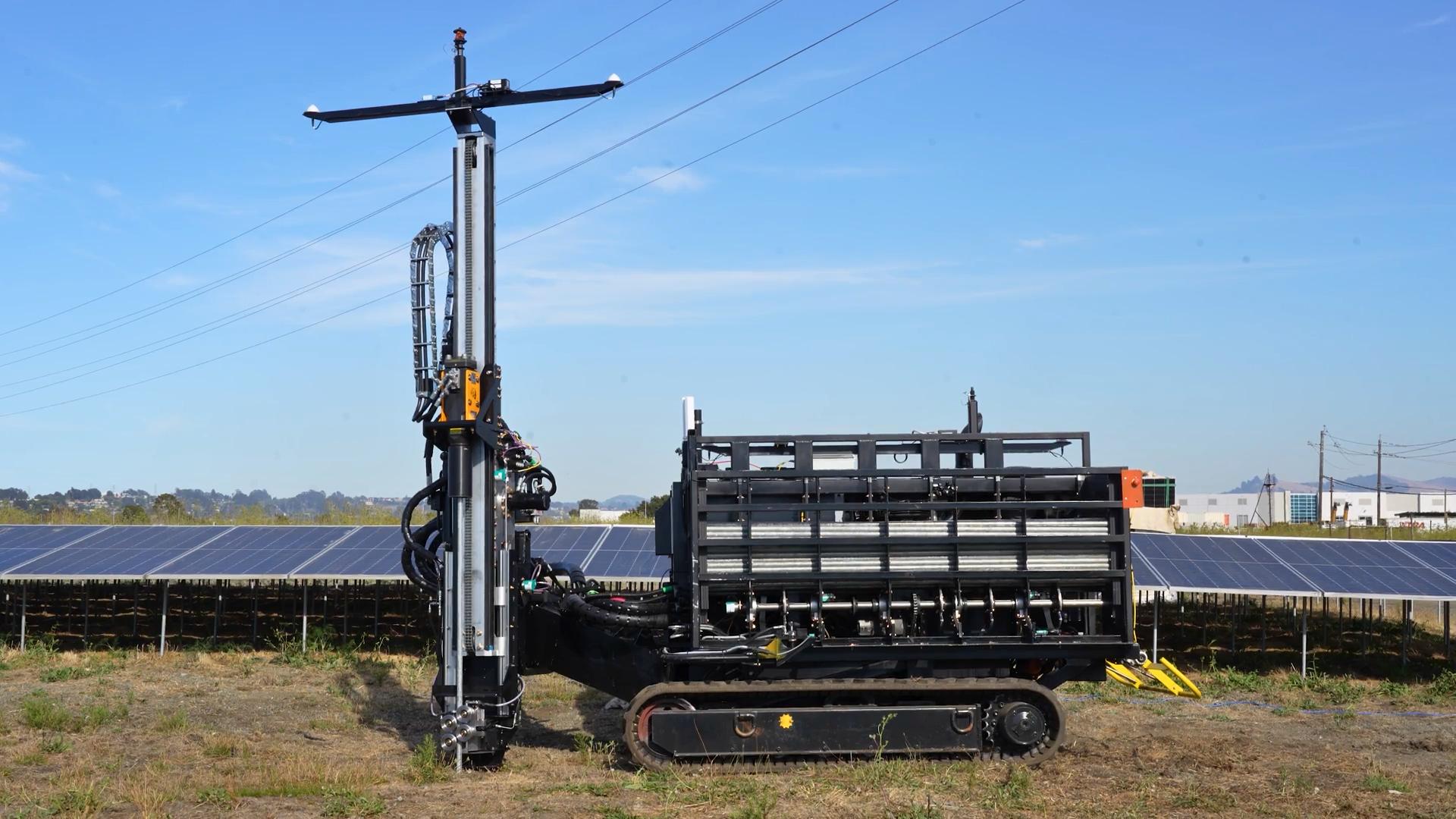
Planted Secures $31.8 Million to Enhance Robotic Solar Project Deployment
Planted has successfully raised $31.8 million to expand its fleet of autonomous construction robots and introduce Sage, a next-generation system aimed at enhancing solar project deployment. Sage is anticipated to be operational by late 2026, promising to deliver over double the productivity of Planted's current robots. This funding round, co-led by Piva Capital and RA Capital Management Planetary Health, with contributions from notable investors such as Google and Khosla Ventures, will enable Planted to scale its robotic fleet and meet growing demand. The company’s innovative solar construction system is designed to operate on challenging terrains and significantly increase energy production compared to traditional systems. Looking ahead, Planted's project pipeline exceeds 20 gigawatts, with plans to deploy 100 megawatts in 2026 alone. The introduction of Sage units will further enhance capacity as they are rolled out. No further timeline was disclosed at the time of publication.
AI AI Funding & Investment Robotics autonomous construction Breakthrough Energy Ventures funding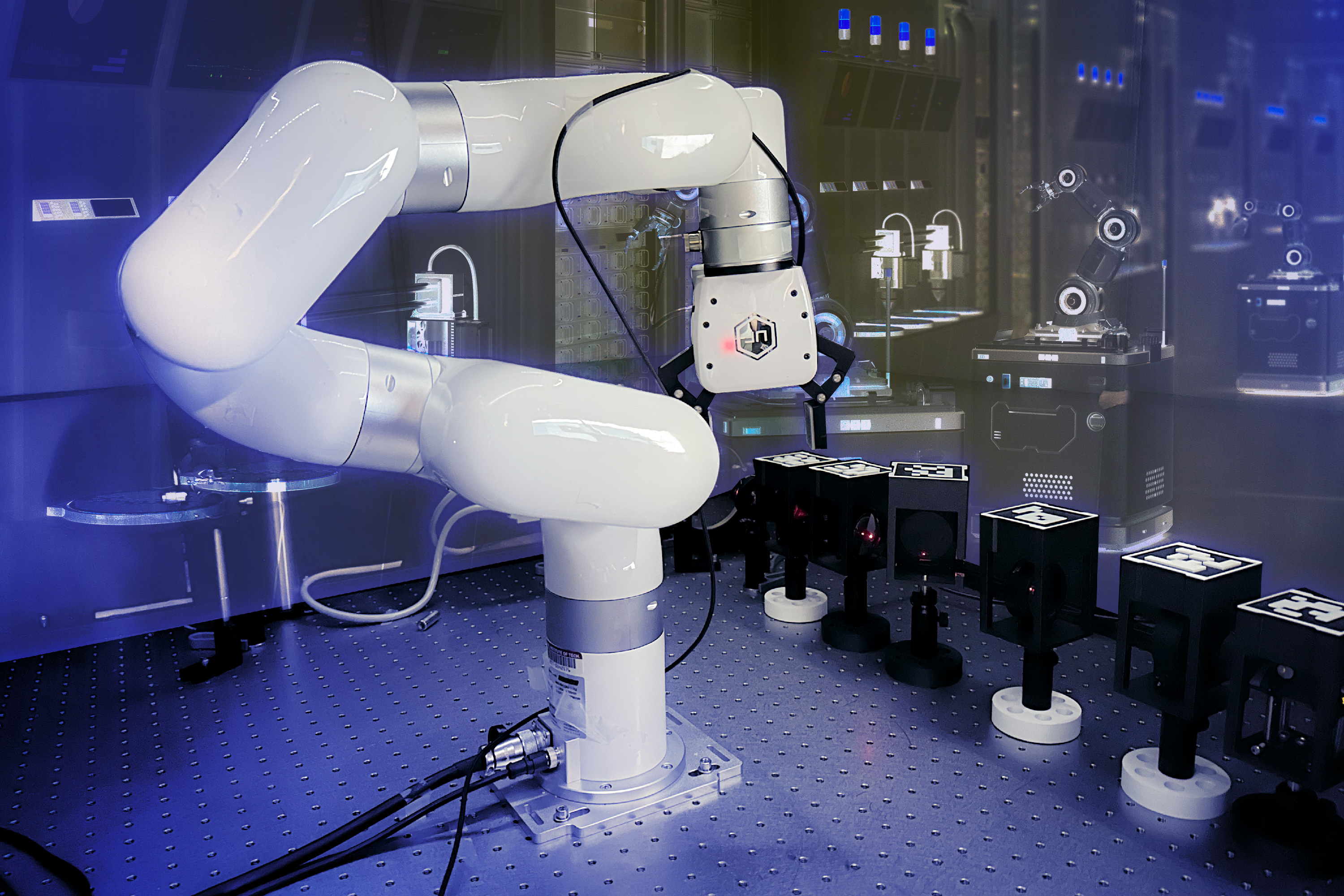
MIT Develops Robotic Lab for Automated Optics Experiments with Micron Precision
MIT scientists have created a reconfigurable robotic optics laboratory capable of autonomously assembling and fine-tuning optical experiments. This innovative system can manipulate components with micron-scale precision, allowing for the construction of complex setups like tabletop laser cavities. The robotic lab aims to streamline the tedious process of optics experimentation, potentially enabling scientists to conduct experiments remotely through a cloud-based application. The significance of this development lies in its potential to revolutionize the field of optics by automating labor-intensive tasks. By freeing scientists from the manual setup of experiments, the robotic lab could accelerate scientific discovery and innovation. As noted by Marin Soljacic, the automation could allow researchers to focus on more creative aspects of their work, enhancing the pace of scientific progress. Looking ahead, the MIT team plans to present their findings at the upcoming Intelligent Robots and Systems (IROS) conference. They are also working on expanding the capabilities of the robotic lab, including improved physical sensing and maneuvering, as well as the development of a virtual access application for remote experimentation. No further timeline was disclosed at the time of publication.
Research Automation Computer vision Light Photonics Physics
RealMan Robotics Initiates Deployment of Nearly 1,000 Robots in Various Workplaces
RealMan Robotics has announced a significant initiative to deploy nearly 1,000 robots across various real-world workplaces. This initiative is part of their Global Link Network (GLN) and was unveiled at the 2026 World Robot Conference in Beijing, where the company is showcasing its robots performing tasks in sectors such as pharmacy, energy, food production, and manufacturing. The deployment of these robots is crucial as it highlights RealMan's commitment to integrating advanced robotics into everyday work environments. By demonstrating their 'Real-Work Robots' at the conference, the company aims to illustrate the practical applications of robotics technology in enhancing productivity and efficiency across multiple industries. Looking ahead, industry observers will be keen to see how RealMan's deployment progresses and the impact it has on the sectors involved. No further timeline was disclosed at the time of publication.
Communications Events Robotics automation embodied intelligence gln
China Mobile Launches Open-RAIL Engineering Base for VLA and WAM Robot Models
China Mobile has announced the open-source release of Open-RAIL, an engineering base designed to integrate vision-language-action and world-action-model systems with robotic platforms. This innovative framework allows for seamless model inference, real-robot execution, data feedback, and model iteration within a unified workflow. The significance of Open-RAIL lies in its ability to support four heterogeneous robots and ten VLA or WAM models, making it a versatile tool for developers. The project claims that new models can be integrated with only 50 to 100 lines of code, while its hardware-abstraction layer ensures standardized control, state reading, and action execution across various robot platforms. Looking ahead, the adoption of Open-RAIL could streamline the development process for robotics applications, enhancing interoperability among different systems. No further timeline was disclosed at the time of publication.
News Feed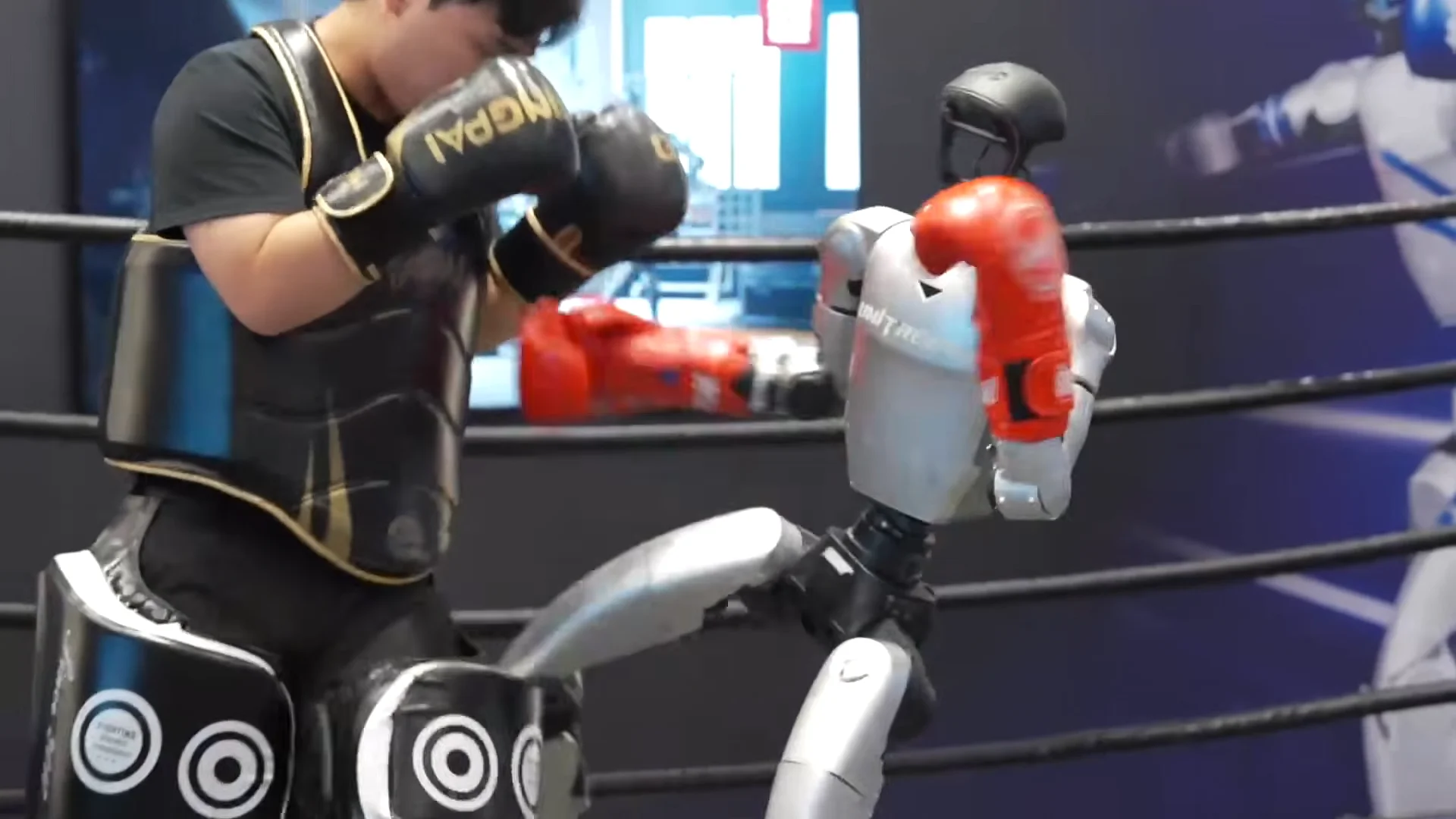
Unitree Robotics Introduces AI Models UniFoLM, WLA, and X2 for Enhanced Robot Functionality
Unitree Robotics has unveiled its AI models, UniFoLM, WLA, and X2, aimed at improving robot interaction with their environment. These models address the challenge of enabling machines to operate autonomously rather than relying on human direction. The significance of these developments lies in their potential to transform humanoid robots into practical tools for homes and workplaces. The software advancements are crucial for interpreting instructions, managing unfamiliar objects, and ensuring recovery from errors during tasks. Looking ahead, the focus will be on how these models can be integrated into various applications, enhancing the capabilities of robots in real-world scenarios. No further timeline was disclosed at the time of publication.
Unitree Robotics China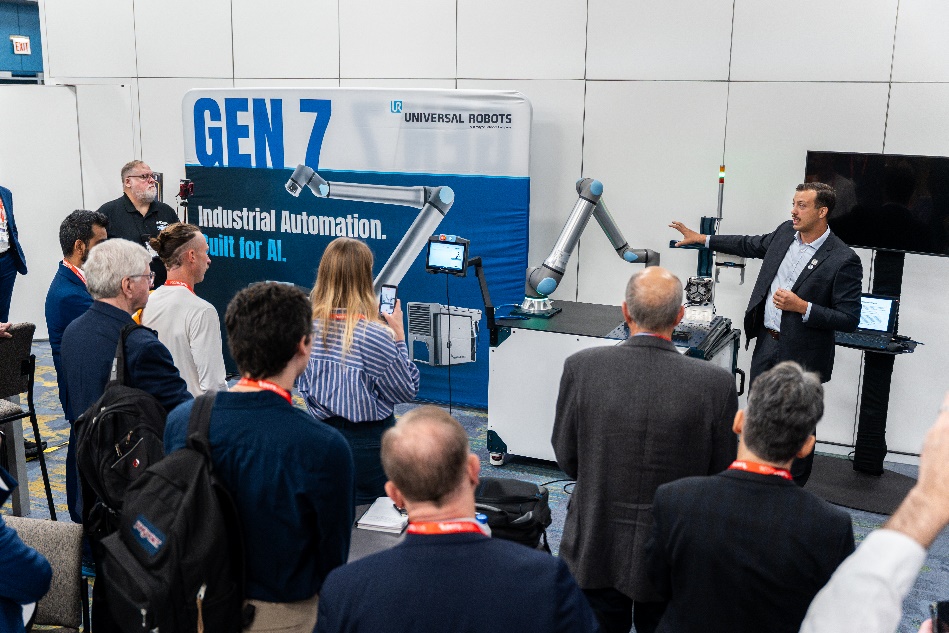
YouRobot Launches Gen 7 Platform for Enhanced Industrial Automation and Physical AI Deployment
YouRobot has introduced its new Gen 7 platform aimed at facilitating large-scale deployment of industrial automation and physical AI. This innovative platform is designed to enhance operational efficiency and adaptability in various industrial settings. The significance of the Gen 7 platform lies in its potential to transform how industries implement automation solutions. By leveraging advanced AI capabilities, YouRobot aims to address the growing demand for intelligent systems that can operate autonomously and improve productivity. Looking ahead, industry stakeholders should monitor the adoption rates of the Gen 7 platform and its impact on operational workflows. The response from the market will be crucial in determining the platform's success and its role in shaping the future of industrial automation.
Robotics Automation AI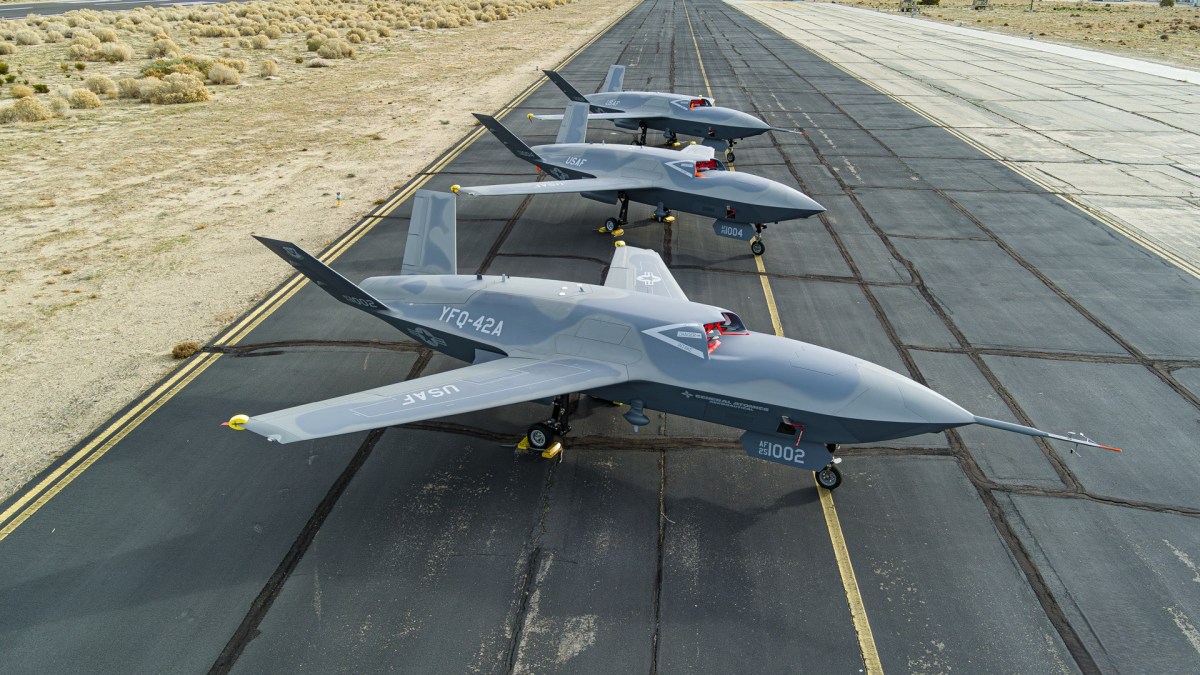
U.S. Air Force's Collaborative Combat Aircraft to Participate in December Emerald Flag Exercise
The U.S. Air Force's Collaborative Combat Aircraft (CCA) will make their debut in a large-force employment exercise, Emerald Flag, in December. This marks a significant milestone in operationalizing these drones, as Lt. Col. Lyndon Bartlett emphasized the importance of integrating CCAs into real-world scenarios. Emerald Flag, which began in 2020, focuses on enhancing aerial networking and command capabilities, crucial for future CCA operations. The exercise will serve as a foundational step in building trust in autonomous systems, which is vital for their tactical deployment. The Air Force's initial CCA fleet will include General Atomics FQ-42A Vengeance and Anduril FQ-44 Fury drones. Looking ahead, the outcomes of the Emerald Flag exercise will provide valuable insights into the operational capabilities of CCAs, including their deployment and maintenance in diverse environments. No further timeline was disclosed at the time of publication.
Air Air Forces Collaborative Combat Aircraft Drones News & Features U.S. Air Force
Tesla's Cybercab Launch Underwhelms, Leaving Waymo Dominant in Robotaxi Market
Tesla, Inc. (NASDAQ:TSLA) launched its Cybercab on September 3 in Austin, Texas, but the event fell short of expectations, leading to a quick decline in stock value. The company showcased a brief video of the two-seat, steering-wheel-free vehicle, but investors were left wanting more details on deployment and regulatory compliance. The lack of substantial updates has raised concerns about Tesla's competitiveness in the robotaxi sector, where Alphabet's Waymo currently leads with over 4,000 autonomous vehicles and 500,000 rides per week. Analysts expressed disappointment in the Cybercab launch, with some predicting a slow rollout in Austin, while others noted the potential for Tesla's manufacturing capabilities to eventually catch up. Looking ahead, the NHTSA's ongoing audit of Tesla's self-certification for the Cybercab could impact the company's expansion plans. Investors are advised to monitor this regulatory review closely, as the profitability challenges faced by all players in the robotaxi market, including Waymo, remain unresolved. No further timeline was disclosed at the time of publication.
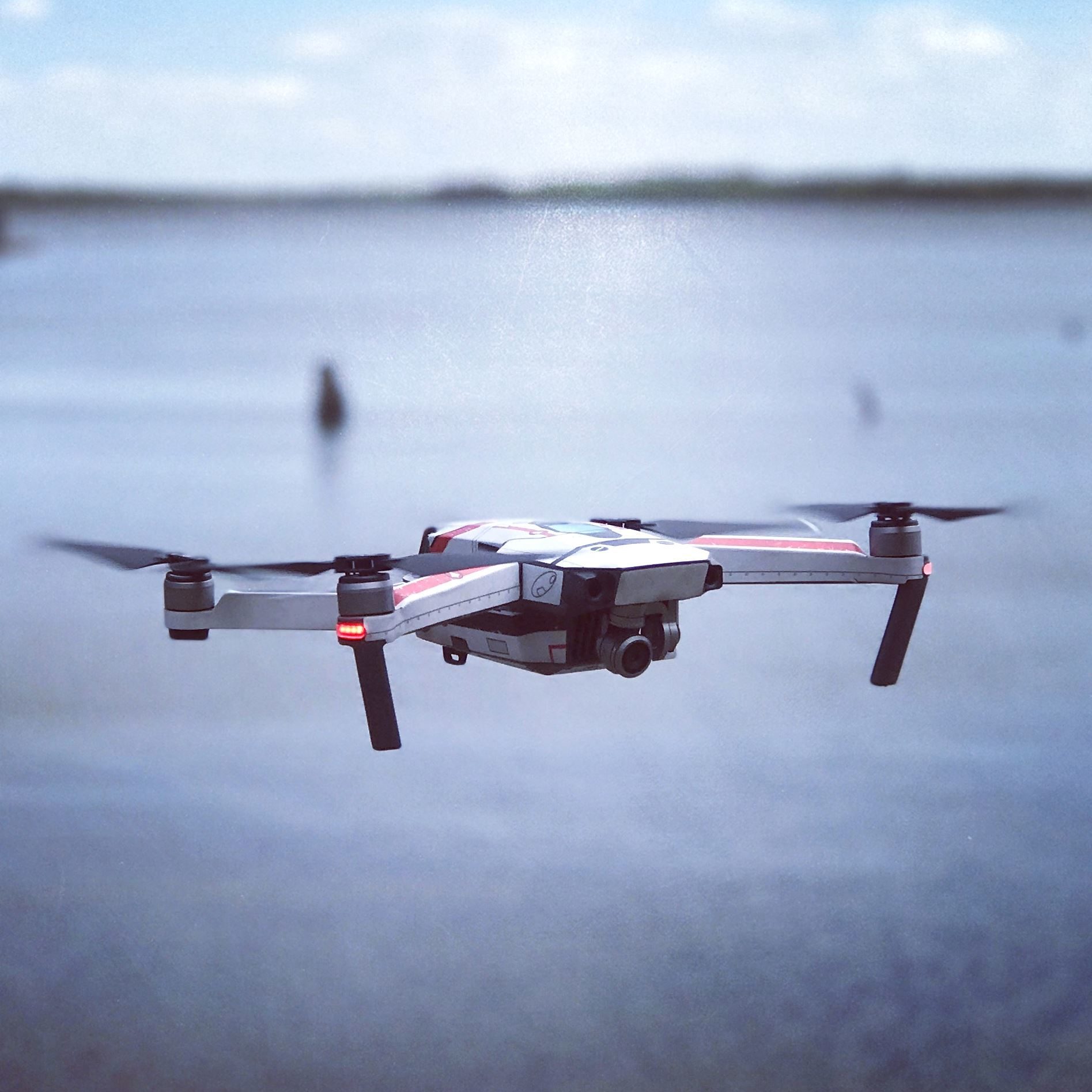
FCC Approves Nationwide Testing of Cellular Networks for Drone Safety Applications
The Federal Communications Commission (FCC) has eliminated a regulatory barrier to facilitate nationwide testing of commercial wireless networks on drones and general aviation aircraft. This order, effective September 11, supports the Department of Transportation's Mobile Network Aviation Assessment Program (MNAAP), which aims to evaluate wireless signal quality across various locations and altitudes in the contiguous United States. This initiative is significant as it seeks to determine the capability of commercial networks to support safety-related aviation services, including UAS command and control, autonomous detect and avoid systems, and counter-UAS detection. The waiver creates a controlled testing environment for participants approved by the Department of Transportation, allowing for the collection of crucial data on mobile broadband service performance. Looking ahead, the MNAAP may authorize up to 2,000 general aviation pilots to utilize a dedicated app on standard devices to report findings to a centralized database. Additionally, dedicated modules may be deployed on up to 200 UAS for targeted testing. This program could enhance understanding of airborne network performance, although the effectiveness of ground-based cellular infrastructure in aerial operations remains to be fully assessed.
Drone News Drone News Feeds News US Government BVLOS cellular connected drones
Boston Dynamics Introduces Industrial-Style Head for Atlas Robot Design
Boston Dynamics has redesigned its Atlas robot, incorporating an industrial-style head instead of human-like features. Mechanical engineer Taylor Frey-Baker emphasized that Atlas is intended for industrial environments, thus its appearance should reflect that purpose. The head lacks facial features and includes light rings that communicate the robot's operational status and intentions to nearby workers. This design choice is significant as it prioritizes safety and efficiency in shared workspaces. The head's lighting interface provides immediate visual cues about Atlas's actions, reducing ambiguity in industrial settings. The robot is equipped with HDR stereo cameras that enhance environmental perception, allowing operators to navigate challenging lighting conditions effectively. Looking ahead, the integration of the head as a sensor carrier and status indicator positions Atlas to work safely and predictably alongside human workers in factories and warehouses. No further timeline was disclosed at the time of publication.
Industrial Robots Robot Design Automation Technology Safety Systems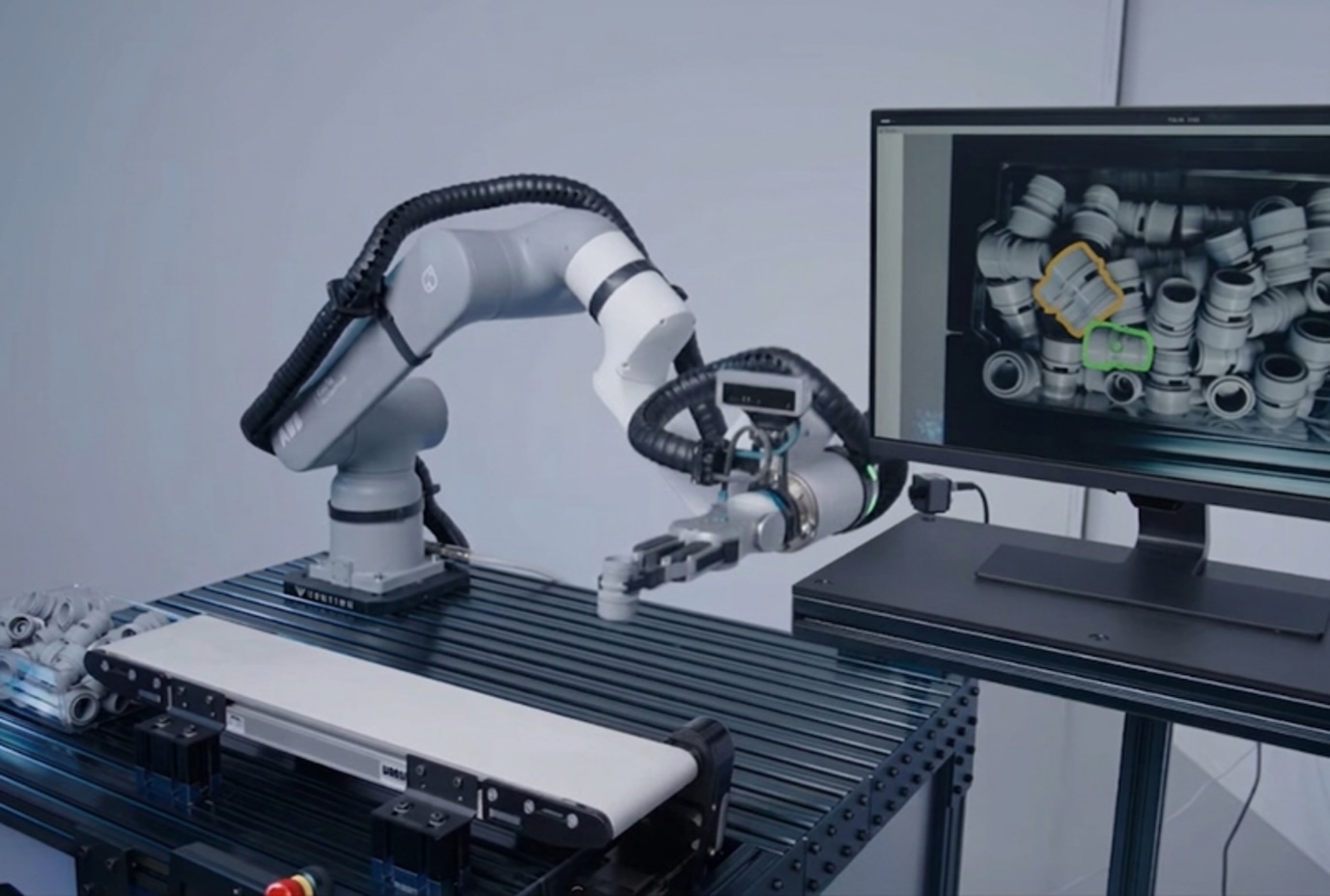
CSGE Enhances Multi-View 3D Detection in Robotic Systems with Modular Cross-Spatial Representation
The Journal of Field Robotics has published an early view article detailing the development of CSGE, a modular cross-spatial guided space representation designed to improve multi-view 3D detection in robotic systems. This innovative approach aims to enhance the accuracy and efficiency of 3D perception in various robotic applications. The significance of CSGE lies in its potential to address challenges in multi-view 3D detection, which is crucial for the effective operation of robotic systems in complex environments. By utilizing a modular design, CSGE allows for flexible integration into existing robotic frameworks, potentially leading to advancements in automation and intelligent manufacturing. Looking ahead, the industry will be monitoring the implementation of CSGE in real-world robotic applications and its impact on performance metrics. Further developments and research findings related to this technology may provide insights into its broader applicability and effectiveness in enhancing robotic perception capabilities. No further timeline was disclosed at the time of publication.
RESEARCH ARTICLE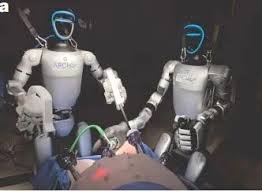
Humanoid Robot Successfully Performs Gallbladder Surgery on Live Pigs, According to Nature Study
A research team from the University of California, San Diego, utilized the humanoid robot developed by Yushu Technology to perform gallbladder surgeries on live pigs, marking a significant milestone in robotic surgery. This is the first instance of a humanoid robot conducting live surgeries, showcasing its potential in clinical settings. The significance of this research lies in its exploration of humanoid robots in surgical environments, which have traditionally relied on specialized robotic systems like the da Vinci Surgical System. The study highlights the humanoid robot's ability to operate in existing surgical environments without requiring extensive modifications, potentially reducing costs and increasing accessibility. Looking ahead, while the humanoid robot demonstrated notable advancements, it still faces challenges in precision compared to specialized surgical robots. The study indicates that further developments are needed before humanoid robots can be considered for clinical use. No further timeline was disclosed at the time of publication.
Humanoid Robots Surgical Robotics Medical Technology Robotic Surgery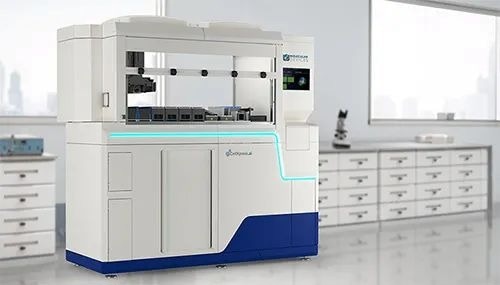
Molecular Devices and STEMCELL Introduce Automated Workflow for Human Organoid Culture
Molecular Devices, a Danaher company, and STEMCELL Technologies have announced a validated automated workflow designed for human intestinal organoid culture. This workflow utilizes STEMCELL's IntestiCult™ Plus Organoid Growth Medium in conjunction with the Molecular Devices CellXpress.ai Automated Cell Culture System. The introduction of this automated workflow is significant as it enhances the efficiency and reliability of culturing human intestinal organoids, which are crucial for various research applications in life sciences. By integrating advanced automation, researchers can expect improved consistency and reproducibility in their experiments. Looking ahead, the collaboration between Molecular Devices and STEMCELL Technologies may lead to further innovations in automated laboratory workflows. No further timeline was disclosed at the time of publication.
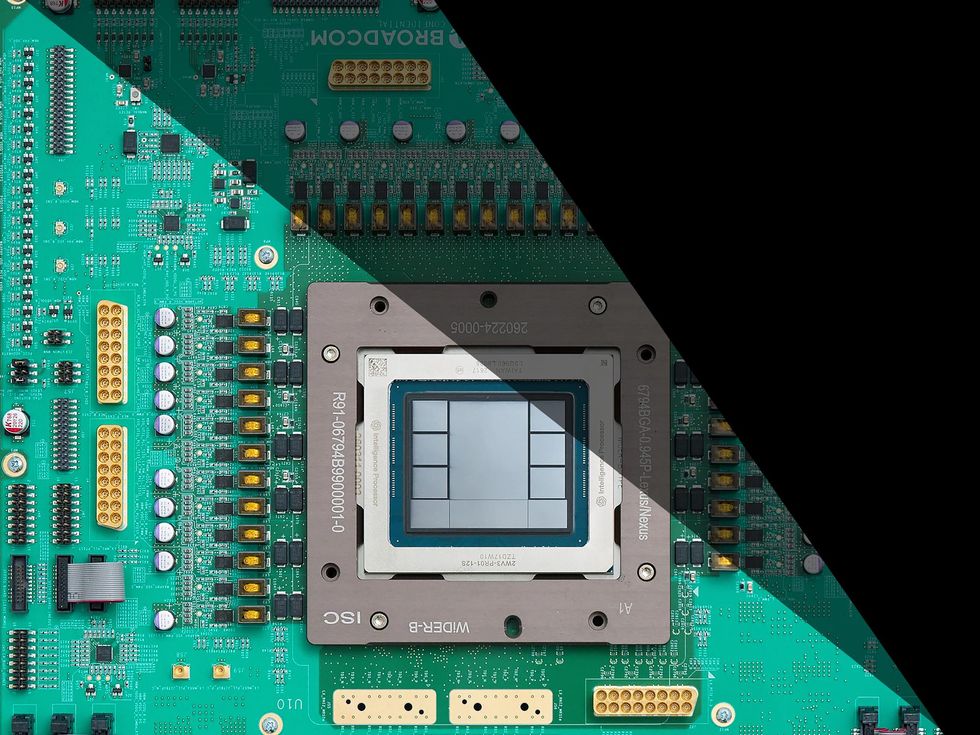
OpenAI Launches Jalapeño Chip, Leveraging LLMs for Accelerated Design Process
On August 25, OpenAI introduced Jalapeño, its first AI accelerator chip, achieving up to 13.4 petaflops of 4-bit compute and accessing 232 gigabytes of advanced memory at 15.4 terabytes per second. Jalapeño reportedly reduces end-to-end latency by up to 3.6 times compared to Nvidia's GB300 while consuming less power. The significance of Jalapeño lies not only in its performance metrics but also in the innovative design process, which was expedited using OpenAI's large language models (LLMs). The chip's development timeline spanned under 20 months, with only nine months from the first RTL code to tapeout, showcasing the potential of LLMs in chip design. Looking ahead, OpenAI's collaboration with Broadcom and the integration of LLMs into chip design tools could lead to even faster development timelines. As LLM capabilities improve, the industry may witness a transformation in how chips are designed and manufactured, with OpenAI at the forefront of this evolution.
Openai Llms Chip-design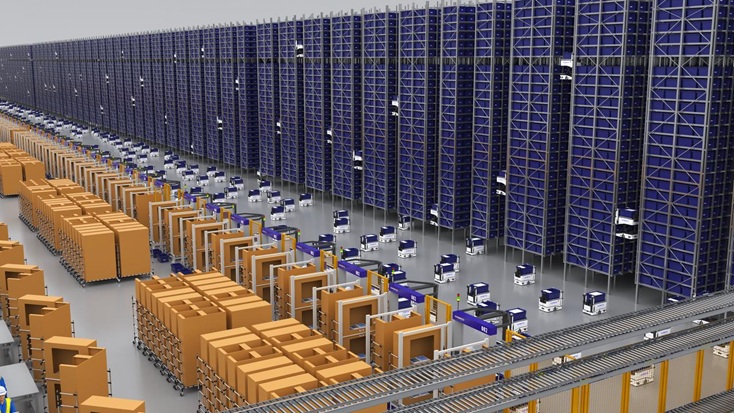
Hai Robotics Chosen for Largest Deployment of Rack-Climbing Warehouse Robots Globally
Hai Robotics has been selected to implement automation technology for a major e-commerce fulfillment center operated by a leading European fashion retailer. This project features the HaiPick Climb system, marking the largest deployment of rack-climbing warehouse robots in the world, with over 1,500 units set to enhance operational efficiency. The significance of this deployment lies in its potential to redefine warehouse automation standards, showcasing HaiPick Climb as a premier solution for high-performance e-commerce fulfillment. The retailer's expansion of its partnership with Hai Robotics emphasizes the growing demand for scalable automation solutions in response to rising online order volumes. Looking ahead, the project underscores the trend towards scalable robotic automation in large-scale fulfillment operations. No further timeline was disclosed at the time of publication.
Industry News
Shanghai AI Laboratory Launches Intern Physical World Model W0 for Robotics Applications
Shanghai Artificial Intelligence Laboratory has introduced the Intern physical world model W0, which features native force-tactile sensing and duplex collaboration capabilities. This model is designed to enhance robotics applications by integrating with Intern InkStone and the science model S2, facilitating closed-loop processes in both wet and dry lab environments. The release of the Intern W0 model is significant as it aims to improve the efficiency of tasks such as lipid nanoparticle synthesis, which is crucial in various scientific and industrial applications. By enabling seamless collaboration between different models, the Shanghai AI Laboratory is positioning itself at the forefront of advancements in robotics and AI technologies. Looking ahead, industry observers should monitor how the integration of the Intern W0 with existing systems will impact research and development in robotics. No further timeline was disclosed at the time of publication.
Robotics needs a service framework.
RSF defines a common language for robot service capability, lifecycle operations, certification pathways, and service-provider networks.
Join the RobotToday community on LinkedIn
Daily robotics news, in-depth analysis, conference highlights, and discussions with professionals worldwide.







