

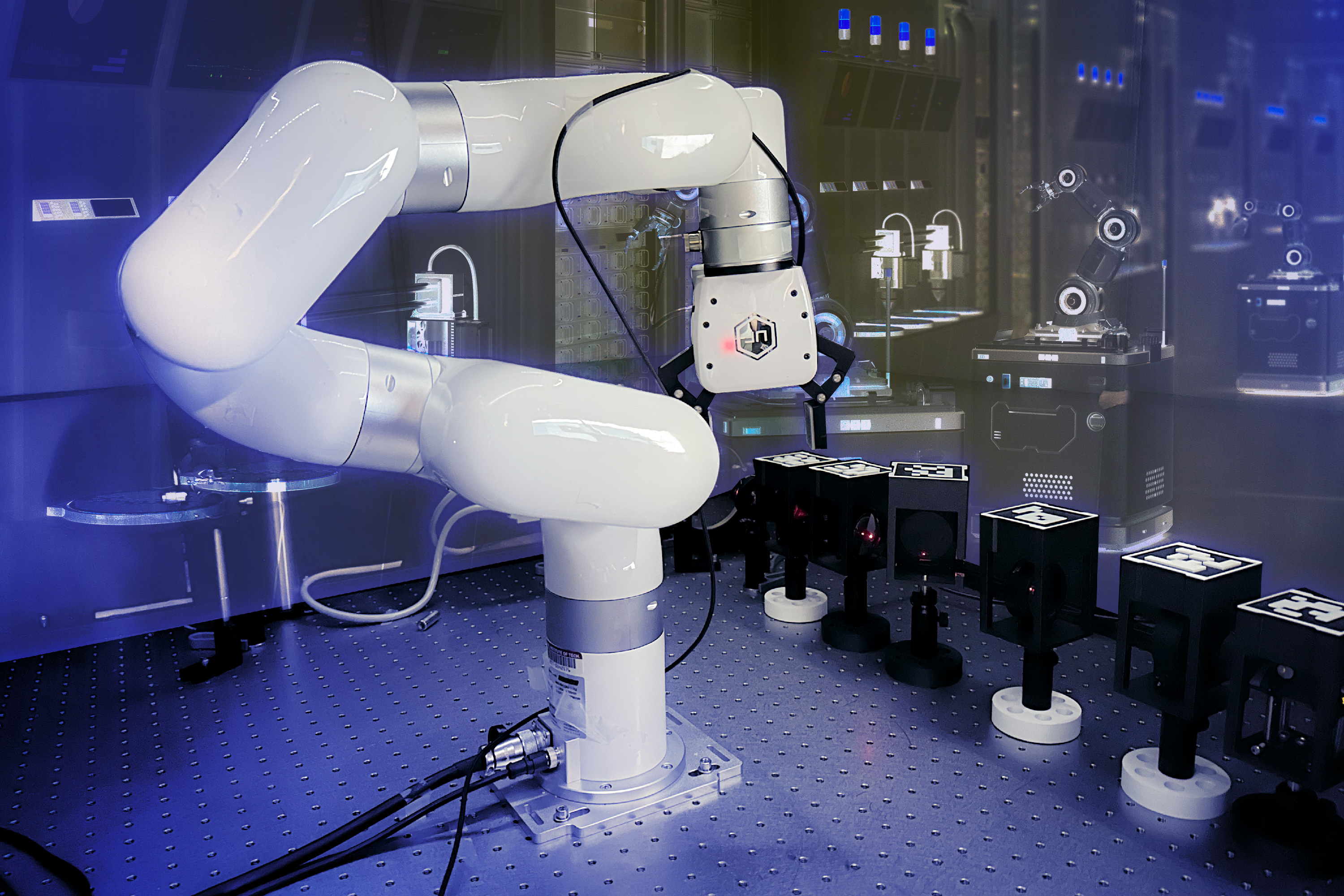
MIT scientists have created a reconfigurable robotic optics laboratory capable of autonomously assembling and fine-tuning optical experiments. This innovative system can manipulate components with micron-scale precision, allowing for the construction of complex setups like tabletop laser cavities. The robotic lab aims to streamline the tedious process of optics experimentation, potentially enabling scientists to conduct experiments remotely through a cloud-based application.
The significance of this development lies in its potential to revolutionize the field of optics by automating labor-intensive tasks. By freeing scientists from the manual setup of experiments, the robotic lab could accelerate scientific discovery and innovation. As noted by Marin Soljacic, the automation could allow researchers to focus on more creative aspects of their work, enhancing the pace of scientific progress.
Looking ahead, the MIT team plans to present their findings at the upcoming Intelligent Robots and Systems (IROS) conference. They are also working on expanding the capabilities of the robotic lab, including improved physical sensing and maneuvering, as well as the development of a virtual access application for remote experimentation. No further timeline was disclosed at the time of publication.
Editor's Note
The introduction of fully automated robotic systems in optics experimentation marks a significant advancement in laboratory automation. This technology could reshape how scientists conduct research, particularly in fields requiring precision and repetitive tasks. As automation continues to evolve, organizations must consider the implications for workforce dynamics and the potential for enhanced productivity in research environments.





























Leave a comment