

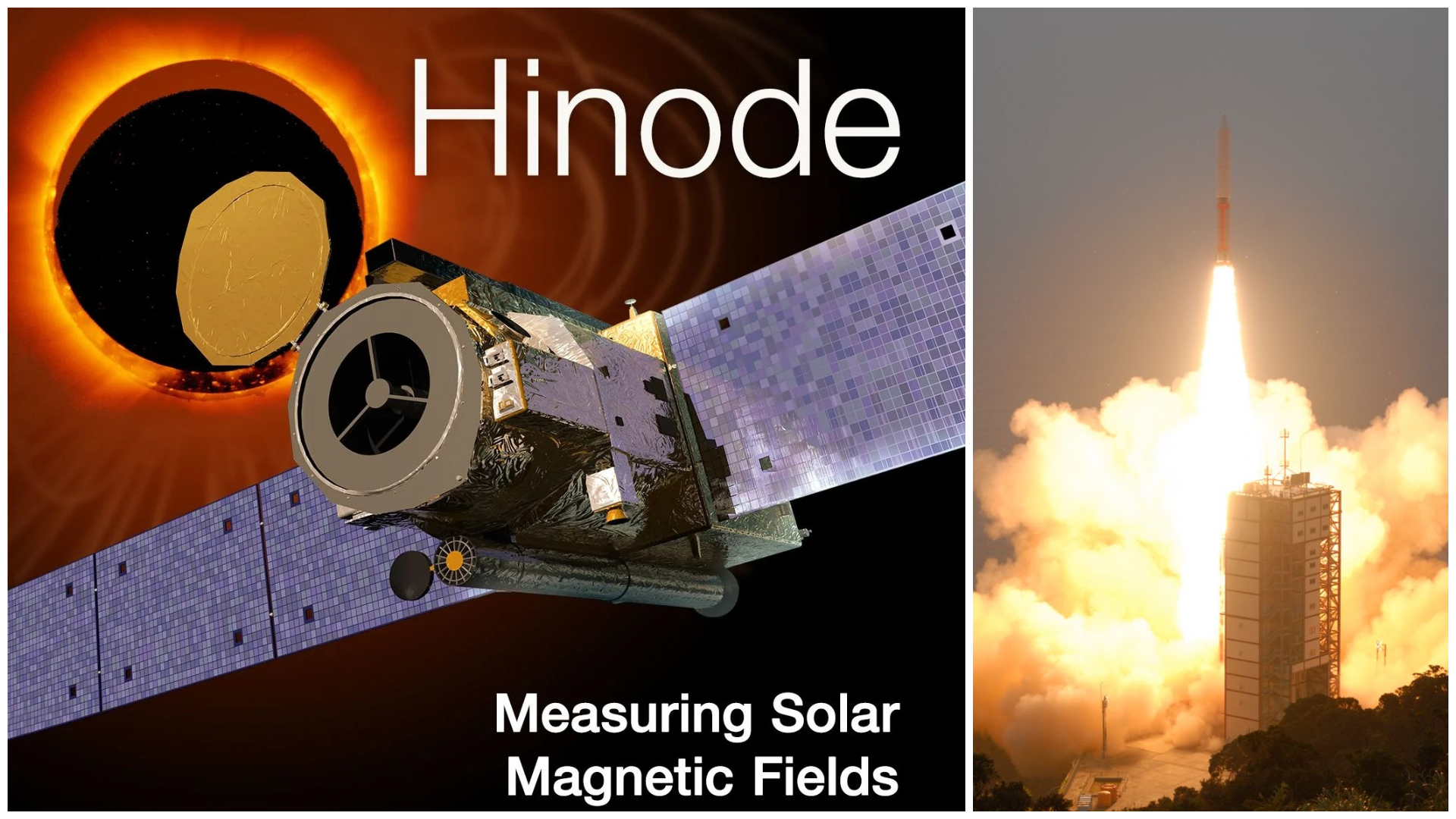
On September 22, 2006, the Japanese Aerospace Exploration Agency (JAXA) launched the Hinode solar observatory, also known as Solar-B. This satellite, named after the Japanese word for 'sunrise,' orbits approximately 400 miles (640 kilometers) above Earth in a sun-synchronous orbit, allowing it to continuously observe the sun.
Hinode has been instrumental in measuring the sun's magnetic fields and capturing images of solar phenomena such as flares and sunspots. The observatory is a collaborative effort involving Japan, the United States, the United Kingdom, and Europe, and it has been studying the sun for over 20 years. Its Solar Optical Telescope is the first dedicated to measuring the sun's magnetic field at the photosphere, according to NASA.
Looking ahead, Hinode's mission was initially extended through 2020, with hopes of lasting until 2022. As of now, it continues to operate effectively beyond that milestone, providing valuable insights into solar activity and its effects on space weather. No further timeline was disclosed at the time of publication.
Editor's Note
The launch of Hinode represents a significant advancement in solar observation technology, enabling unprecedented studies of solar magnetic fields and phenomena. This collaboration among multiple nations underscores the importance of international partnerships in advancing space science and understanding solar dynamics, which can have profound implications for space weather and satellite operations on Earth.




































Leave a comment