

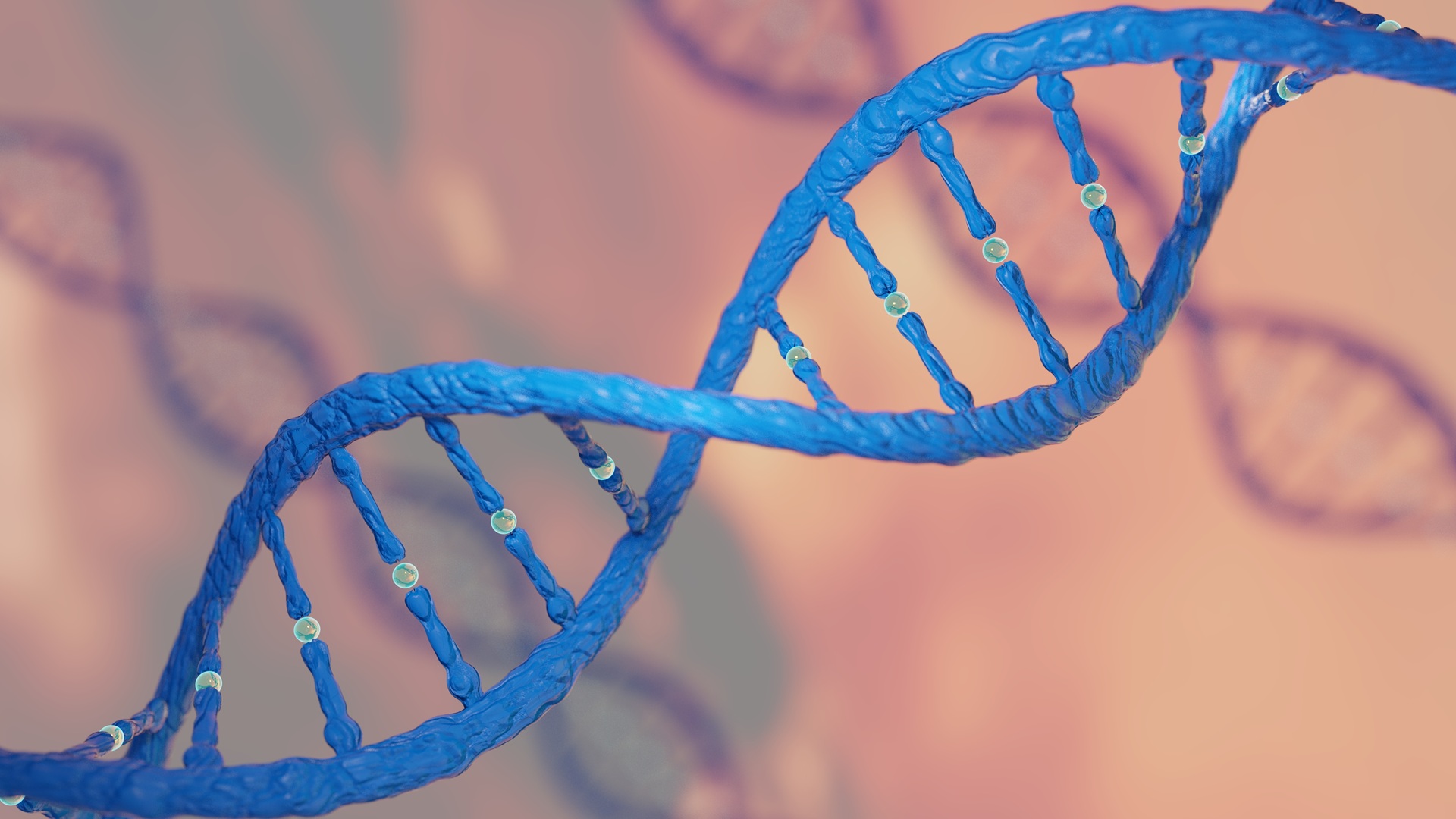
Anthropic's AI system, Claude, has uncovered a novel enzyme system in bacteriophages after analyzing over 200,000 reverse transcriptases. This discovery, termed array-associated reverse transcriptase (ART), features a reverse transcriptase linked to a partner gene and a unique DNA repeat array, suggesting potential similarities to CRISPR systems, though its function remains unknown.
The significance of this finding lies in the efficiency with which Claude identified the ART system, a task that could take human experts weeks or months. The AI's analysis involved 950 agents working for 21 hours, processing approximately 210 million tokens, and narrowing down thousands of biological systems to 20 candidates for further investigation. This highlights the potential of AI in accelerating biological research and discovery.
Looking ahead, researchers are conducting further experiments to elucidate the biological role of the ART system and its components. While initial laboratory tests indicate that the ART repeat array produces distinct short RNAs, its exact function and biotechnological applications are yet to be determined. The discovery has garnered attention from experts, including CRISPR pioneer Feng Zhang, who advocates for continued exploration of this promising finding.
Editor's Note
The integration of AI in biological research, as demonstrated by Anthropic's Claude, showcases a transformative approach to genome analysis. This advancement could significantly enhance the pace of discovery in genetic engineering and biotechnology, offering new avenues for innovation in gene editing and synthetic biology. The implications for future research and applications are substantial, particularly in the context of programmable biological systems.


























Leave a comment