Industry Briefing
A single destination for timely, editor-curated robotics news from around the world.

Chinese Humanoid Robots Gain Traction in Japan's Automation Sector
During a recent event, 80-year-old Hiroyuki Nakamura watched as two humanoid robots from China performed a mechanical dance and presented a gift to him. This moment highlights the evolving industrial relationship between China and Japan. By the first half of 2026, Chinese manufacturers are expected to account for 97% of global humanoid robot shipments, totaling approximately 18,500 units, marking Japan as a key battleground for Chinese robotics firms. Japan's need for automation is driven by a labor shortage, transforming automation from an option to a necessity. McKinsey predicts a reduction of about 1.5 million in Japan's available workforce over the next 20 years. A survey in May 2026 revealed that 34% of 220 Japanese companies are considering the introduction of AI robots. The Japanese robotics industry is projected to reach an order value of 10.456 trillion yen in 2025, reflecting a 25.7% year-on-year increase, with a clear demand for solutions that address specific challenges. Chinese companies are gradually penetrating various sectors in Japan, from logistics to dining and manufacturing. In June 2026, UTree Technology signed an agreement with GMO Internet Group to introduce the G1 humanoid robot in Japan. However, entering the Japanese market requires time and a focus on building long-term relationships and after-sales support, as Japanese clients prioritize stability over speed. Observers suggest that for Chinese robotics firms, expanding into Japan should be viewed as a long-term strategic initiative rather than a short-term tactic.
Humanoid Robots Automation Japanese Market Robotics Industry
Chinese Humanoid Robots Break Human Records in 100m Sprint and High Jump at Beijing Games
On the opening day of the World Humanoid Robot Games in Beijing, Chinese humanoid robots achieved remarkable feats by breaking human records. Notably, they surpassed Usain Bolt's world record in the 100-meter sprint, showcasing their advanced capabilities. This achievement is significant as it highlights the rapid advancements in robotics technology, particularly in humanoid design and performance. The ability of these robots to outperform human athletes in such competitive events underscores the potential for robotics in various applications, including sports and entertainment. Looking ahead, it will be interesting to see how these developments influence future competitions and the evolution of humanoid robotics. No further timeline was disclosed at the time of publication.
Robotics
FCC Expands Ban to Include Humanoid Robots and Inverters from Chinese Manufacturers
The Federal Communications Commission (FCC) has broadened its ban to encompass humanoid robots and inverters, specifically targeting Chinese manufacturing. This move reflects growing concerns over national security and the integrity of supply chains involving advanced technologies from China. This escalation in scrutiny is significant as it highlights the increasing tension between the U.S. and China regarding technology and manufacturing. The FCC's actions may impact various sectors reliant on these technologies, potentially leading to disruptions in supply chains and innovation in robotics and automation. Looking ahead, stakeholders in the robotics and manufacturing industries should monitor the developments closely, as further regulatory measures may be introduced. No further timeline was disclosed at the time of publication.
Robotics Automation AI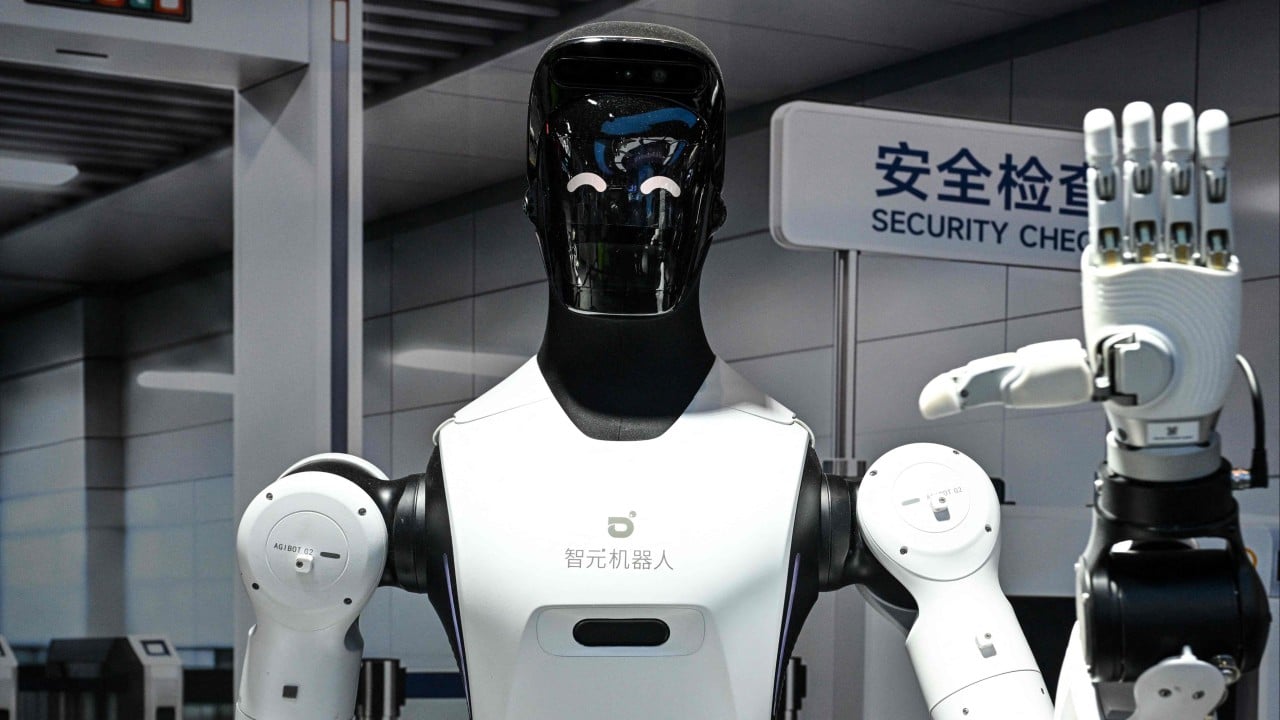
US House Passes Bill to Ban Military Use of Chinese Humanoid Robots Amid Tech Rivalry
The US House of Representatives has passed the National Defence Authorisation Act (NDAA), which includes a ban on the military's use of Chinese-made humanoid robots. This legislation reflects growing concerns over national security and data privacy, as it prohibits the Pentagon from procuring or operating robotic systems linked to foreign adversaries like China, Russia, and Iran. This move is significant as it marks an expansion of US scrutiny over Chinese technology, particularly in the realm of autonomous systems. The NDAA incorporates elements of the proposed Guarding the US Against Adversarial Robotics Dominance (GUARD) Act, although it does not include the most stringent measures that would affect commercial sales of these technologies. Looking ahead, while the current legislation focuses on military procurement, the implications for commercial sales remain uncertain. Lawmakers have yet to address the broader concerns raised by the GUARD Act, which could lead to further restrictions on Chinese robotic systems in the future. No further timeline was disclosed at the time of publication.
Chinese Humanoid Robots Experience Over 400% Growth in European Market by Mid-2026
The Chinese humanoid robot industry is rapidly reshaping the competitive landscape in Europe, with shipments to the region projected to grow over 400% year-on-year by mid-2026. This surge has positioned Europe as the largest overseas market for Chinese humanoid robots, surpassing North America. This growth is significant as it highlights the systemic advantages Chinese companies have in hardware cost control, mass production capabilities, and product iteration speed. European humanoid robot firms face challenges such as long R&D cycles and high production costs, with prices often exceeding $200,000 per unit. In contrast, Chinese companies leverage a complete supply chain ecosystem to offer similar products at one-third the price or lower, maintaining performance without compromise. The acceptance of Chinese humanoid robots in Europe is expected to continue growing, driven by labor shortages and rising employment costs in the region. Several European automotive and electronics firms are already testing Chinese humanoid robots on production lines, aiming to automate high-risk and repetitive tasks within three years. No further timeline was disclosed at the time of publication.
Humanoid Robots Automation Manufacturing Robotics
Chinese Automakers Embrace Humanoid Robots Following Tesla's Lead for Profit Potential
Chinese automakers are increasingly investing in humanoid robots, inspired by Tesla's advancements in the field. Xpeng's robotics unit recently raised over $900 million, achieving a valuation exceeding $6.3 billion, marking the largest single-round private financing in China's embodied AI sector. This surge in investment reflects a growing belief in the profitability of humanoid robots, with several companies, including Chery Automobile and BYD, also entering the market. The interest from Chinese automakers is significant as they leverage their manufacturing capabilities to develop humanoid robots. Xpeng, in particular, is closely following Tesla's initiatives, with CEO Michael Dunne noting their commitment to autonomy and humanoid robotics. The investment from Xpeng's founders, totaling around $100 million, underscores their confidence in the potential of robots like Iron, designed for commercial use. As the competition intensifies, the focus will be on whether these companies can match Tesla's AI advancements. Other players in the humanoid robot space, such as Agility Robotics and Apptronik, are also striving for large-scale commercial deployment. No further timeline was disclosed at the time of publication.
Robotics Transportation Tesla Xpeng
Chinese Robots Break Usain Bolt's 100-Meter Record at World Humanoid Robot Games
Chinese robots have surpassed Usain Bolt's 100-meter dash record during the World Humanoid Robot Games in Beijing. The Tiangong Ultra, developed by the Beijing Humanoid Robot Innovation Center, completed the race in 9.39 seconds, while the Honor-developed Lightning followed closely at 9.47 seconds. This achievement is significant as it highlights the advancements in bipedal robot technology, showcased at an event likened to an annual robot Olympics. The World Humanoid Robot Games, launched in 2025, features 2,056 robots from 16 countries competing in various categories, including sprinting and jumping. Looking ahead, the event continues to attract attention for its innovative displays of robotics. Tiangong Ultra also set a record in the 400-meter race, finishing in 38.16 seconds, outperforming the previous record held by Wayde van Niekerk. No further timeline was disclosed at the time of publication.
Entertainment News Robot Sports Tech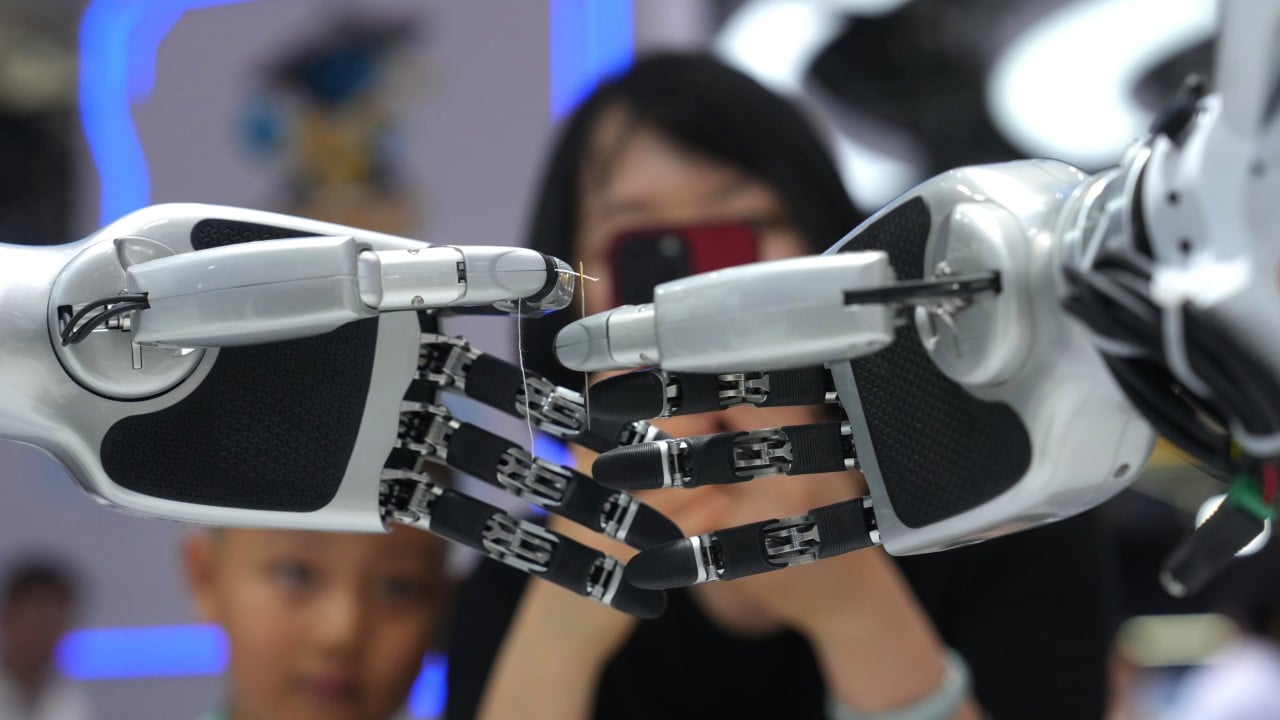
Chinese Robotics Industry Shifts Focus from Humanoid Designs to Practical Applications
The robotics industry is witnessing a transition from showcasing humanoid robots to practical deployments. At Unitree Robotics' booth, bipedal robots demonstrated impressive skills in activities like table tennis and combat, showcasing advancements in speed and balance. However, other exhibitors highlighted robots that efficiently sorted parcels and moved materials, emphasizing functionality over form. This shift is significant as it reflects a growing preference for robots that can perform specific tasks effectively. Yang Li, a senior engineer at X Square Robot, questioned the necessity of bipedal designs, noting that their two-armed WALL-B model sorted 1,816 packages in a controlled test, outperforming the bipedal Figure 03 robot from Figure AI, which managed 1,248 parcels per hour. This trend indicates a move towards more practical robotic solutions in various industries. Looking ahead, the focus on efficiency and task-oriented designs is likely to continue shaping the robotics landscape. With companies like AI2 Robotics showcasing versatile wheeled robots capable of making coffee and ice cream, the industry may prioritize robots that can adapt to different functions over traditional humanoid forms. No further timeline was disclosed at the time of publication.

Chinese Company Pioneers Direct-Drive Tendon Technology for Humanoid Robotics
In recent years, the global robotics research landscape has shifted focus back to the physical structure of robots, particularly in dexterous manipulation. According to IEEE Robotics and Automation Society, the number of papers on haptic perception, soft robotics, tendon-driven systems, and visuotactile learning is expected to rise significantly by 2025-2026, marking these areas as key research directions at major robotics conferences. This trend is mirrored in the industry, where a report identified that core components accounted for 21.8% of 311 robot financing events in the first half of the year, surpassing other categories. The investment landscape is increasingly gravitating towards manufacturers and component companies, particularly in the dexterous hand sector, which is seen as crucial for overcoming the final barriers to practical robot applications. Suzhou Zhixing Tendon Robotics Technology Co., Ltd. is at the forefront of this innovation, having developed a complete technological pathway from electroactive composites to modular applications. Their direct-drive tendon technology aims to redefine robotic movement by integrating materials into the power system, with products set to be showcased at the World Robot Conference on August 19.
Humanoid Robots Dexterous Manipulation Soft Robotics Tendon-driven Technology AI
Chinese Consumers Embrace UBTech's Humanoid Robots with Over 13,000 Orders
UBTech Robotics, based in Shenzhen, has begun taking orders for its U1 series of humanoid robots, with 13,361 orders recorded by June 30. The robots, designed for emotional interaction, will start deliveries on September 16, 2023. The U1 series includes three models—Lite, Pro, and Ultra—priced between 119,800 yuan and 990,000 yuan. The introduction of these consumer humanoids marks a significant step for UBTech as it ventures into the household robotics market, which requires navigating unpredictable environments and fostering genuine human interaction. Unlike traditional industrial robots, these humanoids aim to provide companionship rather than perform chores, highlighting a shift in consumer expectations. As the market for companion robots expands, industry watchers will be keen to see how UBTech's U1 series performs in real-world settings. The company's focus on emotional companionship and advanced AI capabilities could set a new standard for household robots. No further timeline was disclosed at the time of publication.

Chinese Humanoid Robot Brands Expand Presence in European Market
In the past year, Chinese humanoid robot brands have made notable strides in the European market. Several companies have established offices in EU countries and engaged in localized operations, becoming key players at various exhibitions and events. This surge in activity signifies a crucial milestone for Chinese robotics firms and injects new vitality into the global robotics industry landscape. The success of these companies stems from a dual alignment of technology and market needs. Europe has a strong demand for green energy, smart manufacturing, and elder care services, areas where Chinese humanoid robot firms excel in cost control, rapid iteration, and local adaptation. For instance, humanoid robot solutions tailored for elder care have received positive feedback due to their alignment with local aging population needs. However, the journey to international markets is not without challenges. Cultural differences, regulatory standards, and the establishment of after-sales service systems are hurdles that Chinese companies must navigate. Many are overcoming these obstacles by collaborating with local partners, with some establishing R&D centers in Munich and local service teams in Spain. Looking ahead, as China and Europe deepen their collaboration in robotics technology, a more open and diverse global humanoid robot ecosystem is emerging, marking just the beginning of the 'European story' for Chinese humanoid robots.
Humanoid Robots Robotics Market Elder Care Solutions Smart Manufacturing International Business
Chinese Embassy Responds to U.S. Trade Sanctions on Humanoid Robots
The Chinese embassy in Washington has expressed strong opposition to the U.S. decision to impose sanctions on new humanoid robots, labeling the actions as politically motivated. According to the embassy, these sanctions are based on what they describe as 'groundless pretexts' and reflect a broader trend of politicizing trade issues. This situation highlights the ongoing tensions between the U.S. and China regarding technology and trade. The Chinese government argues that such sanctions hinder fair competition and innovation in the robotics sector, potentially impacting global supply chains and technological advancements. As the geopolitical landscape evolves, stakeholders in the robotics industry should monitor how these sanctions might affect future collaborations and developments in humanoid robotics. No further timeline was disclosed at the time of publication.

US FCC Blocks New Chinese Humanoid Robots, Impacting Market Dynamics
The US Federal Communications Commission (FCC) has decided to block new foreign-produced advanced robotic devices, including humanoid robots, from receiving equipment authorization. This decision follows assessments by US national security agencies regarding unacceptable cybersecurity and supply chain risks associated with these foreign technologies. This move is particularly impactful as Chinese companies currently hold nearly 70 percent of the global humanoid robot market. Analysts interpret this action as a significant escalation in the ongoing technological rivalry between the US and China, especially as several Chinese humanoid manufacturers are preparing for initial public offerings (IPOs) this year. Looking ahead, the restrictions could hinder the growth of Chinese humanoid manufacturers like AgiBot and Unitree, who are major players in the market. No further timeline was disclosed at the time of publication.
Features Humanoids advanced robotic devices agibot artificial intelligence boston dynamics
US Military Faces Ban on Humanoid Robots from Chinese Companies Under New Defense Bill
The US has enacted a defense bill prohibiting the military from procuring humanoid robots linked to China and other foreign adversaries. This measure, part of the National Defense Authorization Act (NDAA), reflects heightened concerns over national security and data privacy regarding foreign autonomous systems. This restriction targets humanoid robots associated with nations such as China, Russia, and Iran, marking a significant escalation in the US-China technology rivalry. The NDAA aims to curb the use of Chinese technology in critical sectors, extending beyond semiconductors and telecommunications to include advanced humanoid robotics. Experts indicate that this military restriction highlights growing apprehension in Washington regarding China's advancements in robotics and AI. While the NDAA focuses on military applications, it suggests a phased approach, potentially leading to broader restrictions on civilian use in the future. No further timeline was disclosed at the time of publication.
Military
Stricter IPO Review for Humanoid Robots Mirrors Trends in Unprofitable Firms
Recent reports indicate that the IPO review process for humanoid robot companies has become more stringent, reflecting a broader scrutiny of unprofitable firms. Investment bankers suggest that this heightened focus is not a new policy but rather an intensified examination of the quality of IPO applicants, particularly in light of some projects not yet achieving reasonable commercialization cycles. The profitability outlook for unprofitable companies is a key concern for regulators. For instance, the humanoid robot company Yundong is projected to achieve profitability by 2025, with revenues increasing from 50.11 million yuan in 2023 to 337 million yuan in 2025. Conversely, companies like Yujian Technology and Leju Intelligent are still facing significant losses, raising questions about their future viability in the market. The recent IPO of Yushu Technology, which became the first humanoid robot stock on the A-share market, has also influenced regulatory expectations. Its stock price dropped significantly after an initial surge, highlighting the disparity between primary market pricing and secondary market performance. As a result, regulators are expected to adopt a more cautious approach when evaluating similar companies for IPOs, emphasizing the need for consistent revenue and narrowing losses.
Humanoid Robots IPO Regulations Investment Banking Financial Viability Market Trends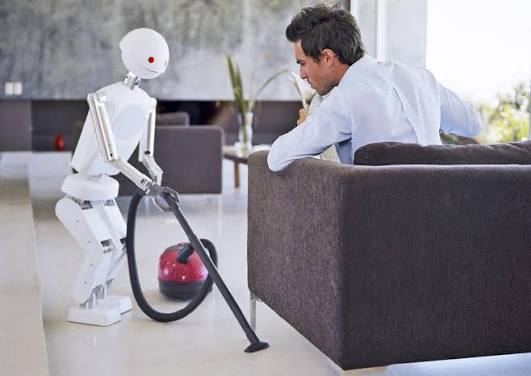
Survey Shows 42% of Respondents Would Trust Humanoid Robots with Household Tasks
A recent survey conducted by Live Science revealed that 42% of over 600 participants would allow humanoid robots to handle household chores. This interest reflects a growing acceptance of robots in daily life, although many still express skepticism about their capabilities. For instance, 36% of respondents indicated they would not trust robots with their dishes, while others preferred to wait for neighbors to test the technology first. The survey highlights a significant gap between the capabilities of humanoid robots being developed and the expectations of potential users. While companies are racing to create robots that can navigate everyday environments, users are concerned about the robots' ability to make nuanced decisions, such as determining which dishes are dishwasher-safe. The comments from participants reveal doubts about robots' dexterity and reliability in performing tasks like dusting or moving furniture. Looking ahead, the results suggest that the first household chore robots may successfully master could be simpler tasks that require fewer judgments. As the technology evolves, there may be more suitable applications for robots in structured environments, such as commercial nurseries, rather than in homes where tasks are more complex and varied. No further timeline was disclosed at the time of publication.
Humanoid Robots Household Automation AI Technology
Zoomlion's Humanoid Robots Showcase Full-Stack Capabilities at World Games
Zoomlion's humanoid robots participated in the World Humanoid Robot Games, facing challenging conditions that tested their gait algorithms, joint responsiveness, and stability during high-speed movements. This event is significant as it allows Zoomlion to gather critical data to enhance its full-stack capabilities, which encompass algorithms, software, hardware, and industrial applications. Looking ahead, the insights gained from these competitions will be crucial for Zoomlion's ongoing development and refinement of its robotic technologies. No further timeline was disclosed at the time of publication.
Company Producing 10,000 Humanoid Robots Annually, with Non-Human Workers Dominating Factory Operations
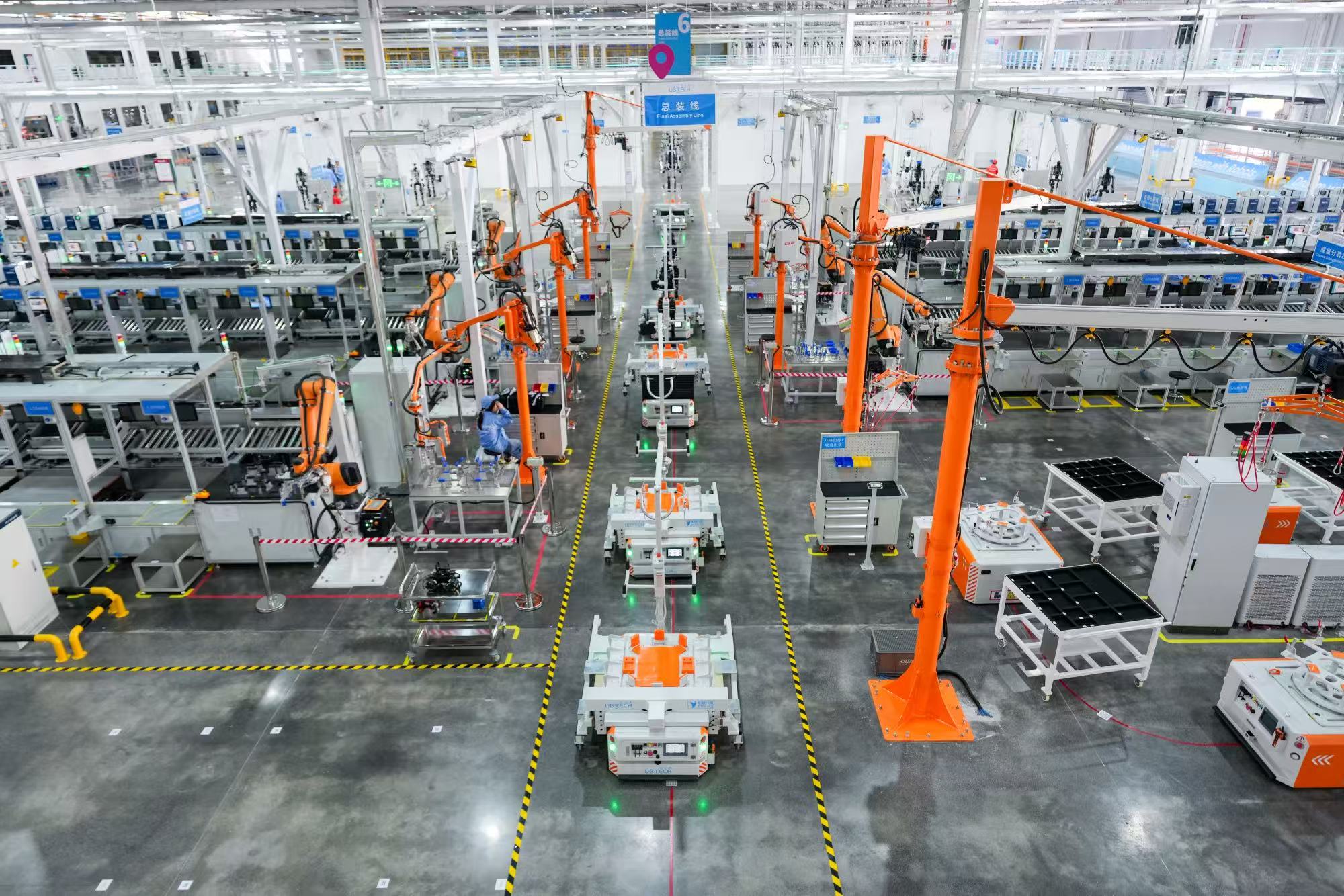
A newly established company has begun producing 10,000 humanoid robots each year, highlighting a significant advancement in robotics manufacturing. This development is noteworthy as it reflects the growing reliance on automation in production processes, where non-human workers are increasingly taking on roles traditionally held by humans. The implications of this trend are profound, as it raises questions about the future of labor and the potential for robots to replace human jobs. The fact that a company can produce such a high volume of humanoid robots annually indicates a shift towards more automated and efficient manufacturing practices. Looking ahead, it will be important to monitor how this company and others in the industry adapt to the challenges and opportunities presented by automation. No further timeline was disclosed at the time of publication.
Robotics Automation AI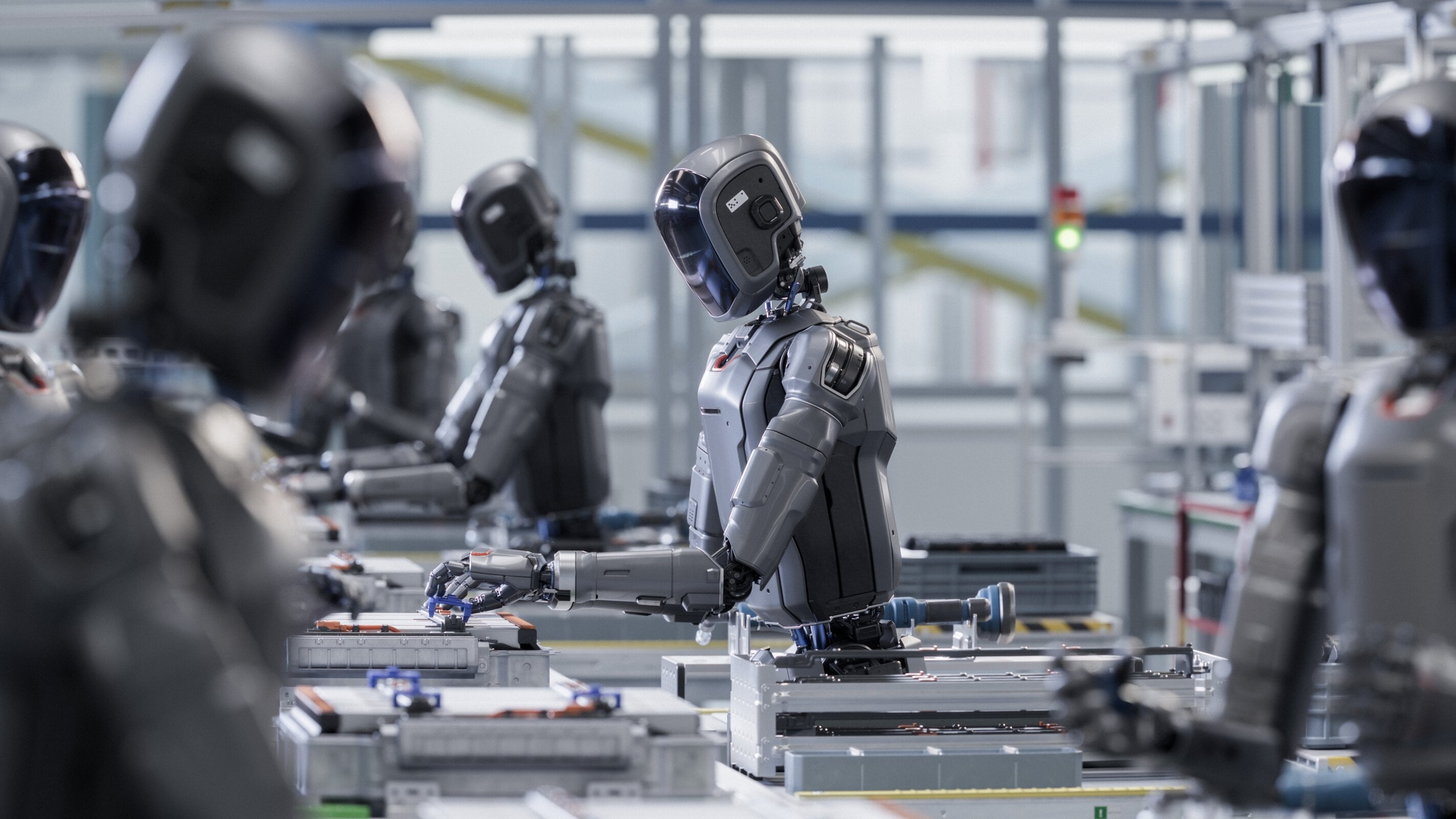
Goldman Sachs Projects 6.5 Million Humanoid Robots by 2035, Driving Market Growth
Goldman Sachs has projected that 6.5 million humanoid robots will be shipped globally by 2035, marking a significant increase from previous estimates. The firm anticipates a phased ramp-up, with 75,000 units expected in 2026 and 890,000 by 2030, representing a $138 billion market opportunity primarily in logistics, warehousing, and automotive sectors. This projection highlights the growing demand for humanoid robots and the necessary infrastructure to support their production, including dedicated production lines and factory-floor automation. The anticipated growth is also linked to a broader AI capital expenditure cycle, which is expected to influence various industries and technologies. Investors should monitor the developments in this sector, particularly the impact of potential AI regulation as flagged by leaders at Anthropic and OpenAI. No further timeline was disclosed at the time of publication.
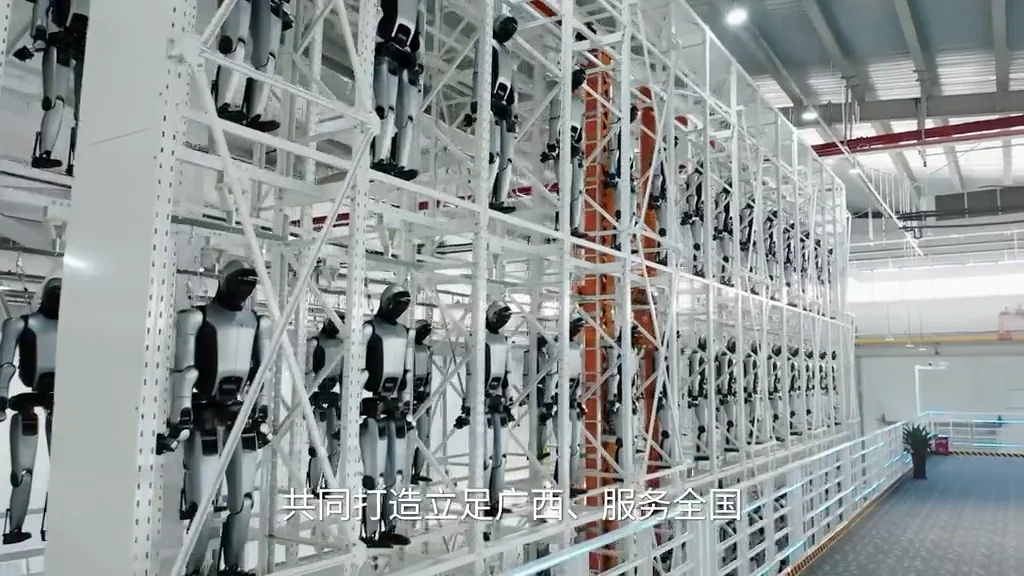
UBTECH Launches 10,000-Unit Super Factory for Humanoid Robots in Liuzhou
UBTECH Robotics has officially launched its Industrial Humanoid Robot Super Smart Factory in Liuzhou, China, on September 12-13, 2026. This facility is designed to produce 10,000 industrial humanoid robots annually, marking a significant shift from traditional batch assembly to high-throughput manufacturing. The establishment of this factory is crucial as it supports UBTECH's ambitious growth targets, especially after a remarkable 1,445% revenue increase in the first half of 2026, driven by 921 bipedal robot deliveries. The factory's design allows for the completion of a humanoid robot every 10 minutes, positioning UBTECH competitively in the global robotics market. Looking ahead, the factory employs a flexible assembly line and a robotic logistics fleet, enhancing efficiency and adaptability in production. The integration of UBTECH's Yanshee MOM platform with Siemens' technology further streamlines operations. No further timeline was disclosed at the time of publication.
Market manufacturing China UBTECH Robotics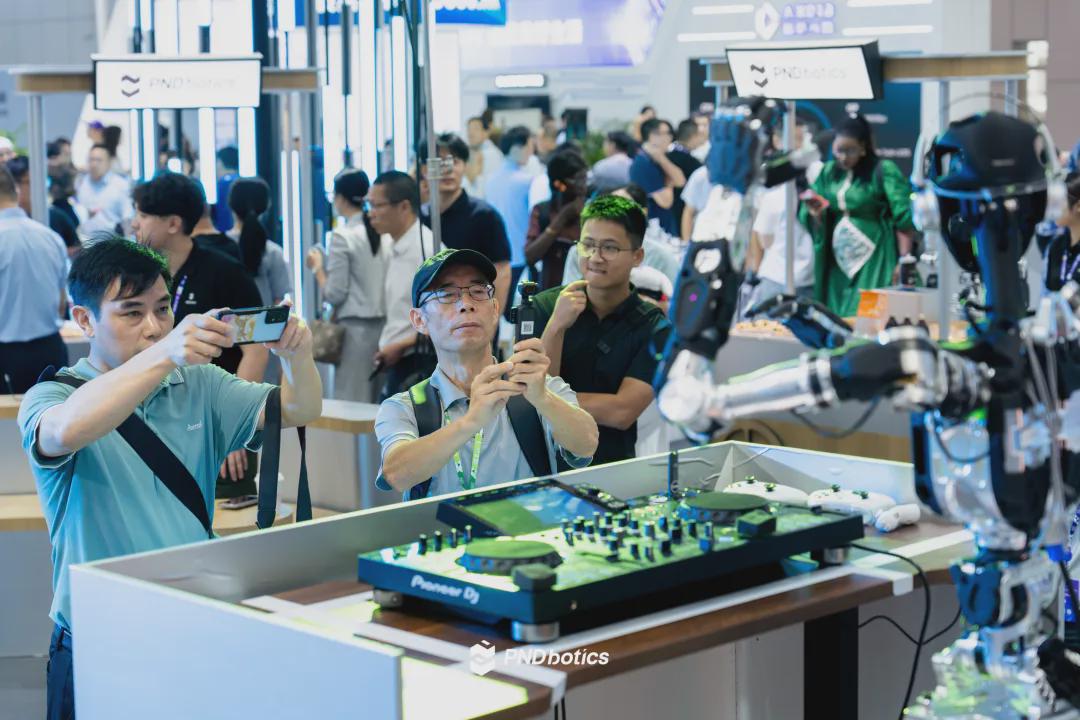
PNDbotics Showcases Humanoid Robots for Real-World Industrial Applications
PNDbotics is exploring the application of humanoid robots in real industrial tasks at the Future Factory exhibition, held from September 11 to 13 at the Ningbo International Exhibition Center. The showcase emphasizes the robots' ability to understand tasks, recognize environments, and adapt execution strategies in dynamic production settings. This initiative is significant as it addresses the challenges of integrating humanoid robots into complex industrial environments, where continuous decision-making is crucial. Unlike controlled lab settings, real factories present fluctuating conditions that require robots to perform a series of interconnected actions, demonstrating their full operational capabilities. Looking ahead, the focus will be on how these robots can effectively connect with real production environments and validate their reliability through successful task execution. The goal is to enhance the robots' system capabilities, moving beyond mere movement to achieving task completion in manufacturing settings.
Humanoid Robots Industrial Automation Robotics Technology AI Manufacturing Solutions
Humanoid Robots Enter Combat Arena: A New Path for EngineAI T800
On September 10, in Riyadh, two humanoid robots, EngineAI T800, engaged in combat in a specially constructed arena. Each robot stands 1.73 meters tall and weighs between 75 to 85 kilograms, showcasing capabilities such as walking, running, punching, and kicking. This event marked the first humanoid robot fighting competition in the Middle East, organized by Hero Esports, a leading esports operator. The significance of this event lies in its potential to commercialize humanoid robots effectively. Unlike traditional roles in factories or service sectors, combat provides a dynamic environment for robots to gather valuable data on physical interactions. This data is crucial for improving robotic movement and decision-making in real-world scenarios, making combat a more viable path for humanoid robots. Looking ahead, Hero Esports plans to host eight competitions across four regions: the Middle East, Europe, America, and Asia. The focus will be on collecting combat data to enhance motion control algorithms. The success of this initiative could transform robot fighting from mere entertainment into a significant driver of technological advancement in humanoid robotics.
Humanoid Robots Robot Combat AI Technology Data Analytics Entertainment Technology
Maven Robotics Raises $100 Million to Advance Warehouse Automation with Humanoid Robots
On September 10, Maven Robotics announced the completion of a $100 million Series A funding round. Founded in 2024, the company, co-founded by Hamza Derbas, started with minimal resources but has since deployed eight robots in a Fortune 250 consumer goods company's warehouse, operating 16 hours a day with over 99% uptime. These robots perform mixed palletizing, a task that traditionally relies on human labor. The significance of Maven's approach lies in its focus on automating the most monotonous and repetitive physical tasks in warehouses rather than pursuing humanoid capabilities. With over 480,000 job vacancies in U.S. manufacturing and a projected 2.1 million unfilled positions by 2030 due to skill gaps, automation is becoming a necessity rather than an option. The funding landscape for robotics has also shifted, with a record $18.8 billion raised in 2026, indicating a growing interest in practical automation solutions. Looking ahead, Maven plans to use the funding to produce 250 third-generation robots and initiate the design of a fourth-generation platform. The company aims to achieve over 100,000 hours of autonomous operating time by the end of 2026 and surpass 1 million hours by the end of 2027. However, the company acknowledges that expanding into more complex material handling and assembly tasks will require capabilities that currently do not exist in their robots.
Warehouse Automation Robotics Manufacturing AI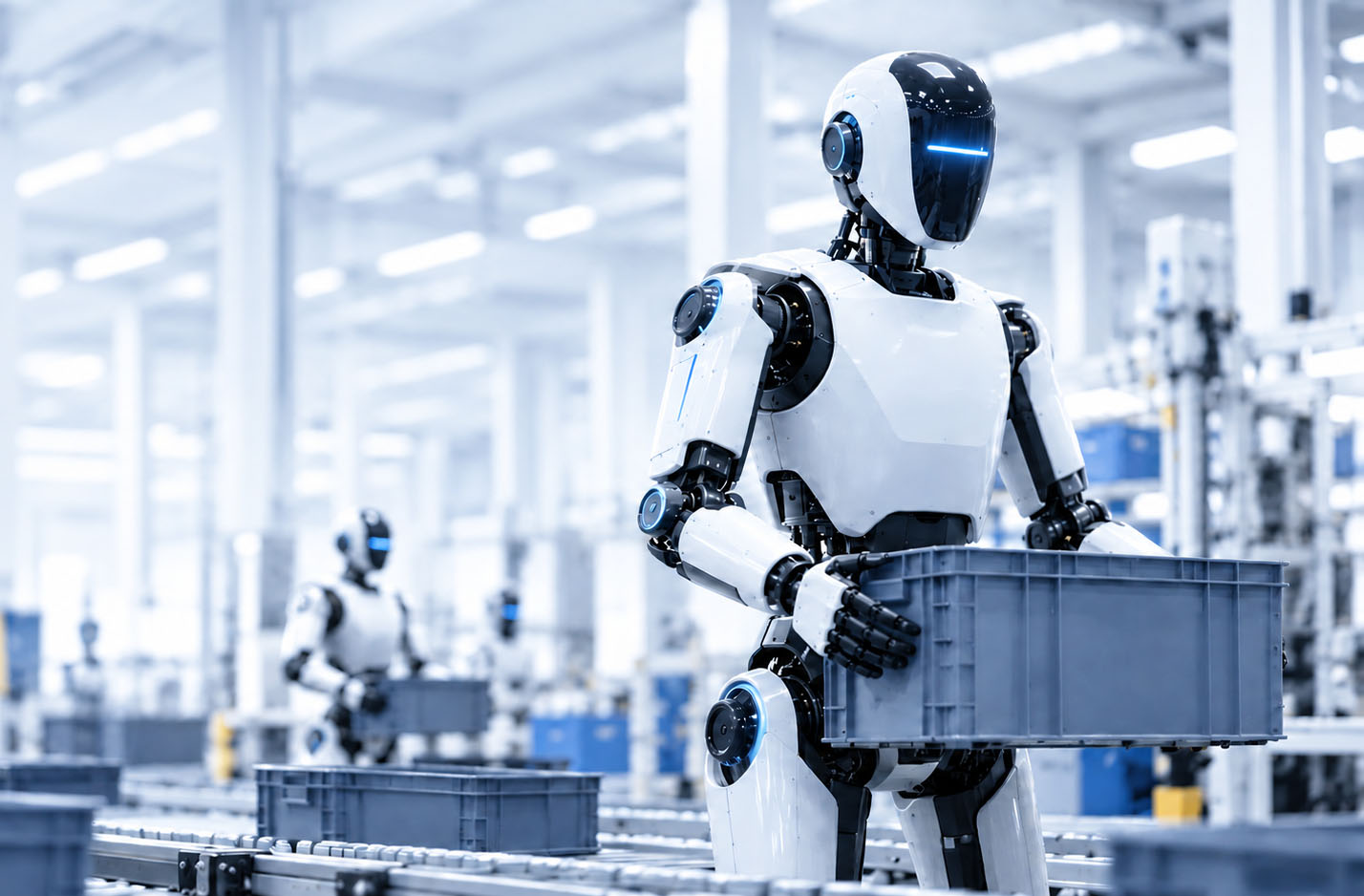
Humanoid Robots: Moving Beyond Demonstrations to Real-World Profitability
The humanoid robotics sector has long promised productivity, with expectations for significant sales by 2026. Humanoid robots are now capable of walking, sorting components, and performing increasingly complex industrial tasks. However, industrial buyers are shifting their focus from impressive demonstrations to the critical question of return on investment. As the industry transitions from prototypes to production environments, the evaluation criteria are evolving. Successful demonstrations are no longer sufficient; manufacturers must now prove operational availability, throughput, safety, integration costs, and actual customer willingness to pay for their robots' work. Data from September 2026 indicates that this transition is underway, but only a few companies report significant commercial deployments. Agility Robotics stands out as a strong example, with its robot Digit commercially deployed by GXO Logistics since 2024 under a multi-year Robots-as-a-Service agreement. Digit has moved over 100,000 bins at GXO's Flowery Branch site, showcasing its role in a repetitive logistics process rather than a staged demonstration. In 2026, Agility announced over $300 million in multi-year contractual orders for Digit v5, signaling that industrial clients are ready to invest significantly in humanoid automation.
À la une Humanoide IA Industrie Robotique automatisation industrielle.
Strategic Partnership to Integrate Humanoid Robots into Urban Sanitation Systems
On September 7, 2026, Qiaoyin Urban Management Co., Ltd. signed a strategic cooperation agreement with the National Local Co-construction Humanoid Robot Innovation Center. The partnership aims to establish the first national application hub for humanoid robots in urban services, integrating advanced technology into real-world sanitation and property management scenarios. This collaboration is significant as Qiaoyin is the only selected partner for urban service applications, indicating that the center's technological innovations will be tested in frontline sanitation operations. The agreement outlines the joint development of two product lines for humanoid robots, with practical training models being created in various urban projects, including those in Guangzhou and Maoming. Looking ahead, Qiaoyin's President, Xia Guanming, has set a timeline for validating sanitation operations by the end of this year and implementing applications in Maoming next year. The integration of humanoid robots into urban sanitation represents a critical step in addressing labor shortages and enhancing operational efficiency in city services, marking a pivotal moment for the industry as it moves towards mass production of humanoid robots.
Humanoid Robots Urban Sanitation Robotics Innovation AI in Urban Services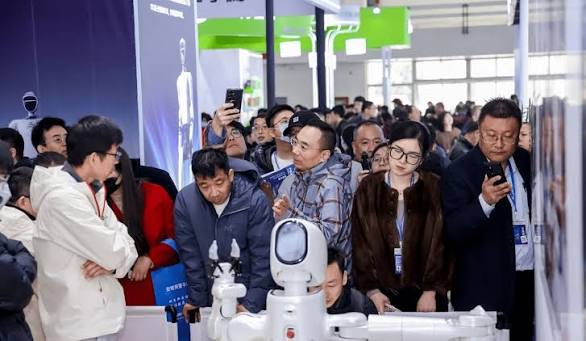
Zhejiang Transforms Humanoid Robots from Showpieces to Production Workers
The AI Show 2026 in Hangzhou showcased over 500 brands, highlighting the rise of humanoid robots. In the first half of the year, Zhejiang saw a 1.2-fold increase in service robot production and a 25.6% revenue growth in the core AI industry. Unlike many regions still in planning phases, Zhejiang is leveraging its manufacturing base to transition humanoid robots from exhibition roles to actual production line workers. In Ningbo, robots from Junpu Intelligent are undergoing final tests before being deployed in European automotive production lines, marking a shift from demonstration to order fulfillment. With rising labor costs in Europe, Chinese robots are becoming a viable option for cost-effective manufacturing. A notable example is at Geely's factory, where humanoid robots from Yushu Technology automate the entire process of handling wheel cover parts. Zhejiang's innovation center is delivering 2,000 customized robots for various applications, achieving a 99% success rate in specific testing scenarios. The province has invested 840 million yuan in a major project focused on core technologies for humanoid robots, while local policies support small and medium enterprises in adopting domestic intelligent equipment. As Zhejiang continues to refine its approach, the effectiveness of this model will determine the future of China's embodied intelligence industry.
Humanoid Robots Manufacturing Automation AI Technology Robotics Innovation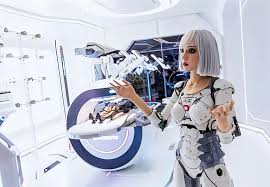
EX Robots Unveils Hyper-Realistic Humanoid Robots for Cultural Tourism Experiences
In September 2026, EX Robots, a tech innovation company, emerged in the public eye during a visit to Dalian Jinshitan National Tourism Resort. Unlike traditional industrial applications, EX Robots focuses on deploying hyper-realistic humanoid robots in science museums, commercial districts, and educational settings, aiming to enhance human-robot interaction through lifelike features and emotions. The significance of this development lies in EX Robots' unique technological approach and its potential to transform cultural tourism. Established in 2013, the company has transitioned from silicone doll exports to bionic robotics, leveraging overlapping technologies such as silicone skin and skeletal drives. With over 160 core intellectual properties, EX Robots has made significant advancements in flexible joints and intelligent expressions, positioning itself for growth in both consumer and business markets. Looking ahead, the demand for humanoid robots is expected to surge, with projections indicating a market value of $1.1 billion by 2030 for companion-type robots. However, challenges such as high costs, empathy limitations, and ethical concerns regarding human likeness remain. EX Robots' President, Li Boyang, emphasizes the need for patience and understanding as the market evolves, highlighting the company's differentiated strategy centered on emotional engagement.
Humanoid Robots Cultural Tourism AI Technology Robotics Innovation
Humanoid Robots Tested as Store Assistants in Hefei's Real-World Retail Experiment
On August 26, 2026, a humanoid robot named 'Xiaomai' was seen assisting customers in Hefei, quickly retrieving items after they placed orders via QR codes or voice commands. This initiative marks one of the first large-scale implementations of embodied intelligent robots in unmanned retail in Anhui Province, with a reported order fulfillment rate of 99% after months of testing. The significance of this experiment lies in its real-world application, as the robots operate in bustling areas rather than controlled environments, allowing them to adapt to unpredictable customer interactions. The project is backed by Hefei Guoxian Holdings and Zero Degree Robotics, which emphasizes the need for robots to perform reliably in dynamic settings, addressing challenges related to product variability and operational stability. Looking ahead, Zero Degree Robotics plans to expand its network of robotic stores to 500 locations by 2026 and aims for 2,000 by 2027. This initiative reflects Hefei's strategic investment in the robotics industry, including a 20 billion yuan public service platform to support the development of intelligent robots, showcasing a promising future for humanoid robots in everyday retail settings.
Humanoid Robots Retail Automation AI Robotics Smart Technology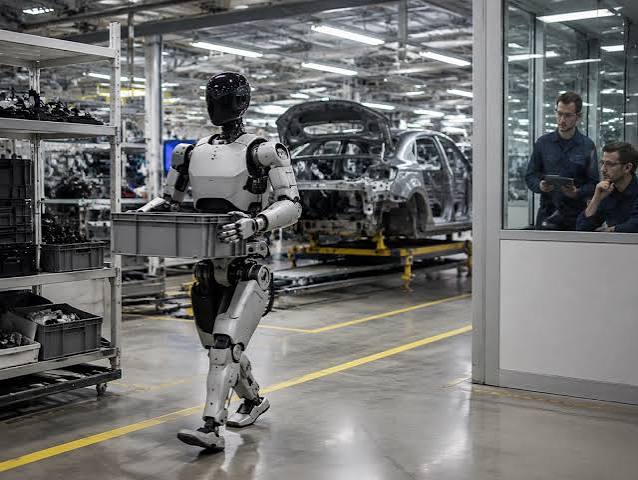
Humanoid Robots Face Hardware Challenges Amid Advancements in AI Technology
In 2026, humanoid robots showcased impressive performances, such as the Yushu H1 completing 1.9 kilometers in 4 minutes and 13 seconds, surpassing human world records. However, a critical issue arises: as AI becomes more intelligent, can the physical capabilities of robots keep pace? According to The Robot Report, there is a fundamental misalignment between AI and humanoid robots, as robots require physical interaction data that cannot be sourced from the internet. The hardware limitations are particularly evident in dexterous hands, which can cost over 100,000 yuan, with some models exceeding 800,000 yuan. Despite their high costs, these hands have a limited operational lifespan in real industrial settings, lasting only a few weeks to a few months. Zhang Zhengtang, founder of Zhongke Huiling, emphasizes the complexity of integrating motors, sensors, and controls in a confined space, where even minor environmental factors can lead to failures after repeated use. As humanoid robots are projected to reach an annual production of 100,000 units by 2026, the industry faces challenges in ensuring consistency across thousands of joint modules and simplifying assembly processes. Wang Xingxing from Yushu Technology predicts that widespread adoption in factories and homes could occur within 2 to 10 years, contingent on hardware stability to support AI advancements in unfamiliar environments.
Humanoid Robots AI Integration Robotics Hardware Automation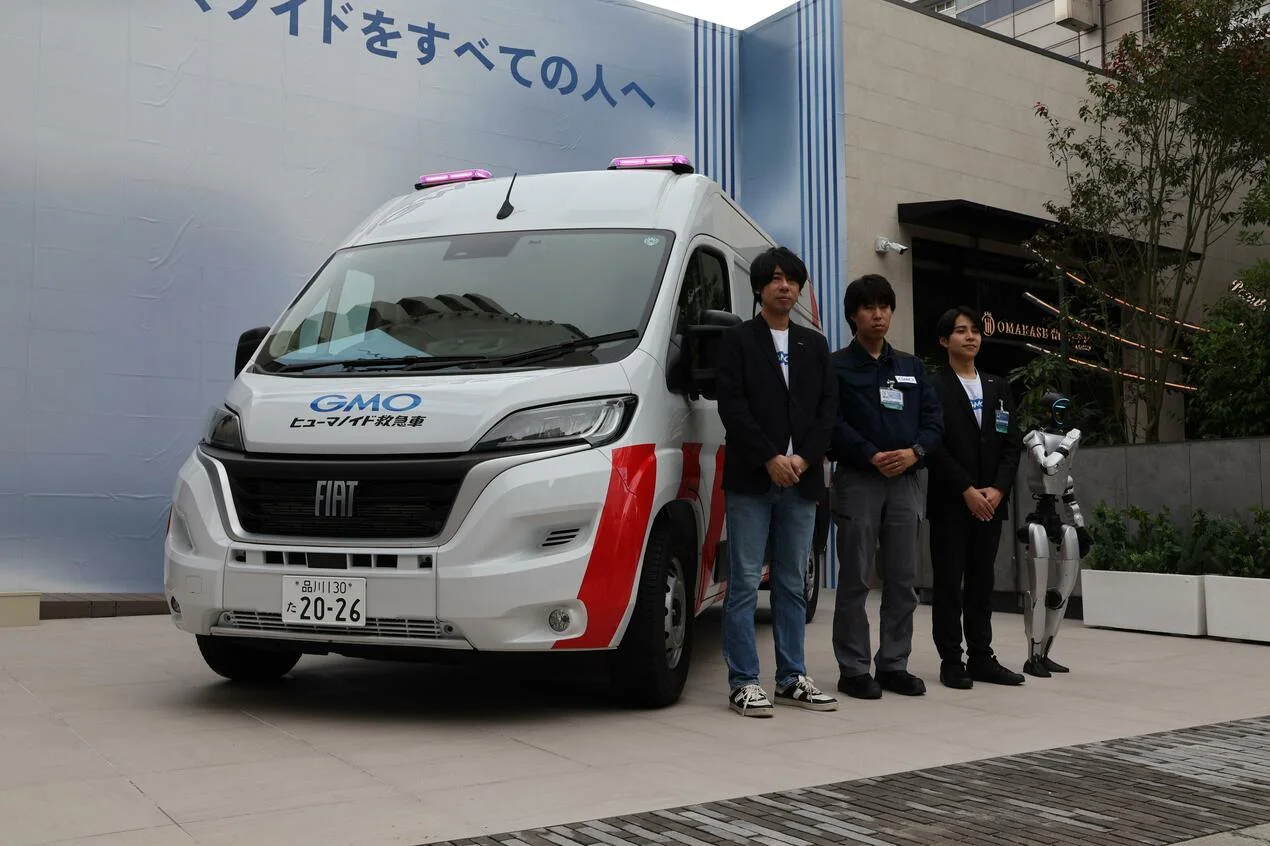
Tokyo Introduces Emergency 911 Service for Malfunctioning Humanoid Robots
Tokyo has launched the GMO Humanoid Ambulance, an emergency service for malfunctioning humanoid robots. This innovative service aims to address the challenges of robot breakdowns in public spaces, particularly in busy environments like Haneda Airport. The introduction of the Humanoid Ambulance is significant as it provides immediate roadside assistance to malfunctioning robots, reducing downtime and preventing lost productivity. With a dedicated robotics engineer on board, the service ensures that repairs can be conducted swiftly, transforming potential failures into manageable situations. Looking ahead, the development of this service highlights the need for robust infrastructure to support the deployment of humanoid robots in everyday environments. No further timeline was disclosed at the time of publication.
Japan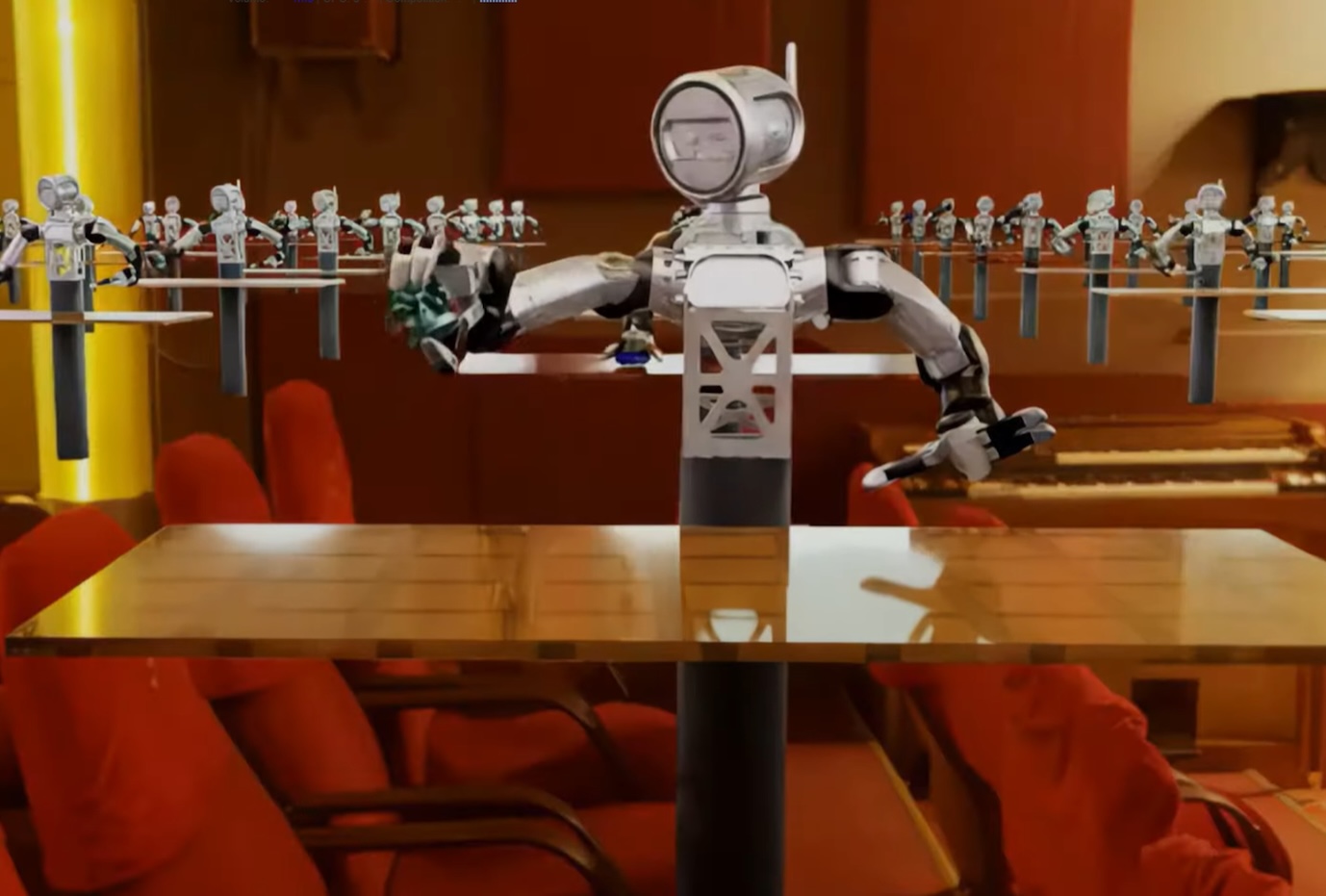
BigWave Robotics Partners with Space Factory to Deploy Humanoid Robots in Construction by 2026
BigWave Robotics, a South Korean AI company, has announced a partnership with modular housing manufacturer Space Factory to deploy humanoid robots in housing production starting in 2026. This initiative marks a significant shift in the construction industry, which has traditionally relied on human expertise, as robots begin to automate complex tasks such as insulation installation. The entry of humanoid robots into the construction sector is crucial as it addresses labor shortages and enhances production efficiency amid rising housing demands. Modular housing, which involves factory prefabrication and on-site assembly, is increasingly seen as a solution to expedite housing construction, and the integration of robotics is expected to further advance this trend towards smart manufacturing. Looking ahead, the success of humanoid robots in various industries will depend on their cost, reliability, and efficiency. While BigWave Robotics is focusing on the construction sector, the broader implications of this technology could lead to its application in logistics, energy maintenance, and public facility management, marking a new era in industrial automation.
Humanoid Robots Construction Automation Smart Manufacturing Modular Housing AI Technology
Military Humanoid Robots in Engineering Validation Phase Amid Global Defense Research Trends
The global embodied intelligence industry is increasingly capturing the attention of national defense research, with humanoid robots expected to enhance their mobility, dexterity, and environmental perception by 2025-2026. Chinese manufacturers dominate the global humanoid robot shipment market, providing a substantial hardware foundation for military research. Various military research institutions are exploring potential battlefield applications, including urban warfare and infiltration, with simulations indicating that usable prototype systems may emerge within 5-10 years. However, despite advancements, there is currently no public evidence that armed humanoid robots have been officially deployed in combat units, as most projects remain in laboratory and training validation phases. The battlefield presents complex conditions that impose stringent reliability and endurance standards, far exceeding those of commercial products. Challenges such as high energy consumption and complex repair processes hinder the operational capabilities of humanoid robots in high-intensity combat scenarios. Tactically, humanoid robots are not the sole optimal solution for battlefield unmanned equipment. More mature technologies like wheeled and tracked vehicles are already fulfilling reconnaissance and logistics roles at lower costs. The dual-use technology approach emphasizes the importance of civilian advancements in robotics for military applications, while military requirements can drive improvements in civilian products. The path forward involves addressing environmental adaptability, energy consumption, and cost issues to ensure humanoid robots can reliably operate in harsh conditions and meet tactical and economic demands.
Humanoid Robots Military Robotics Dual-Use Technology Robotics Research
Chinese Robots Dominate IFA 2026: Assessing European Market Readiness
In September 2026, Berlin witnessed a significant presence of Chinese robots at the IFA, with 932 companies from mainland China participating, contributing to nearly half of the 1,900 exhibitors. The event showcased a record number of humanoid robots, with performances that captivated audiences, including demonstrations of martial arts and interactive displays. However, a critical question arose regarding the European market's readiness to adopt these technologies. The interest in Chinese robots was evident, yet many European attendees expressed uncertainty about their practical applications in business. Feedback from a Paris-based electronics distributor highlighted a common sentiment: while the robots were intriguing, their utility in real-world scenarios remained unclear. This disconnect between the excitement of the demonstrations and the practical needs of the market raised concerns about the actual demand for such technologies in Europe. As the IFA concluded, the challenges for Chinese robotics companies became apparent. European distributors emphasized the importance of cost-effectiveness, system stability, and local support. The path forward for Chinese firms in Europe requires a deeper understanding of local market dynamics and a commitment to establishing robust partnerships with local distributors and integrators. No further timeline was disclosed at the time of publication.
Humanoid Robots Market Entry European Robotics Robotics Demonstrations AI Technology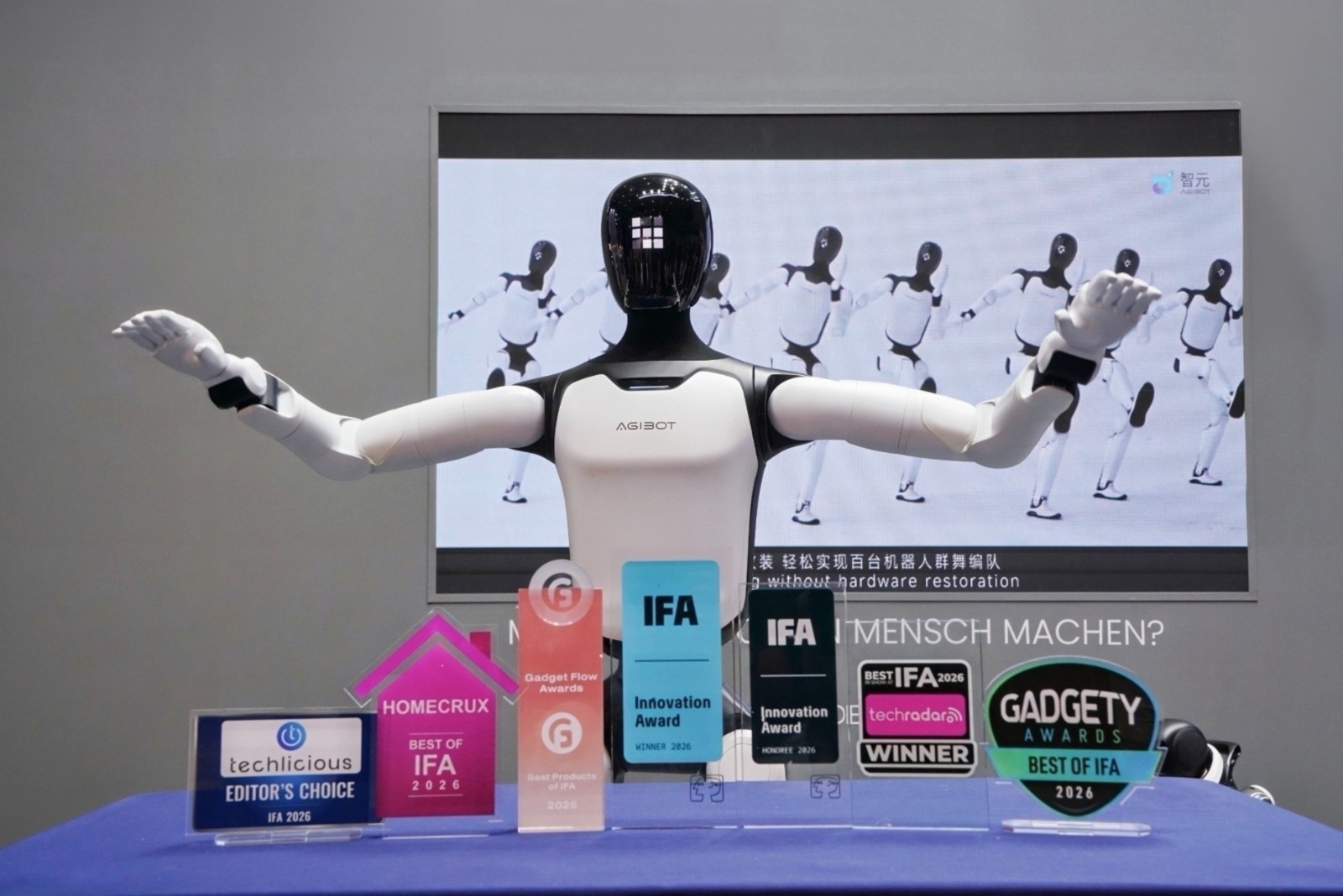
AGIBOT's Humanoid Robots Win IFA Innovation Awards at IFA 2026
AGIBOT's humanoid robots, the AGIBOT A3 and AGIBOT X2, were honored with the IFA Innovation Awards at IFA 2026. These awards highlight the robots' advancements in mobility, interaction, and multi-robot coordination, demonstrating their capabilities for practical applications in various sectors. The recognition from IFA and global tech media underscores the significance of AGIBOT's innovations in the robotics field. The AGIBOT A3 and AGIBOT X2 are designed to enhance human-robot interaction and improve operational efficiency through advanced coordination techniques, making them valuable assets in real-world scenarios. Looking ahead, the continued development and deployment of AGIBOT's humanoid robots could lead to broader adoption in industries that require sophisticated robotic solutions. No further timeline was disclosed at the time of publication.
Humanoid Robots AI Robotics Innovation Awards Technology Automation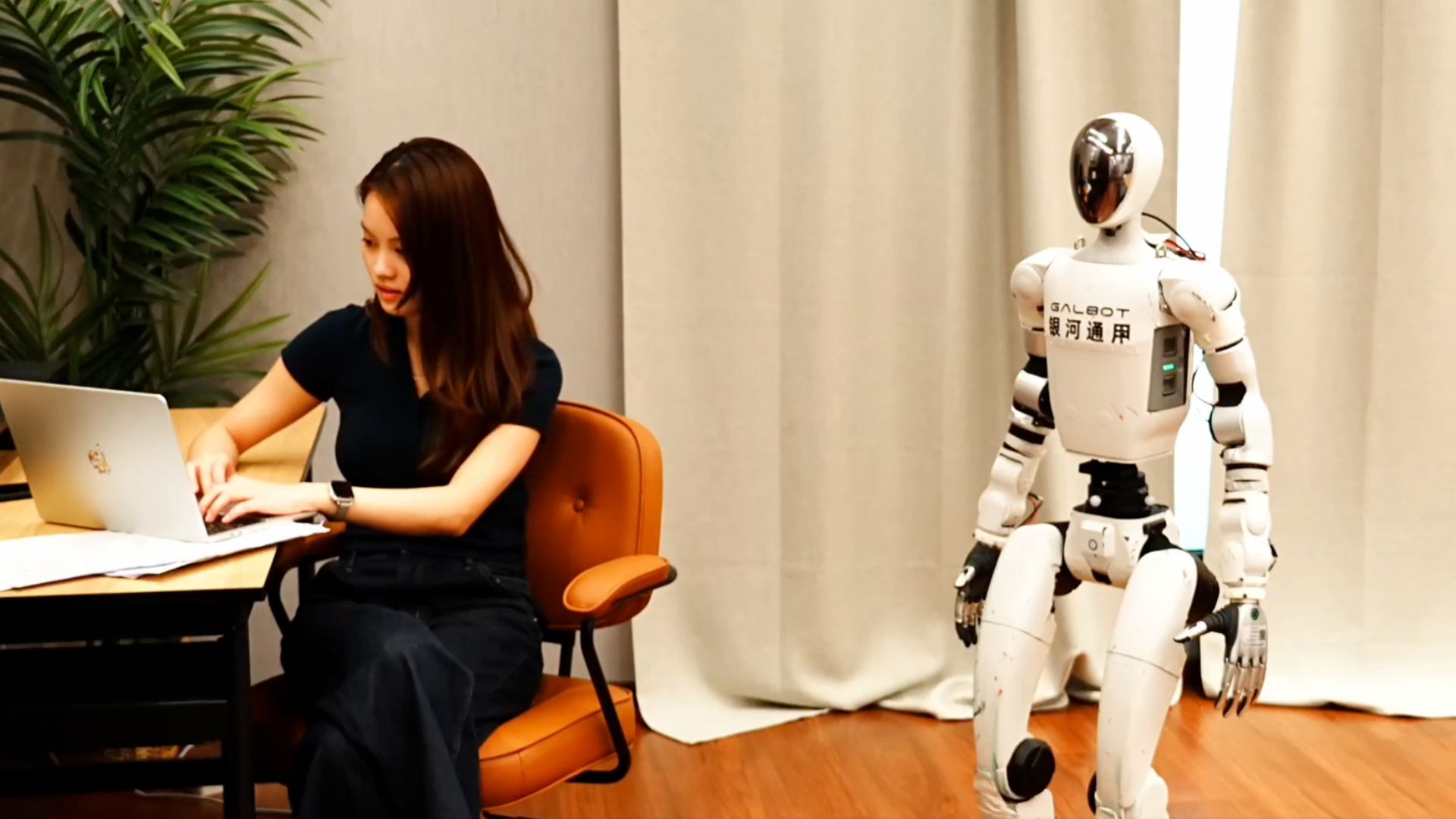
Galbot Introduces RoboGesture for Enhanced Natural Movement in Humanoid Robots
Chinese robotics company Galbot has launched RoboGesture, a new framework designed to enhance nonverbal communication in humanoid robots. This system generates real-time gestures that correspond with spoken language, aiming to make robot interactions more natural and engaging during conversations. The significance of RoboGesture lies in its ability to address common limitations in humanoid robotics, such as mechanical and repetitive movements that detract from effective communication. Scheduled for presentation at the European Conference on Computer Vision (ECCV) 2026, this technology could revolutionize how humanoid robots engage in social settings by allowing them to respond with gestures that reflect the meaning and tone of speech. Looking ahead, the research team, which includes experts from Galbot and several prestigious universities, is focused on overcoming challenges in robot communication, including limited training data and safety concerns. No further timeline was disclosed at the time of publication.
AI and Robotics
OpenAI's CEO Confirms Plans for Humanoid Robots After GPT-6 Astra Launch
Just two days before the launch of the next-generation flagship model GPT-6 Astra, OpenAI's CEO Sam Altman made a definitive statement regarding the company's plans to develop humanoid robots. This announcement positions OpenAI as a formidable competitor in the humanoid robot market, traditionally dominated by Tesla's Optimus robot, which has already influenced Tesla's stock price with expectations of a robot monopoly. The significance of OpenAI's entry into the humanoid robot space cannot be understated, as it introduces a well-funded and top-tier AI brain into the competition. Investor Gene Munster noted that the humanoid robot market is becoming a two-horse race between Tesla and OpenAI, with OpenAI holding a substantial capital advantage. This dynamic complicates the narrative surrounding Tesla's ambitions, which may be seen as speculative and harder to justify. As the competition heats up, it is crucial to observe how these three major players—OpenAI, Tesla, and NVIDIA—navigate their distinct infrastructure paradigms in the humanoid robot arena. OpenAI's historical involvement in robotics dates back to 2017 with the development of Dactyl, showcasing their long-standing commitment to the field despite their recent focus on large language models.
Humanoid Robots AI Robotics Machine Learning
RobStride Launches 10P Integrated Joint for Humanoid Robots with 42N·m Torque
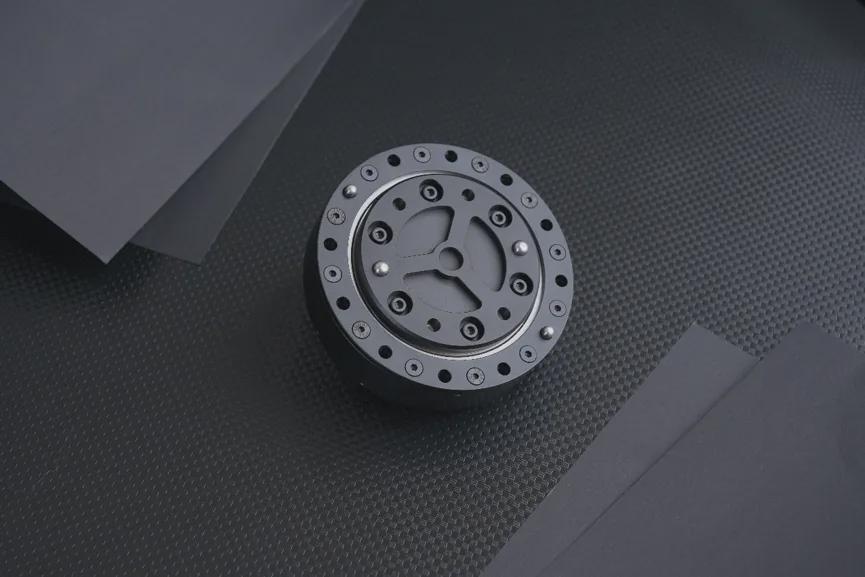
RobStride has introduced the ROBSTRIDE 10P integrated joint, designed to address the supply gap in mid-torque joints for humanoid and quadruped robots. With a peak torque of 42N·m and a weight of just 460g, it is priced at 859 Yuan, making it a competitive option in the 30 to 50N·m range. This innovation is significant as it balances torque and weight, crucial for developers who often face trade-offs between high-torque joints that add excess weight and lower-cost options that compromise performance. The 10P aims to resolve these challenges, offering a torque density of approximately 91.3N·m/kg, which is competitive within its category. Looking ahead, the 10P's integrated design simplifies assembly and calibration, allowing developers to focus on higher-level programming without the burden of complex component integration. No further timeline was disclosed at the time of publication.
Humanoid Robots Robotics Components Joint Actuators Prototyping Solutions
Large Models Transform Humanoid Robots from Tools to Partners
Humanoid robots are evolving from simple tools to complex partners, driven by advancements in large models. The architecture of these robots consists of a 'cerebellum' for motion control and a 'brain' for understanding tasks and making decisions. Companies like Yushutech and Tesla are at the forefront of this transformation, utilizing technologies such as VLA and world models. This shift is significant as it addresses the limitations of traditional decision-making processes in robots, which relied heavily on pre-defined rules and structures. The introduction of large models allows for more adaptive and intelligent behavior, enabling robots to learn and adjust in real-time rather than being constrained by rigid programming. This evolution is crucial for deploying robots in dynamic, real-world environments. Looking ahead, the competition between VLA and world model approaches will shape the future of humanoid robotics. As companies like Yushutech prepare for IPOs, the industry is keenly observing which technology will dominate. No further timeline was disclosed at the time of publication.
Humanoid Robots AI Robotics Machine Learning
Study Reveals Trust Issues with Humanoid Robots After Conversational Errors
A recent study published in Science Robotics indicates that people become more suspicious of humanoid robots, particularly expressive ones, when they make errors during interactions. The research involved 50 participants conversing with the humanoid robot Pepper, which is designed to recognize emotions and engage expressively. The findings revealed that errors made by the robot led to increased oxytocin levels, which correlated with decreased trust and influence on participants' decisions. This research is significant as it challenges the assumption that socially expressive robots inherently earn more trust. Instead, it suggests that when an expressive robot makes a mistake, it is perceived as a social violation rather than a technical malfunction, impacting users' trust levels. The study highlights the importance of understanding how human-robot interactions can affect trust, especially as robots become more integrated into daily life. Future research will explore whether these findings apply to diverse demographics and different robot designs. Additionally, the study aims to investigate if robots can regain trust after making mistakes, similar to human interactions, by acknowledging errors or expressing good intent. No further timeline was disclosed at the time of publication.

Advancements of Humanoid Robots in Factories: From Functionality to Reliability
The progress of humanoid robots in factories can be summarized as follows: while the ability to perform tasks has been established, consistent daily operation is still in its early stages, and achieving reliable performance remains unaccomplished. The industry is currently stuck between the second and third phases of deployment, with leading companies proving their robots can work but still validating their daily operational capabilities. The Foton Cummins engine factory in Changping, Beijing, is one of the earliest sites for humanoid robots in China, where the TianGong 2.0 bipedal robot and TianYi 2.0 wheeled robot have been tested for nearly a year, primarily handling material transport. These robots address the challenge of flexible handling in the 'last mile' of logistics, demonstrating promising efficiency but still not fully replacing human workers. As of the first half of 2026, global shipments of humanoid robots are expected to exceed 22,000 units, marking a nearly 300% year-on-year increase. However, only a small fraction of these robots are actively working in industrial settings, with most still in the early stages of development. The industry faces challenges such as achieving high success rates, maintaining operational speed, and gathering effective data for real-world applications.
Humanoid Robots Industrial Automation Robotics Manufacturing Technology
Bernstein Reports on the Economic Viability of Humanoid Robots in Key Applications
On August 25, Bernstein released a significant report titled 'Humanoid robotics: The road to real-world adoption,' which systematically quantifies the economic viability of humanoid robots across four key application scenarios. The findings indicate that in certain scenarios, a return on investment can be achieved in as little as one year. The report highlights that for urban and industrial patrolling, the payback period is the shortest, requiring only 1.0 years in the U.S. and approximately 1.5 years in China. This is largely due to the high substitution ratio, where one robot can replace four patrolling personnel, coupled with relatively low robot prices. In contrast, warehouse picking and handling show longer payback periods of about 2.9 years in the U.S. and 4.3 years in China. Bernstein emphasizes that a critical threshold for procurement decisions is a payback period of 2.5 years. If the payback period falls below this threshold, companies are likely to shift from tentative 'should we try' to a decisive 'why not buy' mindset. The report predicts that by 2031, global shipments of humanoid robots will reach one million units, with the four key scenarios contributing approximately 50% of this total.
Humanoid Robots Economic Viability Market Analysis Robotics Applications
Humanoid Robots Set New Records at World Championships, Highlighting Industry Progress
On August 26, the second World Humanoid Robot Games concluded in Beijing, where multiple records were significantly improved. The 400-meter run time was reduced from 1:28.03 to 38.15 seconds, the 1500-meter run from 6:34.40 to 2:21.64, and the high jump from 0.956 meters to 3.40 meters. Many competing robots also secured medals and orders, demonstrating a successful transition from competition to practical application. This progress stems from the stringent replication of real physical environments in the competition rules. Robots had to navigate centrifugal forces on standard tracks, endure impacts in combat arenas, and make autonomous decisions at table tennis tables. These high-pressure scenarios drive algorithm optimization, material upgrades, and control system reconstruction, with iterative testing being crucial for overcoming foundational technological barriers. With 666 teams from 16 countries and regions participating in 1301 matches across 51 events, the competition fostered collaboration among enterprises, universities, and research institutions. The event also released the world's first comprehensive dataset for humanoid robot competitions, available for free to encourage further development. As China leads in humanoid robot shipments, with over 40,000 units expected in the first half of 2026, the next games aim to showcase even more robots transitioning from exhibition to practical use.
Humanoid Robots Robotics Competitions AI Technology Industry Standards Robotics Innovation
Humanoid Robots Achieve Success in International Rental Market with G1 Model
The Yushu G1 humanoid robot has successfully entered the overseas rental market, commanding a rental fee of $3,000 per day. With a base price of $16,000 for the standard version and $30,000 for the advanced version, the economic model shows that renting the G1 just ten times can cover hardware costs, leading to substantial profit thereafter. This rental approach is particularly appealing as it lowers the barriers for companies lacking technical expertise and operational experience. The daily rental pricing significantly reduces ownership and trial costs, allowing clients to experience the latest robot versions while transferring maintenance risks to the rental platform. While the rental market is thriving, founder Wang Xingxing acknowledges that humanoid robots are still far from being widely adopted in industrial settings. Despite fluctuations in the stock market, the G1's strong performance capabilities and open architecture have established a clear commercialization path for humanoid robots in entertainment and event sectors.
Humanoid Robots Robot Rental RaaS Entertainment Technology
Chinese Robots Gain Global Market Traction with Significant Export Growth
Tianjin's robotics industry is demonstrating its potential in the global market, with exports reaching 1.08 billion yuan in the first half of 2026, a staggering 487.9% increase year-on-year. This surge reflects a shift from following to leading in the robotics sector, as evidenced by the success of Langyu Robotics, which has expanded its international sales significantly. The company has developed an unmanned heavy-duty transport vehicle capable of carrying 500 tons, showcasing advanced technology with a height of only 550 millimeters. Additionally, Tianjin's special application robots are making strides domestically, with Shiyun Technology launching 15 industrial-grade humanoid robots designed for high-risk environments, further solidifying the region's position in the robotics landscape. With over 200 robotics companies and a robust innovation plan, Tianjin aims to exceed 25 billion yuan in industry scale by 2025. The recent establishment of an intelligent robot application station in the subway highlights the integration of robotics into everyday life, marking a significant step towards becoming a leader in the global robotics value chain.
Robotics Industrial Automation Export Growth Humanoid Robots Heavy-Duty Transport
Yushu Technology Founder Highlights Humanoid Robots' Limitations at World Robot Conference
At the World Robot Conference, the founder of Yushu Technology addressed the limitations of humanoid robots, stating their efficiency is only 30% to 50% of human capabilities. He emphasized that the company's ongoing 'physical AI self-evolution' is still in the research phase, far from large-scale application. This candid assessment contrasts with typical expectations for a newly listed company, where founders often project optimism. Instead, he highlighted significant challenges, including the robots' inability to adapt to new environments, which drastically reduces task success rates. Looking ahead, he suggested that for robots to reach a 'ChatGPT moment,' they must operate effectively in 80% of unfamiliar scenarios using voice commands, a milestone that could take two to ten years to achieve. No further timeline was disclosed at the time of publication.
Humanoid Robots AI Robotics Technology Startup Innovation
Challenges of Braking in Humanoid Robots Highlighted at World Championships
During the 100-meter final at the second World Humanoid Robot Games, a humanoid robot named Tian Gong Ultra finished in 8.64 seconds but crashed into a soft wall. This incident raised questions about the difficulties of braking for humanoid robots. Gao Dawei explained that to maximize performance, the robot's control algorithm was set to 'full acceleration,' prioritizing speed over deceleration, which complicates the braking process. The significance of this challenge lies in the trade-off between speed and braking capability. Adding perception and braking modules would increase algorithm complexity and response time, ultimately affecting performance. The competition showcased remarkable advancements, with the 400-meter run improving from 1:28.03 to 38.15 seconds and the 1500-meter run from 6:34.40 to 2:21.64, indicating rapid progress in humanoid robot capabilities. Looking ahead, Gao Dawei noted that the speed limits for robots will continue to rise, suggesting that future iterations may not require crashing into walls as control algorithms and braking systems mature. The dramatic improvement in the 100-meter championship time from 21 seconds last year to 8.64 seconds this year illustrates the rapid evolution of humanoid robotics, with the focus now shifting towards refining stopping mechanisms in subsequent developments.
Humanoid Robots Robotics Engineering AI Algorithms Performance Optimization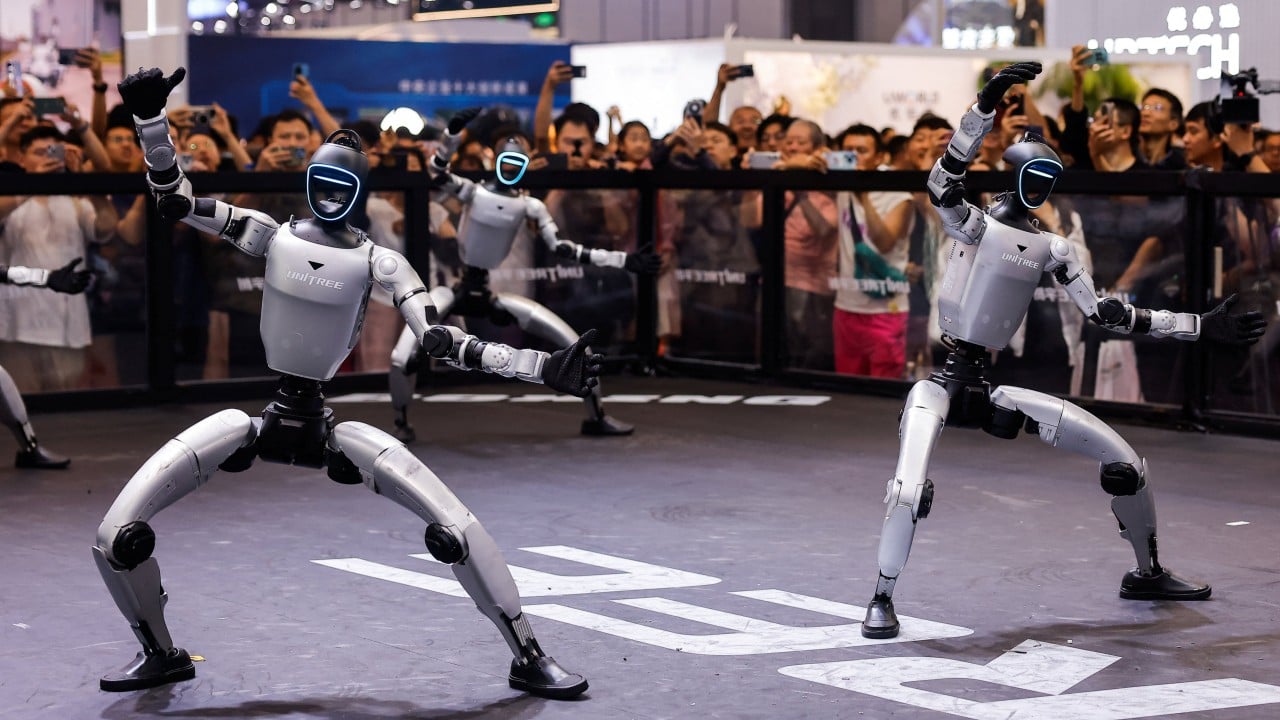
Unitree's Stock Decline Post-IPO Raises Concerns Over Chinese Humanoid Robotics Bubble
Unitree's stock has experienced significant volatility since its IPO, with a recent drop to 615 yuan, resulting in a market capitalization of 248.8 billion yuan (US$37 billion). This decline follows a peak of 1,100 yuan shortly after its debut on August 19, leading to a staggering loss of 200 billion yuan in market value. The concerns surrounding Unitree's valuation are amplified by the company's high price-to-earnings ratio and the competitive landscape of the humanoid robotics sector, which is still in its early stages. Dong Chen, chief investment officer for Asia at Bank J. Safra Sarasin, expressed skepticism about the sustainability of Unitree's valuation amid increasing competition and market uncertainty. Investors and industry watchers should monitor Unitree's performance closely, particularly as it navigates the challenges of a rapidly evolving market. The company's ability to maintain its market position and justify its valuation will be critical in the coming months. No further timeline was disclosed at the time of publication.

Humanoid Robots Achieve 100 Meters in 8.64 Seconds and High Jump of 3.4 Meters
Recent advancements in humanoid robotics have led to remarkable achievements, with robots completing 100 meters in just 8.64 seconds and achieving a high jump of 3.4 meters. These milestones indicate significant progress in robotic capabilities, showcasing the potential for humanoid robots to surpass human athletic records. The implications of these developments are profound, as they highlight the rapid evolution of robotics technology and its potential applications in various fields, including sports, rehabilitation, and entertainment. As humanoid robots continue to push the boundaries of physical performance, they may redefine our understanding of human-robot interaction and competition. Looking ahead, it will be essential to monitor further advancements in humanoid robotics and their impact on industries that rely on physical performance. No further timeline was disclosed at the time of publication.
Robotics Automation AI
New Convergent Binocular Stereo Algorithm Enhances Humanoid Robots' Depth Perception
Researchers from York University in Toronto have developed a new vision algorithm that enables humanoid robots to perceive depth similarly to humans using two forward-facing eyes. This innovative approach, known as convergent binocular stereo (CBS), processes visual differences between images from the left and right cameras to create a more accurate 3D understanding of scenes, improving distance judgment and navigation in complex environments. The significance of this advancement lies in its potential to enhance robotic vision, making it more biologically inspired and capable. By mimicking human depth perception, CBS allows robots to calculate depth through a camera arrangement that converges on targets, rather than relying solely on parallel cameras. This method captures both horizontal and vertical disparities, enabling a more nuanced understanding of object orientation and surface slant. Looking ahead, researchers have created the Convergent Binocular Stereo–BenchMark dataset to test the algorithm, which has shown competitive performance against established stereo methods. However, limitations remain, including reduced accuracy at greater distances and the need for precise calibration. No further timeline was disclosed at the time of publication.
AI and Robotics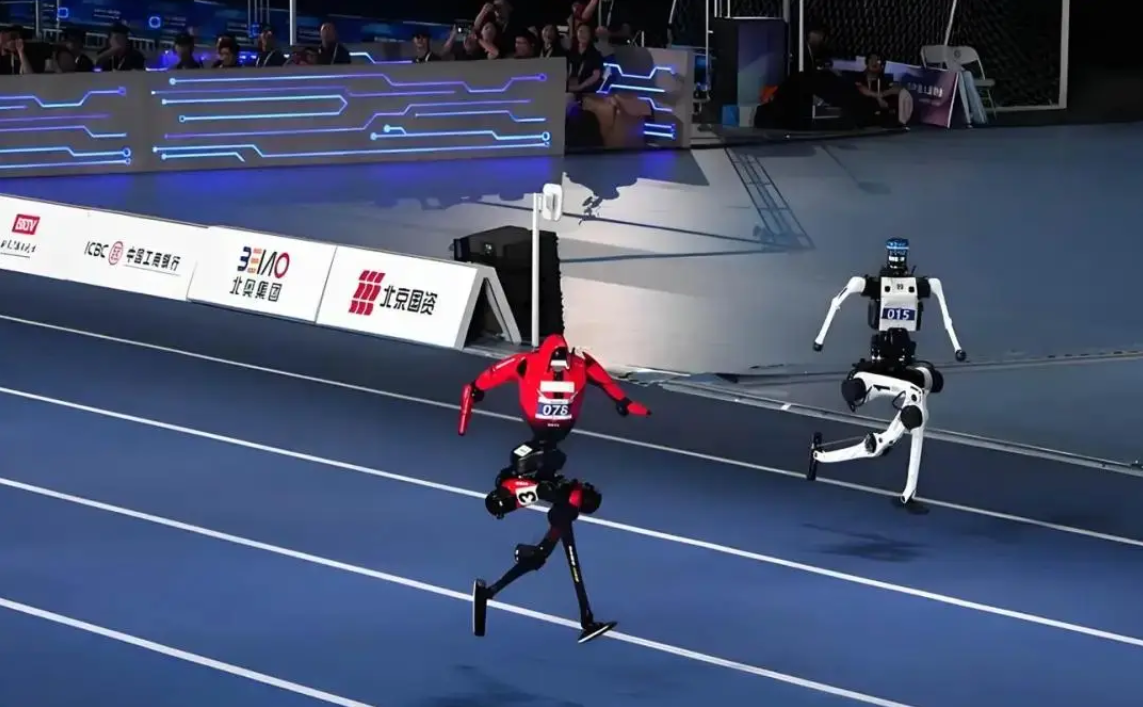
Challenges Facing Humanoid Robots Amidst Investment Fluctuations
On August 19, 2026, Yushu Technology was listed on the STAR Market, becoming the first humanoid robot stock in A-shares. However, the stock price experienced significant volatility, raising questions about whether this marks the beginning of a great industry or the peak before a capital bubble bursts. Concurrently, a humanoid robot competition in Beijing revealed critical issues, such as power depletion and component failures, leading to skepticism about the future of robots. The investment landscape for robotics has reached unprecedented heights, with total financing in the domestic embodied intelligence sector reaching 93.5 billion yuan in the first half of 2026, a fivefold increase from the previous year. Notably, 19 new companies with valuations exceeding 10 billion yuan emerged in this sector during the same period. However, the distribution of funds is heavily skewed, with the top five companies capturing approximately 37% of the total funding, highlighting a growing Matthew effect in the industry. Looking ahead, the competition remains fierce, with major players like Galaxy General Robotics and Zhi Ping Fang securing substantial funding. Yet, concerns persist regarding the authenticity of order data from humanoid robot companies, as some large contracts have reportedly been terminated after initial deposits. The investment strategy of Shoucheng Holdings, which focuses on building a deep community of interests through equity investment in key enterprises, stands out in this competitive environment. No further timeline was disclosed at the time of publication.
Humanoid Robots Investment Trends AI Technology Robotics IndustryRobotics needs a service framework.
RSF defines a common language for robot service capability, lifecycle operations, certification pathways, and service-provider networks.
Join the RobotToday community on LinkedIn
Daily robotics news, in-depth analysis, conference highlights, and discussions with professionals worldwide.