Industry Briefing
A single destination for timely, editor-curated robotics news from around the world.
Exploring the Business Advantages of Autonomous Robots in the Industrial Sector
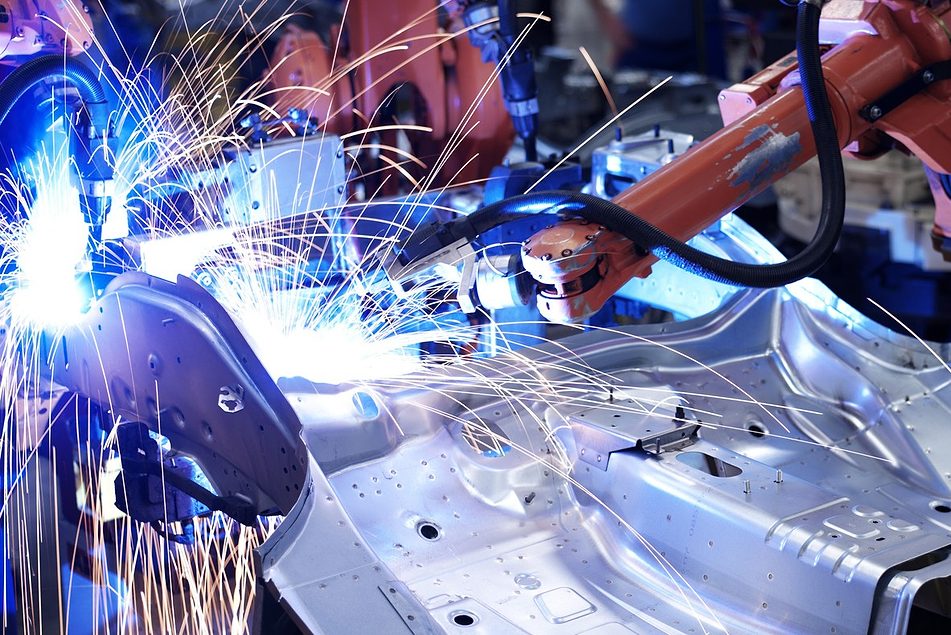
The rapid advancement of physical artificial intelligence is leading to the increased use of autonomous and semi-autonomous robots across various sectors, including warehousing, logistics, mining, construction, and agriculture. As manufacturers prepare to launch humanoid robots, the industrial sector is particularly poised for transformation due to a significant shortage of skilled labor, with projections indicating a rise in vacant manufacturing positions in the U.S. from 440,000 to 510,000 in early 2026 to between 1.5 million and 2 million by the early 2030s. This labor shortage is driving industrial companies to adopt autonomous robots to enhance productivity and manage operational costs. The shift towards automation is expected to change the financial landscape of these businesses, converting operating expenses into capital expenditures and increasing their asset base. This could lead to a credit and financing boom as companies become more attractive to lenders, creating a feedback loop that encourages further investment in robotics. Looking ahead, industrial companies must navigate several challenges, including determining the ownership models for robots, assessing their lifespan, and managing obsolescence risks. Key considerations will include whether to purchase or lease robots, the potential for secondary resale value, and the need for maintenance and upgrade commitments to ensure long-term viability in a rapidly evolving technological landscape.
A3 Releases Final Part of ANSI Safety Standard for Industrial Mobile Robots
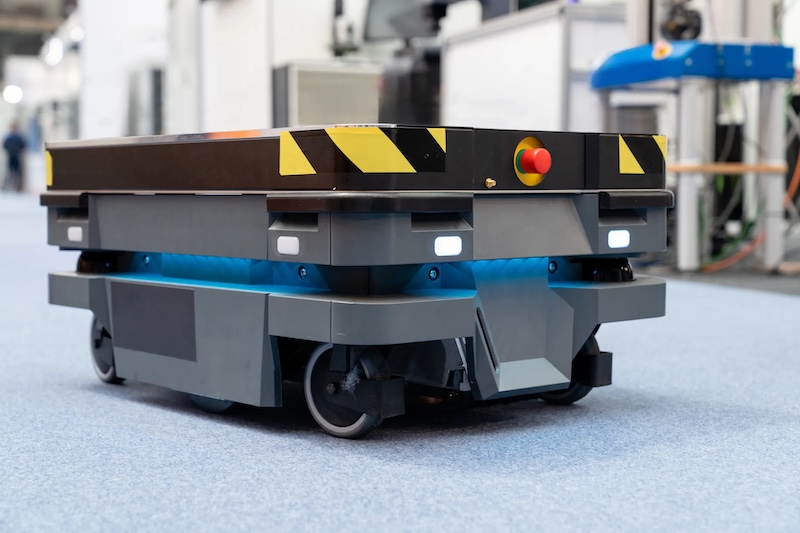
The Association for Advancing Automation (A3) has released ANSI/A3 R15.08-3-2026, the final part of the American National Standard for Industrial Mobile Robots. This part focuses on user responsibilities in operating IMR applications, providing essential guidelines for risk management, employee training, and inspections. This release is significant as it completes the three-part R15.08 series, which addresses safety throughout the lifecycle of industrial mobile robots. The standard aims to ensure that users can maintain acceptable risk levels during daily operations, thereby enhancing workplace safety in environments utilizing IMR technology. Looking ahead, the complete R15.08 series, including Parts 1, 2, and 3, is available for purchase as a bundle or individually. No further timeline was disclosed at the time of publication.
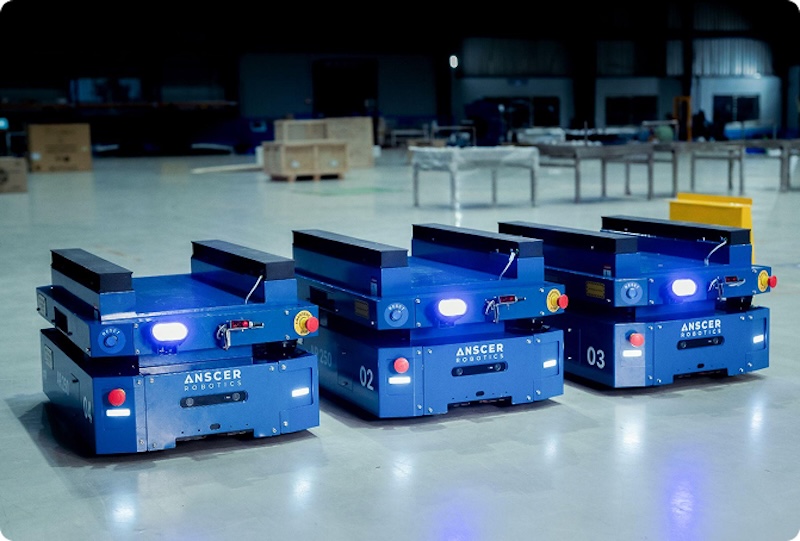
Anscer Robotics Receives FCC Conditional Approval for AR-Series Autonomous Mobile Robots
Anscer Robotics has announced that its AR250, AR650, and AR1250 robotic platforms have received Conditional Approval from the US Federal Communications Commission (FCC), effective September 18, 2026. This approval is part of the FCC’s Covered List program, which aims to enhance communications supply-chain security by allowing foreign-produced advanced robotic devices to be authorized for the US market. The significance of this approval lies in its role in ensuring that Anscer’s AMRs can be imported and sold in the United States while supporting the expansion of US manufacturing and supply-chain transparency. Anscer Robotics is now among the first companies, alongside Husqvarna, to be listed in the FCC’s robotic-device conditional approvals, reflecting its commitment to compliance with US security standards. Looking ahead, the Conditional Approval serves as a transitional authorization that emphasizes ongoing US-manufacturing and reporting commitments. Anscer Robotics, headquartered in Plano, Texas, continues to focus on providing automated material transport solutions in warehousing, manufacturing, and intralogistics operations. No further timeline was disclosed at the time of publication.

Inbolt Secures $12.5M Funding to Enhance Industrial Robots' Vision and Intelligence
Inbolt has announced a successful funding round of $12.5 million, aimed at enhancing the capabilities of industrial robots. This funding will support the company's expansion into the US and APAC markets, as well as its entry into data centers and electronics manufacturing. The significance of this funding lies in Inbolt's innovative technology that enables industrial robots to see, think, and adapt in real time. This advancement allows robots to master various processes, parts, or stations, thereby increasing efficiency and versatility in manufacturing environments. Looking ahead, Inbolt's total funding has now reached $34 million, with participation from notable investors including Shift4Good, Bridges Climate Transition Partners, BNP Paribas Développement, and Ora Global. No further timeline was disclosed at the time of publication.
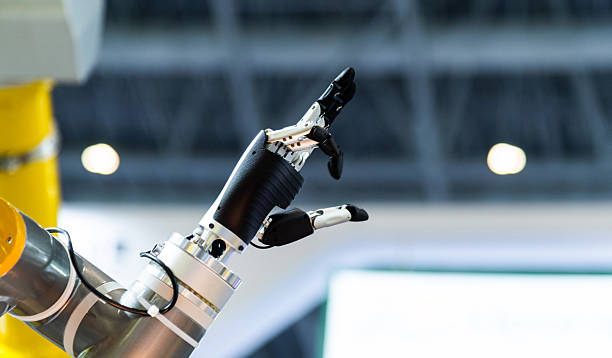
Inbolt Secures $12.5 Million to Enhance Industrial Robots with Vision and Intelligence
Inbolt has successfully raised $12.5 million in funding to enhance industrial robots with real-time vision and intelligence capabilities. The funding round was led by Shift4Good, with participation from Bridges Climate Transition Partners, BNP Paribas Développement, and Ora Global, bringing Inbolt's total funding to $34 million. This funding is crucial as it will support Inbolt's expansion into the US, particularly following the opening of its Detroit office in 2026, and its entry into new sectors such as data centers and electronics manufacturing. Inbolt's technology addresses the limitations of traditional industrial robots, which often struggle with part misalignment and tooling wear, leading to costly downtime. Looking ahead, Inbolt's innovative combination of 3D vision and AI software positions it to significantly improve automation across various industries, including automotive and electronics. The company is already deployed in over 100 factories worldwide, and its recognition as a rapidly growing startup highlights its potential impact on the future of industrial automation. No further timeline was disclosed at the time of publication.
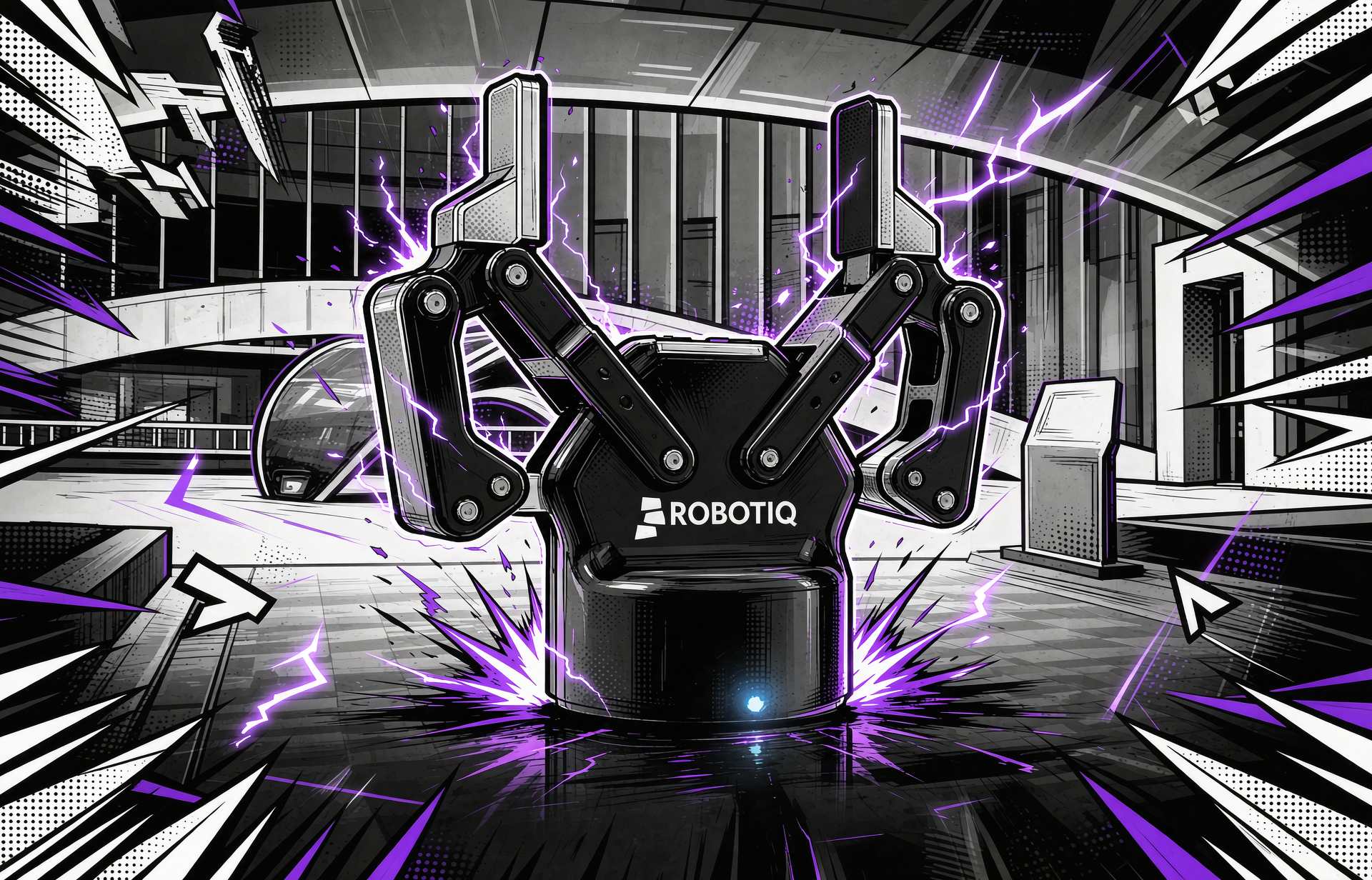
Industrial-Grade End Effectors Like Two-Finger Claw Now Standard in Teaching Robots
The integration of industrial-grade end effectors, such as the Two-Finger Claw, into educational robotics is becoming increasingly common. This trend signifies a shift towards more advanced and capable teaching tools in classrooms, enhancing the learning experience for students. The adoption of these sophisticated robotic components is crucial as it bridges the gap between theoretical knowledge and practical application. By utilizing high-quality end effectors, educators can provide students with hands-on experience that mirrors real-world industrial scenarios, fostering a deeper understanding of robotics and automation. Looking ahead, the continued evolution of educational robotics will likely see further enhancements in end effector technology. No further timeline was disclosed at the time of publication.
Robotics Automation AI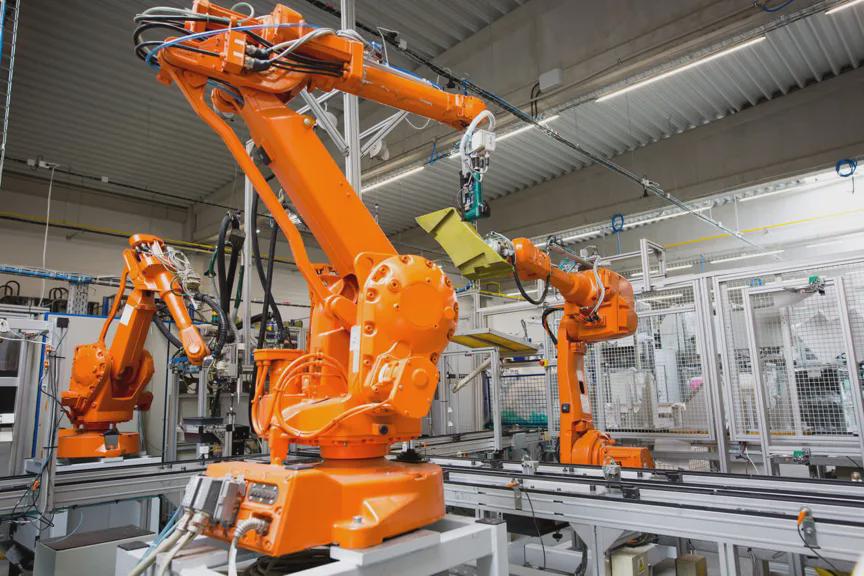
354,000 Chinese Industrial Robots Transforming the Landscape of the 'Four Great Families
A significant development in the robotics sector has emerged, with 354,000 Chinese industrial robots reportedly toppling the city walls of the 'Four Great Families'. This event highlights the rapid advancements in robotics technology and its implications for urban infrastructure. The importance of this transformation lies in the potential for industrial robots to reshape traditional industries and urban environments. As these robots become more integrated into various sectors, they may lead to increased efficiency and innovation, challenging established norms and practices. Looking ahead, the ongoing evolution of robotics technology will be crucial to watch. The integration of such a large number of robots signifies a shift in how industries operate, and it will be interesting to see how this impacts future urban planning and industrial strategies. No further timeline was disclosed at the time of publication.
Robotics Automation AI
China Installed 354,000 Industrial Robots in 2025, Representing 59% of Global Total
On September 24, the International Federation of Robotics (IFR) released its report 'World Robotics 2026,' revealing that China deployed 354,000 industrial robots in 2025, marking a 20% increase year-on-year and accounting for 59% of global installations. This figure surpasses the previous record by nearly 60,000 units, reinforcing China's position as the largest industrial robot market worldwide. The demand for industrial robots in China is primarily driven by the electrical and electronics, automotive, and metalworking sectors. In 2025, the electrical and electronics industry installed 96,400 robots, a 16% increase, while the automotive sector saw installations rise to 78,900, a remarkable 38% growth. The metalworking industry also experienced a 44% increase, reaching 78,700 units. The automotive sector's growth is particularly noteworthy as it undergoes a transformation towards electrification and intelligence, leading to heightened demand for robots. Chinese robot manufacturers are expanding their presence in the domestic market, with local suppliers increasing installations by 15% to 195,000 units, representing 55% of the total. The IFR noted that since 2024, over half of the industrial robots installed in China have been supplied by domestic brands. The market is expected to continue growing at an annual rate of 5% to 10% until 2029, driven by demographic changes and labor shortages. Future developments will focus on transforming industrial robots into intelligent equipment capable of adapting to non-standard scenarios.
Industrial Robots Automation Robotics Market AI Technology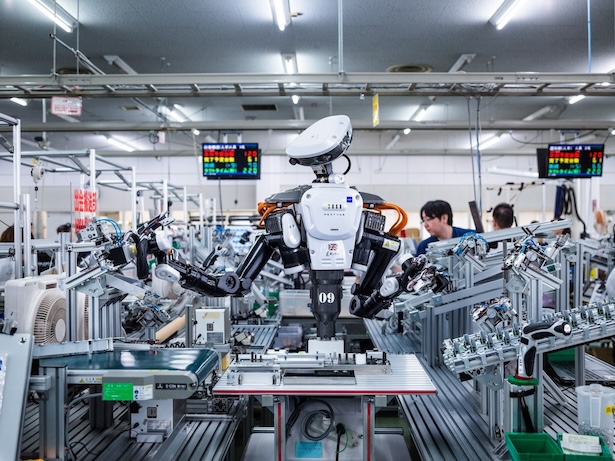
Robot.com and Sodexo Extend Partnership with Seven-Year Deal for Autonomous Delivery Robots
Robot.com has entered into a seven-year commercial agreement with Sodexo to enhance the deployment of autonomous delivery robots across North American college campuses. This partnership, which began in 2021, aims to expand the use of these robots and includes new initiatives such as robot advertising. The significance of this agreement lies in Sodexo's commitment to leveraging digital and AI-enabled solutions to improve consumer experiences and operational efficiency. By integrating autonomous delivery systems, Sodexo is responding to the evolving needs of campus environments while providing flexible service models for operators. Looking ahead, this contract marks Robot.com's largest single enterprise deployment, indicating a substantial growth opportunity in the autonomous delivery sector. No further timeline was disclosed at the time of publication.

DARPA Initiates $3.5 Million Competition for Autonomous Trauma Surgery Robots
The Defense Advanced Research Projects Agency (DARPA) is launching a $3.5 million competition aimed at developing robotic systems capable of assisting surgeons and eventually performing trauma surgeries autonomously during combat and mass-casualty scenarios. The competition will commence on September 22, 2026, with an Industry Day and will conclude with a finals event in March 2027. This initiative is crucial due to the shortage of available surgeons during large-scale traumatic injury events, where survivable injuries can become fatal if medical personnel are overwhelmed. DARPA's program manager, Dr. Jeremy C. Pamplin, emphasized that the goal is not to replace surgeons but to create highly skilled robotic partners that enhance surgical capabilities through advanced artificial intelligence and human-machine collaboration. Competitors will undergo rigorous testing in medical knowledge, physical capability, and rapid learning, with top teams advancing to two operational tracks, each offering a $1.5 million prize pool. The competition also aims to explore potential civilian applications in disaster response and rural healthcare, highlighting the broader impact of the technologies developed through this initiative.
AI AI Funding & Investment Robotics autonomous trauma surgery robots competition DARPA Funding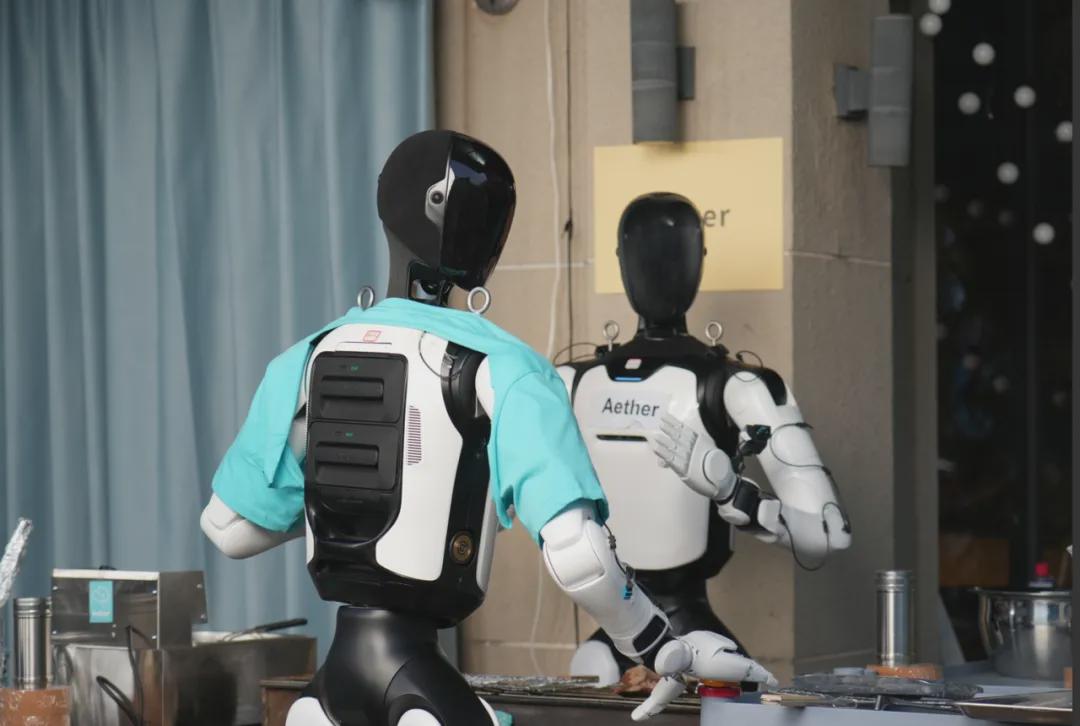
Live Outdoor Demonstration of Autonomous Robots Completing Barbecue Tasks
The embodied intelligence industry is experiencing a 'false prosperity' with frequent demonstrations of robots performing tasks like folding clothes and serving coffee. However, these demos often mask failures and rely on pre-programmed actions or remote control, raising questions about their authenticity. In contrast, LeXiang Technology recently showcased its Ether large model in a live outdoor event, allowing real-time interaction and interruptions from the audience. On September 16, two robots equipped with the Ether model autonomously completed a barbecue task without human intervention. They managed the entire process from taking orders to cooking and serving, while also adapting to unexpected changes from guests. Despite some errors, the live format highlighted the challenges of real-world applications, emphasizing the importance of transparency in robotic capabilities. This demonstration serves as a critical test of the robots' ability to learn and adapt in real-time, rather than just showcasing perfect outcomes. As the industry continues to evolve, the focus on genuine performance under varied conditions will be essential for advancing autonomous technologies.
Autonomous Robots AI Live Demonstrations Robotics Real-World Applications
Universal Robots Introduces Gen 7 Platform for Enhanced Industrial Automation and AI
Universal Robots, a Teradyne Robotics company, has launched its seventh-generation industrial robot platform, Gen 7, aimed at advancing industrial automation and physical AI applications. This new platform was introduced at the IMTS trade show and features an innovative design that includes new robot arms, a controller, a teach pendant, and a tool flange, all centered around the PolyScope X robot technology. The introduction of Gen 7 is significant as it represents a major step forward in the capabilities of industrial robots, enhancing their functionality in automation processes and AI integration. This development is expected to improve operational efficiency and flexibility in various industrial settings, making it a crucial advancement for manufacturers looking to optimize their production lines. Looking ahead, industry professionals should monitor the adoption of the Gen 7 platform and its impact on the market for industrial automation solutions. No further timeline was disclosed at the time of publication.
Industrial robots News cobots collaborative robots g-series gen 7
Maven Robotics Secures $100 Million Funding to Expand General-Purpose Industrial Robots
Maven Robotics has officially launched, announcing $100 million in Series A funding from investors including RoboStrategy, LocalGlobe, Vine Ventures, and XTX Ventures. The company specializes in designing, building, and deploying intelligent robotics tailored for logistics and manufacturing applications. This funding is significant as it positions Maven Robotics to scale its operations and enhance its innovative general-purpose robotics systems. Founded in 2024, the company aims to revolutionize the industrial sector by providing versatile robotic solutions that can adapt to various tasks within logistics and manufacturing environments. Looking ahead, industry observers will be keen to see how Maven Robotics utilizes this funding to accelerate product development and market penetration. No further timeline was disclosed at the time of publication.
Industry News Robotics Autonomous robots general purpose robots industrial robotics
Universal Robots Launches Gen 7 Platform for Enhanced Industrial Automation and AI Integration
Universal Robots has introduced the Gen 7 robot platform, which features a complete redesign from the controller to the tool flange. This new platform is designed to be AI-ready right out of the box, equipping companies with advanced software tools and improved connectivity. The significance of the Gen 7 platform lies in its ability to facilitate the transition of AI technologies from research environments into practical industrial applications. This advancement is crucial for companies looking to enhance their operational efficiency and leverage AI capabilities in their processes. Looking ahead, the industry will be keen to observe how the Gen 7 platform impacts the adoption of AI in industrial settings. No further timeline was disclosed at the time of publication.
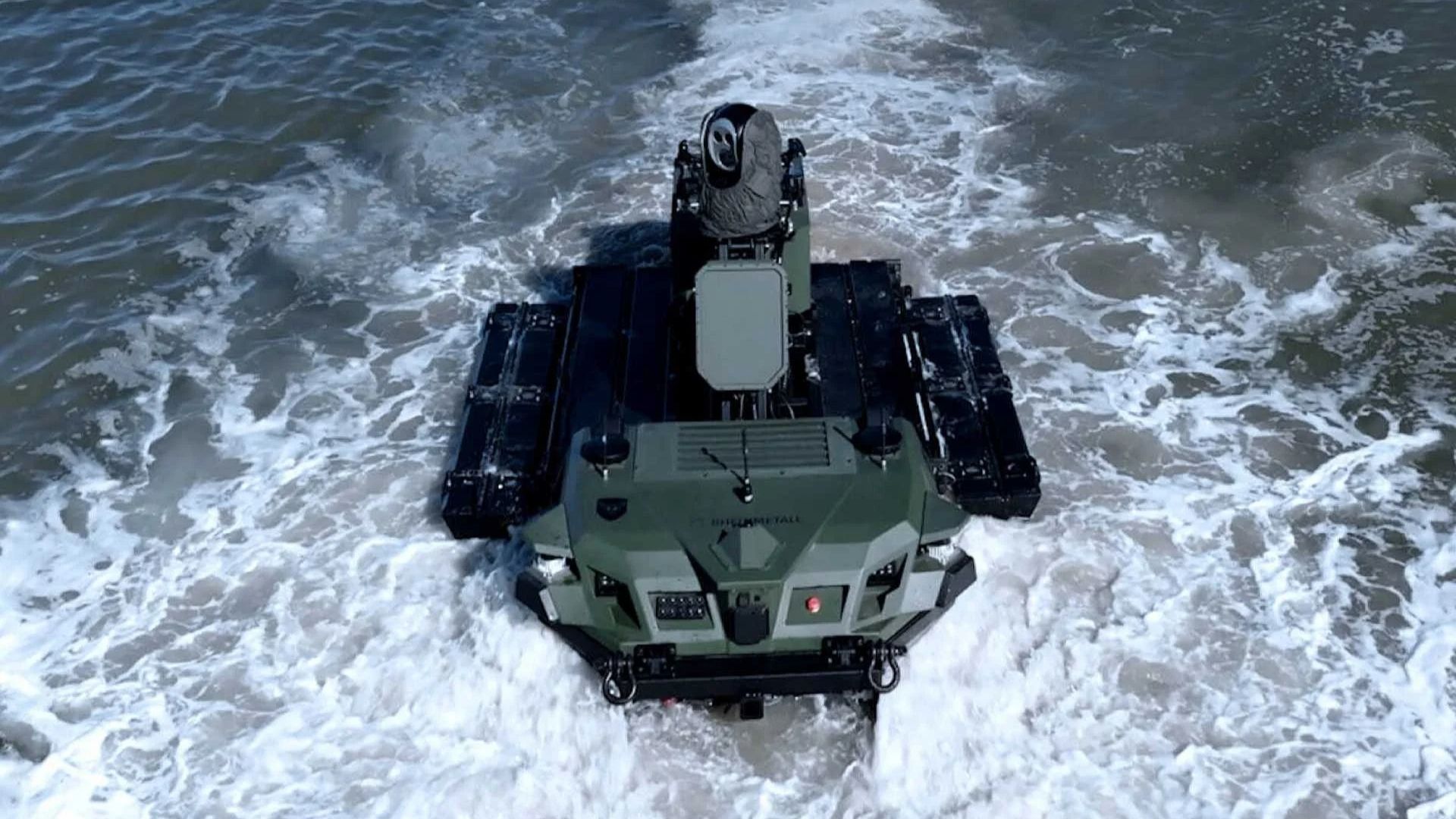
US Marine Corps Secures 12 Rheinmetall Amphibious Robots for Autonomous Logistics
American Rheinmetall has been awarded a $7.28 million contract to supply 12 Mission Master SP Autonomous Unmanned Ground Vehicles (A-UGVs) to the US Marine Corps. This procurement includes five amphibious kits and supporting equipment aimed at enhancing autonomous logistics and expeditionary mobility technologies. The significance of this contract lies in its potential to advance the operational capabilities of the US Marine Corps. The Mission Master SP vehicles are designed to support the Marine Corps Warfighting Laboratory's evaluations and capability development efforts, reflecting over four years of collaboration between Rheinmetall and the Marines. Looking ahead, the deployment of these advanced A-UGVs will be closely monitored as they are integrated into military operations. The amphibious capability is particularly noteworthy, as it addresses the evolving demands of littoral and expeditionary operations, marking a key milestone in Rheinmetall's partnership with the US Marine Corps.
Military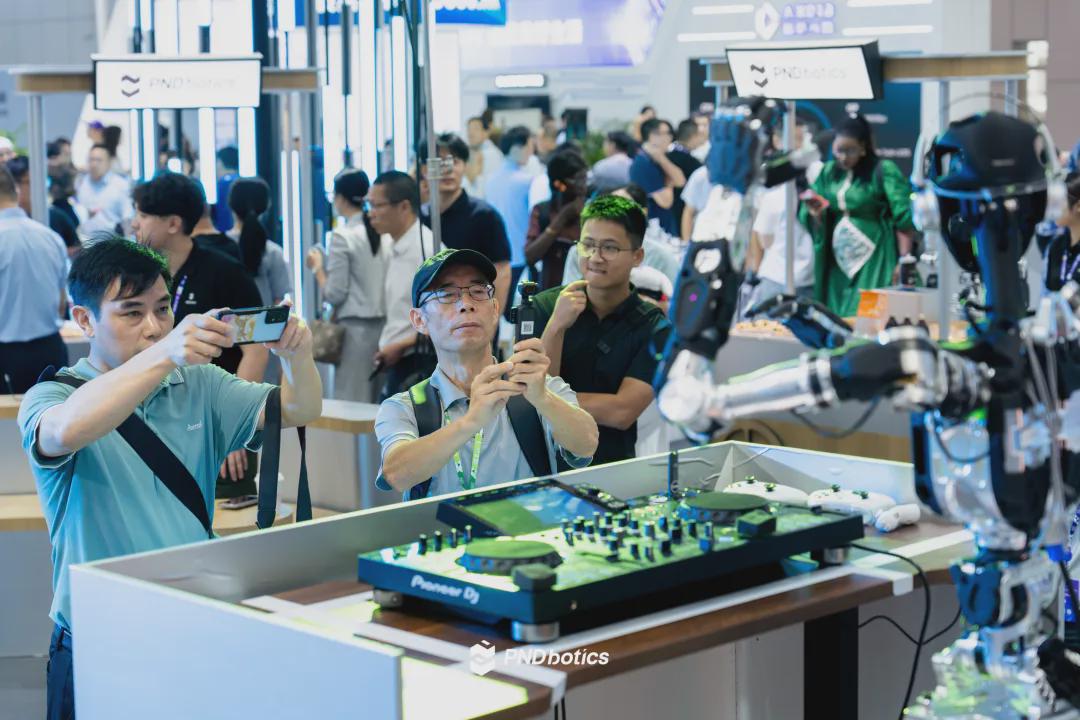
PNDbotics Showcases Humanoid Robots for Real-World Industrial Applications
PNDbotics is exploring the application of humanoid robots in real industrial tasks at the Future Factory exhibition, held from September 11 to 13 at the Ningbo International Exhibition Center. The showcase emphasizes the robots' ability to understand tasks, recognize environments, and adapt execution strategies in dynamic production settings. This initiative is significant as it addresses the challenges of integrating humanoid robots into complex industrial environments, where continuous decision-making is crucial. Unlike controlled lab settings, real factories present fluctuating conditions that require robots to perform a series of interconnected actions, demonstrating their full operational capabilities. Looking ahead, the focus will be on how these robots can effectively connect with real production environments and validate their reliability through successful task execution. The goal is to enhance the robots' system capabilities, moving beyond mere movement to achieving task completion in manufacturing settings.
Humanoid Robots Industrial Automation Robotics Technology AI Manufacturing Solutions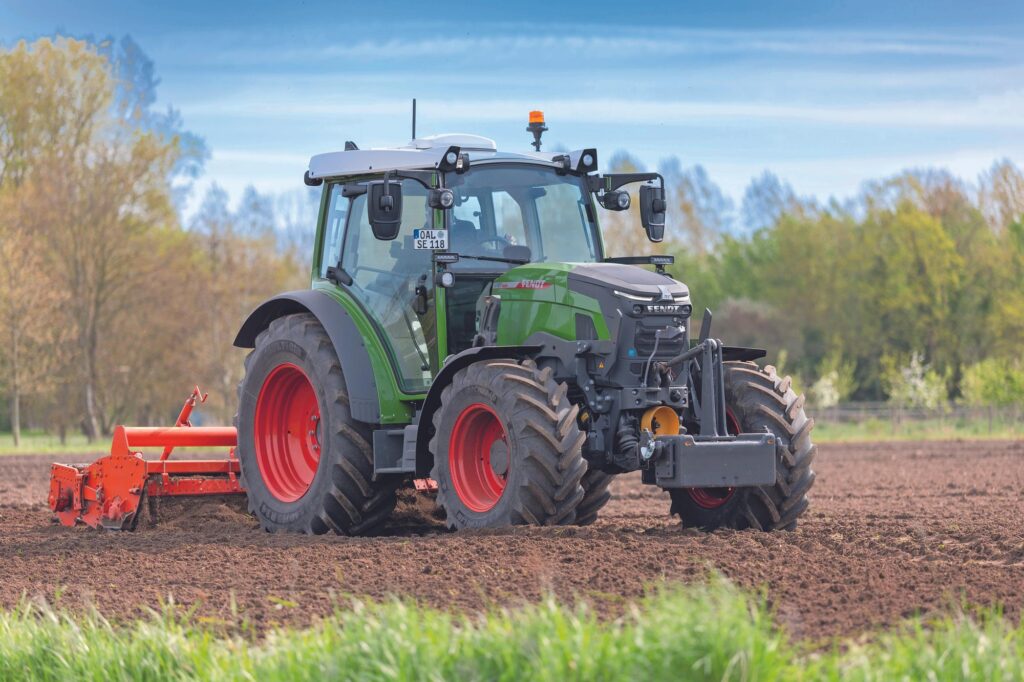
Fendt e107 Vario Electric Tractor Demonstrates Battery Power for Autonomous Field Robots
A recent test compared the Fendt e107 Vario electric tractor with the diesel-powered Fendt 207 Vario in both summer conditions in the Netherlands and winter conditions in Norway. The results indicate that while the electric tractor is advanced, its battery capacity remains a key limitation for heavy-duty tasks. This development is significant for the future of autonomous field robots, as electric drive systems could offer inherent advantages in efficiency and sustainability. The Fendt e107 Vario's performance suggests that battery-electric technology is becoming increasingly viable for agricultural applications. Looking ahead, the evolution of battery technology and electric drivetrains will be crucial for enhancing the capabilities of autonomous field robots. No further timeline was disclosed at the time of publication.
Tech in focus electric fendt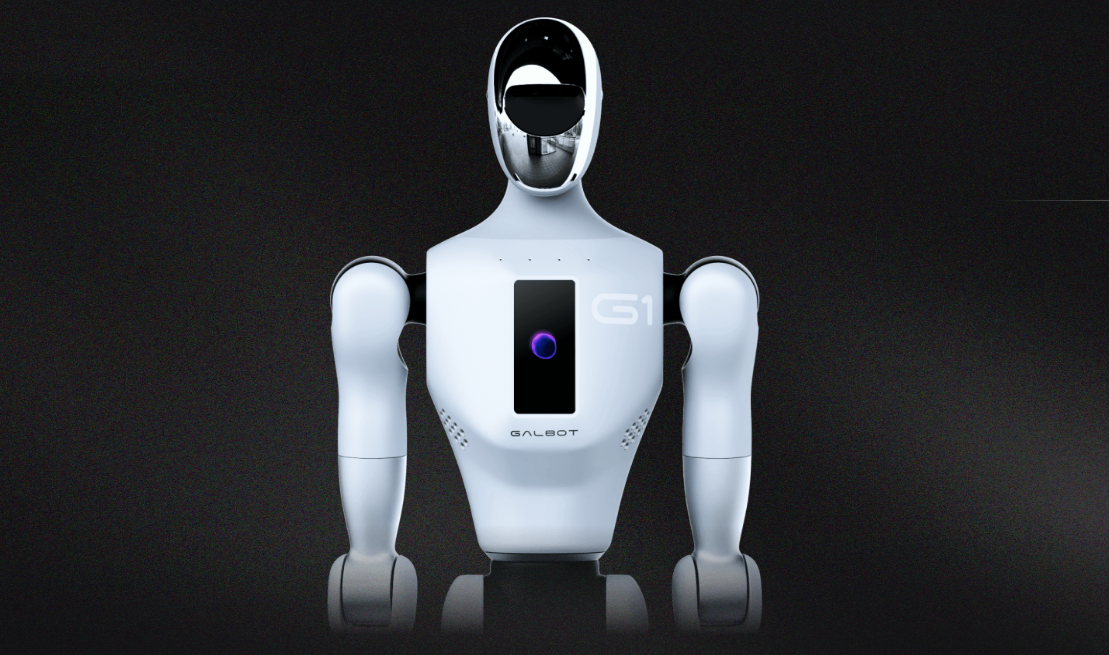
Galbot's Journey Towards Integrating Embodied AI Robots in Industrial Production Lines
Galbot, a Chinese embodied AI robotics company, is advancing the integration of robots into industrial production environments. Founded in May 2023, the company has raised over RMB 2.4 billion ($360 million) in funding, with a valuation exceeding RMB 22 billion ($3.27 billion). Galbot's G1 robot features a mobile platform and dual-arm manipulation system, enabling it to adapt to various tasks in flexible manufacturing scenarios. The demand for robots that can perform complex tasks in dynamic environments is growing as manufacturing shifts towards greater flexibility and intelligence. Traditional industrial robots, which are typically fixed and perform repetitive tasks, are being challenged by the need for more adaptable solutions. Galbot's innovations, including the G1 and S1 robots, aim to address these challenges by providing greater mobility and efficiency in manufacturing processes. As the embodied AI sector gains momentum, Galbot's focus on industrial applications positions it well for future growth. The company is set to play a significant role in transforming production methods, allowing robots to take on hazardous and repetitive tasks while collaborating with human workers to enhance productivity and safety. No further timeline was disclosed at the time of publication.
Up and Comers AI Highlight News Robotics
Figure 03 Demonstrates Autonomous Climbing of 4.6-Meter Industrial Ladder
Figure 03 recently released a video showcasing its robot autonomously climbing a 4.6-meter industrial ladder and descending without remote control or pre-recorded paths. The robot must perform five simultaneous tasks: identifying rungs with cameras, accurately gripping, finding foot placements, controlling climbing rhythm, and redistributing its center of gravity with each movement. This achievement is significant as it deviates from traditional motion planning methods, utilizing the Helix system for real-time mapping and neural network calculations for joint movements. According to Adcock, this demonstration represents a real customer use case, highlighting the practical need for robots to navigate existing infrastructure in industrial settings, such as maintenance and material transport. The Figure 02 robot has been operational at BMW's Spartanburg plant for over a year, handling over 90,000 parts and running for more than 1,250 hours. Figure 03 builds on this by adding logistics sorting and vertical mobility, covering multiple levels within the facility. No further timeline was disclosed at the time of publication.
Humanoid Robots Industrial Automation Robotics Technology AI Autonomous Systems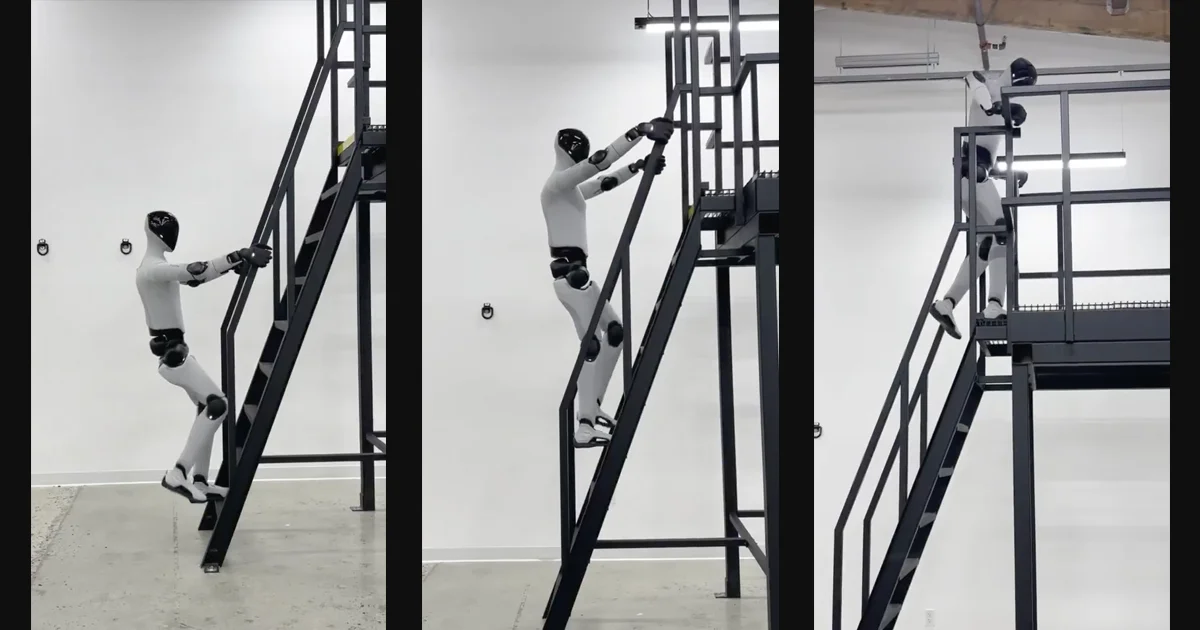
Figure AI Unveils 15-Foot Autonomous Ladder Climbing for Industrial Applications
Figure AI has successfully demonstrated its humanoid platform's ability to autonomously ascend and descend a 15-foot industrial ladder. This achievement, shared by CEO Brett Adcock on August 22, showcases the robot's capability to navigate complex vertical environments, a significant advancement from previous demonstrations. The importance of this milestone lies in its practical application for industrial workflows. Adcock emphasized that this capability addresses real customer needs, particularly in environments where traditional wheeled robots face limitations. The humanoid's design aims to enhance operational efficiency in settings like BMW Plant Spartanburg and Catalyst Brands. Looking ahead, Figure AI's innovation highlights the challenges of dynamic control in vertical movements, as noted by industry expert Jen Zhu Scott. The integration of real-time visual perception and proprioceptive feedback through Figure's Helix neural network stack will be crucial for future developments. No further timeline was disclosed at the time of publication.
US Figure
UBTECH Unveils New Humanoid Robots for Industrial, Commercial, and Home Use at WRC 2026
From August 19 to 23, 2026, the World Robot Conference (WRC 2026) took place in Beijing, where UBTECH showcased a range of humanoid robots designed for industrial, commercial, and home applications. Highlighted products included the industrial humanoid robot Cruzr Y1, the commercial service robot Walker C1, and the ultra-bionic humanoid robot U1, marking a significant step towards the market application of humanoid robots. This event is pivotal as 2026 is recognized as the inaugural year for the market application of humanoid robots, transitioning from conceptual exploration to practical, scalable development. UBTECH's strategy encompasses a comprehensive approach to industrial strength, commercial service, and emotional engagement in home consumption, leveraging technology and data to enhance the productivity value of humanoid robots. Looking ahead, UBTECH's commitment to advancing embodied intelligence technology is crucial for the successful deployment of humanoid robots across various sectors. No further timeline was disclosed at the time of publication.
Humanoid Robots Industrial Automation Commercial Robotics Home Robotics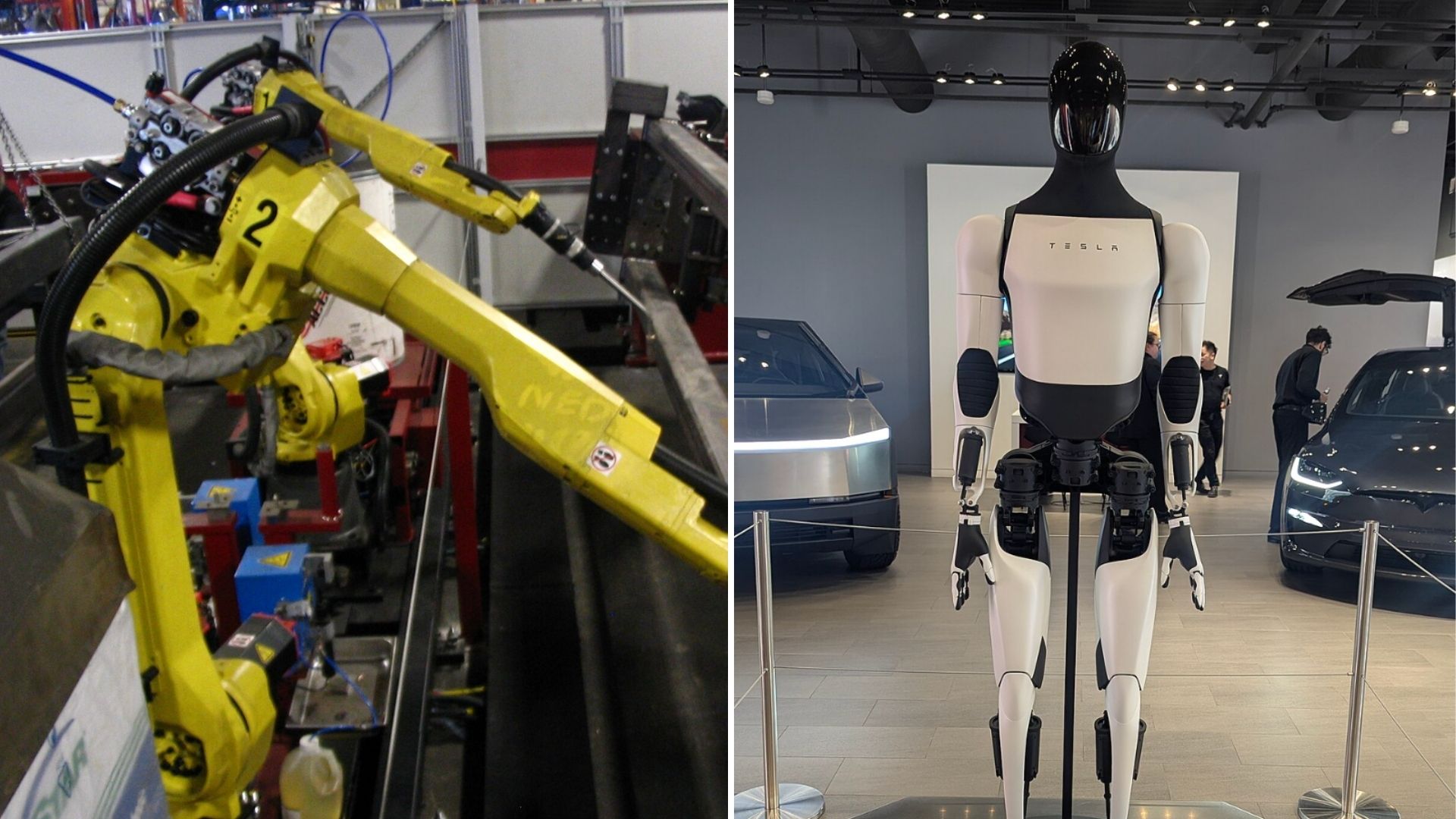
Humanoid Robots Enter Factories: Will They Surpass Traditional Industrial Robots?
Humanoid robots are emerging as a new element in factory automation, capable of walking between workstations and handling components. However, traditional industrial robots still dominate the automated factory landscape, raising questions about the future of humanoid integration in manufacturing environments. The significance of this development lies in the contrasting benefits of humanoids and industrial robots. While humanoids offer flexibility, industrial robots provide proven productivity, having been established in factories for decades. In 2024, factories installed 542,000 industrial robots, contributing to a global total of approximately 4.66 million, according to the International Federation of Robotics. Looking ahead, the competition between humanoids and industrial robots will intensify as manufacturers weigh the costs and benefits of each technology. Collaborative robots are also gaining traction, representing 10.5% of industrial robot installations in 2023, which may further challenge the role of humanoids in factories. No further timeline was disclosed at the time of publication.
AI and Robotics
HKU and KAI's SMASH 2.0 Robots Successfully Complete Autonomous Table Tennis Match
A collaboration between the University of Hong Kong and KAI research has achieved a milestone by conducting the first fully autonomous humanoid table tennis match. Two robots engaged in an entire 11-point game without any human intervention or remote control, showcasing advanced capabilities in robotics. This achievement is significant as it demonstrates the potential for autonomous systems in sports and entertainment, highlighting advancements in robotics technology. The SMASH 2.0 system, which facilitated this match, represents a leap forward in the development of robots capable of complex interactions and real-time decision-making. The SMASH 2.0 system is set to make its public debut at the second World Robot Games, scheduled to take place at the Ice Ribbon in Beijing from August 22-26. Observers will be keen to see how this technology evolves and its implications for future robotics applications in various fields.

Brain Corp Achieves 68 Percent Growth, Surpassing 50,000 Autonomous Robots Deployed Globally
Brain Corp has reported significant growth in its global fleet of autonomous robots, achieving a 68 percent increase in deployments year-over-year in the first half of 2026. This milestone highlights the expanding role of BrainOS-powered robots across various sectors, including retail and logistics, as they logged over 5.3 million autonomous operating hours. The company's performance indicates a pivotal moment for enterprise robotics, as organizations seek proven platforms for faster and more profitable deployment of robotic solutions. Brain Corp's partnerships with ShelfOptix and Tennant Company further reflect the rising demand for scalable autonomy platforms in the market. Looking ahead, enterprises are increasingly focused on the capabilities of autonomy platforms, evaluating their performance and data security across multiple sites. Brain Corp's recent SOC 2 Type II compliance underscores its commitment to meeting these expectations, ensuring robust security controls and data management practices for its clients.
Computing News Software airport automation amrs artificial intelligence
Global Demand for Autonomous Mobile Robots Expected to Surge by 2030
The demand for autonomous mobile robots (AMRs) is increasing globally, driven by rising labor costs and the need for operational flexibility. Interact Analysis predicts that the market for AMRs will grow from nearly $5 billion in 2024 to $14 billion by 2030, indicating a strong recovery post-COVID-19 pandemic. ABI Research forecasts that the mobile robot market could expand from $33 billion in 2026 to $68.9 billion by 2030, with AMRs comprising half of that total. Suppliers highlight the ease of integrating automated and semi-automated forklifts into existing workflows, while automated storage and retrieval systems (ASRS) offer scalability for those investing in infrastructure. Recent advancements in AMRs are attributed to improvements in computer vision, sensor fusion, and machine learning, enhancing navigation and operational efficiency. Despite interoperability challenges, orchestration software vendors are addressing these issues, enabling easier scaling and integration of fleets. No further timeline was disclosed at the time of publication.
AGVs Automated Warehouse Autonomous Mobile Robots (AMRs) Digital Issues Logistics Manufacturing
Autonomous Robots Revolutionizing Polar Science in the Arctic and Antarctic Regions
The British Antarctic Survey reports that autonomous vehicles are significantly transforming polar science. These robots operate beneath Antarctic sea ice, on Greenland glaciers, and in remote areas, gathering crucial data without human operators. Their deployment allows scientists to explore dangerous and inaccessible environments, enhancing research on glaciers, oceans, wildlife, and climate processes. The importance of these autonomous robots lies in their ability to monitor and collect data over extended periods, which was previously unimaginable. Dr. Alex Brearley from the British Antarctic Survey highlights the convenience of controlling these gliders remotely from Cambridge while they operate thousands of miles away in Antarctica. This technology enables researchers to gain insights into complex phenomena like internal tsunamis caused by glacier ice calving. Looking ahead, the continued integration of autonomous vehicles in polar research will likely expand the scope and depth of scientific exploration in these extreme environments. No further timeline was disclosed at the time of publication.
Features Science aerial drones antarctica arctic Autonomous robots
igus Introduces Twisterchain Energy Chain for 600-Degree Rotation in Industrial Robots
igus GmbH has launched a new self-supporting twisterchain energy chain designed for industrial applications, particularly in palletizing. This innovative product enables reliable cable management through rotation angles exceeding 600° on compact industrial robots, addressing challenges related to energy supply and cable collisions during operation. The introduction of the twisterchain is significant as it resolves two critical issues faced by robotics in industrial settings. Compact robots, which perform tasks like screwing and assembly, have struggled with energy supply along their fast-rotating first axis. Additionally, palletizing robots often encounter problems with uncontrolled hoses colliding with tools. The new energy chain allows power and data cables to follow full rotations safely, even under dynamic motion profiles. Looking ahead, igus's twisterchain could enhance the efficiency and reliability of industrial robots, particularly in applications requiring high mobility and precision. No further timeline was disclosed at the time of publication.
Assembly Batteries / Power Supplies Industrial Robots Manufacturing Materials News
Humanoid Robots Transforming Brownfield Factories for Industrial Automation
Humanoid robots are emerging as a transformative force in manufacturing, particularly in brownfield factories. Their ability to adapt to existing human-centric environments allows for seamless integration into production workflows, minimizing the need for extensive modifications. This adaptability is crucial as manufacturers seek to modernize facilities without incurring significant capital investment or operational disruption. The significance of humanoid robots lies in their unique design and functionality, which enable them to perform a wide range of tasks in dynamic environments. Unlike traditional automated guided vehicles (AGVs) and autonomous mobile robots (AMRs), humanoids can navigate and adjust to changing conditions, making them well-suited for environments built around human dimensions. This capability positions them as a viable solution for manufacturers looking to enhance automation in legacy systems. Looking ahead, organizations must focus on workforce training and process reevaluation to ensure effective human-robot collaboration. The integration of a robust digital thread and the creation of digital twins will be essential for simulating interactions and validating workflows before deploying humanoids in production. No further timeline was disclosed at the time of publication.
Factory / Robotics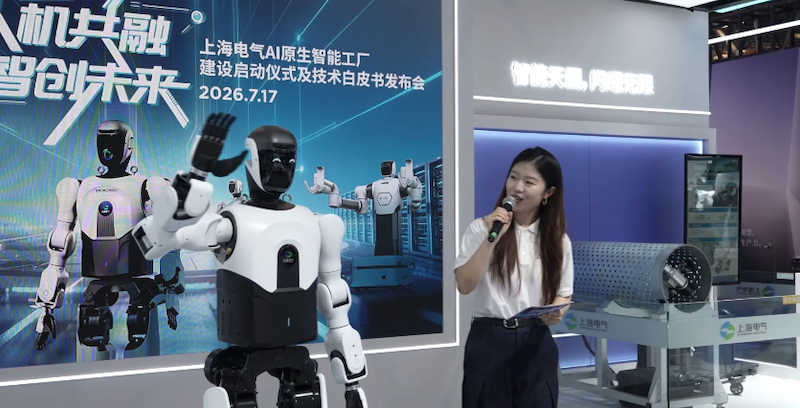
Shanghai Electric Showcases Humanoids, Industrial Robots, and AI Smart Factory Innovations
At the 2026 World Artificial Intelligence Conference, Shanghai Electric presented its advanced embodied intelligence solutions for industrial applications. The company emphasized its capabilities in embodied AI robots, core components, and AI-native smart factory technologies, showcasing a comprehensive portfolio designed for various industrial scenarios. This development is significant as it highlights the integration of machine precision with human expertise, aiming to enhance collaboration in manufacturing processes. Shanghai Electric's robotics solutions address critical tasks such as connector insertion, intelligent assembly, and flexible sorting, showcasing innovations like the planetary roller screw and DexHand dexterous hand. Looking ahead, Shanghai Electric's launch of 51 AI models under the “StarCloud Intelligent Manufacturing” series marks a shift towards data-driven operations in manufacturing. The release of the “AI-Native Smart Factory Technology White Paper” outlines a new architecture for real-time production optimization, indicating a transformative approach to industrial automation. No further timeline was disclosed at the time of publication.
Artificial Intelligence Robotics AI-native smart factory embodied ai humanoid robots industrial ai
Challenges in Developing Household Robots with Industrial Logic Highlighted by Stanford Report
The Stanford 2026 AI Index Report reveals that humanoid robots achieve an 89.4% success rate in controlled environments for household tasks, but this drops to 12.4% in real homes. Despite a projected 508% increase in global humanoid robot shipments by 2025, most production is focused on industrial applications, leaving household integration a challenge. Tesla's Optimus is in trial production, with a public release expected by late 2027, though industry analysts remain skeptical. The traditional metrics for evaluating robots—speed, load, and precision—are inadequate for home environments, which prioritize safety and emotional interaction. The complexity of household tasks requires a shift from industrial logic to a more nuanced understanding of family dynamics. Figure 03, designed specifically for home use, aims for limited deployment in 2026. Demonstrations show impressive autonomous capabilities, but concerns arise about performance in typical family settings. The company Future Not Far, founded in Shanghai, has completed significant funding and is testing its F1 robot in homes, achieving high user satisfaction and engagement metrics.
Humanoid Robots Household Robotics AI Robotics Technology
Study Shows Autonomous Service Robots Influence Social Behavior at Public Events
A recent study by ethologists at ELTE revealed that visitors at public events were more likely to notice an autonomous service robot than a human server. The experiment found that candy offered by the robot was taken more quickly, indicating a higher level of curiosity and engagement with the robotic server. This research highlights the potential impact of autonomous service robots on social interactions in public settings. The findings suggest that the presence of robots can alter human behavior, making them more receptive to engaging with technology in social contexts. Looking ahead, it will be important to monitor how the integration of autonomous service robots in various environments continues to shape social behaviors. No further timeline was disclosed at the time of publication.
Consumer & Gadgets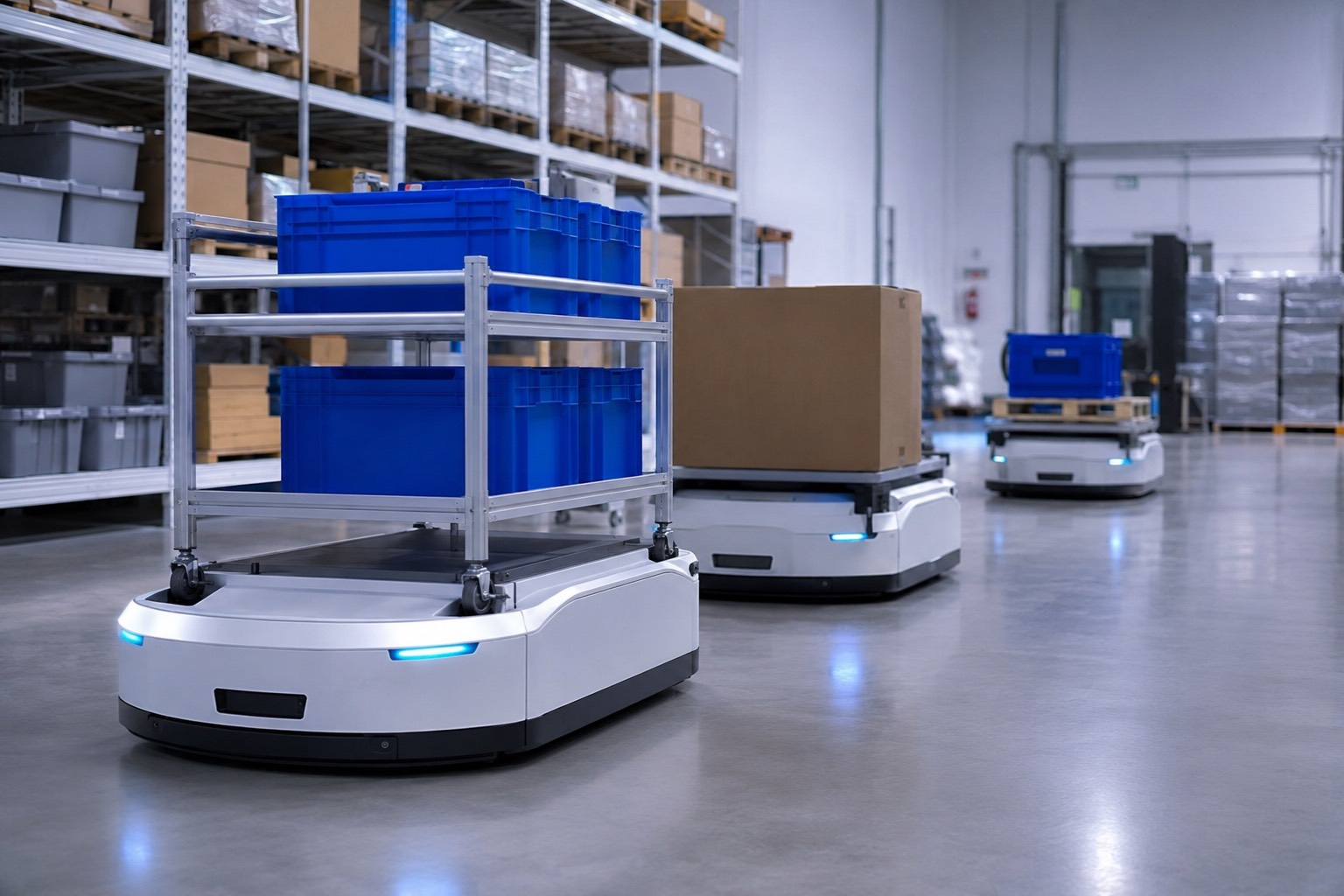
The Rise of Autonomous Mobile Robots in Industrial Automation
Autonomous Mobile Robots (AMRs) are rapidly transforming industrial automation, moving beyond traditional fixed conveyors and AGVs. Their flexibility meets the evolving demands of logistics driven by e-commerce growth, product customization, and labor shortages. AMRs utilize advanced technologies like sensors, cameras, LiDAR, and AI to navigate dynamically without fixed infrastructure. This adaptability is crucial as industries face fluctuating volumes and changing processes, making AMRs a vital component of modern supply chains. According to the International Federation of Robotics, AMRs are among the fastest-growing segments in professional robotics. As deployments increase in logistics centers, fleet management software is becoming as critical as the robots themselves, indicating a shift towards integrated automated solutions.
À la une IA Industrie Robotique AMR automatisation des entrepôts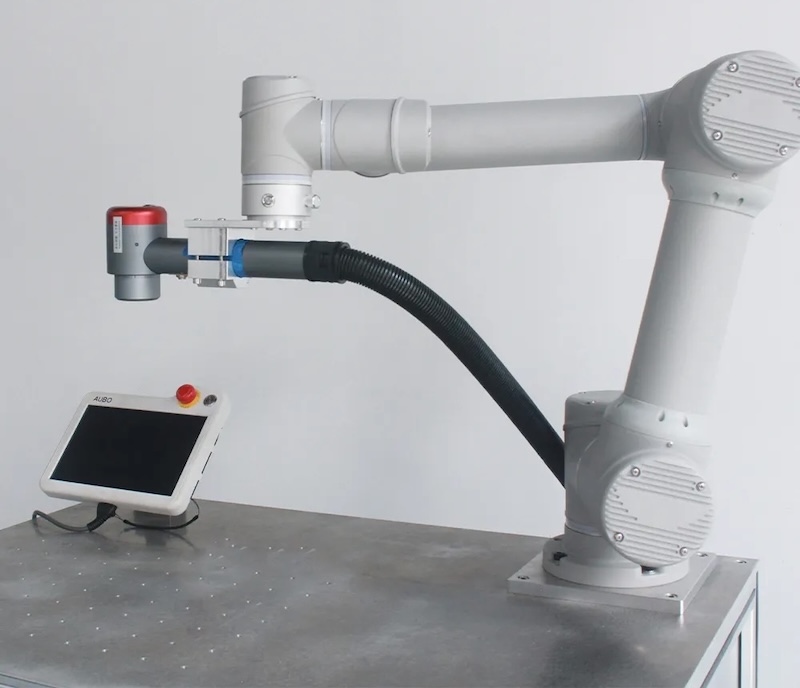
Integrating Industrial Robots with Laser Cleaning Systems Enhances Production Efficiency
Recent advancements in technology are transforming factory operations, with companies striving to reduce cycle times, cut costs, and ensure quality. The integration of industrial robots with laser cleaning systems is emerging as a solution to automate the removal of burrs from metal components, significantly enhancing productivity and efficiency in production lines. This combination of technologies is crucial as it addresses the need for cleaner surfaces before processes like painting, coating, or welding, which are essential for maintaining product quality. Laser cleaning, a modern technique that utilizes powerful laser beams to eliminate unwanted materials without damaging the underlying metal, offers a more environmentally friendly alternative to traditional cleaning methods that often rely on harsh chemicals. As more companies explore the benefits of industrial laser cleaning machines, the focus will be on how these systems can further optimize production lines. The automation of the cleaning process not only saves time but also improves overall manufacturing efficiency. No further timeline was disclosed at the time of publication.
Engineering Robotics Technology factory automation industrial automation industrial robots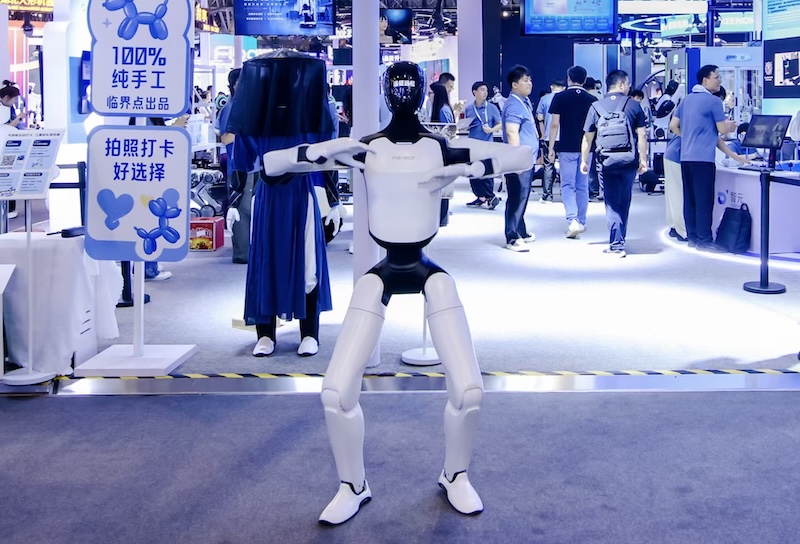
AGIBOT Launches Four New Robots at WAIC 2026, Expanding Industrial AI Portfolio
AGIBOT introduced four new robotic products at the World Artificial Intelligence Conference (WAIC) 2026 in Shanghai, enhancing its humanoid robots and industrial automation systems. The new offerings include the AGIBOT A3 Ultra humanoid robot, X2 EDU education platform, G2 Max industrial robot, and OmniHand 3 Ultra-M dexterous robotic hand, alongside the deployment of over 30 robots for visitor assistance at the event. This expansion is significant as it underscores AGIBOT's commitment to advancing embodied AI technology, moving beyond mere demonstrations to reliable integration in real-world applications. The A3 Ultra, G2 Max, and OmniHand 3 Ultra-M are designed to tackle critical challenges in humanoid platforms, industrial tasks, and dexterous manipulation, reflecting the company's focus on delivering practical value at scale. Looking ahead, AGIBOT's strategy aims to transition embodied AI from laboratory settings to consistent commercial and industrial workflows. No further timeline was disclosed at the time of publication.
Events Humanoids News A3 Ultra agibot artificial intelligence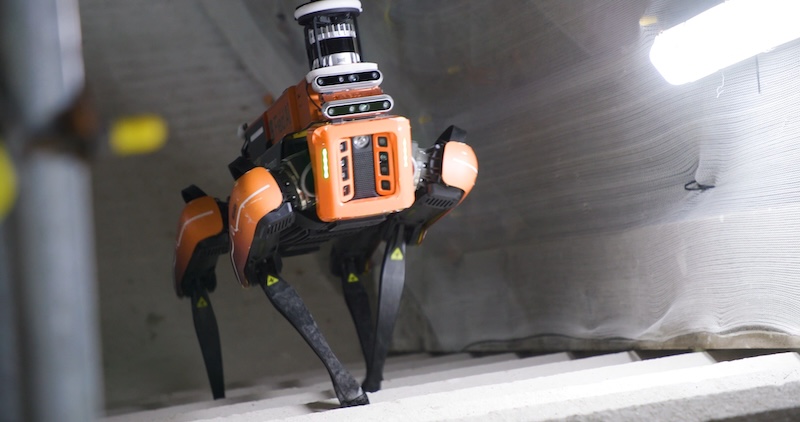
McLaren Construction Partners with FieldAI to Deploy Autonomous Robots Across UK Sites
McLaren Construction has formed a partnership with FieldAI to implement autonomous quadruped robots at its construction sites in the UK. These robots will initially be used for capturing 360° site imagery, generating point cloud data, and assisting with progress verification, safety compliance, and quality assurance. The capabilities of these robots will expand over time, enhancing their utility on-site. This partnership is significant as it marks FieldAI's entry into the UK market and builds upon its existing deployments across Europe, Asia, and North America. The use of AI-enabled deviation analysis will facilitate quicker identification of quality issues, ensuring better installation practices and reducing rework. McLaren aims to enhance project monitoring and compliance through this innovative technology. Looking ahead, McLaren Construction anticipates that the collaboration will yield valuable insights for broader robotic applications within the company. The deployment of FieldAI's Field Foundation Models will enable robots to adapt to complex environments without relying on pre-existing maps, thus enhancing operational efficiency. No further timeline was disclosed at the time of publication.
Construction News artificial intelligence Autonomous robots autonomous systems construction automation
Hitachi Collaborates with Agile Robots to Advance Physical AI for Manufacturing Automation
Hitachi has entered into a partnership with Agile Robots to develop physical AI systems aimed at automating complex factory tasks that require human adaptability. This collaboration merges Hitachi's expertise in AI, manufacturing, and edge computing with Agile Robots' advanced robotics platform, including their humanoid robot and AI-driven software. The significance of this partnership lies in its potential to enhance manufacturing processes by enabling robots to recognize changing conditions and make autonomous decisions. This aligns with Hitachi's broader initiative to create an HMAX Industry ecosystem, which aims to promote more autonomous manufacturing solutions globally. Looking ahead, the partnership is expected to expand Agile Robots' applications in various sectors, including automotive manufacturing and healthcare. No further timeline was disclosed at the time of publication.
Business & Markets Humanoids Physical AI AI Germany humanoid robotics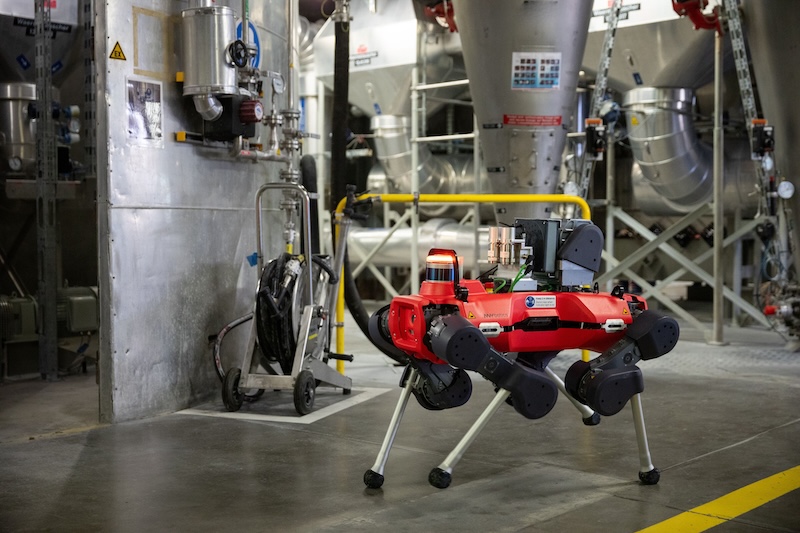
ANYbotics Introduces Shift Platform for Managing Autonomous Robot Fleets and Inspections
ANYbotics has unveiled Shift, a software platform aimed at managing fleets of autonomous inspection robots and integrating their data with industrial maintenance systems. This platform combines plant mapping, robot fleet management, inspection data, and maintenance workflows, allowing companies in process industries such as energy and mining to efficiently operate multiple robots and organize findings related to their assets. The significance of Shift lies in its ability to streamline the flow of field data into maintenance actions, as highlighted by Péter Fankhauser, co-founder and CEO of ANYbotics. He emphasizes that the platform's AI capabilities transform inspection findings into actionable work orders, potentially saving millions by preventing unplanned downtime. Shift's central interface enables operations teams to monitor robot status and schedule missions, while reliability teams can review inspection results and receive alerts for anomalies. Looking ahead, Shift consists of four main modules: Shift Fleet, Shift Insight, Shift Connect, and Shift Maps, each serving distinct functions in robot management and data integration. The platform supports integration with various enterprise systems, including SAP and Oracle, facilitating a two-way exchange of information. No further timeline was disclosed at the time of publication.
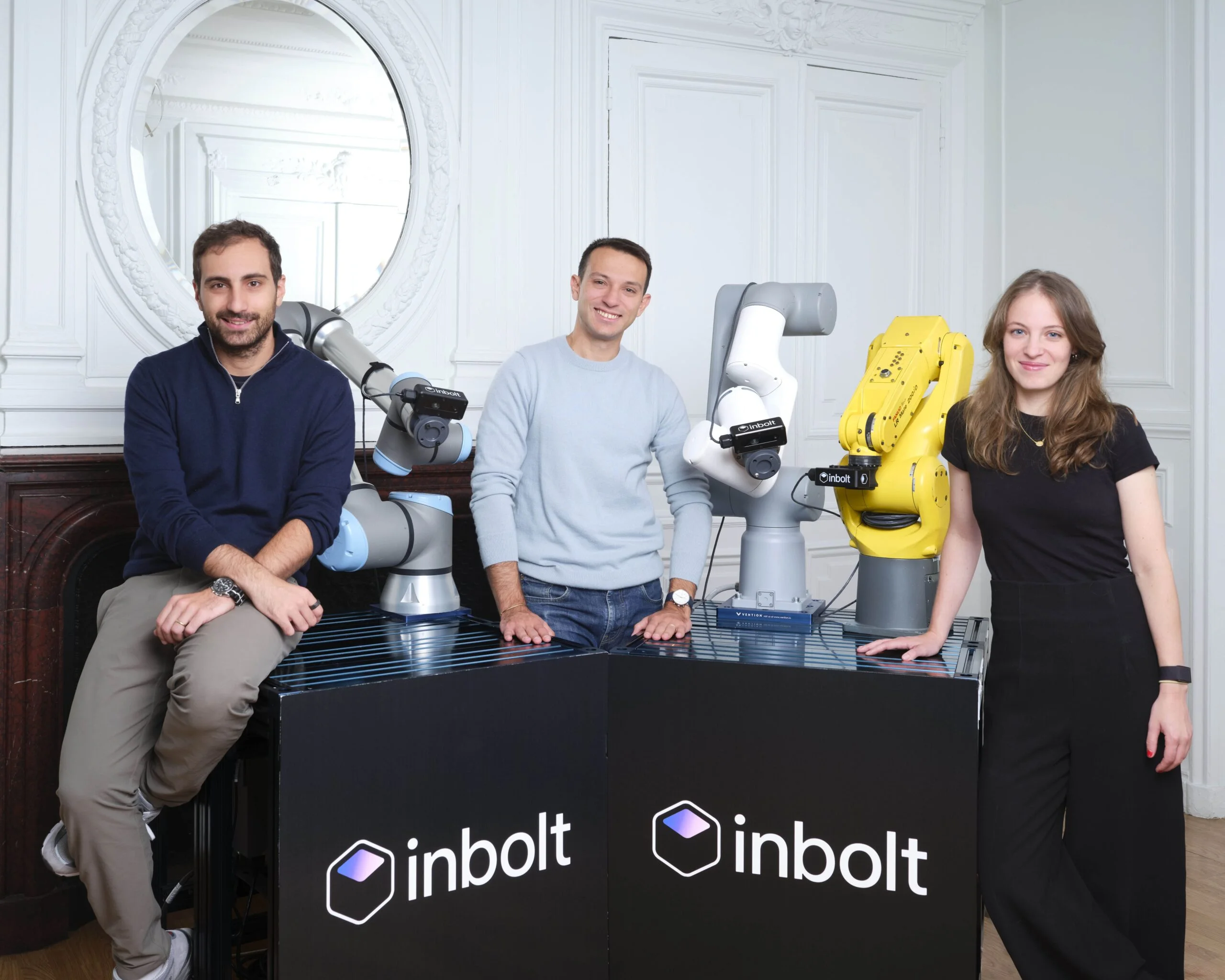
Inbolt Secures $12.5M Funding to Enhance AI Vision for Industrial Robotics
Inbolt has successfully raised $12.5 million to advance its AI-driven 3D vision software tailored for industrial robots. This funding will support the company's expansion into the U.S. and Asia-Pacific markets, as well as its entry into data centers and electronics manufacturing. The significance of this funding round, led by Shift4Good with contributions from Bridges Climate Transition Partners, BNP Paribas Développement, and Ora Global, brings Inbolt's total funding to $34 million. The company aims to enhance its operations in the U.S. following the establishment of a Detroit office in 2026, targeting sectors such as automotive and electronics manufacturing. Inbolt's software enables robots to adapt in real-time to changes in their environment, addressing issues like part misalignment and tooling wear. As the demand for more intelligent robotic solutions grows, Inbolt's hardware-agnostic approach positions it well for future developments in industrial automation. No further timeline was disclosed at the time of publication.
AI AI Funding & Investment Physical AI 3D vision BNP Paribas Développement Bridges Climate Transition Partners
ANSI/A3 R15.08-3-2026 Safety Standard for Industrial Mobile Robots Released
The Association for Advancing Automation (A3) has released ANSI/A3 R15.08-3-2026, the final part of the three-part safety standard for industrial mobile robots (IMRs). This standard focuses on the day-to-day operation, risk assessment, and management of changes related to IMR applications. The introduction of this standard is significant as it provides comprehensive safety requirements that enhance the operational safety of industrial mobile robots. By addressing critical aspects of IMR usage, the standard aims to mitigate risks associated with their deployment in various environments. Looking ahead, industry stakeholders should monitor the adoption of ANSI/A3 R15.08-3-2026 and its impact on safety practices within organizations utilizing industrial mobile robots. No further timeline was disclosed at the time of publication.
Sanctuary AI and Skild Collaborate to Enhance Industrial Robots with Physical AI
In September, the robotics industry witnessed contrasting developments. On September 10, Skild, a U.S. robotics modeling company, announced its collaboration with NVIDIA and Foxconn to deploy models on dual-arm robotic arms for precise assembly in the Blackwell system. Four days later, Danish collaborative robot manufacturer Universal Robots unveiled a new generation platform designed to facilitate the integration of cameras, sensors, and AI applications into robotic arms. This evolution is significant as it highlights the shift towards enhancing existing robotic systems with advanced AI capabilities rather than waiting for humanoid robots to achieve commercial viability. Sanctuary AI, a Canadian company developing the Phoenix humanoid robot, revealed its strategy to implement Physical AI on current and next-generation industrial robot platforms, achieving a task success rate exceeding 99.5% in a proof of concept with an automotive supplier. Looking ahead, companies like Sumitomo Electric and Yaskawa are exploring the integration of AI into traditional robotic systems to handle complex tasks that still require human judgment. The focus is on adapting control systems and interfaces to improve the robots' ability to interact with variable components, such as soft wire harnesses, which present unique challenges in manufacturing processes. No further timeline was disclosed at the time of publication.
Physical AI Industrial Robotics Automation Technology Robotic Arms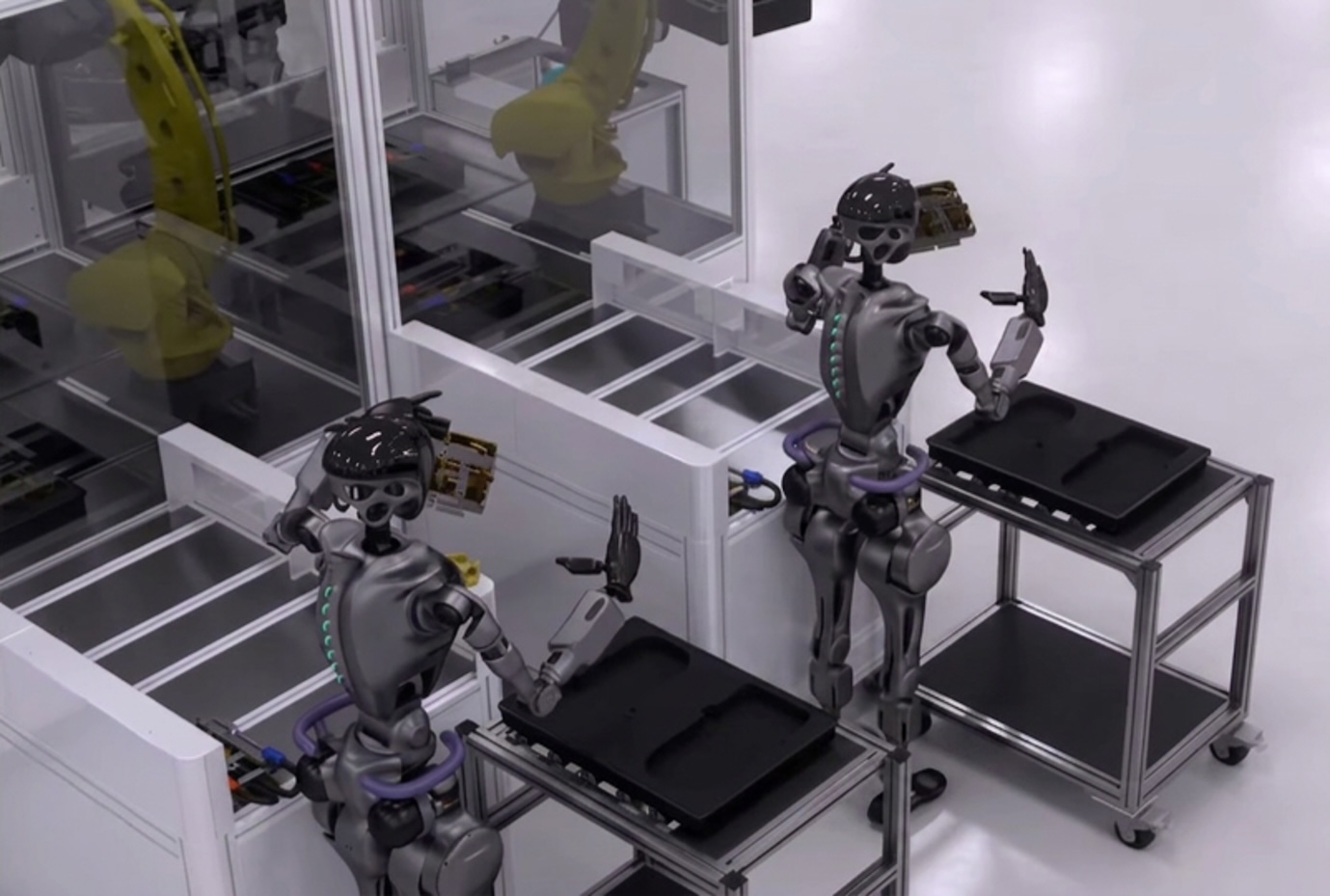
IBM Develops Patent for Autonomous Wireless Charging via Humanoid Robots' Feet
IBM has filed a patent application for a system that allows humanoid robots to autonomously recharge by standing on specially designed floor tiles. This innovative approach combines wireless power transmission, RFID positioning, and electromagnets in the robot's boots and the floor, enabling robots to recharge without manual intervention or docking stations. The significance of this technology lies in its potential to enhance the operational efficiency of humanoid robots in industrial settings. As companies increasingly deploy these robots in factories and warehouses, the ability to autonomously recharge addresses the critical issue of battery capacity, allowing robots to transition seamlessly between work and charging. Looking ahead, the implementation of this technology could revolutionize how humanoid robots are utilized in various sectors. The patent highlights the importance of precise alignment for effective wireless power transfer, suggesting that future developments will focus on refining this system to ensure reliability and efficiency in autonomous charging operations. No further timeline was disclosed at the time of publication.
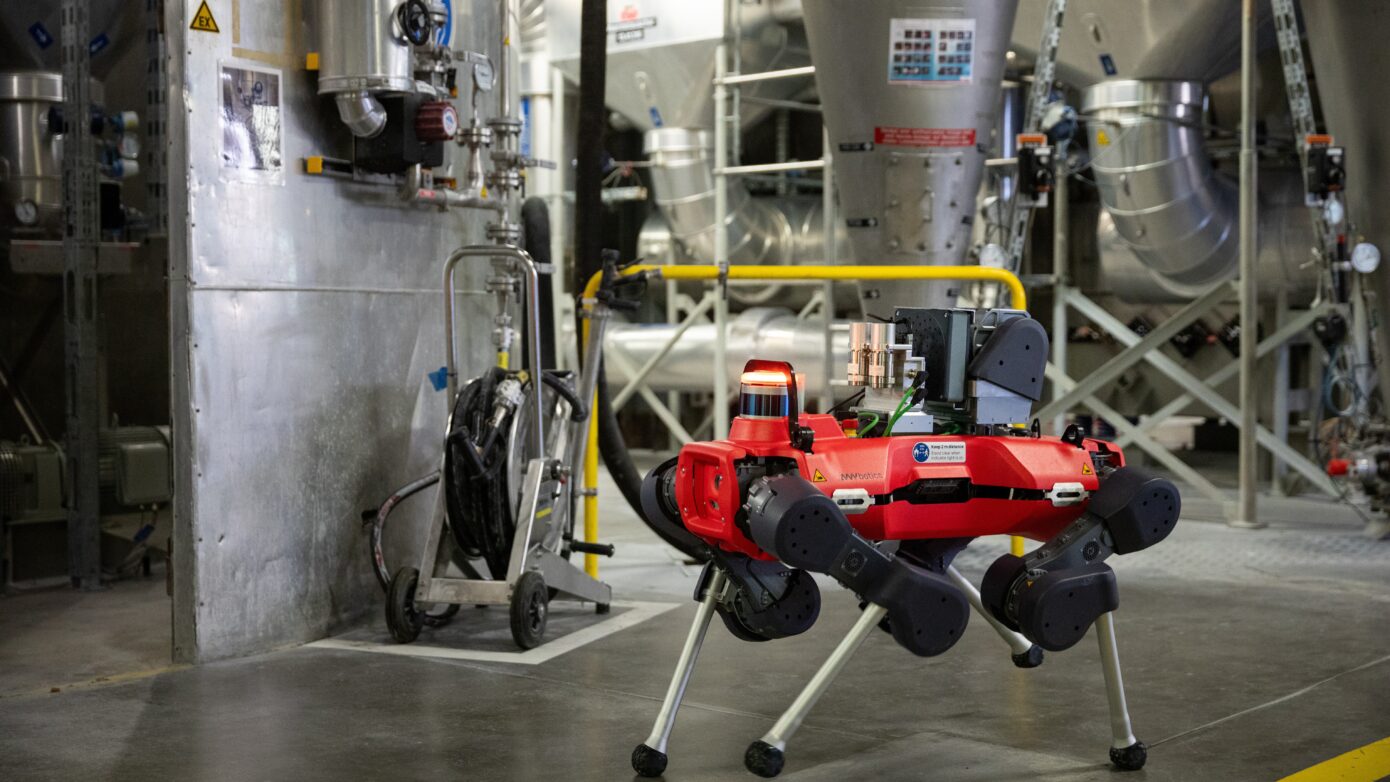
ANYbotics Enhances ANYmal Robots with Door Opening and Authentication Capabilities
ANYbotics has partnered with dormakaba and LEGIC Identsystems to enhance its ANYmal robots, enabling them to automatically open doors and authenticate at restricted areas. This innovation addresses the challenge of accessing equipment in large industrial facilities, such as energy and mining sectors, without requiring structural changes. The integration of door automation and secure authentication is crucial for expanding the autonomous inspection capabilities of ANYmal robots while maintaining existing access controls. The system utilizes radar sensors and retrofitted door operators to facilitate seamless movement through various environments, including fire-rated doors. Looking ahead, the collaboration aims to further integrate autonomous robots into industrial security frameworks, enhancing operational efficiency. The technology also includes a tele-assist feature, allowing remote operators to intervene when necessary. No further timeline was disclosed at the time of publication.
AI and Robotics
Tutor Intelligence Launches Advanced Cassie and Sonny Robots for Industrial Applications
Tutor Intelligence has introduced the next-generation Cassie and Sonny robots, enhancing their capabilities for material handling and e-commerce fulfillment. The new Cassie robot is fully autonomously mobile, enabling it to navigate between workstations and perform various tasks in factories and warehouses. It has already been utilized for applications such as depalletization and palletization, completing millions of bulk picks across the United States. The advancements in Cassie are significant as they allow for seamless integration into existing facilities without requiring major infrastructure changes. Powered by Tutor's Turing 200-million-parameter foundation model, Cassie can perceive its environment and execute tasks autonomously. The robot is equipped with a four-wheel mobile base, onboard vacuum generation, and multiple LiDAR units for navigation and human detection. Additionally, Tutor has unveiled a new version of Sonny, designed for tasks requiring higher dexterity, particularly in e-commerce fulfillment. Sonny will be the first platform powered by the Ti0 4.5-billion-parameter vision-language-action model, allowing it to autonomously navigate warehouses and manage order fulfillment. No further timeline was disclosed at the time of publication.
ANSCER Robotics Achieves Conditional U.S. Approval for Autonomous Mobile Robot Platforms
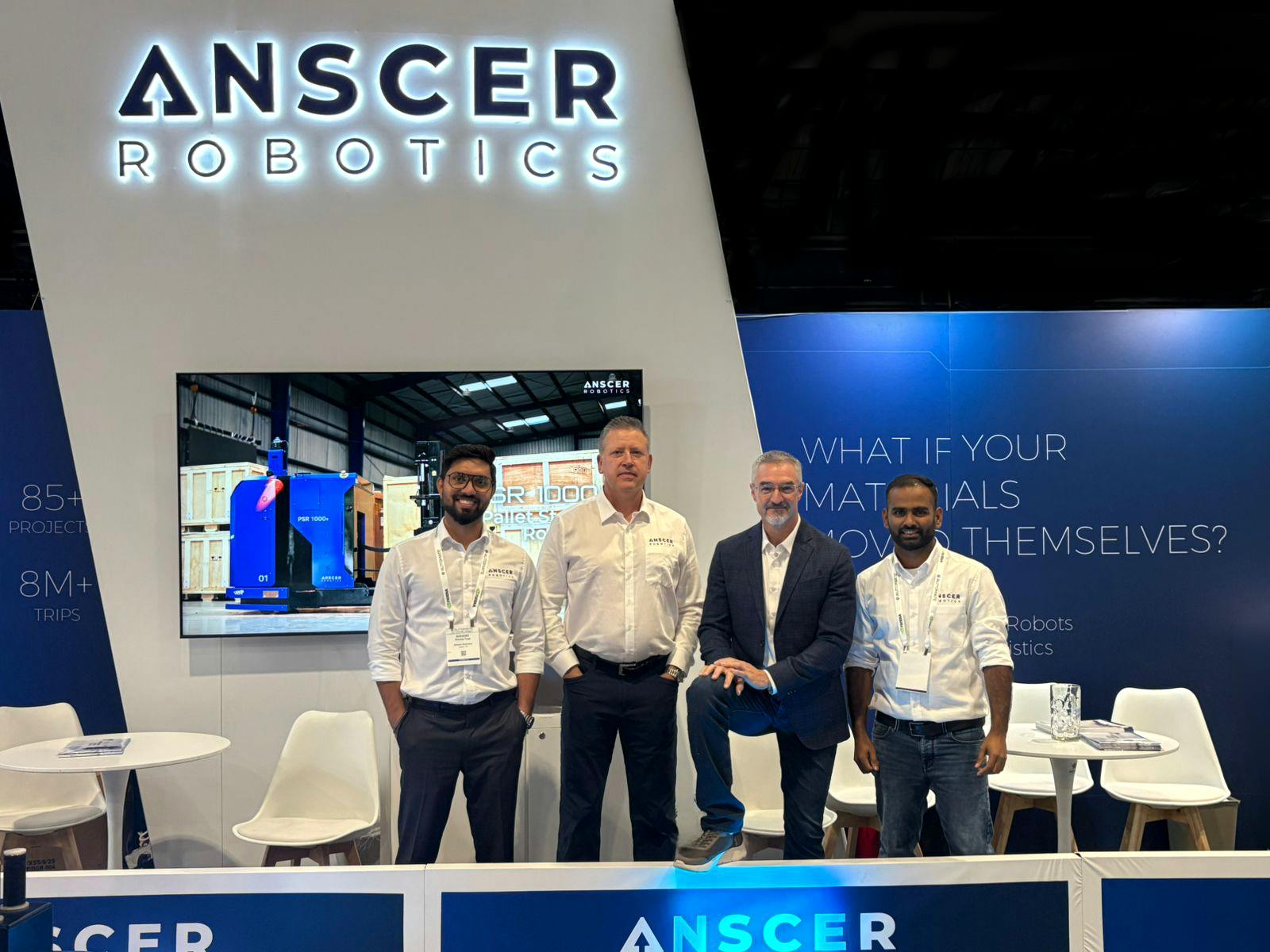
ANSCER Robotics has announced that it has received conditional approval for its autonomous mobile robot platforms in the U.S. This approval is significant as it allows U.S. customers, manufacturers, and warehouses to evaluate these platforms for industrial material-handling projects without facing restrictions from the Federal Communications Commission (FCC). The conditional approval addresses a national-security eligibility requirement for FCC equipment authorization, which is crucial for the deployment of advanced robotic devices. ANSCER's modular AR platform is designed to support various applications, including lifting, tunneling, and tugging, across manufacturing and warehousing operations. Looking ahead, ANSCER Robotics aims to assist customers in identifying suitable material-movement applications and navigating the regulatory landscape. No further timeline was disclosed at the time of publication.
Factory / Robotics
European Union Reaches Milestone of 700,000 Operational Industrial Robots in 2025
The European Union (EU-27) has achieved a significant milestone by surpassing 700,000 operational industrial robots in 2025. This figure represents 84% of all robots currently in operation throughout Europe, as detailed in the World Robotics 2026 Industrial Robots report by the International Federation of Robotics (IFR). This achievement highlights the growing reliance on automation and robotics within the EU's industrial sector. The increase in operational robots reflects advancements in technology and the ongoing trend towards automation in manufacturing processes, which are crucial for enhancing productivity and competitiveness in the global market. Looking ahead, stakeholders in the robotics and manufacturing sectors should monitor the continued growth of industrial robot adoption in the EU. No further timeline was disclosed at the time of publication.

ANSCER Robotics Receives FCC Conditional Approval for AR250, AR650, and AR1250 Robots
ANSCER Robotics Inc. has announced that its AR250, AR650, and AR1250 autonomous mobile robots have received Conditional Approval from the U.S. Federal Communications Commission (FCC) as of September 18, 2026. This approval is part of the FCC's Robotic Devices Conditional Approvals under the Covered List program. This significant milestone allows ANSCER Robotics to continue the import and deployment of its robotic platforms in the U.S. market. The FCC's approval is crucial for manufacturers in the robotics sector, as it ensures compliance with regulatory standards and facilitates market entry. Looking ahead, the approval positions ANSCER Robotics favorably within the competitive landscape of autonomous mobile robots. Stakeholders should monitor the company's next steps in deployment and market expansion following this regulatory achievement. No further timeline was disclosed at the time of publication.
Domestic Brands Capture 55% of China's Industrial Robot Shipments Led by Estun
Domestic brands in China have now secured approximately 55% of the industrial robot shipments, indicating a significant shift towards local capabilities. Estun has emerged as the leader in volume, while Inovance has made notable advancements in SCARA robots and servo systems. However, the high-end automotive and semiconductor process software sectors continue to pose challenges for these domestic brands. This shift is crucial as it reflects China's growing emphasis on self-reliance in technology and manufacturing. The dominance of local brands like Estun and Inovance highlights the potential for innovation and competitiveness within the domestic market. Despite these advancements, the difficulty in replacing high-end software solutions indicates that there is still a reliance on foreign technology in certain critical areas. Looking ahead, it will be important to monitor how domestic brands continue to evolve and address the challenges posed by high-end software in the automotive and semiconductor industries. No further timeline was disclosed at the time of publication.
Gix Internet Makes $500K Investment in Ottonomy for Autonomous Delivery Robots
Gix Internet has announced a strategic investment of $500,000 in Ottonomy, a U.S. company specializing in autonomous delivery robots. This investment, made through a SAFE agreement, is expected to close during the week of September 16, 2026. Gix aims to integrate Ottonomy's Level 4 autonomous navigation technology with its Deliverz.ai software, enhancing the management of robots and autonomous systems. This investment is significant as it follows a nonbinding agreement from August that could lead to Gix acquiring a majority stake in Ottonomy. The collaboration is poised to leverage Ottonomy's experience in deploying its Ottobot delivery robots across various sectors, including healthcare and last-mile delivery, thereby expanding Gix's capabilities in the autonomous robotics market. Looking ahead, Gix's potential majority ownership of Ottonomy could reshape the landscape of autonomous delivery solutions. However, the proposed majority investment remains contingent on due diligence and regulatory approvals. No further timeline was disclosed at the time of publication.
AI AI Funding & Investment Robotics autonomous delivery investment Israel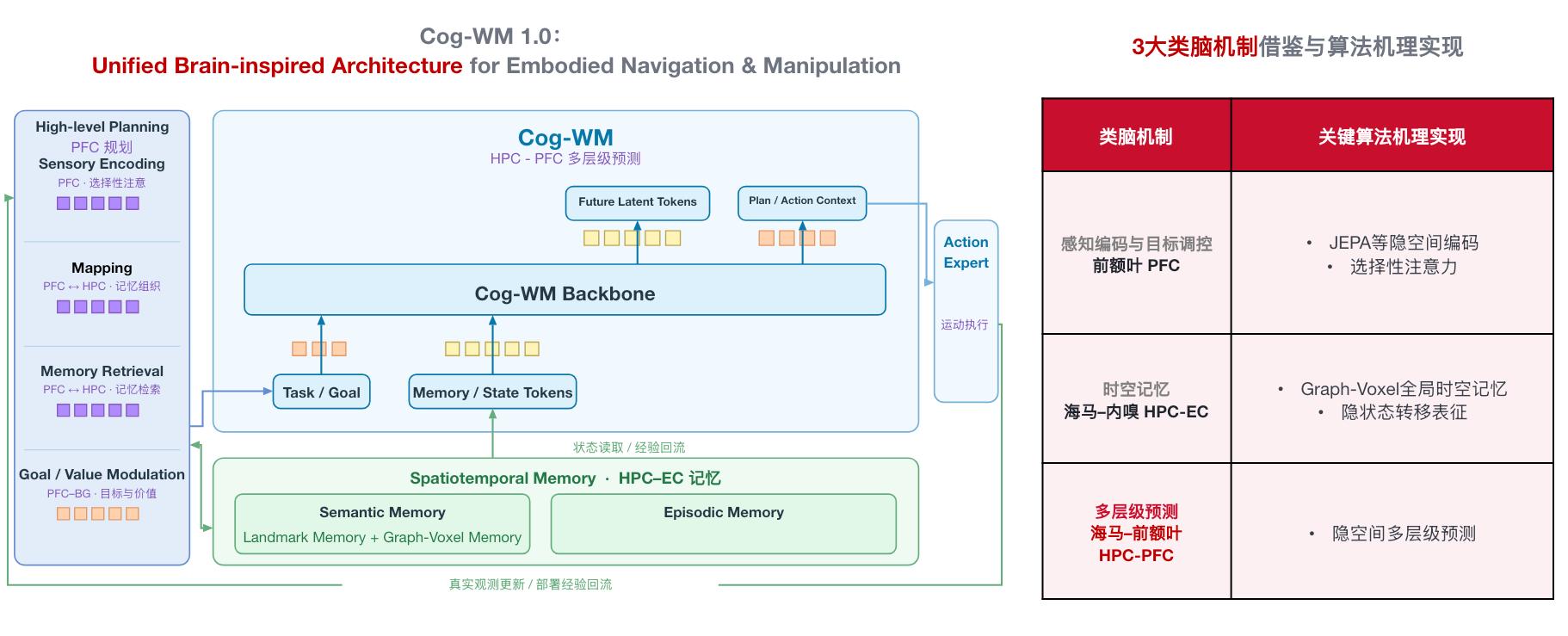
Cog-WM 1.0 Launches as the First Brain-Inspired Cognitive World Model for Robots
On September 14, Shanghai Juna Technology Co., Ltd. officially launched Cog-WM 1.0, the world's first brain-inspired cognitive world model, at the 2026 Pujiang Innovation Forum. This model, based on systematic brain-like neural mechanisms, has demonstrated capabilities in autonomous navigation and manipulation without relying on pre-built maps. Cog-WM 1.0's significance lies in its ability to enhance robotic autonomy in unfamiliar environments, achieving over a 10% improvement in navigation success rates compared to existing state-of-the-art models. It allows robots to perform tasks such as spatial memory retrieval and object searching, marking a significant advancement in embodied intelligence. Looking ahead, the focus will be on how Cog-WM 1.0 addresses key challenges in robotic cognition, such as reducing reliance on extensive data and improving long-term task completion. No further timeline was disclosed at the time of publication.
Cognitive Robotics Autonomous Navigation AI Technology Robotics Innovation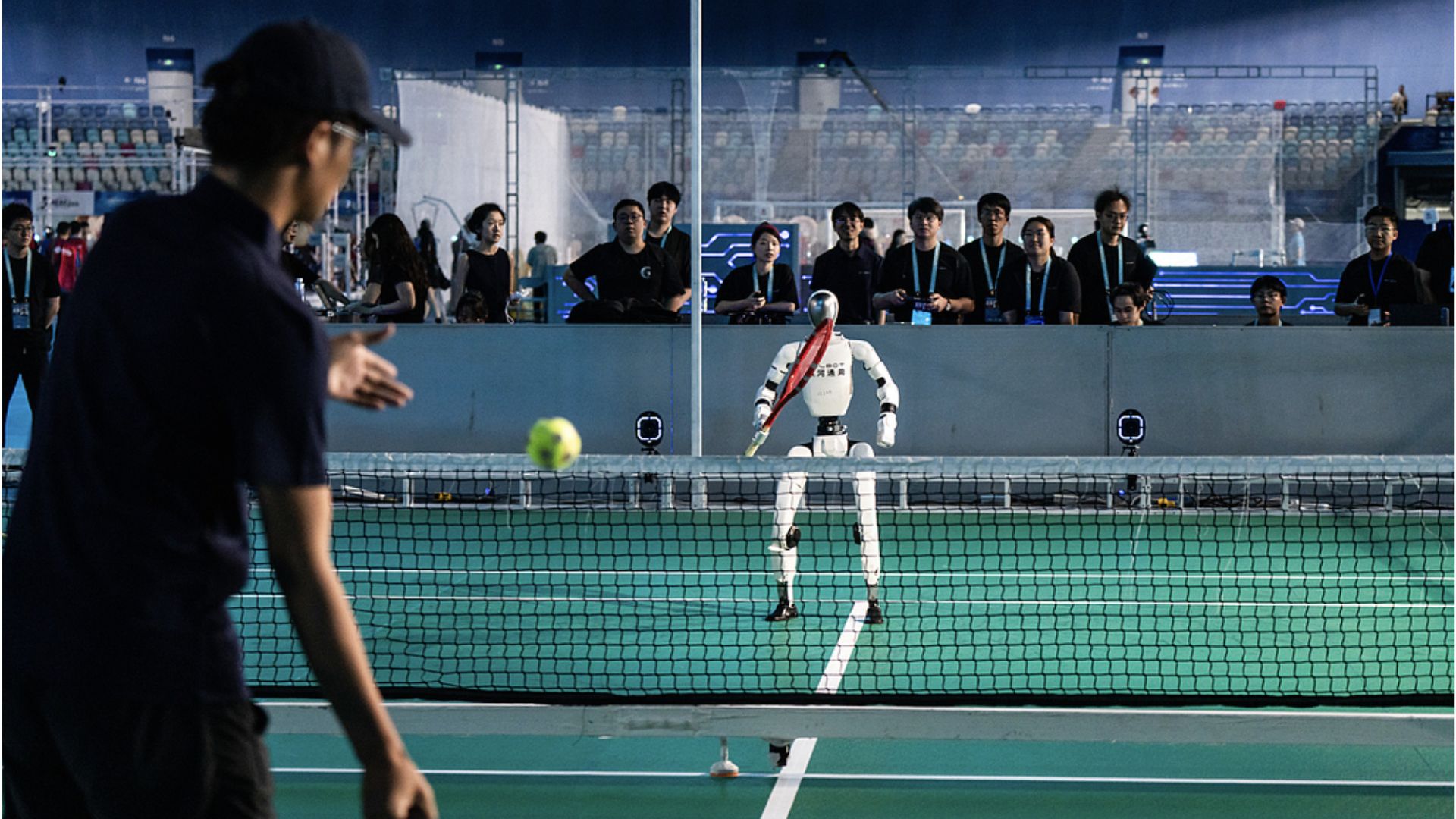
Galbot's Humanoid Robots Achieve Over 100 Rallies in Autonomous Tennis Match
Galbot's humanoid robots have successfully completed more than 100 consecutive rallies in what is being hailed as the world's first live autonomous humanoid robot tennis match. This event took place during the opening ceremony of the Second World Humanoid Robot Games (WHRG) in Beijing, showcasing the robots' capabilities in real-time decision-making and independent movement on the court. The significance of this achievement lies in the demonstration of advanced robotics in dynamic environments, moving beyond traditional laboratory settings. The Galbot robots autonomously tracked fast-moving tennis balls and executed various tennis strokes, adapting their movements as the rallies progressed. This performance reflects the evolving challenges faced by humanoid robots, particularly in competitive scenarios against human athletes. Looking ahead, the WHRG will continue to test humanoid robots in diverse and complex environments, pushing the boundaries of their capabilities. The technology behind this event, known as LATENT, enables robots to learn tennis skills from imperfect human motion data, indicating a shift towards more sophisticated training methods. No further timeline was disclosed at the time of publication.
AI and RoboticsRobotics needs a service framework.
RSF defines a common language for robot service capability, lifecycle operations, certification pathways, and service-provider networks.
Join the RobotToday community on LinkedIn
Daily robotics news, in-depth analysis, conference highlights, and discussions with professionals worldwide.