

Industry Briefing
A single destination for timely, editor-curated robotics news from around the world.

Greensea IQ Launches Bayonet Sweep, an Autonomous Robot for Hull Inspections
Greensea IQ has unveiled Bayonet Sweep, an autonomous underwater robot designed for inspecting ship hulls and underwater structures. This innovative solution aims to enhance maritime force protection by allowing navies, security teams, and port authorities to conduct inspections without the need for divers, thereby improving safety and efficiency. The significance of Bayonet Sweep lies in its ability to transform traditional hull inspection methods, which often focus on maintenance, into a proactive security measure. Built on Greensea IQ Core software, the robot not only autonomously inspects hulls but also provides comprehensive data for threat assessment and mitigation, ensuring that operators receive detailed intelligence on potential anomalies. Looking ahead, the Bayonet Sweep is part of Greensea IQ's broader Bayonet mission suite, which includes various autonomous systems for marine operations. As the technology continues to evolve, it will be crucial to monitor its deployment and effectiveness in enhancing port and harbor security. No further timeline was disclosed at the time of publication.
greensea iq bayonet sweep augv autonomous hull inspection robot maritime force protection
Avnet and Weston Robot Collaborate to Launch AI-Powered Autonomous Inspection Platform
Avnet and Weston Robot have partnered to develop an AI-powered autonomous inspection platform designed for complex industrial environments. This platform utilizes quadruped robots equipped with advanced computing architecture to perform real-time inspections, enhancing operational efficiency and safety. The significance of this collaboration lies in its potential to revolutionize inspection processes in industrial settings. By integrating edge AI with robotics, the platform allows for low-latency AI inference and real-time data processing, which can lead to earlier detection of operational issues and reduced inspection costs. Looking ahead, the partnership aims to expand the capabilities of the inspection platform by integrating it with Weston’s fleet management software. This will enable the robot to autonomously patrol and inspect designated areas, further enhancing operational resilience and safety in industrial operations. No further timeline was disclosed at the time of publication.
Artificial Intelligence Artificial Intelligence / Cognition Autonomous Mobile Robots (AMRs) Design / Development News Robots / Platforms
XTEND AI Robotics, Inc. Receives U.S. Patent for NEST Autonomous Base Station Supporting Robotic Operations
XTEND AI Robotics, Inc. has been granted U.S. Design Patent No. D1,147,179 for its NEST autonomous base station. This patent, issued on September 8, 2026, recognizes the innovative design that allows robotic systems to autonomously deploy, recover, and recharge, thereby enhancing operational efficiency. The significance of this patent lies in its potential to support persistent robotic operations with minimal human intervention. By automating the deployment and recharging processes, XTEND's NEST aims to improve the reliability and effectiveness of robotic systems across various applications, reducing the need for constant human oversight. Looking ahead, industry stakeholders should monitor how XTEND leverages this patent to advance its technology and expand its market presence. The successful implementation of the NEST system could set new standards for autonomous operations in robotics, influencing future developments in the field. No further timeline was disclosed at the time of publication.

SoftBank Allocates $225M to Autonomous Solutions for Construction Robotics Venture
SoftBank Group has invested $225 million in Autonomous Solutions Inc. (ASI) to establish a joint venture aimed at developing autonomous construction equipment for large infrastructure projects. This collaboration will leverage ASI's Mobius fleet-management platform to enhance civil construction and material handling capabilities, supporting a variety of autonomous vehicles from different manufacturers. The significance of this investment lies in ASI's extensive experience in technology development over 25 years, which will facilitate the expansion of autonomous construction systems. ASI CEO Mel Torrie emphasized that the joint venture positions the company at the forefront of innovation in autonomous construction, enabling the deployment of mixed fleets of heavy equipment for complex tasks. Looking ahead, the joint venture is expected to focus on large-scale infrastructure projects, including roads, airports, and waste management. No further timeline was disclosed at the time of publication.
AI AI Funding & Investment Robotics autonomous construction Autonomous Solutions Inc. industrial automation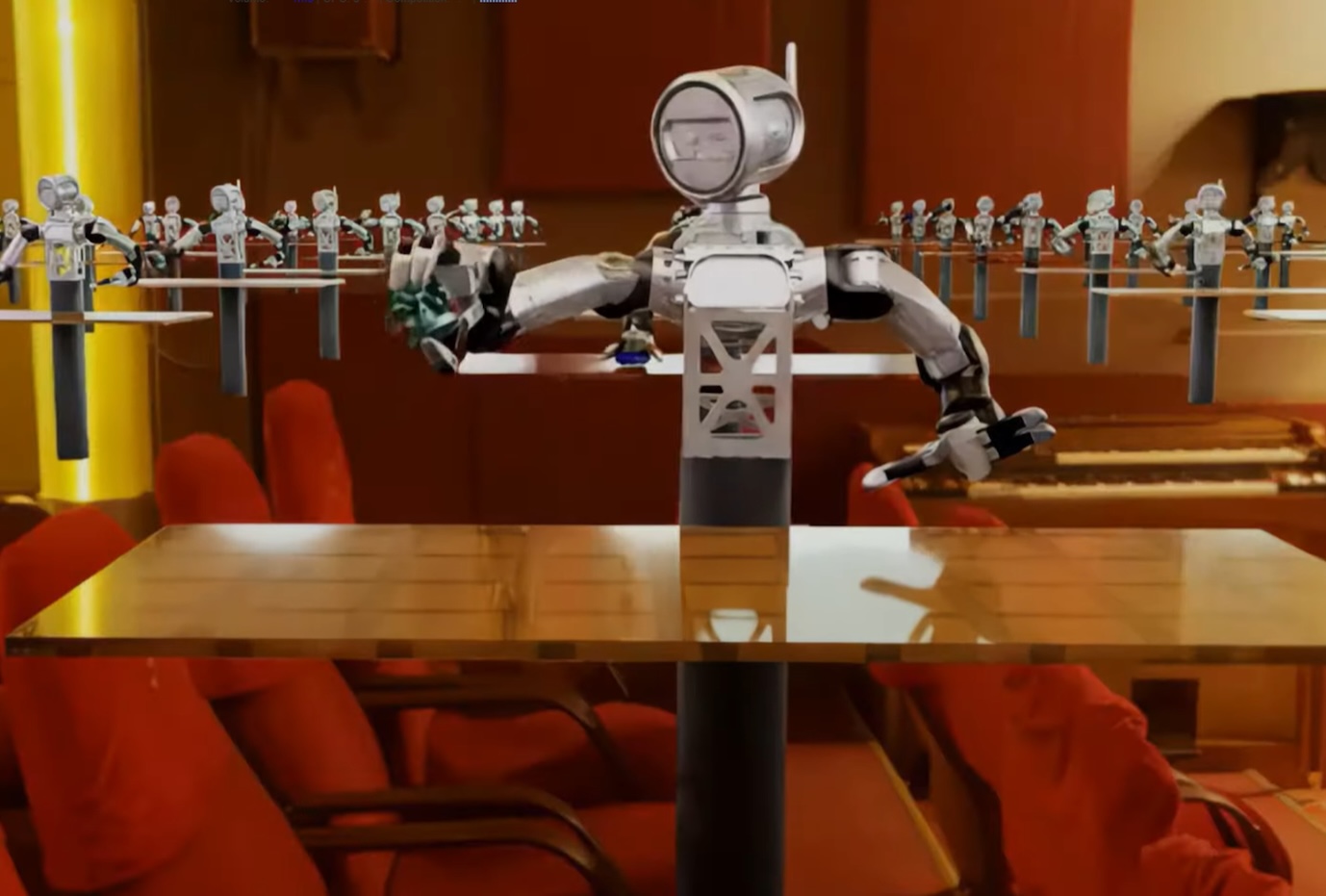
Caterpillar Collaborates with FieldAI to Enhance Physical AI and Autonomous Robotics
Caterpillar has announced a partnership with FieldAI to advance physical AI and robotics aimed at improving safety and efficiency in jobsites and factories. This collaboration seeks to address labor shortages and productivity demands by transforming real-time observations into actionable insights, enhancing decision-making and maximizing the effectiveness of workers and machines. The significance of this partnership lies in its potential to reshape industries by integrating human expertise with AI-powered machines. Caterpillar's Chief Technology Officer, Jaime Mineart, emphasized the importance of applying AI to improve safety and productivity, thereby delivering greater value to operations. This initiative aligns with Caterpillar's vision for a future where intelligent machines and digital insights create safer and more productive work environments. Looking ahead, Caterpillar's collaboration with FieldAI is expected to accelerate the development of practical solutions that enhance operational efficiency across complex jobsites and manufacturing environments. No further timeline was disclosed at the time of publication.
Navy Establishes Robotics and Autonomous Systems Warfighting Development Center in Virginia
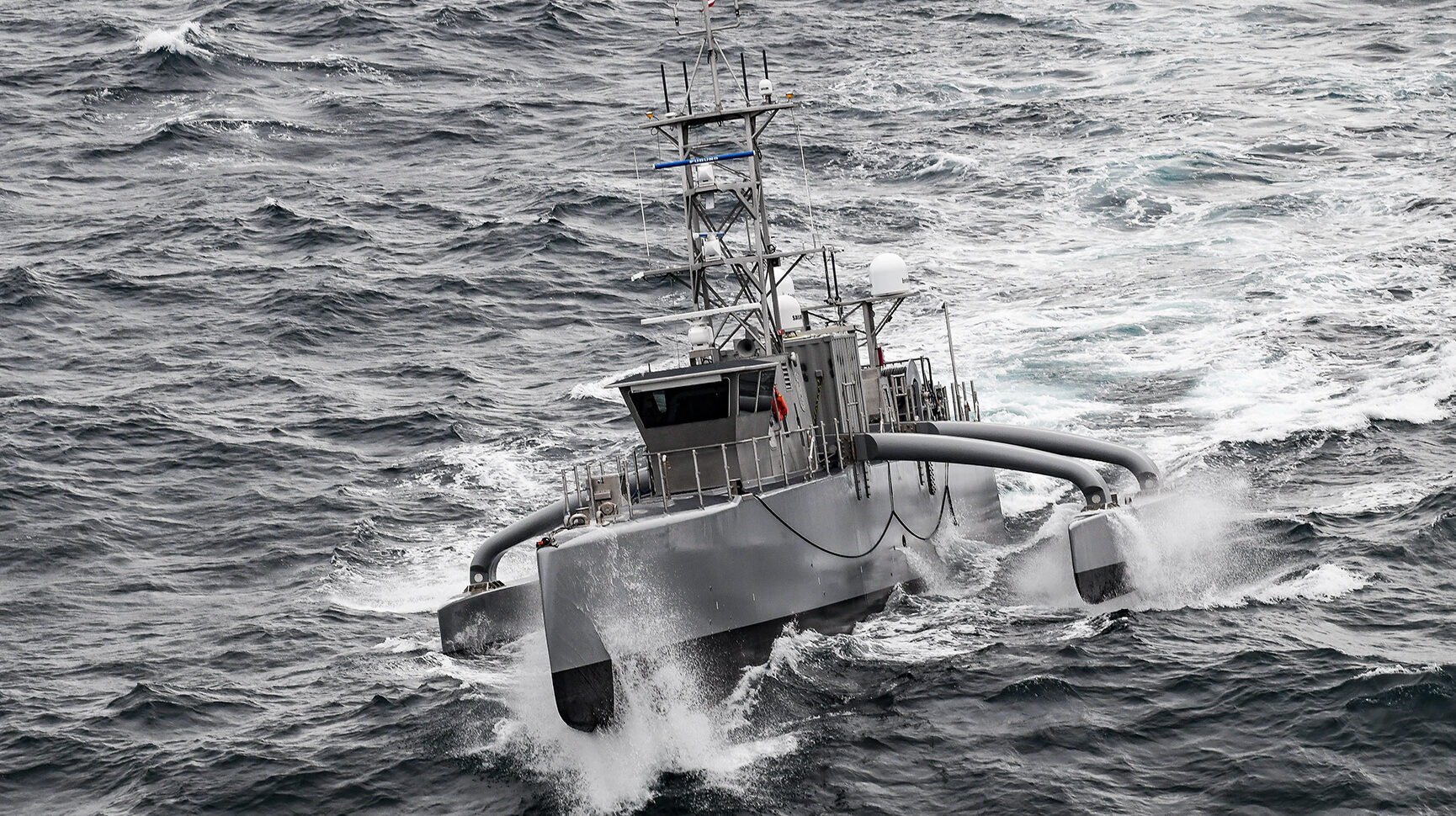
The Navy has launched the Robotics and Autonomous Systems Warfighting Development Center (RASWDC) to develop tactics and procedures for unmanned systems. Headquartered at Joint Expeditionary Base Little Creek-Fort Story in Virginia, RASWDC aims to unify efforts across the Navy to enhance operational coherence in unmanned capabilities. This initiative is significant as it aligns with the Navy's broader strategy to integrate robotic and autonomous systems into its operations, as emphasized by Chief of Naval Operations Adm. Daryl Caudle. The RASWDC will work closely with the Direct Reporting Portfolio Manager for Robotic and Autonomous Systems to facilitate the acquisition and deployment of these technologies. Looking ahead, the RASWDC is expected to play a crucial role in ensuring that sailors are equipped with the necessary training and doctrine to effectively utilize unmanned systems. No further timeline was disclosed at the time of publication.
Naval Warfare Adm. Daryl Caudle Drones Navy robotics Unmanned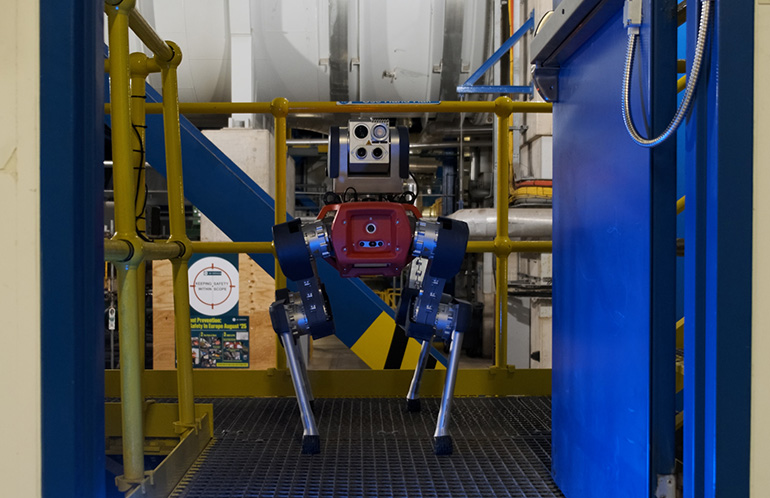
ANYbotics Enhances ANYmal Robots with Automated Door Access for Inspections
ANYbotics has announced a partnership with dormakaba and LEGIC Identsystems AG to enhance its ANYmal robots with automated door-access capabilities. This development addresses a significant barrier in mobile inspection for processing industries, allowing ANYmal to access critical areas without the need for infrastructure changes. The integration of automated door access is crucial as it enables ANYmal to perform inspections in previously inaccessible areas, thereby increasing operational efficiency and reducing unplanned downtime. According to Jacob Euler-Rolle, product manager at ANYbotics, this advancement allows the robots to navigate through both unlocked and locked doors seamlessly, enhancing their utility in energy, metals, mining, and chemical sectors. Looking ahead, ANYbotics plans to roll out this door access functionality as an add-on across its entire ANYmal fleet. The collaboration with dormakaba and LEGIC not only improves the robots' operational capabilities but also marks a significant step towards integrating physical AI in industrial settings. No further timeline was disclosed at the time of publication.
Arms / Manipulators Autonomous Mobile Robots (AMRs) Energy / Solar / Renewables Manufacturing Mechanical Mining
ANYbotics Enhances ANYmal Robot Fleet with Automated Door Access for Inspections
ANYbotics has announced a partnership with dormakaba and LEGIC Identsystems AG to integrate automated door access into its ANYmal robot fleet. This development, revealed on September 24, 2026, aims to streamline facility-wide inspections by enabling the robots to navigate through doors autonomously. The addition of automated door access is significant as it enhances the operational efficiency of the ANYmal robots, allowing them to conduct inspections without human intervention. This capability is expected to improve workflow and reduce the time required for thorough facility inspections, making it a valuable advancement in robotic inspection solutions. Looking ahead, the integration of automated door access could lead to broader applications of the ANYmal robot fleet in various industries. No further timeline was disclosed at the time of publication.
Robot.com and Sodexo Extend Partnership with Seven-Year Deal for Autonomous Delivery Robots
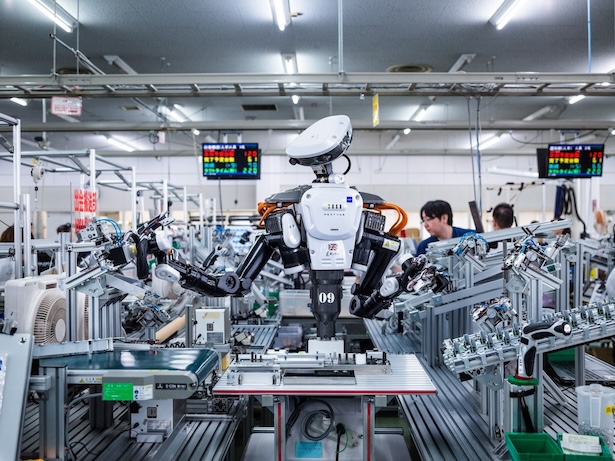
Robot.com has entered into a seven-year commercial agreement with Sodexo to enhance the deployment of autonomous delivery robots across North American college campuses. This partnership, which began in 2021, aims to expand the use of these robots and includes new initiatives such as robot advertising. The significance of this agreement lies in Sodexo's commitment to leveraging digital and AI-enabled solutions to improve consumer experiences and operational efficiency. By integrating autonomous delivery systems, Sodexo is responding to the evolving needs of campus environments while providing flexible service models for operators. Looking ahead, this contract marks Robot.com's largest single enterprise deployment, indicating a substantial growth opportunity in the autonomous delivery sector. No further timeline was disclosed at the time of publication.
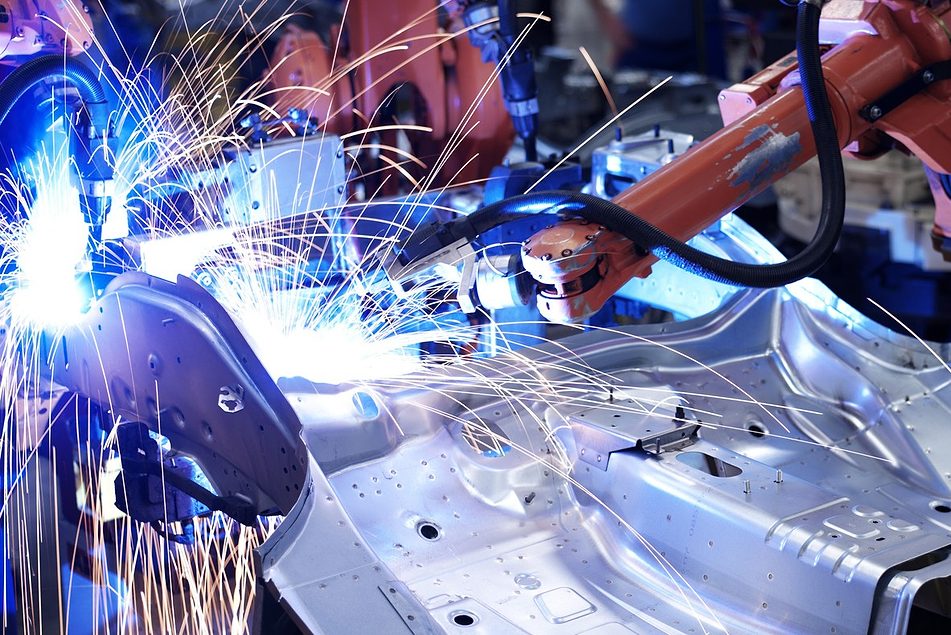
Exploring the Business Advantages of Autonomous Robots in the Industrial Sector
The rapid advancement of physical artificial intelligence is leading to the increased use of autonomous and semi-autonomous robots across various sectors, including warehousing, logistics, mining, construction, and agriculture. As manufacturers prepare to launch humanoid robots, the industrial sector is particularly poised for transformation due to a significant shortage of skilled labor, with projections indicating a rise in vacant manufacturing positions in the U.S. from 440,000 to 510,000 in early 2026 to between 1.5 million and 2 million by the early 2030s. This labor shortage is driving industrial companies to adopt autonomous robots to enhance productivity and manage operational costs. The shift towards automation is expected to change the financial landscape of these businesses, converting operating expenses into capital expenditures and increasing their asset base. This could lead to a credit and financing boom as companies become more attractive to lenders, creating a feedback loop that encourages further investment in robotics. Looking ahead, industrial companies must navigate several challenges, including determining the ownership models for robots, assessing their lifespan, and managing obsolescence risks. Key considerations will include whether to purchase or lease robots, the potential for secondary resale value, and the need for maintenance and upgrade commitments to ensure long-term viability in a rapidly evolving technological landscape.
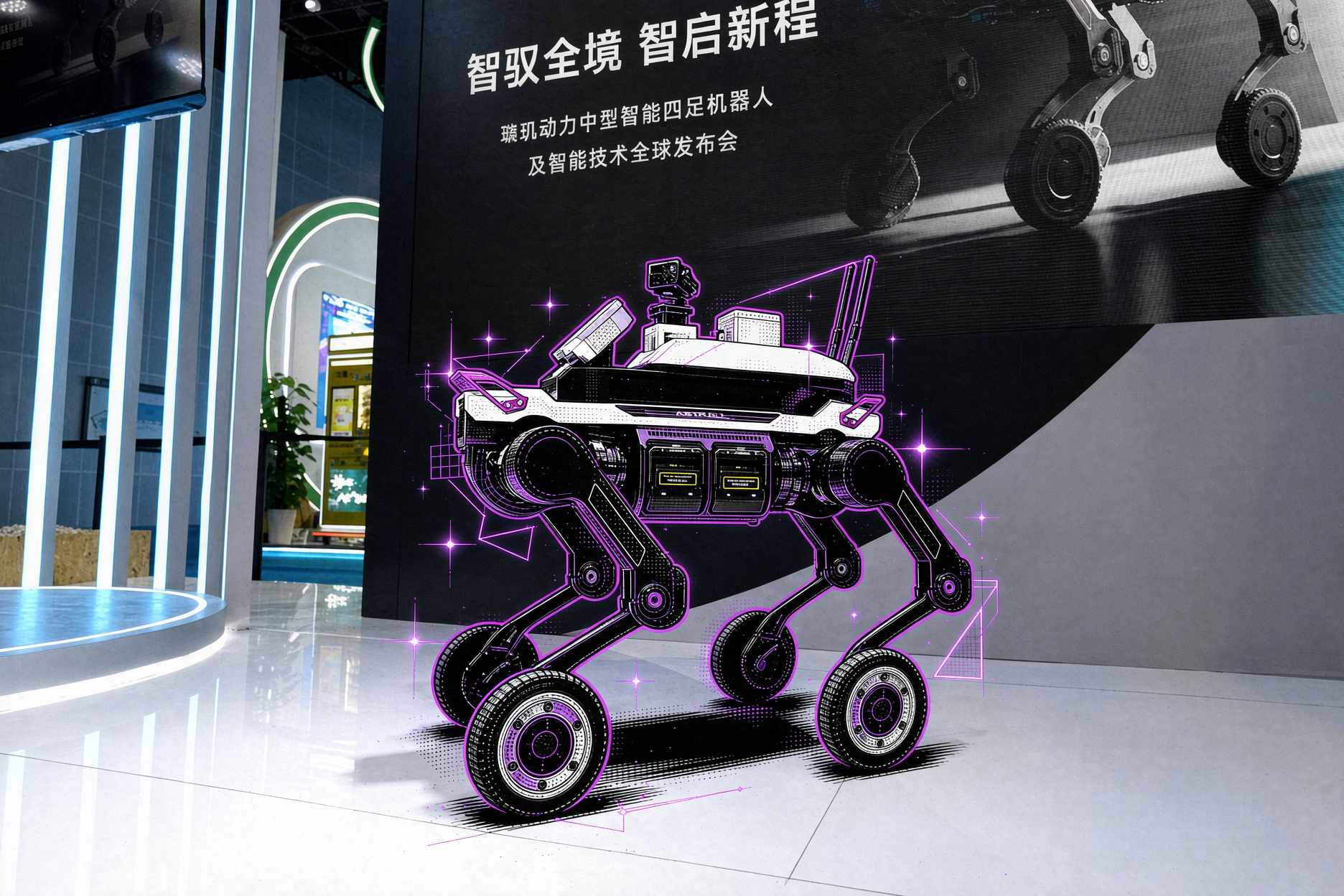
Xuanji Power Unveils Hypertron-SW01 Quadruped Robot at CAEXPO, Enhancing Inspection Solutions for ASEAN
From September 17 to 21, the 23rd China-ASEAN Expo took place in Nanning, featuring over 3,400 companies from more than 70 countries. At this event, Shenzhen-based Xuanji Power launched its new medium-sized quadruped robot, the Hypertron-SW01, alongside upgraded AI inspection management and terrain perception systems. The company claims that its robot can be deployed immediately without extensive localization, addressing a common challenge in international markets. This development is significant as it highlights Xuanji Power's capability to deliver a ready-to-use quadruped robot solution, which can operate in various industries without the need for lengthy adaptations. The Hypertron series has already proven its reliability in domestic power grid substations, showcasing its autonomous navigation and endurance in complex environments. Xuanji Power focuses on sectors such as energy, emergency response, and smart parks, where defined tasks and clear customer payment willingness are prevalent. Looking ahead, it will be crucial to observe how the ASEAN market's power, firefighting, and park scenarios differ from domestic conditions and whether the local service network can keep pace with the product delivery. No further timeline was disclosed at the time of publication.
Quadruped Robots AI Inspection Solutions Smart Robotics Industrial Automation
DARPA Initiates $3.5 Million Competition for Autonomous Trauma Surgery Robots
The Defense Advanced Research Projects Agency (DARPA) is launching a $3.5 million competition aimed at developing robotic systems capable of assisting surgeons and eventually performing trauma surgeries autonomously during combat and mass-casualty scenarios. The competition will commence on September 22, 2026, with an Industry Day and will conclude with a finals event in March 2027. This initiative is crucial due to the shortage of available surgeons during large-scale traumatic injury events, where survivable injuries can become fatal if medical personnel are overwhelmed. DARPA's program manager, Dr. Jeremy C. Pamplin, emphasized that the goal is not to replace surgeons but to create highly skilled robotic partners that enhance surgical capabilities through advanced artificial intelligence and human-machine collaboration. Competitors will undergo rigorous testing in medical knowledge, physical capability, and rapid learning, with top teams advancing to two operational tracks, each offering a $1.5 million prize pool. The competition also aims to explore potential civilian applications in disaster response and rural healthcare, highlighting the broader impact of the technologies developed through this initiative.
AI AI Funding & Investment Robotics autonomous trauma surgery robots competition DARPA Funding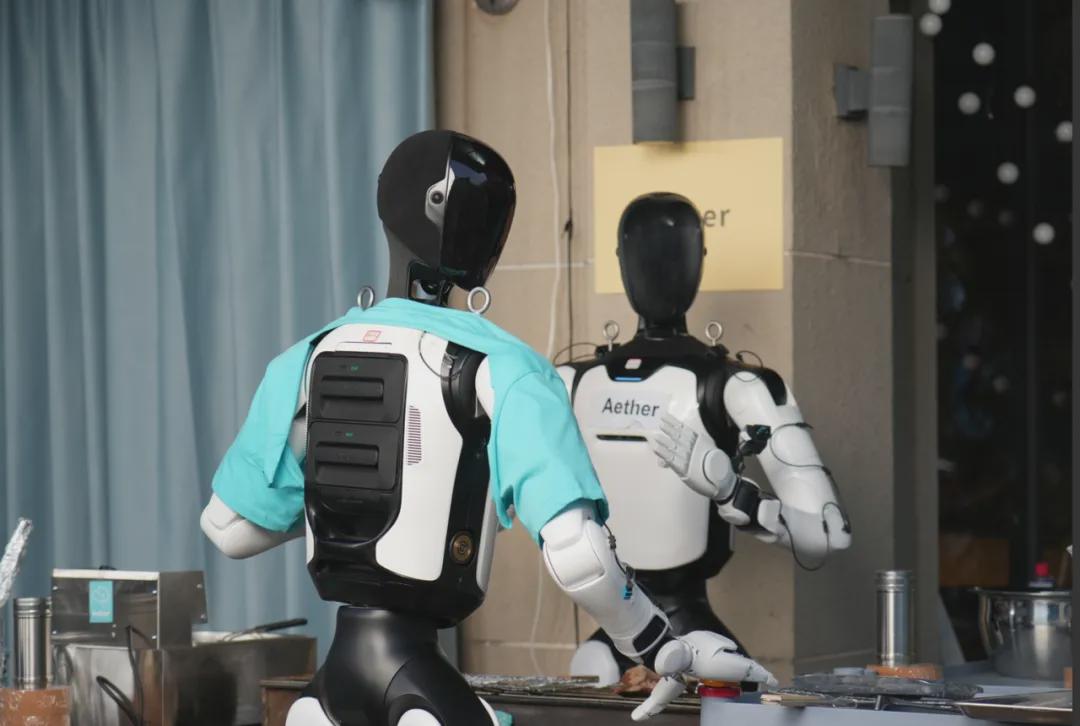
Live Outdoor Demonstration of Autonomous Robots Completing Barbecue Tasks
The embodied intelligence industry is experiencing a 'false prosperity' with frequent demonstrations of robots performing tasks like folding clothes and serving coffee. However, these demos often mask failures and rely on pre-programmed actions or remote control, raising questions about their authenticity. In contrast, LeXiang Technology recently showcased its Ether large model in a live outdoor event, allowing real-time interaction and interruptions from the audience. On September 16, two robots equipped with the Ether model autonomously completed a barbecue task without human intervention. They managed the entire process from taking orders to cooking and serving, while also adapting to unexpected changes from guests. Despite some errors, the live format highlighted the challenges of real-world applications, emphasizing the importance of transparency in robotic capabilities. This demonstration serves as a critical test of the robots' ability to learn and adapt in real-time, rather than just showcasing perfect outcomes. As the industry continues to evolve, the focus on genuine performance under varied conditions will be essential for advancing autonomous technologies.
Autonomous Robots AI Live Demonstrations Robotics Real-World Applications
TLD Robotics Established Following Alvest's Acquisition of EasyMile to Enhance Autonomous Operations
TLD Robotics has officially launched as a subsidiary of Alvest, integrating EasyMile, TractEasy, and TLD’s driverless operations. This move follows Alvest's acquisition of EasyMile, a leader in autonomous technology, and signifies a strategic consolidation in the autonomous vehicle sector. The formation of TLD Robotics is significant as it combines autonomous software capabilities with industrial vehicle expertise, aiming to streamline deployment and enhance customer support. This integrated approach is expected to strengthen Alvest's position in the growing market for autonomous ground operations. Looking ahead, TLD Robotics is poised to leverage its combined resources to advance its offerings in autonomous vehicle technology. No further timeline was disclosed at the time of publication.
Infrastructure News Transportation airport automation alvest autonomous ground vehicles
Gix Internet Makes $500K Investment in Ottonomy for Autonomous Delivery Robots
Gix Internet has announced a strategic investment of $500,000 in Ottonomy, a U.S. company specializing in autonomous delivery robots. This investment, made through a SAFE agreement, is expected to close during the week of September 16, 2026. Gix aims to integrate Ottonomy's Level 4 autonomous navigation technology with its Deliverz.ai software, enhancing the management of robots and autonomous systems. This investment is significant as it follows a nonbinding agreement from August that could lead to Gix acquiring a majority stake in Ottonomy. The collaboration is poised to leverage Ottonomy's experience in deploying its Ottobot delivery robots across various sectors, including healthcare and last-mile delivery, thereby expanding Gix's capabilities in the autonomous robotics market. Looking ahead, Gix's potential majority ownership of Ottonomy could reshape the landscape of autonomous delivery solutions. However, the proposed majority investment remains contingent on due diligence and regulatory approvals. No further timeline was disclosed at the time of publication.
AI AI Funding & Investment Robotics autonomous delivery investment Israel
Hefei Team Develops All-Weather Forestry Inspection Robot for Enhanced Fire Detection
A team led by Cheng Ziyang has developed a forestry inspection robot designed to address the limitations of traditional fire detection methods. The robot integrates LiDAR and thermal imaging technologies, enabling it to operate effectively in low visibility conditions such as nighttime and smoke. This innovation aims to enhance the efficiency of forest fire monitoring by autonomously navigating complex terrains and detecting temperature anomalies that are often precursors to fires. The significance of this development lies in its potential to improve forest fire prevention efforts. Traditional methods, including fixed sensors and manual patrols, have proven inadequate due to high costs, low efficiency, and limited coverage. The new robot has demonstrated a 27% increase in inspection coverage and significantly improved accuracy in identifying fire sources, thereby reducing the need for human intervention in hazardous areas. Looking ahead, the team plans to further optimize the robot's performance and push for its industrialization. The challenges of cost, reliability, and mass delivery remain, but overcoming these hurdles could lead to a substantial enhancement in the intelligence of forest fire protection systems, ultimately reducing risks and improving response times in emergency situations.
Forestry Robotics Fire Detection Technology Autonomous Systems Environmental Monitoring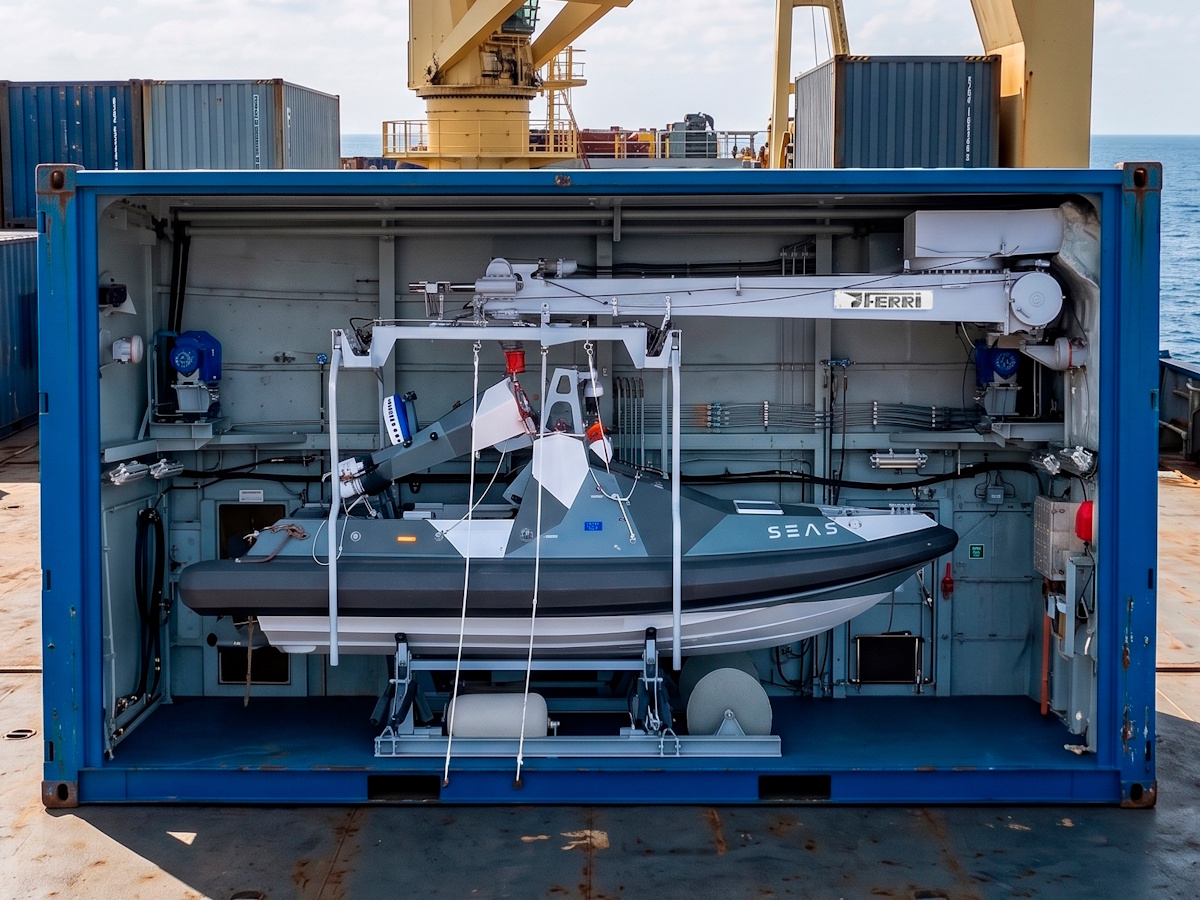
Cellula Robotics and FERRI Establish Nautical Reach Systems for Autonomous Marine Handling
Cellula Robotics Ltd. and Industrias FERRI S.A. have launched Nautical Reach Systems Ltd., a joint venture based in East Coast Canada. This new entity will focus on designing and manufacturing marine motion, lift, and handling systems tailored for autonomous maritime operations, including smart launch and recovery solutions for uncrewed vehicles. The collaboration aims to enhance the safety and reliability of autonomous platforms operating in challenging maritime environments, such as remote and Arctic conditions. Neil Manning, CEO of Cellula Robotics, emphasized the importance of integrating vehicle design with handling equipment to optimize performance at sea, highlighting the joint venture's potential to revolutionize marine operations. Looking ahead, Nautical Reach Systems plans to leverage the combined expertise of both companies to create innovative solutions for naval and coast guard operators. FERRI's significant investment in the venture will foster job creation and intellectual property development in Canada, while Cellula contributes its autonomous handling technology. No further timeline was disclosed at the time of publication.
cellula robotics ferri nautical reach systems autonomous marine handling
Boyagongdao Unveils BG-5 Biomimetic Robotic Fish for Shallow Water Inspections
Boyagongdao showcased its BG-5 Golden Dragon Fish biomimetic autonomous underwater vehicle (AUV) at the China International Fair for Trade in Services (CIFTIS). This innovative robotic fish weighs approximately 3 kg and measures 640 mm in length, designed specifically for shallow inspections. The BG-5 features a soft multi-joint tail, enabling it to achieve a top speed of 0.6 m/s and a depth rating of 5 meters. This propeller-free design is particularly suited for delicate underwater environments, making it a significant advancement in underwater inspection technology. As the demand for efficient and non-intrusive inspection methods grows, the BG-5's capabilities position it as a valuable tool in various applications. No further timeline was disclosed at the time of publication.

WaiV Robotics Achieves First Autonomous Nighttime Landing on Moving Vessel
WaiV Robotics has successfully conducted a series of open-sea demonstrations showcasing its autonomous drone launch and recovery system. Notably, the company achieved the first-ever autonomous maritime takeoff and landing at night, marking a significant milestone in maritime technology. This achievement is crucial as it demonstrates the capabilities of WaiV's patented catch-lock-release mechanism and AI-powered predictive algorithms. These technologies enable drones to land on moving vessels, enhancing operational efficiency and safety in maritime operations. Looking ahead, the advancements made by WaiV Robotics could pave the way for further innovations in autonomous maritime systems. No further timeline was disclosed at the time of publication.
Drones News autonomous drones autonomous landing autonomous systems drone landing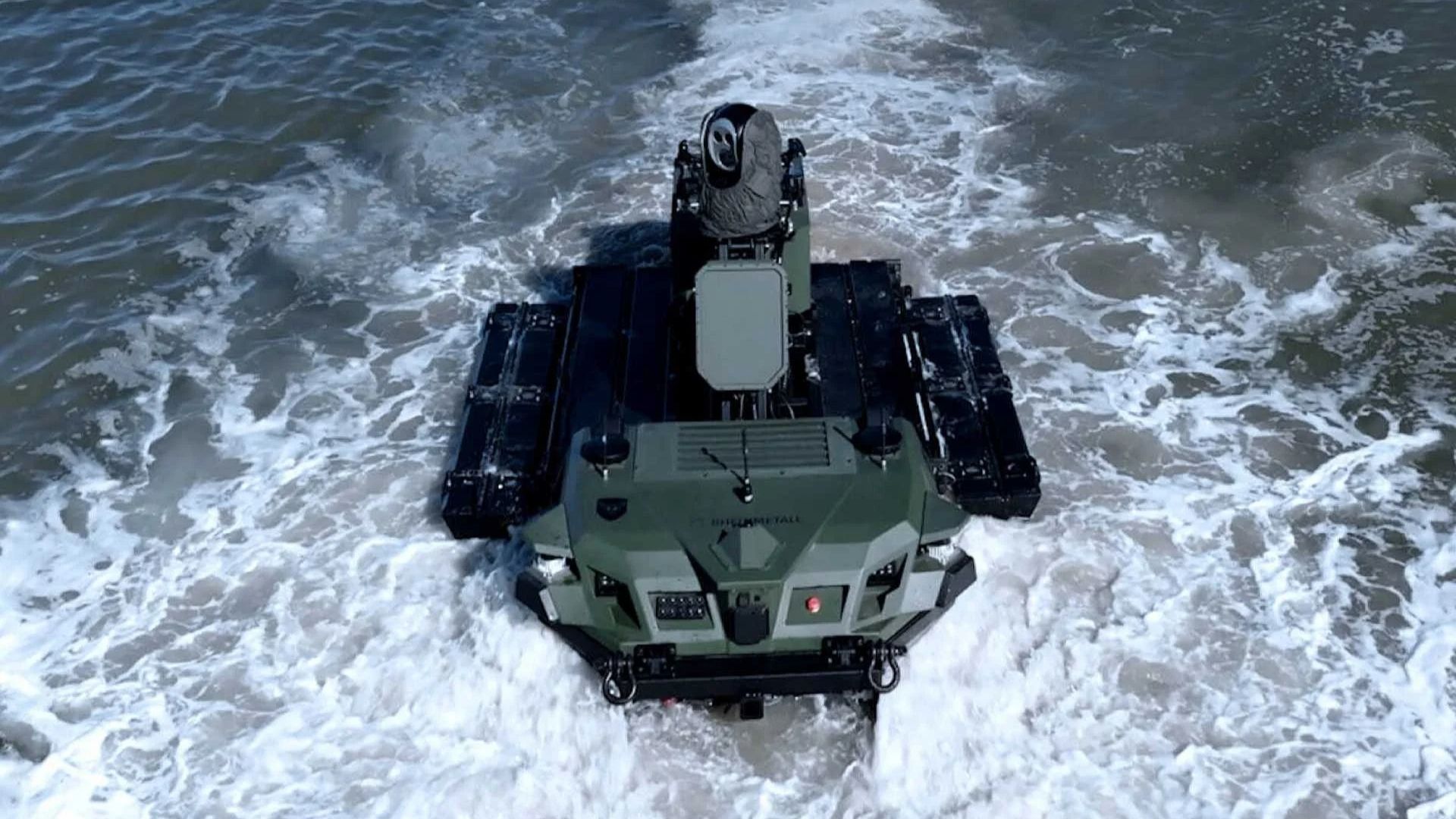
US Marine Corps Secures 12 Rheinmetall Amphibious Robots for Autonomous Logistics
American Rheinmetall has been awarded a $7.28 million contract to supply 12 Mission Master SP Autonomous Unmanned Ground Vehicles (A-UGVs) to the US Marine Corps. This procurement includes five amphibious kits and supporting equipment aimed at enhancing autonomous logistics and expeditionary mobility technologies. The significance of this contract lies in its potential to advance the operational capabilities of the US Marine Corps. The Mission Master SP vehicles are designed to support the Marine Corps Warfighting Laboratory's evaluations and capability development efforts, reflecting over four years of collaboration between Rheinmetall and the Marines. Looking ahead, the deployment of these advanced A-UGVs will be closely monitored as they are integrated into military operations. The amphibious capability is particularly noteworthy, as it addresses the evolving demands of littoral and expeditionary operations, marking a key milestone in Rheinmetall's partnership with the US Marine Corps.
Military
Yushu Robot G1 Showcases Autonomous Fighting, Yet Concerns Persist
Yushu's G1 robot recently demonstrated autonomous fighting capabilities, executing punches and evasive maneuvers without human control. This 38-second video, released on September 7, claims to be the world's first real-time autonomous humanoid robot combat. However, independent analysis revealed console logs suggesting that AI processing may occur on an external computer, raising questions about the true autonomy of the G1. The distinction between 'fully autonomous' and a system relying on external commands is crucial. Yushu has not provided technical documentation to clarify this issue, leaving the term 'fully autonomous' in question. The UnifoLM-X2-1.0 model, which powers the G1, predicts opponent movements and plans actions accordingly, but lacks independent latency benchmarks to validate its performance. While combat scenarios serve as effective stress tests for robotic systems, the leap from successful fighting to reliable operation in dynamic environments remains unproven. A previous incident involving the G1 injuring a child during a demonstration highlights urgent safety concerns. As robots become more capable, the adequacy of safety regulations and frameworks for humanoid robots is increasingly questioned, emphasizing the need for clear guidelines on their operational parameters.
Humanoid Robots AI Robot Safety Autonomous Systems
Unitree Technology Unveils G1 Autonomous Robot's Real-Time Combat Capabilities
On September 7, Unitree released a 38-second video showcasing its G1 humanoid robot engaging in real-time combat against a human opponent. This marks a significant milestone as it is the first instance of a fully autonomous humanoid robot fighting without human remote control, demonstrating advanced decision-making capabilities. The importance of this development lies in the robot's ability to autonomously predict, evade, and counterattack in real-time, a feat that has previously required human intervention. The G1 robot adjusts its stance and actions based on the opponent's movements, showcasing a complete feedback loop from perception to execution, which is crucial for effective combat. Looking ahead, the G1 is set to compete in the CMG World Robot Competition in May 2025, where it will further demonstrate its capabilities. The video highlights the challenges of real-time decision-making in combat scenarios, emphasizing the need for rapid response and adaptation in unpredictable environments. No further timeline was disclosed at the time of publication.
Humanoid Robots Autonomous Systems Robotics Research Artificial Intelligence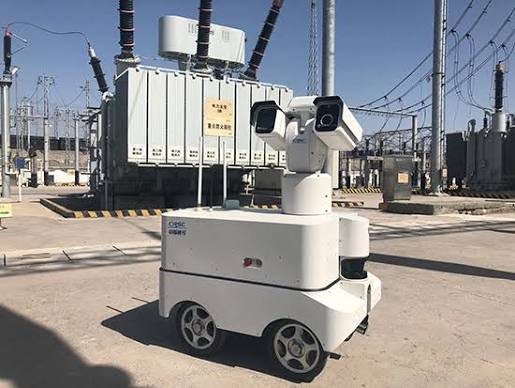
Customized Inspection Robots Enhance Safety in Petrochemical Facilities
On August 20, 2026, a customized explosion-proof wheeled inspection robot was officially put into operation at the Zhenhai Refining & Chemical's Smart Factory 3.0 project after successful debugging and validation at the polypropylene unit. Utilizing intelligent visual recognition, autonomous navigation, and data collection technologies, the robot replaces manual inspections in high-risk areas, significantly improving safety and efficiency. The deployment of inspection robots across major Chinese energy companies, such as Guangdong Petrochemical and Urumqi Petrochemical, is transforming safety protocols in petrochemical plants. For instance, the robots have reduced response times from an average of 30 minutes to seconds and decreased the missed detection rate from approximately 3% to 0.1%, showcasing their reliability and precision in monitoring hazardous environments. Looking ahead, the integration of robots into routine inspections is expected to redefine roles within the industry, shifting human workers from operators to decision-makers. As these robots become standard in operations, the petrochemical sector is likely to see a significant enhancement in safety measures and operational efficiency, with no further timeline disclosed at the time of publication.
Inspection Robots Petrochemical Industry Automation Technology Safety Monitoring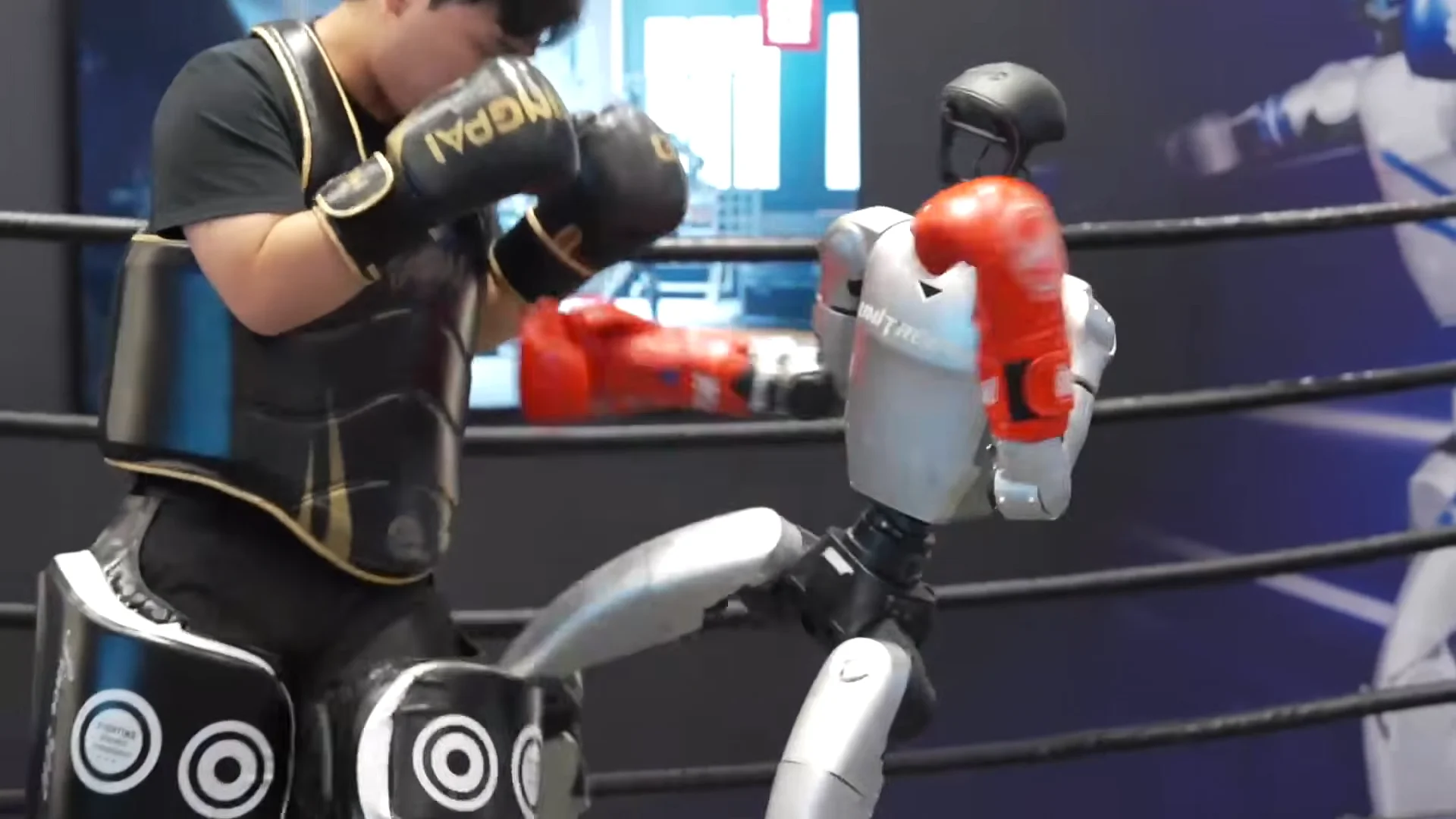
Unitree Robotics Introduces UnifoLM-X2: A Fully Autonomous Combat Robot
Unitree Robotics has launched the UnifoLM-X2-1.0, a groundbreaking AI architecture that enables its G1 humanoid robot to engage in fully autonomous combat. This innovation marks a significant shift from previous humanoid combat, which relied on human operators for control. The demonstration showcases the G1's ability to spar in real-time against a human partner, utilizing predictive modeling to anticipate and react to movements. The introduction of UnifoLM-X2-1.0 is crucial as it addresses latency issues that have historically hindered robotic performance in dynamic environments. By employing a predictive perception-to-action loop, the G1 can execute complex maneuvers such as slipping strikes and recalibrating footwork without human intervention. This advancement positions Unitree at the forefront of the robotics sector, particularly in the rapidly growing field of humanoid combat. Looking ahead, the evolution of Unitree's AI capabilities will be pivotal in shaping the future of robotic interactions in competitive settings. The success of the UnifoLM-X2-1.0 could lead to further innovations in autonomous robotics, enhancing their application in various sectors beyond combat. No further timeline was disclosed at the time of publication.
Unitree Robotics China Autonomy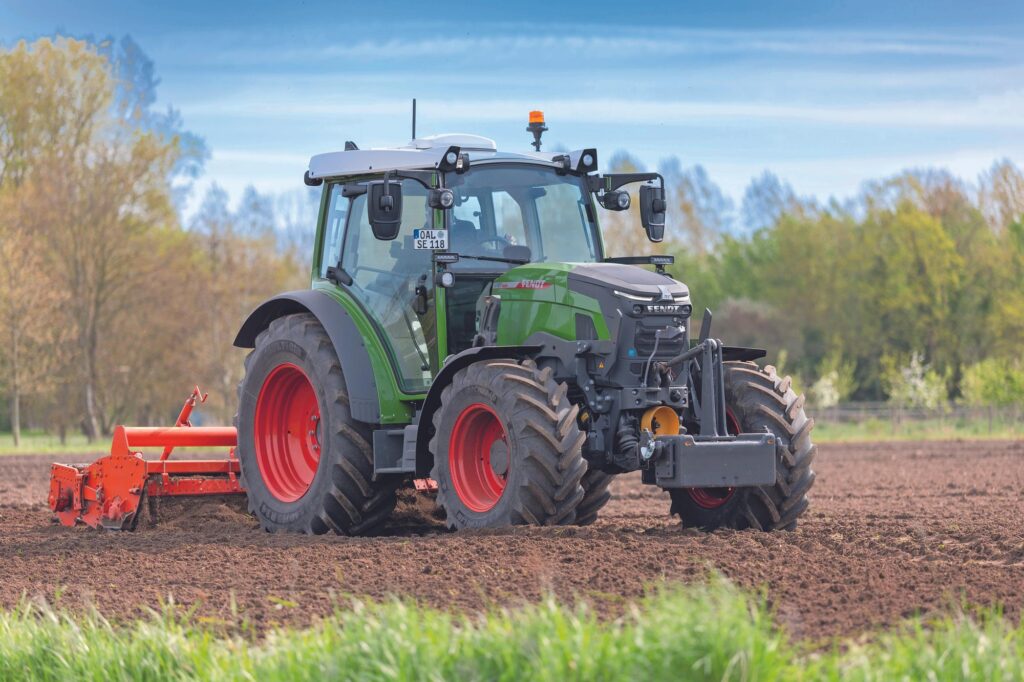
Fendt e107 Vario Electric Tractor Demonstrates Battery Power for Autonomous Field Robots
A recent test compared the Fendt e107 Vario electric tractor with the diesel-powered Fendt 207 Vario in both summer conditions in the Netherlands and winter conditions in Norway. The results indicate that while the electric tractor is advanced, its battery capacity remains a key limitation for heavy-duty tasks. This development is significant for the future of autonomous field robots, as electric drive systems could offer inherent advantages in efficiency and sustainability. The Fendt e107 Vario's performance suggests that battery-electric technology is becoming increasingly viable for agricultural applications. Looking ahead, the evolution of battery technology and electric drivetrains will be crucial for enhancing the capabilities of autonomous field robots. No further timeline was disclosed at the time of publication.
Tech in focus electric fendt
Autonomous Agri Solutions Acquires Robotti to Secure Its Future in Agriculture
Autonomous Agri Solutions (AAS) has acquired the Robotti autonomous field robot's key hardware and production assets following Agrointelli's bankruptcy. This acquisition marks a significant milestone for AAS and the agricultural robotics sector, as it aims to continue supporting Robotti users and enhance its market presence. The bankruptcy of Agrointelli in February 2026 left many Robotti users uncertain about the future of their machines. With over 65 robots delivered and more than 10,000 operational hours logged globally, AAS's acquisition is crucial for maintaining service and support for existing customers. The transition to AAS is seen as a positive development for the agricultural community, which relies on Robotti's capabilities. Looking ahead, the future of Robotti will depend on AAS's ability to manage existing customer relationships and potentially expand its distribution network. The situation for customers outside the UK remains uncertain, contingent on the involvement of regional distributors or AAS's direct engagement. No further timeline was disclosed at the time of publication.
Field robots agricultural robots autonomous technology farm management mechanical weeder robotic harvesting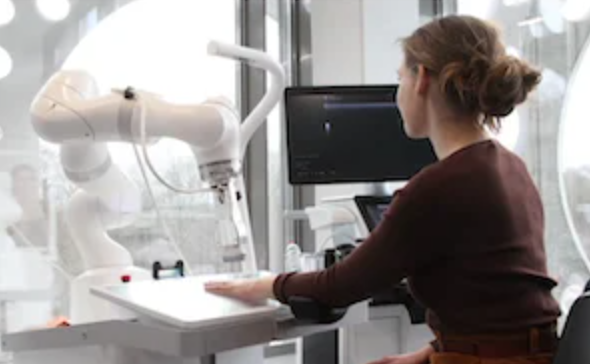
ROPCA Secures FDA Approval for Autonomous Ultrasound Robot ARTHUR for Rheumatoid Arthritis Diagnosis
Danish medical technology company ROPCA has received FDA 510(k) approval for its autonomous ultrasound robot, ARTHUR, designed for diagnosing rheumatoid arthritis. This innovative system allows patients to place their hands on a designated area while the robot, equipped with AI software DIANA, performs standardized ultrasound scans without the need for a physician's intervention. The significance of this approval lies in addressing the shortage of rheumatology specialists in the U.S., where 72% of counties lack access to such experts. With ARTHUR's ability to conduct efficient and repeatable joint ultrasound assessments, it aims to enhance the accessibility of objective imaging and improve clinical capabilities, as noted by Dr. Matthew J. Koster from the Mayo Clinic. Looking ahead, ROPCA's ARTHUR could revolutionize the diagnostic process for rheumatoid arthritis, potentially reducing the lengthy wait times patients currently face for joint ultrasound evaluations. No further timeline was disclosed at the time of publication.
Ultrasound Robotics Rheumatoid Arthritis AI in Healthcare Medical Technology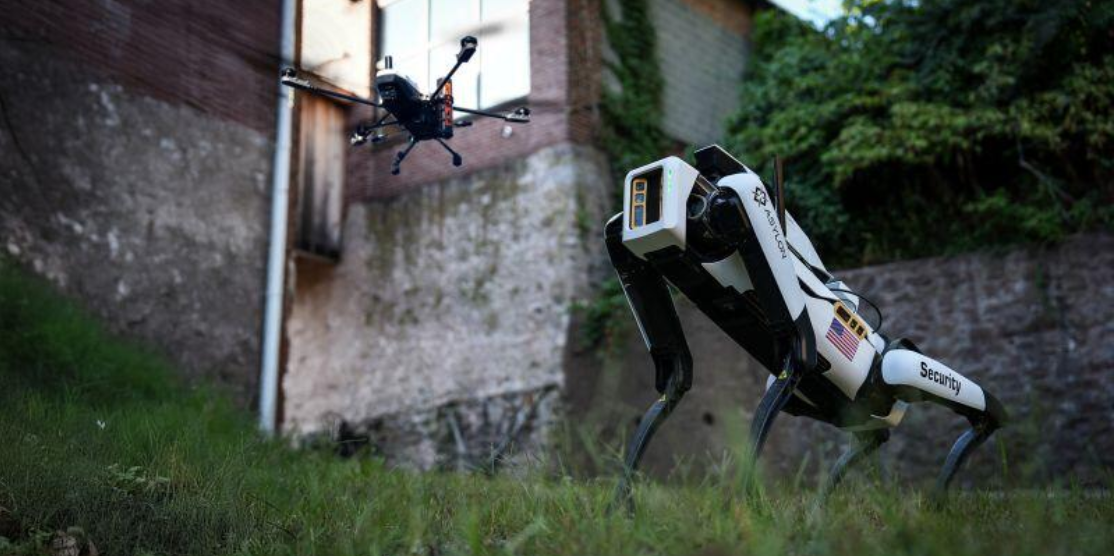
U.S. Air Force Transforms Aircraft Inspections with Asylon's Robot Dog and Drones
The U.S. Air Force's Warner Robins Air Logistics Center has awarded Asylon a Phase III SBIR contract to advance the MARIA system, integrating the Guardian drone and DroneDog robot dog for automated aircraft inspections. This system allows for rapid digital mapping of aircraft, significantly reducing inspection time from days to hours while eliminating the risks associated with manual high-altitude checks. The collaboration between the DroneDog and Guardian drone enables comprehensive inspections, identifying anomalies and defects autonomously. The data is transmitted in real-time to the DroneIQ platform, allowing maintenance personnel to review results through 2D workflows or 3D digital twin views. The system's core value lies in its speed and consistency, ensuring that inspections cover the same points each time, thus minimizing the randomness of manual checks. Currently programmed for the Lockheed C-5 and C-130 aircraft, the long-term goal is to expand the system's capabilities across all Warner Robins aircraft types and the broader Air Force logistics framework. Asylon aims to enhance the MARIA system with advanced AI anomaly detection and explore humanoid fleet management for concurrent maintenance tasks.
Robotic Inspection Aerospace Technology Drone Technology Automation Military Logistics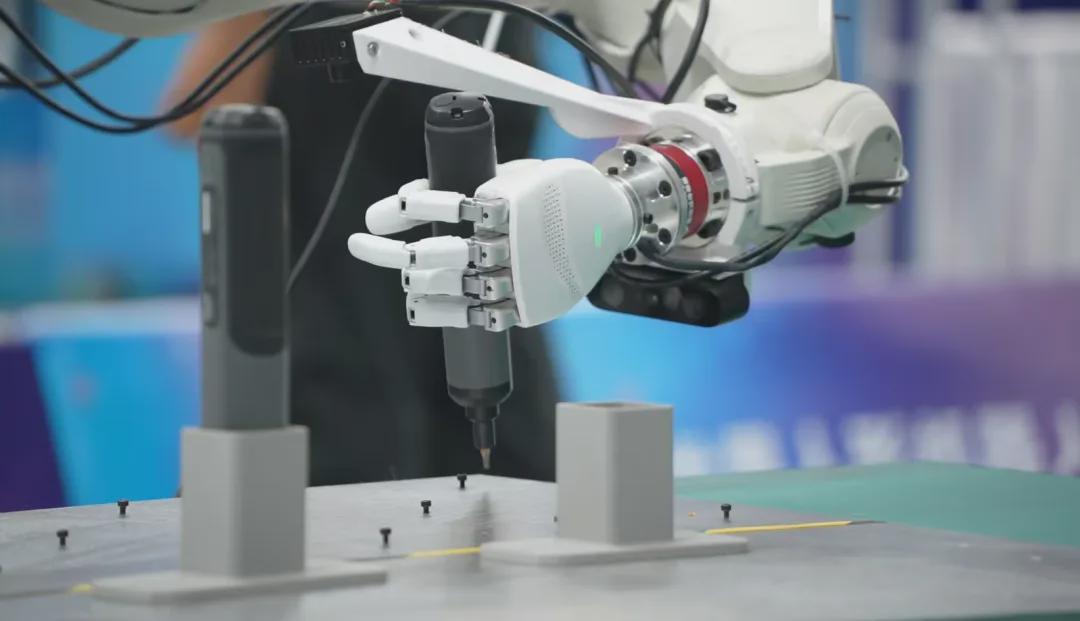
Autonomous Robot Team Achieves Gold in Precision Assembly Challenge
On August 23, the second World Humanoid Robotics Competition featured a critical contest in precision assembly. The Lingxin Qiaoshou team completed the assembly of 18 screws in five minutes, achieving a score of 17 out of 18, winning the gold medal with an 8-point lead over the second place. This team was the only one to participate in all eight events using a fully autonomous mode, while most competitors opted for remote control to navigate environmental uncertainties. The significance of this achievement lies in the team's commitment to fully autonomous operations, which allows robots to independently perceive, decide, and execute tasks in complex environments. This approach not only showcases the robot's capabilities but also addresses the challenges of transitioning from laboratory conditions to real-world industrial applications. The competition environment simulated real industrial conditions, emphasizing the importance of stability and adaptability in robotic operations. The core hardware supporting this success is the Linker Hand O6, a high-performance dexterous hand developed by Lingxin Qiaoshou. Weighing only 370 grams, it can handle loads up to 50 kilograms, demonstrating a significant advantage in both lightweight design and heavy-duty performance. The team's advancements in precision positioning, robust visual capabilities, and closed-loop force control systems are crucial for the future of intelligent manufacturing and automation in various industries.
Robotic Hands Autonomous Robotics Industrial Automation Precision Assembly
Impossible Metals' Eureka II Autonomous Robot Successfully Recovers from Ocean Without Human Help
Impossible Metals has demonstrated its Eureka II autonomous underwater vehicle's ability to autonomously locate and recover itself from the ocean. This significant achievement occurred during an offshore test in Halifax, Nova Scotia, showcasing the robot's advanced capabilities without human intervention. The importance of this technology lies in its potential to simplify underwater operations for commercial use. According to Jason Gilham, Impossible Metals' chief technology officer, reliable autonomous recovery is crucial for scaling subsea platforms in real ocean conditions, as traditional recovery methods can be challenging and labor-intensive. Looking ahead, the Eureka II's successful demonstration highlights the growing interest in autonomous underwater vehicles amid rising demand for critical minerals and ocean data. No further timeline was disclosed at the time of publication.
AI and Robotics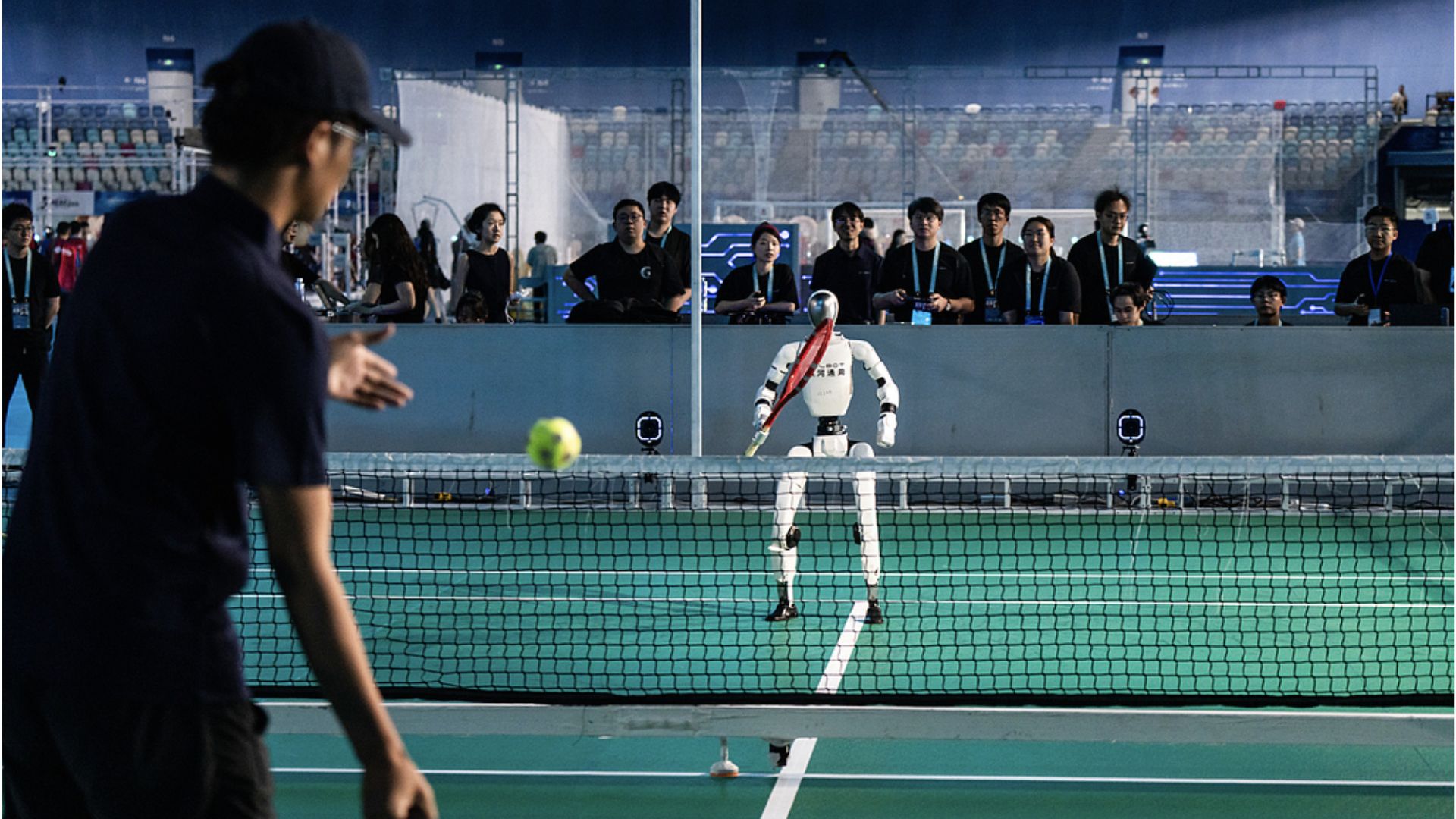
Galbot's Humanoid Robots Achieve Over 100 Rallies in Autonomous Tennis Match
Galbot's humanoid robots have successfully completed more than 100 consecutive rallies in what is being hailed as the world's first live autonomous humanoid robot tennis match. This event took place during the opening ceremony of the Second World Humanoid Robot Games (WHRG) in Beijing, showcasing the robots' capabilities in real-time decision-making and independent movement on the court. The significance of this achievement lies in the demonstration of advanced robotics in dynamic environments, moving beyond traditional laboratory settings. The Galbot robots autonomously tracked fast-moving tennis balls and executed various tennis strokes, adapting their movements as the rallies progressed. This performance reflects the evolving challenges faced by humanoid robots, particularly in competitive scenarios against human athletes. Looking ahead, the WHRG will continue to test humanoid robots in diverse and complex environments, pushing the boundaries of their capabilities. The technology behind this event, known as LATENT, enables robots to learn tennis skills from imperfect human motion data, indicating a shift towards more sophisticated training methods. No further timeline was disclosed at the time of publication.
AI and Robotics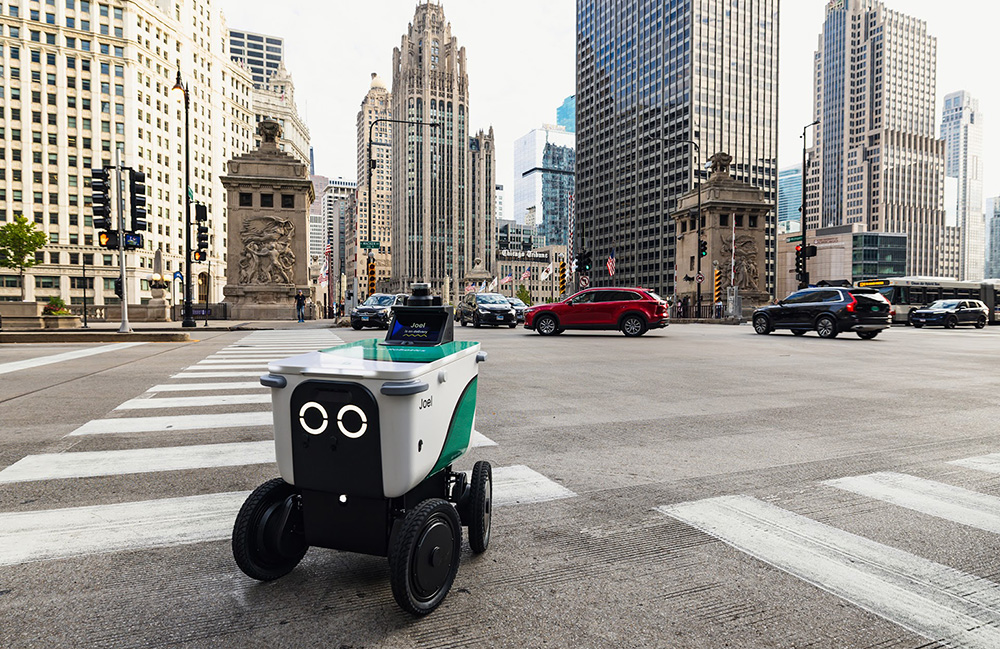
Serve Robotics Partners with Grubhub for Autonomous Delivery in Major Cities
Serve Robotics Inc. has announced a partnership with Grubhub to provide autonomous delivery services in Chicago, Los Angeles, and Alexandria, Virginia. This collaboration will enable Serve to offer robotic deliveries from over 100 Grubhub merchants in Chicago and nearly 200 in Los Angeles, with plans for more restaurants to join the program. This partnership is significant as it marks Serve's expansion into new markets, including Washington, D.C., and San Jose, California, where they have partnered with DoorDash. The introduction of microdepots in Miami will further enhance their operational efficiency, allowing for quicker deployment in high-demand neighborhoods with minimal infrastructure. Looking ahead, Serve Robotics is also launching Beacon, a countertop product designed to streamline the connection between restaurants and delivery robots. Additionally, they have introduced a new advertising product called “Characters,” which allows brands to create interactive experiences with their robots. No further timeline was disclosed at the time of publication.
Autonomous Mobile Robots (AMRs) Food / Beverage Markets / Industries News Robots / Platforms autonomous delivery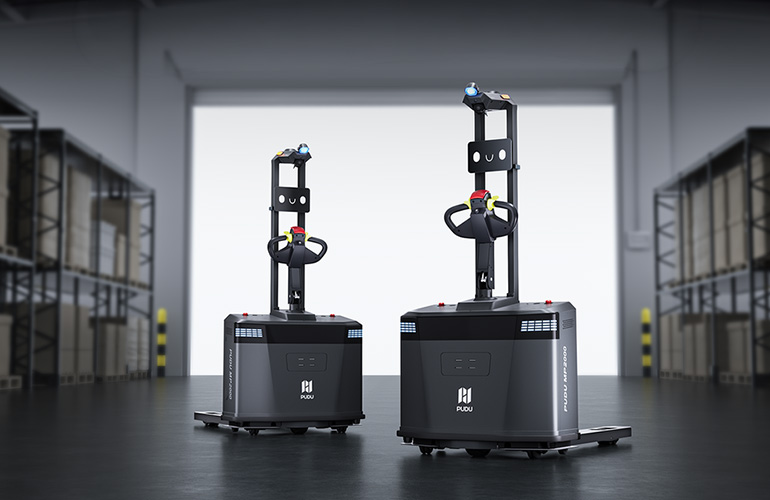
Pudu Robotics Introduces MP2000 Autonomous Forklift for Efficient Material Transport
Pudu Robotics has launched the MP2000, an AI-powered autonomous forklift designed for efficient floor-to-floor material transport in warehouses and factories. This new model features pallet pickup cycles as quick as 20 seconds, enhancing the company's portfolio of autonomous mobile robots (AMRs) for high-frequency, heavy-payload transport in busy logistics environments. The MP2000 is equipped with advanced 3D lidar and depth cameras, allowing it to identify pallet locations and adjust its approach in real time. This capability ensures safe navigation through facilities, avoiding obstacles while validating pallet sizes and configurations. The MP2000 supports various pallet formats and adapts to non-standard load carriers, making it versatile for different operational needs. As part of a distributed fleet, the MP2000 can coordinate with other Pudu Robotics AMRs, enhancing overall efficiency. It also features a manual operator override for use as a powered manual forklift. The vehicle's ability to communicate with peripheral equipment like doors and elevators further streamlines access to controlled areas within facilities. No further timeline was disclosed at the time of publication.
Automated Warehouse Autonomous Mobile Robots (AMRs) Logistics Manufacturing News Pudu Robotics
Two-Stage Planning Method Enhances Continuous Multi-Robot Inspection in Mines
A two-stage robot planning method has been developed to enhance continuous underground mine inspections. This method integrates predictive charging, obstacle avoidance, and road condition assessments to optimize the performance of multiple robots in simulated environments. The significance of this advancement lies in its potential to improve safety and efficiency in mine inspections. By effectively managing the robots' charging needs and navigating obstacles, the method ensures that inspections can be conducted without interruptions, thereby increasing operational productivity. Looking ahead, the implications of this technology could lead to broader applications in various sectors requiring autonomous inspections. No further timeline was disclosed at the time of publication.
First Humanoid Robot Achieves Autonomous Table Tennis Match at 2026 World Robot Conference
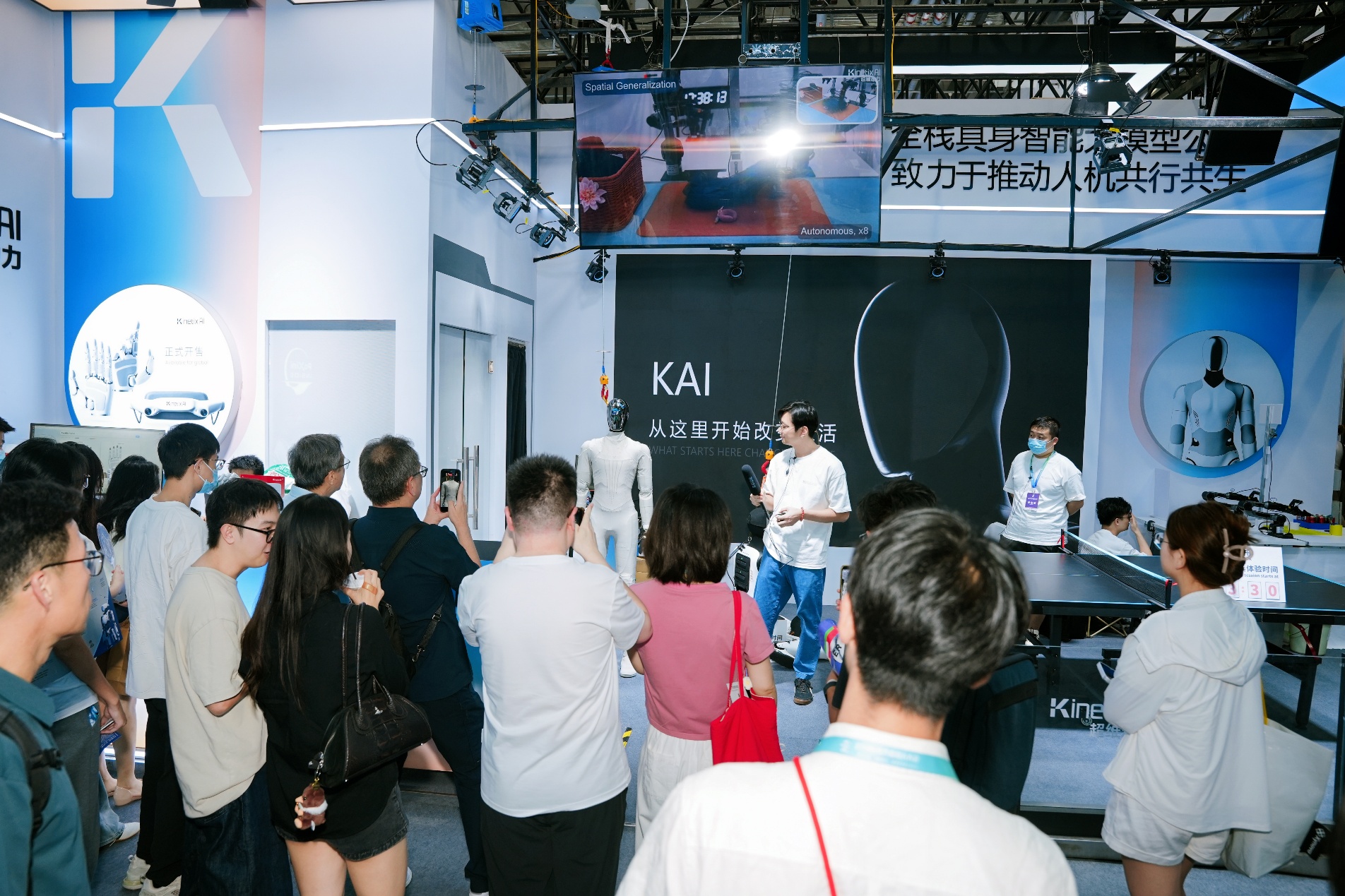
On August 19, the 2026 World Robot Conference opened in Beijing, featuring the world's first humanoid robot capable of completing an autonomous table tennis match. This milestone, achieved by Chao Wei Power, showcases significant advancements in the robot's perception, decision-making, and control capabilities in high-speed dynamic environments. The importance of this achievement lies in its demonstration of the robot's ability to respond to fast-moving and unpredictable table tennis scenarios, with a reaction time measured in milliseconds. The SMASH 2.0 system integrates high-speed visual perception and real-time trajectory prediction, enabling the robot to autonomously serve and return balls with coordination and adaptability comparable to human athletes. Looking ahead, Chao Wei Power's innovations, including the KAIBot with 117 degrees of freedom and the KAI Hand for fine manipulation, will continue to evolve. No further timeline was disclosed at the time of publication.
Humanoid Robots Table Tennis Robotics AI Technology Robotics Innovation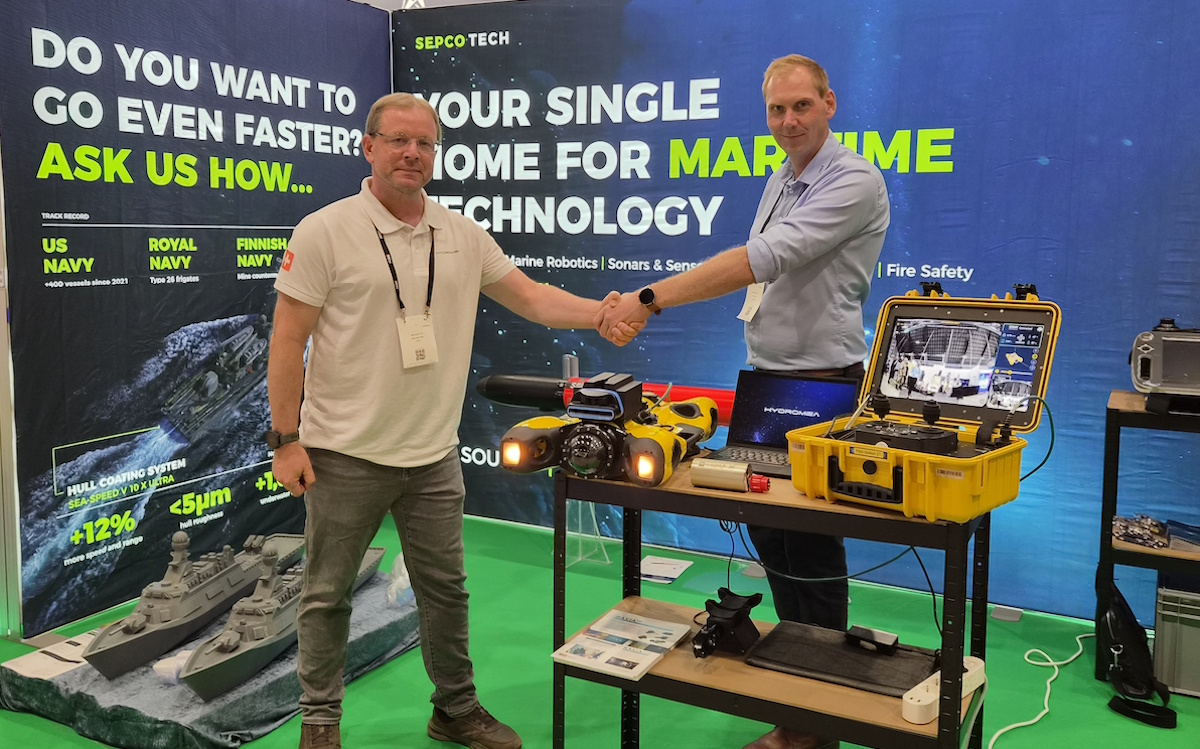
Hydromea and SepcoTech Collaborate to Introduce EXRAY Inspection Robotics in Scandinavia
Hydromea and SepcoTech A/S have formed a commercial partnership to promote Hydromea’s EXRAY™ subsea inspection system in Scandinavia. The focus will be on naval, defense, maritime, and offshore applications, addressing the need for inspections in submerged and confined spaces that are challenging for divers or traditional ROVs. The EXRAY™ system features a dual-vehicle setup, comprising a tethered mothership ROV for open water operations and a wireless flyout vehicle for accessing confined areas. This innovative design allows for safe inspections without the risks associated with divers or tethered ROVs, while also ensuring high-definition video transmission to operators. This partnership is significant as it enhances inspection capabilities for asset owners, aiming to minimize personnel exposure and improve the efficiency of subsea inspections. No further timeline was disclosed at the time of publication.
hydromea sepcotech exray inspection robotics scandinavian naval market
HKU and KAI's SMASH 2.0 Robots Successfully Complete Autonomous Table Tennis Match
A collaboration between the University of Hong Kong and KAI research has achieved a milestone by conducting the first fully autonomous humanoid table tennis match. Two robots engaged in an entire 11-point game without any human intervention or remote control, showcasing advanced capabilities in robotics. This achievement is significant as it demonstrates the potential for autonomous systems in sports and entertainment, highlighting advancements in robotics technology. The SMASH 2.0 system, which facilitated this match, represents a leap forward in the development of robots capable of complex interactions and real-time decision-making. The SMASH 2.0 system is set to make its public debut at the second World Robot Games, scheduled to take place at the Ice Ribbon in Beijing from August 22-26. Observers will be keen to see how this technology evolves and its implications for future robotics applications in various fields.

Gravis Robotics Secures $200 Million from SoftBank for Autonomous Construction Innovation
Gravis Robotics has announced a significant investment of $200 million from SoftBank in its Series A funding round, marking a historic milestone in construction robotics. This funding aims to enhance the company's autonomous construction capabilities, addressing the industry's slow automation pace amid rising demands for infrastructure repairs and AI data center developments. The investment is crucial as Gravis Robotics seeks to revolutionize the construction sector, which has traditionally relied on mechanical hardware. With its Gravis Rack autonomous control kit, the Zurich-based company retrofits existing construction equipment, enabling it to operate in unpredictable jobsite conditions, thereby overcoming the challenges of traditional automation. Looking ahead, Gravis Robotics plans to leverage this funding to expand its workforce and deploy its technology across major job sites. The company emphasizes the importance of bridging the sim-to-real gap in construction, aiming to bring factory-floor precision to civil engineering tasks. No further timeline was disclosed at the time of publication.
Artificial Intelligence / Cognition Autonomous Mobile Robots (AMRs) Construction Controllers Investments News
Explosion-Proof Inspection Robots Utilize Custom Joint Motors for Hazardous Environments
In petrochemical facilities, an explosion-proof inspection robot extends its mechanical arm to accurately position an infrared thermal imager on a high-temperature pipeline flange, demonstrating smooth movements and precise positioning. In coal mines, another robot's arm performs micron-level rotational operations on valves. The motors driving these joints differ fundamentally from standard industrial robots, providing high torque density in confined spaces. These explosion-proof joint modules can achieve a peak torque of 450 N·m and a rated torque of 110 N·m, supporting continuous operations with a payload exceeding 20 kg. With a dual 17-bit encoder, the modules offer a repeat positioning accuracy of ±40 arc seconds and a backlash of ≤15 arc minutes, with response times in the millisecond range. Designed for flammable and explosive environments, these robots meet IP68 protection and Ex d IIB T4 explosion-proof standards, suitable for various scenarios including chemical, coal mining, and hazardous material warehouses. Jiangsu Huistone has over 20 years of experience in specialized motors, providing customized servo motor solutions for intelligent inspection robot arms. Their products cover a base size range from 40 mm to 400 mm, power from 50 W to 200 kW, and voltage from 24 V to 3000 V, ensuring compatibility with different power supply platforms. The successful application of their 130 mm base explosion-proof AC servo motor in petrochemical inspection robots highlights the precision and safety of these advanced technologies.
Explosion-Proof Robots Joint Motors Industrial Automation Hazardous Environment Technology
Magnendo Secures $32 Million from ARPA-H for Autonomous Stroke Treatment Robot Development
Magnendo, an MIT spinout, has received up to $32 million from ARPA-H to develop an autonomous system for treating ischemic strokes. This funding will support a five-year program focused on enhancing robotic navigation technology to improve the efficiency of mechanical thrombectomy procedures, which currently require specialized expertise and are limited to select hospitals. The initiative aims to address the challenges faced during stroke treatment, particularly for patients with large vessel occlusions. Magnendo's magnetic navigation technology is designed to facilitate easier navigation through complex vascular anatomy, potentially reducing the time it takes to restore blood flow, which is critical for patient outcomes. Looking ahead, the program seeks to integrate various technologies, including medical imaging and AI, to create a comprehensive platform for autonomous endovascular interventions. The ultimate goal is to make advanced stroke treatments more accessible across a broader range of healthcare facilities, thereby improving patient care and outcomes in stroke management.
AI and Robotics
Hyundai Demonstrates World's First Autonomous Robot Operating on a Moving Ship
Hyundai Motor Group has successfully tested the MobED, the world's first autonomous self-driving robot, aboard the moving vessel HYUNDAI DUBAI in South Korea. This milestone demonstrates the robot's ability to navigate despite challenges such as vessel motion and uneven surfaces, paving the way for safer maritime inspections. The significance of this development lies in the potential for the MobED to inspect hazardous areas like enclosed cargo holds, which are often too dangerous for human seafarers. The trials included various autonomous navigation tasks, showcasing the robot's capabilities in maintaining stability and performing inspections in challenging environments. Looking ahead, the successful demonstration indicates that autonomous robots can effectively operate in large cargo areas without needing modifications to existing ship infrastructure. No further timeline was disclosed at the time of publication.
AI and Robotics
Brain Corp Achieves 68 Percent Growth, Surpassing 50,000 Autonomous Robots Deployed Globally
Brain Corp has reported significant growth in its global fleet of autonomous robots, achieving a 68 percent increase in deployments year-over-year in the first half of 2026. This milestone highlights the expanding role of BrainOS-powered robots across various sectors, including retail and logistics, as they logged over 5.3 million autonomous operating hours. The company's performance indicates a pivotal moment for enterprise robotics, as organizations seek proven platforms for faster and more profitable deployment of robotic solutions. Brain Corp's partnerships with ShelfOptix and Tennant Company further reflect the rising demand for scalable autonomy platforms in the market. Looking ahead, enterprises are increasingly focused on the capabilities of autonomy platforms, evaluating their performance and data security across multiple sites. Brain Corp's recent SOC 2 Type II compliance underscores its commitment to meeting these expectations, ensuring robust security controls and data management practices for its clients.
Computing News Software airport automation amrs artificial intelligence
Navy Establishes New Direct Reporting Portfolio Manager for Robotic and Autonomous Systems
The Navy has announced the creation of a new Direct Reporting Portfolio Manager for Robotic and Autonomous Systems (DRPM RAS) as part of a leadership restructuring. Chris Miller, currently leading the portfolio acquisition executive Maritime office, will take on the role of acting DRPM RAS, reporting to William Toti, who is performing the duties of undersecretary of the Navy. This initiative aims to enhance the development and acquisition of RAS capabilities within the Navy and Marine Corps. This move is significant as it reflects the Navy's recognition of the need for a more efficient approach to robotic and autonomous systems. According to Toti, the current processes are outdated and do not meet the urgent needs of Sailors and Marines. The establishment of DRPM RAS is intended to bring about faster decision-making and clearer accountability in line with Secretary of the Navy Hung Cao's directives. Looking ahead, the Navy is considering relocating DRPM RAS staff closer to Fleet warfighters to improve collaboration and ensure that operational feedback is integrated into capability development. No further timeline was disclosed at the time of publication.
Naval Warfare Drones Medium Unmanned Surface Vessel Navy portfolio acquisition executives Unmanned
Global Demand for Autonomous Mobile Robots Expected to Surge by 2030
The demand for autonomous mobile robots (AMRs) is increasing globally, driven by rising labor costs and the need for operational flexibility. Interact Analysis predicts that the market for AMRs will grow from nearly $5 billion in 2024 to $14 billion by 2030, indicating a strong recovery post-COVID-19 pandemic. ABI Research forecasts that the mobile robot market could expand from $33 billion in 2026 to $68.9 billion by 2030, with AMRs comprising half of that total. Suppliers highlight the ease of integrating automated and semi-automated forklifts into existing workflows, while automated storage and retrieval systems (ASRS) offer scalability for those investing in infrastructure. Recent advancements in AMRs are attributed to improvements in computer vision, sensor fusion, and machine learning, enhancing navigation and operational efficiency. Despite interoperability challenges, orchestration software vendors are addressing these issues, enabling easier scaling and integration of fleets. No further timeline was disclosed at the time of publication.
AGVs Automated Warehouse Autonomous Mobile Robots (AMRs) Digital Issues Logistics Manufacturing
Figure AI's Humanoid Robot Figure 03 Achieves Autonomous Ladder Climbing
In early August, Brett Adcock, founder of Figure AI, shared a video demonstrating the Figure 03 robot autonomously climbing a ladder without remote control or pre-set scripts. This achievement is significant as ladder climbing presents a complex challenge for humanoid robots, requiring simultaneous coordination of hands and feet while maintaining balance and grip. The successful climb is attributed to a crucial upgrade in the AI system, Helix System 0 (S0), which now integrates visual perception with full-body motion control. Previously reliant on proprioception, the upgraded system utilizes real-time visual input from onboard stereo cameras, allowing the robot to adapt to its environment and achieve precise foot placement and balance. The ability to climb ladders expands the operational capabilities of robots beyond flat surfaces, making them suitable for diverse environments such as factories and construction sites. Figure AI has also ramped up production of Figure 03, increasing output from one unit per day to one unit per hour, with over 350 units delivered, indicating a shift from demonstration to practical application. However, questions remain regarding success rates and performance under various conditions.
Humanoid Robots AI Robotics Automation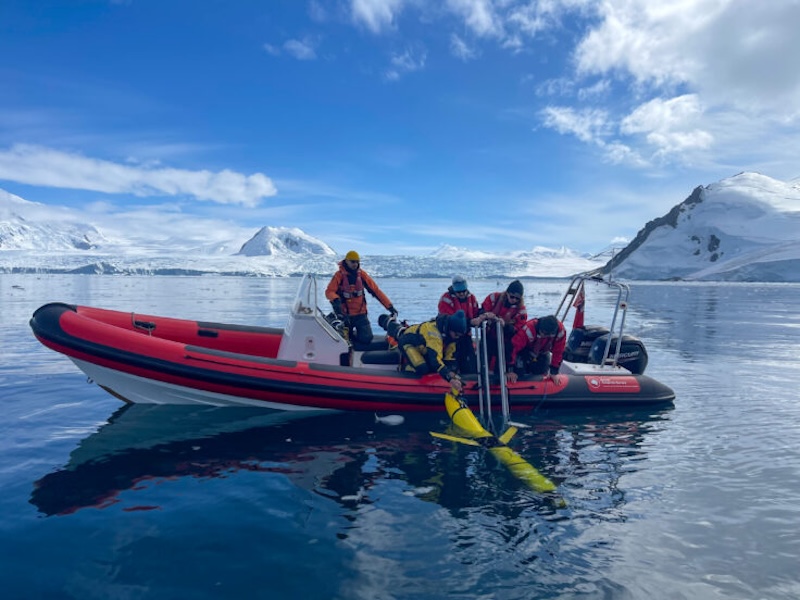
Autonomous Robots Revolutionizing Polar Science in the Arctic and Antarctic Regions
The British Antarctic Survey reports that autonomous vehicles are significantly transforming polar science. These robots operate beneath Antarctic sea ice, on Greenland glaciers, and in remote areas, gathering crucial data without human operators. Their deployment allows scientists to explore dangerous and inaccessible environments, enhancing research on glaciers, oceans, wildlife, and climate processes. The importance of these autonomous robots lies in their ability to monitor and collect data over extended periods, which was previously unimaginable. Dr. Alex Brearley from the British Antarctic Survey highlights the convenience of controlling these gliders remotely from Cambridge while they operate thousands of miles away in Antarctica. This technology enables researchers to gain insights into complex phenomena like internal tsunamis caused by glacier ice calving. Looking ahead, the continued integration of autonomous vehicles in polar research will likely expand the scope and depth of scientific exploration in these extreme environments. No further timeline was disclosed at the time of publication.
Features Science aerial drones antarctica arctic Autonomous robots
NVIDIA Launches Alpamayo 2 Super for Commercial Use in Robotaxis and Autonomous Vehicles
NVIDIA has announced the commercial availability of Alpamayo 2 Super, a cutting-edge model designed for robotaxis and autonomous vehicles (AVs). This model addresses complex, rare scenarios that traditional systems struggle to handle, enabling AVs to reason about situations and make safe decisions in real time. The significance of Alpamayo 2 Super lies in its open commercial licensing and advanced multitask capabilities, which enhance the AV ecosystem. By being part of the Alpamayo family, it supports a variety of AV-relevant functions within a single foundation model, allowing developers to adapt it to their specific needs and driving policies. Looking ahead, the application of the OpenMDW license across the Alpamayo model family facilitates a seamless transition from adaptation to deployment for AV developers. This model not only provides high-level reasoning capabilities but also promotes a sustainable approach to scaling safe autonomy in commercial fleets, ensuring that developers can efficiently integrate advanced reasoning into their workflows.

Figure 03 Humanoid Robot Achieves Autonomous Ladder Climbing in New Milestone
Figure, a US-based robotics company, has released a video demonstrating that its Figure 03 humanoid robot can climb a ladder autonomously. The footage, shared by founder Brett Adcock on X, shows the robot ascending without human assistance, marking a significant achievement in robotic mobility and balance. This development is crucial as climbing ladders is a complex task for humanoid robots, requiring precise coordination and real-time decision-making. Figure claims that the successful demonstration highlights advancements in the robot's locomotion and whole-body control, which are essential for navigating unpredictable environments. Looking ahead, Figure has ramped up production of the Figure 03 from one unit per day to one per hour, delivering over 350 robots. The company has also upgraded its Helix AI model, enhancing the robot's ability to combine visual perception with motion control. No further timeline was disclosed at the time of publication.
AI and Robotics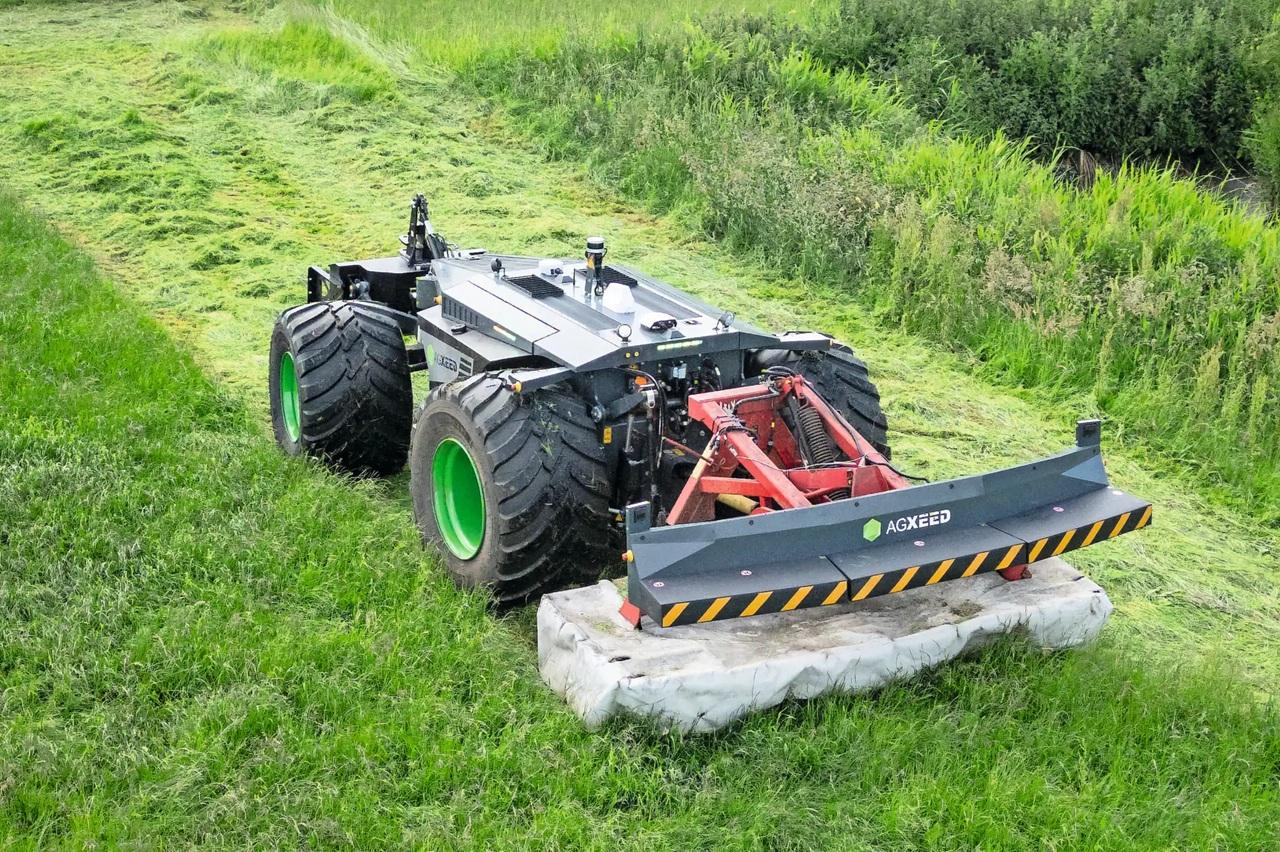
Agxeed W4 Autonomous Robot Enters Dairy Farming Trials in the Netherlands
Dutch dairy farmer Joram Hofman is currently testing the Agxeed W4 autonomous robot for mowing, tedding, and raking grass on his farm. This initiative, in collaboration with NPPL+R and Agxeed, highlights the potential of autonomous field robots in dairy farming, traditionally dominated by arable farming technologies. The integration of the Agxeed W4 into Hofman's highly automated dairy operation, which includes Lely milking robots and feeding systems, demonstrates a shift towards more efficient farming practices. Hofman utilizes data from these robots to optimize cow rations, leading to improved feed efficiency, although he notes that milk yield has not significantly increased. Looking ahead, the ongoing trials of the Agxeed W4 could pave the way for broader adoption of autonomous technologies in dairy farming. As farmers like Hofman seek to enhance productivity while managing labor challenges, the role of such robots in forage production will be crucial. No further timeline was disclosed at the time of publication.
Crop solutions autonomous farm equipment autonomous tractors farm robots field robots gps
Royal Navy Tests Robotic Boat for Autonomous Drone Launching in Maritime Surveillance
The Royal Navy is conducting trials of a robotic boat designed to autonomously launch and recover drones at sea, enhancing uncrewed maritime surveillance capabilities. This initiative, in collaboration with ACUA Ocean and Teledyne FLIR Defense, aims to improve persistent aerial reconnaissance while minimizing risks to personnel. The system integrates an uncrewed surface vessel (USV) with a tethered uncrewed aerial system (T-UAS), allowing for extended surveillance operations. This development is significant as it represents a new approach to maritime surveillance, combining aerial and surface capabilities into a single autonomous system. The SkyCarrier and SkyRanger R70 drones, utilized during the trials, are equipped with advanced AI and imaging technologies, enabling them to perform demanding surveillance missions. The ability to maintain a stable tether connection allows for longer operational durations and continuous power supply, which is crucial for effective surveillance in challenging sea conditions. Looking ahead, the Royal Navy's exploration of this technology could lead to enhanced capabilities in anti-submarine warfare, mine countermeasures, and the protection of critical maritime infrastructure. No further timeline was disclosed at the time of publication.
AI and RoboticsRobotics needs a service framework.
RSF defines a common language for robot service capability, lifecycle operations, certification pathways, and service-provider networks.
Join the RobotToday community on LinkedIn
Daily robotics news, in-depth analysis, conference highlights, and discussions with professionals worldwide.







