

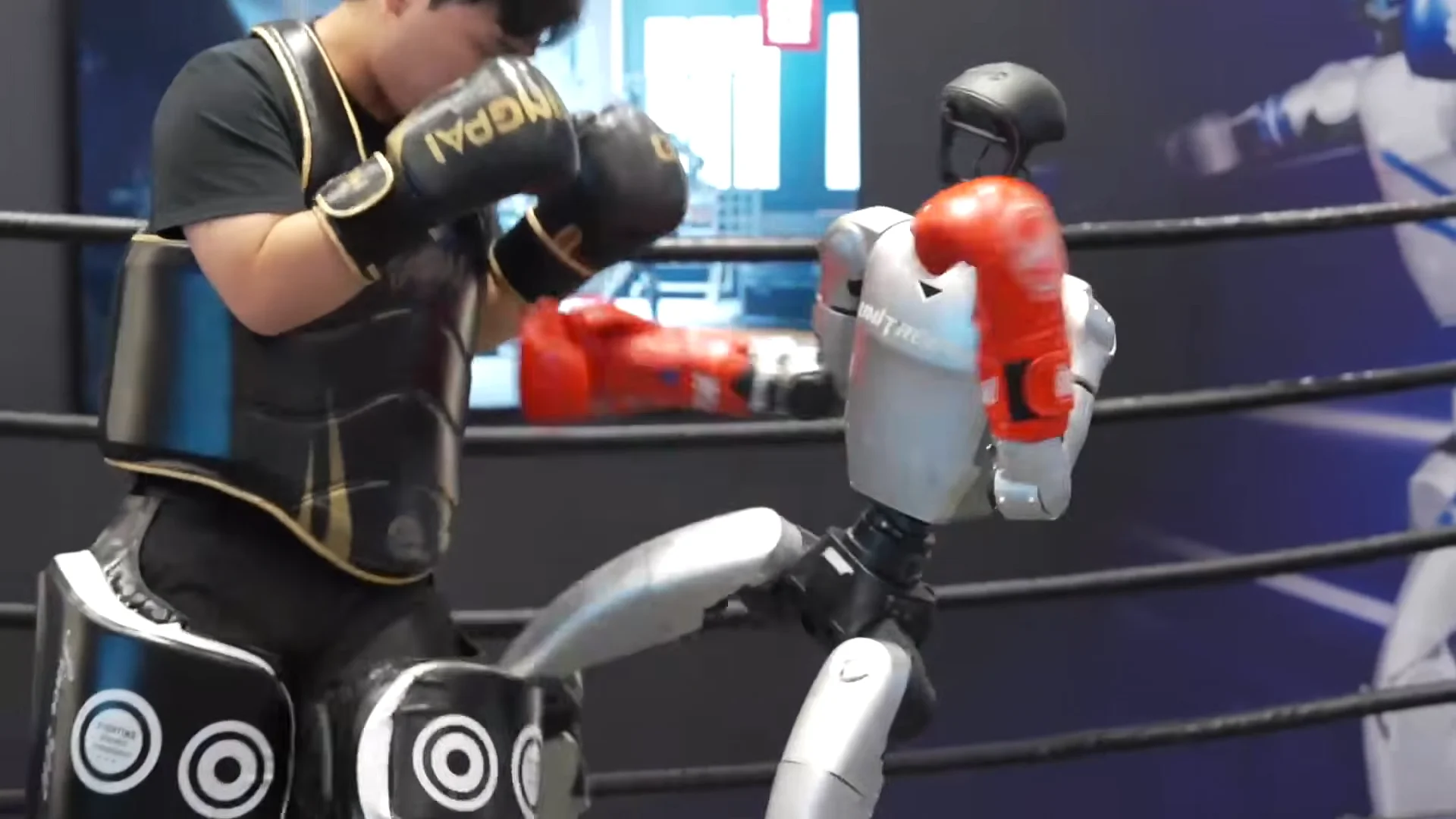
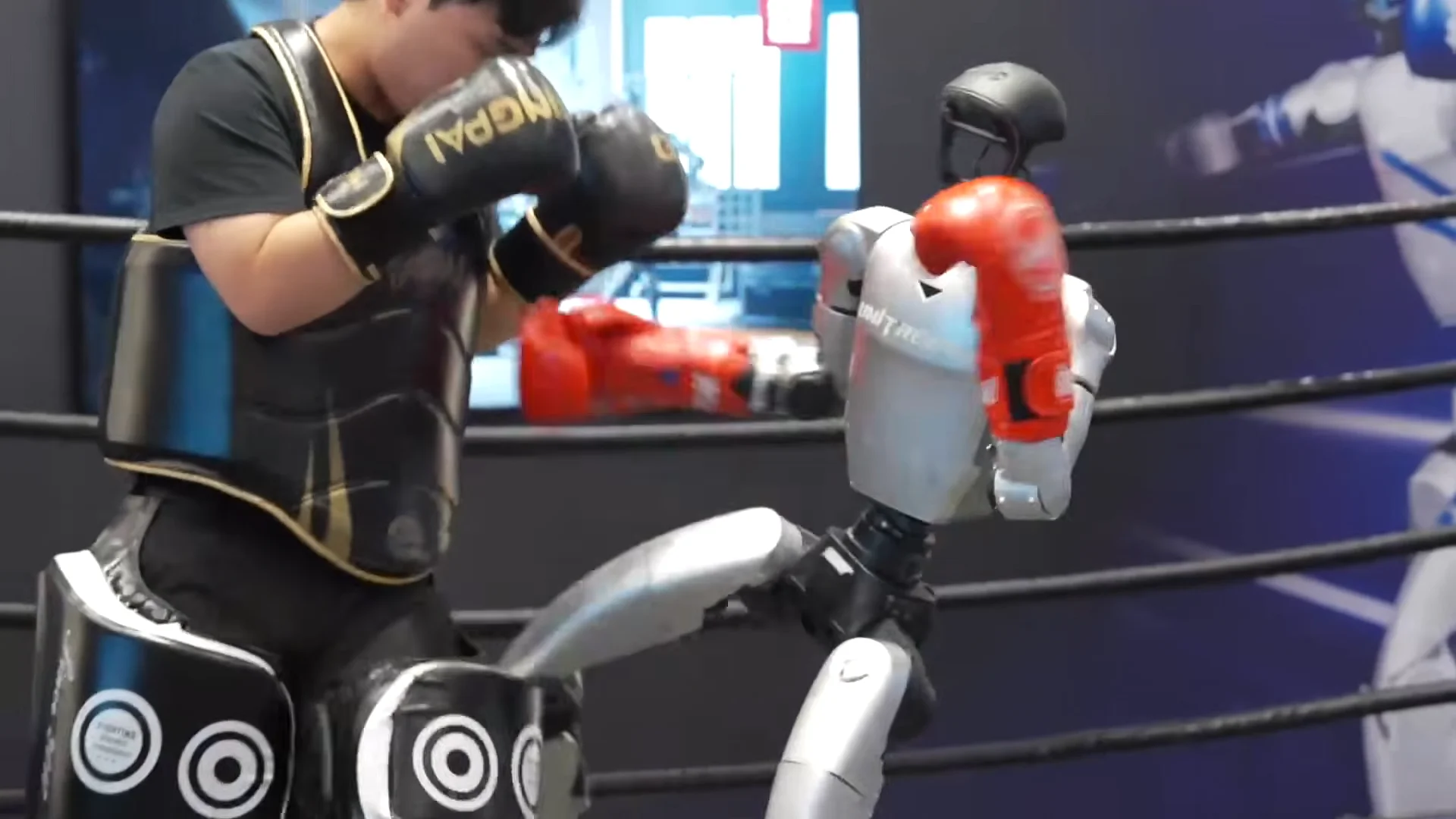
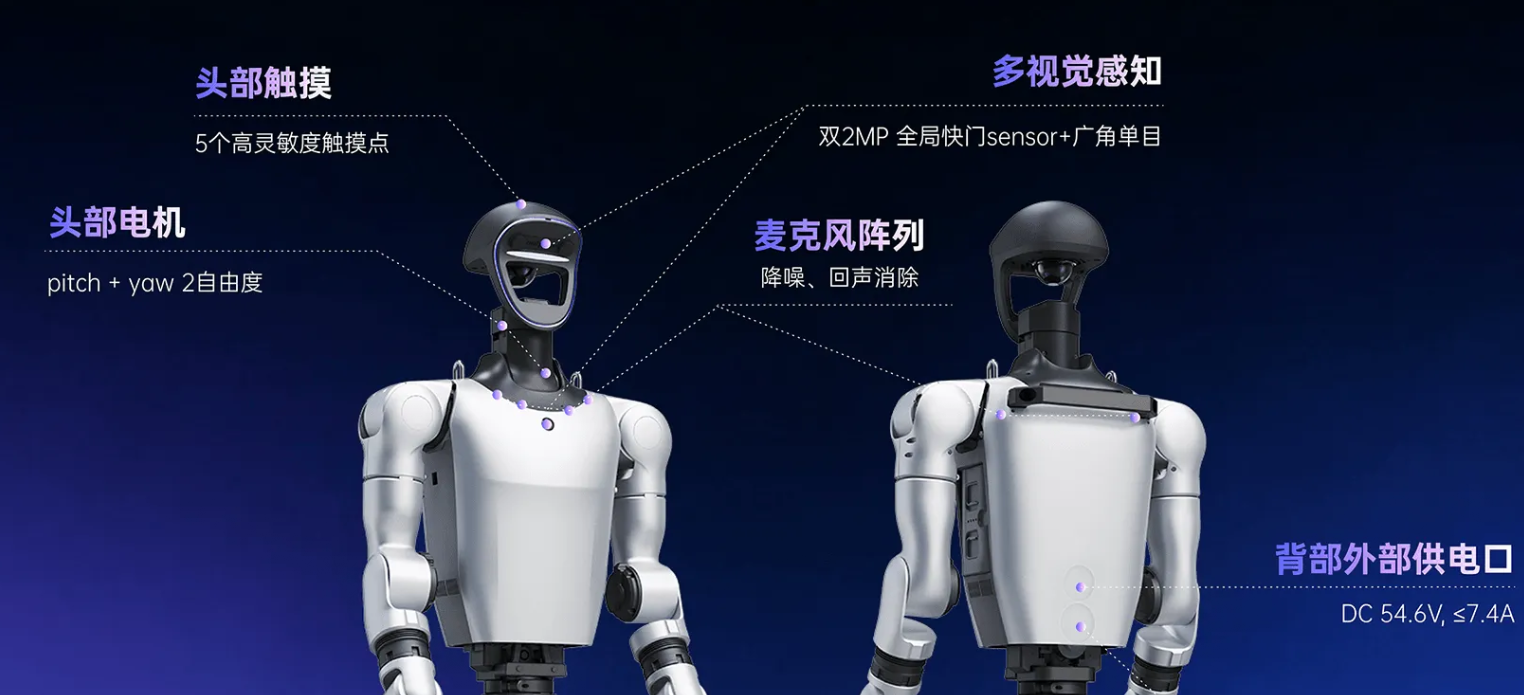
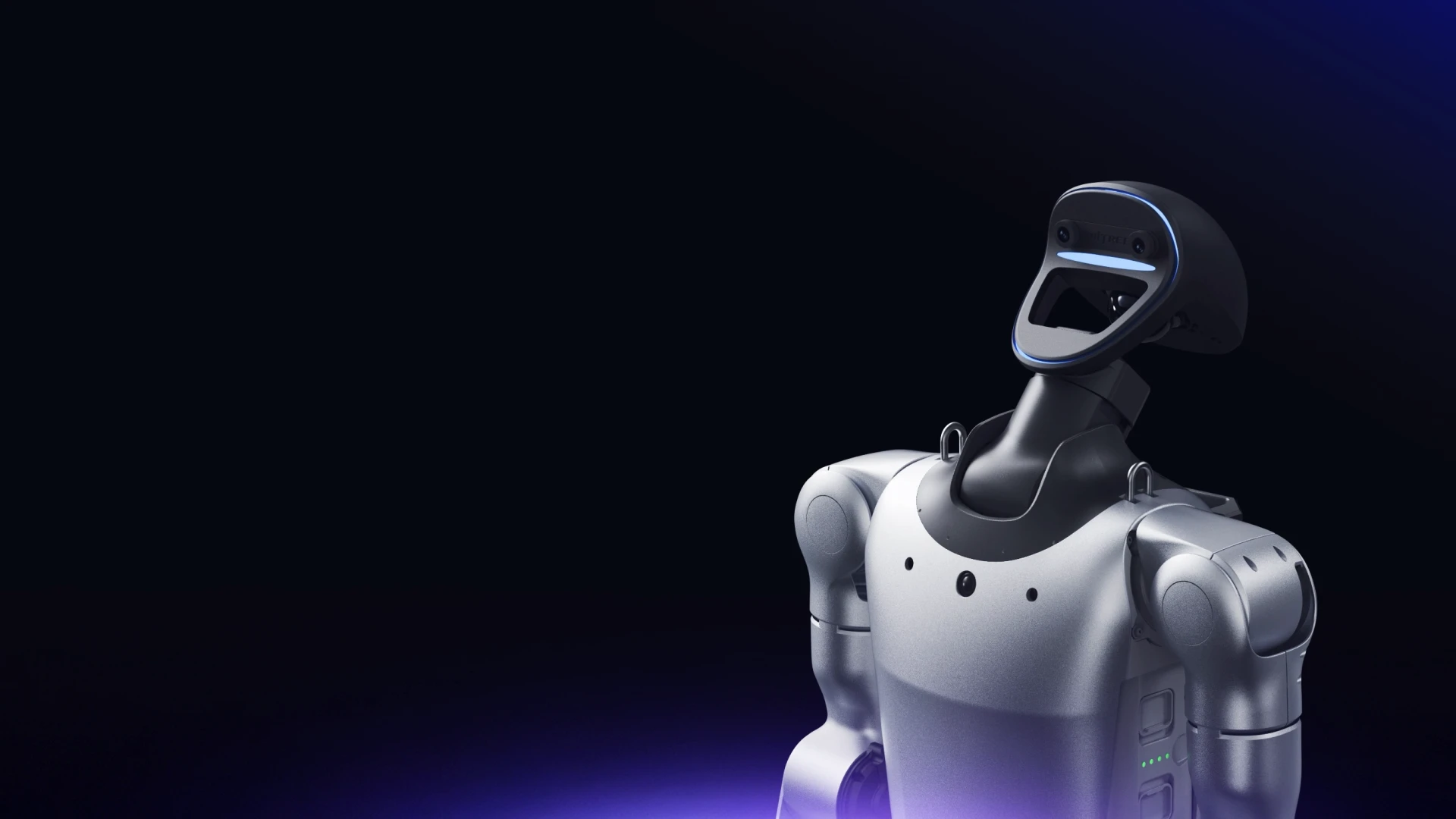
Unitree Robotics has launched the UnifoLM-X2-1.0, a groundbreaking AI architecture that enables its G1 humanoid robot to engage in fully autonomous combat. This innovation marks a significant shift from previous humanoid combat, which relied on human operators for control. The demonstration showcases the G1's ability to spar in real-time against a human partner, utilizing predictive modeling to anticipate and react to movements.
The introduction of UnifoLM-X2-1.0 is crucial as it addresses latency issues that have historically hindered robotic performance in dynamic environments. By employing a predictive perception-to-action loop, the G1 can execute complex maneuvers such as slipping strikes and recalibrating footwork without human intervention. This advancement positions Unitree at the forefront of the robotics sector, particularly in the rapidly growing field of humanoid combat.
Looking ahead, the evolution of Unitree's AI capabilities will be pivotal in shaping the future of robotic interactions in competitive settings. The success of the UnifoLM-X2-1.0 could lead to further innovations in autonomous robotics, enhancing their application in various sectors beyond combat. No further timeline was disclosed at the time of publication.
Editor's Note
The introduction of fully autonomous combat robots like Unitree's G1 represents a significant leap in robotics technology, particularly in AI-driven decision-making. This shift could influence not only entertainment and sports but also applications in training, simulation, and even defense. As the technology matures, it will be essential for industry stakeholders to consider the implications of autonomous systems in competitive and real-world scenarios.


























Leave a comment