

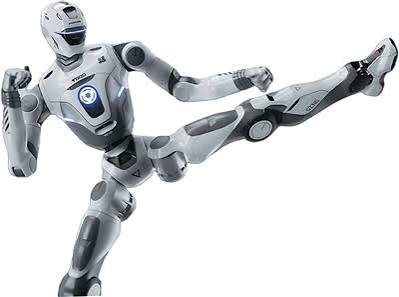
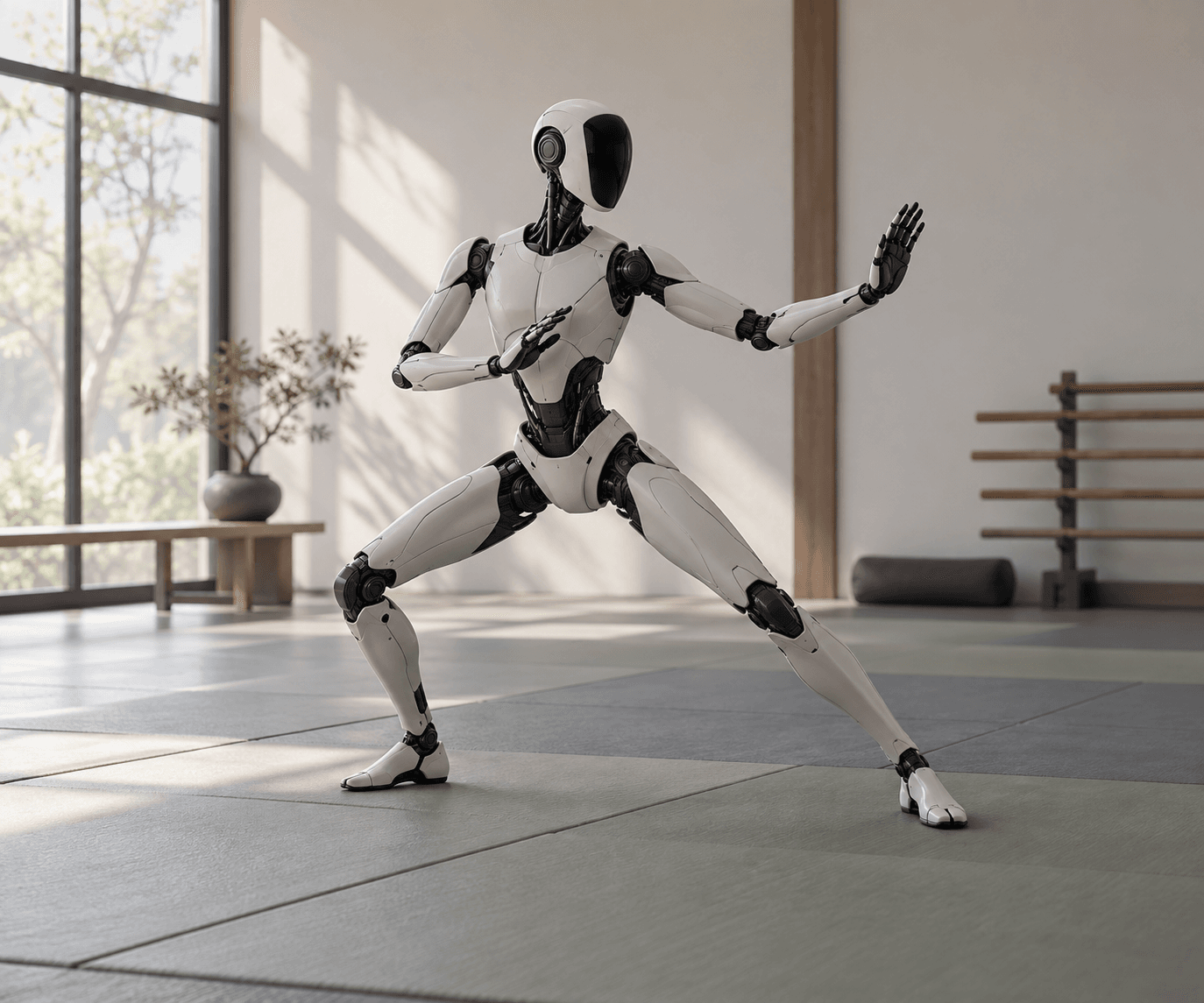
Yushu's G1 robot recently demonstrated autonomous fighting capabilities, executing punches and evasive maneuvers without human control. This 38-second video, released on September 7, claims to be the world's first real-time autonomous humanoid robot combat. However, independent analysis revealed console logs suggesting that AI processing may occur on an external computer, raising questions about the true autonomy of the G1.
The distinction between 'fully autonomous' and a system relying on external commands is crucial. Yushu has not provided technical documentation to clarify this issue, leaving the term 'fully autonomous' in question. The UnifoLM-X2-1.0 model, which powers the G1, predicts opponent movements and plans actions accordingly, but lacks independent latency benchmarks to validate its performance.
While combat scenarios serve as effective stress tests for robotic systems, the leap from successful fighting to reliable operation in dynamic environments remains unproven. A previous incident involving the G1 injuring a child during a demonstration highlights urgent safety concerns. As robots become more capable, the adequacy of safety regulations and frameworks for humanoid robots is increasingly questioned, emphasizing the need for clear guidelines on their operational parameters.
Editor's Note
The demonstration of Yushu's G1 robot raises significant questions about the safety and regulatory frameworks surrounding autonomous humanoid robots. As these technologies advance, the industry must address the implications of their physical interactions in real-world environments. The balance between innovation and safety will be critical for future deployments in various sectors.






















Leave a comment