Industry Briefing
A single destination for timely, editor-curated robotics news from around the world.

FCC Expands Covered List to Include Foreign Advanced Robotics and Power Inverters
The Federal Communications Commission (FCC) has updated its Covered List to incorporate advanced robotic devices and foreign-produced power inverters. This decision follows assessments by an Executive Branch interagency body that identified these devices as potential threats to national security, citing risks such as supply chain vulnerabilities and cybersecurity concerns. This update is significant as it reflects the FCC's alignment with national security agencies in addressing risks posed by foreign-made technology. The inclusion of advanced robotics and power inverters on the Covered List indicates a proactive approach to safeguarding the United States' critical infrastructure and economic stability from potential disruptions. Moving forward, producers of these devices are encouraged to seek Conditional Approval from the Department of War or the Department of Homeland Security, which may exempt certain models from the restrictions. No further timeline was disclosed at the time of publication.
Economy News advanced robotic devices connected devices covered list critical infrastructure
Analog Devices Reaffirms Strategic Sponsorship to Support MassRobotics Startups
Analog Devices Inc. has renewed its strategic sponsorship of MassRobotics, enhancing support for robotics startups. Joyce Sidopoulos, co-founder of MassRobotics, emphasized the importance of ADI's technical expertise and mentorship in accelerating the development of commercial-ready robotics systems. This partnership is crucial as developing advanced robotics is capital- and engineering-intensive. ADI's resources, including its Analog Garage venture group, provide startups with access to advanced technologies that address complex hardware challenges. ADI's commitment aligns with its mission to bridge the physical and digital worlds, driving innovation in automation and robotics. Looking ahead, Analog Devices plans to engage in several robotics ecosystem events, including the 9th Annual Robot Block Party and the MassRobotics Startup PitchFest. These initiatives will facilitate collaboration between startups and corporations, furthering the development of innovative solutions in the robotics sector. No further timeline was disclosed at the time of publication.
Business Resources Events Microprocessors / SoC Microprocessors / SoCs News Startups
Analog Devices Strengthens Partnership with MassRobotics to Aid Robotics Startups
Analog Devices has renewed its strategic sponsorship of MassRobotics, a robotics accelerator based in Boston. This partnership emphasizes the role of Analog Garage, ADI’s internal venture group, which provides seed funding and engineering resources to help startups transform innovative ideas into market-ready products. Startups within MassRobotics will benefit from access to ADI’s advanced technologies in sensor, signal processing, and power management, addressing critical hardware challenges. This collaboration is significant as it supports the development of hardware and advanced robotics, which often require substantial capital and engineering resources. Joyce Sidopoulos, co-founder of MassRobotics, highlighted the importance of having ADI’s technical expertise available to their startup community, which can accelerate the creation of commercially viable systems. The partnership aims to foster innovation and expedite the growth of the robotics sector. Looking ahead, ADI will actively engage in various robotics events this fall, including the MassRobotics 9th Annual Robot Block Party and the Startup PitchFest at IROS 2026. The Analog Garage will also conduct information sessions at the RoboBusiness conference, providing opportunities for founders to learn about engineering support. No further timeline was disclosed at the time of publication.
Business News Robotics adi Analog Devices analog garage
Analog Devices Reaffirms Strategic Sponsorship with MassRobotics to Support Startups
MassRobotics has announced that Analog Devices, Inc. (ADI) has renewed its role as a strategic sponsor. This partnership focuses on providing MassRobotics startups with direct access to ADI’s advanced technologies, including sensor, signal processing, and power management solutions, aimed at addressing complex hardware challenges. The collaboration is significant as it leverages ADI's Analog Garage, an internal venture and incubator group that combines technical expertise with seed funding. This initiative is designed to transform innovative ideas into viable products, enhancing the capabilities of robotics startups within the MassRobotics ecosystem. Looking ahead, the partnership is expected to foster innovation and accelerate the development of next-generation robotics solutions. No further timeline was disclosed at the time of publication.

Autodesk and University of Florida Launch Advanced Robotics Lab for Industrialized Construction
Autodesk has made a $1 million donation to establish the Autodesk Design and Make Laboratory at the University of Florida. This initiative aims to equip students with the necessary skills for careers in industrialized construction, addressing a significant workforce gap as 41% of the current workforce is expected to retire by 2031. The establishment of this lab is crucial as Florida faces a shortage of over 121,000 homes and rental units. By preparing students for the industrialized construction sector, the lab will contribute to alleviating both housing and labor shortages in the region, fostering a new generation of skilled professionals. Looking ahead, the focus will be on how effectively the lab can bridge the skills gap in the construction industry and support local workforce development. No further timeline was disclosed at the time of publication.

AMD Launches Advanced 16-Core Zen 5 Processor for Robotics and AI Applications
On July 23, AMD unveiled the Ryzen AI Embedded X100 series processors at the Advancing AI 2026 conference, designed specifically for physical AI and autonomous robotics. This system-on-chip integrates a 16-core Zen 5 CPU, a 40-unit RDNA 3.5 GPU, and an XDNA 2 NPU, enhancing the capabilities of robotic 'brains' for perception, reasoning, and decision-making. The X100 series significantly boosts performance metrics, achieving up to 2.1 times higher multi-threaded CPU performance compared to Intel's Core Ultra series, and 3.4 times better real-time performance than NVIDIA's Jetson Thor. The unified memory architecture allows for shared memory among CPU, GPU, and NPU, enabling over 8000 control decisions per second with latency under 100 milliseconds, bringing robotic response times closer to human instinct. The X100 series includes six SKUs, with industrial-grade reliability for continuous operation over ten years. AMD's Kria AI solutions will leverage this technology, supporting a wide range of applications from humanoid robots to industrial automation. Samples are currently being provided to customers, with mass production expected in Q4 2026.
Robotics AI Processors Embedded Systems Autonomous Robots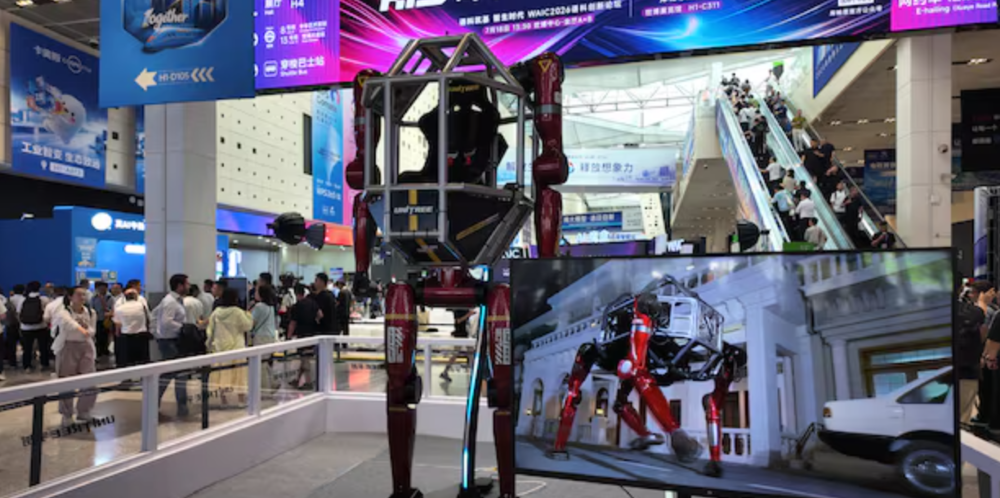
China Unveils Advanced AI Robotics and Computing Innovations at WAIC 2026
At the 2026 World Artificial Intelligence Conference (WAIC), a striking 3-meter tall, 500-kilogram red transforming mech, showcased by Yushu Technology, captured attendees' attention. This GD01 model, designed for high-risk environments, can switch between bipedal and quadrupedal forms in seconds and starts at a price of 3.9 million yuan. The Huawei Atlas 950 SuperPoD, displayed prominently at the event, represents a significant leap in AI computing capabilities with 8192 Ascend 950DT chips, achieving 8 EFLOPS of FP8 computing power. This super node, expected to launch in Q4 2026, marks a shift in domestic computing from chip-centric to system-centric approaches, emphasizing the importance of integrated performance across multiple units. The WAIC 2026 featured over 1,100 exhibitors and 4,500 products, with more than 350 global debuts. President Xi Jinping announced the establishment of international AI application cooperation centers, signaling China's transition from merely using AI to defining its foundational infrastructure.
Transforming Robots AI Computing Huawei Atlas Robotics Technology
Impossible Metals Announces New Advanced Marine Robotics Hub in Pittsburgh for Mineral Robotics Development
Impossible Metals has unveiled plans to establish an Advanced Marine Robotics Hub in Pittsburgh, aimed at developing dual-use autonomy for ocean science and naval systems. This initiative is part of a broader effort to create a China-free critical-mineral supply chain, leveraging the region's expertise in robotics. The new hub will not only foster innovation in mineral robotics technology but also generate over a dozen high-paying engineering and science jobs in Pennsylvania. This move underscores the importance of local talent in advancing the United States' capabilities in marine robotics and autonomy. Looking ahead, stakeholders should monitor the hub's progress and its potential impact on the critical-mineral supply chain. No further timeline was disclosed at the time of publication.
Agility Robotics Launches Digit 5 Featuring Enhanced Payload, Rapid Charging, and Advanced Safety Systems
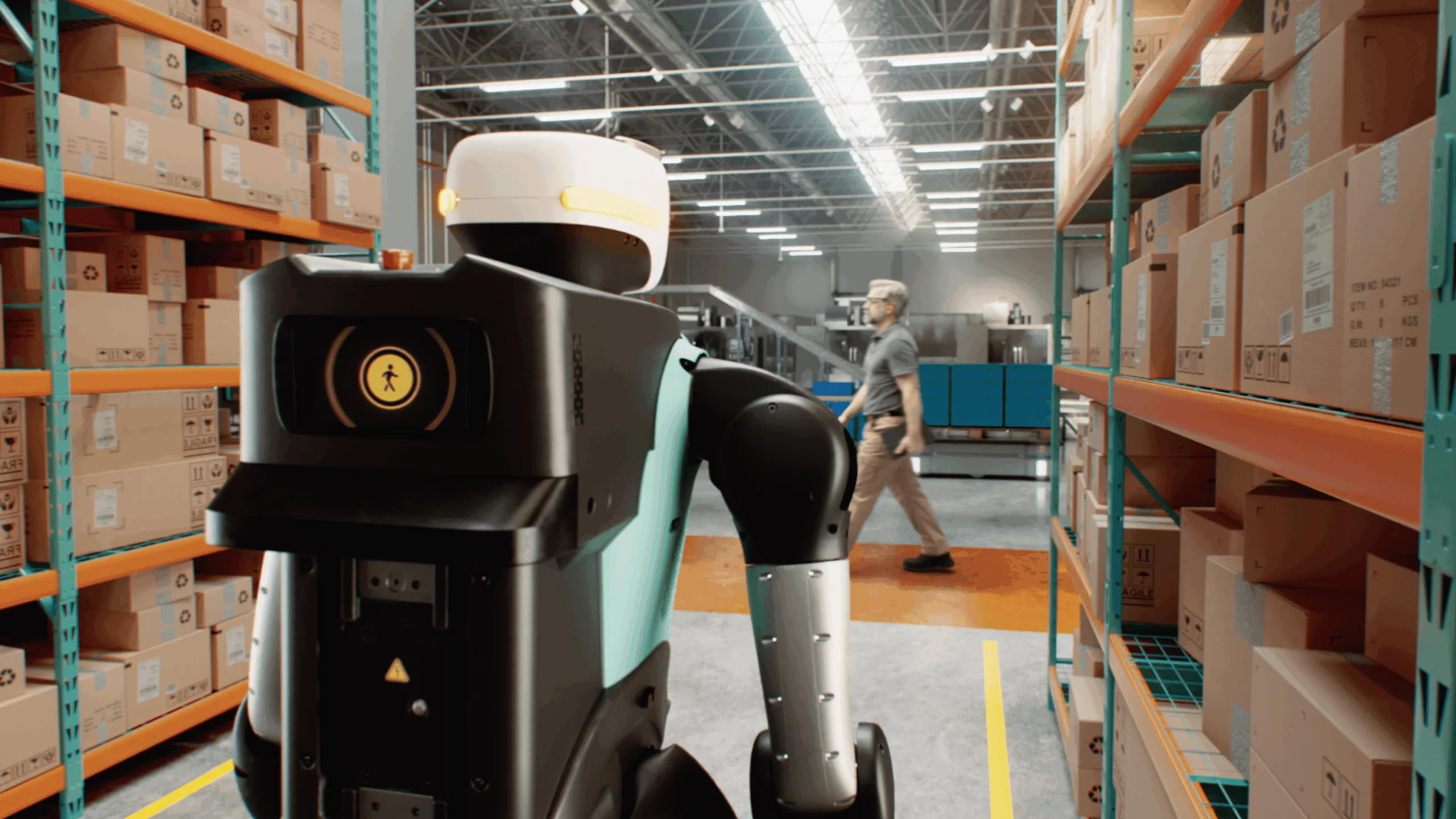
Agility Robotics has introduced Digit 5, a humanoid robot capable of lifting up to 50 pounds and recharging in just nine minutes. This new model includes advanced safety features that allow it to operate closer to humans in industrial settings, reducing the need for physical barriers. The company plans to make Digit 5 commercially available in the EU and UK starting in 2027, marking its first expansion outside North America. The significance of Digit 5 lies in its enhanced capabilities and safety architecture, which were developed based on customer feedback from the previous model, Digit 4. With features such as human detection, safety cues, and independent motion control, Digit 5 is designed to improve collaboration between robots and human workers in factories and warehouses. Agility's CEO, Peggy Johnson, emphasized that this model addresses key barriers to the adoption of humanoid robots in industrial environments. Looking ahead, Agility Robotics anticipates early access to Digit 5 in the first half of 2027, followed by broader availability by the end of that year. The company is also collaborating with Nvidia to integrate advanced safety systems, which could further enhance the robot's functionality in various industrial applications. No further timeline was disclosed at the time of publication.
AI AI Funding & Investment AI Use Cases Robotics Agility Robotics Amazon
Husqvarna Receives FCC Conditional Approval for Robotic Lawn Mowers in the U.S.
Husqvarna Group has secured conditional approval from the FCC for four robotic lawn mower models intended for the U.S. market. The approved models include the Automower 305V iQ, 310V iQ, 420V iQ, and 440V iQ, which are set to launch in 2027 and are exempt from the FCC Covered List. This approval is significant as it marks Husqvarna as the first robotics company to receive such conditional approval for foreign-manufactured advanced robotic devices. The U.S. market accounted for 24% of Husqvarna's total net sales in 2025, indicating the importance of this market for the company's growth strategy. Looking ahead, Husqvarna aims to capitalize on the U.S. market's growth potential, particularly in residential robotic lawn mowing, where penetration remains limited. The company currently serves over 500 golf courses with its professional mowing solutions, highlighting its established presence in the sector.
AI AI Funding & Investment AI Policy & Regulation Robotics Covered List FCC
Comau Implements Innovative Robotic Order Preparation System for EU MASTERLY Initiative
Comau has successfully designed and validated an advanced order preparation solution within Decathlon's e-commerce fulfillment operations. This deployment is part of the MASTERLY project, a European initiative aimed at enhancing the shift from traditional mass production to more flexible and customized manufacturing systems. The significance of this development lies in its potential to revolutionize warehouse logistics by utilizing Comau's MyCo collaborative robot, which operates on a ROS2-based software architecture. The system incorporates intelligent sensors and a sophisticated modular gripper, enabling it to autonomously perform picking, handling, and palletizing tasks across diverse product flows. Looking ahead, the focus will be on monitoring the effectiveness of this solution within Decathlon's logistics environment and its implications for broader applications in the manufacturing sector. No further timeline was disclosed at the time of publication.
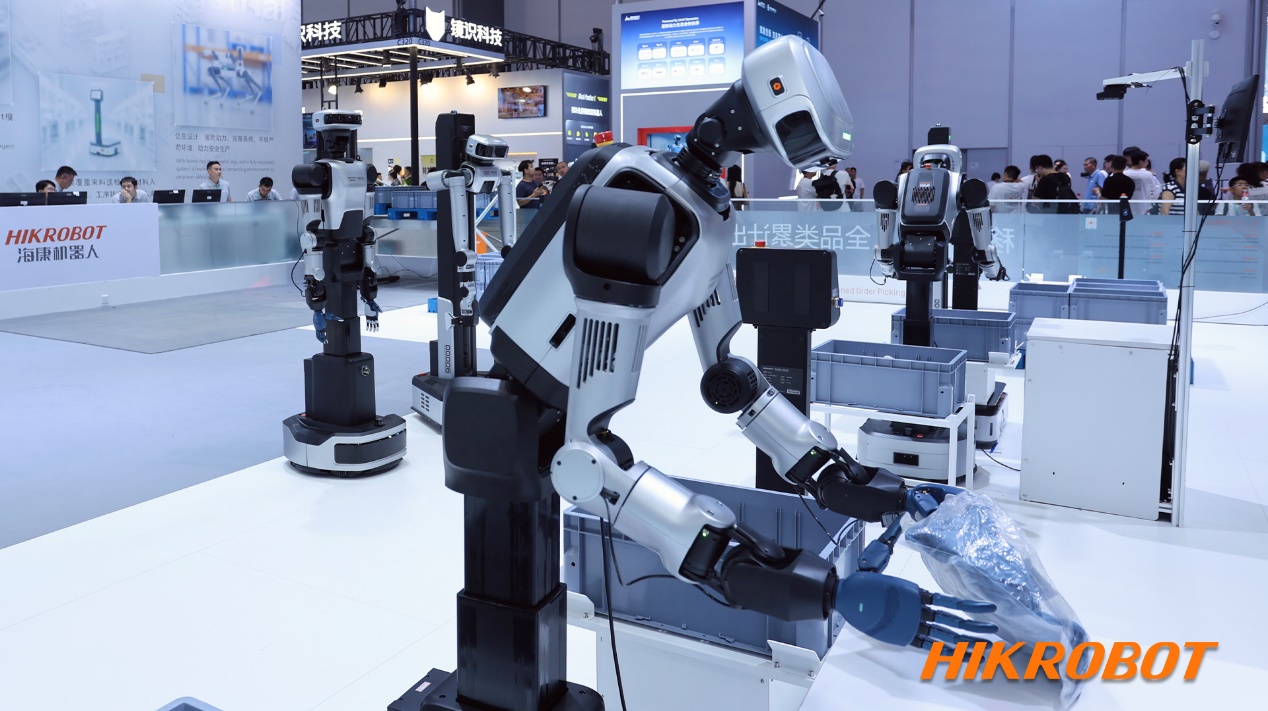
Hikvision Robotics Showcases Advanced Embodied Intelligence Solutions at WRC 2026
Hikvision Robotics has unveiled its latest advancements in embodied intelligence at the World Robot Conference 2026 in Beijing. The company presented three major scene solutions focusing on industrial logistics, commercial services, and intelligent patrolling, showcasing the integration of AI and robotics across various applications. This development is significant as Hikvision Robotics has established itself as a leader in mobile robotics, holding the top global market share with over 200,000 units produced. Their machine vision products have also seen substantial success, with over 10 million units shipped and a market share exceeding 50% in domestic industrial cameras. Looking ahead, Hikvision Robotics continues to emphasize the dual approach of deep technological development and practical application. No further timeline was disclosed at the time of publication.
Mobile Robots Industrial IoT Smart Logistics AI Machine Vision
Honda Advances Development of Multi-Fingered Robotic Hands for Assembly Precision
Honda is advancing the development of multi-fingered robotic hands aimed at tackling the most challenging tasks in factory assembly, such as screwing, connecting, and handling parts designed for human hands. These actions, while routine for humans, present significant control challenges for robots. According to researcher Kenichiro Sugiyama, many existing robotic hands are essentially extensions of traditional robotic arms, lacking the necessary strength, responsiveness, and precision for fine manipulation. Honda's approach involves the collaborative development of mechanical hardware, control systems, and artificial intelligence, emphasizing the importance of embodied AI, which learns through physical interactions with objects. Despite advancements, dexterous manipulation remains a significant challenge, particularly with deformable or slippery objects. Sugiyama describes the remaining issues as the 'last millimeter' problem, which, if solved, could enable robots to replace tasks traditionally performed by humans. Honda's exploration of multi-fingered hands aims to push the boundaries of automation in manufacturing.
Robotic Hands Embodied AI Manufacturing Automation Precision Control
CASBOT Hands Introduces Three Advanced Robotic Hands for Enhanced Manipulation
CASBOT Hands has launched three new dexterous robotic hands, enhancing its embodied manipulation platform. This development comes as the robotics industry seeks to improve the ability of robots to perform real-world tasks across various sectors, including manufacturing and education. The introduction of these robotic hands is significant as it addresses the growing demand for reliable robotic solutions that can operate effectively in diverse environments. As robots become more capable in motion control and environmental perception, their application in practical settings becomes increasingly viable. Looking ahead, the focus will be on how these new robotic hands will be integrated into existing systems and their performance in real-world applications. No further timeline was disclosed at the time of publication.

LumiBot Secures Angel Funding to Enhance Industrial Robotic Hands with Heat Management
LumiBot, a provider of dexterous robotic solutions, has successfully completed an angel funding round amounting to tens of millions, led by Changyou Technology's investment arm. This marks the first investment from Changyou's robotics fund established in June 2026 and highlights a significant case of material companies entering the core components of humanoid robots. The funding is crucial as it reflects a shift in the investment logic of the humanoid robot supply chain, moving from a focus on motion control to enhancing the reliability of end-effectors. LumiBot's innovative heat management capabilities are pivotal for meeting industrial standards, addressing the overheating issues that have hindered the adoption of dexterous hands in factories. Looking ahead, LumiBot plans to release a flagship model with 23 active degrees of freedom in October, featuring an active cooling design that significantly improves joint temperature management. The company aims to deliver 100 to 200 units in 2026, indicating a growing demand for advanced robotic solutions that prioritize operational efficiency over mere flexibility.
Robotics Heat Management Industrial Automation AI Engineering
Ommo Technologies Raises Millions in Series A Funding for Advanced Spatial Awareness Solutions
Ommo Technologies has successfully completed a Series A funding round, securing tens of millions of dollars to enhance its core product, the Permanent Magnetic Spatial Positioning System. This funding, led by Hong Kong Dingpei Group and a well-known fund, with participation from Kangjun Capital, will accelerate the technology iteration and mass production of the system, which is crucial for applications in embodied intelligence, advanced manufacturing, and healthcare. The company's innovative solution addresses a significant challenge in robotics: the inability to determine position in constrained environments where traditional sensors fail, such as when fingers obstruct each other or when handling soft objects. Ommo's founder, Zheng Minjie, has developed a unique magnetic field positioning technology that utilizes a continuously rotating permanent magnet to create a characteristic magnetic field, achieving sub-millimeter precision in 6DoF position and posture data. Ommo's positioning technology is initially being applied in medical surgical navigation, where precision is critical. The company has established an ISO 13485-compliant quality system and is collaborating with over a hundred medical device companies. Beyond healthcare, Ommo is focusing on embodied intelligence, addressing the industry's challenge of scarce three-dimensional operational datasets, which are essential for training robots to perform complex tasks accurately.
Robotics Spatial Awareness Medical Technology AI Automation
Google DeepMind Launches Gemini Robotics 2: A Comprehensive Robot with Advanced Capabilities
On August 2, Google DeepMind introduced Gemini Robotics 2, the latest version of its visual-language-action model. This new model enhances full-body control, advanced dexterity, and multi-robot collaboration, marking a significant advancement from its predecessor, which only managed upper-body tasks. Gemini Robotics 2 allows the Apptronik Apollo 2 humanoid robot to autonomously execute complex tasks, such as placing a watering can into a designated bucket, requiring coordinated decision-making and balance. While there is room for improvement in movement speed, this development represents a crucial step towards handling more intricate real-world tasks. The model also introduces multi-robot collaboration, enabling different robots to communicate and work together on complex workflows. With the ASIMOV-Agentic benchmark, Gemini Robotics 2 excels in safety compliance and human proximity detection, ensuring safe operation. The Gemini Robotics On-Device 2 is designed for applications requiring offline functionality, adapting to new robotic forms with minimal data and time.
Humanoid Robots Robotics Technology AI Automation
Foundation Robotics Unveils Advanced Robotic Hand That Catches Baseballs with Precision
Foundation Robotics has released a video showcasing its innovative robotic hand that successfully catches a baseball mid-air, demonstrating significant advancements in robotic dexterity and control. This development is crucial as it illustrates how enhanced mechanical design and motion planning are enabling robotic hands to perform intricate tasks with human-like precision, a key requirement for industrial applications. Looking ahead, the focus will be on how this tendon-driven architecture and advanced control systems can further improve the capabilities of humanoid robots in handling diverse tools and objects, enhancing their utility in complex environments. No further timeline was disclosed at the time of publication.
AI and Robotics
Google Unveils Gemini Robotics 2 for Advanced Humanoid Robot Control and Reasoning
Google has launched Gemini Robotics 2, a sophisticated robotics model that enables humanoid robots to perform full-body movements and complex tasks. This system allows for coordination among multiple robots and adapts to various robot designs with minimal training. The new capabilities extend beyond simple manipulation to include walking, bending, and balancing. The significance of Gemini Robotics 2 lies in its ability to facilitate multi-step reasoning and adaptability in unfamiliar environments, setting it apart from traditional robots. This model can control both humanoid robots and dual-arm systems, enhancing their functionality for household and industrial applications. Demonstrations showcased its ability to manage tasks such as picking up objects and performing intricate actions with dexterous robotic hands. Looking ahead, Google is also releasing Gemini Robotics ER 2 for high-level reasoning and Gemini Robotics On-Device 2 for local operation without cloud reliance. The introduction of multi-robot collaboration capabilities allows different robots to work together efficiently, marking a notable advancement in robotic technology. No further timeline was disclosed at the time of publication.
AI and Robotics
University of Queensland Develops Noninvasive Muscle Radar for Wearable Robotic Devices
Researchers at the University of Queensland have created innovative noninvasive sensors that measure muscle forces, paving the way for advancements in wearable robotic mobility devices. These ultra-wideband radar sensors detect electromagnetic changes in muscles during contraction, enabling unprecedented data collection methods. This development is significant as it opens new avenues for enhancing the functionality and control of robotic limbs, potentially improving mobility for individuals with disabilities. The ability to measure muscle forces noninvasively could lead to more intuitive and responsive robotic systems that better mimic natural movement. Looking ahead, the implications of this technology could extend beyond mobility devices, influencing various applications in rehabilitation and assistive technologies. No further timeline was disclosed at the time of publication.
Robotics
US Government Bans Advanced Robotic Devices Including Robot Vacuums
The US government has announced a ban on 'advanced robotic devices' from entering the country, which includes robot vacuum cleaners. This decision, confirmed by FCC media relations director Katie Gorscak, is part of a broader initiative to address national security risks posed by foreign robots. Existing products like Roombas are not affected, but future imports will be restricted. This ban is significant as it targets a wide range of robots, not just humanoids, but also includes lawnmowers, delivery robots, and warehouse automation devices. The FCC's National Security Determination cites concerns over security vulnerabilities, particularly referencing incidents involving DJI robovacs. The implications of this ban could reshape the landscape of the robotic vacuum market, which is predominantly controlled by Chinese manufacturers. Looking ahead, companies that produce robotic vacuums may need to shift towards US manufacturing to comply with the new regulations. The market is currently dominated by Chinese brands like Roborock and Ecovacs, and the future of these products in the US will depend on how manufacturers adapt to the changing regulatory environment. No further timeline was disclosed at the time of publication.
News Policy Report Robot Tech
Tacta Systems Launches AI-Driven Robotic Hand for Advanced Manufacturing Applications
Tacta Systems has introduced a new robotics platform aimed at enhancing industrial automation with human-like dexterity. The TactaBot, the company's inaugural product, integrates a robotic hand, a wearable skill capture system, and an AI engine to perform intricate manufacturing tasks that demand precision and tactile feedback. This innovation is significant as it addresses critical challenges in robotics, such as creating a robotic hand for industrial performance and enabling robots to possess a sense of touch. Tacta's platform, featuring the proprietary Fluidic Tendon actuation technology, is designed to automate complex tasks in sectors like electronics and automotive manufacturing, with initial deployments expected in early 2027. Looking ahead, Tacta plans to expand its technology into additional industries, including medical devices and aerospace. The company aims to revolutionize the way robots interact with their environment, potentially transforming manufacturing processes across various sectors. No further timeline was disclosed at the time of publication.
Components News ai robotics Dexterous Intelligence dexterous robotics industrial robotics
UNSW Develops Soft Robotic Heart for Disease Study and Cardiac Device Testing
Researchers at the University of New South Wales (UNSW) have created a soft robotic model of the human heart that mimics disease conditions and facilitates testing of cardiac devices. This innovative model replicates the left side of the heart, including critical structures such as artificial valves and papillary muscles, which are essential for heart function. The significance of this development lies in its potential to enhance understanding of cardiovascular diseases, which remain the leading cause of death globally. The soft robotic heart can simulate conditions like mitral valve prolapse and regurgitation, allowing for more effective medical device development and reducing the need for animal testing. Looking ahead, the UNSW team aims to refine these artificial heart models to provide personalized treatment planning for patients. No further timeline was disclosed at the time of publication.
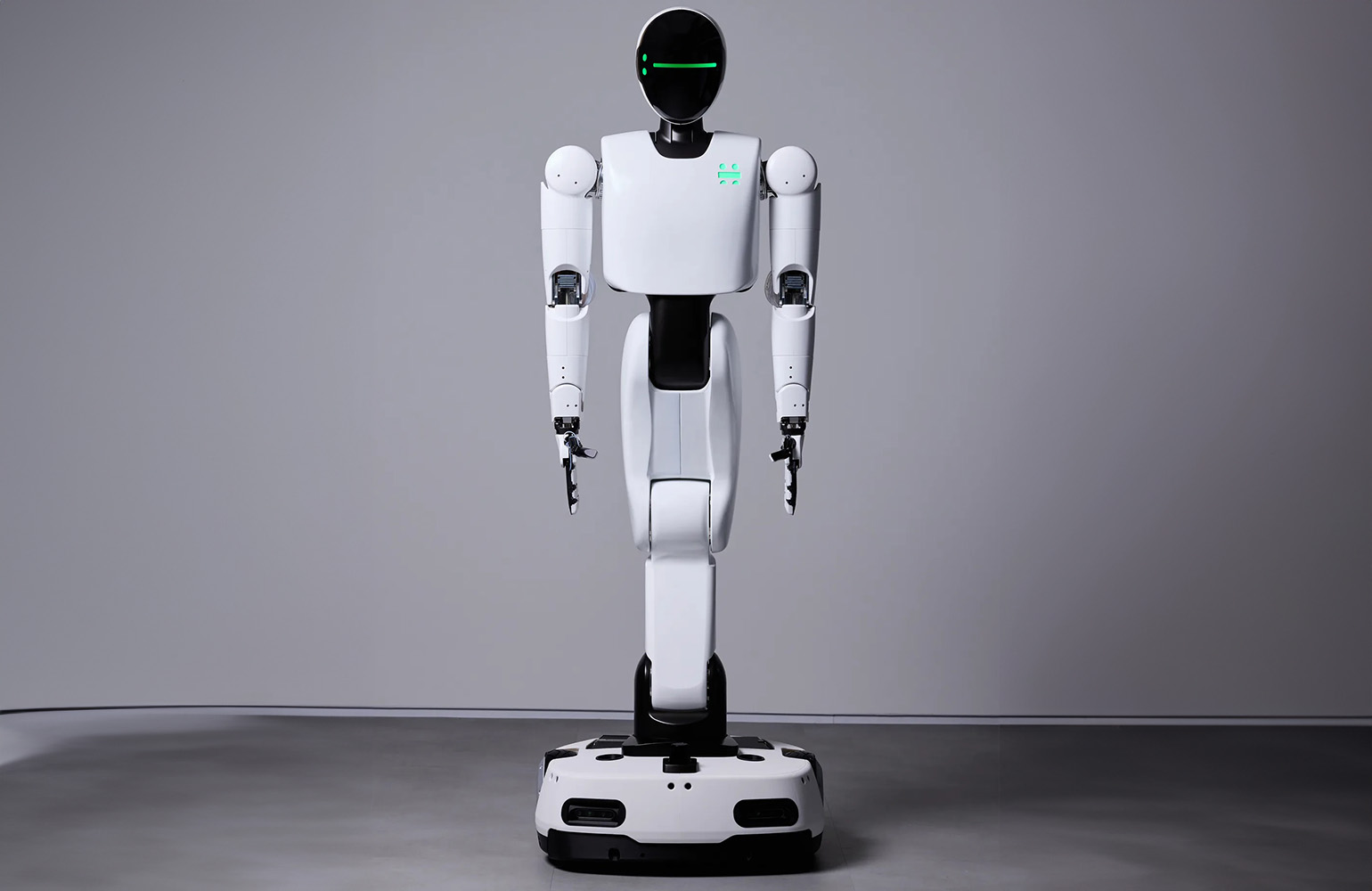
Holiday Robotics Secures $105 Million for FRIDAY, Its Advanced Wheeled Humanoid Robot
Holiday Robotics has successfully raised $105 million in Series A funding to advance its wheeled humanoid robot, FRIDAY, designed for industrial applications. The robot aims to alleviate the burden of repetitive physical tasks in manufacturing environments, emphasizing the need for reliability and safety when working alongside human operators. The significance of this funding lies in the potential of FRIDAY to enhance productivity in factories, where traditional automation struggles with the complexities of real-world operations. Holiday Robotics highlights that humanoid robots must be capable of adapting to existing environments rather than requiring changes to those environments, making the development of FRIDAY crucial for effective industrial integration. Looking ahead, Holiday Robotics plans to leverage advancements in vision-language models to improve FRIDAY's task interpretation and execution. The company is adopting a vision-language-skill approach to enhance the robot's reliability and adaptability, focusing on building and validating individual skills for complex tasks. No further timeline was disclosed at the time of publication.
Artificial Intelligence Artificial Intelligence / Cognition Automation Autonomous Mobile Robots (AMRs) Design / Development Financial
Travis Kalanick's ATOMS Secures $1.7 Billion to Develop Advanced Robotics Solutions
ATOMS, a robotics startup founded by Travis Kalanick, has successfully raised $1.7 billion in equity investment. This funding aims to support the development of robots designed to enhance productivity across various industries, including food infrastructure and mining operations. The significance of this investment lies in Kalanick's vision to create robots that provide value to their owners and society. ATOMS plans to serve as an OEM, focusing on 'atoms-based' computing solutions tailored for industrial applications. Notably, Uber, Kalanick's former company, participated in this funding round, marking a reconnection with its co-founder. Looking ahead, ATOMS intends to innovate in the field of physical automation, with plans to develop specialized robots capable of performing significant tasks. Kalanick has emphasized the need for customized solutions in industrial settings, suggesting that while humanoid robots may excel in domestic environments, specialized robots will be essential for high-demand operations like large-scale food production. No further timeline was disclosed at the time of publication.
Artificial Intelligence Artificial Intelligence / Cognition Design / Development Financial Food / Beverage Investments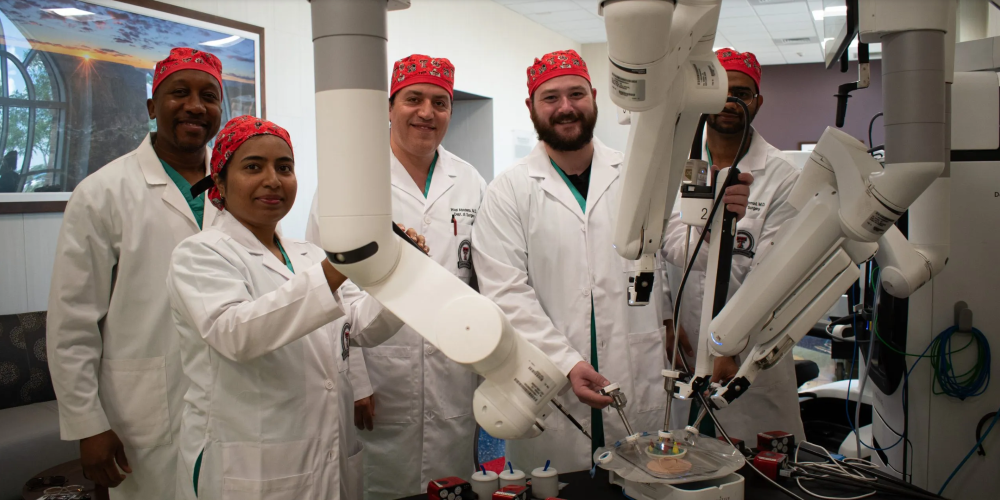
Texas Tech Surgeons Initiate Training with Advanced da Vinci Surgical System
In July, Texas Tech University Health Sciences Center (TTUHSC) welcomed its first cohort of general surgery residents, who began their training with the da Vinci Surgical System. This innovative approach aims to equip new surgeons with skills comparable to those at leading institutions like Mayo Clinic and hospitals in Dallas and Houston. The training program, led by Dr. Izzy Obokare, emphasizes a systematic learning process over five years, allowing residents to master robotic surgery techniques. The da Vinci Surgical System, approved by the FDA in 2024, features a tactile feedback system that enhances the surgical experience by reducing tissue trauma and promoting quicker recovery. TTUHSC's initiative aims to provide high-quality surgical care in the Texas Panhandle, minimizing the need for residents to travel to larger cities for advanced procedures. The program also includes an open experience event for healthcare providers to witness the capabilities of robotic surgery firsthand, showcasing the arrival of cutting-edge surgical technology in rural Texas.
Robotic Surgery Medical Technology Surgical Training Healthcare Innovation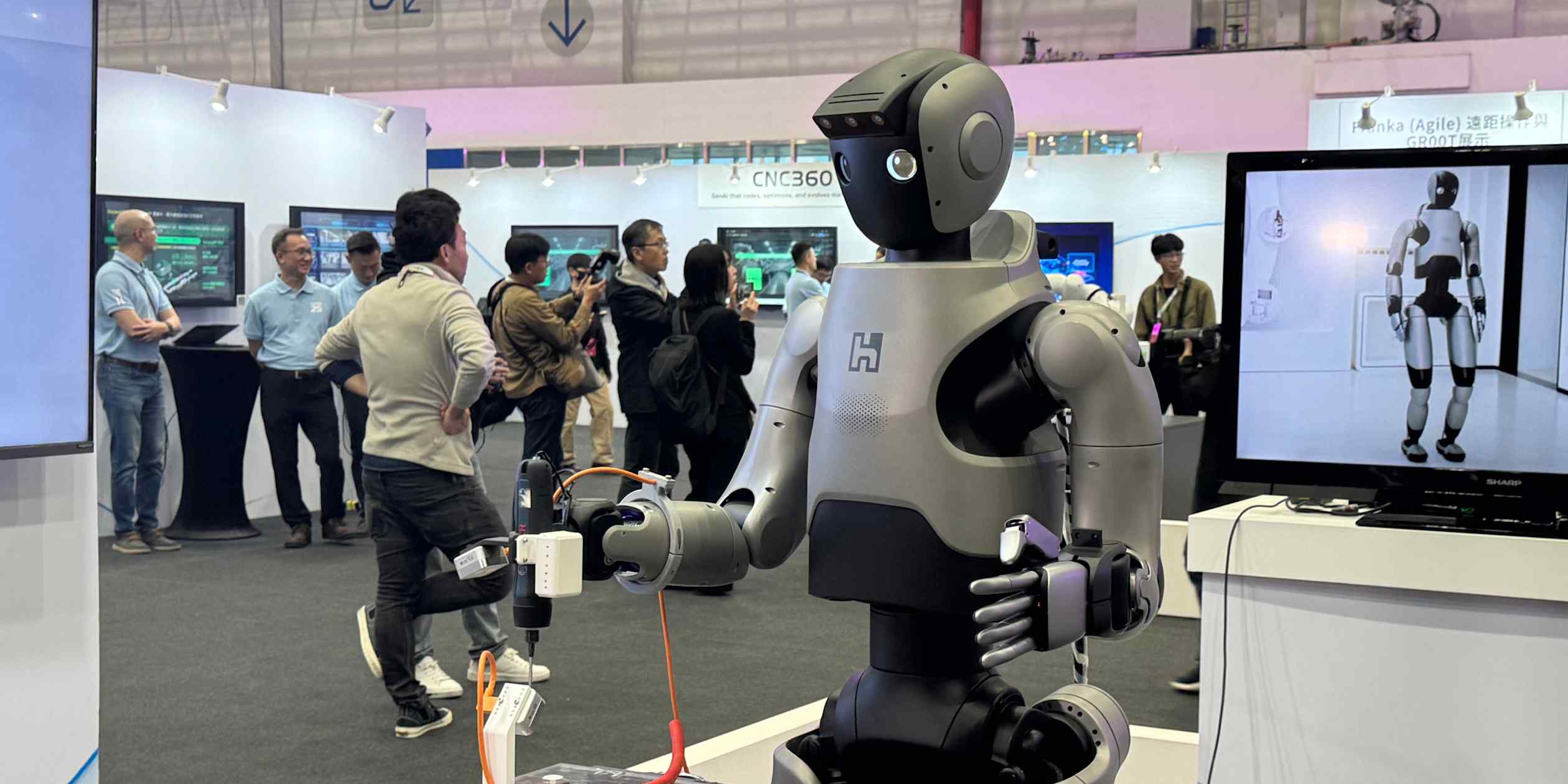
Taiwan's Robotics Industry to Follow Unique Path Distinct from China's Approach
Taiwan is set to enhance its robotics sector, focusing on strengthening its AI technology supply chain while addressing the challenges posed by an aging population. This initiative, led by Taiwan's top technology official Wu Cheng-wen, aims to differentiate Taiwan's approach from China's military-oriented robotics development. The emphasis on building a robust AI supply chain is crucial for Taiwan as it seeks to position itself as a leader in advanced robotics. By prioritizing societal needs, such as support for an aging society, Taiwan's strategy reflects a commitment to innovation that aligns with its democratic values, contrasting sharply with China's focus on military applications. Looking ahead, industry observers will be keen to see how Taiwan's robotics initiatives evolve and whether they can effectively compete with China's advancements. No further timeline was disclosed at the time of publication.
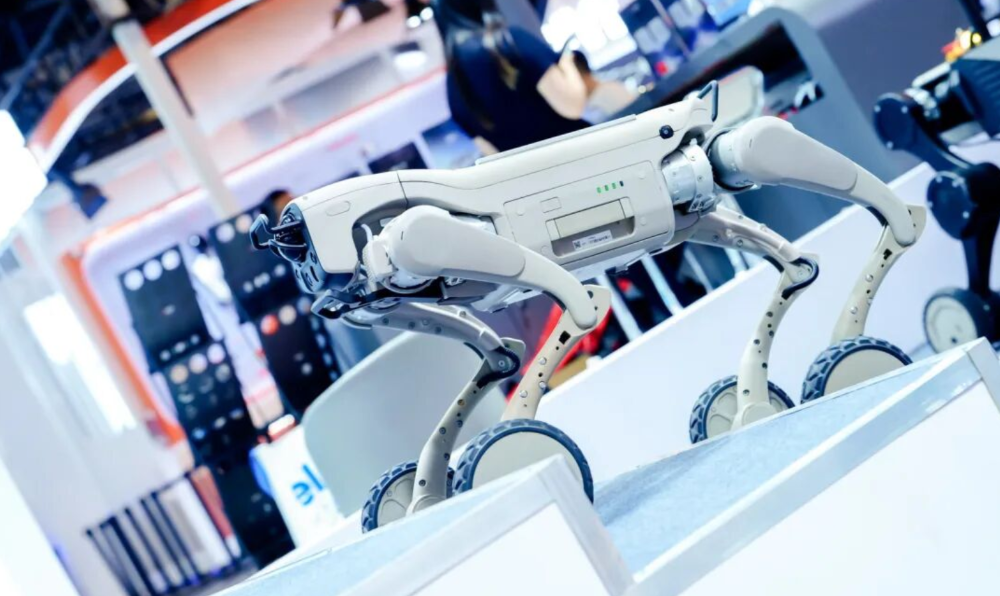
Genisom AI Showcases Comprehensive Robotics Solutions at WAIC 2026
Genisom AI made a significant impact at the 2026 World Artificial Intelligence Conference by unveiling a complete product matrix, including industry-grade quadruped robots, bomb-proof special robots, humanoid robots, and simulation training platforms. The company reported a cumulative production of over 15,000 units by June 2026, with a monthly production exceeding 5,000 units in June alone. This achievement highlights Genisom AI's ability to address critical questions in industrialization, focusing on mass production, speed, and stability. The quadruped robot, Steel Coin L2, integrates advanced navigation and autonomous following technologies, offering users a reliable productivity tool at lower costs and shorter deployment times. The bomb-proof inspection robot, Lead Ball SP1, is designed for hazardous environments, providing automated inspection solutions with high-level explosion-proof certifications. Looking ahead, Genisom AI's humanoid robot, Silver Wing NE01, signifies the company's expansion into bipedal robotics, demonstrating reliability in extreme tests. The MATRiX 2.0 simulation platform aims to bridge the gap between virtual training and real-world applications. With over 300 ecosystem partners, Genisom AI is building a comprehensive end-to-end chain from core components to full product deployment, marking a significant milestone in China's industrialization efforts.
Quadrupedal Robots Humanoid Robots Industrial Automation AI Robotics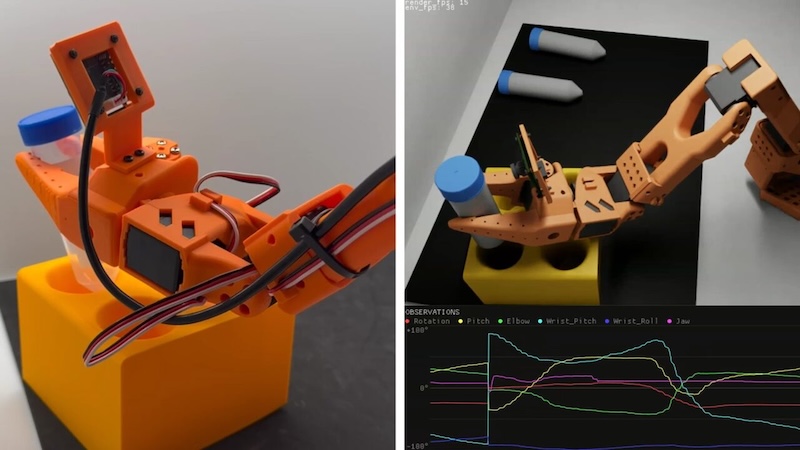
Nvidia and Hugging Face Enhance LeRobot with Advanced Open Robotics AI Tools
Nvidia and Hugging Face have expanded their partnership to introduce new AI models and robotics frameworks to the LeRobot platform, enhancing accessibility for developers. The integration of Nvidia Isaac GR00T 1.7, a vision-language-action foundation model, and the Isaac Teleop framework aims to streamline the development process for AI-powered robots. This collaboration is significant as it combines Nvidia's community of over three million robotics developers with Hugging Face's 16 million AI developers, fostering a broader access to physical AI technologies. The new tools will enable standardized workflows for data collection, model training, and performance evaluation, making it easier for developers to create and deploy robotic solutions. Looking ahead, the planned support for Nvidia Cosmos 3 will further empower developers by allowing the generation of synthetic data and simulation of environments. No further timeline was disclosed at the time of publication.
Artificial Intelligence Computing ai Hugging Face humanoid robots Isaac GR00T 1.7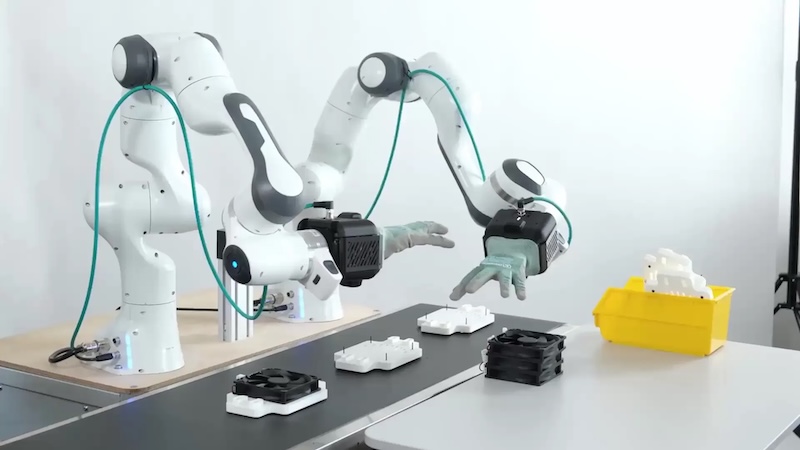
mimic Robotics Launches Comprehensive Platform for Advanced Dexterous Robot Manipulation
mimic Robotics has unveiled a new robotic hand, the mimic hand M1, along with the mimic wearable U1 exoskeleton and a proprietary software platform. This integrated system aims to enhance general-purpose dexterous manipulation in industrial robots by addressing the challenge of collecting high-quality training data for AI models that perform human-like tasks. The significance of this launch lies in mimic Robotics' approach to design, which focuses on human hand morphology rather than traditional two-finger grippers. The mimic hand M1 features 15 actuated degrees of freedom and is capable of handling payloads over 25 kg, while the mimic wearable U1 allows human operators to demonstrate tasks in real-time, improving data collection for AI training. Looking ahead, the company’s innovative middleware and teleoperation software are expected to enhance robot control and AI inference speed. No further timeline was disclosed at the time of publication.
Components Computing News ai automation dexterous manipulation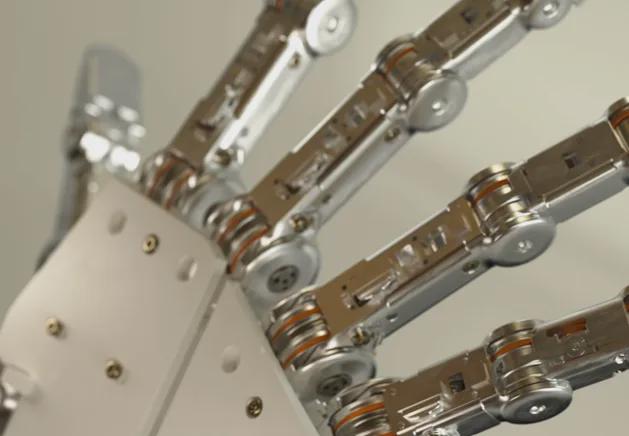
1X Launches Neo Robotic Hand Featuring 25 Degrees of Freedom and Force Transparency
On July 9, 2026, 1X, a unicorn supported by OpenAI, unveiled the Neo robotic hand designed for humanoid robots. This advanced hand boasts 25 degrees of freedom, enabling it to perform a wide range of human-like tasks, such as delicately picking grapes without crushing them and lifting weights up to 20 pounds. The innovative design incorporates a tendon-driven system that enhances dexterity and responsiveness. The significance of the Neo robotic hand lies in its unique 'Force Transparency' technology, which allows for bidirectional communication between the hand and its environment. Unlike traditional robotic hands that operate with high gear ratios, the Neo hand utilizes a low gear ratio of approximately 5:1 to 15:1, enabling it to provide real-time feedback on applied forces. This design not only enhances the hand's functionality but also improves the training of AI models by providing rich physical interaction data. Looking ahead, while the Neo hand addresses fundamental perception challenges, real-world complexities remain a concern. The hand must operate effectively in various domestic environments, where it may encounter grease, sauces, or dust. Ensuring safety during interactions with children and maintaining functionality in challenging conditions will be critical for the widespread adoption of this technology. No further timeline was disclosed at the time of publication.
Robotic Hands Humanoid Robots AI Tactile Sensors Robotics Technology
NASA and Rice University Launch Open-Source Simulator for Space Robotics Research
Rice University and NASA have introduced the iMETRO Dynamic Simulation, the first open-source platform for developing robots for spacecraft and habitats. Unveiled at the 2026 IEEE International Conference on Robotics and Automation in Vienna, this simulator creates a digital twin of NASA's iMETRO facility, enabling global researchers to test intravehicular robotic systems in a virtual setting. This platform is significant as it broadens access to advanced space robotics research, facilitating innovation for future human space missions. It focuses on robot manipulators that assist with maintenance and logistics tasks, which are crucial for reducing astronaut workloads during extended missions. The simulator features an eight-degree-of-freedom robotic manipulator model and supports ROS 2 and MuJoCo, enhancing usability and compatibility for developers. Looking ahead, the iMETRO Dynamic Simulation aims to maximize astronaut productivity by automating routine tasks, allowing crew members to focus on scientific exploration. The research team successfully demonstrated the simulator's capabilities by transferring a robotic application from simulation to the physical facility in under a day. No further timeline was disclosed at the time of publication.
AI and Robotics
Teradyne Robotics and Analog Devices Enter Strategic Partnership to Accelerate the Adoption of AI and Advanced Robotics-Driven Collaborative Automation in Manufacturing
Teradyne Robotics, a division of Teradyne, Inc., has announced the launch of its latest advanced robotics solutions aimed at enhancing automation in various industries. This development, revealed during a press event in North Reading, Massachusetts, underscores the company's commitment to innovation in robotics technology. The new solutions are designed to improve efficiency and productivity for manufacturers facing increasing demands for automation. By leveraging cutting-edge technologies, Teradyne Robotics aims to address the challenges of labor shortages and rising operational costs that many businesses are currently experiencing. This initiative reflects the growing trend towards automation as companies seek to streamline operations and remain competitive in a rapidly evolving market.

Tianjin Robot Town Pursues Advanced Humanoid Robotics Development and Innovation
Tianjin Robot Town is taking a unique approach in the robotics industry by focusing on the establishment of a joint laboratory for intelligent robots, led by Hebei University of Technology and several key enterprises. This initiative aims to create China's first innovation service platform for intelligent robots using domestic products, with a launch expected in October. The significance of this development lies in the shift from mere assembly of robotic components to the integration of domestic chips and operating systems, which is crucial for the future of the robotics ecosystem. Tianjin's strategy emphasizes overcoming challenges related to chip and software dependencies, while also addressing the gap between laboratory results and mass production. Looking ahead, the performance of the upcoming robot, set to be unveiled in October, will serve as a critical test for Tianjin Robot Town's ambitions. The success of this initiative will depend on the speed of domestic adaptation and the depth of scenario validation, which are essential for fostering competitive robotics enterprises in the region.
Intelligent Robots Robotics Innovation Domestic Chips Research and Development Industry Collaboration
BYD Collaborates with Pasini for Advanced Robotics in Manufacturing
BYD, a leading global automotive manufacturer, is partnering with Pasini to enhance its robotics capabilities. This collaboration aims to integrate advanced tactile sensing and embodied intelligence into industrial applications, addressing the challenges of precision and efficiency in manufacturing processes. The significance of this partnership lies in BYD's recognition that while it excels in manufacturing, developing robots that can reliably perform complex tasks at scale requires specialized expertise. By leveraging Pasini's strengths in tactile hardware and data collection, BYD aims to create robots that can seamlessly operate in real-world factory settings. Looking ahead, BYD's strategy includes both in-house development and external collaborations, allowing it to explore various technological avenues. The company is focused on ensuring that its robotic solutions are not only innovative but also practical for large-scale production. No further timeline was disclosed at the time of publication.
Robotics Industrial Automation Tactile Perception Manufacturing Technology
Teradyne Unveils New UltraFLEXplus Instruments for AI and Data Center Testing
Teradyne, Inc. has launched three advanced instruments for its UltraFLEXplus platform, specifically designed to address the growing complexities of AI and data center semiconductor testing. The UltraPin5000-EM, UltraPort-PCIe6, and UltraVS64-HP instruments enhance scalability, flexibility, and performance, enabling semiconductor manufacturers to efficiently test cutting-edge devices. This launch is significant as it positions Teradyne to meet the increasing demands of the AI and data center markets, which are driving unprecedented growth in semiconductor complexity. CEO Greg Smith emphasized the company's commitment to providing innovative solutions that help customers stay competitive in this rapidly evolving landscape. Looking ahead, Teradyne will showcase these instruments at SEMICON Taiwan from September 2-4, 2026, in Taipei. The introduction of these products marks a strategic move to strengthen Teradyne's role in the AI device supply chain, ensuring that components meet the industry's stringent quality standards. No further timeline was disclosed at the time of publication.
Libiao Robotics Enhances Arvato's Fashion Ecommerce Fulfillment with Advanced Sorting System
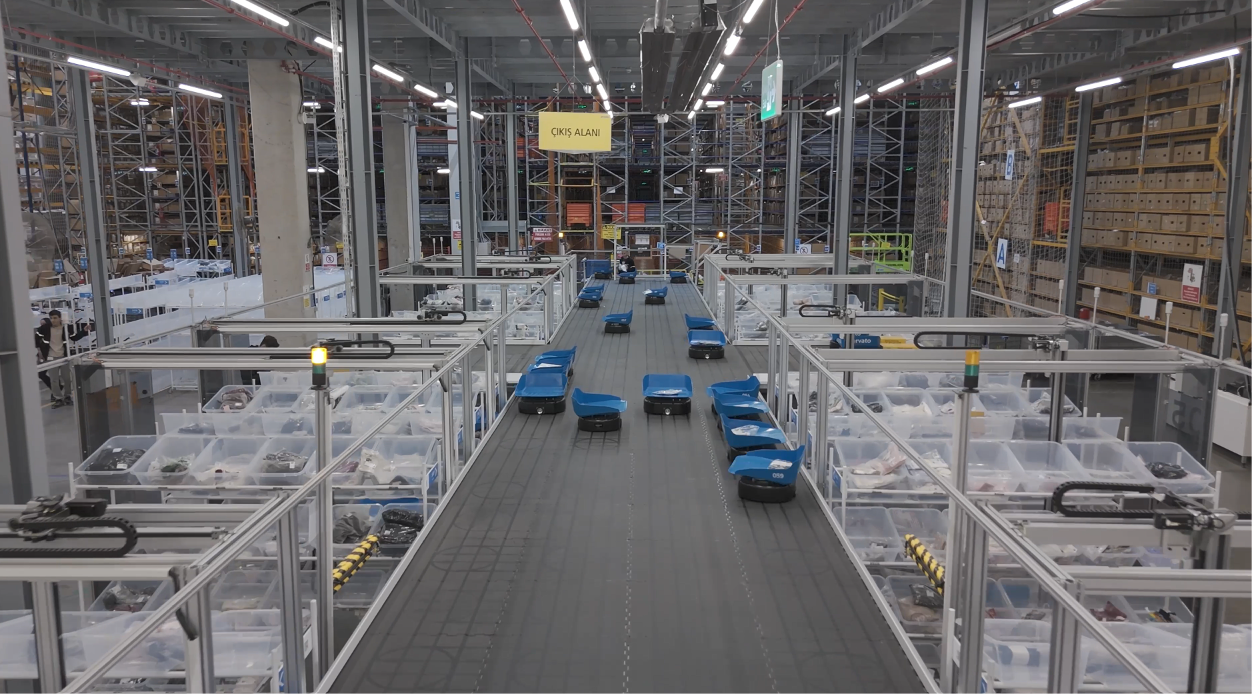
Libiao Robotics has implemented a flexible robotic sorting system for Arvato Türkiye, enhancing its ecommerce fulfillment capabilities at the Platform S distribution center in Istanbul. This investment aims to address the challenges of high SKU counts and fluctuating order volumes in the fashion retail sector. The new modular 3D Sorter features 66 autonomous robots and 14 shuttle induction stations, capable of processing up to 3,700 items per hour. This system not only increases sorting capacity but also allows for greater agility in responding to customer demands, reducing the need for traditional conveyor systems. Looking ahead, the successful deployment of this robotic solution within six months highlights the potential for rapid automation in logistics. As ecommerce continues to grow, Arvato's investment in Libiao's technology positions it to adapt to future demands and maintain competitive advantages in the market.
AMR and AGV Automation Systems and Shuttles Conveying and Sortation eFulfilment Magazine Features Materials Handling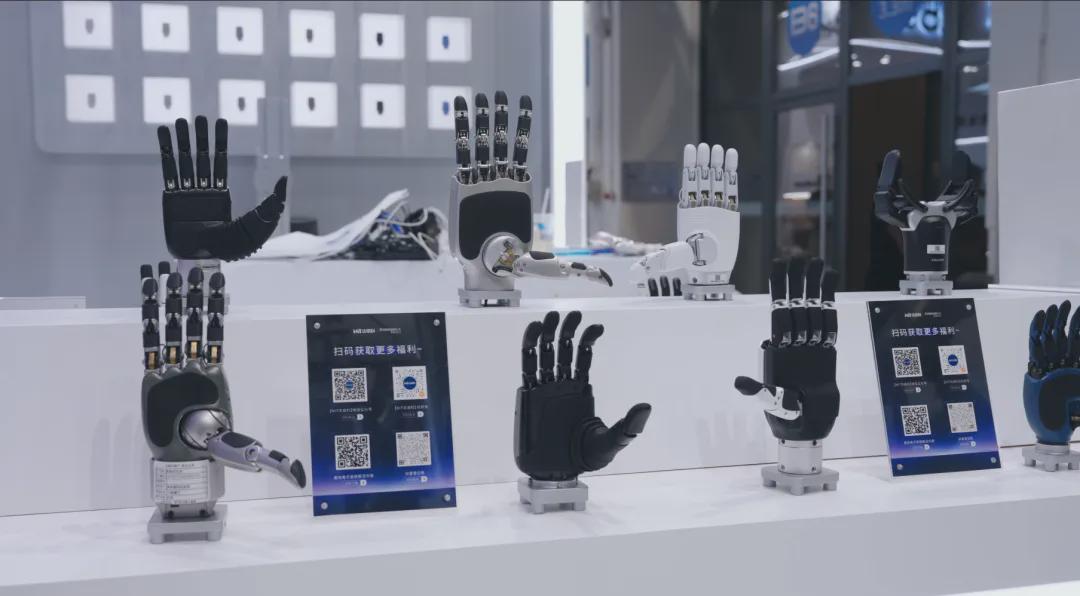
Huaweike Unveils Advanced Tactile Sensors at WRC 2026 to Enhance Robotics
On August 19, 2026, the World Robot Conference opened in Beijing, where Wuhan Huaweike Intelligent Technology Co., Ltd. launched its Wanxiang series of tactile sensors. The event highlighted the industry's growing maturity in algorithms and visual perception, while the lack of tactile data remains a significant barrier to practical applications in robotics. The advancements in embodied intelligence over the past two years have been notable, with humanoid robots achieving over 20 degrees of freedom and costs reduced to under 100,000 yuan. However, challenges persist in fine manipulation tasks, particularly in the 'grasping' action, where robots often fail due to insufficient tactile feedback. Traditional sensors typically have an accuracy of 5% FS, which is inadequate for delicate operations. The Wanxiang series boasts an impressive accuracy of 1% FS and a minimum trigger force of 0.01N, setting a new standard for tactile data quality. This enhancement allows for the detection of minute weight changes, significantly improving the granularity of data collected. Huaweike's data collection gloves and simulation tools aim to address the efficiency of large-scale tactile data acquisition, reducing costs by 90% and increasing efficiency tenfold, which is crucial for training advanced robotic models.
Tactile Sensors Data Collection Robotics AI Industrial Automation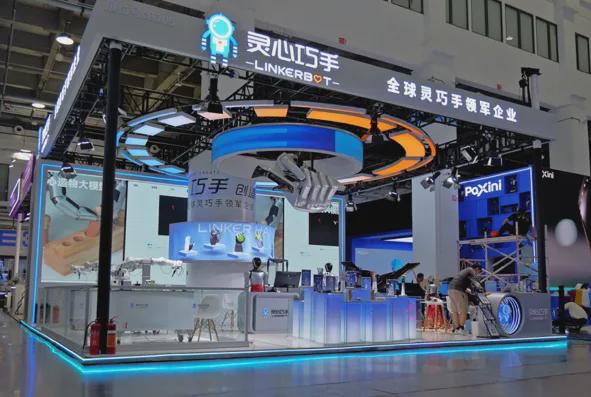
WRC 2026: Showcasing Advanced Dexterous Operations and Flexible Skills in Robotics
The 2026 World Robot Conference (WRC 2026) will take place in Beijing from August 19 to 23, focusing on the theme of 'Human-Machine Symbiosis and Integrated Production and Demand.' The event will feature over 300 intelligent enterprises showcasing innovations that drive global robotics industry trends and technological collaboration. Leading company Lingxin Qiaoshou will present its fully automated robotic arm production line, Linker Hand series dexterous hands, and the Lingxin Robot Band, emphasizing practical applications over mere demonstrations. This year's conference shifts the spotlight from flashy demonstrations to real-world applications, highlighting the importance of dexterous operations in modern industrial settings. Lingxin Qiaoshou's exhibition aims to demonstrate the transition of dexterous operations from laboratory settings to real industrial scenarios, showcasing the company's commitment to advancing flexible production capabilities. The exhibition has already attracted significant attention from industry professionals and media outlets, underscoring its relevance in the robotics landscape. Looking ahead, the advancements presented at WRC 2026, particularly in the areas of visual recognition and dexterous manipulation, are expected to enhance the adaptability of automated production lines in various industrial environments. Lingxin Qiaoshou's innovations could lead to more efficient manufacturing processes, reducing costs and increasing versatility in production. No further timeline was disclosed at the time of publication.
Robotic Arms Dexterous Manipulation Industrial Automation AI in Robotics
Seeing Machines Introduces Physical AI Platform for Advanced Humanoid Robotics
Seeing Machines Limited has launched its Physical AI Platform, which aims to enhance humanoid robots by leveraging its expertise in human sensing technology. This new platform is designed to facilitate safe and intuitive interactions between humans and machines, building on the company's established leadership in the automotive sector. The introduction of the Physical AI Platform is significant as it represents a shift towards integrating advanced computer vision capabilities into robotics and industrial automation. By applying its Human-Centred AI design philosophy, Seeing Machines is poised to redefine how robots interact with humans, potentially improving safety and efficiency in various applications. Looking ahead, industry stakeholders should monitor the development and deployment of the Physical AI Platform, as it may set new standards for human-robot interaction. No further timeline was disclosed at the time of publication.

Tacta Systems Launches TactaBot to Enhance High-Skilled Manufacturing with Advanced Robotics
Tacta Systems recently introduced the TactaBot, integrating the Tacta Hand, Skill Capture system, and Dexterous Intelligence AI model. This innovative combination aims to create adaptable robotic hands capable of performing high-value tasks in manufacturing, addressing the global shortage of skilled labor. CEO Vikram Pavate emphasized the need for robots to replicate human-like touch and feel, which is essential for complex manufacturing processes. The Tacta Hand features a dexterous design with three and five-finger configurations, offering 15 degrees of freedom and the ability to lift up to 25 newtons per fingertip. Utilizing Tacta's Fluidic Tendon actuation technology, the robotic hand maintains stability and precision while minimizing heat generation. This technology enhances reliability compared to traditional cable-driven systems, with a lifespan of up to 30 million cycles. As Tacta Systems continues to innovate, the focus will be on further developing the capabilities of the TactaBot and its components. The integration of advanced tactile sensors, capable of measuring a wide range of forces and temperatures, positions Tacta to play a significant role in the future of high-skilled manufacturing automation. No further timeline was disclosed at the time of publication.
Actuators / Motors / Servos Arms / Manipulators Artificial Intelligence Artificial Intelligence / Cognition Collaborative Robots Design / Development
RL-100 Achieves 100 Percent Success in 1,000 Real-World Tasks with Advanced Robotics
The RL-100 has demonstrated its capability to train robots to achieve a 100 percent success rate across 1,000 real-world tasks. This achievement highlights the advancements in robotics technology, particularly in the integration of artificial intelligence and machine learning, which are crucial for enhancing operational efficiency. This development is significant as it showcases the potential for robots to perform complex tasks reliably, which is essential for industries relying on automation. The ability to execute tasks with such precision can lead to increased productivity and reduced operational costs, making it a game-changer in the robotics sector. Looking ahead, the focus will be on how the RL-100 can be further integrated into various applications, including industrial robots and service robots. The ongoing advancements in robotics, particularly in humanoid and collaborative robots, will be critical to watch as they evolve and adapt to new challenges in real-world environments. No further timeline was disclosed at the time of publication.
AI and Robotics
Robotics Revolutionizes Precision in Cataract Surgery with Advanced Technologies
Cataract surgery, long regarded as one of the most mastered surgical procedures, is entering a new phase with the introduction of robotics and high-precision lasers. Innovative platforms like the Polaris robot and solutions developed by Keranova assist surgeons with unmatched precision, enhancing the safety of the procedure. Robotic systems can achieve movements as precise as 5 microns, significantly improving surgical accuracy on delicate ocular structures. The integration of robotics in cataract surgery exemplifies the convergence of artificial intelligence, medical robotics, and high-precision imaging. While these technologies are still being deployed in many facilities, they herald a new generation of safer, more reproducible, and personalized ophthalmic surgery. With cataract surgery being the most performed surgical procedure globally, the demand for improved surgical productivity is critical, especially as the aging population increases the number of required interventions. As robotic platforms and next-generation lasers become more mature and accessible, they have the potential to transform the management of millions of cataract patients worldwide. The World Health Organization reports that cataracts affect over 94 million people, making advancements in surgical technology vital for addressing disparities in access to care, particularly in regions like sub-Saharan Africa.
À la une IA Industrie Robotique Santé automatisation médicale
Robbyant Launches Upgraded LingBot-VLA 2.0 AI Model for Advanced Robotics
Robbyant, a company specializing in embodied AI under Ant Group, has unveiled the upgraded LingBot-VLA 2.0 model. This next-generation vision-language-action model enhances morphological generalization, degrees of freedom support, and deployment efficiency, addressing a critical gap in the embodied AI industry. The significance of LingBot-VLA 2.0 lies in its extensive pre-training on 60,000 hours of real-world data, which includes interactions from 20 different robot morphologies. This upgrade allows for improved whole-body control and dual-arm manipulation, achieving leading scores on benchmarks, thus demonstrating its effectiveness in industrial-scale deployment. Looking ahead, the introduction of a version optimized for efficient post-training and a threefold increase in inference efficiency positions LingBot-VLA 2.0 as a strong contender for real-time commercial applications. No further timeline was disclosed at the time of publication.
Computing Robot simulation artificial intelligence dual-arm robots embodied ai humanoid robots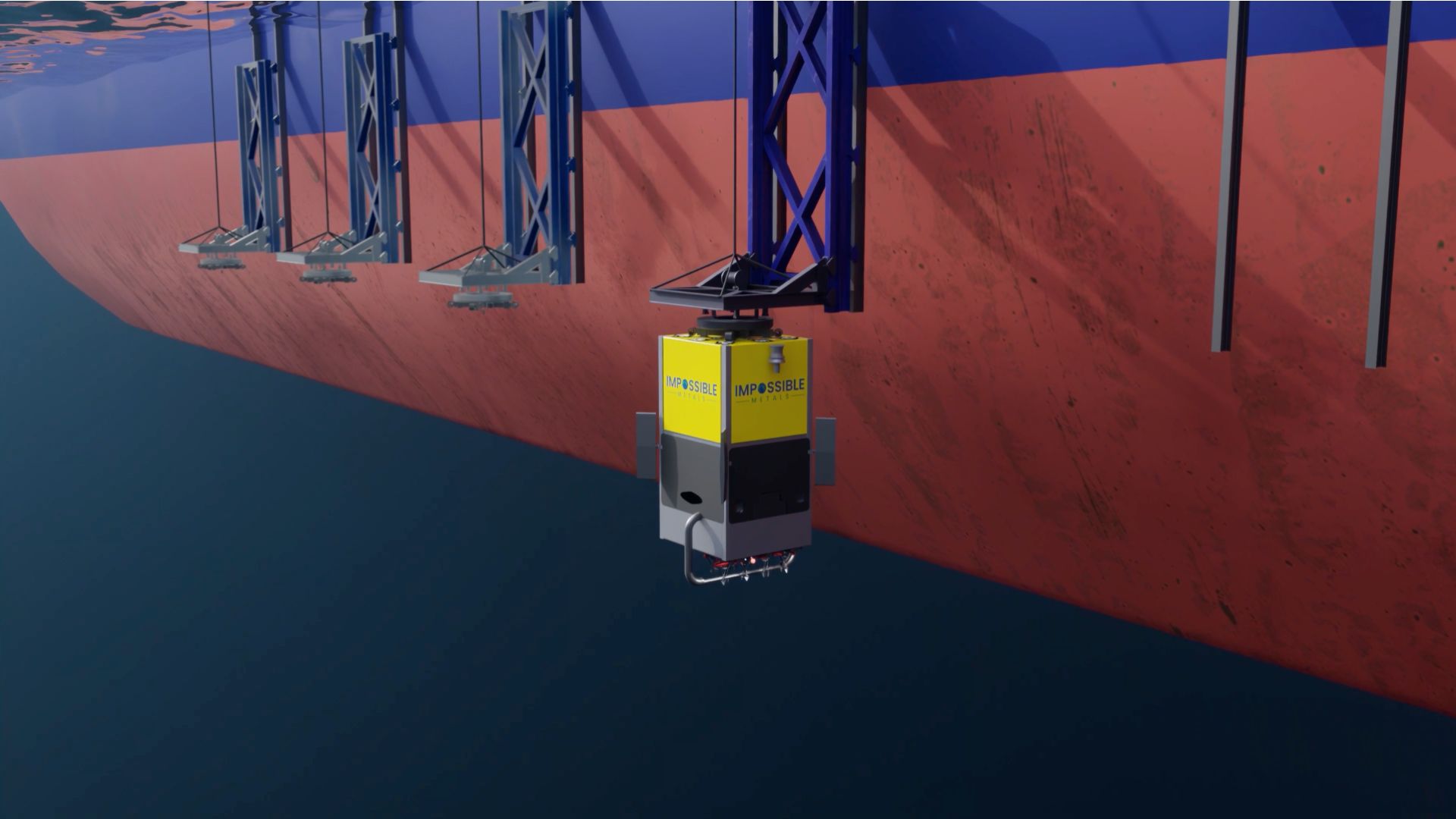
Impossible Metals to Launch Advanced Marine Robotics Hub for Deep-Sea Mineral Harvesting
Impossible Metals, a US mining technology company, has announced plans to establish an Advanced Marine Robotics Hub in Pittsburgh, Pennsylvania. This facility will focus on developing autonomous marine systems for the deep-sea collection of critical minerals, creating over a dozen high-paying engineering and science jobs. The hub aims to enhance US capabilities in marine robotics and critical mineral technologies through collaboration with local universities and researchers. The significance of this initiative lies in its potential to redefine deep-sea mining practices. According to Mike Regan, Chief Growth Officer at Impossible Metals, the hub will enable swarms of autonomous robots to harvest critical minerals like nickel, cobalt, copper, and manganese with minimal environmental impact. This approach not only promises to produce the lowest-cost critical metals on Earth but also aims to strengthen the US supply chain and reduce reliance on foreign sources of essential materials. Looking ahead, the Advanced Marine Robotics Hub will serve as the primary research center for advancing the Eureka autonomous underwater platform and Smart Launch and Recovery Systems. The company plans to continue developing dual-use technologies that cater to both commercial and naval applications. No further timeline was disclosed at the time of publication.
AI and Robotics
Advanced Battery Technology Enhances Performance for Autonomous Vehicles and Robotics
Recent advancements in battery technology are enabling intelligent machines to operate continuously, enhancing performance and efficiency. This technology is specifically designed for applications in autonomous vehicles, robotics, satellites, and drones, allowing for longer life and improved operational capabilities under high-demand conditions. The significance of these developments lies in their potential to transform various industries by supporting the growing demand for reliable and efficient power sources. As intelligent machines become more prevalent, the ability to sustain high-performance operations is crucial for sectors such as transportation, logistics, and aerospace. Looking ahead, stakeholders should monitor the integration of these advanced battery systems into existing platforms and the emergence of new applications. No further timeline was disclosed at the time of publication.
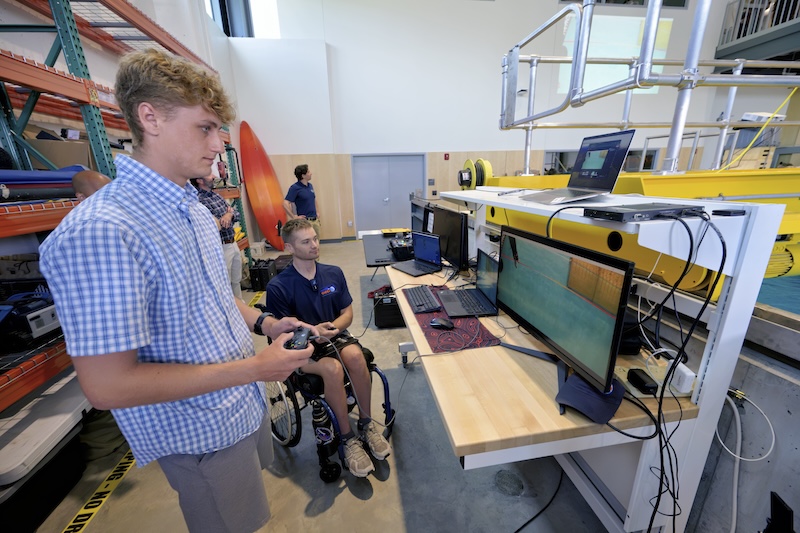
University of Rhode Island opens advanced Ocean Robotics Laboratory for autonomous marine research
Event marked milestone for Narragansett Bay Campus The University of Rhode Island celebrated a major milestone in the $300 million, multi-phase revitalization of the Narragansett Bay Campus with an underwater ribbon cutting ceremony for the new Ocean Robotics Laboratory on June 25. Students Elliot Roman and Jake Bonney piloted URI’s remotely operated vehicle Rhody to […]
Features Robotics Science autonomous systems autonomous underwater vehicles blue economy
Former Tesla Engineer's Startup Develops Advanced Robotic Hand Amid Legal Battle
Jay Li, the former leader of Tesla's Optimus project, is currently embroiled in a legal battle with his former employer, which has accused him of stealing trade secrets. Despite these allegations, Li has made significant strides with his new venture, Proception, which has successfully created a cutting-edge robotic hand within a mere five months. This rapid development has attracted considerable attention, culminating in Proception securing $11 million in seed funding. Li's unique methods for data collection and training have set his startup apart in the increasingly competitive robotics industry, showcasing his resilience and innovation amid ongoing legal challenges.
Robotic Hands Startup Funding Trade Secrets Robotics Technology
Tech Mahindra and Viam partner to scale advanced robotics and automation solutions
Tech Mahindra has announced a strategic partnership with Viam, enabling its global enterprise clients to leverage advanced robotics and automation capabilities through Viam's innovative physical AI platform. This collaboration, which aims to enhance operational efficiency and streamline processes for businesses, will provide clients with direct access to cutting-edge technology designed to optimize workflows and improve productivity. The partnership is expected to significantly impact various industries by integrating AI-driven solutions into everyday operations. This initiative reflects Tech Mahindra's commitment to driving digital transformation and innovation within its client base, positioning them at the forefront of technological advancements.

Elephant trunk skin’s dual-zone design offers blueprint for advanced robotic grippers
An elephant's trunk, a remarkable adaptation of the species, showcases its strength and versatility as it can effortlessly transport heavy logs across open spaces. This impressive ability not only highlights the physical prowess of elephants but also serves a crucial role in their daily activities, such as foraging and building shelters. Observations of these behaviors contribute to a deeper understanding of elephant intelligence and their interactions with the environment. The trunk's dexterity allows elephants to manipulate objects with precision, demonstrating their complex problem-solving skills and social behaviors. As researchers continue to study these magnificent creatures, they uncover insights into their ecological impact and the importance of preserving their habitats.
AI and RoboticsRobotics needs a service framework.
RSF defines a common language for robot service capability, lifecycle operations, certification pathways, and service-provider networks.
Join the RobotToday community on LinkedIn
Daily robotics news, in-depth analysis, conference highlights, and discussions with professionals worldwide.