


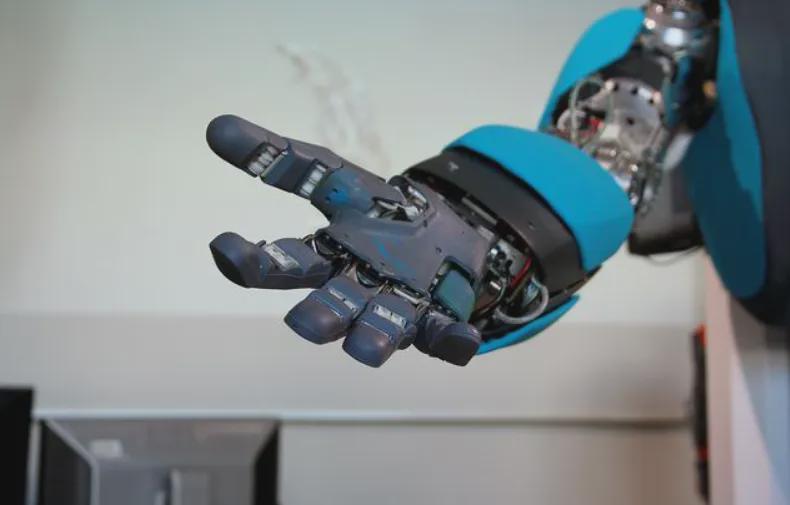
Honda is advancing the development of multi-fingered robotic hands aimed at tackling the most challenging tasks in factory assembly, such as screwing, connecting, and handling parts designed for human hands. These actions, while routine for humans, present significant control challenges for robots.
According to researcher Kenichiro Sugiyama, many existing robotic hands are essentially extensions of traditional robotic arms, lacking the necessary strength, responsiveness, and precision for fine manipulation. Honda's approach involves the collaborative development of mechanical hardware, control systems, and artificial intelligence, emphasizing the importance of embodied AI, which learns through physical interactions with objects.
Despite advancements, dexterous manipulation remains a significant challenge, particularly with deformable or slippery objects. Sugiyama describes the remaining issues as the 'last millimeter' problem, which, if solved, could enable robots to replace tasks traditionally performed by humans. Honda's exploration of multi-fingered hands aims to push the boundaries of automation in manufacturing.
Editor's Note
The development of advanced robotic hands by Honda highlights a critical shift in the robotics industry, focusing on precision and dexterity in assembly tasks. As manufacturers seek to automate more complex processes, the ability to handle delicate and variable objects will be essential. This innovation could redefine the roles of robots in production environments, making them more capable of performing tasks previously thought to require human intervention.





























Leave a comment