Industry Briefing
A single destination for timely, editor-curated robotics news from around the world.
XPeng Expands Turing AI Chip Technology from Electric Vehicles to Humanoid Robots
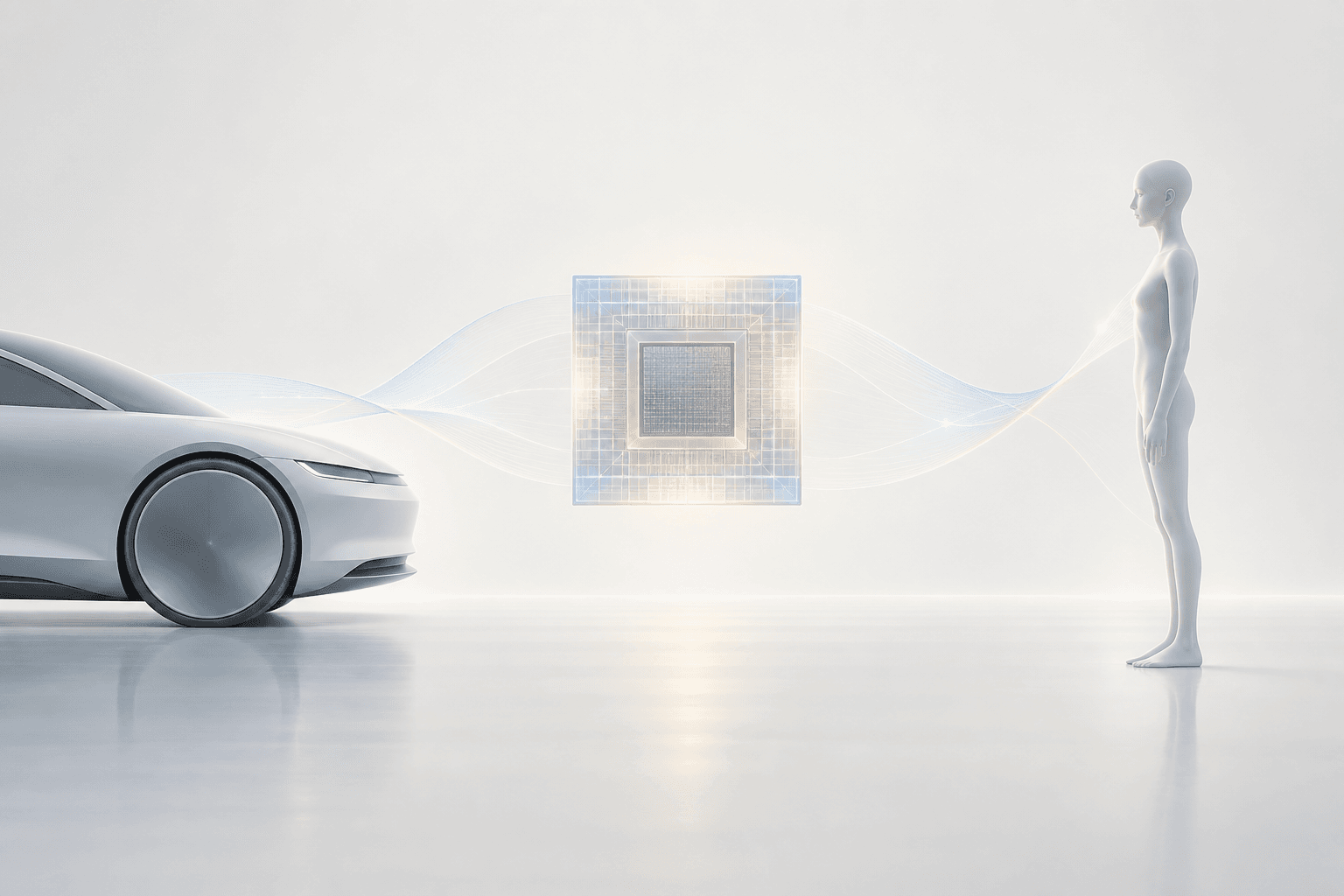
XPeng is advancing its self-developed Turing AI silicon by integrating it into humanoid robots, moving beyond its initial application in intelligent electric vehicles. This initiative is part of a broader Physical AI stack, showcasing XPeng's commitment to diversifying its technology applications. The significance of this development lies in the potential for enhanced AI capabilities in humanoid robots, leveraging the power of the Turing chips. With configurations cited at approximately three on-device Turing chips, the total processing power reaches around 2,250 TOPS, indicating a robust foundation for complex AI tasks. Looking ahead, industry observers should monitor XPeng's progress in the humanoid robotics sector and the performance of its Turing AI chips in real-world applications. No further timeline was disclosed at the time of publication.
Xpeng Motors Unveils Robot Production Line, Signaling a New Era in Humanoid Robotics
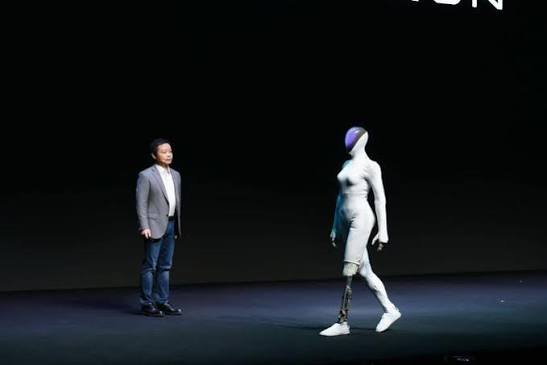
On September 8, 2026, Xpeng Motors announced the official launch of its robot production line, with the first advanced humanoid robot, IRON, completing automated assembly and autonomously walking off the production line. This production line, designed and built by Xpeng, achieves over 80% automation in core manufacturing processes. The significance of this production line lies not in the robot's ability to walk but in marking a pivotal shift in humanoid robot competition from 'can it be made' to 'can it be mass-produced.' The core challenge in scaling production from dozens to thousands of units is ensuring consistency in manufacturing, particularly in the assembly of thousands of joint modules. Xpeng's approach integrates automotive manufacturing systems into robot production, leveraging established capabilities in supply chain management and quality control. While Xpeng's IRON features unique technology with three self-developed AI chips, the humanoid robot industry still lacks a unified technical route and business model. Xpeng's robot business has completed over $900 million in funding, with plans for initial deployment in its own stores, while commercial sales are set to begin in 2027.
Humanoid Robots Automation Manufacturing Technology AI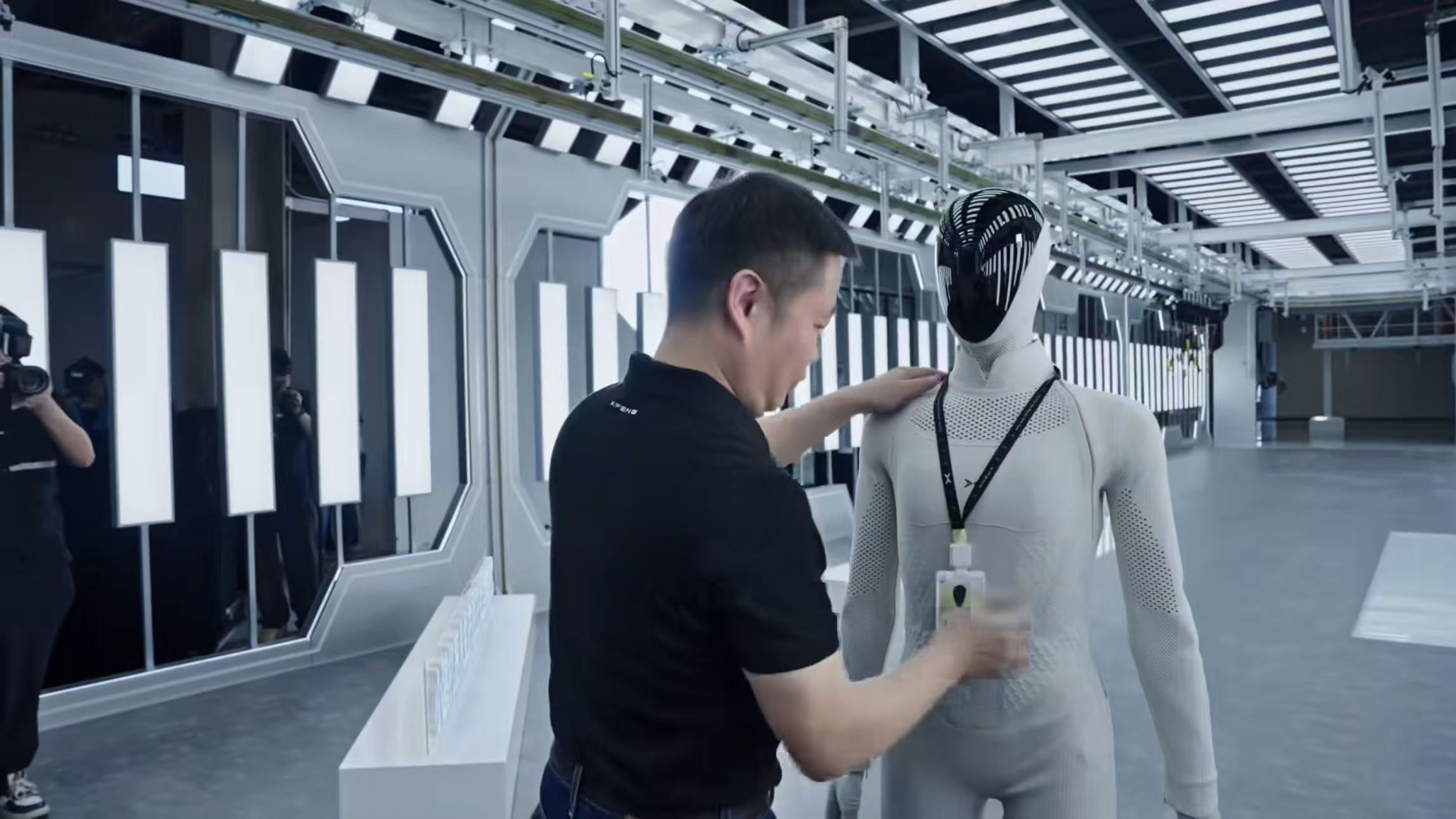
XPeng Launches Automated Production Line for Humanoid Robots with First IRON Model
XPeng has officially commenced operations of its automated production line for humanoid robots, with the first IRON robot successfully completing its final assembly and autonomously walking off the line. This milestone signifies XPeng's transition from research and development to mass production of humanoid robots, which are still in the early stages of commercialization. The significance of this development lies in XPeng's claim that IRON is the world's first high-level general-purpose humanoid robot produced on an automated line. The production line, designed by XPeng's team, integrates automotive manufacturing and quality-control systems tailored for humanoid robot assembly, with over 80% of its core processes automated. Looking ahead, XPeng plans to scale production of IRON by the end of 2026, with commercial deliveries expected in 2027. The company aims to position IRON for tasks that are dangerous or repetitive, while also expanding its applications. XPeng's recent funding round raised over $900 million to support its robotics business, indicating strong investor interest in the future of humanoid robots.
Heavy Hitters AI Highlight News Robotics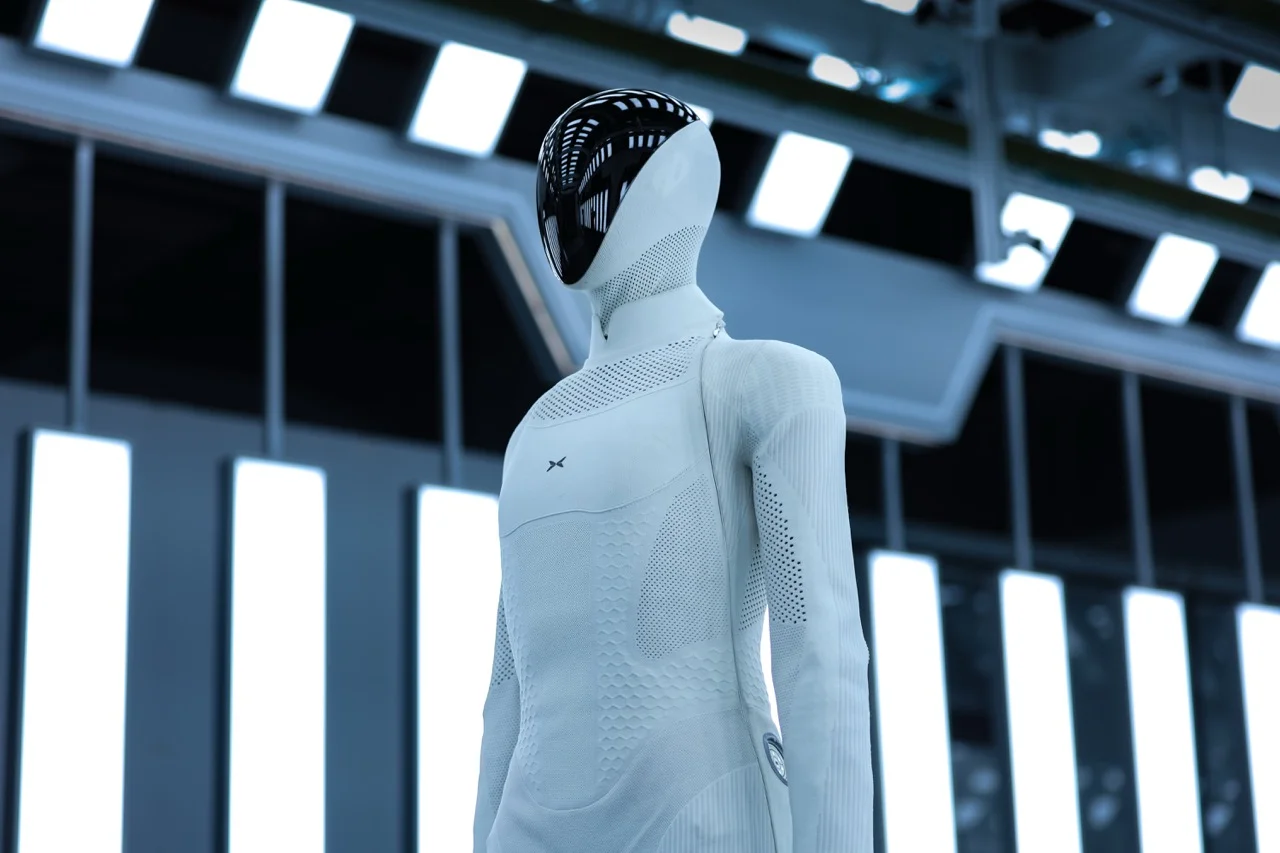
XPENG's He Xiaopeng Discusses Challenges and Vision for Humanoid Robot IRON
XPENG has unveiled its first production-intent humanoid robot, IRON, which recently completed its automated assembly line debut. CEO He Xiaopeng shared insights in a candid video, addressing the engineering challenges and public skepticism faced during the six-year development process. He emphasized the importance of focusing on functional durability over flashy demonstrations, positioning XPENG to create a general-purpose humanoid robot capable of autonomous work. The significance of this milestone lies in XPENG's $900 million funding round, which has bolstered its valuation to $6.3 billion. Xiaopeng's narrative highlights the friction between public perception and engineering realities, as he recalls early missteps that garnered public mockery. He argues that the path to developing effective humanoid robots is often overlooked due to the industry's focus on entertainment rather than practical applications. Looking ahead, XPENG aims to leverage its automotive expertise to enhance the bipedal autonomy of IRON. The company is focusing on integrating large-language and Vision-Language-Action models to enable the robot to learn from real-world data. No further timeline was disclosed at the time of publication.
Xiaopeng He China XPENG IRON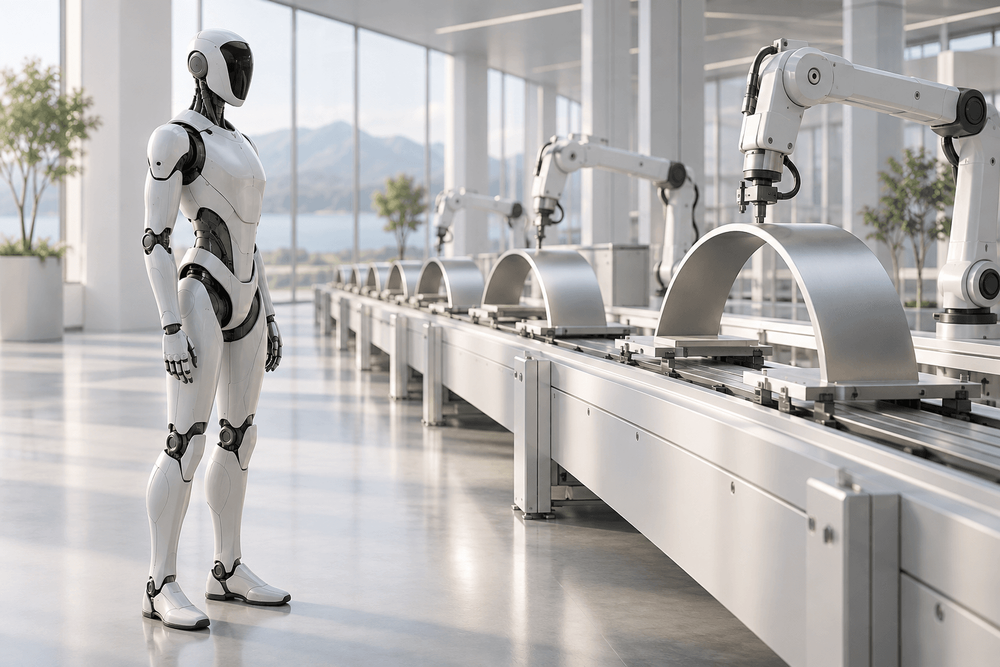
XPeng Launches Automated IRON Humanoid Production Line for 2026 Mass Production
XPeng has activated an automated production line for its IRON humanoid robot, achieving over 80% core automation. A notable milestone was reached as a finished robot successfully walked off the line under its own power. This development is significant as it marks XPeng's commitment to advancing humanoid robotics, with mass production slated for completion by the end of 2026. The company plans to initiate commercial deliveries in 2027, indicating a strategic move into the humanoid robot market. Looking ahead, industry observers should monitor XPeng's progress towards its production goals and the potential impact of its humanoid robots on various sectors. No further timeline was disclosed at the time of publication.
XPeng Launches Production for Humanoid Robot 'Iron' with Advanced Features
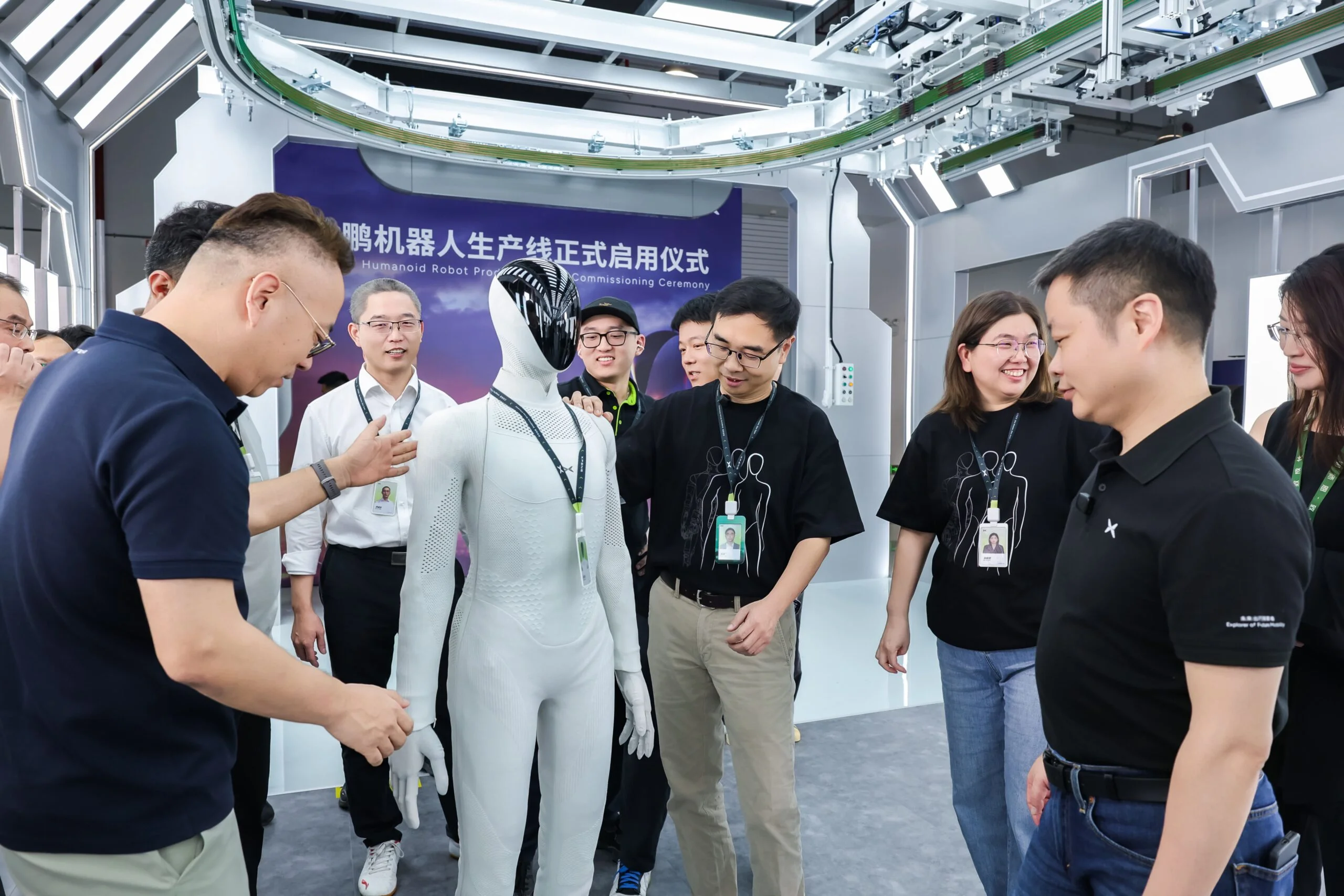
XPeng has commenced production of its humanoid robot, Iron, with initial units set to be deployed in the company's stores before a broader market launch in 2027. The production lines are highly automated, with over 80% of core processes automated, and Iron boasts 76 degrees of freedom and three Turing AI chips delivering up to 2,250 TOPS. This development is significant as XPeng aims to position robotics as a key growth sector alongside its automotive business, having raised over $900 million for this initiative. The company’s chairman, He Xiaopeng, emphasized the importance of building a new product category and the potential for higher profit margins in robotics compared to new-energy vehicles. Looking ahead, XPeng plans to enhance production efficiency and scale in robot manufacturing, aiming to create robots that integrate into daily life. No further timeline was disclosed at the time of publication.
AI AI Funding & Investment AI Use Cases Robotics China humanoid robotics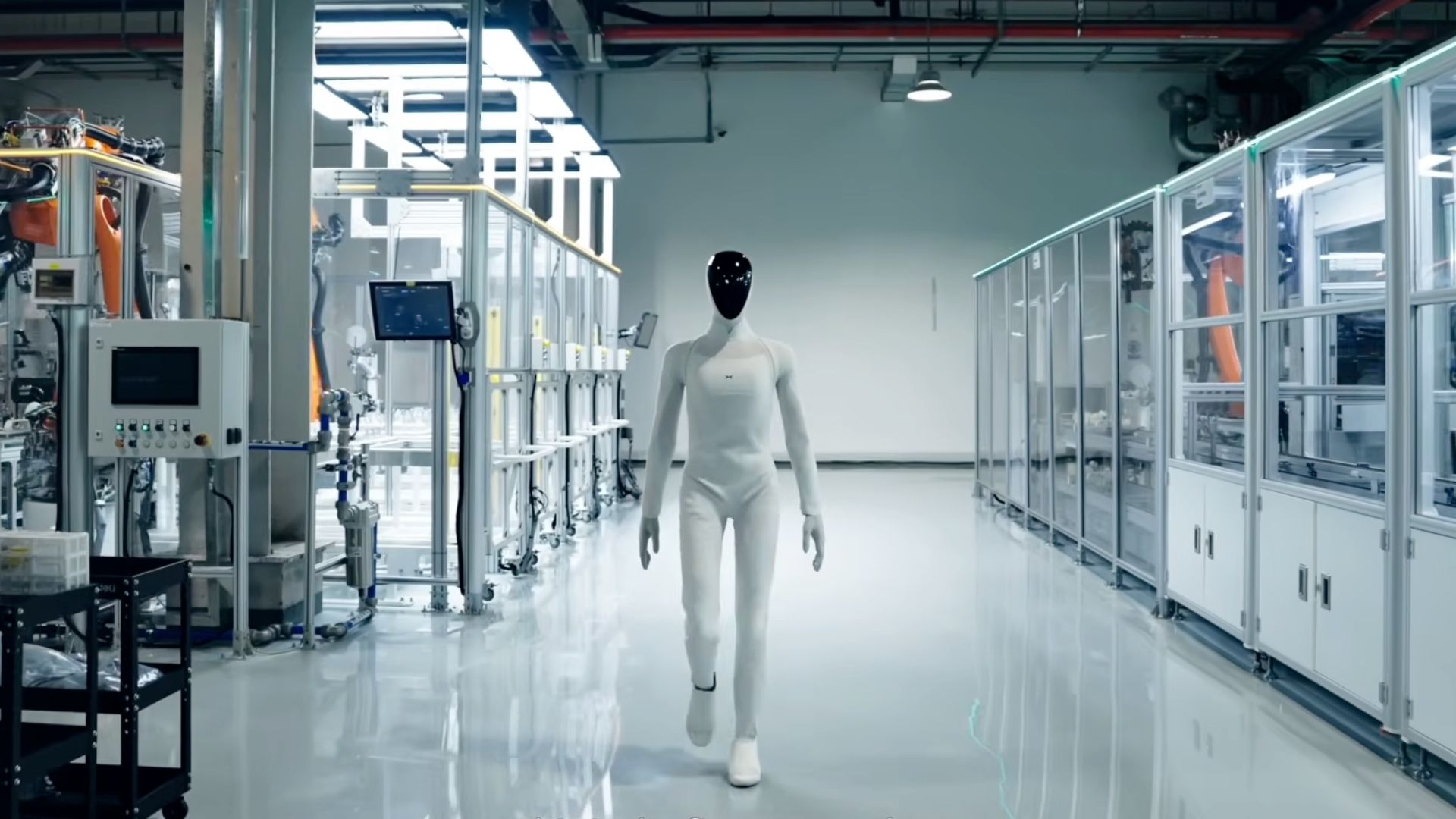
XPeng Begins Production of IRON Humanoid Robots Amid Tesla Optimus Delays
Chinese automaker XPeng has initiated the production of its IRON humanoid robot at a new facility in Guangzhou, marking a significant step towards commercial-scale manufacturing. An IRON robot successfully walked off the production line autonomously, showcasing XPeng's integration of robotics and AI in its manufacturing processes. This development is crucial as it highlights the competitive landscape in humanoid robotics, especially with Tesla's Optimus robot facing production delays. XPeng's approach combines its automotive manufacturing expertise with robotics, aiming to create a versatile humanoid platform capable of performing various tasks and adapting to different environments. Looking ahead, XPeng's focus on the IRON humanoid robot as part of its Physical AI strategy indicates a commitment to advancing humanoid technology. No further timeline was disclosed at the time of publication regarding the next steps for IRON or updates on Tesla's Optimus production schedule.
AI and Robotics
XPENG Launches Production of World's First Advanced Humanoid Robot with Official Facility Commissioning
XPENG has officially launched its humanoid robot production lines, successfully completing the manufacturing of the world's first advanced humanoid robot. This milestone signifies a significant transition from research and development prototyping to actual production-line manufacturing. The achievement is crucial as it demonstrates XPENG's capabilities in humanoid robotics, potentially influencing the future of automation and robotics in various sectors. The autonomous walking of the humanoid robot off the production lines showcases advancements in technology and manufacturing processes. Looking ahead, industry observers will be keen to see how XPENG's humanoid robot performs in real-world applications and how it impacts the competitive landscape of robotics. No further timeline was disclosed at the time of publication.
Xpeng Launches Automated Production Line for Humanoid Robots with High-Level Capabilities
Xpeng has successfully activated an automated production line dedicated to humanoid robots, marking a significant milestone in robotics. The company claims that the first high-level general-purpose humanoid robot has completed its assembly and autonomously walked off the production line. This production line is engineered for mass production, boasting an automation rate exceeding 80% in its essential processes. The establishment of this production line is crucial as it positions Xpeng to meet the growing demand for humanoid robots in various sectors. With plans to initiate volume production by the end of 2026, Xpeng aims to deliver these advanced robots to both domestic and international markets starting in 2027. This move highlights the company's commitment to innovation and leadership in the robotics industry. Looking ahead, stakeholders should monitor Xpeng's progress toward its production and delivery timelines. The successful launch of this automated line could set a precedent for other companies in the robotics sector, potentially influencing market dynamics and technological advancements. No further timeline was disclosed at the time of publication.
News Feed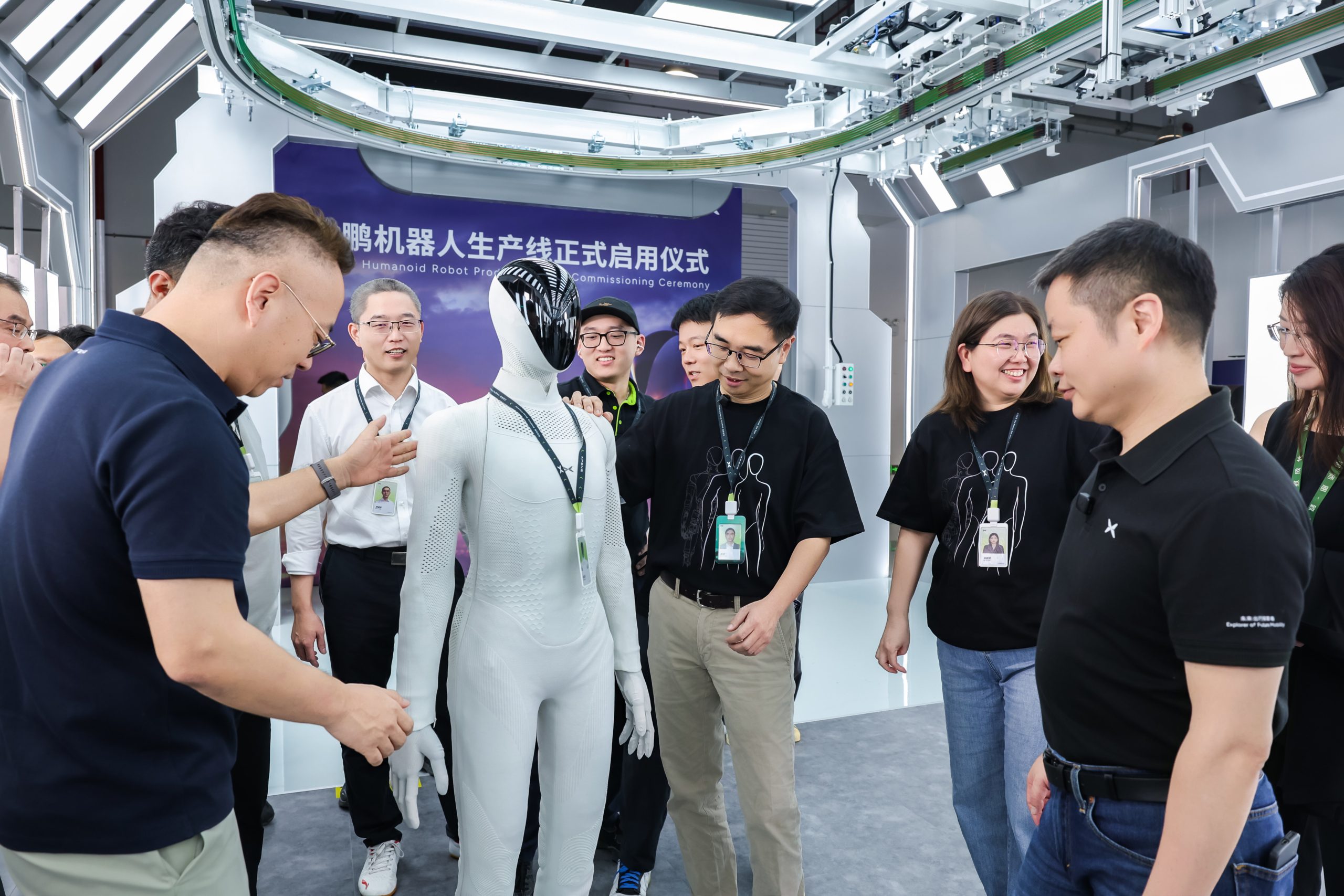
Xpeng Launches Automated Humanoid Robot Production Lines in China
Xpeng has announced the commissioning of humanoid robot production lines in China, with over 80% of core processes being automated. This significant step highlights Xpeng's commitment to advancing robotics technology in manufacturing. The automation of these production lines is crucial as it enhances efficiency and reduces labor costs, positioning Xpeng as a competitive player in the robotics sector. The move reflects a broader trend in the industry towards increased automation and intelligent manufacturing practices. Looking ahead, it will be important to monitor how Xpeng's investment in automated humanoid robot production impacts its market position and the overall robotics landscape. No further timeline was disclosed at the time of publication.
News Robotics China Funding humanoid robots Xpeng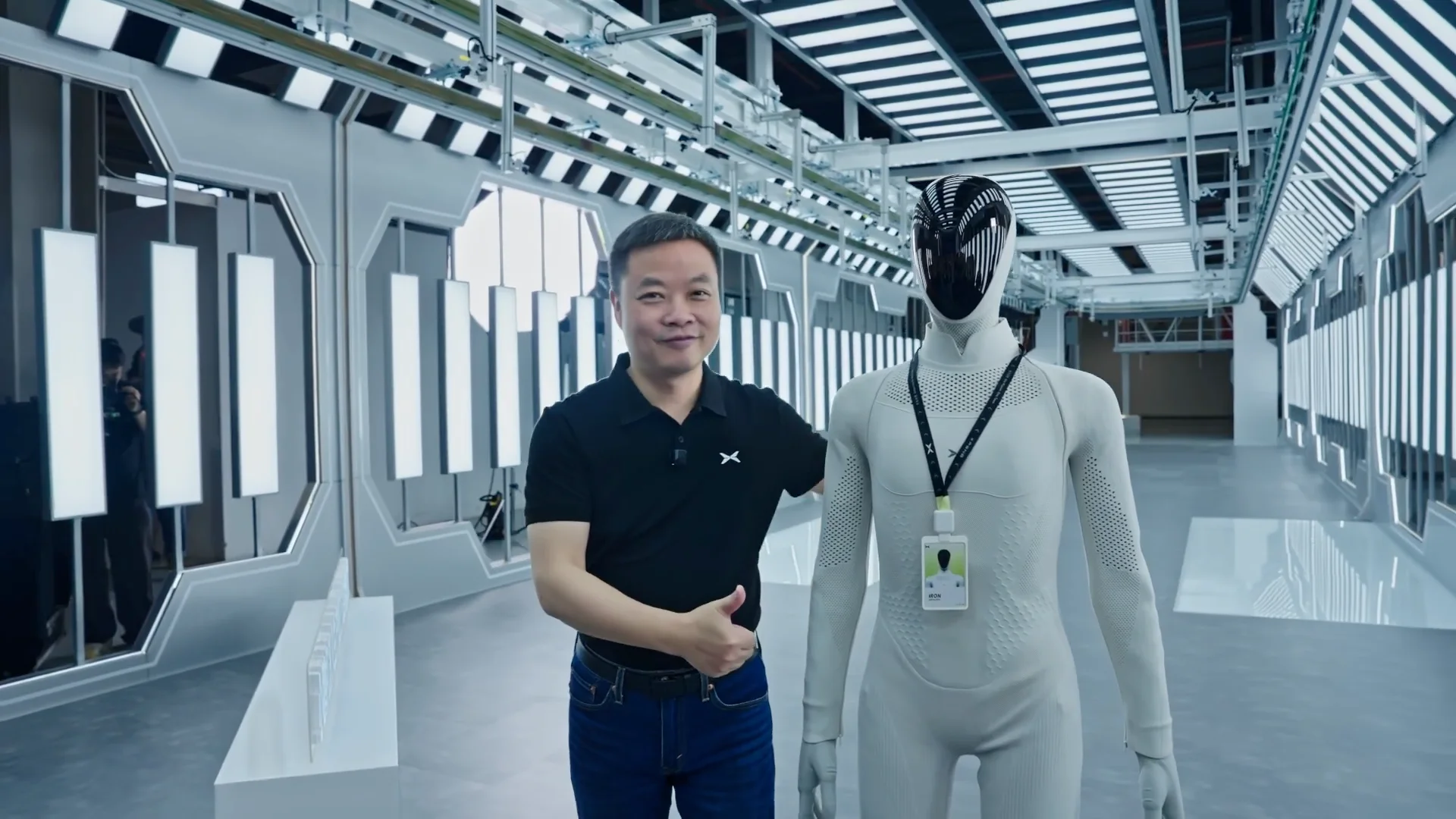
XPENG Begins Mass Production of IRON Humanoid Robot, Setting Industry Milestone
XPENG has officially commenced mass production of its humanoid robot, IRON, which it claims to be the first high-level general-purpose humanoid robot manufactured on a commercial assembly line. This milestone follows a significant $900 million funding round, positioning XPENG to challenge Tesla in the humanoid robotics sector. The importance of this development lies in XPENG's ability to leverage its automotive expertise to achieve over 80% automation in manufacturing, utilizing a supply chain that overlaps with its electric vehicle business. This strategic advantage allows for immediate economies of scale in components critical for humanoid robotics, contrasting with the stagnation seen in the broader sector. Looking ahead, XPENG's rapid progress in mass manufacturing could reshape competitive dynamics with Tesla, which is still finalizing its Gen 3 prototype. As XPENG moves forward with its automated assembly line, the company is not only meeting but exceeding its production timeline, indicating a shift in the landscape of humanoid robotics manufacturing.
China XPENG IRON
Xpeng Motors Reports Financial Losses While Securing $900 Million for Robotics Venture
On August 24, Xpeng Motors announced its 2026 mid-year financial report, revealing a revenue of 32.78 billion yuan, a 3.8% year-on-year decline, and a net loss of 3.12 billion yuan, which is a 173.4% increase compared to the previous year. In contrast, the same night, the company secured $900 million in funding for its humanoid robot, achieving a valuation of $6.3 billion. This stark contrast in financial performance highlights a shift in market perception, with the robotics division being valued nearly half of the parent company's total market value. Analysts noted that excluding the robot's valuation, Xpeng's automotive business is valued at only $6.5 billion, indicating a significant decline in the automotive sector's worth. Looking ahead, Xpeng has set a clear production timeline for its humanoid robot, IRON, with mass production slated to begin by the end of 2026 and deliveries expected in 2027. The company’s experience in automotive manufacturing may provide a competitive edge in overcoming the challenges of scaling robot production.
Humanoid Robots AI Automotive Technology Robotics Investment
Xpeng Experiences Executive Departures Amid Robotics Talent Migration
In recent years, China's tech talent has been migrating from the internet to new energy and now to embodied intelligence. Following a trend that began around 2015, top talent in autonomous driving and AI architecture is increasingly moving to robotics companies. Xpeng has become a focal point in this talent shift, with key executives leaving the company, including former Vice President of Products Chen Yonghai and former Vice President of Autonomous Driving Li Liyun. Despite the executive exodus, Xpeng's robotics division has attracted significant investment, securing over $900 million in its first funding round, resulting in a post-money valuation exceeding $6.3 billion. This funding round, led by IDG Capital with participation from Gao Rong Capital, Tencent, and Alibaba, set a record for the largest single round of private equity financing in China's embodied intelligence sector. The juxtaposition of executive departures and substantial capital investment highlights the contrasting narratives surrounding Xpeng's robotics initiatives. Looking ahead, the ongoing talent migration may continue to impact Xpeng's operational capabilities, as at least six core executives have departed within a year, covering critical areas such as autonomous driving and AI infrastructure. No further timeline was disclosed at the time of publication.
Robotics AI Automotive Industry Talent Migration
XPeng Launches Major Upgrade to Second-Gen VLA with Dynamic 4D Spacetime Understanding
XPeng has introduced a significant upgrade to its second-generation Vehicle Learning Architecture (VLA), enhancing it with dynamic 4D spacetime understanding. This advancement enables production cars to exhibit Robotaxi-grade Level 4 (L4) autonomous behavior, marking a notable step forward in the integration of physical AI. The introduction of 4D spacetime capabilities is crucial as it allows vehicles to better interpret their environments and make real-time decisions, which is essential for safe autonomous driving. This upgrade positions XPeng at the forefront of the autonomous vehicle industry, showcasing its commitment to innovation and advanced technology. Looking ahead, industry observers will be keen to see how this upgrade impacts XPeng's market position and the broader implications for autonomous vehicle technology. No further timeline was disclosed at the time of publication.
Auto
XPeng Secures $900 Million for Robotics Business, Valued at $6.3 Billion
XPeng has successfully raised over $900 million for its robotics division, achieving a post-money valuation exceeding $6.3 billion. This funding marks the largest single-round private capital raise in China's embodied AI sector, with contributions from IDG Capital, Gaorong Ventures, Tencent, and Alibaba. The capital will support the development of robotics hardware and software, training AI models, and expanding production facilities. This financing is crucial as XPeng prepares for the mass production of its IRON humanoid robot, expected to begin by the end of 2026. The IRON robot, designed for various applications, boasts 76 degrees of freedom and is powered by three Turing AI chips, enabling autonomous operation. The initial deployments will occur at XPeng stores and campuses, with a broader commercial launch planned for 2027 in both China and international markets. Looking ahead, XPeng's IRON humanoid robot is positioned as a key player in the global humanoid robotics market. The company's strategy leverages its automotive manufacturing expertise to enhance robotics production, aiming to create a self-reinforcing cycle of data generation and model deployment. No further timeline was disclosed at the time of publication.
Automotive Humanoids News Robotics alibaba china robotics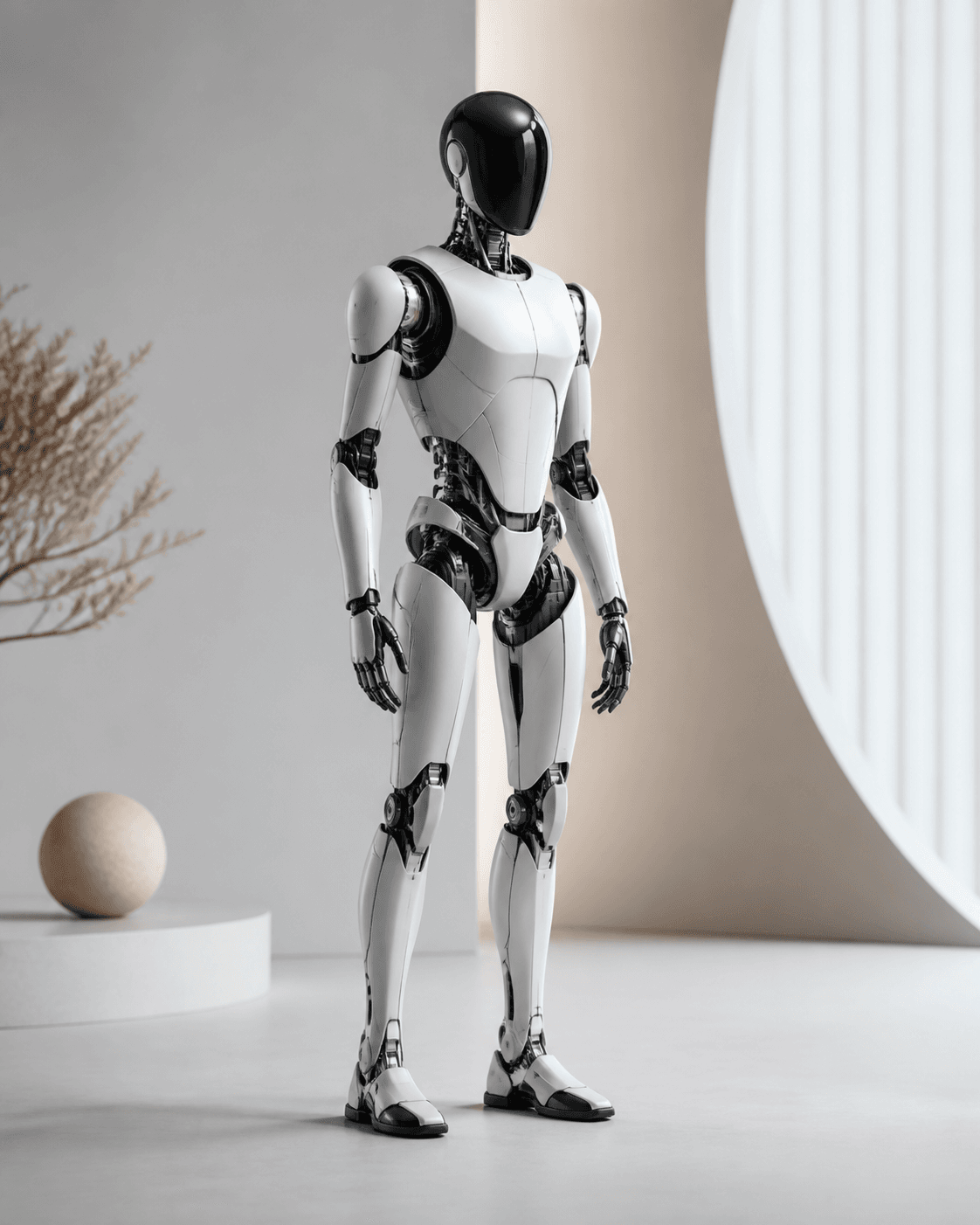
XPeng Secures Over $900 Million for Humanoid Robot Business Amid Automotive Edge
XPeng has successfully completed a record first funding round for its humanoid robot division, raising over $900 million. This significant investment highlights XPeng's commitment to expanding its capabilities in the robotics sector. The funding is particularly noteworthy as XPeng believes its established automotive supply chain will provide a competitive advantage in the mass production of humanoid robots. This strategic move positions XPeng to leverage its existing resources and expertise in robotics. Looking ahead, XPeng's focus on humanoid robots will be crucial as the company aims to differentiate itself in a rapidly evolving market. No further timeline was disclosed at the time of publication.
XPeng's Robotics Division Secures $900 Million in Record Funding Round
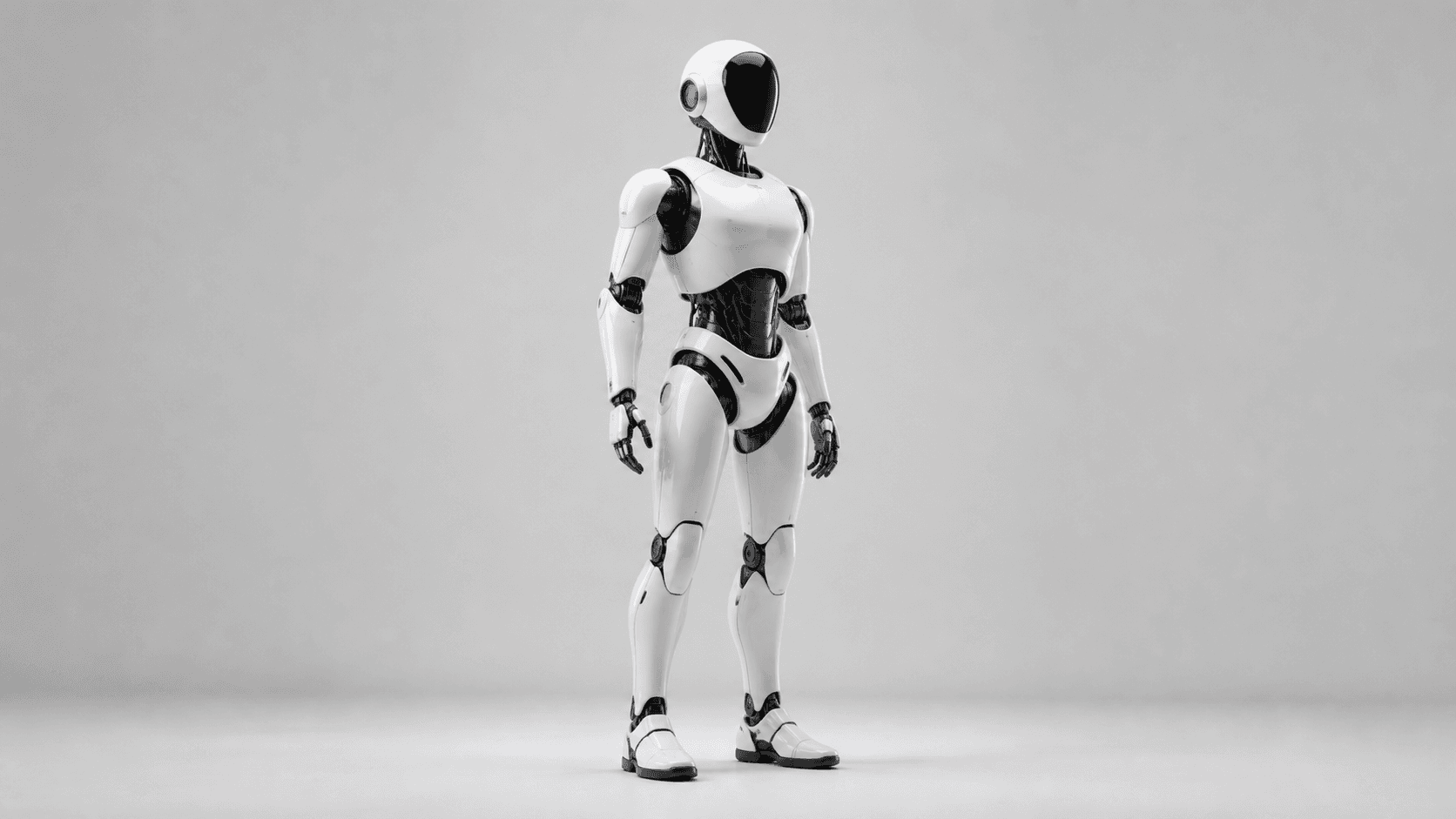
XPeng's robotics unit has successfully completed a first funding round, raising over $900 million at a valuation of $6.3 billion. This significant investment round has attracted notable strategic investors, including Tencent and Alibaba, highlighting the growing interest in robotics within the automotive sector. The successful funding round is particularly important as it underscores the increasing focus on robotics technology, which is becoming a critical area for automakers like XPeng. The substantial valuation reflects investor confidence in the potential of XPeng's robotics initiatives, which may enhance the company's competitive edge in the evolving automotive landscape. Looking ahead, industry observers will be keen to see how XPeng leverages this funding to advance its robotics technology and what impact it may have on its overall business strategy. No further timeline was disclosed at the time of publication.
XPeng's Robotics Division Secures Over $900 Million at $6.3 Billion Valuation
XPeng announced that its robotics division has successfully entered into share purchase agreements with various investors, raising over $900 million. This funding round, led by IDG Capital, includes participation from Gaorong Ventures and strategic investments from Tencent and Alibaba, achieving a post-money valuation exceeding $6.3 billion. This significant investment is aimed at bolstering the production of humanoid robots and advancing research in Physical AI. The funding will facilitate the development of XPeng's Iron humanoid robot, which is anticipated to commence mass production by the end of 2026. Commercial deployments are projected for 2027, marking a critical step in XPeng's expansion into robotics. Looking ahead, stakeholders should monitor the progress of XPeng's Iron humanoid robot as it approaches mass production and the subsequent commercial rollout. The involvement of major investors like Tencent and Alibaba underscores the growing interest in humanoid robotics and AI technologies, which could reshape various sectors in the coming years. No further timeline was disclosed at the time of publication.
News Feed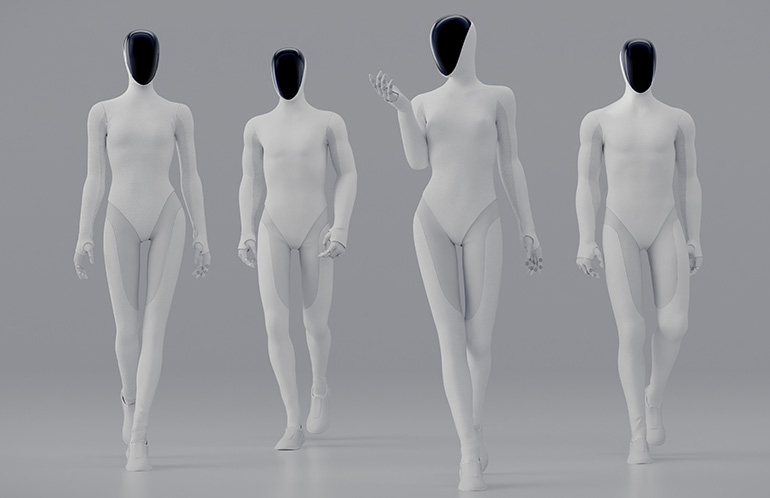
XPeng Motors' Dogotix Secures $900 Million for IRON Humanoid Robot Development
XPeng Motors announced that its Dogotix robotics unit has successfully raised over $900 million in its initial funding round, achieving a post-transaction valuation exceeding $6.3 billion. This funding will be utilized to enhance the development of hardware and software for the IRON humanoid robot, as well as to establish mass-production facilities and expand globally. The significance of this funding lies in XPeng's ambition to become a leader in AI mobility, with plans to produce 1,000 IRON humanoids monthly by the end of 2026. The humanoid robot is designed for applications in retail and industrial environments, with commercial deliveries expected to commence in 2027. This move aligns with a broader trend among automakers venturing into humanoid robotics, highlighting the growing market potential. Looking ahead, XPeng's Dogotix aims to leverage this investment to advance its robotics capabilities, while also facing competition from other automakers like Hyundai and Tesla, who are also developing humanoid robots. No further timeline was disclosed at the time of publication.
Automotive China Humanoids Investments Manufacturing News
Xpeng's Robotics Division Secures Over $900 Million in Series A Funding
Xpeng's robotics arm has successfully raised over $900 million in a Series A funding round. The company announced that these funds will be allocated towards research and development in hardware and software, physical AI training, smart manufacturing infrastructure, and efforts for global expansion. This significant investment highlights the growing interest and commitment to advancing robotics technology within the automotive sector. By focusing on R&D and smart manufacturing, Xpeng aims to enhance its capabilities in robotics and AI, which are crucial for maintaining competitiveness in the rapidly evolving market. Looking ahead, industry observers will be keen to see how Xpeng utilizes this funding to innovate and expand its robotics offerings. No further timeline was disclosed at the time of publication.
Artificial Intelligence Investments News Robotics Transportation Alibaba
Xpeng's Dogotix Secures $900 Million to Compete with Tesla in Humanoid Robotics
Xpeng's subsidiary, Dogotix, has successfully raised $900 million in its latest financing round, valuing the company at $6.3 billion. This funding, which includes $600 million from investors like Alibaba and Tencent, marks the largest private-equity deal for a Chinese robotics firm. The capital infusion positions Xpeng to compete against Tesla in the humanoid robotics market, aiming to leverage global interest in embodied AI. The significance of this funding lies in Xpeng's ambition to establish itself as a leader in physical AI and humanoid robotics. He Xiaopeng, co-founder and CEO, expressed confidence that Xpeng will not only become one of China's most valuable humanoid robotics companies but also lead the commercialization of advanced humanoid robots and autonomous driving technologies both domestically and internationally. Looking ahead, Xpeng's recent financial performance shows a widening net loss of 1.34 billion yuan ($199.4 million) in Q2, alongside a rise in R&D costs. As Xpeng embarks on this new venture, industry watchers will be keen to see how effectively it can leverage this funding to innovate and compete in the rapidly evolving robotics landscape. No further timeline was disclosed at the time of publication.
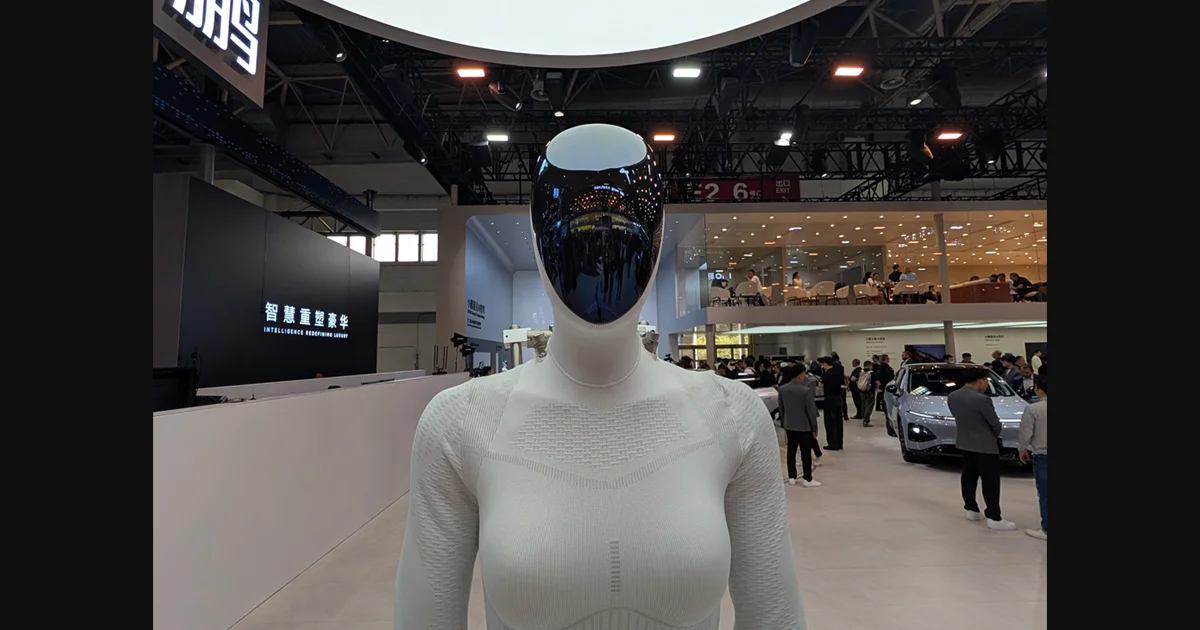
XPENG Robotics Secures Over $900 Million to Advance IRON Humanoid Development
Chinese automaker XPENG has raised over $900 million for its humanoid robotics division, achieving a valuation exceeding $6.3 billion. This funding round, led by IDG Capital and Gaorong Ventures with support from Alibaba and Tencent, is the largest in China's embodied AI sector. The capital will be used to enhance hardware and software research, train physical foundation models, and expand manufacturing capabilities. This significant investment underscores XPENG's commitment to integrating its robotics unit with its existing smart electric vehicle ecosystem, ensuring shared resources and operational efficiencies. The funds will support the establishment of a dedicated humanoid manufacturing hub in Guangzhou, designed to manage the entire lifecycle of the IRON humanoid, from data collection to automated assembly. Looking ahead, XPENG aims to begin mass production of the IRON humanoid by late 2026, following a phased deployment strategy. The updated humanoid features advanced specifications, including 76 degrees of freedom and AI-native architecture powered by proprietary Turing AI chips, positioning it for complex autonomous tasks in various environments.
Market China XPENG
Xpeng's Robot Unit Aims to Secure $900 Million Investment from Alibaba and Tencent
Xpeng Inc.'s robot unit is set to raise $900 million from notable investors such as Alibaba Group Holding Ltd. and Tencent Holdings Ltd. This significant funding will support Xpeng's strategic expansion into the humanoid robotics sector. The investment is crucial as it underscores the growing interest and competition in the humanoid robot market, where established tech giants like Alibaba and Tencent are looking to diversify their portfolios. Xpeng's initiative reflects a broader trend of automakers venturing into robotics, aiming to leverage their technological expertise in new domains. Looking ahead, industry watchers will be keen to see how Xpeng's robot unit utilizes this funding to advance its humanoid robot development. No further timeline was disclosed at the time of publication.

XPENG Robotics Secures Over $900 Million to Propel Humanoid Robot Development
XPENG's robotics division has successfully raised over $900 million, achieving a post-money valuation exceeding $6.3 billion. This funding marks a significant milestone as the largest single-round private financing in China's embodied AI sector. The investment round was spearheaded by prominent global investors, including IDG Capital, with contributions from Gaorong Ventures and strategic backing from Tencent and Alibaba. This financial boost is set to enhance XPENG's capabilities in mass-producing humanoid robots and advancing Physical AI model research and development. Looking ahead, the funding will facilitate XPENG's efforts to drive its general-purpose humanoid robots toward a new phase of global commercialization. No further timeline was disclosed at the time of publication.

Former XPeng VP Chen Yonghai Appointed COO at EngineAI to Drive Operations
Chen Yonghai, the former Vice President of Product at XPeng, has officially joined EngineAI in Shenzhen as Chief Operating Officer, reporting directly to Chairman and CEO Zhao Tongyang. His extensive background in internet and smart automotive sectors includes a significant tenure at Amap, where he oversaw platform product operations. Chen's role at EngineAI is pivotal as the company aims to enhance its product planning and operational structure, especially following a recent $200 million Series B funding round that valued the firm at over 10 billion yuan. With the company set to ramp up production of its T800 humanoid robots, Chen's expertise in mass production management is expected to facilitate a transition from technology demonstrations to scalable commercial products. Looking ahead, EngineAI is positioned to meet the growing demand for humanoid robots, especially as regulatory bodies push for deployment in key scenarios by the end of the year. Chen's appointment is seen as a critical step in achieving the company's ambitious goal of delivering thousands of units annually, amidst increasing competition in the humanoid robotics sector.
Humanoid Robots AI Product Development Automotive Technology
XPeng Launches G9L Flagship SUV Pre-Sale at 25.98 Million Yuan and Introduces VLA 6.3.0
XPeng officially launched the pre-sale of its G9L flagship five-seat SUV in Guangzhou on August 11, with a starting price of 25.98 million yuan. The SUV is available in four trims and features dual powertrains, catering to a diverse range of consumer preferences. The significance of this launch lies in XPeng's commitment to advancing its vehicle technology. The G9L not only represents a new addition to their lineup but also showcases the company's innovation in integrating advanced features. The introduction of the second-generation VLA model 6.3.0, which includes L4-grade Robotaxi capabilities, further emphasizes XPeng's focus on enhancing autonomous driving technologies. Looking ahead, industry watchers will be keen to see how the G9L performs in the competitive SUV market and the reception of its advanced features. No further timeline was disclosed at the time of publication.

Xpeng Reports G9L SUV Testing Across 26 Countries and 6.74 Million Kilometers
Xpeng announced that its G9L SUV has completed extensive road testing across 26 countries and regions, accumulating over 6.74 million kilometers since the project's inception three years ago. The testing encompassed a variety of complex road conditions and extreme environments to ensure the vehicle's performance and reliability. This extensive testing is significant as it highlights Xpeng's commitment to delivering a robust and capable flagship SUV. The G9L, designed as a global five-seat vehicle, is poised to enter the market soon, although a specific launch date has yet to be disclosed. Its specifications include a length of 5.12 meters and a wheelbase of 3.1 meters, showcasing its spacious design. Looking ahead, industry observers will be keen to see the official launch date for the G9L SUV and how it performs in the competitive electric vehicle market. With its dual-motor system producing a combined peak output of 430 kilowatts, the G9L aims to attract consumers seeking high performance and advanced technology in their vehicles. No further timeline was disclosed at the time of publication.
News Feed
Former XPeng VP Chen Yonghai Joins Zhongqing Robotics as Company Pursues Mass Production
On August 6, it was reported that Chen Yonghai, former Vice President of Product at XPeng Motors, has officially joined Zhongqing Robotics as Chief Operating Officer, reporting to Chairman and CEO Zhao Tongyang. Chen, who has a 15-year relationship with XPeng founder He Xiaopeng, previously led product development and planning at XPeng, and his expertise is expected to bolster Zhongqing's transition from laboratory to mass production. Zhongqing Robotics is currently at a critical juncture, aiming for large-scale delivery following a $200 million Series B funding round in April, which valued the company at over 10 billion RMB. The first batch of T800 humanoid robots, produced in Henan, rolled off the assembly line in May, with the company targeting a delivery capacity of thousands of units. Industry experts believe that achieving an annual output of 10,000 units is pivotal for robotic companies to shift from custom production to industrial-scale operations. Chen's experience in the automotive sector, particularly in identifying target users and scenarios, is seen as crucial for the commercialization of robotics. As the industry evolves from research-focused applications to enterprise solutions, the ability to manage production, control costs, and define products will be key. Chen's addition to Zhongqing Robotics may provide the competitive edge needed to excel in this mass production race.
Humanoid Robots Robotics Industry Mass Production Automotive Technology
Xpeng's IRON Robot Set to Transform Retail and Labor in Australia
Xpeng Motors, a leading Chinese electric vehicle manufacturer, is set to introduce its humanoid robot, IRON, in Australia as part of its global strategy. Standing at 1.73 meters, IRON is designed to assist in car showrooms by greeting customers, answering queries, and guiding test drives, marking a significant shift in the retail profession. The introduction of IRON is significant due to the ongoing labor shortages in Australia’s retail, customer service, and factory sectors. Xpeng aims to redefine the workforce by integrating robots into roles traditionally held by humans, offering a solution that does not require breaks or rest. Looking ahead, Xpeng plans to launch IRON globally by 2027, with a production target of over 1,000 units per month by the end of 2026. The robot's advanced technology, derived from Xpeng's autonomous driving systems, positions it as a competitive option in various operational environments, including factories and logistics.
Humanoid Robots Retail Automation AI Technology Workforce Solutions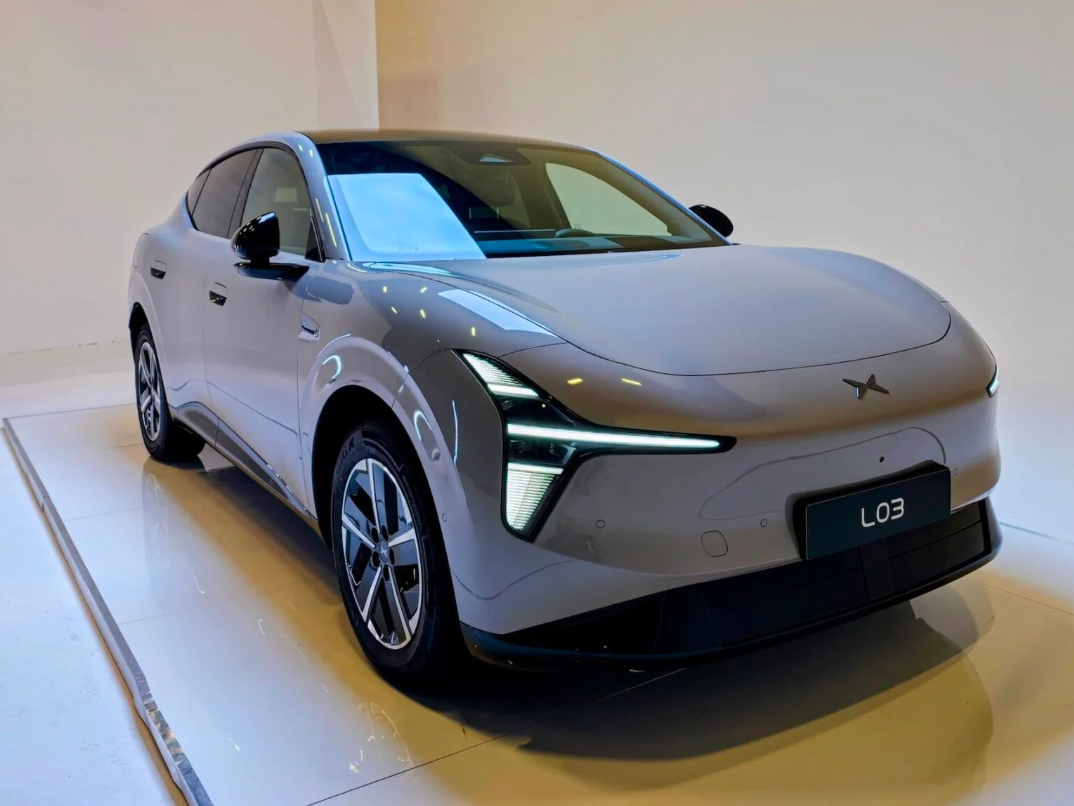
Xpeng Transforms into 'Physical AI Company' at Munich Event with New Innovations
On July 16, Xpeng Motors held its 'XPENG LIVE: PHYSICAL AI FOR ALL' brand day in Munich, showcasing its evolution from an automotive manufacturer to a 'physical AI company.' The highlight was the global debut of the MONA series L03, designed by former Ferrari chief designer JuanMa Lopez, featuring a low drag coefficient of 0.228Cd and offering both pure electric and super extended range options across nine configurations, priced between 123,800 to 156,800 RMB. The L03 is equipped with Xpeng's self-developed Turing AI chip, providing up to 750 TOPS for the Max version and 1500 TOPS for the Ultra SE version, alongside the second-generation VLA large model. The pure electric version boasts a CLTC range of 525km or 625km and supports 3C fast charging, achieving 10%-80% charge in just 19.1 minutes, while the extended range version offers a maximum comprehensive range of 1330km. Additionally, Xpeng introduced its split-type flying car, the 'land aircraft carrier,' which has completed its first flight in Dubai and has over 7,000 global orders. The humanoid robot IRON is set to launch globally in 2027, with a production target of over 1,000 units per month by late 2026. Chairman He Xiaopeng emphasized the company's mission to leverage technology to transform mobility and lifestyle, marking a significant shift in Xpeng's identity and vision for the future of movement.
Electric Vehicles Flying Cars Humanoid Robots AI Technology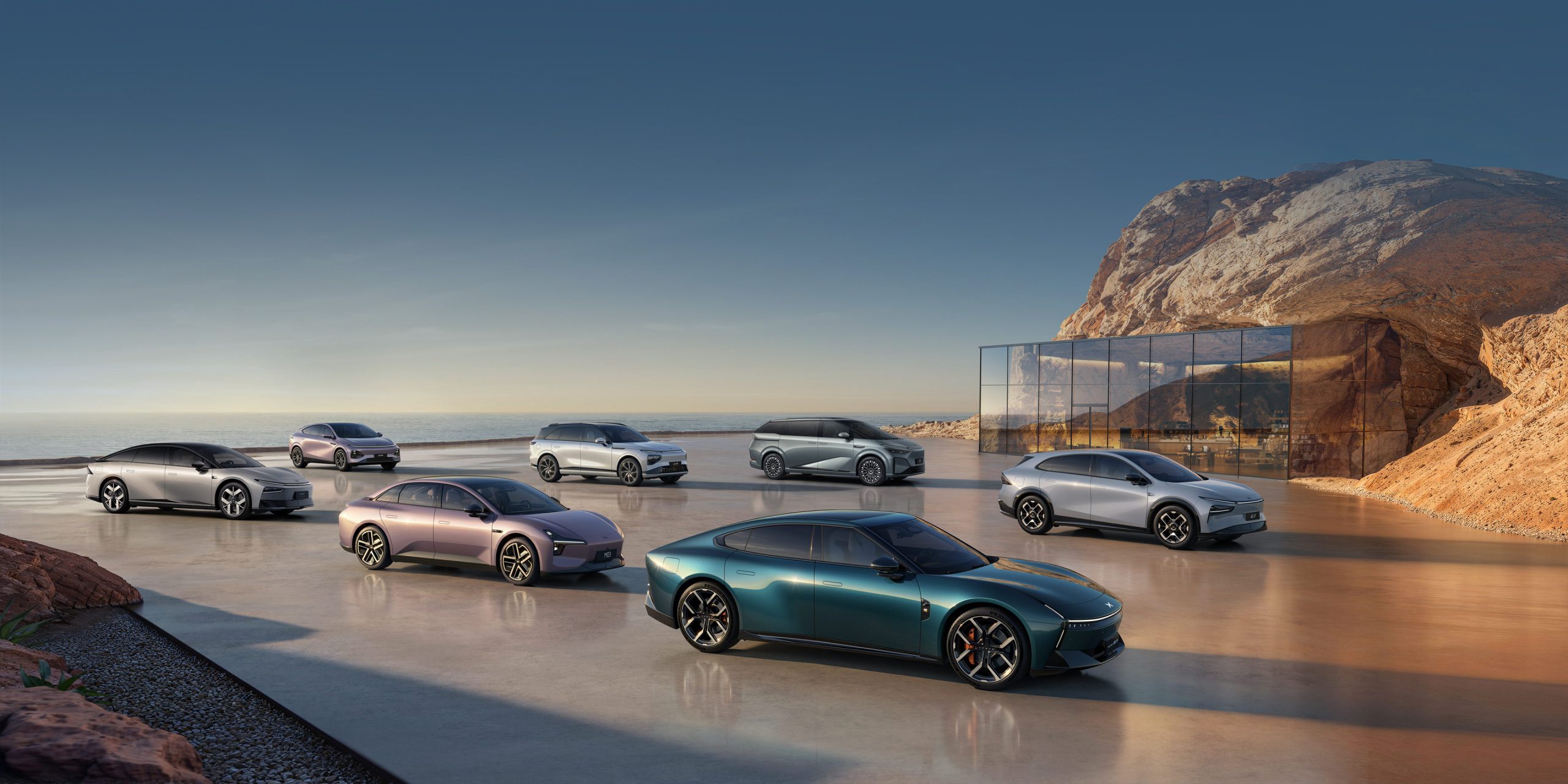
XPENG Introduces TuringViT for Enhanced Smart Driving and Humanoid Robotics
XPENG has launched TuringViT, a vision encoder designed for vision-language and vision-language-action models, applicable in smart driving and its humanoid robot program, IRON. The company offers two versions: TuringViT-18L and TuringViT-24L, with the former achieving a resolution of 1536×1536 and impressive throughput metrics. The significance of TuringViT lies in its performance, with TuringViT-18L reportedly reaching 3.04 times the throughput of Seed1.5-ViT and 2.16 times that of SigLIP2-ViT-L. This advancement is attributed to the model being trained on a substantial dataset of 850 million image-text pairs, resulting in an average score of 83.6% across six zero-shot benchmarks, surpassing open-source models trained on 10 billion samples. Looking ahead, the implications of TuringViT for smart driving and humanoid robotics are noteworthy, as XPENG continues to innovate in these fields. No further timeline was disclosed at the time of publication.
News Feed
XPeng CEO Completes First Fully Driverless Robotaxi Trip, Marking Key Milestone
XPeng, the Guangzhou-based electric vehicle manufacturer, has made significant strides in its robotaxi ambitions. CEO He Xiaopeng recently completed the first full robotaxi trip, showcasing the integration of the company's ride-hailing, dispatch, and pick-up systems. This milestone signifies the beginning of employee testing for XPeng's robotaxi platform, which was unveiled at the 2025 AI Day. The importance of this development lies in XPeng's transition from smart electric vehicles to fully robotic vehicles. He Xiaopeng emphasized that this service is crucial for advancing physical AI, which is designed for real-world applications. The robotaxi, based on the XPeng GX model, is China's first mass-produced vehicle engineered for Level 4 autonomy, capable of driving itself in most conditions without human intervention. Looking ahead, XPeng secured a road-testing permit in Guangzhou and established a dedicated robotaxi business unit. Pilot operations are set for the second half of 2026, with aspirations for fully autonomous operations without an on-site safety officer by early 2027. No further timeline was disclosed at the time of publication.
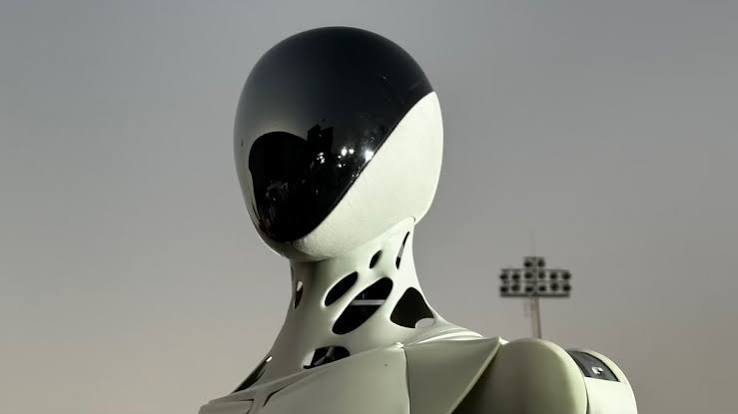
Xpeng Motors Launches Automated Production Line for Humanoid Robot IRON in Guangzhou
In September 2026, Xpeng Motors officially launched the automated production line for its humanoid robot IRON in Guangzhou, aiming for mass production by the end of the year. This initiative signifies the transfer of quality management systems from automotive manufacturing to the robotics sector, as stated by Xpeng CEO He Xiaopeng during the launch ceremony. This move is part of a broader trend, with over 140 humanoid robot manufacturers in China, which released more than 330 humanoid robot products in the past year. According to Omdia, Chinese companies accounted for nearly 80% of the global humanoid robot shipment volume in 2025, with ZhiYuan Robotics leading in deliveries. The rapid integration of advanced algorithms into hardware by Chinese manufacturers has given them a competitive edge in this emerging market. Despite the excitement, concerns remain about the sustainability of the industry, as many companies are startups focusing on basic functionalities. The launch of Xpeng's production line may serve as a model for integrating established automotive manufacturing practices into robotics, but significant challenges remain before achieving true commercial viability in the humanoid robot sector.
Humanoid Robots Robot Manufacturing Automation AI Industrial Robotics
Xpeng Unveils TuringViT Efficient Visual Encoder for Advanced Applications
Xpeng has officially launched the TuringViT efficient visual encoder, aimed at systematically restructuring the architecture design, data paradigm, and training processes for the VLM/VLA era. This innovative encoder will comprehensively support three major business scenarios: intelligent driving, smart cockpits, and the IRON humanoid robot. The introduction of TuringViT is significant as it represents a strategic advancement in visual encoding technology, which is crucial for enhancing the capabilities of autonomous systems. By focusing on the VLM/VLA era, Xpeng positions itself at the forefront of technological evolution in the automotive and robotics sectors. Looking ahead, industry observers should monitor how TuringViT integrates into Xpeng's existing product lines and its impact on the competitive landscape. No further timeline was disclosed at the time of publication.
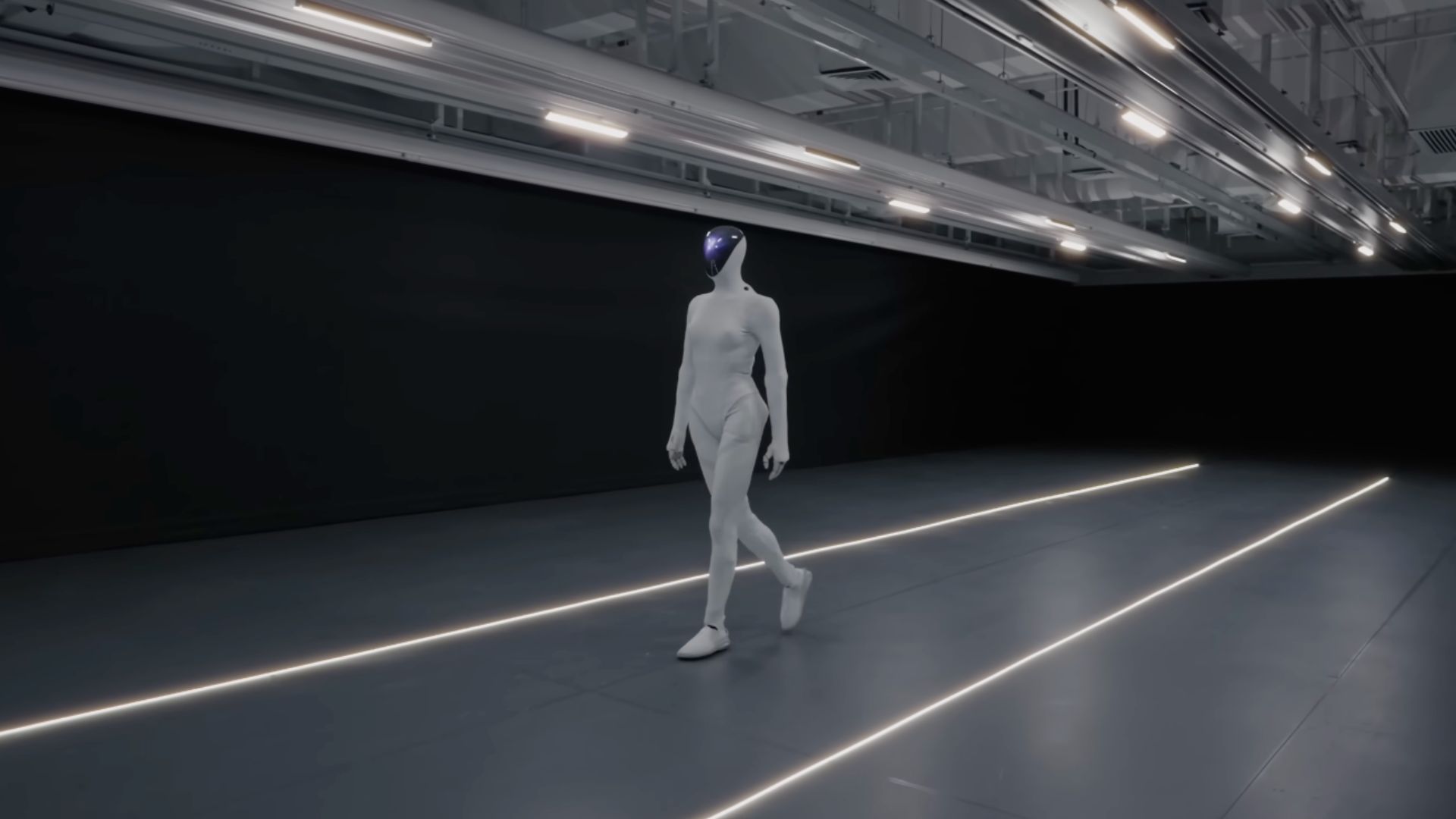
Xpeng Aims for 1,000 Monthly Iron Humanoid Robots Production by End of 2026
Chinese electric vehicle maker Xpeng is ramping up production of its Iron humanoid robot, targeting over 1,000 units monthly by the end of 2026. This increase is in preparation for a global rollout planned for 2027, with initial deployment as sales assistants in China showrooms. The significance of this move lies in Xpeng's strategy to expand beyond electric vehicles into embodied artificial intelligence. The Iron robot, unveiled in November 2025, showcases advanced mobility and AI capabilities, positioning Xpeng to establish a presence in the humanoid robotics market. Looking ahead, Xpeng's focus will be on integrating AI and robotics with its existing smart mobility technologies. The company aims to leverage its expertise in autonomous driving while continuing to grow its core EV business. No further timeline was disclosed at the time of publication.
AI and Robotics
XPeng Is Getting Serious About Physical AI as Its CEO Takes Over the Robotics Division
XPeng, a leading Chinese electric vehicle manufacturer, is intensifying its focus on physical AI as competition in the EV sector escalates. CEO He Xiaopeng will assume control of the company's robotics division, coinciding with the anticipated mass production and commercialization of its humanoid IRON robots. This strategic move aims to diversify XPeng's offerings beyond electric vehicles, with plans to launch commercial sales in China and internationally next year. The announcement comes amid challenges for XPeng, including a significant decline in vehicle deliveries and stock performance, with a 24.34% drop over the past year. In the first quarter of 2026, the company reported a 33.3% decrease in vehicle deliveries compared to the same period in 2025, alongside a 295.9% increase in net losses. Despite these setbacks, XPeng's gross margin improved, and analysts have mixed but generally favorable views on the company's stock, with several upgrades following its recent earnings report. XPeng aims to deliver between 100,000 and 106,000 vehicles in the second quarter of 2026, projecting revenue growth of approximately 7.3% to 13.8% year-over-year. As XPeng ventures into robotics, it seeks to position itself as a leader in intelligent mobility solutions, leveraging advanced technology to enhance customer experiences.
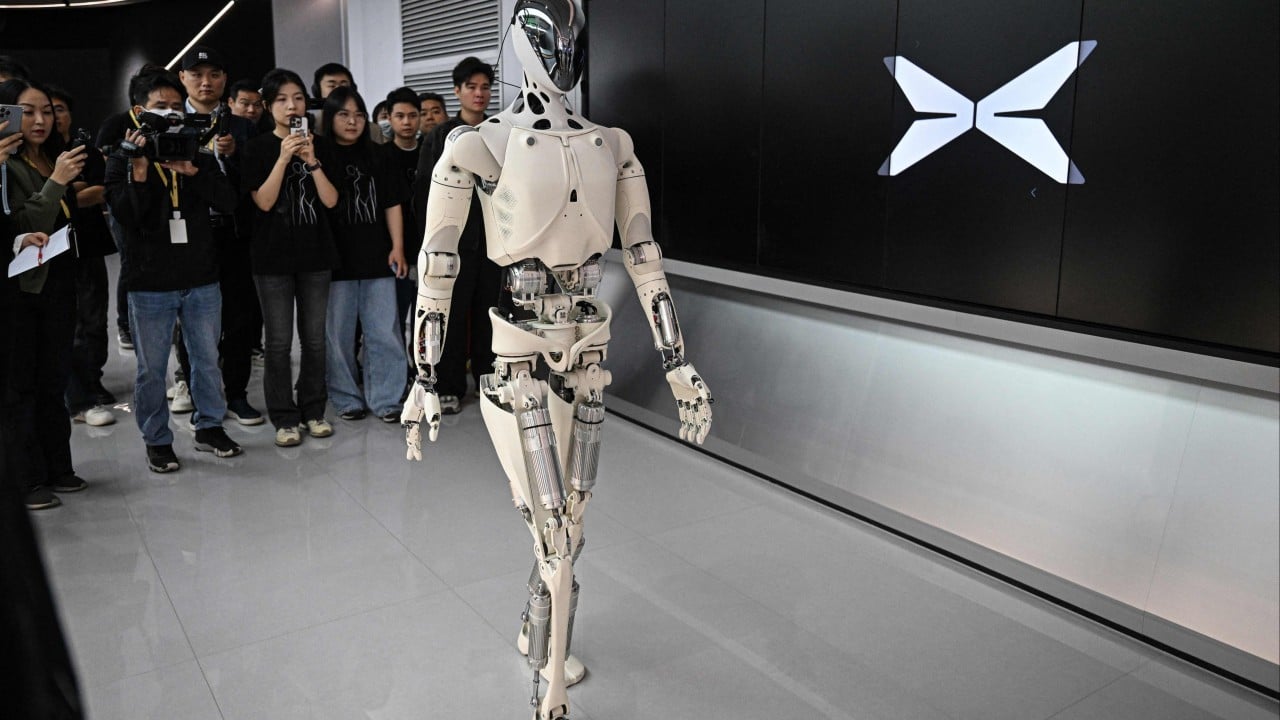
From electric cars to humanoids: Xpeng boss takes over robotics unit at ‘turning point’
Xpeng's chairman and CEO, He Xiaopeng, is intensifying his commitment to transforming the company into a leader in "physical AI" by taking direct control of its robotics division. This decision comes just months ahead of the anticipated mass production of the company's humanoid robots. In an internal memo shared on Wednesday, He announced his new role as head of the robotics department, describing this shift as a strategic pivot for the company. He emphasized that the robotics unit has reached a crucial turning point, signaling a significant evolution in Xpeng's business strategy as it aims to integrate advanced AI capabilities into its product offerings.
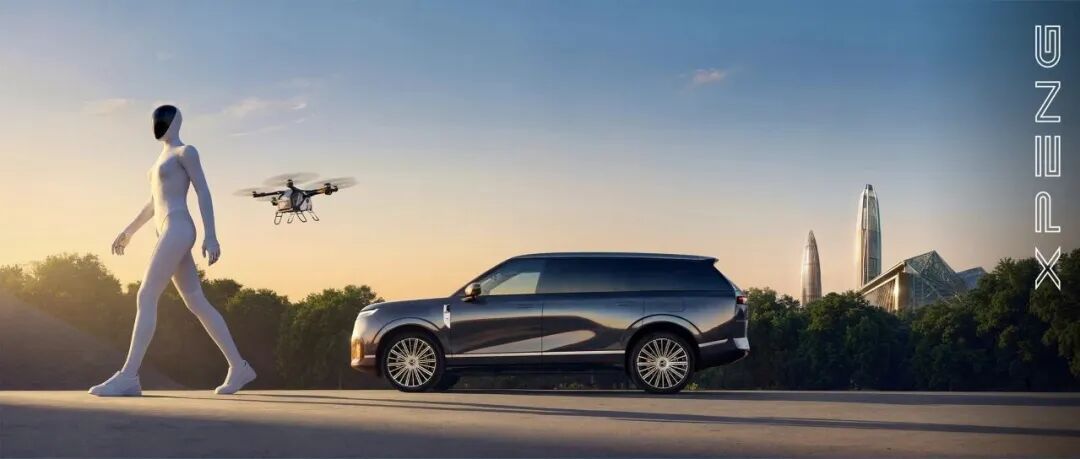
XPeng Brings Full Physical AI Product Lineup to 2026 GBA Auto Show
XPeng unveiled its comprehensive range of physical AI products at the 2026 GBA Auto Show, emphasizing advancements in autonomous driving and embodied AI technologies that extend beyond conventional electric vehicles. The event, held in the Greater Bay Area, served as a platform for the company to demonstrate its innovative capabilities and commitment to integrating cutting-edge technology into the automotive sector. By showcasing these developments, XPeng aims to position itself at the forefront of the evolving automotive landscape, responding to the growing demand for smarter and more autonomous driving solutions. The exhibition highlighted the company's vision for the future of transportation, where AI plays a pivotal role in enhancing vehicle functionality and user experience.
News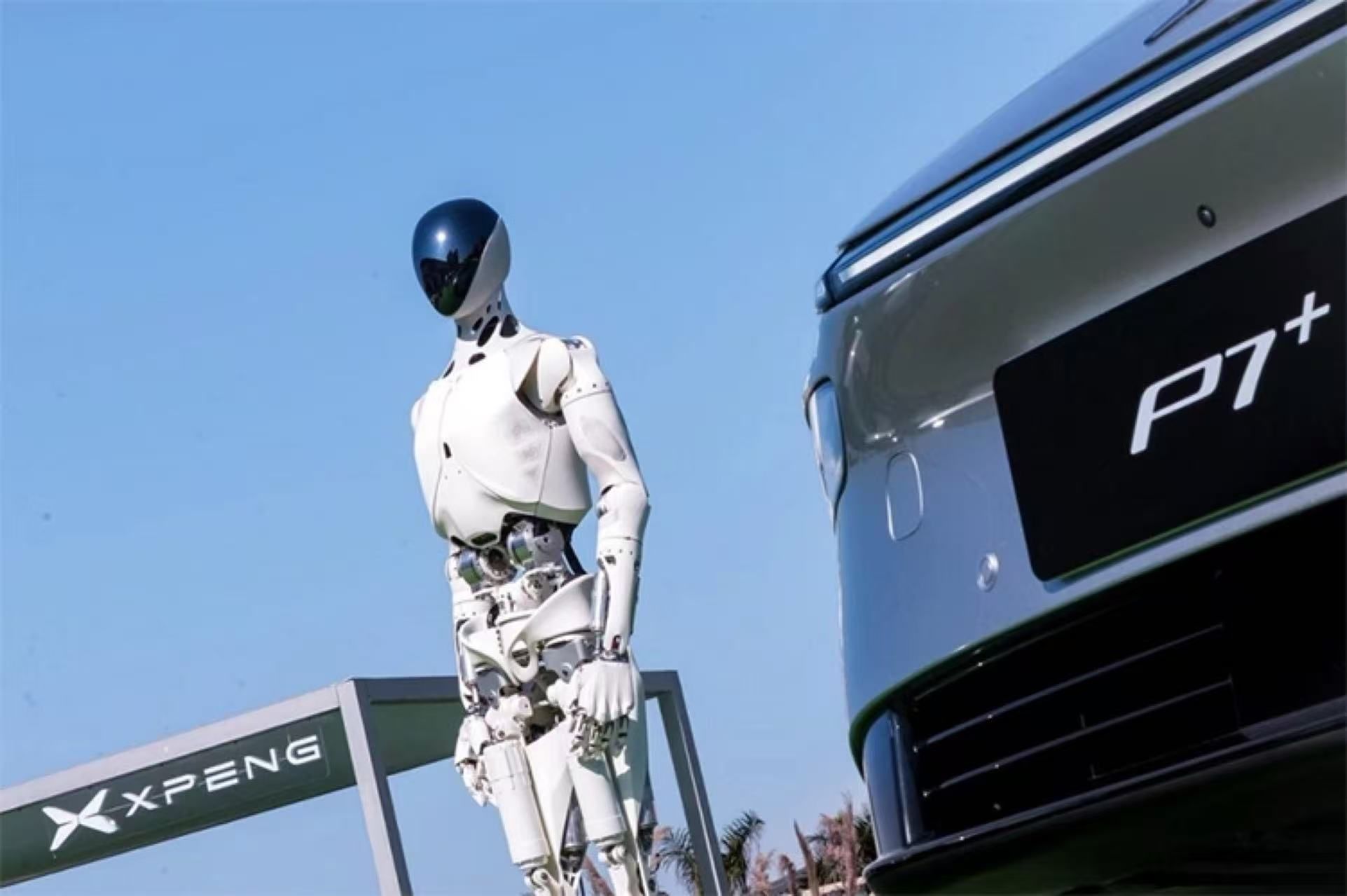
XPeng IRON Humanoid Robot Enters Mass Production Sprint, Set to Hit Showrooms in 2027
XPeng has announced the commencement of mass production for its IRON humanoid robot, with plans to manufacture thousands of units each month by the end of 2026. The company aims to deploy these robots in its retail stores starting in the first quarter of 2027. This initiative reflects XPeng's commitment to integrating advanced robotics into its operations, enhancing customer service and operational efficiency. The development of the IRON robot is part of XPeng's broader strategy to innovate within the automotive and technology sectors, leveraging cutting-edge technology to improve user experience and streamline business processes.
HumanoidRobotics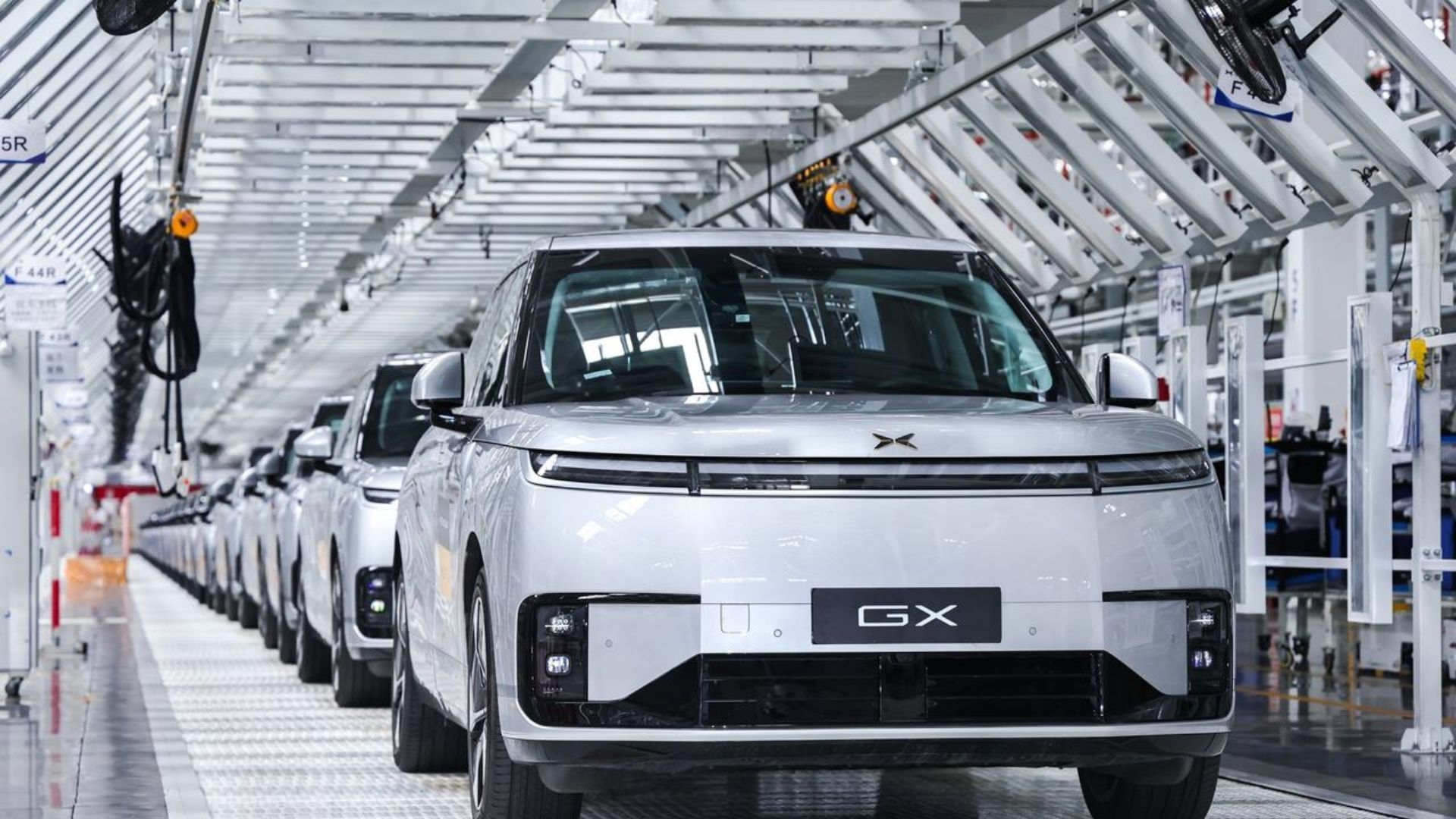
XPENG launches China’s first mass-produced robotaxi to challenge Tesla’s FSD
XPENG has launched China's first production-ready, pre-assembled robotaxi, marking a significant milestone in the country's autonomous vehicle industry. The vehicle, developed entirely in-house, showcases XPENG's commitment to innovation and technological advancement in the rapidly evolving transportation sector. This groundbreaking rollout occurred in October 2023, positioning XPENG at the forefront of the robotaxi market in China. The initiative aims to enhance urban mobility and reduce traffic congestion, responding to the growing demand for efficient and sustainable transportation solutions. By leveraging advanced artificial intelligence and cutting-edge engineering, XPENG's robotaxi is designed to operate safely and autonomously in various urban environments, paving the way for a new era of smart transportation.
XPeng Robotaxi First Production Vehicle Rolls Off Line, Pilot Operations Expected in H2 2026
China has marked a significant milestone in autonomous vehicle technology with the mass production of its first fully self-developed robotaxi, produced by a complete vehicle manufacturer. This innovative vehicle boasts an impressive 3,000 TOPS (trillions of operations per second) on-board computing power and is equipped with Level 4 (L4) autonomous driving capabilities, allowing it to operate without human intervention in specific conditions. The launch of this robotaxi comes at a time when the demand for advanced transportation solutions is rapidly increasing, driven by the need for safer and more efficient mobility options. The vehicle is set to revolutionize urban transportation, providing a glimpse into the future of automated travel in China.
AutonomousDriving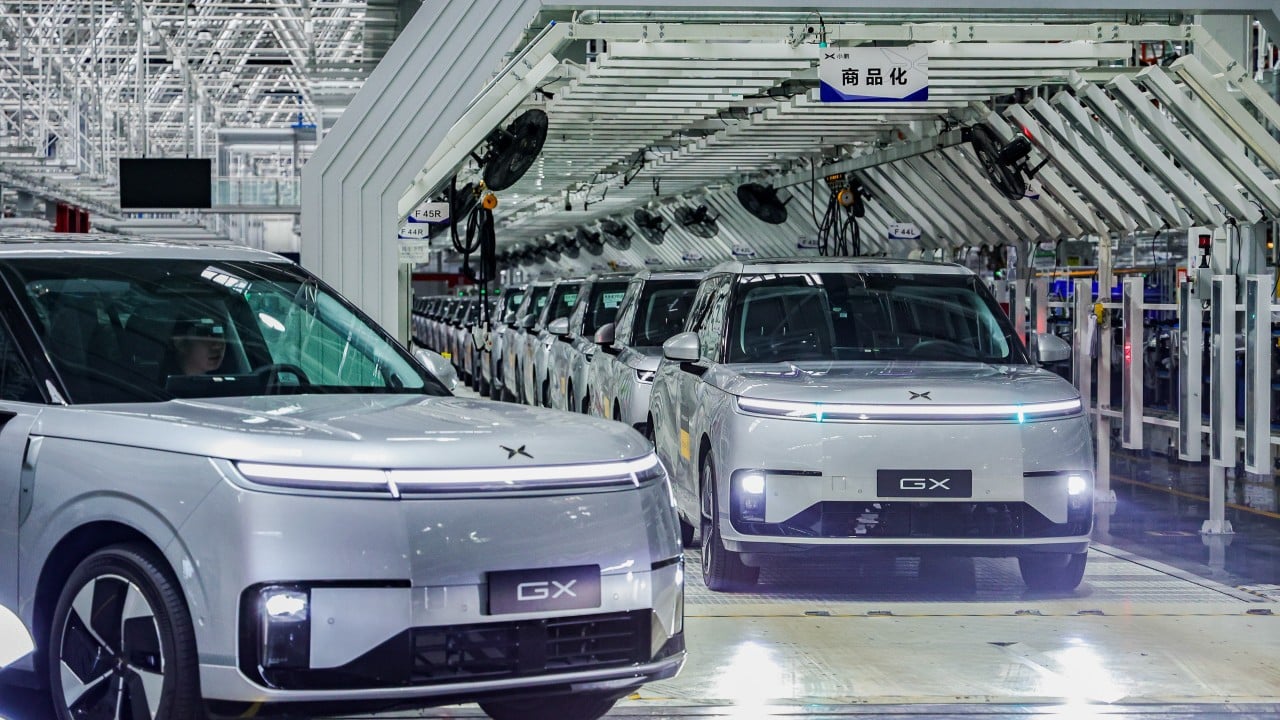
Chinese firm Xpeng builds driverless cabs, likely to challenge Tesla’s FSD software in AI race
Chinese electric vehicle manufacturer Xpeng has initiated mass production of autonomous cabs equipped with its proprietary chips, marking a significant advancement in the competitive landscape of self-driving technology. This development comes as both Xpeng and Tesla intensify their efforts to dominate the burgeoning market for robotaxis, following their previous competition in smart electric vehicles and humanoid robotics. Based in Guangzhou, Xpeng announced that its robotaxis will operate at level 4 (L4) autonomy, indicating a high degree of self-sufficiency in driving capabilities. The push into this sector is fueled by the rapid evolution of physical artificial intelligence technologies, which are reshaping the future of transportation. As both companies strive for leadership in autonomous driving, Xpeng's entry into the robotaxi market poses a formidable challenge to Tesla, further escalating the race for innovation in the electric vehicle industry.
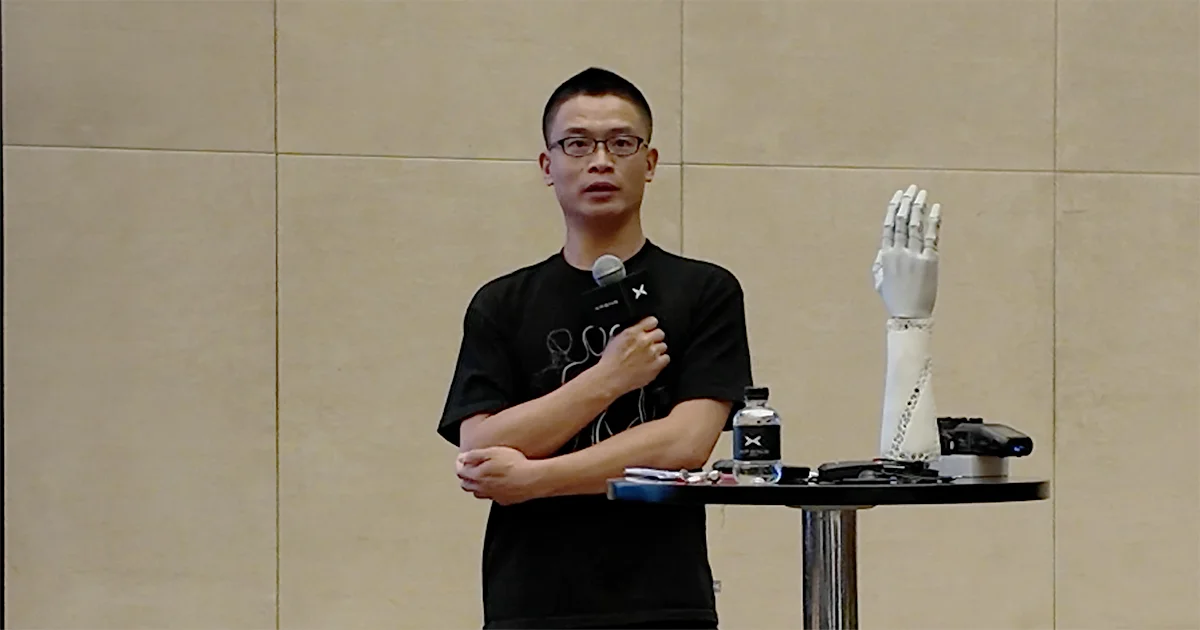
XPENG's Head of Robotics Admits Hardware is 'Bottleneck' as 2026 Production Goal Looms
At a recent technical workshop held in Beijing, Mi Liangchuan from XPENG highlighted the rapid advancements in robotic AI, particularly concerning the development of the 'Iron' humanoid robot. However, he emphasized that challenges persist, notably in hardware reliability and the absence of clear data strategies. These issues pose significant obstacles to further progress in the field, underscoring the need for improved solutions as the technology continues to evolve.
manufacturing China XPeng IRON
XPeng sets up Robotaxi unit, eyes pilot operations in second half of this year
Chinese electric vehicle manufacturer XPeng announced the establishment of a dedicated Robotaxi business unit on Monday. This new division will focus on product definition, project integration, research and development testing, and the operational management of its Robotaxi services. Operating as a first-level organizational division, the unit aims to enhance XPeng's autonomous mobility initiatives by utilizing shared resources across the company's various platforms. This strategic move underscores XPeng's commitment to advancing its capabilities in the autonomous vehicle sector.
News Feed
Volkswagen becomes launch customer for XPeng’s VLA 2.0 model
Volkswagen has been announced as the launch customer for XPeng's second-generation Vision-Language-Action model, according to CEO He Xiaopeng. This significant development, which could represent a pivotal moment for intelligent driving, was revealed on Wednesday. The model, first introduced by XPeng in November 2025, is touted as the company's first mass-produced large model designed to comprehend and anticipate real-world scenarios. This collaboration highlights XPeng's commitment to advancing intelligent driving technology and Volkswagen's interest in integrating innovative solutions into its vehicle lineup.
News Feed
Xpeng to Break Ground on "Full-Chain" Humanoid Factory to Meet 2026 Production Goal
Xpeng is making significant strides in its development of humanoid robotics by announcing the establishment of a 110,000-square-meter production base in Guangzhou. This facility marks a pivotal shift from the prototype phase to the industrialization of its "Iron" humanoid platform. The move is part of Xpeng's broader strategy to enhance its capabilities in the robotics sector, reflecting the company's commitment to innovation and technological advancement. The new production base is expected to facilitate the mass production of humanoid robots, positioning Xpeng as a competitive player in the rapidly evolving market.
China XPeng IRON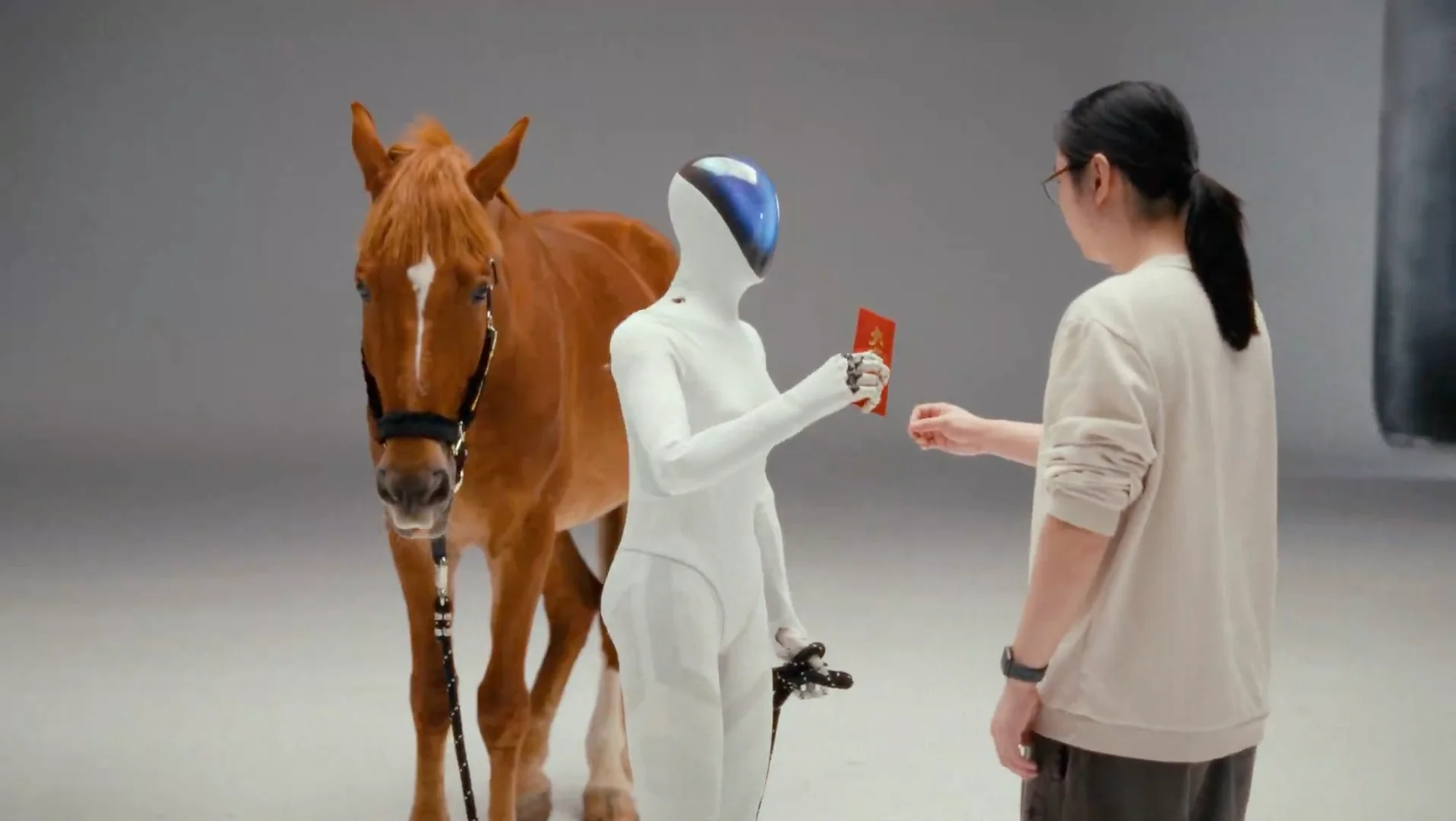
XPENG CEO Targets Late 2026 for Massive IRON Deployment
He Xiaopeng, the CEO of IRON, has reiterated the company's ambition to develop the world's first mass-produced high-level humanoid robot. This commitment was expressed in an internal letter and showcased during a festive demonstration on social media. The announcement highlights IRON's focus on advancing robotics technology, aiming to lead the market in humanoid production. By leveraging innovative engineering and design, the company seeks to address growing demand for advanced robotic solutions in various sectors. The initiative reflects a broader trend in the tech industry, where companies are increasingly investing in humanoid robotics to enhance automation and improve efficiency.
Xiaopeng He China XPeng IRON
XPeng Reportedly Merges Autonomous Driving and Smart Cockpit Units Into New General AI Center
XPeng has announced the merger of its autonomous driving center and smart cockpit center, forming a new entity known as the General AI Center. This strategic move aims to enhance the company's capabilities in artificial intelligence across various domains. The newly established center will be led by Liu Xianming, who previously headed the autonomous driving division, and will report directly to chairman and CEO He Xiaopeng. This reorganization reflects XPeng's commitment to advancing its AI technologies and integrating them more effectively within its operations. The announcement comes as the company seeks to strengthen its position in the competitive electric vehicle market, leveraging AI to improve user experience and vehicle performance.
News Feed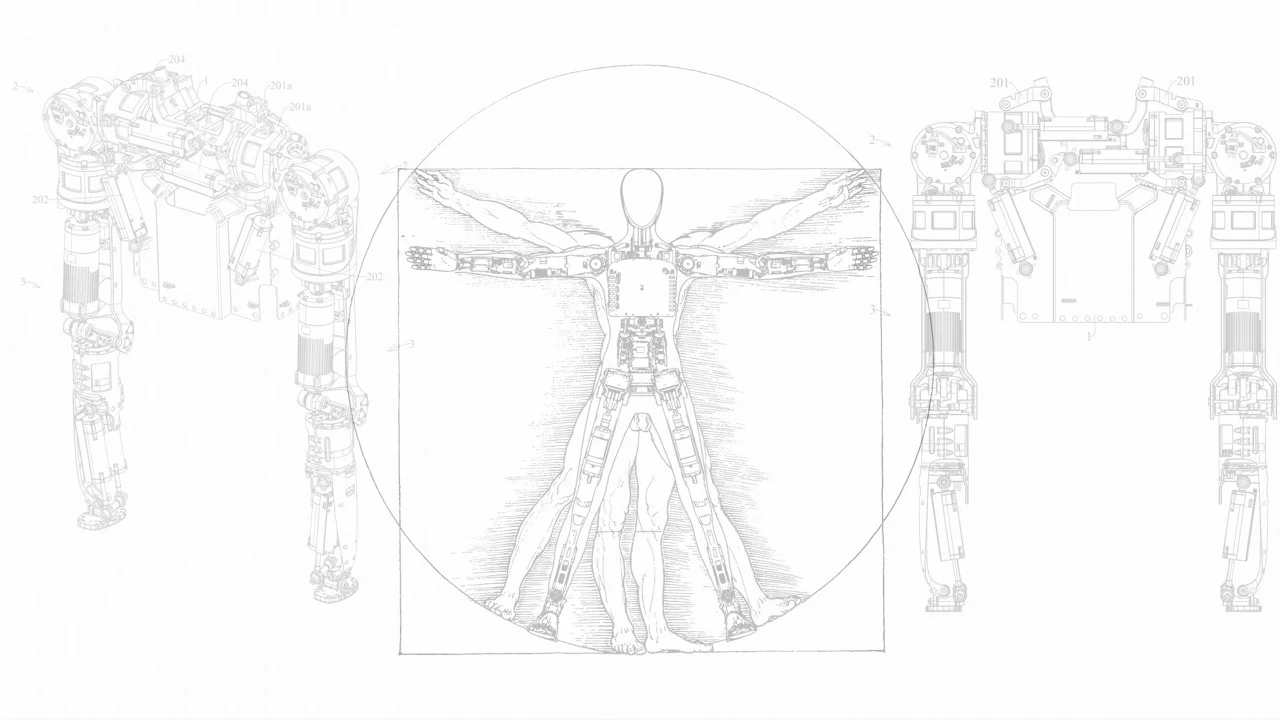
Simulating the 'Masterpiece': XPENG Robotics Unveils Design Framework and Lattice Musculature for IRON
XPENG Robotics has unveiled a comprehensive technical analysis detailing the innovative 'body logic' of its IRON humanoid robot. This deep-dive, released recently, highlights significant advancements in the robot's design, including a revamped reinforcement learning framework and proprietary algorithms that enable the simulation of intricate 3D-printed lattice muscles. The development aims to enhance the robot's functionality and adaptability, showcasing XPENG's commitment to pushing the boundaries of robotics technology. This initiative reflects the company's broader strategy to integrate advanced machine learning techniques with cutting-edge manufacturing processes, positioning the IRON humanoid as a leader in the evolving robotics landscape.
China XPeng IRON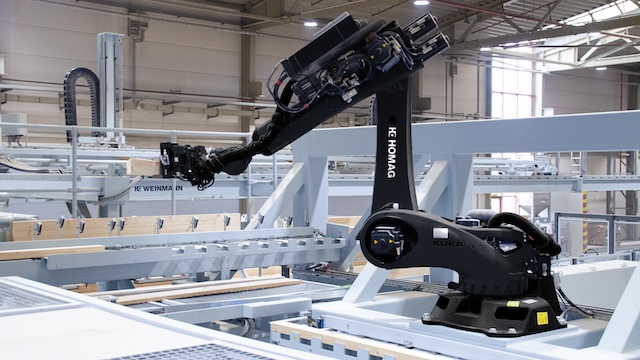
Xpeng’s humanoid robot IRON falls at debut, CEO calls it part of learning process
Xpeng Motors CEO He Xiaopeng addressed concerns following the debut of the company's humanoid robot, IRON, which stumbled during its first public demonstration at a shopping mall in Shenzhen. The incident occurred yesterday and has sparked discussions about the challenges of developing advanced robotics. In a social media post, He compared the robot's fall to the process of children learning to walk, emphasizing that such setbacks are a normal part of technological advancement. He reassured the public that these experiences are essential for progress in robotics and innovation.
News FeedRobotics needs a service framework.
RSF defines a common language for robot service capability, lifecycle operations, certification pathways, and service-provider networks.
Join the RobotToday community on LinkedIn
Daily robotics news, in-depth analysis, conference highlights, and discussions with professionals worldwide.