Industry Briefing
A single destination for timely, editor-curated robotics news from around the world.

Performance Networks Implements Warehouse WiFi for Huel's New Manufacturing Facility
Huel, a complete-nutrition brand, has invested £8 million in a new manufacturing facility located in Milton Keynes, which spans 71,800 sq ft. This site will produce Huel's Powder and Hot & Savoury ranges for customers in the UK and Europe, while also increasing Ready-to-drink output. The facility is situated in the UK’s first carbon net-zero logistics and manufacturing park, aligning with Huel's commitment to sustainability. To ensure efficient operations, Huel prioritized the installation of a reliable network infrastructure. They partnered with Performance Networks to design and implement a secure local area network and warehouse-grade WiFi. The unique challenges of warehouse WiFi, such as tall metal racking and fluctuating stock levels, required a tailored approach. Performance Networks utilized Ekahau software for passive and predictive WiFi surveys to create a network design suited to Huel's operational environment. The design process included detailed planning based on the warehouse's final layout, considering factors like metal interference and employee movement. Performance Networks produced heatmaps and a cabling plan to ensure optimal equipment placement and minimize the risk of future modifications. No further timeline was disclosed at the time of publication.
Warehouse I.T.
Mobile Manipulators Are Gaining Traction in Warehouse Deployments
The discussion surrounding mobile manipulators has shifted from their viability to their optimal deployment locations. While traditional goods-to-person systems remain relevant, especially in specific facilities and workflows, the rise of mobile manipulation technology is prompting a reevaluation of warehouse operations. This transition is significant as it indicates a growing acceptance of mobile manipulators in logistics and supply chain management. Their ability to enhance efficiency and flexibility in warehouse environments positions them as a valuable asset, complementing existing systems rather than completely replacing them. Looking ahead, industry stakeholders should monitor the evolving landscape of warehouse automation. The integration of mobile manipulators could redefine operational strategies, leading to improved productivity and cost-effectiveness. No further timeline was disclosed at the time of publication.
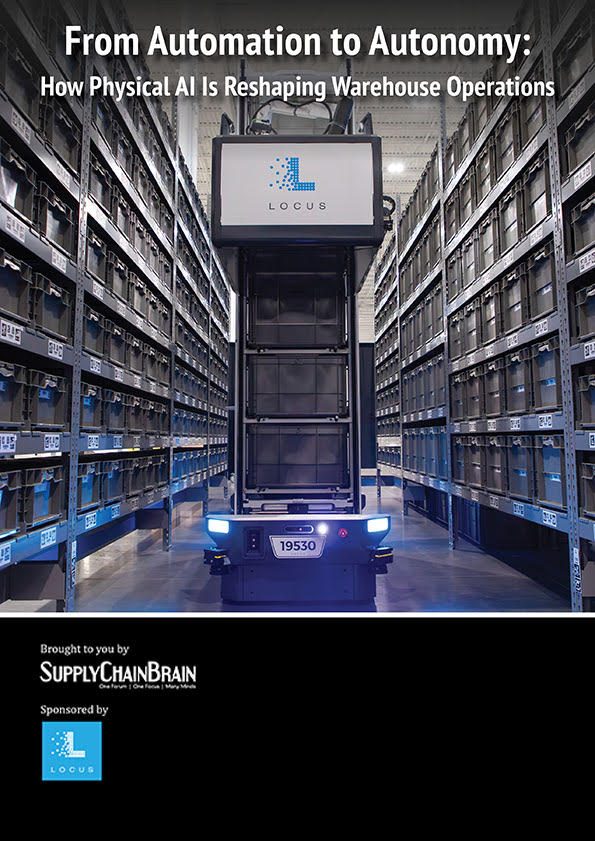
How Physical AI is Transforming Warehouse Operations Amid Unforeseen Disruptions
Warehouse managers are increasingly utilizing Physical AI to enhance their operations. This technology allows for better forecasting of seasonal demand, optimization of inventory levels, and redesigning of workflows to improve overall efficiency. The significance of Physical AI lies in its ability to adapt to unexpected disruptions that can occur during a typical workday. By integrating this technology, warehouse managers can better respond to unforeseen challenges, ensuring smoother operations and improved productivity. Looking ahead, the continued adoption of Physical AI in warehouse settings will be crucial. As businesses face increasing complexities in logistics and supply chain management, the ability to leverage AI for real-time decision-making will become more important. No further timeline was disclosed at the time of publication.

Destro AI Secures $8 Million Seed Funding to Enhance Warehouse Robot Coordination
Destro AI has successfully raised $8 million in seed funding, co-led by Base10 Partners and Bonfire Ventures, with additional participation from CoFound Partners. This funding will be utilized to expand enterprise deployments and enhance its engineering and research teams. The company’s robot-agnostic platform integrates MothershipOS and VisionOS, which are designed to optimize task coordination across various robots and warehouse resources. The significance of this funding lies in Destro's approach to warehouse automation, which enables operators to coordinate different types of robots without being limited to a single manufacturer. This flexibility is crucial as the number of warehouse robots and automation platforms continues to grow. Destro's technology is already in production with global logistics providers, including Yusen Logistics (Americas), and has begun generating commercial revenue. Looking ahead, Destro AI aims to further develop its MothershipOS and VisionOS platforms while expanding its enterprise deployments. The company emphasizes that the future of warehouse automation will not come from new robots but from the intelligence layer that allows existing robots to work together effectively. No further timeline was disclosed at the time of publication.
AI AI Funding & Investment Physical AI Robotics Base10 Partners Bonfire Ventures
Hira Industries Enhances Storage Capacity with Vertical Warehouse Solution
Hira Industries has successfully addressed its capacity challenges by investing in a high-density vertical warehouse, now one of the largest in the Gulf region. This strategic move was necessitated by the company's expansion across the GCC, India, Southeast Asia, and the United States, which increased demand on storage and logistics operations. The implementation of a vertical storage strategy, featuring racking systems extending up to 15 meters and material storage reaching 18 meters, has allowed Hira to maximize cubic space. Supported by Combilift and Kanoo Machinery UAE, the warehouse transformation has resulted in a 40% increase in storage capacity, raising pallet positions from approximately 1,000 to nearly 4,000. Looking ahead, Hira Industries aims to leverage this enhanced storage capability to support its long-term growth and operational efficiency. The introduction of Aisle Master forklifts has improved material handling and safety, ensuring a consistent workflow across the facility. No further timeline was disclosed at the time of publication.
Forklifts and Warehouse Vehicles Materials Handling Storage & Racking Aisle Master Combilift GCC
Introducing HaiPick Climb: A High-Density Warehouse Automation Solution
Hai Robotics has launched the HaiPick Climb, a high-density Automated Storage and Retrieval System (AS/RS) designed to enhance warehouse storage and order fulfillment. This innovative system integrates compact HaiClimber robots, high-density racking, configurable workstations, and HaiQ software, allowing warehouses to store more inventory and fulfill orders faster while minimizing operational complexity. The significance of HaiPick Climb lies in its ability to deliver high storage density and throughput without extensive infrastructure requirements. With capabilities to support double-deep storage of up to 45,000 totes in a compact footprint, the system can deliver totes to workstations in under two minutes and achieve throughput of up to 4,000 totes per hour. This modular solution allows customers to scale their operations as needed, adapting to changing demands in various sectors such as e-commerce, retail, and healthcare. Looking ahead, HaiPick Climb's development will continue to evolve based on customer feedback and operational requirements. The system's design focuses on reducing manual handling and improving efficiency, making it a viable option for warehouses facing challenges like limited space and increasing customer expectations. No further timeline was disclosed at the time of publication.
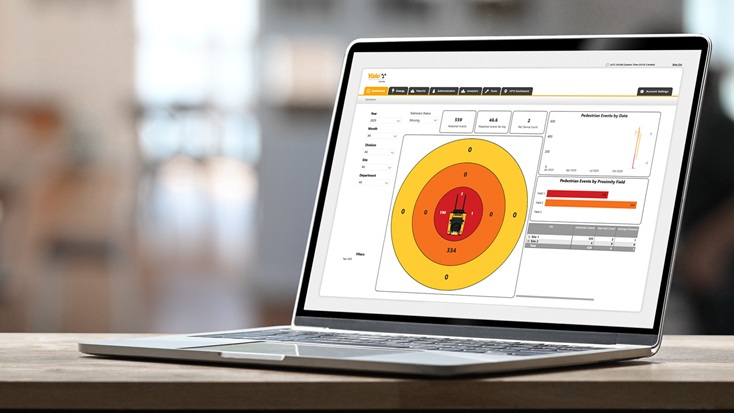
Integrated Technology Enhances Warehouse Equipment Operations and Decision-Making
Recent advancements in integrated technology are transforming warehouse operations by providing comprehensive visibility into equipment performance and workflows. As supply chains evolve and customer demands increase, warehouse leaders are prioritizing the integration of various technologies, such as the Yale Reliant™ Pedestrian Awareness Camera and the Yale Vision Pedestrian Detection Events Dashboard, to enhance operational intelligence. This shift towards connected solutions allows managers to move beyond isolated data points and gain a holistic understanding of how equipment, personnel, and processes interact throughout the day. By leveraging integrated systems, warehouses can identify patterns, streamline workflows, and make informed decisions that improve efficiency and responsiveness. Looking ahead, the trend of embracing integrated technologies is expected to continue, as organizations recognize the importance of connected ecosystems over standalone solutions. No further timeline was disclosed at the time of publication.
Materials Handling
InVia Robotics Advises Mid-Sized Warehouses to Focus on Workflow for Automation Assessment
InVia Robotics has recommended that mid-sized warehouse operators prioritize workflow complexity over facility size when evaluating automation options. In a blog post dated September 25, 2026, the company emphasized that automation does not always require significant capital investment or a large fleet of robots. Instead, it suggested that operators utilize warehouse execution system (WES) software to enhance task prioritization and coordination. The approach encourages logistics professionals to analyze operational data, including daily order volumes and labor efficiency, rather than merely focusing on headcount. InVia highlighted that even smaller warehouses can incur high operating costs due to inefficient workflows, such as excessive labor travel and poorly organized inventory. By identifying bottlenecks and measuring their costs, operators can implement targeted automation solutions effectively. InVia's phased approach to automation begins with baseline measurements and task orchestration through WES, allowing operators to consider hardware like autonomous mobile robots (AMRs) only after identifying constraints. This model is particularly relevant for UK and European retailers and logistics providers aiming to enhance throughput without extensive facility redesigns. No further timeline was disclosed at the time of publication.
WMS & SCM Software AMR and AGV warehouse automation warehouse operations WES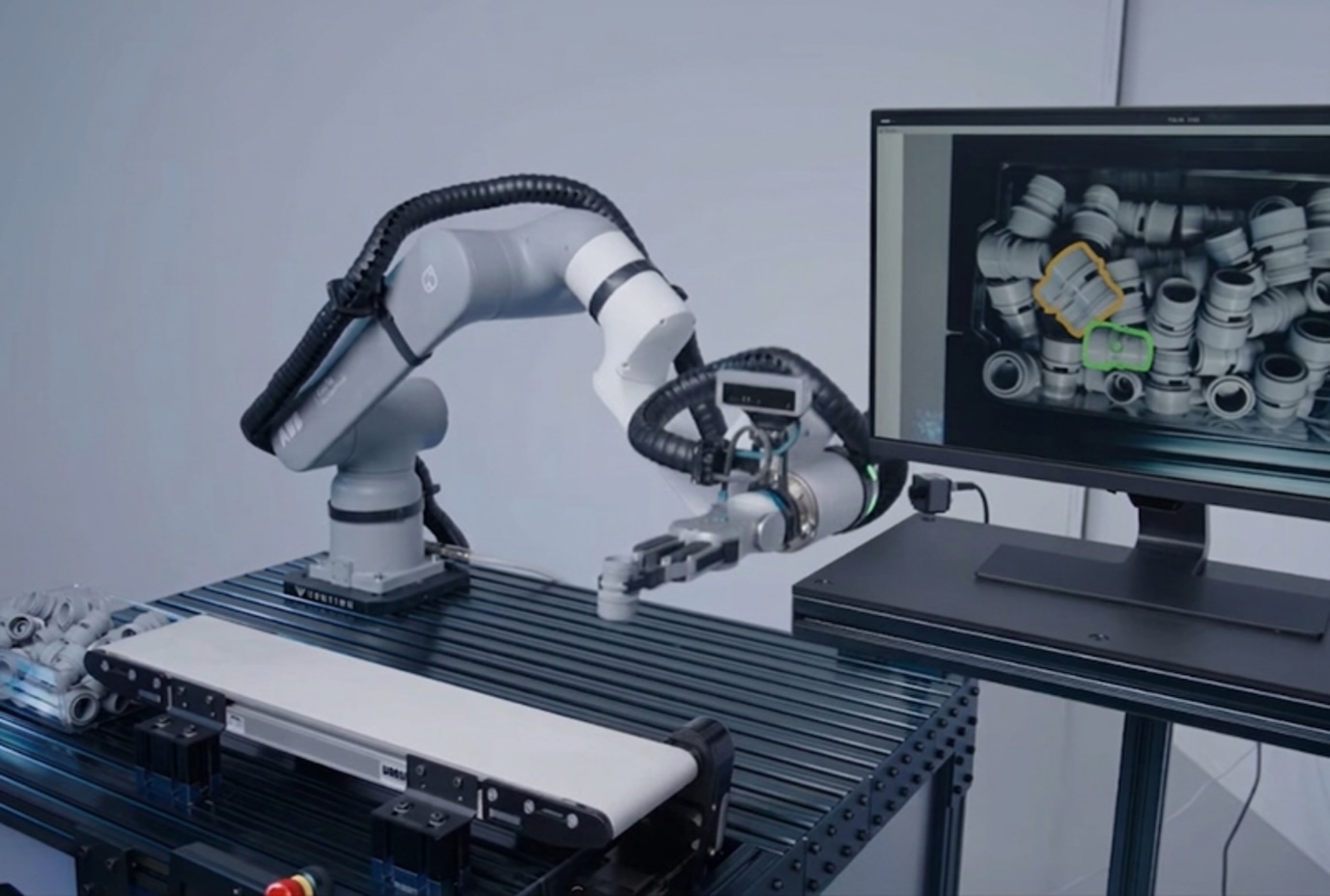
Pickr.AI Introduces Modular Picking Robots for Seamless Warehouse Integration
Norwegian robotics firm Pickr.AI has launched a series of modular picking robots that can easily integrate into existing warehouse systems without major modifications. This innovative technology is compatible with various automated storage solutions, including AutoStore and vertical lift modules, allowing for incremental automation in warehouses. The significance of this development lies in its potential to enhance warehouse operations by increasing capacity, improving picking accuracy, and providing predictable operating costs. Pickr.AI's robots utilize advanced robotics, AI, and 3D machine vision, designed to work alongside both automated systems and human workers, thus minimizing implementation risks. Looking ahead, Pickr.AI is set to expand its deployment across the Nordic region and beyond. The company has already seen success with its technology in the pharmaceutical and logistics sectors, notably through partnerships with firms like Spedify and VESO Apotek. No further timeline was disclosed at the time of publication.
News Warehouse robots 3d machine vision artificial intelligence automated picking autostore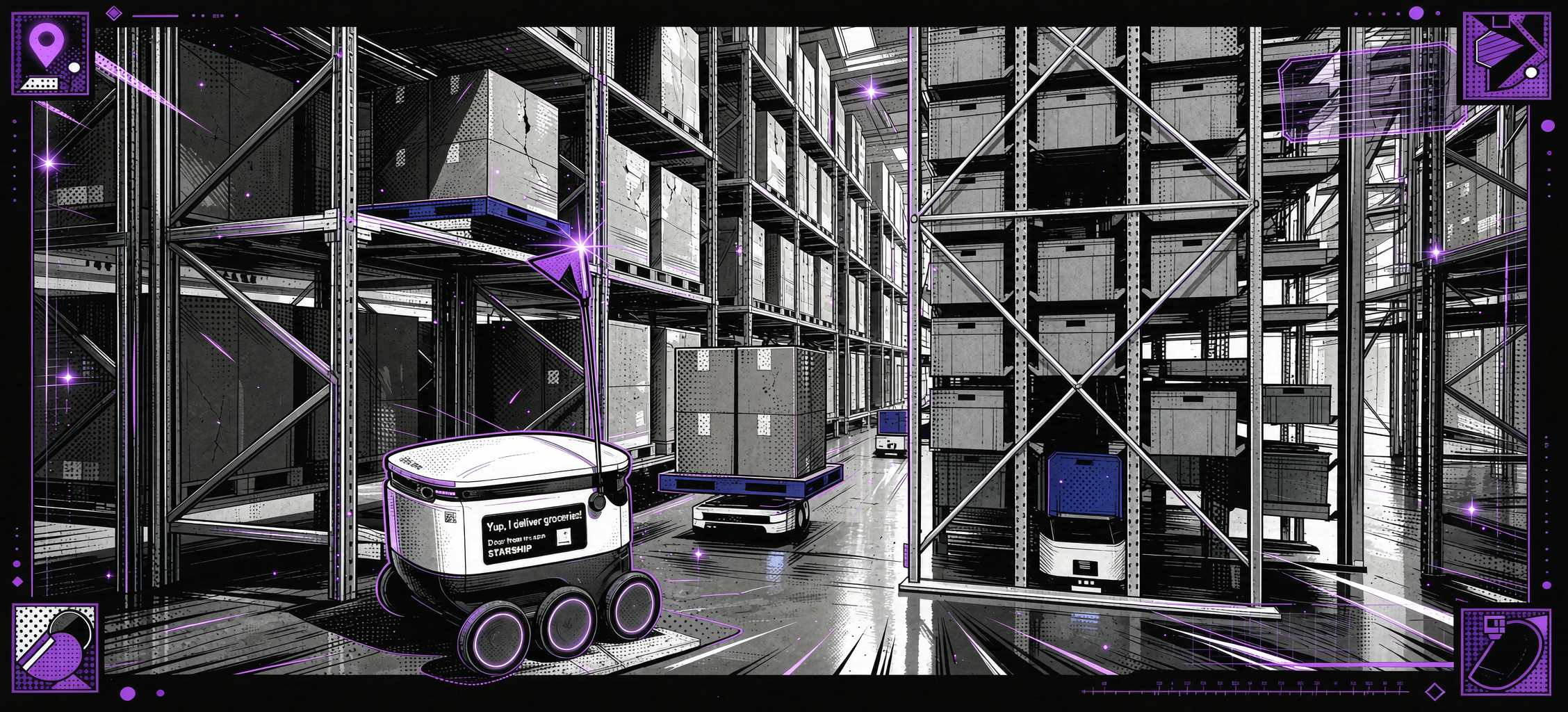
China's Atomix Leads the Charge in Warehouse Embodied Intelligence Testing
In a significant development, humanoid robots are increasingly being deployed in warehouses across China, marking a major test for embodied intelligence in logistics. The complexity of warehouse operations requires more than just faster and smarter robots; it demands a comprehensive system capability to ensure efficiency. Atomix, a logistics robotics company with a decade of experience, emphasizes the importance of a multi-agent system that integrates robots, equipment, and human operators to optimize order fulfillment. The success of Atomix is underscored by its innovative approach to warehouse automation, which focuses on overall scheduling rather than individual machine performance. The company has developed a 4+1 product framework that includes various automated guided vehicles and a unified software platform called Atomixer, which utilizes over 50 proprietary algorithms for efficient resource allocation. By 2025, Atomix aims to achieve nearly 1 billion yuan in revenue, with operations spanning over 20 countries and nearly 100 brands. Looking ahead, the merger of Atomix with the embodied intelligence firm Yuanli Lingji in June 2026 is expected to enhance their capabilities by combining operational data with advanced AI models. As the logistics industry faces increasing demands, Atomix's focus on system integration and adaptability will be crucial in navigating the challenges of warehouse automation and meeting customer expectations for efficiency.
Warehouse Automation Logistics Robotics Embodied Intelligence AI Systems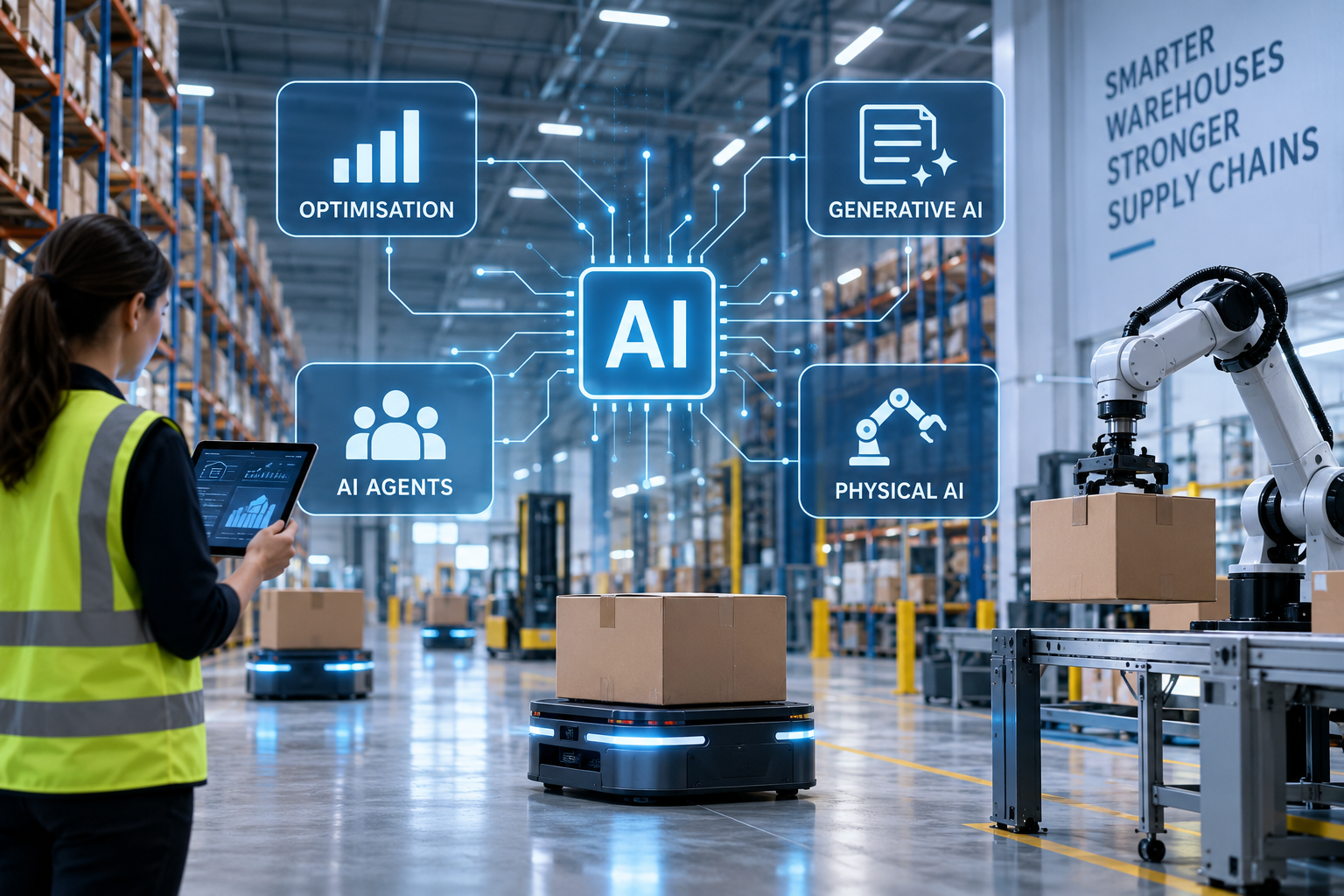
Gartner Reveals Four Key AI Trends Transforming Warehouse Operations
Gartner has identified four significant AI trends that are reshaping warehouse operations as of September 17, 2026. These trends emerge from three driving forces: ongoing labor constraints, evolving capital models for automation, and the growing maturity of AI technologies. The trends range from enhanced optimization techniques to the deployment of physical AI agents capable of executing warehouse tasks. The first trend focuses on the evolution of traditional AI-based optimization, which now utilizes real-time data and advanced algorithms for applications like demand forecasting and inventory management. The second trend highlights operational-driven generative AI, which transforms unstructured data into actionable insights, enhancing decision-making processes within warehouses. The third trend introduces suggestive and semiautonomous agents that facilitate greater automation while keeping humans involved in decision-making. Lastly, the fourth trend integrates AI with robotics and sensing technologies, enabling physical AI agents to perform tasks such as picking and packing. Gartner advises supply chain leaders to adopt a pragmatic approach, starting with established applications before exploring more advanced AI solutions.
AI Automation Systems and Shuttles IT in Logistics Warehousing AI agents AI in warehousing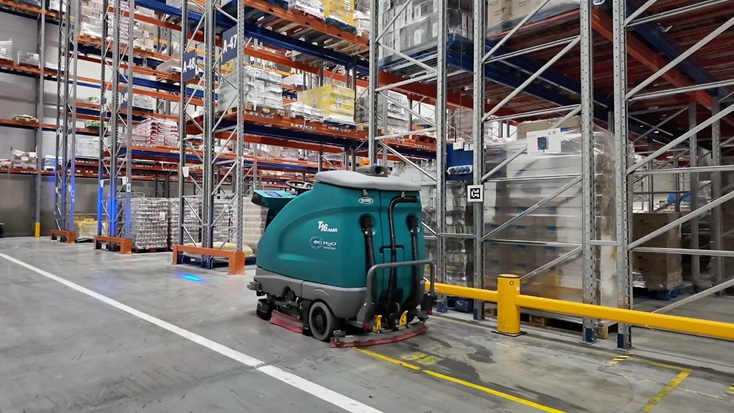
Nabuurs Supply Chain Solutions Transitions to Tennant T16AMR for Enhanced Warehouse Cleaning
Nabuurs Supply Chain Solutions in Oosterhout, Netherlands, is addressing the challenges of maintaining cleanliness in a 60,000m² logistics environment. The company faced rising labor costs and operational pressures while using a Tennant M17 ride-on scrubber, which required extensive manual labor for effective cleaning. To improve efficiency and reduce labor dependency, Nabuurs explored autonomous cleaning technology. After a pilot program and ROI assessment with Tennant, the company decided to transition to the Tennant T16AMR autonomous floor scrubber, aiming to balance cleaning performance with labor efficiency. The shift to the Tennant T16AMR is expected to alleviate labor pressures while maintaining high cleaning standards across the large logistics operation. No further timeline was disclosed at the time of publication.
The Warehouse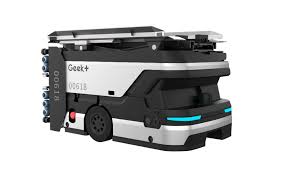
My Jewellery Implements Intelligent Robotics to Boost Warehouse Efficiency in Europe
Dutch fashion jewelry brand My Jewellery is expanding at an annual growth rate of 25% to 30%, launching 30 to 40 new designs weekly for core markets including Belgium, Germany, and France. The rapid growth has created challenges in their backend warehouse operations, where high SKU counts and short update cycles lead to inefficiencies. To address these issues, My Jewellery has adopted Geek+ RoboShuttle solutions, transforming their warehouse into a high-density intelligent storage system that accommodates both B2B and B2C fulfillment lines. The implementation features two types of robots: RS box robots that operate on 8-meter high shelving, retrieving boxes for delivery to workstations, and P40 robots that navigate narrow aisles for box transfer. This dual-robot system enhances space utilization and improves order picking efficiency, allowing employees to complete tasks without extensive searching. CFO Vilmar Bliekendaal noted that employee satisfaction has increased, and the project has quickly paid for itself, significantly boosting output efficiency. The system's scheduling capabilities ensure that robots operate without idle time, handling up to 700 orders per hour, with peak capacity reaching 14,000 orders during high-demand periods. My Jewellery's ongoing automation upgrades signal a commitment to maintaining operational stability, crucial for their rapid growth. The success of this project may serve as a replicable model for other European fashion brands facing similar supply chain challenges.
Warehouse Automation Robotics Fashion Retail Logistics
Advancements in Surgical Robots and Real-World Warehouse Automation Explored
The September 2026 digital issue of The Robot Report highlights significant advancements in surgical robotics and warehouse automation. It features case studies from El Camino Health, where the da Vinci system from Intuitive Surgical is utilized for coronary artery bypass grafting, emphasizing the need for precise motion control to enhance patient outcomes and reduce complications. This report is crucial for commercial robotics developers and end users as it illustrates the successful integration of robotic systems in healthcare and logistics. El Camino Health's implementation of robotic surgery not only alleviates cognitive burdens on staff but also improves care consistency and accessibility, showcasing the potential of surgical robots in modern medicine. Additionally, the report discusses the integration of autonomous mobile robots (AMRs) in warehouse operations, highlighting their independent capabilities compared to traditional automated guided vehicles. As AMRs become more prevalent in third-party logistics, retailers, and manufacturing, best practices for their deployment and maintenance will be essential for maximizing efficiency and investment returns. No further timeline was disclosed at the time of publication.
Autonomous Mobile Robots (AMRs) Case Study Controllers Digital Issues Healthcare Robotics Logistics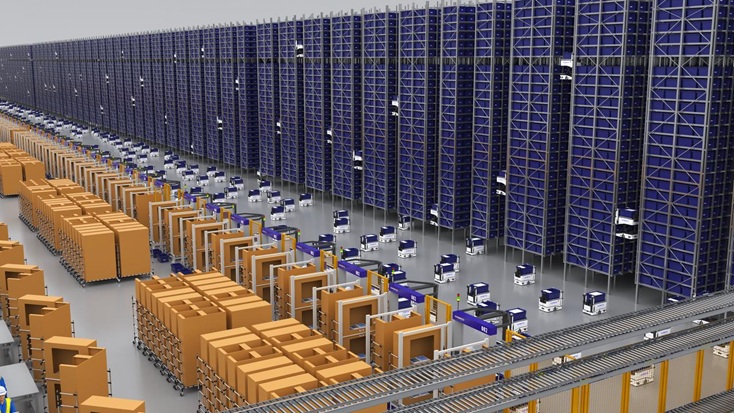
Hai Robotics Chosen for Largest Deployment of Rack-Climbing Warehouse Robots Globally
Hai Robotics has been selected to implement automation technology for a major e-commerce fulfillment center operated by a leading European fashion retailer. This project features the HaiPick Climb system, marking the largest deployment of rack-climbing warehouse robots in the world, with over 1,500 units set to enhance operational efficiency. The significance of this deployment lies in its potential to redefine warehouse automation standards, showcasing HaiPick Climb as a premier solution for high-performance e-commerce fulfillment. The retailer's expansion of its partnership with Hai Robotics emphasizes the growing demand for scalable automation solutions in response to rising online order volumes. Looking ahead, the project underscores the trend towards scalable robotic automation in large-scale fulfillment operations. No further timeline was disclosed at the time of publication.
Industry News
Vecna Robotics Secures $31 Million to Enhance Warehouse Automation Solutions
Vecna Robotics has successfully raised $31 million to further develop its autonomous mobile robot business and enhance warehouse automation capabilities for handling cases and pallets. This funding round was led by Unless, with contributions from Drive Capital, Tiger Global, Highland Capital Partners, and Tectonic Ventures. The company aims to scale its deployment teams and expand its market presence while introducing new functionalities such as pallet stacking, de-stacking, and trailer loading and unloading. The significance of this funding lies in the increasing demand for Vecna's CaseFlow system, which has seen a year-over-year growth of over 100% since its launch in 2025. A deployment at GEODIS demonstrated the effectiveness of the system, doubling picking throughput and reducing training time for new employees. This reflects a broader trend where customers seek comprehensive automation solutions to streamline their material movement processes. Looking ahead, Vecna Robotics plans to leverage this investment to enhance its existing capabilities and meet the growing needs of its clients. The company is focused on providing a reliable, U.S.-based robotics platform that supports extensive automation across various operations. No further timeline was disclosed at the time of publication.
AI AI Funding & Investment Robotics Autonomous Mobile Robots Drive Capital funding
Hai Robotics and Ferag Solutions Enhance Partnership for Warehouse Automation in EMEA
Hai Robotics and Ferag Solutions are expanding their collaboration across Europe, the Middle East, and Africa after five years of successful warehouse automation projects. This partnership aims to leverage Hai Robotics' Automated Case-handling Mobile Robot systems and Ferag Solutions' integration expertise to meet the growing demand for flexible warehouse automation. The collaboration is significant as it combines Hai Robotics' innovative automation technology with Ferag Solutions' regional knowledge and systems integration capabilities. This synergy is expected to provide businesses with immediate operational improvements while allowing them to adapt to changing demands in the logistics sector. Looking ahead, both companies plan to host regional webinars to share insights on warehouse automation challenges and opportunities. Several projects have already been signed, indicating a strong foundation for future growth and collaboration in developing scalable warehouse operations across the EMEA region.
Warehouse Automation Intralogistics Automated Mobile Robots Systems Integration
Hai Robotics and Ferag Solutions Enhance Partnership for Warehouse Automation in EMEA
Hai Robotics and Ferag Solutions are expanding their collaboration across Europe, the Middle East, and Africa after five years of successful partnership. This expansion follows several warehouse automation projects in the UK, where both companies combined their strengths to deliver innovative solutions. Hai Robotics will provide its Automated Case-handling Mobile Robot (ACR) systems, while Ferag Solutions will contribute its systems integration expertise. The significance of this partnership lies in its ability to meet the increasing demand for integrated warehouse automation solutions that enhance operational efficiency. The collaboration aims to offer businesses the flexibility to adapt to changing volumes and requirements, ensuring they remain competitive in a rapidly evolving market. Nicholas Hughes, Managing Director of Ferag Solutions, emphasized the trust and commitment that have developed between the two organizations, which are crucial for recommending solutions to customers. Looking ahead, Hai Robotics and Ferag Solutions plan to host regional webinars to share insights on warehouse automation challenges and opportunities. With several projects already signed, the companies are well-positioned to support more businesses in developing scalable and future-ready warehouse operations. No further timeline was disclosed at the time of publication.
Warehouse Automation Intralogistics Automated Robotics Supply Chain Solutions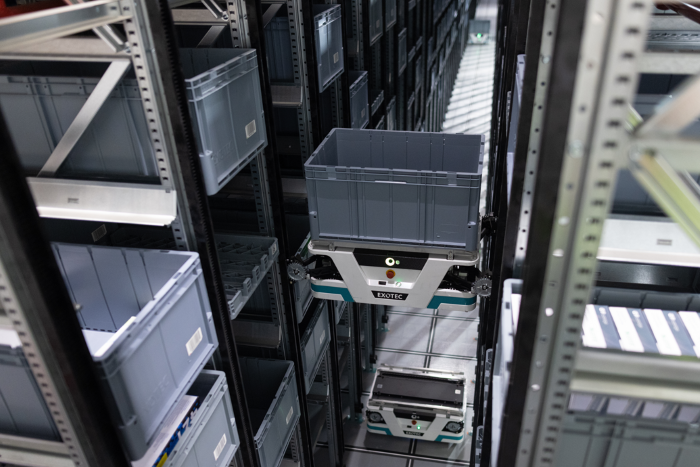
Warehouse Automation Can Reduce Carbon Emissions by Up to 25 Percent
Logistics operators have the potential to decrease their overall carbon emissions by as much as 25% through the automation of their warehouses. This significant reduction highlights a critical yet often overlooked opportunity for the logistics industry to mitigate its environmental impact. The importance of this development lies in its capacity to address the growing concerns regarding carbon footprints within the logistics sector. By implementing automated systems, companies can not only enhance operational efficiency but also contribute positively to sustainability efforts, aligning with global environmental goals. Looking ahead, it will be essential to monitor how logistics operators adopt automation technologies and the subsequent effects on their carbon emissions. The ongoing evolution of warehouse automation could play a pivotal role in shaping a more sustainable future for the logistics industry. No further timeline was disclosed at the time of publication.
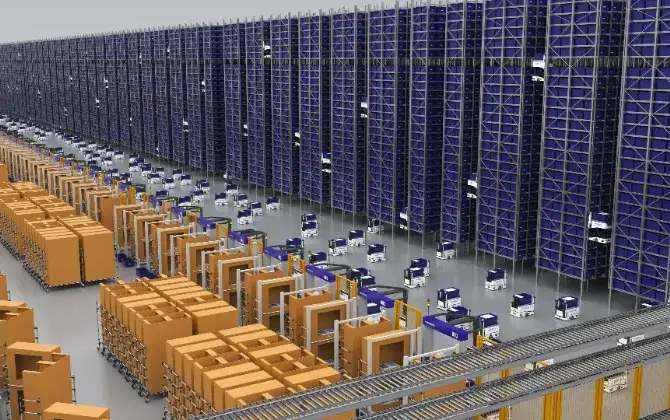
Hai Robotics Chosen for Largest Deployment of Rack-Climbing Warehouse Robots Worldwide
Hai Robotics has been selected to implement automation technology for a new large-scale e-commerce fulfillment center operated by a major European fashion retailer. This project features the HaiPick Climb system, marking the largest deployment of rack-climbing warehouse robots globally, with over 1,500 units set to enhance operational efficiency. The significance of this deployment lies in its potential to revolutionize warehouse automation, establishing a new benchmark in the industry. The retailer's expansion of its partnership with Hai Robotics underscores the reliability of the HaiPick Climb solution in managing high-volume online orders, with a throughput exceeding 24,000 totes per hour across a 30,000m² automated fulfillment operation. Looking ahead, the project exemplifies the increasing trend towards scalable robotic automation in large-scale fulfillment operations. No further timeline was disclosed at the time of publication, but the successful integration of over 1,500 HaiPick Climb robots is expected to enhance the retailer's capacity for omnichannel fulfillment significantly.
Warehouse Automation E-commerce Fulfillment Robotic Systems Logistics Supply Chain Management
Warehouse Managers Transition to Robot Supervisors Amid Industry Transformation
In September 2026, China's Ministry of Human Resources and Social Security introduced the new profession of 'Smart Warehouse Operations Technician' under the 'Logistics Service Specialist' category, reflecting a significant transformation in the warehousing sector. Xu Peng, a 31-year-old technician at Hebei Baiyang Chengda Pharmaceutical Co., has transitioned from managing workers in a traditional warehouse to overseeing robotic systems in a modern logistics center, where efficiency has dramatically increased. This shift from social management to technical management highlights the evolving skill requirements in the industry. Xu, originally trained in vehicle engineering, has had to relearn concepts in electrical engineering, automation, and mechanical principles to effectively manage the robotic systems. Similarly, other technicians like Zhang Weiliang and Pan Longjie emphasize the necessity of combining skills in electrical control and programming to troubleshoot robotic issues, as the demand for such hybrid capabilities grows. As more warehouses adopt automated systems, the role of Smart Warehouse Operations Technicians is becoming crucial. Data shows that automated systems can significantly enhance operational efficiency, with some facilities reporting over threefold increases in output. However, technicians like Xu acknowledge the need for further training in programming and system architecture to address complex issues, underscoring that the future workforce will require individuals who can interpret data and communicate with robotic systems effectively.
Warehouse Automation Smart Logistics Robotics AI Supply Chain Management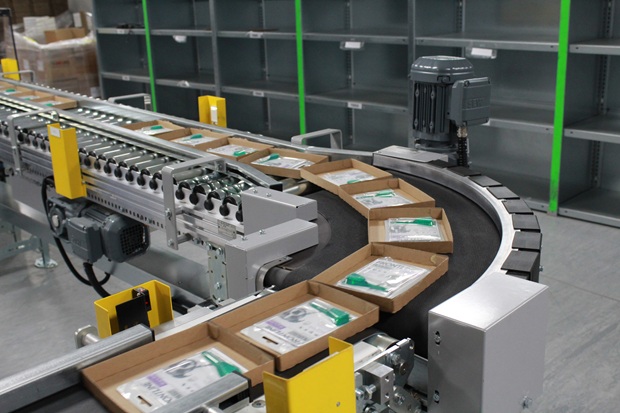
Enhancing Warehouse Operations with Automation and Traceability Solutions
Warehouse automation is increasingly recognized for its ability to reduce costs and enhance productivity, with a growing emphasis on tracking and traceability. This is particularly crucial for warehouses handling high-value or regulated goods, such as vaping products, which will require compliance with new UK regulations starting October 1, 2026. These regulations mandate that each vaping product must feature a secure stamp with digital elements like QR codes for traceability throughout the supply chain. The importance of visibility in the supply chain is underscored by the experience of Pets at Home, where the fulfillment of prescription pet medicine orders faced challenges due to manual processes. By implementing an integrated software and automation system, Breathe Technologies improved order segregation, automated routing, and packing, significantly increasing throughput and compliance while reducing error rates. This transformation illustrates how building traceability into automated processes enhances operational efficiency. Looking ahead, the recent vaping regulations serve as a reminder for warehouses to prioritize traceability in their operations. Breathe Technologies emphasizes an automation-first approach with its BreatheIQ software platform, designed to manage high volumes of orders and provide real-time visibility. As industry standards evolve, companies must adapt their processes to maintain compliance and optimize performance.
Headline News headlines
Nomagic Introduces Shoebox Picker to Tackle Warehouse Automation Challenges
Nomagic has unveiled its Shoebox Picker, addressing a significant challenge in warehouse automation related to handling shoeboxes. These boxes, which constitute about 20% of fashion e-commerce merchandise, present unique difficulties due to their two-piece design and variability in size and materials. The introduction of the Shoebox Picker marks a pivotal advancement in warehouse automation, as it utilizes Physical AI to adapt to real-time variations in shoebox handling. This system can manage approximately 98% of shoebox SKUs, achieving picking rates of up to 450 boxes per hour, thus enhancing warehouse productivity. As the demand for flexibility in fulfillment operations grows, the success of Nomagic's solution could signal a broader shift in the industry towards smarter robotic systems capable of handling diverse products. No further timeline was disclosed at the time of publication.
Conveying and Sortation Magazine Features Materials Handling Packaging and Ecommerce Robotic Picking AI vision systems
AI and Computer Vision Propel the Third Wave of Warehouse Automation
The movement and tracking of goods in warehouses have seen significant automation, yet the accuracy of inventory data remains a challenge. This gap is being addressed through advancements in AI and computer vision, marking the third wave of warehouse automation. The importance of this development lies in its potential to enhance operational efficiency and accuracy in inventory management. By leveraging AI and computer vision, warehouses can achieve a more truthful representation of their inventory, which is crucial for effective supply chain management. Looking ahead, the focus will be on how these technologies can further transform warehouse operations. The integration of AI and computer vision into inventory processes promises to redefine standards in accuracy and efficiency. No further timeline was disclosed at the time of publication.

Real-Time Data Emerges as Essential Layer in Warehouse Automation
Recent insights from Oana Jinga, Co-Founder & Chief Commercial & Product Officer at Dexory, highlight the critical role of real-time data in warehouse automation. Despite advancements in technology, many warehouses still operate on outdated information, leading to inefficiencies in decision-making and operations. The next significant improvement in warehouse performance will stem from integrating accurate, continuously updated operational intelligence rather than merely increasing automation. The reliance on outdated data creates a disconnect between what warehouse systems perceive and the actual conditions on the floor. This gap can hinder the effectiveness of automated systems, which depend on accurate inputs to optimize operations. By enhancing data visibility, warehouse teams can make informed decisions, respond swiftly to changes, and better utilize resources, ultimately improving overall productivity. As supply chains face increasing pressures and fluctuating demands, the future of warehouse operations will hinge on the integration of automation with real-time data intelligence. This approach will enable warehouses to proactively address challenges, ensuring that decisions are based on the most accurate understanding of current conditions, thus enhancing operational resilience.
AI AMR and AGV Computing and Scanners IT in Logistics Magazine Features WMS & SCM Software
Logic Introduces Octopus Overhead Picking Robot for Enhanced Warehouse Efficiency
Logic has launched the Octopus, an innovative overhead industrial picking robot designed to transform warehouse operations. This agile, ceiling-mounted system autonomously picks, lifts, and transfers cased goods, effectively replacing traditional floor-bound equipment. By operating above existing workflows, the Octopus maximizes space utilization and enhances high-speed case handling in logistics environments. The introduction of the Octopus is significant as it addresses the growing need for efficient space management in warehouses and logistics hubs. By eliminating the need for aisle space, this technology allows for more streamlined operations and improved productivity. The Octopus represents a shift towards more dynamic and flexible logistics solutions, catering to the demands of modern supply chains. Looking ahead, the impact of the Octopus on warehouse efficiency will be closely monitored. As logistics operations continue to evolve, the adoption of such innovative technologies will be crucial for maintaining competitive advantages. No further timeline was disclosed at the time of publication.
Logistics News Warehouse robots autonomous mobile robots goods to robot industrial robots
Multiway Robotics Enhances Malaysian Manufacturer's Smart Warehouse with Over 5,000 Storage Locations
Multiway Robotics has implemented a solution for a Malaysian manufacturer that features over 5,000 storage locations and multi-model autonomous forklift collaboration. This transformation has led to a more efficient and scalable warehouse operation, achieving a storage density improvement of over 30%. The significance of this development lies in its support for the customer's ongoing supply chain transformation, showcasing how advanced robotics can optimize warehouse logistics. By enhancing storage capabilities and operational efficiency, Multiway Robotics is setting a new standard in smart warehouse solutions. Looking ahead, it will be important to monitor how this implementation impacts the manufacturer's overall supply chain performance and whether similar solutions will be adopted by other manufacturers in the region. No further timeline was disclosed at the time of publication.

Logic Unveils Octopus: A Ceiling-Mounted Robot Transforming Warehouse Operations
Logic has introduced the Octopus, an innovative overhead industrial picking robot designed to enhance warehouse efficiency. This multi-arm, high-speed system operates above existing workflows, autonomously picking, lifting, and transferring cased goods without taking up valuable aisle space. By utilizing ceiling-mounted technology, the Octopus allows warehouses to optimize their floor space for storage and personnel movement. The introduction of the Octopus is significant as it reimagines traditional warehouse operations, moving away from static, floor-bound equipment. This shift not only improves the speed of case handling but also increases storage density and workflow efficiency in logistics hubs. The Octopus is a part of Logic's broader strategy to provide autonomous, data-driven logistics solutions that meet the evolving needs of the industry. Looking ahead, the impact of the Octopus on warehouse logistics will be closely monitored, particularly in terms of its adoption across various sectors. As companies seek to enhance operational efficiency, the integration of such advanced robotic systems will likely play a crucial role in shaping the future of logistics and supply chain management. No further timeline was disclosed at the time of publication.
Ocado Group Highlights Decision-Making Over Robots in Warehouse Automation
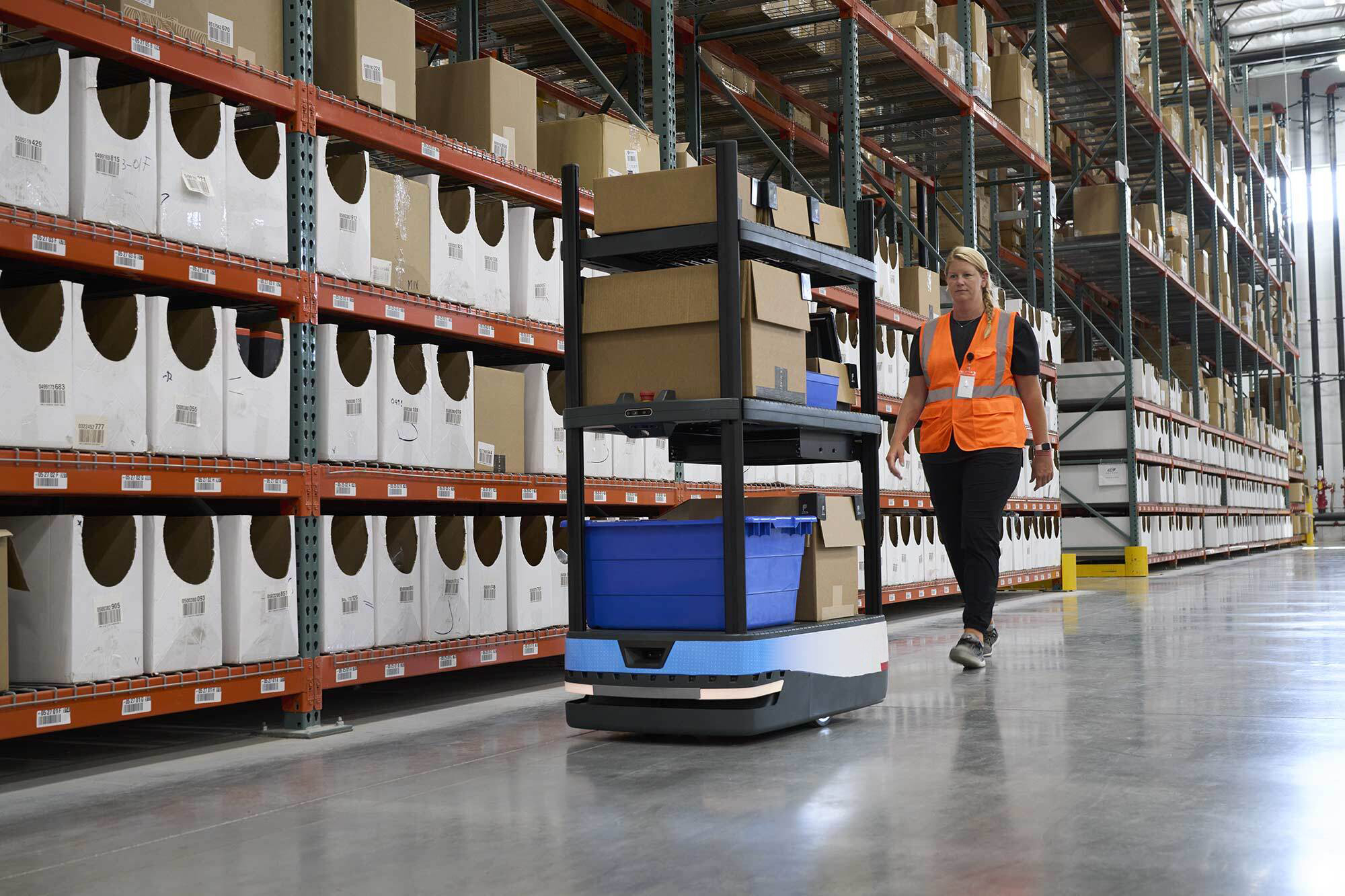
Ocado Group emphasizes that the future of warehouse automation lies in intelligent decision-making rather than merely increasing the number of robots. As 3PLs, retailers, and e-commerce operators face challenges such as tighter service levels and unpredictable demand, the focus is shifting towards orchestrating operations effectively. Autonomous mobile robots (AMRs) have proven their ability to enhance productivity, but the real challenge is coordinating tasks and workflows seamlessly. The Ocado IQ system exemplifies this shift by continuously evaluating operational factors and adjusting workflows in real-time, ensuring that all aspects of warehouse operations work in harmony. This intelligent orchestration allows for a leaner fleet of robots, reducing congestion and improving overall efficiency on the warehouse floor. The integration of manual and automated processes further enhances visibility and coordination across the operation. Looking ahead, the demand for adaptable automation solutions will grow as 3PLs and retailers navigate complex order profiles and service commitments. The ability to configure automation platforms to meet diverse needs without extensive reconfiguration will be crucial. No further timeline was disclosed at the time of publication.
AMR and AGV Automation Systems and Shuttles Jobs and Training Magazine Features Materials Handling Warehousing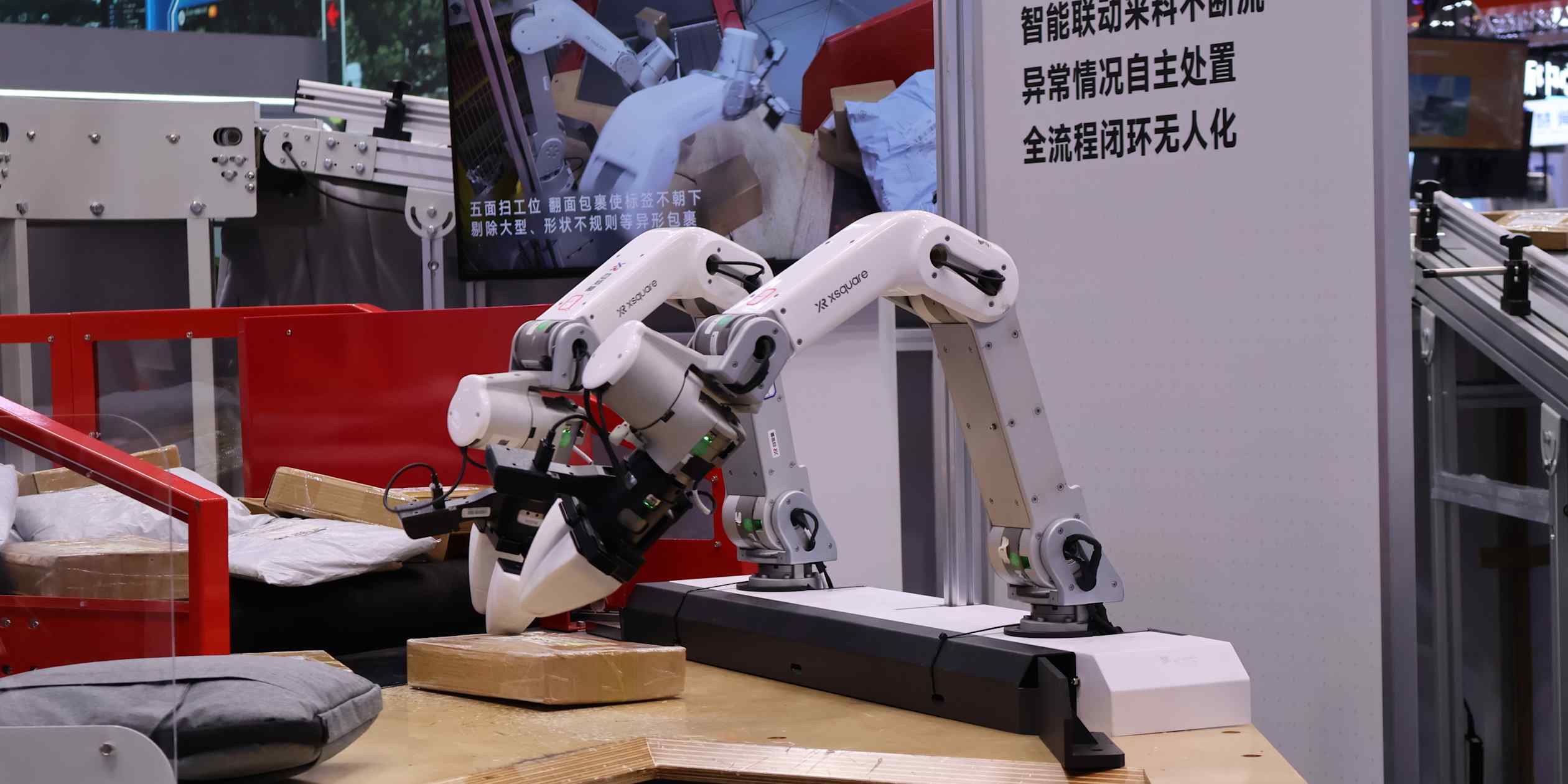
Chinese Startup X Square Robot Launches Robot Arms for Warehouse Parcel Sorting
X Square Robot, a Chinese startup, has announced the rollout of robot arms designed to sort parcels in logistics warehouses. This technology aims to match human sorting speeds, addressing the growing demand for efficient parcel handling as the industry processes approximately 200 billion parcels annually. The introduction of these robot arms is significant as it represents a shift towards automation in logistics, potentially improving operational efficiency and reducing reliance on human labor. The deployment of such technology is timely, given the increasing volume of parcels being handled in warehouses, which necessitates faster sorting solutions. Looking ahead, the technology was unveiled at the 2026 World Robot Conference in Beijing on August 19. No further timeline was disclosed at the time of publication, but the industry will be watching closely to see how X Square Robot's innovations impact logistics operations and workforce dynamics.

Geekplus Introduces RoboShuttle Hyper for Enhanced Warehouse Fulfillment Efficiency
Geekplus has launched RoboShuttle Hyper, a next-generation tote-to-person climbing AMR solution designed for high-throughput warehouse operations. This innovative system can handle up to 6,000 totes per hour per 1,000 square meters, making it ideal for B2C e-commerce, fresh-food fulfillment, and micro-fulfillment centers. The significance of RoboShuttle Hyper lies in its ability to optimize throughput, a critical metric for fulfillment operators. With features such as dual-point continuous tote-feeding and a 1:10 charge-to-discharge ratio, it ensures high availability during peak periods. The system's advanced motion-control algorithms enhance travel speed and positioning accuracy, allowing for more robots to operate simultaneously without compromising reliability. Looking ahead, RoboShuttle Hyper is positioned to transform warehouse operations with its innovative design and capabilities. The system supports the concurrent operation of multiple robots and enhances storage density while reducing congestion. No further timeline was disclosed at the time of publication.
News Warehouse robots amrs autonomous mobile robots cold chain e-commerce fulfillment
Webinar on Safety and Scaling Robot Fleets in Warehouses Scheduled for August 26
A free webinar titled 'When Robots and People Share the Floor: Safety That Keeps Fleets Moving' is set for August 26 at 2:00 p.m. ET. The event will address safety measures that can hinder the adoption and scaling of robot fleets in warehouses, highlighting best practices for human-robot collaboration. Safety systems for mobile robots can be implemented with minimal disruption, according to experts. The panel will feature technology providers and warehousing specialists discussing the challenges of integrating robots into dynamic workflows while ensuring safety. John Calcio from Redpoint Positioning will share insights on their Crew Safety System, which allows personnel to safely interact with active robot fleets. Participants can register to attend live or watch on demand. The webinar will also feature industry leaders like John Santagate and Jonathan Cortellacci, who will provide actionable insights on navigating warehouse automation and optimizing distribution operations with advanced robotics and intelligent automation. No further timeline was disclosed at the time of publication.
AGVs Automated Warehouse Autonomous Mobile Robots (AMRs) Cameras / Imaging / Vision Logistics Mobility / Navigation
Nomagic's Josh Cloer Discusses Advancements in Warehouse Robotics
In Episode 256 of The Robot Report Podcast, Josh Cloer, the general manager for North America at Nomagic, discusses the company's efforts to enhance warehouse operations. Cloer is focused on deploying physical AI systems that improve intelligence and adaptability in order-fulfillment processes, marking a significant step forward in robotics technology. This initiative is crucial as it addresses the growing demand for efficient and intelligent solutions in logistics and warehousing. By expanding Nomagic's presence in North America, Cloer aims to leverage breakthrough robotics technology to deliver tangible business results, which is essential for companies looking to optimize their supply chains. Listeners should keep an eye on Nomagic's developments in the North American market, as the deployment of these advanced systems could reshape order fulfillment operations. No further timeline was disclosed at the time of publication.
Artificial Intelligence Autonomous Mobile Robots (AMRs) Humanoids Logistics News Opinion
Multiway Robotics Completes Intelligent Warehouse Automation for Malaysian Manufacturer
Multiway Robotics has successfully deployed an intelligent warehouse automation system for a manufacturing company in Malaysia, integrating autonomous forklifts with warehouse management software to enhance storage capacity and material handling. This project supports over 5,000 storage locations, including raw material warehouses and finished goods storage, and has reportedly increased storage density by more than 30 percent. The significance of this deployment lies in its contribution to the ongoing trend of warehouse automation and digital transformation among manufacturers in Southeast Asia. By addressing the customer's growing storage needs and complex material flows, Multiway Robotics has implemented a fleet of autonomous forklifts alongside its proprietary Warehouse Management System (WMS) and Robot Control System (RCS), facilitating end-to-end automation of warehouse operations. Looking ahead, the system's capabilities include managing raw material receiving, finished goods storage, and internal material transportation. The deployment features three autonomous forklift models, each designed for specific tasks, and operates 24/7 with automatic charging. No further timeline was disclosed at the time of publication.
News Warehouse robots amrs automated warehouse autonomous forklifts autonomous mobile robots
Could Warehouse Robots Face Trust Issues Similar to Huawei's Challenges?
Warehouse automation has traditionally focused on productivity, labor savings, and ROI, but trust may soon become a critical metric. Recent U.S. restrictions on foreign robotic devices for national security raise questions about the implications for warehouse automation. As autonomous mobile robots generate data and connect to cloud platforms, the origin of these technologies and data security will be paramount. The global supply chain for warehouse robots includes components from various countries, making the industry vulnerable to geopolitical tensions. If concerns about technology control escalate, North American and European robotics companies may find that local manufacturing becomes a significant selling point. This shift could lead to a fragmented market, impacting competition and potentially raising prices for consumers. While it remains uncertain whether warehouse robots will face the same scrutiny as Huawei, the industry must prepare for potential changes. The focus is shifting from mere functionality to trustworthiness, which could reshape investment and innovation in warehouse automation. No further timeline was disclosed at the time of publication.
AMR and AGV Automation Systems and Shuttles Materials Handling AGV AMR Bulletin
The Shift from Automation to Autonomy in Warehouse Operations with Physical AI
The integration of Physical AI is transforming warehouse operations by enhancing the coordination of people, robots, and workflows. This shift emphasizes that effective management of these elements is becoming as crucial as the intelligence embedded in individual machines. As warehouses increasingly adopt Physical AI, the focus is shifting from merely automating tasks to creating autonomous systems that can adapt and optimize workflows in real-time. This evolution is significant for improving efficiency and productivity in logistics and supply chain management. Looking ahead, stakeholders should monitor advancements in Physical AI technologies and their impact on warehouse operations. The ability to seamlessly coordinate human and robotic efforts will likely define the future of logistics, making it essential for companies to stay informed about these developments.
Yusen Logistics Partners with Destro AI for Enhanced Warehouse Coordination
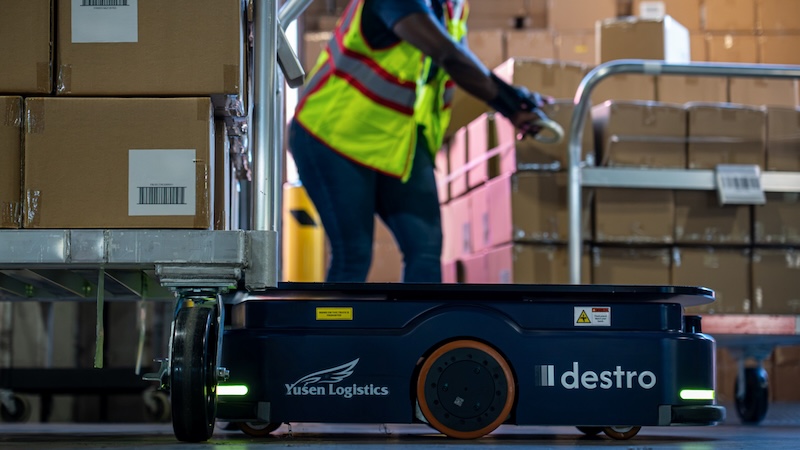
Yusen Logistics Americas has initiated a strategic collaboration with Destro AI to deploy an AI-powered warehouse coordination platform. This initiative is part of Yusen's commitment to investing in intelligent warehouse technologies aimed at improving operational efficiency and delivering enhanced value to customers. The collaboration is particularly significant as it addresses the complexities of transload operations, which require rapid movement of freight through various stages while adapting to fluctuating demands. The Destro AI platform will facilitate real-time coordination among personnel, equipment, and material handling, thereby optimizing workflows and improving throughput. Looking ahead, Yusen Logistics intends to assess further automation capabilities beyond cart movements, including pallet handling and AI-driven workflow verification. This aligns with their broader strategy to boost warehouse productivity while ensuring the flexibility that customers expect from a leading logistics provider. No further timeline was disclosed at the time of publication.
Logistics News Supply chain ai amrs artificial intelligence
Souto Foods Enhances Growth Through Advanced Warehouse Management System
Souto Foods has partnered with Made4net to implement a modern warehouse management system aimed at improving inventory accuracy and productivity. This initiative is set to streamline order fulfillment processes at their distribution center, enhancing overall operational efficiency. The move to adopt a smarter warehouse management system is significant for Souto Foods as it seeks to optimize its supply chain and meet growing demand. By enhancing inventory accuracy and productivity, the company aims to reduce operational costs and improve service levels, which are critical in today's competitive food distribution market. Looking ahead, it will be important to monitor the implementation of this system and its impact on Souto Foods' operations. No further timeline was disclosed at the time of publication.
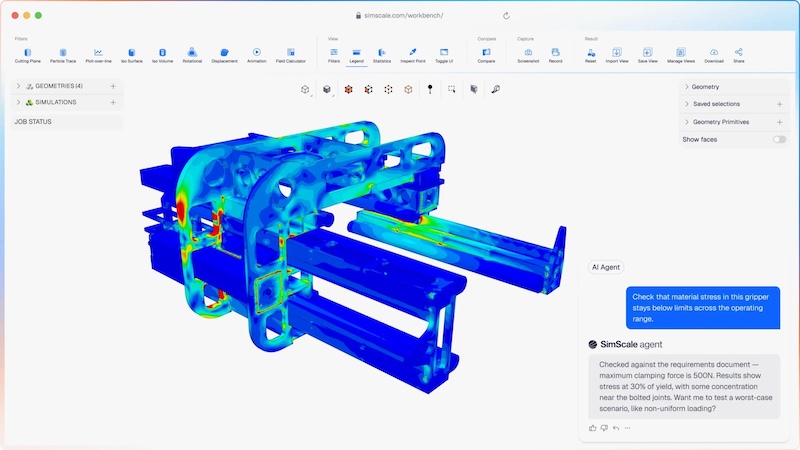
Dexory Implements SimScale’s Engineering AI to Enhance Warehouse Robotics Development
Dexory, a robotics and warehouse data intelligence company, has integrated SimScale’s Engineering AI to streamline the design and testing processes for autonomous warehouse robots. This deployment aims to expedite engineering workflows by enabling quicker identification of structural component failures and facilitating multiple design variations through simulation. The significance of this initiative lies in the growing demand for efficient product development cycles in the warehouse robotics sector, projected to reach $117 billion by 2034. As manufacturers strive to enhance performance and reliability, Dexory's use of Engineering AI reflects a broader trend of embedding AI into engineering processes, which is crucial for maintaining quality while accelerating development. Looking ahead, Dexory's Engineering AI program will automate simulation reporting and enable engineers to conduct parameter sweeps, enhancing the efficiency of design iterations. The initiative not only aims to improve productivity but also seeks to understand AI's potential impact on engineering practices. No further timeline was disclosed at the time of publication.
Engineering News Warehouse robots ai simulation autonomous warehouse robots cloud simulation
Renault Group Enhances Warehouse Automation with Exotec's Skypod Robots in France and Germany
Renault Group has partnered with Exotec to automate its spare parts operations across warehouses in France and Germany. The deployment of Exotec's Skypod robots has reduced order processing time from two hours to just 15 minutes, significantly improving efficiency and customer satisfaction. This transformation comes as Renault addresses challenges in managing the delivery and distribution of vehicle parts, particularly in France, which represents 37 percent of its parts and accessories business. The collaboration with Exotec has led to a complete reorganization of Renault's spare parts warehouses, including the closure of the older Cergy site and the establishment of a new facility in Puiseux. The Villeroy warehouse now features 167 Skypod robots and is capable of processing 4,130 bins per hour, allowing for the storage and picking of over 1.6 million items. This modernization aims to handle 20,000 order lines daily while stabilizing the workforce and reducing reliance on temporary staff. Looking ahead, Renault Group's partnership with Exotec is expected to further enhance operational efficiency and inventory management. The integration of specialized machines alongside the Skypod system is set to improve traceability and stock management. No further timeline was disclosed at the time of publication.
News Warehouse robots automated warehouse automotive logistics exotec exotec skypod
Intelligrated, Trew, and Transnorm Form Leading Warehouse Automation Provider
American Industrial Partners (AIP) has successfully acquired Honeywell Technologies' Warehouse and Workflow Solutions business, which includes Intelligrated and Transnorm. Following this acquisition, Intelligrated, Trew, and Transnorm will operate as a unified organization focused on delivering advanced warehouse automation solutions across various sectors, including retail and e-commerce. This merger is significant as it combines extensive automation expertise and complementary technologies, enhancing the capacity for systems design and project management. The new organization aims to provide a comprehensive portfolio of equipment, software, and services, helping clients optimize operations and modernize fulfillment networks to tackle future distribution challenges. Looking ahead, the combined entity is positioned to streamline decision-making and investment in warehouse automation. With Alfred Rebello appointed as CEO, the organization plans to maintain customer service continuity while aligning its operations. No further timeline was disclosed at the time of publication.
Logistics News Supply chain Warehouse robots American Industrial Partners asrs
The Evolving Role of Human Oversight in AI-Powered Warehouse Automation
AI technology is enhancing the speed of operations in warehouse environments, allowing teams to work more efficiently. However, the integration of AI necessitates human oversight to ensure that automation is applied appropriately, balancing advisory roles and independent actions within set parameters. As AI continues to scale in warehouse automation, the relationship between human judgment and machine efficiency will be crucial to monitor and adapt. This evolution is significant as it highlights the need for a collaborative approach between AI systems and human operators. The ability of AI to act independently in certain scenarios can lead to increased productivity, but it also raises questions about the limits of automation and the necessity for human intervention in complex decision-making processes. Understanding these dynamics will be essential for organizations looking to optimize their warehouse operations. Looking ahead, it will be important to observe how companies implement AI in their warehouse systems and the extent to which human oversight is integrated into these processes. No further timeline was disclosed at the time of publication.

Exploring the Expanding Applications of Robotics in Warehouse Operations
Robots are increasingly versatile, now applicable to a broader spectrum of warehouse tasks than in the past. This evolution highlights the importance of understanding current trends and considerations when investing in robotic systems. The significance of these advancements lies in their potential to enhance operational efficiency and productivity within warehouse environments. By leveraging the latest robotic technologies, businesses can achieve effective implementations that maximize the return on investment. Looking ahead, it will be crucial for enterprises to monitor ongoing developments in warehouse robotics. Staying informed will enable decision-makers to capitalize on innovations that can drive significant business value and improve overall supply chain performance. No further timeline was disclosed at the time of publication.
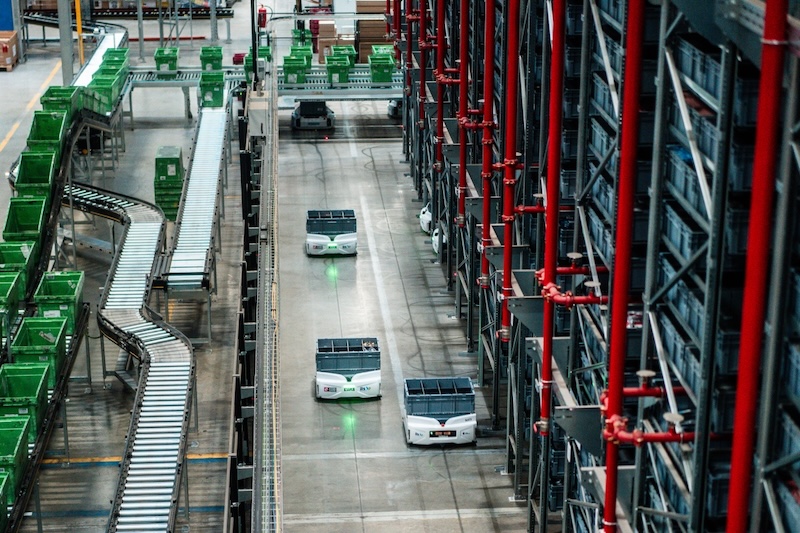
Exotec's Managing Director Discusses Key Warehouse Automation Trends for 2026
Thomas Genestar, managing director of western Europe at Exotec, emphasizes the necessity of automation and AI in logistics due to the e-commerce boom. He identifies resilience, reliability, and operational continuity as critical pillars influencing supply chain strategies for 2026 and beyond. Genestar highlights the growing adoption of Goods-to-Person (G2P) solutions, which enhance warehouse efficiency by delivering items directly to operators. This innovation reduces unnecessary movement, increases task consistency, and minimizes physical strain on workers, addressing the significant costs associated with non-automated warehouses. Additionally, he notes the shift from traditional forecasting to AI/ML models that allow for dynamic demand sensing, enabling organizations to better align production with demand. This evolution supports more sustainable and resilient supply chain practices, including improved reverse logistics inspired by e-commerce return models. No further timeline was disclosed at the time of publication.
Features Logistics ai automation circular logistics demand sensing
AI Robots Achieve 3,500 Garment Sorts Per Hour in South Korean Warehouse
In a warehouse located in Icheon, South Korea, a fleet of AI-guided robots is sorting garments at a remarkable rate of 3,500 items per hour, approximately four times the output of human workers. Since their deployment, the women's clothing company has reported 'zero losses'—no picking errors and no stockouts due to logistics mistakes. Despite this advancement, the sewing automation challenge remains unsolved, often referred to as the 'last mile' of textile automation. The system, developed by Baba Fashion in collaboration with South Korean automation firm Cotek Electronics, utilizes autonomous mobile robots equipped with SLAM navigation technology, eliminating the need for ground magnetic strips or embedded wires. The logistics deployment by Baba Fashion serves as a successful commercial case, while other companies, such as the leading fashion platform MUSINSA, are also investing in automated logistics solutions. The ongoing challenge of sewing automation, likened to the complexities of autonomous driving, continues to impact the future of millions of garment workers as the industry transitions into a more automated era.
AI Robotics Warehouse Automation Sewing Automation Fashion Technology
DHL Supply Chain and Locus Robotics Achieve One Billion Warehouse Picks Milestone
DHL Supply Chain and Locus Robotics have reached a significant milestone with their warehouse robots completing one billion picks. This achievement occurred at a DHL facility, showcasing the effectiveness of autonomous mobile robots in modern logistics operations. The milestone pick involved a pink beanie, underscoring the scale of automation in global logistics networks. This accomplishment is crucial as it highlights the rapid advancement of warehouse automation, driven by the partnership between DHL and Locus Robotics since 2017. The deployment of thousands of autonomous mobile robots across over 40 DHL-managed facilities has improved productivity in various sectors, including e-commerce and healthcare logistics. The technology has resulted in substantial operational gains, such as a 30-180 percent increase in units picked per hour and an 80 percent reduction in training time for staff. Looking ahead, DHL plans to further expand its collaboration with Locus Robotics, aiming to deploy 5,000 additional autonomous mobile robots. This expansion reflects the growing need for scalable automation solutions in response to complex order patterns in logistics. No further timeline was disclosed at the time of publication.

Understanding the Confidence Gap in Modern Warehouse Operations Amid Changing Consumer Behavior
Warehouse leaders continue to plan effectively, yet shifting consumer behaviors are creating a confidence gap in operations. A recent survey by Locus Robotics highlights that online purchasing patterns have become faster and less predictable, impacting fulfillment processes significantly. The importance of this shift cannot be overstated, as 72% of consumers now make online purchases multiple times a month, with 41% shopping weekly. This change means that demand is no longer concentrated in predictable cycles, leading to continuous fluctuations in warehouse operations, which struggle to adapt to this new reality. Looking ahead, the pressure on fulfillment operations is expected to increase, as 68% of consumers indicate that delivery speed influences their shopping choices. As expectations for accurate inventory visibility and fast shipping rise, warehouses must adapt to meet these demands or risk losing customers in a highly competitive market. No further timeline was disclosed at the time of publication.
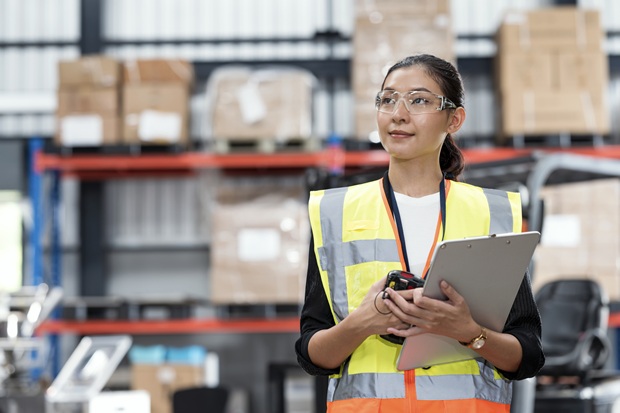
AI Adoption in Warehousing: Challenges and Opportunities for UK Operators
Recent discussions have highlighted the perceived risks of AI, but in warehousing, the challenges are more tangible and manageable. Key metrics such as pick rates and dock-to-stock times can be measured directly, providing concrete insights into AI's effectiveness. However, many UK operators are struggling to fully implement AI solutions, with only 58% having live systems despite 75% believing they can manage AI without disruption. The urgency for improved warehouse efficiency is underscored by the UK's industrial space shortage, which has resulted in significant job losses and economic impact. Infor's Enterprise AI Adoption Impact Index reveals that while many decision-makers are optimistic about AI, a substantial portion remains in the early stages of implementation or has paused efforts. Concerns over data security and the need for human oversight further complicate the landscape. Looking ahead, the focus should be on ensuring that AI systems are tailored to specific warehouse environments rather than relying on generic solutions. With projected growth in supply chain management spending on AI, businesses must prioritize investments that align with their unique operational needs to maximize returns.
Industry News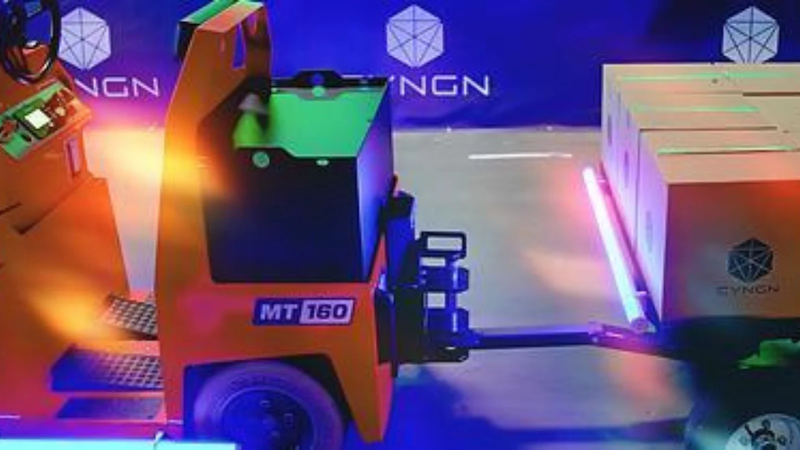
Cyngn Achieves ISO 27001 Certification for Information Security Management Systems
Cyngn, a maker of autonomous warehouse robots, has successfully obtained ISO/IEC 27001:2022 certification, which is a globally recognized standard for information security management systems. This certification confirms that Cyngn has established an Information Security Management System (ISMS) that complies with the ISO/IEC 27001:2022 requirements, specifically for its cloud-based fleet management platform, Cyngn Insight. The significance of this certification lies in its role in meeting the security and governance needs of large enterprise customers. As the integration of autonomous vehicle deployments with customer networks and enterprise infrastructure becomes more prevalent, cybersecurity and information governance are critical factors in the evaluation and procurement processes. Lior Tal, CEO of Cyngn, emphasized that this certification provides independent validation of their security systems and helps eliminate barriers when collaborating with sophisticated enterprise organizations. Looking ahead, Cyngn aims to complete its SOC 2 Type II examination by October 2026, which will further enhance its readiness for deployments with security-focused organizations. This move is crucial as manufacturers and logistics operators increasingly demand stringent security measures for connected technologies in their operations. No further timeline was disclosed at the time of publication.

ZS Robotics Launches H125 Four-Way Pallet Shuttle to Enhance Warehouse Operations in the US
ZS Robotics has introduced the H125 four-way pallet shuttle in the Americas, designed to enhance safety and simplicity in warehouse operations. With a chassis height of only 125 mm, this ultra-low profile shuttle aims to meet the needs of system integrators and warehouse operators by improving operational efficiency. The launch of the H125 is significant as it addresses rising real estate and labor costs, skills shortages, and the increasing demand for faster and more accurate deliveries. ZS Robotics' automated storage and retrieval systems (ASRS) provide high-density storage solutions that help companies reduce costs while improving service quality. Looking ahead, the focus will be on how the H125 can transform warehouse operations and its adoption among US system integrators. No further timeline was disclosed at the time of publication.
Robotics needs a service framework.
RSF defines a common language for robot service capability, lifecycle operations, certification pathways, and service-provider networks.
Join the RobotToday community on LinkedIn
Daily robotics news, in-depth analysis, conference highlights, and discussions with professionals worldwide.