


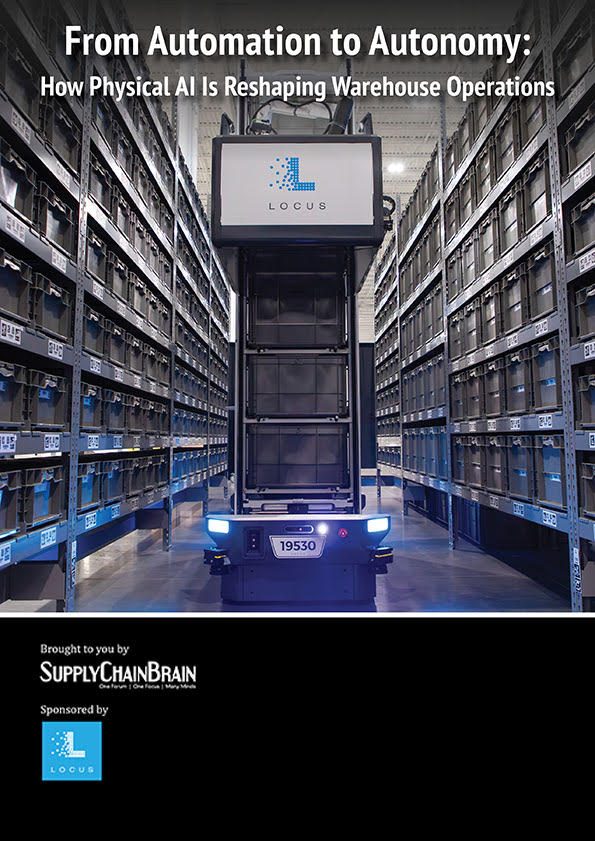
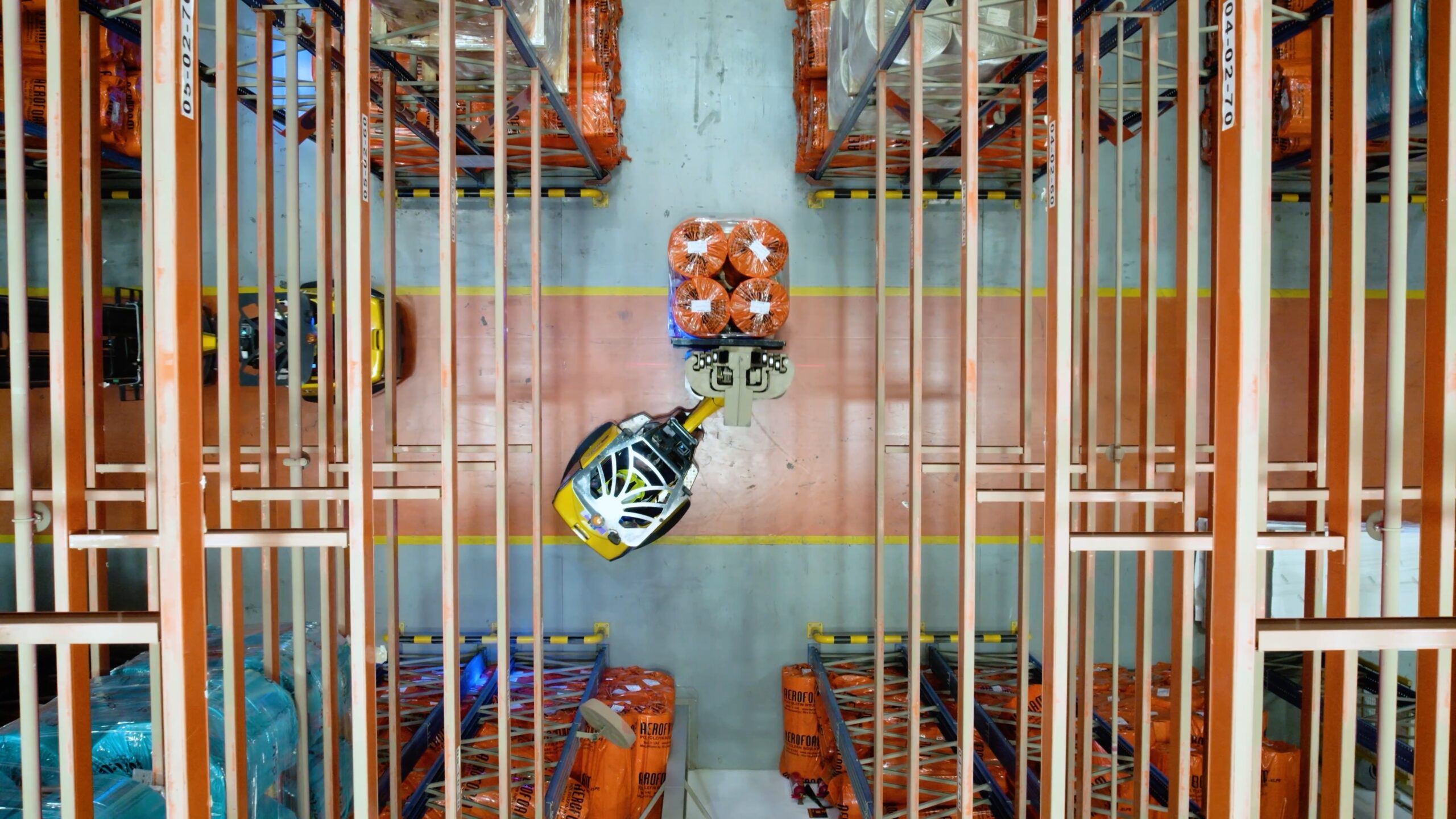
The discussion surrounding mobile manipulators has shifted from their viability to their optimal deployment locations. While traditional goods-to-person systems remain relevant, especially in specific facilities and workflows, the rise of mobile manipulation technology is prompting a reevaluation of warehouse operations.
This transition is significant as it indicates a growing acceptance of mobile manipulators in logistics and supply chain management. Their ability to enhance efficiency and flexibility in warehouse environments positions them as a valuable asset, complementing existing systems rather than completely replacing them.
Looking ahead, industry stakeholders should monitor the evolving landscape of warehouse automation. The integration of mobile manipulators could redefine operational strategies, leading to improved productivity and cost-effectiveness. No further timeline was disclosed at the time of publication.
Editor's Note
The increasing adoption of mobile manipulators in warehouses reflects a broader trend towards automation in logistics. As companies seek to optimize their supply chains, understanding the balance between traditional systems and new technologies will be crucial for decision-makers. This shift may influence procurement strategies and investment in automation solutions.
Copyright Notice
This briefing is an independently written summary based on publicly available reporting and is provided for industry information and news discovery. The original report and source publication are credited and linked where applicable. RobotToday does not claim ownership of third-party source material.
Rights concerns? If you believe any material in this briefing infringes your copyright or other rights, please contact [email protected] with the relevant URL and details. We will review the matter and take appropriate action where warranted.






























Leave a comment