Industry Briefing
A single destination for timely, editor-curated robotics news from around the world.
Northrop Grumman's New MRV Spacecraft Launches Today Amid Offensive Capability Questions
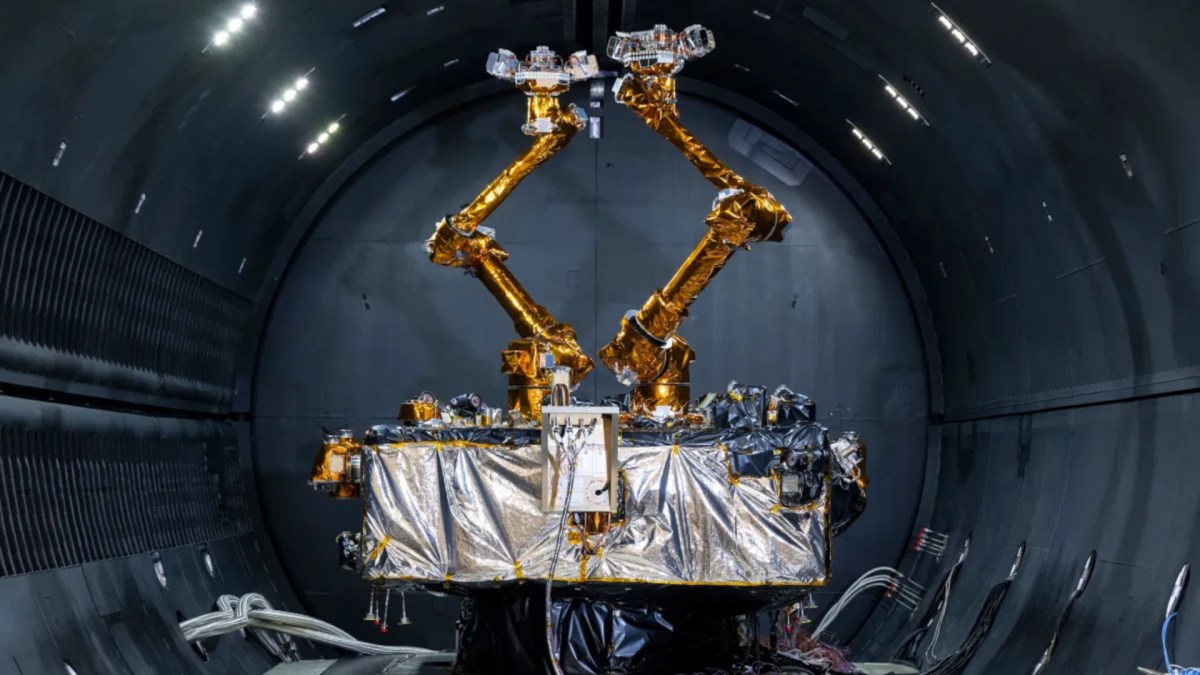
Northrop Grumman is set to launch its Mission Robotic Vehicle (MRV) today, equipped with two robotic arms designed for satellite servicing. While the primary purpose of the MRV is to refuel and repair satellites in geosynchronous orbit, discussions have emerged regarding its potential use in offensive operations against enemy satellites. The U.S. Space Force is exploring offensive capabilities to protect its assets, raising questions about the MRV's dual-use potential. The MRV's launch is significant as it represents a step forward in commercial satellite servicing, with the ability to install life extension jetpacks on satellites, potentially prolonging their operational life by up to eight years. Northrop Grumman's CEO, Kathy Warden, emphasized the spacecraft's capabilities during a recent earnings call, indicating that the company is prepared to offer options for technology deployment to clients, including the U.S. government. Looking ahead, the MRV is scheduled to launch aboard a SpaceX Falcon 9 rocket from Cape Canaveral, with a window starting at 5:15 PM ET. The mission will involve rendezvousing with satellites from commercial telecommunications providers Optus and SES, showcasing the MRV's versatility in on-orbit servicing and inspection. No further timeline was disclosed at the time of publication.
Space Anti-Satellite Capabilities News & Features Orbital Systems War In Space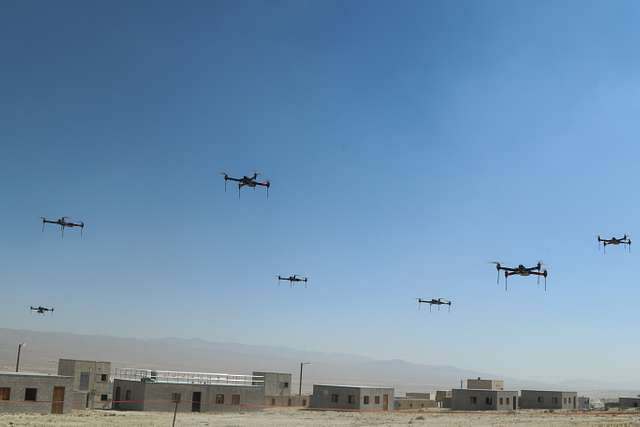
Auriga Space and U.S. Army Explore Electromagnetic Launchers for Countering Drone Swarms
Auriga Space has entered a three-year Cooperative Research and Development Agreement (CRADA) with the U.S. Army Combat Capabilities Development Command Armaments Center (DEVCOM AC) to investigate the potential of electromagnetic launch technology in countering drone swarms. This initiative aims to find a cost-effective alternative to traditional missile interceptors, which have proven expensive in engagements against low-cost drones. The significance of this research lies in the increasing need for modern militaries to address the economic challenges posed by drone warfare. Current missile interceptors can cost hundreds of thousands to millions of dollars, creating a cost imbalance when defending against inexpensive drones. The CRADA represents a broader commitment by the Department of War to explore innovative counter-drone technologies that can maintain high engagement rates while reducing operational costs. Looking ahead, Auriga plans to conduct the first outdoor flight test of its transportable electromagnetic launch platform, Hermes, later this summer. This platform is designed for rapid reloads and repeated engagements against multiple targets, potentially offering a new solution to the growing threat of drone swarms. No further timeline was disclosed at the time of publication.
Anti-drone technology Applications C-UAS Defense Drone News Drone News Feeds
SpaceX's Starmind Project: Supplier Strategy and Chip Manufacturing Plans for 2026
SpaceX's Starmind project, aimed at deploying up to 1 million AI satellites, was filed with the FCC on January 30, 2026. The initiative is designed to minimize reliance on external suppliers, with CEO Elon Musk stating that current chip production capabilities only meet 2% of the projected needs. The first satellite, AI1, is set for prototype launches in early 2027, featuring a 70-meter wingspan and a modular payload system that allows for interchangeable chips from various suppliers. The significance of Starmind lies in its ambitious supply chain strategy, which seeks to transition from external hardware suppliers to a fully integrated Musk-owned facility by 2028. The Gigasat manufacturing site in Bastrop, Texas, is expected to be operational by the end of 2027, with plans for high-volume production of the D3 chip, specifically designed for space applications. This approach aims to consolidate chip manufacturing processes under the Terafab joint venture, which has an estimated initial investment of $55 billion. Looking ahead, the next milestone for Starmind is the launch of AI1 prototypes in early 2027, while the full-scale chip production at Terafab is projected to ramp up significantly thereafter. However, analysts express skepticism regarding the feasibility of achieving Musk's ambitious compute goals, which may require substantial investment and time to establish the necessary manufacturing capabilities.
SpaceX's Starship V3 Plans for 1 Million Starmind Satellites by 2030
SpaceX's Starship V3 is set to revolutionize satellite deployment, aiming to launch 1 million Starmind satellites by 2030. The spacecraft can carry over 100 tonnes to low Earth orbit (LEO), significantly more than the Falcon 9's capacity. As of May 2026, Starship has completed 12 flights, with the next mission scheduled for late July 2026, focusing on operational payloads including AI1 prototypes in early 2027. This ambitious plan is crucial for expanding orbital compute capacity, targeting an annual addition of 100 GW through a million tonnes of satellite hardware. SpaceX's strategy hinges on achieving a launch cadence of approximately 12,000 flights, equating to about three launches per day. The company has invested over $15 billion in the Starship program, with expectations to begin payload deliveries in the second half of 2026, starting with Starlink V3 satellites. Looking ahead, the successful deployment of the Starmind constellation will depend on Starship's ability to meet its cost targets of $10–20 million per flight. If achieved, this would make launching satellites more economical than building ground data centers. The next significant milestone will be the launch of AI1 prototypes in early 2027, with full-scale deployments commencing in 2028 from the new Gigasat factory in Texas.
SpaceX Launches Starmind Project for 1 Million AI Satellites by 2028
SpaceX has officially named its orbital AI infrastructure project 'Starmind,' which aims to deploy a constellation of up to 1 million satellites. This initiative, confirmed by Elon Musk on June 22, 2026, will enable AI inference directly in space, utilizing solar energy rather than terrestrial power sources. The first satellite, designated AI1, was unveiled on June 8, 2026, and is designed to operate in sun-synchronous orbits. The significance of Starmind lies in its potential to overcome the limitations faced by ground-based data centers, such as land, power, and water constraints. By running AI computations in orbit, Starmind can provide a more efficient solution to the growing demand for AI computing power. The project leverages the existing Starlink infrastructure for data transmission, distinguishing its function from Starlink's internet relay capabilities. Looking ahead, SpaceX plans to begin hardware deployment with the AI1 satellite, while full-scale production and deployment of the satellite constellation are targeted for 2028. As of now, no Starmind satellites have been launched, and further engineering challenges remain to be addressed, particularly regarding the scalability of the satellite design.
SpaceX's Starmind Faces Feasibility Challenges for 1 Million Satellite Deployment
On January 30, 2026, SpaceX submitted a request to the FCC to launch up to 1 million satellites as part of its Starmind orbital compute constellation. This ambitious plan is unprecedented, as the total number of satellites ever launched globally is in the low tens of thousands. The proposal seeks a waiver from standard deployment milestones, citing reliance on the Starship's full reusability for success. The significance of this request lies in the technical and logistical challenges it presents. Experts warn that low Earth orbit may not support the proposed number of active satellites without risking a debris cascade. SpaceX's own IPO prospectus acknowledges unresolved dependencies related to Starship's launch cadence and reusability, which are critical for the orbital AI compute strategy. Looking ahead, the timeline for achieving the necessary launch cadence and manufacturing capacity remains uncertain. SpaceX's Gigasat facility in Texas aims for volume production by late 2027, but this would require unprecedented output levels. No further timeline was disclosed at the time of publication, leaving the feasibility of the Starmind project in question.

SpaceX's Starmind Targets AI Labs with $6.3 Billion Compute Contracts
SpaceX's Starmind is designed to provide wholesale AI compute services to businesses, particularly AI labs and cloud customers, rather than individual consumers. The service operates similarly to AWS, where users benefit from applications running on Starmind without direct subscriptions. The compute capacity of a single AI1 satellite is comparable to one NVIDIA GB300 rack, emphasizing its enterprise-grade capabilities. The significance of Starmind lies in its positioning as a potential fourth hyperscaler, joining the ranks of AWS, Microsoft Azure, and Google Cloud. The Reflection AI contract, valued at $150 million per month, exemplifies the enterprise-focused model, with total payments potentially reaching $6.3 billion through 2029. This contract highlights the growing demand for AI compute resources, particularly from AI-native startups and labs. Looking ahead, the focus will remain on securing additional enterprise contracts as Starmind expands its offerings. No consumer-facing products or subscriptions have been announced, and the current strategy is to cater to businesses with substantial AI workloads. No further timeline was disclosed at the time of publication.

SpaceX's $1.75 Trillion Valuation Driven by Starmind's Future Potential
Starmind is a pivotal element in SpaceX's estimated $1.75 trillion IPO valuation, despite currently generating no confirmed revenue. The stock price reflects optimistic projections regarding AI infrastructure growth, which Starmind has yet to substantiate. As of early July 2026, SpaceX's stock has decreased from its 52-week high of $225.64 to around $150, indicating market skepticism about future execution. The significance of Starmind lies in its potential to transform SpaceX's revenue model beyond traditional launch services. Goldman Sachs has shifted its focus from Starlink subscriber growth to the prospects of AI revenue, including orbital computing, as a cornerstone of SpaceX's long-term valuation. This marks a substantial change in how analysts view the company's growth trajectory, necessitating rates exceeding its historical 33% growth. Looking ahead, the credibility of Starmind as a growth narrative will be crucial for maintaining investor confidence. Analysts have noted a considerable divergence in price targets, reflecting uncertainty about the value of the Starmind and xAI initiatives. No further timeline was disclosed at the time of publication regarding specific milestones for these projects.

SpaceX's Starmind Plans 1 Million AI Satellites Amid Collision Risks
SpaceX has announced its ambitious Starmind project, which aims to deploy 1 million AI satellites in orbits between 500 and 2,000 km. This initiative, confirmed by Elon Musk on June 23, 2026, follows a merger with xAI, valuing the combined entity at $1.25 trillion. The satellites will function as orbital data centers, processing AI workloads powered by solar arrays and linked by optical lasers. The significance of Starmind lies in its potential to add 100 gigawatts of AI compute capacity annually, contingent on the successful operation of the Starship launch system. However, the project raises concerns regarding space debris, as the current orbital environment is already congested, with a 20% increase in collision risk reported since 2024. The European Space Agency has highlighted that the density of debris in low Earth orbit is now comparable to that of active satellites, complicating the operational landscape for new entrants like Starmind. Looking ahead, the first operational orbital AI deployments are targeted for 2028, with test launches expected in early 2027. However, the project faces scrutiny regarding its impact on space debris, as even a 1% failure rate could significantly increase the number of uncontrollable objects in orbit, exacerbating existing risks. No further timeline was disclosed at the time of publication.

SpaceX Unveils AI1 Satellite Specs for Starmind Constellation with Key Thermal Challenges
SpaceX has introduced the AI1 satellite, the inaugural component of its Starmind constellation, which stands 20 meters tall and has a wingspan of 70 meters. This orbital compute node is designed to deliver computing power equivalent to one NVIDIA GB300 server rack, utilizing a unique cooling system with deployable liquid radiators. The satellite's specifications were revealed during a presentation on June 8, 2026, ahead of SpaceX's IPO. The significance of the AI1 satellite lies in its role as a compute platform rather than a traditional satellite, focusing on running AI inference workloads. The satellite's cooling system, which is critical for its operation in the vacuum of space, is designed to reject heat through infrared radiation. However, independent engineers have raised concerns about the feasibility of the thermal and mass claims made by SpaceX, suggesting that the cooling requirements may exceed practical limits. Looking ahead, SpaceX plans to launch two AI1 prototypes in early 2027, with full-scale production expected to commence later that year at its Gigasat facility in Bastrop, Texas. The ongoing debate regarding the satellite's thermal management capabilities will be crucial to monitor as the project progresses, with no further timeline disclosed at the time of publication.
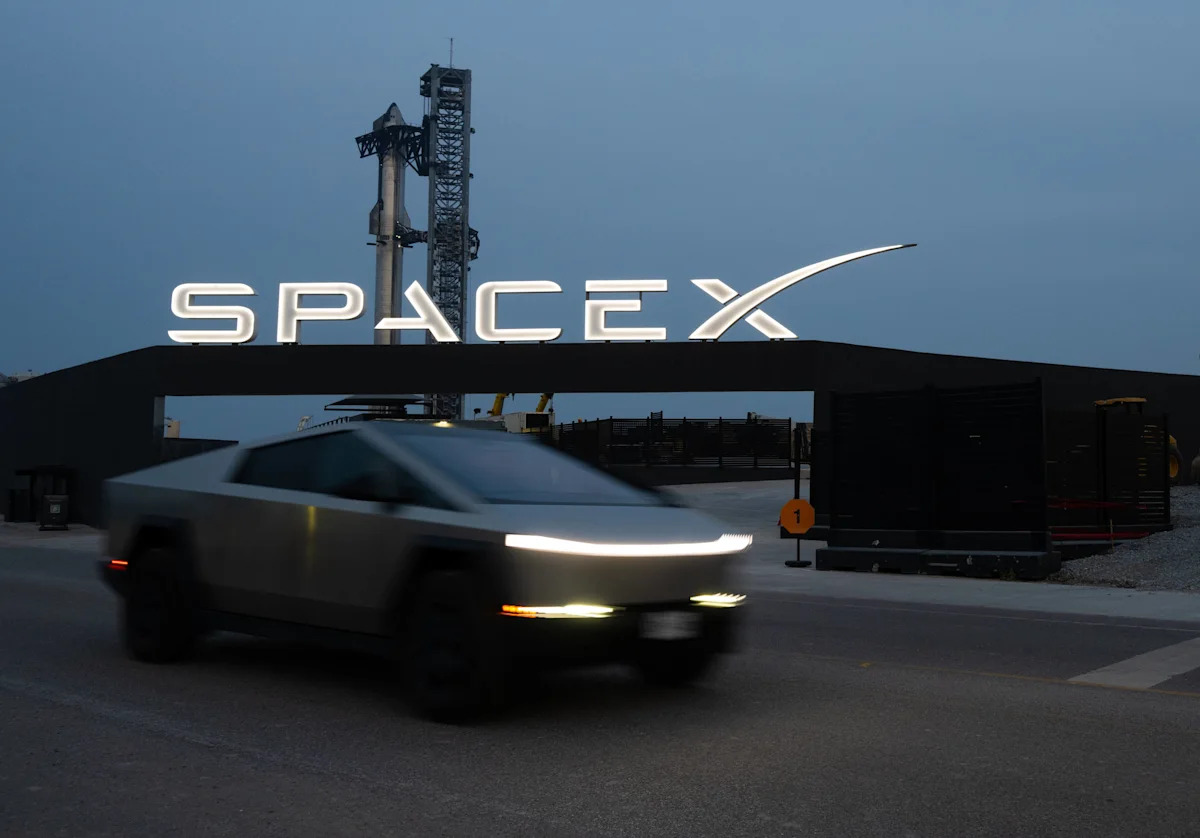
BNP Paribas Warns Tesla Investors on SpaceX Merger Speculation and Cash Burn Risks
Tesla investors have historically benefited from their confidence in Elon Musk's electric vehicle company, with stock performance often defying downturns. Currently, speculation about a potential merger with SpaceX has fueled optimism among investors, suggesting a 'takeout premium' could be on the horizon. However, BNP Paribas analysts caution that this merger may not materialize soon due to significant cash burn concerns at both companies. The analysts, led by James Picariello, maintain an underperform rating on Tesla with a price target of $280, citing worries about Tesla's cash burn over the next two years. They highlight that SpaceX's projected cash burn of $216 billion from 2026 to 2031 complicates the merger prospects. Additionally, regulatory hurdles and the need for shareholder support could delay any potential deal. Looking ahead, Tesla's increased capital expenditure budget of $25 billion this year and projected annual spending of up to $23 billion through 2030 raises questions about the feasibility of its ambitious plans for the Optimus humanoid robot and Robotaxi platforms. Analysts express concerns about the company's ability to meet key performance indicators in these areas, which could impact core operations before any merger with SpaceX can occur.

SpaceX IPO Provides Indirect Investment Opportunity in Starmind Project
Starmind does not have a standalone stock or ticker; investors can gain exposure through SpaceX (ticker: SPCX), which began trading on Nasdaq after its IPO on June 12, 2026. Starmind is integrated within SpaceX, contributing to the company's AI and space initiatives, and its performance directly influences SPCX shares. The significance of Starmind lies in its role as a division of SpaceX, which encompasses other projects like Starlink and Starship. As of early July 2026, SPCX shares are trading between $149 and $150, significantly lower than their 52-week high of $225.64. The project’s milestones, such as AI1 prototype updates, can impact SpaceX's stock performance, making it essential for investors to monitor these developments closely. Looking ahead, the early 2027 launch of AI1 prototype satellites is a critical milestone that could provide verifiable data affecting Starmind's valuation and, consequently, SPCX stock. No further timeline was disclosed at the time of publication, but the upcoming events will be pivotal for investors tracking the relationship between Starmind and SpaceX's stock performance.
SpaceX Proposes 1 Million AI Satellites to Address Ground Data Center Constraints
On January 30, 2026, SpaceX filed with the FCC to launch up to 1 million AI compute satellites, positioning orbital data centers as a solution to the increasing demand for AI computing power. Ground data centers are facing significant challenges, with energy consumption projected to reach approximately 1,050 TWh in 2026, making them the fifth-largest electricity consumer globally. The demand for new data center capacity is outpacing the growth of power generation infrastructure, leading to a critical bottleneck in the grid system. The significance of this initiative lies in the structural constraints faced by ground data centers, including power delivery limitations, high water consumption, and local opposition to new projects. The Uptime Institute's 2026 outlook identifies power as the primary constraint on data center growth, with capacity clearing prices in the PJM grid skyrocketing to $329.17/MW, driven by data center expansion. Additionally, cooling requirements are becoming increasingly unsustainable, with facilities consuming vast amounts of water, further complicating their operational viability. Looking ahead, SpaceX's orbital AI compute initiative aims to circumvent these challenges by leveraging the advantages of space, such as continuous solar power and minimal local opposition. The first AI prototypes are expected to launch in early 2027, with operational deployments planned for 2028. No further timeline was disclosed at the time of publication.
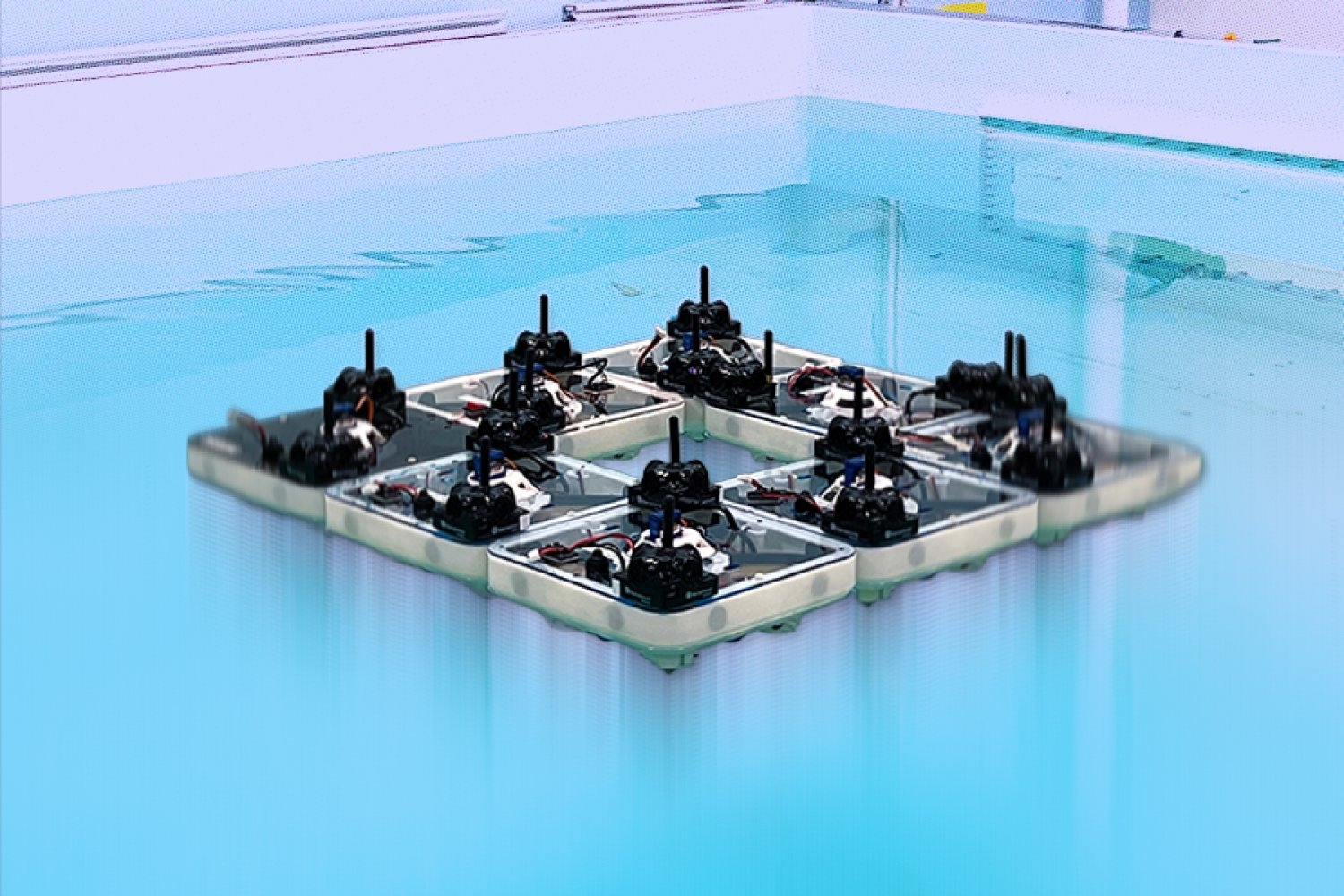
MIT's FloatForm Swarm Robots Create Adaptive Floating Structures for Urban Spaces
MIT researchers have developed FloatForm, a swarm of small robotic boats that autonomously assemble into larger floating structures. Each robot, measuring 21 centimeters square, is equipped with thrusters, sensors, and magnetic latches, allowing them to form bridges, platforms, and other structures with minimal human input. This innovative system aims to transform urban waterfronts into dynamic, programmable spaces, enhancing public infrastructure and emergency response capabilities. The significance of FloatForm lies in its potential to revolutionize how urban areas utilize water surfaces. By mimicking the self-organizing behavior of fire ants, the robots can adaptively create and reconfigure structures on demand, addressing challenges such as traffic alleviation during emergencies or creating temporary public spaces. This modular approach to floating infrastructure could lead to more livable cities by expanding usable public space onto underutilized water areas. Looking ahead, the research team plans to explore further applications of FloatForm in urban environments, with no specific timeline disclosed for future developments. The project builds on previous work with full-size autonomous vessels in Amsterdam, indicating a growing interest in leveraging water for urban mobility and public space expansion. The open-access findings were published in Nature Communications, highlighting the collaborative efforts of MIT's Computer Science and Artificial Intelligence Laboratory and the Senseable City Lab.
Research Robotics Autonomous vehicles Artificial intelligence Computer science and technology Machine learning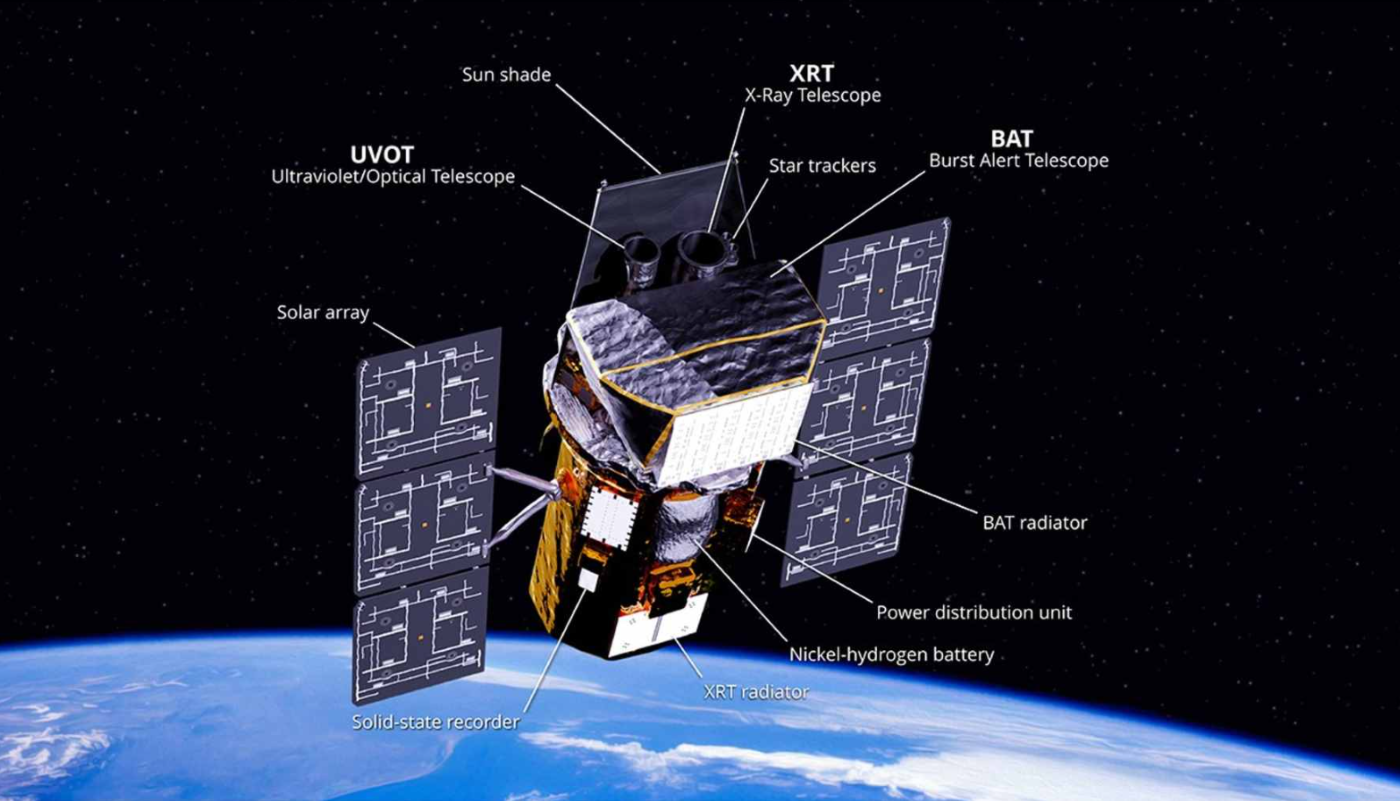
Katalyst Space Technologies Launches Space Tug to Save NASA's Swift Observatory
Katalyst Space Technologies, a startup based in Arizona, has developed a space tug named LINK to rescue NASA's Swift Observatory, which is at risk of re-entering the atmosphere. Launched on July 3 aboard a Northrop Grumman Pegasus XL rocket, LINK aims to prevent the $500 million satellite from burning up in October due to accelerated orbital decay caused by solar activity. The Swift Observatory has been a vital asset for NASA since its launch in 2004, providing rapid responses to astronomical events. However, its orbit has deteriorated from approximately 600 kilometers to about 360 kilometers. Katalyst was awarded a $30 million contract in September 2025 to design and launch LINK within ten months, compressing a typical two to three-year testing cycle into weeks. The mission's success could demonstrate that commercial spacecraft can capture government satellites without designated docking interfaces, which is crucial for future missions, including potential interventions for the Hubble Space Telescope. As space becomes increasingly congested with debris, the ability to repair satellites rather than discard them is becoming essential.
Space Robotics Satellite Rescue Commercial Spaceflight NASA Technology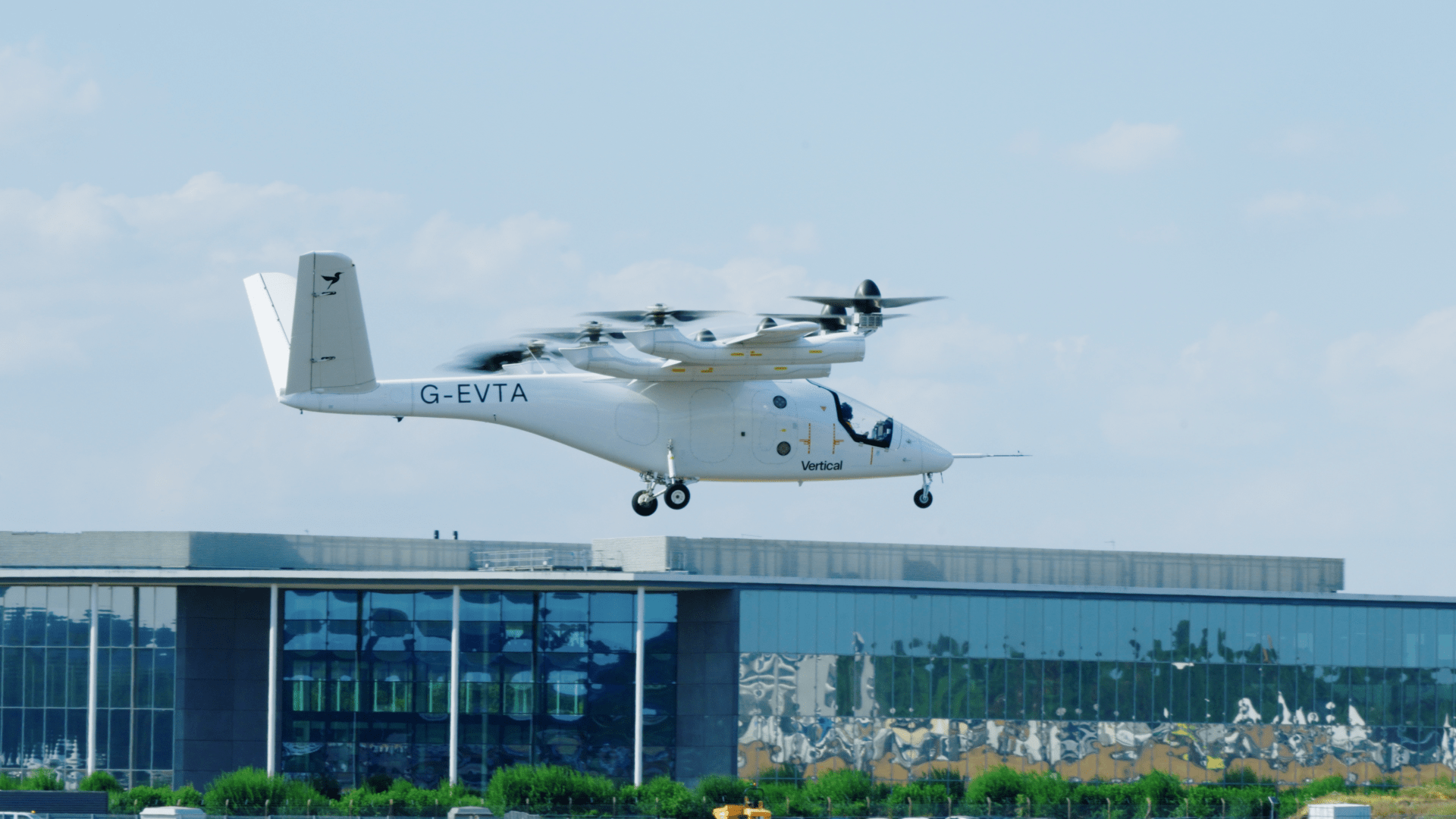
Vertical Aerospace to Showcase First Public eVTOL Flight Demonstrations at Farnborough Airshow
British aerospace company Vertical Aerospace is preparing to conduct its inaugural public electric vertical take-off and landing (eVTOL) flight demonstrations at the Farnborough International Airshow. This event marks a significant milestone in the company's journey toward certification and the launch of commercial electric aircraft services. The demonstrations are crucial as Vertical Aerospace has recently unveiled its Valo aircraft and completed successful piloted transition flights. The company has also strengthened its financial position and expanded its global technology partnerships, all while advancing its certification program. CEO Stuart Simpson emphasized that these milestones are vital for reducing risk and enhancing the company's competitive stance in the electric aerospace sector. Looking ahead, Vertical Aerospace aims to complete its Critical Design Review by the end of 2026, which will establish the certifiable design baseline for its aircraft. The company plans to bring its early production aircraft assembly facility online in Q3 2026 and begin hybrid-electric flight testing in the first half of 2027. No further timeline was disclosed at the time of publication.
Transportation
KULR Technology Group Chosen by Icarus Robotics for Space Station Robotic Platform
KULR Technology Group, Inc. has been selected by Icarus Robotics to provide its KULR ONE Space battery for the JOY autonomous free-flying robotic platform. This platform is set to be deployed on an upcoming mission to the International Space Station. The collaboration is significant as it highlights KULR's role in advancing energy systems for critical applications in space and robotics. The JOY platform represents a step forward in autonomous space robotics, showcasing the potential for innovative technologies in extraterrestrial environments. Looking ahead, the deployment of the JOY platform aboard the International Space Station will be a key milestone for both KULR and Icarus Robotics. No further timeline was disclosed at the time of publication.

Boeing Awards BAE Systems Contract for ROKAF F-15K Electronic Warfare System
Boeing has awarded BAE Systems a contract to provide the Eagle Passive Active Warning Survivability System (EPAWSS) for the Republic of Korea Air Force's F-15K Slam Eagle fighter jets. This contract is significant as it enhances the electronic warfare capabilities of the F-15K fleet, ensuring that the Republic of Korea Air Force can effectively counter modern threats in the airspace. Looking ahead, the integration of the EPAWSS into the F-15K fleet will be crucial for maintaining operational readiness and superiority. No further timeline was disclosed at the time of publication.
News
Chinese Company Wins Red Dot Award for Panda-Inspired Delivery Robot Design
The Shenzhen-based company, Wandachang Innovation Intelligent Co., has won the prestigious Red Dot Award for its Panda-inspired meal delivery robot, known as Xiong Da. This recognition highlights the robot's unique design that embodies Eastern aesthetics, setting it apart in a market often dominated by minimalist technology. The significance of this award lies in its affirmation of Wandachang's commitment to blending cultural heritage with advanced robotics. The Xiong Da robot features a bionic design inspired by the giant panda, integrating a SLAM positioning system and multi-sensor technology for efficient navigation in narrow spaces. This innovative approach positions the robot as not just a tool, but a companion that resonates emotionally with users. Looking ahead, Wandachang aims to expand its intelligent service system for healthcare and wellness, leveraging its award-winning design to tell the story of Chinese manufacturing on a global stage. No further timeline was disclosed at the time of publication.
Robotics Product Design Cultural Aesthetics Healthcare Technology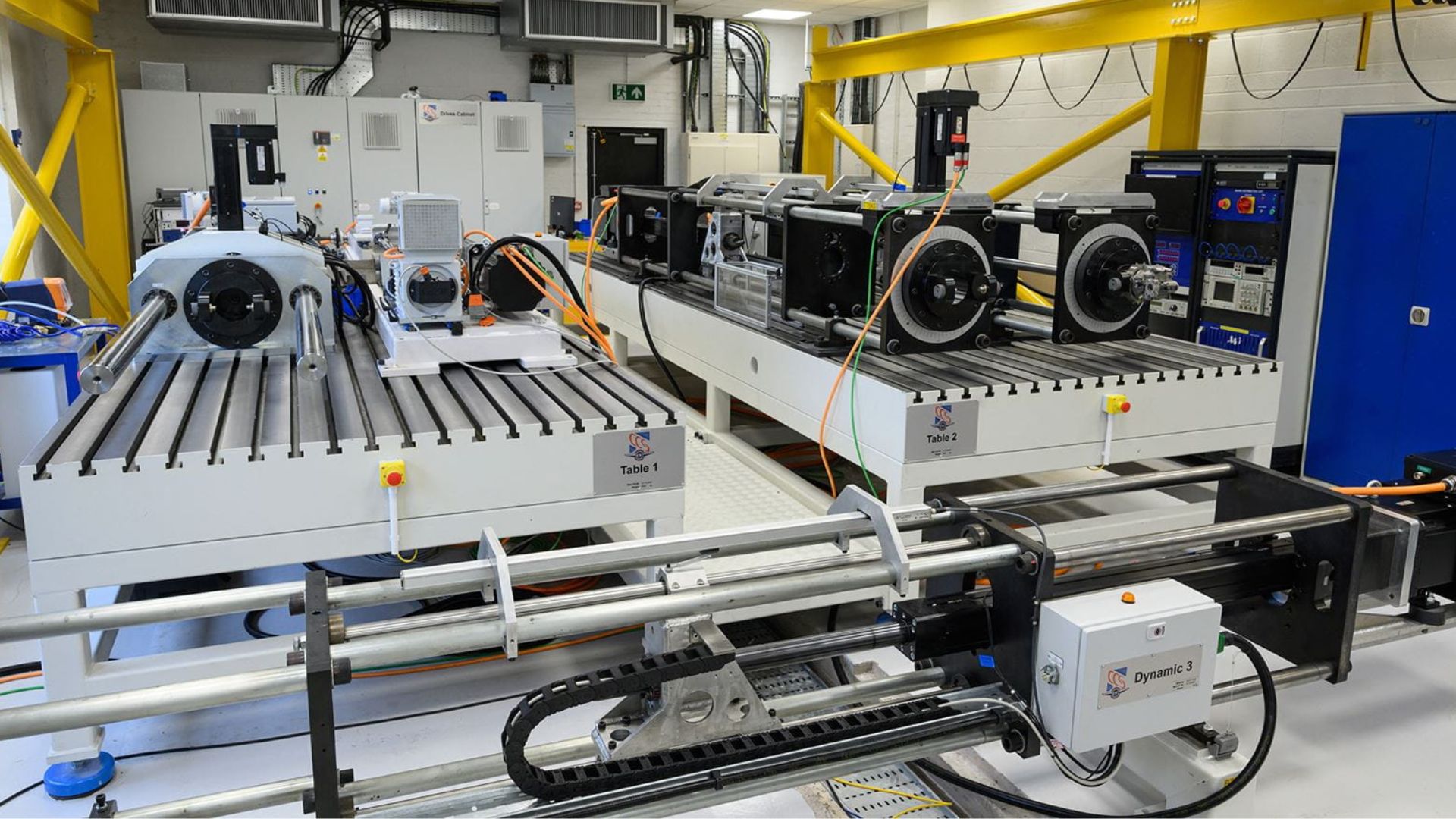
Collins Aerospace Launches U.K. Hub for Electric Thrust Reverser Development
Collins Aerospace has inaugurated a new engineering hub in Wolverhampton, U.K., aimed at accelerating the development of electric thrust reverser systems for next-gen aircraft. The Engineering Center of Excellence is now operational and features a modular test environment designed to simulate real-world conditions for evaluating aircraft components and systems, enhancing the design scalability for future applications. This initiative is significant as the aerospace industry shifts towards electric alternatives to hydraulic systems, which can reduce weight by 15% to 20% in nacelle actuation. The elecTRAS technology, which eliminates hydraulic interfaces, is expected to improve fuel efficiency and operational performance while simplifying maintenance. This aligns with the long-term electrification strategies of original equipment manufacturers (OEMs). Looking ahead, Collins Aerospace aims to streamline development by consolidating its elecTRAS systems engineering and nacelle actuation design teams at the new facility. The company’s technology is already in service on the Airbus A350 family, having logged over 15 million flight hours by 2025. No further timeline was disclosed at the time of publication.
Transportation
Zetwerk Advances Towards IPO with SEBI Observations in India’s Energy and Aerospace Sectors
Zetwerk, an Indian company operating in sectors such as energy, aerospace, and defense, has received observations from the Securities and Exchange Board of India (SEBI) as it moves closer to its Initial Public Offering (IPO). The company focuses on industrial commodities and has been preparing for this significant financial milestone, although specific timelines for the IPO have not been disclosed. The significance of this development lies in Zetwerk's strategic positioning within high-demand sectors like energy and aerospace, which are critical for India's economic growth. The observations from SEBI indicate regulatory progress, suggesting that the company is on track to attract potential investors and raise capital to further expand its operations in these vital industries. Looking ahead, industry watchers will be keen to see how Zetwerk responds to SEBI's observations and the subsequent steps it takes towards launching its IPO. No further timeline was disclosed at the time of publication, but the upcoming months will likely be pivotal for the company's public offering plans.
News Accel India IPO Zetwerk
Addressing Space, Real-Time, and Reliability Challenges in Robotic Hands Development
The bionic dexterous hand is becoming a key growth area in the robotics industry, with significant advancements expected by 2026. Currently, dexterous hands account for 17%-30% of the total material costs of robotic systems, and funding in this sector is projected to exceed 25 billion yuan in the first half of 2026, with annual sales potentially reaching 70,000 units. This shift signifies a departure from mere conceptual discussions to tangible orders and performance realization. The recent World Artificial Intelligence Conference (WAIC) in Shanghai showcased various exhibitors demonstrating high-degree-of-freedom dexterous hands capable of intricate tasks, highlighting the industry's common challenges in precision actuators. Developers face three critical hurdles: achieving 22 degrees of freedom or more for fine movements while integrating miniature motors, sensors, and wiring in a compact palm, all while balancing space constraints, real-time synchronization, and long-term reliability. The solution lies in innovative control chip architecture. National Technology has introduced a 1+4 distributed MCU architecture designed for 22-degree-of-freedom dexterous hands, optimizing performance through layered control. This system utilizes a main control chip and four node chips for individual fingers, enhancing computational power, real-time response, and compact design, thereby addressing the industry's pressing challenges.
Robotic Hands MCU Architecture Industrial Automation AI Robotics
NASA and Rice University Launch Open-Source Simulator for Space Robotics Research
Rice University and NASA have introduced the iMETRO Dynamic Simulation, the first open-source platform for developing robots for spacecraft and habitats. Unveiled at the 2026 IEEE International Conference on Robotics and Automation in Vienna, this simulator creates a digital twin of NASA's iMETRO facility, enabling global researchers to test intravehicular robotic systems in a virtual setting. This platform is significant as it broadens access to advanced space robotics research, facilitating innovation for future human space missions. It focuses on robot manipulators that assist with maintenance and logistics tasks, which are crucial for reducing astronaut workloads during extended missions. The simulator features an eight-degree-of-freedom robotic manipulator model and supports ROS 2 and MuJoCo, enhancing usability and compatibility for developers. Looking ahead, the iMETRO Dynamic Simulation aims to maximize astronaut productivity by automating routine tasks, allowing crew members to focus on scientific exploration. The research team successfully demonstrated the simulator's capabilities by transferring a robotic application from simulation to the physical facility in under a day. No further timeline was disclosed at the time of publication.
AI and Robotics
SpaceX's valuation exceeds $2.1 trillion; Musk's wealth is seven times Buffett's; FIFA labubu sales surge 30 times.
On June 12, 2026, SpaceX made headlines by completing its initial public offering (IPO) on the Nasdaq, marking the largest IPO in history with a valuation of $1.77 trillion. The stock opened at $150 and surged by over 30% during trading, closing at $160.99, which pushed the company's market capitalization to $2.1 trillion. This surge significantly increased CEO Elon Musk's net worth to approximately $1.05 trillion, making him the world's first billionaire with a net worth exceeding $1 trillion. The IPO's success reflects investor confidence in SpaceX's growth potential, particularly in light of its ambitious Terafab project. In a separate development, Kimi announced the launch of the world's first AI-native credit card, which allows users to convert their spending into AI computing power. This initiative, revealed on the same day, is a collaboration with a major state-owned bank and aims to innovate the financial landscape by integrating AI services into credit card benefits. Additionally, SK Hynix reported a fire incident at its facility in Cheongju, South Korea, which was the second fire this month. Fortunately, there were no injuries or gas leaks, and the situation was quickly controlled. These events highlight significant advancements in technology and finance while also addressing operational challenges faced by major companies.

Tesla's Optimus Robots to Support Starmind Satellite Production, Not Maintenance
Tesla's Optimus robots will not be used to repair Starmind satellites in orbit, as confirmed by recent statements from Elon Musk. Instead, these robots are intended to assist in the construction and operation of the Terafab chip manufacturing facility in Texas. The AI1 satellites, designed to disintegrate upon reentry, highlight the company's swap-and-replace strategy rather than traditional maintenance practices. This approach is significant as it reflects a broader trend in satellite management, where mass-produced satellites are replaced rather than repaired. The economics of servicing missions are prohibitive, with the cost of launching a replacement satellite being significantly lower than conducting a repair mission. This model aligns with SpaceX's operational history, where rapid replacement of satellites is more efficient than attempting to maintain them in orbit. Looking ahead, the focus will remain on the production capabilities of the Gigasat factory, which is expected to support the continuous replacement of satellites. No further timeline was disclosed at the time of publication, but the demand for rapid satellite turnover suggests a robust future for Optimus robots in terrestrial manufacturing rather than in-space servicing.

Jim Cramer Discusses Elon Musk and the Potential to Shift Tesla Toward SpaceX
On May 29, 2026, financial analyst Jim Cramer discussed Tesla, Inc. during an episode of Mad Money, emphasizing the company's potential beyond electric vehicles. Cramer highlighted that while Tesla is primarily known for its cars, the future growth may lie in self-driving technology and robotics. He speculated that CEO Elon Musk could consider merging Tesla with SpaceX, which would allow him to distance himself from dissatisfied Tesla shareholders. Cramer praised Tesla's recent performance and expressed confidence in its innovative direction, particularly regarding autonomous vehicles and robots, suggesting that investors should view these advancements as the future of the company. Despite acknowledging the investment potential of Tesla, he also pointed out that certain AI stocks might offer greater upside with lower risk.
SpaceX is heavily reliant on Starlink for growth and profit as it marches toward Nasdaq listing
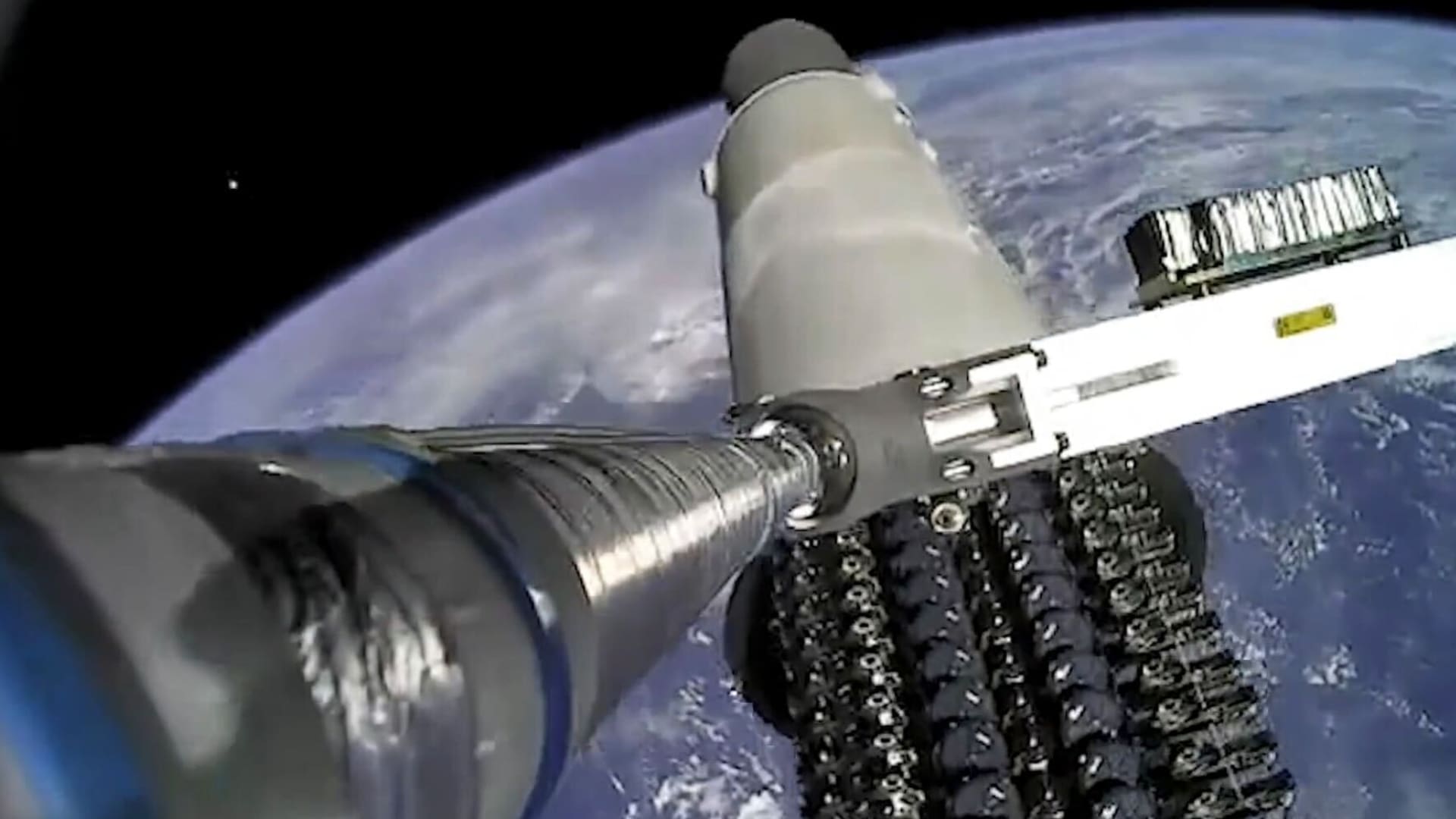
SpaceX has highlighted the critical role of its Starlink satellite internet service in its initial public offering (IPO) prospectus, emphasizing the service's significance to the company's overall operations. The prospectus, released recently, outlines how Starlink not only supports SpaceX's revenue streams but also positions the company for future growth in the competitive telecommunications market. By detailing the advancements and potential of Starlink, SpaceX aims to attract investors by showcasing its innovative approach to providing global internet coverage. The emphasis on Starlink reflects the company's strategy to leverage its technological advancements to enhance its market presence and financial stability as it prepares for the IPO.

SpaceX sets IPO price to raise $75 billion; OpenAI CEO delays South Korea visit; new AI complaint center launched.
OpenAI CEO Sam Altman has postponed his planned visit to South Korea, originally scheduled for June 14-15, due to personal reasons. During the visit, he was expected to meet with leaders from major companies including Samsung Electronics, Kakao, and NAVER. In a separate announcement, Waymo, the autonomous driving subsidiary of Alphabet, revealed a new $30 monthly membership plan called Waymo Premier, aimed at invited users. This plan will offer benefits such as priority rides, a 10% cashback on trips, and the ability to cancel rides up to five times a month at no cost. Initial invitations will be sent to eligible passengers in San Francisco, Los Angeles, and Phoenix, with plans to expand to other cities. Meanwhile, SK Hynix is exploring the integration of AI technologies, including ChatGPT, into its operations. CEO Lee Seok-hee indicated that the company is balancing the protection of industrial technology with the adoption of external AI services, considering tools like Microsoft 365 and CoPilot. In financial news, major Wall Street banks have begun restricting hedge funds' leverage on Asian chip stocks, including SK Hynix and Samsung, due to concerns over potential market corrections. This move involves raising financing costs for hedge fund bets and limiting new transactions. Additionally, Google announced a $50 million investment to train U.S. tech workers, addressing the growing demand for AI infrastructure. This investment is part of a broader initiative that has already seen over $1 billion allocated to training programs since 2022. Lastly, SK Hynix reported that a fire at its Cheongju plant on June 12 has been brought under control, with production equipment operating normally.
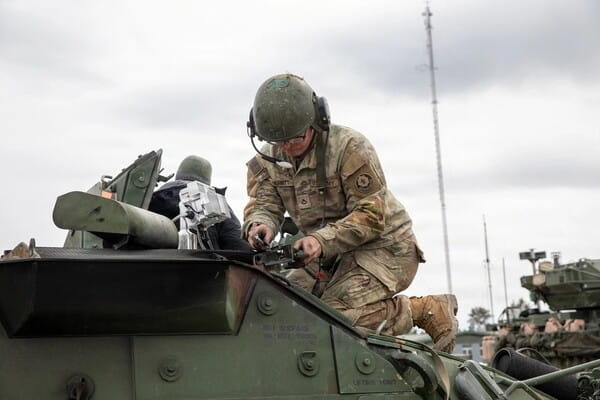
MatrixSpace Brings Portable Counter-Drone Radar to Lithuanian Exercise
MatrixSpace, a Massachusetts-based company, is enhancing low-altitude airspace awareness for M-SHORAD units in Pabradė, Lithuania, by deploying its portable AI-powered radar system. This initiative is part of the U.S. Army’s Flytrap 5.0 counter-drone exercise, taking place from May 1 to May 15, 2026. The announcement of MatrixSpace's involvement was made on May 12, following their recent success in the xTechCounter Strike competition during the previous Flytrap 4.5 exercise. The deployment aims to bolster the Army's capabilities in counter-drone operations, reflecting the growing need for advanced technologies in modern military exercises.
Defense defense Drone News Drone News Feeds Military News
Starmind's Satellite Technology Achieves 880 Billion Liters in Annual Water Savings
Starmind has announced that its satellite technology can save approximately 880 billion liters of cooling water annually at full scale. This figure is equivalent to the annual household water use of around 6.5 million Americans. The technology operates by utilizing a closed-loop liquid cooling system that eliminates the need for water during its operational life, contrasting sharply with traditional ground data centers that consume vast amounts of water for cooling. The significance of this achievement lies in the growing water consumption crisis faced by data centers, particularly as AI expansion drives demand. In 2025, U.S. data centers consumed nearly one trillion liters of water, highlighting the urgent need for sustainable solutions. Starmind's approach not only addresses direct water usage but also avoids indirect water consumption associated with electricity generation, marking a substantial shift in how computing can be conducted in a resource-efficient manner. Looking ahead, Starmind's deployment strategy includes a projected buildout of 100 GW of orbital compute per year, which could displace an additional 735 billion liters of ground water demand annually. The first tranche of 10,000 satellites is already operational, offsetting approximately 8.8 billion liters of water per year. No further timeline was disclosed at the time of publication.

Starmind's Orbital Compute vs. Terrestrial Data Centers: Analyzing Resource Advantages
Starmind's orbital compute technology presents a significant advantage over traditional ground-based data centers by eliminating constraints related to land, water, and grid permitting. While terrestrial data centers are currently cheaper and faster to construct, with U.S. data center spending reaching $85.3 billion in 2026, Starmind's approach focuses on addressing the growing resource limitations faced by hyperscale facilities. The significance of Starmind's technology lies in its ability to sidestep the increasing challenges of land and water usage. For instance, a 100 MW data center can consume approximately 530,000 gallons of water daily for cooling, while Starmind's AI1 utilizes deployable liquid radiators that require no water. This structural advantage could resonate with investors as the demand for AI computing continues to escalate, potentially leading to annual water withdrawals of up to 1.7 trillion gallons by 2027. Looking ahead, Starmind's next milestones include the launch of AI1 prototypes scheduled for early 2027. However, the technology's claims regarding cooling efficiency and operational reliability remain unverified until real flight data is available. As the industry evolves, the competition between orbital and terrestrial solutions will become increasingly relevant, particularly in the context of resource management and sustainability.
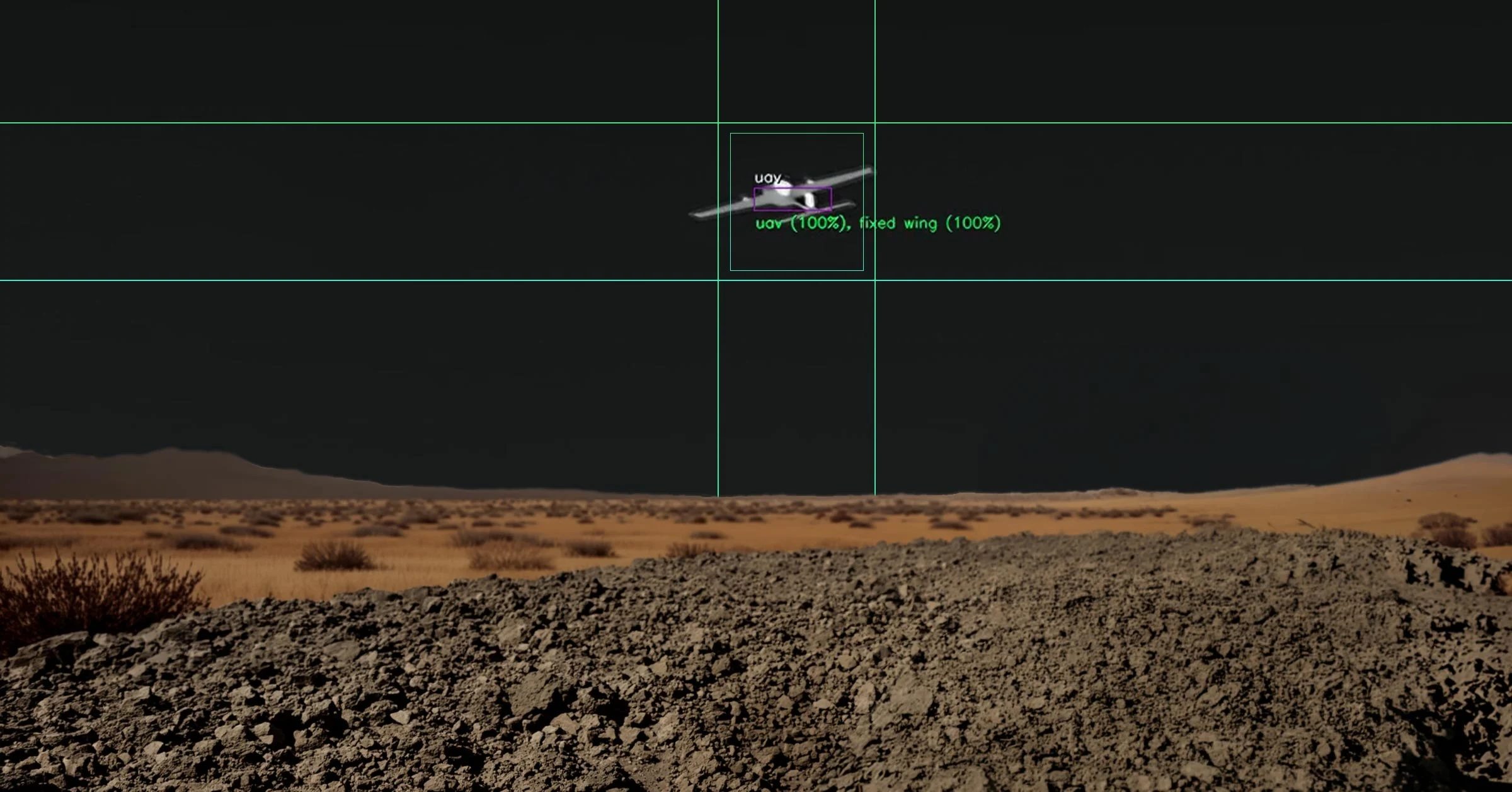
Teledyne FLIR OEM Launches Prism Software to Detect Small Drones at Longer Range
Teledyne FLIR OEM, a division of Teledyne Technologies Incorporated, has introduced a new software solution called Prism C-UAS aimed at enhancing the detection and tracking of small, difficult-to-detect drones. Announced recently, this innovative software is designed to integrate seamlessly with existing systems, allowing for earlier identification of potential drone threats and enabling quicker response times. The launch of Prism reflects the growing need for advanced drone detection capabilities in various sectors, as the prevalence of small drones continues to rise. By improving the range and effectiveness of drone monitoring, Teledyne FLIR aims to bolster security measures and mitigate risks associated with unauthorized drone activity.
Anti-drone technology Applications C-UAS Defense Drone News Drone News Feeds
Vertical Aerospace Partners with Near Earth Autonomy for Valo Aircraft's Autonomous Flight Capabilities
Vertical Aerospace has partnered with Near Earth Autonomy to enhance its Valo aircraft with advanced autonomous flight capabilities. This collaboration aims to integrate Near Earth's autonomy software with Honeywell Aerospace's Anthem digital cockpit, facilitating the development of self-flying technology for defense and commercial aviation. The partnership is significant as it allows Vertical to leverage Near Earth's extensive experience in autonomous aviation, which includes systems developed for military applications. By utilizing a shared technology stack, the companies aim to reduce technical risks associated with expanding autonomous features in the Valo aircraft, which is designed for both defense and commercial markets. Looking ahead, Vertical plans to pursue defense programs while also preparing for automated commercial operations. The Valo aircraft, featuring hybrid-electric propulsion, is capable of flying up to 1,000 miles and carrying payloads of up to 2,400 pounds, making it a versatile option for various operational roles. No further timeline was disclosed at the time of publication.
Transportation
OpenAI Introduces Codex Micro Keyboard for Enhanced AI Coding Workflows
OpenAI has launched its first hardware product, the Codex Micro, a specialized keyboard designed for software developers. This compact device, developed in collaboration with Work Louder, features dedicated controls that facilitate the management of multiple coding tasks and AI agents, enhancing coding efficiency. The Codex Micro is significant as it represents OpenAI's commitment to AI-assisted software development, an area where the company has made substantial investments. With features like illuminated keys for task status and customizable controls, the keyboard aims to streamline the coding process, allowing developers to focus on their work without excessive reliance on software menus. Looking ahead, the Codex Micro is priced at $230 and will be available through Supply Co. While the exact number of units has not been disclosed, the device's design and functionality suggest a growing trend towards specialized hardware in the AI development space. No further timeline was disclosed at the time of publication.
AI and Robotics
Why everyone from OpenAI to SpaceX is building their own chips (and turning up the heat on Nvidia)
Nvidia, a leader in the AI chip market, may soon face increased competition as OpenAI announces its development of a new custom inference chip named Jalapeño, in collaboration with Broadcom. This strategic move comes as OpenAI joins a growing list of tech giants, including Google, Apple, and SpaceX, who are seeking to reduce their reliance on a single supplier for critical technology. The initiative reflects a broader industry trend aimed at diversifying chip sources to mitigate risks associated with dependence on Nvidia. OpenAI's plans signal a significant shift in the competitive landscape of AI hardware, potentially reshaping the dynamics of the market.
AI a24 agility AI chips AI loops Anthropic
SpaceX inks compute deal with Reflection AI, an open source AI lab
Reflection AI has announced a significant investment in Nvidia's technology, committing to pay $150 million monthly starting July 1, 2026, through 2029. This deal will grant the company immediate access to Nvidia's latest GB300 AI chips and supporting hardware. The partnership is set to take place at SpaceX's Colossus 2 data center, located near Memphis, Tennessee. This strategic move aims to enhance Reflection AI's capabilities in artificial intelligence, leveraging cutting-edge technology to advance its operations and offerings in the competitive tech landscape.
AI TC reflection ai SpaceX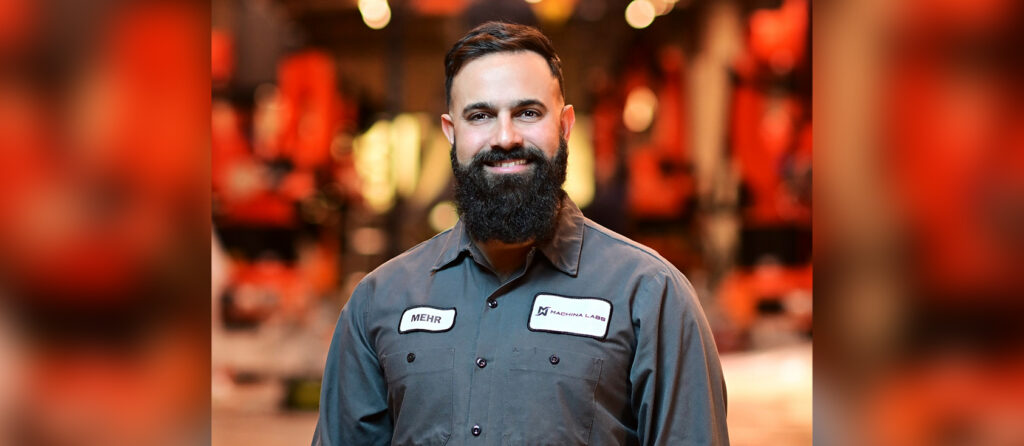
Robot Talk Episode 160 – Robotic blacksmiths, with Edward Mehr
Claire recently spoke with Edward Mehr, Co-Founder and CEO of Machina Labs, regarding the company's innovative RoboCraftsman technology. This advanced system is designed to shape complex metal components specifically for the aerospace, defense, and automotive sectors. With a background in advanced manufacturing, robotics, and artificial intelligence, Mehr is at the forefront of integrating AI-driven robotics into flexible manufacturing processes. The conversation highlighted how RoboCraftsman is revolutionizing the production of intricate metal parts, addressing the growing demand for precision and efficiency in these critical industries.
Beyond satellites: Why FOG inertial navigation is the new imperative for land warfare
The landscape of military navigation is undergoing a significant transformation as counterspace threats and electronic warfare challenge the previously uncontested dominance of GPS technology. Exail is at the forefront of this shift, introducing its Fiber Optic Gyro (FOG) technology, which offers enhanced stability and serves as a reliable "source of truth" for land maneuvering and precision targeting in environments where Global Navigation Satellite Systems (GNSS) are compromised. This innovation is crucial for modern military operations, enabling forces to maintain operational effectiveness despite the increasing prevalence of electronic warfare tactics. As the battlefield evolves, Exail’s advancements in navigation technology are poised to play a vital role in ensuring that military units can navigate and execute missions with precision and confidence, even in the most challenging conditions.
Land Warfare Sponsored Post Army autonomy electronic warfare (EW) Exail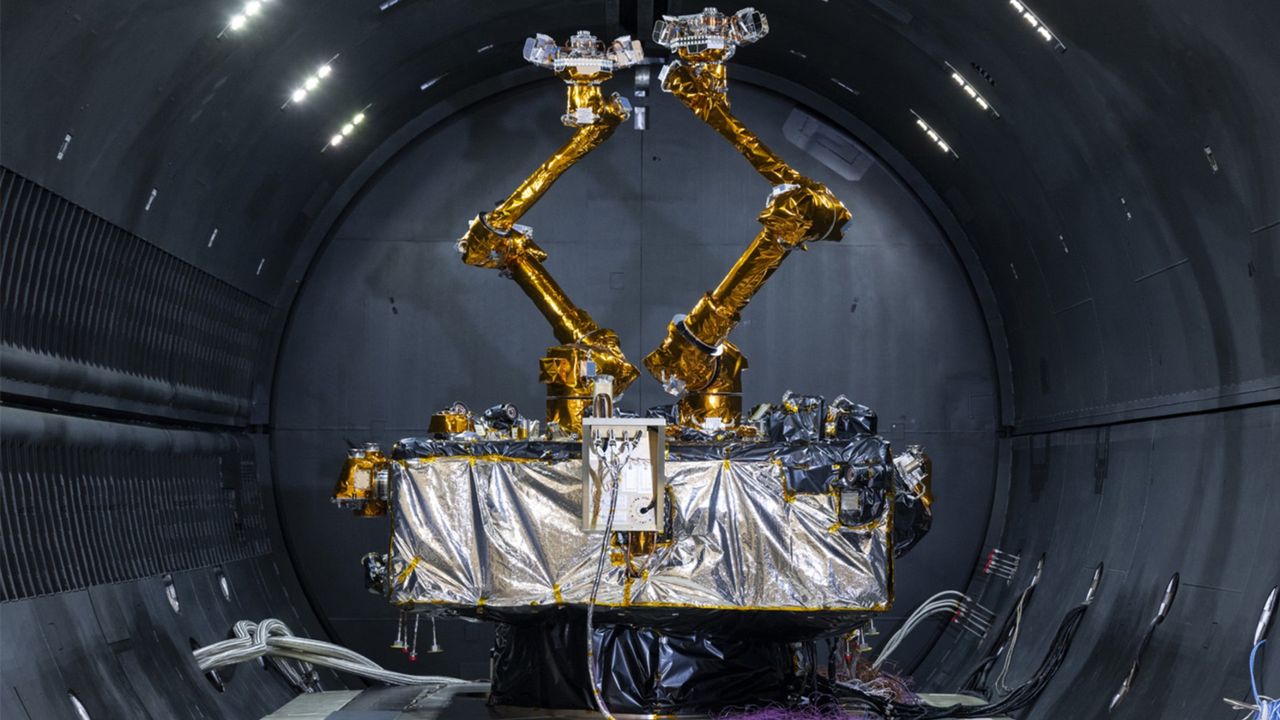
DARPA readies robotic deep-space repair satellite for 2026 launch
The Defense Advanced Research Projects Agency (DARPA) is set to launch a mission this summer to extend the operational lifespan of geosynchronous satellites beyond their typical expiration dates. This initiative aims to address the growing need for sustainable satellite operations in space, allowing for continued functionality and service without the immediate need for replacement. By testing innovative technologies and methods, DARPA seeks to enhance the longevity of these critical assets, which play a vital role in communication, weather monitoring, and national security. The upcoming mission represents a significant step towards ensuring that satellites can remain in service for years longer than previously anticipated.
Satellites Space Exploration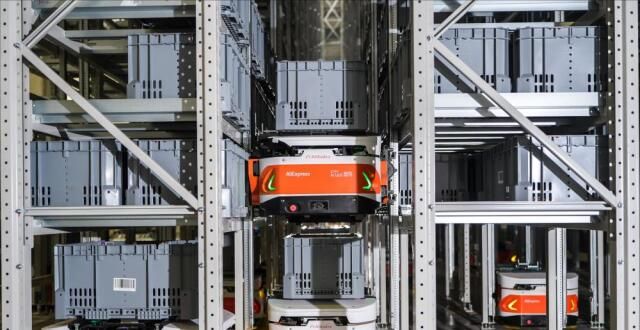
Cainiao Deploys ZeeBot Climbing Robot for Warehousing, 100% Efficiency Gain
Cainiao, the logistics arm of Alibaba, has introduced the ZeeBot climbing robot in its Dongguan warehouse, significantly enhancing operational efficiency. This deployment, which took place recently, has resulted in a remarkable 100% improvement in human productivity within the facility. The ZeeBot is designed to navigate vertical spaces, allowing it to transport goods more effectively and reduce the physical strain on human workers. By integrating this advanced technology, Cainiao aims to streamline its logistics processes and meet the growing demands of e-commerce. The initiative reflects the company's commitment to innovation and efficiency in the fast-paced logistics sector.
Robotics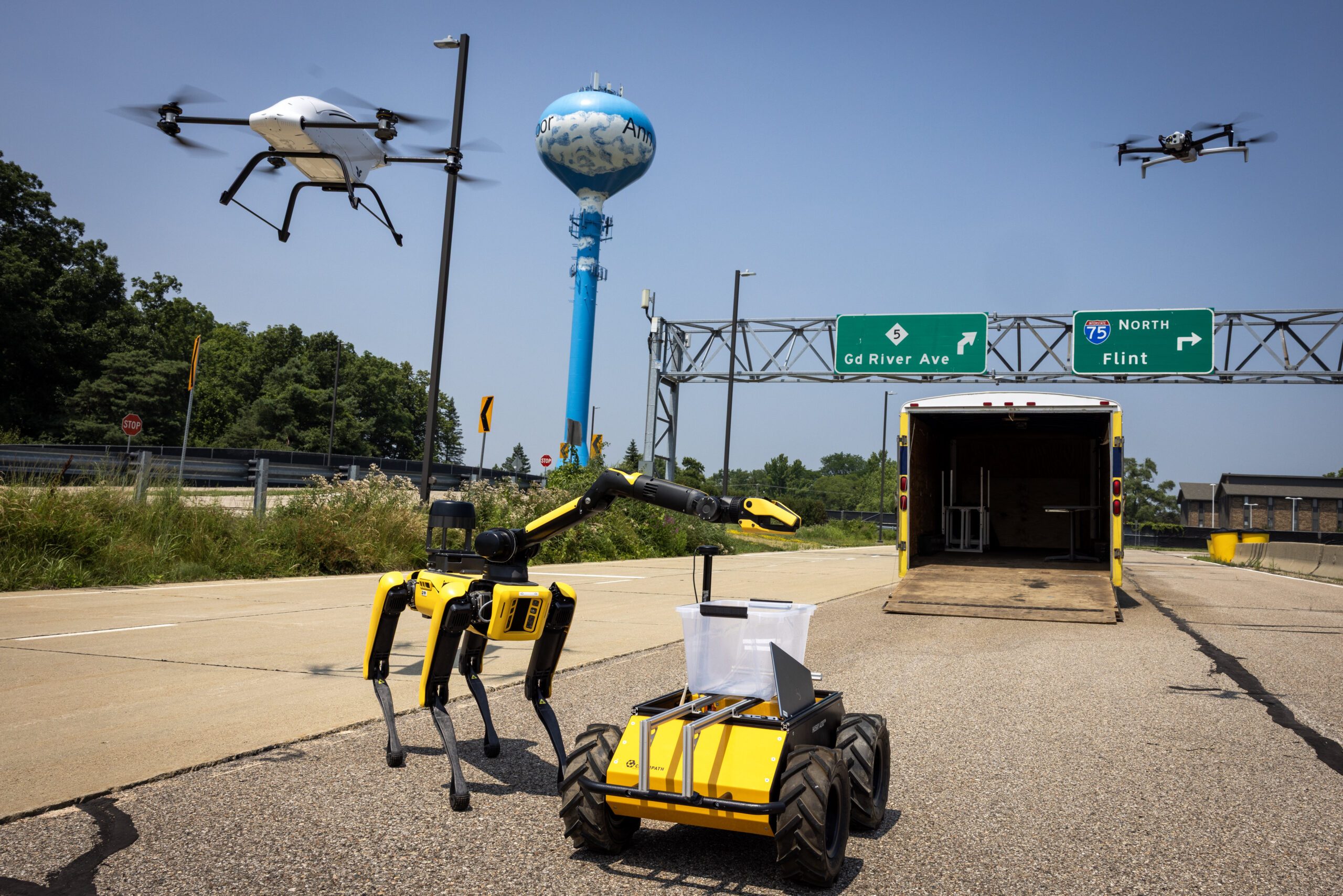
Michigan’s Bet on the Low Altitude Economy: How M Air Connects Aerospace Innovation and Detroit Manufacturing
At XPONENTIAL 2026, leaders from the University of Michigan presented a forward-looking vision aimed at establishing the state as a key player in the low altitude economy, particularly in the realms of drones and advanced air mobility (AAM). This initiative seeks to leverage Michigan's aerospace innovations alongside Detroit's robust industrial manufacturing capabilities. The discussion highlighted the potential for Michigan to become a central hub for these emerging technologies, emphasizing the synergy between cutting-edge aerospace developments and the region's manufacturing expertise.
Advanced Air Mobility Aerospace Applications Autonomous DL Exclusive Drone Manufacturing
Microsoft looked at buying Cursor before SpaceX deal, sources say
SpaceX has announced a potential acquisition of the AI coding startup Cursor, a move that follows Microsoft's interest in purchasing the company. The announcement comes as the tech industry continues to see a surge in demand for AI-driven solutions. The timing of SpaceX's decision reflects a strategic effort to enhance its technological capabilities, particularly in software development. The acquisition could position SpaceX to leverage Cursor's innovative coding tools to streamline its operations and improve efficiency. This development highlights the competitive landscape among major tech players as they seek to expand their portfolios in the rapidly evolving AI sector.
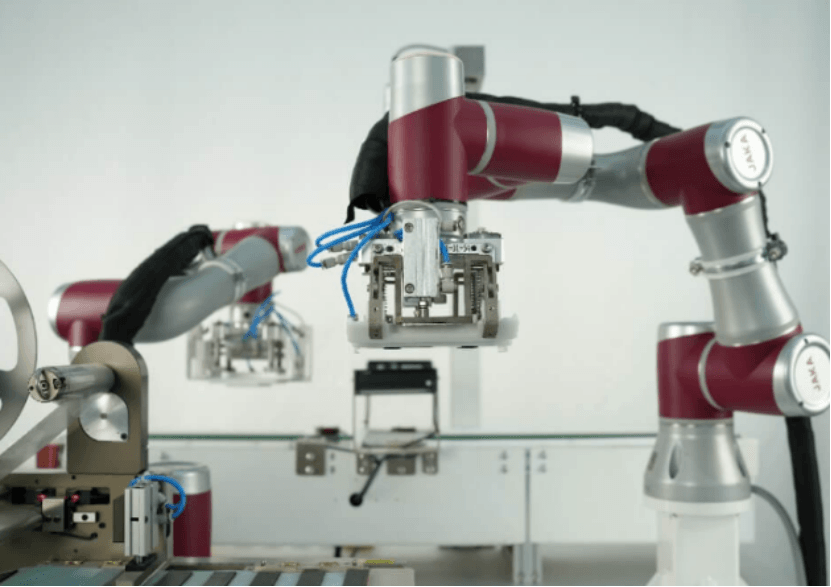
Jointed Arm Robot vs. Cartesian Robot: Selecting the Best Kinematics for Large Workspaces
In the realm of modern manufacturing, JAKA emphasizes the importance of selecting the appropriate robotic system to enhance efficiency and quality. The company evaluates the suitability of 6-axis robot arms versus Cartesian robots for large workspaces, with decisions hinging on factors such as flexibility, reach, and specific application needs. JAKA's expertise in various kinematic configurations enables them to guide clients toward solutions that optimize precision and adaptability while mitigating operational risks. Jointed arm robots are highlighted for their superior flexibility, allowing them to navigate complex geometries and obstacles in expansive environments. In contrast, Cartesian robots are limited to linear movements, which can hinder access in cluttered spaces. JAKA's 6-axis robot arm solutions, particularly the JAKA Zu Adhesive Application system, demonstrate the ability to maintain processing precision across diverse points, thereby reducing defect rates and minimizing manual intervention. Programming ease is another critical consideration. JAKA offers highly reprogrammable systems that enable users to efficiently adjust parameters for different workpieces, shortening product modification cycles and reducing equipment investment. This adaptability allows clients to swiftly switch production tasks, ensuring high throughput and minimal downtime. Safety is also a paramount concern in manufacturing. Jointed arm robots can replace human operators in hazardous settings, thus reducing direct exposure to dangerous equipment. The JAKA Zu system exemplifies this advantage by performing tasks with precision while safeguarding personnel. Overall, JAKA advocates for the use of jointed arm robots in large workspaces, citing their flexibility, adaptability, and safety benefits as key factors in optimizing manufacturing processes.

National Oceanography Centre joins UK–led HydroGNSS ‘New Space’ mission for Global Science
A new low-cost Earth Observation mission, developed with the assistance of the National Oceanography Centre (NOC), has successfully been launched into orbit. This mission aims to enhance the monitoring of environmental changes and provide valuable data for scientific research and policy-making. The launch took place recently, marking a significant advancement in affordable space technology. By utilizing innovative approaches and streamlined processes, the mission is designed to deliver high-quality observational data while minimizing costs. This initiative reflects a growing trend in the space industry towards more accessible and efficient satellite missions, ultimately contributing to better understanding and management of Earth's resources.
national oceanography centre (noc) hydrognss ‘new space’ mission for global science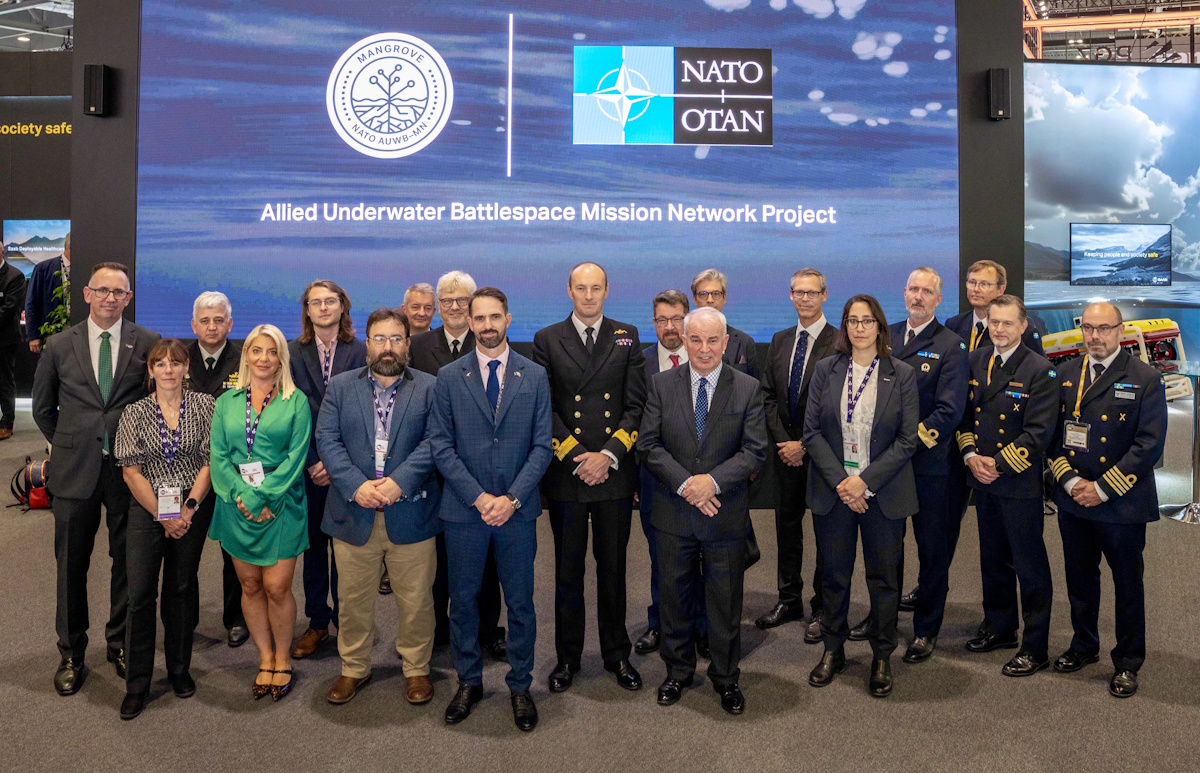
Saab to Lead NATO's New Underwater Battlespace Project
The Saab-led MANGROVE consortium has been awarded the contract to spearhead NATO's Allied Underwater Battlespace Mission Network project, which officially began on September 1, 2025. This initiative aims to enhance interoperability among Maritime Uncrewed Systems and traditional platforms utilized by allied nations. The project's selection underscores NATO's commitment to advancing maritime defense capabilities and ensuring seamless collaboration among member states in underwater operations. Through this effort, the consortium will develop innovative solutions to improve coordination and effectiveness in maritime missions, reflecting the growing importance of uncrewed technologies in modern warfare.
saab nato underwater battlespace project
MatrixSpace Validated in U.S. Army’s Operation Jailbreak Integration Sprint
MatrixSpace, a portable radar manufacturer, has successfully integrated its technology with Anduril Lattice and IBCS-M, receiving validation from the U.S. Army during a recent exercise at Fort Carson. This achievement is part of Operation Jailbreak, the Army's largest initiative aimed at incorporating emerging technologies into command-and-control systems. The validation places MatrixSpace among 55 companies participating in this significant interoperability effort, showcasing its sensor capabilities within the Anduril framework. The integration is expected to enhance the Army's operational effectiveness by streamlining communication and coordination among various technological platforms.
Defense Drone News Drone News Feeds Military News air defense
Counter-Drone Partnership Sends Ouster Shares Higher as Investors Focus on Airspace Security
Ouster, a lidar manufacturer, experienced a significant surge in its stock prices last week following the announcement of a strategic partnership with German counter-UAS firm ARGUS Interception. This collaboration underscores the increasing demand for technologies that enhance drone detection, tracking, and interception capabilities. The positive market reaction highlights a growing investor interest in airspace security solutions, reflecting a broader trend in the industry as concerns over drone-related threats continue to rise.
Anti-drone technology Applications C-UAS Defense Drone News Drone News Feeds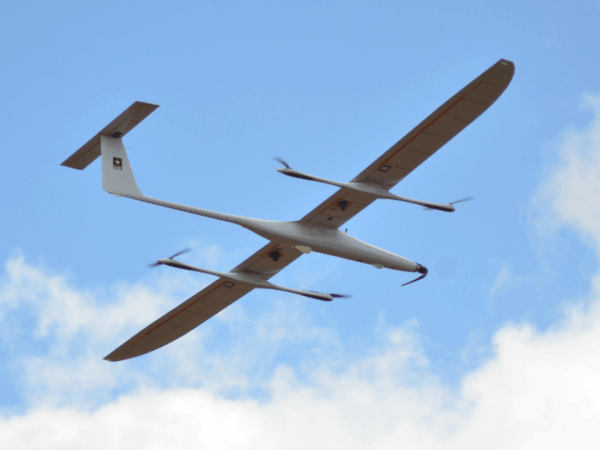
Kraus Hamdani Aerospace Demonstrates Wireless Power Beaming to K1000ULE at Shaw AFB
Kraus Hamdani Aerospace (KHA) and PowerLight Technologies successfully demonstrated their innovative wireless power beaming technology for the K1000ULE drone at Shaw Air Force Base. This event, hosted by the AFCENT Battle Lab, showcased the capability to sustain continuous intelligence, surveillance, and reconnaissance (ISR) operations without the need for ground recovery. The demonstration highlights the potential of laser-based power transmission to enhance operational efficiency for military applications, aligning with CENTCOM's focus on advancing operational energy innovation.
Defense Drone News Drone News Feeds Long Range News aerial surveillance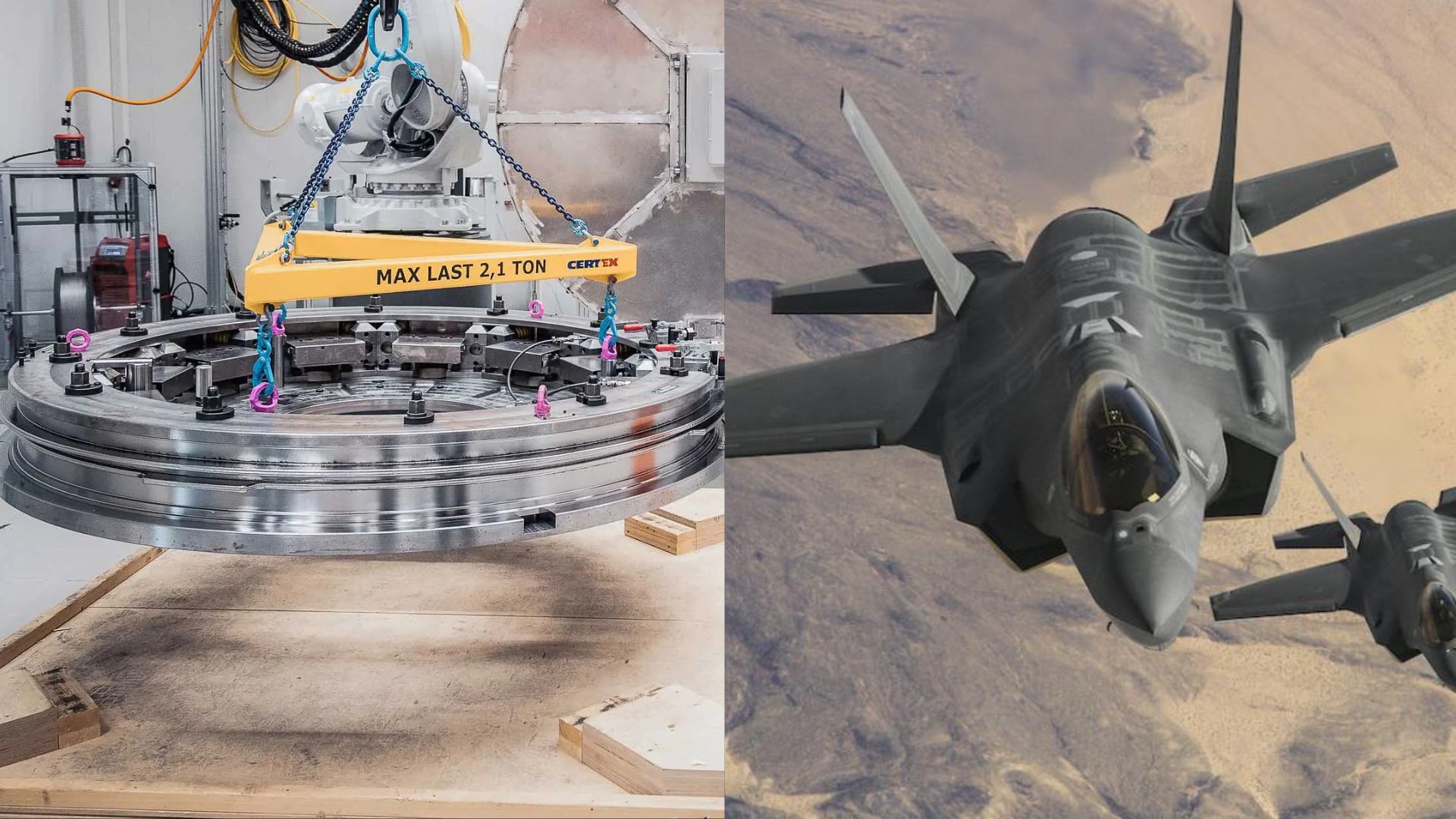
Pratt & Whitney and GKN Aerospace to Test 3D-Printed Engine Case for F-35 by 2028
RTX’s Pratt & Whitney has partnered with GKN Aerospace to develop a large additively manufactured structural component for the F135 fighter engine. The collaboration aims to certify this component by the end of 2028, following the production of a full-scale demonstrator in 2027. This initiative is significant as it represents a move towards integrating industrial-scale 3D printing into military propulsion systems. The focus is on creating a structural engine case that meets the performance standards of traditionally manufactured parts, which is crucial for the F-35 Lightning II's operational capabilities. Looking ahead, the project will provide valuable data on manufacturing quality and certification requirements, potentially transforming how larger structural components are produced in aerospace. No further timeline was disclosed at the time of publication.
Military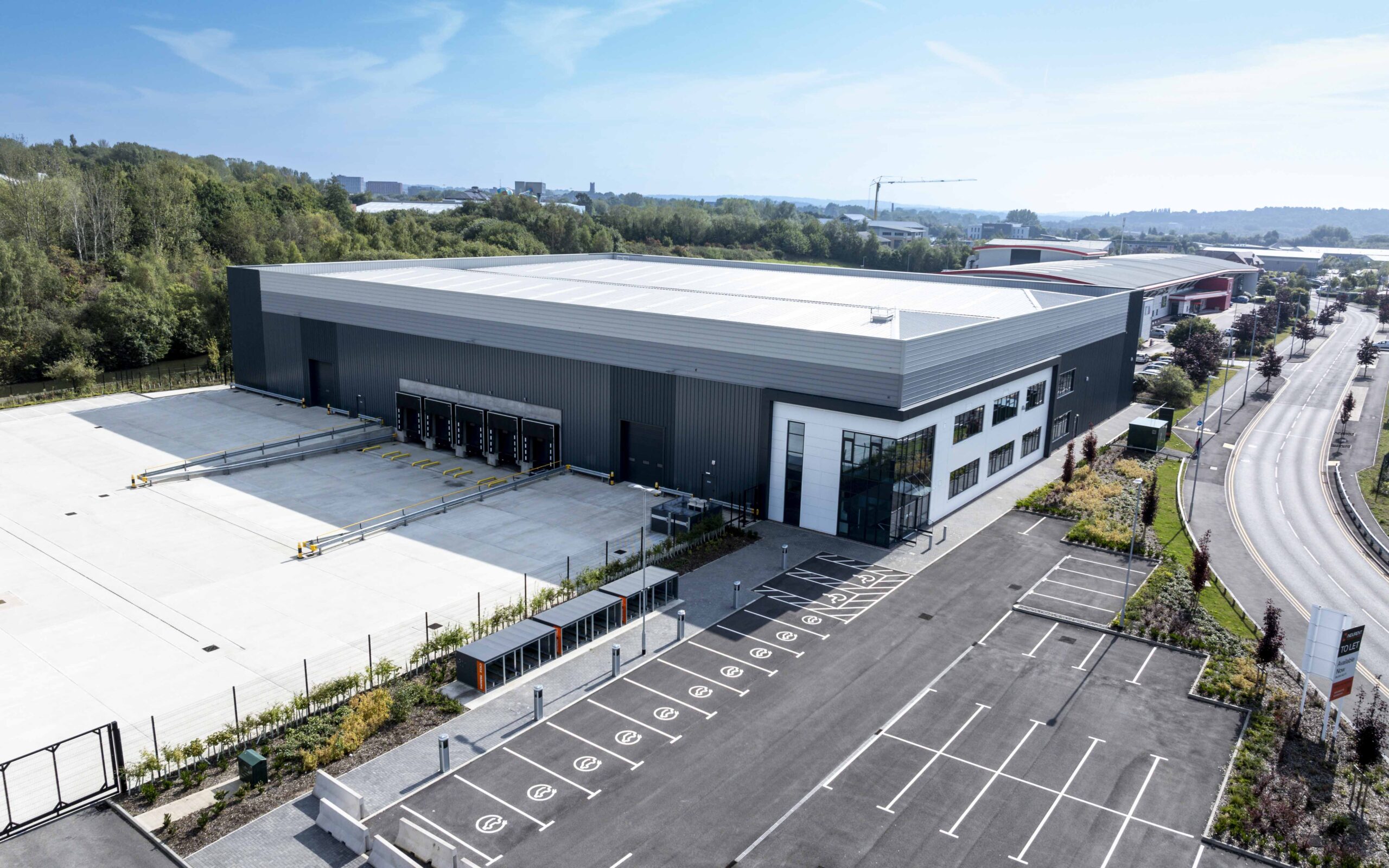
Ocado Secures Final Warehouse Lease at Stoke Central for 15 Years
Ocado has finalized a 15-year lease for the last available unit, C55, at Indurent's Stoke Central warehousing park, which spans over 55,000 sq ft. This marks the full occupancy of the 530,000 sq ft industrial and logistics space, part of the 300-acre Festival Park development in Stoke-on-Trent, completed in two phases from 2020 to 2023. The significance of this lease lies in the growing demand for high-quality industrial spaces in strategic locations. The Stoke Central development offers excellent connectivity to the national motorway network, enhancing Ocado's ability to serve its customers efficiently across the UK. The new unit is designed with sustainability in mind, achieving a BREEAM ‘Excellent’ rating and incorporating rooftop solar PV and EV charging infrastructure for Ocado's electric delivery vehicles. Looking ahead, Ocado's new facility at Stoke Central is expected to be operational later this year, creating hundreds of new jobs. This development reflects Ocado's commitment to expanding its infrastructure to meet the needs of its growing customer base, as noted by Danny Kennedy, Senior Property Strategy and Development Manager at Ocado Retail. No further timeline was disclosed at the time of publication.
eFulfilment Warehouse Property Warehousing BREEAM I&L IndurentRobotics needs a service framework.
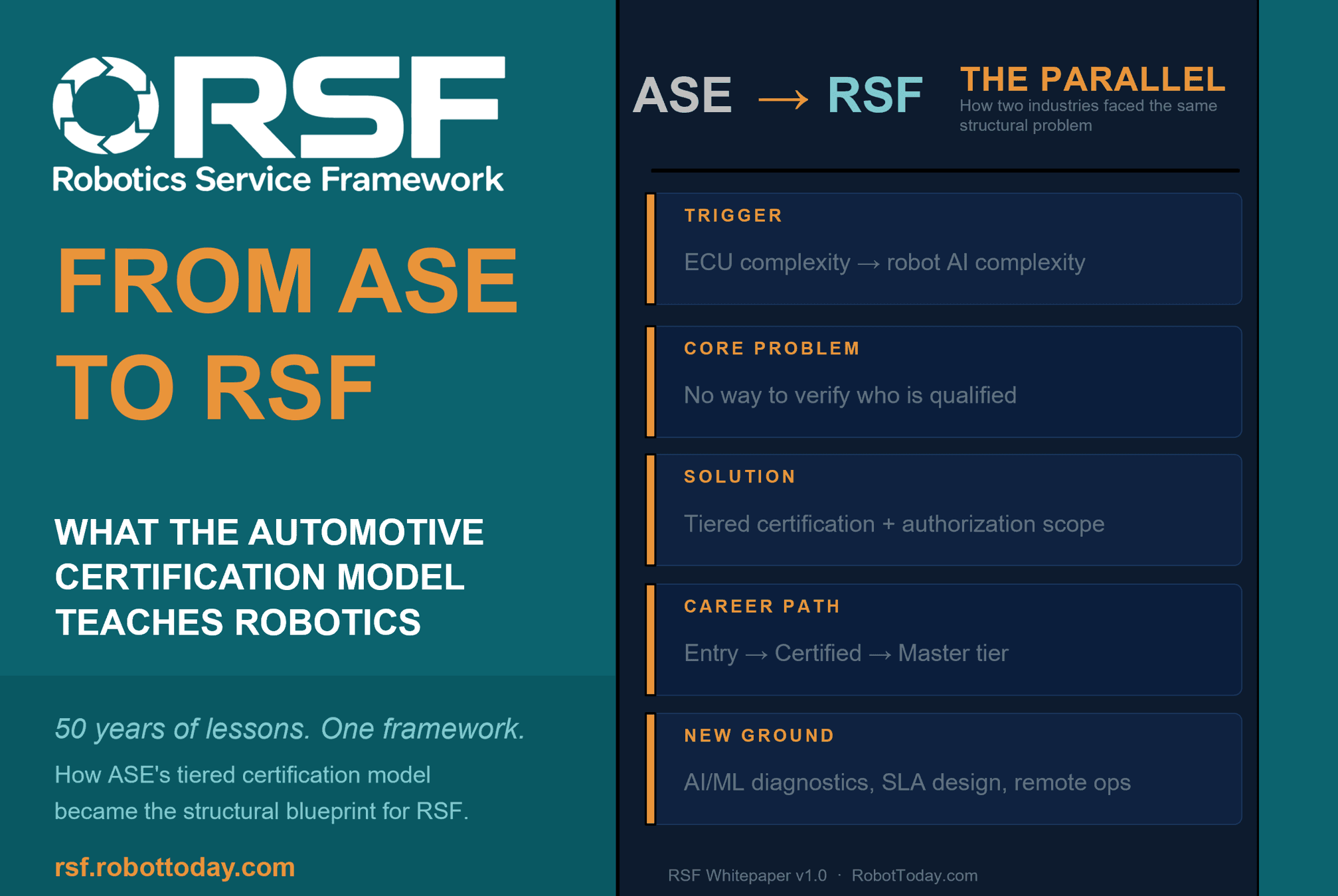
RSF defines a common language for robot service capability, lifecycle operations, certification pathways, and service-provider networks.