A single destination for timely, editor-curated robotics news from around the world.
A team at the Sixth Medical Center of the PLA General Hospital has successfully conducted a total hip replacement on a 50-year-old woman who had been suffering from avascular necrosis for nine years. The surgery, which took place recently, utilized the advanced Kuntuo® orthopedic surgical robot, allowing for exceptional precision during the procedure. Remarkably, the implant errors were controlled within a mere 0.5mm, showcasing the technological advancements in orthopedic surgery. This achievement not only highlights the capabilities of robotic-assisted surgery but also aims to improve the quality of life for patients with similar conditions.
leaderobot.com By Leaderobot Apr 22, 2026 Orthopedic Surgery Surgical Robotics Precision Medicine Total Hip Replacement
Tesla's Optimus robots will not be used to repair Starmind satellites in orbit, as confirmed by recent statements from Elon Musk. Instead, these robots are intended to assist in the construction and operation of the Terafab chip manufacturing facility in Texas. The AI1 satellites, designed to disintegrate upon reentry, highlight the company's swap-and-replace strategy rather than traditional maintenance practices. This approach is significant as it reflects a broader trend in satellite management, where mass-produced satellites are replaced rather than repaired. The economics of servicing missions are prohibitive, with the cost of launching a replacement satellite being significantly lower than conducting a repair mission. This model aligns with SpaceX's operational history, where rapid replacement of satellites is more efficient than attempting to maintain them in orbit. Looking ahead, the focus will remain on the production capabilities of the Gigasat factory, which is expected to support the continuous replacement of satellites. No further timeline was disclosed at the time of publication, but the demand for rapid satellite turnover suggests a robust future for Optimus robots in terrestrial manufacturing rather than in-space servicing.
optimusk.blog By OptimusK Blog Jul 08, 2026
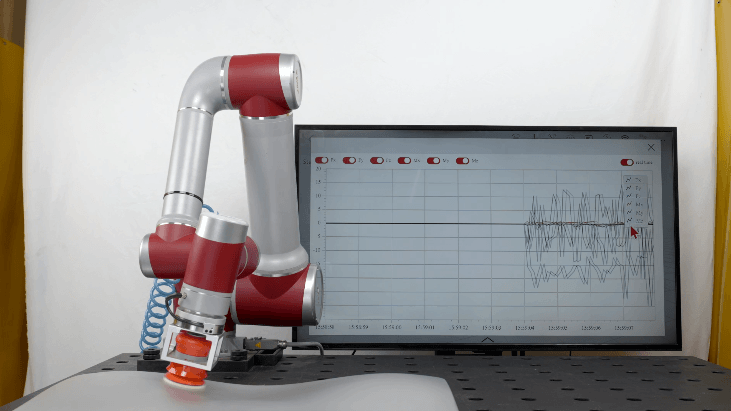
JAKA, a leader in automation solutions, emphasizes the importance of evaluating the total cost of ownership (TCO) when considering investments in industrial collaborative robots (cobots). Unlike traditional robotic systems that require extensive installation and specialized programming, JAKA's cobots offer flexibility and efficiency, significantly reducing labor costs and workspace requirements. This approach allows for rapid redeployment across production lines, enhancing long-term financial and operational benefits for businesses seeking cost-effective automation. The JAKA Pro16 Polishing and Grinding solution exemplifies the adaptability of industrial cobots, ensuring consistent processing precision and reducing defect rates. Its reprogrammable system enables quick adjustments for different workpieces, thereby shortening product modification cycles and minimizing the need for additional equipment. Furthermore, by taking over hazardous tasks, these robots enhance workplace safety by reducing direct human interaction with dangerous machinery. JAKA highlights that the TCO of cobots is influenced by their low maintenance requirements and operational efficiency. Unlike traditional robotics, which often involve complex setups and ongoing technical support, JAKA’s systems are designed for intuitive operation and seamless integration. Their modular design allows for future upgrades, extending service life and providing continuous value while minimizing downtime and maintaining consistent production quality. In conclusion, JAKA advocates for a comprehensive evaluation of automation solutions that goes beyond initial costs. By focusing on TCO, businesses can better appreciate how industrial cobots enhance operational efficiency, safety, and adaptability, ultimately leading to a scalable and efficient production environment.
jaka.com By JAKA Mar 24, 2026
On January 30, 2026, SpaceX filed with the FCC to launch up to 1 million AI compute satellites, positioning orbital data centers as a solution to the increasing demand for AI computing power. Ground data centers are facing significant challenges, with energy consumption projected to reach approximately 1,050 TWh in 2026, making them the fifth-largest electricity consumer globally. The demand for new data center capacity is outpacing the growth of power generation infrastructure, leading to a critical bottleneck in the grid system. The significance of this initiative lies in the structural constraints faced by ground data centers, including power delivery limitations, high water consumption, and local opposition to new projects. The Uptime Institute's 2026 outlook identifies power as the primary constraint on data center growth, with capacity clearing prices in the PJM grid skyrocketing to $329.17/MW, driven by data center expansion. Additionally, cooling requirements are becoming increasingly unsustainable, with facilities consuming vast amounts of water, further complicating their operational viability. Looking ahead, SpaceX's orbital AI compute initiative aims to circumvent these challenges by leveraging the advantages of space, such as continuous solar power and minimal local opposition. The first AI prototypes are expected to launch in early 2027, with operational deployments planned for 2028. No further timeline was disclosed at the time of publication.
optimusk.blog By OptimusK Blog Jul 08, 2026
On January 30, 2026, SpaceX submitted a request to the FCC to launch up to 1 million satellites as part of its Starmind orbital compute constellation. This ambitious plan is unprecedented, as the total number of satellites ever launched globally is in the low tens of thousands. The proposal seeks a waiver from standard deployment milestones, citing reliance on the Starship's full reusability for success. The significance of this request lies in the technical and logistical challenges it presents. Experts warn that low Earth orbit may not support the proposed number of active satellites without risking a debris cascade. SpaceX's own IPO prospectus acknowledges unresolved dependencies related to Starship's launch cadence and reusability, which are critical for the orbital AI compute strategy. Looking ahead, the timeline for achieving the necessary launch cadence and manufacturing capacity remains uncertain. SpaceX's Gigasat facility in Texas aims for volume production by late 2027, but this would require unprecedented output levels. No further timeline was disclosed at the time of publication, leaving the feasibility of the Starmind project in question.
optimusk.blog By OptimusK Blog Jul 08, 2026
Zhipingfang, a company specializing in embodied artificial intelligence, has successfully raised around 5 billion yuan in new funding. This significant financial boost has propelled the company's total valuation to over 20 billion yuan. The funding is expected to enhance the development of Zhipingfang's innovative NeuroVLA architecture, which is inspired by brain functions. The announcement of this funding round highlights the growing interest and investment in advanced AI technologies, reflecting the industry's potential for future growth and innovation.
PanDaily.com By [email protected] (Pandaily) Jun 29, 2026 Startups
The orthopedic team at PLA General Hospital has achieved a significant milestone by successfully conducting a complex total knee replacement surgery utilizing the KINOVA® robotic system. The procedure was performed on a 74-year-old man suffering from severe knee deformities. Following the surgery, the patient demonstrated remarkable improvement, benefiting from the precise alignment and positioning of the prosthesis. This outcome underscores the effectiveness of robotic assistance in enhancing the precision and success of complex orthopedic surgeries.
leaderobot.com By Leaderobot Jun 22, 2026 Robotic Surgery Orthopedic Surgery Knee Replacement Medical Technology
In response to increasing regulatory pressures regarding electronic waste, Tuurny, a San Francisco-based startup, is developing an innovative automated system aimed at enhancing e-waste recycling. With global e-waste projected to reach 82 million tonnes annually by 2030, current recycling methods capture less than one-third of the recoverable metal value from discarded electronics. Tuurny’s robotic system, named Nantul, is designed to identify and extract reusable components, particularly RAM integrated circuits, from circuit boards before they are shredded. The company plans to deploy dozens of these machines in early 2027 through a partnership with Areera, a UK-based television recycler that processes 1,500 tonnes of televisions monthly. Tuurny’s approach contrasts with traditional recycling methods, which often destroy valuable components by mixing them into bulk streams. Instead, Nantul employs advanced robotics and computer vision to carefully remove and sort components, aiming to create a new supply chain from recycled materials. Sina Ghashghaei, Tuurny’s founder, emphasizes the importance of recovering components from legacy systems, where sourcing replacements can be challenging. The technology, which combines suction, controlled heat, and robotic controls, is designed to minimize damage during extraction. While experts acknowledge the technical feasibility of Tuurny’s approach, challenges remain in ensuring the robots can adapt to the variability of e-waste and operate cost-effectively. The success of this initiative could significantly impact the recycling industry and address supply chain concerns for critical components in various sectors.
Spectrum.ieee.orgAutomaton By Shannon Cuthrell May 19, 2026 E-waste Robotics Electronics-recycling Computer-vision
Faraday Future has successfully raised an additional $25 million in funding, bringing its total financing to $70 million within the past two months. This latest investment is aimed at facilitating the shipment of 1,500 robots by the end of the year. The announcement follows a previous financing round in April, where the company secured $45 million. This influx of capital is crucial for Faraday Future as it seeks to enhance its production capabilities and meet growing demand in the robotics sector.
RoboticsBusinessReview.com By The Robot Report Staff May 18, 2026 Artificial Intelligence Artificial Intelligence / Cognition Design / Development Financial Humanoids Investments
A team at PLA General Hospital, directed by Zhang Zhuo, has successfully completed a total knee replacement surgery on a 62-year-old patient suffering from complex joint deformities and old fractures. The procedure, which took place recently, utilized the advanced Kobot® orthopedic surgical robot, marking a significant advancement in surgical technology. This innovative approach not only restored proper limb alignment but also led to a notable improvement in the patient's knee function, enhancing their overall quality of life. The successful operation underscores the hospital's commitment to integrating cutting-edge technology in orthopedic care.
leaderobot.com By Leaderobot Apr 17, 2026 Orthopedic Robotics Knee Replacement Surgical Technology Medical Robotics
The orthopedic team at PLA General Hospital's Fourth Medical Center has achieved a significant milestone by successfully conducting its first total knee replacement surgery using the HX robotic arm. The procedure was performed on a 61-year-old female patient, marking a notable advancement in the application of domestic orthopedic surgical robots in clinical practice. This innovative technology aims to enhance surgical precision and promote quicker recovery times for patients undergoing knee replacement procedures.
leaderobot.com By Leaderobot Mar 17, 2026 Orthopedic Robotics Surgical Innovation Medical Technology Robotic Surgery
JAKA, a leader in robotics, emphasizes the importance of a comprehensive financial analysis when considering the purchase of collaborative robots (cobots). The company highlights that the total investment extends beyond the initial purchase price, requiring careful evaluation of all associated costs, including capital expenditure, operational expenses, and the often-overlooked costs of reprogramming and adaptation. The initial capital outlay for JAKA's Zu series cobot includes the robotic arm, its controller, essential peripherals like end-effectors, safety hardware, and mounting fixtures. The compact design of JAKA's flexible robot arms reduces the need for extensive foundational support, thereby lowering ancillary costs. Once installed, ongoing operational costs remain low due to the energy-efficient design and minimal maintenance requirements. JAKA's systems are built for reliability, which helps prevent unplanned downtime and reduces operational manpower costs. A key advantage of JAKA's cobots is their adaptability, which, while incurring some costs during reprogramming, is mitigated by the intuitive design that allows for quick adjustments. The user-friendly graphical programming and drag-and-drop teaching methods significantly decrease the time and expertise needed for reprogramming, thus reducing labor costs and minimizing production downtime. In summary, JAKA's flexible robot arms are designed to deliver long-term economic efficiency by focusing on reliability and ease of operation, ultimately providing a lower total cost of ownership throughout their lifecycle.
jaka.com By JAKA Mar 10, 2026
China’s State Administration for Market Regulation (SAMR) has initiated an investigation into Qualcomm regarding its acquisition of V2X chipmaker Autotalks. The inquiry, announced today, centers on potential violations of the country’s Anti-Monopoly Law, specifically related to Qualcomm's alleged failure to report the concentration of undertakings associated with the deal. Qualcomm had disclosed the acquisition in May 2023, which has now raised concerns about compliance with regulatory requirements in China. The investigation underscores the increasing scrutiny of foreign investments in the Chinese technology sector and reflects the government's commitment to enforcing antitrust regulations.
TechNode.com By TechNode Feed Oct 10, 2025 News Feed
Japan's semiconductor equipment exports to China experienced a significant surge in August, rising by 61.6% compared to the same month last year, totaling $1.29 billion. The Ministry of Finance reported that Japan shipped 6,742 tons of equipment to China, marking a 41% increase from July. This growth highlights the importance of machinery and equipment, which now represent 23.2% of Japan's overall exports. The robust demand for semiconductor technology in China is driving this upward trend, reflecting the ongoing global competition in the semiconductor industry.
TechNode.com By TechNode Feed Sep 23, 2024 News Feed
In the first half of 2026, Speeding Up Technology experienced a staggering 510% surge in robot sales, reaching a total of 282,600 units sold. The company's lidar product sales also saw substantial growth, with 719,200 units sold during the same period. This remarkable increase is attributed to advancements in digital chip technology and Speeding Up's strong foothold in both the robotics and automotive industries. The company is strategically positioning itself to become a leading perception technology platform in the evolving landscape of physical AI.
leaderobot.com By Leaderobot Jul 09, 2026 Robotics Lidar Technology AI Perception Digital Chips Automotive Technology
10Beauty, an innovative company specializing in automated nail art, has successfully secured $23.5 million in Series B funding, raising its total funding to over $70 million. The investment will support the expansion of its flagship product, 'The 10', a cutting-edge automated nail machine that provides a comprehensive manicure experience in just 25 to 45 minutes. Utilizing artificial intelligence and precision robotics, 'The 10' ensures both hygiene and personalized service for users. To enhance accessibility, 10Beauty has formed partnerships with major retailers, including Ulta Beauty and Nordstrom, to seamlessly integrate its services into their existing retail environments. This funding round marks a significant step in the company's mission to revolutionize the nail care industry through technology.
leaderobot.com By Leaderobot Jul 08, 2026 Nail Art Robots Automated Beauty Services AI Technology Retail Partnerships
On April 8, 2026, Digua Robotics revealed that it has successfully secured $150 million in Series B funding, increasing its total funding to $270 million. This financial boost is aimed at supporting the company's global business expansion and the development of its developer ecosystem. As a leader in the embodied intelligence chip sector, Digua Robotics is poised to leverage these funds to enhance its market presence and foster innovation in its technology offerings.
leaderobot.com By Leaderobot Apr 09, 2026 Robotics AI Chip Technology Funding Developer Ecosystem
On July 14, Zhuji Power, a humanoid robotics company, announced the completion of its Pre-IPO funding round, raising nearly $200 million and achieving a post-funding valuation of approximately $2.2 billion. This marks a significant milestone as the company has secured a total of $400 million in funding over two rounds within six months, positioning itself among the top tier of humanoid robotics firms in China. The importance of this funding lies in Zhuji Power's strategic shift from a technology-focused narrative to a capital-driven approach, with plans for an IPO targeting Hong Kong. The company offers a diverse product lineup, including the full-sized humanoid robot Oli, priced at 158,000 yuan, aimed at industrial and research applications, and the interactive robot Luna, starting at 298,000 yuan, designed for commercial service scenarios. Looking ahead, Zhuji Power's next challenge will be to demonstrate its market impact by revealing sales figures and customer engagement. The company's ability to convert its extensive partnerships and technological advancements into tangible deployment data will be crucial in justifying its high valuation and ensuring a successful IPO process.
leaderobot.com By Leaderobot 3 hours ago Humanoid Robots Pre-IPO Funding Robotics Technology Industrial Automation
On July 14, humanoid robotics company LimX Dynamics announced the completion of nearly $200 million in Pre-IPO funding, translating to approximately 1.36 billion RMB. The post-funding valuation reached 15 billion RMB, officially placing the company among unicorns valued over 10 billion. Over the past six months, the company has raised approximately 2.72 billion RMB in total funding. This funding round was backed by IDG Capital, leading AI hardware manufacturer Lens Technology, GGG Group, Redstone VC, Silicon Valley Huashan Capital, and Hefei Binhu Industrial Development Group, among others. Notably, nearly 70% of the funding came from overseas institutions in Europe, the Middle East, and North America. The participation of Lens Technology is strategically significant, as the production of humanoid robots requires a mature consumer electronics manufacturing system. Founded in 2022 by Professor Zhang Wei from Southern University of Science and Technology, LimX Dynamics has developed a comprehensive three-layer technology architecture. The company is currently advancing its IPO process for the Hong Kong stock market, with no revenue or delivery performance guarantees set in previous funding rounds. As of March 2026, LimX Dynamics aims to finalize its preparations for an IPO, leveraging its rapid funding momentum and a combination of global capital, local manufacturing leadership, and self-developed technology.
leaderobot.com By Leaderobot Jul 14, 2026 Humanoid Robots Pre-IPO Funding Robotics Technology AI Hardware Global Expansion
Changxin Technology, known as the 'first domestic storage stock,' has revealed its underwriting team ahead of its IPO scheduled for July 16. The underwriting group includes major firms such as CICC and CITIC Securities, totaling six brokers. This IPO is significant as several underwriters are also shareholders, indicating potential for substantial returns beyond underwriting fees. The IPO is crucial for Changxin Technology as it aims to strengthen its position in the semiconductor market, particularly in storage solutions. The involvement of top investment banks suggests confidence in the company's growth prospects, especially as the demand for memory chips continues to rise in various sectors, including artificial intelligence and data centers. In related news, SK Hynix made a successful debut on the Nasdaq on July 10, with shares rising nearly 13% on the first day. This event highlights the increasing interest in semiconductor companies and their potential for growth. No further timeline was disclosed regarding Changxin Technology's IPO progress at the time of publication.
36kr.com Jul 11, 2026
ABC-Mart, a leading Japanese shoe retailer, is focusing on expanding its presence in Southeast Asia under the leadership of President Kiichiro Hattori. Currently, the company operates approximately 1,500 stores globally, with nearly 400 located in Asia. Hattori's strategy aims to increase international sales to 50% of total revenue, up from less than one-third at present, by 2026. This expansion is significant as it reflects a broader trend among Japanese retailers seeking growth opportunities outside their domestic market. The move comes amid increasing competition in the Southeast Asian retail sector, where consumer demand for footwear continues to rise. By enhancing its international footprint, ABC-Mart aims to capitalize on this growing market and strengthen its brand presence in the region. Looking ahead, ABC-Mart's next milestone will be the implementation of its strategic initiatives to boost overseas sales. No further timeline was disclosed at the time of publication, but the company's commitment to expanding in Southeast Asia indicates a proactive approach to capturing market share in a rapidly evolving retail landscape.
Nikkei.com Jul 11, 2026
HeShan Technology, based in Beijing, has successfully completed a Series B funding round, raising hundreds of millions of yuan. The investment comes from a mix of industrial capital and specialized investment firms, including TaiPing Innovation and Junsheng Electronics. This funding marks the third financial boost for the company in six months, with plans for a Series C round already underway. HeShan reported that its total orders in the first half of the year reached four times that of the previous year, with monthly deliveries of tactile sensors stabilizing at tens of thousands. The significance of this funding round lies in the clear investment trends within the robotics sector. Investors like Junsheng Electronics and AUX are focusing on practical technologies that can integrate with existing production lines, moving away from speculative concepts. HeShan has established a comprehensive stack covering chips, sensors, and data simulation, addressing the growing demand for tactile perception in smart healthcare devices, especially as the aging population increases in China. Looking ahead, HeShan Technology's next milestone will be the advancement of its Series C funding efforts. The company is poised to leverage its tactile technology to enhance safety in elderly care scenarios, collaborating with industry partners. No further timeline was disclosed at the time of publication, but the strong order volume and delivery capabilities position HeShan as a leader in the tactile robotics market, addressing the industry's need for mature, scalable solutions.
leaderobot.com By Leaderobot Jul 10, 2026 Tactile Sensors Robotics Industrial Automation AI Technology
At the RoboCup 2026 held in Incheon, South Korea, Tsinghua University's Fire God team secured the championship title by defeating their opponent 6-2. Notably, all gold medals in the humanoid categories were won by robots from the same Chinese company, Booster Robotics. A total of 59 teams participated, with 38 utilizing Booster Robotics' platforms, including the Booster T1, K1, and K1 Air models. The significance of this achievement lies in the shift towards a shared robotics platform, allowing teams to focus on advanced capabilities such as visual perception and multi-agent collaboration rather than starting from scratch. This year, teams like B-Human and the University of Wuhan leveraged Booster Robotics' technology, which has evolved to enhance leg movement control, enabling high-speed running and quick recovery from falls. This collaborative approach has streamlined development and improved performance in competitive settings. Looking ahead, the emergence of the youngest participating team from Macau, which utilized Booster Studio for algorithm training, highlights the growing accessibility of robotics education. As more teams adopt Booster Robotics' platforms, the trend towards a unified infrastructure for embodied intelligence is becoming evident. No further timeline was disclosed at the time of publication.
leaderobot.com By Leaderobot Jul 10, 2026 Humanoid Robots Robotics Competitions AI Robotics Development
“In the future, the relationship between humans and robots will deepen, and the distinction between them will probably disappear.” This prediction, from one of the attendees at the recent Humanoids Summit in Tokyo, might have been unremarkable had it not come directly from an android that was first introduced to the world 20 years ago. Geminoid HI-6 is the sixth-generation of a robot originally designed in 2006. The mechanical twin of Osaka University professor Hiroshi Ishiguro, Geminoid HI-6 is now equipped with a large language model trained on Ishiguro’s own writings and interviews. It has advanced conversational skills and can even have a chat with its creator, an eerie spectacle. But at the Humanoids Summit, Geminoid was one of the few humanoid robots from Japan, the country that pioneered the form factor.While the event in Tokyo only had about 40 robots on display, Chinese systems outnumbered Japanese by roughly three to one. Some Japanese robotics firms were even using Chinese robots in their own technology demonstrations, something that would have been unthinkable in the recent past—one Japanese engineer described the situation as “sad.” The conference was a stark reminder of how Japan has ceded its early lead in humanoid robot development to overseas competitors, and the challenge it now faces to secure a place in an ecosystem increasingly dominated by general-purpose robots powered by AI. Twenty-five years ago, Japan was turning out groundbreaking humanoids that were showstopping in their abilities, but they were not commercialized as practical machines in any meaningful way. Heavily influenced by science fiction and lacking practical applications, they were mostly expensive technology demonstrations that were eventually mothballed. What Japan retains, however, is robotics design and know-how, which it must leverage to be a key player in the rapidly evolving humanoid ecosystem. Learning to Walk—Then Standing StillTo anyone who has seen recent videos of Chinese humanoids doing kung-fu and synchronized acrobatics, as well as half-marathon races, China’s remarkable progress in the field is nothing new. At the Humanoids Summit, Toyota showed a video of its latest basketball-playing robot, and Honda exhibited its latest robot hand, but the full-scale humanoids on the floor were mostly Chinese–the kid-size K1 machines from Booster Robotics of Beijing were dancing to Michael Jackson tunes. The full-scale G1 humanoid from Unitree Robotics of Hangzhou was also doing demos. “You cannot sell these bipedal systems in Japan for safety and compliance reasons,” says Shuichi Nagao, a frequent visitor to China as CTO of Omakase Robotics, a division of Zeals, a Japanese humanoid robot developer. Omakase was exhibiting a G1 modified with an external PC controller, a dextrous hand, a suction-cup manipulator and a sensor “hat” with an extra speaker, mic and camera. “In China, the government is pushing humanoid development. They didn’t have an industry 20 years ago. The people pushing it are young, in their 20s and 30s. It’s a really different mentality out there,” says Nagao. “Big players in Japan are still looking for use cases for humanoids. In China, they’re already doing mass production and reducing the cost, so other countries can’t compete with them anymore.”Another Japanese company showing off G1 bots was summit sponsor GMO AI & Robotics, a subsidiary of Japanese internet company GMO. It’s using the robots in partnership with Japan Airlines to load and unload cargo containers at Tokyo’s Haneda airport. The cargo project is a trial—like many other humanoid experiments—but the fact that Chinese machines have penetrated so far into Japan’s ecosystem upends a long history. In 1973, scientists at Waseda University in Tokyo built WABOT-1, considered the first full-scale humanoid robot and capable of slow bipedal locomotion, grasping objects and simple communication. It inspired Honda’s groundbreaking Asimo humanoid, but it was never commercialized. Asimo was eventually retired in 2022, the year ChatGPT was released. Two years later, Unitree’s G1 went on sale for US $16,000. China’s High Torque Technology Co. showed off its Mini Pi biped, customized with an anime-inspired head, at Humanoids Summit in Tokyo. The regular version is priced at $3,500. Tim HornyakSupply and DemandJapan’s development of humanoids happened before practical applications or widespread demand were in place, but bad timing is only part of the story—Japan also has a history of developing technologies that might appeal to domestic consumers but not necessarily those overseas. For example, decades after they first appeared, its highly engineered, multifunction toilets have only recently found a following abroad. Japan’s humanoid prowess was partly built on the back of its legendary industrial automation, yet even that stronghold has eroded. Ani Kelkar, a partner from McKinsey & Company in Boston who produces analytical reports about the robotics industry, told the summit audience that while Japan occupied the top spot in the world in manufacturing robot density (the number of multipurpose industrial robots in operation per 10,000 employees) from at least 1994 to 2009, it then slipped to second in 2014, third in 2019 and fifth in 2024. In that year, South Korea was at the top of the leaderboard with a robot density of 1,220 compared to Japan’s 446. The International Federation of Robotics estimates China now has the most operational industrial robots in the world, with around 2 million total units, approximately 4.5 times more than Japan. “The annual installation numbers are impressive too: 54 percent of all robots installed worldwide in 2024 were deployed in China,” the IFR said in a release in April 2026. “I think the loss of Japanese leadership is more to do with the rise of China as a manufacturing powerhouse including for sectors that Japan had high export levels,” Kelkar said in an email interview. “The recovery has not yet happened as Japan ‘missed’ the rapid acceleration in AI for robotics and is now playing catchup.”How Japan Can Adapt Kelkar believes Japan has a US $100 billion opportunity in general-purpose robotics, which are machines that can perform a wide variety of tasks, and it cannot rely on the slower-growing industrial robot market, which is centered on factory machines that do one simple and predictable task like welding car parts. He points to a McKinsey white paper suggesting that while Japan has much of the hardware and technology experience needed to support general purpose robot development, it must change its strategy to capture more share in AI, software, data collection and robotics platforms.Tetsuya Ogata is a professor of engineering and director of the Institute for AI and Robotics at Waseda University, the birthplace of humanoids in Japan. He briefed the summit on how a nonprofit he chairs, the AI Robot Association (AIRoA), is working with Toyota and other members to develop foundational technologies for collaborative use. For instance, AIRoA has collected some 80,000 hours of data on remote operation of mobile manipulators, and Ogata believes it’s the largest dataset of its kind. Using the data, it built and verified Vision-Language-Action (VLA) models, and it has also started data collection for dual-arm mobile manipulation. In an interview, Ogata acknowledged Japan’s struggle to find its place in the changing landscape. “The world of AI is inherently a game of scale,” says Ogata. “Therefore, Japan’s absolute prerequisite is to secure a competitive baseline of scale—in data, computing resources, and talent. Beyond that, what I consider most critical is a mindset shift: rather than trying to hoard scale within a single nation or company, we must grow stronger by collaborating with a diverse ecosystem of domestic and international players.” Specifically, this means creating a ‘collaborative domain’ to address data—the single biggest bottleneck—through industry-wide cooperation rather than data-siloing. By collectively nurturing a pre-competitive, shared data infrastructure and foundation model, individual companies can then compete on top of it with their own applications. “By offering this open ‘data ecosystem’ to the world, we can engage global players and establish a ‘third pole’ alongside the US and China,” says Ogata. “I believe this is how Japan can reclaim its global presence.”In 1999, Japan introduced the world’s first mobile internet services platform. But being first didn’t turn Japan into a smartphone manufacturing or design center—it’s now merely a supplier of parts to other countries who are leading the smartphone industry. If Japan can avoid a repeat of that experience and successfully deregulate, diversity, and commercialize its original humanoid dreams, it stands a better chance of influencing the direction of the industry and reaping billions in value. As automobiles and electronics were pillars of Japan’s industrial strategy in the last century, Japan could make humanoid robots one of its key value generators in the 21st century, an approach that would not only deliver economic benefits but give Japan greater clout in how the industry will evolve. Just like Japanese cars, electronics, and even toilets, Japanese humanoids could stand for craftsmanship and reliability. It’s a legacy that Japan can’t afford to give up.
Spectrum.ieee.orgAutomaton By Tim Hornyak Jul 04, 2026 Japan Robotics Humanoids Humanoid-robots
On Friday, major South Korean conglomerates revealed ambitious investment plans totaling 312 trillion won (approximately $204 billion) aimed at developing the Yeongnam region in southeastern Korea. This initiative is part of the country's broader strategy to establish regional hubs for AI-driven industries. Among the key players, Hanwha Group and Hyundai Motor Group committed to investing a combined 97 trillion won over the next decade, focusing on sectors such as aerospace, defense, future mobility, and advanced manufacturing. Additionally, Samsung Group announced a significant 60 trillion won investment plan dedicated to AI transformation, robotics, batteries, and shipbuilding. This concerted effort reflects the conglomerates' commitment to enhancing technological capabilities and fostering economic growth in the region.
KoreaHerald.com By The Korea Herald Jul 03, 2026 All News
On June 22, UK Prime Minister Keir Starmer announced his resignation from the leadership of the Labour Party, stating he would continue to serve as Prime Minister until a successor is chosen. Starmer acknowledged the party's concerns about his ability to lead them into the next election and accepted the feedback he received. In South Korea, semiconductor giant SK Hynix surpassed Samsung Electronics in market capitalization for the first time in 25 years, with a total value of approximately 207.97 trillion won, outpacing Samsung by about 18.85 trillion won. This shift marks a significant change in the Korean stock market, where Samsung had held the top position since 1999. Meanwhile, Samsung Electronics has rolled out ChatGPT and Codex to all its employees in South Korea, aiming to enhance AI adoption within the company. This deployment is one of OpenAI's largest enterprise-level initiatives to date, covering various operational areas including research and development, manufacturing, and marketing. In the United States, SpaceX's stock has seen a significant decline, dropping 16% and falling below its initial public offering price. The company is now planning to issue bonds to raise at least $20 billion to repay a transitional loan and support general corporate purposes. Lastly, former U.S. Federal Reserve Chairman Alan Greenspan passed away at the age of 100, leaving behind a legacy of significant influence on U.S. economic policy during his tenure from 1987 to 2006.
36kr.com Jun 23, 2026
SpaceX is set to make its debut on the Nasdaq on June 12, 2023, under the ticker symbol SPCX, with an initial public offering (IPO) that aims to raise $75 billion by issuing 555.6 million shares at a price of $135 each. This IPO is projected to surpass the previous record set by Saudi Aramco in 2019, which raised $29.4 billion. If underwriters exercise their option to purchase additional shares, the total funds raised could reach approximately $86 billion. With this valuation, CEO Elon Musk is on track to become the world's first trillionaire, thanks to his significant stake in Tesla and other assets. In other news, Alibaba announced a leadership change at DingTalk, appointing 1992-born tech entrepreneur Chen Yusen as the new CEO, making him the youngest division head at Alibaba. Meanwhile, former Microsoft co-founder Bill Gates testified before Congress on June 10, addressing his past relationship with Jeffrey Epstein and denying any involvement in illegal activities. OpenAI is reportedly considering a significant price reduction for its products to compete with rival Anthropic, while the European Central Bank raised interest rates by 25 basis points in response to rising inflation pressures. Additionally, the market for World Cup betting has surged, with transaction volumes exceeding $2 billion, indicating a potential record-breaking event.
36kr.com Jun 12, 2026
In April, U.S. exports experienced a 2.6% increase, reaching a total of $327.1 billion. This growth was primarily driven by a surge in shipments of crude oil, fuel oil, and other petroleum products. The rise in exports reflects a strong demand for energy resources in the global market, contributing positively to the overall economic outlook.
Industryweek.com By (Agence France-Presse) Jun 09, 2026 The Economy / Trade
SUTENG has reported an impressive 1458% surge in robot lidar sales, marking a significant milestone as it has outpaced its automotive Advanced Driver Assistance Systems (ADAS) business for the first time. In the first quarter of 2026, the company generated approximately 4.59 billion yuan in total revenue, reflecting a robust growth trajectory in the robotics sector. This remarkable performance is attributed to SUTENG's strategic partnerships with leading robotics firms and its commitment to innovative technology solutions, solidifying its position as a key player in the rapidly advancing robotics market.
leaderobot.com By Leaderobot May 28, 2026 Robotics Lidar Technology Automated Solutions AI Smart Robotics
In a bid to enhance manufacturing efficiency through "Lean Automation," many producers are turning to small industrial robots, such as the JAKA MiniCobo, which offers a compact solution to traditional bulky systems. These mini robot arms, designed to fit in tight spaces, provide a low-risk entry into automation, allowing manufacturers to maximize productivity while minimizing waste. The JAKA MiniCobo, weighing just 9.4 kg and featuring a 580 mm reach with a 1 kg payload, is particularly suited for delicate tasks in sectors like electronics and medical services. Its integrated intelligent drive module simplifies installation, eliminating the need for bulky control cabinets and enabling a plug-and-play experience. While small robots offer advantages such as energy efficiency, lower total cost of ownership, and safer operation near human workers, they also face limitations. Most can handle payloads under 2 kg and may struggle with high-torque tasks due to their lightweight construction. Additionally, they require careful management in high-temperature environments to prevent overheating. The JAKA MiniCobo exemplifies the principles of Lean Automation by reducing space and complexity while maintaining precision, making it an attractive option for manufacturers looking to streamline operations.
jaka.com By JAKA May 22, 2026
Magic Atom, a relatively new player in the tech industry, has achieved a significant milestone by securing 5 billion in its latest funding round, which elevates its total funding to over 10.5 billion. Founded just two years ago, the company has distinguished itself by developing a comprehensive commercial ecosystem prior to seeking external capital. This strategic approach has enabled Magic Atom to foster innovative partnerships within the robotics sector, positioning it as a leader in technological advancements. The recent funding success underscores investor confidence in the company's vision and its potential to reshape the industry landscape.
leaderobot.com By Leaderobot May 20, 2026 Robotics Funding Commercial Ecosystem AI TechnologyDoosan Robotics has officially opened an expanded European branch in Frankfurt, Germany, on May 19, as part of its strategy to enhance business growth in the region. The ceremony attracted around 200 attendees, including key partners, customers, robotics associations, and media representatives. Initially established in 2024, the European branch has since formed partnerships with system integrators and distributors across major markets like Germany, France, and the Netherlands. The newly expanded facility aims to bolster local service and training capabilities, introducing new functions for robotics demonstrations and application development. To improve customer support, the branch will enhance its repair services, including individual component replacements, and maintain a local inventory of service parts. This allows for immediate deployment of replacement robots to minimize operational downtime during customer issues. Training programs will be localized and expanded, offering beginner to advanced courses bi-monthly, alongside a new "Live Repair" program for hands-on experience. The opening event showcased various robotic solutions, such as palletizing, machine tending, AI vision-based pick and place, and a cocktail-making robot. A showroom will provide potential customers with direct access to these solutions, while an Application Center will facilitate collaboration with engineers for customized developments. Inwon Park, President of Doosan Robotics, emphasized that the Frankfurt branch will enhance service speed and technical support across Europe, reinforcing the company's commitment to building brand trust and competitiveness in the market.
doosanrobotics.com By Doosan Robotics May 20, 2026
Manufacturers face a critical decision when expanding production lines: whether to invest in modern collaborative robots (cobots) or traditional industrial 6-axis robot arms. This choice, which can significantly impact operational efficiency, safety, and costs, requires careful consideration beyond just the initial price. Traditional 6-axis robots, designed for high-speed operations, necessitate extensive safety measures such as cages and interlocking doors, which can inflate costs and require more floor space. In contrast, cobots feature integrated sensors that allow them to work alongside human operators without the need for safety barriers, making them suitable for facilities with limited space. Programming also presents a challenge; traditional robots often require specialized engineers for reprogramming, leading to increased downtime and operational costs. Cobots, however, are designed for ease of use with intuitive interfaces that enable floor technicians to manage them without extensive coding knowledge. While traditional robots may have lower upfront costs, their total cost of ownership is often higher due to hidden expenses related to safety and maintenance. Cobots, with their flexible design, offer a quicker return on investment, particularly in environments with changing production needs. JAKA has introduced the JAKA Zu series, which combines the precision of industrial robots with the user-friendly features of cobots. This series eliminates the need for complex programming and bulky equipment, allowing users to manage robots via a mobile app. JAKA's solution aims to provide manufacturers with a scalable and adaptable automation option that can grow with their business needs.
jaka.com By JAKA May 19, 2026
Faraday Future Intelligent Electric Inc. (FFAI), a California-based company specializing in AI-driven mobility and robotics, has emerged as a notable penny stock under $1, according to a recent report by TheFly. The company announced its Q1 2026 results on May 14, revealing initial sales revenue from its Embodied AI robotics division, which generated $512,000, nearly matching its total revenue for all of 2025. As of April 30, 2026, FFAI shipped 68 EAI robots and aims to deliver 200 units in the first quarter and over 1,500 throughout the year. Despite a net loss from operations of $35.9 million, the company reported a significant increase in stockholders’ equity by 148% to $19.2 million. In a strategic move to bolster its AI robotics initiatives, FFAI signed a memorandum of understanding on May 8 with Boston International Business School to establish the BIBS–FF AI Robotics Institute. This partnership, announced during the Berkshire Hathaway annual shareholders meeting in Omaha, aims to enhance education and development in the fields of robotics and artificial intelligence. While the agreement is currently non-binding and pending board approval, it reflects FFAI's commitment to expanding its technological ecosystem through academic collaborations. As the company continues to scale its operations, it remains to be seen how these developments will impact its market position and investment potential in the competitive AI landscape.
YahooFinance May 19, 2026
The palletizing process at the end of production lines is undergoing a significant transformation as manufacturers evaluate the shift from traditional palletizers to collaborative robot (cobot) systems. This change is driven by the need for greater flexibility and efficiency in supply chain operations. Traditional palletizers, known for their high-speed capabilities and suitability for single-SKU production, dominate high-output environments like food and beverage processing. However, cobots, equipped with 6-axis robotic arms, offer a more adaptable solution, particularly for facilities handling diverse product mixes. The transition is taking place as manufacturers seek to optimize space and reduce costs. Traditional systems require extensive floor space and safety barriers, often leading to operational bottlenecks. In contrast, cobots can operate safely alongside human workers, fitting into tighter spaces and allowing for more efficient warehouse layouts. Cost considerations also play a crucial role in this shift. While traditional palletizers may have similar initial costs, their total cost of ownership is significantly higher due to installation and maintenance expenses. Cobots, like those developed by JAKA, provide a more economical option, with easier installation and lower energy consumption. JAKA's Zu series exemplifies this innovation, offering advanced palletizing solutions that enhance productivity while minimizing product damage. As the industry adapts to these technological advancements, the choice between traditional and cobot palletizing systems will ultimately hinge on manufacturers' specific needs for speed, space, and cost efficiency.
jaka.com By JAKA May 13, 2026
As the demand for AI workloads escalates, the data center industry is confronting significant challenges related to power stability. At Data Center World 2026 in Washington, D.C., Ampace and Eaton highlighted these issues during their session titled "Powering Giga-scale AI." They discussed how modern AI computing clusters, which rely on extensive GPU setups, create abrupt and high-frequency power fluctuations that can destabilize local grids. Traditional backup systems, such as diesel generators, struggle to respond to these rapid changes, leading to costly infrastructure oversizing. To address this "power paradox," Ampace is introducing its semi-solid-state battery technology, which acts as a high-speed stabilizer for power spikes, thereby enhancing the reliability of AI infrastructure. This innovation is designed to work in tandem with Eaton's advanced UPS systems, which prioritize rapid load responsiveness. By transforming energy storage from a passive backup into an active component, the collaboration aims to ensure continuous AI operations while minimizing the risk of grid stress. Ampace's approach not only enhances safety by reducing the risk of thermal runaway but also optimizes the total cost of ownership for AI data centers by allowing operators to right-size their infrastructure. As AI technology continues to evolve, Ampace is committed to developing solutions that align with future grid requirements and ensure the resilience of AI systems.
IEEESpectrumAI By Ampace May 12, 2026 Batteries Power-electronics Data-centers Energy-storage Ai-infrastructure
The ongoing debate between collaborative robots (cobots) and traditional industrial automation is reshaping manufacturing strategies as companies assess their specific production needs. While traditional robots excel in high-speed, heavy-duty tasks, they require safety barriers and specialized programming, leading to higher integration costs and a larger factory footprint. In contrast, cobots are designed for flexibility and safety, allowing them to work alongside human operators without the need for fencing. They operate at lower speeds but offer a significantly lower Total Cost of Ownership (TCO) and can be easily reprogrammed and relocated, making them ideal for dynamic production environments. JAKA Robotics is at the forefront of this evolution, promoting the integration of human creativity with robotic precision through their JAKA Zu and Pro series. These systems provide high repeatability comparable to traditional robots while maintaining a safe, fence-free workspace. With an open software ecosystem and user-friendly programming interfaces, JAKA's cobots enable existing staff to manage automation without needing external consultants, thereby accelerating return on investment. Their solutions cater to various industries, including automotive, electronics, and food service, emphasizing safety and efficiency in modern manufacturing.
jaka.com By JAKA May 11, 2026
On April 24, Qingtian Rental achieved a significant milestone by successfully implementing the first robot insurance claims in partnership with the People's Insurance Company of China (PICC). This initiative marks a pivotal transition from theoretical product design to practical applications in the rapidly evolving sector of embodied intelligent robot insurance. The program covers over 1,000 robots, with a total insured value exceeding 200 million yuan, reflecting the growing recognition of the need for insurance solutions tailored to the robotics industry. This collaboration aims to enhance the operational security of robotic technologies, addressing potential risks and fostering greater confidence in their deployment across various sectors.
leaderobot.com By Leaderobot Apr 24, 2026 Robot Insurance Embodied Intelligent Robots Risk Management Insurance Technology
JAKA, a leader in industrial automation, is actively comparing its collaborative robot solutions to traditional custom-built machinery amid the rapid evolution of the industry. Many manufacturers are grappling with issues related to flexibility, scalability, and overall costs associated with bespoke automation. In contrast, JAKA's industrial collaborative robots, such as the JAKA Pro16, offer significant adaptability, allowing for quick transitions between tasks like palletizing, machine tending, and welding with minimal reconfiguration. The JAKA Pro16 is designed to thrive in demanding environments, boasting an IP68 rating that protects it from dust and liquids, making it a robust choice for dynamic industrial settings. This flexibility not only reduces downtime but also enables manufacturers to respond swiftly to production changes. Moreover, JAKA's collaborative robots present a lower total cost of ownership compared to traditional machinery, requiring less specialized installation and engineering time. The JAKA Pro16 can be deployed in weeks rather than months, facilitating easier scaling and adjustments in operations. Its high payload capacity and precision, even in harsh conditions, contribute to consistent performance and reduced quality variations. Overall, JAKA's experience suggests that industrial cobots provide greater flexibility, faster deployment, and enhanced reliability compared to custom-built solutions. While bespoke machinery may still be necessary for highly specialized tasks, JAKA believes that collaborative robots offer a practical and cost-effective solution for many industries facing modern automation challenges.
jaka.com By JAKA Apr 21, 2026
Manufacturers are increasingly reassessing the role of automation in their long-term production strategies, particularly in light of the advantages offered by collaborative robots (cobots) compared to traditional industrial robots. JAKA, a leader in this field, reports a surge in demand for adaptable industrial robot arms that can be quickly deployed to meet fluctuating production requirements. This trend underscores a shift towards collaborative automation, which enhances efficiency without the need for rigid setups or complex infrastructure. The total cost of ownership (TCO) is a critical factor in this evaluation, extending beyond the initial purchase price of robotic systems. Traditional robots often incur higher indirect costs due to the need for safety measures, intricate integration, and extended commissioning times. In contrast, cobots simplify installation and allow for rapid redeployment across various tasks, ultimately lowering TCO. JAKA emphasizes that manufacturers also consider maintenance, retraining, and downtime when selecting automation solutions. Flexibility is another significant advantage of cobots, which are designed for easy reprogramming to accommodate varying product specifications. The JAKA Zu3, for instance, is frequently utilized in adhesive applications, allowing manufacturers to adapt to changing workflows efficiently. This capability is particularly beneficial in fast-paced environments with short product lifecycles. Moreover, cobots enhance safety by taking over hazardous tasks, thereby reducing the risk of accidents while ensuring consistent processing precision and product quality. While traditional robots remain effective for high-volume operations, collaborative robots offer a balanced solution that prioritizes safety, quality, and adaptability. JAKA continues to innovate in this space, helping manufacturers align their automation strategies with evolving production needs.
jaka.com By JAKA Apr 08, 2026
On April 7, Qianxun Intelligent revealed a substantial funding round of $1 billion, spearheaded by Shunwei Capital and Yunfeng Capital. This latest investment brings the company's total fundraising to an impressive $3 billion within a span of just over two months. Qianxun's pioneering work in embodied intelligence, coupled with strategic partnerships with industry leaders such as Lei Jun and Jack Ma, solidifies its status as a key player in the technology sector. The influx of capital is expected to bolster the company's innovative initiatives and enhance its competitive edge in the rapidly evolving market.
leaderobot.com By Leaderobot Apr 07, 2026 Embodied Intelligence Robotics AI Funding Technology Innovation
Selecting an industrial robot arm is essential for enhancing productivity and operational efficiency in modern manufacturing, according to JAKA, a leader in robotic solutions. The company emphasizes that the decision involves more than just comparing technical specifications; it requires a comprehensive evaluation of several critical factors. Key considerations include precision, flexibility, safety, and ease of integration. JAKA's robotic systems, such as the JAKA Pro5, are designed to achieve 0.2mm-level precision, ensuring consistent performance in tasks like assembly and material handling, particularly in sectors such as electronics and semiconductors. The lightweight and compact design of the Pro5 allows for effective deployment in space-constrained environments, while user-friendly programming features enable operators without coding experience to efficiently set up complex tasks. Safety is paramount, especially in collaborative environments. JAKA incorporates multi-layer safety mechanisms and collision protection to safeguard personnel during operations. The robots are also designed to adapt to various environmental conditions, ensuring reliability and effectiveness in challenging settings. Additionally, the balance between load capacity and reach is crucial for tasks such as pick-and-place and packaging. Seamless system integration and long-term cost efficiency are also highlighted as vital factors. JAKA's solutions offer compatibility with various communication interfaces, facilitating flexible workflow integration. The company stresses the importance of considering total cost of ownership, including maintenance and energy consumption, to maximize productivity and minimize operational expenses. By focusing on these essential elements, manufacturers can select an industrial robot arm that not only meets their production goals but also enhances safety and efficiency in their operations.
jaka.com By JAKA Mar 16, 2026
Selecting a new six-axis robot arm involves careful consideration beyond mere specifications, according to JAKA, a leader in robotic solutions. The company emphasizes the importance of integrating these robots seamlessly into operations to maximize their effectiveness. Key factors to evaluate include payload capacity, reach, repeatability, precision, speed, cycle time, ease of integration, programming simplicity, safety features, and total cost of ownership. Payload capacity and reach are critical for ensuring the robot can handle the required tasks within the workspace. Repeatability and precision are essential for accuracy, particularly in delicate operations such as assembly. Speed and cycle time directly influence production rates, but must be balanced with precision to avoid operational issues. JAKA highlights the importance of ease of integration, with lightweight designs and standard communication protocols facilitating quick deployment. User-friendly programming interfaces allow existing staff to operate the robots without extensive coding knowledge, enhancing operational flexibility. Safety is paramount, especially for robots working alongside humans. JAKA incorporates safety features that comply with international standards to ensure safe interactions. Additionally, potential buyers should consider the total cost of ownership, which includes installation, maintenance, and support from the manufacturer. In summary, JAKA advises that selecting a six-axis robot arm requires a comprehensive approach, focusing on both technical specifications and practical operational factors to ensure long-term value and efficiency.
jaka.com By JAKA Feb 27, 2026
In a recent analysis, JAKA emphasizes the importance of a thorough evaluation process when selecting a robotic arm for industrial applications. Buyers are encouraged to consider a range of operational and financial metrics to ensure seamless integration into their production environments. The company highlights that a versatile 6-axis robot arm is often essential for tasks requiring complex movements, and stresses the significance of matching the machine's capabilities with specific operational demands. JAKA's assessment includes examining technical specifications such as repeatability, reach, and payload, as well as the arm's design to fit existing production lines. The lightweight and compact nature of JAKA robotic arms facilitates easier mounting and redeployment, minimizing disruption. Additionally, the company underscores the need for user-friendly systems that allow existing workers to operate the machines with minimal training, thereby enhancing productivity. Safety features and long-term reliability are also critical considerations, particularly in collaborative environments. JAKA robotic arms are designed with built-in safety mechanisms and durability to ensure consistent performance. Furthermore, potential buyers are advised to evaluate the total cost of ownership, including integration and maintenance expenses, while considering future compatibility with new technologies. By focusing on these key factors—technical precision, integration logistics, usability, safety, and total cost—JAKA aims to guide businesses in making informed decisions that not only enhance automation but also support long-term growth and efficiency.
jaka.com By JAKA Feb 26, 2026
Pop Mart, a prominent Chinese designer toy manufacturer, announced on Monday that sales of its flagship character, LABUBU, have surpassed 100 million units as of 2025. This milestone reflects the company's ongoing expansion and success within its core character portfolio. Additionally, Pop Mart reported that total global sales across all its intellectual properties and product categories have exceeded 400 million units, underscoring the brand's strong market presence and appeal to consumers. The company's growth trajectory highlights the increasing popularity of designer toys and the effectiveness of its marketing strategies in reaching a diverse audience.
TechNode.com By TechNode Feed Feb 10, 2026 News Feed
AGIBOT has been named the global leader in the humanoid robot market by IDC, achieving the top position in total shipment volume. The company has excelled in five key application areas, including entertainment and industrial manufacturing. This recognition comes as AGIBOT continues to innovate with its Robot-as-a-Service model, which emphasizes versatile and service-oriented applications. The strategic focus on these areas has played a crucial role in establishing AGIBOT's dominance in a rapidly expanding industry, reflecting the growing demand for humanoid robots across various sectors.
agibot.com By AgiBot Jan 23, 2026 Humanoid Robots Robotics Artificial Intelligence Industrial Manufacturing Market Analysis
Last Friday, Ubisoft, the French gaming giant, revealed plans to create a new subsidiary dedicated to developing core gaming titles in collaboration with Tencent, a leading Chinese game publisher. This strategic partnership, valued at approximately 1.16 billion euros (about $1.25 billion), will allow Tencent to acquire a 25% stake in the subsidiary, which is projected to have a total worth of around 4 billion euros. The move aims to leverage Tencent's extensive market reach and expertise in the gaming industry, enhancing Ubisoft's presence in the rapidly growing Asian market.
TechNode.com By Jessie Wu Mar 31, 2025 Heavy Hitters Content and entertainment E-commerce and New Retail Gaming Highlight News
On Thursday, Semiconductor Manufacturing International Corporation (SMIC), a leading Chinese chip foundry, announced its financial results for the 2024 fiscal year, revealing record-high annual revenue of RMB 57.8 billion ($8.07 billion), marking a 27.7% increase compared to the previous year. The company reported a gross margin of 18.6% and a capacity utilization rate of 85.6%. Despite the impressive revenue growth, SMIC faced challenges as its net profit attributable to shareholders declined by 23.3% year-on-year, totaling RMB 3.7 billion ($520 million). This decline in profit highlights the pressures the company is experiencing in a competitive market, influenced by factors such as rising costs and geopolitical tensions affecting the semiconductor industry.
TechNode.com By TechNode Feed Mar 28, 2025 News Feed
BRINC, a Seattle-based public safety drone manufacturer, announced on July 14, 2026, that it has secured a $125 million financing round led by Motorola Solutions. This investment raises BRINC's total capital to over a quarter billion dollars and aims to deploy a BRINC 911 response drone at every police and fire station across the U.S., targeting 80,000 facilities. The funding will enable BRINC to expand its domestic manufacturing, launch new products, and scale its go-to-market operations. The company plans to move into a facility three times the size of its current factory by the end of 2026 to meet the increasing demand from public safety agencies. In 2025, BRINC tripled its revenue and quintupled its monthly production capacity, signing nearly four times as many contracts for 911 response drones in 2026 compared to the previous year. Looking ahead, BRINC's founder Blake Resnick emphasized the importance of situational awareness in emergencies, stating that their drones provide critical information before first responders arrive. The company is also collaborating with the National League of Cities for a nationwide rollout of drone first response (DFR) initiatives. No further timeline was disclosed at the time of publication.
Dronelife.com By Ian McNabb 12 hours ago DFR Drone News Drone News Feeds News Public Safety 80000 stations
Dietsmann, a leading independent provider of operation and maintenance services for energy production facilities, has announced its participation as a Bronze Sponsor at the upcoming African Energy Week (AEW) 2026. This significant event is scheduled to take place from October 12 to 16 in Cape Town, South Africa. The sponsorship underscores Dietsmann's longstanding commitment to the African energy sector, which has been a focus for the company for decades. By engaging in this prominent industry gathering, Dietsmann aims to enhance its visibility and influence within the region, reflecting its evolving role in supporting energy production and sustainability initiatives across Africa.
RoboticsAndAutomationNews.com By Sam Francis Jun 15, 2026 Events Features AEW 2026 African Energy Week AI analytics automation newsRSF defines a common language for robot service capability, lifecycle operations, certification pathways, and service-provider networks.