

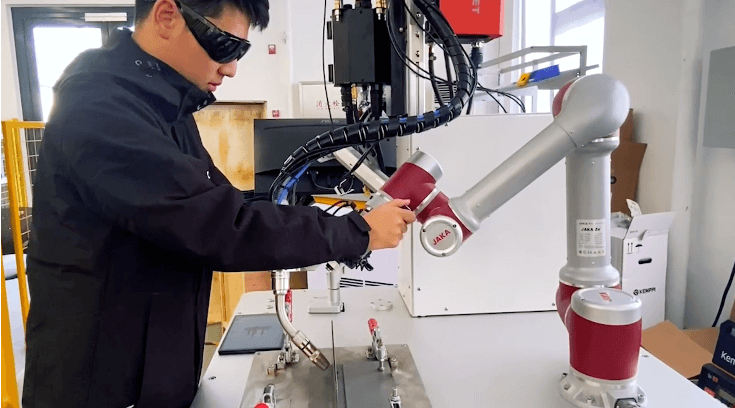
In a recent analysis, JAKA emphasizes the importance of a thorough evaluation process when selecting a robotic arm for industrial applications. Buyers are encouraged to consider a range of operational and financial metrics to ensure seamless integration into their production environments. The company highlights that a versatile 6-axis robot arm is often essential for tasks requiring complex movements, and stresses the significance of matching the machine's capabilities with specific operational demands.
JAKA's assessment includes examining technical specifications such as repeatability, reach, and payload, as well as the arm's design to fit existing production lines. The lightweight and compact nature of JAKA robotic arms facilitates easier mounting and redeployment, minimizing disruption. Additionally, the company underscores the need for user-friendly systems that allow existing workers to operate the machines with minimal training, thereby enhancing productivity.
Safety features and long-term reliability are also critical considerations, particularly in collaborative environments. JAKA robotic arms are designed with built-in safety mechanisms and durability to ensure consistent performance. Furthermore, potential buyers are advised to evaluate the total cost of ownership, including integration and maintenance expenses, while considering future compatibility with new technologies.
By focusing on these key factors—technical precision, integration logistics, usability, safety, and total cost—JAKA aims to guide businesses in making informed decisions that not only enhance automation but also support long-term growth and efficiency.































Leave a comment