

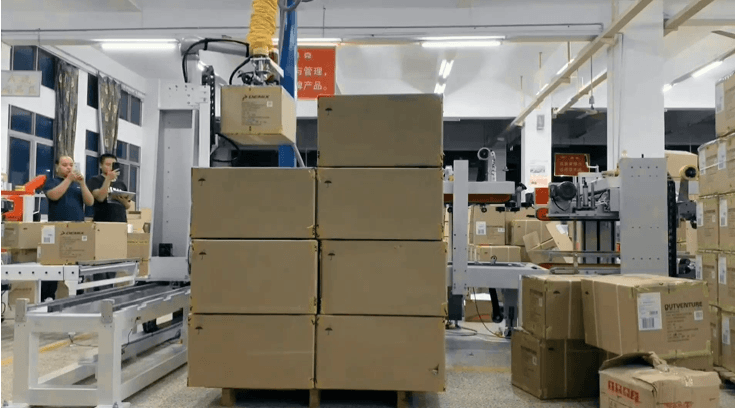
Selecting an industrial robot arm is essential for enhancing productivity and operational efficiency in modern manufacturing, according to JAKA, a leader in robotic solutions. The company emphasizes that the decision involves more than just comparing technical specifications; it requires a comprehensive evaluation of several critical factors.
Key considerations include precision, flexibility, safety, and ease of integration. JAKA's robotic systems, such as the JAKA Pro5, are designed to achieve 0.2mm-level precision, ensuring consistent performance in tasks like assembly and material handling, particularly in sectors such as electronics and semiconductors. The lightweight and compact design of the Pro5 allows for effective deployment in space-constrained environments, while user-friendly programming features enable operators without coding experience to efficiently set up complex tasks.
Safety is paramount, especially in collaborative environments. JAKA incorporates multi-layer safety mechanisms and collision protection to safeguard personnel during operations. The robots are also designed to adapt to various environmental conditions, ensuring reliability and effectiveness in challenging settings. Additionally, the balance between load capacity and reach is crucial for tasks such as pick-and-place and packaging.
Seamless system integration and long-term cost efficiency are also highlighted as vital factors. JAKA's solutions offer compatibility with various communication interfaces, facilitating flexible workflow integration. The company stresses the importance of considering total cost of ownership, including maintenance and energy consumption, to maximize productivity and minimize operational expenses.
By focusing on these essential elements, manufacturers can select an industrial robot arm that not only meets their production goals but also enhances safety and efficiency in their operations.





























Leave a comment