Industry Briefing
A single destination for timely, editor-curated robotics news from around the world.
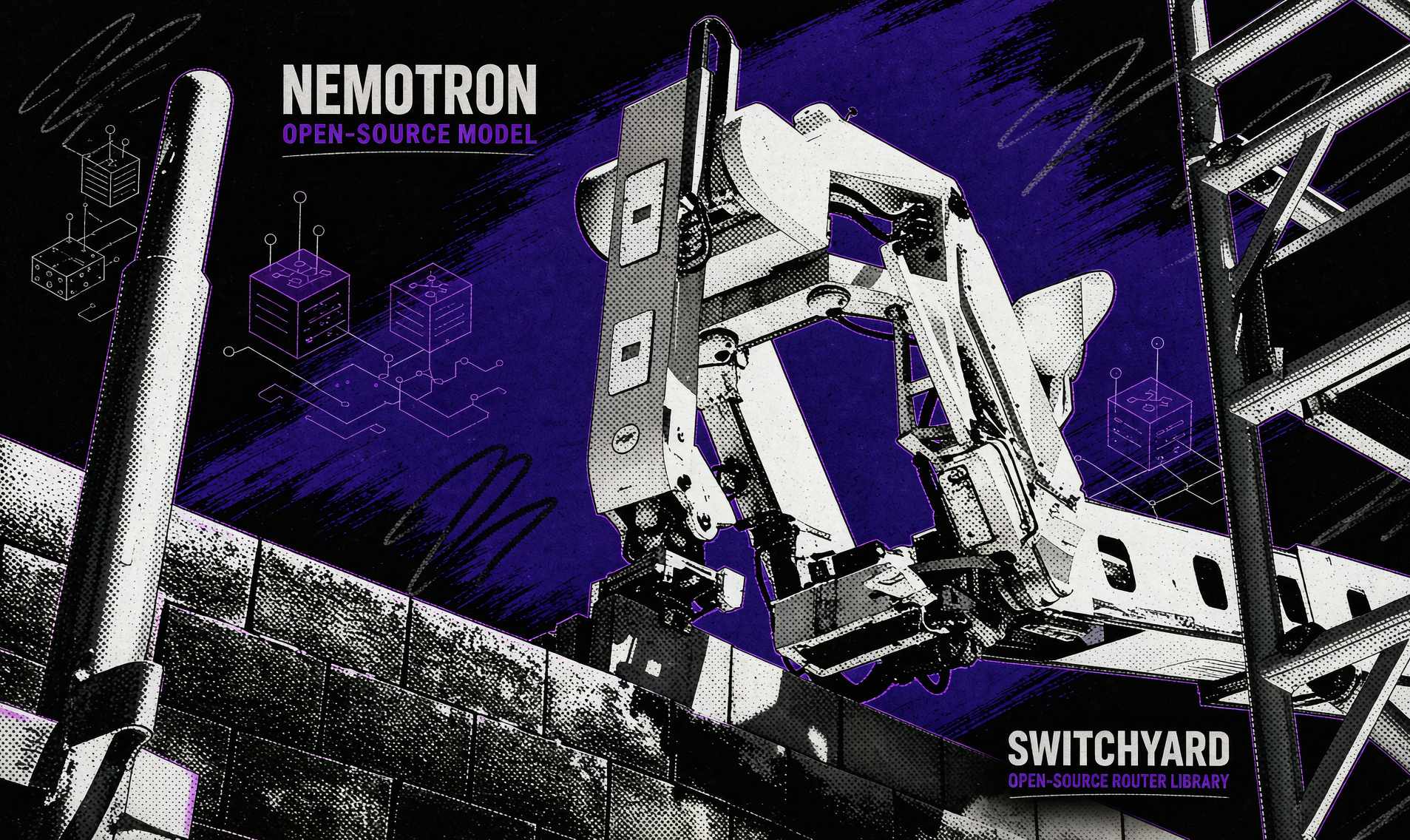
Zinova Innovates Construction Robotics with Tool-Handling Solutions
Zinova, a spinoff from RIC Robotics, has introduced a new approach to construction robotics by focusing on tool-handling capabilities. Co-founder Xu Ziyou emphasized that their goal is to equip robots with the ability to use tools effectively, rather than replicating human dexterity. This approach involves a non-dextrous gripper and a force feedback sensor called TEISI, which captures the interactions between tools, robots, and materials. The construction industry faces significant challenges, including an aging workforce and high project overruns. Zinova aims to adapt robots to existing tools rather than redesigning construction sites. Their demonstration utilized the TRON 2 dual-arm robot to perform a series of tasks, showcasing the potential for robots to handle various tools and processes in a coherent workflow. As Zinova prepares for real-world applications, the focus will be on how their technology performs on actual construction sites. The implications of their approach could lead to greater adaptability in construction robotics, addressing labor shortages and safety concerns in the industry. No further timeline was disclosed at the time of publication.
Construction Robotics Tool Handling Automation Technology AI in Construction
Challenges in Developing Human-Like Robotic Hands for Household Tasks
Humanoid robots can perform complex movements like backflips, yet struggle with simple tasks such as folding shirts or picking up sponges. This paradox arises because while backflips involve predictable sequences, household tasks are fraught with uncertainty due to the variability of objects and environments. The human hand's dexterity, which combines mechanics, sensing, and control, is difficult to replicate in robots. The challenge lies in the need for robots to understand their grip and the properties of objects they manipulate. A modern robotic hand may have multiple motors, but it requires advanced sensors and software to adjust grip strength and position dynamically. Recent research from Zhejiang University highlights the importance of tactile sensing, achieving an 85% success rate in complex tasks by integrating visual and tactile information with reinforcement learning. Researchers at Ohio State University emphasize that household robots must coordinate their entire body and environment for effective manipulation. Unlike factory robots, which operate in controlled settings, household tasks involve unpredictable variables. This complexity makes the development of robotic hands capable of performing everyday tasks a significant hurdle in humanoid robotics.
AI and Robotics
Algomatic Dynamics Secures $32.5M Funding to Launch AI-Powered Robotic Hand in Japan
Algomatic Dynamics has successfully raised $32.5 million from DMM.com in its inaugural funding round, aiming to launch an AI-driven multi-fingered robotic hand platform in Japan by the end of 2026. The startup, which began operations on September 9, focuses on developing technologies for motion-data collection, robot learning, and tactile robotic hands, among others. This funding is significant as it will enable Algomatic Dynamics to invest in essential hardware and computing resources, facilitating research and development in robotics and physical AI. The company's innovative approach aims to create versatile technology applicable across various robots and environments, addressing labor shortages in critical sectors such as manufacturing and healthcare. Looking ahead, Algomatic Dynamics plans to enhance its research and development efforts while collaborating with companies and research institutions to deploy its technology in both industrial and everyday settings. The launch of the AI multi-fingered hand platform is a key milestone to watch as it could revolutionize how robots interact with the physical world.
AI AI Funding & Investment Robotics Algomatic Dynamics DMM Group funding
Shandong Youbote Robotics Completes A+ Round Financing Following Tug-of-War Championship Win
On September 3, 2026, Shandong Youbote Intelligent Robotics Co., Ltd. announced the completion of A+ round financing amounting to hundreds of millions. The round was led by Dongzheng Capital, with participation from Jinan Xianxing Investment Group and Zibo High-tech Zone Venture Capital, alongside continued investment from angel investor Lenovo Star. This brings Youbote's total financing to several hundred million. This financing comes shortly after Youbote's humanoid robot, 'Xingzhe Taishan,' won the first gold medal for the Shandong delegation at the Second World Humanoid Robot Sports Competition in the tug-of-war event. Youbote has progressed from winning the 100-meter performance event and placing third in the 4x100 meter relay at the inaugural competition in 2025 to securing a gold medal in tug-of-war this year. Notably, during the first competition's 1500-meter event, 'Xingzhe Taishan' showcased its robustness by completing the race despite losing an arm, thanks to its self-developed fall recovery algorithm. Looking ahead, Youbote plans to leverage its recent financing to enhance its delivery capabilities and expand its national production and service network. The company is developing a comprehensive matrix of special robotic products and aims to launch a new generation of high-power density integrated joint modules, industrial humanoid robots, and heavy-duty quadruped robots. No further timeline was disclosed at the time of publication.
Humanoid Robots Robotics Financing AI Technology Industrial Automation
KAIST Develops AI-Driven Soft Robotic Hand Capable of Gripping Various Objects
Researchers at KAIST have developed a soft, 3D-printed robotic hand using machine learning to create a highly stretchable elastomer. This material can stretch over six times its original length and has been successfully demonstrated in gripping a 1-kilogram water bottle and fragile items like eggs. The significance of this research lies in its potential applications across various fields, including soft robotics, wearables, and custom medical devices. By combining experimental data with AI, the team has shown that optimal material combinations can be identified more efficiently, overcoming challenges in traditional 3D printing methods. Looking ahead, the machine-learning approach used in this study could pave the way for rapid development of new 3D-printing materials with desirable properties. No further timeline was disclosed at the time of publication.
AI AI Funding & Investment Robotics 3D Printing DLP KAIST
Korean Researchers Develop Soft 3D-Printed Robotic Hand for Delicate Gripping Tasks
A team of researchers from Korea has developed a soft 3D-printed robotic hand capable of gently gripping various objects, including fragile items like eggs and heavier ones like a 1 kg water bottle. This advancement utilizes a newly identified material that can stretch over six times its original length, enabling the creation of complex shapes. The significance of this development lies in its potential to broaden the applications of 3D printing technology. The soft material can be used not only in robotic hands but also in wearable devices that conform to the body and in custom medical devices, enhancing their functionality and user comfort. Looking ahead, the expansion of soft robotics and 3D printing technologies could lead to innovative solutions in various fields. No further timeline was disclosed at the time of publication.
Robotics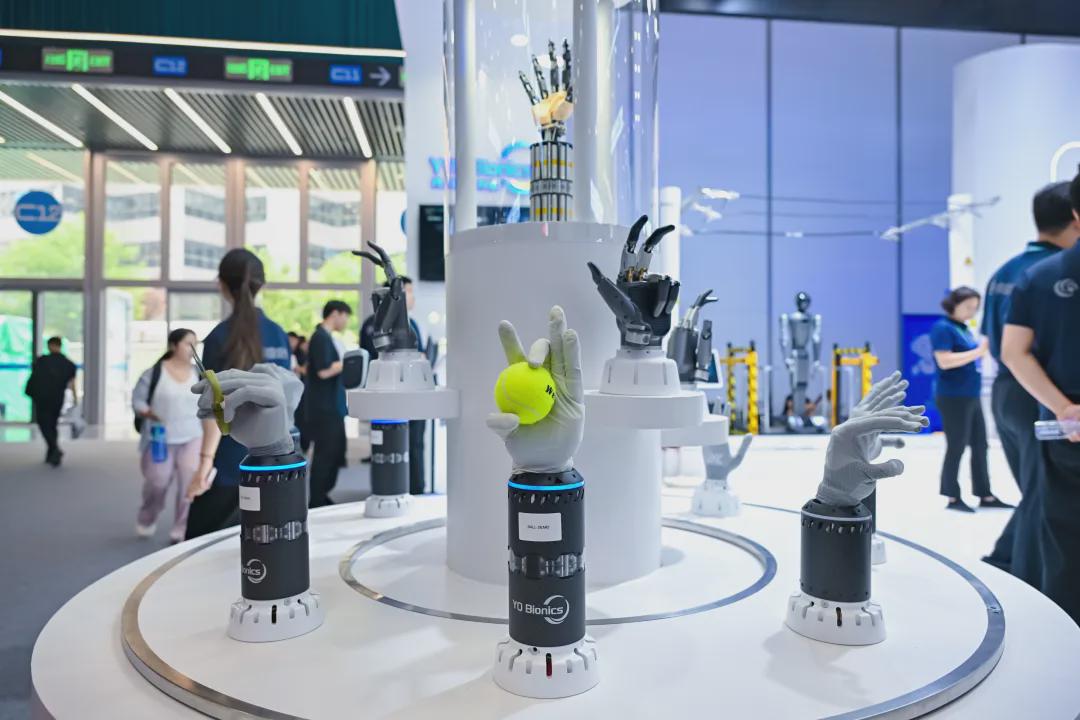
WRC 2026 Opening Ceremony Features Innovative Human-Robotic Handshake
On August 19, the World Robot Conference 2026 commenced at the Beiren Yichuang International Exhibition Center, showcasing a unique opening ceremony. Unlike previous years, the event featured a handshake between 11 bionic dexterous hands and guests, marking a significant technological advancement in human-robot interaction. This handshake utilized the X-Hand M1, developed by Yuequan Bionics, which incorporates 472 tactile sensors for precise grip feedback and control. The event highlighted the importance of developing robotic hands that can transition from mere demonstrations to practical applications, addressing a critical challenge in embodied intelligence. Attendees also witnessed the debut of the Y-Hand M2, which showcased high flexibility through a shadow performance in collaboration with Tsinghua University. The conference emphasized the integration of advanced technologies, including artificial muscles and innovative robotic designs, indicating a shift towards more functional and versatile robotic systems. No further timeline was disclosed at the time of publication.
Bionic Robotics Robotic Hands AI Technology Human-Robot Interaction
Amazon Robotics' Bhavana Chandrashekhar to Join Women in Robotics Lunch at RoboBusiness 2026
Bhavana Chandrashekhar, senior manager of applied science at Amazon Robotics, will participate in the Women in Robotics Lunch at RoboBusiness 2026, scheduled for October 20-21 in Santa Clara, California. This event aims to foster connections among women in the robotics industry, which currently sees only 35% of the global STEM workforce and 22% of the AI workforce comprised of women. The Women in Robotics Lunch will feature a fireside chat with Joyce Sidopoulos, co-founder of MassRobotics, providing an opportunity for mentorship and discussion on increasing female representation in robotics leadership. Chandrashekhar leads a team focused on developing AI-powered autonomous manipulation robots for Amazon warehouses, with notable projects including the Robin and Vulcan Stow robots. Additionally, Chandrashekhar will participate in the Day 1 closing keynote titled “Beyond the Demo: AI in Production Robotics,” alongside other industry leaders. This keynote will explore the application of AI in real-world robotic environments, highlighting the importance of innovation and collaboration in advancing the robotics sector. No further timeline was disclosed at the time of publication.
Events Logistics News Startups Amazon amazon robotics
Electromate Advocates for Hands-On Robotics Learning Using Dobot's Educational Platform
Electromate Inc. is emphasizing the importance of hands-on robotics education by showcasing Dobot's educational robotics platform. This initiative aims to assist schools, colleges, and universities in overcoming hardware access challenges as they expand their robotics and automation programs. The deployment of Dobot robots in educational settings is significant as it enables educators to create interactive learning environments. By providing practical access to multiple robots, Electromate is facilitating the integration of programming, automation, and advanced robotics coursework into the curriculum. Looking ahead, educators and institutions should monitor how the adoption of Dobot's platform influences student engagement and learning outcomes in robotics education. No further timeline was disclosed at the time of publication.

Sony Files Patent for Human-Like Robotic Hand Indicating Interest in Humanoid Robotics
Sony has submitted a US patent application for a robotic hand featuring a human-like opposable thumb, signaling ongoing research in humanoid robotics. The patent, published on August 6, outlines a hand mechanism designed to replicate the critical movements of the human thumb, essential for object manipulation. This development is significant as it highlights Sony's historical involvement in robotics, which has often been overlooked. The patent addresses a complex mechanical challenge in robotic manipulation: mimicking the thumb's unique range of motion. The design incorporates three rotation points, allowing for flexing and opposing movements, which could enhance the adaptability of robotic systems. Looking ahead, while there are no current plans for commercialization, the implications of a mechanically adept opposable thumb extend beyond humanoid robots. Potential applications could include service robots and remotely operated machines that require dexterity in handling tools and objects designed for human use. No further timeline was disclosed at the time of publication.
Design Robotics dexterous manipulation embodied ai humanoid robotics humanoid robots
Honda Advances Development of Multi-Fingered Robotic Hands for Assembly Precision
Honda is advancing the development of multi-fingered robotic hands aimed at tackling the most challenging tasks in factory assembly, such as screwing, connecting, and handling parts designed for human hands. These actions, while routine for humans, present significant control challenges for robots. According to researcher Kenichiro Sugiyama, many existing robotic hands are essentially extensions of traditional robotic arms, lacking the necessary strength, responsiveness, and precision for fine manipulation. Honda's approach involves the collaborative development of mechanical hardware, control systems, and artificial intelligence, emphasizing the importance of embodied AI, which learns through physical interactions with objects. Despite advancements, dexterous manipulation remains a significant challenge, particularly with deformable or slippery objects. Sugiyama describes the remaining issues as the 'last millimeter' problem, which, if solved, could enable robots to replace tasks traditionally performed by humans. Honda's exploration of multi-fingered hands aims to push the boundaries of automation in manufacturing.
Robotic Hands Embodied AI Manufacturing Automation Precision Control
CASBOT Hands Introduces Three Advanced Robotic Hands for Enhanced Manipulation
CASBOT Hands has launched three new dexterous robotic hands, enhancing its embodied manipulation platform. This development comes as the robotics industry seeks to improve the ability of robots to perform real-world tasks across various sectors, including manufacturing and education. The introduction of these robotic hands is significant as it addresses the growing demand for reliable robotic solutions that can operate effectively in diverse environments. As robots become more capable in motion control and environmental perception, their application in practical settings becomes increasingly viable. Looking ahead, the focus will be on how these new robotic hands will be integrated into existing systems and their performance in real-world applications. No further timeline was disclosed at the time of publication.

LumiBot Secures Angel Funding to Enhance Industrial Robotic Hands with Heat Management
LumiBot, a provider of dexterous robotic solutions, has successfully completed an angel funding round amounting to tens of millions, led by Changyou Technology's investment arm. This marks the first investment from Changyou's robotics fund established in June 2026 and highlights a significant case of material companies entering the core components of humanoid robots. The funding is crucial as it reflects a shift in the investment logic of the humanoid robot supply chain, moving from a focus on motion control to enhancing the reliability of end-effectors. LumiBot's innovative heat management capabilities are pivotal for meeting industrial standards, addressing the overheating issues that have hindered the adoption of dexterous hands in factories. Looking ahead, LumiBot plans to release a flagship model with 23 active degrees of freedom in October, featuring an active cooling design that significantly improves joint temperature management. The company aims to deliver 100 to 200 units in 2026, indicating a growing demand for advanced robotic solutions that prioritize operational efficiency over mere flexibility.
Robotics Heat Management Industrial Automation AI Engineering
Foundation Robotics Unveils Advanced Robotic Hand That Catches Baseballs with Precision
Foundation Robotics has released a video showcasing its innovative robotic hand that successfully catches a baseball mid-air, demonstrating significant advancements in robotic dexterity and control. This development is crucial as it illustrates how enhanced mechanical design and motion planning are enabling robotic hands to perform intricate tasks with human-like precision, a key requirement for industrial applications. Looking ahead, the focus will be on how this tendon-driven architecture and advanced control systems can further improve the capabilities of humanoid robots in handling diverse tools and objects, enhancing their utility in complex environments. No further timeline was disclosed at the time of publication.
AI and Robotics
Tacta Systems Launches AI-Driven Robotic Hand for Advanced Manufacturing Applications
Tacta Systems has introduced a new robotics platform aimed at enhancing industrial automation with human-like dexterity. The TactaBot, the company's inaugural product, integrates a robotic hand, a wearable skill capture system, and an AI engine to perform intricate manufacturing tasks that demand precision and tactile feedback. This innovation is significant as it addresses critical challenges in robotics, such as creating a robotic hand for industrial performance and enabling robots to possess a sense of touch. Tacta's platform, featuring the proprietary Fluidic Tendon actuation technology, is designed to automate complex tasks in sectors like electronics and automotive manufacturing, with initial deployments expected in early 2027. Looking ahead, Tacta plans to expand its technology into additional industries, including medical devices and aerospace. The company aims to revolutionize the way robots interact with their environment, potentially transforming manufacturing processes across various sectors. No further timeline was disclosed at the time of publication.
Components News ai robotics Dexterous Intelligence dexterous robotics industrial robotics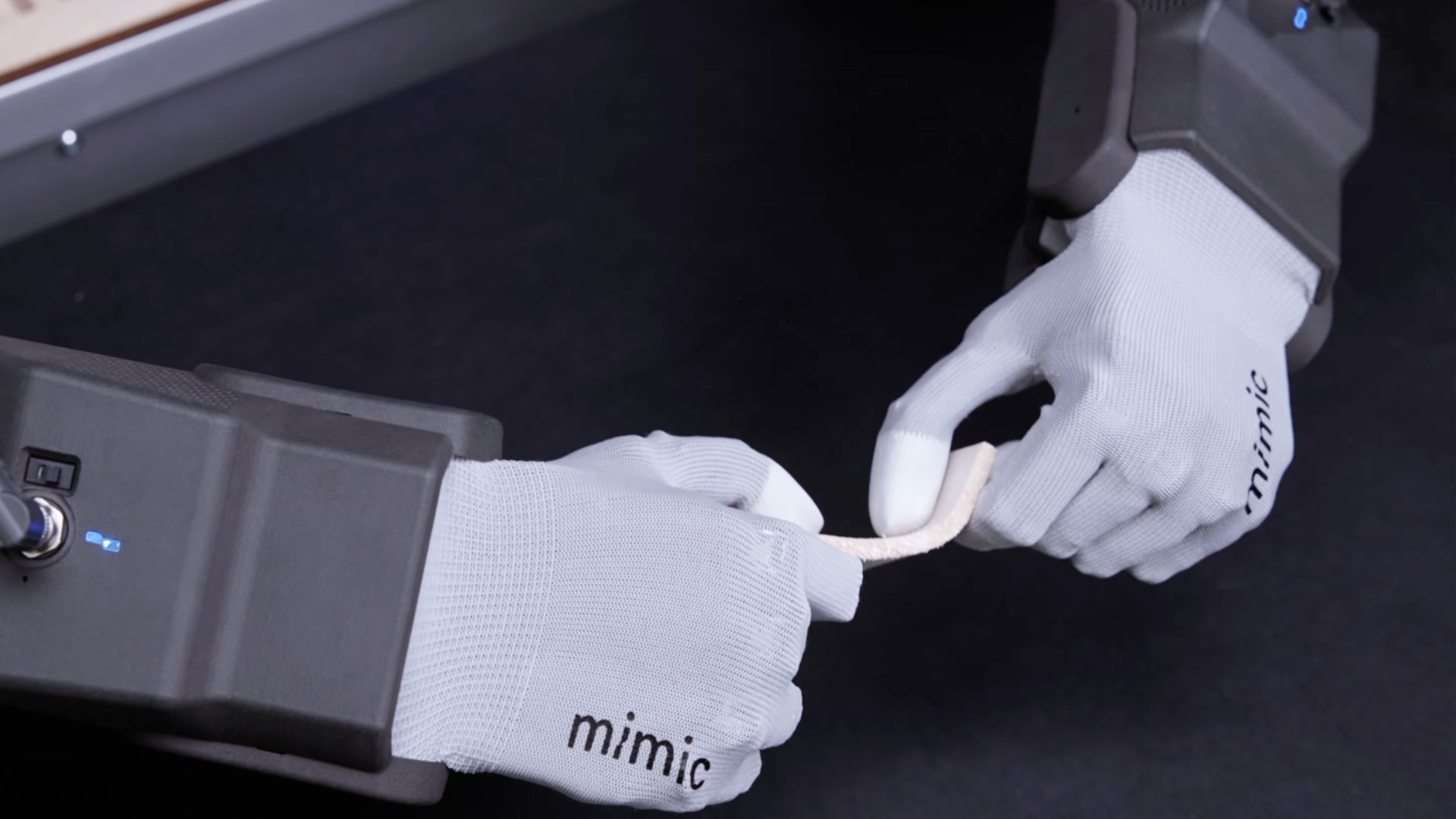
Mimic Robotics Launches Mimic Hand M1: A 55-Pound Lifting Robotic Hand with Human-Like Precision
Swiss startup Mimic Robotics has introduced the Mimic Hand M1, a robotic hand capable of lifting over 55 pounds while mimicking human dexterity. This innovative design features a tendon-driven architecture that houses actuators in the forearm, allowing for a compact yet powerful solution for factory automation. The Mimic Hand M1 is significant as it addresses the challenge of general-purpose dexterous manipulation in robotics. By utilizing a human-like hand structure, Mimic Robotics aims to enhance the transfer of skills from human demonstrations to robotic systems, thereby expanding the range of tasks AI can perform in industrial settings. Looking ahead, the focus will be on how the Mimic Hand M1 can be integrated into various manufacturing applications. Its ability to handle both delicate and heavy objects with precision positions it as a versatile tool in the evolving landscape of robotics and automation. No further timeline was disclosed at the time of publication.
AI and Robotics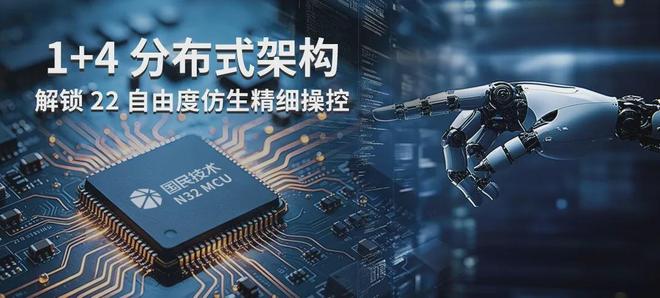
Addressing Space, Real-Time, and Reliability Challenges in Robotic Hands Development
The bionic dexterous hand is becoming a key growth area in the robotics industry, with significant advancements expected by 2026. Currently, dexterous hands account for 17%-30% of the total material costs of robotic systems, and funding in this sector is projected to exceed 25 billion yuan in the first half of 2026, with annual sales potentially reaching 70,000 units. This shift signifies a departure from mere conceptual discussions to tangible orders and performance realization. The recent World Artificial Intelligence Conference (WAIC) in Shanghai showcased various exhibitors demonstrating high-degree-of-freedom dexterous hands capable of intricate tasks, highlighting the industry's common challenges in precision actuators. Developers face three critical hurdles: achieving 22 degrees of freedom or more for fine movements while integrating miniature motors, sensors, and wiring in a compact palm, all while balancing space constraints, real-time synchronization, and long-term reliability. The solution lies in innovative control chip architecture. National Technology has introduced a 1+4 distributed MCU architecture designed for 22-degree-of-freedom dexterous hands, optimizing performance through layered control. This system utilizes a main control chip and four node chips for individual fingers, enhancing computational power, real-time response, and compact design, thereby addressing the industry's pressing challenges.
Robotic Hands MCU Architecture Industrial Automation AI Robotics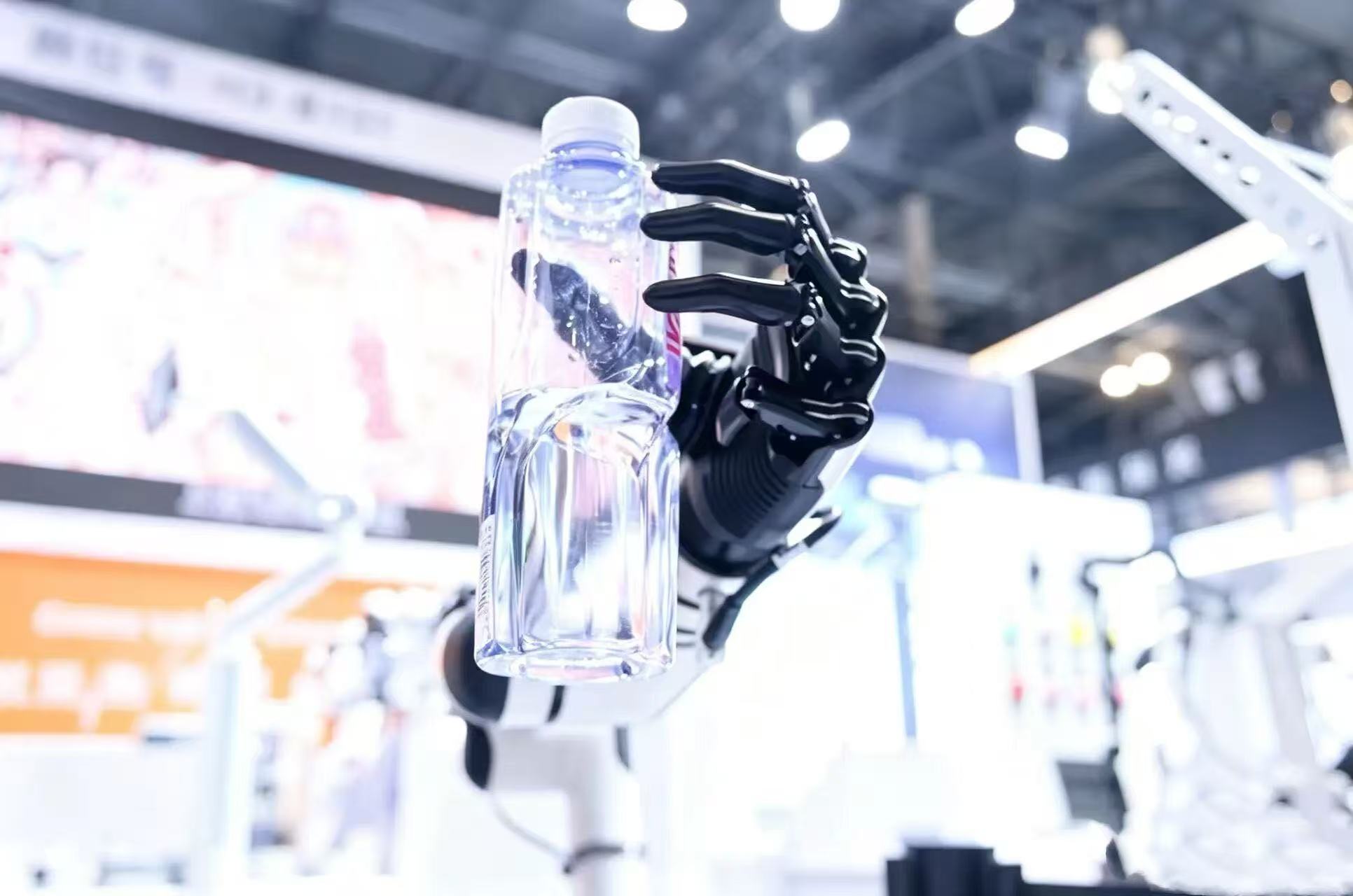
The Advancements in Dexterous Hands for Robotics and Their Implications
At the 2026 WAIC, a notable shift in robotics was observed as manufacturers increasingly focused on developing dexterous hands. Over the past two years, the industry has seen a surge in the complexity of these hands, with degrees of freedom increasing from six to twelve, sixteen, or even more. The ability of a robotic hand to perform tasks such as solving a Rubik's Cube or threading a needle has become a key benchmark for technological capability. As more dexterous hands demonstrate impressive capabilities, the industry must now address critical questions about their operational continuity, scalability, repairability, and the data they generate to enhance future performance. Companies like Aoyi Technology are expanding their product boundaries beyond mere actuators to include tactile-enabled devices like ROHand and OpenArm, integrating data collection and training tools into a cohesive system. This evolution signifies a shift from merely creating human-like hands to developing hands that can engage in a robotic learning loop. The industry's future hinges on whether these hands will become high-end toys or genuine industrial products, with reliability emerging as a core performance metric alongside flexibility and load capacity.
Dexterous Hands Robotics Technology Industrial Automation Sensor Technology
Innovative Robotic Hand Uses Single Motor for Versatile Gripping Solutions
A new robotic hand has been developed that can switch between multiple grippers using just one motor. This innovation addresses the need for robots to handle a wide variety of objects across different environments, including factories and households. The ability to manage diverse objects with a single motor reduces the complexity associated with traditional robotic hands, which typically rely on multiple motors and intricate control systems. This advancement not only lowers the weight and cost of robotic systems but also minimizes the risk of failures and simplifies control mechanisms. As the demand for adaptable robotic solutions grows, this new technology could significantly impact various sectors. Future developments may focus on enhancing the versatility and efficiency of robotic hands, although no further timeline was disclosed at the time of publication.
Robotics
Robotic Hands Prices Plummet from 100,000 to 10,000 Yuan, Humanoid Robots Enter Homes
In a robotics lab in Shenzhen, engineer Huang Junlin is training a six-degree-of-freedom robotic hand for home use. Unlike industrial applications, home scenarios demand higher standards for weight, cost, and usability, prompting a significant reduction in humanoid robot costs. The robotic hand, a crucial and complex component, previously priced at 100,000 Yuan, now costs around 10,000 Yuan due to advancements in supply chain maturity and technology breakthroughs. The reduction in price is pivotal as it opens the door for consumer-grade humanoid robots, with the global market projected to exceed 20 billion Yuan by 2026. In 2025, the market is expected to reach 17 billion Yuan, with a shipment volume of approximately 18,000 units, marking a year-on-year growth of over 500%. China's share is anticipated to surpass 50%, with shipments expected to rise to 62,500 units by 2026, indicating a robust demand for humanoid robots. The surge in consumer humanoid robots is catalyzing the formation of a new supply chain ecosystem, including advancements in bionic skin, tactile sensors, and flexible materials. A new materials company in Jiaxing has developed third-generation electronic skin capable of multimodal perception and real-time feedback. As robotic hands become more affordable and tactile sensing technology advances, the integration of humanoid robots into homes may occur sooner than anticipated, marking the beginning of a revolution in robotics.
Humanoid Robots Robotic Hands AI Technology Consumer Robotics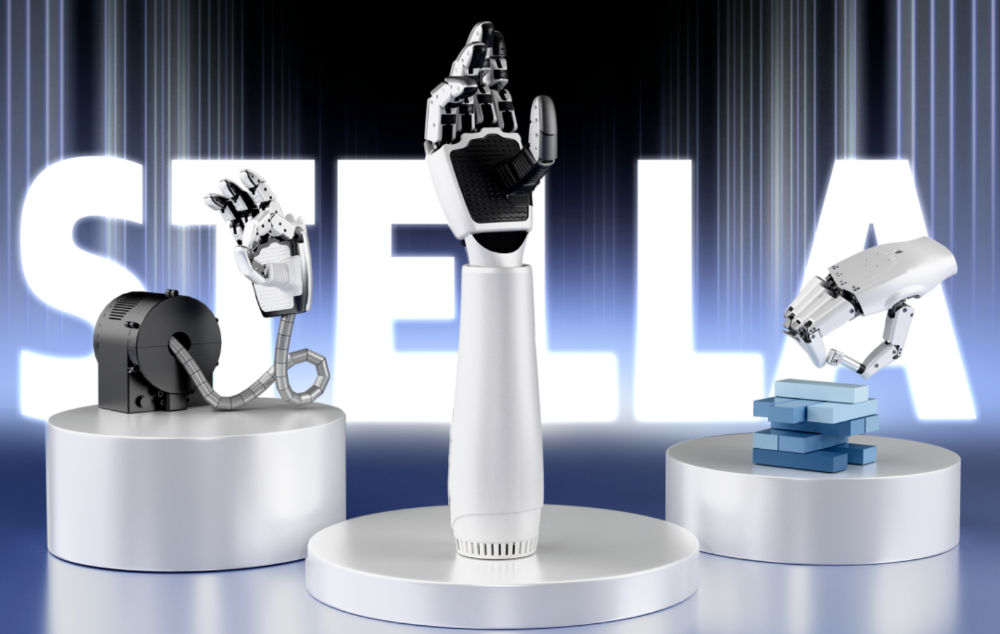
Shenzhen Company Stella-Robot Introduces Affordable Robotic Hands with High Performance
At the 2026 World Artificial Intelligence Conference, Shenzhen-based Stella-Robot unveiled its innovative robotic hands, the Pantheon Hand 20 and Gaia Hand 20. The Pantheon Hand 20, weighing only 290 grams, can grip up to 50 kilograms, thanks to its unique 'drive separation' technology that relocates the drive unit away from the hand itself. This breakthrough in design allows for a lightweight yet powerful robotic hand, making advanced robotics more accessible. The Gaia Hand 20 features a modular design with a quick-change joint system, enabling easy repairs without returning the entire unit. Priced at 16,999 yuan, the affordability of these products marks a significant shift in the robotics market, previously dominated by high-cost alternatives. Stella-Robot's products are already being utilized in top universities and research institutions, indicating their potential impact on the field of embodied intelligence. As the cost of robotic hands drops from the millions to tens of thousands, the company is poised to democratize advanced robotic capabilities for developers everywhere. No further timeline was disclosed at the time of publication.
Robotic Hands Modular Robotics AI Technology Automation Precision Engineering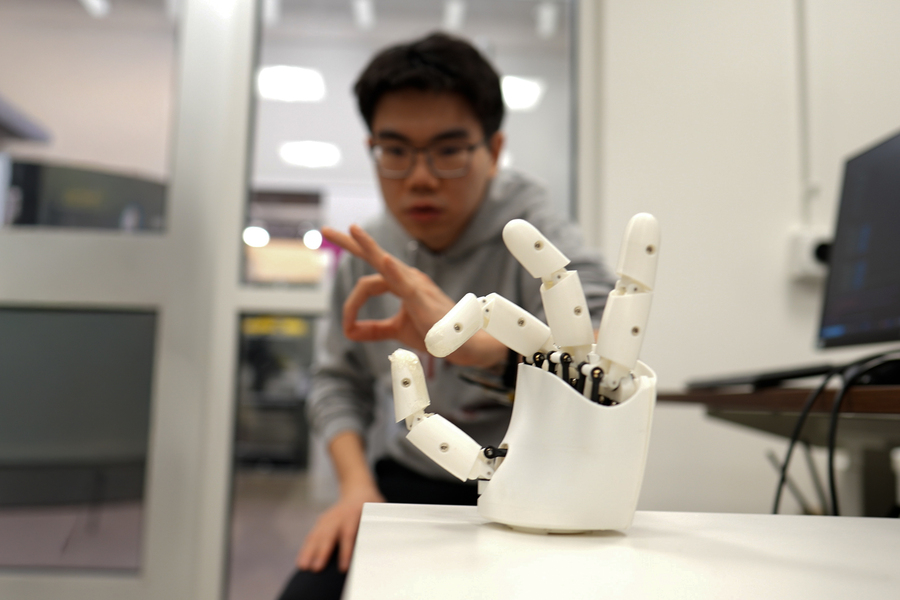
MIT Engineers Develop Ultrasound Wristband for Real-Time Robotic Hand Control
MIT engineers have created an innovative ultrasound wristband that allows wearers to control a robotic hand through their own movements. This wristband captures real-time images of the wrist's muscles and tendons, translating them into the positions of the fingers and palm using an AI algorithm. Demonstrations have shown that users can wirelessly manipulate a robotic hand to perform tasks like playing the piano or shooting a basketball. This technology is significant as it offers a new method for hand tracking in robotics and virtual reality, potentially replacing traditional techniques that rely on cameras or sensor-laden gloves. The wristband's ability to gather diverse hand motion data could lead to advancements in training humanoid robots for dexterous tasks, including surgical procedures. Xuanhe Zhao, a professor at MIT, emphasizes the immediate impact this work could have on both virtual environments and robotic dexterity. Looking ahead, the research team aims to expand their dataset of hand motions by collecting data from users with varying hand sizes and gestures. This could enhance the capabilities of humanoid robots and improve interactions in virtual settings. No further timeline was disclosed at the time of publication.
1X Launches Neo Robotic Hand Featuring 25 Degrees of Freedom and Force Transparency
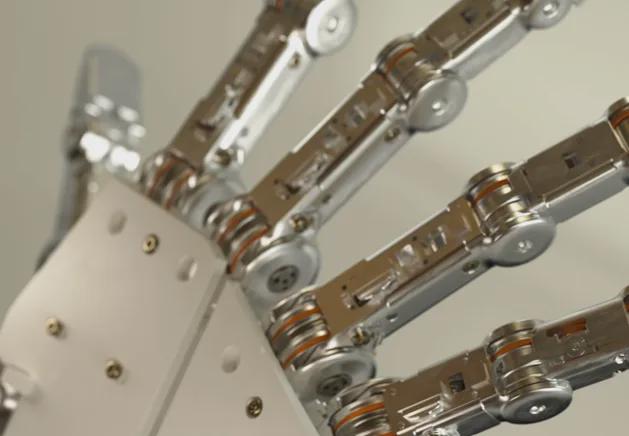
On July 9, 2026, 1X, a unicorn supported by OpenAI, unveiled the Neo robotic hand designed for humanoid robots. This advanced hand boasts 25 degrees of freedom, enabling it to perform a wide range of human-like tasks, such as delicately picking grapes without crushing them and lifting weights up to 20 pounds. The innovative design incorporates a tendon-driven system that enhances dexterity and responsiveness. The significance of the Neo robotic hand lies in its unique 'Force Transparency' technology, which allows for bidirectional communication between the hand and its environment. Unlike traditional robotic hands that operate with high gear ratios, the Neo hand utilizes a low gear ratio of approximately 5:1 to 15:1, enabling it to provide real-time feedback on applied forces. This design not only enhances the hand's functionality but also improves the training of AI models by providing rich physical interaction data. Looking ahead, while the Neo hand addresses fundamental perception challenges, real-world complexities remain a concern. The hand must operate effectively in various domestic environments, where it may encounter grease, sauces, or dust. Ensuring safety during interactions with children and maintaining functionality in challenging conditions will be critical for the widespread adoption of this technology. No further timeline was disclosed at the time of publication.
Robotic Hands Humanoid Robots AI Tactile Sensors Robotics Technology
Tacta Systems Launches TactaBot to Enhance High-Skilled Manufacturing with Advanced Robotics
Tacta Systems recently introduced the TactaBot, integrating the Tacta Hand, Skill Capture system, and Dexterous Intelligence AI model. This innovative combination aims to create adaptable robotic hands capable of performing high-value tasks in manufacturing, addressing the global shortage of skilled labor. CEO Vikram Pavate emphasized the need for robots to replicate human-like touch and feel, which is essential for complex manufacturing processes. The Tacta Hand features a dexterous design with three and five-finger configurations, offering 15 degrees of freedom and the ability to lift up to 25 newtons per fingertip. Utilizing Tacta's Fluidic Tendon actuation technology, the robotic hand maintains stability and precision while minimizing heat generation. This technology enhances reliability compared to traditional cable-driven systems, with a lifespan of up to 30 million cycles. As Tacta Systems continues to innovate, the focus will be on further developing the capabilities of the TactaBot and its components. The integration of advanced tactile sensors, capable of measuring a wide range of forces and temperatures, positions Tacta to play a significant role in the future of high-skilled manufacturing automation. No further timeline was disclosed at the time of publication.
Actuators / Motors / Servos Arms / Manipulators Artificial Intelligence Artificial Intelligence / Cognition Collaborative Robots Design / Development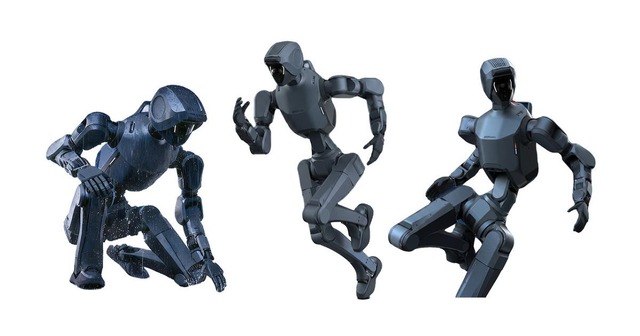
Elza Japan starts handling the world's first fully IP66 waterproof industrial humanoid, DEEPRobotics DR02.
Elsa Japan Co., Ltd. announced the launch of the DEEPRobotics DR02, an all-weather industrial humanoid robot, for the domestic market on June 18, 2026. This new product aims to enhance operational efficiency in various industries by providing advanced robotic solutions capable of functioning in diverse environmental conditions. The introduction of the DR02 reflects the growing demand for automation and robotics in Japan, as companies seek innovative technologies to improve productivity and safety in their operations.
Asratec starts handling AI communication robot "Kebbi 3" and signage robot "Collibot" from Taiwan's NUWA Robotics.
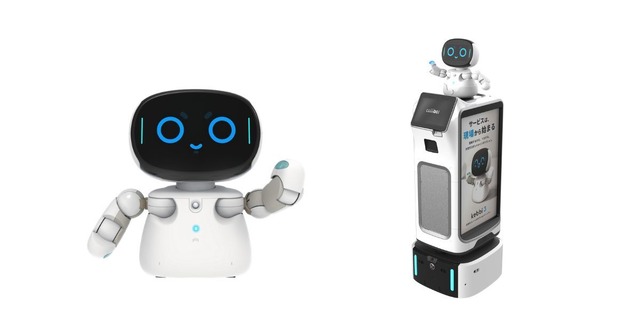
Asuratech has announced a partnership with NUWA Robotics Japan to begin distributing two innovative robotics products from Taiwan's NUWA Robotics. The AI communication robot, "Kebbi 3," and the signage robot, "Collibot Signage Model," will now be available through Asuratech's channels. This collaboration aims to enhance the integration of advanced robotic solutions in various sectors, reflecting a growing trend towards automation and AI-driven technologies in Japan. The initiative is expected to provide businesses with cutting-edge tools for improved communication and customer engagement.
Digital Huaxia's Chen Junmin Outlines Robotics Development Focus for 2024 to 2026
Digital Huaxia co-founder Chen Junmin has outlined a strategic focus for robotics development over the next three years. In 2024, the emphasis will be on enhancing leg mobility, followed by hand functionality in 2025, and cognitive capabilities in 2026. This phased approach aims to ensure that robots can effectively operate in real-world environments such as hospitals and banks. The significance of this strategy lies in addressing the challenges of deploying robots in practical scenarios. While robots have improved in movement and manipulation, achieving stability and reliability in public spaces remains a hurdle. Chen emphasizes the need for a balance between advanced technology and practical application, particularly in environments requiring prolonged mobility and autonomous operation. Looking ahead, the industry must focus on overcoming barriers to commercialization, including reliability, cost reduction, and the ability to operate effectively in real-world settings. Chen notes that while the industry is exploring various applications, the true test will be whether the value created by robots can justify their costs, a question that remains largely unanswered at this stage.
Humanoid Robots Robotics Integration AI Technology Service Robots
Peter Wurman Inducted into National Inventors Hall of Fame for Kiva System Innovation
Peter Wurman was inducted into the National Inventors Hall of Fame in 2022 for his significant contributions to robotics. Alongside Mick Mountz and Raffaello D’Andrea, he co-invented the Kiva system, a mobile robotic solution that has transformed material handling in distribution centers. The Kiva system has revolutionized warehouse order fulfillment, enhancing efficiency and productivity in logistics operations. This innovation has set new standards in the industry, showcasing the potential of robotics in optimizing supply chain processes. Looking ahead, the impact of the Kiva system on the future of material handling and warehouse automation will be significant. As more companies adopt similar technologies, the landscape of distribution centers is expected to evolve further. No further timeline was disclosed at the time of publication.

NVIDIA Jetson Platform Empowers Developers with Compact AI Solutions for Robotics
Sarah Guo, founder of Conviction, recently showcased the NVIDIA Jetson platform, emphasizing its blend of power and portability for edge AI and robotics. The platform, compact enough to fit in a handbag, enables developers to tackle complex problems across various industries, from classrooms to labs. The NVIDIA Jetson modules and developer kits, including the Jetson Orin Nano Super, Jetson AGX Orin, and Jetson AGX Thor, provide the necessary tools for students, professors, and researchers to innovate in intelligent robotics. With 67 trillion operations per second, the Jetson Orin Nano Super offers a practical entry point for first-time builders to explore AI and computer vision. As Guo highlighted, the Jetson platform supports real-world AI applications without needing cloud connectivity, making it ideal for autonomous systems. Developers can look forward to a series of examples demonstrating the capabilities of Jetson Orin Nano Super, showcasing its potential to inspire the next generation of robotics projects.
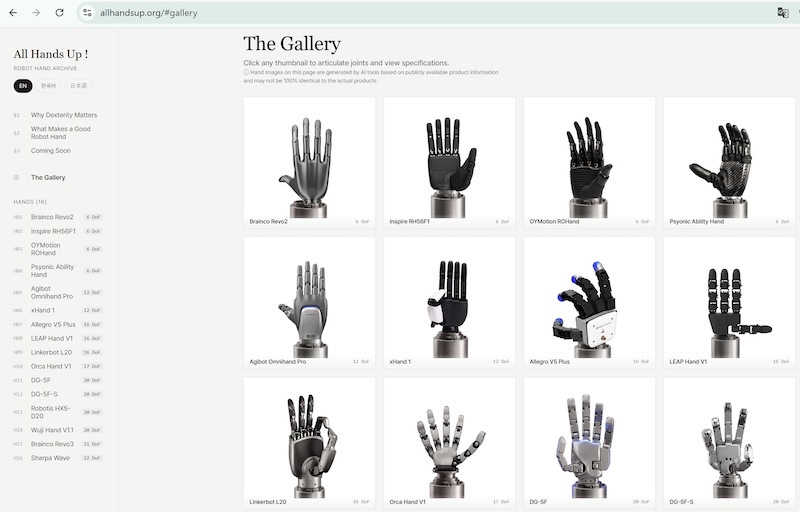
RLWRLD launches open platform to benchmark dexterous robotic hands
RLWRLD, a physical AI company with a proprietary robotics foundation model, RLDX-1, has announced the launch of “All Hands Up!”, an open web platform that provides technical reports and visualization tools based on the company’s firsthand experience operating a wide range of commercially available dexterous robot hands. All Hands Up! is designed to analyze and […]
Computing Robot simulation All Hands Up DexBench dexterous hands dexterous manipulation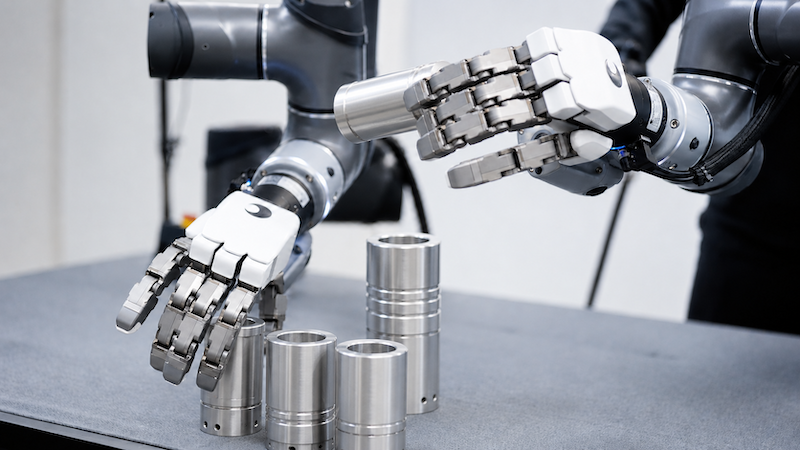
South Korean robotic hand developer Tesollo begins IPO preparations after Series B funding
Tesollo, a South Korean robotic hand specialist, has officially begun preparations for its initial public offering through Korea’s technology-special listing track. Tesollo appointed KB Securities as its lead underwriter in March and is currently preparing for a planned listing after 2027. The company also announced that it has recently completed its Series B funding round. […]
Components News Robotics Daesung Hi-Tech end effectors Enlight Ventures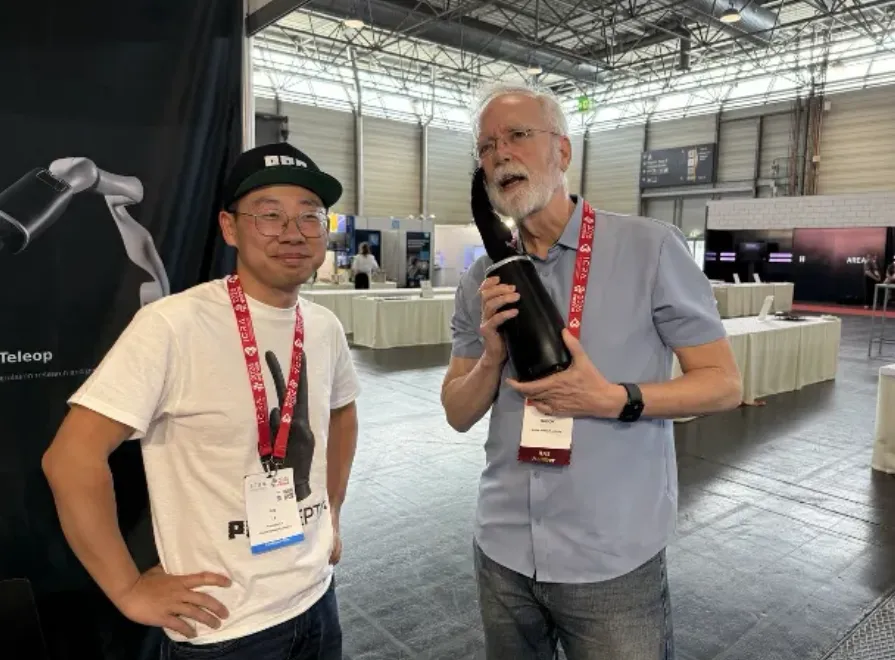
Former Tesla Engineer's Startup Develops Advanced Robotic Hand Amid Legal Battle
Jay Li, the former leader of Tesla's Optimus project, is currently embroiled in a legal battle with his former employer, which has accused him of stealing trade secrets. Despite these allegations, Li has made significant strides with his new venture, Proception, which has successfully created a cutting-edge robotic hand within a mere five months. This rapid development has attracted considerable attention, culminating in Proception securing $11 million in seed funding. Li's unique methods for data collection and training have set his startup apart in the increasingly competitive robotics industry, showcasing his resilience and innovation amid ongoing legal challenges.
Robotic Hands Startup Funding Trade Secrets Robotics Technology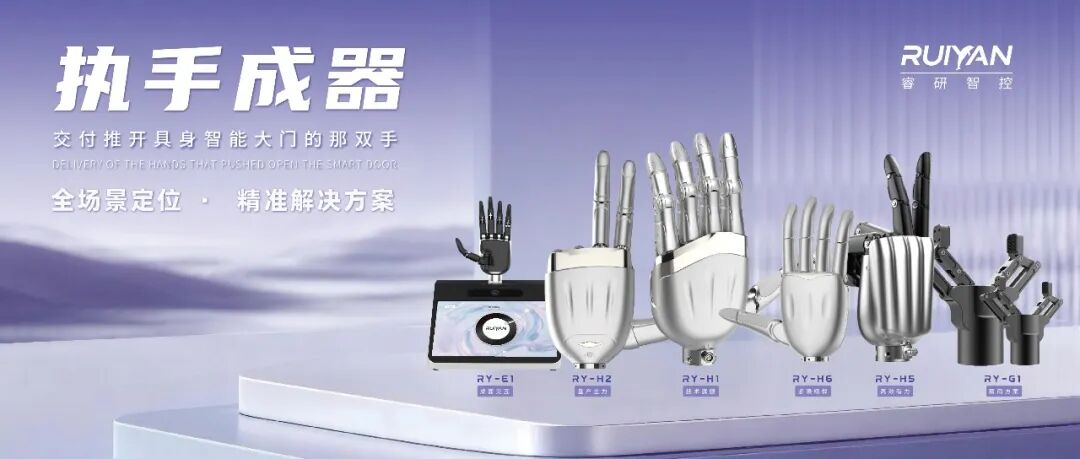
How Ruiyan Intelligent Control Became a Leading Supplier of Dexterous Hands in Robotics
Shenzhen-based Ruiyan Intelligent Control has swiftly established itself as a prominent supplier of dexterous hands for leading embodied AI companies in China. The firm has gained significant market traction by prioritizing reliability and innovative engineering, effectively addressing critical challenges within the industry. Notably, Ruiyan has achieved this success without relying on traditional marketing strategies. Their dedication to quality and performance has resulted in impressive customer retention rates, solidifying their growing influence in the robotics sector.
Dexterous Hands Robotics Embodied Intelligence Engineering Reliability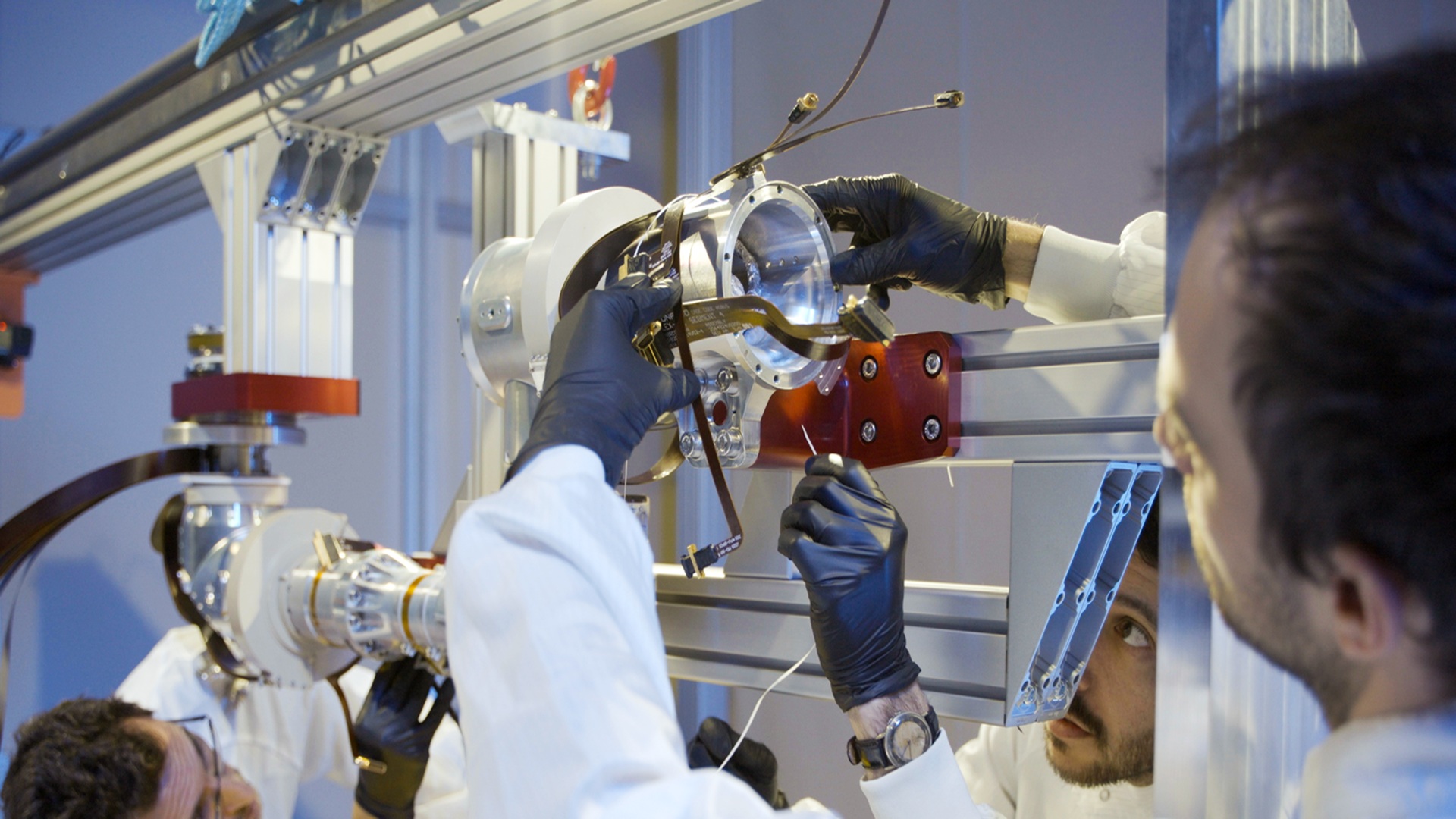
Europe builds robotic arm that can see, feel and handle samples for Moon missions
Engineers at the European Space Agency (ESA) are currently in the process of assembling a highly sophisticated robotic arm designed for future space missions. This advanced technology aims to enhance the capabilities of European spacecraft, allowing for more complex tasks in orbit and on planetary surfaces. The assembly is taking place at ESA's facilities in the Netherlands, where teams are meticulously working to ensure the arm meets stringent operational standards. The initiative is part of ESA's broader strategy to strengthen its role in international space exploration and to contribute to collaborative missions with other space agencies. By developing this cutting-edge robotic arm, ESA seeks to improve the efficiency and effectiveness of its missions, ultimately advancing scientific research and exploration beyond Earth.
AI and Robotics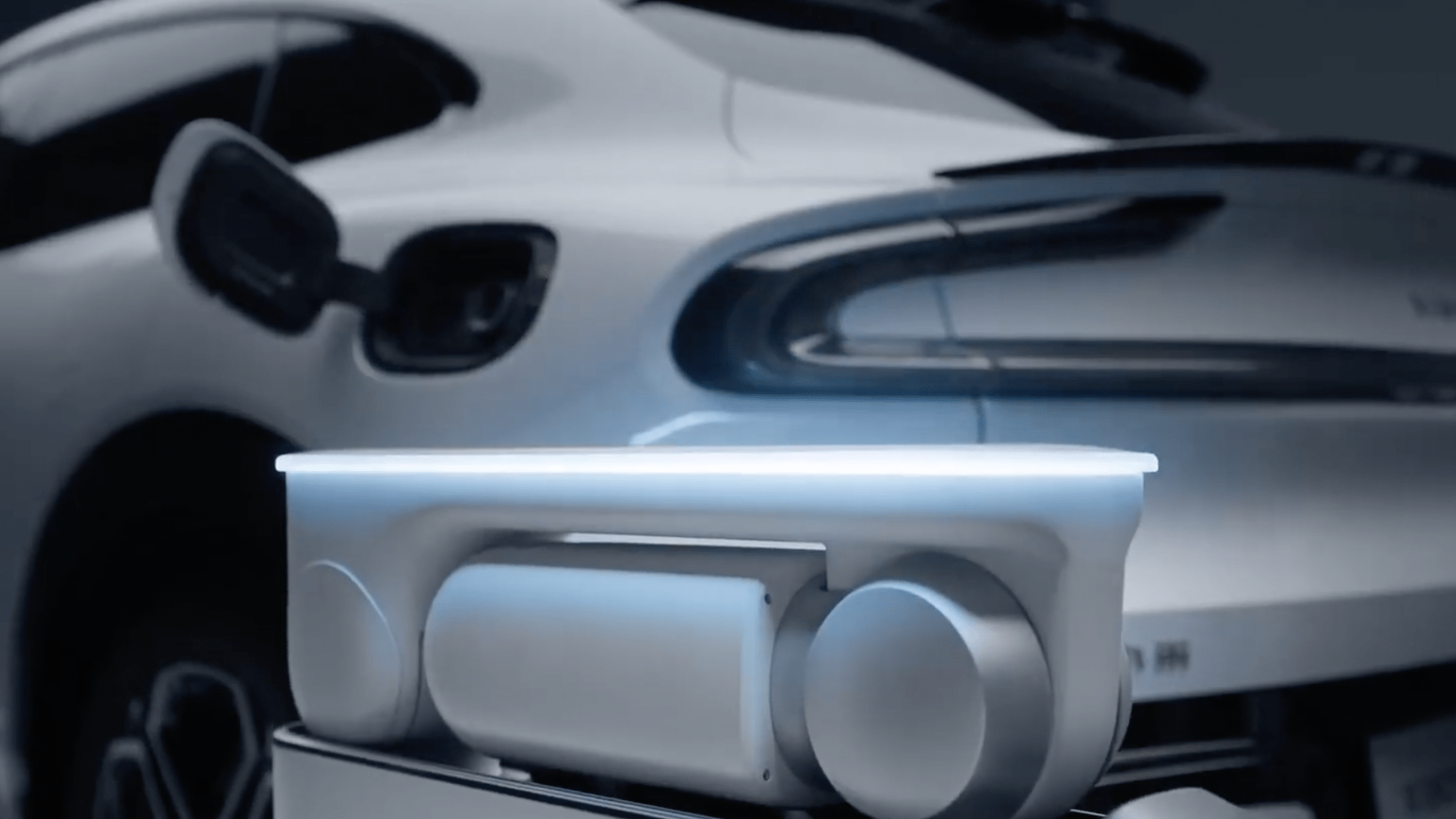
China’s Xiaomi unveils robotic arm that enables remote, hands-free home EV charging
Xiaomi, the prominent Chinese technology company, recently unveiled its strategic vision for the future of smart home technology during a press event held in Beijing. This announcement, made on October 15, 2023, highlights the company's commitment to enhancing user experience through innovative products and seamless integration of smart devices. The initiative aims to address the growing demand for interconnected home environments, driven by an increase in remote work and digital lifestyles. By leveraging advancements in artificial intelligence and the Internet of Things, Xiaomi plans to create a more intuitive and responsive ecosystem that simplifies everyday tasks for consumers. During the event, executives showcased a range of new products designed to work harmoniously within this ecosystem, emphasizing the importance of user-friendly interfaces and energy efficiency. The company also outlined its plans for expanding partnerships with other tech firms to enhance compatibility and functionality across various platforms. Xiaomi's vision reflects a broader trend in the tech industry, where companies are increasingly focused on creating smart solutions that cater to the evolving needs of consumers. As the market for smart home devices continues to grow, Xiaomi's proactive approach positions it as a key player in shaping the future of home automation.
Energy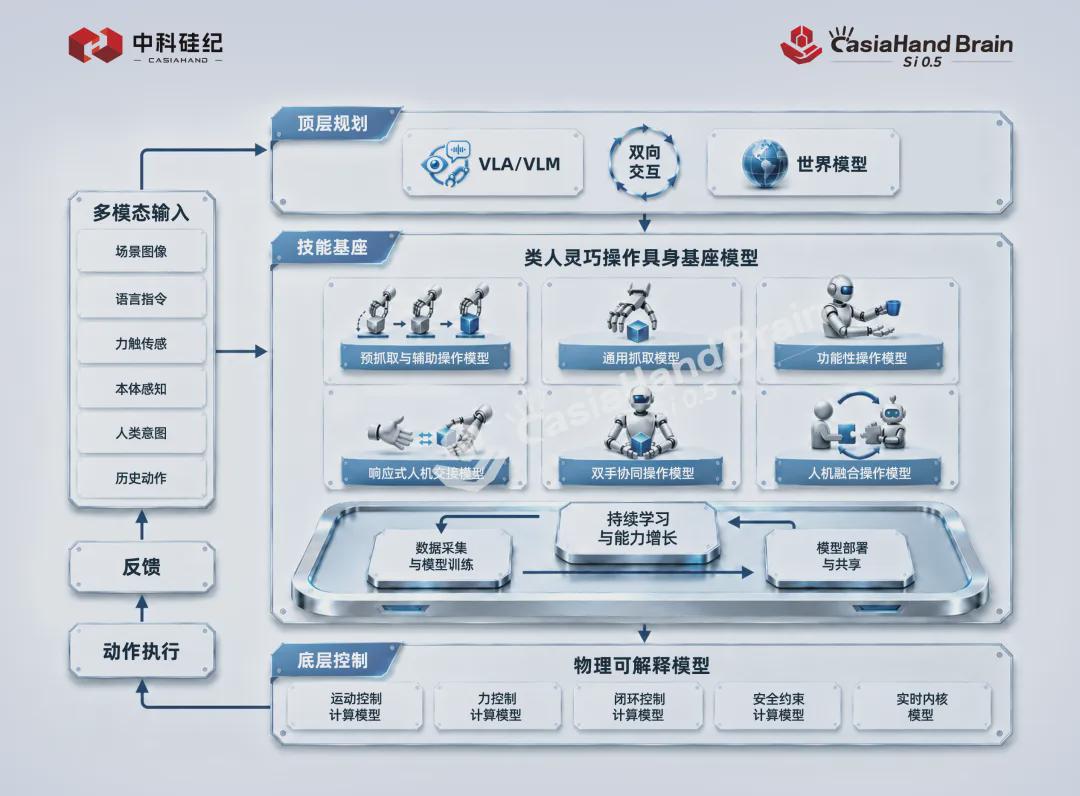
Global Launch of CasiaHand Brain-Si 0.5: Redefining Embodied Intelligence in Robotics
CasiaHand Robotics has introduced the CasiaHand Brain-Si 0.5, the world's first humanoid dexterous operation model, marking a significant advancement in the field of embodied intelligence. This innovative technology aims to transition from theoretical demonstrations to practical applications, addressing various challenges faced by industries. The company has already secured substantial orders for 2026, indicating strong market interest and confidence in the model's capabilities. By implementing a comprehensive technology framework, CasiaHand Robotics seeks to enhance operational efficiencies and effectiveness in real-world scenarios, paving the way for the future of humanoid dexterous operations.
Humanoid Robotics Dexterous Manipulation Embodied Intelligence Robotics Technology
At Automate, VisionNav Robotics to Showcase Autonomous Material Handling Solutions and Intelligent Vision Technologies
A leading logistics technology company is set to showcase its latest innovations in warehouse automation at an upcoming industry trade show. The event, scheduled for next month in Chicago, will feature the company's autonomous precision stacking solution, designed to enhance efficiency in material handling. Additionally, attendees will have the opportunity to explore the capabilities of a new counterbalance truck, which aims to improve safety and productivity in warehouse operations. The company will also present its advanced warehouse visibility platform, which provides real-time data analytics to optimize inventory management and streamline operations. This initiative reflects the company's commitment to addressing the growing demand for automation and efficiency in the logistics sector, driven by the need for businesses to adapt to rapidly changing market conditions and consumer expectations. By integrating cutting-edge technology into their offerings, the company aims to empower warehouses to operate more effectively and reduce operational costs.
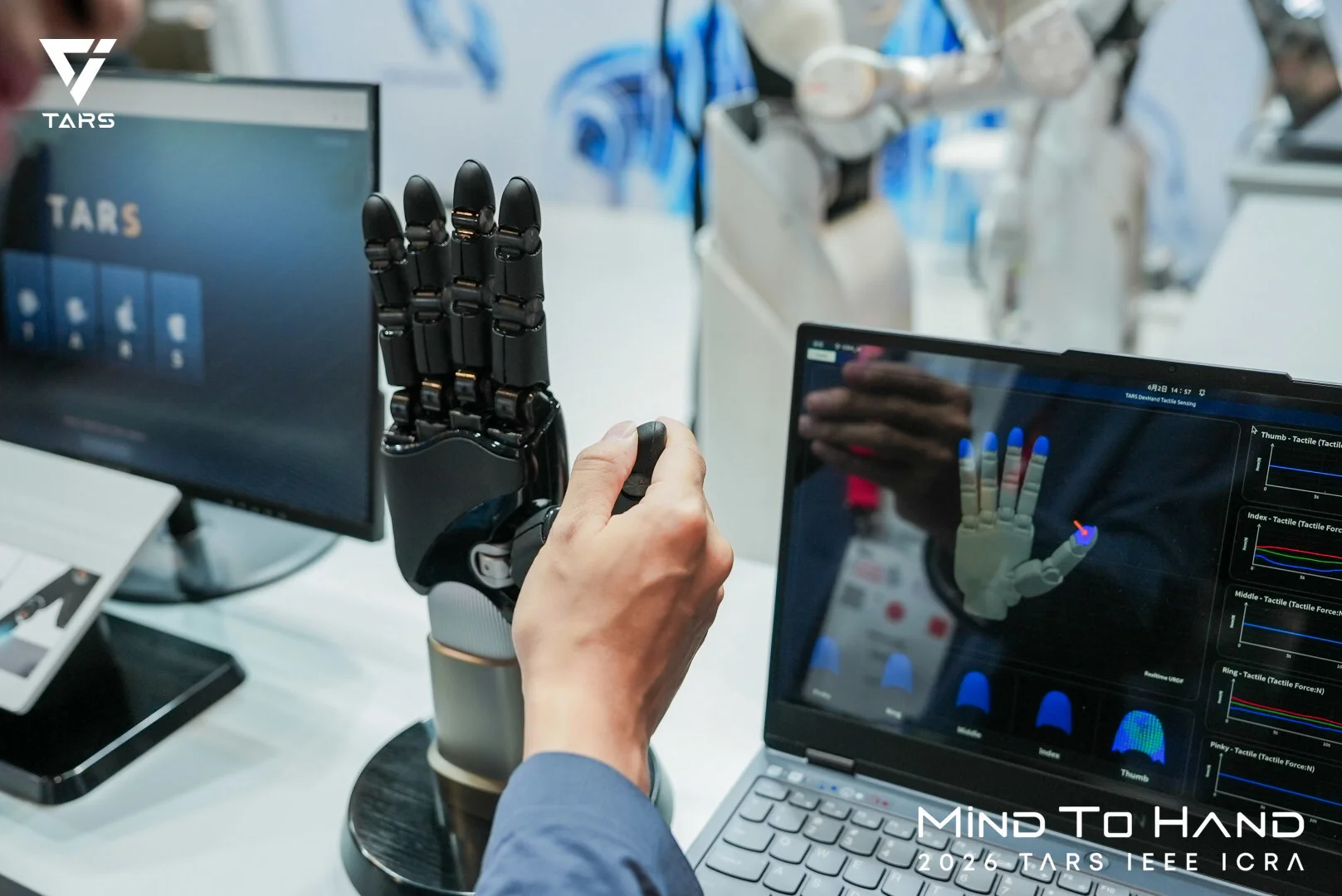
China’s TARS Debuts Humanoid Robotic ‘DexHand’
TARS, a Chinese humanoid robotics company, has unveiled its latest innovation, the DexHand robotic hand, during a demonstration at the ICRA 2026 conference held in Vienna last week. This advanced system aims to closely mimic the structure and movement of the human hand, showcasing its capabilities through real-time sign-language gestures and mirror-control interactions. The demonstration highlighted the platform's dexterity, emphasizing TARS's commitment to advancing human-robot interaction and enhancing the functionality of robotic systems.
AI AI Use Cases Robotics Uncategorized China DexHand
Interview with Yoshike: Honda's robotic research continues with a new multi-fingered hand surpassing human dexterity.
Honda Research Institute showcased its latest multi-fingered robotic hand at the Humanoids Summit Tokyo 2026, held in Takanawa, Tokyo. This event highlighted the ongoing evolution of Honda's humanoid robotics, continuing the legacy of its renowned ASIMO robot. The demonstration aimed to illustrate Honda's commitment to advancing robotics technology and exploring future possibilities in human-robot interaction. The innovative design of the robotic hand is expected to enhance the functionality and versatility of humanoid robots, marking a significant step in the company's research and development efforts.

ANSCER Robotics closes Series A round for industrial material handling
ANSCER Robotics has successfully secured $5.4 million in a Series A funding round aimed at expanding its hybrid industrial automation robots. This investment will enable the company to enhance its operations in North America and extend its reach to global markets. The funding comes at a time when the demand for advanced automation solutions is on the rise, driven by the need for increased efficiency in industrial material handling. With this financial boost, ANSCER Robotics plans to scale its technology and improve its product offerings to meet the evolving needs of the industry.
Autonomous Mobile Robots (AMRs) Investments Logistics Manufacturing News ANSCER Robotics
Changingtek Robotics Launches High-Precision Tactile Sensing Data Collection Hand, Uhand
A new compact unit has been developed, featuring a highly sensitive tactile array that boasts a spatial resolution of 2.34 taxels per square centimeter. This advanced technology is capable of detecting forces ranging from 0 to 160 Newtons, with an impressive sensing precision of 0.1 Newtons. The innovation aims to enhance applications in robotics and automation, providing more accurate and responsive interaction with various surfaces and objects. With training data available up to October 2023, this breakthrough represents a significant step forward in tactile sensing technology, potentially transforming how machines perceive and interact with their environments.
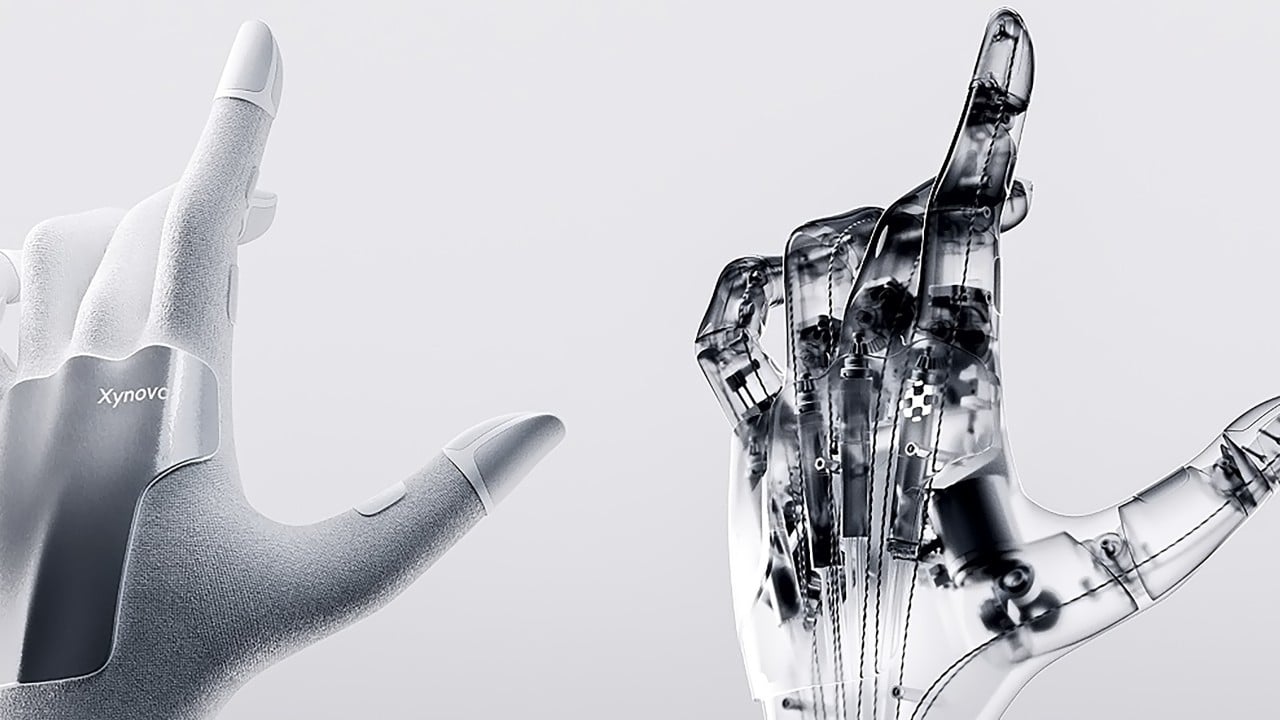
Unicorn born in record time amid ‘arms race’ among China’s robotic hand developers
In a significant move within the global humanoid robotics sector, venture capitalists and major industrial players in China are intensifying their investments in the development of advanced robotic hands, which are considered a critical challenge in the industry. On Friday, Xynova, a start-up based in Hangzhou, announced the successful completion of its Series A funding round. This round attracted notable investments from the venture arms of prominent companies, including smartphone manufacturer Xiaomi and electric vehicle producer Li Auto. The influx of capital is expected to substantially increase the valuations of start-ups in this burgeoning field, reflecting a growing confidence in the potential of dexterous robotic technology to revolutionize various applications.
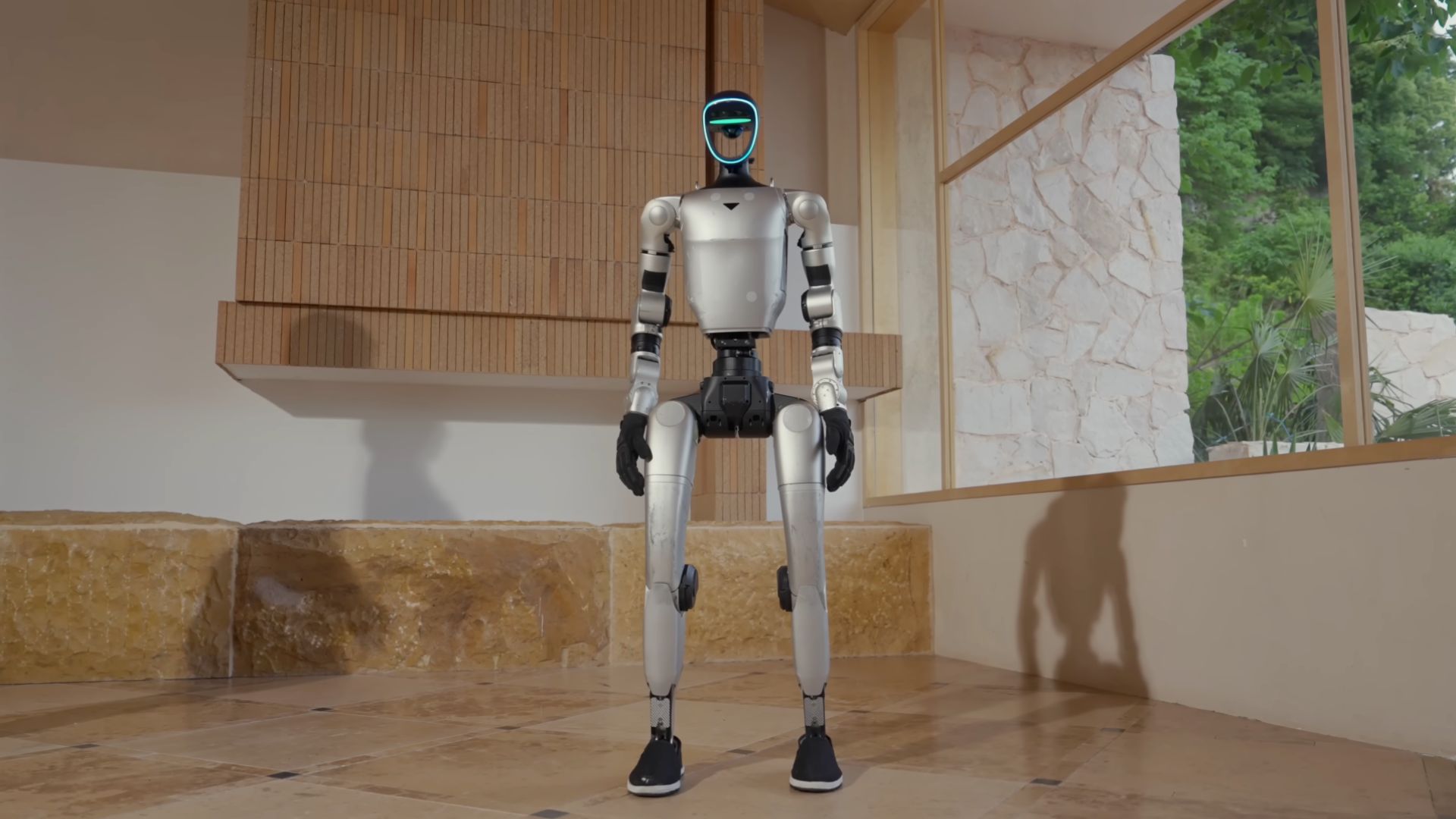
Tokyo summit wows audience with humanoids and robotic hands that can thread a needle
In Japan, robotics developers are unveiling cutting-edge humanoid robots designed to execute intricate tasks, such as assembling delicate components and assisting in healthcare settings. This showcase, taking place at the annual International Robot Exhibition in Tokyo, highlights the rapid advancements in robotics technology and its potential applications in various industries. The event, which runs from November 15 to 18, aims to demonstrate how these sophisticated machines can enhance productivity and support human workers. By integrating artificial intelligence and advanced sensors, these robots are not only improving efficiency but also addressing labor shortages in sectors like manufacturing and elder care. As the demand for automation continues to rise, developers are eager to illustrate the capabilities of their innovations and explore partnerships that could further advance the field of robotics.
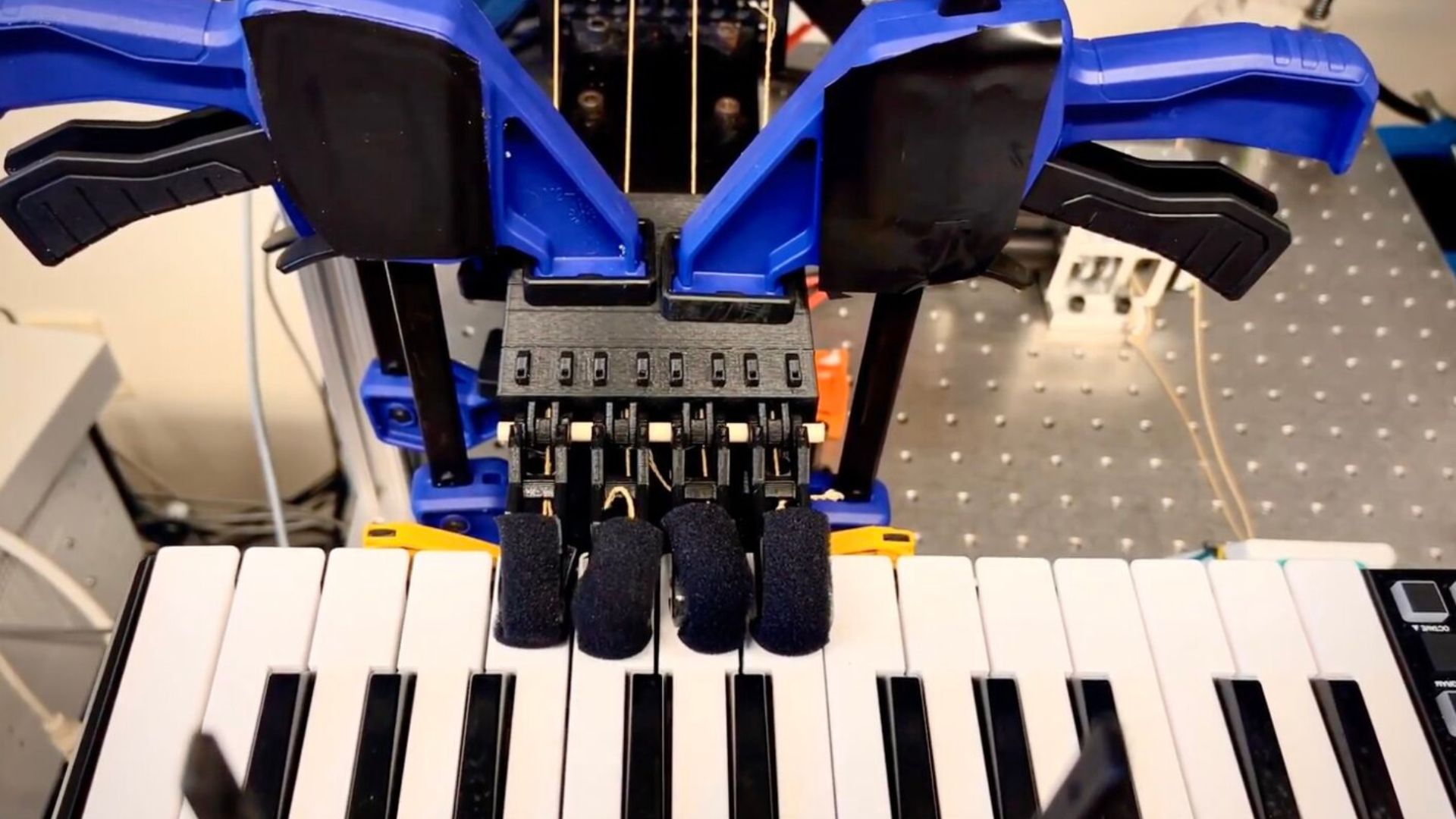
New piano-playing robotic hand learns notes after just two minutes of practice
A team of researchers has introduced an innovative robotic system known as the “Musician Hand,” capable of listening to and interpreting music in real-time. This groundbreaking technology was revealed during a recent conference focused on advancements in robotics and artificial intelligence. The unveiling took place in October 2023, showcasing the system's ability to analyze musical compositions and respond with precise movements that mimic human musicians. The motivation behind developing the “Musician Hand” stems from a desire to enhance the interaction between humans and machines in creative fields, particularly in music. By integrating advanced auditory processing capabilities, the robotic hand can not only play instruments but also adapt its performance based on the nuances of the music it hears. This innovation aims to bridge the gap between technology and artistry, providing new opportunities for collaboration between musicians and robots. The researchers demonstrated the system's functionality by having it perform alongside live musicians, illustrating its potential to revolutionize music education and performance. The “Musician Hand” represents a significant step forward in the field of robotics, highlighting the increasing role of artificial intelligence in creative endeavors. As the technology continues to evolve, it may pave the way for more sophisticated applications in various artistic domains, fostering a deeper connection between human creativity and robotic assistance.
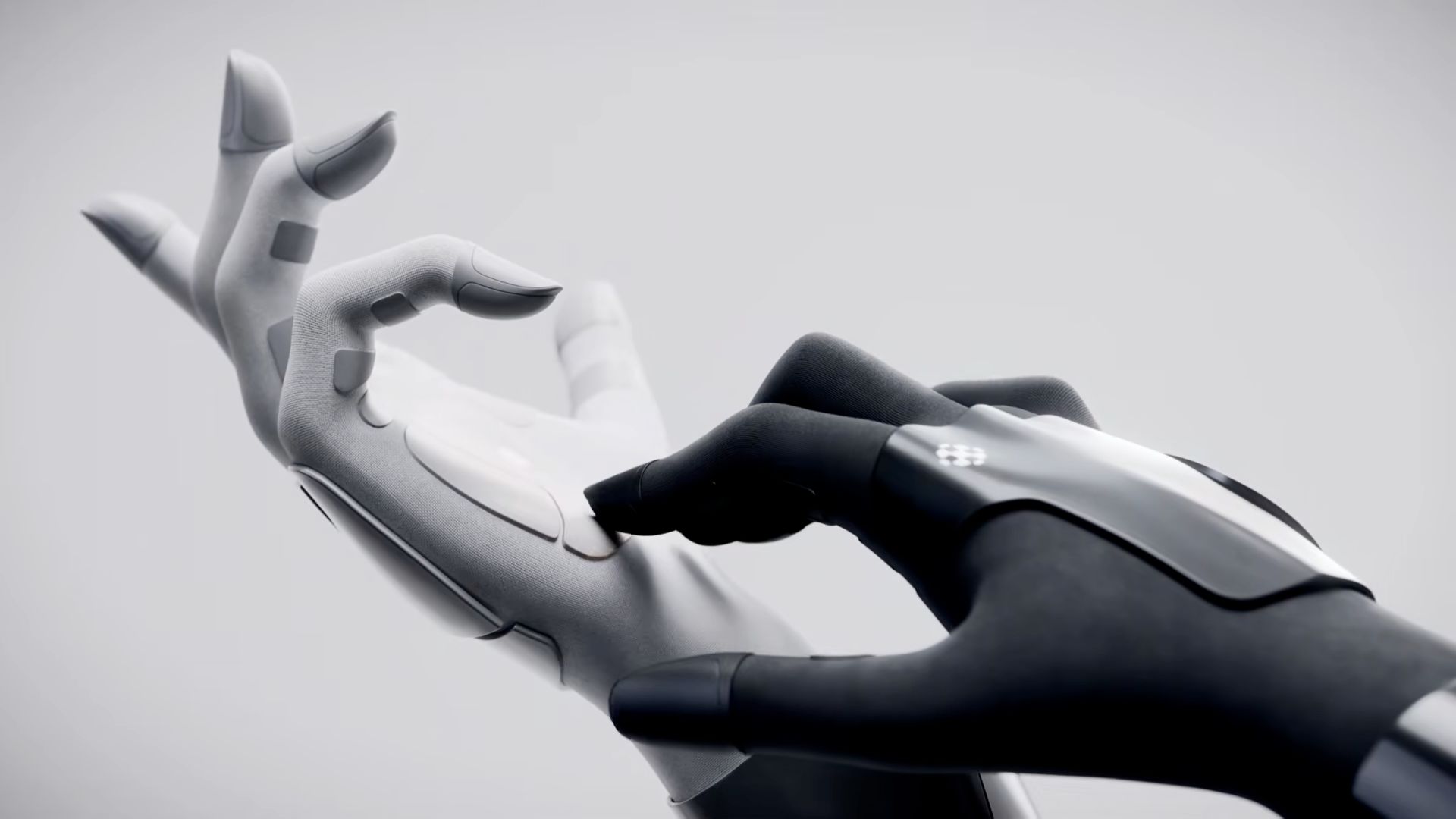
China’s new robotic hand combines hybrid actuation for smarter robot manipulation
Chinese robotics company Xynova has introduced its second-generation dexterous hand, designed to enhance the capabilities of humanoid robots. The unveiling took place recently, showcasing advancements in robotic technology that aim to improve the dexterity and functionality of robots in various applications. This innovation is part of Xynova's ongoing commitment to push the boundaries of robotics, addressing the growing demand for more sophisticated and versatile robots in industries such as manufacturing, healthcare, and service. The new hand features improved grip strength and precision, enabling robots to perform complex tasks with greater ease. By advancing robotic dexterity, Xynova seeks to facilitate the integration of humanoid robots into everyday environments, ultimately enhancing human-robot collaboration.
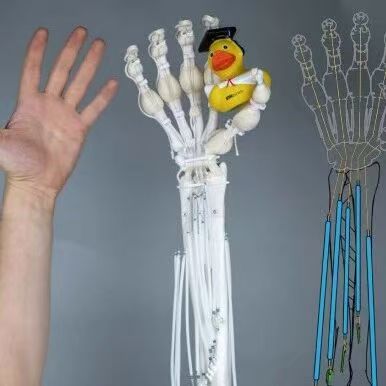
ETH Zurich's Breakthrough: Highly Biomimetic Pneumatic Muscle Robotic Hand Replicating Human Anatomy
Researchers from ETH Zurich have unveiled a groundbreaking robotic hand that mimics human anatomy, utilizing advanced 3D printing techniques and 22 independently controlled pneumatic artificial muscles. This innovative development, which was announced recently, aims to significantly improve dexterity and adaptability in robotic applications. The design is rooted in detailed human anatomical data, allowing the robotic hand to perform a wide range of tasks with precision. The project is poised to advance the fields of prosthetics and enhance collaboration between humans and robots, addressing the growing need for more versatile and functional robotic systems in various sectors.
Soft Robotics Pneumatic Actuators 3D Printing Prosthetics Biomimicry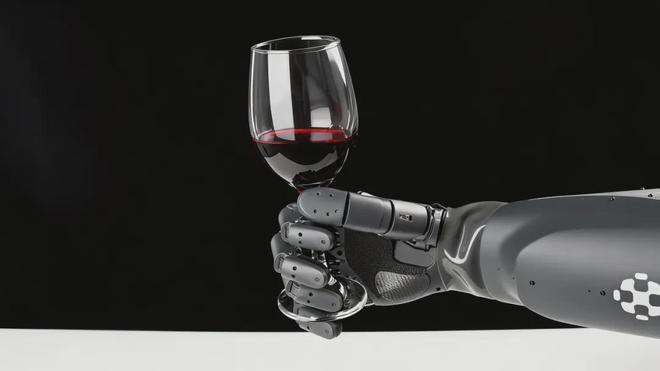
Leading Internet Giants Invest in Hangzhou's Robotics Company for Innovative Dexterous Hands
Xynova Future, a robotics company based in Hangzhou, has successfully raised hundreds of millions in Pre-A funding, with JD.com leading the investment round and significant backing from major players like Xiaomi. The funding aims to support the company's mission to develop advanced dexterous hands for humanoid robots, a technology designed to enhance the interaction between digital intelligence and real-world applications. This investment marks a significant step in the evolution of robotics, as Xynova Future seeks to innovate and expand the capabilities of humanoid robots in various sectors.
Dexterous Robotics Humanoid Robots Investment in Technology AI Robotics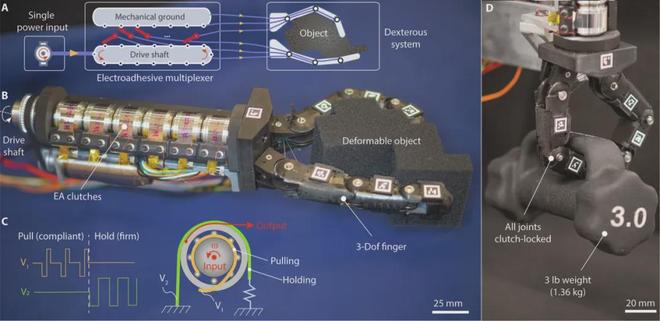
Breakthrough in Robotic Hands: One Motor Drives Six Joints, Capable of Gentle Foam Handling and Lifting 3 Pounds
A research team at Northwestern University has unveiled an innovative robotic hand that operates using a single motor to control six joints, thanks to a groundbreaking electric adhesive clutch system. This design enables the robotic hand to seamlessly transition between gentle and strong gripping, enhancing its versatility in robotic manipulation. The development aims to improve the functionality of robotic systems, making them more adaptable for various tasks.
Robotic Hands Electric Adhesive Clutch Soft Robotics Robotics Technology
Affordable humanoid robot kit at $15,000 pushes advanced robotics into public hands
The development of humanoid robots is increasingly shifting from confidential corporate laboratories to public demonstrations and collaborations. Major technology companies and startups are unveiling their advancements in robotics at various industry events and exhibitions, showcasing their latest prototypes and capabilities. This transition is occurring in 2023, as organizations aim to attract investment and public interest in the burgeoning field of robotics. The motivation behind this shift is to accelerate innovation and foster partnerships that can enhance the functionality and integration of humanoid robots into everyday life. By engaging with the public and potential investors, these companies hope to highlight the practical applications of their technologies, ranging from healthcare assistance to customer service. Demonstrations often involve live interactions with the robots, allowing audiences to witness their abilities in real-time. This hands-on approach not only showcases the robots' advanced features but also addresses public curiosity and concerns about the future of human-robot interaction. As the race to develop humanoid robots intensifies, the industry is poised for significant advancements that could reshape various sectors and redefine the relationship between humans and machines.

Festo Introduces GripperAI, an AI-based Solution for Mixed-Product Robotic Handling
A new software has been developed that enhances the efficiency of gripping tools in various applications. This innovative technology automatically selects the most suitable gripping tool and adjusts for a range of mixed products, making it adaptable to different tasks. Utilizing low-cost 3D cameras, the software provides a cost-effective solution for industries requiring precision and versatility in handling products. The training data for this software includes information up to October 2023, ensuring it incorporates the latest advancements in technology and user needs. This development aims to streamline operations and reduce costs for businesses, ultimately improving productivity in manufacturing and logistics sectors.
Robotics needs a service framework.
RSF defines a common language for robot service capability, lifecycle operations, certification pathways, and service-provider networks.
Join the RobotToday community on LinkedIn
Daily robotics news, in-depth analysis, conference highlights, and discussions with professionals worldwide.