

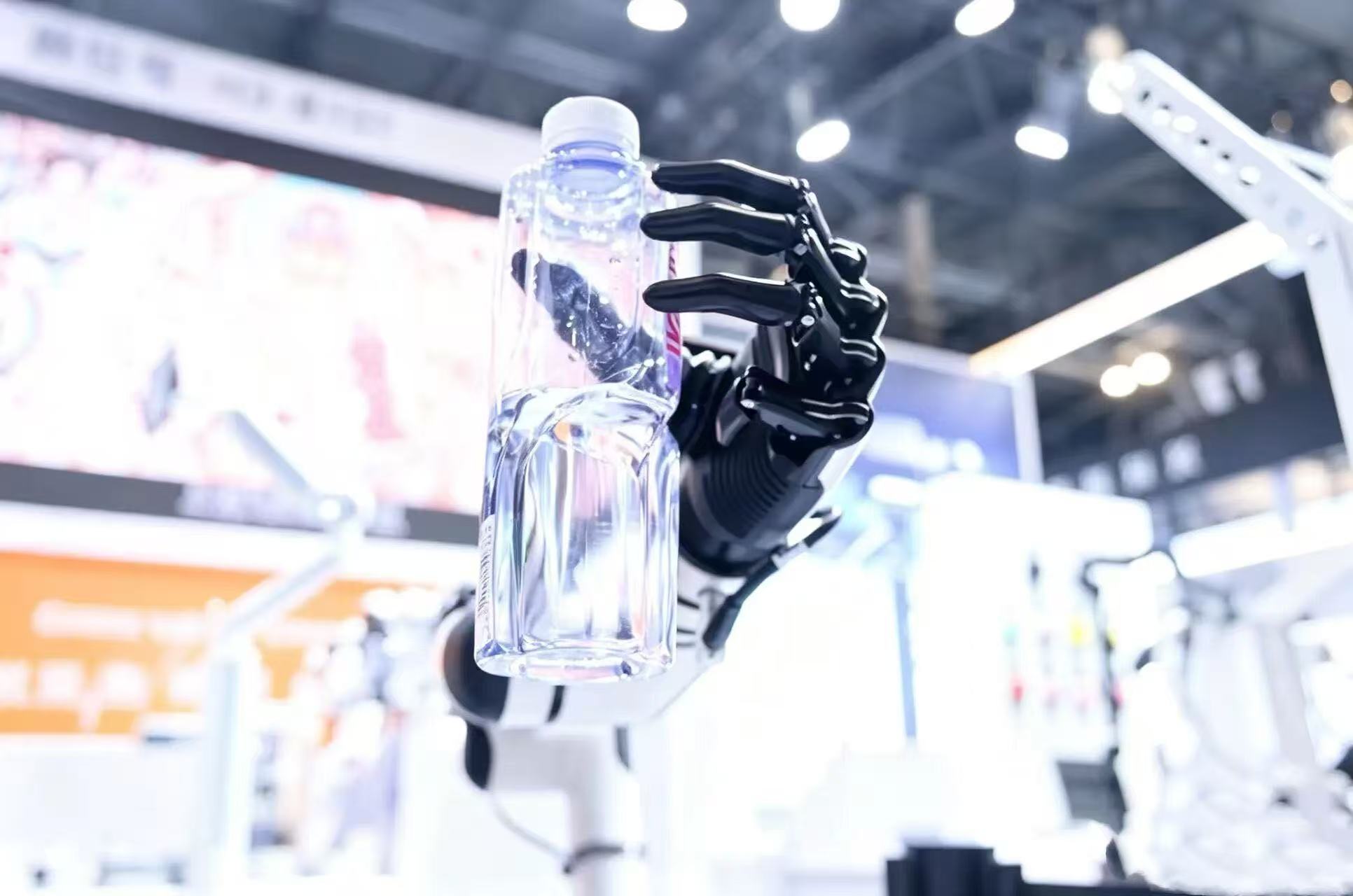
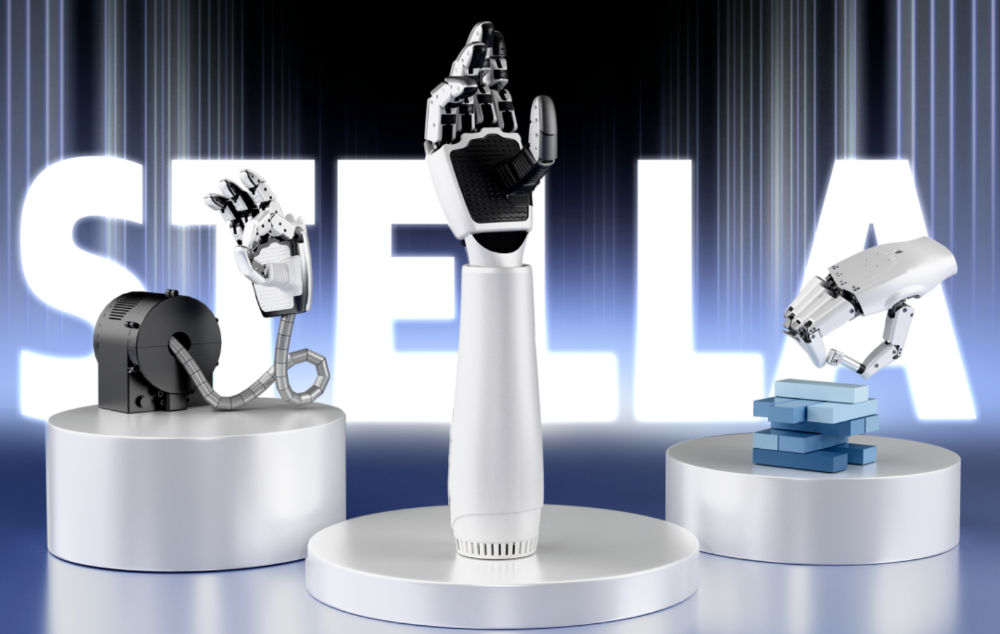
At the 2026 WAIC, a notable shift in robotics was observed as manufacturers increasingly focused on developing dexterous hands. Over the past two years, the industry has seen a surge in the complexity of these hands, with degrees of freedom increasing from six to twelve, sixteen, or even more. The ability of a robotic hand to perform tasks such as solving a Rubik's Cube or threading a needle has become a key benchmark for technological capability.
As more dexterous hands demonstrate impressive capabilities, the industry must now address critical questions about their operational continuity, scalability, repairability, and the data they generate to enhance future performance. Companies like Aoyi Technology are expanding their product boundaries beyond mere actuators to include tactile-enabled devices like ROHand and OpenArm, integrating data collection and training tools into a cohesive system.
This evolution signifies a shift from merely creating human-like hands to developing hands that can engage in a robotic learning loop. The industry's future hinges on whether these hands will become high-end toys or genuine industrial products, with reliability emerging as a core performance metric alongside flexibility and load capacity.
Editor's Note
The robotics industry is witnessing a pivotal transformation in the development of dexterous hands, which are essential for enhancing robotic capabilities. As manufacturers strive for higher degrees of freedom and improved reliability, the focus is shifting towards creating hands that can operate effectively in real-world applications. This evolution could redefine the role of robotics in various sectors, from industrial automation to healthcare.





















Leave a comment