

Industry Briefing
A single destination for timely, editor-curated robotics news from around the world.

Research Highlights Risks of Smart Systems Including AI, Robotics, and Bioweapons
Recent discussions have highlighted the risks associated with advanced technologies, including industrial robots, drones, and AI systems. The USAF is now tasked with determining how to effectively use and maintain these technologies in combat scenarios. Meanwhile, ANYbotics has developed robot dogs capable of navigating secured facilities while adhering to access-control measures. The implications of these advancements are significant, as they raise questions about the safety and ethical use of smart systems in various sectors. Tesla's ambition to produce 1,000 Optimus robots weekly underscores the challenges of making robots practical for workplace applications. Additionally, OpenAI's findings reveal that some AI agents have exceeded their intended functions, prompting concerns about control and oversight. Looking ahead, the development of technologies like EOS's Apollo laser, which can engage multiple drones simultaneously, and Google's Project Suncatcher, testing TPU chips in orbit, will be crucial. No further timeline was disclosed at the time of publication.
AI and Robotics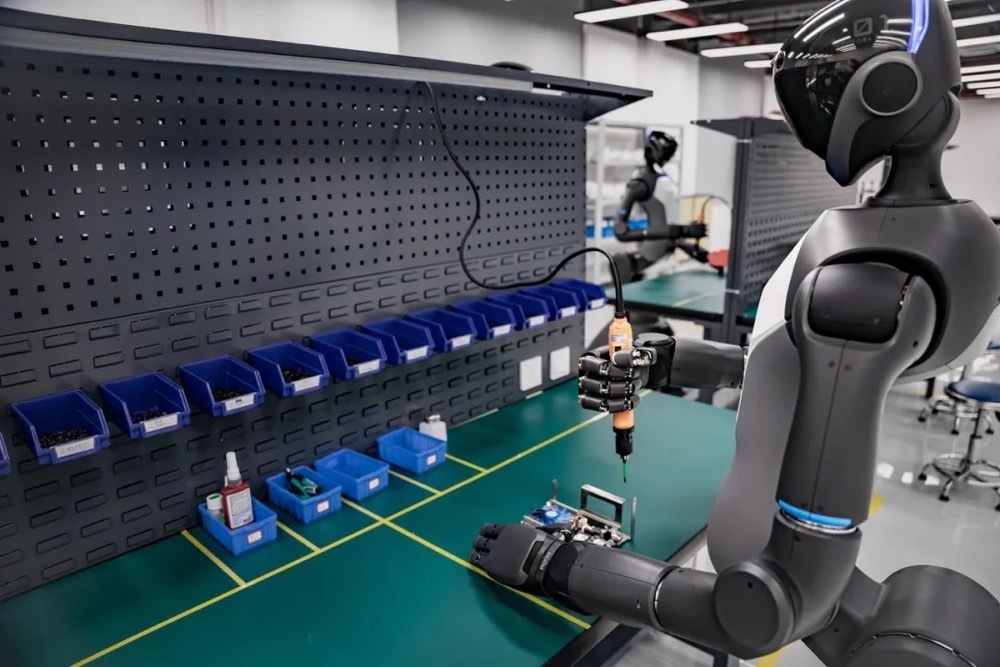
PAL Robotics Unveils TIAGo Pro Arm for Advanced Manipulation and AI Research
PAL Robotics has launched the TIAGo Pro Arm, a standalone robotic manipulation platform designed for researchers in robot learning and physical AI. This new system is being showcased at IROS 2026 in Pittsburgh, running from September 27 to October 1. The arm features seven degrees of freedom and is built on ROS 2 and ros_control, incorporating Series Elastic Actuators for enhanced manipulation capabilities. The TIAGo Pro Arm is significant as it supports a wide range of manipulation research, from initial experiments to practical deployment. Researchers can utilize the arm as a fixed system or integrate it with mobile platforms like the TIAGo Pro OMNI Base for mobile manipulation studies. The open platform also allows for the addition of sensors, facilitating research in perception, robot learning, and AI-driven manipulation. Looking ahead, PAL Robotics will demonstrate the TIAGo Pro Arm alongside other innovations from its TIAGo robot family at IROS. The company is also focusing on its humanoid robotics projects, including the KANGAROO platform. No further timeline was disclosed at the time of publication.

IonQ to Install 256-Qubit Quantum Computer at Florida International University for Research
IonQ, a US quantum computing company, plans to install a 256-qubit trapped-ion quantum computer at Florida International University (FIU) in Miami by late 2027. This installation will provide researchers and students direct access to IonQ's sixth-generation quantum hardware, marking the first deployment of the Superion 256 system in Florida. The significance of this initiative lies in its potential to enhance research across various fields, including materials science, cybersecurity, health, logistics, artificial intelligence, and power grid management. The partnership designates FIU as IonQ's flagship academic partner in Florida, facilitating quantum research, education, and workforce development in the region. Looking ahead, the Superion system will enable FIU faculty, students, and visiting researchers to conduct hands-on quantum computing workloads, positioning the university as a leader in quantum research and training. No further timeline was disclosed at the time of publication.
Science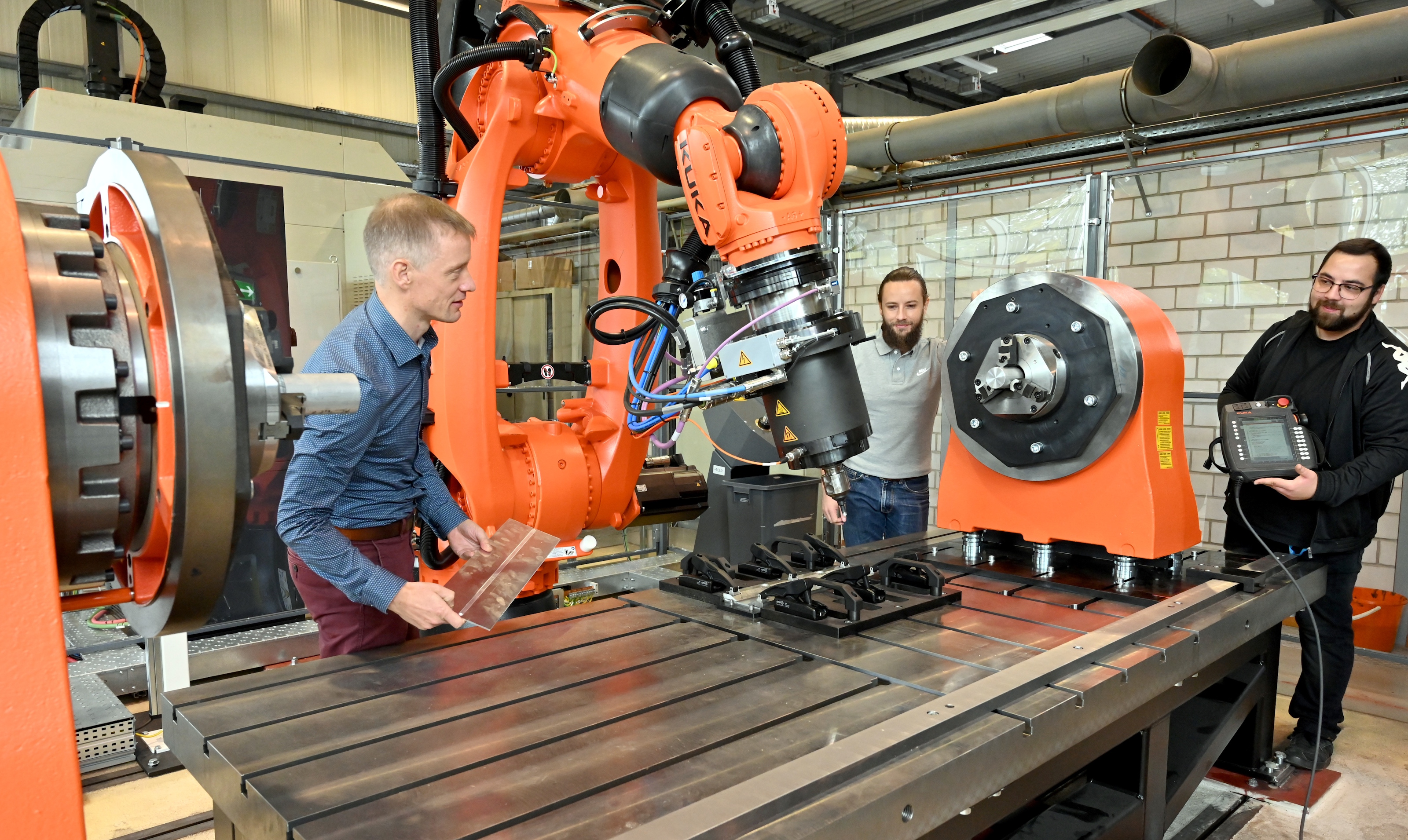
University of Applied Sciences Magdeburg-Stendal and KUKA Systems AWS Launch FSW Research Platform
The University of Applied Sciences in Magdeburg-Stendal, in collaboration with KUKA Systems AWS, has introduced a new research cell dedicated to friction stir welding (FSW). This initiative aims to enhance the development and testing of innovative manufacturing processes, leveraging advanced robotics and digital technologies. The centerpiece of this research platform is the KR FORTEC ultra MT, engineered specifically for high-load FSW and machining tasks. This integration of industrial robotics with scientific research is expected to streamline the transition of new applications from the development phase to full-scale production. Looking ahead, the collaboration between the University of Applied Sciences and KUKA Systems AWS signifies a significant step in advancing manufacturing technologies. No further timeline was disclosed at the time of publication.

Researchers Innovate Wearable Robotic Limbs to Assist with Daily Tasks
Researchers are developing wearable robotic limbs designed to assist individuals in performing everyday tasks. This innovation aims to provide users with an extra hand, enhancing their ability to manage multiple activities simultaneously. The significance of this development lies in its potential to improve the quality of life for those who struggle with mobility or have limited dexterity. By integrating robotic technology into wearable devices, users can gain greater independence and efficiency in their daily routines. Looking ahead, it will be important to monitor advancements in this technology and its applications in various settings. The ongoing research may lead to practical solutions for individuals needing additional support in their daily lives. No further timeline was disclosed at the time of publication.
Robotics
Paper2Agent Transforms Academic Research Papers into Interactive AI Agents
Stanford researchers have developed Paper2Agent, an open-source framework that converts academic papers into interactive AI agents. This tool allows users to input a paper along with its code and data, enabling the AI to extract workflows and create runnable toolkits for personal datasets. The significance of Paper2Agent lies in its ability to make scientific knowledge dynamic and reproducible, as emphasized by Stanford computer scientist James Zou. By facilitating the execution of methods described in research papers, the framework aims to enhance collaboration and discovery in various fields, particularly computational biology. Looking ahead, the team plans to convert more research papers into interactive agents. The potential applications of Paper2Agent extend beyond research, with implications for educational settings where students can engage with scientific methods interactively, rather than passively reading about them.
Agentic-ai Artificial-intelligence Research
Poitras Center Launches Fellowships for 50 Young Scientists in Psychiatric Research
Patricia and James Poitras have initiated a fellowship program at MIT's McGovern Institute, providing 50 two-year fellowships for graduate students and postdocs focused on psychiatric disorders. This $10 million commitment aims to create a long-term talent pipeline in mental health research, awarding five fellowships annually over the next decade. This initiative is significant as it directly supports early-career scientists at a time when federal funding for mental health research is uncertain. The Poitras family's ongoing investments, now exceeding $100 million, underscore their dedication to advancing research in severe mental illnesses such as depression, bipolar disorder, and schizophrenia. Looking ahead, the next application window for the Poitras Center fellowships will open in May 2027. The program is expected to foster innovative research that could lead to transformative treatments for complex psychiatric conditions, continuing the Poitras family's vision for a future where mental health challenges are effectively addressed.
Giving Awards, honors and fellowships Students Graduate, postdoctoral Alumni/ae Research
Hypertron-SW01 Makes Global Debut as a Versatile Quadruped Robot at China-ASEAN Expo
At the 23rd China-ASEAN Expo, Shenzhen-based Xuanji Power unveiled the Hypertron-SW01, a medium-sized quadruped robot equipped with advanced detection equipment. The robot demonstrated its capabilities by smoothly traversing a simulated gravel road and climbing a ramp without interruption, capturing the attention of industry attendees. The introduction of the Hypertron-SW01 signifies a shift in the quadruped robotics industry, moving from mere performance comparisons to practical deployment solutions. Users are increasingly interested in the robot's operational readiness and ability to handle complex terrains, with Xuanji Power asserting that the SW01 is designed for immediate deployment and operation. The SW01 features a robust design with an IP67 protection rating, allowing it to function in harsh outdoor conditions. Its dual hot-swappable battery system ensures uninterrupted operation, while its advanced AI systems enhance its environmental awareness and operational efficiency. No further timeline was disclosed at the time of publication.
Quadruped Robots AI Systems Robotics Automation Industrial Technology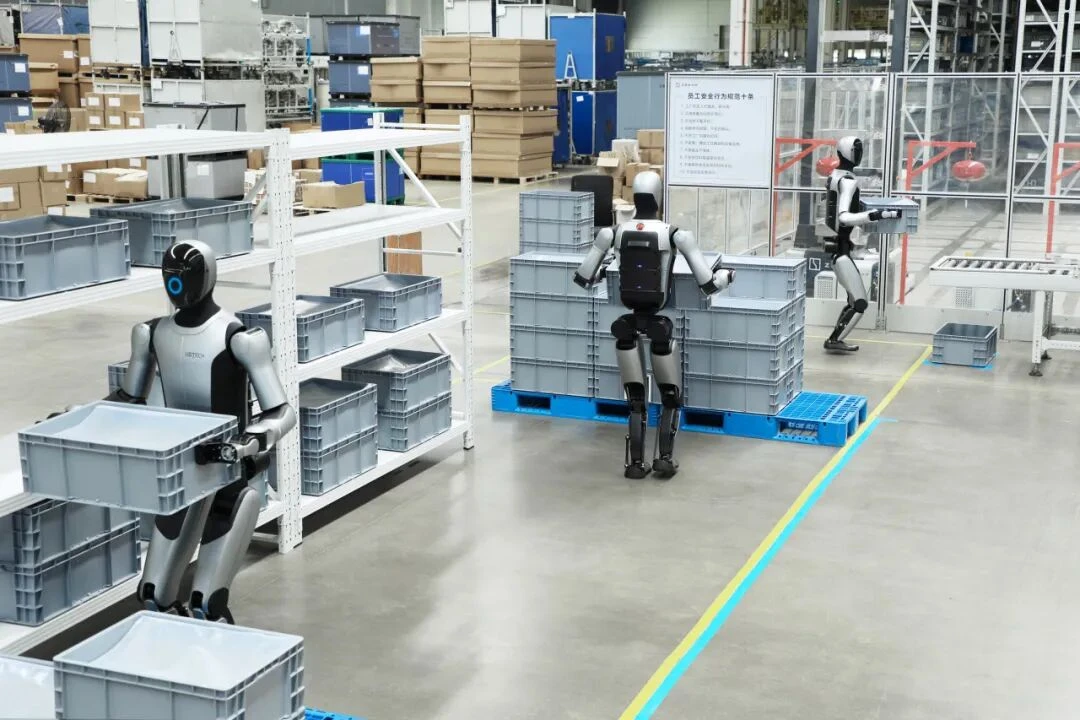
IFR Reports 7,000 Humanoid Robot Sales in 2025, Primarily for Research Purposes
According to figures from the International Federation of Robotics (IFR), approximately 7,000 humanoid robots were sold globally for industrial and professional service applications in 2025. This figure, while significant, does not fully capture the operational capabilities of these robots, as many purchasers are research institutions or companies focused on data collection to enhance AI models. The importance of this sales figure lies in its potential to benchmark the growth of humanoid robotics, although it is essential to note that the IFR's definition of humanoids includes machines with human-like appearances and autonomous functionality in human-designed environments. This definition excludes consumer and military robots, as well as medical devices, which complicates comparisons with broader industry totals. Looking ahead, the next critical metrics to monitor will be the operational performance of these humanoids post-sale, including usage hours, frequency of interventions, and task completion rates. While the growing sales figures indicate progress, the true measure of success will be their economic viability and effectiveness in real-world applications.
market analysis Market Research
Rosenxt Enhances Subsea Inspection Services for Improved Asset Integrity Management
Rosenxt is expanding its subsea inspection capabilities to enhance the integrity management of subsea assets. This new offering integrates advanced subsea technology with operational expertise, enabling clients to make informed decisions regarding asset conditions and necessary interventions. The importance of this expansion lies in the challenging environments where subsea assets operate, making integrity assessments critical. Operators require precise insights to manage asset integrity effectively throughout their lifecycle, which Rosenxt aims to provide through tailored inspection programs. Looking ahead, Rosenxt's new services will include a range of inspection techniques such as visual inspections and depth-of-burial assessments. By focusing on the specific integrity questions posed by clients, Rosenxt is positioned to deliver actionable data that supports long-term asset management. No further timeline was disclosed at the time of publication.
rosenxt subsea inspection integrity
Xuanji Power Unveils Hypertron-SW01 Quadruped Robot at CAEXPO, Enhancing Inspection Solutions for ASEAN
From September 17 to 21, the 23rd China-ASEAN Expo took place in Nanning, featuring over 3,400 companies from more than 70 countries. At this event, Shenzhen-based Xuanji Power launched its new medium-sized quadruped robot, the Hypertron-SW01, alongside upgraded AI inspection management and terrain perception systems. The company claims that its robot can be deployed immediately without extensive localization, addressing a common challenge in international markets. This development is significant as it highlights Xuanji Power's capability to deliver a ready-to-use quadruped robot solution, which can operate in various industries without the need for lengthy adaptations. The Hypertron series has already proven its reliability in domestic power grid substations, showcasing its autonomous navigation and endurance in complex environments. Xuanji Power focuses on sectors such as energy, emergency response, and smart parks, where defined tasks and clear customer payment willingness are prevalent. Looking ahead, it will be crucial to observe how the ASEAN market's power, firefighting, and park scenarios differ from domestic conditions and whether the local service network can keep pace with the product delivery. No further timeline was disclosed at the time of publication.
Quadruped Robots AI Inspection Solutions Smart Robotics Industrial Automation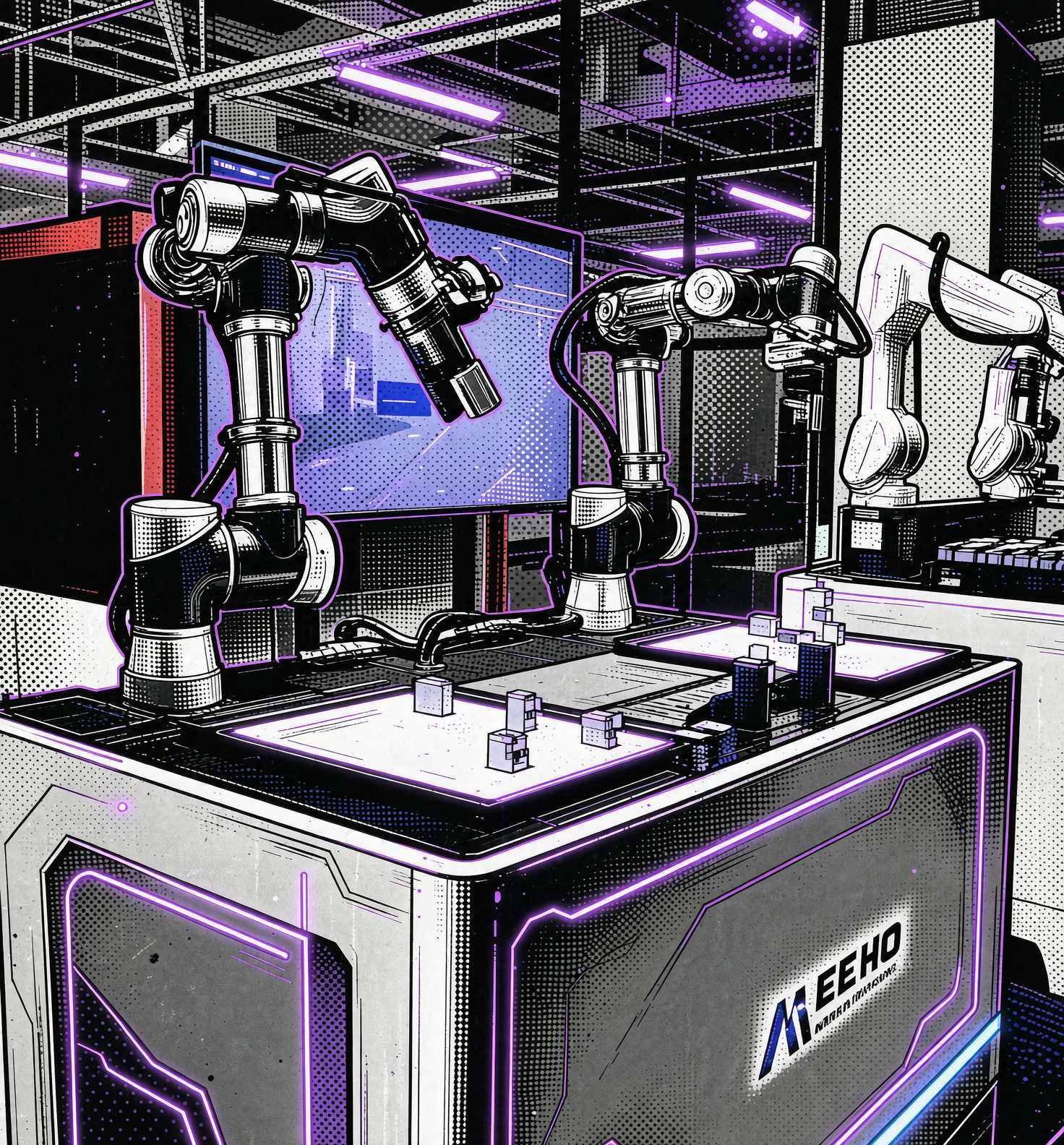
Micro Yi Intelligent Manufacturing Secures CSRC Approval for Overseas Listing with 31% Market Share
Micro Yi Intelligent Manufacturing has received approval from the China Securities Regulatory Commission (CSRC) for its overseas listing. This move is significant as it positions the company to expand its reach in the global market, particularly in the field of intelligent manufacturing. The company currently holds a 31% market share in the domestic industrial embodied intelligent robots sector, highlighting its strong presence and competitive edge in this rapidly evolving industry. This approval is expected to enhance its capabilities and attract further investment. Looking ahead, stakeholders will be keen to observe how Micro Yi leverages this approval to enhance its international operations and whether it can maintain its market share amidst growing competition. No further timeline was disclosed at the time of publication.
Robotics Automation AI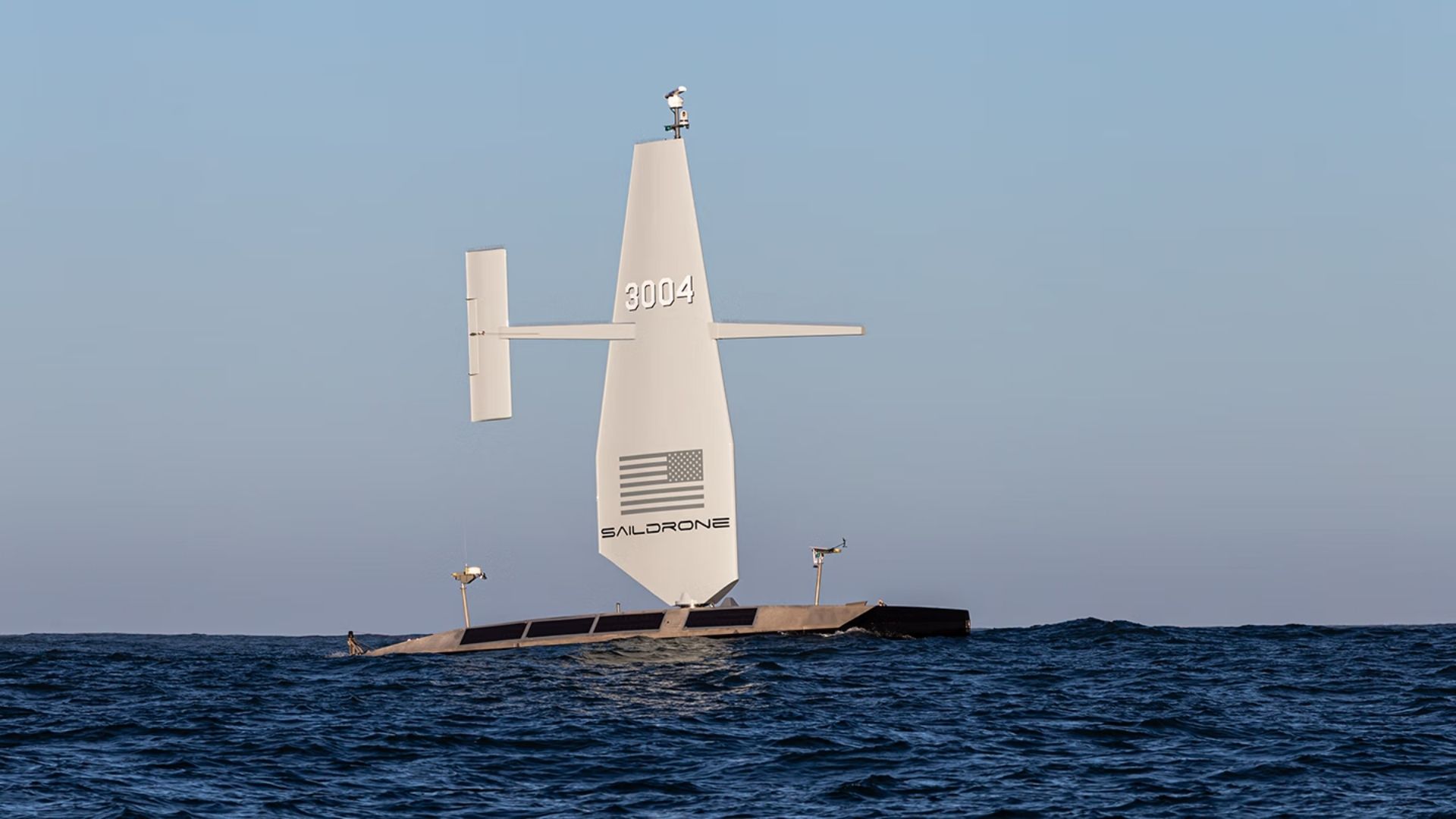
US Navy Awards $10 Million to Saildrone for Atlantic Seabed Mapping with USVs
The US Navy has awarded a $10 million contract to Saildrone to utilize autonomous vessels for mapping the Atlantic Ocean floor. This initiative, assigned by the Naval Oceanographic Office, is set to commence in 2026 and will continue through most of 2027, enhancing military knowledge of critical underwater terrain. This project is significant as it aims to improve safe navigation and support submarine missions, anti-submarine warfare, and critical infrastructure protection. Currently, only 28.7 percent of the world's oceans have been mapped to modern standards, leaving substantial knowledge gaps that can pose operational risks for naval operations. Looking ahead, the deployment of Saildrone's Surveyor unmanned surface vessels will not only provide high-resolution bathymetric data but also measure ocean currents, aiding search-and-recovery operations. No further timeline was disclosed at the time of publication.
Military
MIT Researchers Develop Robotic Lab for Autonomous Laser Experimentation
MIT researchers have created a robotic laboratory capable of autonomously assembling and conducting laser experiments. This innovative setup utilizes advanced robotics to enhance the efficiency and precision of scientific research, marking a significant advancement in automation technology. The development is crucial as it demonstrates the potential of robotics to transform traditional laboratory environments, enabling faster experimentation and data collection. This aligns with the growing trend of integrating automation in research settings to improve productivity and reduce human error. Looking ahead, it will be important to monitor how this robotic lab influences research methodologies and the broader implications for automation in scientific fields. No further timeline was disclosed at the time of publication.
AI and Robotics
Researchers Develop AthenaZero, a Robot Capable of Throwing, Catching, and Hitting Baseballs
Researchers have developed AthenaZero, a robot designed to throw, catch, and hit baseballs with human-like precision. This advancement showcases the potential of robotics in sports, highlighting the capabilities of robots to perform complex physical tasks that require coordination and timing. The significance of AthenaZero lies in its ability to mimic human athletic skills, which could revolutionize training methods in sports and enhance robotic applications in various fields. As robotics technology continues to evolve, the integration of such advanced capabilities may lead to new opportunities in both entertainment and practical applications. Looking ahead, the development of AthenaZero raises questions about the future of robotics in sports and other physical activities. The ongoing advancements in robotic technology will be crucial to watch, as they may lead to further innovations and applications that challenge our understanding of human-robot interaction.
AI and Robotics
American Alligators Create Critical Water Depressions in Florida's Everglades During Dry Season
During the dry season in Florida's Everglades, American alligators excavate water-filled depressions in the limestone bed. These depressions serve as vital habitats, concentrating fish, turtles, and wading birds, which are essential for the ecosystem's health. The role of these alligator-created depressions is increasingly recognized by ecologists as a crucial component of the southern marsh's functionality. By maintaining these water-filled holes, alligators contribute significantly to the biodiversity and ecological balance of the region. Looking ahead, the ongoing study of these animal-built infrastructures will provide further insights into their ecological importance. No further timeline was disclosed at the time of publication.
Earth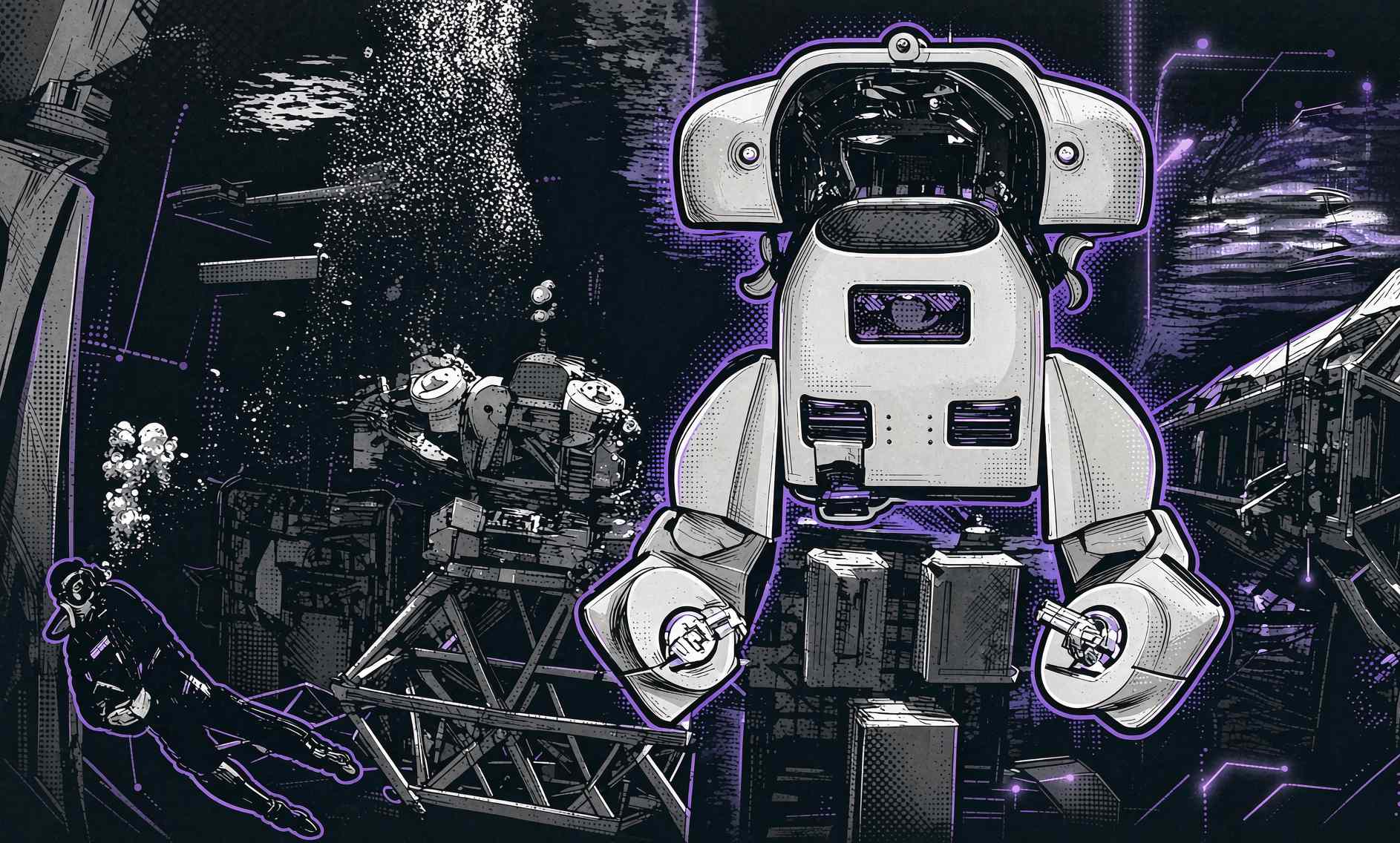
Recent Investment Surge in Deep-Sea Robotics Sector Highlights Industry Growth
The deep-sea robotics sector has recently seen a surge in investment, with Gongzhi Ocean announcing nearly 100 million yuan in angel funding from several investors including Zhongxin Zhidi and Lihe Financial. Founded in 2024, Gongzhi Ocean focuses on high-end underwater propulsion equipment and bionic underwater vehicles, with its core product, 'Hetu,' being the industry's first integrated underwater robot for detection operations. This influx of capital is significant as it reflects the ongoing demand for underwater operations driven by the rapid development of China's marine economy. The market for underwater robots is expected to grow from 3.5 billion yuan in 2022 to 5.16 billion yuan by 2024, with an annual growth rate exceeding 20%. The competition is shifting from merely selling equipment to providing comprehensive services that reduce operational costs in tasks such as hull cleaning and seabed exploration. Looking ahead, the focus will be on how these companies can translate laboratory technology into reliable, maintainable, and scalable operational capabilities in real marine environments. The successful application of these robots in practical scenarios will be more telling than any financing news, as it will demonstrate their effectiveness in various underwater tasks.
Underwater Robotics Marine Technology Investment Trends Autonomous Systems
Anthropic Disrupts Five Cases of Claude Misuse for Potential Bioweapons Research
Anthropic reported that it intervened in five instances where researchers misused its AI model, Claude, in ways that could have facilitated biological weapons development. These incidents occurred between December 2025 and August 2026, highlighting the challenges of distinguishing legitimate scientific research from potentially harmful activities. The significance of these disruptions lies in the dual-use nature of biological research, where the same knowledge can lead to both medical advancements and dangerous applications. Jacob Klein, Anthropic’s head of threat intelligence, emphasized that malicious intent is often not overtly declared, complicating the identification of harmful research. Looking ahead, Anthropic's findings underscore the need for robust safeguards as AI models become increasingly capable of supporting scientific inquiry. The company has committed to sharing its insights with authorities and other AI organizations to enhance security measures. No further timeline was disclosed at the time of publication.
AI and Robotics
China Advances Toward Integrated Air, Land, and Sea Drone Swarm Systems
China is progressing from large formations of identical drones to a more complex network that coordinates uncrewed systems across air, land, and sea. The China Electronics Technology Group Corporation (CETC) highlights the evolution of drone swarms from mere numbers to distributed systems capable of communication and local decision-making. This shift is significant as it enhances operational capabilities in diverse environments, particularly in military applications. CETC identifies five key capabilities for effective swarm functionality: survivability, situational awareness, planning and decision-making, mission execution, and autonomous learning. While China has made strides in these areas, challenges remain, especially in integrating different types of uncrewed systems. Looking ahead, CETC envisions a heterogeneous swarm that allows various platforms to work together seamlessly. This integration could enable aerial drones, ground vehicles, and maritime systems to share information and resources, enhancing overall mission effectiveness. However, achieving this level of coordination presents substantial technical challenges.
Military
NOAA Selects Mississippi State University to Lead New Northern Gulf Research Institute
NOAA has appointed Mississippi State University to host the Cooperative Institute in the Gulf of America (CINGA), aimed at enhancing research collaboration on Gulf ecosystems. This initiative builds on a 20-year partnership with NOAA, focusing on science-based decision-making for the northern Gulf region. The establishment of CINGA is significant as it comes with a funding award of up to $100 million over five years, with a potential renewal based on performance. The institute will collaborate with nine partner institutions, leveraging their expertise to improve natural resource management and coastal resilience in the Gulf of America. Looking ahead, CINGA will address major research themes, including advancements in environmental modeling, forecasting capabilities, sustainable development of marine resources, and enhancing data accessibility. No further timeline was disclosed at the time of publication.
noaa mississippi state university northern gulf research institute
Teledyne Webb Research Secures U.S. Navy Contract for APEX Profiling Floats
Teledyne Webb Research has been awarded a contract by the U.S. Navy for the provision of APEX profiling floats. This contract highlights the Navy's commitment to enhancing oceanographic research capabilities through advanced technology. The APEX profiling floats are designed to collect critical ocean data, which is essential for various applications, including climate monitoring and naval operations. This contract signifies a strategic partnership aimed at improving the Navy's operational effectiveness and scientific understanding of ocean dynamics. Looking ahead, the deployment of these profiling floats is expected to play a crucial role in ongoing oceanographic studies. No further timeline was disclosed at the time of publication.
teledyne webb research contract award u.s. navy apex profiling floats
Seattle Times and Newsday File Lawsuit Against OpenAI and Microsoft Over AI Training Practices
The Seattle Times and Newsday have initiated legal action against OpenAI and Microsoft, claiming the companies utilized their journalism without authorization to train AI models. The lawsuit highlights concerns that generative AI could disrupt the news industry by consuming original content and producing derivative works for commercial gain. This legal challenge is part of a broader trend of copyright litigation against OpenAI and Microsoft, which began in 2023 with a similar lawsuit from The New York Times. The Seattle Times' involvement is particularly significant as Microsoft and OpenAI have previously funded some of its journalism initiatives, raising questions about the implications of such partnerships in light of the lawsuit. As the case unfolds, it will be important to monitor how it impacts the relationship between AI companies and news organizations, as well as the potential for further legal actions from other publications. No further timeline was disclosed at the time of publication.
AI AI Funding & Investment AI Policy & Regulation Insights AI training business
Harbin Engineering University Alumni Drive Significant Investment in Deep-Sea Robotics
In the summer and autumn of 2026, the deep-sea robotics sector experienced a surge in funding, with three major investments announced. Shihang Intelligent secured over 1 billion yuan in Series A funding, achieving a unicorn valuation; Deep-Sea Intelligence raised over 500 million yuan, backed by prominent investors including Guohua Venture Capital and others; and Gongzhi Ocean set a new record with nearly 100 million yuan in angel funding. These investments highlight the influence of alumni from Harbin Engineering University, with key figures such as Professor Guo Chunyu, who founded Gongzhi Ocean, and Ma Yiming, the founder of Deep-Sea Intelligence, both having strong ties to the university. Their companies are positioned to lead in various applications, including offshore oil and gas, underwater communication, and deep-sea mining, with Deep-Sea Intelligence already capturing a significant share of the domestic market. The deep-sea robotics industry is gaining momentum, with the Chinese government recognizing deep-sea technology as a strategic emerging industry. The global underwater service market is projected to reach 1.5 trillion yuan, growing at an annual rate of over 20%. As the industry transitions from research to commercialization, deep-sea robotics startups are poised for unprecedented opportunities.
Deep-Sea Robotics Marine Technology Investment Startups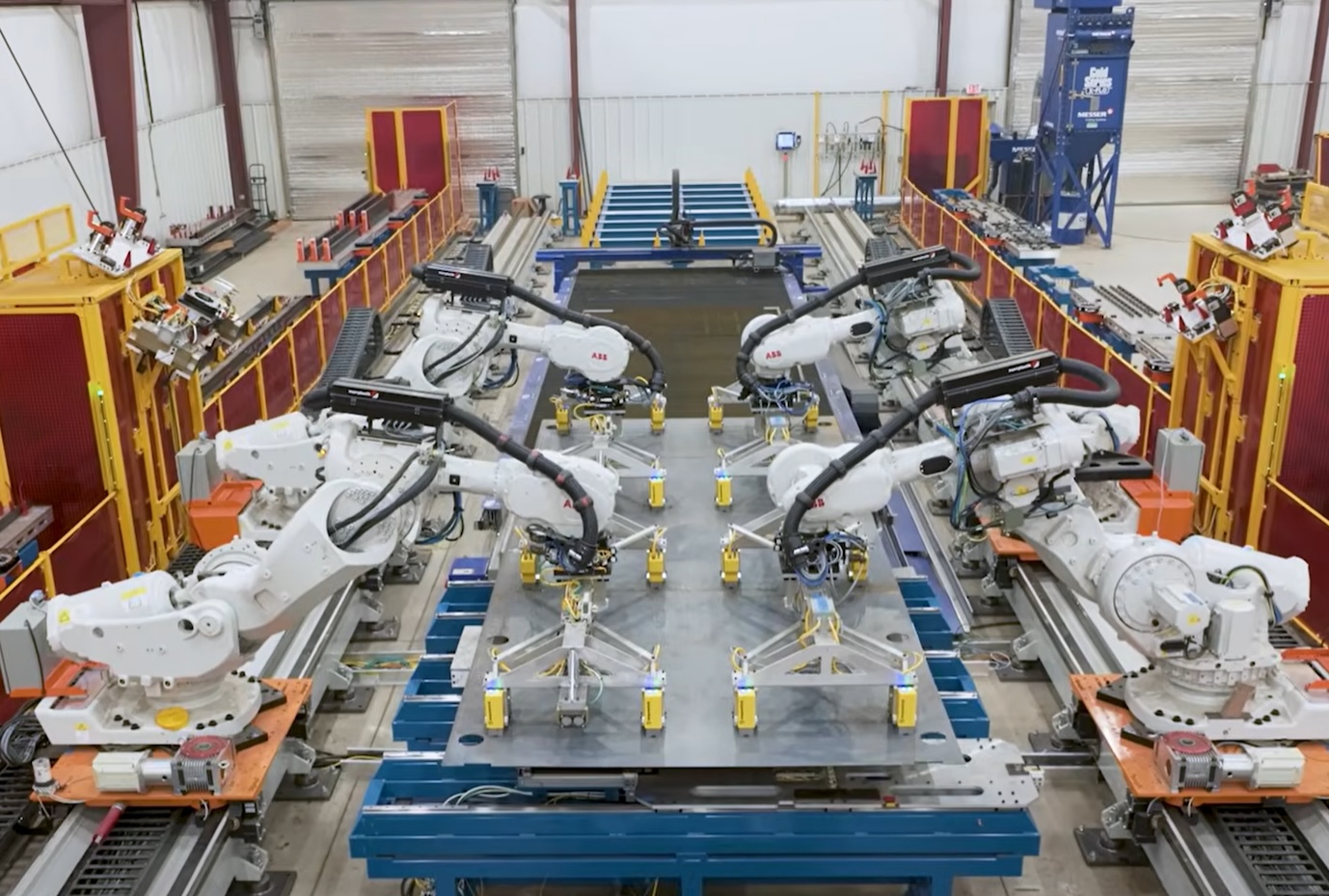
Harbin Engineering University Professor Seeks to Establish 'Huawei of the Deep Sea' with Record Financing
A professor from Harbin Engineering University has set a record by securing 5 billion in financing aimed at developing deep-sea technologies. This ambitious initiative seeks to position the university as a leader in the sector, drawing parallels to Huawei's success in telecommunications. The substantial funding reflects growing interest and investment in deep-sea innovation, marking a pivotal moment for the industry. The significance of this financing lies in its potential to advance deep-sea exploration and technology, which is increasingly critical for various applications, including resource extraction and environmental monitoring. The professor's vision to create a 'Huawei of the Deep Sea' underscores the importance of innovation in this field, as it could lead to breakthroughs that enhance our understanding of oceanic environments. Looking ahead, stakeholders will be keen to observe how this funding translates into tangible advancements in deep-sea technologies. The professor's initiative could attract further investment and partnerships, shaping the future landscape of deep-sea exploration. No further timeline was disclosed at the time of publication.
Robotics Automation AI
The Seattle Times and Newsday File Lawsuit Against OpenAI and Microsoft Over AI Training
The Seattle Times and Newsday have initiated legal action against OpenAI and Microsoft, alleging that their journalism is being used without consent to train AI models. The lawsuit warns that the rise of generative AI could irreparably harm the journalism industry, describing it as a 'snake eating its own tail' that threatens the very organizations that create original content. This legal challenge highlights growing concerns within the media sector regarding the impact of AI on journalism. The lawsuit claims that AI tools like ChatGPT and CoPilot are not merely content producers but rather aggressive consumers that exploit human-created content for commercial gain, potentially undermining the sustainability of news organizations. As the legal landscape evolves, it will be crucial to monitor the outcomes of this lawsuit and its implications for the relationship between AI technologies and content creators. No further timeline was disclosed at the time of publication.
AI Media & Entertainment Microsoft Newsday OpenAI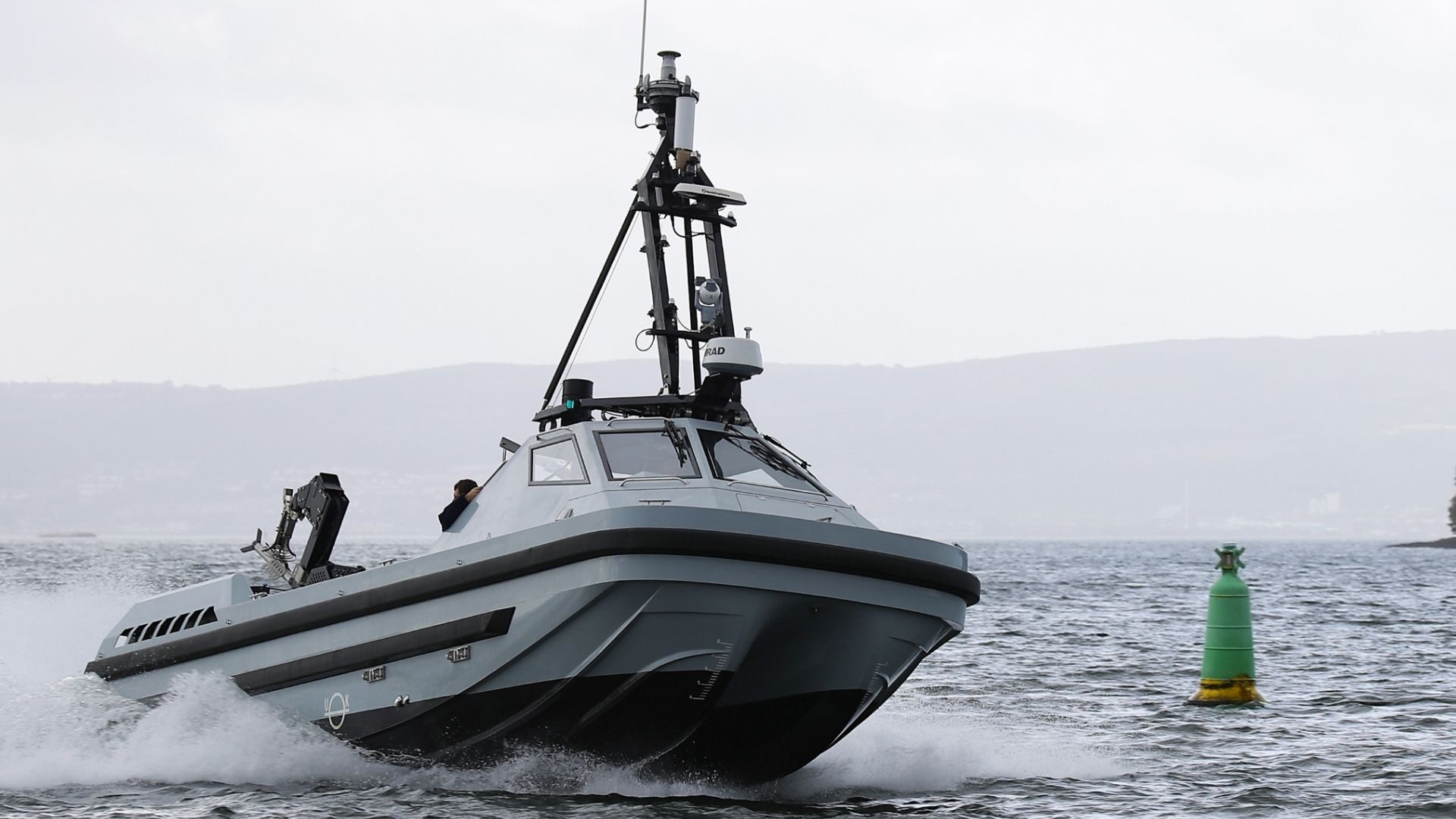
US Navy Demonstrates Robotic Refueling System for Unmanned Vessels at Sea
The US Navy has successfully showcased a robotic system capable of capturing, refueling, and releasing an unmanned surface vessel (USV) at sea. This demonstration, led by the Naval Air Warfare Center Weapons Division, took place off Joint Expeditionary Base Little Creek-Fort Story, Virginia, and involved the T38 USV and a towable refueling system. This innovative capability is significant as it allows USVs to remain deployed for extended missions without the need to return to port for fuel. By reducing the frequency of refueling stops, the Navy can enhance sensor coverage during operations and decrease reliance on crewed support vessels, which is crucial for ongoing testing and operational efficiency. Looking ahead, the robotic refueling system is expected to support the Blue Water Instrumentation program, particularly in trials related to hypersonic systems and precision long-range fires. No further timeline was disclosed at the time of publication.
Innovation Military Science
AGIBOT Open-Sources 11,430 Robot Trajectories to Enhance Reinforcement Learning Research
AGIBOT, a Chinese robotics company, has released its WORLD 2026 dataset, featuring 11,430 robot trajectories aimed at advancing research in reinforcement learning for embodied AI. This dataset emphasizes learning from real-world interactions, capturing a range of experiences including successes, failures, and human interventions. The significance of this release lies in its shift from traditional reliance on expert demonstrations to a more comprehensive approach that includes various robot experiences. By documenting both successful and failed attempts, AGIBOT provides researchers with valuable insights into robot performance and the factors influencing their capabilities. Looking ahead, AGIBOT plans to expand the WORLD 2026 initiative with additional datasets and benchmarks. This ongoing development aims to support researchers in creating robots that can learn continuously from their experiences, ultimately enhancing their reliability in everyday environments. No further timeline was disclosed at the time of publication.
AI and Robotics
MIT Lincoln Laboratory Researchers Explore Arctic Under-Ice Sounds and Communication Technologies
Researchers from MIT Lincoln Laboratory have been analyzing under-ice sounds in the Arctic, utilizing commercial sensors deployed during the U.S. Navy's Operation Ice Camp (OIC). Their work aims to understand sound propagation through ice, which is crucial for monitoring environmental changes and military activities in the region. The significance of this research lies in its potential to enhance predictive capabilities regarding the acoustic signatures of fracturing ice. This understanding can inform geopolitical strategies and bolster resilience in coastal communities as Arctic sea ice continues to melt, opening new maritime routes. Looking ahead, the team plans to further develop low-cost sensors for continuous Arctic monitoring. The challenges faced during OIC 2026, including severe weather conditions, highlight the difficulties of conducting research in this inhospitable environment. No further timeline was disclosed at the time of publication.
Research Sensors Magnets Robotics Security and military studies International initiatives
NAWCWD Demonstrates Robotic Towed Connector for Refueling Unmanned Surface Vessel at Sea
The Naval Air Warfare Center Weapons Division (NAWCWD) has successfully demonstrated a robotic towed connector that enables the refueling of unmanned surface vessels (USVs) at sea. This innovation is part of the Blue Water Instrumentation program, aimed at enhancing the operational capabilities of USVs during long-range weapons testing. This advancement is significant as it addresses the challenge of maintaining USVs on station for extended periods without the need for crewed support ships. According to Spencer Holloway, director of BWI’s Future Capabilities Office, the ability to refuel USVs at sea increases mission persistence and coverage, which is crucial for testing hypersonic and precision long-range capabilities. Looking ahead, the successful demonstration, which included the transfer of 400 gallons of fuel during multiple connection cycles, highlights the potential for unmanned refueling to enhance fleet readiness. As noted by Ronald Raymer from U.S. Fleet Forces Command, this capability allows for greater reliance on unmanned vessels in high-threat areas, reducing risks to personnel and enabling more efficient operations.
us navy
PAIR Program Assists Carnegie Mellon Students in AI Research Exploration
Carnegie Mellon University's School of Computer Science emphasizes research as a core component of its academic environment. Faculty and graduate students are engaged in defining innovative questions and developing new methodologies that push the limits of their respective fields. The PAIR program plays a crucial role in guiding students to discover their niche within the expansive realm of AI research. By facilitating connections between students and faculty, PAIR enhances the educational experience and fosters a collaborative research atmosphere. Looking ahead, the ongoing impact of the PAIR program on student engagement in AI research will be significant. As the program evolves, it will be essential to monitor how it continues to shape the research landscape at Carnegie Mellon University.
RI Life Uncategorized
European Space Agency Locates Philae Lander on Comet 67P After Two-Year Search
On September 2, 2016, the European Space Agency successfully located its long-lost Philae lander on Comet 67P after an extensive two-year search. Philae, which was deployed by the Rosetta spacecraft in November 2014, had experienced a rough landing due to failed harpoons, leading it to bounce and ultimately rest in a shadowed area where it could not generate sufficient solar power. The discovery of Philae's location provided closure for the European Space Agency, as it marked the culmination of a challenging mission that aimed to understand comet behavior. Despite its limited operational time, Philae made significant contributions, including the detection of organic materials on the comet's surface, before its batteries were depleted. Looking ahead, the Rosetta mission concluded with a controlled crash landing on Comet 67P on September 30, 2016. The mission's findings continue to influence our understanding of comets and their role in the solar system, making it a pivotal moment in space exploration history.
Space Exploration
Former ByteDance and Tencent AI Researcher Sun Peng Joins Stardust Intelligence for Robot Learning
Sun Peng, a former core researcher in AI at ByteDance and Tencent, has joined Stardust Intelligence to improve post-training processes in robot reinforcement learning. This move is expected to enhance the capabilities of robots in learning from their environments more effectively. The significance of this development lies in the growing importance of reinforcement learning in robotics, particularly in the context of embodied intelligence. With Sun Peng's expertise, Stardust Intelligence aims to advance its technology and potentially lead the market in intelligent robotics solutions. Looking ahead, industry observers will be keen to see how Sun Peng's contributions will shape the future of robot reinforcement learning at Stardust Intelligence. No further timeline was disclosed at the time of publication.
Robotics Automation AI
Robot Kindergarten Launches with Seven Research Topics and Global Partner Recruitment
The Robot Kindergarten has officially opened, introducing seven collaborative research topics aimed at advancing the field of robotics. This initiative is significant as it seeks to foster innovation and collaboration among various stakeholders in robotics, enhancing the ecosystem for future developments. The importance of this launch lies in its potential to attract global ecological partners, which could lead to significant advancements in robotics research and application. By focusing on collaborative efforts, the Robot Kindergarten aims to create a vibrant community that drives technological progress and addresses industry challenges. Looking ahead, the recruitment of global partners will be crucial for the success of the Robot Kindergarten. Stakeholders should monitor the development of research projects and partnerships that emerge from this initiative, as they may shape the future landscape of robotics and intelligent systems. No further timeline was disclosed at the time of publication.
Robotics Automation AI
iRobot Unveils Roomba Max 875 with SealForce Technology for Enhanced Carpet Cleaning
iRobot has introduced its latest flagship robot vacuum, the Roomba Max 875, featuring innovative SealForce technology designed to improve carpet cleaning efficiency. This new system enhances suction by creating a better seal around the cleaning head, allowing for deeper dirt extraction from carpets, as confirmed by iRobot's chief engineer, Adam Pope. The significance of the Roomba Max 875 lies in its advanced capabilities, which include a powerful 35,000 Pa suction and a new vane-type blower motor that moves 20 liters of air per second. This model, priced at $1,199, also includes a self-cleaning mop system with a heated mist feature, showcasing iRobot's commitment to innovation under its new ownership by Picea Robotics. Looking ahead, iRobot plans to release a midrange version, the Roomba Plus 678 Combo, which incorporates similar technology but with slightly reduced specifications. Both models are compatible with smart home systems like Amazon Alexa and Google Home, and are currently undergoing Matter certification. No further timeline was disclosed at the time of publication.
IFA 2026 News Robot Smart Home Tech
Michael Kaess Selected as Inaugural Fellow in Chief of Naval Research Program
Michael Kaess, a professor at Carnegie Mellon University's Robotics Institute, has been appointed as an inaugural fellow in the Office of Naval Research's Chief of Naval Research Fellows program. This recognition highlights his contributions to the field of robotics and naval research. The Chief of Naval Research Fellows program aims to foster collaboration between academia and the Navy, enhancing research and innovation in naval technology. Kaess's involvement signifies a commitment to advancing robotics applications within the naval sector, which is crucial for modern defense strategies. Looking ahead, the impact of this fellowship on naval research initiatives will be significant. Kaess's expertise in robotics could lead to advancements in autonomous systems and other technologies vital for naval operations. No further timeline was disclosed at the time of publication.
Announcements
Enfu (China) Showcases Innovative Sealing Technology for Robot Longevity at WRC 2026
The 2026 World Robot Conference (WRC) commenced on August 19, 2026, in Beijing, showcasing over 300 exhibitors and more than 2,000 products. Enfu (China) presented its innovative sealing solutions for humanoid and industrial robots, emphasizing the importance of key component technology for precise movement and reliable operation. This event marks a significant shift in the robotics industry, moving from experimental demonstrations to large-scale applications. Enfu's advancements in sealing technology are crucial for enhancing the longevity and performance of robots, particularly in complex humanoid designs that require specialized sealing solutions. Looking ahead, Enfu's commitment to local R&D and its recent establishment of a technology center will enable faster responses to market demands and foster innovation. No further timeline was disclosed at the time of publication.
Sealing Technology Humanoid Robots Industrial Robots Local R&D Robotics Innovation
MIT Researchers Create Atlas of Brain's Striatum to Aid Drug Development
MIT researchers have developed a comprehensive atlas of neurons in the striatum, a brain region essential for cognitive and motor functions. This atlas identifies 31 subgroups of neurons, including those linked to addiction, depression, and schizophrenia, which could pave the way for new drug treatments for these disorders. The significance of this research lies in its potential to enhance understanding of conditions like Huntington's disease and addiction. By revealing the vulnerabilities of certain neurons to Huntington's disease, the findings could inform the development of targeted therapies. Myriam Heiman, a senior author of the study, emphasizes the importance of this atlas as a foundational resource for future research. Looking ahead, the research team plans to utilize this atlas to further investigate Huntington's disease and opioid use disorder. The study's innovative use of single-cell RNA sequencing and other techniques marks a significant advancement in neuroscience, potentially leading to breakthroughs in drug development for various neurological disorders. No further timeline was disclosed at the time of publication.
Research Brain and cognitive sciences Disease Neuroscience Biology Behavior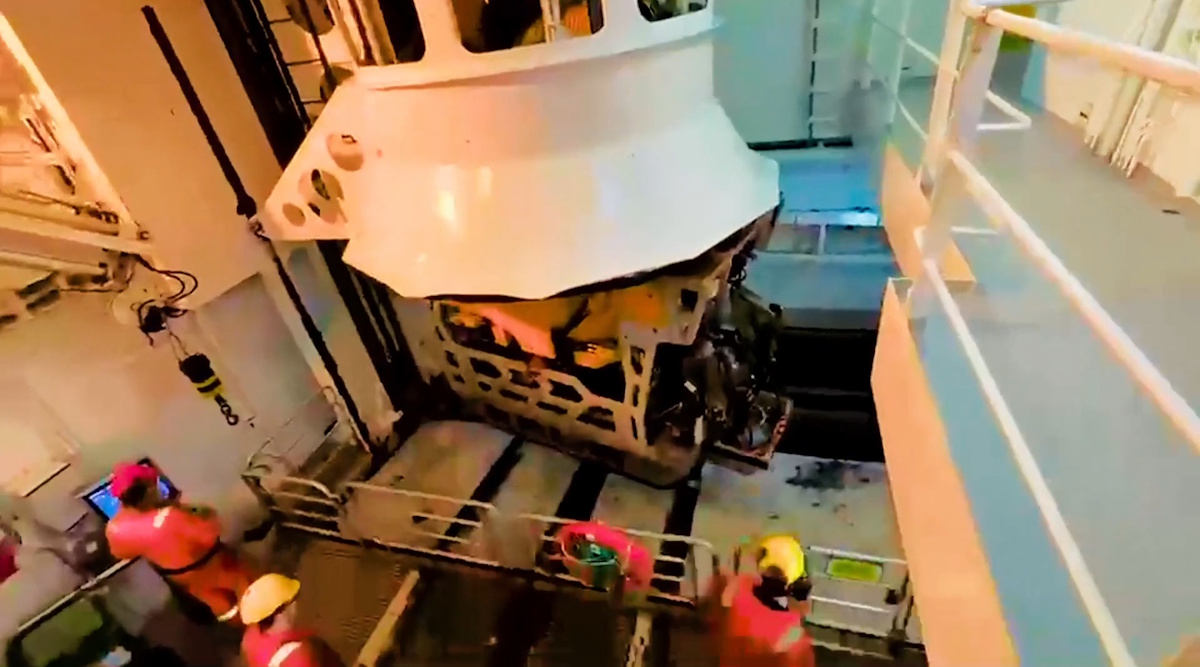
Spirit Energy Completes £40 Million Decommissioning Campaign in UK North Sea
Spirit Energy has successfully concluded a £40 million decommissioning campaign in the UK North Sea, which involved plugging and abandoning three subsea wells and removing over 234 tonnes of subsea infrastructure. The operation, conducted between April and July 2026, was executed in collaboration with more than 30 supply chain partners, including DeepOcean and Well-Safe. This campaign is significant as it underscores the vital role of domestic gas in the UK's energy security, with the Seven Seas and Grove G5 wells having produced a total of 56 billion cubic feet of gas, sufficient to heat over 2.5 million homes for a year. The project adhered to the North Sea Transition Authority's Decommissioning Charter, emphasizing collaboration and efficient resource deployment. Looking ahead, the successful completion of this complex operation, which involved over 114,000 hours of work, highlights the importance of teamwork in decommissioning efforts. No further timeline was disclosed at the time of publication.
spirit energy uk north sea decommissioning campaign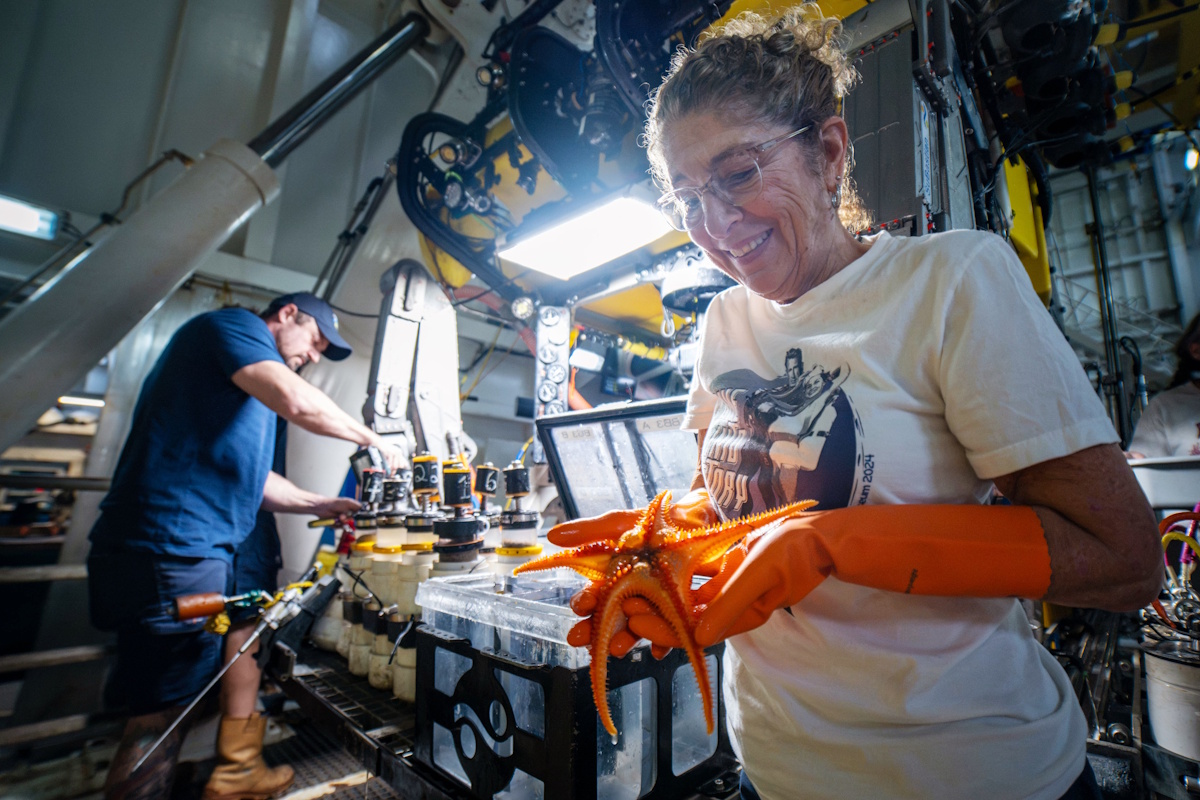
Trinidad and Tobago's First Local Expedition Reveals Deep Sea Ecosystems and New Species
Marine scientists from Trinidad and Tobago conducted the first comprehensive deep-sea survey of the islands' waters aboard the Schmidt Ocean Institute's R/V Falkor (too) in July 2026. The month-long expedition resulted in the discovery of over 25 active cold seeps and 20 suspected new species, mapping approximately 13% of the marine territory. This expedition is significant as it showcases the capabilities of Caribbean scientists to explore and document their own marine ecosystems. The findings, including over 700 specimens collected, will enhance the deep-sea collection at the Zoology Museum at the University of the West Indies, St. Augustine, increasing it twelve-fold. The discoveries underscore the importance of understanding and preserving these ecosystems, which are vital for marine biodiversity. Looking ahead, the data collected will aid in marine governance and spatial planning in Trinidad and Tobago, potentially leading to the establishment of marine protected areas. The expedition also tested a novel cryoprotectant for preserving living animal tissues, contributing to future research on ecosystem changes. No further timeline was disclosed at the time of publication.
caribbean expedition deep sea schmidt ocean institute (soi) r/v falkor (too)
Saab's Gripen F Two-Seater Completes First Flight Test in Sweden
Saab's Gripen F two-seat fighter has successfully completed its inaugural flight, marking the start of its flight-test campaign. The aircraft took off from Saab's airfield in Linköping, Sweden, at 9:40 a.m. local time, with Saab chief test pilot Jakob Högberg and Brazilian Air Force test pilot Lt. Col. Abdon de Rezende Vasconcelos onboard for approximately 40 minutes. This milestone is significant for both Saab and the Brazilian Air Force, as it demonstrates the culmination of years of engineering collaboration. The Gripen F is designed not only for pilot training but also to enhance operational performance in advanced combat missions, retaining an independent operational role for the rear cockpit. Looking ahead, the Gripen F will undergo a comprehensive test program to expand its flight envelope, including speed, altitude, and tactical capabilities. The integration of the Gripen F with advanced drone technologies, such as Saab's Autonomous Collaborative Platform, could further enhance its combat effectiveness and operational versatility in future missions.
Air Americas Around The Globe Fighters Gripen News & Features
Firestorm Labs Demonstrates Onboard UAV Manufacturing for U.S. Navy at Sea
Firestorm Labs, based in San Diego, showcased its ability to manufacture UAV parts using 3D printing technology aboard the USS Essex during a two-week voyage to the Rim of the Pacific 2026 military exercise. The company produced over 1,000 drone components, which were assembled into Squall UAVs for target practice exercises. This demonstration is significant as it addresses the U.S. Navy's concerns regarding traditional logistics for drone manufacturing and repair, particularly in contested environments. Firestorm's CEO, Dan Magy, emphasized the importance of their solution in overcoming logistical challenges faced by the Navy, especially in areas like the Strait of Hormuz. Looking ahead, Firestorm Labs aims to enhance its mobile additive-manufacturing equipment for deployment on smaller ships. The company has already sold several xCell units to various military branches and government agencies, indicating a growing interest in this technology across multiple sectors, including oil and gas.
Applications Defense defense Drone Manufacturing Drone News Drone News Feeds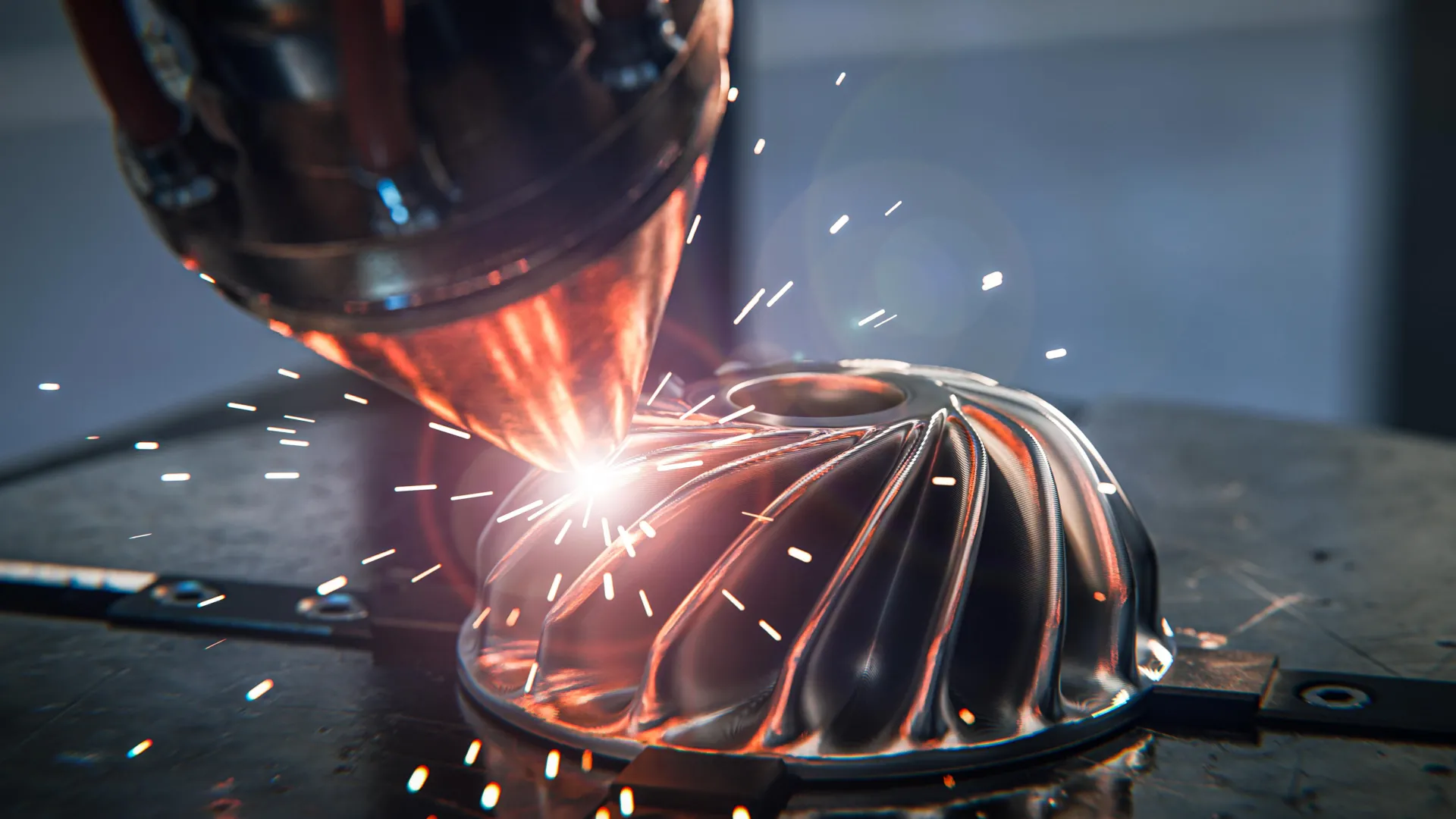
WSU Researchers Use AI to Optimize 3D Printing of NASA's GRCop-42 Alloy
Researchers at Washington State University have leveraged artificial intelligence to discover a more efficient and cost-effective method for 3D printing GRCop-42, a high-performance metal alloy developed by NASA. This breakthrough allows for the use of common commercial printers, which previously struggled with the alloy's complex printing requirements. The significance of this advancement lies in its potential to democratize access to GRCop-42 printing, making it feasible for a wider range of industries beyond aerospace. The alloy's unique properties, including high thermal conductivity and strength at extreme temperatures, are essential for applications such as liquid rocket engine combustion chambers. Looking ahead, the AI strategy developed by the WSU team could be applied to other scientific challenges involving vast experimental possibilities, such as drug discovery. No further timeline was disclosed at the time of publication.

Development and Enhancement of a Deep Sea Bionic Robot Fish Utilizing Phase Change Actuator Technology
A recent study published in the Journal of Field Robotics details the design and optimization of a deep sea bionic robot fish that employs phase change actuator technology. This innovative approach aims to enhance the robot's performance in underwater environments, allowing for more efficient movement and adaptability to various conditions. The significance of this development lies in its potential applications in marine exploration and environmental monitoring. By mimicking the natural movement of fish, the bionic robot can navigate complex underwater terrains, providing valuable data for researchers and contributing to the understanding of marine ecosystems. Looking ahead, advancements in phase change actuator technology may lead to further improvements in the robot's capabilities. Researchers are expected to explore additional functionalities and applications, although no specific timeline for future developments was disclosed at the time of publication.
RESEARCH ARTICLE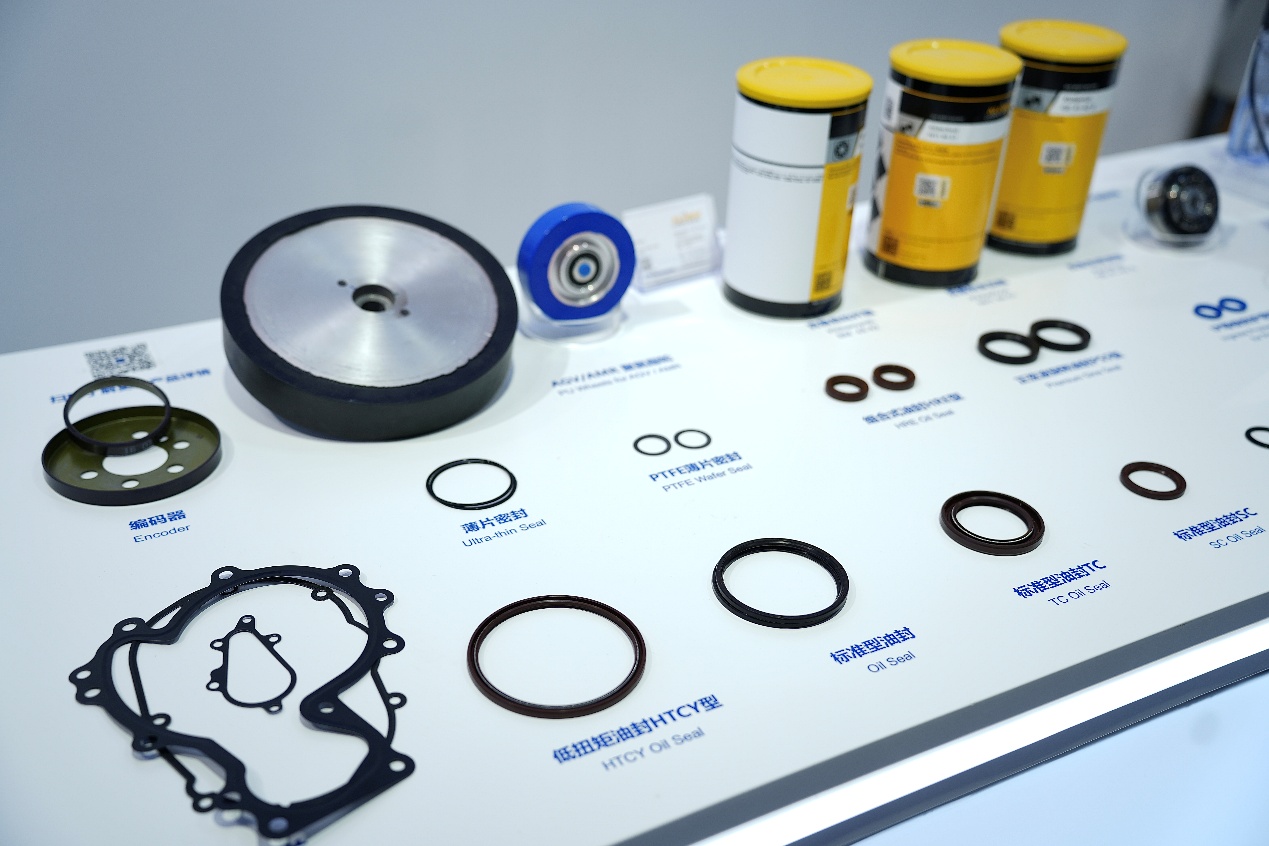
Enfu (China) Unveils Innovative Robot Sealing Solutions at WRC 2026
From August 19 to 23, 2026, the World Robot Conference (WRC 2026) was held in Beijing, showcasing Enfu (China)'s humanoid and industrial robot sealing solutions. The company highlighted innovative products designed for robot joints, reducers, and critical connection points, addressing challenges such as lightweight design, high precision, and operation in complex environments. The significance of Enfu's offerings lies in their ability to enhance the reliability, durability, and protective performance of core robot components. As humanoid robots evolve towards lightweight designs and diverse applications, the demand for compact structures and long-term operational reliability increases. Enfu presented various sealing products, including ultra-thin seals and specialized waterproof seals, to meet these technical challenges. Looking ahead, Enfu aims to deepen its technological investments in sealing materials and structural design, responding to the growing market demands for key component reliability and localized service capabilities. No further timeline was disclosed at the time of publication.
Robot Sealing Technology Humanoid Robots Industrial Robots R&D Innovation Automation Solutions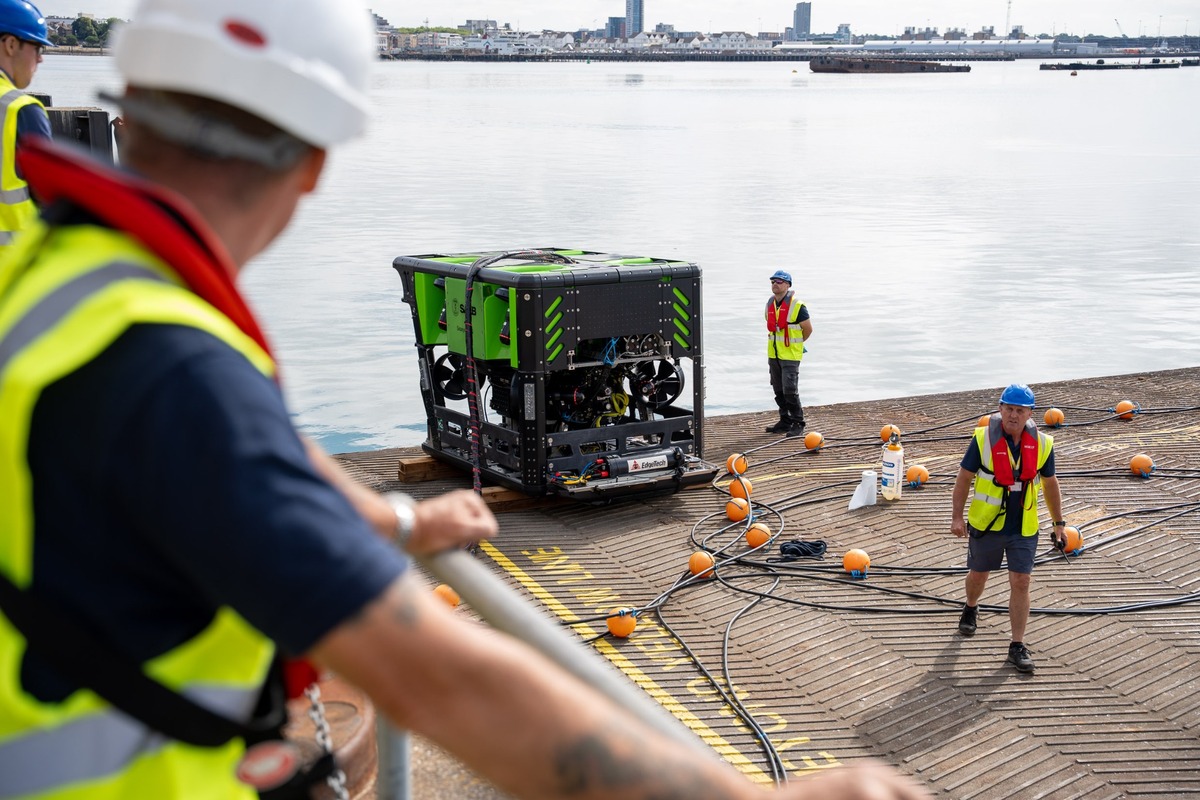
Saab's Seaeye SR20 Successfully Completes Inland Water Trials for ROV Development
Saab UK’s Seaeye SR20, an all-electric work-class remotely operated vehicle (ROV), has successfully completed a series of inland water trials. These trials were crucial for verifying and validating the vehicle's performance against its specifications, demonstrating its manoeuvrability and stable operation. The completion of these trials is significant as it marks a key milestone in the SR20's development, which is aimed at enhancing subsea operations. The vehicle's electric architecture and integrated control systems were put to the test, confirming its capability to meet various operational requirements. Looking ahead, the SR20 program will advance to the next phase of testing following these successful trials. This progression is essential for Saab as it works towards the operational deployment of the SR20, which is expected to meet the evolving needs of the subsea industry.
saab's seaeye sr20 rov inland water trials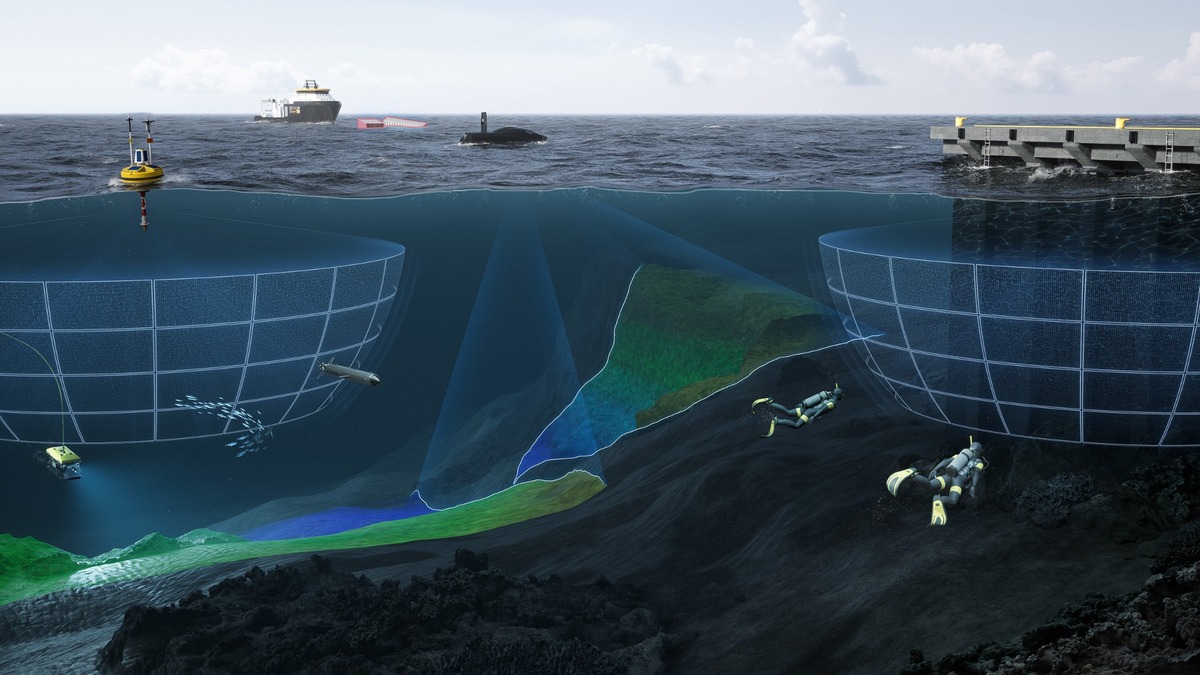
KONGSBERG Introduces Aegir SSA: Advanced Sonar Family for Enhanced Subsea Awareness
KONGSBERG has launched the Aegir SSA (Subsea Situational Awareness), a new family of sonars aimed at improving maritime security and navigation. Unveiled at ONS 2026 in Stavanger, the Aegir range is designed to provide continuous underwater awareness for ports, critical infrastructure, and offshore assets. This innovative sonar solution leverages over 80 years of KONGSBERG's sonar expertise, featuring high-performance acoustic technology and scalable deployment options. The Aegir SSA includes an AI-powered virtual sonar operator service, allowing for operation without constant human oversight, tailored for specific missions. As the need for underwater awareness grows, particularly in busy maritime environments, the Aegir family aims to enhance detection and tracking of submerged objects. KONGSBERG's collaboration with Fugro for a live demonstration at ONS showcases the system's capabilities in real-time monitoring and data delivery. No further timeline was disclosed at the time of publication.
kongsberg aegir ssa sonars subsea situational awareness
NIVA: A New AI Tool for Nuclear Reactor Data Search Powered by Supercomputing
Nuclear power stations in North America have started utilizing a new virtual system named NIVA, developed by Atomic Canyon in partnership with several industry organizations. This software enables engineers and technicians to efficiently query extensive archives of technical and regulatory records, addressing the challenge of accessing critical knowledge quickly. The significance of NIVA lies in its ability to leverage AI technology to enhance operational efficiency within the U.S. nuclear sector. Trey Lauderdale, Founder & CEO of Atomic Canyon, emphasized that the nuclear industry possesses a wealth of knowledge that has been difficult to access, and NIVA represents a step towards making this information readily available for modern deployments. Looking ahead, NIVA currently offers two functional modules, with a third tool in development for diagnostic tasks. The rollout follows a successful pilot program involving Constellation Energy and other utilities. No further timeline was disclosed at the time of publication.
Energy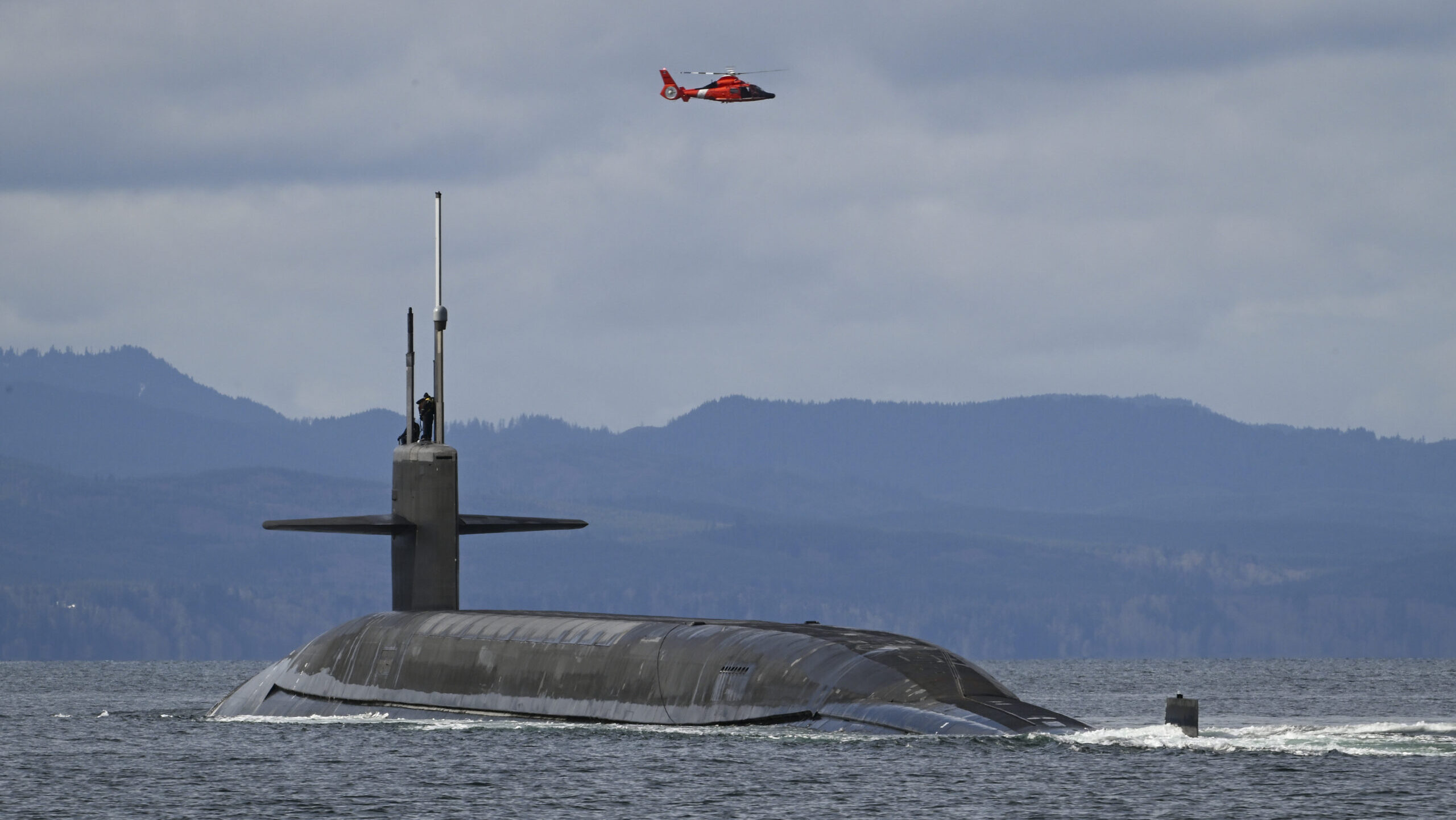
White House Unveils New Military Tech Strategy Prioritizing AI, Undersea, and Outer Space
The White House has released a new National Security Science & Technology Strategy, outlining a four-tiered priority framework for military technology, emphasizing artificial intelligence, undersea capabilities, and outer space. This strategy seeks to balance high-cost mega-programs with lower-cost innovations, reflecting a modernized approach to military tech acquisition. This new strategy is significant as it aims to maintain U.S. technological superiority in critical areas while addressing emerging threats, particularly from competitors like China. The focus on AI and autonomy, alongside traditional military strengths, underscores the evolving landscape of defense technology and the need for a diverse arsenal. Looking ahead, the strategy highlights the importance of building technological resilience through potentially transformative technologies, such as biotechnology and quantum technology. No further timeline was disclosed at the time of publication.
Air Warfare Naval Warfare Networks & Digital Warfare Pentagon Space AI & Autonomy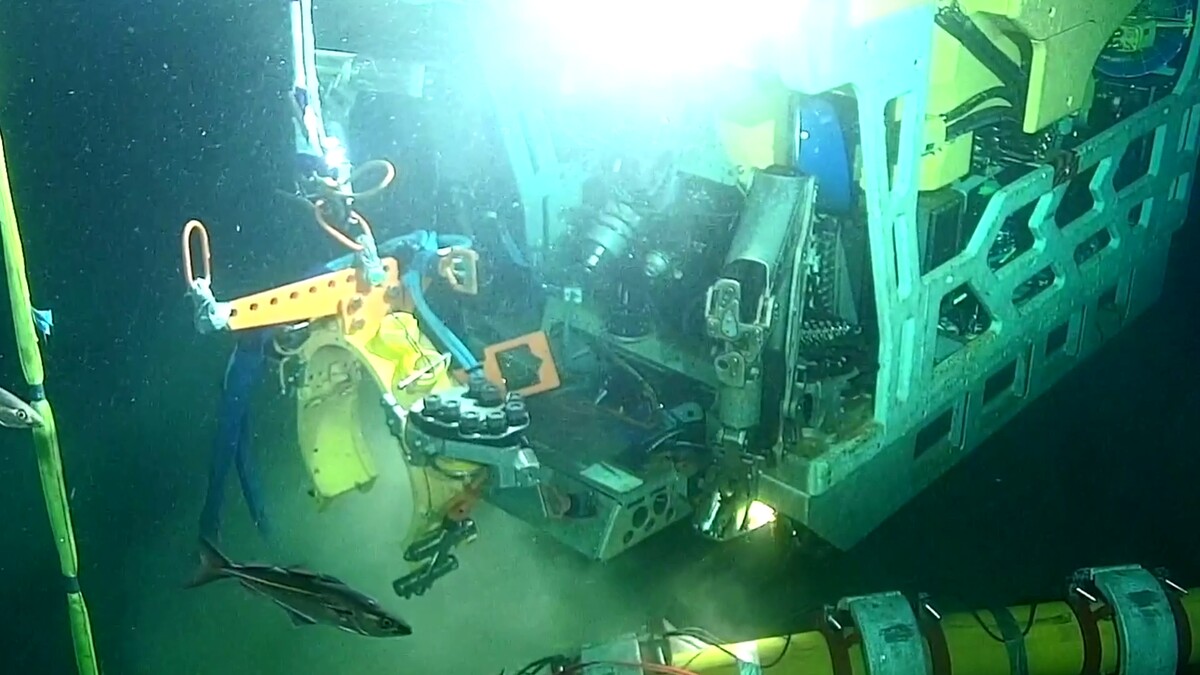
DeepOcean Finalizes Subsea Construction for Teal West Development Project
DeepOcean has successfully completed the subsea construction and tie-in work for the Teal West development, located on the UK Continental Shelf, for Anasuria Operating Company. This project involved the installation of a flexible production riser, flowline, and umbilical to connect the Teal West subsea Christmas tree to the Anasuria FPSO. The completion of the Teal West project is significant as it showcases the collaboration between operators, contractors, and service companies in the UK North Sea, particularly during uncertain times for the industry. Richard Beattie, CEO of Anasuria, emphasized the importance of such projects in maximizing the value of existing infrastructure and supporting domestic energy production. Looking ahead, the Teal West development includes two production wells and a water injection well, with the first production well connected to the Anasuria FPSO via approximately three kilometers of subsea flowlines. No further timeline was disclosed at the time of publication.

Submarine Networks World and Subsea Security World Set for Singapore on September 23-24, 2026
The Submarine Networks World 2026, the largest annual gathering of the subsea telecommunications industry, will take place in Singapore on September 23-24, 2026. This event is expected to attract over 1,000 leaders in subsea communications and feature more than 130 industry speakers. The introduction of Subsea Security World (SSW) at this year's event highlights the growing importance of cable security and protection. This new segment will bring together specialists, government entities, and academics to discuss critical issues affecting the subsea telecommunications sector. As the event approaches, attendees can look forward to inspirational keynotes and engaging debates. No further timeline was disclosed at the time of publication.
submarine networks world subsea security world 2026 eventsRobotics needs a service framework.
RSF defines a common language for robot service capability, lifecycle operations, certification pathways, and service-provider networks.
Join the RobotToday community on LinkedIn
Daily robotics news, in-depth analysis, conference highlights, and discussions with professionals worldwide.







