

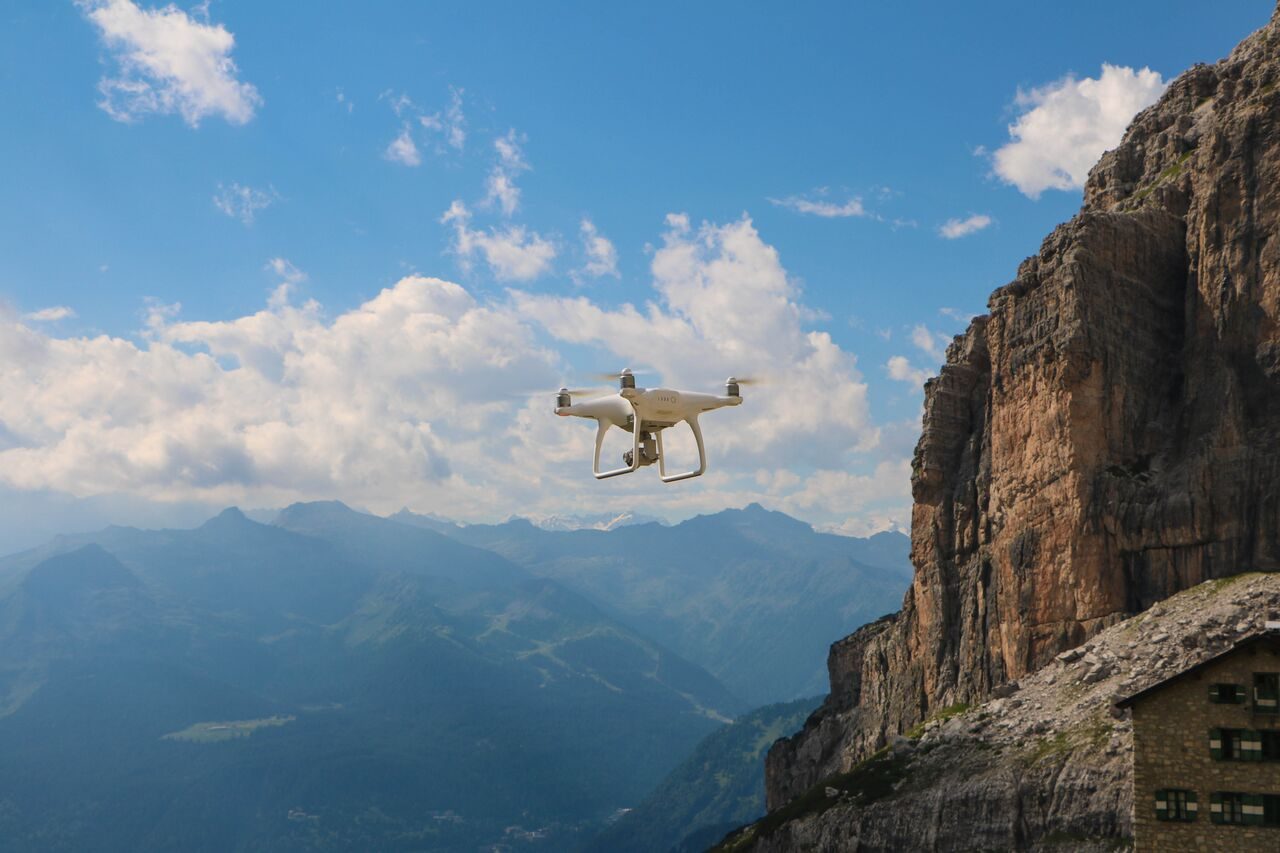
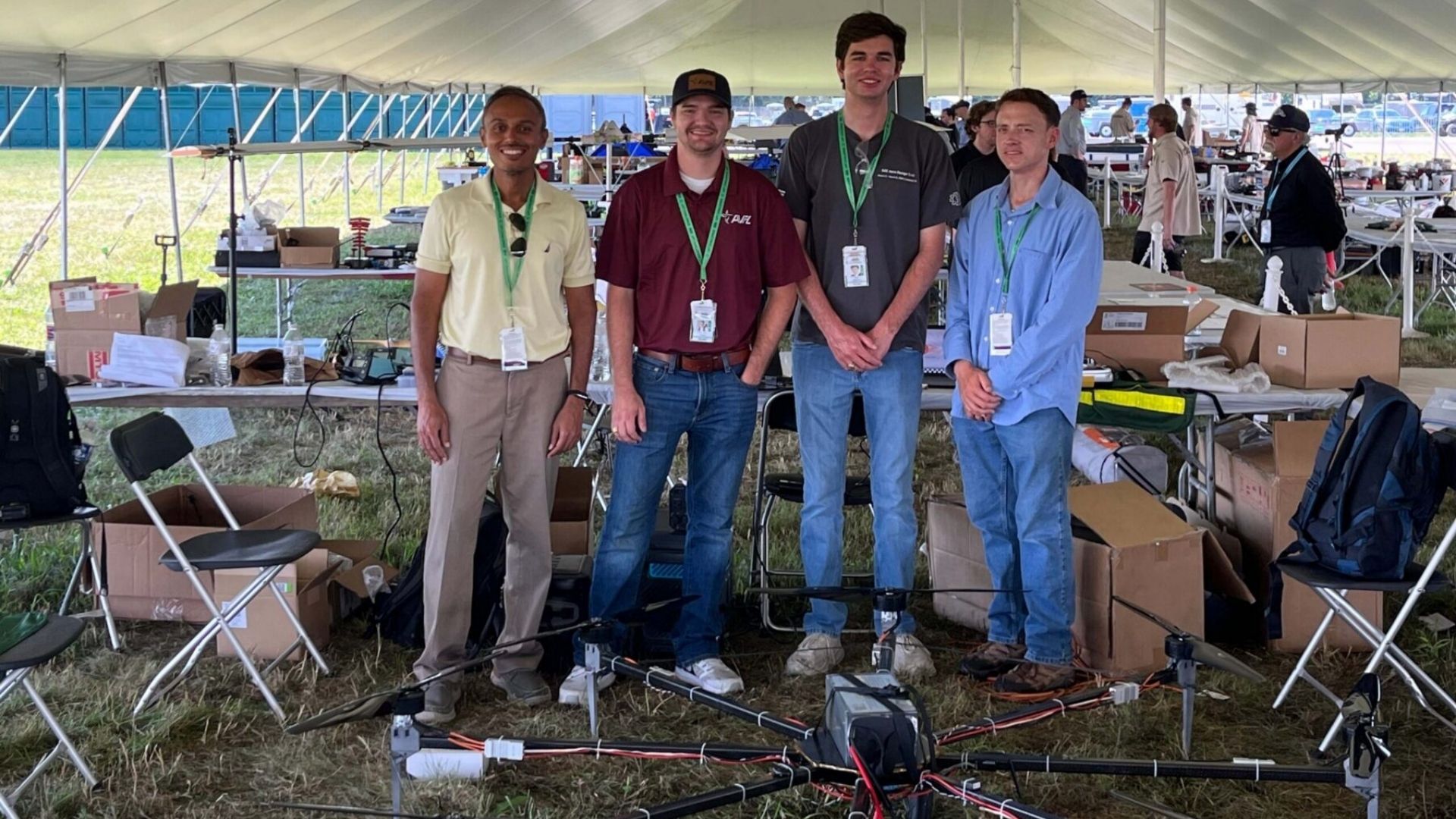
Research from The University of Texas at Austin reveals that autonomous drones searching for missing persons may only need to recalculate their routes two or three times to maximize efficiency. This finding challenges the notion that constant route adjustments are necessary for optimal performance during missions.
The implications of this research are significant, as it suggests that a hybrid approach to route planning can enhance the speed and reduce the computational demands of autonomous searches. Applications for this technology span across various fields, including search and rescue, infrastructure monitoring, scientific research, and agriculture.
Looking ahead, the focus will be on implementing this hybrid model in real-world scenarios to validate its effectiveness. No further timeline was disclosed at the time of publication.
Editor's Note
This research highlights a pivotal shift in how autonomous drones can operate more efficiently in dynamic environments. By minimizing the frequency of route recalculations, organizations can enhance operational efficiency while reducing computational costs. This could lead to broader adoption of drone technology in critical sectors such as emergency response and environmental monitoring.
Copyright Notice
This briefing is an independently written summary based on publicly available reporting and is provided for industry information and news discovery. The original report and source publication are credited and linked where applicable. RobotToday does not claim ownership of third-party source material.
Rights concerns? If you believe any material in this briefing infringes your copyright or other rights, please contact [email protected] with the relevant URL and details. We will review the matter and take appropriate action where warranted.
































Leave a comment