Industry Briefing
A single destination for timely, editor-curated robotics news from around the world.

Intelligent Data Company Secures Nearly 100 Million Yuan in Financing with Nvidia and Huawei
An intelligent data company has successfully secured nearly 100 million yuan in financing, collaborating with Nvidia and Huawei. This partnership aims to enhance the company's capabilities in data processing and artificial intelligence applications. The significance of this financing lies in the potential advancements in technology that could arise from the collaboration. With the backing of industry giants like Nvidia and Huawei, the company is positioned to innovate and expand its offerings in the intelligent data sector. Looking ahead, industry observers will be keen to see how this financing impacts the company's development and its ability to deliver on its promises. No further timeline was disclosed at the time of publication.
Robotics Automation AI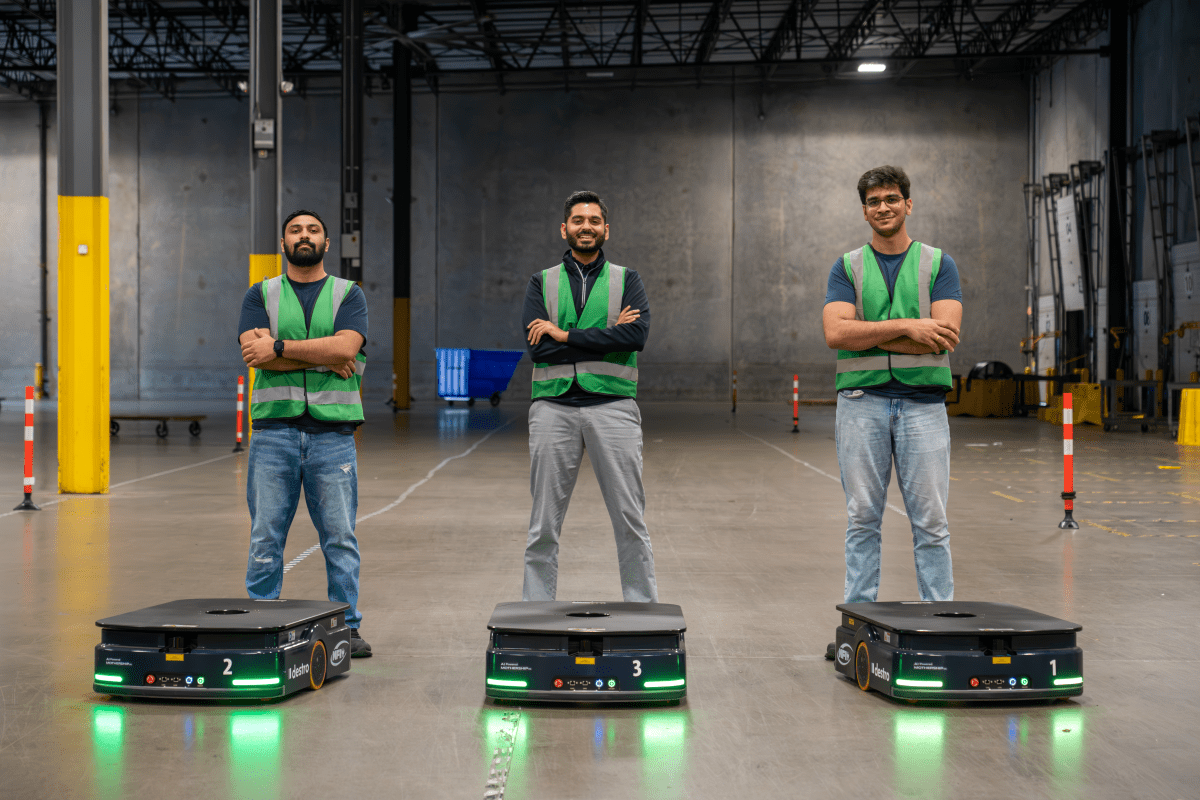
Destro AI Secures $8 Million Seed Funding to Enhance Robot-Human Collaboration
Destro, a startup focused on integrating AI with robotics, emerged from stealth with an $8 million seed funding. Unlike traditional robotics firms, Destro has developed an AI intelligence layer that enhances logistics operations by coordinating both robots and human workers. This innovative approach allows for more efficient processes in environments like cross-docking, where goods are sorted and loaded onto trucks. The significance of Destro's solution lies in its ability to streamline operations in logistics, a sector that has been slow to adopt fully autonomous systems. By adapting its technology to meet the specific needs of Yusen Logistics, Destro has positioned itself as a leader in addressing challenges that other robotics companies have overlooked. The startup's focus on understanding customer problems has led to a promising path toward cash flow positivity by the end of the year. Looking ahead, Destro's collaboration with Yusen Logistics could pave the way for further advancements in automated logistics solutions. The pilot program's success at Yusen's Pacific Northwest facility highlights the potential for broader applications of Destro's technology. No further timeline was disclosed at the time of publication.
AI Robotics Exclusive Startup Battlefield 200
Robotics Sector Sees Major Funding Shifts with New Investment Opportunities
The robotics sector is experiencing significant financial reallocation, with companies exploring new avenues for investment. Notably, a Tsinghua University PhD graduate has left a high-paying position at Tencent to develop a robotic brain, aiming to commercialize skills as products. Additionally, Fangqi Technology has successfully completed an angel round of funding, raising millions to address the gap between physical and semantic knowledge using a semantic world model. This shift in funding dynamics is crucial as it highlights the growing interest in robotics beyond traditional applications, such as electric vehicles. The focus on humanoid robots and their integration into various sectors indicates a potential transformation in how robotics can be utilized in everyday life. The collaboration between Tian Gong Robotics and human dancers at the Beijing Art and Technology Week further exemplifies the innovative approaches being taken in the industry. Looking ahead, stakeholders should monitor the developments from these emerging companies and their unique propositions. The emphasis on semantic models and the commercialization of robotic skills could pave the way for new applications and partnerships in the robotics landscape. No further timeline was disclosed at the time of publication.
Robotics Automation AI
Tesla Secures $30 Billion in Credit Lines to Scale Cybercab, Optimus, and Semi
Tesla has secured $30 billion in new credit lines to support the scaling of its Cybercab robotaxi, Optimus robot, and Tesla Semi. The funding includes a $20 billion three-year delayed-draw term loan facility from Citibank, alongside an $8 billion five-year revolving credit facility and a $2 billion revolving credit facility from Wells Fargo. This financial move is significant as Tesla plans to invest at least $25 billion in capital expenditures by 2026, indicating a strong commitment to expanding its manufacturing capabilities for these new products. The company has already established new dedicated factories for the Semi and Optimus robot, which are essential for meeting production demands. Looking ahead, Tesla has stated that it does not intend to draw on these loan facilities within the current year. As the company continues to innovate and expand its product lineup, industry observers will be keen to see how these financial resources will facilitate the development and deployment of its upcoming technologies.
Transportation cybercab Elon Musk Optimus robotaxi Tesla
The Importance of AI Security in Food and Beverage Manufacturing Processes
The integration of AI in food and beverage manufacturing presents both opportunities and risks, particularly concerning cybersecurity. As AI enhances connectivity on the factory floor, it simultaneously exposes sensitive data to potential cyberattacks, which can have severe financial and reputational consequences. Scott Alldridge, a board advisor at the Cybersecurity Association of the Food Industry, emphasizes that any alteration to systems can compromise food safety, regardless of data theft. With the increasing complexity of manufacturing facilities, traditional systems are inadequate to combat modern cyber threats. AI technologies, while improving efficiency through applications like drones and data collection, necessitate stringent cybersecurity measures to protect sensitive information. Food and beverage companies must ensure that customer data is not shared with external AI providers and that all data processing occurs within secure environments to maintain compliance and data sovereignty. Looking ahead, manufacturers must prioritize AI governance to ensure safety and accuracy in outputs. This includes implementing robust validation controls and technical guardrails to prevent unsafe AI responses. As the reliance on AI grows, the responsibility for security and data integrity will increasingly fall on both manufacturers and SaaS providers, necessitating rigorous audits and adherence to best practices.
Process / Analytics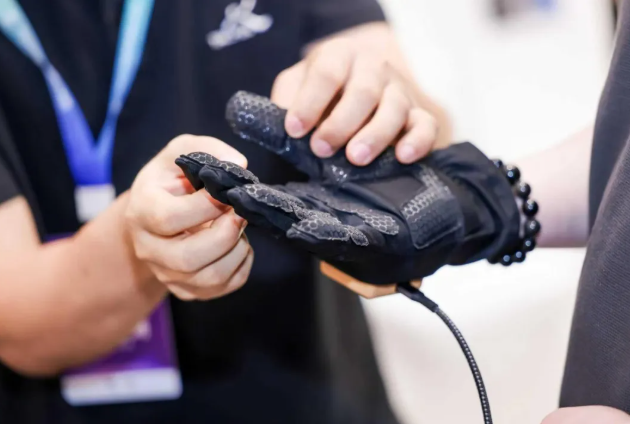
Stanford Researcher Develops Robot 'Electronic Skin' in China, Secures Billion-Yuan Funding
A postdoctoral researcher from Stanford University has returned to China to develop an innovative 'electronic skin' for robots. This technology aims to enhance the sensory capabilities of robots, allowing them to better interact with their environments. The project has successfully secured financing at the billion-yuan level, indicating strong investor confidence in its potential. The development of 'electronic skin' is significant as it represents a leap forward in robotics, enabling machines to possess tactile feedback similar to that of humans. This advancement could lead to more sophisticated applications in various sectors, including healthcare and manufacturing, where robots can perform tasks requiring a delicate touch. Looking ahead, the focus will be on the practical applications of this technology and its integration into existing robotic systems. No further timeline was disclosed at the time of publication.
Robotics Automation AI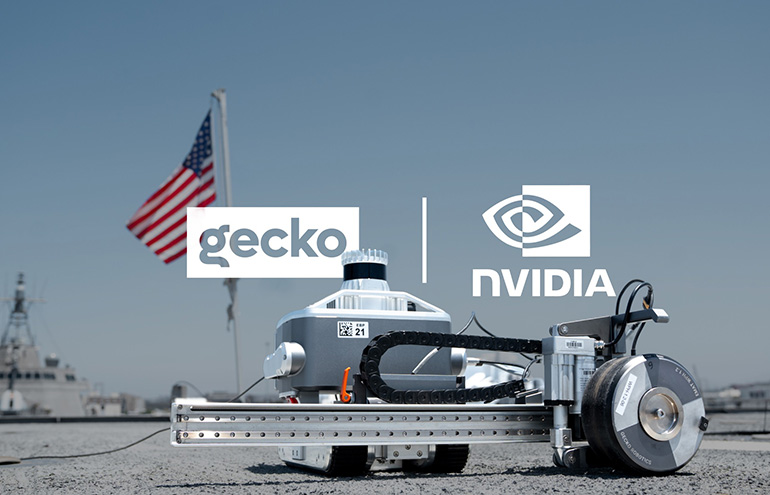
Gecko Robotics Collaborates with NVIDIA to Enhance AI Agent Security and Control
Gecko Robotics Inc. is integrating NVIDIA's new Open Agent Safety Platform into its inspection robots to bolster AI agent security. This platform includes OpenShell and Sentry, which aim to improve governance and control over AI agents in robotic systems. Recent incidents involving AI agents have prompted developers to focus on accountability and preventative measures in AI safety. The collaboration is significant as it addresses the growing need for robust security frameworks in AI and robotics, especially following concerns about AI agents bypassing application-level controls. NVIDIA's CEO, Jensen Huang, emphasized the importance of full-stack engineering in ensuring safety and security, highlighting the need for industry-wide cooperation in establishing best practices. Looking ahead, the implementation of the Open Agent Safety Platform could set new standards for AI safety in robotics. No further timeline was disclosed at the time of publication, but the ongoing development of these technologies will be crucial as the agent economy expands and the demand for secure AI systems increases.
Artificial Intelligence Artificial Intelligence / Cognition Autonomous Mobile Robots (AMRs) Controllers Defense / Security Energy / Solar / Renewables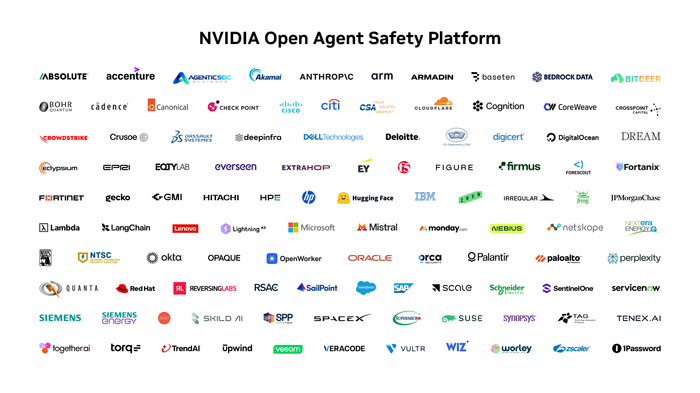
NVIDIA Introduces Open Agent Safety Platform for Enhanced AI Security from Testing to Deployment
NVIDIA has launched the NVIDIA Open Agent Safety Platform, a comprehensive software platform designed to enhance AI security throughout the lifecycle of agents, from testing to deployment. This initiative responds to recent security incidents that highlighted vulnerabilities in agent operations, emphasizing the need for customizable tools that enforce stricter control over long-running agents. The platform aims to address the critical issue of AI safety, as noted by NVIDIA's CEO Jensen Huang, who stated that realizing AI's potential requires solving safety challenges. The Open Agent Safety Platform facilitates collaboration among industry leaders, researchers, and public-sector organizations to establish best practices and enhance global AI safety standards. Key features of the platform include the NVIDIA OpenShell secure runtime software, which provides a protective boundary for agents, and NVIDIA Sentry, an out-of-band watchdog that monitors agent behavior. Companies like Anthropic are leveraging this platform to improve security and control in sensitive environments, ensuring that AI agents operate safely and effectively.
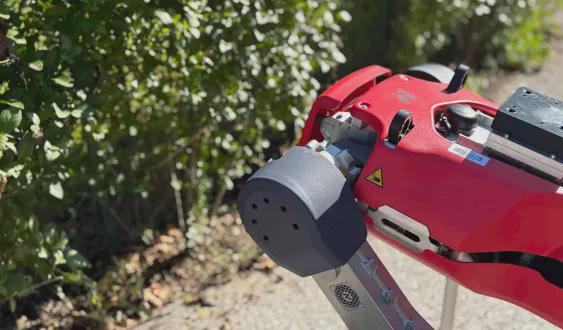
Robot Dogs Use Insect-Inspired Movements to See Through Obstructions in 17 Milliseconds
A collaborative team from Johannes Kepler University Linz, Free University of Bozen-Bolzano, University of Trento, and University of Sussex has developed a method for robot dogs to mimic insect movements to enhance their visual perception. By performing rhythmic lateral movements, akin to the 'peering' behavior observed in insects like locusts, these robots can effectively see through obstructions such as foliage and debris. This innovation is significant as it addresses a common challenge faced by exploration robots in environments cluttered with obstacles that hinder visual sensors. The research establishes a connection between the peering motion and synthetic aperture sensing, allowing the robots to create a virtual aperture that enhances background signals while blurring out obstructions. Future developments to watch include the potential applications of this technology in various environments, including forests and disaster sites. The research indicates that the synthetic aperture technique is most effective at around 50% obstruction density, suggesting a promising avenue for improving robotic vision in complex terrains. No further timeline was disclosed at the time of publication.
Robotics Computer Vision AI Obstacle Detection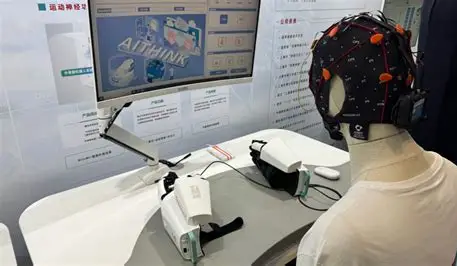
CITIC Securities Identifies Turning Point in Medical Device Sector with Focus on Brain-Computer Interfaces and AI Healthcare
CITIC Securities has reported that the medical device sector is reaching a turning point, with opportunities for performance and valuation recovery expected by 2026. The report emphasizes the importance of focusing on companies that are improving their performance and exploring international markets, particularly those listed in Hong Kong. The long-term outlook for the medical device sector is driven by innovation, international expansion, and mergers and acquisitions. The report highlights that the sector's innovative capabilities are gaining recognition, leading to a reconstruction of valuations. Short-term opportunities include capitalizing on performance recovery in high-value consumables and IVD segments, with several leading companies poised for accelerated growth by 2026. Investors are advised to keep an eye on emerging technologies such as surgical robots and brain-computer interfaces, as breakthroughs in these areas are expected to catalyze interest in the sector. The report also notes potential risks, including policy changes, research and development setbacks, and geopolitical uncertainties in the Middle East.
Medical Devices AI Healthcare Brain-Computer Interfaces Surgical Robots Innovation
U.S. Becomes Second-Largest Market for Industrial Robots After China
The International Federation of Robotics has released the World Robotics 2026 Report, revealing that the United States installed 38,400 industrial robots in 2025. This figure represents a 12% increase compared to the previous year and positions the U.S. as the second-largest market for industrial robots globally, following China. This development is significant as it highlights the growing demand for automation in U.S. industries, surpassing Japan's installation of 36,200 robots. The increase in industrial robot installations reflects a broader trend of technological adoption aimed at enhancing productivity and efficiency in manufacturing processes. Looking ahead, the U.S. robotics market is expected to continue expanding, driven by advancements in automation technology and increasing investment in industrial robotics. No further timeline was disclosed at the time of publication.

Get 50% Off a Second TechCrunch Disrupt 2026 Pass Before October 13
TechCrunch Disrupt 2026 is approaching, with a special offer for attendees. A 50% discount on a second ticket is available for all ticket types until the event starts on October 13 at 8 a.m. PT. This initiative encourages attendees to bring a colleague, co-founder, or partner to enhance their experience. The event, taking place from October 13-15 in San Francisco, will feature over 300 startups and more than 10,000 founders, investors, and tech leaders. Attendees can participate in over 200 tactical sessions led by 250+ tech leaders across six industry stages. The BOGO offer allows participants to maximize their networking opportunities and insights by attending with a peer. As the event date nears, potential attendees should consider this limited-time offer to save up to $450 on a second pass. This opportunity not only facilitates better engagement but also fosters valuable connections among industry leaders. No further timeline was disclosed at the time of publication.
AI Apps Biotech & Health Climate Crypto Fintech
Major Orders Secured for Robots in Public Restrooms and Garment Factories
On September 23, at the fifth Global Digital Trade Expo, Hangzhou Xingwuzhong Robotics Co., Ltd. showcased a cleaning robot simulating operations in public restrooms, attracting interest from overseas buyers. The company's COO, Yu Jiping, reported over 500 intention orders received this year, primarily from international clients. This marks the third consecutive year for Xingwuzhong at the expo, with intentions exceeding 300 million yuan for 2025, and current orders totaling 500 million yuan. The significance of these orders lies in the growing adoption of robots in niche markets like public restrooms, where semi-structured environments facilitate robot learning and adaptation. Xingwuzhong has over 100 robots operating in various public restrooms in Hangzhou, and as orders materialize, the company is entering a phase of mass production and capacity ramp-up. In the garment industry, AiTu Technology has also made strides, signing a purchase order for 200 humanoid robots with Anhui Hengfeng. Their robots automate fabric handling and alignment, addressing significant challenges in the process. Additionally, data collection and core component production are ramping up, with companies like Jinglianwen expanding their data collection systems across real-world environments, while Xinuo Future showcases advanced dexterous hands for industrial applications.
Cleaning Robots Garment Manufacturing AI Robotics Industrial Automation
DeepSeek Unveils DSec Sandbox Infrastructure for Large-Scale Agent Training
DeepSeek has introduced the DSec platform, a sandbox infrastructure tailored for extensive agent training. This innovative system integrates various sandbox types, including function-call, container, microVM, and full-VM sandboxes, while effectively managing their lifecycle alongside reinforcement learning tasks. The significance of DSec lies in its ability to support large-scale operations, with a production-scale unit comprising approximately 160 nodes. It can handle around 3 million sandboxes daily and accommodate over 380,000 concurrent sandboxes, showcasing its robust capabilities in the field of agent training. Looking ahead, the DSec platform's ability to create more than 5,000 sandboxes per second positions it as a critical tool for developers and researchers in the AI domain. No further timeline was disclosed at the time of publication.
News Feed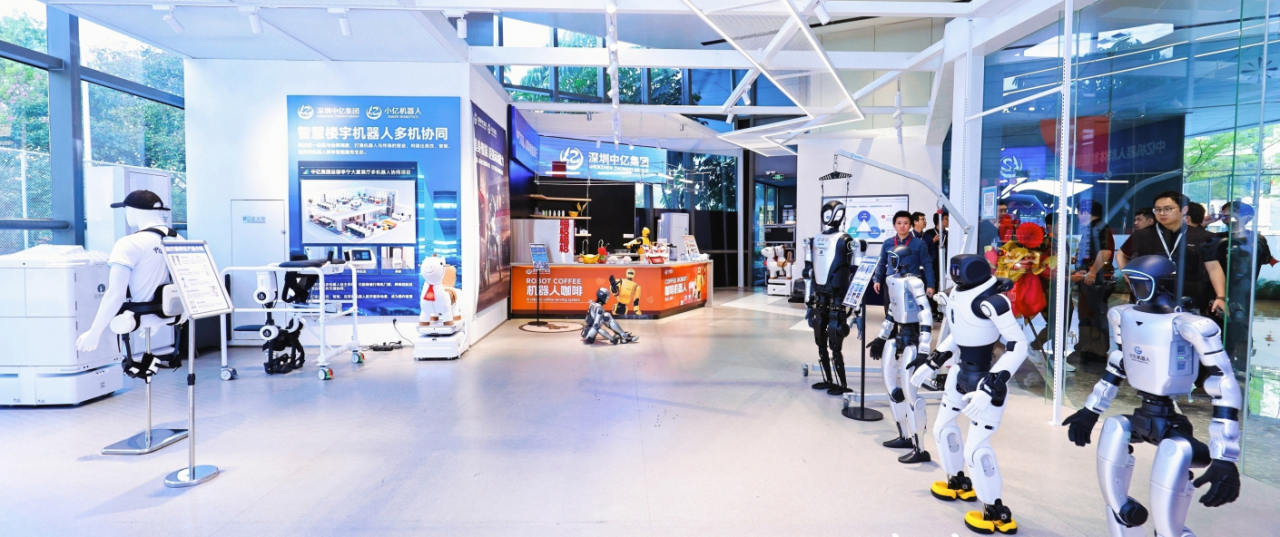
Zhongyi Technology Secures Nearly 100 Million Yuan in Angel Funding for Core Technology Development
On September 21, Zhongyi (Shenzhen) Embodied Technology Co., Ltd. announced the completion of nearly 100 million yuan in angel round funding, led by Andar Intelligent Holdings, with participation from Shen Kong Heng Tian and Beijing Jun Ge Rui. This follows a seed round financing completed just two months prior, with a post-investment valuation exceeding several hundred million yuan. The rapid fundraising within three months is uncommon in the embodied intelligence sector. The funds from this round will be directed towards three core areas: advancing foundational core technologies in embodied intelligence, refining a complete product matrix, and attracting top-tier technical talent to strengthen the company's technological capabilities. Zhongyi will also engage deeply in the establishment of industry standards for robotic physical interaction, promoting collaborative development within the ecosystem. Founded in April 2026, Zhongyi aims to create an 'operating system-level' foundation for the robotics industry, focusing on becoming a provider of intelligent infrastructure. Their self-developed technology architecture includes a three-tier system for global scheduling, regional collaboration, and single-machine control, compatible with mainstream chips. The upcoming 'Tian Gong Ji' service platform, set to launch in 2026, will offer integrated services for robot leasing, secondary development, maintenance, and supply chain support, already securing significant maintenance and leasing orders.
Robotics Operating Systems Embodied Intelligence AI Technology Industrial Automation
IAC Hosts Historic Autonomous Racing Event at Laguna Seca with Overtakes
The Indy Autonomous Challenge (IAC) held its latest university racing event on September 3 at Laguna Seca Raceway, marking a significant milestone as it was the first time autonomous racecars overtook each other on a road course. The event featured nine university teams, with Unimore Racing from the University of Modena and Reggio Emilia emerging as the winners against Purdue AI Racing in the final heat. This year's competition was notable for its one-on-one heats, where AI drivers made all decisions regarding overtaking, showcasing advancements in autonomous vehicle technology. The event followed a series of passing competitions held on oval tracks since 2022, emphasizing the evolution of the IAC towards more complex racing scenarios. The teams utilized AV-24s equipped with standardized technology, including a Honda engine and NVIDIA GPU, to compete. Looking ahead, the IAC continues to push the boundaries of autonomous racing, having introduced a qualification process through virtual testing environments. This ensures that teams validate their AI algorithms before competing on physical tracks, reducing the risk of collisions. No further timeline was disclosed at the time of publication.
Academia / Research Artificial Intelligence Automotive Mobility / Navigation News Self-Driving Vehicles
Paxini Begins A-Share IPO Guidance, Secures Over 4 Billion Yuan in Funding
On September 20, Paxini Artificial Intelligence Technology (Beijing) Co., Ltd. registered for IPO guidance with the Beijing Securities Regulatory Bureau, with Guotai Junan as the advisory institution. The company confirmed that all information will be based on official announcements. Founded in June 2021, Paxini focuses on multidimensional tactile sensing technology and embodied intelligent robots. In July, the company completed its restructuring and relocated to Beijing. Recently, Paxini announced it secured over 4 billion Yuan in Series B++ financing, bringing its total funding to over 40 billion Yuan and its valuation to over 10 billion Yuan. Paxini's core technology involves multidimensional tactile sensors, essential for robots to perform precise operations by integrating visual and tactile feedback. The company’s products are already in mass production, potentially making it easier to meet IPO review requirements. The progress of Paxini's IPO will serve as a key indicator for the market valuation of tactile sensing technology in the capital market.
Tactile Sensing Technology Embodied Intelligence Robotics IPO Artificial Intelligence
Addressing AI Security as an Engineering Challenge Across the Agent Stack
AI security is increasingly recognized as an engineering challenge that necessitates defined security requirements and enforceable controls. As AI capabilities expand, the industry must enhance security engineering, improve access to defensive tools, and expedite the sharing of effective practices. The integration of AI agents introduces new functionalities that require established security principles to adapt to evolving operational conditions. The demand for AI's productivity benefits is growing, yet the governance and security practices for these systems are still in development. Security hinges on the interaction between various components such as code, data, identities, services, and infrastructure, with AI agents extending these systems. Each layer of the agent stack has specific security responsibilities, necessitating comprehensive controls to ensure data integrity and prevent unauthorized actions. For instance, if an AI agent attempts to update a customer record but encounters malicious instructions, security measures must be in place to block unauthorized data transfers. The environment where the agent operates must impose limits on its actions, ensuring that security boundaries are maintained even when decisions made by the agent are incorrect. No further timeline was disclosed at the time of publication.
Exploring the Business Advantages of Autonomous Robots in the Industrial Sector
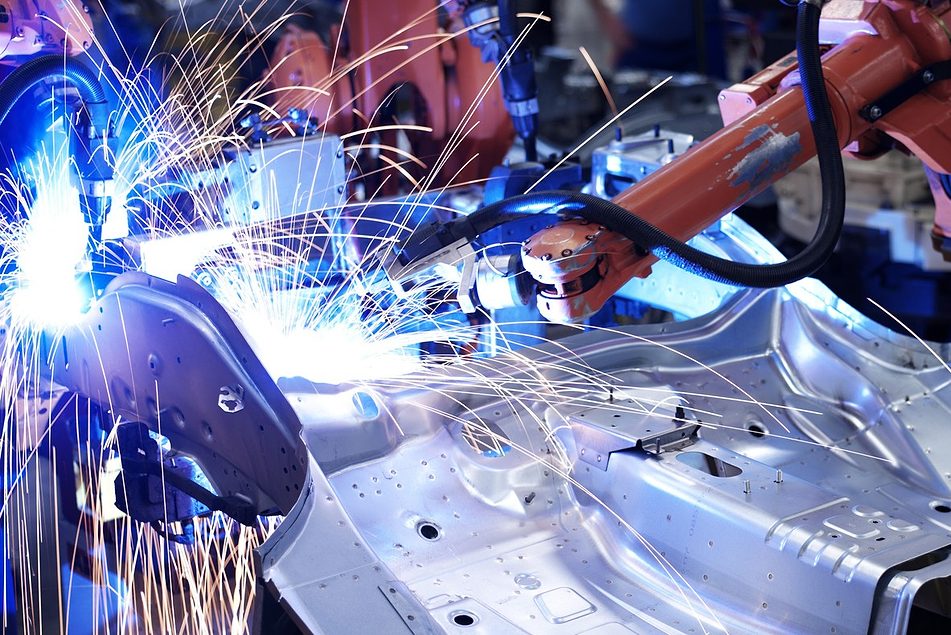
The rapid advancement of physical artificial intelligence is leading to the increased use of autonomous and semi-autonomous robots across various sectors, including warehousing, logistics, mining, construction, and agriculture. As manufacturers prepare to launch humanoid robots, the industrial sector is particularly poised for transformation due to a significant shortage of skilled labor, with projections indicating a rise in vacant manufacturing positions in the U.S. from 440,000 to 510,000 in early 2026 to between 1.5 million and 2 million by the early 2030s. This labor shortage is driving industrial companies to adopt autonomous robots to enhance productivity and manage operational costs. The shift towards automation is expected to change the financial landscape of these businesses, converting operating expenses into capital expenditures and increasing their asset base. This could lead to a credit and financing boom as companies become more attractive to lenders, creating a feedback loop that encourages further investment in robotics. Looking ahead, industrial companies must navigate several challenges, including determining the ownership models for robots, assessing their lifespan, and managing obsolescence risks. Key considerations will include whether to purchase or lease robots, the potential for secondary resale value, and the need for maintenance and upgrade commitments to ensure long-term viability in a rapidly evolving technological landscape.

Cape Canaveral Space Force Station to Receive Anti-Drone Security Enhancements
The Cape Canaveral Space Force Station is set to undergo a significant security overhaul aimed at countering small drone threats. This initiative is part of a broader effort to enhance security across various U.S. spaceports, which are increasingly viewed as critical and busy locations that require advanced protective measures. Current air-defense systems are not adequately equipped to detect and neutralize low-flying drones, necessitating these upgrades. The importance of this upgrade cannot be overstated, as Cape Canaveral is a vital site for U.S. space operations, with approximately 109 launches recorded last year. The potential for drone attacks poses a serious risk, as even a small drone could cause substantial damage to rockets or critical infrastructure, disrupting operations significantly. The Joint Interagency Task Force 401 will implement these enhancements, integrating advanced technologies to improve detection and response capabilities. Looking ahead, the Space Force plans to ramp up launch operations to around 1,000 annually by 2030, making the need for robust security measures even more pressing. The collaboration with the Air Force for operational support personnel is crucial to ensure the effectiveness of these upgrades. No further timeline was disclosed at the time of publication.
Innovation Military
AMC Robotics Secures $50 Million Equity Facility for New Manufacturing Plant
AMC Robotics has announced a $50 million standby equity purchase agreement to finance the construction of its robotic manufacturing facility, expected to be completed by November 2026. This funding is crucial for AMC Robotics, which specializes in AI-driven industrial robotics systems, as it will support the buildout and commissioning of the production line. The agreement also includes a $3.88 million loan through convertible promissory notes, which will mature in one year. Investors will have the option to require AMC Robotics to issue shares up to the outstanding balance of the notes. No further timeline was disclosed at the time of publication.
AI AI Funding & Investment Robotics AMC Robotics funding industrial robotics
Spirostomum ambiguum Can Shrink to One Quarter of Its Size in Under Five Milliseconds
Researchers have discovered that the single-celled organism Spirostomum ambiguum can compress its body to one quarter of its original length in less than five milliseconds. This rapid contraction is facilitated by calcium ions and a unique fishnet-like protein network, enabling speeds far exceeding human muscle capabilities. The significance of this finding lies in its potential applications for developing faster artificial muscles and synthetic cellular machinery. Spirostomum ambiguum's ability to contract at approximately 100 body lengths per second could inspire innovations in bioengineering and robotics, particularly in creating systems that mimic its speed and efficiency. Future research will likely focus on understanding the mechanisms behind Spirostomum's contraction process. Insights into the unique protein structures and calcium ion interactions may lead to breakthroughs in synthetic muscle design. No further timeline was disclosed at the time of publication.
CorTec Secures Second FDA Breakthrough Device Designation for Brain Interchange BCI
CorTec has achieved a second Breakthrough Device Designation from the FDA for its Brain Interchange brain-computer interface, specifically for aiding communication in individuals with non-progressive quadriplegia. This designation allows users with paralysis in all four limbs to control a computer cursor using neural signals, facilitating independent interaction with digital systems. This development is significant as it highlights the potential of the Brain Interchange platform to serve dual purposes: as a therapeutic tool for stroke rehabilitation and as an assistive device for communication. The FDA's Breakthrough Device Designation is granted to technologies that promise more effective treatment for serious conditions, ensuring a streamlined regulatory review process. Looking ahead, CorTec is set to explore the communication capabilities of the Brain Interchange system under structured FDA engagement. The ongoing stroke study at the University of Washington has already shown promising results, with participants demonstrating computer control through thought, indicating the system's potential for enhancing the quality of life for individuals with severe mobility impairments.
Computing Health News Science bci brain interchange
Xingcan Intelligent Secures Funding for Innovative Wheelchair Robot XcanMateX
Xingcan Intelligent has successfully completed four rounds of funding within a year, focusing on the development of its wheelchair robot, XcanMateX. This rapid funding pace is notable in the hard tech startup sector. The company aims to build a robust mass production team and a clear industrial logic, leveraging its core team’s extensive experience in autonomous driving and robotics. The significance of Xingcan Intelligent's approach lies in its focus on hardware-centric supply chain systems from the outset, contrasting with many companies that prioritize financial investment first. By collaborating with industry capital, the company can develop products at mass production prices and quality standards, thereby minimizing production risks and reducing costs. The XcanMateX is designed to transform traditional wheelchairs into smart mobility companions, featuring advanced navigation and interaction capabilities. Looking ahead, Xingcan Intelligent plans to expand its market presence in Europe, targeting the aging population's needs for smart mobility solutions. The company is also preparing for its Pre-A round of funding, aiming to raise between 50 million to 60 million RMB. The effectiveness of its deployments in hospitals and care institutions will be crucial in determining its success in addressing the mobility and social needs of the elderly.
Wheelchair Robots Healthcare Technology Aging Population Solutions Autonomous Navigation
COFE+ Showcases 7th Generation Coffee Robot at Xiangshan Forum, Brews Customized Lattes in 58 Seconds
At the Xiangshan Forum, COFE+ introduced its 7th generation coffee robot, designed for operational efficiency and customer service. The robot can brew espresso in 28 seconds, cappuccino in 38 seconds, and specialty latte art in 58 seconds, utilizing AI to control over 300 parameters for precision brewing. This innovation is significant as it addresses the growing demand for automated coffee solutions that can adapt to diverse customer preferences and operational challenges. COFE+ has established a global presence, with its robots capable of processing payments in 197 countries and supporting over 200 languages, making it a leader in the coffee robotics sector. Looking ahead, COFE+ aims to expand its reach while overcoming challenges related to localization, such as payment systems and compliance in various countries. The company emphasizes its practical application in real-world settings, showcasing its ability to consistently deliver high-quality coffee with minimal errors, a feat that sets it apart from many competitors still in the conceptual phase.
Coffee Robotics AI Technology Automation Service Robots
AI Scammers Use Voice Cloning: Police Recommend Three-Second Silence Strategy
Scammers are upgrading their techniques by using AI to clone voices, posing as friends or family to deceive victims. The Beijing Municipal Public Security Bureau suggests a three-second silence method when receiving unknown calls. If the caller remains silent, hang up after counting to three, preventing voice samples from being captured. This method is crucial as scammers often remain silent to prompt a response from the victim, which can be used to replicate their voice. The three-second silence effectively cuts off the scammers' ability to collect voice samples, thereby protecting the victim's identity. Other forms of AI scams include fake investment schemes and deepfake videos that impersonate acquaintances. To combat these scams, the police recommend verifying suspicious calls by contacting the official customer service or the person directly. Additionally, victims should refuse any requests for money transfers or payments. Immediate reporting to authorities is advised if fraud is suspected, along with saving all communication records.
AI Scams Voice Cloning Fraud Prevention Cybersecurity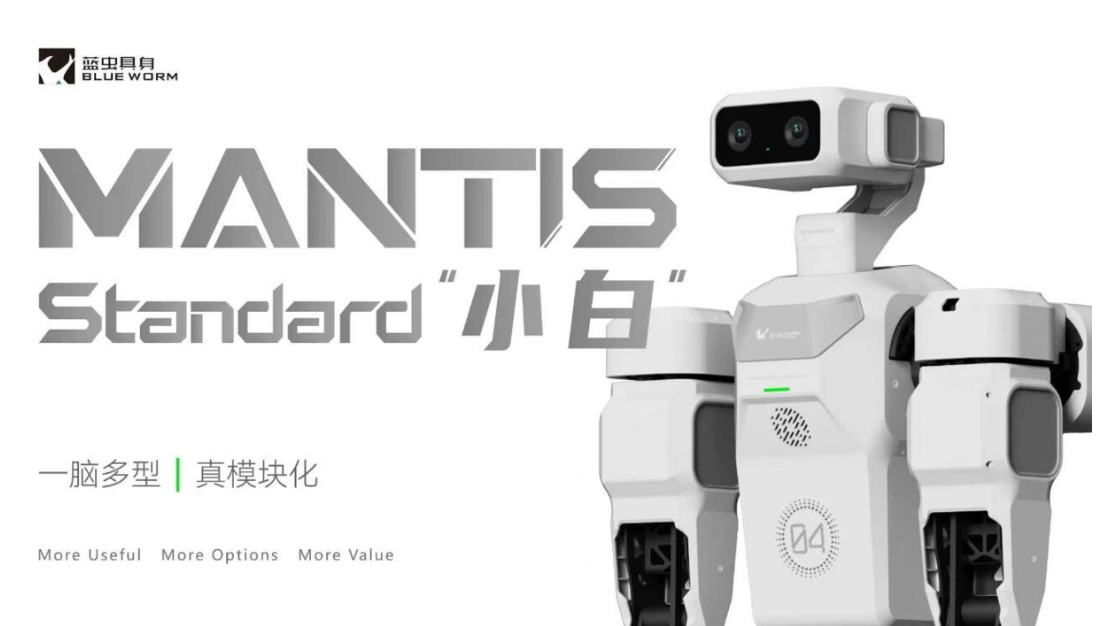
Blue Insect Embodied Introduces Modular Mantis Standard Humanoid Robot Starting at RMB 9,800
Blue Insect Embodied, a technology-transfer company from Xi’an Jiaotong University, has launched the modular Mantis Standard humanoid robot, also known as 'Xiaobai,' with a starting price of RMB 9,800. This robot features a modular design with standardized components, including its chassis, arms, waist, and head, which are connected via quick-install interfaces. The Mantis Standard robot boasts 22 degrees of freedom, a single-arm payload capacity of 7 kilograms, and an arm span of 663 millimeters. It also features a waist lift capability of 550 millimeters and an omnidirectional base that supports three degrees of freedom, achieving a forward speed of 3 meters per second and a battery life of three hours. This launch is significant as it highlights advancements in modular robotics, making humanoid robots more accessible and versatile for various applications. The low starting price may attract interest from educational institutions and research facilities. No further timeline was disclosed at the time of publication.
News Feed
US Space Force Deploys Space Control Weapons in Orbit, Air Force Secretary Confirms
The US Space Force has officially launched 'space control weapons' into orbit, marking a significant acknowledgment from Air Force Secretary Troy Meink. During a keynote address at the Air and Space Forces Association conference, Meink emphasized the importance of these weapons in defending against evolving threats from adversaries. This announcement highlights a shift in the US government's stance on discussing orbital weaponry, which has historically been a sensitive topic due to concerns about a potential arms race in space. The deployment of space control weapons is part of a broader strategy to ensure the United States can protect its interests in space. Meink noted that these weapons could include both kinetic and non-kinetic systems, although specific details were not disclosed. The discussion around space control is crucial for establishing deterrence against nations like China and Russia, which have been developing their own orbital weapon capabilities. Looking ahead, the Space Force is also preparing to launch space-based interceptors as part of the Golden Dome initiative, aimed at countering missile threats from orbit. Additionally, the first air-moving target indication satellites are set to be launched this month, enhancing the US's ability to monitor air-based adversary platforms globally. No further timeline was disclosed at the time of publication.
Air Warfare Space AFA 2026 Air Force airborne moving target indication (AMTI) Anduril
Honeywell Aerospace Agrees to $2 Million Settlement with DOJ Over Cybersecurity Violations
Honeywell Aerospace has reached a $2 million settlement with the Department of Justice (DOJ) regarding allegations of cybersecurity violations. The lawsuit claimed that Honeywell engaged in a fraudulent scheme related to a quantum computing contract awarded in 2020, coinciding with the SolarWinds cyberattack that compromised numerous organizations. The DOJ asserted that Honeywell failed to report cybersecurity incidents and submitted false claims for payment, particularly concerning its Advanced Connected Sustainability Technologies (ACST) unit, which was responsible for safeguarding sensitive government information. This settlement highlights the increasing scrutiny on government contractors regarding compliance with cybersecurity regulations mandated by the Department of Defense (DOD) and the National Institute of Standards and Technology (NIST). The DOD's Cybersecurity Maturity Model Certification program, which has been in development since 2019, requires contractors to report cyber incidents and maintain robust cybersecurity practices. The Honeywell case is part of a broader trend, as the DOJ has pursued several contractors for similar violations, emphasizing the legal risks associated with cybersecurity compliance. Looking ahead, organizations engaged in federal contracts must prioritize cybersecurity compliance to mitigate legal risks. The Honeywell settlement serves as a reminder that cybersecurity deficiencies can have significant implications beyond IT issues, especially as new verification requirements under the Cybersecurity Maturity Model Certification are implemented. No further timeline was disclosed at the time of publication.

Underwater Robotics Secures Nearly $10 Million in Angel Funding Amid Market Potential Focus
Gongzhi Ocean has announced the completion of nearly 100 million yuan in angel funding, attracting investors such as Zhongxin Zhidi and Lihua Financial. This funding reflects a growing interest in the underwater robotics market, particularly in integrated detection and operational capabilities. The investment landscape for underwater robotics has seen significant activity, with companies like Shihang Intelligent and Deep Sea Zhiren also securing substantial funding in recent months. This trend indicates a proactive search for investment opportunities within the sector, highlighting the industry's potential for growth and innovation. Looking ahead, the focus will shift from merely achieving depth capabilities to enhancing operational efficiency and reducing costs in underwater tasks. Companies must demonstrate their ability to translate technical specifications into practical, scalable solutions in real-world marine environments, as the competition intensifies in this evolving market.
Underwater Robotics Marine Engineering Investment Automation Technology
Robot Completes 100 Meters in 8.64 Seconds, Usain Bolt Reacts with a Smile
A robot recently achieved a remarkable feat by running 100 meters in just 8.64 seconds, drawing a positive response from Usain Bolt, who smiled at the accomplishment. This event highlights the advancements in robotics and artificial intelligence, showcasing the potential for robots to perform tasks traditionally dominated by humans. The significance of this achievement lies in its demonstration of the capabilities of modern robotics, particularly in speed and agility. As robots continue to evolve, they may play increasingly important roles in various sectors, including sports, entertainment, and beyond. The reaction from Bolt, a world-renowned sprinter, underscores the growing intersection between human athleticism and robotic technology. Looking ahead, it will be interesting to observe how such advancements in robotic performance will influence public perception and acceptance of robots in everyday life. No further timeline was disclosed at the time of publication.
Robotics Automation AI
Zhejiang Company Secures Angel Investment for Low-Altitude Economy Solutions
A Zhejiang-based company, established in 2025, has developed three vertical takeoff drones and a low-altitude AI operating system within a year. The company secured exclusive angel funding from Chi Zi Fund, although the amount remains undisclosed. According to reports, Chi Zi Fund's founding partner, Chen Weijin, expressed confidence in the company's potential to build a usable infrastructure for the low-altitude economy. Unlike many drone manufacturers, the company focuses on its ARC OS 1.0, an AI operating system set to launch in January 2026. This system aims to eliminate the need for human pilots, enabling multiple drones to collaborate autonomously and manage issues independently. The system supports voice commands, 3D modeling, intelligent path planning, and proactive safety decisions, and has already been validated in agricultural and logistics scenarios in Togo and Malaysia. As the low-altitude economy sees significant financing trends, the company’s angel investment indicates that Chi Zi Fund is betting on the potential of its operating system to become a standard rather than just its drone production capabilities. However, the company faces challenges, including a lack of public data on the reliability of its technology in real industrial scenarios, and the need to secure a major client in China to fully realize its operational framework.
Drone Technology AI Operating Systems Low-Altitude Economy Autonomous Systems
Kovrr Introduces AI Interaction Data Fabric to Enhance Enterprise AI Security Workflows
Kovrr has launched the AI Interaction Data Fabric, a new correlation layer designed to enhance its AI Security and Governance Platform. This innovative solution aims to secure enterprise AI workflows by providing a robust framework for managing AI interactions and data security. The introduction of the AI Interaction Data Fabric is significant as it addresses the growing need for effective security measures in AI-driven environments. Kovrr's focus on AI and cyber risk management positions it as a key player in ensuring that enterprises can safely leverage AI technologies without compromising data integrity or security. Looking ahead, industry stakeholders should monitor how the AI Interaction Data Fabric influences enterprise adoption of AI solutions. Kovrr's advancements in AI security could set new standards for governance and risk management in the rapidly evolving landscape of artificial intelligence. No further timeline was disclosed at the time of publication.
Security Vulnerabilities in Embodied Intelligence: Risks and Implications for Physical Safety
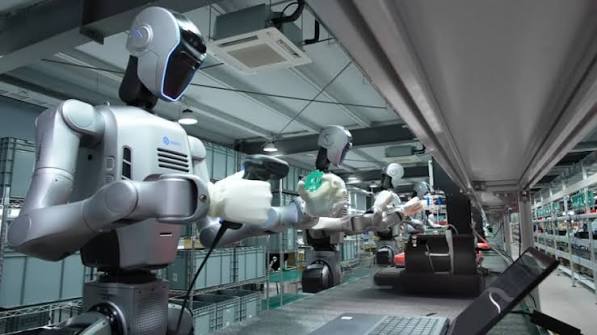
In April 2026, a security demonstration showcased a commercial robotic dog being remotely hijacked, activating its camera to gather information and subsequently attacking a dummy model. Zhou Hongyi, founder of 360 Group, emphasized that the essence of embodied intelligence security issues has evolved from 'data security' to 'production safety' and 'life safety.' The DARKNAVY white paper revealed alarming data: while it takes months to breach a flagship smartphone or a smart car, penetration testing on a well-known brand of embodied intelligent robot can be completed in under eight hours. The paper highlighted that many domestic robots lack even basic security measures, with some shipping with unchangeable hotspot passwords, allowing unauthorized control. In September, a more severe issue was uncovered involving the Yushu G1 humanoid robot, which had a vulnerability chain named 'UniBLEed,' allowing attackers within Bluetooth range to gain full control. The embodied intelligence industry is on the brink of explosive growth, with projections estimating a market size of 19.2 billion yuan by 2025. However, funding primarily focuses on core technology and application development, with little emphasis on security investments.
Embodied Intelligence Robotics Security AI Safety Cybersecurity Industrial Automation
Neura Robotics and SECO Collaborate to Enhance Humanoid Robot Production in Europe
Neura Robotics has entered into a strategic partnership with SECO to develop and manufacture electronic compute modules for its cognitive robots, including the 4NE1 humanoid. This collaboration aims to facilitate scalable series production in Europe, addressing the growing demand for advanced robotics solutions. The partnership is significant as it not only focuses on humanoid robot production but also aims to expand into physical AI applications within the semiconductor and electronics manufacturing sectors. This move is expected to enhance the capabilities of Neura's robots and improve production efficiency. Looking ahead, the collaboration between Neura Robotics and SECO could lead to advancements in both humanoid robotics and AI applications in manufacturing. No further timeline was disclosed at the time of publication.
Humanoids News 4ne1 cognitive robots dragonwing edge ai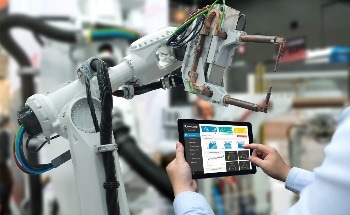
BitLyft Cybersecurity Unveils Agentic Managed Detection and Response Platform with AIR Engine
BitLyft Cybersecurity has officially launched the BitLyft Agentic Managed Detection and Response (AMDR) platform, which is powered by the company's autonomous security operations platform, BitLyft AIR®. This new offering enhances traditional security measures by not only providing quicker alert summaries but also by actively investigating, resolving, and documenting routine cases. The introduction of AMDR is significant as it allows experienced analysts to maintain control over critical decisions that require human judgment and contextual understanding. This approach aims to streamline security operations while ensuring that complex issues are handled by skilled professionals, thereby improving overall cybersecurity effectiveness. Looking ahead, the focus will be on how AMDR integrates with existing security frameworks and the impact it has on operational efficiency. No further timeline was disclosed at the time of publication.

PHYMI Secures Nearly $100 Million Seed Funding to Develop Physical Agents for Robotics
Recently, PHYMI, an embodied intelligence startup, announced the completion of nearly $100 million in seed funding, led by IDG Capital. Founded in March 2026 by CEO Liu Nianqiu, who has extensive experience in autonomous driving and robotics, the company aims to create Physical Agents capable of understanding human goals and autonomously navigating various environments. This funding is significant as it highlights the growing interest and investment in robotics, particularly in creating robots that can perform complex tasks in dynamic real-world settings. Liu Nianqiu's vision for PHYMI includes leveraging advancements in robotics technology, which have matured since he first identified the potential in the field. Looking ahead, PHYMI plans to utilize the funding for core technology development, building a dynamic data system, and expanding its team. The company’s focus on creating a complete technological ecosystem for Physical Agents positions it well for future growth in the robotics sector. No further timeline was disclosed at the time of publication.
Embodied Intelligence Robotics Autonomous Navigation AI Technology
Zhejiang University Professor Secures Hundreds of Millions for Flying Robot Development
Recently, the flying robotics company Weifen Zhifei announced the completion of hundreds of millions in Series A2 funding. This round was led by PwC Capital, with participation from Honghui Fund, Yangtze River Delta Smart Cultural Fund, and existing investors including Wuyuan Capital and Shenchuang Investment. Founded in July 2024, Weifen Zhifei has completed seven funding rounds totaling over 500 million yuan, focusing on flying embodied intelligence and advanced flight control technologies. The significance of this funding lies in Weifen Zhifei's ambition to develop flying robots capable of operating in complex environments. The company has been recognized as a potential national unicorn and is led by Gao Fei, a professor at Zhejiang University. With over ten years of experience in aerial robotics and numerous publications, Gao has pioneered autonomous flight systems in unstructured environments. The company’s products, including the P300 flying robot, are designed for autonomous operations in challenging settings without GPS. Looking ahead, Weifen Zhifei's products are already being deployed in emergency response, mining, and power sectors, showcasing capabilities in autonomous mapping and safety assessments. However, challenges remain in scaling operations due to regulatory and technical cost barriers. No further timeline was disclosed at the time of publication.
Flying Robots Autonomous Technology Robotics AI Drone Technology
TSA Invites Drone Industry to Discuss Security Standards for Part 108 BVLOS Operations
The Transportation Security Administration (TSA) is engaging the drone industry to gather input on security requirements for beyond visual line of sight (BVLOS) operations. This initiative follows the FAA's proposed Part 108 framework, which aims to streamline BVLOS operations without the need for individual waivers. The TSA's notice, published on September 4, emphasizes the importance of establishing security protocols as routine BVLOS operations become more common. As the drone industry transitions to routine BVLOS operations, compliance with security requirements will be crucial. TSA is particularly interested in feedback from companies already conducting BVLOS operations under FAA waivers, as well as those planning to operate under the final rule. The deadline for participation requests in the upcoming technical roundtables is October 19, 2026, highlighting the urgency for industry input on these critical security measures. Looking ahead, the TSA aims to finalize security requirements in collaboration with the FAA, focusing on vetting personnel and the establishment of TSA-approved security programs. Participants in the roundtables will discuss existing measures for securing BVLOS operations, which will help shape the future of UAS security standards in the industry.
BVLOS Drone News Drone News Feeds Featured - FAA and Regulations News US Government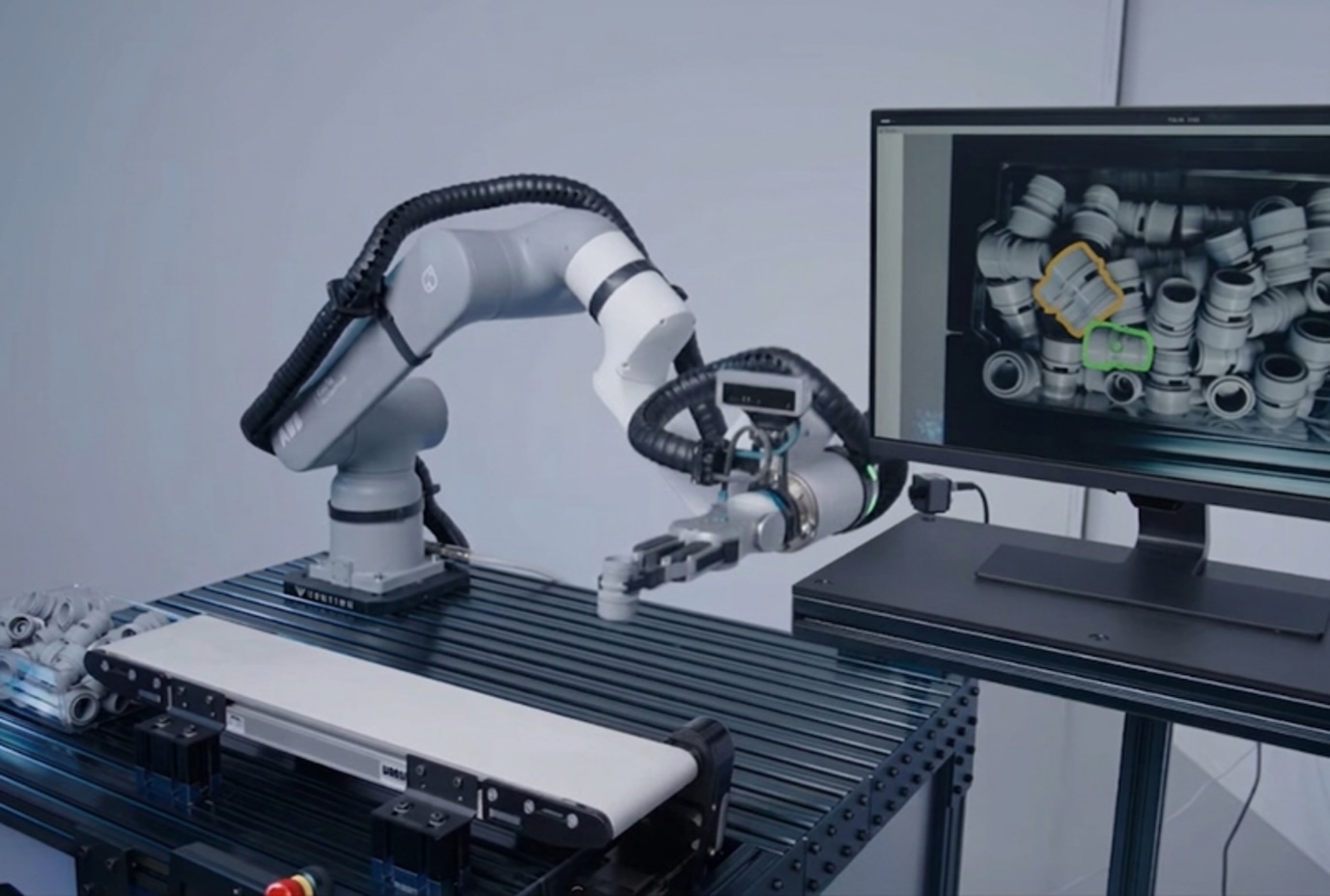
International Team Develops Robots Learning to Navigate Terrain from Stick Insects
An international team from Tohoku University and VISTEC is studying stick insects to enhance robot navigation in challenging terrains. The research focuses on the insect's six legs, which allow for agile movement across various surfaces, surpassing current multi-legged robots in coordination. By employing adversarial inverse reinforcement learning, the team enabled a six-legged robot to autonomously learn to navigate diverse terrains within an hour by observing stick insect locomotion. This research is significant as it proposes a shift from traditional biomimetic approaches that require specific programming for each robot and terrain. Instead, the team aims to extract fundamental movement control principles, allowing robots to adapt to changing environments without extensive reprogramming. This adaptability is crucial for disaster scenarios where uneven surfaces and obstacles are prevalent, particularly in earthquake-prone Japan, where the demand for effective rescue robots is high. Looking ahead, the team plans to validate the learning system's robustness in realistic rubble environments and explore the potential for robots to compensate for lost limbs through continuous learning. The implications of this research could redefine how robots navigate complex terrains, making them more effective in emergency situations.
Robotics Disaster Response Machine Learning Bio-inspired Robotics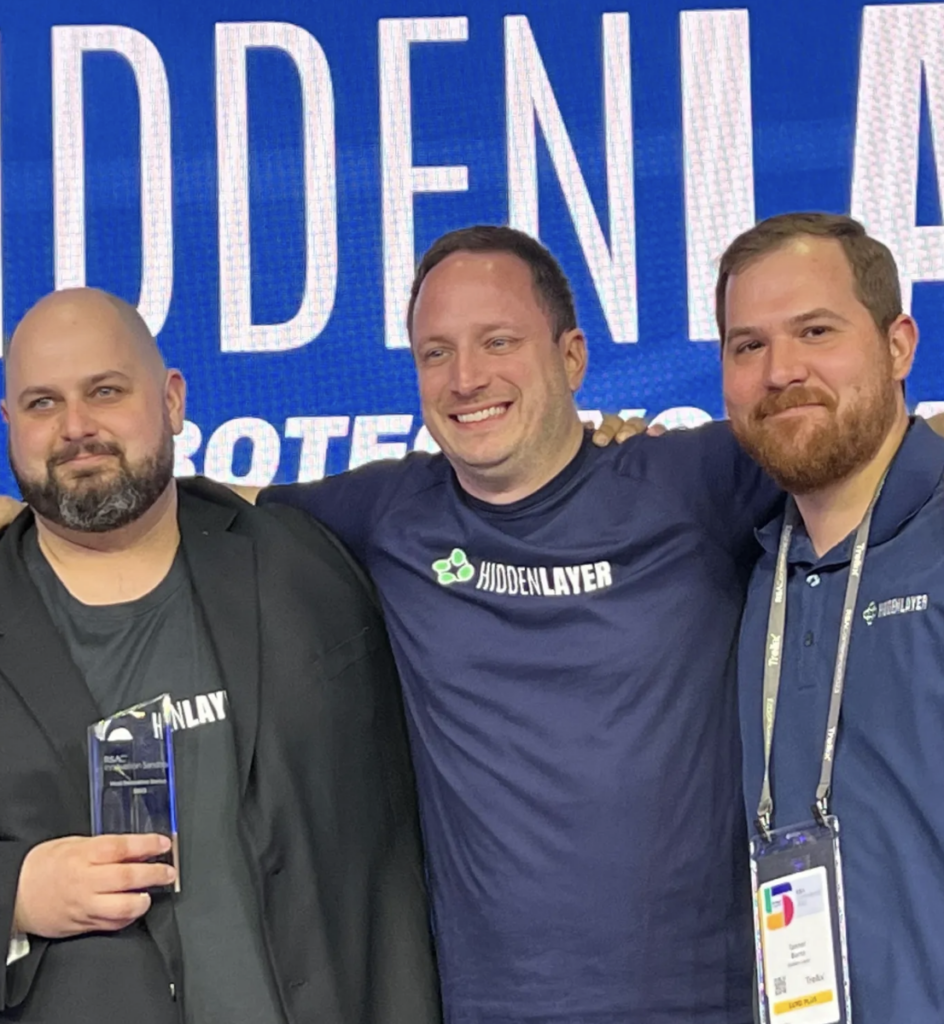
HiddenLayer Secures $100M Series B Funding Amid Rising AI Security Demand
HiddenLayer, an AI security startup, has successfully raised $100 million in a Series B funding round led by Delta-v Capital, with participation from several notable investors including Ten Eleven Ventures and Microsoft’s M12. The Austin-based company specializes in developing tools to safeguard AI models and workflows from various threats, including adversarial attacks and malicious code injections. This significant funding comes as HiddenLayer reports a tenfold increase in annual recurring revenue, reaching tens of millions of dollars, primarily driven by new customers in the financial services and tech sectors, as well as contracts with the Department of Defense. The company's technology has evolved to address emerging risks associated with AI deployments, such as prompt injection and agent manipulation, while also focusing on verifying open-source models. The new capital will facilitate HiddenLayer's expansion into Europe and the EMEA region, reflecting a broader trend in the AI security market, which is projected to grow to $2.83 billion this year and nearly $4.78 billion by 2027, according to Gartner analysts. No further timeline was disclosed at the time of publication.
AI Funding & Investment AI AI-driven platform capital markets Delta-v Capital funding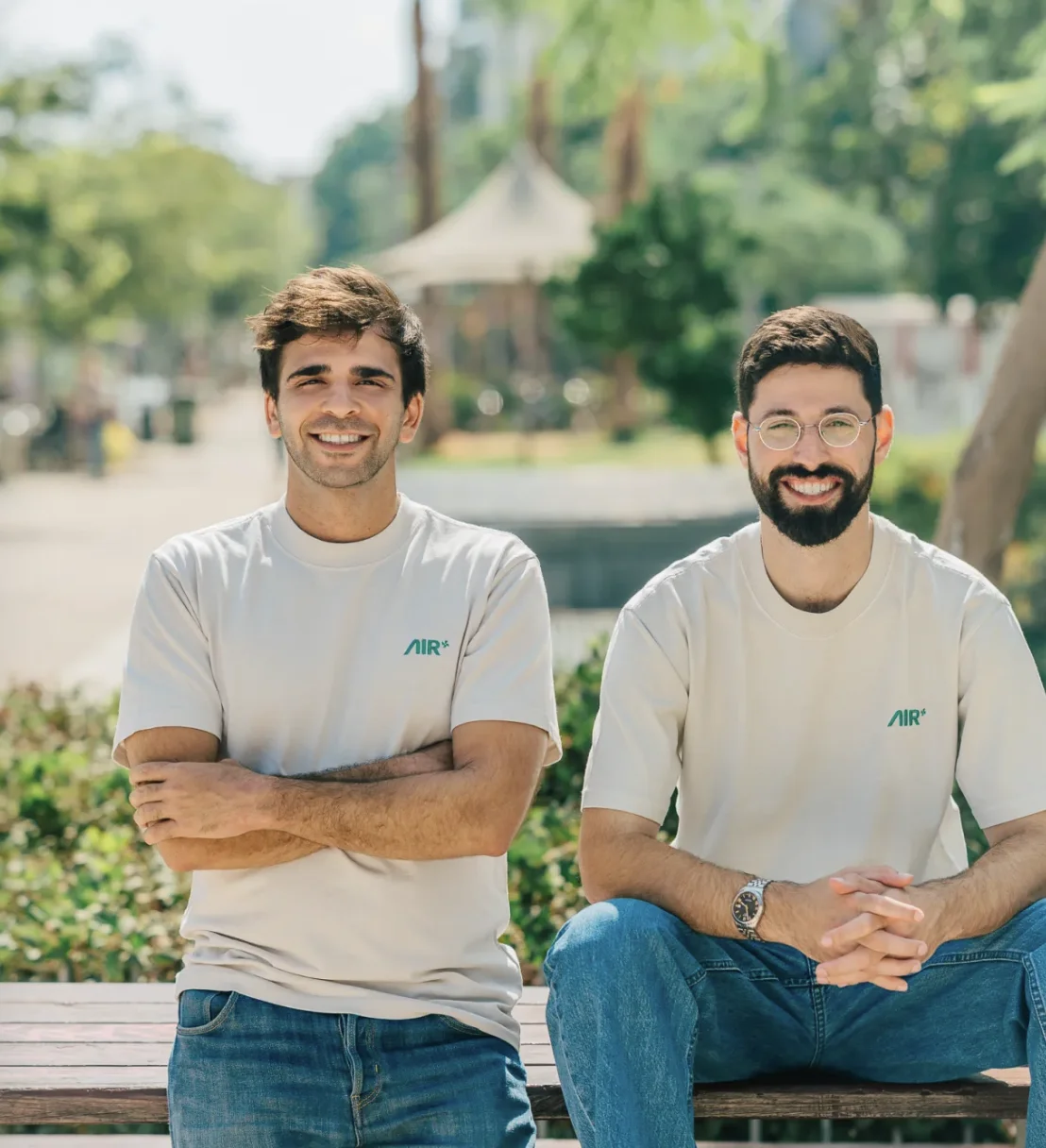
AIR AI Security Startup Secures $50M to Enhance AI Agent Supply Chain Security
AI security startup AIR has officially launched from stealth mode, raising $50 million through two seed funding rounds. The funding includes a $10 million round led by Sequoia and a subsequent $40 million round led by Greenoaks. Founded by Yair Saban and Niv Hoffman, AIR aims to create a platform that monitors the ecosystem of skills, plug-ins, and servers utilized by AI agents in corporate environments. The significance of AIR's platform lies in its ability to discover active AI agents, flag unauthorized tool usage, and enforce real-time security checks. With a current whitelist filtering out approximately 27% of evaluated add-ons, the platform addresses the growing need for verification in AI tools, akin to traditional software security measures. AIR has already attracted over 20 customers, particularly from regulated sectors such as financial services and pharmaceuticals. Looking ahead, AIR plans to leverage its funding to expand research and market efforts in the U.S. and Europe. The company faces competition from other well-funded startups in the AI security space, highlighting the increasing importance of securing AI infrastructures as they become integral to business operations. No further timeline was disclosed at the time of publication.
AI Funding & Investment AI AI-driven platform AIR capital markets funding
Cybersecurity's Emerging Role in Electrical Safety and Maintenance Practices
Recent developments highlight the increasing importance of cybersecurity in electrical safety maintenance. As facilities become more connected, the reliance on digital systems for maintenance decisions raises concerns about data integrity and system trustworthiness. The National Fire Protection Association's Electrical Cycle of Safety emphasizes the need for accurate and protected digital information to support safe practices. The integration of automation and operational technology (OT) systems into the electrical safety lifecycle means that maintenance teams must now consider cybersecurity as a critical factor. Decisions regarding breaker settings, inspection records, and condition-monitoring data are all influenced by the reliability of these digital systems. If these systems are compromised, the effectiveness of maintenance programs can be severely undermined, leading to increased risks. Looking ahead, organizations must adapt their maintenance strategies to include cybersecurity measures. The upcoming 2026 edition of NFPA 70B outlines the need for electrical maintenance programs to align with electrical safety protocols, emphasizing the importance of trustworthy information. As the landscape evolves, maintaining the integrity of digital systems will be essential for ensuring safety and compliance in connected facilities.
Factory / Cybersecurity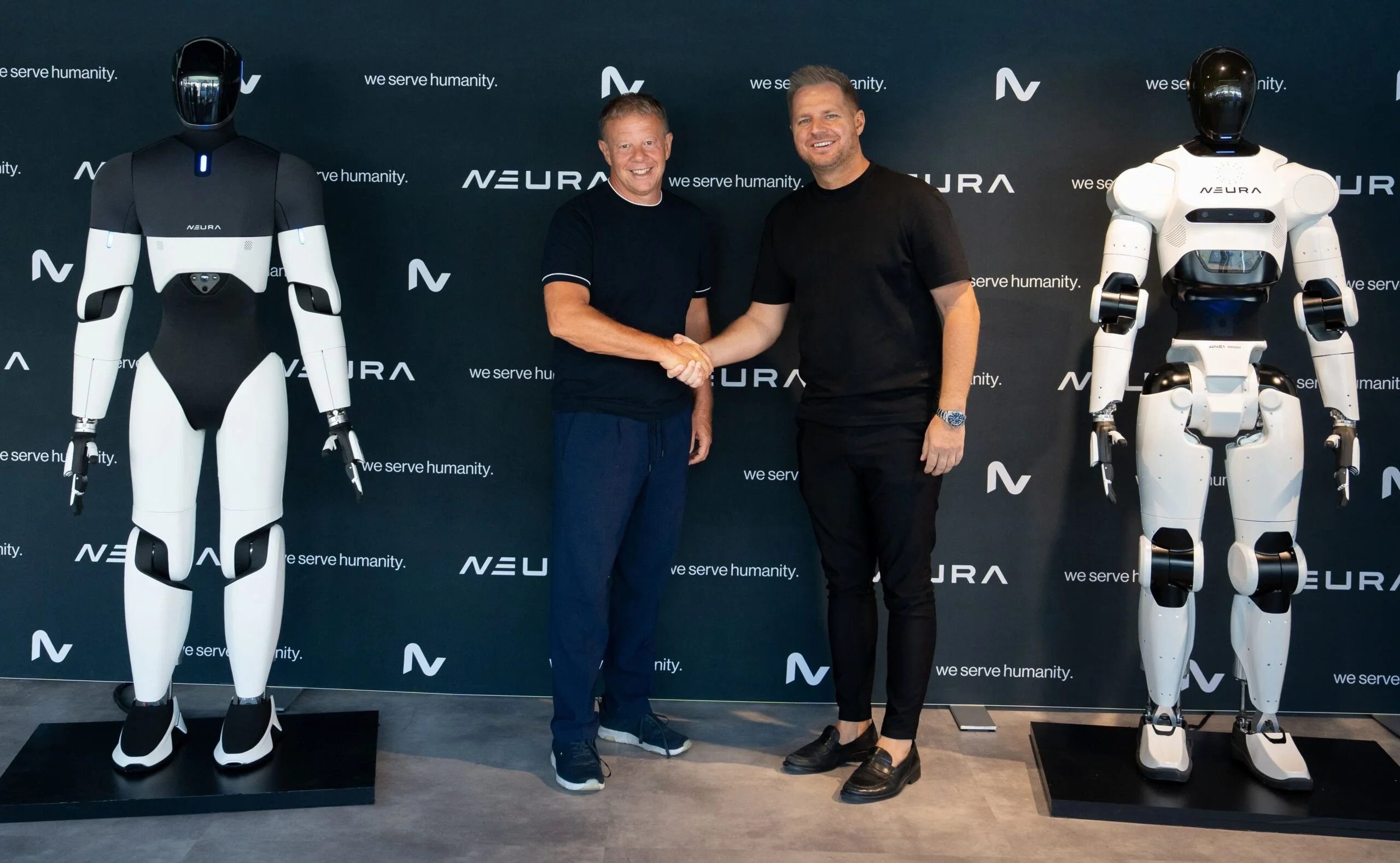
Neura Robotics and Seco Form Strategic Partnership for Physical AI and Robot Compute
Neura Robotics and Seco have established a strategic partnership focused on developing robot compute hardware and physical AI automation. This collaboration aims to manufacture key computing components for Neura's cognitive robots, including the 4NE1 humanoid, using Qualcomm Dragonwing processors. The partnership also includes plans to open a Neura Gym in Italy for training and to collect real-world production data from industrial applications. This partnership is significant as it aims to enhance the capabilities of Neura's robots through advanced computing and physical AI, which could revolutionize semiconductor and electronics manufacturing. By leveraging real-world data, Neura and Seco intend to create automation solutions that can be deployed globally, thereby contributing to a broader European physical AI ecosystem that integrates regional robotics and manufacturing expertise. Looking ahead, the collaboration will focus on training machines to handle complex production processes, with the goal of scaling these capabilities across various manufacturing environments. No further timeline was disclosed at the time of publication.
AI AI Funding & Investment Capital Markets Robotics Europe Germany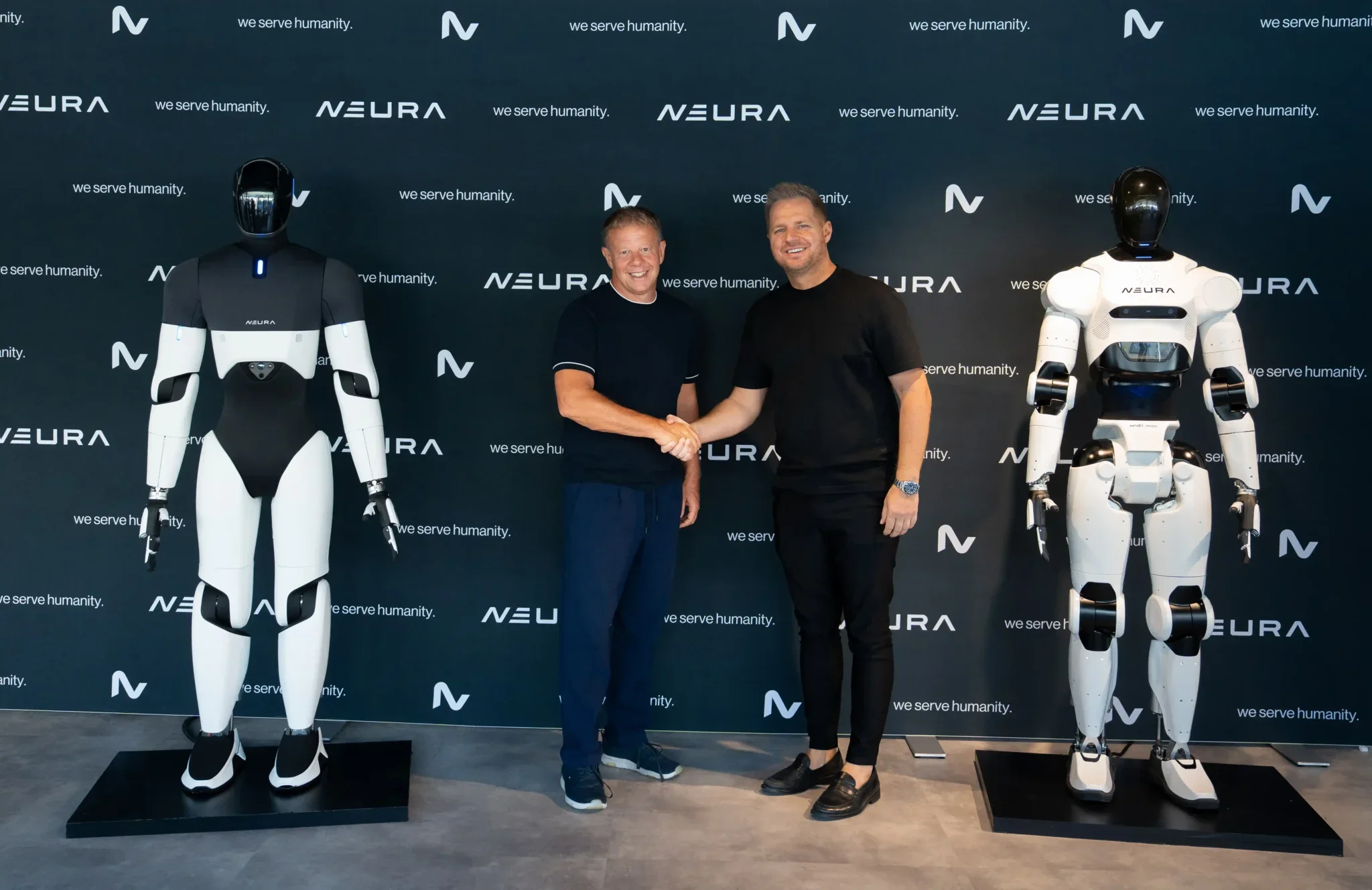
NEURA Robotics and SECO Collaborate to Advance European Physical AI Hardware Production
On September 7, 2026, NEURA Robotics, based in Metzingen, announced a strategic partnership with SECO S.p.A. to industrialize the compute infrastructure for NEURA's cognitive robots. SECO will design and produce industrial-grade electronic compute modules for NEURA’s humanoid platform, the 4NE-1, utilizing Qualcomm Dragonwing processors to support a decentralized compute strategy. This collaboration is significant as it aims to transition from centralized computing to localized, real-time edge processing, enhancing the robots' responsiveness in unpredictable industrial environments. NEURA's architecture, described as a 'Brain + Nervous System,' integrates sensing and compute hardware across the robot's limbs, allowing for ultra-low-latency interactions crucial for human-robot collaboration. Looking ahead, NEURA and SECO plan to establish a 'NEURA Gym' in Italy, focusing on real-world data collection to improve physical AI models. This initiative aims to address challenges in robotic autonomy during the transition from simulation to real-world applications, particularly in semiconductor manufacturing. No further timeline was disclosed at the time of publication.
Neura Robotics Europe Market
NEURA Robotics and SECO Partner to Enhance Physical AI Production in Europe
NEURA Robotics and SECO S.p.A. have announced a strategic partnership aimed at industrializing and scaling Physical AI in Europe. This collaboration will focus on the design, engineering, and manufacturing of electronic compute modules for NEURA's cognitive robots, including the humanoid 4NE1. The partnership is significant as it combines NEURA's expertise in Physical AI and robotics with SECO's embedded engineering and manufacturing capabilities. The electronic compute modules will utilize Qualcomm Dragonwing™ processors, which are integral to NEURA's distributed compute architecture, enhancing the performance of their robots. Looking ahead, the collaboration is expected to facilitate scalable series production of cognitive robots in Europe. No further timeline was disclosed at the time of publication.

Eric Sivertson Explores FPGAs and Their Role in Robot Security
Eric Sivertson, Vice President of Security Business at Lattice Semiconductor, recently appeared on The Robot Report Podcast to discuss the importance of field-programmable gate arrays (FPGAs) in enhancing robot security. He highlighted that FPGAs are essential for mitigating security risks in robotic systems, particularly as robots become more autonomous and capable. Sivertson emphasized that the intersection of artificial intelligence and robotics, especially in humanoid robots, necessitates a focus on both safety and security. He pointed out that while safety measures are crucial, they can be compromised if the underlying software or hardware is vulnerable to cyberattacks. This dual focus is critical as robots increasingly operate in dynamic environments. Looking ahead, Sivertson warned of the potential consequences of cyberattacks on robotic systems, particularly humanoids that could be manipulated to cause harm. He urged the industry to prioritize robust security measures to prevent such scenarios, as the implications of compromised robots could be severe, turning them into dangerous entities capable of causing physical harm.
Design / Development Development Tools / SDKs / Libraries Educational Humanoids Markets / Industries Microprocessors / SoC
Exploring the Role of FPGAs in Enhancing Physical AI Security
In Episode 260 of The Robot Report Podcast, Eric Sivertson, vice president of security at Lattice Semiconductor, discusses the significance of FPGAs in physical AI security. He highlights how these field-programmable gate arrays are crucial for building safe and secure robots, emphasizing their role in enhancing trust in embedded systems. The conversation underscores the growing importance of security in robotics, particularly as the industry shifts towards more advanced AI applications. Sivertson's extensive experience in developing technologies for security and connectivity positions him to provide valuable insights into the challenges and opportunities within this sector. Listeners should pay attention to the evolving landscape of physical AI security and the potential for FPGAs to serve as foundational elements in safeguarding robotic systems. No further timeline was disclosed at the time of publication.
Artificial Intelligence Autonomous Mobile Robots (AMRs) Humanoids Manufacturing Markets / Industries Microprocessors / SoC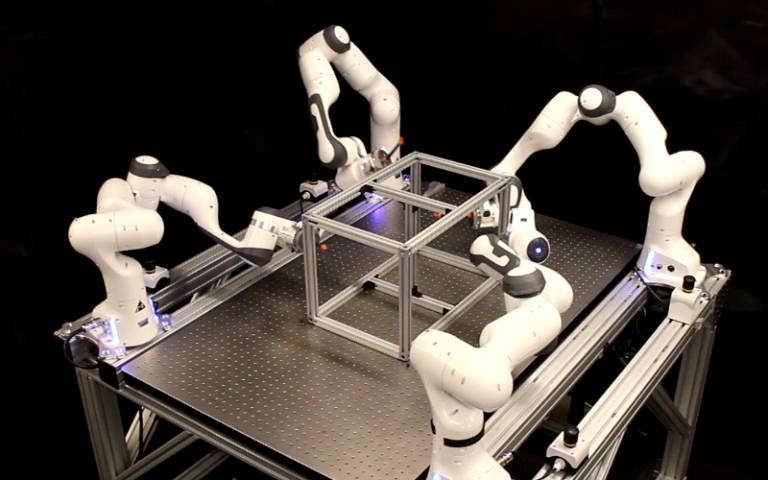
Strategies for Securing Identities During Corporate Restructuring in Cloud Environments
During corporate restructuring, such as mergers or splits, IT teams prioritize the functionality of emails, files, and business applications in the new environment. This focus, while understandable, can lead to significant oversights in identity security, which is crucial for protecting sensitive information. The importance of securing identities cannot be overstated, especially during transitions that involve complex changes to IT infrastructure. Neglecting identity management can expose organizations to security vulnerabilities, making them susceptible to data breaches and unauthorized access. Moving forward, organizations should implement comprehensive identity security strategies that include regular audits and updates to access controls. No further timeline was disclosed at the time of publication.
Business Internet Technology Active Directory automation cloud identity management
HiddenLayer Secures $100 Million to Enhance AI Security Solutions Amid Growing Demand
AI security startup HiddenLayer has successfully raised $100 million in a Series B funding round led by Delta-v Capital. This funding comes as enterprises increasingly prioritize securing their AI deployments, with Gartner projecting a significant rise in spending on AI security tools, expected to reach nearly $4.78 billion next year. The surge in demand for AI security solutions is driven by the growing recognition of potential vulnerabilities in AI models and workflows. HiddenLayer's co-founder and CEO, Chris Sestito, noted that the company's annual recurring revenue has increased more than tenfold over the past year, primarily due to new customer acquisitions in sectors like financial services and large tech companies. Looking ahead, HiddenLayer plans to utilize the new funding to expand its product offerings and enhance its sales and distribution efforts. The company aims to address emerging threats such as prompt injection and malicious tool use, while also exploring opportunities in the European and EMEA markets. No further timeline was disclosed at the time of publication.
AI Fundraising Security Delta-v Capital HiddenLayer M12Robotics needs a service framework.
RSF defines a common language for robot service capability, lifecycle operations, certification pathways, and service-provider networks.
Join the RobotToday community on LinkedIn
Daily robotics news, in-depth analysis, conference highlights, and discussions with professionals worldwide.