

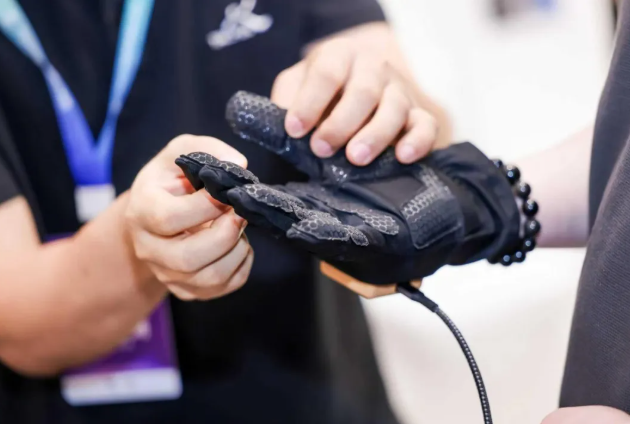
A postdoctoral researcher from Stanford University has returned to China to develop an innovative 'electronic skin' for robots. This technology aims to enhance the sensory capabilities of robots, allowing them to better interact with their environments. The project has successfully secured financing at the billion-yuan level, indicating strong investor confidence in its potential.
The development of 'electronic skin' is significant as it represents a leap forward in robotics, enabling machines to possess tactile feedback similar to that of humans. This advancement could lead to more sophisticated applications in various sectors, including healthcare and manufacturing, where robots can perform tasks requiring a delicate touch.
Looking ahead, the focus will be on the practical applications of this technology and its integration into existing robotic systems. No further timeline was disclosed at the time of publication.
Editor's Note
The emergence of advanced sensory technologies like 'electronic skin' highlights the ongoing evolution in robotics and automation. As companies seek to enhance robot capabilities, the integration of human-like senses could redefine operational efficiencies across multiple sectors. Investors are keenly watching developments in this area, as successful implementations could lead to significant market shifts.




























Leave a comment