

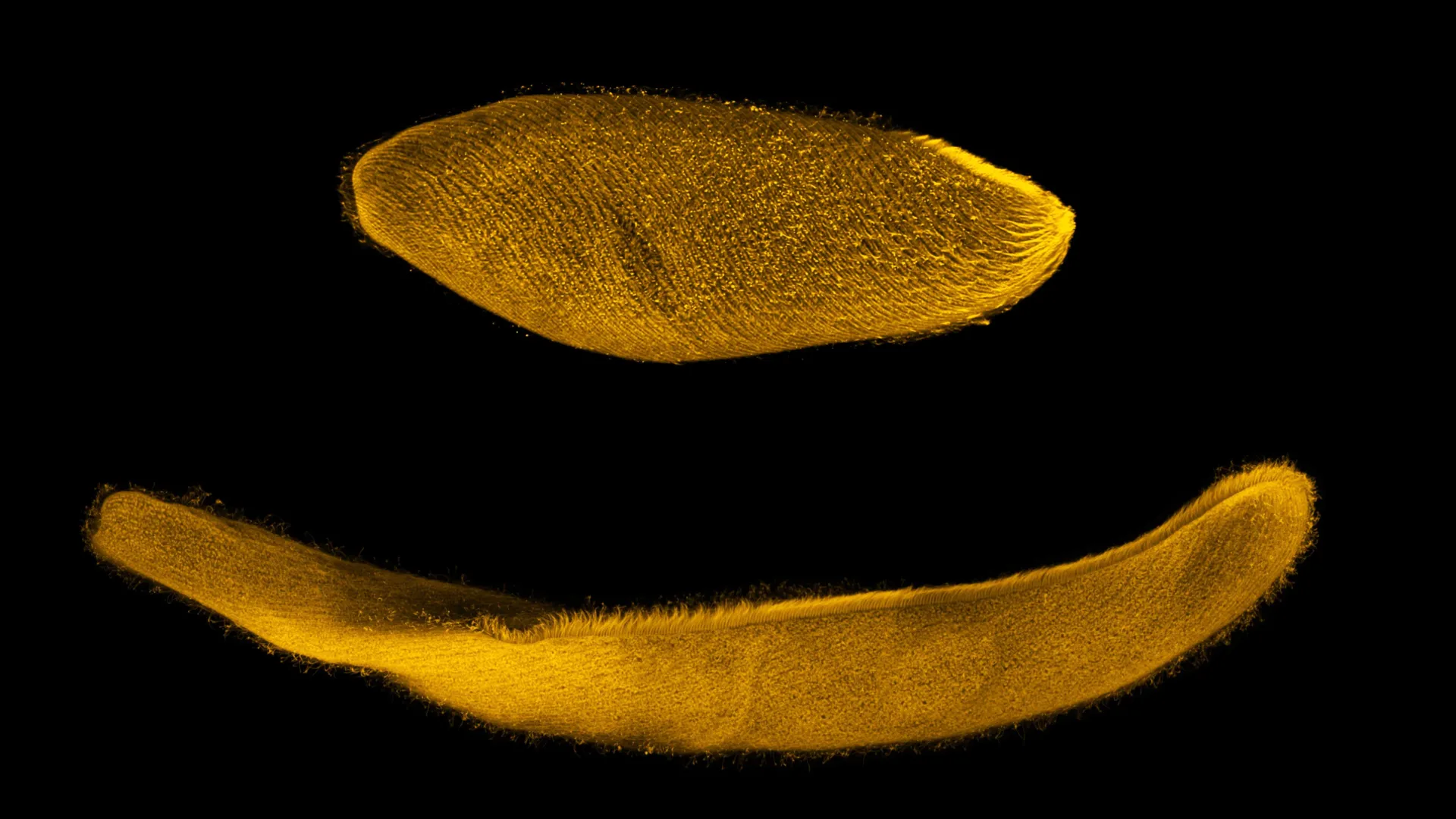
Researchers have discovered that the single-celled organism Spirostomum ambiguum can compress its body to one quarter of its original length in less than five milliseconds. This rapid contraction is facilitated by calcium ions and a unique fishnet-like protein network, enabling speeds far exceeding human muscle capabilities.
The significance of this finding lies in its potential applications for developing faster artificial muscles and synthetic cellular machinery. Spirostomum ambiguum's ability to contract at approximately 100 body lengths per second could inspire innovations in bioengineering and robotics, particularly in creating systems that mimic its speed and efficiency.
Future research will likely focus on understanding the mechanisms behind Spirostomum's contraction process. Insights into the unique protein structures and calcium ion interactions may lead to breakthroughs in synthetic muscle design. No further timeline was disclosed at the time of publication.
Editor's Note
The study of Spirostomum ambiguum highlights the importance of understanding biological mechanisms that can inspire advancements in artificial muscle technology. As industries increasingly seek faster and more efficient systems, the insights gained from this organism could play a crucial role in the development of next-generation synthetic materials and machinery.





























Leave a comment