Industry Briefing
A single destination for timely, editor-curated robotics news from around the world.

Addressing Challenges in Robotics Design and Deployment for Enhanced Performance
Robotic systems face unique challenges once deployed, including unpredictable lighting, human behavior variations, and diverse surfaces. These factors create friction points that are not present in controlled laboratory settings. To ensure successful deployment, robots must be resilient and capable of adapting to real-world environments, which requires iterative design processes that account for operational requirements. The importance of user acceptance and trust in autonomous robotics cannot be overstated. Factors such as signaling intentions and predictability of movement play a crucial role in ensuring that non-experts can understand and trust robotic technologies. A cohesive focus on implementation and consumer trust is essential for the successful adoption of robotics in various environments. To enhance the design feedback loop, it is vital to collect operational data from deployed robots, including performance metrics and error recovery success. This data-driven approach helps improve reliability and prevent design failures. No further timeline was disclosed at the time of publication.
Design Robotics automation Autonomous robots autonomous systems data collection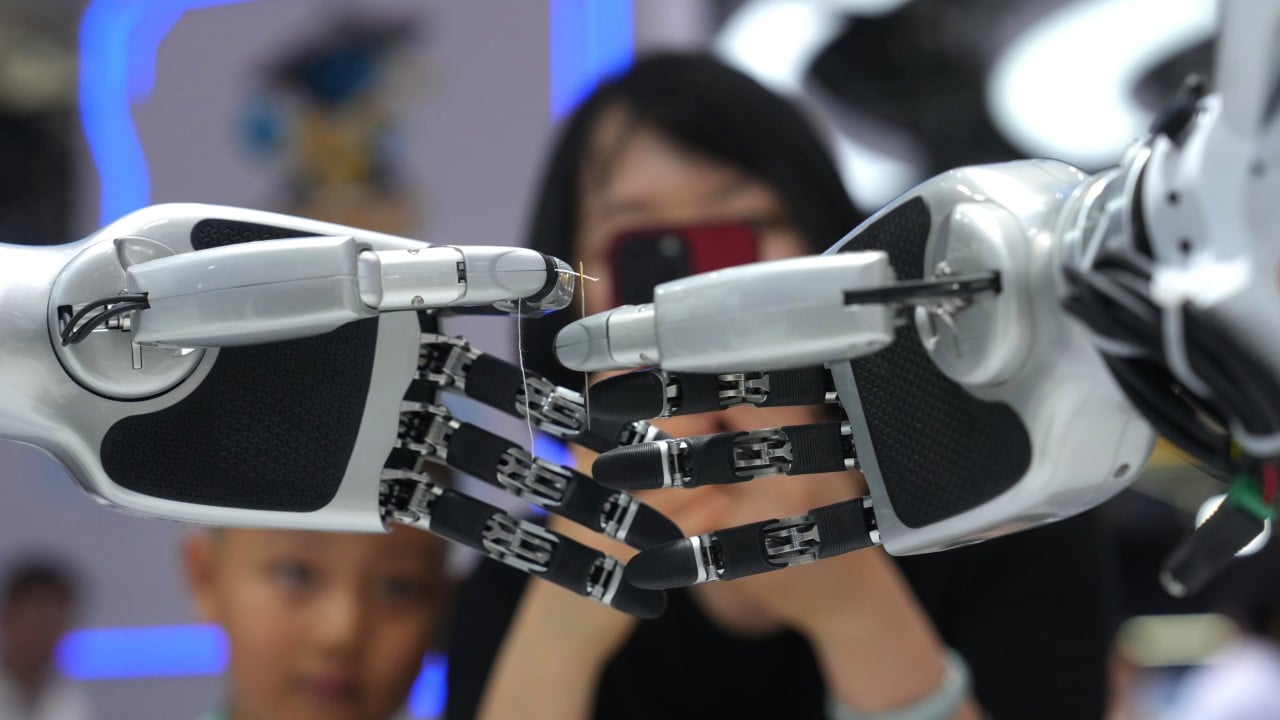
Chinese Robotics Industry Shifts Focus from Humanoid Designs to Practical Applications
The robotics industry is witnessing a transition from showcasing humanoid robots to practical deployments. At Unitree Robotics' booth, bipedal robots demonstrated impressive skills in activities like table tennis and combat, showcasing advancements in speed and balance. However, other exhibitors highlighted robots that efficiently sorted parcels and moved materials, emphasizing functionality over form. This shift is significant as it reflects a growing preference for robots that can perform specific tasks effectively. Yang Li, a senior engineer at X Square Robot, questioned the necessity of bipedal designs, noting that their two-armed WALL-B model sorted 1,816 packages in a controlled test, outperforming the bipedal Figure 03 robot from Figure AI, which managed 1,248 parcels per hour. This trend indicates a move towards more practical robotic solutions in various industries. Looking ahead, the focus on efficiency and task-oriented designs is likely to continue shaping the robotics landscape. With companies like AI2 Robotics showcasing versatile wheeled robots capable of making coffee and ice cream, the industry may prioritize robots that can adapt to different functions over traditional humanoid forms. No further timeline was disclosed at the time of publication.

Siemens Xcelerator Aims to Transform Humanoid Robotics Design for $370 Billion Market
Siemens is addressing the complexities of humanoid robotics design with its Xcelerator platform, which integrates mechanical design, simulation, and manufacturing processes. This innovation is crucial as the humanoid robotics market is projected to grow to $370 billion by 2040, according to McKinsey. Overcoming design inefficiencies will be essential for manufacturers to capture market share and create adaptable robots capable of transforming various industries. The potential of humanoid robots lies in their ability to navigate complex environments and perform diverse tasks, unlike traditional industrial robots. However, significant technical challenges remain, including the need for precise coordination of articulated joints and the integration of design and simulation workflows. Siemens Xcelerator aims to streamline these processes, enabling manufacturers to validate designs earlier and reduce reliance on physical prototypes. As competition intensifies in the humanoid robotics sector, manufacturers must adopt advanced solutions like Siemens Xcelerator to remain competitive. The platform's capabilities in connecting design and simulation workflows could be pivotal in accelerating the development of humanoid robots, ultimately reshaping manufacturing and logistics operations in the coming years.
Sponsored Content Siemens Industry
The Importance of Companion Mobile Apps in Robotics and Automation Systems
Companion mobile apps are becoming essential in robotics and automation, allowing operators to manage machines remotely. As the International Federation of Robotics reported 542,000 industrial robot installations in 2024, the need for efficient monitoring and maintenance alerts has surged, making these apps integral to operations. The rapid growth of robot fleets, now exceeding 4.6 million units globally, necessitates real-time telemetry and role-based access in companion apps. These applications must provide offline functionality and timely alerts to prevent operational delays, as a five-minute lag in communication can lead to significant production losses. Looking ahead, the evolution of robotics-as-a-service is transforming companion apps to support features like usage-based billing and in-app payments. This shift indicates that the role of these apps will expand beyond monitoring to include handling regulated financial data, reflecting the changing landscape of industrial automation.
Automation Robotics Software automation companion apps cybersecurity
ETCO Incorporated Launches New Electrical Connectors and Terminals for Robotics and Automation
ETCO Incorporated has unveiled a new range of standard and custom electrical connectors and terminals designed specifically for automation systems and robotics. These products are engineered to endure intense operations, constant motion, and vibration, making them suitable for demanding applications. The introduction of these connectors and terminals is significant as they address the growing need for reliable electrical components in automation and robotics. With the increasing complexity of automated systems, the durability and performance of electrical connections are crucial for operational efficiency and safety. Looking ahead, industry stakeholders should monitor the adoption of ETCO's new products in various applications. The effectiveness of these connectors and terminals in real-world scenarios will be key to their success in the market. No further timeline was disclosed at the time of publication.

Elephant trunk skin reveals design that could reshape soft robotics
Researchers from Zurich University have conducted a study on the unique properties of an elephant's trunk, which is known for its strength and dexterity. The team, led by Lucia Beccai, examined the skin of the trunk to gain insights that could inform the development of advanced soft robotics. This investigation was made possible by the acquisition of a trunk from an adult Asian elephant, which had died of natural causes at the Zurich Zoo in 2020. The study aims to explore how the trunk's muscular and boneless structure allows for both heavy lifting and delicate movements, potentially leading to innovations in robotic design that mimic these capabilities.
Robotics
Robotics Summit panel explores the state of humanoid robot design
At the Robotics Summit & Expo, industry experts gathered to discuss advancements in humanoid robotics, focusing on the potential to reach a price point of $20,000 for these technologies in the near future. The panel highlighted current design innovations and the challenges that remain in making humanoid robots more accessible. This event, held today, served as a platform for sharing insights on the future of robotics and its implications for various sectors. The discussions underscored the growing interest in humanoid robots and the ongoing efforts to enhance their affordability and functionality.
Actuators / Motors / Servos Arms / Manipulators Artificial Intelligence Cameras / Imaging / Vision Design / Development Events
Jumping spider’s layered retina drives design of low-power 3D camera for AR and robotics
A team of engineers has conducted an in-depth study of the vision capabilities of jumping spiders, leveraging this unique biological model to inspire innovative technological advancements. This research, which took place over several months, aims to enhance the design of visual systems in robotics and artificial intelligence. By examining the spiders' exceptional ability to perceive depth and motion, the engineers have developed new algorithms that could significantly improve the performance of machines in complex environments. The findings were presented at a recent conference focused on biomimicry and robotics, highlighting the potential for nature-inspired solutions to address modern technological challenges. This interdisciplinary approach not only showcases the intricate relationship between biology and engineering but also opens new avenues for creating smarter, more adaptive robotic systems.
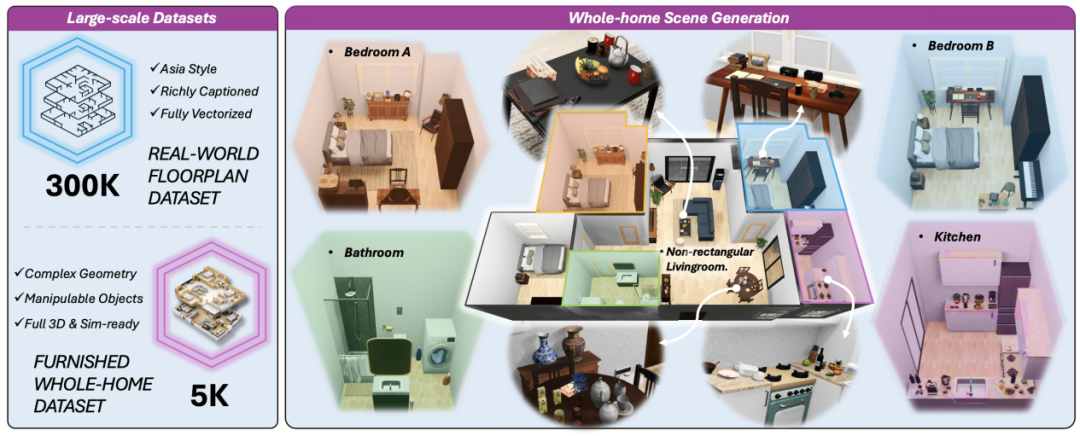
Daxiao Robotics Releases Open Source 3D Dataset for Chinese Home Designs, Challenging Figure AI
Daxiao Robotics, in partnership with the Chinese University of Hong Kong and Shenzhen He Tao College, has unveiled the world's first extensive 3D dataset specifically designed for Chinese households. This groundbreaking resource includes 300,000 authentic floor plans and 5,000 interactive simulation scenes, marking a significant advancement in the field of robotics. Launched recently, the dataset aims to improve the training of robots for various household tasks, thereby contributing to the evolution of embodied AI within the Chinese market. By providing this comprehensive data, the collaboration seeks to enhance the capabilities of robots in domestic environments, ultimately fostering innovation in the sector.
3D Data Sets Embodied AI Home Robotics Simulation Technology
Multiway Robotics Unveils OT10 Omnidirectional Autonomous Pallet Truck, Winner of the 2026 French Design Award
Multiway Robotics has introduced the OT10 Omnidirectional Autonomous Pallet Truck, a cutting-edge solution aimed at enhancing intralogistics operations. Launched on June 5, 2026, the OT10 has been recognized with the prestigious 2026 French Design Award for its innovative design and engineering. This autonomous pallet truck features 360° omnidirectional movement, advanced 3D SLAM navigation, and compatibility with various pallet types, allowing businesses to optimize storage utilization and improve operational flexibility in warehouse and manufacturing settings. The OT10 is designed to navigate tight spaces, making it ideal for environments with narrow aisles, and can operate efficiently where traditional forklifts may struggle. Its infrastructure-free navigation technology enables quick deployment and adaptability to changing layouts, while its autonomous elevator integration facilitates seamless cross-floor material transport. Safety is a priority, with the OT10 equipped with a nine-layer safety protection system that includes obstacle detection and emergency stop functions, ensuring safe operation alongside personnel and equipment. By combining intelligent automation with user-centric design, the OT10 aims to streamline material handling processes, supporting businesses in their digital transformation and efficiency goals.

New 20-legged Argus robot redefines robotics with directionless movement design
Researchers at Duke University have unveiled an innovative robotic system that redefines conventional design principles in robotics. This groundbreaking development, announced on October 15, 2023, aims to enhance the adaptability and functionality of robots in various environments. Located in Durham, North Carolina, the team’s work is driven by the need for more versatile robots capable of performing complex tasks in unpredictable settings. The new system employs advanced algorithms and flexible materials, allowing robots to adjust their shapes and movements in real-time based on their surroundings. This adaptability is crucial for applications ranging from search and rescue missions to automated manufacturing processes, where conditions can change rapidly and unpredictably. By integrating insights from biology and engineering, the researchers have created a platform that not only improves the robots' operational efficiency but also reduces the need for extensive reprogramming when faced with new challenges. The implications of this technology extend beyond robotics, potentially influencing fields such as artificial intelligence and materials science. This innovative approach represents a significant step forward in robotic design, promising to enhance the capabilities of machines in both industrial and everyday applications. As the research progresses, the team at Duke University aims to collaborate with industry partners to bring these advancements to practical use, ultimately transforming how robots interact with the world around them.

Learn how to successfully design hospital logistics robots at the Robotics Summit
Experts from Rovex Technologies, SKA Robotics, and ST Engineering Aethon are set to engage in discussions about the design considerations for hospital robotics at the upcoming Robotics Summit. This event, aimed at enhancing the efficiency and effectiveness of logistics robots in healthcare settings, will take place soon, though the exact date has not been specified. The focus will be on addressing the unique challenges and requirements of designing robots that can operate seamlessly within hospital environments. By sharing their insights and experiences, these industry leaders aim to foster innovation and improve the integration of robotic solutions in medical facilities, ultimately enhancing patient care and operational efficiency.
Autonomous Mobile Robots (AMRs) Events Healthcare Robotics Markets / Industries Mobility / Navigation News
Deepvein Mining Tech Wins NY Product Design Gold for Exploration Robotics
Deepvein Mining Tech has been awarded Gold at the 2026 NY Product Design Awards for its innovative series of Intelligent Geological Mapping and Geochemical Sampling Quadrupedal Robots. This recognition highlights the company's advancements in robotic systems specifically designed for mineral exploration in challenging and remote environments. The award underscores the importance of technology in enhancing safety and efficiency in high-risk mining operations.
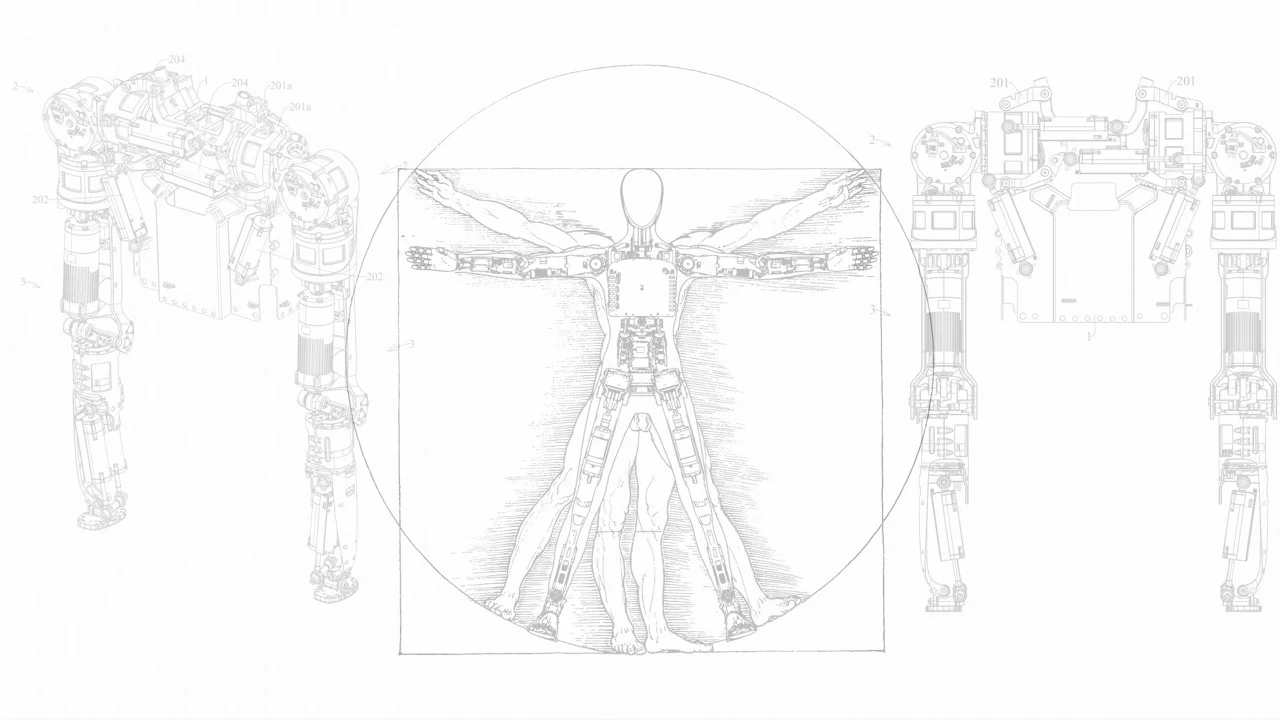
Simulating the 'Masterpiece': XPENG Robotics Unveils Design Framework and Lattice Musculature for IRON
XPENG Robotics has unveiled a comprehensive technical analysis detailing the innovative 'body logic' of its IRON humanoid robot. This deep-dive, released recently, highlights significant advancements in the robot's design, including a revamped reinforcement learning framework and proprietary algorithms that enable the simulation of intricate 3D-printed lattice muscles. The development aims to enhance the robot's functionality and adaptability, showcasing XPENG's commitment to pushing the boundaries of robotics technology. This initiative reflects the company's broader strategy to integrate advanced machine learning techniques with cutting-edge manufacturing processes, positioning the IRON humanoid as a leader in the evolving robotics landscape.
China XPeng IRON
Design Around the Data: Sunday Robotics Reveals Why They Built 100 Gloves Before One Robot
In an exclusive interview, Scott Walter, a leader at Sunday Robotics, discussed the company's innovative approach to robotics engineering, emphasizing their "data-first" philosophy that guided the development of their latest robot, Memo. This design strategy prioritizes the training pipeline, ensuring that the robot's capabilities are built around the data it processes rather than adapting the data to fit a pre-existing framework. The insights shared during the interview highlight Sunday Robotics' commitment to leveraging data effectively to enhance robotic functionality and performance. This approach marks a significant shift in how robotics can be developed, aiming to create more efficient and intelligent machines.
Scott Walter Sunday Robotics Memo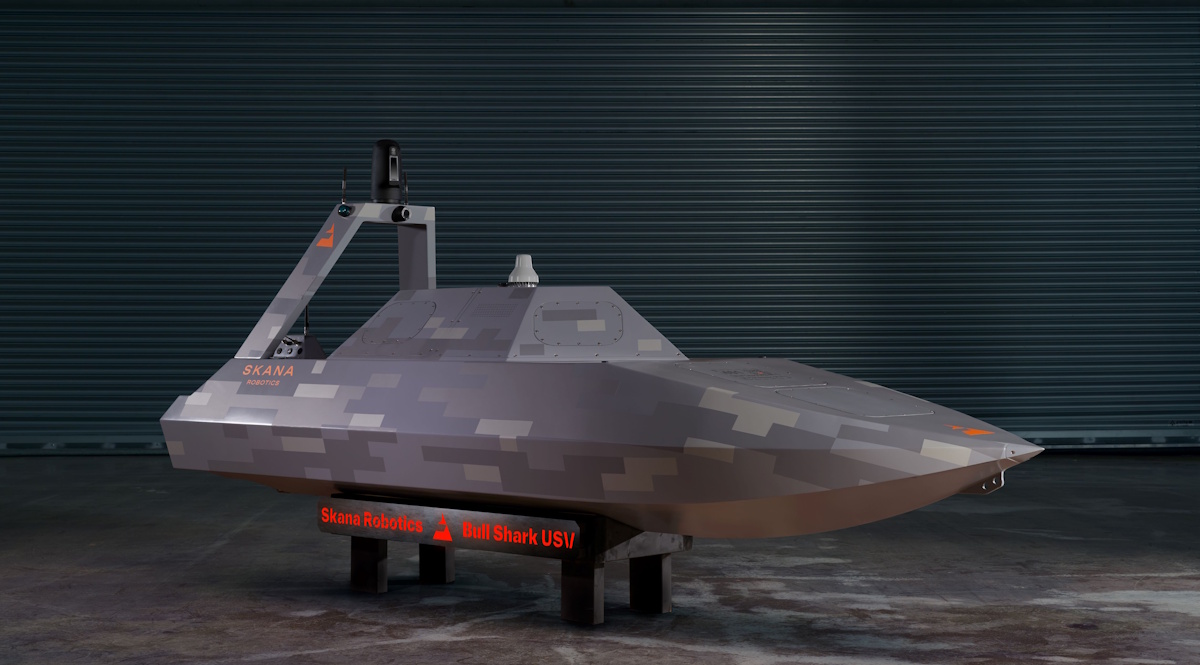
Skana Robotics Unveils Scalable Maritime Autonomy Designed for Operational Resilience
Skana Robotics, a defense technology firm established by veterans of naval special operations alongside robotics specialists, has unveiled its inaugural autonomous maritime systems: the Bull Shark, an Autonomous Surface Vessel, and the Stingray, an Autonomous Underwater Vessel. This launch marks a significant advancement toward software-defined, scalable naval assets that offer operational flexibility and are designed to collaborate with both manned and unmanned systems in distributed maritime operations. With initial orders already in place, Skana Robotics is poised to expand its deployment efforts in collaboration with operational partners across the globe.
skana robotics maritime autonomy auv uuv usv
Neura Robotics CEO David Reger on Cognitive Platforms, Humanoid Design, and the Path to Physical AI
In a recent podcast episode hosted by Scott Walter, David Reger, CEO of Neura Robotics, elaborated on the company's vision for cognitive robotics and the significance of their Neuraverse platform. During the discussion, Reger provided insights into the engineering processes that underpin their humanoid robots, particularly focusing on the 4NE-1 model. He emphasized the company's commitment to in-house development as a strategy to enhance human-robot interaction in a rapidly evolving technological landscape. The conversation sheds light on Neura Robotics' innovative approach and its implications for the future of robotics.
David Reger Scott Walter 4NE-1 Neura Robotics EuropeRobotics needs a service framework.
RSF defines a common language for robot service capability, lifecycle operations, certification pathways, and service-provider networks.
Join the RobotToday community on LinkedIn
Daily robotics news, in-depth analysis, conference highlights, and discussions with professionals worldwide.