Industry Briefing
A single destination for timely, editor-curated robotics news from around the world.
Robotics Advances: From Entertainment to Practical Household Applications
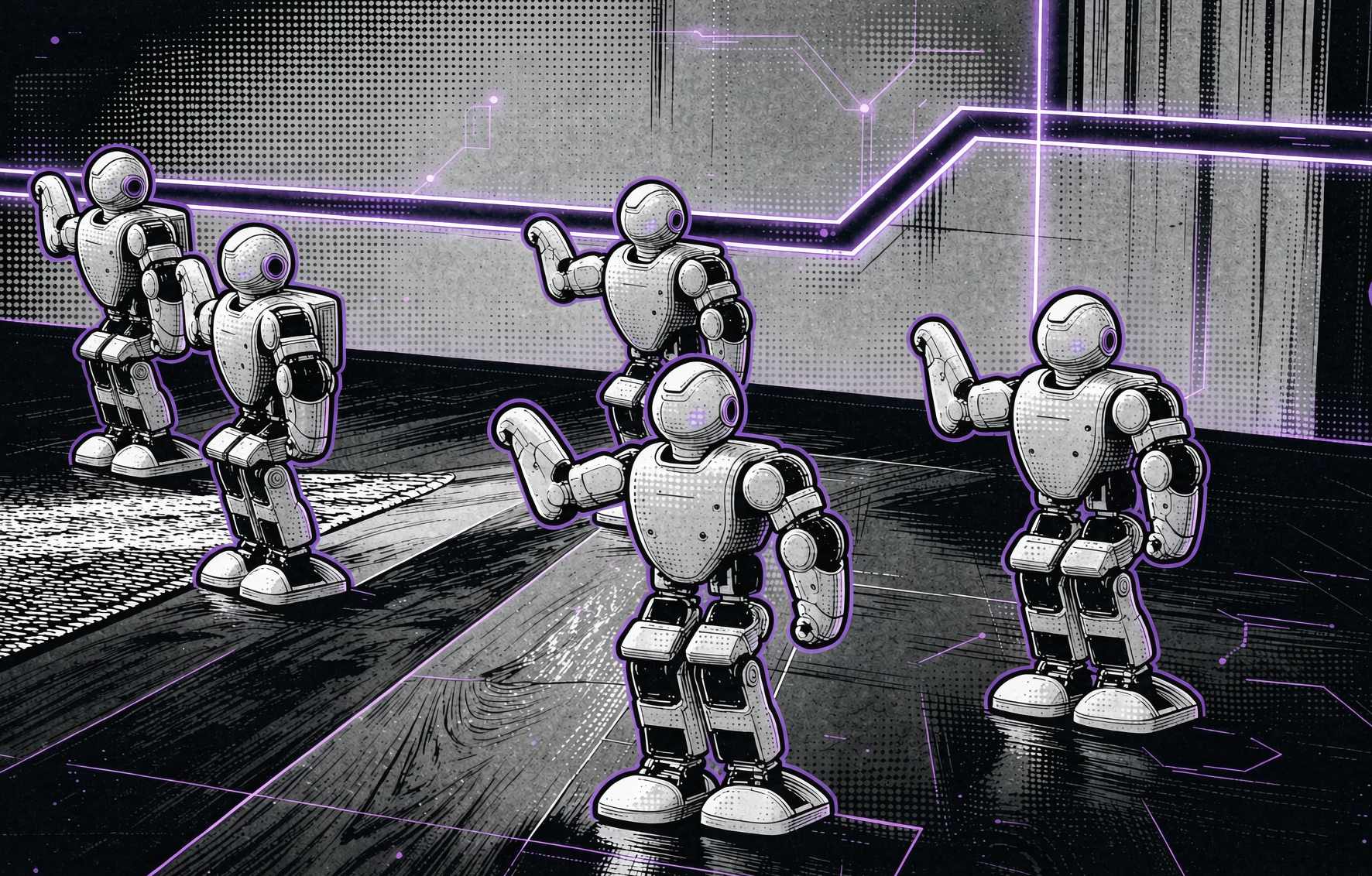
In recent years, humanoid robots have gained attention at exhibitions and events primarily through performances like singing and dancing. Wang Xingxing, founder of Yushutech, emphasized that while entertainment is an easy application, the goal is to enable robots to perform valuable tasks. At the 2026 World Robotics Conference, the focus shifted towards robots completing practical tasks, showcasing advancements in productivity. The current challenge in the robotics industry lies in the generalization capabilities of embodied intelligence. Wang highlighted that robots often struggle with tasks outside their training scenarios, indicating a significant gap between basic functionality and effective performance. Hu Luhui, founder of Zhicheng AI, pointed out that the industry must enhance robots' understanding of the physical world to overcome these limitations. Looking ahead, the development of world models may offer solutions to improve generalization in robots. Hu noted that the industry is shifting its focus towards enhancing AI models' understanding capabilities. With Zhejiang province leading in robotics initiatives and a growing number of AI enterprises, the future of humanoid robots in domestic roles appears promising, potentially transforming into a significant industry by 2030.
Humanoid Robots AI Robotics Automation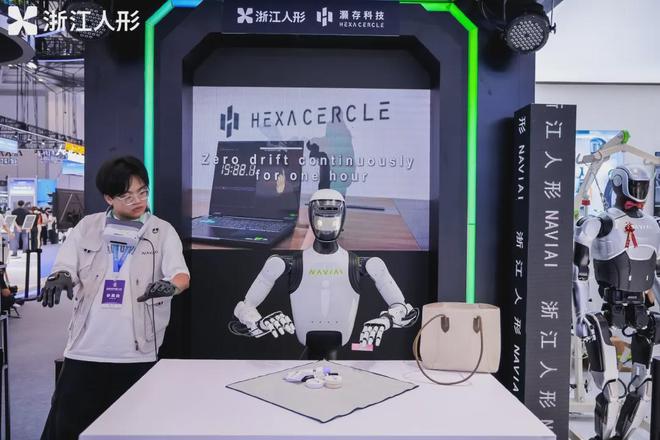
Haocun Technology and Zhejiang Humanoid Robotics Collaborate to Enhance Practical Applications
From August 19 to 23, the World Robot Conference (WRC) was held at the Beiren Yichuang International Exhibition Center, showcasing cutting-edge technologies in humanoid robotics and industrial intelligence. During the event, Zhejiang Humanoid Robotics Innovation Center's humanoid robot NAVIAI demonstrated its capabilities by synchronizing its arm movements with an operator wearing motion data gloves, achieving precise gestures without pre-programmed instructions. This collaboration between Haocun Technology and Zhejiang Humanoid Robotics marks a significant step in addressing the challenges faced by the humanoid robotics industry, which is transitioning from prototype development to practical applications. The partnership aims to overcome bottlenecks in skill transfer, training time, and operational reliability, which have hindered the deployment of humanoid robots in real-world scenarios. Looking ahead, the integration of Haocun Technology's motion perception and data collection capabilities with Zhejiang Humanoid's hardware platform is expected to accelerate the adoption of embodied intelligence technologies. No further timeline was disclosed at the time of publication.
Humanoid Robots Motion Capture Technology Industrial Automation Robotics Collaboration
Shanghai AI Laboratory Launches Intern Physical World Model W0 for Robotics Applications
Shanghai Artificial Intelligence Laboratory has introduced the Intern physical world model W0, which features native force-tactile sensing and duplex collaboration capabilities. This model is designed to enhance robotics applications by integrating with Intern InkStone and the science model S2, facilitating closed-loop processes in both wet and dry lab environments. The release of the Intern W0 model is significant as it aims to improve the efficiency of tasks such as lipid nanoparticle synthesis, which is crucial in various scientific and industrial applications. By enabling seamless collaboration between different models, the Shanghai AI Laboratory is positioning itself at the forefront of advancements in robotics and AI technologies. Looking ahead, industry observers should monitor how the integration of the Intern W0 with existing systems will impact research and development in robotics. No further timeline was disclosed at the time of publication.
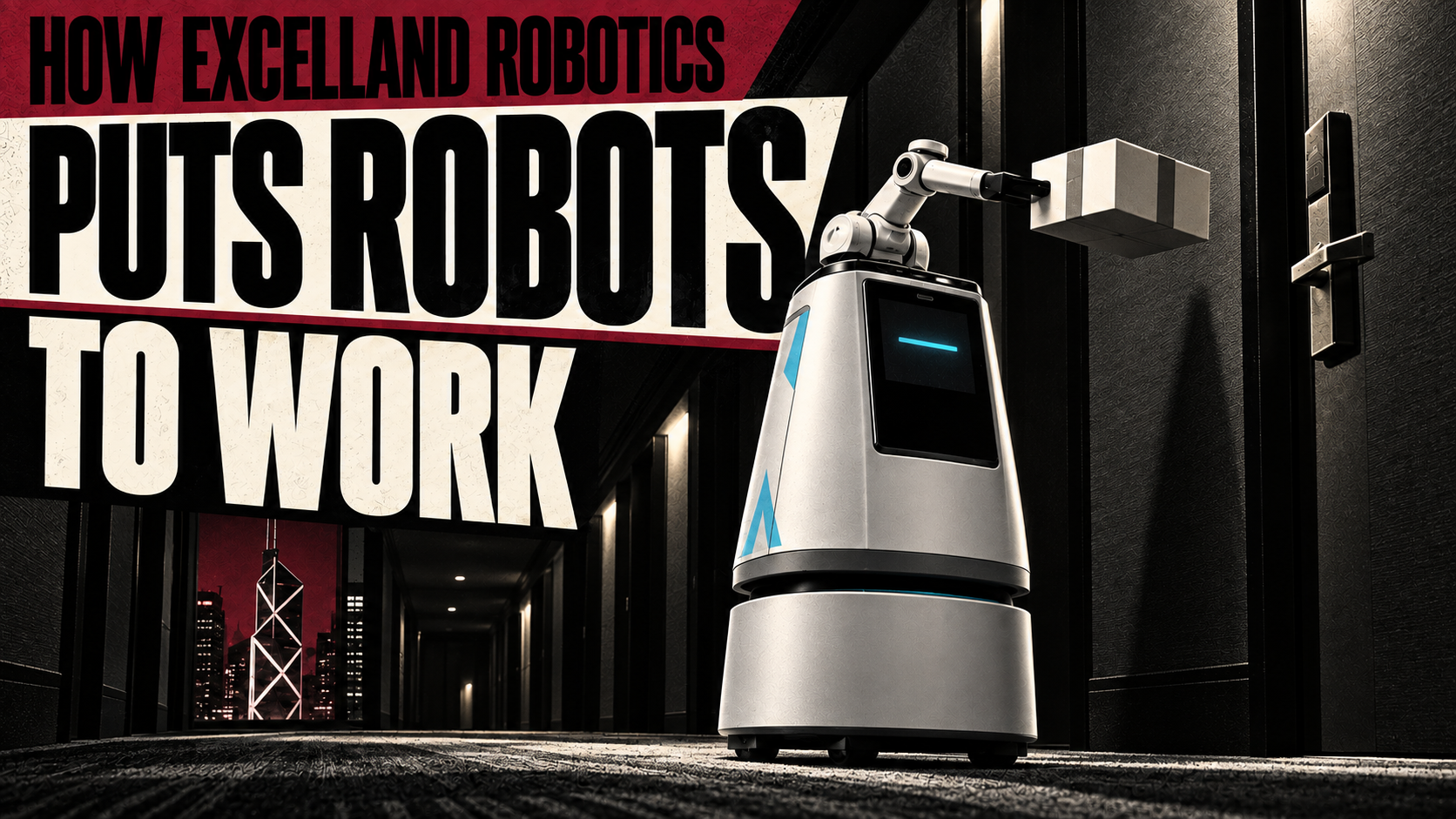
Excelland Robotics Develops Reliable Robots for Diverse Commercial Applications
Excelland Robotics, founded in Shenzhen in 2013, has been enhancing the role of robots in commercial settings for over a decade. The company has sold more than 114,600 robots to over 5,100 customers worldwide as of March 2026, focusing on specific tasks that allow for gradual technology expansion in various environments. The significance of Excelland's approach lies in its ability to address the needs of businesses facing rising labor costs and high staff turnover. By introducing robots like Yomie and Yodee, the company has enabled hotels and entertainment venues to automate repetitive tasks, allowing human staff to concentrate on more complex responsibilities. Looking ahead, Excelland Robotics is preparing for a public listing in Hong Kong as Excelland Robotics (Wuxi) Co. Ltd. No further timeline was disclosed at the time of publication. The company's ongoing commitment to developing task-specific robots will be crucial as it continues to adapt to the evolving demands of the commercial robotics market.
Heavy Hitters
Pudu Robotics Unveils PUDU GT Series Commercial Lawn Mowers for Diverse Applications
Pudu Robotics, headquartered in Shenzhen, China, has announced the launch of its new commercial lawn mower series, the PUDU GT series, designed for professional ground maintenance and lawn management. The lineup includes three models: PUDU GT3, PUDU GT5, and PUDU GT7, each tailored to meet different site needs. These mowers feature a compact 36-inch cutting width and are intended for mixed-use areas such as business parks, campuses, and hospitals, capable of performing lawn mowing, grass collection, leaf removal, and cleaning paved areas. The PUDU GT series offers a rotary mower with a 60-inch cutting width, targeting large commercial lawns managed by landscaping and facility management companies. Designed to cover approximately 2 acres per hour, it can handle up to 16 acres on a single charge, depending on operational conditions. Additionally, a 62-inch reel mower is developed for golf courses and professional sports facilities, ensuring uniformity and precision. It incorporates autonomous driving features using RTK, LiDAR, and camera vision, achieving positioning accuracy of up to ±2.5 cm. All three models share a foundation of AI recognition and autonomous driving capabilities for commercial outdoor environments. They are equipped with fan vacuums for collection during operation and can support autonomous discharge and task resumption based on configuration. The PUDU GT series is set to be showcased at the GaLaBau 2026 exhibition in Nuremberg, Germany, from September 15 to 18, 2026.

Lumos Robotics Unveils MOS2 as an AI Worker for Industrial Applications
Lumos Robotics has officially launched the Lumos MOS2, a next-generation heavy-duty mobile manipulator aimed at industrial applications. This innovative device is already deployed at Mitsubishi Electric's PLC production lines, where it performs inspection, material handling, and assembly tasks. The introduction of the Lumos MOS2 signifies a significant advancement in embodied intelligence within the robotics sector. By integrating AI capabilities into a mobile manipulator, Lumos Robotics enhances operational efficiency and productivity on the factory floor, addressing the growing demand for intelligent automation solutions. Looking ahead, the performance and adaptability of the Lumos MOS2 in real-world industrial settings will be crucial to its success. As companies increasingly seek to optimize their manufacturing processes, the effectiveness of this new technology will be closely monitored. No further timeline was disclosed at the time of publication.

Over 300 Companies Present Robotics Applications at WRC 2026 Amid Technical Debates
The 11th World Robot Conference held in Beijing Yizhuang featured over 300 companies showcasing robots performing various applications. This event highlighted the advancements in robotics technology and its practical implementations in real-world scenarios. Despite the impressive demonstrations, closed-door sessions at the conference revealed ongoing debates regarding the technical routes for embodied intelligence. This divergence in approaches underscores the complexity and evolving nature of robotics technology. Looking ahead, industry stakeholders will be keen to monitor how these technical discussions evolve and influence future developments in robotics. No further timeline was disclosed at the time of publication.

Robotics Industry Transitions from Demonstrations to Real-World Applications
The 2026 World Robotics Conference, held in Beijing from August 19 to 23, showcased a significant shift in the robotics industry from mere demonstrations to practical applications. With 373 companies exhibiting over 3,000 products, including more than 150 new releases, the event highlighted the industry's focus on real-world problem-solving. This transition is underscored by the introduction of 'Procurement Day' and the launch of the 'Global Robot Application Exploration Program.' Innovations such as the Tian Gong Omni humanoid robot and the Ant Lingbo 'robot pharmacist' demonstrate the industry's commitment to integrating robotics into everyday tasks, moving beyond the showcase mentality. Looking ahead, industry leaders emphasize the need for large-scale production and the evolution of AI models to meet real-world challenges. The conference signaled a pivotal moment for the robotics sector, indicating a move towards high-quality, scalable solutions that address genuine operational needs.
Robotics Industrial Automation AI Healthcare Robotics Manufacturing Solutions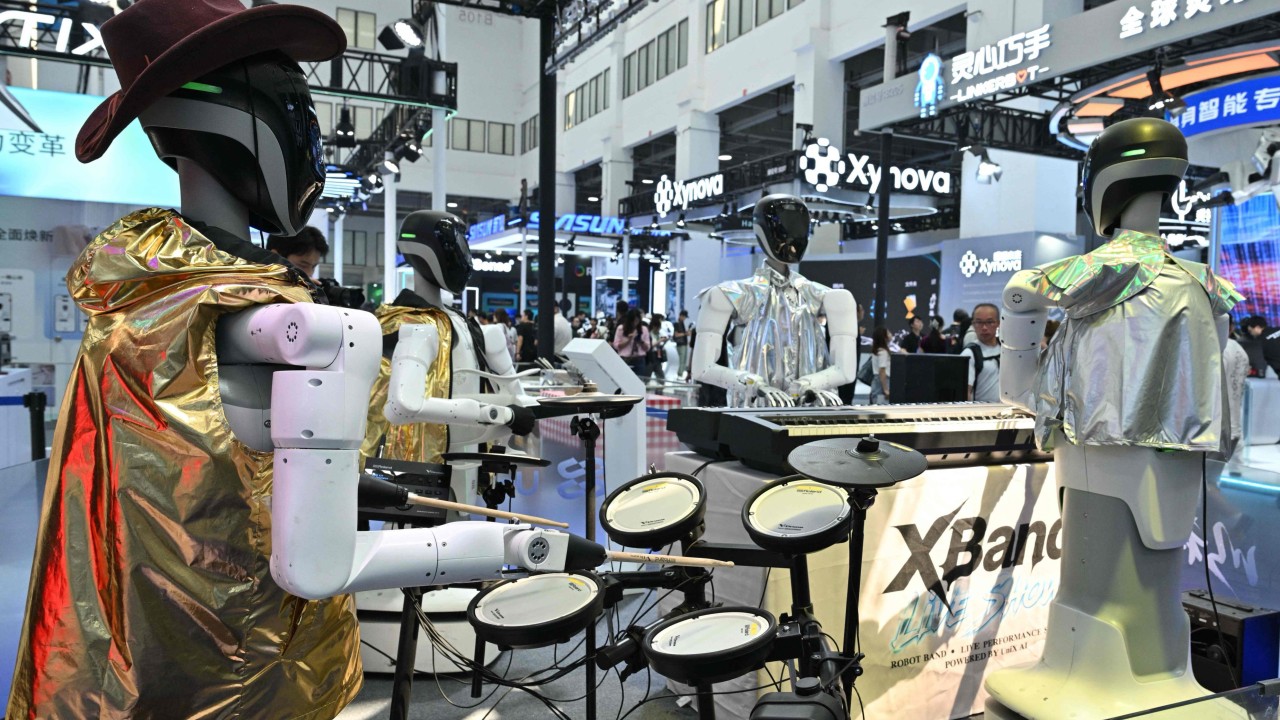
China's Robotics Industry Faces Critical Juncture as Firms Shift from Stunts to Real-World Applications
At the World Robot Conference in China, the focus shifted from impressive robotic displays to the urgent need for real-world applications. Executives and investors expressed a pragmatic outlook, emphasizing the necessity for robotics firms to transition from small-scale trials to large-scale deployments. This change is crucial as the robotics industry faces increasing pressure to deliver tangible returns on investments. Xu Xiaolan, president of the Chinese Institute of Electronics, highlighted that the industry is at a 'critical juncture' where the core goal is to push applications into sectors such as logistics, healthcare, and emergency response. Looking ahead, the competition will intensify as firms must prioritize reliability, autonomy, and economic value over mere performance. No further timeline was disclosed at the time of publication.

Agile Robotics Partners with CRRC to Advance Dexterous Manipulation Technology in Industrial Applications
Agile Robotics has signed a technical framework agreement with a subsidiary of CRRC to explore the adaptation, verification, and iteration of dexterous manipulation technology in high-end equipment manufacturing. This collaboration marks a significant breakthrough for the relatively new company, providing access to complex industrial scenarios shortly after completing a multi-million yuan angel round funding. The partnership is crucial as it highlights the growing importance of practical applications over theoretical parameters in the dexterous manipulation industry. While many companies focus on degrees of freedom and complexity, the real challenge lies in creating reliable industrial devices that can operate continuously in factory settings. CRRC, a leader in rail transportation equipment manufacturing, exemplifies the complexities of China's manufacturing landscape, where automation solutions often face limitations. Agile Robotics has developed a product line that includes an 11-degree-of-freedom manipulator, which is now in small-batch production and being marketed. The company aims to meet real market demands while also advancing high-precision operations with a 23-degree-of-freedom product. The collaboration with CRRC may be just the beginning of a broader exploration into the practical applications of dexterous robotics in industrial environments.
Agile Robotics Industrial Automation High-End Equipment Manufacturing Robotic Technology
Sapphire Technology Introduces EDGE+ Apex Robotics Platform Powered by AMD Ryzen AI Processors
Sapphire Technology has launched the EDGE+ Apex System-on-Module (SOM) and Carrier Robotics Platform, which is powered by AMD Ryzen AI Embedded X100 Series processors. This production-ready hardware platform is designed to enhance the development and deployment of physical AI in autonomous robotics, showcased at AMD Advancing AI 2026 in San Francisco. The EDGE+ Apex platform is engineered for rugged, always-on robotics applications, featuring a COM-HPC module with up to 128GB of LPDDR5x memory. It combines CPU, GPU, and NPU acceleration to support real-time perception and autonomous decision-making, making it suitable for demanding edge AI deployments. Sumit Shah from AMD emphasized that this platform unifies AI and industrial reliability, enabling the next generation of autonomous systems. Developers can leverage an open software ecosystem with familiar AI frameworks while utilizing AMD ROCm and Ryzen AI software. Paul Smith from Sapphire noted that the EDGE+ Apex aims to provide a complete foundation for robotics builders, facilitating a faster transition from prototype to production in challenging environments. No further timeline was disclosed at the time of publication.
Computing Robotics ai at the edge amd amd ryzen ai embedded x100 amd ultrascale+
Jiangsu's AI Innovations Showcase Rapid Robotics Training and Practical Applications
Jiangsu is demonstrating the capabilities of AI through various practical applications, including a quadruped robot conducting inspections and individuals mastering laser welding in just three days. This was highlighted during the 'Vibrant China Research Tour' organized by the Publicity Department, where over 100 journalists explored AI practices across eight cities in Jiangsu. The 'AI Mirror' ecosystem in Nanjing features an exoskeleton device that enhances user strength and a development center that connects product innovation with market testing. Since its launch in November, the center has engaged over 200 companies and facilitated nearly 70 million yuan in transactions, showcasing a successful model of technology integration. In Wuxi, various robots are being trained for precision tasks, while Nantong is transforming traditional manufacturing with AI systems. Suzhou's collaboration with local chip manufacturers is accelerating the laser industry. Jiangsu's diverse AI applications are providing concrete answers to the fundamental question of what technology can achieve in today's era.
AI Robotics Manufacturing Laser Technology
AMD Launches Advanced 16-Core Zen 5 Processor for Robotics and AI Applications
On July 23, AMD unveiled the Ryzen AI Embedded X100 series processors at the Advancing AI 2026 conference, designed specifically for physical AI and autonomous robotics. This system-on-chip integrates a 16-core Zen 5 CPU, a 40-unit RDNA 3.5 GPU, and an XDNA 2 NPU, enhancing the capabilities of robotic 'brains' for perception, reasoning, and decision-making. The X100 series significantly boosts performance metrics, achieving up to 2.1 times higher multi-threaded CPU performance compared to Intel's Core Ultra series, and 3.4 times better real-time performance than NVIDIA's Jetson Thor. The unified memory architecture allows for shared memory among CPU, GPU, and NPU, enabling over 8000 control decisions per second with latency under 100 milliseconds, bringing robotic response times closer to human instinct. The X100 series includes six SKUs, with industrial-grade reliability for continuous operation over ten years. AMD's Kria AI solutions will leverage this technology, supporting a wide range of applications from humanoid robots to industrial automation. Samples are currently being provided to customers, with mass production expected in Q4 2026.
Robotics AI Processors Embedded Systems Autonomous Robots
Ensuring Optimal Fibre Optic Performance in Industrial Robotics Applications
Microscopic contamination on fibre connector end faces can significantly disrupt light transmission in industrial robotics. In applications where precision, repeatability, and uptime are paramount, even minor contamination can lead to performance challenges. This highlights the importance of maintaining clean fibre optics to ensure reliable operation in robotic systems. The impact of contamination on fibre optics is critical for industries relying on robotic technology. Performance issues stemming from even small amounts of contamination can hinder operational efficiency and reliability, which are essential for maintaining competitive advantage in automation. As robotics continue to evolve, ensuring the integrity of fibre optic connections becomes increasingly vital. Looking ahead, organizations must prioritize the cleanliness of fibre optics in their robotic systems. No further timeline was disclosed at the time of publication. Companies should invest in best practices for maintenance and monitoring to mitigate contamination risks and enhance overall system performance.

Exploring the Expanding Applications of Robotics in Warehouse Operations
Robots are increasingly versatile, now applicable to a broader spectrum of warehouse tasks than in the past. This evolution highlights the importance of understanding current trends and considerations when investing in robotic systems. The significance of these advancements lies in their potential to enhance operational efficiency and productivity within warehouse environments. By leveraging the latest robotic technologies, businesses can achieve effective implementations that maximize the return on investment. Looking ahead, it will be crucial for enterprises to monitor ongoing developments in warehouse robotics. Staying informed will enable decision-makers to capitalize on innovations that can drive significant business value and improve overall supply chain performance. No further timeline was disclosed at the time of publication.
Xiaomi Launches Xiaomi-Robotics-U0 Foundation Model for Embodied AI Applications
Xiaomi has introduced the Xiaomi-Robotics-U0, a multimodal autoregressive foundation model featuring 38 billion parameters for embodied AI. This innovative model integrates four essential capabilities: embodied scene generation, embodied transfer, robot interaction video generation, and general-purpose image generation and editing. The significance of the Xiaomi-Robotics-U0 lies in its ability to create robot-ready environments from text prompts, adapt robot trajectories to new scenes while maintaining motion, and generate robot interaction videos based on task instructions. This advancement leverages extensive visual knowledge from the internet, enhancing the potential for embodied AI applications. Looking ahead, the impact of the Xiaomi-Robotics-U0 on the robotics and AI landscape will be closely monitored. Its capabilities could pave the way for more sophisticated robotic systems and applications, although no further timeline was disclosed at the time of publication.
News Feed
NVIDIA Launches Jetson Thor Modules to Enhance Robotics and Edge AI Applications
NVIDIA has unveiled the T3000 and T2000 modules based on the Thor architecture, designed to meet the growing demand for compact AI supercomputers in robotics and edge AI. These modules enable mass-market deployment of advanced humanoid and robotic systems, with notable adoption from leading companies such as Amazon Robotics and Boston Dynamics. The introduction of the Jetson T3000 and T2000 modules is significant as they provide high-performance AI compute capabilities in a smaller form factor, achieving up to 865 FP4 teraflops for the T3000. This advancement allows developers to optimize their systems while reducing costs, particularly in light of rising memory prices. The T2000 serves as an entry point for a wider range of edge AI applications, further expanding NVIDIA's scalable edge AI platform. Looking ahead, the new Jetson modules are expected to facilitate faster deployment and lower system costs across various industries. Companies like UBTech and Agile Robots have already reported substantial memory savings, indicating a trend towards more efficient development processes in robotics. No further timeline was disclosed at the time of publication.
NVIDIA and DeepMind Lead Robotics Simulation Debate with New Industrial Applications
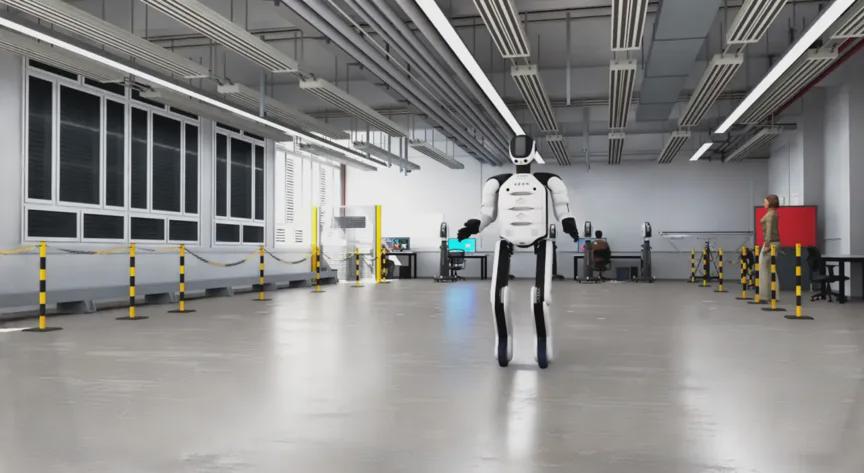
The field of embodied intelligence is witnessing a fierce debate over the best approach to training robots for industrial applications. One faction advocates for simulation-based training, leveraging structured environments to generate synthetic data, while the opposing view emphasizes the necessity of real-world data to handle complex physical interactions and unpredictable scenarios. Key players include NVIDIA, DeepMind, and Intrinsic, each with unique strategies and technologies. NVIDIA's Omniverse platform and Isaac Sim engine exemplify the simulation approach, enabling comprehensive digital twins of factories for training and optimization. Their collaboration with BMW on a digital twin project in Hungary showcases the potential of synthetic data in logistics and robotic movements. However, challenges remain in achieving the necessary fidelity for force control and physical interactions, prompting NVIDIA to seek partnerships with companies like Hexagon Robotics. Conversely, DeepMind's use of the MuJoCo physics engine has demonstrated that pure simulation can achieve industrial-grade precision in specific tasks, such as sorting with known rigid models. Yet, this method's effectiveness is limited to scenarios with minimal contact and force control. Intrinsic aims to transform simulation into a comprehensive development tool for industrial robots, focusing on lowering barriers for small manufacturers. The ongoing challenge of the SIM2REAL gap remains a critical factor in the success of these approaches.
Robotics Industrial Automation Simulation Technology AI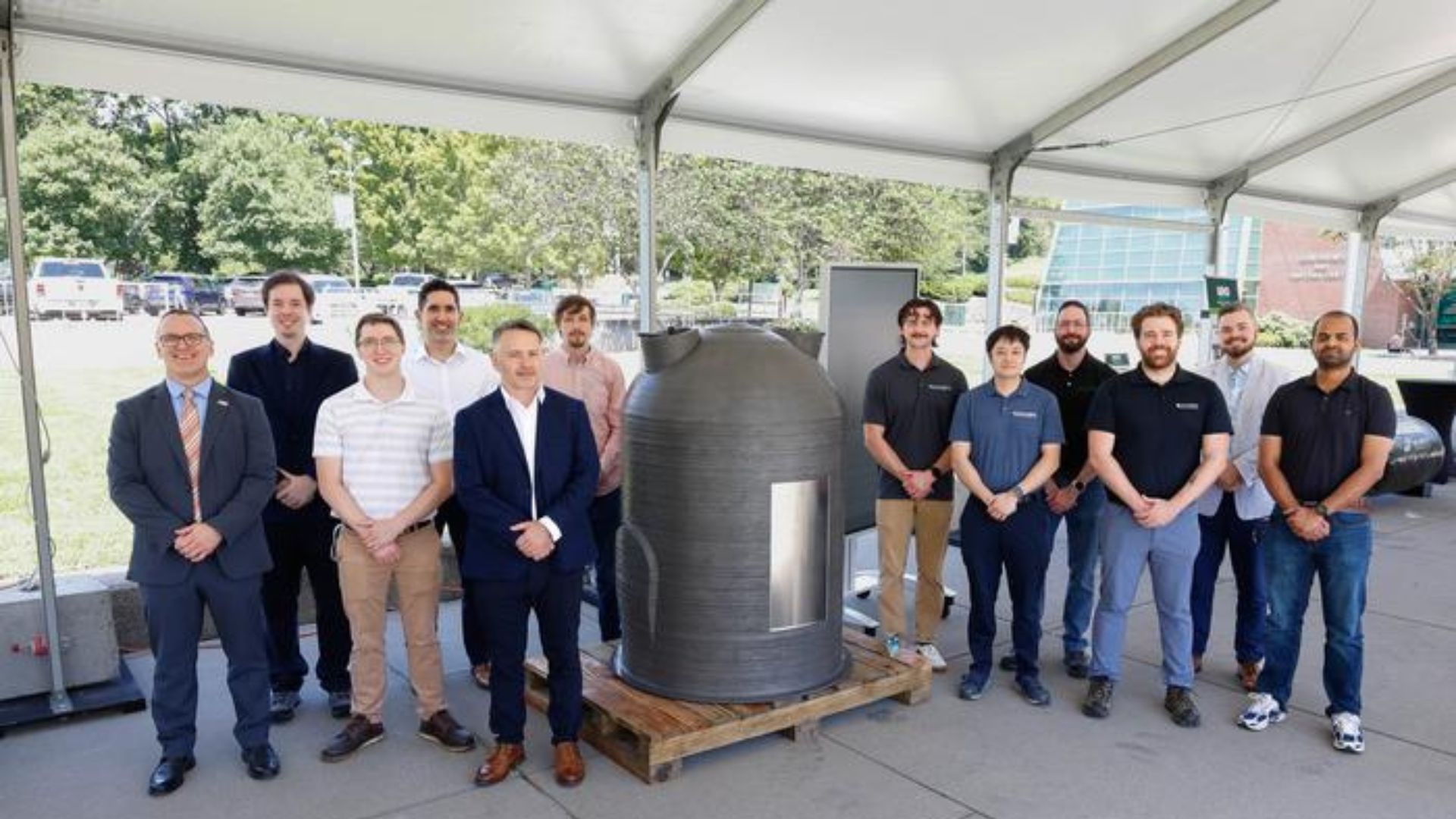
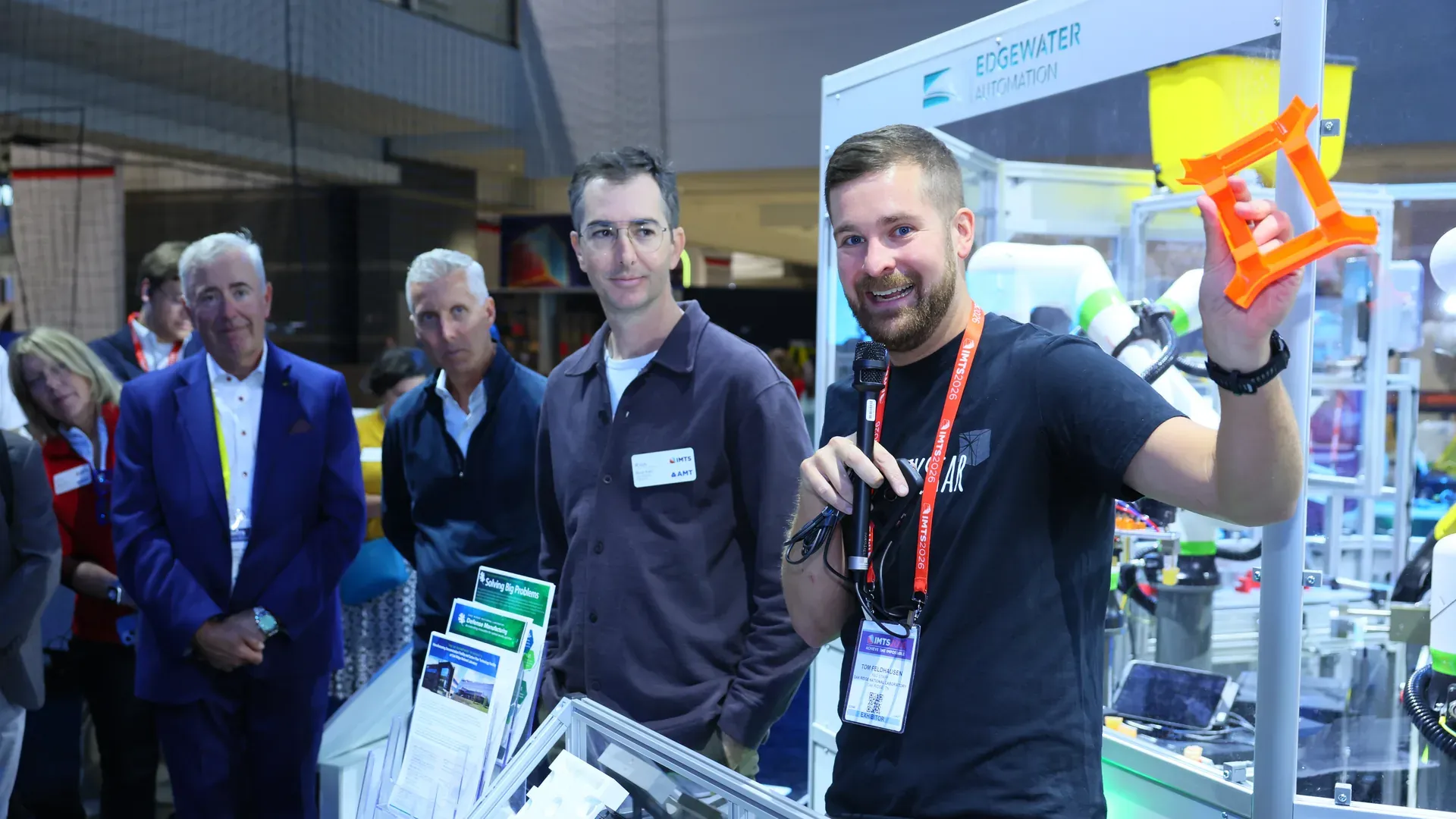
Oak Ridge National Laboratory Utilizes Robotics to 3D Print Steel Pressure Vessel for Nuclear Applications
Oak Ridge National Laboratory (ORNL) and its industry partners are leveraging advanced manufacturing technologies, including heavy 3D printing and AI-driven automation, to address challenges in the U.S. industrial supply chain. A notable achievement includes the creation of a three-by-five-foot nuclear pressure vessel using a three-armed robot named MedUSA, showcasing the potential of additive manufacturing in producing large metal components. This initiative is crucial as the U.S. industrial sector grapples with significant operational challenges, including irregular supply chains and a shortage of skilled labor, which have led to delays in critical infrastructure projects. The Materials and Manufacturing Innovation Days event at ORNL brought together over 350 leaders to discuss accelerating the adoption of advanced manufacturing technologies, aiming to transform laboratory innovations into practical applications for U.S. manufacturers. Looking ahead, the focus will be on overcoming certification hurdles for 3D-printed components, as highlighted by participants at the event. The collaboration between ORNL and various industry stakeholders aims to enhance supply chain resilience and expedite the qualification of alternative materials and manufacturing processes, ensuring that advancements in technology translate effectively to the factory floor.
Energy Innovation
CCID Media and RX China Collaborate for Enhanced ROBOTECH 2026 with Real-World Robotics Applications
CCID Media and RX China have announced a strategic alliance to enhance the ROBOTECH 2026 expo, focusing on real-world robotics applications. This collaboration aims to combine authoritative industry insights with global exhibition expertise, facilitating the commercialization of embodied intelligence across various sectors. The partnership is significant as it aligns with the rapid growth of China's embodied intelligence and intelligent robotics industry. By merging CCID Media's insights into industrial policy with RX China's exhibition capabilities, the expo is set to become a benchmark event for the robotics and intelligent manufacturing sectors. Looking ahead, ROBOTECH 2026 is expected to showcase advanced robotics technologies and applications, reflecting the evolving landscape of the industry. No further timeline was disclosed at the time of publication.
Chinese Robotics Industry Shifts Focus from Humanoid Designs to Practical Applications
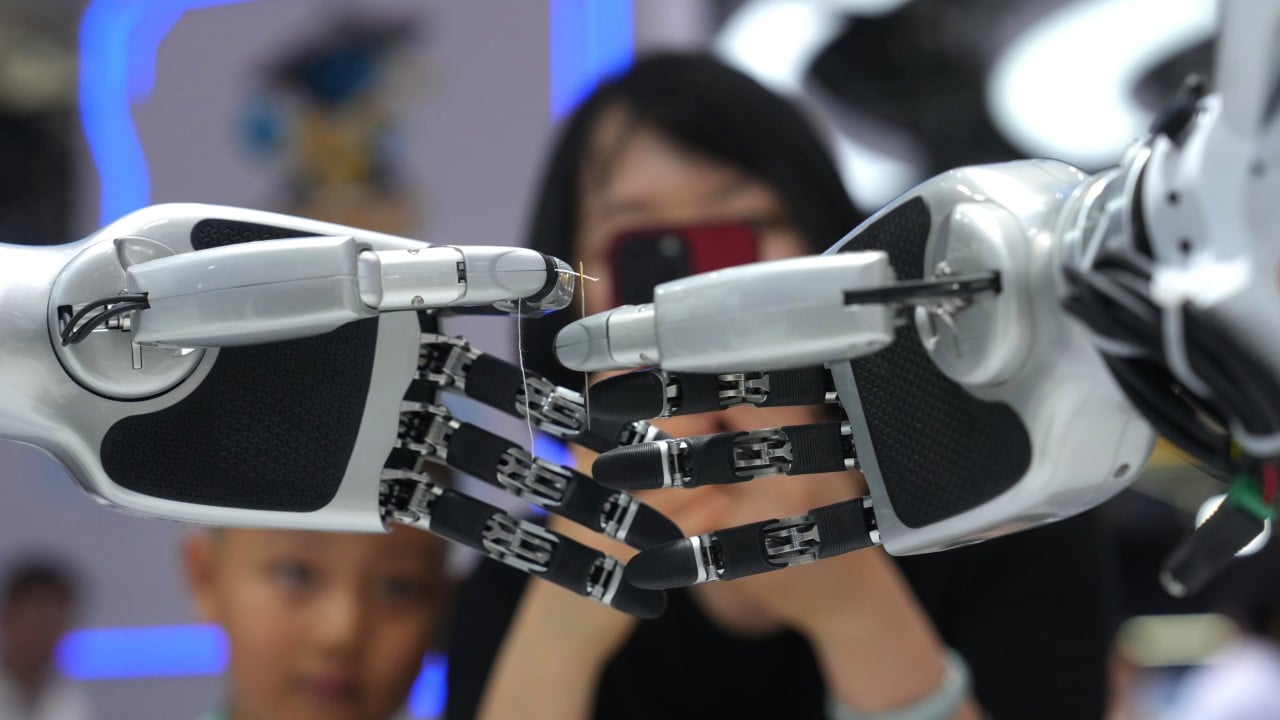
The robotics industry is witnessing a transition from showcasing humanoid robots to practical deployments. At Unitree Robotics' booth, bipedal robots demonstrated impressive skills in activities like table tennis and combat, showcasing advancements in speed and balance. However, other exhibitors highlighted robots that efficiently sorted parcels and moved materials, emphasizing functionality over form. This shift is significant as it reflects a growing preference for robots that can perform specific tasks effectively. Yang Li, a senior engineer at X Square Robot, questioned the necessity of bipedal designs, noting that their two-armed WALL-B model sorted 1,816 packages in a controlled test, outperforming the bipedal Figure 03 robot from Figure AI, which managed 1,248 parcels per hour. This trend indicates a move towards more practical robotic solutions in various industries. Looking ahead, the focus on efficiency and task-oriented designs is likely to continue shaping the robotics landscape. With companies like AI2 Robotics showcasing versatile wheeled robots capable of making coffee and ice cream, the industry may prioritize robots that can adapt to different functions over traditional humanoid forms. No further timeline was disclosed at the time of publication.
WRC 2026: Fao Showcases Innovations in Embodied Intelligence and Robotics
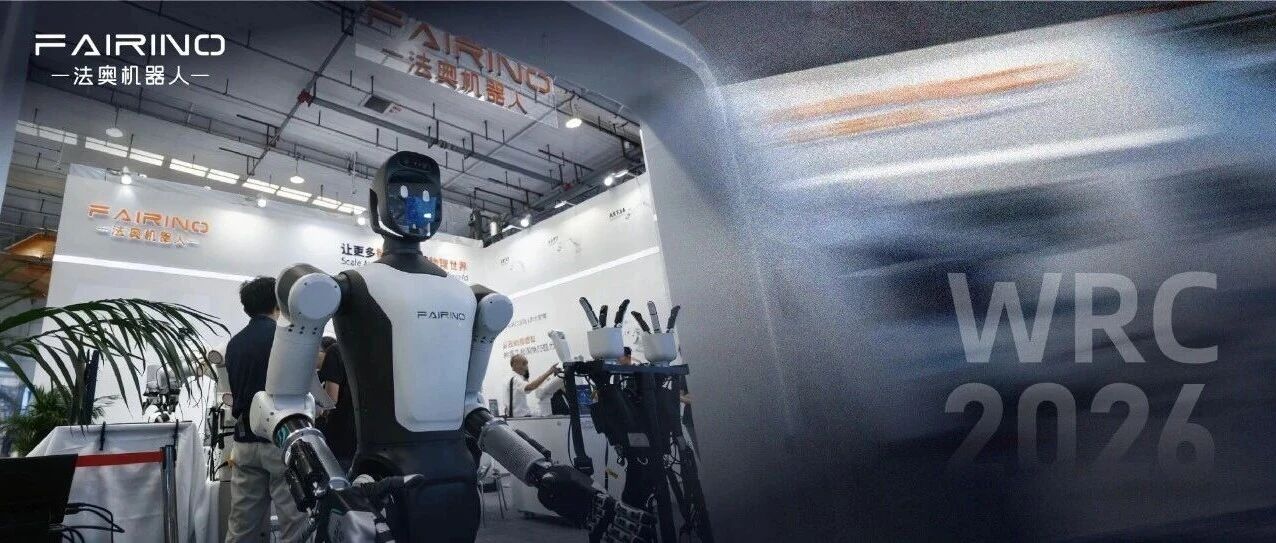
On August 19, the 2026 World Robotics Conference (WRC) took place in Beijing, showcasing advancements in robotics and embodied intelligence. Fao presented its ART series industrial-grade humanoid force control arms and various applications, highlighting the development path from technical exploration to industrial application. This event is significant as it serves as a key platform for observing industry trends, with Fao's vision of enabling large-scale industrial embodied intelligence. The company aims to provide modular robotic solutions for intelligent manufacturing, demonstrating the capabilities of its wheeled humanoid robots in dynamic environments. Looking ahead, Fao is exploring the construction of a Data Factory system to meet the data needs of embodied intelligence development. The company also showcased its ART series arms, including the ART7 and ART14, which feature impedance control for enhanced safety and adaptability in operations. No further timeline was disclosed at the time of publication.
Industrial Robotics Embodied Intelligence AI Integration Smart Manufacturing
University of Texas Develops 3D-Printable Bio-Material for Diverse Applications
Engineers at The University of Texas at Austin have created a 3D-printable bio-material called JIBEs (Jammed Interconnected Bilayer Emulsions) that mimics the selective filtering capabilities of biological tissue. This innovative material can be produced rapidly and at scale, overcoming previous limitations in manufacturing tissue-like structures. The significance of this development lies in its wide-ranging applications across various fields, including medicine, robotics, computing, and environmental science. The bio-material's ability to replicate the organization of human cells allows for precise tissue growth, which could revolutionize organ grafting and enhance the functionality of soft robotics in complex environments. Looking ahead, the adaptability of this bio-material suggests potential breakthroughs in multiple industries. Its biocompatibility and structural flexibility position it as a promising platform for future innovations in healthcare and robotics. No further timeline was disclosed at the time of publication.
Innovation
University of Leeds Develops Pressure-Free Growing Robots for Medical Applications
Researchers from the University of Leeds and the University of California San Diego received the Best Paper Award at RoboSoft for their innovative work in soft robotics. They developed a 1.8 mm soft growing robot that operates without internal pressure, allowing for safer interactions with delicate tissues during medical procedures. This advancement is significant as it addresses critical issues in minimally invasive surgeries, such as reducing friction and improving patient comfort. The robot's ability to grow and steer simultaneously enhances its usability, making it a promising tool for complex anatomical regions where precision is vital. Looking ahead, the implications of this technology could lead to improved patient outcomes in various medical applications. No further timeline was disclosed at the time of publication.

Viam Introduces Educational Initiatives for Developers to Create Robotics Applications
Viam has launched Viam Education, a new initiative aimed at assisting developers in creating robotics applications on its platform. This program, spearheaded by Shannon Bradshaw, SVP of Product and Education, includes Viam 101, which provides engineers with a structured approach to robotics development. The significance of Viam Education lies in its commitment to making robotics more accessible to engineers. By offering free online courses, live events, hackathons, and dedicated office hours in New York City, Viam aims to empower developers and enhance their skills in building applications using the Viam platform. Looking ahead, Viam's educational offerings are expected to evolve, potentially introducing more advanced courses and resources. No further timeline was disclosed at the time of publication.

VeriSilicon Introduces CPP2000 Camera Post-Processing IP for Embodied Robotics and Mobile Vision Applications
Researchers have made significant advancements in improving image quality and visual perception for moving-camera systems. This development, which emerged from ongoing studies in the field of computer vision, aims to enhance the performance of various applications, including autonomous vehicles and drone technology. The breakthrough was announced in October 2023, following extensive testing and refinement of algorithms designed to process and interpret visual data more effectively. The motivation behind this innovation stems from the increasing reliance on moving-camera systems in everyday technology and the need for clearer, more accurate imagery in dynamic environments. By employing advanced machine learning techniques, the researchers have created a system that can better handle motion blur and varying lighting conditions, ultimately leading to more reliable visual outputs. The process involved rigorous experimentation with different data sets, allowing the team to fine-tune their algorithms for optimal performance. As a result, this enhancement is expected to significantly improve the safety and efficiency of systems that rely on real-time visual data, paving the way for broader applications in industries such as transportation, surveillance, and entertainment. This breakthrough not only represents a step forward in technology but also highlights the ongoing commitment to innovation in the realm of visual perception and image processing.

Omnidirectional Mobile Robotics: Foundations, Advantages, and Industrial Applications
In response to the increasing demands for agile workflows and optimized operational efficiency in industrial applications, businesses are increasingly turning to omnidirectional mobile robotics. This technology is recognized as a crucial strategic investment for enhancing productivity and ensuring millimeter precision in coupling operations. As industries evolve and seek to streamline processes, the integration of these advanced robotics is becoming essential for maintaining competitive advantage. The trend reflects a broader shift towards automation and innovation in the manufacturing sector, highlighting the importance of adapting to modern operational needs.

Introducing the New Slim Hollow Shaft Encoder for Compact Robotics and Motion Control Applications
The IH520 Series has been introduced as a slim incremental hollow shaft encoder, specifically engineered to deliver accurate motion feedback for compact robotics and motion control applications. This innovative device is particularly suited for environments with restricted space and the need for continuous operation. Key features include a low axial profile, flange mounting, and a hollow shaft design, all of which facilitate straightforward installation. The development of the IH520 Series addresses the growing demand for efficient and reliable motion control solutions in modern robotics.
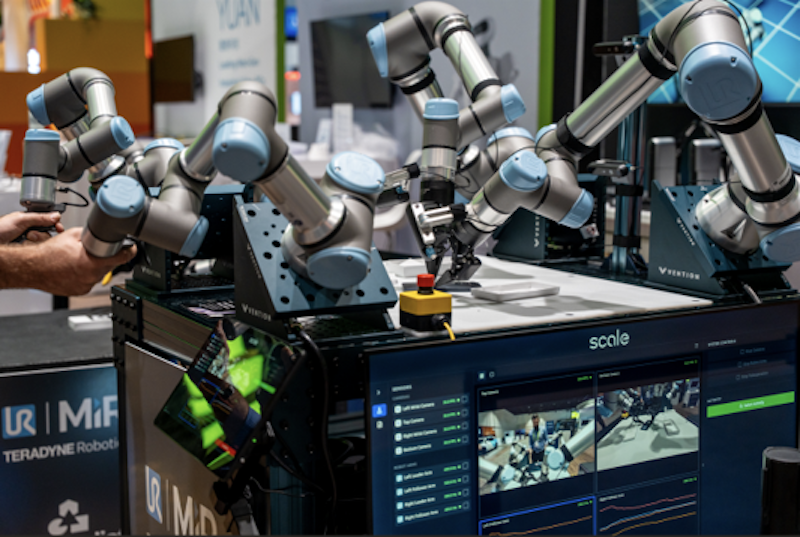
Teradyne Robotics unveils production-ready physical AI applications at Automate 2026
Teradyne Robotics, the parent company of Universal Robots and Mobile Industrial Robots, is set to showcase the impact of physical AI on industrial automation at the Automate 2026 trade show in Chicago from June 22 to 25. At booth #1250, attendees will witness demonstrations highlighting the capabilities of their robotic solutions. Jean-Pierre Hathout, President of the Teradyne Robotics Group, emphasized the significance of these innovations, stating that physical AI is prominently featured in their offerings. The event aims to illustrate how advancements in robotics are revolutionizing the industry and enhancing operational efficiency.
Events Features AI data centers ai robotics Automate 2026 autonomous mobile robots
Teradyne Robotics Unveils Wide Range of Production-Ready Physical AI Applications at Automate 2026
A technology company is set to demonstrate practical applications of artificial intelligence, moving beyond theoretical discussions to showcase tangible solutions. The event, scheduled for later this month, will take place at their headquarters and will highlight advancements in various sectors, including electronics manufacturing and logistics. The motivation behind this initiative is to illustrate the real-world benefits of AI technology and its potential to enhance operational efficiency across industries. Attendees will have the opportunity to see firsthand how these deployable AI solutions can be integrated into existing workflows, providing insights into their functionality and effectiveness.
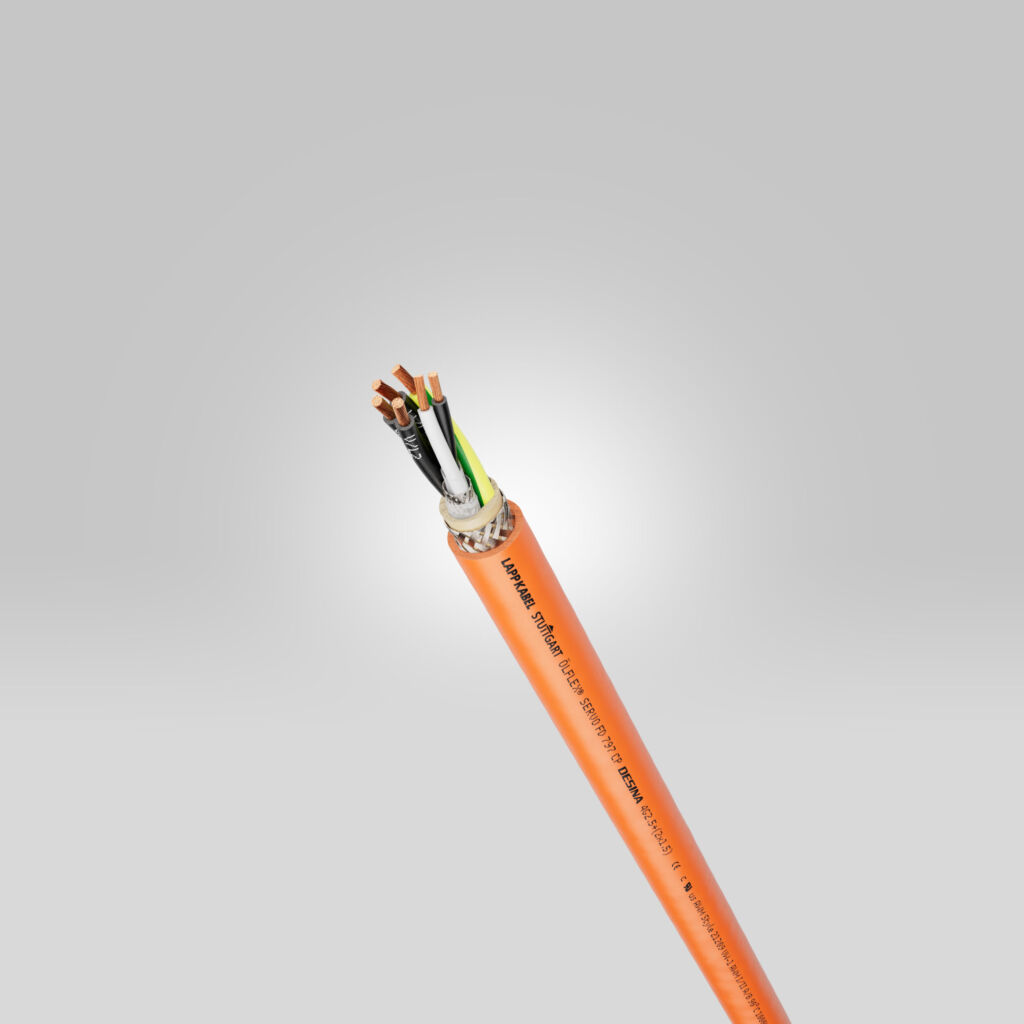
Robust Cables for Robotics Applications
Lapp has introduced the Ölflex Robot 909, a robust cable designed specifically for flexible automation applications within the robotics sector. This product is part of the company's Basic Line performance class, highlighting its suitability for various robotic implementations. The launch aims to enhance operational efficiency and reliability in automation processes, catering to the growing demand for advanced robotic solutions.
Allgemein Robotik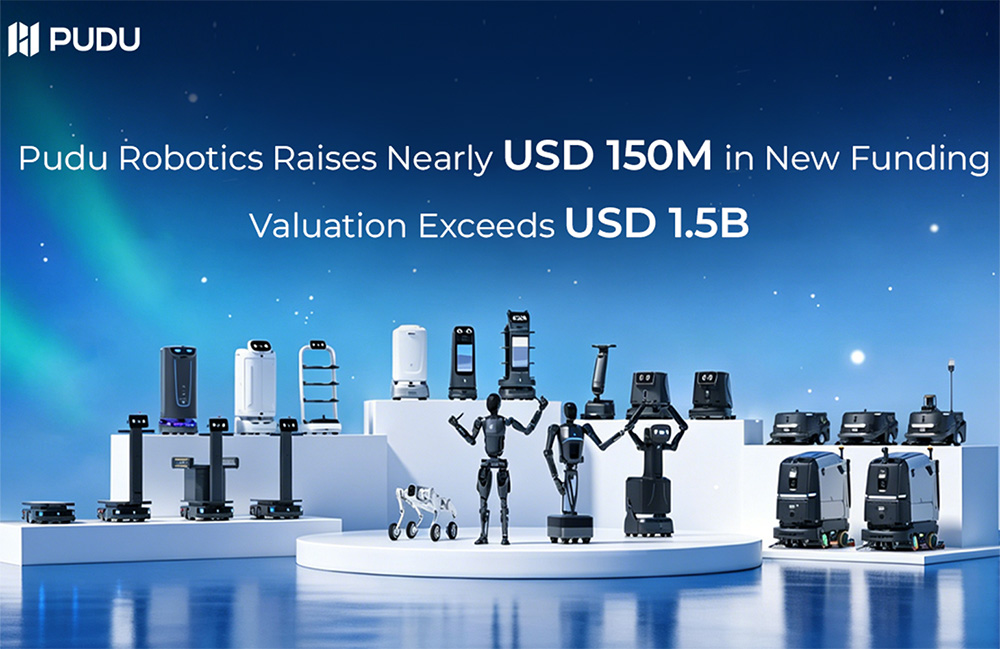
Pudu Robotics raises nearly $150M as it targets industrial applications
Pudu Robotics has successfully raised nearly $150 million in funding, which it plans to utilize for the development of its embodied artificial intelligence technology. The company aims to enhance its product portfolio and broaden its reach into global markets, moving beyond its current focus on service robots. This strategic investment is expected to facilitate Pudu's expansion into industrial applications, positioning the company to capitalize on emerging opportunities in the robotics sector.
Artificial Intelligence Artificial Intelligence / Cognition Autonomous Mobile Robots (AMRs) China Design / Development Financial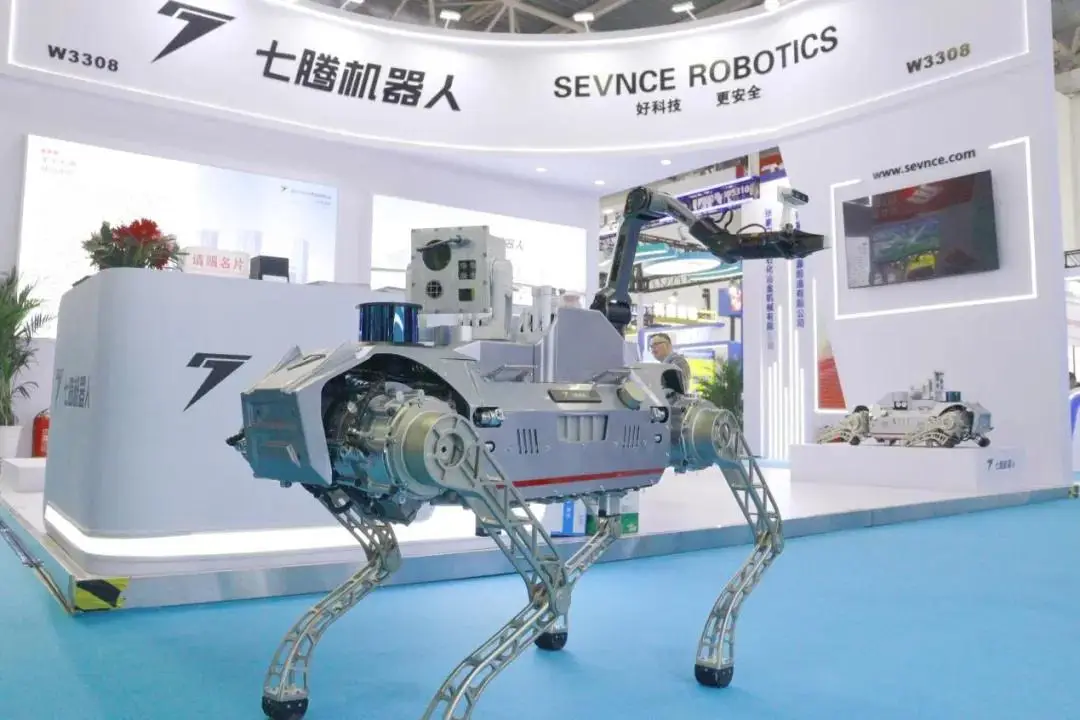
The Rise of Robotics: Who is Quietly Securing Essential Applications?
In response to the growing demands of the robotics industry, Qiteng Robotics is evolving from a supplier of inspection equipment to a comprehensive solution provider. This strategic shift aims to address customer needs by offering innovative service models that enhance safety and efficiency in high-risk environments. As industrial automation continues to advance, Qiteng Robotics is positioning itself as a key player, focusing on the development of specialized robots tailored to meet the challenges of modern industries. The company's transformation reflects a broader trend within the sector, highlighting the importance of adapting to market demands and leveraging technological advancements to improve operational outcomes.
Industrial Automation Specialized Robots AI Solutions Safety Technology
Robotecki Redefines Robotics Precision Cutting and Drilling Applications with RoboDK
The team at Robotecki has successfully implemented a new application that significantly reduces labor dependency for essential production tasks. This innovation, introduced in October 2023, has led to enhanced production quality and increased throughput. By streamlining operations, Robotecki aims to improve efficiency and meet growing market demands, positioning itself as a leader in automation within the industry. The application is expected to transform traditional manufacturing processes, allowing for a more agile and responsive production environment.
Robotics needs a service framework.
RSF defines a common language for robot service capability, lifecycle operations, certification pathways, and service-provider networks.
Join the RobotToday community on LinkedIn
Daily robotics news, in-depth analysis, conference highlights, and discussions with professionals worldwide.