Industry Briefing
A single destination for timely, editor-curated robotics news from around the world.
Zinova Innovates Construction Robotics with Tool-Handling Solutions
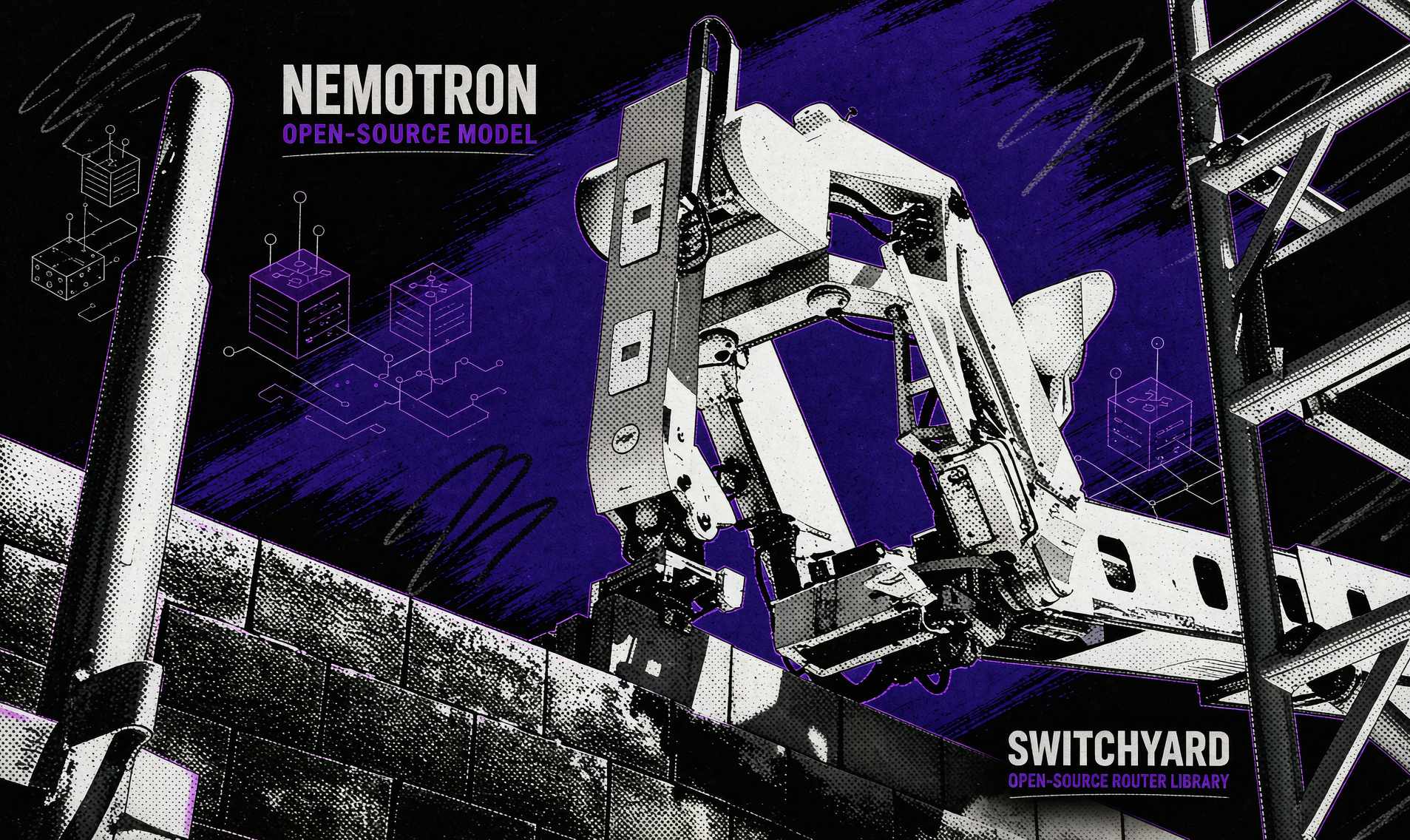
Zinova, a spinoff from RIC Robotics, has introduced a new approach to construction robotics by focusing on tool-handling capabilities. Co-founder Xu Ziyou emphasized that their goal is to equip robots with the ability to use tools effectively, rather than replicating human dexterity. This approach involves a non-dextrous gripper and a force feedback sensor called TEISI, which captures the interactions between tools, robots, and materials. The construction industry faces significant challenges, including an aging workforce and high project overruns. Zinova aims to adapt robots to existing tools rather than redesigning construction sites. Their demonstration utilized the TRON 2 dual-arm robot to perform a series of tasks, showcasing the potential for robots to handle various tools and processes in a coherent workflow. As Zinova prepares for real-world applications, the focus will be on how their technology performs on actual construction sites. The implications of their approach could lead to greater adaptability in construction robotics, addressing labor shortages and safety concerns in the industry. No further timeline was disclosed at the time of publication.
Construction Robotics Tool Handling Automation Technology AI in Construction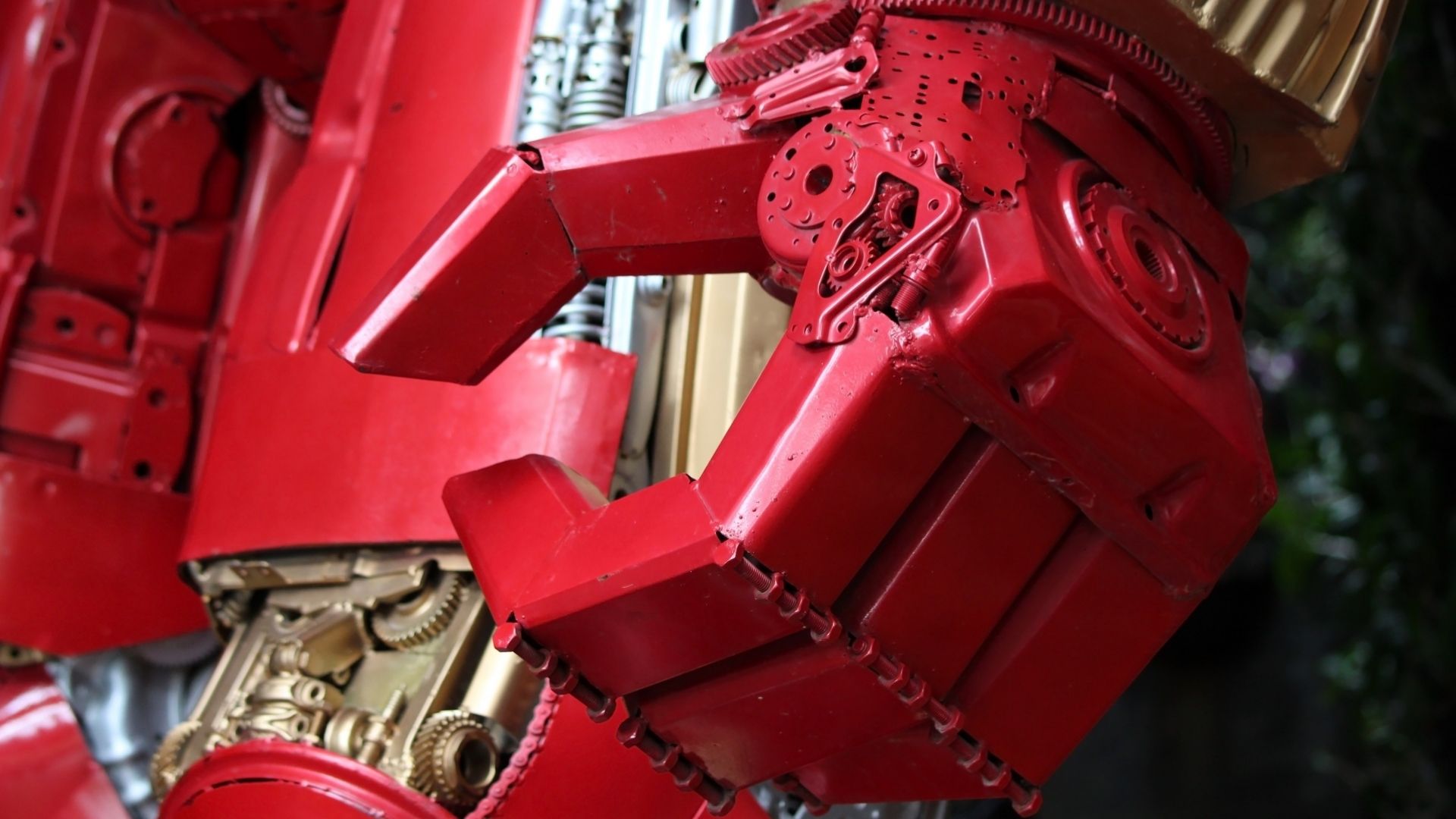
Challenges in Developing Human-Like Robotic Hands for Household Tasks
Humanoid robots can perform complex movements like backflips, yet struggle with simple tasks such as folding shirts or picking up sponges. This paradox arises because while backflips involve predictable sequences, household tasks are fraught with uncertainty due to the variability of objects and environments. The human hand's dexterity, which combines mechanics, sensing, and control, is difficult to replicate in robots. The challenge lies in the need for robots to understand their grip and the properties of objects they manipulate. A modern robotic hand may have multiple motors, but it requires advanced sensors and software to adjust grip strength and position dynamically. Recent research from Zhejiang University highlights the importance of tactile sensing, achieving an 85% success rate in complex tasks by integrating visual and tactile information with reinforcement learning. Researchers at Ohio State University emphasize that household robots must coordinate their entire body and environment for effective manipulation. Unlike factory robots, which operate in controlled settings, household tasks involve unpredictable variables. This complexity makes the development of robotic hands capable of performing everyday tasks a significant hurdle in humanoid robotics.
AI and Robotics
Algomatic Dynamics Secures $32.5M Funding to Launch AI-Powered Robotic Hand in Japan
Algomatic Dynamics has successfully raised $32.5 million from DMM.com in its inaugural funding round, aiming to launch an AI-driven multi-fingered robotic hand platform in Japan by the end of 2026. The startup, which began operations on September 9, focuses on developing technologies for motion-data collection, robot learning, and tactile robotic hands, among others. This funding is significant as it will enable Algomatic Dynamics to invest in essential hardware and computing resources, facilitating research and development in robotics and physical AI. The company's innovative approach aims to create versatile technology applicable across various robots and environments, addressing labor shortages in critical sectors such as manufacturing and healthcare. Looking ahead, Algomatic Dynamics plans to enhance its research and development efforts while collaborating with companies and research institutions to deploy its technology in both industrial and everyday settings. The launch of the AI multi-fingered hand platform is a key milestone to watch as it could revolutionize how robots interact with the physical world.
AI AI Funding & Investment Robotics Algomatic Dynamics DMM Group funding
Universal Robot Launches Da Sheng 1: A Versatile Industrial Dexterous Hand
At the WRC exhibition, Universal Robot unveiled the Da Sheng 1, an industrial-grade dexterous hand designed to overcome existing limitations in robotic gripping technology. This innovative product aims to combine the high load capacity of traditional grippers with the versatile operational capabilities of dexterous hands, addressing a significant industry challenge. The Da Sheng 1 features a dynamic reconfiguration ability, allowing it to switch between multiple operational configurations, thus enhancing its adaptability for various tasks on production lines. This capability is crucial as manufacturing trends shift towards high variety and frequent changeovers, necessitating more flexible robotic solutions. Looking ahead, the industry will be keen to observe how the Da Sheng 1 performs in real-world applications and whether it can effectively replace traditional grippers in diverse operational scenarios. No further timeline was disclosed at the time of publication.
Dexterous Hands Industrial Robotics Automation Technology Robotics Innovation
Shandong Youbote Robotics Completes A+ Round Financing Following Tug-of-War Championship Win
On September 3, 2026, Shandong Youbote Intelligent Robotics Co., Ltd. announced the completion of A+ round financing amounting to hundreds of millions. The round was led by Dongzheng Capital, with participation from Jinan Xianxing Investment Group and Zibo High-tech Zone Venture Capital, alongside continued investment from angel investor Lenovo Star. This brings Youbote's total financing to several hundred million. This financing comes shortly after Youbote's humanoid robot, 'Xingzhe Taishan,' won the first gold medal for the Shandong delegation at the Second World Humanoid Robot Sports Competition in the tug-of-war event. Youbote has progressed from winning the 100-meter performance event and placing third in the 4x100 meter relay at the inaugural competition in 2025 to securing a gold medal in tug-of-war this year. Notably, during the first competition's 1500-meter event, 'Xingzhe Taishan' showcased its robustness by completing the race despite losing an arm, thanks to its self-developed fall recovery algorithm. Looking ahead, Youbote plans to leverage its recent financing to enhance its delivery capabilities and expand its national production and service network. The company is developing a comprehensive matrix of special robotic products and aims to launch a new generation of high-power density integrated joint modules, industrial humanoid robots, and heavy-duty quadruped robots. No further timeline was disclosed at the time of publication.
Humanoid Robots Robotics Financing AI Technology Industrial Automation
KAIST Develops AI-Driven Soft Robotic Hand Capable of Gripping Various Objects
Researchers at KAIST have developed a soft, 3D-printed robotic hand using machine learning to create a highly stretchable elastomer. This material can stretch over six times its original length and has been successfully demonstrated in gripping a 1-kilogram water bottle and fragile items like eggs. The significance of this research lies in its potential applications across various fields, including soft robotics, wearables, and custom medical devices. By combining experimental data with AI, the team has shown that optimal material combinations can be identified more efficiently, overcoming challenges in traditional 3D printing methods. Looking ahead, the machine-learning approach used in this study could pave the way for rapid development of new 3D-printing materials with desirable properties. No further timeline was disclosed at the time of publication.
AI AI Funding & Investment Robotics 3D Printing DLP KAIST
Korean Researchers Develop Soft 3D-Printed Robotic Hand for Delicate Gripping Tasks
A team of researchers from Korea has developed a soft 3D-printed robotic hand capable of gently gripping various objects, including fragile items like eggs and heavier ones like a 1 kg water bottle. This advancement utilizes a newly identified material that can stretch over six times its original length, enabling the creation of complex shapes. The significance of this development lies in its potential to broaden the applications of 3D printing technology. The soft material can be used not only in robotic hands but also in wearable devices that conform to the body and in custom medical devices, enhancing their functionality and user comfort. Looking ahead, the expansion of soft robotics and 3D printing technologies could lead to innovative solutions in various fields. No further timeline was disclosed at the time of publication.
Robotics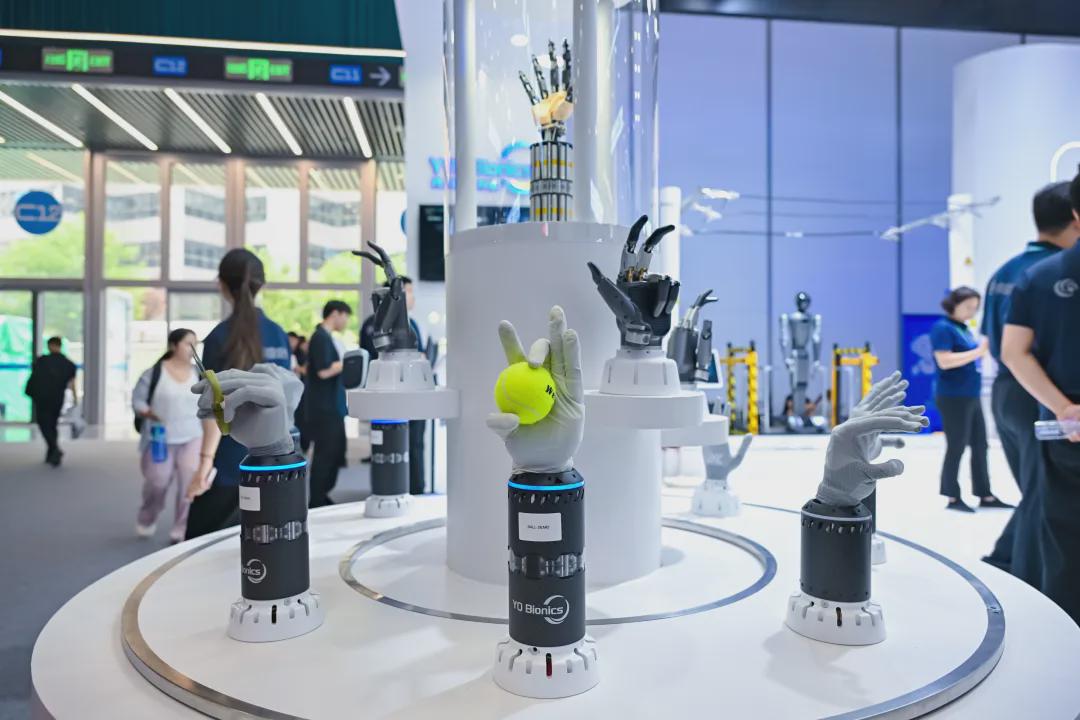
WRC 2026 Opening Ceremony Features Innovative Human-Robotic Handshake
On August 19, the World Robot Conference 2026 commenced at the Beiren Yichuang International Exhibition Center, showcasing a unique opening ceremony. Unlike previous years, the event featured a handshake between 11 bionic dexterous hands and guests, marking a significant technological advancement in human-robot interaction. This handshake utilized the X-Hand M1, developed by Yuequan Bionics, which incorporates 472 tactile sensors for precise grip feedback and control. The event highlighted the importance of developing robotic hands that can transition from mere demonstrations to practical applications, addressing a critical challenge in embodied intelligence. Attendees also witnessed the debut of the Y-Hand M2, which showcased high flexibility through a shadow performance in collaboration with Tsinghua University. The conference emphasized the integration of advanced technologies, including artificial muscles and innovative robotic designs, indicating a shift towards more functional and versatile robotic systems. No further timeline was disclosed at the time of publication.
Bionic Robotics Robotic Hands AI Technology Human-Robot Interaction
Amazon Robotics' Bhavana Chandrashekhar to Join Women in Robotics Lunch at RoboBusiness 2026
Bhavana Chandrashekhar, senior manager of applied science at Amazon Robotics, will participate in the Women in Robotics Lunch at RoboBusiness 2026, scheduled for October 20-21 in Santa Clara, California. This event aims to foster connections among women in the robotics industry, which currently sees only 35% of the global STEM workforce and 22% of the AI workforce comprised of women. The Women in Robotics Lunch will feature a fireside chat with Joyce Sidopoulos, co-founder of MassRobotics, providing an opportunity for mentorship and discussion on increasing female representation in robotics leadership. Chandrashekhar leads a team focused on developing AI-powered autonomous manipulation robots for Amazon warehouses, with notable projects including the Robin and Vulcan Stow robots. Additionally, Chandrashekhar will participate in the Day 1 closing keynote titled “Beyond the Demo: AI in Production Robotics,” alongside other industry leaders. This keynote will explore the application of AI in real-world robotic environments, highlighting the importance of innovation and collaboration in advancing the robotics sector. No further timeline was disclosed at the time of publication.
Events Logistics News Startups Amazon amazon robotics
Xynova's CEO Discusses Innovation and Fundraising for Human-like Robot Hands
Alex Xia, the Founder and CEO of Xynova, a robot hand manufacturer based in Hangzhou, shared insights on the company's innovation efforts and the challenges faced in the industry. During an exclusive interview on 'Bloomberg: The China Show,' Xia highlighted the importance of developing human-like robot hands to enhance robotic capabilities. The significance of Xynova's work lies in addressing industry bottlenecks that hinder the advancement of robotic technology. By focusing on creating more sophisticated and human-like robotic hands, Xynova aims to push the boundaries of what robots can achieve in various applications, potentially transforming sectors such as manufacturing and healthcare. Looking ahead, Xynova's plans for fundraising will be crucial in supporting its ongoing development and innovation initiatives. No further timeline was disclosed at the time of publication.

Electromate Advocates for Hands-On Robotics Learning Using Dobot's Educational Platform
Electromate Inc. is emphasizing the importance of hands-on robotics education by showcasing Dobot's educational robotics platform. This initiative aims to assist schools, colleges, and universities in overcoming hardware access challenges as they expand their robotics and automation programs. The deployment of Dobot robots in educational settings is significant as it enables educators to create interactive learning environments. By providing practical access to multiple robots, Electromate is facilitating the integration of programming, automation, and advanced robotics coursework into the curriculum. Looking ahead, educators and institutions should monitor how the adoption of Dobot's platform influences student engagement and learning outcomes in robotics education. No further timeline was disclosed at the time of publication.
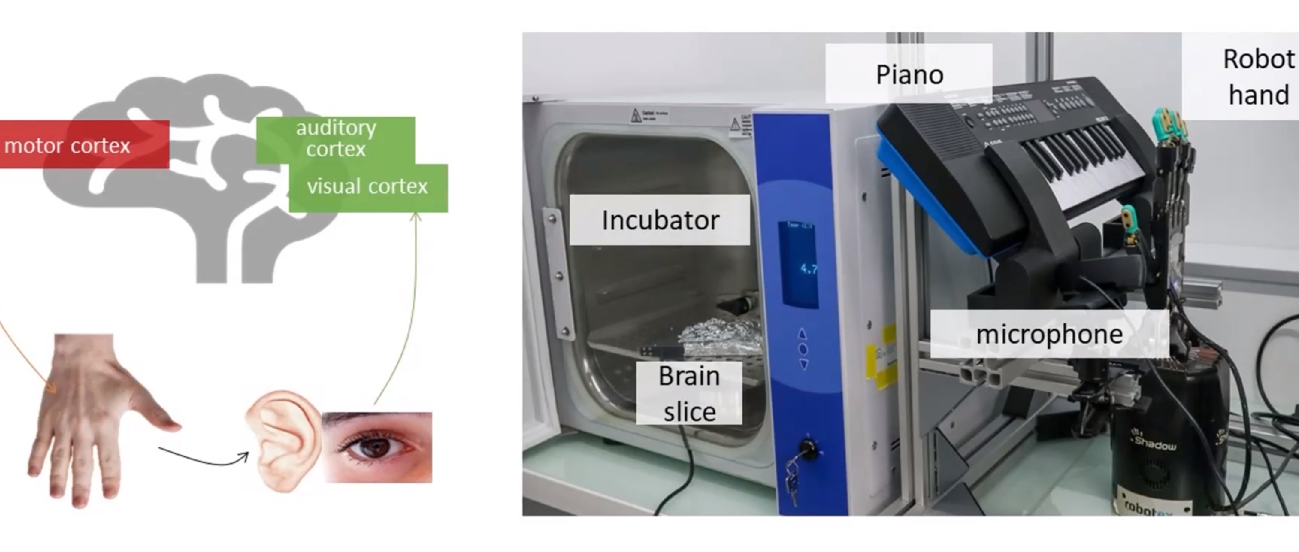
French Research Team Uses Dead Brain Cells to Control Robot Hand for Piano Playing
A French research team has achieved a remarkable feat by connecting adult brain slices from deceased donors to a robotic hand, enabling it to play the piano. Their study, titled 'Unsupervised Sensory-Motor Associative Learning in Human Brain Explants Enables Robot Action Imitation,' reveals that the brain slices retained memory for at least 17 days, although performance declined with drug treatment or viral infection. This breakthrough raises significant ethical and technological questions about the use of hybrid AI, which integrates living neurons into computational systems. The research highlights the stark differences in energy consumption and learning efficiency between biological systems and traditional AI, with the human brain consuming 20 watts compared to the minimal energy used by simpler organisms. Looking ahead, the team proposes a novel approach using organotypic culture of post-mortem adult brain explants (OPAB) as a viable alternative to existing methods. The study was ethically approved and involved brain tissue from three donors, emphasizing the need for careful consideration of ethical implications in future research.
Hybrid AI Neural Networks Robotic Control Brain-Computer Interface
Can a Simple Robot Outperform the Dexterity of a Human Hand?
Researchers have been exploring the capabilities of simple robots to match the dexterity of the human hand. Traditionally, efforts to replicate the hand's versatility have led to the development of complex robotic structures that are challenging to control. The significance of this research lies in the potential for simpler robotic designs to achieve similar or superior dexterity compared to human hands. This could revolutionize various applications, from manufacturing to healthcare, where precision and adaptability are crucial. Looking ahead, it will be important to monitor advancements in robotic designs that prioritize simplicity while enhancing performance. The ongoing exploration of this area may lead to breakthroughs that redefine how robots interact with their environments.

Sony Files Patent for Human-Like Robotic Hand Indicating Interest in Humanoid Robotics
Sony has submitted a US patent application for a robotic hand featuring a human-like opposable thumb, signaling ongoing research in humanoid robotics. The patent, published on August 6, outlines a hand mechanism designed to replicate the critical movements of the human thumb, essential for object manipulation. This development is significant as it highlights Sony's historical involvement in robotics, which has often been overlooked. The patent addresses a complex mechanical challenge in robotic manipulation: mimicking the thumb's unique range of motion. The design incorporates three rotation points, allowing for flexing and opposing movements, which could enhance the adaptability of robotic systems. Looking ahead, while there are no current plans for commercialization, the implications of a mechanically adept opposable thumb extend beyond humanoid robots. Potential applications could include service robots and remotely operated machines that require dexterity in handling tools and objects designed for human use. No further timeline was disclosed at the time of publication.
Design Robotics dexterous manipulation embodied ai humanoid robotics humanoid robots
BioflexBot Robot Hand Designed to Replicate and Exceed Human Hand Movements
Researchers have developed the BioflexBot, a novel robotic hand that mimics and surpasses essential human hand motions with a simplified design. Unlike traditional robotic hands that replicate human anatomy, the BioflexBot utilizes a coiled spring, constraining shell, and pneumatic system to achieve precise movements such as pinching, rotating, hooking, and grasping with just two pneumatic inputs. The significance of the BioflexBot lies in its ability to perform delicate tasks typically required in healthcare and laboratory environments, such as manipulating acupuncture needles and transporting liquids. It has demonstrated superior performance, rotating bottle caps nearly four times more than a human hand and grasping objects up to 13 times larger than similar robotic systems. Looking ahead, the BioflexBot shows promise for various applications, including inspecting aeroengine blades, assisting humanoid robots in daily tasks, and conducting chemistry experiments. No further timeline was disclosed at the time of publication.
Academia / Research Artificial Intelligence Artificial Intelligence / Cognition Design / Development End Effectors / Grippers End of Arm Tooling
BioflexBot Robot Design Surpasses Human Hand in Key Motions
A new study published in Advanced Science introduces the BioflexBot, a robot designed to replicate and even exceed the core motions of the human hand. Unlike traditional robotic designs that mimic the complex mechanics of human hands, the BioflexBot features a simpler structure that enhances its functionality. This innovation is significant as it addresses the challenges faced by scientists in creating dexterous robots. By simplifying the design, the BioflexBot not only improves control but also demonstrates that effective robotic motion can be achieved without the complexity typically associated with human-like robotics. Looking ahead, the implications of the BioflexBot's design could influence future developments in robotics, particularly in applications requiring dexterity and precision. No further timeline was disclosed at the time of publication.
Robotics
Honda Advances Development of Multi-Fingered Robotic Hands for Assembly Precision
Honda is advancing the development of multi-fingered robotic hands aimed at tackling the most challenging tasks in factory assembly, such as screwing, connecting, and handling parts designed for human hands. These actions, while routine for humans, present significant control challenges for robots. According to researcher Kenichiro Sugiyama, many existing robotic hands are essentially extensions of traditional robotic arms, lacking the necessary strength, responsiveness, and precision for fine manipulation. Honda's approach involves the collaborative development of mechanical hardware, control systems, and artificial intelligence, emphasizing the importance of embodied AI, which learns through physical interactions with objects. Despite advancements, dexterous manipulation remains a significant challenge, particularly with deformable or slippery objects. Sugiyama describes the remaining issues as the 'last millimeter' problem, which, if solved, could enable robots to replace tasks traditionally performed by humans. Honda's exploration of multi-fingered hands aims to push the boundaries of automation in manufacturing.
Robotic Hands Embodied AI Manufacturing Automation Precision Control
CASBOT Hands Introduces Three Advanced Robotic Hands for Enhanced Manipulation
CASBOT Hands has launched three new dexterous robotic hands, enhancing its embodied manipulation platform. This development comes as the robotics industry seeks to improve the ability of robots to perform real-world tasks across various sectors, including manufacturing and education. The introduction of these robotic hands is significant as it addresses the growing demand for reliable robotic solutions that can operate effectively in diverse environments. As robots become more capable in motion control and environmental perception, their application in practical settings becomes increasingly viable. Looking ahead, the focus will be on how these new robotic hands will be integrated into existing systems and their performance in real-world applications. No further timeline was disclosed at the time of publication.

LumiBot Secures Angel Funding to Enhance Industrial Robotic Hands with Heat Management
LumiBot, a provider of dexterous robotic solutions, has successfully completed an angel funding round amounting to tens of millions, led by Changyou Technology's investment arm. This marks the first investment from Changyou's robotics fund established in June 2026 and highlights a significant case of material companies entering the core components of humanoid robots. The funding is crucial as it reflects a shift in the investment logic of the humanoid robot supply chain, moving from a focus on motion control to enhancing the reliability of end-effectors. LumiBot's innovative heat management capabilities are pivotal for meeting industrial standards, addressing the overheating issues that have hindered the adoption of dexterous hands in factories. Looking ahead, LumiBot plans to release a flagship model with 23 active degrees of freedom in October, featuring an active cooling design that significantly improves joint temperature management. The company aims to deliver 100 to 200 units in 2026, indicating a growing demand for advanced robotic solutions that prioritize operational efficiency over mere flexibility.
Robotics Heat Management Industrial Automation AI Engineering
Handroid: A Transformative Robot Capable of Walking and Fine Manipulation
Handroid, a collaborative project between the University of North Carolina at Chapel Hill and Stanford University, is a desktop robot that stands 0.33 meters tall and weighs 2.05 kilograms. It features 27 degrees of freedom and can seamlessly switch between a humanoid form for walking and interaction and a dexterous hand for fine manipulation. This innovative design addresses the complexity of traditional robotic systems, which often require separate mobile bases and robotic arms for different tasks. Handroid's unique topology mimics human anatomy, allowing it to utilize the same electromechanical system for both forms without the need for hardware changes. In its dexterous hand form, it achieves an average real-world grasping success rate of 72% across ten object types. Looking ahead, Handroid represents a significant advancement in robotic design, challenging the notion of single-function hardware. It raises questions about the future of robotics, particularly regarding the potential for multi-functional, reconfigurable platforms that enhance robotic capabilities through the intelligent reallocation of existing components. No further timeline was disclosed at the time of publication.
Robotics Humanoid Robots Dexterous Manipulation AI Robotic Systems
Foundation Robotics Unveils Advanced Robotic Hand That Catches Baseballs with Precision
Foundation Robotics has released a video showcasing its innovative robotic hand that successfully catches a baseball mid-air, demonstrating significant advancements in robotic dexterity and control. This development is crucial as it illustrates how enhanced mechanical design and motion planning are enabling robotic hands to perform intricate tasks with human-like precision, a key requirement for industrial applications. Looking ahead, the focus will be on how this tendon-driven architecture and advanced control systems can further improve the capabilities of humanoid robots in handling diverse tools and objects, enhancing their utility in complex environments. No further timeline was disclosed at the time of publication.
AI and Robotics
Tacta Systems Launches AI-Driven Robotic Hand for Advanced Manufacturing Applications
Tacta Systems has introduced a new robotics platform aimed at enhancing industrial automation with human-like dexterity. The TactaBot, the company's inaugural product, integrates a robotic hand, a wearable skill capture system, and an AI engine to perform intricate manufacturing tasks that demand precision and tactile feedback. This innovation is significant as it addresses critical challenges in robotics, such as creating a robotic hand for industrial performance and enabling robots to possess a sense of touch. Tacta's platform, featuring the proprietary Fluidic Tendon actuation technology, is designed to automate complex tasks in sectors like electronics and automotive manufacturing, with initial deployments expected in early 2027. Looking ahead, Tacta plans to expand its technology into additional industries, including medical devices and aerospace. The company aims to revolutionize the way robots interact with their environment, potentially transforming manufacturing processes across various sectors. No further timeline was disclosed at the time of publication.
Components News ai robotics Dexterous Intelligence dexterous robotics industrial robotics
KNR Develops Industrial Robot Hand with 300 kg Grip and Precision Control
KNR Systems has unveiled an industrial-grade robot hand capable of gripping up to 300 kg while delicately handling fragile objects like eggs. This innovative hand will be integrated into the upcoming 'Super Humanoid' robot, designed for high-intensity environments such as nuclear decommissioning and disaster sites. The significance of this development lies in its ability to combine powerful grip strength—six times that of the average adult male—with precise control. The robot hand's design allows it to adapt to various object shapes, enhancing its functionality in challenging industrial conditions. Looking ahead, KNR's collaboration with Seojin System aims to facilitate mass production of the Super Humanoid robot, which is expected to operate in environments that are difficult for humans to access. No further timeline was disclosed at the time of publication.
Industrial Robotics Robot Grippers Humanoid Robots Automation Technology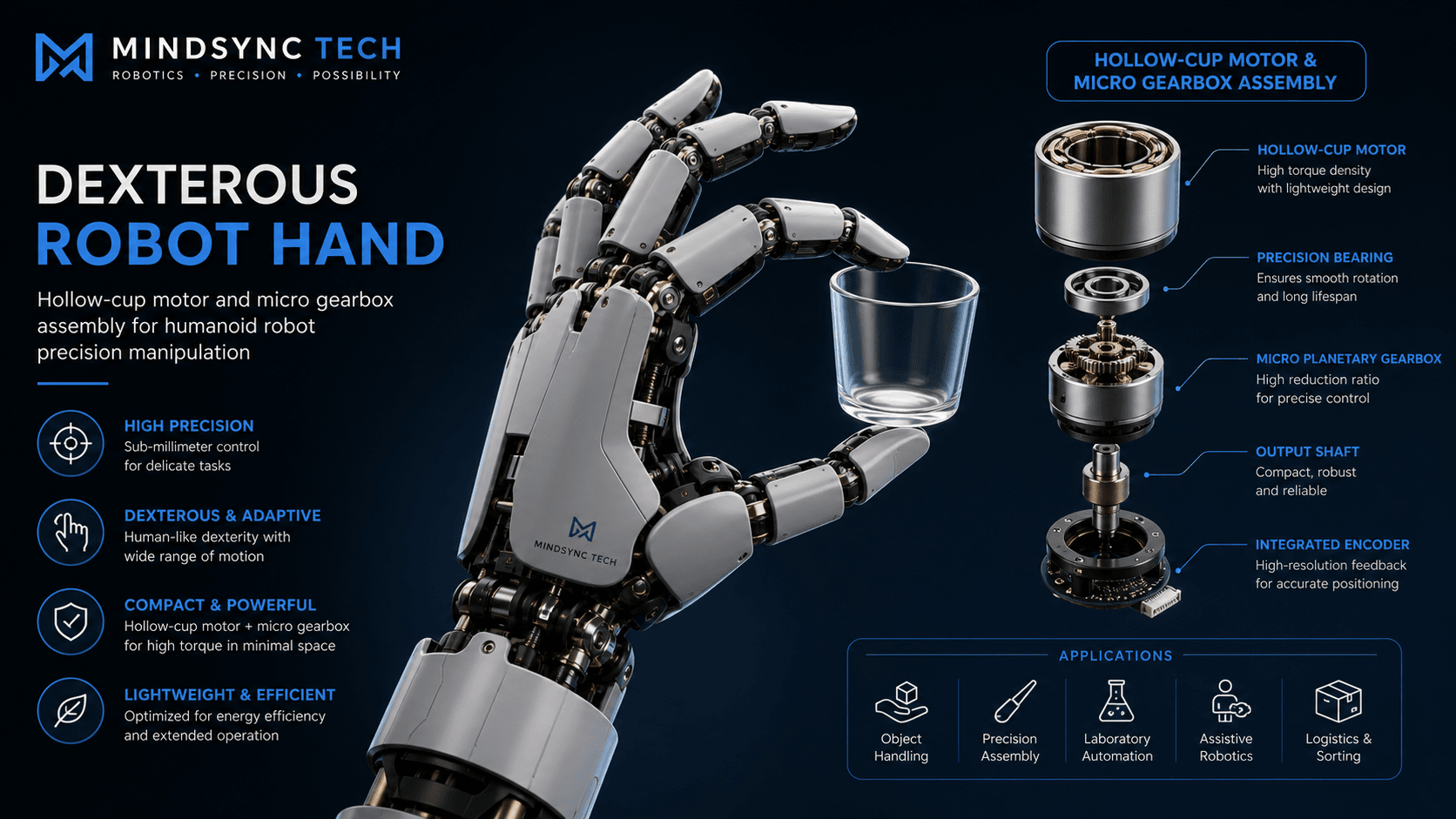
MINDSYNC TECH and Jiangsu Leili Develop Dexterous Robot Hands for Industrial Use
Jiangsu Leili's subsidiary, MINDSYNC TECH, has developed production-ready dexterous robot hands that utilize hollow-cup motors and 6-42mm gearboxes. These innovative hands also feature autonomous wire winding capabilities, addressing the mechanical stiffness problem in humanoid gripping. This advancement is significant as it targets industrial deployment within the next 1-2 years, potentially transforming how robots interact with their environments. The integration of these technologies could enhance the efficiency and versatility of robotic applications in various sectors. Looking ahead, the industry will be keen to observe the progress of MINDSYNC TECH's dexterous robot hands as they move towards commercial readiness. No further timeline was disclosed at the time of publication.
Technology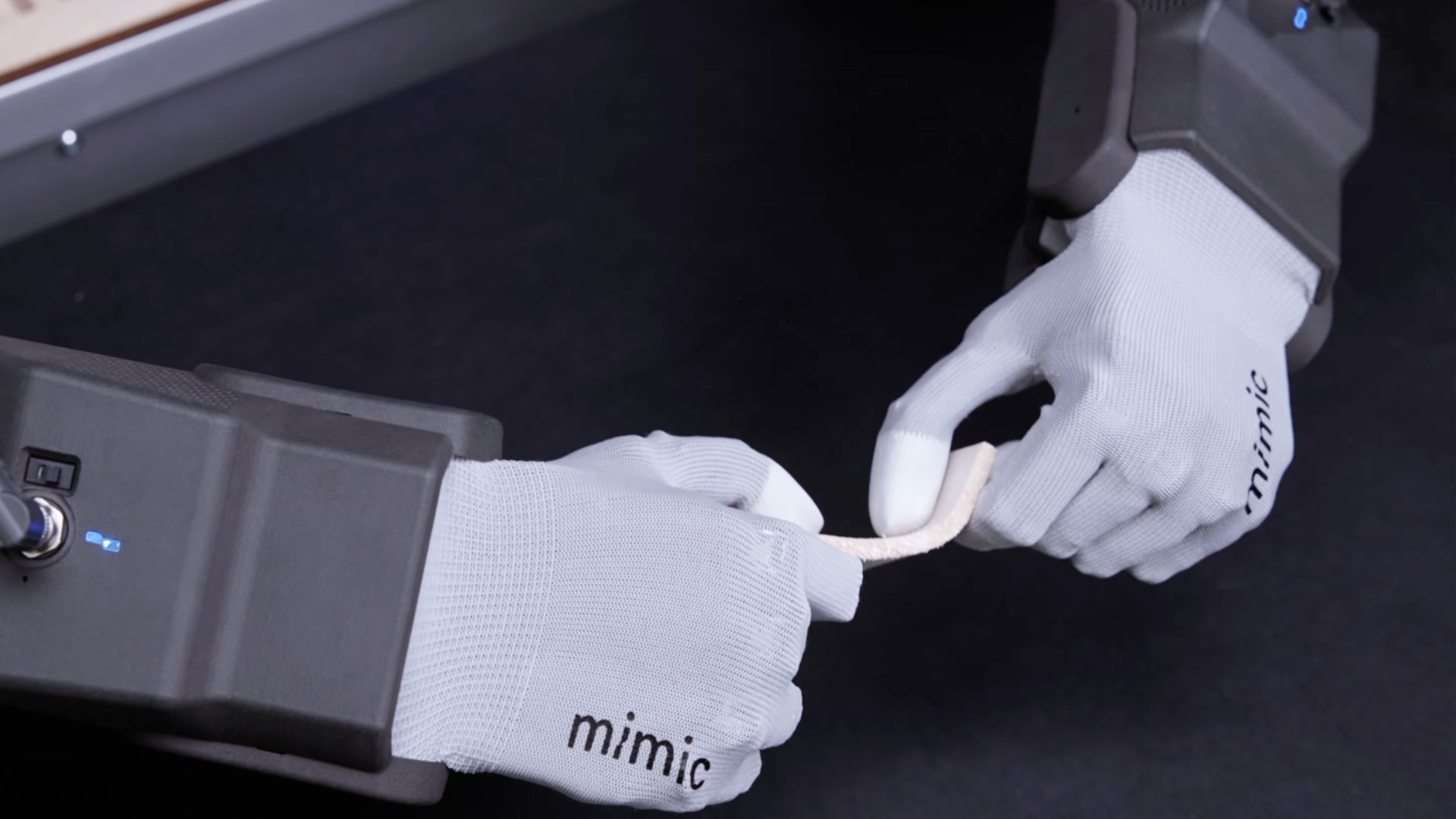
Mimic Robotics Launches Mimic Hand M1: A 55-Pound Lifting Robotic Hand with Human-Like Precision
Swiss startup Mimic Robotics has introduced the Mimic Hand M1, a robotic hand capable of lifting over 55 pounds while mimicking human dexterity. This innovative design features a tendon-driven architecture that houses actuators in the forearm, allowing for a compact yet powerful solution for factory automation. The Mimic Hand M1 is significant as it addresses the challenge of general-purpose dexterous manipulation in robotics. By utilizing a human-like hand structure, Mimic Robotics aims to enhance the transfer of skills from human demonstrations to robotic systems, thereby expanding the range of tasks AI can perform in industrial settings. Looking ahead, the focus will be on how the Mimic Hand M1 can be integrated into various manufacturing applications. Its ability to handle both delicate and heavy objects with precision positions it as a versatile tool in the evolving landscape of robotics and automation. No further timeline was disclosed at the time of publication.
AI and Robotics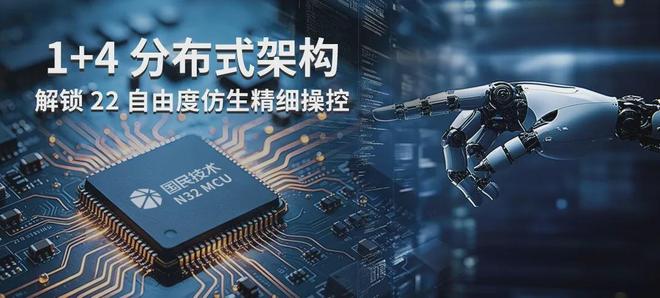
Addressing Space, Real-Time, and Reliability Challenges in Robotic Hands Development
The bionic dexterous hand is becoming a key growth area in the robotics industry, with significant advancements expected by 2026. Currently, dexterous hands account for 17%-30% of the total material costs of robotic systems, and funding in this sector is projected to exceed 25 billion yuan in the first half of 2026, with annual sales potentially reaching 70,000 units. This shift signifies a departure from mere conceptual discussions to tangible orders and performance realization. The recent World Artificial Intelligence Conference (WAIC) in Shanghai showcased various exhibitors demonstrating high-degree-of-freedom dexterous hands capable of intricate tasks, highlighting the industry's common challenges in precision actuators. Developers face three critical hurdles: achieving 22 degrees of freedom or more for fine movements while integrating miniature motors, sensors, and wiring in a compact palm, all while balancing space constraints, real-time synchronization, and long-term reliability. The solution lies in innovative control chip architecture. National Technology has introduced a 1+4 distributed MCU architecture designed for 22-degree-of-freedom dexterous hands, optimizing performance through layered control. This system utilizes a main control chip and four node chips for individual fingers, enhancing computational power, real-time response, and compact design, thereby addressing the industry's pressing challenges.
Robotic Hands MCU Architecture Industrial Automation AI Robotics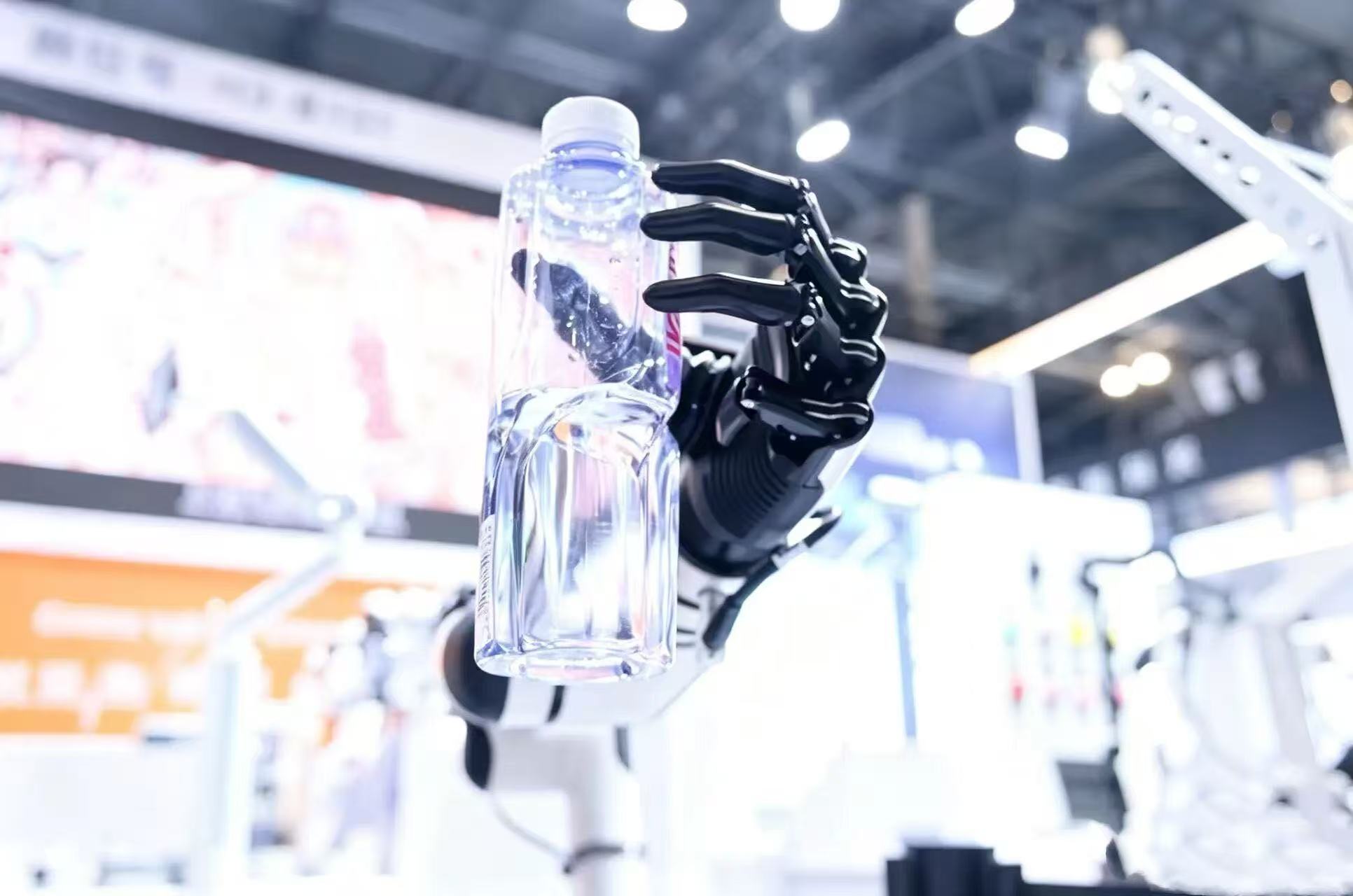
The Advancements in Dexterous Hands for Robotics and Their Implications
At the 2026 WAIC, a notable shift in robotics was observed as manufacturers increasingly focused on developing dexterous hands. Over the past two years, the industry has seen a surge in the complexity of these hands, with degrees of freedom increasing from six to twelve, sixteen, or even more. The ability of a robotic hand to perform tasks such as solving a Rubik's Cube or threading a needle has become a key benchmark for technological capability. As more dexterous hands demonstrate impressive capabilities, the industry must now address critical questions about their operational continuity, scalability, repairability, and the data they generate to enhance future performance. Companies like Aoyi Technology are expanding their product boundaries beyond mere actuators to include tactile-enabled devices like ROHand and OpenArm, integrating data collection and training tools into a cohesive system. This evolution signifies a shift from merely creating human-like hands to developing hands that can engage in a robotic learning loop. The industry's future hinges on whether these hands will become high-end toys or genuine industrial products, with reliability emerging as a core performance metric alongside flexibility and load capacity.
Dexterous Hands Robotics Technology Industrial Automation Sensor Technology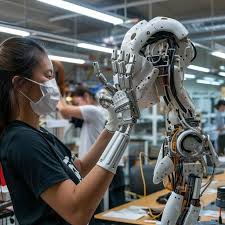
WAIC 2026: Aoyi's ROHand Showcases Dual-Arm Robots and Gains Over 200 Clients
At the WAIC 2026 exhibition, Aoyi Technology showcased its full range of ROHand dexterous hands, having served over 200 clients in the embodied intelligence sector. The company introduced the OpenArm dual-arm robot to address the need for vast amounts of real data, enhancing the capabilities of its dexterous hands through a combination of hardware and data collection. This development is significant as it not only improves the dexterous hand's ability to perform tasks but also allows companies to gather specialized training data at a lower cost. The ROHand can mimic human hand movements with an accuracy of 0.6 seconds and lift weights up to 30 kg, demonstrating its versatility across various applications from industrial assembly to consumer services. Looking ahead, Aoyi's integration of the OpenArm robot with the ROHand is expected to enhance the dexterous hand's adaptability across different scenarios. The combination of hardware and data solutions positions Aoyi to address the industry's data scarcity, paving the way for broader applications in real-world environments. No further timeline was disclosed at the time of publication.
Dexterous Robots Data Collection Embodied Intelligence Robotics Solutions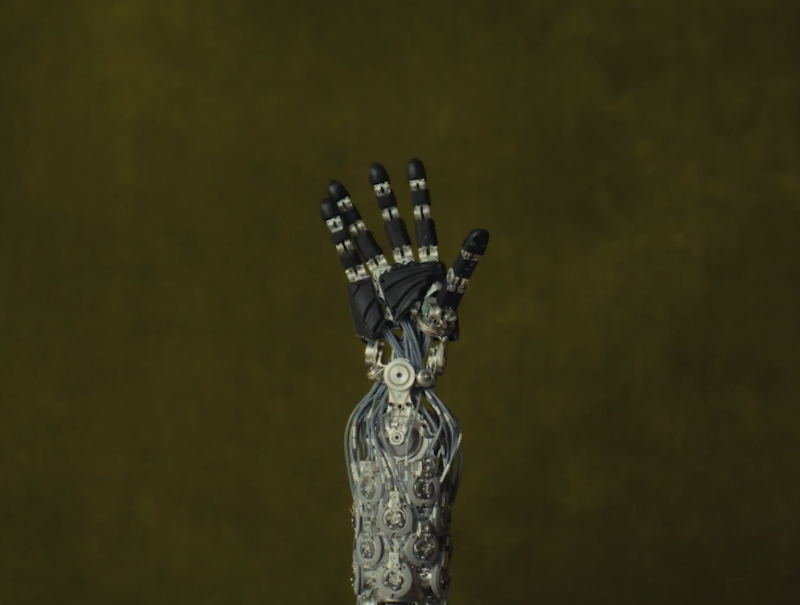
1X Introduces Advanced 25-Degree-of-Freedom Hands for NEO Humanoid Robot
1X has launched a new tendon-driven robotic hand for its NEO humanoid platform, featuring 25 degrees of freedom. This design enhances dexterity, strength, and tactile sensing, enabling advanced AI-driven manipulation capabilities. The introduction of these hands aims to eliminate the 'hardware ceiling' that has previously restricted humanoid robots, allowing for more human-like manipulation. The hands can perform various tasks, including assembling LEGO models and using tools, showcasing their versatility and advanced functionality. Looking ahead, 1X has established a dedicated production line and plans to manufacture up to 10,000 units this year, which will facilitate broader deployment of the NEO humanoid platform. No further timeline was disclosed at the time of publication.
Humanoids News 1x artificial intelligence automation embodied ai
Innovative Robotic Hand Uses Single Motor for Versatile Gripping Solutions
A new robotic hand has been developed that can switch between multiple grippers using just one motor. This innovation addresses the need for robots to handle a wide variety of objects across different environments, including factories and households. The ability to manage diverse objects with a single motor reduces the complexity associated with traditional robotic hands, which typically rely on multiple motors and intricate control systems. This advancement not only lowers the weight and cost of robotic systems but also minimizes the risk of failures and simplifies control mechanisms. As the demand for adaptable robotic solutions grows, this new technology could significantly impact various sectors. Future developments may focus on enhancing the versatility and efficiency of robotic hands, although no further timeline was disclosed at the time of publication.
Robotics
Robotic Hands Prices Plummet from 100,000 to 10,000 Yuan, Humanoid Robots Enter Homes
In a robotics lab in Shenzhen, engineer Huang Junlin is training a six-degree-of-freedom robotic hand for home use. Unlike industrial applications, home scenarios demand higher standards for weight, cost, and usability, prompting a significant reduction in humanoid robot costs. The robotic hand, a crucial and complex component, previously priced at 100,000 Yuan, now costs around 10,000 Yuan due to advancements in supply chain maturity and technology breakthroughs. The reduction in price is pivotal as it opens the door for consumer-grade humanoid robots, with the global market projected to exceed 20 billion Yuan by 2026. In 2025, the market is expected to reach 17 billion Yuan, with a shipment volume of approximately 18,000 units, marking a year-on-year growth of over 500%. China's share is anticipated to surpass 50%, with shipments expected to rise to 62,500 units by 2026, indicating a robust demand for humanoid robots. The surge in consumer humanoid robots is catalyzing the formation of a new supply chain ecosystem, including advancements in bionic skin, tactile sensors, and flexible materials. A new materials company in Jiaxing has developed third-generation electronic skin capable of multimodal perception and real-time feedback. As robotic hands become more affordable and tactile sensing technology advances, the integration of humanoid robots into homes may occur sooner than anticipated, marking the beginning of a revolution in robotics.
Humanoid Robots Robotic Hands AI Technology Consumer Robotics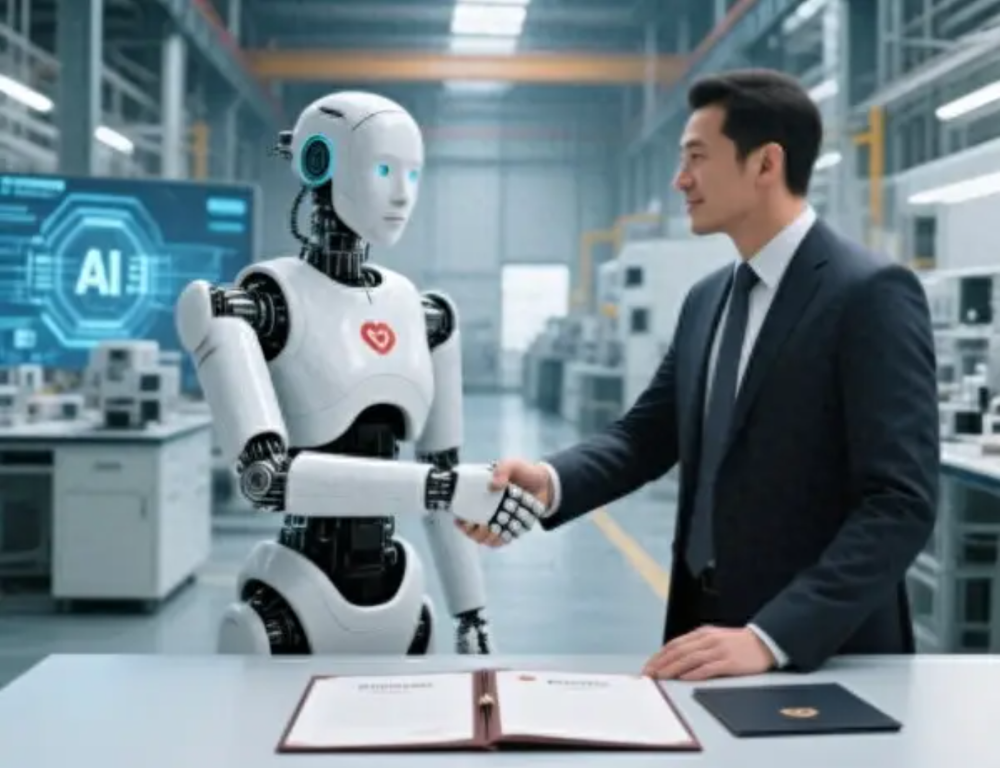
Tuobang Collaborates with Over Ten Humanoid Robot Firms to Expand from Motors to Complete Hands
On July 16, Tuobang Co., Ltd. (002139.SZ) revealed its latest developments in the robotics sector, announcing partnerships with over ten domestic humanoid robot companies. The company aims to supply hollow cup motors and actuator modules to manufacturers of complete humanoid robots and dexterous hands. Tuobang has been focusing on hollow cup motors since 2007, which are essential components for dexterous hands, and anticipates mass production deliveries by 2026. The company is also extending its offerings from single motors to integrated actuator modules that include components like reducers and lead screws, providing clients with higher integration solutions. Furthermore, Tuobang is developing its own dexterous hand products, currently in the internal technology validation phase, with initial testing on its smart manufacturing production line. Looking ahead, Tuobang expects to see improved growth in its industrial automation business by 2026, driven by increased demand for high-end equipment due to AI infrastructure development. The company has identified autonomous smart products as a second growth curve, targeting significant revenue growth in core markets by 2026. No further timeline was disclosed at the time of publication.
Humanoid Robots Robotics Components AI Infrastructure Industrial Automation
1X Unveils NEO Robot Hand with Unmatched Precision for Household Tasks
1X has introduced the NEO robot hand, showcasing its ability to perform intricate tasks with remarkable precision. The hand features 25 degrees of freedom and utilizes a tendon-driven structure, mimicking human muscle and tendon systems, allowing for smooth and natural movements. The NEO hand can perform tasks such as separating grapes, twisting light bulbs, and pulling zippers, demonstrating capabilities that closely resemble human dexterity. The significance of the NEO robot hand lies in its potential applications as a household assistant, capable of performing chores, caring for the elderly, and aiding in rehabilitation. Its design incorporates numerous sensors that enable it to not only grasp objects but also assess how to grip them without causing damage. This advancement marks a critical step towards creating robots that can seamlessly integrate into daily life. Looking ahead, the NEO hand's uncanny resemblance to human hands raises questions about the 'uncanny valley' effect, where human-like robots elicit discomfort. As 1X aims to position the NEO as a versatile home assistant, the balance between functionality and human likeness will be crucial in its acceptance. No further timeline was disclosed at the time of publication.
Robotics Dexterous Manipulation AI Technology Human-Robot Interaction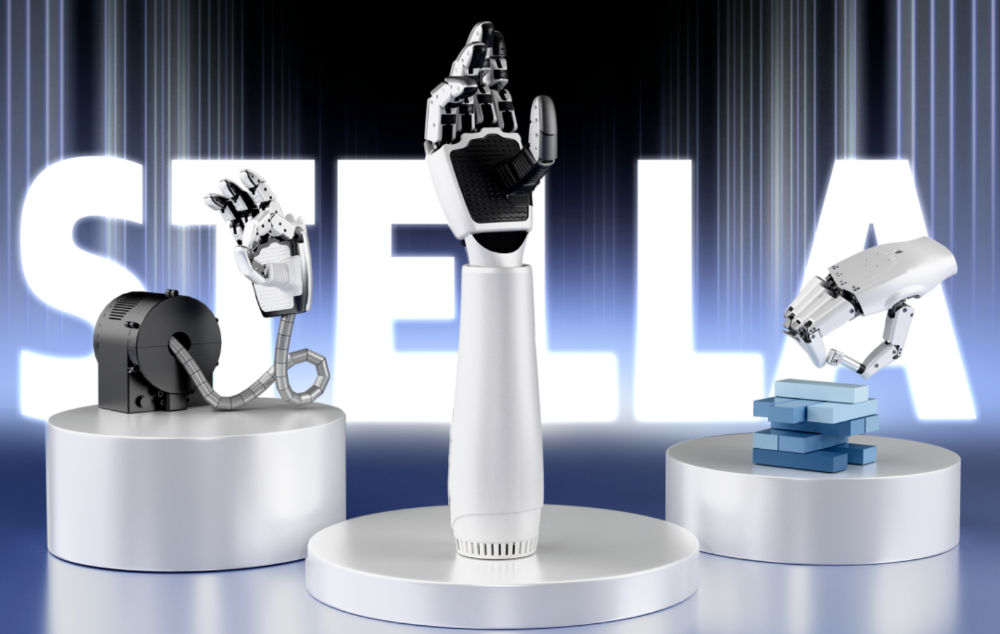
Shenzhen Company Stella-Robot Introduces Affordable Robotic Hands with High Performance
At the 2026 World Artificial Intelligence Conference, Shenzhen-based Stella-Robot unveiled its innovative robotic hands, the Pantheon Hand 20 and Gaia Hand 20. The Pantheon Hand 20, weighing only 290 grams, can grip up to 50 kilograms, thanks to its unique 'drive separation' technology that relocates the drive unit away from the hand itself. This breakthrough in design allows for a lightweight yet powerful robotic hand, making advanced robotics more accessible. The Gaia Hand 20 features a modular design with a quick-change joint system, enabling easy repairs without returning the entire unit. Priced at 16,999 yuan, the affordability of these products marks a significant shift in the robotics market, previously dominated by high-cost alternatives. Stella-Robot's products are already being utilized in top universities and research institutions, indicating their potential impact on the field of embodied intelligence. As the cost of robotic hands drops from the millions to tens of thousands, the company is poised to democratize advanced robotic capabilities for developers everywhere. No further timeline was disclosed at the time of publication.
Robotic Hands Modular Robotics AI Technology Automation Precision Engineering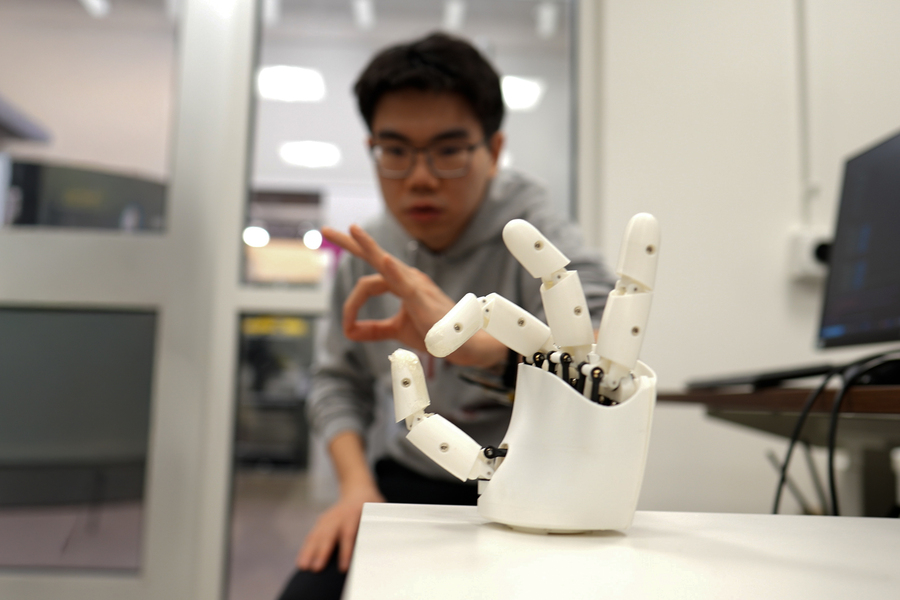
MIT Engineers Develop Ultrasound Wristband for Real-Time Robotic Hand Control
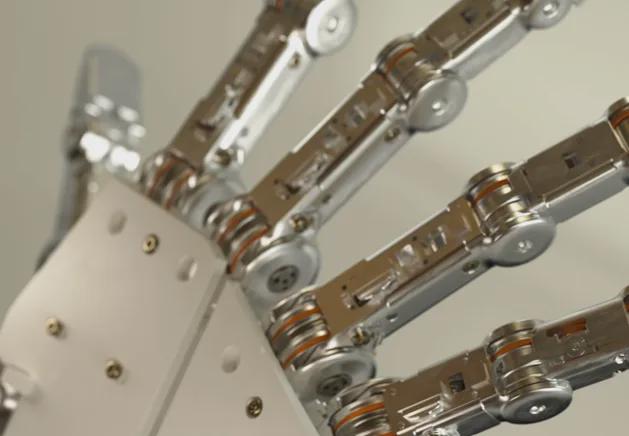
MIT engineers have created an innovative ultrasound wristband that allows wearers to control a robotic hand through their own movements. This wristband captures real-time images of the wrist's muscles and tendons, translating them into the positions of the fingers and palm using an AI algorithm. Demonstrations have shown that users can wirelessly manipulate a robotic hand to perform tasks like playing the piano or shooting a basketball. This technology is significant as it offers a new method for hand tracking in robotics and virtual reality, potentially replacing traditional techniques that rely on cameras or sensor-laden gloves. The wristband's ability to gather diverse hand motion data could lead to advancements in training humanoid robots for dexterous tasks, including surgical procedures. Xuanhe Zhao, a professor at MIT, emphasizes the immediate impact this work could have on both virtual environments and robotic dexterity. Looking ahead, the research team aims to expand their dataset of hand motions by collecting data from users with varying hand sizes and gestures. This could enhance the capabilities of humanoid robots and improve interactions in virtual settings. No further timeline was disclosed at the time of publication.
1X Launches Neo Robotic Hand Featuring 25 Degrees of Freedom and Force Transparency
On July 9, 2026, 1X, a unicorn supported by OpenAI, unveiled the Neo robotic hand designed for humanoid robots. This advanced hand boasts 25 degrees of freedom, enabling it to perform a wide range of human-like tasks, such as delicately picking grapes without crushing them and lifting weights up to 20 pounds. The innovative design incorporates a tendon-driven system that enhances dexterity and responsiveness. The significance of the Neo robotic hand lies in its unique 'Force Transparency' technology, which allows for bidirectional communication between the hand and its environment. Unlike traditional robotic hands that operate with high gear ratios, the Neo hand utilizes a low gear ratio of approximately 5:1 to 15:1, enabling it to provide real-time feedback on applied forces. This design not only enhances the hand's functionality but also improves the training of AI models by providing rich physical interaction data. Looking ahead, while the Neo hand addresses fundamental perception challenges, real-world complexities remain a concern. The hand must operate effectively in various domestic environments, where it may encounter grease, sauces, or dust. Ensuring safety during interactions with children and maintaining functionality in challenging conditions will be critical for the widespread adoption of this technology. No further timeline was disclosed at the time of publication.
Robotic Hands Humanoid Robots AI Tactile Sensors Robotics Technology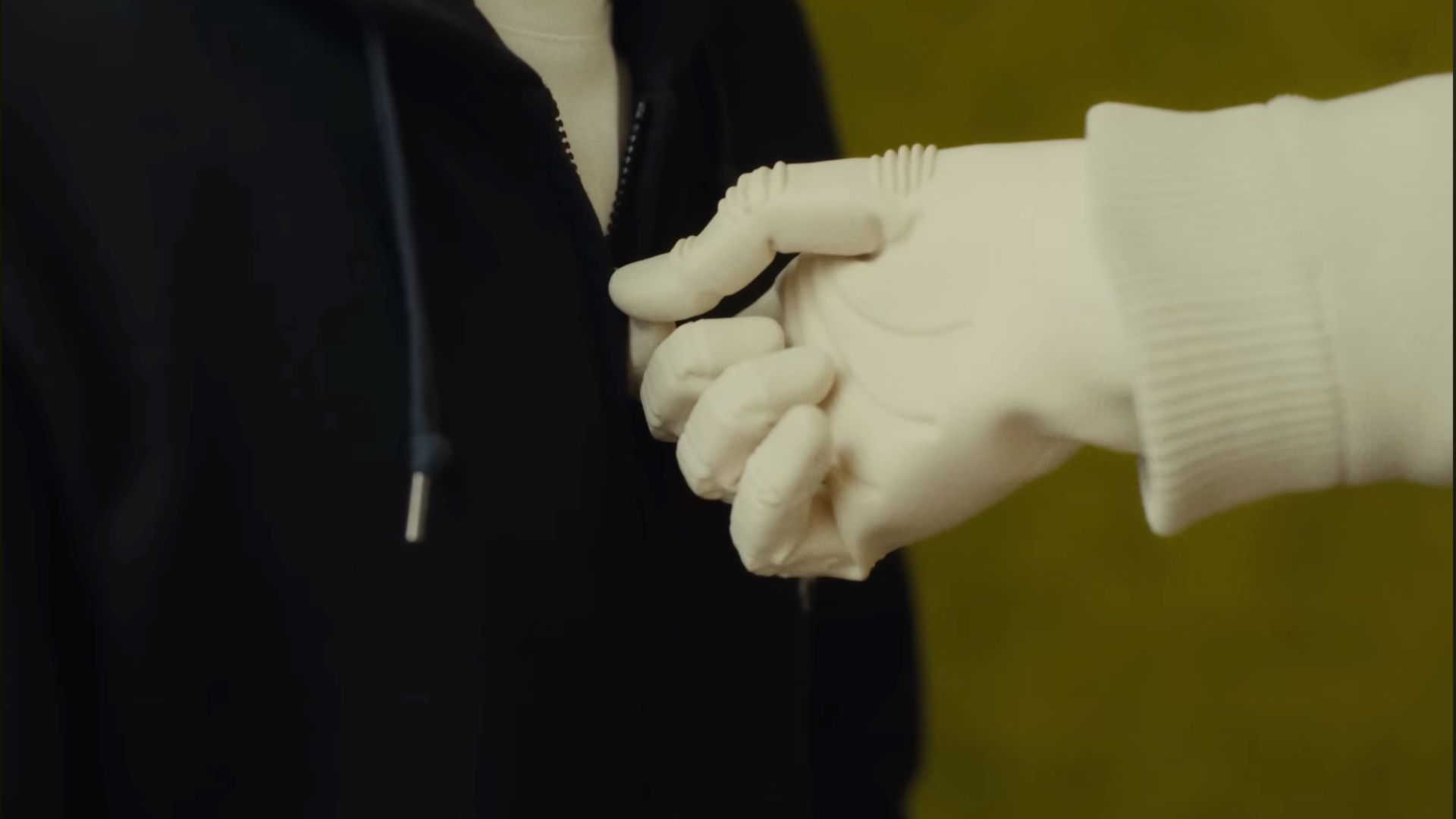
1X Enhances NEO Humanoid Robot with Advanced 25-DOF Hands for Versatile Tasks
Norwegian robotics firm 1X has introduced new 25-degree-of-freedom (DOF) tendon-driven hands for its NEO humanoid robot, marking a significant advancement in robotic dexterity. These hands feature 22 actuated joints across the fingers and palm, along with three at the wrist, enabling NEO to perform tasks such as assembling LEGO models and catching balls with precision and strength. The redesigned hands allow for force sensing and durability, overcoming previous hardware limitations in robotic manipulation. With a unique tendon-drive system and low gear ratios, the hands can detect contact forces and provide continuous proprioception, enhancing the robot's ability to manipulate objects safely and effectively. The hands' human-like joint distribution, particularly the opposable thumb, facilitates a wide range of fine manipulation tasks, making NEO suitable for various household applications. 1X has commenced mass production of the NEO robot at its new California facility, aiming to commercialize home robots for daily assistance. The company emphasizes the hands' combination of precision, strength, and safety features, including IP68 waterproofing and self-cleaning capabilities. No further timeline was disclosed at the time of publication.
AI and Robotics
iRobot Launches Roomba® Max 875 Combo, Its Most Advanced Cleaning Robot Yet
iRobot Corp. has unveiled the Roomba® Max 875 Combo Robot + AutoWash™ Dock, its most sophisticated cleaning robot to date, featuring innovative SealForce™ Vacuuming Technology and a Dual-Action Heated Mopping System. This new robot aims to redefine hands-free cleaning by delivering superior performance in deep carpet cleaning and stain removal. The introduction of the Roomba® Max 875 Combo Robot is significant as it showcases iRobot's commitment to addressing consumer demands for effective cleaning solutions. With over 35 years of robotics engineering, the robot utilizes advanced technologies to enhance cleaning efficiency, including a unique sealing mechanism that improves suction power and airflow. Looking ahead, iRobot continues to push the boundaries of home robotics, focusing on consumer pain points and enhancing user experience. No further timeline was disclosed at the time of publication.

Honda Introduces Avatar Robot and Advanced Dexterous Hand at Humanoids Summit 2026
Honda showcased its latest innovations in humanoid robotics, including the Avatar Robot and a highly dexterous robotic hand, at the Humanoids Summit 2026 in May. These developments signify the company's continued commitment to humanoid technology, building on the legacy of its famous ASIMO robot. The Avatar Robot is designed as a physical extension of a human operator, enabling remote operation in environments where human presence is limited or unsafe. This approach could revolutionize tasks in hazardous settings, maintenance, and other areas requiring human judgment combined with robotic capabilities. Honda's new multi-fingered robotic hand features 16 actuated joints, allowing for impressive dexterity and strength. With the ability to perform intricate tasks and a durability proven through extensive testing, this hand represents a significant advancement in humanoid robotics. No further timeline was disclosed at the time of publication.
Features Robotics asimo avatar robots dexterous manipulation honda
3D Potter Enhances SCARA Robot Performance with Teknic ClearPath Servo Motors
3D Potter has upgraded its SCARA HD robotic arm system by integrating Teknic's ClearPath-SD servo motors to enhance load handling capabilities. This transition from closed-loop stepper motors to integrated servo motors allows for improved motion control, particularly when dealing with variable-inertia loads such as wet cement and heavy materials. The upgrade is significant as it addresses the unique challenges of 3D printing with heavy materials, where mechanical leverage and load weight can change dynamically. The ClearPath servos utilize Inertia Matching Technology™ to maintain smooth and accurate motion, ensuring that the robotic arm performs effectively in demanding environments. Looking ahead, 3D Potter's collaboration with Teknic is expected to continue as they develop larger printing systems. The engineering support provided by Teknic has been instrumental in optimizing motion-control decisions, further enhancing the performance of their equipment. No further timeline was disclosed at the time of publication.

Innovative Coffee-Filled Robot Gripper Handles Fragile Objects Without Complex Sensors
A novel robotic gripper, made from a latex balloon filled with coffee grounds, showcases a cost-effective method for handling various object shapes without the need for cameras or complex sensors. This device operates by pressing the soft bag onto an object and utilizing a vacuum to create a firm grip, demonstrating its ability to securely grasp fragile and irregular items. The significance of this development lies in its potential to address one of the most challenging issues in robotics: reliably grasping diverse objects without sophisticated hardware. Researchers from Cornell University, the University of Chicago, and iRobot first introduced this concept in 2010, and it continues to gain attention for its versatility and low-cost solution for robotic manipulation. Looking ahead, the coffee-filled gripper's ability to lift significantly heavier objects than itself while ensuring minimal damage to fragile items presents exciting possibilities for future applications. Although challenges remain with very smooth or flat objects, the gripper's performance across a wide range of shapes positions it as a promising alternative to traditional robotic designs.
AI and Robotics
Japanese University Startups Innovate AI Robot Arms for Handling Delicate Foods
Japanese university startups are developing artificial intelligence-driven robot arms capable of delicately handling fragile items like sushi and cake. These advancements in physical AI technology are attracting interest from major companies, including Toyota Motor, due to their potential to reduce labor costs in various industries. The significance of these innovations lies in their ability to replicate human-like flexibility in grasping objects, which is crucial for tasks involving delicate foods. As the demand for automation in food handling grows, these technologies could play a vital role in enhancing efficiency and precision in food preparation and service. Looking ahead, the collaboration between startups and established companies like Toyota may lead to further advancements in physical AI applications. No further timeline was disclosed at the time of publication.
Xiaomi's Humanoid Robot Achieves 98% Success Rate in Automotive Production Tasks
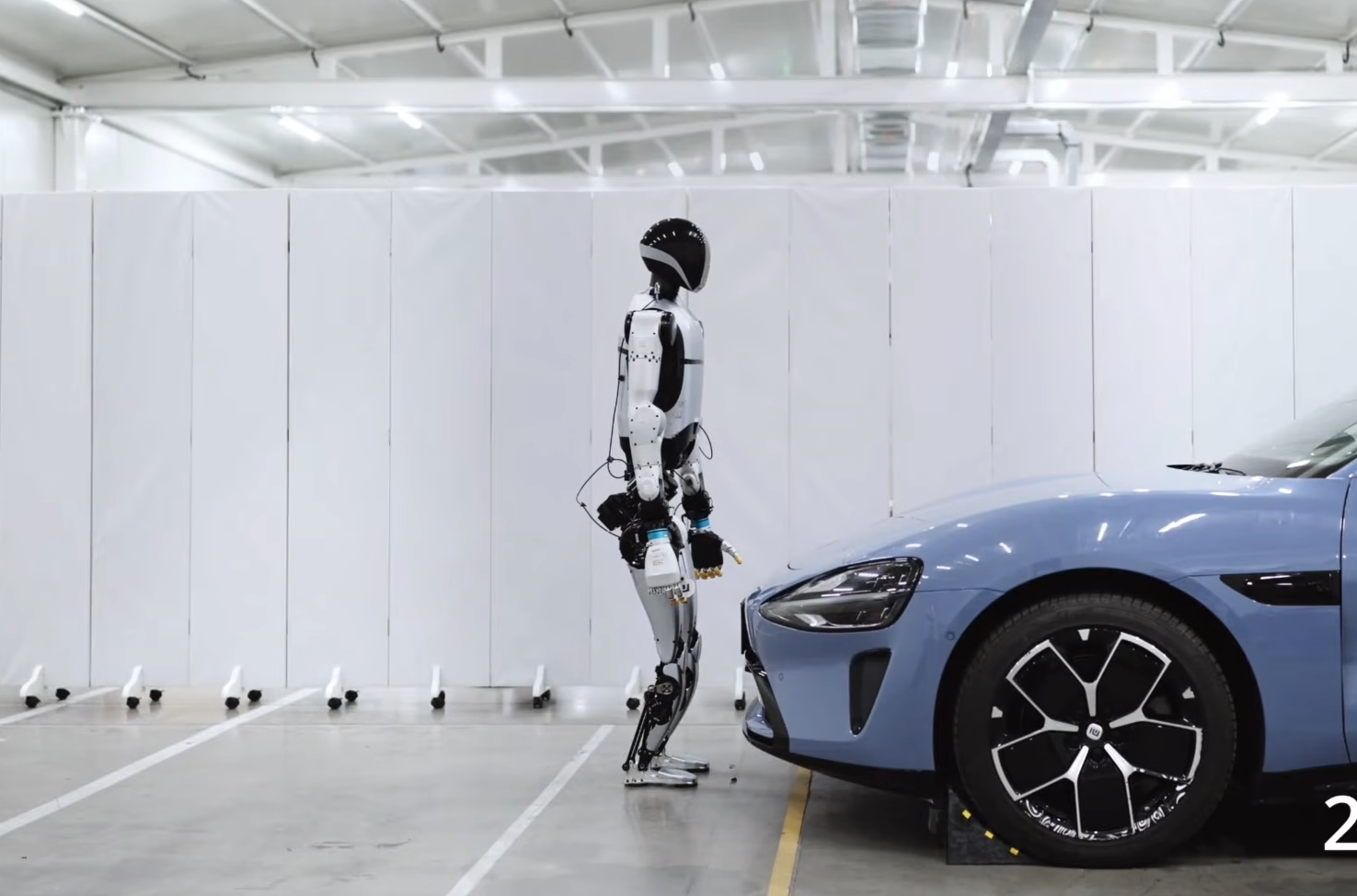
Xiaomi has made significant advancements in deploying its humanoid robot on automotive production lines, achieving a 98% success rate at a self-tapping nut loading station. This improvement narrows the gap to human workers' qualification rates to just one percentage point, showcasing the robot's enhanced capabilities after four months of development. The importance of this development lies in Xiaomi's ability to expand the robot's role in manufacturing, as it has successfully taken on additional tasks such as center console side panel sorting and parts bin folding and recycling, both achieving a 90% success rate. This marks a significant milestone in the robot's operational capabilities, particularly in handling flexible workpieces, which are typically more challenging than rigid components. Looking ahead, Xiaomi's continued focus on refining its humanoid robot's perception and manipulation skills will be crucial for further integration into automotive assembly operations. No further timeline was disclosed at the time of publication.
AI and Robotics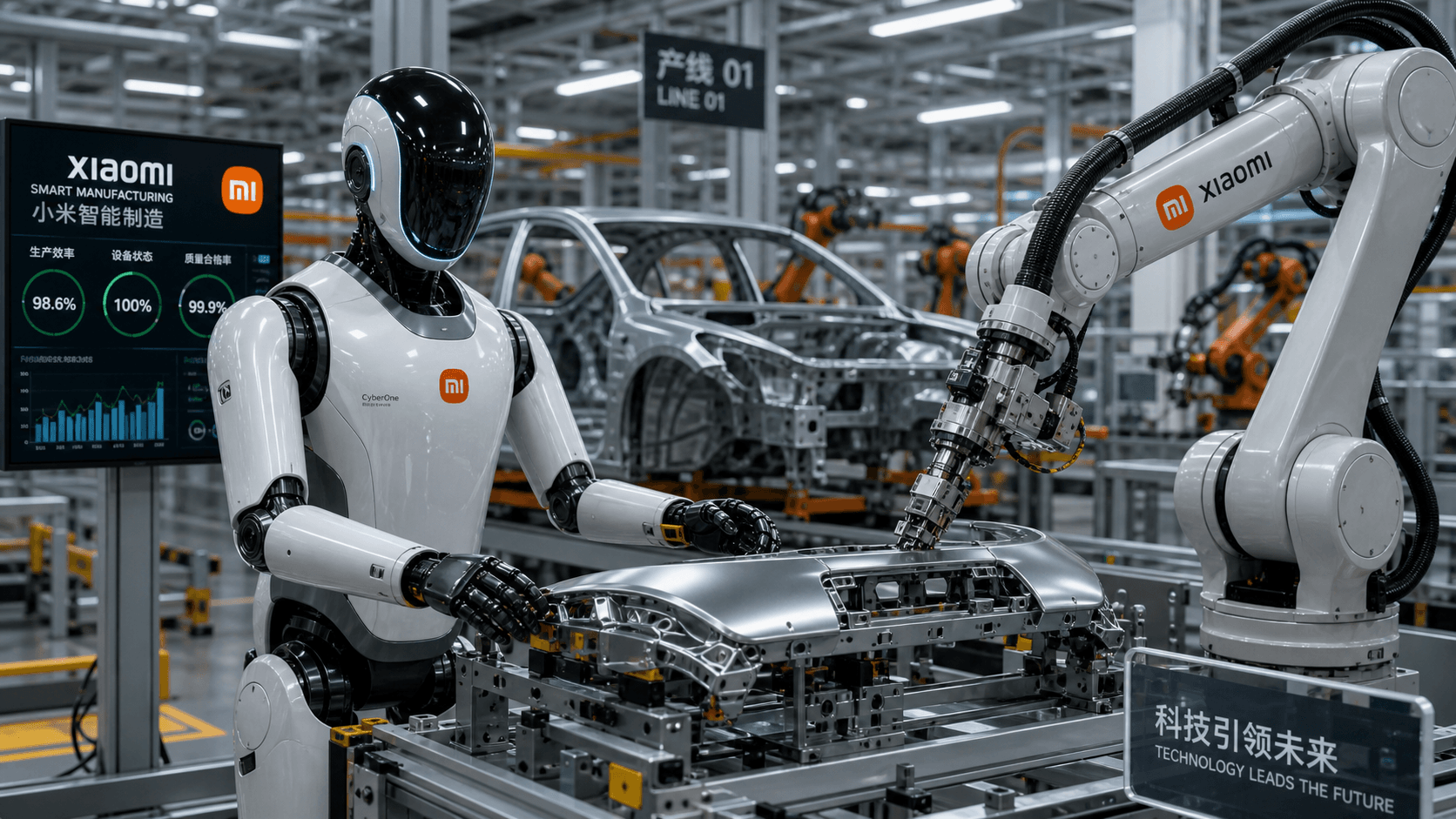
Xiaomi Humanoid Robots Transition to Complex Workpiece Handling on SU7 Production Line
Xiaomi's humanoid robots have advanced from basic screw-tightening tasks to managing complex flexible workpieces on the SU7 production line. This transition marks a significant achievement, with the robots reaching a success rate of over 90% after just six months of training in the factory environment. This development is crucial as it highlights Xiaomi's commitment to enhancing automation in car manufacturing, showcasing the potential of humanoid robots in handling intricate tasks. The successful implementation of these robots could lead to increased efficiency and productivity within the automotive production sector. Looking ahead, it will be important to monitor how Xiaomi continues to integrate these humanoid robots into their production processes and whether they will expand their capabilities further. No further timeline was disclosed at the time of publication.
Technology
Humanoid Robots Enhance Performance in Real-World Applications with New Testing Metrics
Recent advancements in humanoid robotics have led to the development of new testing methods that evaluate how effectively these robots can handle real-world forces. This shift is significant as humanoid robots transition from novelty items to practical tools in various industries, including manufacturing and logistics, where they perform tasks such as lifting heavy boxes and moving furniture. The importance of this testing lies in its ability to measure the robots' capabilities in dynamic environments, ensuring they can operate safely and efficiently alongside human workers. As these robots take on more demanding roles, understanding their physical interactions with the environment becomes crucial for their integration into workplaces, enhancing productivity and safety. Looking ahead, the continued evolution of testing methodologies will be essential for the deployment of humanoid robots in more complex scenarios. No further timeline was disclosed at the time of publication, but ongoing research is expected to yield more robust performance metrics that will guide future developments in this field.
Robotics
Tesla's Optimus Robots to Support Starmind Satellite Production, Not Maintenance
Tesla's Optimus robots will not be used to repair Starmind satellites in orbit, as confirmed by recent statements from Elon Musk. Instead, these robots are intended to assist in the construction and operation of the Terafab chip manufacturing facility in Texas. The AI1 satellites, designed to disintegrate upon reentry, highlight the company's swap-and-replace strategy rather than traditional maintenance practices. This approach is significant as it reflects a broader trend in satellite management, where mass-produced satellites are replaced rather than repaired. The economics of servicing missions are prohibitive, with the cost of launching a replacement satellite being significantly lower than conducting a repair mission. This model aligns with SpaceX's operational history, where rapid replacement of satellites is more efficient than attempting to maintain them in orbit. Looking ahead, the focus will remain on the production capabilities of the Gigasat factory, which is expected to support the continuous replacement of satellites. No further timeline was disclosed at the time of publication, but the demand for rapid satellite turnover suggests a robust future for Optimus robots in terrestrial manufacturing rather than in-space servicing.
Elza Japan starts handling the world's first fully IP66 waterproof industrial humanoid, DEEPRobotics DR02.
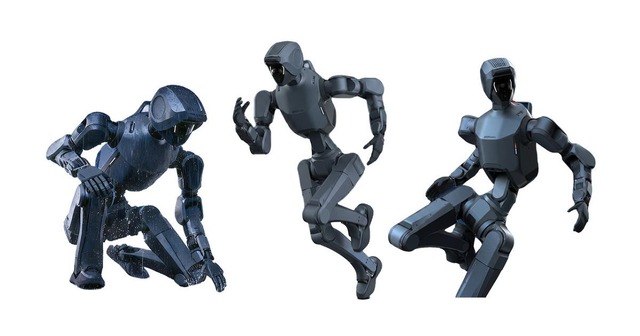
Elsa Japan Co., Ltd. announced the launch of the DEEPRobotics DR02, an all-weather industrial humanoid robot, for the domestic market on June 18, 2026. This new product aims to enhance operational efficiency in various industries by providing advanced robotic solutions capable of functioning in diverse environmental conditions. The introduction of the DR02 reflects the growing demand for automation and robotics in Japan, as companies seek innovative technologies to improve productivity and safety in their operations.
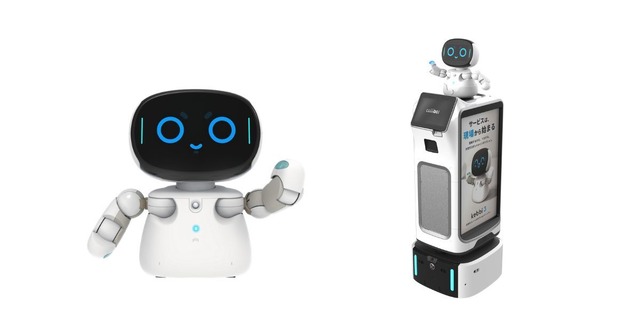
Asratec starts handling AI communication robot "Kebbi 3" and signage robot "Collibot" from Taiwan's NUWA Robotics.
Asuratech has announced a partnership with NUWA Robotics Japan to begin distributing two innovative robotics products from Taiwan's NUWA Robotics. The AI communication robot, "Kebbi 3," and the signage robot, "Collibot Signage Model," will now be available through Asuratech's channels. This collaboration aims to enhance the integration of advanced robotic solutions in various sectors, reflecting a growing trend towards automation and AI-driven technologies in Japan. The initiative is expected to provide businesses with cutting-edge tools for improved communication and customer engagement.
Digital Huaxia's Chen Junmin Outlines Robotics Development Focus for 2024 to 2026
Digital Huaxia co-founder Chen Junmin has outlined a strategic focus for robotics development over the next three years. In 2024, the emphasis will be on enhancing leg mobility, followed by hand functionality in 2025, and cognitive capabilities in 2026. This phased approach aims to ensure that robots can effectively operate in real-world environments such as hospitals and banks. The significance of this strategy lies in addressing the challenges of deploying robots in practical scenarios. While robots have improved in movement and manipulation, achieving stability and reliability in public spaces remains a hurdle. Chen emphasizes the need for a balance between advanced technology and practical application, particularly in environments requiring prolonged mobility and autonomous operation. Looking ahead, the industry must focus on overcoming barriers to commercialization, including reliability, cost reduction, and the ability to operate effectively in real-world settings. Chen notes that while the industry is exploring various applications, the true test will be whether the value created by robots can justify their costs, a question that remains largely unanswered at this stage.
Humanoid Robots Robotics Integration AI Technology Service Robots
Peter Wurman Inducted into National Inventors Hall of Fame for Kiva System Innovation
Peter Wurman was inducted into the National Inventors Hall of Fame in 2022 for his significant contributions to robotics. Alongside Mick Mountz and Raffaello D’Andrea, he co-invented the Kiva system, a mobile robotic solution that has transformed material handling in distribution centers. The Kiva system has revolutionized warehouse order fulfillment, enhancing efficiency and productivity in logistics operations. This innovation has set new standards in the industry, showcasing the potential of robotics in optimizing supply chain processes. Looking ahead, the impact of the Kiva system on the future of material handling and warehouse automation will be significant. As more companies adopt similar technologies, the landscape of distribution centers is expected to evolve further. No further timeline was disclosed at the time of publication.
Robotics needs a service framework.
RSF defines a common language for robot service capability, lifecycle operations, certification pathways, and service-provider networks.
Join the RobotToday community on LinkedIn
Daily robotics news, in-depth analysis, conference highlights, and discussions with professionals worldwide.