

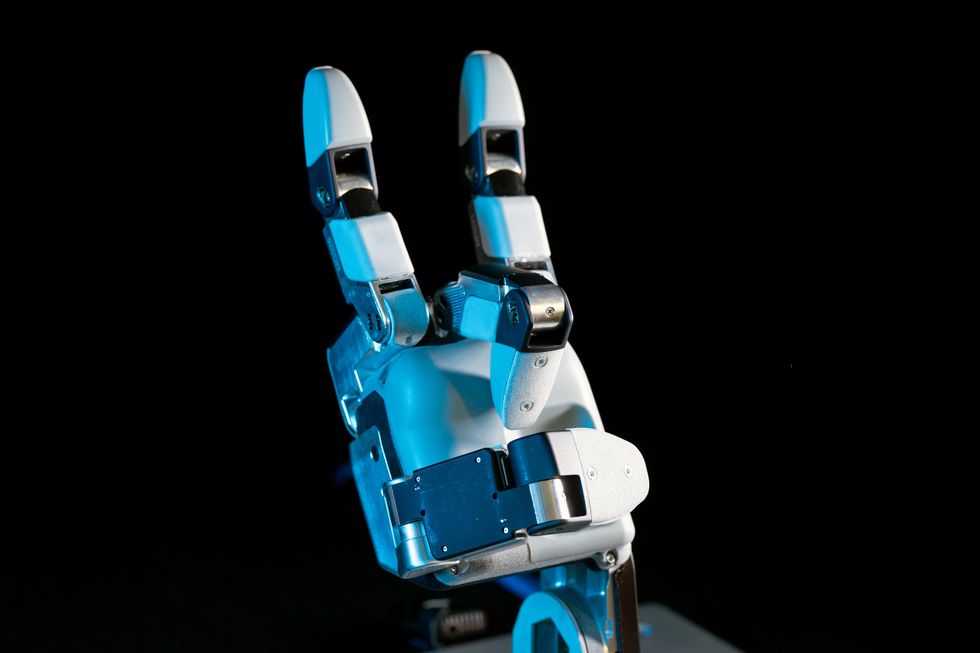
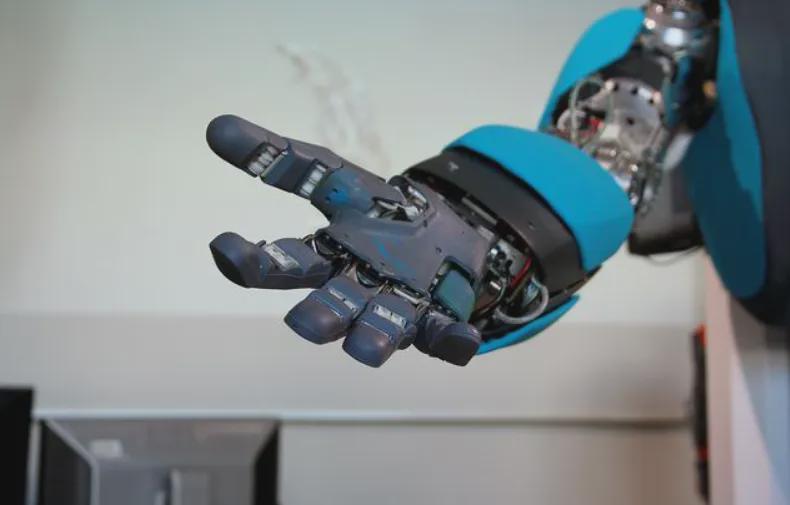
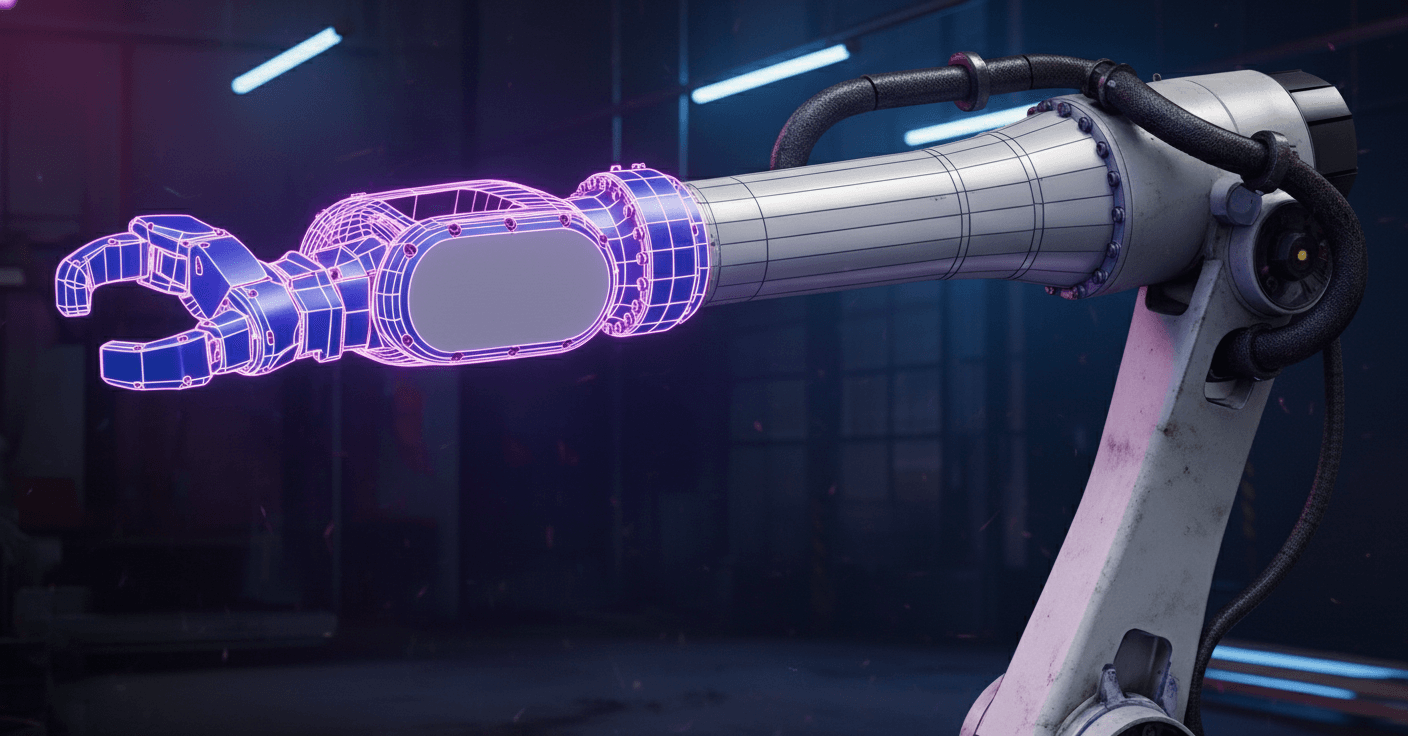
Boston Dynamics has announced a new hand design for its Atlas robot, shifting from research to a scalable product. The redesigned hand, while not resembling a human hand, focuses on ruggedness, reliability, and cost-effectiveness, addressing key challenges in robotic hand design.
This new hand features 13 degrees of freedom, doubling the capabilities of its predecessor, and includes the ability for fingers to splay, enhancing its utility for various tasks. Alberto Rodriguez, Director of Robot Behavior at Boston Dynamics, emphasizes the importance of balancing design trade-offs to achieve a functional and manufacturable product.
Looking ahead, Boston Dynamics is exploring the necessary adjustments for mass production, aiming for a target of 100,000 units annually. The industry will need to navigate similar trade-offs to ensure the scalability of humanoid robots, as the demand for practical and reliable robotic hands continues to grow.
Editor's Note
The evolution of robotic hands is critical for advancing humanoid robotics, particularly in terms of reliability and manufacturability. Boston Dynamics' approach highlights the necessity of making design compromises to achieve practical solutions for real-world applications. As the industry progresses, the balance between functionality and aesthetics will remain a focal point for developers and manufacturers.
Copyright Notice
This briefing is an independently written summary based on publicly available reporting and is provided for industry information and news discovery. The original report and source publication are credited and linked where applicable. RobotToday does not claim ownership of third-party source material.
Rights concerns? If you believe any material in this briefing infringes your copyright or other rights, please contact [email protected] with the relevant URL and details. We will review the matter and take appropriate action where warranted.






















Leave a comment