Industry Briefing
A single destination for timely, editor-curated robotics news from around the world.
Yushu Launches G1+ Robot Featuring Advanced Perception and Motion Enhancements
Yushu has unveiled the G1+ robot, which includes significant hardware upgrades such as increased neck degrees of freedom, an enhanced vision system with dual cameras and 3D LiDAR, and improved motor torque. The robot's far-field audio system has also been upgraded to support sound source localization and noise reduction, with a total price of 95,000 yuan. This launch is crucial as it showcases Yushu's commitment to advancing humanoid robotics technology. The G1+ robot is part of a series of announcements, including the introduction of the UnifoLM-WLA-1.0 model, which integrates world modeling, language understanding, and action generation. These developments highlight the company's focus on real-time decision-making capabilities in robotics. Looking ahead, Yushu plans to open-source the UnifoLM-WMA-0 model in September 2025, which will predict changes in the environment following robotic actions. Additionally, the UnifoLM-VLA-0 model is set for release in January 2026, further enhancing the robot's operational capabilities. No further timeline was disclosed at the time of publication.
Humanoid Robots AI Robotics Machine Learning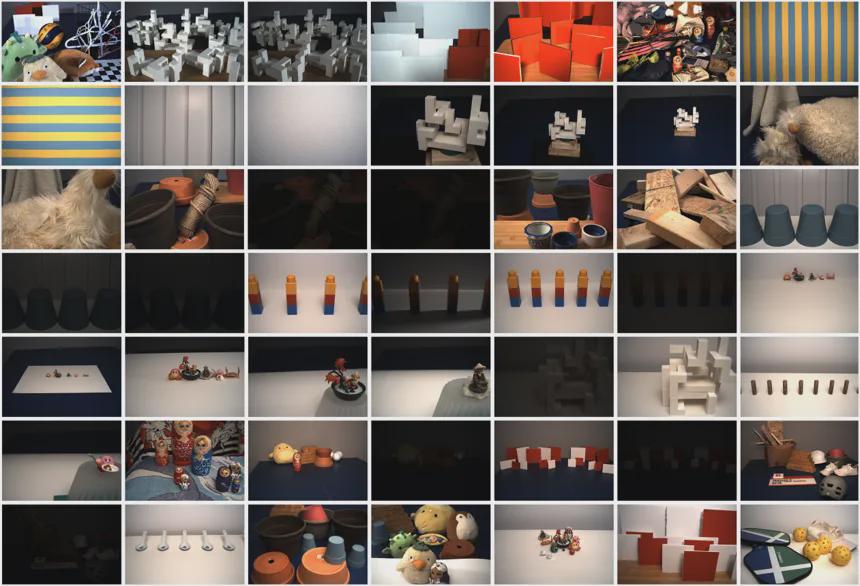
York University Develops CBS Algorithm to Enhance Humanoid Robot Depth Perception
Researchers from York University have introduced the Convergent Binocular Stereo (CBS) algorithm to improve depth perception in humanoid robots. This innovative approach utilizes the movement of the robot's eyes, allowing them to converge on a target while calculating depth based on camera orientation and disparities in the images. This method significantly outperforms traditional depth learning techniques, especially in complex visual scenarios. The advancement is crucial as humanoid robots increasingly rely on sophisticated vision systems to navigate and interact with their environments. By integrating eye movement into depth calculations, the CBS algorithm addresses a long-standing challenge in robotic vision, enhancing the robots' ability to perceive three-dimensional spaces accurately. Looking ahead, the implementation of the CBS algorithm could lead to more advanced humanoid robots capable of better depth perception and spatial awareness. No further timeline was disclosed at the time of publication.
Humanoid Robots Vision Systems Depth Perception Robotics Research
York University Enhances Humanoid Robot Depth Perception with Eye Movement Integration
York University has made significant advancements in humanoid robot vision by integrating eye movement into depth perception. Their research, published in 'Science Robotics', demonstrates that the geometric information generated by eye movements can enhance a robot's understanding of the three-dimensional world. This approach, termed Convergent Binocular Stereo (CBS), allows robots to calculate depth by using the rotation of their cameras to focus on the same target, improving accuracy in depth perception. The importance of this development lies in its potential to overcome limitations in traditional robotic vision systems, which often rely on fixed parallel camera setups. By enabling robots to utilize both horizontal and vertical disparities in visual data, CBS provides a more nuanced understanding of spatial relationships. The study shows that CBS outperforms several conventional and deep learning methods in various scenarios, particularly in cases with repetitive patterns where traditional algorithms struggle. Looking ahead, the research highlights challenges that remain before CBS can be effectively implemented in real-time robotic applications. Current processing times are too slow for immediate perception, and the system's accuracy is sensitive to motor precision and camera calibration. Future work will focus on optimizing the algorithm, enhancing motor accuracy, and addressing the issue of determining the next point of focus, which is crucial for mimicking human-like vision in robots.
Humanoid Robots Depth Perception Computer Vision Robotics Research
The Rise of Tactile Perception in Robotics: Insights from Pasini's Growth
Recently, a prominent investor reflected on a past misjudgment regarding Pasini, a company valued at under 100 million yuan six years ago. At that time, the investor believed the market for robotic tactile perception was too small and the scenarios too limited, leading to a decision against investing. Today, Pasini's valuation has surpassed 10 billion yuan, highlighting a significant shift in the industry. This evolution underscores the importance of tactile perception in robotics, which has transitioned from a perceived niche to a critical component of operational efficiency. The investor's initial assessment failed to recognize the potential of tactile feedback in enhancing assembly yield, production line cadence, and overall operational costs. As tactile perception becomes integral to robotic systems, it is now a key factor in return on investment calculations for clients. Looking ahead, Pasini's advancements in tactile technology position it as a leader in the physical AI landscape. The company has secured significant funding, including a Series B round in March 2026, raising its valuation to over 10 billion yuan, followed by an additional 1 billion yuan in strategic financing. This trajectory suggests a growing recognition of the value of tactile perception in robotics and its role in the future of intelligent manufacturing.
Tactile Sensors Robotics AI Investment Industry Growth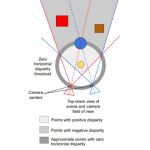
New Convergent Binocular Stereo Algorithm Enhances Humanoid Robots' Depth Perception
Researchers from York University in Toronto have developed a new vision algorithm that enables humanoid robots to perceive depth similarly to humans using two forward-facing eyes. This innovative approach, known as convergent binocular stereo (CBS), processes visual differences between images from the left and right cameras to create a more accurate 3D understanding of scenes, improving distance judgment and navigation in complex environments. The significance of this advancement lies in its potential to enhance robotic vision, making it more biologically inspired and capable. By mimicking human depth perception, CBS allows robots to calculate depth through a camera arrangement that converges on targets, rather than relying solely on parallel cameras. This method captures both horizontal and vertical disparities, enabling a more nuanced understanding of object orientation and surface slant. Looking ahead, researchers have created the Convergent Binocular Stereo–BenchMark dataset to test the algorithm, which has shown competitive performance against established stereo methods. However, limitations remain, including reduced accuracy at greater distances and the need for precise calibration. No further timeline was disclosed at the time of publication.
AI and Robotics
Convergent Binocular Stereo Enhances Depth Perception in Humanoid Robot Vision
A recent study published in Science Robotics highlights advancements in convergent binocular stereo technology, which significantly improves depth perception for humanoid robots. This development is crucial as it allows robots to better navigate and interact with their environments, enhancing their functionality in various applications. The importance of this technology lies in its potential to revolutionize humanoid robot capabilities, making them more effective in tasks that require spatial awareness and interaction with complex surroundings. Enhanced depth perception can lead to improved safety and efficiency in industrial and service sectors where humanoid robots are deployed. Looking ahead, researchers will focus on further refining this technology and exploring its applications in real-world scenarios. No further timeline was disclosed at the time of publication.
Research Article
Tashan Technology Unveils Tactile Perception Loop for Enhanced Robotic Interaction Learning at WRC 2026
At the World Robotics Conference (WRC) 2026, tactile perception emerged as a focal point, highlighting its importance in robotic interaction. Tashan Technology showcased its tactile perception loop, addressing the limitations of visual imitation learning in complex industrial environments. The company aims to enhance robots' physical interaction capabilities by developing scalable tactile sensors that enable autonomous learning through real-time feedback. The significance of this development lies in its potential to overcome the challenges faced by robots in understanding physical interactions. Current reliance on visual data fails to capture the nuances of tactile feedback, leading to high failure rates in tasks involving unknown objects. Tashan Technology's approach seeks to fill this gap by providing robots with a tactile sensory system that allows them to independently comprehend and adapt to their physical surroundings. Looking ahead, Tashan Technology's advancements in tactile perception could revolutionize the robotics industry by enabling robots to perform tasks with greater accuracy and reliability. The company’s TS-F series sensors, capable of detecting various materials and providing high-resolution force feedback, represent a significant step towards achieving human-like tactile perception in robots. No further timeline was disclosed at the time of publication.
Tactile Perception Robotic Interaction Sensor Technology AI Robotics
Hanwei Technology Showcases Advanced Perception Solutions During 2026 World Robot Conference
During the 2026 World Robot Conference, Hanwei Technology Group Co., Ltd. showcased five types of embodied perception products, including tactile and olfactory sensors. The company also launched the HAU925, a nine-axis inertial sensor chip aimed at embodied intelligence, and demonstrated various advanced sensing technologies. Chairman Ren Hongjun discussed production rhythms and industry strategies, highlighting the growing importance of perception in robotics. The significance of these developments lies in Hanwei's focus on perception as a foundation for intelligent robotics. The company’s electronic skin technology, which has already reached over 30 clients, is poised to enter mass production, marking a critical point in its commercialization. Meanwhile, other sensory products are expected to scale up within two to three years, although significant profits may take longer to materialize. Looking ahead, Hanwei anticipates a shift in the robotics industry towards greater emphasis on embodied perception. However, challenges remain in integrating perception technologies into practical applications. The company aims to address these gaps by providing essential data collection infrastructure, including motion capture suits and data gloves, to support the industry's evolving needs.
Embodied Intelligence Sensor Technology Robotics AI Wearable Technology
ModuTech Secures Pre-A Funding to Advance Touch Perception in Robotics Market
ModuTech, a Shenzhen-based company, has completed a Pre-A funding round worth several million yuan, led by Falcon Investment and Yihua Capital. This funding will support the expansion of their research and development team, production lines, and global business outreach. ModuTech aims to address the challenges of touch perception in robotics, which is crucial for tasks requiring fine manipulation. The touch perception market for humanoid robots is projected to exceed $320 million by 2026, with a growth rate of over 160%. This segment is recognized as the fastest-growing within humanoid robot components. ModuTech differentiates itself by integrating sensor technology with data collection and tactile modeling, creating a comprehensive system that enhances robotic capabilities in precision tasks. As the industry faces challenges with fragmented tactile data, ModuTech's approach includes a multi-modal data system that aligns tactile, visual, and robotic state data. This innovation transforms physical interactions into high-quality, task-level data, enabling sensors to evolve from mere hardware to valuable data sources that inform decision-making in robotics.
Touch Perception Humanoid Robots Industrial Robotics Sensor Technology
Key Innovations in Robot Perception and Control Ahead of the 2026 World Robot Conference
The upcoming 2026 World Robot Conference will showcase significant advancements in robot perception and control technologies. Key innovations include a bipedal robot brain platform based on AMD Embedded Ryzen™ 8840U, which utilizes heterogeneous computing capabilities for autonomous navigation and interaction. Additionally, the JT series mini 3D LiDAR by Hesai offers a 360° x 189° field of view, setting a new benchmark in performance for robotic applications. These developments are crucial as they enhance robots' ability to perceive and interact with their environments, thereby improving their functionality in various applications. The integration of advanced sensors and computing platforms allows for real-time processing and decision-making, which is essential for the future of robotics. The innovations presented at the conference are expected to drive further advancements in automation and intelligent systems. Looking ahead, attendees should pay attention to the practical applications of these technologies in sectors such as logistics, manufacturing, and service industries. The conference will provide insights into how these innovations can be implemented to improve operational efficiency and user interaction. No further timeline was disclosed at the time of publication.
Robot Perception Autonomous Navigation Sensor Technology AI Robotics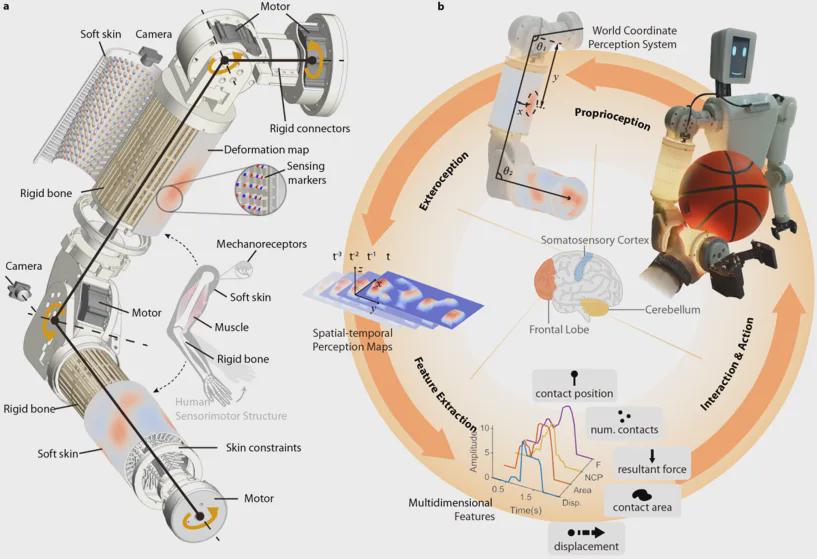
HKUST Introduces Advanced Tactile Perception Technology for Robots
The Hong Kong University of Science and Technology (HKUST) has developed a novel robotic arm architecture called EmArm, which integrates soft optical tactile skin into a rigid mechanical framework. This innovation allows robots to achieve human-like tactile perception, enabling them to respond intuitively to touch and navigate obstacles without visual input. This advancement is significant as it addresses the limitations of traditional robots that rely heavily on visual systems and sparse joint torque sensors, which often fail in blind spots. EmArm's tactile skin covers over 71,000 square millimeters and provides high spatial resolution, allowing for precise detection of touch and pressure, surpassing human tactile acuity in some aspects. Looking ahead, the research team aims to enhance EmArm's capabilities by implementing a closed-loop perception-action framework. This will enable the robot to make adaptive decisions based on real-time tactile feedback, marking a crucial step towards creating robots that can interact more naturally and effectively in dynamic environments. No further timeline was disclosed at the time of publication.
Robotic Arms Tactile Sensing Human-Robot Interaction Soft Robotics
Robbyant Unveils LingBot-Depth 2.0 with Enhanced Spatial Perception for Robotics
Chinese AI company Robbyant has launched LingBot-Depth 2.0, a next-generation spatial perception model designed to enhance robotic navigation in complex environments. This model builds on the previous LingBot-Depth, utilizing the Masked Depth Modeling technique and trained on 150 million samples, achieving top results in 12 out of 16 depth completion benchmarks. Notably, it reduces depth error by over 50%, improving accuracy in challenging indoor settings. The significance of LingBot-Depth 2.0 lies in its ability to accurately perceive transparent and reflective surfaces, areas where traditional depth cameras often struggle. The model's advancements are attributed to LingBot-Vision, a visual foundation model that employs a unique “boundary structure” pre-training objective, enabling sub-pixel-level boundary localization. Despite being trained on a smaller dataset of 160 million images, it demonstrates robust performance across various robotic vision applications, enhancing object boundary detection and tracking. Looking ahead, Robbyant's collaboration with Orbbec aims to integrate LingBot-Depth 2.0 into new hardware solutions for robotics data collection. The RGB-D EGO device, part of Orbbec’s Robot-Free Data Collection Hardware Platform, will feature a customized version of the model. Future updates are expected to further enhance depth completion and spatial structure understanding, providing a solid foundation for training embodied AI systems in real-world scenarios. No further timeline was disclosed at the time of publication.
AI and Robotics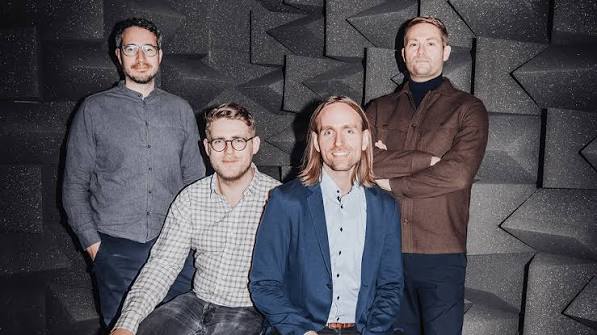
Treble Technologies Raises $18 Million to Advance Robots' Sound Perception Capabilities
Treble Technologies has secured $18 million in Series A-2 funding, led by Paladin Capital Group, to enhance auditory capabilities in robots. Founded in 2020 in Reykjavik, Iceland, Treble focuses on transforming sound propagation into simulative data, addressing limitations faced by AI models in complex acoustic environments. The significance of Treble's technology lies in its ability to model sound acoustics based on physical principles, allowing developers to evaluate product performance before creating physical prototypes. This approach differs from traditional audio processing methods, which primarily focus on signal-level enhancements. Treble's simulations can replicate real-world acoustic conditions, providing valuable insights for companies like Amazon and Logitech, who are already testing audio products on Treble's platform. Looking ahead, Treble aims to expand its presence in the U.S. market while increasing investments in physical AI. As sound becomes a critical interface for intelligent machines, the company’s acoustic simulation capabilities could bridge the gap in robotic perception, enabling robots to interpret auditory information alongside visual data. No further timeline was disclosed at the time of publication.
Acoustic Modeling Robotics AI Sound Simulation
Aetina Launches AIE-KT78 and AIE-KT68 for Advanced AI in Robotics Control
Aetina Corporation has announced the general availability of its DeviceEdge AIE-KT78 and AIE-KT68 edge AI systems. These systems support local multimodal generative AI, LLM, VLM, and VLA model execution, enabling seamless integration with high-resolution sensors, motors, joints, and actuators through high-bandwidth interfaces and EtherCAT control. The introduction of these systems is significant as they are powered by NVIDIA Jetson Thor and utilize the NVIDIA Blackwell architecture, providing high-performance AI compute and deterministic industrial control. This makes them ideal for Collaborative Robots (Cobots), humanoid robots, and next-generation autonomous machines, enhancing their ability to perceive, reason, decide, and act in real-world environments. Looking ahead, the focus will be on how developers leverage the capabilities of the AIE-KT78 and AIE-KT68 systems to create more sophisticated robotic applications. No further timeline was disclosed at the time of publication.
AGIBOT Introduces AGILE 2.0 for Enhanced Perception in Humanoid Robots
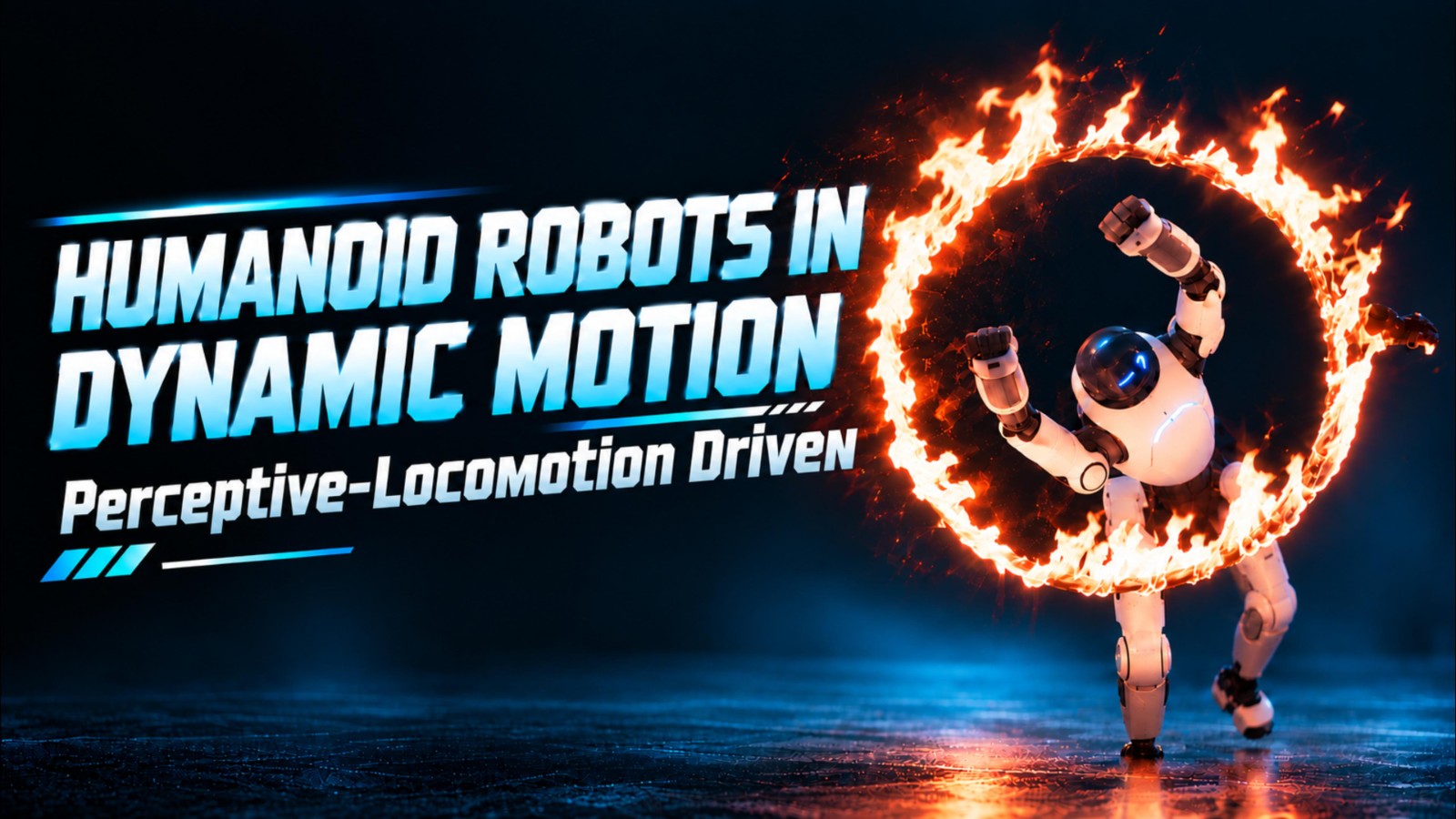
AGIBOT has unveiled AGILE 2.0, a sophisticated framework designed for perception-driven locomotion and comprehensive control in humanoid robots. This new system allows for real-time modifications to movement and manipulation based on environmental feedback, significantly enhancing robot adaptability. The introduction of AGILE 2.0 is significant as it showcases AGIBOT's commitment to advancing robotic capabilities. The framework was demonstrated with AGIBOT X2 robots executing intricate tasks, illustrating their enhanced ability to coordinate and adapt in dynamic real-world environments. Looking ahead, the industry will be keen to observe how AGIBOT's AGILE 2.0 framework influences the development of humanoid robots and their applications. No further timeline was disclosed at the time of publication.
robotics AI humanoid robots automation technology
Lyte Secures $165 Million Series C Funding Led by Maverick Silicon for Robot Perception
Lyte has announced a successful $165 million Series C funding round, led by Maverick Silicon. This financing values the company at $1.6 billion post-money and marks a significant step as Lyte prepares for production deployments. The funding is crucial for Lyte, a company specializing in physical AI perception, as it aims to enhance robots' understanding of their environments. With this investment, Lyte is positioned to advance its technology and expand its market presence, which is vital in the rapidly evolving robotics sector. Looking ahead, Andrew Homan from Maverick Silicon will join Lyte's board, indicating a strategic partnership that could influence future developments. No further timeline was disclosed at the time of publication.
Human Pose Estimation Approach for Multi-Modal Perception in Dynamic Occlusion Scenarios
A recent study published in the Journal of Field Robotics explores a human pose estimation approach aimed at enhancing multi-modal perception in dynamic occlusion scenarios. This research is particularly relevant for improving human-robot collaboration, as it addresses the challenges posed by occlusions in real-time environments. The significance of this study lies in its potential to advance the capabilities of robots in collaborative settings, enabling them to better understand and interact with human counterparts. By focusing on dynamic occlusion scenarios, the research highlights the importance of robust perception systems that can adapt to changing environments, which is crucial for effective human-robot teamwork. Looking ahead, the implications of this research could lead to more sophisticated robotic systems capable of navigating complex environments while maintaining high levels of interaction with humans. No further timeline was disclosed at the time of publication.
RESEARCH ARTICLE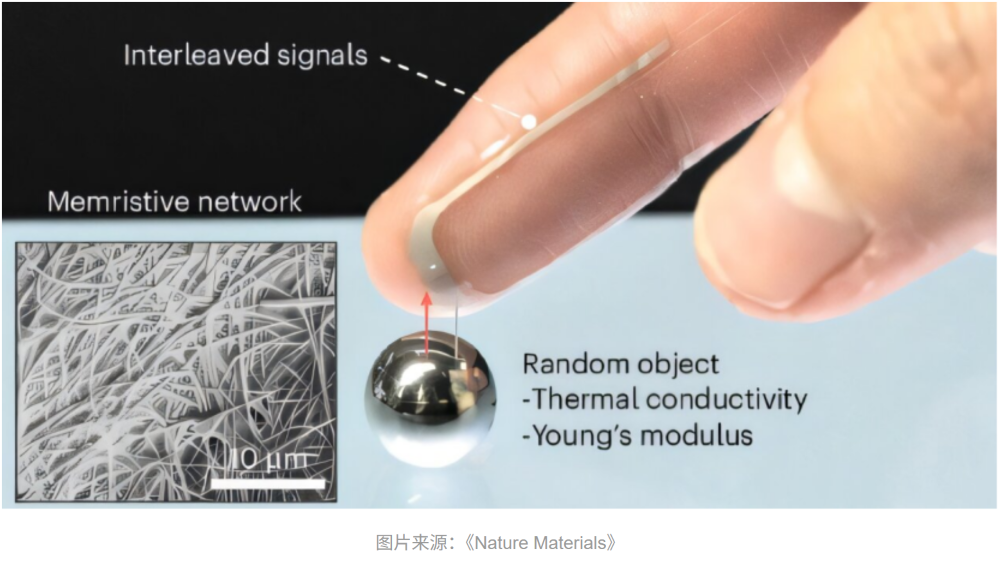
Seoul University Introduces Single-Layer Artificial Skin for Enhanced Robotic Sensory Perception
On July 10, a research team led by Professor Seung Hwan Ko at Seoul University published a significant study in Nature Materials, unveiling a novel single-layer artificial skin. This innovative material allows robots to simultaneously sense temperature and pressure, mimicking human sensory capabilities. The design utilizes a silver-core-copper oxide shell nanowire network, enabling rapid switching between temperature and mechanical sensing modes at a frequency of 16 Hz. The development is crucial as it addresses the limitations of existing artificial skin technologies, which typically rely on multiple stacked sensors, resulting in complex structures and slower response times. The new sensor demonstrates remarkable response speeds, with mechanical stimuli detected in microseconds and thermal stimuli in milliseconds. When combined with AI models, the sensor's accuracy in object recognition improved from 65% to 95% by integrating signals from both sensing modes, showcasing its potential for real-world applications. Looking ahead, the research team has created a multi-array platform that can measure temperature and pressure distribution with spatial resolution comparable to human skin. This technology not only serves as a fingertip sensor but also has the potential to evolve into a comprehensive artificial skin system for robots. The team emphasizes that this advancement is a key enabling technology for physical AI systems, allowing machines to perceive and interact with their environment more effectively. No further timeline was disclosed at the time of publication.
Artificial Skin Robotics Sensor Technology AI Human-Robot Interaction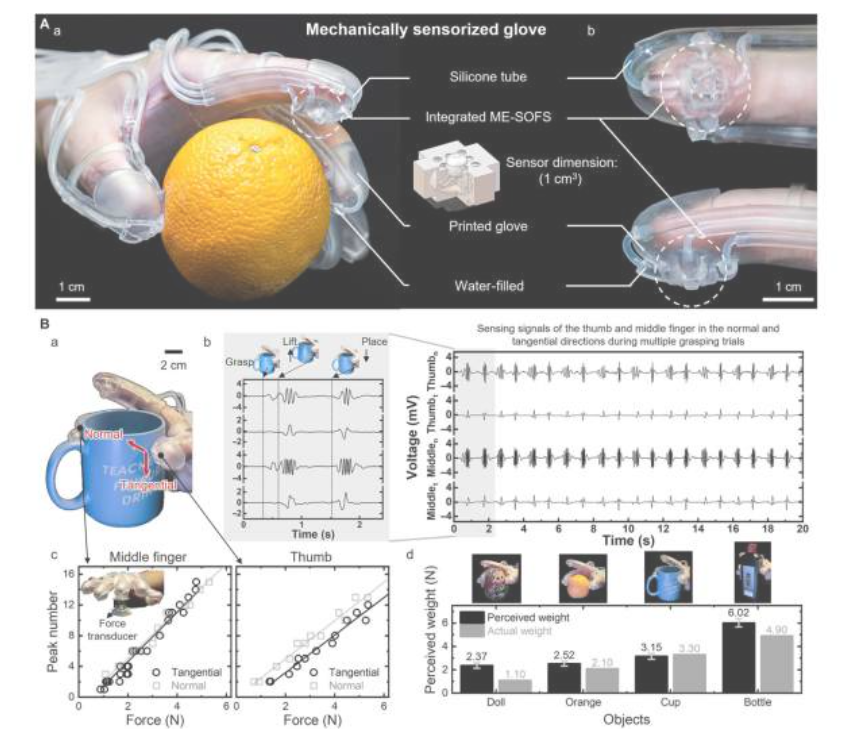
Singapore Team Develops ME-SOFS: A Mechanical Sensor for Touch Perception Without Electronics
A research team from the National University of Singapore has introduced a groundbreaking soft force sensor called ME-SOFS, which converts touch into fluid-driven motion without any electronic components. This innovative sensor features a 3D-printed soft porous structure with a central pillar connected to five fluid-filled chambers. When pressure is applied, the pillar tilts, compressing the corresponding chamber and driving fluid to actuators, enabling the detection of forces in multiple directions. The significance of ME-SOFS lies in its ability to operate without electronic interference, making it ideal for applications in medical training and elderly care. The sensor can generate readable signals through integrated magnets and coils, allowing it to measure force without external power. This technology has been successfully demonstrated in a soft glove that detects grip strength and predicts object weight, as well as in a tactile feedback system that enables operators to control robotic arms through force feedback. Looking ahead, the ME-SOFS sensor demonstrates robust performance under extreme conditions, such as high temperatures and underwater pressures. Its unique design allows it to function effectively in various environments, making it a valuable tool for soft robotics that require safe interaction with humans. No further timeline was disclosed at the time of publication.
Soft Robotics Fluid Sensors Mechanical Systems Robotics Technology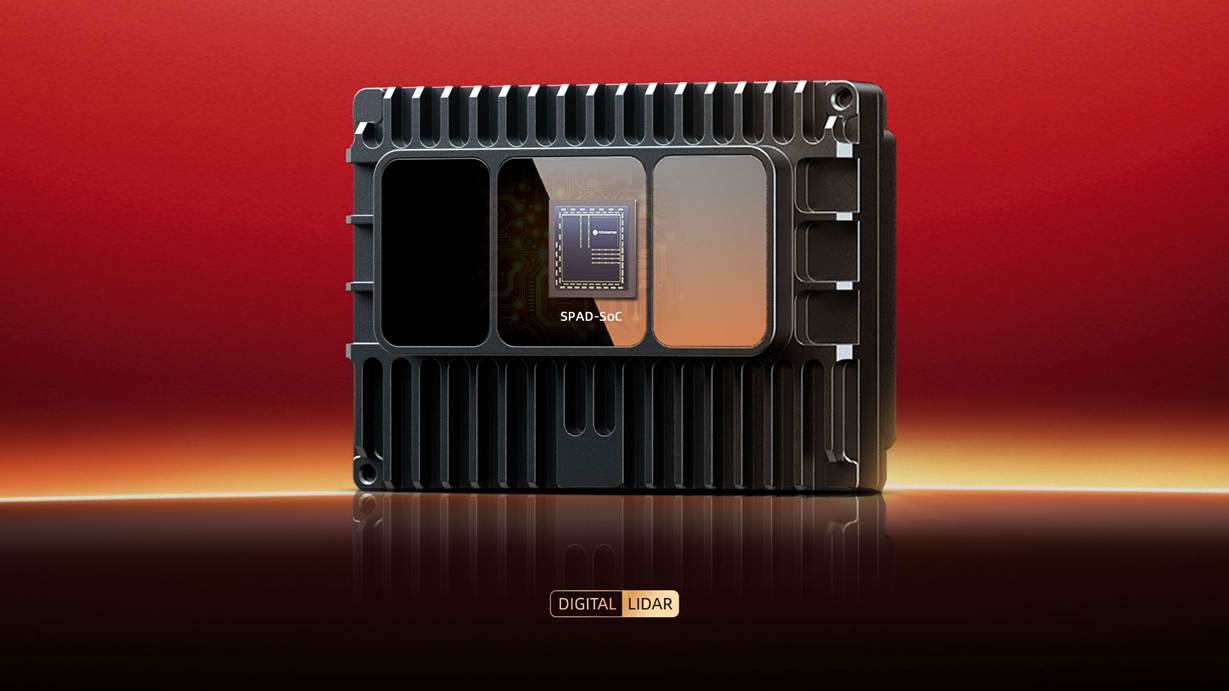
Robot Sales Surge 510% in H1 2026, Speeding Up AI Perception Technology Development
In the first half of 2026, Speeding Up Technology experienced a staggering 510% surge in robot sales, reaching a total of 282,600 units sold. The company's lidar product sales also saw substantial growth, with 719,200 units sold during the same period. This remarkable increase is attributed to advancements in digital chip technology and Speeding Up's strong foothold in both the robotics and automotive industries. The company is strategically positioning itself to become a leading perception technology platform in the evolving landscape of physical AI.
Robotics Lidar Technology AI Perception Digital Chips Automotive Technology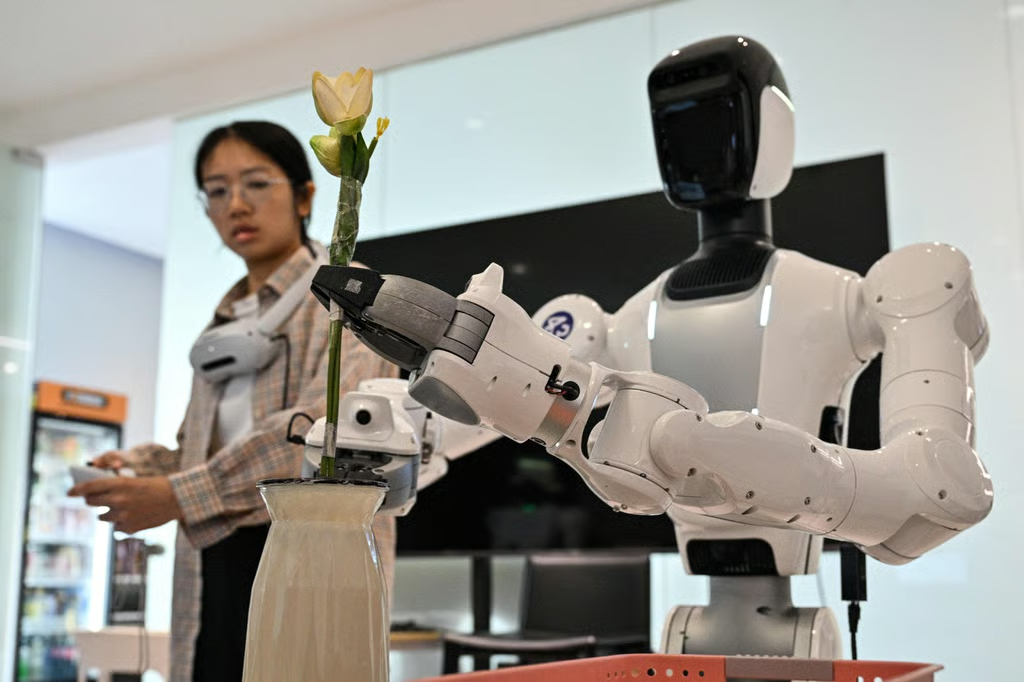
Ant Group Unveils Groundbreaking Spatial Perception Model for Robots
Ant Group's Robbyant has unveiled LingBot-Depth 2.0, an advanced spatial perception model designed to enhance robot vision in complex environments, such as those involving glass and mirrors. This innovative model, which operates with just 1.1 billion parameters, demonstrates superior performance compared to larger models while requiring less training data. The launch, which marks a significant milestone in artificial intelligence technology for robotics, reflects ongoing efforts to improve the capabilities of robots in navigating and interpreting their surroundings effectively.
Robotics AI Computer Vision Depth Perception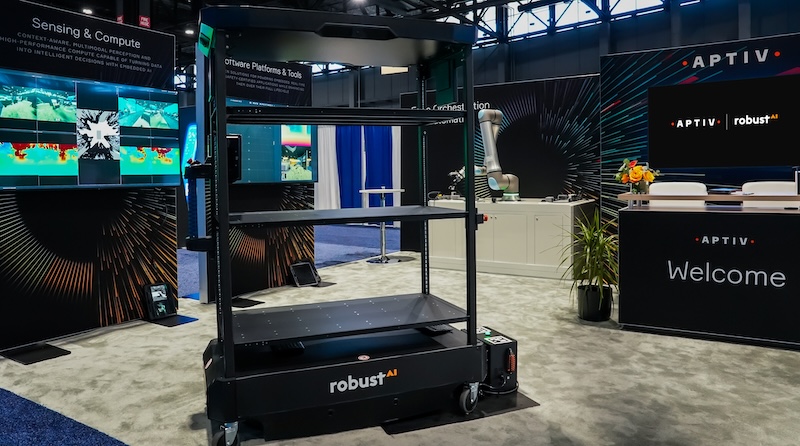
Robust.AI selects Aptiv’s AI-powered perception system for next-generation Carter warehouse robot
Aptiv, an industrial technology company, has announced that Robust.AI, a developer of AI-driven warehouse automation, has selected Aptiv’s intelligent perception solutions, including AI and Machine Learning based sensor fusion powered by the Aptiv Pulse sensor for its Gen 3 Carter collaborative mobile robot. This selection builds on the companies’ existing collaboration to combine Aptiv’s proven […]
Computing News Sensors AI perception amrs aptiv
Robbyant Unveils LingBot-Depth 2.0 and LingBot-Vision to Redefine Robotic Spatial Perception
Building upon the success of LingBot-Depth, which pioneered the Masked Depth Modeling (MDM) technique to resolve depth sensing challenges for transparent and reflective surfaces, LingBot-Depth 2.0 represents a massive scale-up in training data and performance.
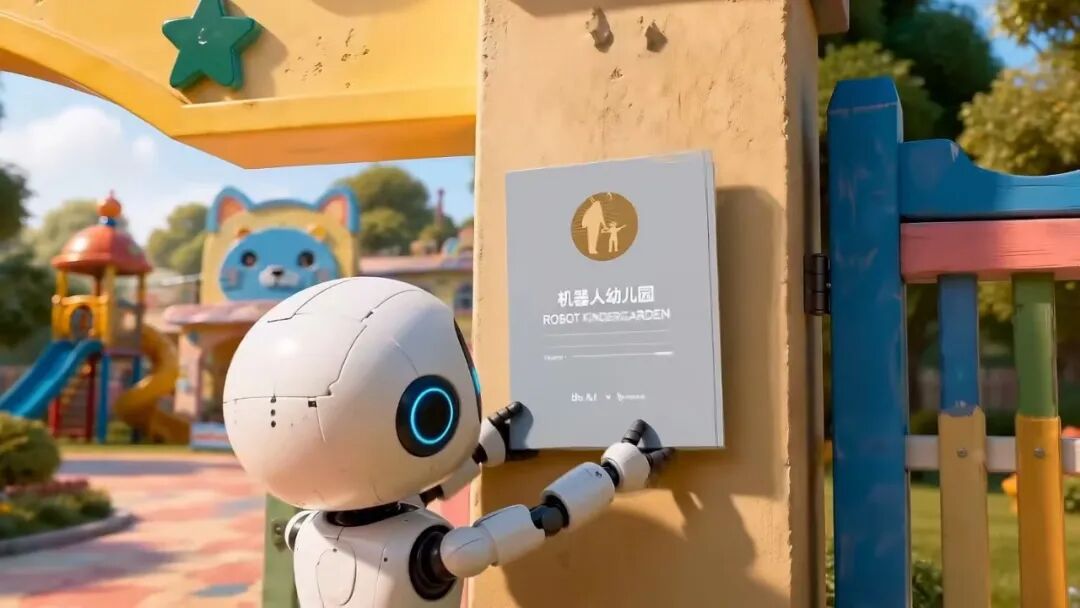
Sutton partners with Tianshan Technology to launch "Robot Kindergarten," using tactile perception to enable robots' self-learning abilities in the real world.
Sutton has announced a collaboration with Tianshan Technology to introduce "Robot Kindergarten," an innovative initiative aimed at enhancing robots' self-learning capabilities through tactile perception. This partnership seeks to bridge the gap between artificial intelligence and real-world applications by allowing robots to learn from their interactions with the environment. The launch of Robot Kindergarten is set to take place in the coming months, with the aim of revolutionizing how robots adapt and respond to various stimuli. By leveraging advanced sensory technology, the project aspires to create more autonomous and intelligent robotic systems, ultimately paving the way for broader applications in industries such as education, healthcare, and manufacturing.
Robotics Automation AI
The Hidden Perception Decisions That Shape a Robot’s Cost, Size, and Time to Market
Recent advancements in robotics highlight the critical importance of sensor specifications, which serve as a foundational element for enhancing a robot's operational capabilities. Key factors such as depth accuracy, range, field of view, and frame rate are essential in determining a robot's ability to effectively perceive its environment. These specifications are not merely technical details; they play a pivotal role in the robot's functionality and performance in various applications. As the field of robotics continues to evolve, understanding and optimizing these sensor characteristics will be crucial for developing more sophisticated and capable robotic systems.
The New Era of Robot Perception: How CoRMA Enables Machines to Truly "Understand Touch"
Researchers have unveiled a groundbreaking advancement in robotic technology with the introduction of CoRMA, a new system designed to enhance machines' ability to perceive touch. This innovative development, announced in October 2023, aims to bridge the gap between human-like sensory experiences and robotic capabilities. Located at a leading technology research facility, the CoRMA system utilizes advanced algorithms and sensory data to enable robots to interpret tactile information more effectively. The motivation behind this initiative stems from the growing demand for robots to perform tasks that require a nuanced understanding of touch, such as delicate assembly work or providing care in healthcare settings. By integrating sophisticated sensors and machine learning techniques, CoRMA allows robots to not only detect pressure but also differentiate between various textures and materials. This advancement is expected to significantly improve the functionality of robots in diverse applications, from manufacturing to personal assistance. The development of CoRMA represents a significant leap forward in the field of robot perception, potentially transforming how machines interact with their environment and enhancing their ability to perform complex tasks that require a human-like touch.
Robotics Automation AI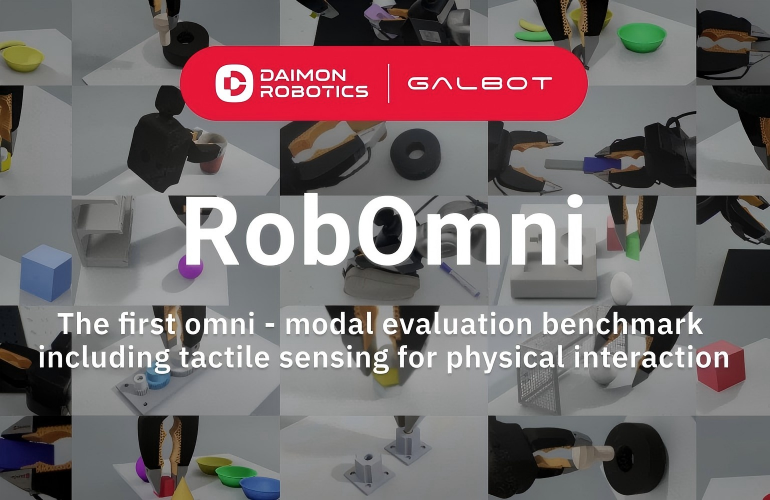
Daimon Robotics and Galbot jointly launches RobOmni for benchmarking tactile perception and dexterous manipulation
Daimon Robotics and Galbot have announced the launch of RobOmni, a new platform designed to benchmark tactile perception and dexterous manipulation in the field of embodied AI. This development marks a significant shift from traditional vision-centric approaches to a more comprehensive understanding of physical interactions. The collaboration aims to enhance the capabilities of robots in performing complex tasks that require fine motor skills and sensitivity to touch. The launch event took place recently, highlighting the growing importance of tactile feedback in robotics and its applications across various industries. By integrating advanced tactile sensing technologies, RobOmni is set to provide researchers and developers with the tools needed to push the boundaries of robotic dexterity and perception.
Sponsored Content
New humanoid robot brings advanced perception and manipulation to industrial droids
A Vietnamese technology company has introduced its newest humanoid robot, the VR-H3, during the IEEE International Conference on Robotics and Automation held in Paris. The unveiling took place on May 23, 2023, showcasing the company's commitment to advancing robotics and artificial intelligence. The VR-H3 is designed to assist in various tasks, including healthcare support and customer service, reflecting the growing demand for automation in diverse sectors. This innovation aims to enhance efficiency and improve service delivery, addressing labor shortages and increasing productivity. The development of the VR-H3 involved extensive research and collaboration with experts in robotics, highlighting the company's dedication to integrating cutting-edge technology into practical applications.
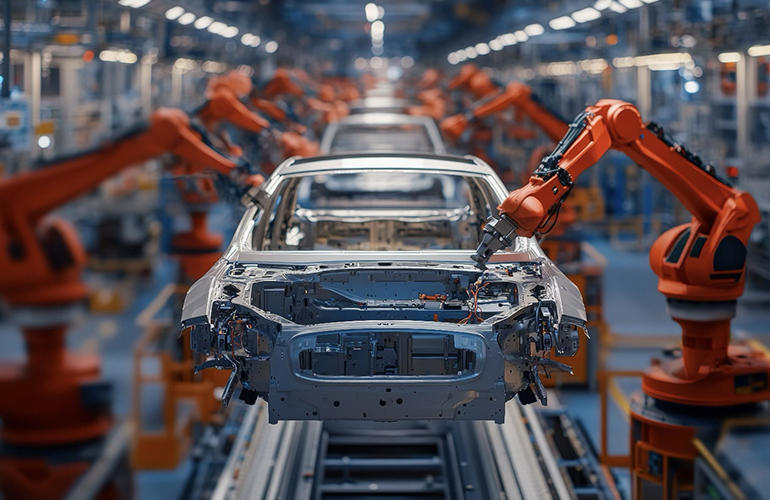
The Convergence in Perception Systems from Cars to Robots
Humanoid robots are increasingly being integrated into environments where they interact closely with humans, demonstrating the ability to navigate shared spaces and respond to unpredictable behaviors in real time. This advancement marks a significant step in the evolution of robotics, as these machines are designed to operate alongside people, enhancing their functionality and adaptability in everyday situations. The development is part of a broader trend in perception systems, which have seen improvements in both automotive and robotic technologies, allowing for more sophisticated interactions. As this technology continues to evolve, it holds the potential to transform various sectors by enabling robots to assist in tasks that require a nuanced understanding of human behavior and environmental dynamics.
Analog Devices: Architecting Trusted Mobility Analog Devices
How HeShan Technology Became a Leader in Tactile Perception for Humanoid Robots
HeShan Technology, established in late 2017, has emerged as a leader in the development of tactile sensors and algorithms specifically designed for humanoid robots. The company has successfully addressed the essential requirement for sensory perception in robotics, resulting in a remarkable achievement of capturing 80% of the global market share for tactile sensors in this sector. Through a holistic strategy that encompasses everything from chip development to algorithm integration, HeShan Technology has positioned itself at the forefront of innovation in humanoid robotics.
Tactile Sensors Humanoid Robots AI Robotics Technology
Review of Essential Generic Technologies for Visual Perception in Underground Coal Mine Robots
A recent study published in the Journal of Field Robotics highlights advancements in autonomous robotic systems designed for agricultural applications. Researchers from various institutions conducted experiments to evaluate the efficiency and effectiveness of these robots in crop monitoring and management. The study, released in early October 2023, took place in diverse agricultural settings, showcasing the robots' capabilities in real-time data collection and analysis. The motivation behind this research stems from the increasing need for sustainable farming practices and the demand for improved crop yields amidst growing environmental challenges. By integrating advanced sensors and artificial intelligence, the robotic systems demonstrated significant potential in reducing labor costs and enhancing precision in farming operations. Through a series of field tests, the researchers assessed the robots' performance in various tasks, including soil analysis, pest detection, and irrigation management. The findings indicate that these autonomous systems can operate efficiently under different weather conditions and terrains, offering a promising solution for modern agriculture. The study underscores the importance of innovation in addressing food security and environmental sustainability, paving the way for further developments in agricultural robotics.
RESEARCH ARTICLE
Kunwei Technology Completes B+ Round Financing, Leading the New Track of Humanoid Robot 'Force Control Perception'
Kunwei Technology has successfully raised 100 million RMB in a B+ round of financing, aimed at boosting its production capacity and advancing technology in the six-dimensional force sensor sector. This funding positions the company as a leader in the humanoid robot industry, as it gears up for mass production scheduled for 2026. The investment will enable Kunwei to enhance its capabilities and meet the growing demand for innovative robotic solutions.
Humanoid Robots Force Sensors Robotics Technology Industrial Automation
Generations in Dialogue: Embodied AI, robotics, perception, and action with Professor Roberto Martín-Martín
The podcast "Generations in Dialogue: Bridging Perspectives in AI," produced by the Association for the Advancement of Artificial Intelligence (AAAI), presents engaging conversations among AI experts, practitioners, and enthusiasts of varying ages and backgrounds. Launched recently, the series aims to explore how different generational experiences influence perspectives on artificial intelligence. Each episode addresses the challenges, opportunities, and ethical dilemmas associated with the rapid evolution of this transformative technology. By fostering intergenerational dialogue, the podcast seeks to enhance understanding and collaboration in the field of AI, encouraging listeners to consider diverse viewpoints and the implications of AI advancements on society.
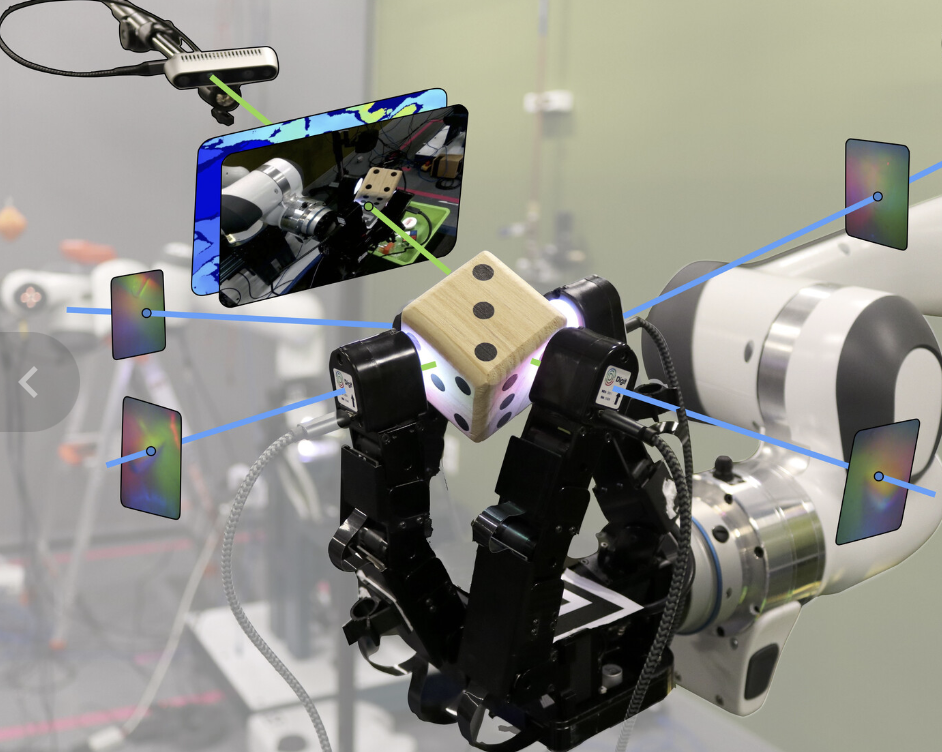
CMU and Partners Redefine Robotic Perception with NeuralFeels
A collaborative research effort involving Carnegie Mellon University, Meta FAIR, the University of California, Berkeley, the Technical University of Dresden in Germany, and the Centre for Tactile Internet with Human-in-the-Loop (CeTI) has led to the development of NeuralFeels, an innovative machine learning model. This model enhances robotic perception by integrating vision and touch sensing capabilities within a robotic hand, enabling it to reconstruct and track objects that are not directly visible. The initiative aims to advance the field of robotics by improving how machines interact with and understand their environments, addressing limitations of traditional sensing methods. The research findings were recently announced, showcasing the potential of NeuralFeels to redefine the capabilities of robotic systems in various applications.
Research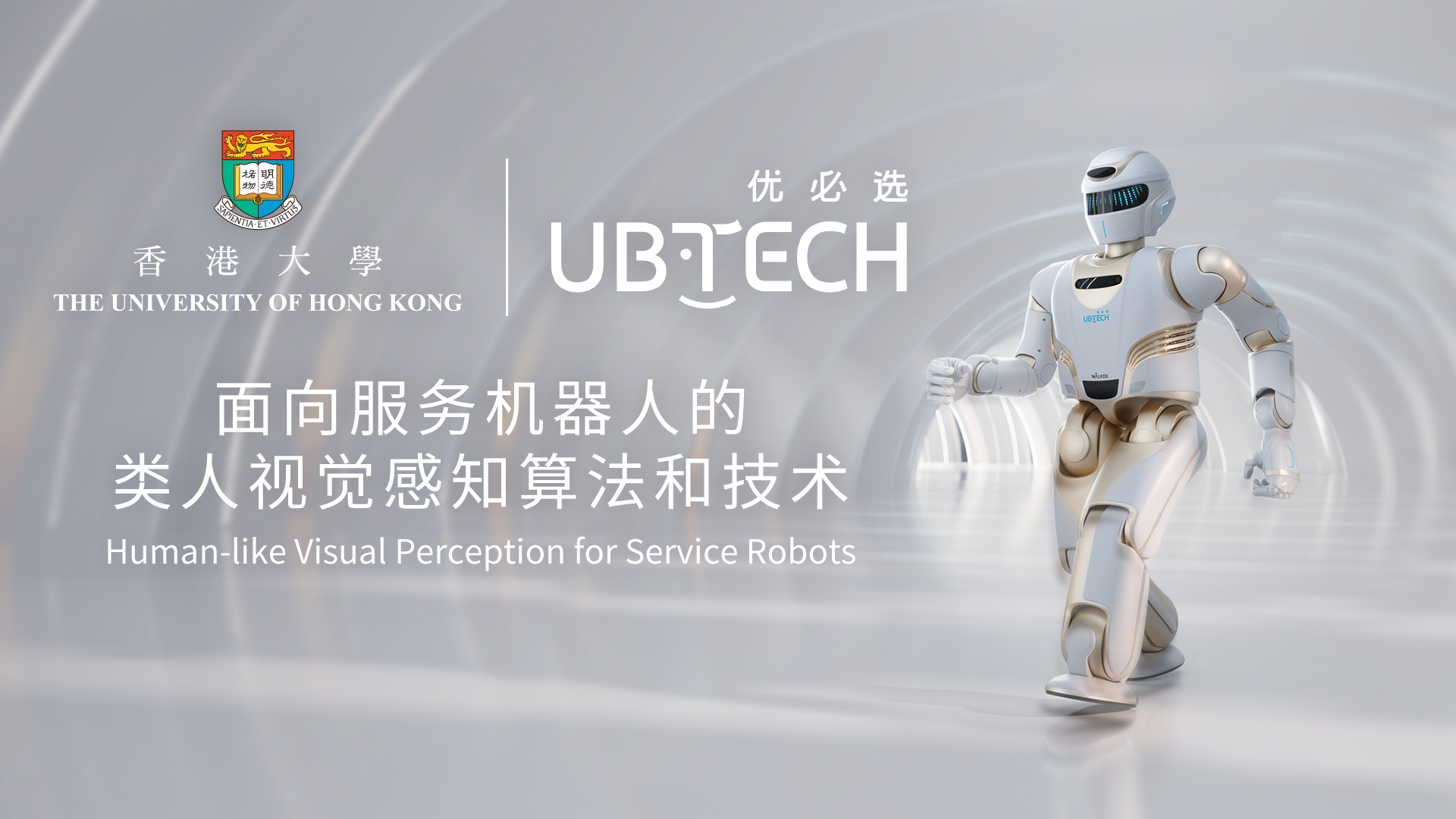
UBTECH Robotics Collaborates with the University of Hong Kong for Joint Research on Human-like Visual Perception
UBTECH Robotics has announced a partnership with the University of Hong Kong to advance research on human-like visual perception algorithms for service robots. This collaboration, which focuses on processing 3D point cloud data, aims to enhance the visual recognition capabilities of humanoid robots, thereby improving their precision in diverse environments. The initiative is part of UBTECH's broader strategy to apply advanced visual perception technologies in practical settings. In addition to the research efforts, UBTECH plans to establish subsidiaries in Hong Kong, intending to tap into local talent and drive innovation within the robotics sector.
Robotics needs a service framework.
RSF defines a common language for robot service capability, lifecycle operations, certification pathways, and service-provider networks.
Join the RobotToday community on LinkedIn
Daily robotics news, in-depth analysis, conference highlights, and discussions with professionals worldwide.