Industry Briefing
A single destination for timely, editor-curated robotics news from around the world.
Rivian CEO taking different approach than Elon Musk for humanoid robotics company
RJ Scaringe, the CEO of electric vehicle manufacturer Rivian, has launched a new robotics venture named Mind Robotics, which has successfully secured over $1 billion in funding. The company was established in late 2022, reflecting Scaringe's ambition to expand beyond the automotive sector into the rapidly evolving field of robotics. This significant financial backing underscores investor confidence in the potential of Mind Robotics to innovate and contribute to advancements in automation technology. As the robotics industry continues to grow, Scaringe aims to leverage his expertise and resources to position Mind Robotics as a key player in this competitive market.

China’s Xiaomi unveils robotic arm that enables remote, hands-free home EV charging
Xiaomi, the prominent Chinese technology company, recently unveiled its strategic vision for the future of smart home technology during a press event held in Beijing. This announcement, made on October 15, 2023, highlights the company's commitment to enhancing user experience through innovative products and seamless integration of smart devices. The initiative aims to address the growing demand for interconnected home environments, driven by an increase in remote work and digital lifestyles. By leveraging advancements in artificial intelligence and the Internet of Things, Xiaomi plans to create a more intuitive and responsive ecosystem that simplifies everyday tasks for consumers. During the event, executives showcased a range of new products designed to work harmoniously within this ecosystem, emphasizing the importance of user-friendly interfaces and energy efficiency. The company also outlined its plans for expanding partnerships with other tech firms to enhance compatibility and functionality across various platforms. Xiaomi's vision reflects a broader trend in the tech industry, where companies are increasingly focused on creating smart solutions that cater to the evolving needs of consumers. As the market for smart home devices continues to grow, Xiaomi's proactive approach positions it as a key player in shaping the future of home automation.
Energy
Magic Atom's debut of the VLA K02 model at the conference
On June 13, the 12th China (Shanghai) International Technology Import and Export Fair (CSITF) concluded in Shanghai. During the event, MagicLab showcased its comprehensive technology matrix and publicly unveiled two major technological achievements for the first time in the domestic market: the self-developed Magic-VLA K02 large model and the Magic-Mix world model. This presentation highlights MagicLab's commitment to innovation and its role in advancing technological development in China.
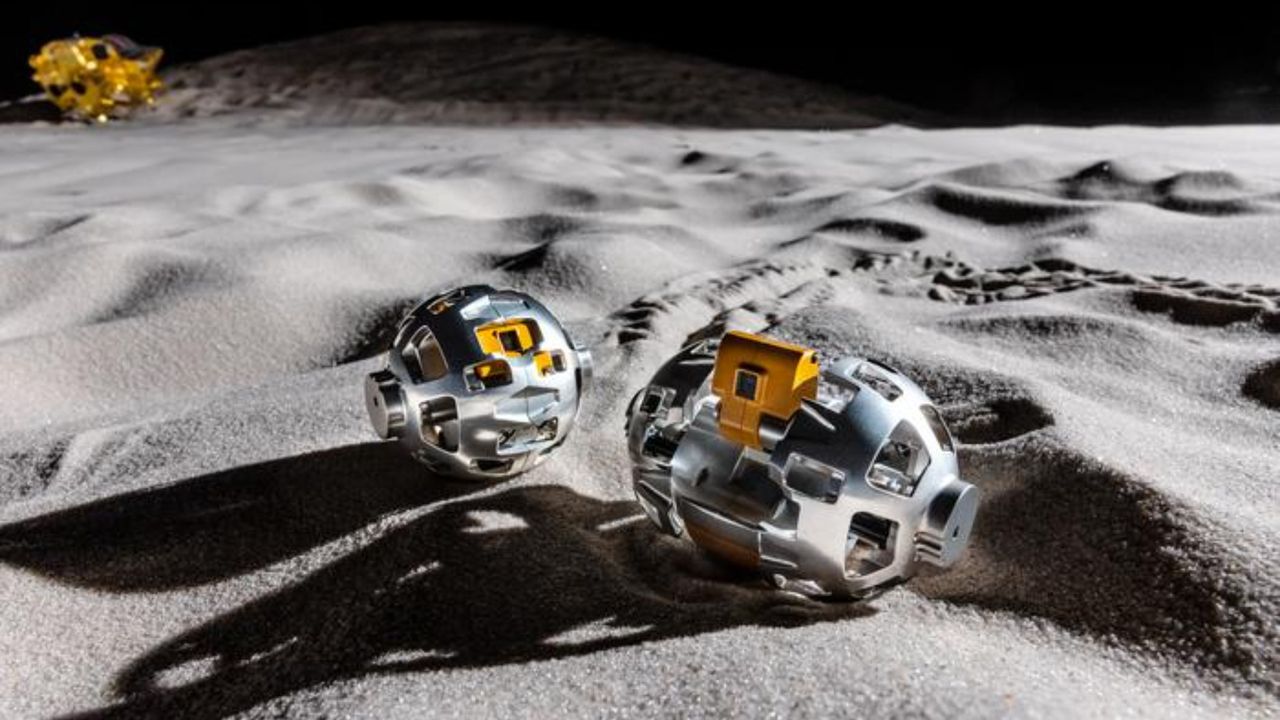
How Japanese scientists sent a real-life Transformer to the moon
In 2024, a groundbreaking autonomous rolling rover demonstrated its innovative design by transforming from a sphere into a robot during a successful exploration of the moon's surface. This mission marks a significant advancement in lunar exploration technology, showcasing the rover's ability to navigate diverse terrains effectively. The development of such versatile rovers aims to enhance our understanding of the moon's environment and potentially pave the way for future manned missions. The exploration was conducted as part of ongoing efforts to gather data that could inform scientific research and exploration strategies.
The moon Astronomy Solar System
SORA-Q: Baseball-sized shape-shifting rover that saved Japan’s SLIM moon mission
A groundbreaking development in robotics has emerged from Japan, where researchers have created a microscopic, shape-shifting robot inspired by children's toys. This innovative technology successfully demonstrated its potential by aiding in the preservation of Japan's rich historical narrative. The robot, which can alter its form and function, was unveiled during a recent scientific conference held in Tokyo. The motivation behind this invention lies in the desire to enhance preservation techniques for cultural artifacts and historical sites, making them more accessible and engaging for future generations. By utilizing advanced materials and engineering principles, the team was able to design a robot that can navigate intricate environments and perform delicate tasks, showcasing its versatility and effectiveness. This achievement not only highlights the intersection of technology and cultural heritage but also opens new avenues for research and application in the field of robotics.
Space
SpaceX's valuation exceeds $2.1 trillion; Musk's wealth is seven times Buffett's; FIFA labubu sales surge 30 times.
On June 12, 2026, SpaceX made headlines by completing its initial public offering (IPO) on the Nasdaq, marking the largest IPO in history with a valuation of $1.77 trillion. The stock opened at $150 and surged by over 30% during trading, closing at $160.99, which pushed the company's market capitalization to $2.1 trillion. This surge significantly increased CEO Elon Musk's net worth to approximately $1.05 trillion, making him the world's first billionaire with a net worth exceeding $1 trillion. The IPO's success reflects investor confidence in SpaceX's growth potential, particularly in light of its ambitious Terafab project. In a separate development, Kimi announced the launch of the world's first AI-native credit card, which allows users to convert their spending into AI computing power. This initiative, revealed on the same day, is a collaboration with a major state-owned bank and aims to innovate the financial landscape by integrating AI services into credit card benefits. Additionally, SK Hynix reported a fire incident at its facility in Cheongju, South Korea, which was the second fire this month. Fortunately, there were no injuries or gas leaks, and the situation was quickly controlled. These events highlight significant advancements in technology and finance while also addressing operational challenges faced by major companies.

HDC 2026 Showcases HarmonyOS 7's Five-Dimensional Upgrade and Surging Ecosystem Innovation
At Huawei's HDC 2026 event, the company showcased significant upgrades to HarmonyOS 7, emphasizing advancements in spatial computing, intelligence, security, smoothness, and connectivity. The event, which took place recently, also featured a range of innovations from Huawei's partners, underscoring the collaborative efforts to enhance the ecosystem surrounding HarmonyOS. The upgrades aim to improve user experience and functionality, reflecting Huawei's commitment to staying competitive in the rapidly evolving tech landscape. Through these enhancements, Huawei seeks to solidify its position in the market and drive further adoption of its operating system.
Technology
AI in warehousing: Akash Gupta’s vision for the future
GreyOrange is leading a transformation in warehouse automation through its innovative software that leverages artificial intelligence to create dynamic and predictive logistics ecosystems. This advancement, championed by CEO Akash Gupta, aims to enhance efficiency and adaptability in supply chain operations. By integrating AI into warehousing processes, GreyOrange is addressing the growing demand for smarter logistics solutions, particularly in an era where rapid delivery and operational flexibility are paramount. The company's approach not only streamlines warehouse management but also positions it at the forefront of the evolving landscape of logistics technology. As businesses increasingly seek to optimize their operations, GreyOrange's vision for the future of warehousing highlights the critical role of AI in shaping more responsive and intelligent supply chains.
Artificial Intelligence Business Resources Logistics News Opinion Podcast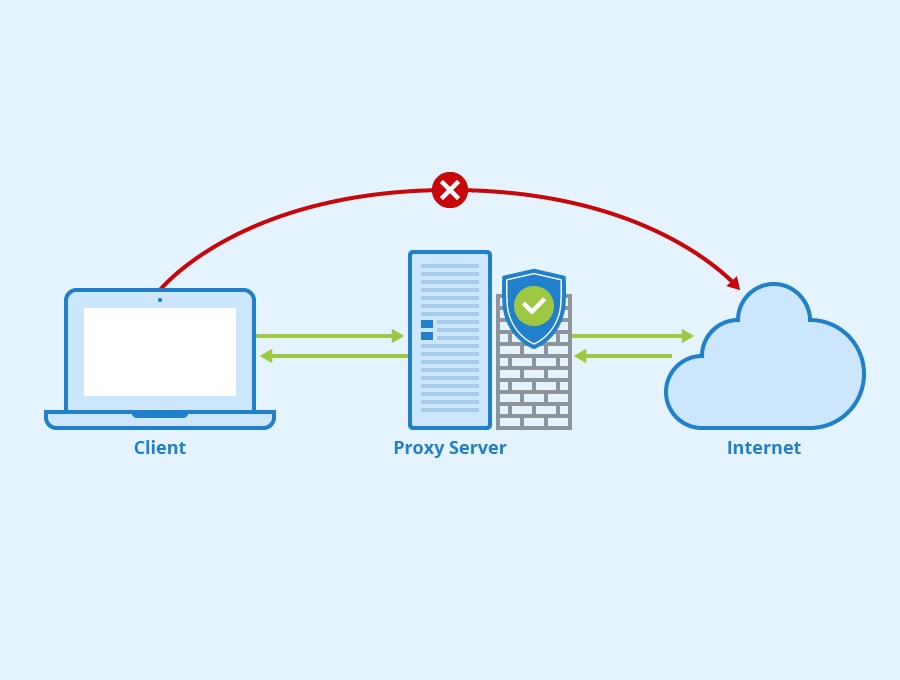
What is a US Residential Proxy and Why Businesses Need One in 2026
By 2026, the internet landscape has become increasingly fragmented, leading to significant disparities in user experience based on geographic location. Users in different regions, such as New York or Chicago, encounter varying versions of the same website, with changes in pricing, search results, and even accessibility to certain content. This uneven digital environment raises concerns for individuals and businesses relying on automated research or data analysis, as the information they access may differ dramatically based on their IP address. The evolving nature of the internet reflects broader issues of digital inequality and raises questions about the implications for users and content providers alike.
Computing Internet ad verification automation news cybersecurity data collection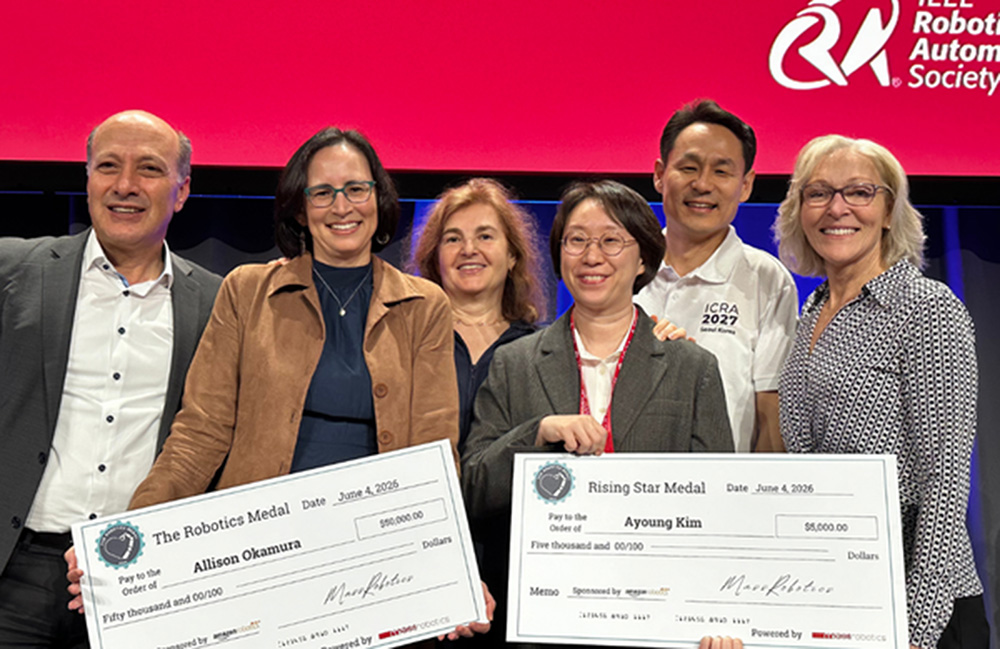
MassRobotics announces the winners of 2026 Robotics Medal and Rising Star awards
Allison Okamura and Ayoung Kim have been recognized with prestigious awards from MassRobotics, receiving the 2026 Robotics Medal and the Rising Star Medal, respectively. These accolades celebrate the achievements of women in the field of robotics, highlighting their significant contributions and inspiring future generations. The announcement was made recently, underscoring the growing recognition of female innovators in a traditionally male-dominated industry. The awards aim to promote diversity and encourage more women to pursue careers in robotics, reflecting a broader commitment to inclusivity within the technology sector.
Academia / Research Artificial Intelligence Artificial Intelligence / Cognition Design / Development Events Healthcare Robotics
SpaceX sets IPO price to raise $75 billion; OpenAI CEO delays South Korea visit; new AI complaint center launched.
OpenAI CEO Sam Altman has postponed his planned visit to South Korea, originally scheduled for June 14-15, due to personal reasons. During the visit, he was expected to meet with leaders from major companies including Samsung Electronics, Kakao, and NAVER. In a separate announcement, Waymo, the autonomous driving subsidiary of Alphabet, revealed a new $30 monthly membership plan called Waymo Premier, aimed at invited users. This plan will offer benefits such as priority rides, a 10% cashback on trips, and the ability to cancel rides up to five times a month at no cost. Initial invitations will be sent to eligible passengers in San Francisco, Los Angeles, and Phoenix, with plans to expand to other cities. Meanwhile, SK Hynix is exploring the integration of AI technologies, including ChatGPT, into its operations. CEO Lee Seok-hee indicated that the company is balancing the protection of industrial technology with the adoption of external AI services, considering tools like Microsoft 365 and CoPilot. In financial news, major Wall Street banks have begun restricting hedge funds' leverage on Asian chip stocks, including SK Hynix and Samsung, due to concerns over potential market corrections. This move involves raising financing costs for hedge fund bets and limiting new transactions. Additionally, Google announced a $50 million investment to train U.S. tech workers, addressing the growing demand for AI infrastructure. This investment is part of a broader initiative that has already seen over $1 billion allocated to training programs since 2022. Lastly, SK Hynix reported that a fire at its Cheongju plant on June 12 has been brought under control, with production equipment operating normally.

Robotics Summit panel explores the state of humanoid robot design
At the Robotics Summit & Expo, industry experts gathered to discuss advancements in humanoid robotics, focusing on the potential to reach a price point of $20,000 for these technologies in the near future. The panel highlighted current design innovations and the challenges that remain in making humanoid robots more accessible. This event, held today, served as a platform for sharing insights on the future of robotics and its implications for various sectors. The discussions underscored the growing interest in humanoid robots and the ongoing efforts to enhance their affordability and functionality.
Actuators / Motors / Servos Arms / Manipulators Artificial Intelligence Cameras / Imaging / Vision Design / Development Events
Pentagon may ‘sacrifice’ traditional weapons to buy more drones if reconciliation fails: CTO
In a recent discussion, Emil Michael emphasized the ongoing debate within defense sectors regarding the allocation of resources toward military technology. He highlighted the critical trade-offs being made between investing in advanced weaponry and systems versus developing low-cost autonomous weapons. This conversation reflects a broader trend as nations reassess their military strategies and budgets in light of evolving warfare dynamics. The dialogue underscores the necessity for defense planners to carefully consider the implications of their choices, particularly as they navigate the complexities of modern combat and technological advancements. Michael's remarks shed light on the strategic decisions that could shape future military capabilities and the balance of power on the global stage.
Congress Networks & Digital Warfare Pentagon AI & Autonomy artificial intelligence AI cyber security
Award-Winning Researcher Trains Robots to Make Educated Guesses
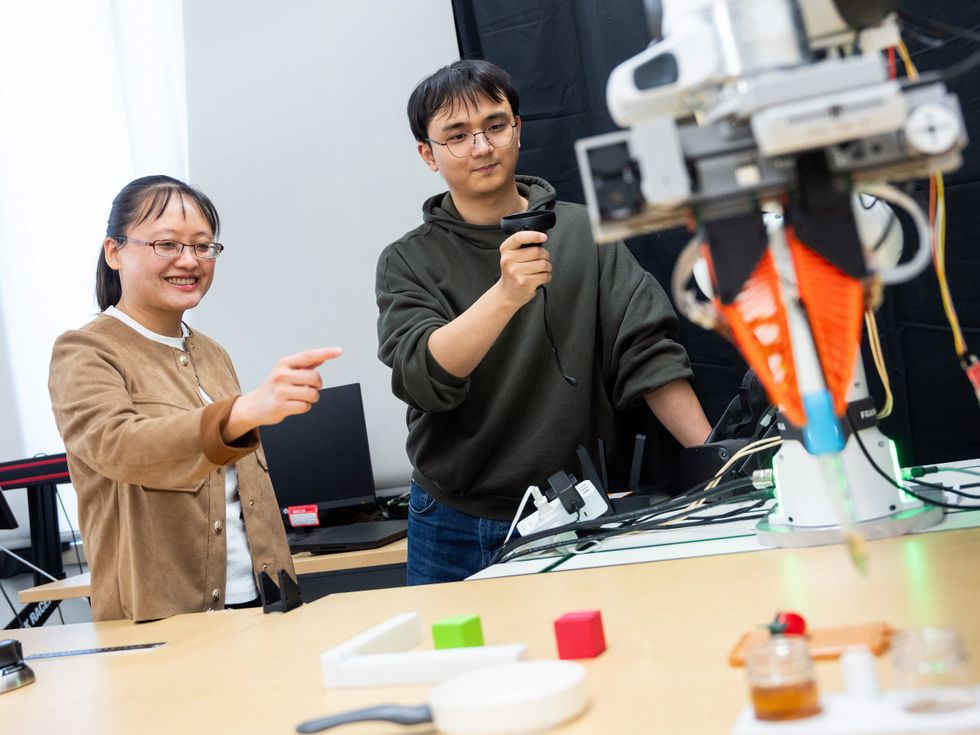
Yen-Ling Kuo, an assistant professor of computer science at the University of Virginia, has been recognized for her significant contributions to robotics and automation. Last year, she received the IEEE Robotics and Automation Society’s inaugural Outstanding Women in Robotics and Automation Early Career Contribution Award for her paper, “Diff-DAgger: Uncertainty Estimation with Diffusion Policy for Robotic Manipulation.” This innovative research introduces a method that enhances robots' ability to identify and manage uncertainty during unfamiliar tasks, thereby reducing the need for human supervision and increasing task completion rates. Kuo’s journey began in Taiwan, where her fascination with science and technology was sparked by early exposure to programming and computer logic. After earning her degrees from National Taiwan University and MIT, she gained practical experience at Google, where she contributed to AI-driven shopping technologies. This experience motivated her to pursue a Ph.D. to deepen her understanding of neural networks. Her current research focuses on developing computational models that enable robots to interpret both explicit data and subtle social cues, aiming to replicate human-like reasoning in machines. Kuo's work has garnered attention from the National Science Foundation, which awarded her a five-year Career Award to support her research on human-robot interactions. As robotics and autonomous vehicles become more prevalent, Kuo envisions creating robots that can seamlessly integrate into social environments, enhancing human-robot collaboration.
Ieee-member-news Robots Artificial-intelligence Ieee-robotics-and-automation-soc Careers Type-ti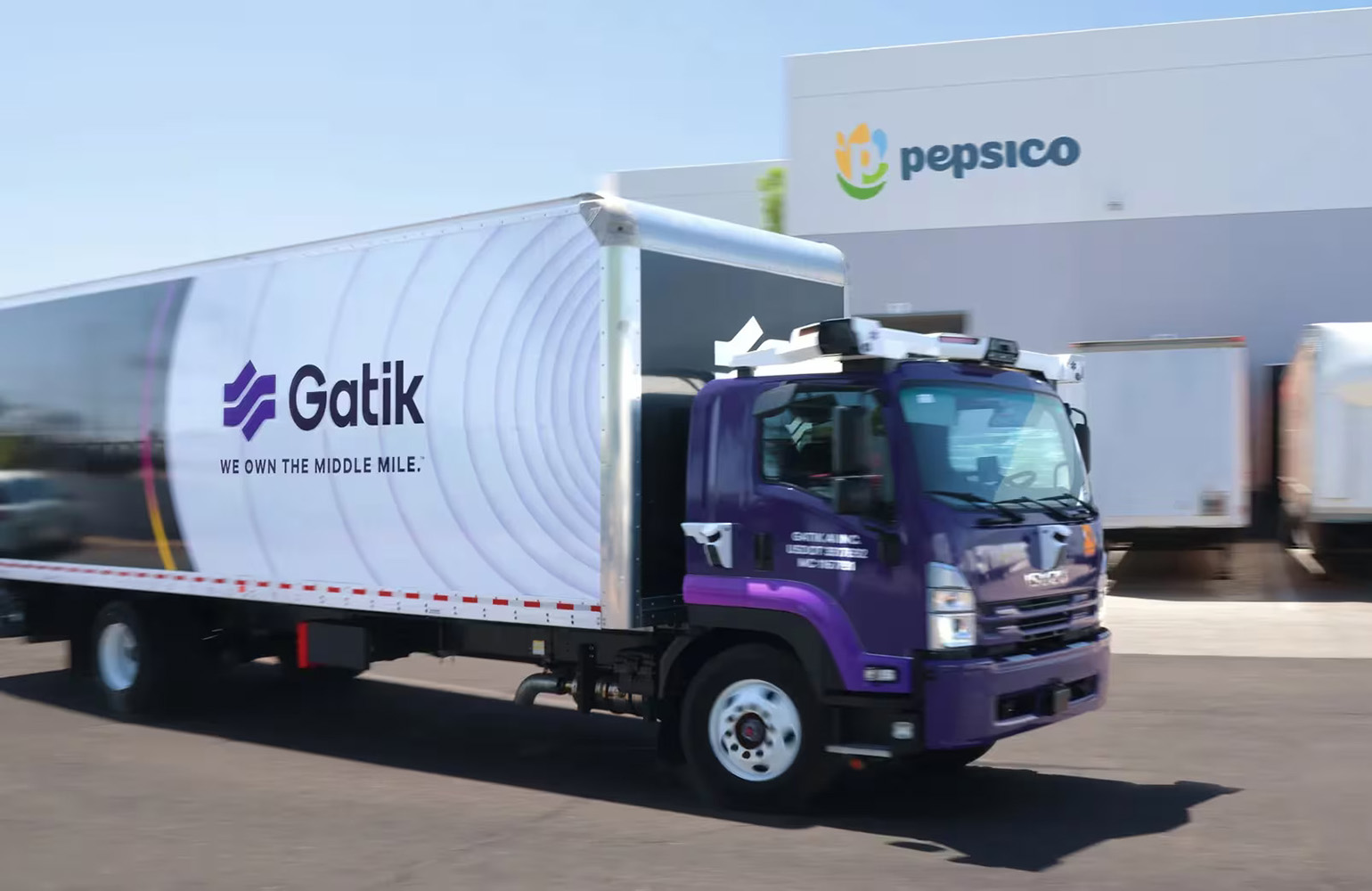
Gatik to bring autonomous freight to PepsiCo’s North American supply chain
PepsiCo has announced a partnership with Gatik to enhance its North American supply chain by integrating autonomous freight solutions. This collaboration aims to optimize PepsiCo's regional transportation networks, which facilitate the daily movement of products between various sites. By leveraging Gatik's technology, the beverage and snack giant seeks to improve efficiency and reduce operational costs in its logistics operations. The initiative reflects a growing trend in the industry to adopt automation in supply chain management, driven by the need for faster and more reliable delivery systems.
Artificial Intelligence Artificial Intelligence / Cognition Automotive Design / Development Food / Beverage Logistics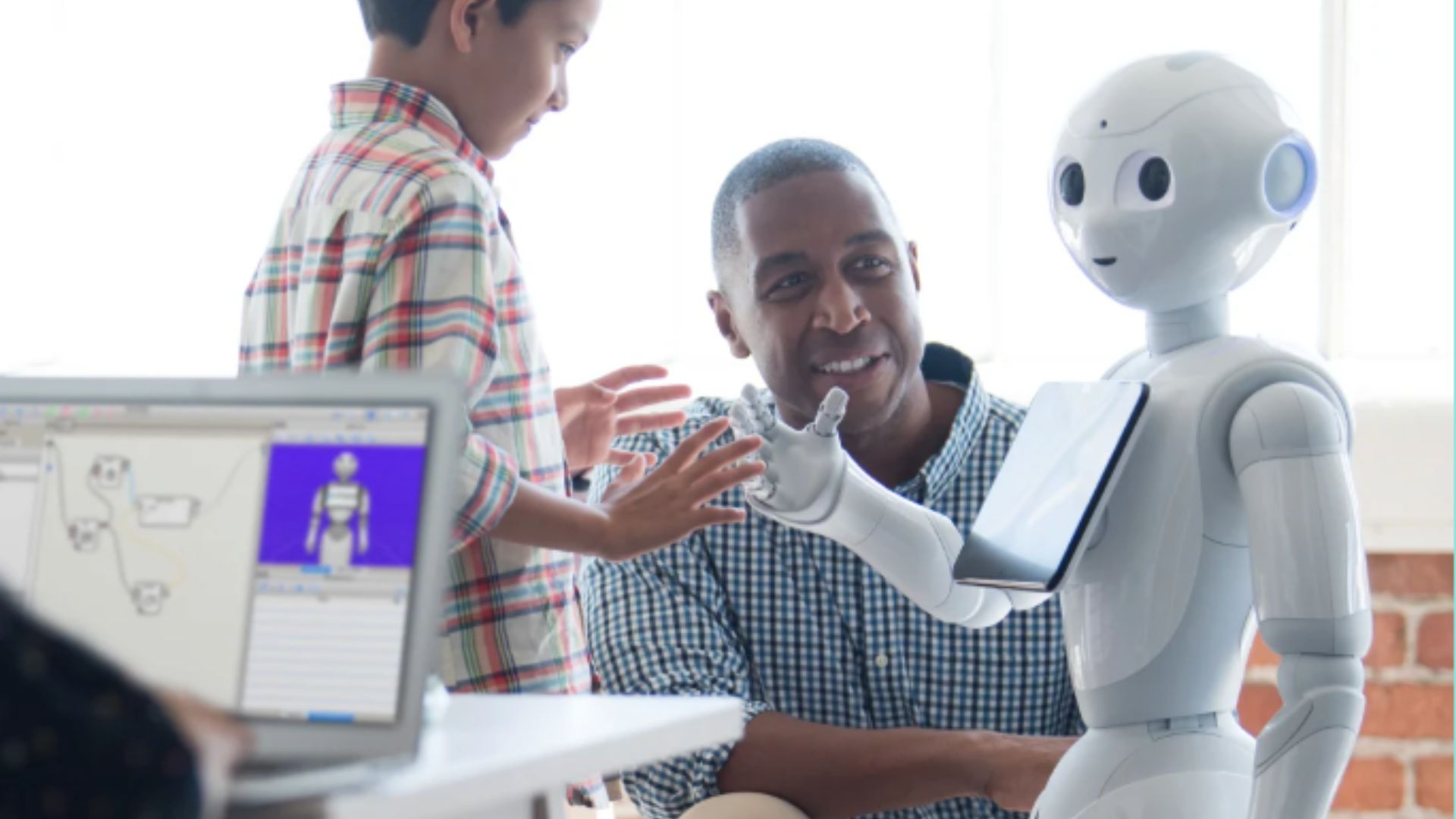
New research shows robot ‘personality’ in games hinges on timing and turn-taking
Recent research indicates that humanoid robots have the potential to serve as effective playmates for humans, particularly in enhancing social interaction and engagement among children. Conducted by a team of robotics experts, the study highlights the robots' ability to adapt to children's preferences and behaviors, fostering a more interactive play environment. The findings were published in a peer-reviewed journal earlier this month, following extensive trials in various settings, including schools and homes. The motivation behind this research stems from the growing interest in integrating technology into childhood development, aiming to address socialization challenges faced by some children. By employing advanced artificial intelligence, these robots can learn and respond to individual needs, making them more appealing companions for play. The study's authors emphasize the importance of ensuring that these interactions are safe and beneficial, advocating for guidelines on the ethical use of robots in children's lives. As the field of robotics continues to evolve, the implications of this research could significantly impact educational practices and child development strategies, offering new avenues for fostering creativity and social skills among young users.
AI and Robotics
PUDU Robotics releases video showcasing new cleaning robot feature that instantly updates maps, eliminating task resets.
PUDU Robotics has released a video showcasing its cleaning robot's capabilities in a segment titled "Quick On-site Tes" on its official YouTube channel. The video was published on June 12, 2026, highlighting the robot's efficiency and effectiveness in real-time cleaning tasks. This initiative aims to demonstrate the advanced technology behind PUDU's cleaning solutions and their potential applications in various environments. By sharing this content, the company seeks to engage with its audience and promote the benefits of automation in maintaining cleanliness and hygiene.
Video Friday: Robotic Motion Discovery Reveals Unusual Behaviors
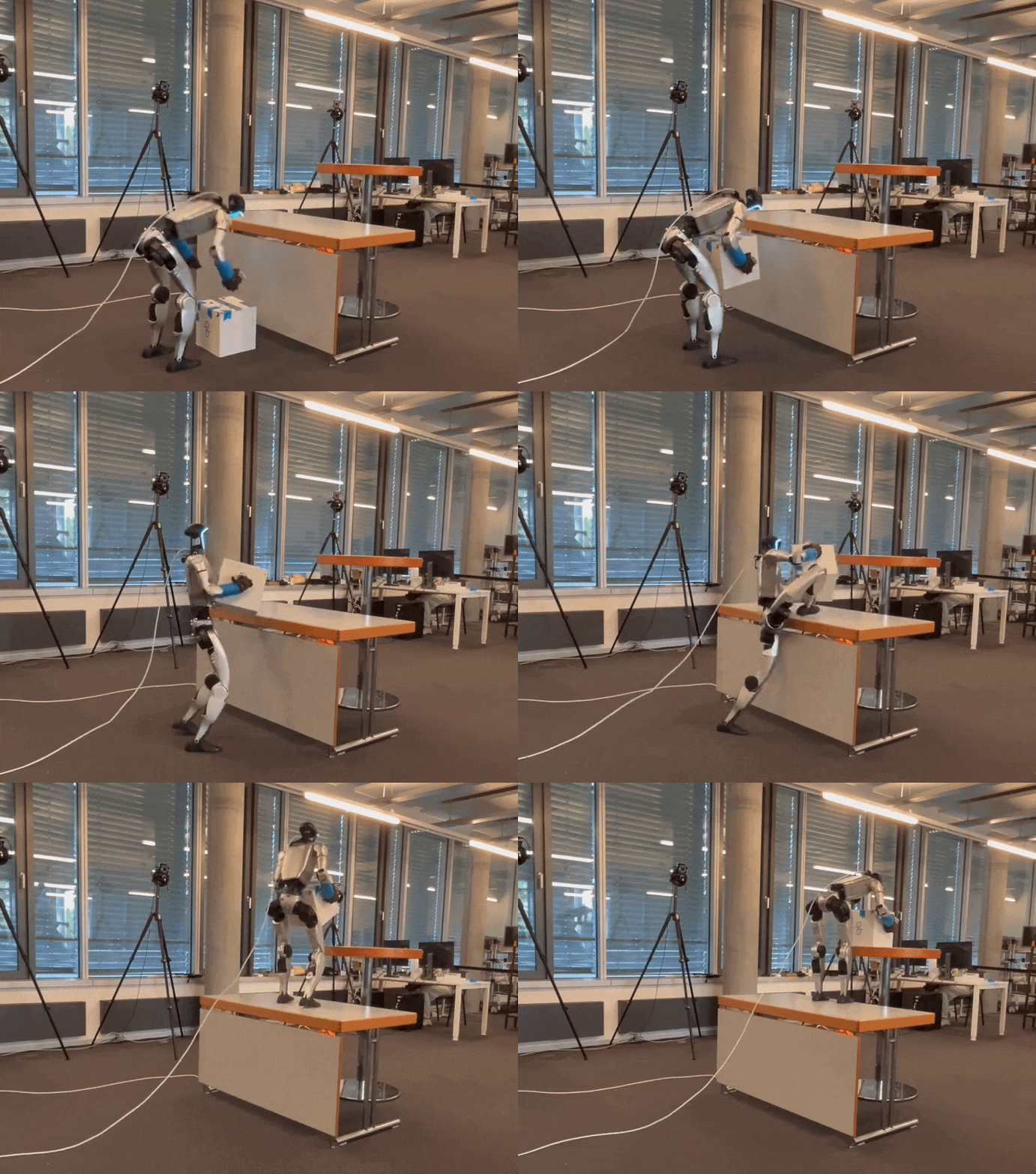
IEEE Spectrum robotics has released its latest edition of Video Friday, showcasing an array of innovative robotics videos and announcing upcoming events in the field. Notable events include RSS 2026 in Sydney from July 13-17, the Summer School on Multi-Robot Systems in Prague from July 29 to August 4, and Actuate 2026 in San Francisco on August 18-19. Among the featured videos is MotionDisco, a framework that autonomously discovers complex humanoid loco-manipulation motions, highlighting the challenges of coordinating fluid movements across multiple joints. Additionally, the Human Support Robot (HSR) from Toyota is demonstrated in real home environments, assisting residents with daily tasks, showcasing the potential for robots to become long-term companions. Other highlights include the MIDAS Hand, an open-source robotic hand designed for manipulation and research, and a novel flight maneuver by a bipedal robot that showcases advanced aerial control. The European Space Agency shares a timelapse of Dextre, a robotic handyman, efficiently unloading equipment in space, while ROBOTIS introduces AI Sapiens, which learns humanoid motions using just a smartphone camera. In a collaborative effort, LUMOS Robotics has launched Project EDGE, inviting global innovators to explore humanoid robotics, while Sphero emphasizes its educational products designed to nurture computational thinking from early childhood through high school. These developments illustrate the rapid advancements and collaborative spirit within the robotics community.
Humanoid-robots Video-friday Quadruped-robots Robot-videos Home-robots Dexterity
SpaceX, Anthropic, and OpenAI’s hot IPO summer
The initial public offering (IPO) market is experiencing a resurgence, marked by a shift in leadership from the previously dominant FAANG companies to a new group referred to as MANGOS. This emerging cohort includes Meta (or Microsoft, depending on interpretations), Anthropic, Nvidia, Google, OpenAI, and SpaceX. Notably, half of these companies are preparing to enter public markets simultaneously, presenting a significant challenge for investors as they navigate valuation assessments and market dynamics. This development signals a pivotal moment in the tech sector, as these firms seek to capitalize on renewed investor interest and reshape the landscape of public offerings.
AI Fundraising ai infrastructure Anthropic Apple WWDC ChatGPT
Jeff Bezos’s Physical AI Startup Prometheus Raises $12B at $41B Valuation
Prometheus, a physical AI startup co-founded by Jeff Bezos and Vik Bajaj, has successfully secured $12 billion in funding, achieving a valuation of $41 billion. This latest investment round attracted major financial institutions, including JPMorgan Chase, Goldman Sachs, and BlackRock. Since its inception late last year, Prometheus has raised over $18 billion in total funding. The company aims to advance its innovative technologies in the artificial intelligence sector, positioning itself as a significant player in the industry.
AI Funding & Investment
Israeli startup unveils laser system it says can kill drones in seconds
Esh-Tech has unveiled a groundbreaking energy system that promises to revolutionize the industry, according to CEO Erex Riahi. The new system, which operates on just 4kWh, is designed to be compact and can be easily connected to vehicles. Riahi emphasized that this innovative technology is priced three to four times lower than existing laser or microwave systems, making it a more accessible option for consumers. The announcement marks a significant advancement in energy solutions, with potential implications for both personal and commercial use.
Air Warfare Global Air Force Counter UAS cUAS Drones EUROSATORY 2026
LG to build Korea's first humanoid 'data factory' to train robots
LG Electronics is transforming its research and development campus in the Yangjae district of southern Seoul into South Korea's first "data factory" dedicated to humanoid robots, according to industry sources. This initiative, announced on Friday, aims to utilize hundreds of CLOiD machines that will perform everyday tasks to generate essential real-world data. As the development of humanoid robots increasingly hinges on data rather than hardware, this facility seeks to address the growing challenge of acquiring the necessary information for effective robot training. By creating a controlled environment where robots can learn from repetitive tasks, LG Electronics is positioning itself at the forefront of the competitive humanoid robotics sector.
All News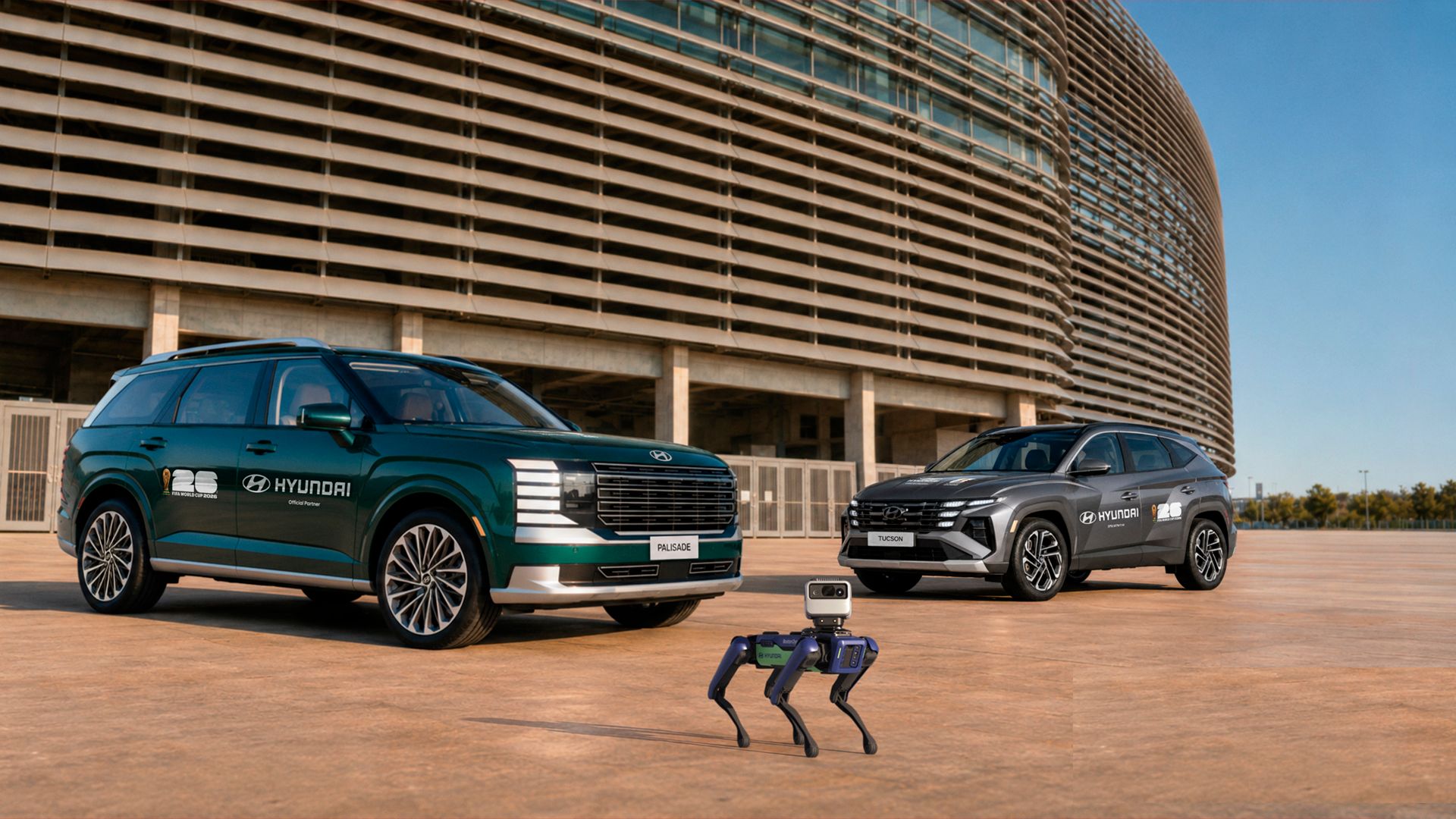
FIFA World Cup 2026 gets Hyundai robot dogs for venue security patrols
As the 2026 FIFA World Cup approaches, Hyundai Motor Company has unveiled its latest marketing campaign aimed at enhancing fan engagement during the tournament. The initiative, which was announced in early October 2023, will leverage innovative technology and interactive experiences to connect soccer enthusiasts across North America. Hyundai's campaign is designed to capitalize on the excitement surrounding the World Cup, which is set to take place in the United States, Canada, and Mexico. The automotive giant aims to strengthen its brand presence and foster a deeper connection with fans by integrating digital platforms and live events into its promotional strategy. Through a series of interactive activations, Hyundai plans to provide fans with unique opportunities to participate in the World Cup experience, including virtual reality experiences and social media engagements. This approach not only highlights Hyundai's commitment to the sport but also aligns with its broader marketing objectives of reaching a diverse audience and enhancing customer loyalty. By embracing the global appeal of soccer, Hyundai seeks to position itself as a key player in the automotive market while celebrating the spirit of the World Cup. The campaign reflects the company's dedication to innovation and community engagement, aiming to create memorable moments for fans during this prestigious sporting event.
AI and Robotics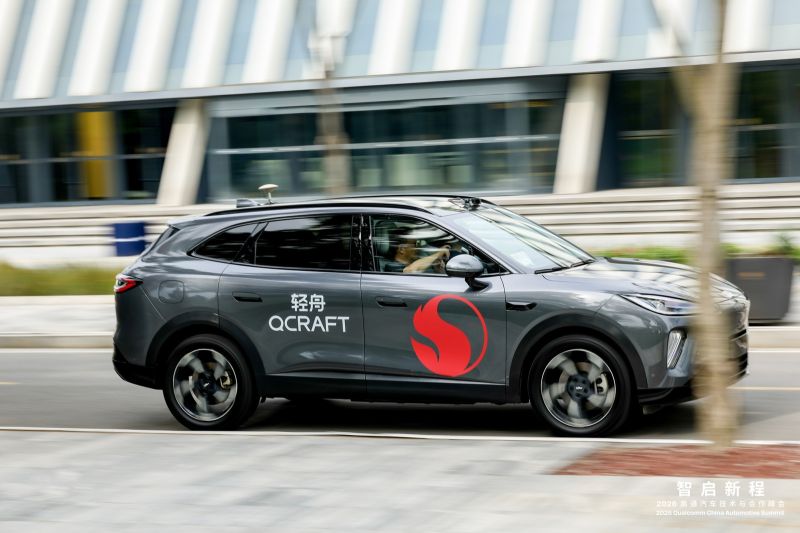
QCraft demonstrates urban NOA on Qualcomm’s latest Snapdragon Ride chip, targets 2026 global mass production
QCraft showcased its urban Navigate-on-Autopilot (NOA) system, powered by Qualcomm’s SA8650P Snapdragon Ride platform, during a live demonstration on June 5 at Qualcomm’s Automotive Technology and Cooperation Summit in Wuxi, China. This event marked a significant step for the autonomous driving company, which is aiming for global mass production of its technology within this year. Attendees had the opportunity to experience live test rides, highlighting the practical applications of QCraft's advancements in autonomous driving. The demonstration underscores the growing collaboration between technology and automotive sectors, as companies like QCraft seek to revolutionize urban transportation through innovative autonomous solutions.
Autonomous Vehicles Computing Technology assisted driving automation news automotive technology
Coaching for Robots
Researchers emphasize that adaptable robots, capable of learning from their environments, require more than just data, artificial intelligence tools, and algorithms. Effective interaction with users is crucial for these robots to function optimally. This insight highlights the importance of direct communication between robots and their operators, suggesting that user engagement plays a vital role in enhancing robotic performance. The discussion around this topic was featured in a recent article on ROBOTIK UND PRODUKTION, underscoring the evolving relationship between humans and technology in the field of robotics.
Allgemein Cobots & MRK Newsarchiv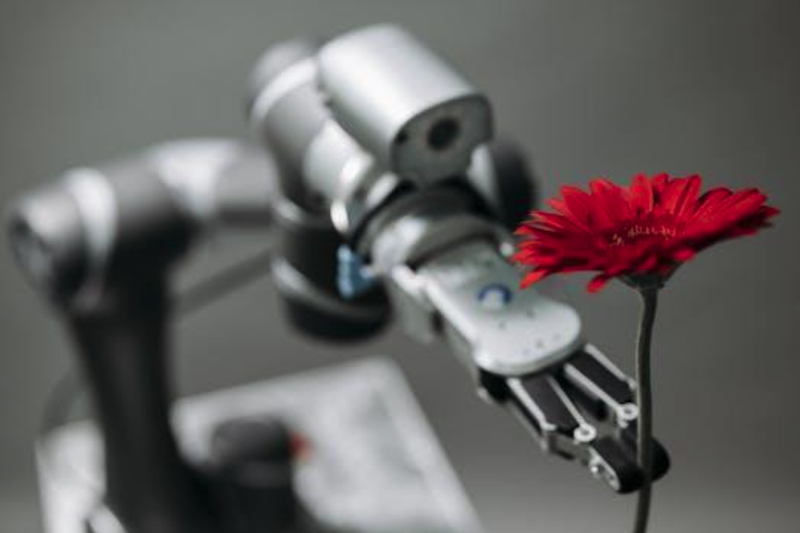
The Role of RF Connectors in Robotic Vision, Sensor Communication, and Automated Inspection Systems
Recent advancements in robotic vision and automated inspection have highlighted the limitations of software solutions in addressing physical challenges. While fast GPUs, sophisticated models, and user-friendly dashboards are often celebrated as technological triumphs, they falter when confronted with the realities of a compromised physical signal path. For instance, a camera's ability to process images is hindered by a noisy clock, and sensors struggle to deliver accurate readings when interfaces become loose after repeated vibrations. This underscores the importance of considering the physical environment in the development and implementation of automated systems, as reliance solely on software capabilities may lead to significant operational failures.
Design Engineering Technology automated inspection automation news factory automation
The critical robot arm on the ISS isn't working properly, but NASA has a plan to fix it
In May, a section of the Canadarm2 robotic arm on the International Space Station (ISS) sustained damage, prompting the need for repairs by astronauts. The repairs are scheduled to take place no earlier than June 30. Fortunately, a spare part is already available on the station, which will facilitate the repair process. The incident highlights the ongoing maintenance challenges faced by the ISS as it continues to support various scientific missions in low Earth orbit.
International Space Station Space Exploration Missions
Proposed Patent Bill Could Have Major Implications for Drone Industry Intellectual Property
A newly introduced bill in Congress, the Prohibiting Adversarial Patents Act of 2026 (PAPA), aims to address concerns over certain foreign technology companies by making specific patents unenforceable while retaining ownership rights. Sponsored by Rep. Scott Fitzgerald (R-WI), the legislation seeks to expand U.S. scrutiny into the realm of intellectual property rights, particularly impacting the drone industry. The bill reflects growing apprehension regarding the influence of foreign entities on American innovation and aims to safeguard domestic technological advancements. If passed, PAPA could significantly alter the landscape of patent enforcement, particularly for companies operating within the drone sector.
Drone Manufacturing Drone News Drone News Feeds Drones in the News News US Government
Why Choose Solana for Blockchain App Development?
Solana, a next-generation decentralized blockchain, is gaining traction in the realm of blockchain app development due to its scalability and advanced technological features. Launched in 2017, Solana offers a secure and decentralized infrastructure capable of supporting numerous nodes while maintaining high performance levels. Its growing popularity is attributed to its ability to handle complex applications efficiently, making it an attractive choice for developers seeking a robust platform for innovative projects. As the demand for scalable blockchain solutions increases, Solana's unique capabilities position it as a leading contender in the competitive landscape of blockchain technology.
Business Computing Software automation news blockchain development blockchain technology
Landair Surveys Uses SimActive Correlator3D for Planned Burns Mapping in Australia
Landair Surveys, an Australian geospatial firm, is utilizing SimActive's Correlator3D software to create orthomosaics from aerial imagery. This initiative is part of their efforts in wildfire prevention and land management, specifically for planned burns mapping projects across Australia. The Montreal-based software developer announced this collaboration, highlighting that the workflow aims to enhance the efficiency of geospatial outputs. The use of advanced aerial imagery technology is expected to improve land management strategies and contribute to effective wildfire prevention measures.
Digital Twins Disaster Response Drone News Drone News Feeds Fire Firefighter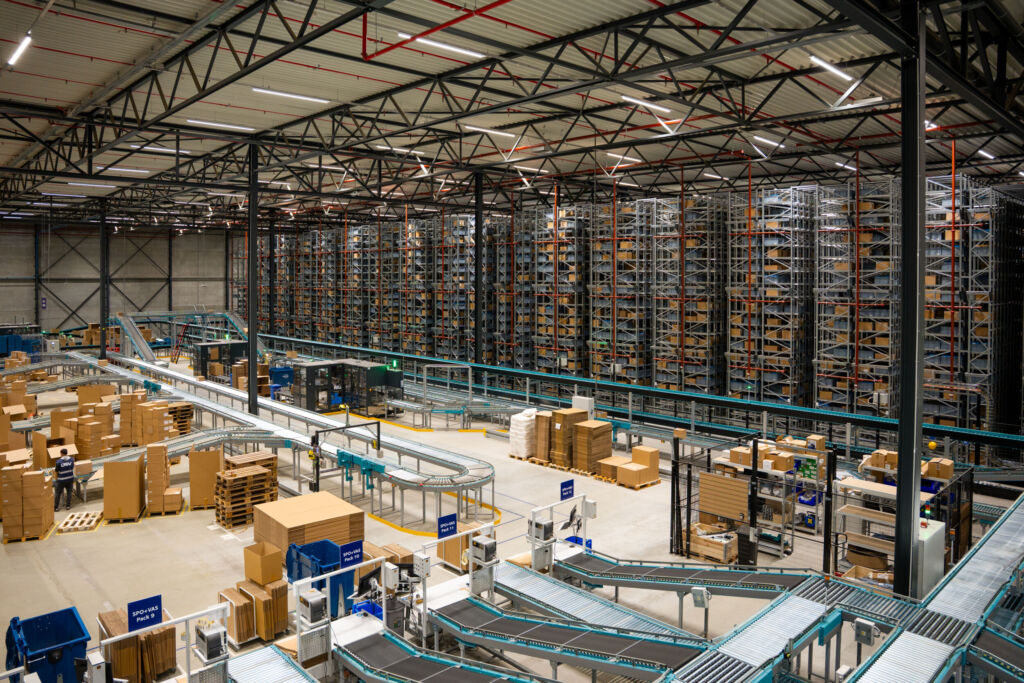
100 autonomous robots in fulfillment operations
Exotec has equipped DSV's logistics center in Venlo, Netherlands, with its innovative Skypod system, enhancing the facility's fulfillment capabilities. This advanced automation solution features 100 autonomous robots designed to streamline operations and improve efficiency in the supply chain. The implementation of the Skypod system is part of DSV's strategy to optimize logistics processes and meet growing demand in the e-commerce sector. By integrating these robots, the company aims to accelerate order processing and reduce operational costs, positioning itself competitively in the rapidly evolving logistics landscape.
Allgemein Fördertechnik & Handling Lagerlogistik & Materialfluss Lösungen
Robot Talk Episode 160 – Robotic blacksmiths, with Edward Mehr
Claire recently spoke with Edward Mehr, Co-Founder and CEO of Machina Labs, regarding the company's innovative RoboCraftsman technology. This advanced system is designed to shape complex metal components specifically for the aerospace, defense, and automotive sectors. With a background in advanced manufacturing, robotics, and artificial intelligence, Mehr is at the forefront of integrating AI-driven robotics into flexible manufacturing processes. The conversation highlighted how RoboCraftsman is revolutionizing the production of intricate metal parts, addressing the growing demand for precision and efficiency in these critical industries.

Oracle's Post-Q1 Selloff Makes No Sense
Oracle's stock experienced a significant decline of approximately 10% following its fiscal Q4 FY26 earnings report, which raised concerns among investors regarding the company's projected capital expenditures for FY27, estimated between $90 billion and $95 billion. Despite this selloff, Amrita Roy, an investment analyst, maintains a "buy" rating on Oracle, citing a remarkable 363% year-over-year surge in the company's backlog, now totaling $638 billion, which outpaces all other hyperscalers. The anticipated capital investment is deemed essential for accelerating the conversion of this backlog, although it will necessitate an additional $40 billion in debt and equity, potentially diluting shareholder value amid increasing leverage. Roy highlights the promising growth trajectory of Oracle's cloud services, with expectations of a 120% revenue increase to $34 billion in FY27 and a projected 58-64% year-over-year growth in total cloud revenue for the first quarter. Despite the recent stock drop, Roy argues that Oracle's valuation remains attractive, with a forward price-to-earnings ratio of 22.9, expected to compress to 12 by FY29, and consensus price targets indicating a potential upside of 38.5%. As a result, she encourages investors to consider Oracle as a viable addition to their portfolios.
MSFT GOOG AMZN IGV ORCL Amrita Roy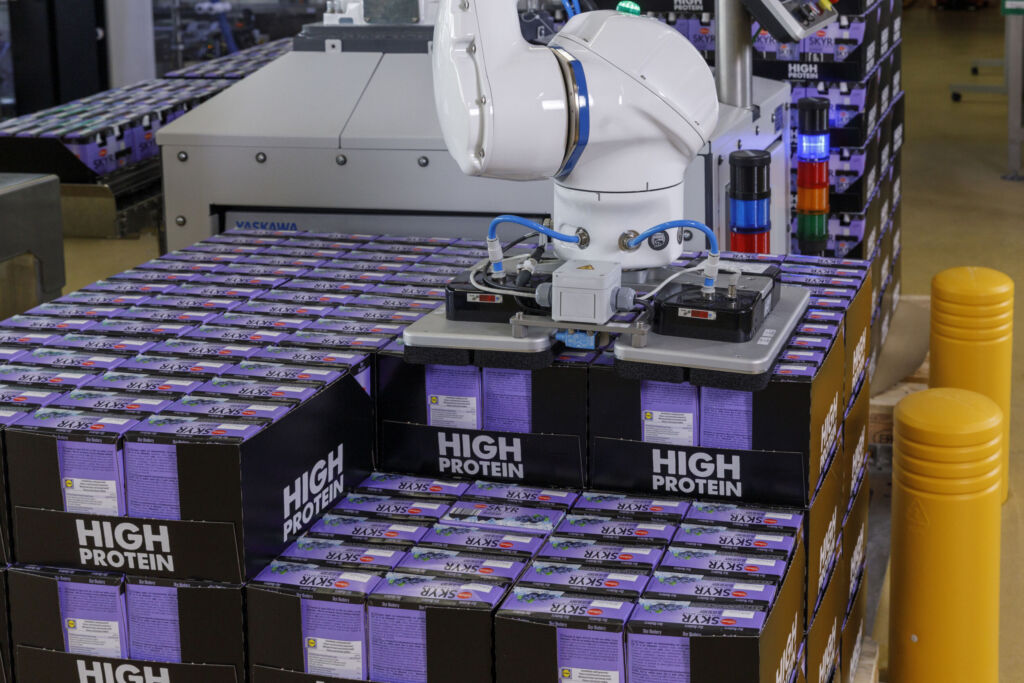
Palletizing pouch bag packaging in open trays
The automation of palletizing pouch bag packaging in open trays has traditionally been a labor-intensive and space-consuming process, lacking in efficiency and reliability. Recent advancements aim to streamline this operation, enhancing productivity and reducing the manual effort required. By implementing new technologies, companies can expect improved process security and optimized use of space, ultimately leading to more effective packaging solutions. This shift is expected to benefit manufacturers looking to modernize their operations and adapt to evolving market demands.
Allgemein Cobots & MRK Lebensmittel & Verpackung Lösungen
Watch: Korean humanoid robot performs viral K-POP dance, learns by watching videos
A South Korean company has made significant strides in humanoid robotics, recently unveiling a sophisticated humanoid capable of learning complex motions. This development comes amid China's prominent presence in the field of robotics, highlighting the competitive landscape of technological innovation. The demonstration took place at a technology expo in Seoul, where industry leaders gathered to witness advancements in artificial intelligence and robotics. The motivation behind this innovation is to enhance the capabilities of humanoid robots, making them more adaptable and efficient in various tasks. The company achieved this breakthrough by integrating advanced machine learning algorithms, allowing the robot to observe and replicate movements, thereby improving its functionality in real-world applications. This event marks a pivotal moment for South Korea in the global robotics arena, positioning the nation as a key player in the evolution of humanoid technology.
AI and Robotics
The Enlightenment World Model tops evaluations in RoboTwin 2.0 and other embodied intelligence tests.
Recently, DaXiao Robotics announced that its Kairos world model has achieved top rankings in several global evaluations focused on embodied intelligence, including RoboTwin 2.0, LIBERO-Plus, WorldModelBench Robot, and DreamGen. This model employs an integrated architecture that combines multimodal understanding, generation, and prediction. In a significant move for the industry, DaXiao Robotics has made the Kairos model open-source, allowing broader access and collaboration in the field of AI-driven video generation and state prediction.

MassRobotics Announces Recipients of 2026 Robotics Medal Recognizing Accomplishments of Women in Robotics
The Robotics Medal has been established to honor a distinguished woman researcher in the field of robotics, acknowledging her significant contributions with a $50,000 prize. This prestigious award aims to highlight the vital role women play in advancing robotics and to inspire future generations. In addition, the Rising Star Medal will recognize emerging female talents who are making notable advancements in the discipline, accompanied by a $5,000 award for the selected recipient. Both awards are part of a broader initiative to promote gender diversity and encourage women's participation in the robotics sector, reflecting a growing commitment to inclusivity in STEM fields.

At Automate, VisionNav Robotics to Showcase Autonomous Material Handling Solutions and Intelligent Vision Technologies
A leading logistics technology company is set to showcase its latest innovations in warehouse automation at an upcoming industry trade show. The event, scheduled for next month in Chicago, will feature the company's autonomous precision stacking solution, designed to enhance efficiency in material handling. Additionally, attendees will have the opportunity to explore the capabilities of a new counterbalance truck, which aims to improve safety and productivity in warehouse operations. The company will also present its advanced warehouse visibility platform, which provides real-time data analytics to optimize inventory management and streamline operations. This initiative reflects the company's commitment to addressing the growing demand for automation and efficiency in the logistics sector, driven by the need for businesses to adapt to rapidly changing market conditions and consumer expectations. By integrating cutting-edge technology into their offerings, the company aims to empower warehouses to operate more effectively and reduce operational costs.

DJI’s cheapest drone is even cheaper right now
DJI has launched a limited-time promotion on its palm-sized Neo drone, offering a 15% discount on all major bundles. This initiative coincides with the upcoming Father’s Day, providing an appealing opportunity for those looking to explore drone technology without a significant financial commitment. The Neo drone, recognized for its user-friendly features, is now more accessible to beginners, making it an attractive gift option for the holiday. The promotion aims to encourage new users to experience the capabilities of DJI's innovative technology.
News
10 Best Traffic Management and Queueing Solutions for High-Traffic Websites in 2026
A sudden surge in web traffic led to the collapse of a server, causing significant disruptions for users and raising concerns among the technical team. The incident unfolded as analytics data displayed alarming spikes, prompting immediate panic and a flurry of communication via Slack among staff members. Concurrently, social media platforms, particularly X (formerly Twitter), saw a growing backlash from frustrated users. This situation underscores the critical importance of effective traffic management strategies to prevent such failures in the future. The incident serves as a reminder of the challenges faced by online services in handling unexpected demand and the need for robust infrastructure to maintain user satisfaction.
Business Software Akamai automation news cloud infrastructure Cloudflare
Where’s your Labour Resource Management on the Warehouse Maturity Curve?
Rising labour costs and ongoing skills shortages are significantly impacting the logistics sector, placing immense pressure on warehouse management teams to optimize operations with limited resources. In response to these challenges, Aptean hosted a webinar aimed at addressing the critical aspect of resource management within warehouses. The session focused on evaluating operational maturity and highlighted the importance of effective resource management strategies. This initiative comes at a time when the logistics industry is grappling with the need to enhance efficiency amidst a tightening labour market.
IT in Logistics Jobs and Training TMS and Telematics Warehousing WMS & SCM Software Aptean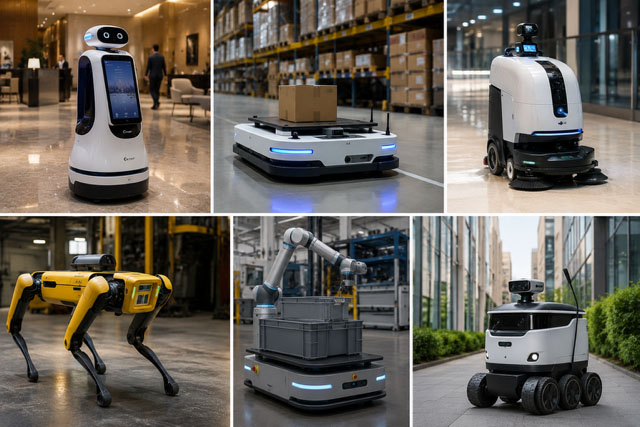
What is the cost of a robot?
As businesses increasingly consider robotic projects, a common inquiry arises: the cost of a robot. However, the answer is not straightforward. Similar to automobiles, the price range for robots varies significantly, with some models costing a few thousand euros while others can reach several hundred thousand euros. This complexity highlights the need for companies to carefully evaluate their specific requirements and budget constraints when investing in robotic technology. The discussion surrounding robot pricing was featured in an article by Robot Magazine, emphasizing the importance of understanding the financial implications of integrating robotics into business operations.
À la une IA Industrie Robotique automatisation industrielle. budget projet robotique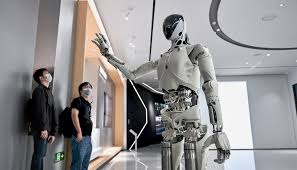
DynaSki: A Robust Locomotion Framework for Dynamic Skiing Robot on Challenging Terrains
A recent study published in the Journal of Field Robotics highlights advancements in autonomous robotic systems designed for agricultural applications. Researchers from a leading university conducted the study to address the growing need for efficient farming solutions amid increasing global food demand. The findings, released in early October 2023, provide insights into how these robotic systems can enhance crop monitoring and management. The research was conducted in various agricultural settings, demonstrating the robots' capabilities in navigating complex terrains and performing tasks such as planting, weeding, and harvesting. By employing advanced sensors and machine learning algorithms, the robots can analyze environmental conditions and optimize farming practices, ultimately aiming to increase yield while reducing labor costs. The motivation behind this innovation stems from the challenges faced by farmers due to labor shortages and the need for sustainable farming methods. The study emphasizes the potential of robotics to transform traditional agriculture, making it more resilient and productive in the face of climate change and resource constraints. As the agricultural sector continues to evolve, these findings could pave the way for broader adoption of robotic technologies, enhancing food security and sustainability worldwide.
RESEARCH ARTICLE
The Missing Layer in Robotics Adoption: Why Emerging Markets Need Commercialization Labs
Robotics manufacturers are increasingly focusing on emerging markets to drive growth, emphasizing the importance of local integration and support systems. As these companies seek to expand their reach, they recognize that success hinges not only on advanced hardware capabilities but also on the establishment of robust training programs, financing options, and service infrastructures. This strategic approach is essential for validating return on investment (ROI) and ensuring that local businesses can effectively adopt and utilize robotic technologies. By prioritizing these factors, manufacturers aim to create a sustainable ecosystem that fosters innovation and enhances productivity in regions that are ripe for technological advancement.

Equal AI raises $30M to screen calls so Indians don’t have to
Equal AI has announced that its AI-powered call assistant has surpassed one million monthly active users. This milestone reflects the growing adoption of AI technology in communication tools, highlighting the increasing reliance on automated solutions for enhancing efficiency in customer interactions. The announcement comes as the company continues to innovate and improve its offerings, aiming to meet the demands of a rapidly evolving digital landscape. With data training completed up to October 2023, Equal AI is poised to further expand its user base and enhance the capabilities of its call assistant, catering to businesses seeking to streamline their communication processes.
Apps Fundraising AI assistant call screen India Prosus Ventures
Harbinger Announces Unmanned Hybrid-Electric Military Vehicle Platform
Harbinger has introduced a new unmanned hybrid-electric military vehicle platform, marking a significant advancement in defense technology. This initiative is part of the company's newly established business unit, Harbinger Praesidia, which aims to collaborate with government clients and defense contractors. The launch is further bolstered by a strategic investment from In-Q-Tel (IQT), a nonprofit organization that invests in technologies to enhance U.S. national security and support allied governments. This partnership underscores the growing interest in innovative military solutions and the importance of private sector involvement in national defense efforts.
AI AI Funding & Investment AI Use Cases Robotics Defense Harbinger
JPMorgan Echoes Why Tesla, Inc. (TSLA) is One of the Best Forever Stocks to Buy
JPMorgan has reaffirmed its positive outlook on Tesla, Inc. (NASDAQ: TSLA), highlighting the company's potential as a long-term investment. On June 7, 2026, the investment bank upgraded Tesla's stock rating from Underweight to Neutral, citing the market's underappreciation of the company's advancements in autonomous vehicles, humanoid robotics, and energy storage solutions. JPMorgan analysts predict that Tesla's share price could rise to approximately $475 by December 2027, up from a previous estimate of $145. The upgrade is attributed to Tesla's unmatched vertical integration of hardware and software at an industrial scale, which is expected to enhance manufacturing efficiency and reduce costs. The company's ongoing testing of its Optimus humanoid robot at its factories is also seen as a competitive advantage for future commercial sales. Additionally, JPMorgan remains optimistic about Tesla's expanding robotaxi service, which has grown from its initial launch in Austin to include Dallas, Houston, and the Bay Area. The bank notes that Tesla's ability to accumulate over 10 billion Full Self-Driving (FSD) miles and 9 million autonomous vehicles on the road will provide significant network effects. While acknowledging Tesla's investment potential, analysts suggest that certain AI stocks may offer greater upside with lower risk.
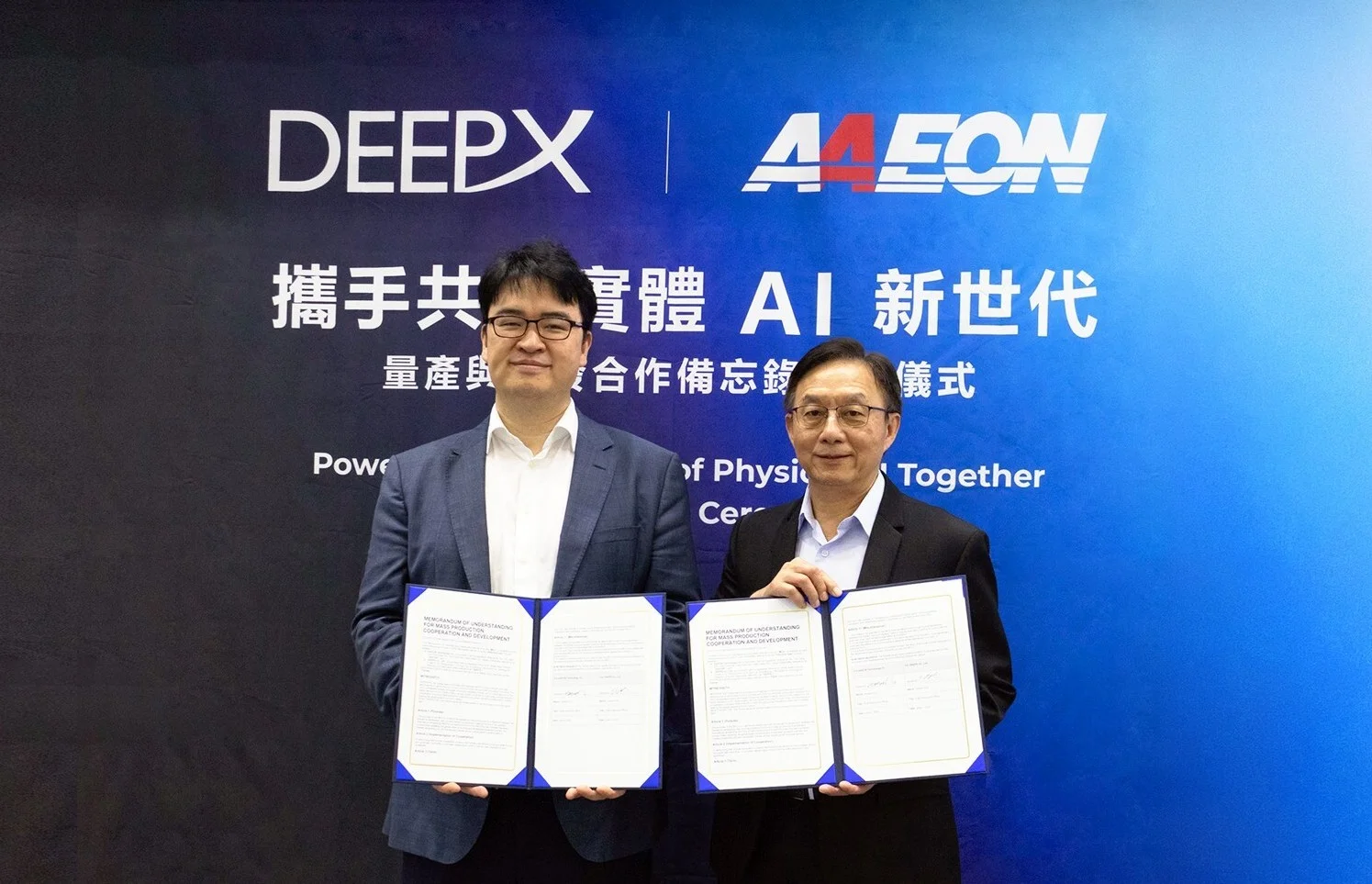
DeepX Announces Global Physical AI Mass Production Partnership with Aaeon
DeepX and Aaeon Technology have entered into a three-year manufacturing agreement to scale the integration of DeepX’s AI chips into industrial and edge computing systems. This collaboration was announced during Computex Taipei 2026 and aims to establish a commercialization pipeline for DeepX’s neural processing units (NPUs). The agreement will facilitate the incorporation of these advanced chips into Aaeon’s range of products, including industrial computers, single-board computers, and edge gateway devices. This partnership reflects a growing demand for enhanced AI capabilities in various computing applications, positioning both companies to capitalize on the expanding market for intelligent edge solutions.
AI AI Funding & Investment AI Infrastructure & Compute Robotics Aaeon Technologies DEEPX
Hyperscale Data to Produce First 30 Omnipresent Robotics Humanoid Robots
Hyperscale Data has announced that its robotics subsidiary, Omnipresent Robotics, has commenced production of the first 30 humanoid robots intended for use at the company's AI data center campus in Michigan. This initiative marks the beginning of a larger deployment plan, which aims to integrate a total of 143 OPR-R2 humanoid robots into operations. The deployment is part of Hyperscale Data's strategy to enhance efficiency and automation within its facilities. The robots are expected to play a crucial role in supporting various tasks at the data center, reflecting the company's commitment to advancing technology and innovation in the field of artificial intelligence.
AI AI Funding & Investment AI Use Cases Robotics humanoid robotics Hyperscale Data