

Industry Briefing
A single destination for timely, editor-curated robotics news from around the world.

Mila Team Develops $2,000 Open-Source Robot Dog as Alternative to $50,000 Guide Dogs
A team from Mila and École Polytechnique de Montréal has developed an open-source robot dog named Milo, which costs approximately $2,000. This innovative solution addresses the high costs and long wait times associated with traditional guide dogs, which can exceed $50,000 and require 2-4 years for matching. Milo is designed to operate both indoors and outdoors without needing prior environmental scans or external computing power. It can navigate obstacles and recognize nearby individuals, making it a collaborative tool for visually impaired users. This robot dog integrates advanced technologies, including an NVIDIA Jetson Orin Nano for processing, and features a flexible handle that allows users to adjust their relative position to the robot. The development of Milo represents a significant advancement in assistive technology, providing a more affordable and accessible option for those in need of guide dogs. As the technology evolves, it will be important to monitor its adoption and effectiveness in real-world scenarios. No further timeline was disclosed at the time of publication.
Robot Guide Dogs Assistive Technology AI Navigation Open-Source Robotics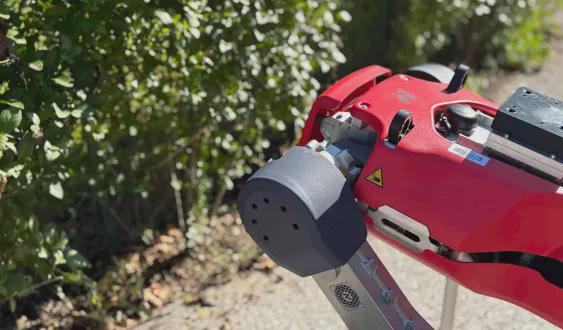
Robot Dogs Use Insect-Inspired Movements to See Through Obstructions in 17 Milliseconds
A collaborative team from Johannes Kepler University Linz, Free University of Bozen-Bolzano, University of Trento, and University of Sussex has developed a method for robot dogs to mimic insect movements to enhance their visual perception. By performing rhythmic lateral movements, akin to the 'peering' behavior observed in insects like locusts, these robots can effectively see through obstructions such as foliage and debris. This innovation is significant as it addresses a common challenge faced by exploration robots in environments cluttered with obstacles that hinder visual sensors. The research establishes a connection between the peering motion and synthetic aperture sensing, allowing the robots to create a virtual aperture that enhances background signals while blurring out obstructions. Future developments to watch include the potential applications of this technology in various environments, including forests and disaster sites. The research indicates that the synthetic aperture technique is most effective at around 50% obstruction density, suggesting a promising avenue for improving robotic vision in complex terrains. No further timeline was disclosed at the time of publication.
Robotics Computer Vision AI Obstacle Detection
Hunan Province Advances Smart Robotics Industry with New Implementation Guidelines
On August 10, Hunan Province Governor Mao Weiming chaired the 97th executive meeting of the provincial government, where the implementation guidelines for accelerating the development of the smart robotics industry were approved. The guidelines emphasize the deep integration of artificial intelligence with the real economy, highlighting collaborative chains, innovation-driven approaches, and the need for scenario-driven support. The guidelines aim to leverage Hunan's existing strengths in engineering machinery and electronic information to transition technological advantages into the robotics industry chain. Notable companies such as SANY Heavy Industry and Zoomlion are positioned to contribute to this initiative, which seeks to extend existing manufacturing capabilities into robotics rather than starting from scratch. The meeting also discussed the establishment of a supply-demand matching mechanism to facilitate real-world testing of robotic products, addressing a critical challenge for robotics companies. Continued financial, technological, and talent support policies were emphasized to meet the core needs of the early-stage robotics industry. No further timeline was disclosed at the time of publication.
Smart Robotics Artificial Intelligence Construction Machinery Technology Innovation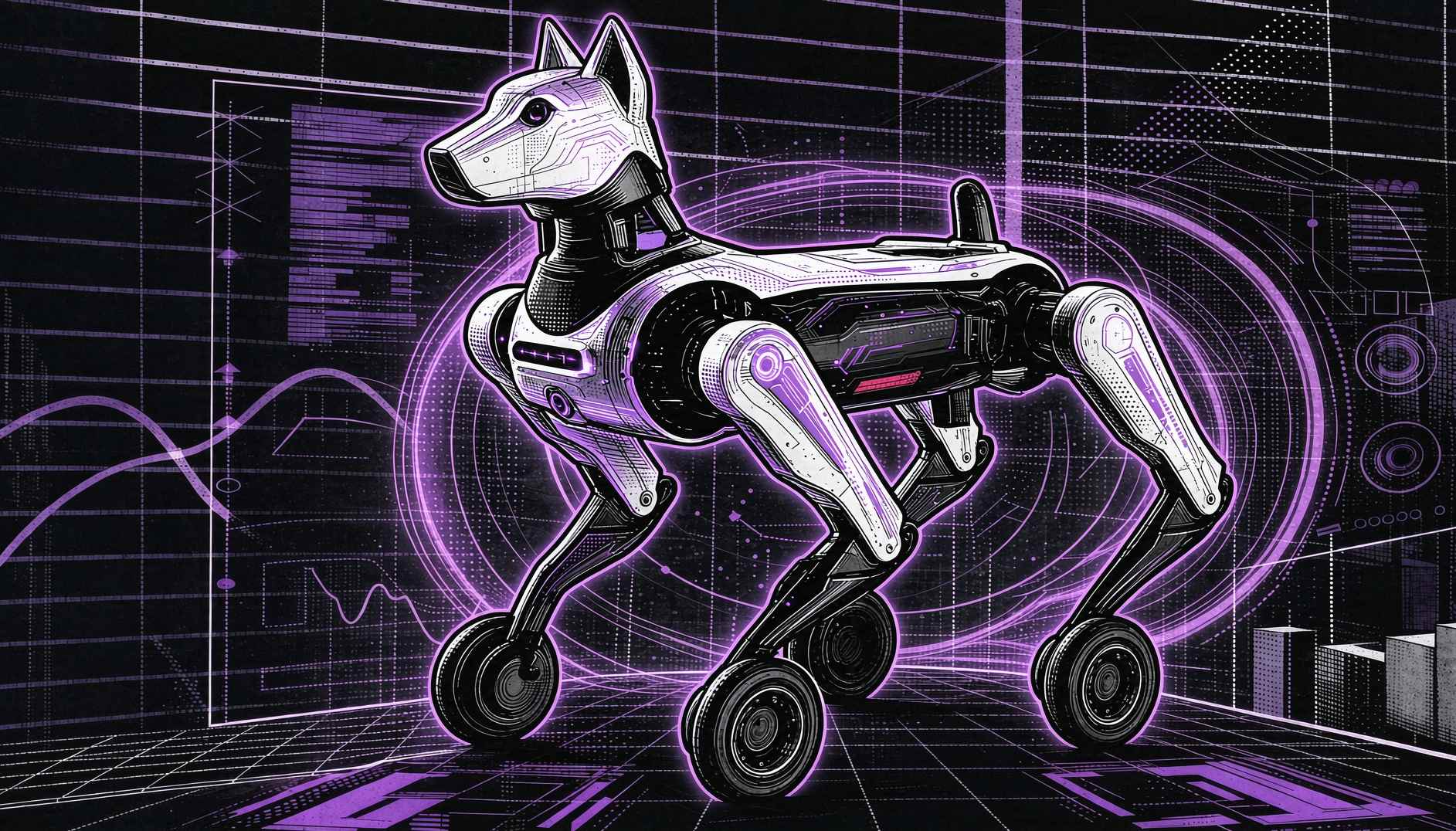
Brain-Controlled Prosthetics and Guide Robots Showcased at 2026 Beijing Welfare Expo
At the 2026 China International Welfare Expo, brain-controlled prosthetics and guide robots were unveiled, showcasing advanced assistive technologies. The event featured over 10,000 products aimed at improving the daily lives of disabled individuals and the elderly, with a dedicated section for brain-machine interface technologies. The introduction of brain-controlled rehabilitation devices, such as the robotic hand developed by Yanshan University and Yuan Brain Qilian, marks a significant advancement in assistive technology. These devices, weighing approximately 500 grams, are currently undergoing clinical testing and show superior training outcomes compared to traditional therapies. Looking ahead, the expo highlighted the potential for smart guide dogs, with companies like Beijing Cyberwan and Chengdu Chuqian Technology planning to deliver thousands of units by the end of the year. However, challenges remain in ensuring these technologies can adapt to various environments and meet the emotional needs of users. No further timeline was disclosed at the time of publication.
Brain-Computer Interface Prosthetics Assistive Technology Guide Robots Disability Support
Kazakhstan Police Utilizes Robotic Dogs for Patrol at Nomad Alemi Festival
During the Nomad Alemi cultural festival in Ulan District, Kazakhstan, police deployed robotic dogs for actual patrol duties. This marks the first time robotic systems have been used for maintaining public order at a large event in the region. The robotic dogs can autonomously patrol designated areas, conduct continuous video surveillance, perform video analysis, and recognize faces, relaying real-time information back to the operations control center. The deployment of robotic dogs is significant as it addresses the challenge of limited police presence at large events while needing to monitor numerous points. These robots can cover areas not reachable by fixed cameras and can navigate through crowds, enhancing public safety. The East Kazakhstan police emphasized that these robotic systems are now part of the region's digital security framework, moving from trial and demonstration to regular operational use. Looking ahead, the capabilities of facial recognition integrated into the robotic dogs raise important questions regarding data retention, comparison permissions, and error handling. While the current deployment is limited in scale and focused on controlled environments, it provides a sample for observing the role of robotic dogs in public safety. Future developments will reveal whether this model expands to routine street patrols and how the data collected will integrate into broader security networks.
Robotic Dogs Public Safety Surveillance Technology Law Enforcement AI
Shanghai Tourism Festival Introduces Humanoid Robot as Innovative Tour Guide
The Shanghai Tourism Festival, set to commence on September 12, 2026, will feature a unique humanoid robot as a tour guide. This robot will be showcased on a themed float, providing real-time intelligent guidance and making smoothies for visitors along the iconic Bund. This marks the first time a humanoid robot has been integrated into a float parade at the festival. The inclusion of the humanoid robot highlights its dual applications in tourism: guiding visitors and providing consumer services. As the float travels approximately 2.2 kilometers through a bustling area, the robot will face challenges such as GPS signal interference and noise from crowds, testing its movement control and task planning capabilities. This event represents a significant step in the commercialization of humanoid robots, moving beyond traditional industrial and educational applications. Following the parade, the float will tour various districts in Shanghai, culminating at the Songjiang Guangfulin Cultural Site. This initiative not only showcases technological advancements but also serves as a public demonstration of the robot's readiness for broader deployment in real-world scenarios.
Humanoid Robots Tourism Technology Event Automation Cultural Innovation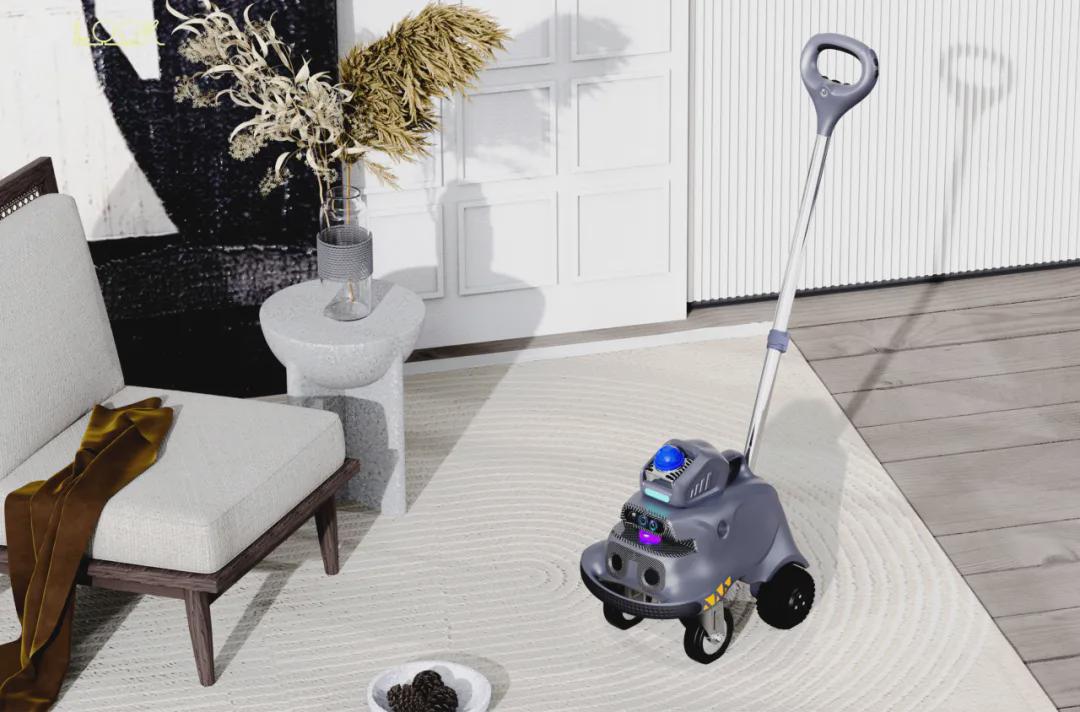
Blind Engineer Unveils AI LOOK Guide Robot for Enhanced Mobility Independence
On September 3, 2023, Zhu Qingyi, a blind software engineer and chairman of Shandong Zhuge Robot Co., unveiled the AI LOOK robot at the 2026 China International Welfare Expo. Weighing approximately 12 pounds, this innovative guide robot enabled Zhu to navigate the stage independently, showcasing its potential for assisting visually impaired individuals. The significance of AI LOOK lies in its advanced sensor fusion technology, which allows for real-time navigation without relying on pre-built maps. Unlike traditional SLAM-based robots, AI LOOK focuses on immediate obstacle detection and navigation, making it particularly suitable for dynamic environments that visually impaired individuals often encounter, such as busy streets and shopping malls. Looking ahead, the company has secured 31 software copyrights and 5 invention patents for the project. The AI LOOK robot is designed to recognize obstacles and provide navigation assistance, with a reported traffic sign recognition accuracy of 99.7%. No further timeline was disclosed at the time of publication.
Assistive Technology Robotics Blind Navigation Sensor Fusion
China Unveils Xiaoyuan, the First Wheeled and Legged Robot Guide Dog for the Visually Impaired
The Zhiyuan Research Institute in China has introduced Xiaoyuan, the world's first wheeled and legged robot guide dog designed for visually impaired individuals. Launched at the China Care and Rehabilitation Expo in Beijing, this innovative robot features a combination of wheels for smooth movement on flat surfaces and four legs for navigating stairs, enhancing independence for its users. This development is significant as it highlights the growing integration of AI and robotics into civilian applications, particularly in aiding those with disabilities. The robot's quiet operation is crucial for users who depend on auditory cues, and its ability to detect overhead obstacles offers advantages over traditional mobility aids like canes. Xiaoyuan boasts impressive technical specifications, including centimetre-level outdoor positioning accuracy and high obstacle-avoidance success rates. The robot is also connected to various support services, enabling users to access remote assistance when necessary. No further timeline was disclosed at the time of publication.

The Rapid Evolution of Robotic Dogs Outpaces Traditional Pet Breeds by 2026
By 2026, the number of robotic dogs showcased at technology exhibitions is expected to surpass that of traditional dog breeds like Golden Retrievers and Corgis. This rapid diversification of quadrupedal robots is outpacing the evolution of most dog breeds, with various forms emerging from a common technological base, including wheels, saddles, and even drone landing pads. At this year's World Robot Conference (WRC), a small AI-controlled robotic dog named Kaimisi became an unexpected hit, despite not having a dedicated exhibition space. This palm-sized robot, priced between 200 to 280 yuan, can run, flip, and interact with people, reportedly selling over a thousand units daily, a remarkable achievement among exhibitors. Its affordability compared to other robots priced in the tens of thousands makes it an attractive option for consumers. The success of Kaimisi highlights a critical shift in quadrupedal robots from demonstration models to consumer products. With a compact design, low price, and engaging features, these robots appeal to a broader audience. Meanwhile, established companies like Yushun and Yundongchu are also making strides in the market, offering products ranging from inexpensive toys to high-end industrial platforms, showcasing the versatility of quadrupedal designs in various market segments.
Robotic Dogs AI Technology Consumer Robotics Automation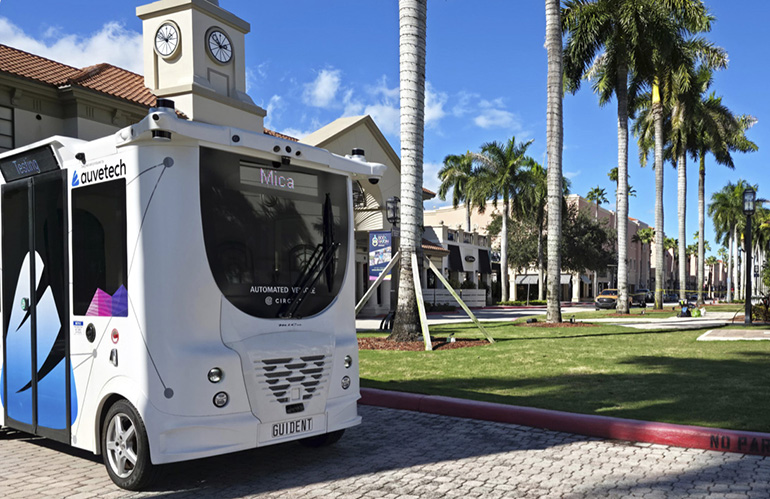
Guident Emphasizes Human Oversight for Safety in Growing Robotaxi Fleets
Guident Corp. launched its autonomous shuttle service in Boca Raton, Florida, in November 2025, highlighting the importance of human oversight in robotaxi operations. As self-driving vehicle companies like Zoox Inc. begin commercial services, Guident's GuideOn platform aims to enhance safety through AI, remote monitoring, and teleoperation. The company operates six remote monitoring centers and has extended its partnership with Coastal Waste & Recycling, indicating a commitment to expanding its technology in various locations. The significance of Guident's approach lies in its focus on integrating human oversight with autonomous systems, ensuring that safety is prioritized as fleets grow. CEO Harald Braun emphasized that human-in-the-loop architectures do not require constant manual control but rather provide assistance when autonomous systems face challenges. This scalable oversight model allows for effective management of autonomous vehicles while maintaining safety standards in the absence of federal regulations. Looking ahead, Guident's strategy of combining AI-driven monitoring with human intervention could set a precedent for the future of autonomous mobility. As the robotaxi market evolves, the effectiveness of this model will be crucial in addressing safety concerns and enhancing public trust in autonomous technologies. No further timeline was disclosed at the time of publication.
Artificial Intelligence Automotive Autonomous Mobile Robots (AMRs) Mobility / Navigation News Safety & Security
China Plans to Use Robot Dogs for Research at 2035 Moon Station
China is preparing to send robot dogs to the Moon as part of its International Lunar Research Station (ILRS) initiative, aiming for completion by 2035. These quadruped robots are envisioned to assist astronauts in research and emotional support, enhancing the human experience in space. The integration of new communication and navigation systems is crucial for this ambitious project, as reported by South China Morning Post. The robot dogs will not only patrol the lunar research station but also aid astronauts in scientific tasks, showcasing a unique partnership between humans and machines in extraterrestrial environments. Looking ahead, the deployment of robot dogs could revolutionize lunar exploration, with their capabilities extending to autonomous operations. As China progresses towards its 2035 goal, the role of these robotic companions in space will be pivotal in ensuring safety and efficiency in lunar research activities. No further timeline was disclosed at the time of publication.
AI and Robotics
Researchers Introduce Milo, the First Fully Autonomous Robotic Guide Dog for the Visually Impaired
Researchers have unveiled Milo, the world’s first fully autonomous robotic guide dog, aimed at assisting blind and visually impaired individuals in navigating various environments. This AI-powered mobile robot serves as a cost-effective alternative to traditional guide dogs, which can be expensive and in limited supply. Milo can be produced for under $2,000, significantly increasing accessibility for those awaiting trained guide dogs. The significance of Milo lies in its ability to navigate unfamiliar locations without the need for pre-mapped environments, utilizing onboard artificial intelligence to identify paths and avoid obstacles. This capability is crucial for users who require reliable navigation assistance in diverse settings. The robot's navigation system, trained through reinforcement learning, allows it to adapt to different lighting and environmental conditions, enhancing its usability. Looking ahead, the open-source release of Milo, including its hardware designs and AI models, invites further research and development in the field. This initiative could lead to advancements in assistive technologies for the visually impaired, making navigation safer and more efficient. No further timeline was disclosed at the time of publication.
Health News accessibility artificial intelligence assistive robotics assistive technology
U.S. Government Prohibits Import of Foreign-Made Humanoids and Robot Dogs Over Security Concerns
The Trump administration has enacted a ban on the import of new foreign-made humanoid robots, robot dogs, and power inverters, citing significant national security risks. This decision primarily impacts imports from China, which dominates the global market share in these technologies. The U.S. Federal Communications Commission (FCC) announced the ban, expressing concerns that foreign-made devices could be exploited for surveillance or cyberattacks by foreign governments. Exceptions may be granted if a device is deemed safe for U.S. national security. The ongoing tensions between the U.S. and China, particularly regarding cybersecurity and data theft, underscore the importance of this ban. Looking ahead, the implications of this ban could affect future technological collaborations and trade relations between the U.S. and China. No further timeline was disclosed at the time of publication.
Robotics Security cybersecurity Trump Administration
Boston Dynamics Brings Back Robot Dogs for Exciting 'Good Vibrations' Dance-Off
Boston Dynamics has reintroduced its robot dogs in a captivating dance-off titled 'Good Vibrations.' This event showcases the advanced capabilities of the company's robotic technology, emphasizing the potential for entertainment and engagement in robotics. The revival of these robot dogs is significant as it highlights Boston Dynamics' commitment to pushing the boundaries of robotic performance and creativity. By integrating dance into their demonstrations, the company aims to capture public interest and demonstrate the versatility of their robots in various applications. Looking ahead, it will be interesting to see how Boston Dynamics continues to innovate and expand the use of its robot dogs beyond entertainment. No further timeline was disclosed at the time of publication.

Enhancing Visual Interpretability in Exploratory Robots Using Peering Techniques
A recent study published in Science Robotics explores how robot dogs can enhance their visual interpretability through innovative peering techniques. This advancement allows these exploratory robots to better understand and navigate their environments, which is crucial for their operational effectiveness. The significance of this research lies in its potential to improve the interaction between robots and their surroundings, making them more adept at performing tasks that require visual comprehension. By employing peering methods, these robots can interpret complex visual data more effectively, which is essential for applications in various fields, including search and rescue operations. Looking ahead, the implications of this research could lead to further developments in robotic vision systems. As the technology evolves, it will be important to monitor how these advancements are integrated into real-world applications and the impact they have on the capabilities of exploratory robots. No further timeline was disclosed at the time of publication.
Research Resource
CSGE Enhances Multi-View 3D Detection in Robotic Systems with Modular Cross-Spatial Representation
The Journal of Field Robotics has published an early view article detailing the development of CSGE, a modular cross-spatial guided space representation designed to improve multi-view 3D detection in robotic systems. This innovative approach aims to enhance the accuracy and efficiency of 3D perception in various robotic applications. The significance of CSGE lies in its potential to address challenges in multi-view 3D detection, which is crucial for the effective operation of robotic systems in complex environments. By utilizing a modular design, CSGE allows for flexible integration into existing robotic frameworks, potentially leading to advancements in automation and intelligent manufacturing. Looking ahead, the industry will be monitoring the implementation of CSGE in real-world robotic applications and its impact on performance metrics. Further developments and research findings related to this technology may provide insights into its broader applicability and effectiveness in enhancing robotic perception capabilities. No further timeline was disclosed at the time of publication.
RESEARCH ARTICLE
Quadruped Robot Competition Opens for Participants to Showcase Specialized Applications
A new competition has been announced, inviting participants to demonstrate the capabilities of quadruped robots in specialized scenarios. This event is designed to challenge the limits of robotic applications and encourage innovation within the industry. The significance of this competition lies in its potential to advance the development of robotic technologies, particularly in specialized applications. By showcasing the unique abilities of robotic dogs, the event aims to inspire new ideas and solutions in the field of robotics. Looking ahead, participants will have the opportunity to present their innovations, which could lead to breakthroughs in various applications. No further timeline was disclosed at the time of publication.
Quadruped Robots Robotics Competition Specialized Applications Innovation in Robotics
China Achieves First AI-Guided Surgery for Congenital Heart Disease Using Intelligent Robotics
Recently, a medical team in China completed the world's first AI ultrasound robot-assisted interventional procedure for congenital heart disease. Conducted by the Cardiovascular Medicine Department of the Sixth Medical Center of the PLA General Hospital, this surgery marks a significant milestone in the clinical application of intelligent technology in healthcare. This breakthrough is crucial as it signifies the integration of artificial intelligence into one of the most critical aspects of surgical procedures: interpreting images, assessing positions, and aiding doctors in formulating operational plans. Traditionally, cardiovascular interventions heavily relied on physician experience, particularly in complex cases where accurate understanding of heart structure changes is essential. Looking ahead, the focus may shift from merely achieving higher precision with robotic arms to whether robots can comprehend medical images, analyze patient conditions, and adapt strategies in real-time. The integration of AI models, medical imaging, and robotic control systems will be vital for advancing surgical capabilities, especially in areas lacking experienced specialists.
AI in Healthcare Surgical Robotics Medical Imaging Cardiovascular Surgery
Chinese Billionaire Wang Xingxing's Wealth Grows Amid US Restrictions on Robot Models
Wang Xingxing, a millennial billionaire, is experiencing a significant increase in his wealth, driven by his involvement in China's AI sector. Despite facing restrictions from the US government that prevent his company from introducing new robot models in the American market, his financial success continues to rise. This situation highlights the resilience of China's tech entrepreneurs in the face of international challenges. The ongoing growth of Wang's fortune underscores the importance of the AI industry in China, particularly as the country aims to become a global leader in artificial intelligence. The restrictions imposed by Washington may limit market access, but they have not hindered the overall expansion of Wang's business ventures within China. This scenario reflects broader trends in the tech landscape, where domestic markets can still thrive despite external pressures. Looking ahead, it will be crucial to monitor how Wang Xingxing navigates these challenges and whether his company can adapt to the changing regulatory environment. No further timeline was disclosed at the time of publication.

DEEP Robotics Expands Use of Quadruped and Wheeled Robots in Emergency Response Operations
Chinese startup DEEP Robotics is enhancing firefighting and emergency response capabilities with its X30 quadruped and Lynx M20 wheeled-legged robots. These robots are designed to enter hazardous environments first, gathering real-time data on conditions and relaying it to command teams, thereby keeping human responders safe during initial assessments. The deployment of these robots is significant as they can monitor dangerous situations such as fires, chemical leaks, and collapsed structures without putting human lives at risk. The X30 quadruped is equipped with advanced sensors and can also assist in firefighting efforts, transporting equipment, and maintaining communication links in challenging environments. Looking ahead, DEEP Robotics aims to further integrate its robotic systems into emergency response protocols, enhancing the efficiency and safety of rescue operations. No further timeline was disclosed at the time of publication.
AI and Robotics
AI-Powered Surgical Robots Enhance Precision in Lung Nodule Biopsies
Surgeons face significant challenges when locating small lung nodules, particularly those under 8 millimeters that may indicate early-stage lung cancer. Traditional CT-guided methods require multiple scans and lengthy procedures, increasing the risk of complications. Dr. Wang Jiyong, head of thoracic surgery, highlights the limitations of conventional approaches, noting that even clear CT images do not allow for precise identification of tiny lesions. AI-driven surgical robots are transforming this landscape by utilizing 3D imaging to gather lesion data and create a spatial model of the lungs. This technology, likened to a high-precision GPS navigation system, enables pre-surgical planning of optimal puncture angles and real-time tracking of instruments during surgery. This advancement promises reduced trauma and shorter recovery times for early lung cancer patients. As the detection rate of lung nodules rises with increased health screenings, Dr. Wang advises regular monitoring for nodules under 8 millimeters and vigilance for those above 5 millimeters. The evolution of AI robots from diagnostic tools to navigational aids is reshaping the surgical approach to lung nodules, making previously daunting tasks more manageable.
Surgical Robots AI Navigation Lung Cancer Diagnosis Medical Technology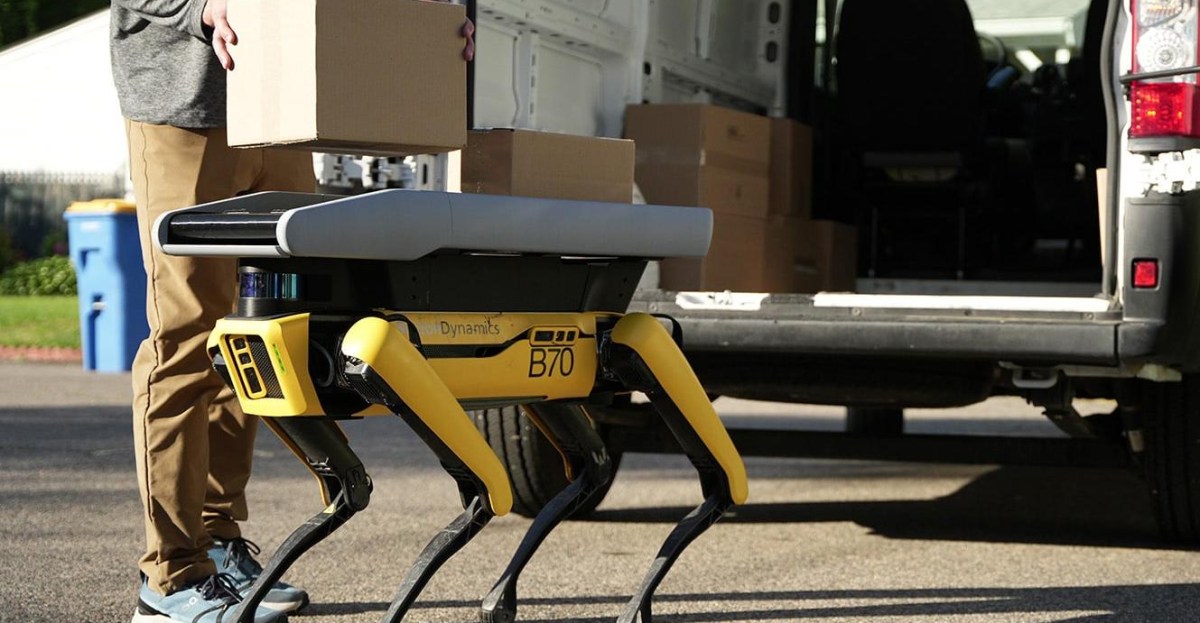
Boston Dynamics Tests Spot Robot for Last-Mile Delivery Solutions
Boston Dynamics is exploring the use of its Spot robot for package deliveries, equipped with a new conveyor belt accessory. This innovation aims to autonomously transport packages from vehicles to customers' doorsteps, potentially easing the workload of delivery drivers. The initiative is significant as it addresses the challenges of last-mile delivery, where human navigational skills are often required to overcome obstacles like stairs and cluttered pathways. Boston Dynamics is currently in discussions with major logistics companies to transition from demonstrations to a full pilot project. Looking ahead, the company believes Spot's ability to navigate uneven terrain will enhance its effectiveness in suburban environments. This could not only alleviate physical strain on delivery drivers but also increase their efficiency, allowing them to handle more packages. No further timeline was disclosed at the time of publication.
Gadgets News Robot Tech
The Humanoid Robotics Capital Race: Valuations and Strategies for 2025
The humanoid robotics sector is experiencing a significant shift as it enters a costly phase characterized by a global capital race. By late 2025, a pronounced 'great valuation chasm' has emerged, with a leading tier of approximately a dozen companies achieving valuations in the billions, while a secondary tier of specialized firms lags behind. This capital race is marked by contrasting strategies among companies. Figure, based in the USA, has established itself as the frontrunner with a confirmed valuation of $39 billion following a successful Series C funding round. This funding, which exceeded $1 billion, is aimed at scaling production of its Figure 03 robot and enhancing its AI system, Helix. Neura Robotics from Germany is also making strides, targeting a valuation between $9.29 billion and $11.6 billion as it seeks significant investment from Tether. This development indicates a shift in funding sources, with non-traditional investors entering the humanoid robotics space. No further timeline was disclosed at the time of publication.
1X Technologies Tesla Unitree Robotics Figure Leju Robot Neura Robotics
DeepTrack: A Pressure‐Tolerant Electromagnetically Driven Soft Robotic Fish Platform With Visually Guided Locomotion
The Journal of Field Robotics has published an early view article highlighting advancements in autonomous robotic systems. Researchers from various institutions collaborated to explore innovative algorithms that enhance the navigation and decision-making capabilities of robots in complex environments. This study, released in October 2023, aims to address the growing need for efficient robotic solutions in sectors such as agriculture, search and rescue, and industrial automation. By employing machine learning techniques and real-time data processing, the team demonstrated significant improvements in the robots' ability to adapt to dynamic surroundings. The findings are expected to pave the way for more effective deployment of robotic technologies in real-world applications, ultimately contributing to increased productivity and safety in various industries.
RESEARCH ARTICLE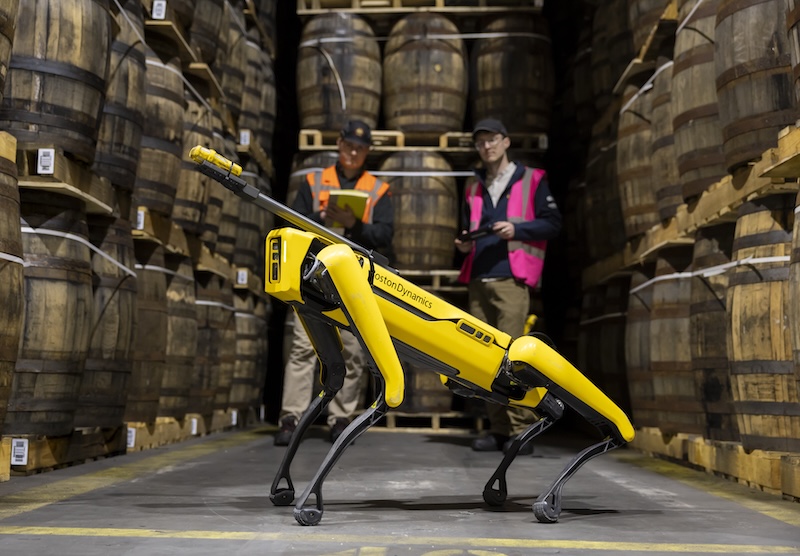
Opinion: Why robot dogs are leading the pack in factory floor efficiency
By Andrew Hamilton, head of the Digital Process Manufacturing Centre (DPMC) at the National Manufacturing Institute Scotland (NMIS) Manufacturing facilities today are sprawling, interconnected environments where equipment operates continuously and processes stretch across large physical footprints. From factory floors and plant rooms to service corridors and external assets, engineering teams need clear visibility across areas […]
Features Industry Autonomous robots boston dynamics spot digital manufacturing factory inspections
Robotic Process Automation in 2026: A Buyer’s Guide for Procurement Teams
Over the past decade, the landscape of Robotic Process Automation (RPA) has evolved significantly. Initially characterized by basic screen-scraping bots that mimicked human interactions with legacy desktop applications, the technology has now advanced to include both attended and unattended bots. These modern bots are capable of managing user interface tasks within various enterprise systems such as ERP and CRM platforms, as well as billing tools that organizations are reluctant to phase out. As of October 2023, RPA has shifted towards an API-first approach, enabling more sophisticated orchestration that directly integrates with cloud services at various integration points. This transformation reflects the growing demand for automation solutions that enhance efficiency and streamline operations across industries. The shift not only highlights the technological advancements in RPA but also underscores the necessity for businesses to adapt to changing digital landscapes in order to remain competitive.
Automation Business Digital Automation ai agents automation anywhere automation news
Is Robotic Surgery Worth Traveling Abroad for? – Patient Guide
As patients face lengthy wait times and limited availability of specialized surgeons for robotic surgery, many are considering traveling abroad for their procedures. This trend has emerged as individuals seek more accessible options for advanced medical technology that may not be offered locally. The growing interest in international medical travel highlights the challenges within the healthcare system, prompting patients to explore alternatives that could expedite their treatment. By opting for overseas surgery, patients hope to receive timely care and benefit from cutting-edge techniques that may not be available in their home countries.
Health Technology automation news da Vinci surgical system healthcare innovation Healthcare Technology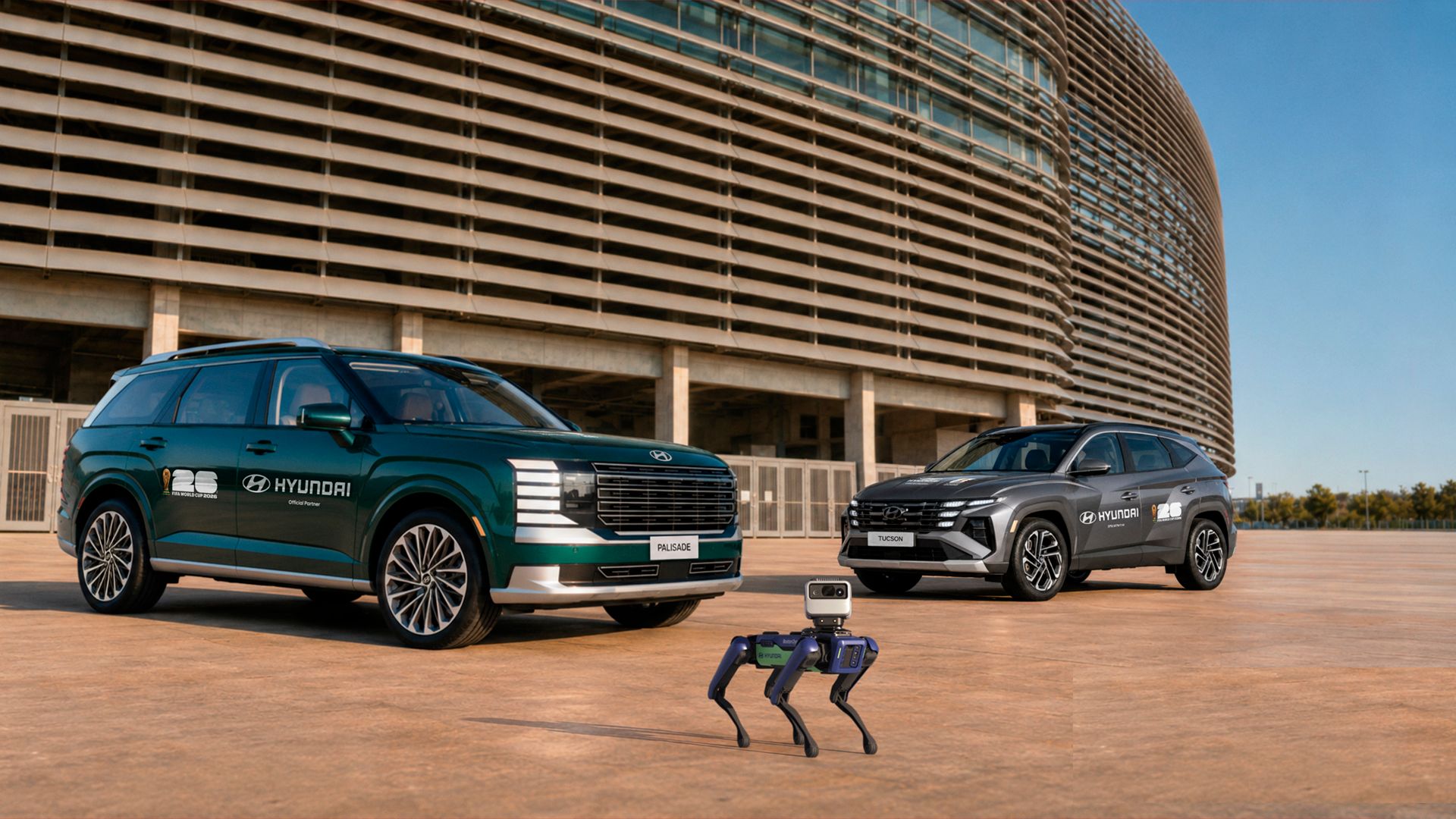
FIFA World Cup 2026 gets Hyundai robot dogs for venue security patrols
As the 2026 FIFA World Cup approaches, Hyundai Motor Company has unveiled its latest marketing campaign aimed at enhancing fan engagement during the tournament. The initiative, which was announced in early October 2023, will leverage innovative technology and interactive experiences to connect soccer enthusiasts across North America. Hyundai's campaign is designed to capitalize on the excitement surrounding the World Cup, which is set to take place in the United States, Canada, and Mexico. The automotive giant aims to strengthen its brand presence and foster a deeper connection with fans by integrating digital platforms and live events into its promotional strategy. Through a series of interactive activations, Hyundai plans to provide fans with unique opportunities to participate in the World Cup experience, including virtual reality experiences and social media engagements. This approach not only highlights Hyundai's commitment to the sport but also aligns with its broader marketing objectives of reaching a diverse audience and enhancing customer loyalty. By embracing the global appeal of soccer, Hyundai seeks to position itself as a key player in the automotive market while celebrating the spirit of the World Cup. The campaign reflects the company's dedication to innovation and community engagement, aiming to create memorable moments for fans during this prestigious sporting event.
AI and Robotics
Drive solutions for shuttles, automated guided vehicles, and autonomous mobile robots.
At the SPS Italia exhibition, Bonfiglioli showcased its innovative mechatronic ecosystem, highlighting advanced drive solutions tailored for shuttles, automated guided vehicles (AGVs), and autonomous mobile robots (AMRs). This presentation underscores Bonfiglioli's commitment to enhancing automation and efficiency in various industrial applications. The event, held in Italy, serves as a platform for industry leaders to explore cutting-edge technologies and solutions that address the evolving needs of the market. Through its participation, Bonfiglioli aims to demonstrate its leadership in the field and foster collaborations that drive technological advancements in automation.
Allgemein Antriebs- und Lineartechnik Robotik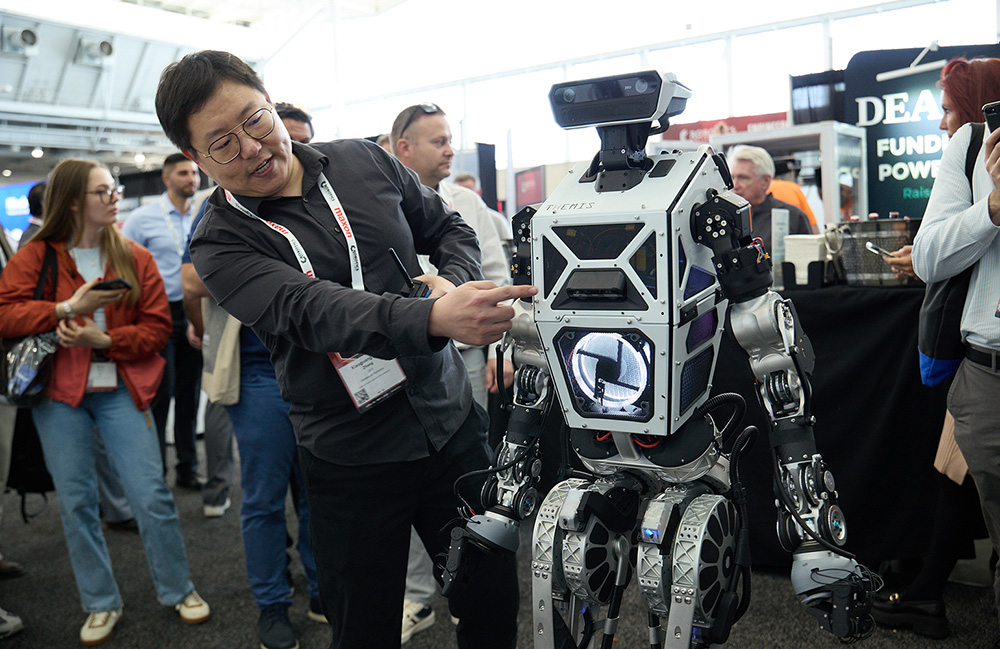
Your guide to the last day of the 2026 Robotics Summit & Expo
The Robotics Summit & Expo is currently in its second day in Boston, featuring a variety of events aimed at fostering innovation and collaboration in the robotics industry. Among the highlights is the Women in Robotics breakfast, which seeks to empower and connect women professionals in the field. The summit serves as a platform for industry leaders and enthusiasts to share insights, showcase advancements, and discuss the future of robotics. This year's event emphasizes the importance of diversity and inclusion, reflecting a growing recognition of the need for varied perspectives in technology development. Attendees can expect a range of sessions, networking opportunities, and discussions that will shape the trajectory of robotics in the coming years.
Artificial Intelligence Design / Development Events Healthcare Robotics News Robots / Platforms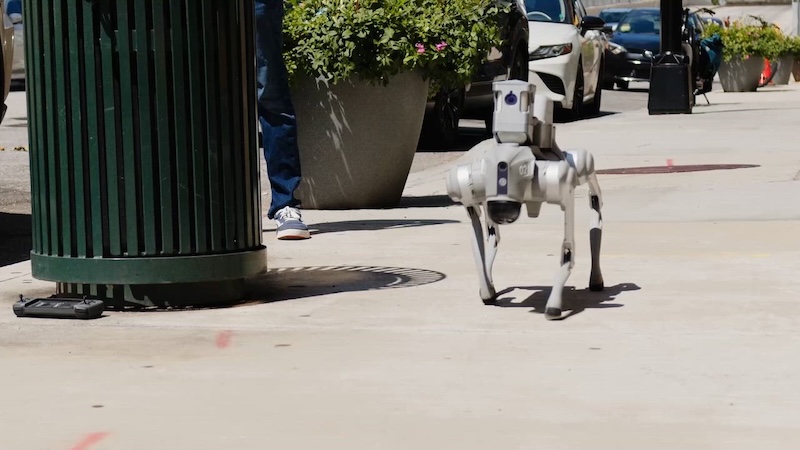
Robot dogs help police catch car break-in suspects at Atlanta apartment complex
In a notable advancement for law enforcement technology, robotic security dogs were utilized in Atlanta to assist in apprehending two suspects involved in a vehicle break-in. This incident, reported by Atlanta News First, highlights the growing trend of integrating robotic systems into security operations across industrial and commercial sectors. The deployment of these robotic canines underscores the rapid evolution of technology in real-world applications, showcasing their potential to enhance public safety and support traditional policing methods. As security measures continue to advance, the use of such innovative tools may become increasingly common in urban environments.
Infrastructure News affordable housing security ai robotics AI security artificial intelligence
A guide to Day 1 of the 2026 Robotics Summit & Expo
The 2026 Robotics Summit & Expo is set to kick off today, featuring a range of engaging talks, interactive robot demonstrations, and dynamic discussions among industry leaders and enthusiasts. Attendees can expect to gain valuable insights into the latest advancements in robotics technology and applications. The event aims to foster collaboration and innovation within the robotics community, highlighting the importance of shared knowledge in driving the industry forward. With a diverse lineup of speakers and exhibitors, the summit promises to be a pivotal gathering for professionals looking to explore the future of robotics.
Artificial Intelligence Artificial Intelligence / Cognition Design / Development Events Humanoids News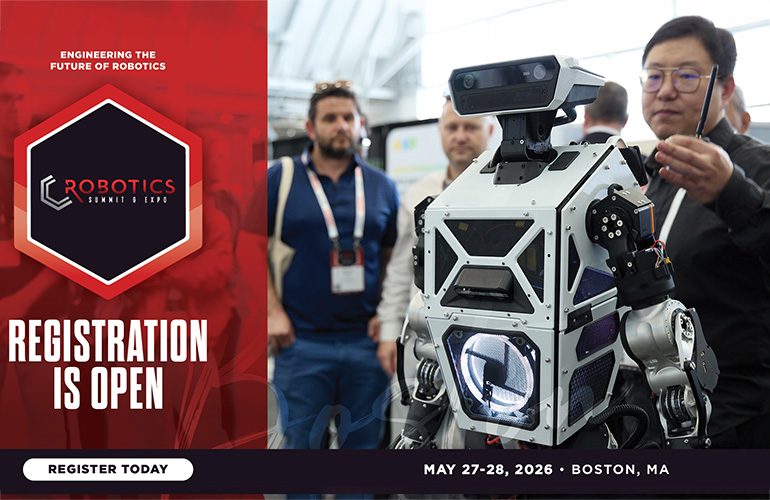
A guide to everything happening at the 2026 Robotics Summit & Expo
The Robotics Summit & Expo is set to take place in Boston over the next two days, attracting thousands of attendees and hundreds of exhibitors from the robotics industry. This event serves as a significant platform for showcasing the latest advancements in robotics technology, fostering networking opportunities, and facilitating discussions on industry trends. Participants can expect a comprehensive program that includes keynote speeches, panel discussions, and hands-on demonstrations, all aimed at highlighting innovations and addressing challenges within the field. The summit not only emphasizes the importance of collaboration among industry leaders but also aims to inspire the next generation of robotics professionals.
Artificial Intelligence Design / Development Events Healthcare Robotics Logistics News
The Ultimate Guide to Understanding Polishing Robots
In the high-precision manufacturing sector, the introduction of robotic polishing technology is transforming the finishing stage, which is critical for ensuring quality and consistency. JAKA, a leader in collaborative robotics, has developed the JAKA S series, particularly the JAKA S12, designed to automate the challenging polishing process. Unlike standard industrial robots, the JAKA S12 operates under "force control," allowing it to adapt pressure in real-time to the surface of various workpieces, from delicate smartphone casings to heavy automotive parts. This innovative approach not only enhances uniformity across production runs, eliminating batch variance, but also improves workplace safety by reducing employee exposure to hazardous dust and noise. By delegating polishing tasks to robots, human workers can transition to supervisory roles, overseeing quality and workflow. The JAKA S12 features a 12kg payload and a 1327 mm reach, making it suitable for large-scale finishing tasks. Its IP65 rating ensures durability in dusty environments, while integrated sensors provide real-time pressure monitoring, ensuring precision in every polish. The system can be seamlessly integrated into existing production lines without the need for extensive redesign, allowing manufacturers to enhance productivity and reduce scrap rates, ultimately leading to a rapid return on investment.

Conference Guide | The 3rd China Embodied Intelligence and Humanoid Robot Industry Conference to be Held in Haidian on April 28-29
The 3rd China Embodied Intelligence and Humanoid Robot Industry Conference is set to convene in Haidian, Beijing, on April 28-29. This significant event will bring together more than 30 industry experts, representatives from 200 leading companies, and over 1,000 professionals from the humanoid robotics sector. The conference aims to foster technological exchange and enhance collaboration within the industry, addressing the latest advancements and challenges in humanoid robotics. Participants will engage in discussions and networking opportunities to drive innovation and development in this rapidly evolving field.
Humanoid Robots Embodied Intelligence Industry Conference Technology Exchange
Conference Guide | The Third China Embodied Intelligence and Humanoid Robot Industry Conference will be held in Haidian from April 28 to 29.
The Third China Embodied Intelligence and Humanoid Robot Industry Conference is set to take place in Haidian from April 28 to 29. This event aims to bring together industry leaders, researchers, and innovators to discuss advancements and future trends in embodied intelligence and humanoid robotics. By fostering collaboration and knowledge exchange, the conference seeks to enhance the development of this rapidly evolving field. Participants will engage in various sessions, workshops, and presentations, showcasing cutting-edge technologies and exploring potential applications in diverse sectors. The conference serves as a platform for networking and collaboration, driving the growth of the humanoid robot industry in China and beyond.
Robotics Automation AI
No-code automation: One video guide instructs three completely different robots
A research team at the Federal Technology Institute of Lausanne (EPFL) in Switzerland has unveiled an innovative robotic system designed to assist in search and rescue operations. This groundbreaking development was announced on October 15, 2023, during a press conference held at the institute's headquarters in Lausanne. The motivation behind creating this advanced robotic technology stems from the increasing need for efficient and effective tools in emergency response situations, particularly in challenging environments where human rescuers may face significant risks. The robotic system is equipped with state-of-the-art sensors and artificial intelligence capabilities, allowing it to navigate complex terrains and identify victims in disaster-stricken areas. By simulating various emergency scenarios, the research team demonstrated the robot's ability to operate autonomously while providing real-time data to human operators. This integration of robotics into search and rescue missions aims to enhance the safety and efficiency of rescue efforts, ultimately saving more lives. The EPFL team emphasizes that this technology could revolutionize the way emergency services respond to crises, particularly in remote or hazardous locations. As the project progresses, further testing and collaboration with emergency response teams are planned to refine the robot's capabilities and ensure its practical application in real-world situations.
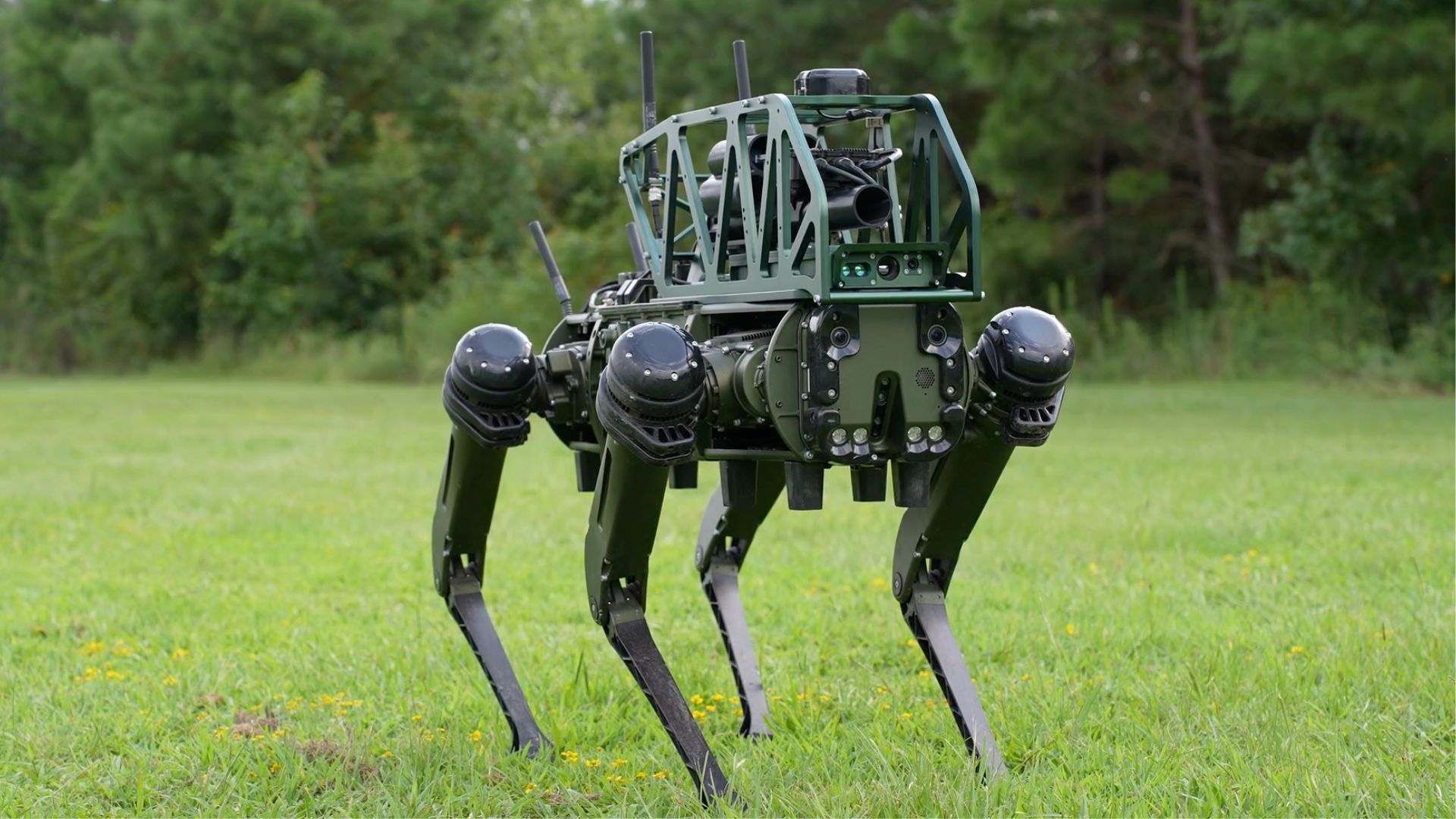
Robot dogs with shotguns, grenade launchers head to US urban warfare trials
The United States has contracted an Australian defense company to supply advanced robotic dogs and modular systems designed for military applications. This agreement, announced recently, aims to enhance the capabilities of the U.S. armed forces by integrating cutting-edge technology into their operations. The initiative is part of a broader strategy to modernize defense assets and improve operational efficiency. The robotic systems are expected to assist in various tasks, potentially reducing risks to personnel and increasing mission effectiveness. The collaboration underscores the growing partnership between the U.S. and Australia in defense innovation, reflecting a commitment to leveraging advanced technology in military operations.
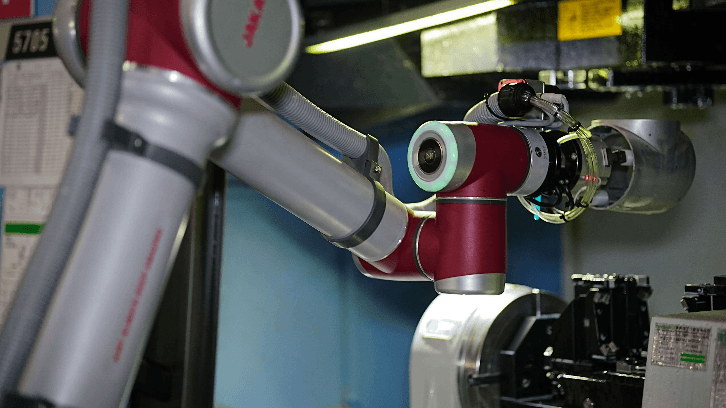
The Step-by-Step Guide to Programming a Handling Robot for Machine Tending
In a significant advancement for modern manufacturing, JAKA has introduced its JAKA Zu series, a line of handling robots designed to enhance machine tending processes in smart factories. This innovation allows for the automation of loading and unloading raw materials into CNC machines and injection molders, thereby increasing operational efficiency and safeguarding human workers from hazardous environments. The JAKA Zu12, capable of handling heavy metal parts with a payload of 12kg and a reach of 1327mm, streamlines the programming process through a user-friendly graphical interface accessible via a tablet or smartphone, eliminating the need for cumbersome teach pendants. This low-code approach simplifies the traditionally complex task of programming a 6-axis robot arm, enabling operators to set up a machine tending station in minutes. The setup involves defining the robot's workspace and safety zones, teaching waypoints for efficient path planning, integrating end-of-arm tooling for precise interaction with machines, and establishing logic loops for error handling. These features ensure that the robot can operate autonomously, significantly reducing the need for constant supervision. By offering a solution that combines industrial speed with consumer-friendly simplicity, JAKA aims to support manufacturers in automating their processes confidently, whether in small machine shops or large-scale production lines. This development marks a pivotal step towards more efficient and safer manufacturing environments.
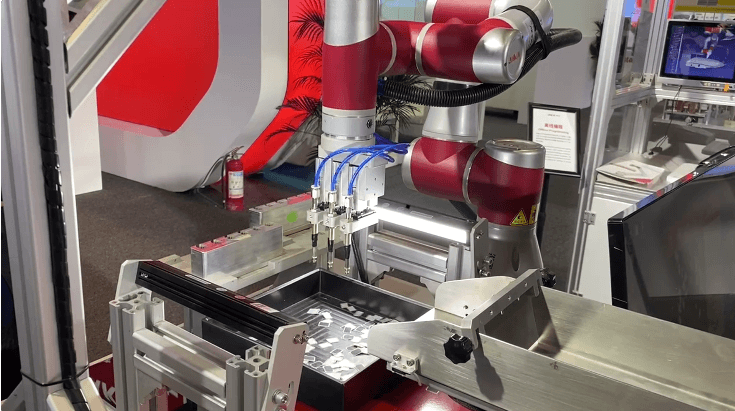
Understanding the Different Robot Arm Types (6-Axis, SCARA, Delta): A Comparison Guide
In the evolving field of automation, selecting the right type of robotic arm is crucial for optimizing production strategies. Different robotic configurations, including 6-axis, SCARA, and Delta robots, offer unique mechanical strengths and capabilities tailored to specific manufacturing tasks. The 6-axis articulated robot, commonly found in factories, mimics human arm movements and excels in complex processes like welding and assembly due to its six degrees of freedom and flexible work envelope. In contrast, SCARA robots, known for their rigidity in the vertical axis and compliance in horizontal movements, are ideal for high-speed tasks such as pick-and-place and electronics assembly, achieving remarkable precision and faster cycle times. Delta robots, characterized by their lightweight, spider-like design, are engineered for high-speed sorting and packaging in industries like food and pharmaceuticals, making them suitable for handling lightweight items quickly. JAKA Robotics has focused on enhancing 6-axis collaborative industrial robots, offering models like the JAKA Zu and Pro series that combine power and agility for various applications, from precision assembly to heavy-duty palletizing. JAKA emphasizes "Embodied Intelligence," ensuring their robots provide precise repeatability and user-friendly operation through wireless control and intuitive programming, catering to the needs of modern smart factories.
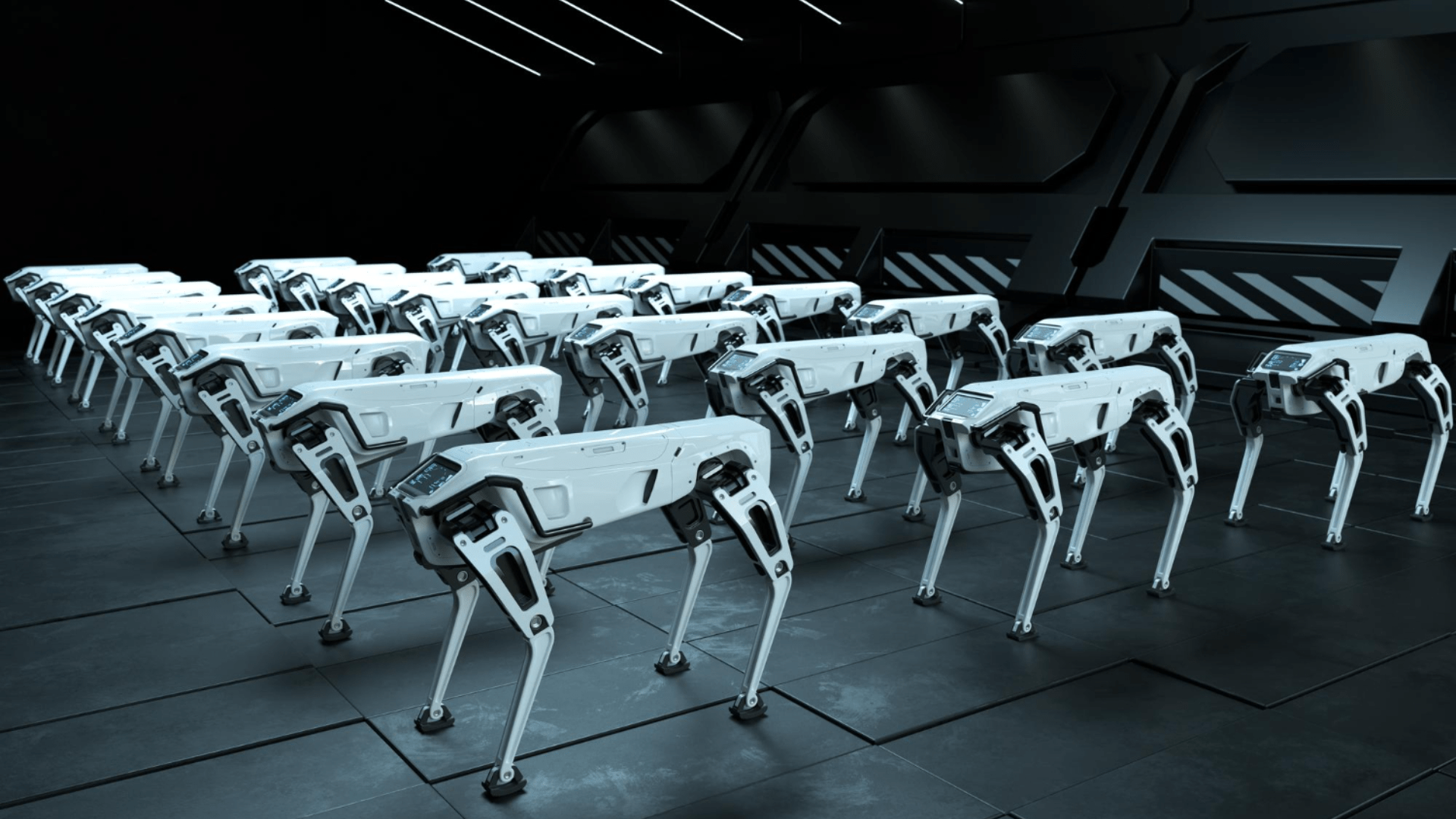
China showcases submarine-launched anti-mine vehicles, robotic combat dogs at defense expo
A new generation of autonomous underwater drones has been developed to detect and neutralize naval mines, marking a significant advancement in maritime security technology. This innovation was unveiled at a recent defense technology conference held in Washington, D.C., where experts gathered to discuss the future of naval warfare. The drones are designed to enhance safety for naval operations by providing a reliable solution to the persistent threat of underwater mines, which pose risks to both military and commercial vessels. The motivation behind this technological breakthrough stems from the increasing need for efficient and effective mine countermeasures in response to evolving maritime threats. By employing advanced sensors and artificial intelligence, these drones can autonomously navigate and identify mines, significantly reducing the risk to human divers and traditional mine-clearing vessels. The development process involved collaboration between defense contractors and military research organizations, leveraging cutting-edge technology to improve operational capabilities. As naval forces worldwide seek to modernize their fleets, this innovation is expected to play a crucial role in enhancing maritime security and ensuring safe passage in contested waters.
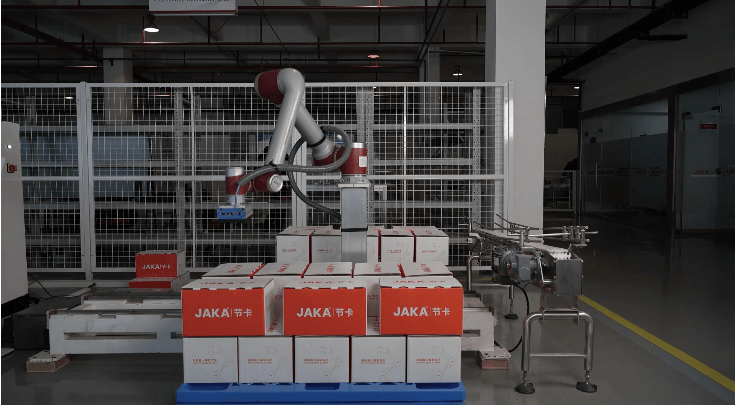
The Ultimate Guide to Understanding Collaborative Robots
Manufacturing is experiencing a significant transformation as it shifts from rigid machinery to flexible, integrated systems, primarily driven by the rise of collaborative robots (cobots). These advanced robots, equipped with sensors and power-limiting features, can safely operate alongside human workers without the need for extensive safety barriers. The appeal of cobots lies in their accessibility; they can be programmed using intuitive "drag-and-drop" interfaces, allowing operators with minimal technical skills to easily teach them new tasks. Their smaller physical footprint enables manufacturers to automate specific workstations without the need for complete facility overhauls, enhancing productivity in tasks such as precision assembly and palletizing. JAKA, a leader in this field, emphasizes its commitment to "Freeing Your Hands" through its S³ (Smart, Simple, Small) design philosophy. Their product line, including the JAKA Zu series, caters to various industrial needs, offering models with payloads ranging from 3kg to 20kg and exceptional precision. The JAKA Pro series is designed for harsh environments, featuring IP68 protection against oil, dust, and moisture, while the All-in-one series includes plug-and-play vision systems for autonomous adaptability. By adopting JAKA technology, manufacturers can ensure a future-proof ecosystem that integrates seamlessly into existing workflows, enhancing productivity as their operations scale. JAKA continues to innovate, providing the tools necessary for a more intelligent and flexible production line.
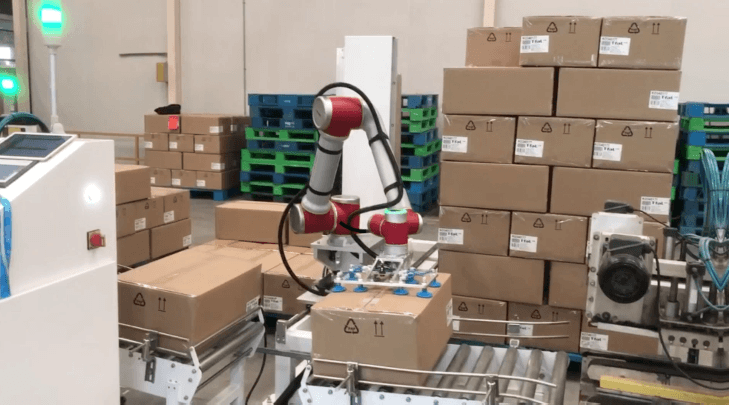
The Complete Guide to Selecting a Waterproof Robotic Arm for Harsh Environments
JAKA, a leader in automation solutions, is addressing the challenges faced by industries that require waterproof robotic arms for demanding environments. Recognizing the need for durability, flexibility, and safety, the company is guiding clients in selecting the right systems to enhance efficiency and reduce manual labor. Key considerations for these robotic arms include high ingress protection ratings, material resilience, and operational stability, particularly in settings exposed to moisture, dust, and temperature fluctuations. JAKA emphasizes the importance of compact designs that can integrate seamlessly into existing workflows, allowing for efficient operation even in constrained spaces. The JAKA Pro16 Palletizing solution exemplifies the advantages of waterproof robotic arms, automating palletizing processes and significantly improving production efficiency. This system can manage multiple production lines, reducing operational costs while enhancing the working environment for operators. Investing in the right robotic arm not only boosts productivity but also ensures operator safety and equipment longevity. JAKA's focus on adaptable programming and stable operation allows clients to meet diverse production needs while minimizing human error and repetitive strain injuries. By leveraging their technical expertise and practical experience, JAKA aims to provide reliable automation solutions that optimize production and maintain consistent performance in harsh industrial settings, ultimately supporting sustainable and efficient operations.

DJI-Backed Robotics Company 'Xuanji Power' Secures Hundreds of Millions in Financing, Attracting Industry Funds for 'Heavy-Duty Robot Dogs'
Xuanji Power, a robotics company specializing in intelligent platforms and core components, has successfully secured hundreds of millions in Pre-A funding. This significant investment aims to bolster the company's product development and mass production capabilities, particularly for its advanced heavy-duty robot dog, the Hypertron T01. The robot is poised for widespread deployment across various industries, enhancing operational efficiency and automation. The funding will enable Xuanji Power to accelerate its innovation and meet the growing demand for robotic solutions in diverse sectors.
Robotics Heavy-Duty Robots AI Manufacturing Automation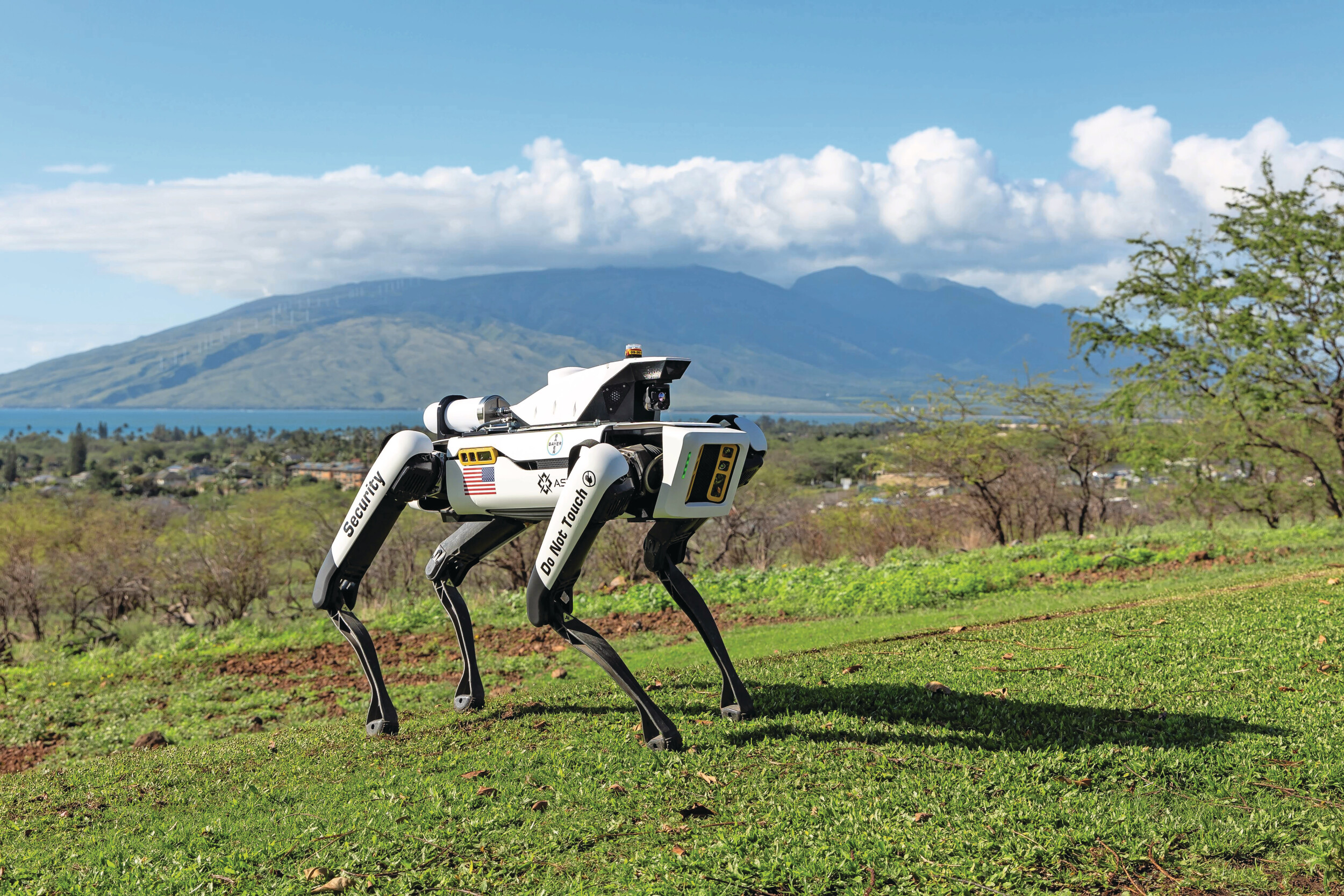
Arable farms switch to robotic dogs to guard valuable corn crops
In Hawaii, high-tech robotic dogs are being deployed to patrol corn farms, offering a cost-effective solution for security and monitoring. These advanced machines are designed to safeguard valuable crops while significantly reducing staffing expenses for farmers. By providing real-time information on potential security breaches, the robotic dogs enhance the overall efficiency of farm operations. This innovative approach not only protects agricultural investments but also represents a growing trend in the use of technology to address labor shortages in the farming sector.
Smart farming ai crop protection drones robotic harvesting security
Ocean Robotics Planet Buyer's Guide 2026 is out NOW!
A recent announcement from the local government revealed plans for a new community center aimed at enhancing recreational opportunities for residents. The initiative, set to break ground in early 2024, will be located in the heart of downtown, making it easily accessible for all community members. Officials emphasized that the center is designed to address the growing demand for public spaces that promote physical activity and social interaction among citizens of all ages. The project is expected to be funded through a combination of municipal budgets and community fundraising efforts, showcasing a collaborative approach to improving local infrastructure. Community leaders are optimistic that the center will foster a sense of belonging and encourage healthier lifestyles within the population.
ocean robotics planet buyer's guide 2026 rov/auv parts & equipment suppliers
These AI-powered guide dogs don't just lead, they talk
Researchers at Binghamton University, State University of New York, have developed an innovative talking robot guide dog system designed to assist visually impaired individuals. This groundbreaking technology utilizes large language models to not only determine the safest routes but also to provide real-time feedback to users as they navigate their surroundings. The system aims to enhance the independence and safety of those who rely on guide dogs, addressing the communication gap that exists between traditional guide dogs and their owners. By integrating advanced artificial intelligence, the researchers hope to revolutionize the way visually impaired individuals interact with their environment, making travel more accessible and secure.
Robotics
Magnetic coil setup guides microrobots without seeing them
Researchers at Southern Methodist University (SMU) have developed an innovative electromagnetic coil system capable of controlling microrobots without the need for continuous visual tracking. This advancement, unveiled recently, holds significant potential for applications in various fields, including medical procedures inside the human body and operations within industrial pipes, where visibility is often limited. By eliminating the reliance on cameras for position tracking, the new system enhances the versatility and functionality of microrobots, paving the way for more efficient and effective interventions in challenging environments. The breakthrough represents a crucial step forward in robotics technology, promising to expand the operational capabilities of microrobots in both healthcare and industrial settings.
Robotics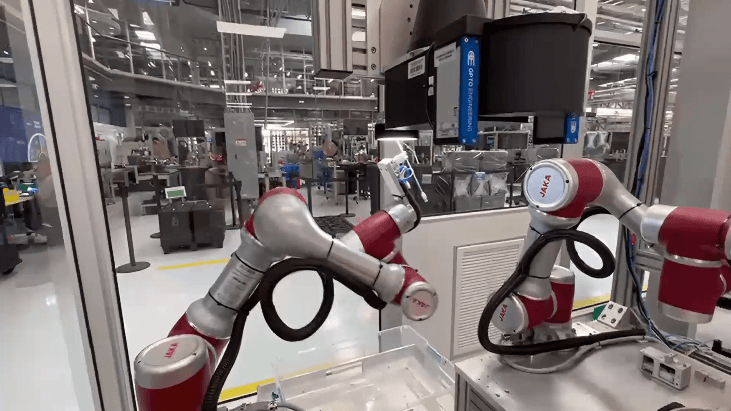
A Step-by-Step Guide to Teaching Waypoints with a Vision Guided Robot
As automation technology evolves, manufacturers are increasingly seeking ways to enhance robot teaching methods while ensuring precision. JAKA, a leader in collaborative automation solutions, is focusing on simplifying this process through the integration of visual perception in their cobot systems. This innovative approach significantly reduces setup time and enhances adaptability in production environments. Waypoint teaching, a critical aspect of robot operation, allows robots to understand their movement and interaction with surroundings through visual feedback rather than fixed programming. By utilizing cameras for reference identification, JAKA's vision-guided robots can dynamically generate waypoints, accommodating slight positional variations of parts on the work surface. This method is particularly beneficial for tasks such as picking, alignment, and inspection, where positional changes are common. The teaching process begins with visual calibration to align the robot's coordinate system with the camera's perception. Operators then guide the robot to sample waypoints, with the vision system recording spatial relationships. This continuous validation of waypoint data ensures consistent performance without the need for frequent re-teaching, making it ideal for environments with changing product models or layouts. In practical applications, JAKA employs the A12L intelligent visual perception robot, which integrates collaborative functionality with advanced vision capabilities. This system streamlines the teaching process, allowing operators to easily set waypoints without complex external hardware. By combining visual perception with structured teaching steps, JAKA aims to make automation more accessible while maintaining the expertise of human operators, ultimately fostering flexible and efficient manufacturing workflows.

Unitree Files for $580M IPO: Humanoid Sales Surpass Robot Dogs as Profits Soar
Unitree Robotics has announced its intention to list on the Shanghai STAR Market, marking a significant milestone for the company. This move comes alongside a report of a substantial increase in profitability, positioning Unitree as a frontrunner in the humanoid robotics sector. The company projects to lead global shipments of humanoid robots by 2025, reflecting its ambitious growth strategy and innovation in the field. This filing is part of a broader trend of tech companies seeking to capitalize on the growing demand for advanced robotics solutions in various industries.
Unitree Robotics Market China IPORobotics needs a service framework.
RSF defines a common language for robot service capability, lifecycle operations, certification pathways, and service-provider networks.
Join the RobotToday community on LinkedIn
Daily robotics news, in-depth analysis, conference highlights, and discussions with professionals worldwide.







