Industry Briefing
A single destination for timely, editor-curated robotics news from around the world.

SpaceX sets IPO price to raise $75 billion; OpenAI CEO delays South Korea visit; new AI complaint center launched.
OpenAI CEO Sam Altman has postponed his planned visit to South Korea, originally scheduled for June 14-15, due to personal reasons. During the visit, he was expected to meet with leaders from major companies including Samsung Electronics, Kakao, and NAVER. In a separate announcement, Waymo, the autonomous driving subsidiary of Alphabet, revealed a new $30 monthly membership plan called Waymo Premier, aimed at invited users. This plan will offer benefits such as priority rides, a 10% cashback on trips, and the ability to cancel rides up to five times a month at no cost. Initial invitations will be sent to eligible passengers in San Francisco, Los Angeles, and Phoenix, with plans to expand to other cities. Meanwhile, SK Hynix is exploring the integration of AI technologies, including ChatGPT, into its operations. CEO Lee Seok-hee indicated that the company is balancing the protection of industrial technology with the adoption of external AI services, considering tools like Microsoft 365 and CoPilot. In financial news, major Wall Street banks have begun restricting hedge funds' leverage on Asian chip stocks, including SK Hynix and Samsung, due to concerns over potential market corrections. This move involves raising financing costs for hedge fund bets and limiting new transactions. Additionally, Google announced a $50 million investment to train U.S. tech workers, addressing the growing demand for AI infrastructure. This investment is part of a broader initiative that has already seen over $1 billion allocated to training programs since 2022. Lastly, SK Hynix reported that a fire at its Cheongju plant on June 12 has been brought under control, with production equipment operating normally.
SpaceX, Anthropic, and OpenAI’s hot IPO summer
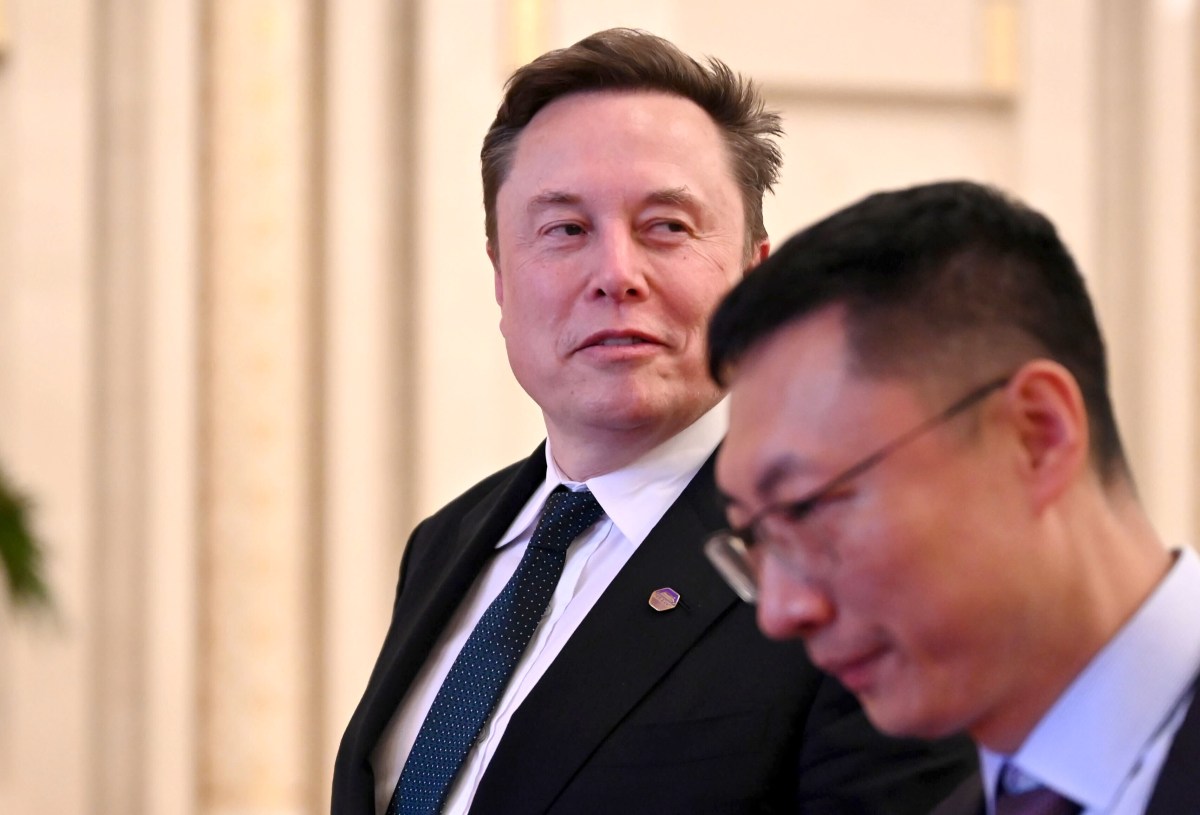
The initial public offering (IPO) market is experiencing a resurgence, marked by a shift in leadership from the previously dominant FAANG companies to a new group referred to as MANGOS. This emerging cohort includes Meta (or Microsoft, depending on interpretations), Anthropic, Nvidia, Google, OpenAI, and SpaceX. Notably, half of these companies are preparing to enter public markets simultaneously, presenting a significant challenge for investors as they navigate valuation assessments and market dynamics. This development signals a pivotal moment in the tech sector, as these firms seek to capitalize on renewed investor interest and reshape the landscape of public offerings.
AI Fundraising ai infrastructure Anthropic Apple WWDC ChatGPT
SpaceX set to go public; Musk may become world's first trillionaire; Bill Gates testifies on Epstein case.
SpaceX is set to make its debut on the Nasdaq on June 12, 2023, under the ticker symbol SPCX, with an initial public offering (IPO) that aims to raise $75 billion by issuing 555.6 million shares at a price of $135 each. This IPO is projected to surpass the previous record set by Saudi Aramco in 2019, which raised $29.4 billion. If underwriters exercise their option to purchase additional shares, the total funds raised could reach approximately $86 billion. With this valuation, CEO Elon Musk is on track to become the world's first trillionaire, thanks to his significant stake in Tesla and other assets. In other news, Alibaba announced a leadership change at DingTalk, appointing 1992-born tech entrepreneur Chen Yusen as the new CEO, making him the youngest division head at Alibaba. Meanwhile, former Microsoft co-founder Bill Gates testified before Congress on June 10, addressing his past relationship with Jeffrey Epstein and denying any involvement in illegal activities. OpenAI is reportedly considering a significant price reduction for its products to compete with rival Anthropic, while the European Central Bank raised interest rates by 25 basis points in response to rising inflation pressures. Additionally, the market for World Cup betting has surged, with transaction volumes exceeding $2 billion, indicating a potential record-breaking event.

Krypton Evening News: Token prices drop to a few dollars; OpenAI may significantly reduce product prices; discounted train tickets for
Christian Stein has been appointed as the new CEO of Renault Group Spain, effective July 1, succeeding Josep María Recasens, who is leaving the company for new career opportunities. Stein will also continue in his role as Chief Communications Officer and report to Renault Group CEO François Provost. In a significant shift, General Motors is considering abandoning the use of lithium iron phosphate (LFP) batteries for electric vehicles, despite plans to produce them by the end of 2027 at a joint factory in Tennessee. This decision comes as the company reassesses its battery technology strategy amidst a competitive market. Global prediction markets Polymarket and Kalshi have reported that contracts for the upcoming World Cup champion have surpassed $2 billion, potentially setting a new record for single-event prediction market transactions. In the tech sector, OpenAI is contemplating substantial price reductions for its products to compete with rival Anthropic, as rising costs for AI services have become a concern for executives. Meanwhile, J&T Express has responded to an investigation by China's State Post Bureau, emphasizing its commitment to cooperate fully and improve safety management practices in light of the inquiry. AliExpress, Alibaba's cross-border e-commerce platform, has launched official local delivery services in five countries, including the U.S. and Spain, aiming to enhance logistics efficiency for merchants. In product news, Insta360 has unveiled the Luna Ultra, the world's first 8K dual-camera gimbal, which sold out shortly after its launch on June 10. Lastly, Neura Robotics, a German robotics firm, has secured $1.4 billion in funding to accelerate its development of a leading physical AI platform, with backing from major investors like Amazon and NVIDIA.
LinkedIn co-founder Reid Hoffman is leaving Microsoft's board after almost a decade
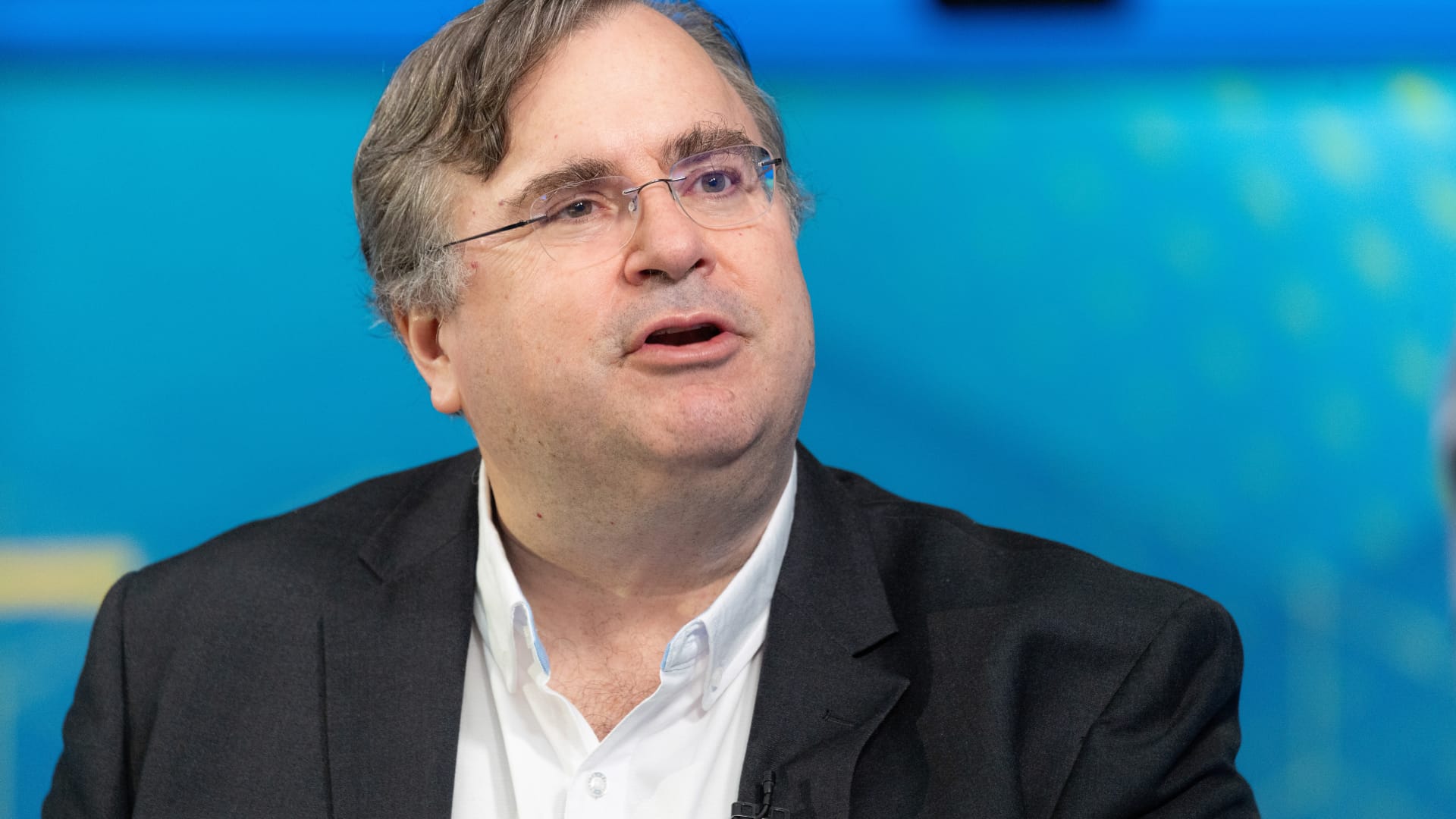
Reid Hoffman, a prominent figure in the tech industry and one of the initial donors to OpenAI, stepped down from the organization's board in 2023. His departure coincided with OpenAI's increasing collaboration with Microsoft, signaling a shift in the nonprofit's strategic direction. Hoffman's exit reflects the evolving landscape of artificial intelligence and the growing influence of corporate partnerships within the sector.
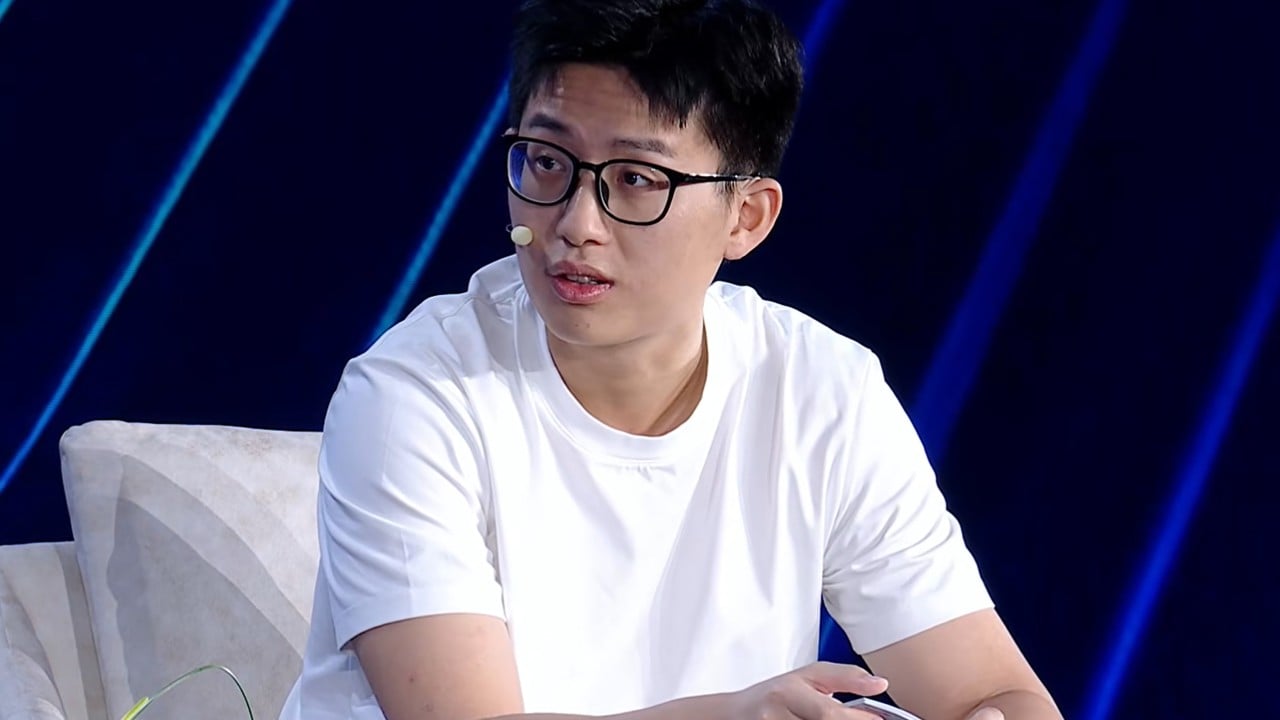
Tencent’s chief AI scientist dismisses lag concerns, says race a ‘long-term game’
Yao Shunyu, the chief AI scientist at Tencent Holdings and a former researcher at OpenAI, addressed concerns regarding the company's perceived slow progress in artificial intelligence. Speaking recently, Yao emphasized that the AI race is only beginning, highlighting significant untapped potential in areas such as coding agents and embodied intelligence. He likened the current phase of AI development to the early days of personal computers in the 1970s, suggesting that the most crucial advancements are yet to come. Yao's comments reflect Tencent's commitment to advancing its AI capabilities amid a rapidly evolving technological landscape.

OpenAI partners with US govt for bio-weapons detection and threat preparedness
OpenAI has unveiled a new biodefense initiative that leverages its advanced AI model, GPT-Rosalind, designed for specialized frontier reasoning. This initiative aims to enhance the understanding and response to biological threats, reflecting a growing concern over global health security. The launch took place in October 2023, as part of OpenAI's commitment to applying cutting-edge technology to address pressing societal challenges. By utilizing GPT-Rosalind, researchers and policymakers will be able to analyze complex biological data more effectively, facilitating informed decision-making in biodefense strategies. This development underscores the importance of integrating artificial intelligence into public health efforts, particularly in an era marked by increasing biological risks.

Microsoft unveils new AI models to lessen reliance on OpenAI and lower costs for developers
During its Build developer conference, Microsoft unveiled a new suite of generative AI models aimed at competing in the rapidly evolving artificial intelligence market, which is currently dominated by OpenAI, Anthropic, and Google. The announcement, made on a significant platform for developers, highlights Microsoft's commitment to advancing AI technology and expanding its capabilities in this competitive landscape. By introducing these models, Microsoft seeks to leverage its existing resources and expertise to carve out a stronger presence in the AI sector, responding to the growing demand for innovative AI solutions. The move is part of a broader strategy to enhance its offerings and attract developers to its ecosystem, positioning the company as a formidable player in the ongoing AI race.

Microsoft unveils its first AI reasoning model ahead of OpenAI IPO
Microsoft has introduced its first artificial intelligence reasoning model, MAI-Thinking-1, during the annual Build developer conference held on June 2, 2026, in San Francisco. This launch marks a strategic move by the tech giant to lessen its reliance on OpenAI, which is preparing for an initial public offering. The unveiling of MAI-Thinking-1 highlights Microsoft's commitment to advancing its AI capabilities amid a competitive landscape. Additionally, the company is collaborating with Nvidia to develop a new chip designed for Windows, further enhancing its technological offerings. This initiative reflects Microsoft's broader ambitions in the AI sector as it seeks to innovate and maintain a leading position in the industry.

Microsoft and Google are late to AI coding, but 'absolutely critical' they compete for growth
Google and Microsoft are intensifying their focus on coding tools as they seek to compete with leading AI companies Anthropic and OpenAI. This strategic shift comes in response to the growing demand for advanced programming assistance and the rapid advancements made by their rivals in the artificial intelligence sector. As of October 2023, both tech giants are investing heavily in developing and enhancing their coding capabilities to attract developers and businesses looking for innovative solutions. By leveraging their extensive resources and expertise, Google and Microsoft aim to establish a stronger foothold in the AI-driven coding landscape, ultimately striving to offer more efficient and effective tools that can streamline the software development process.

China establishes a venture capital fund in Hangzhou with 1 billion yuan; Tianjin opens AI sensor industrial park; Zhejiang plans
ZTO Express has established a new logistics company, Guangzhou Zhongjing Logistics Co., Ltd., in Guangzhou with a registered capital of 500 million RMB. The company, wholly owned by ZTO Express, will engage in domestic freight transportation, equipment leasing, and computer system services. OpenAI has announced its entry into the robotics sector, focusing on developing assistive robots. CEO Sam Altman stated the company is looking for engineers to create robots that can aid in building future infrastructure. The initiative, which has evolved from a world simulation research project, aims to integrate hardware and machine learning for practical applications. Nan Er, Vice President of Zhejiang Chint Electric, has been recognized as a "2026 Zhejiang Youth Technology Entrepreneur" as part of a program to support technology entrepreneurs in the region. Foxconn and French company Bull will collaborate to manufacture AI and cloud infrastructure, with an initial investment of over 120 million euros. The project will utilize facilities in both France and the Czech Republic. On June 1, new regulations for online food delivery were implemented, with Taobao Flash collaborating with various local regulatory bodies to label the first batch of "no dine-in" merchants, enhancing compliance among 60,000 restaurants this year. Muyu Group has partnered with Alibaba Cloud to develop an AI model for the livestock industry, significantly improving the efficiency of health checks for pigs. In investment news, a new venture capital fund, Guoxin Qianjiang, has been established in Hangzhou with a capital of 1 billion RMB, while Zhi Mi has opened a financing window with a pre-IPO valuation of approximately 70 billion RMB. In product developments, a new automotive brand resulting from a collaboration between Sairus and ByteDance is set to launch a hybrid vehicle this year, while Sharpa has introduced a humanoid robot equipped with advanced tactile capabilities in partnership with NVIDIA. Lastly, the Tianjin AI Sensor Industrial Park has officially opened, with ten companies signing contracts, and Shanghai is focusing on advancing core software technologies as part of its development plan. Zhejiang Province is also seeking to implement the "Spark Plan" to accelerate the application of quantum technology products.

OpenAI announces entry into robotics, focusing on developing assistive robots in the short term.
OpenAI CEO Sam Altman announced via social media that the company is seeking talented full-stack hardware, operations, systems, and machine learning engineers to collaborate on developing socially beneficial robots. He emphasized that artificial intelligence should assist humans in the real world. In the short term, OpenAI aims to create robots that can help technical workers build future infrastructure, while in the long term, the company envisions a future where everyone has a personal robot capable of fulfilling various needs. Altman revealed that OpenAI's world simulation research project has rapidly evolved over the past year into OpenAI Robotics, led by Aditya Ramesh. The project is making significant strides, grounded in the deep integration and collaborative design of robotics hardware and machine learning research.

New Server Hopes to Break Through AI’s “Memory Wall”
Majestic Labs, an AI hardware startup, is addressing the memory limitations of large language models (LLMs) with its upcoming server, Prometheus, set to launch in 2027. This innovative server will feature up to 128 terabytes of memory, significantly surpassing the capabilities of Nvidia’s current offerings. Co-founder Sha Rabii emphasizes that this substantial memory increase will enhance performance and efficiency, particularly as models grow larger. Prometheus employs a unique DRAM-centric architecture, utilizing LPDDR6 memory and a proprietary memory interface with miniature copper cables that allow for greater memory placement flexibility. This design aims to overcome the “memory wall” that hampers LLM performance, providing a memory bandwidth of up to 25.6 terabytes per second. To complement its memory capabilities, Prometheus will incorporate the Ignite AI processing unit, which combines ARM application cores with RISC-V vector and tensor cores on a single chip. This integration allows for seamless handling of LLM inference tasks without the need for processor handoffs. Majestic Labs is also focused on ensuring compatibility with existing AI frameworks like PyTorch and OpenAI’s Triton, allowing customers to run their models without modifications. The server, designed in compliance with the Open Compute Project, will be modular, enabling future memory upgrades. Despite the advanced technology, Majestic Labs aims to offer competitive pricing by leveraging DRAM instead of more expensive high-bandwidth memory. Rabii claims that this approach could reduce customer capital expenditures and power consumption significantly, potentially by 10 to 50 times, depending on the workload.
Memory Server Ai-accelerators Performance
OpenAI releases life sciences AI "GPT-Rosalind" for bio-defense, raising concerns over dual-use risks.
OpenAI has launched the "Rosalind Biodefense" program, utilizing its frontier reasoning model, GPT-Rosalind, specifically designed for life sciences research. Announced recently, this initiative focuses on detecting biological threats for defense purposes. The program will provide approved developers, U.S. government agencies, and allied partner organizations with free access to its API, aiming to enhance biodefense capabilities.
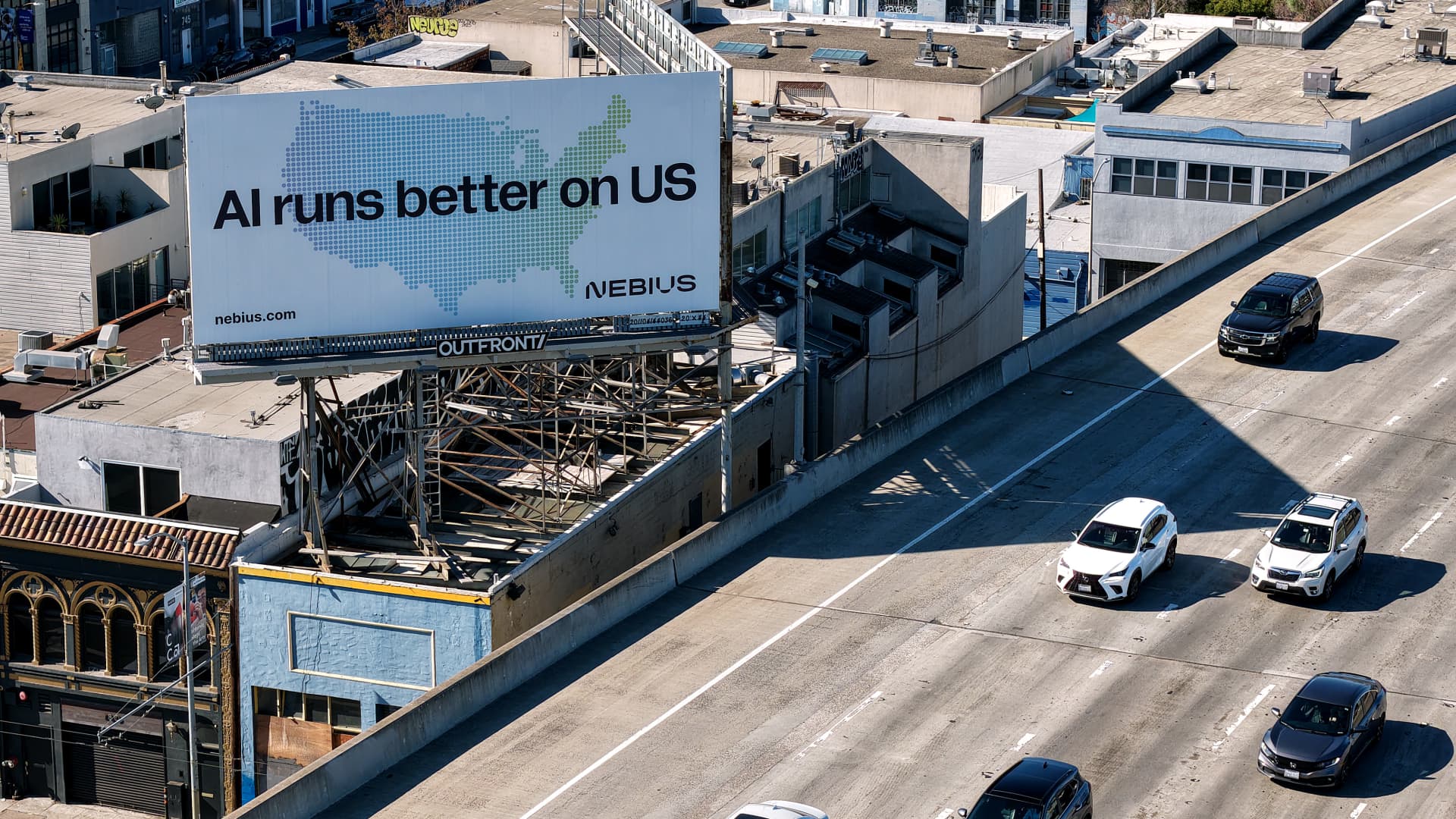
This AI stock is surging after an ex-OpenAI employee's fund disclosed a stake. Here's why
Dutch cloud provider Nebius has experienced a significant increase in its valuation following a substantial investment from a fund associated with a former OpenAI employee. The investment comes as the tech industry continues to evolve, with companies seeking innovative cloud solutions to support their operations. This strategic move highlights the growing interest in cloud services and the potential for Nebius to expand its market presence. The deal was finalized recently, marking a pivotal moment for the company as it aims to leverage the expertise and resources brought in by the investment. This development underscores the competitive landscape of cloud computing and the importance of securing financial backing to drive growth and innovation in the sector.

Billionaire Phillipe Laffont Recently Sold Oracle, Tesla, and Nvidia and Purchased a Stock Down 94% Since Its IPO in 2020
Billionaire investor Philippe Laffont, founder of Coatue Management, has made significant changes to his investment portfolio, recently selling off stakes in major tech companies including Oracle, Tesla, and Nvidia. This strategic shift occurred in the first quarter of 2026, as Laffont's fund, which manages over $29 billion in assets, responded to growing concerns over the valuations of artificial intelligence companies. Notably, Coatue completely divested from Oracle amid worries about its reliance on OpenAI contracts and increased capital expenditure forecasts. In a surprising move, Laffont also reduced his Tesla holdings by 96%, following CEO Elon Musk's cautious outlook on the rollout of Tesla's robotaxi fleet and rising capital expenditures for AI initiatives. Additionally, Coatue cut its Nvidia stake by 31%, reflecting broader industry uncertainties. Conversely, Laffont initiated a new position in Lucid Group, acquiring over 295,300 shares valued at approximately $2.8 million. This investment comes as Lucid's stock has plummeted 94% since its IPO in September 2020, amid financial struggles and a challenging electric vehicle market. Analysts, however, remain optimistic about Lucid's potential turnaround, citing new leadership and product launches, as well as a partnership with Uber Technologies. Laffont's recent moves indicate a speculative approach, as he navigates a volatile market landscape while also exploring opportunities in renewable energy stocks.

AI warfare is already here
The Convention on Certain Conventional Weapons, an international forum addressing the implications of lethal autonomous systems, convenes biannually at the United Nations in Geneva. During the November 2017 session, participant Branka Marijan noted that the five-day discussions primarily revolved around theoretical scenarios, contemplating a future where warfare could involve autonomous combat robots. The forum aims to explore the ethical and legal challenges posed by such technologies, reflecting growing concerns over their potential impact on global security and humanitarian law.
AI Analysis Anthropic Law OpenAI Policy
Is Tesla, Inc. (TSLA) One of the Best ARK Stocks to Buy Right Now?
Tesla, Inc. has recently made headlines by increasing the prices of its Model Y lineup for the first time in two years. As reported by Reuters on May 16, 2026, the company raised the prices of its premium all-wheel and rear-wheel drive variants by $1,000, bringing them to $49,990 and $45,990, respectively. Additionally, the Model Y Performance All-Wheel Drive saw a $500 increase, now priced at $57,990. This adjustment follows a previous price hike in 2024, when all Model Y prices were raised by $1,000. Notably, Tesla had also increased the price of its high-end Cybertruck by $15,000 last August, despite facing challenges such as weak sales and recalls. In another development, former Tesla AI executive and OpenAI co-founder Andrej Karpathy announced on May 19 that he has joined Anthropic, expressing enthusiasm for contributing to the next phase of large language models. Tesla continues to operate in the electric vehicle and energy sectors, focusing on automotive and energy generation and storage technologies. While some analysts see potential in Tesla as an investment, they suggest that certain AI stocks may offer greater upside with less risk.
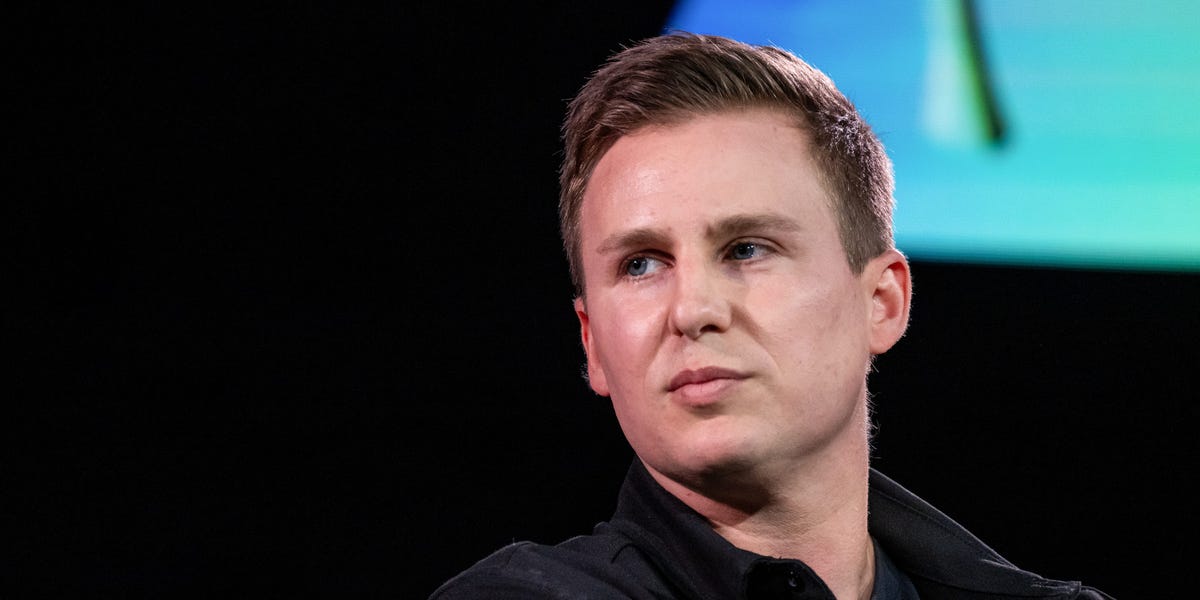
Figure AI's CEO just raised $700 million for his next big bet
Hark, a company established by Brett Adcock, the CEO of Figure AI, has successfully raised $700 million in funding. This significant investment positions Hark to compete with major players in the artificial intelligence sector, including OpenAI, Apple, Google, and Meta. The funding aims to accelerate the development of innovative AI hardware solutions, reflecting the growing demand for advanced technology in various industries. With this financial backing, Hark plans to enhance its capabilities and carve out a substantial presence in the competitive landscape of AI hardware innovation.
Tech AI Startups tech ai brett-adcock
Elon Musk said Sam Altman ‘stole’ a non-profit — but the trial showed he had similar aims
A jury has swiftly dismissed Elon Musk's lawsuit against the co-founders of OpenAI and Microsoft, highlighting the perceived weaknesses in Musk's case. The decision, reached in a timely manner, underscored the jury's assessment that Musk's claims lacked sufficient merit, particularly due to the significant delay in filing the lawsuit. This outcome reflects the legal challenges Musk faced in attempting to assert his position against influential figures in the tech industry. The trial took place in a courtroom setting where the evidence and arguments were presented, ultimately leading to the jury's quick verdict.
AI Elon Musk OpenAI sam altman Tesla
Bad news, 30-somethings: You'll likely never be truly AI native
Caitlin Kalinowski, the former leader of robotics at OpenAI, has highlighted a notable trend in the workforce shaped by artificial intelligence. In a recent statement, she pointed out that the majority of individuals who can be considered truly AI-native workers are predominantly aged 20 and 21. This demographic has grown up in an environment where AI technology is deeply integrated into daily life, influencing their skills and adaptability in the job market. Kalinowski's observations come at a time when industries are increasingly seeking employees who can effectively leverage AI tools and technologies. Her insights underscore the importance of understanding how younger generations are uniquely positioned to thrive in an AI-driven economy, suggesting that their familiarity with these technologies could reshape future workforce dynamics.
AI ai artificial-intelligence gen-z millenial trending-uk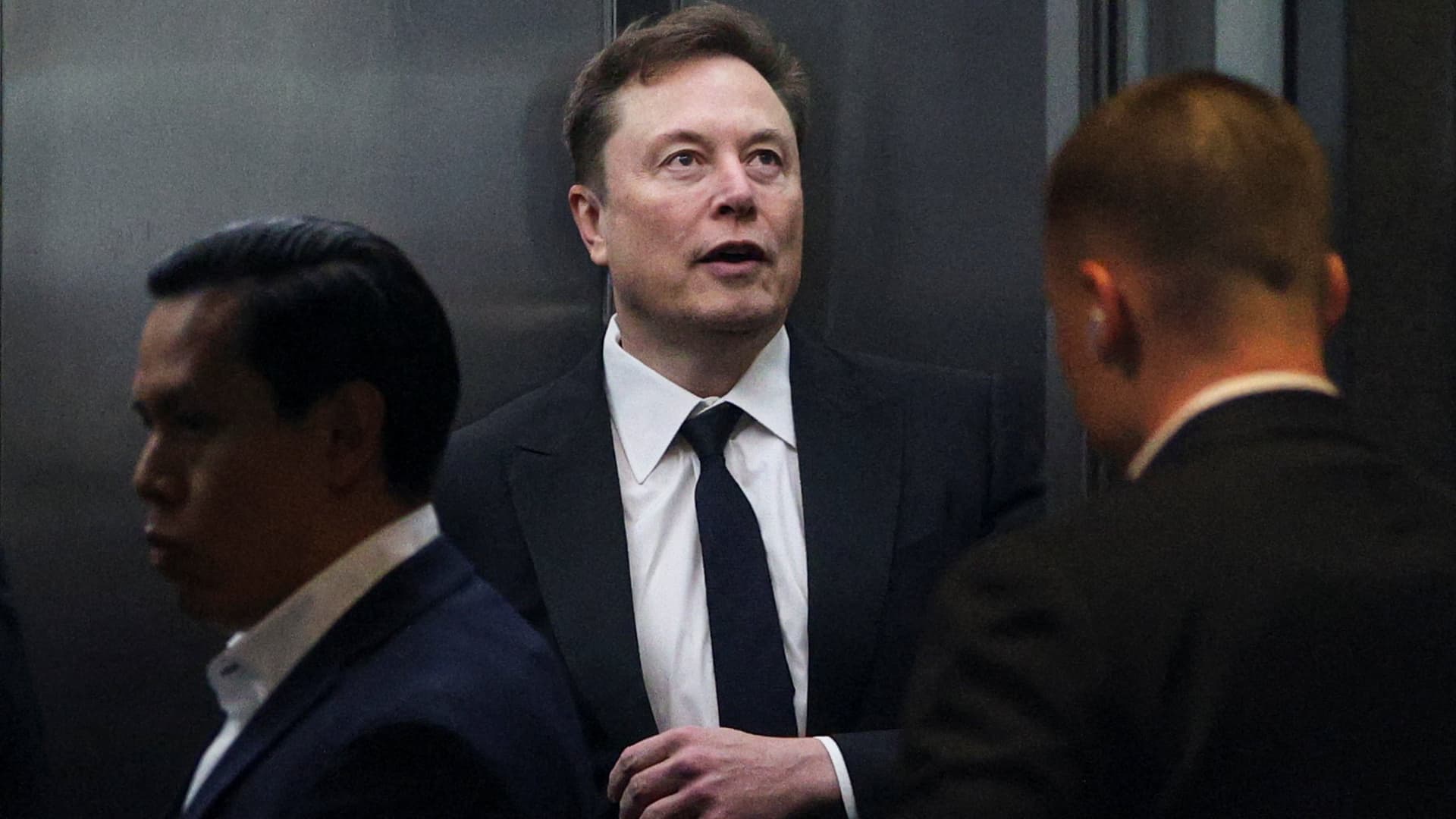
Musk slams Altman trial verdict as a 'technicality,' vows to appeal
In a significant legal decision, a jury in Oakland, California, has ruled against Elon Musk in his ongoing court battle with Sam Altman and OpenAI. The case, which has drawn considerable attention, centered around disputes related to the operations and ethical implications of artificial intelligence technologies. The jury's verdict, delivered recently, reflects the complexities and high stakes involved in the rapidly evolving tech landscape. Musk, a prominent figure in the tech industry, has been vocal about his concerns regarding AI safety and regulation, which fueled the tensions leading to this legal confrontation. The ruling marks a pivotal moment in the relationship between influential tech leaders and raises questions about the future direction of AI development and governance.
Anthropic has acquired the dev tools startup used by OpenAI, Google, and Cloudflare
Stainless, a startup based in New York and established in 2022, has gained recognition in the burgeoning artificial intelligence sector for its innovative approach to automating the creation and maintenance of software development kits (SDKs). These SDKs serve as essential libraries that enable developers to effectively interact with application programming interfaces (APIs). By streamlining this process, Stainless aims to enhance efficiency and reduce the complexity involved in software development, positioning itself as a key player in the tech landscape.
AI Anthropic Stainless
Elon Musk has lost his lawsuit against Sam Altman and OpenAI
Elon Musk's legal battle against his former OpenAI co-founders concluded with a unanimous verdict from nine jurors in California, who determined that his lawsuits were filed beyond the acceptable time frame. The decision, reached recently, dismissed Musk's claims of mistreatment, highlighting the importance of timely legal action in such disputes. This ruling underscores the challenges faced by high-profile figures in the tech industry when addressing grievances against former collaborators.
AI Elon Musk greg brockman Microsoft OpenAI trial sam altman
Vera Arrives: NVIDIA’s First CPU Built for Agents Lands at Top AI Labs
NVIDIA has begun delivering its highly anticipated Vera CPUs, with the first units arriving at three prominent AI laboratories on Friday. Anthropic in San Francisco, OpenAI in Mission Bay, and SpaceXAI in Palo Alto received the initial shipments, marking a significant step in advancing AI research and capabilities. Following this, Oracle Cloud Infrastructure in Santa Clara received its delivery on Monday. The introduction of the Vera CPUs is aimed at enhancing computational power for AI applications, enabling these organizations to push the boundaries of artificial intelligence technology. This rollout is part of NVIDIA's ongoing efforts to support the growing demand for advanced AI processing capabilities across various sectors.
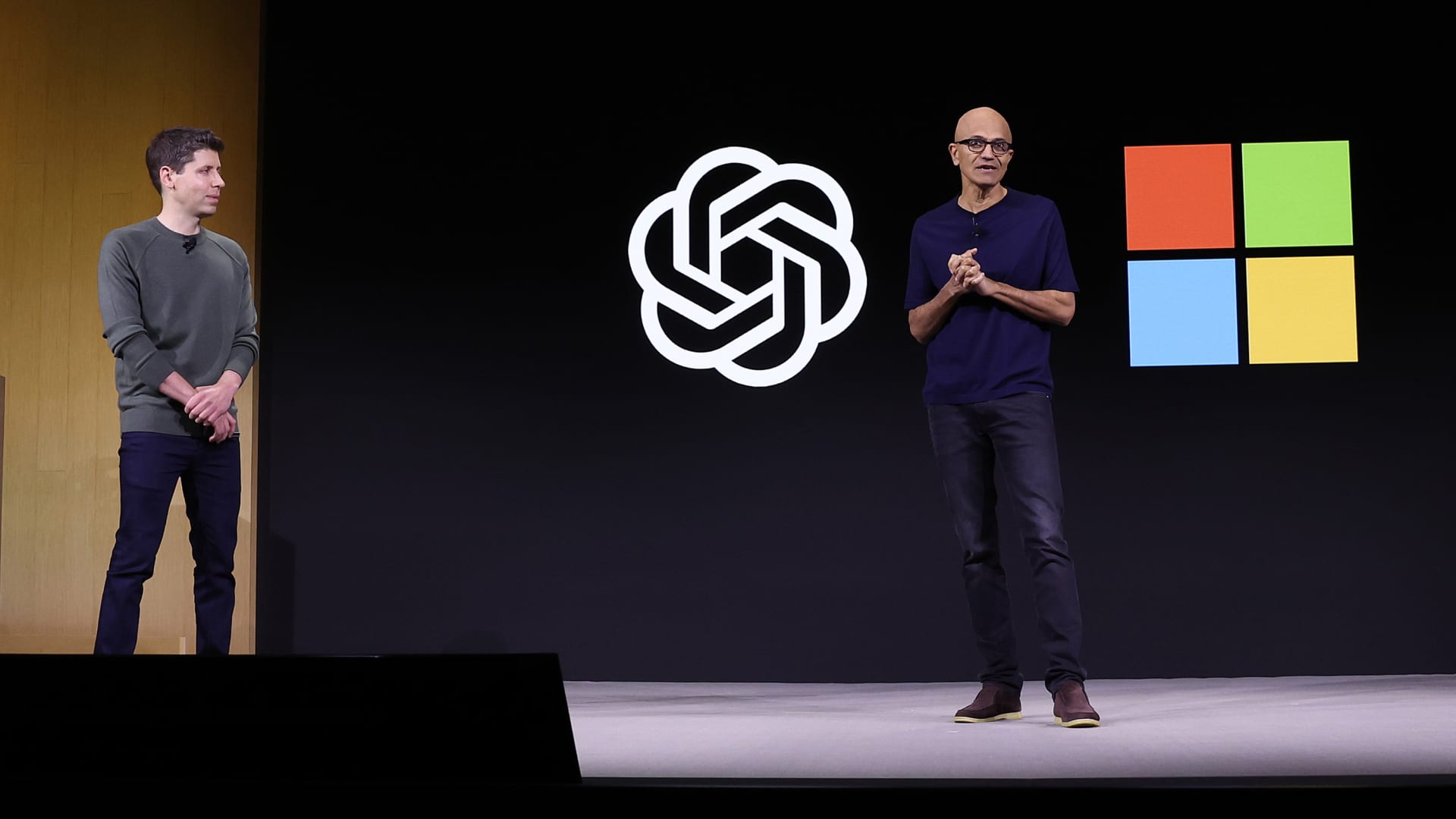
Microsoft feared being too dependent on OpenAI, Musk-Altman trial testimony reveals
This week, top executives from Microsoft provided testimony in the ongoing legal case of Musk v. Altman, addressing their initial concerns regarding the partnership with OpenAI. The executives detailed their apprehensions about the collaboration, which began as both companies sought to advance artificial intelligence technologies. The testimony took place in a courtroom setting, highlighting the complexities and challenges faced during the early stages of the relationship. The insights shared by Microsoft leaders shed light on the motivations behind their partnership with OpenAI, emphasizing the need for careful consideration of ethical and operational implications in the rapidly evolving AI landscape.

Can AI Chatbots Reason Like Doctors?
A recent study published on April 30 in the journal Science reveals that OpenAI's large language model (LLM) has outperformed physicians in clinical reasoning tasks using real emergency room records. This research comes amid growing scrutiny of the reliability of medical information provided by chatbots, with some studies highlighting impressive diagnostic capabilities while others point to inaccuracies and fabricated information. OpenAI has introduced tools like ChatGPT for Clinicians and ChatGPT for Healthcare, aiming to assist medical professionals. The study involved comparing the performance of the LLM with that of physicians during various stages of emergency care, demonstrating that the AI model consistently provided accurate or close diagnoses more frequently than human doctors. Despite the promising results, researchers, including coauthor Arjun Manrai from Harvard Medical School, caution against interpreting these findings as a signal that AI could replace doctors. Instead, they emphasize the need for further research and clinical trials to explore how LLMs can be effectively integrated into medical practice. Experts like Mickael Tordjman from the Icahn School of Medicine stress the importance of developing reliable evaluation methods for LLMs in clinical settings. As the technology evolves rapidly, there is an urgent need to address regulatory and liability questions surrounding its use in healthcare. While acknowledging the potential benefits of AI in medicine, researchers advocate for responsible innovation and careful evaluation to ensure patient safety and effective integration into clinical workflows.
Large-language-models Llms Chatbots Medical-ai Ai-safety Openai
Archivists Turn to LLMs to Decipher Handwriting at Scale
Recent advancements in artificial intelligence are revolutionizing the transcription of handwritten historical documents, making previously inaccessible archives more usable for researchers and the public. Mark Humphries, a history professor at Wilfrid Laurier University in Ontario, has been at the forefront of this transformation, utilizing OpenAI's GPT-4 to analyze millions of World War I pension records. His research, published in May 2025, demonstrated that AI models significantly outperformed traditional handwriting recognition software, achieving lower error rates and faster processing times. The implications of this technology extend beyond academia. Institutions like the University of North Carolina at Chapel Hill and the Federal Reserve Bank of Philadelphia are exploring AI transcription for various historical documents, enabling new avenues for research into topics such as enslaved ancestors and economic history. Lianne Leddy, a co-author of Humphries' study, emphasized that AI tools can uncover stories of Indigenous women from historical records, which would have taken years to analyze manually. As AI continues to evolve, tools like Archive Pearl are being developed to democratize access to historical documents, allowing users to quickly obtain accurate transcriptions. This shift not only aids trained historians but also empowers non-experts and families seeking to explore their heritage, fundamentally changing the landscape of historical research.
Archives Artificial-intelligence Writing Chatgpt Yann-lecun
Perceptron Mk1 shocks with highly performant video analysis AI model 80-90% cheaper than Anthropic, OpenAI & Google
Perceptron Inc., a Bellevue-based startup founded by former Meta researchers Armen Aghajanyan and Akshat Shrivastava, has launched its flagship video analysis model, Mk1, aimed at revolutionizing how enterprises utilize AI in real-time video processing. Announced today, this innovative model is priced significantly lower than competitors, at $0.15 per million input tokens and $1.50 per million output tokens, making it accessible for large-scale industrial applications. The Mk1 model, developed over 16 months, excels in understanding complex physical interactions and temporal reasoning, outperforming established models like OpenAI's GPT-5 and Google's Gemini 3.1 Pro in various benchmarks. Its unique architecture allows it to process video streams continuously, maintaining object identity and providing precise analysis of dynamic scenes, which is particularly beneficial for sectors such as security, robotics, and marketing. Perceptron aims to position Mk1 as a leader in the "Efficiency Frontier," balancing high performance with cost-effectiveness. The model's capabilities extend to auto-clipping highlights from live sports and enhancing quality control in manufacturing. A public demo site is available for potential users to explore its functionalities. This launch signifies a significant step towards integrating advanced AI into real-world applications, as the company seeks to make "physical AI" as prevalent as its digital counterpart.
Technology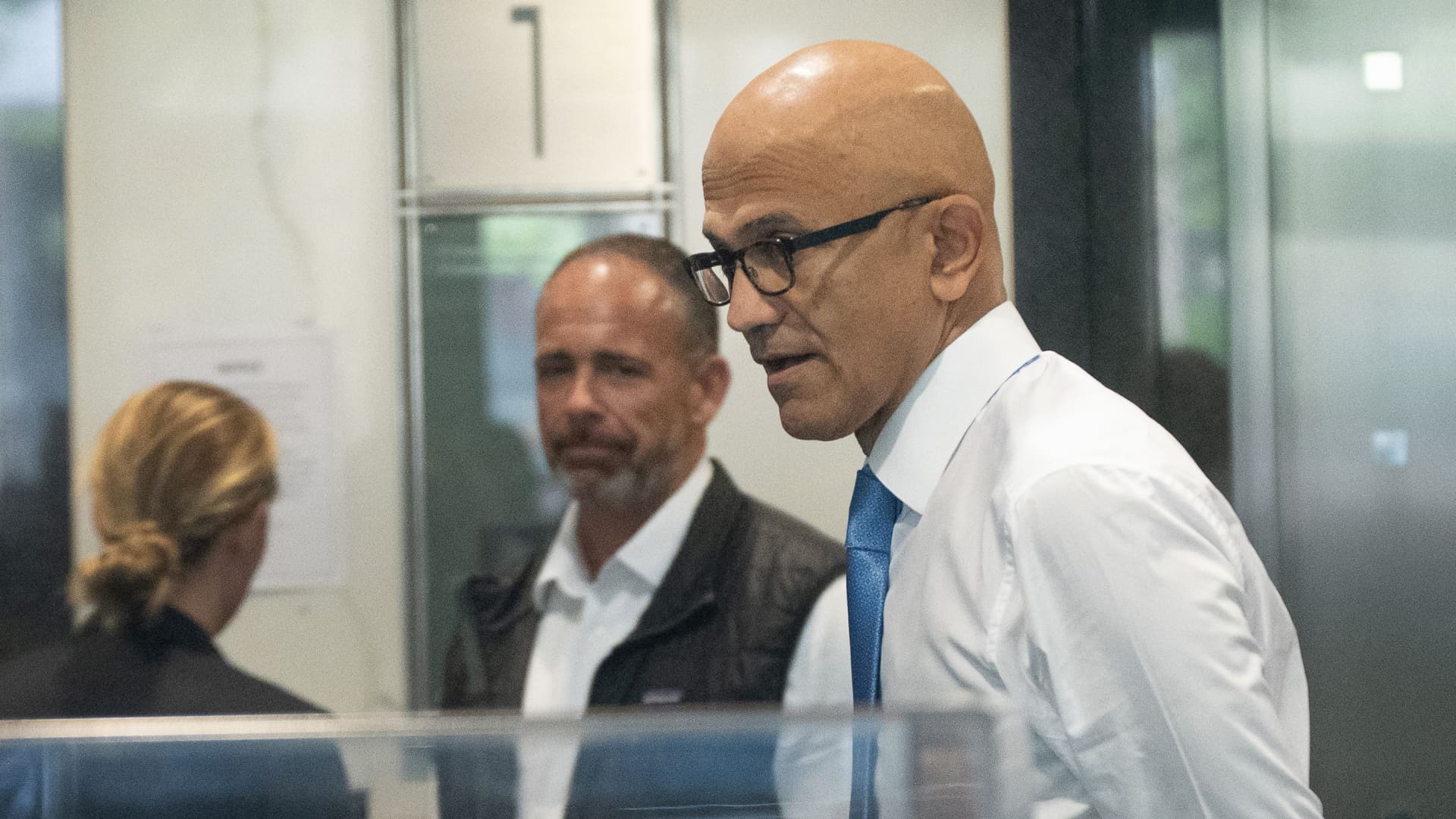
OpenAI trial: Nadella says Musk never raised concerns to him about Microsoft investment
Elon Musk has included Microsoft as a defendant in his ongoing lawsuit against OpenAI. The legal action, which was initiated to address concerns over the use of artificial intelligence technologies, highlights Musk's growing apprehensions regarding the influence and practices of AI developers. The lawsuit, filed recently, underscores Musk's belief that OpenAI's operations may pose risks to public safety and ethical standards in AI deployment. By naming Microsoft, a significant investor in OpenAI, Musk aims to hold both entities accountable for their roles in the development and management of AI systems. This legal move reflects Musk's broader concerns about the potential consequences of unchecked AI advancements and the need for stricter regulations in the tech industry. The case is expected to draw attention to the responsibilities of major tech companies in ensuring the safe and ethical use of artificial intelligence.
OpenAI launches new voice intelligence features in its API
OpenAI has announced the introduction of new features designed to enhance customer service systems, with potential applications extending to various sectors such as education and creator platforms. These advancements, which leverage the company's extensive training on data up to October 2023, aim to improve user interactions and streamline processes across multiple industries. By integrating these features, OpenAI seeks to provide more efficient solutions that cater to the evolving needs of businesses and educational institutions alike. The rollout of these capabilities underscores OpenAI's commitment to innovation and its role in shaping the future of technology-driven communication.
AI OpenAI gpt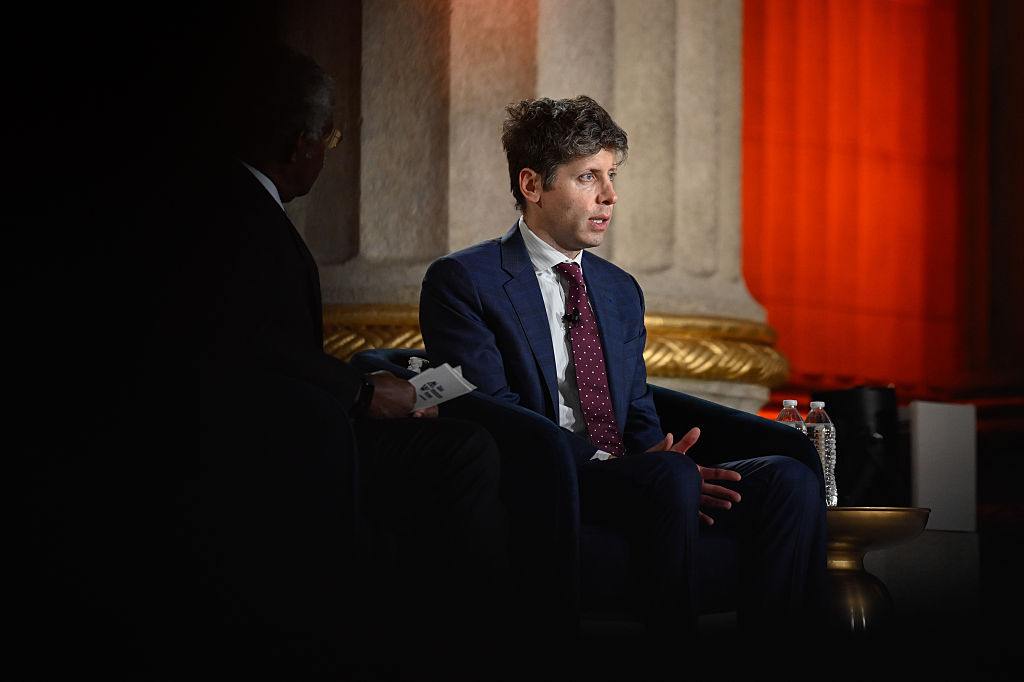
Elon Musk’s lawsuit is putting OpenAI’s safety record under the microscope
Elon Musk is pursuing legal action aimed at dismantling OpenAI, focusing on the impact of its for-profit subsidiary on the organization’s original mission. The case raises questions about whether the subsidiary's operations align with OpenAI's foundational goal of ensuring that advancements in artificial general intelligence benefit humanity as a whole. Musk's efforts come amid growing concerns about the ethical implications and societal effects of AI technologies. The outcome of this legal battle could significantly influence the future direction of OpenAI and its commitment to its stated objectives.
AI Elon Musk OpenAI openai lawsuit sam altman
AI Is Starting to Build Better AI
Recent advancements in artificial intelligence (AI) have reignited discussions about recursive self-improvement (RSI), a concept first proposed by mathematician I. J. Good in 1966. As AI systems like large language models (LLMs) and machine-learning algorithms evolve, researchers are exploring how these technologies can autonomously enhance their own capabilities. Notable developments include OpenAI's GPT-5.3-Codex, which reportedly assisted in its own creation, and Google DeepMind's AlphaEvolve, designed to optimize complex problems in scientific discovery. While some researchers view these advancements as steps toward fully autonomous AI, they acknowledge that current systems still depend on human oversight for goal-setting and evaluation. Experts like Jeff Clune from the University of British Columbia believe that the field is on the brink of achieving RSI, which could revolutionize science and technology. However, challenges remain, including the complexity of AI systems and the necessity of human involvement in the development process. Concerns about the potential risks of RSI have also emerged, with some experts advocating for a pause in AI development to prevent unintended consequences. The debate continues over whether AI could lead to an intelligence explosion, with many researchers emphasizing the importance of maintaining human oversight to ensure safe progress. As AI technologies evolve, the future landscape may see a collaborative relationship between humans and machines, reshaping roles in research and innovation.
Ai-safety Singularity Llms Evolutionary-algorithm
Do We Really Need Smarter AI to Cure Cancer?
Major tech companies like Meta and OpenAI are heavily investing in the development of artificial general intelligence (AGI) and artificial superintelligence (ASI), with estimates suggesting over a trillion dollars has already been allocated to artificial intelligence (AI) initiatives. Despite the excitement surrounding these advancements, Emilia Javorsky, director of the Futures program at the Future of Life Institute, cautions against over-reliance on future AI capabilities to solve complex health issues like cancer. In her March essay, "AI vs Cancer," Javorsky critiques the notion that AGI or ASI could cure cancer, emphasizing that cancer is not a singular disease but a collection of highly individualized conditions requiring tailored treatments. Javorsky argues that while current AI applications are making strides in areas such as drug discovery and clinical trials, the focus should shift towards collecting comprehensive health data and improving existing medical tools rather than solely investing in advanced AI technologies. She advocates for a balanced approach that prioritizes effective resource allocation in cancer research and treatment. Javorsky's insights highlight the importance of leveraging existing AI capabilities to enhance patient care and accelerate medical innovation, while also addressing systemic challenges within the healthcare system. Her perspective offers a hopeful outlook on the potential for AI to contribute meaningfully to cancer management and treatment.
Medical-ai Cancer Oncology Agi Superintelligence Cancer-treatments
Video Friday: Figure, 1X Ramp Up Humanoid Robot Production
IEEE Spectrum robotics has released its weekly roundup of notable robotics videos and upcoming events, including major conferences like ICRA 2026 in Vienna and RSS 2026 in Sydney. A significant development in humanoid robotics has occurred with the opening of the NEO Factory in Hayward, California, which is now producing robots at a rate of 55 per week. This facility, which spans 58,000 square feet and employs over 200 staff, allows for complete in-house manufacturing, enhancing safety and efficiency. The first consumer robots are expected to ship in 2026, marking a pivotal step toward the realization of general-purpose home robots. In other news, NASA continues its exploration of Mars with two rovers, Perseverance and Curiosity, studying different geological eras of the planet. Meanwhile, the Chinese-made Unitree G1 humanoid robots are gaining traction in the U.S. tech landscape, being utilized by companies like OpenAI and Nvidia, raising questions about their implications for security and privacy. Additionally, advancements in robotics are showcased through various projects, including a surgical robot designed to streamline Neuralink implant procedures and a tactile-enabled humanoid manipulation system that enhances dexterity and stability in real-world tasks. As robotics technology evolves, experts are also exploring how autonomous systems make decisions in unpredictable environments, emphasizing the importance of AI in coordinating complex operations.
Humanoid-robots Video-friday Robot-videos Robot-manipulation Industrial-robots Robot-hands
Pentagon inks deals with Nvidia, Microsoft, and AWS to deploy AI on classified networks
The Department of Defense (DOD) has intensified its efforts to diversify its partnerships with artificial intelligence (AI) vendors following a contentious dispute with Anthropic regarding the usage terms of its AI models. This strategic move aims to mitigate risks associated with reliance on a single vendor and enhance the DOD's capabilities in AI technology. The decision reflects a broader trend within the military to embrace a wider array of AI solutions, ensuring that it remains at the forefront of technological advancements. The DOD's renewed focus on expanding its vendor base underscores the importance of adaptability and innovation in defense operations, particularly as the landscape of AI continues to evolve rapidly.
AI Government & Policy AWS Defense Department Google Microsoft
Pentagon clears 8 tech firms to deploy their AI on its classified networks
The Defense Department has announced new agreements with several major technology companies, including Amazon Web Services, Google, Microsoft, NVIDIA, OpenAI, SpaceX, and Reflection, with Oracle joining the list shortly thereafter. This initiative, revealed in a morning announcement, aims to enhance the Department's capabilities in various technological fields. By collaborating with these industry leaders, the Defense Department seeks to leverage advanced technologies to improve national security and operational efficiency. The partnerships are expected to facilitate the integration of cutting-edge innovations into defense strategies, reflecting a commitment to staying at the forefront of technological advancements.
Networks & Digital Warfare Pentagon AI & Autonomy Amazon anthropic artificial intelligence AI
Musk v. Altman is just getting started
Elon Musk took the stand for nearly three days this week in a lawsuit against OpenAI, where he is challenging the company's shift to a for-profit model under CEO Sam Altman. Musk claims this transition represents a betrayal of the organization’s original nonprofit mission. The courtroom proceedings have revealed a trove of emails, texts, and Musk's own tweets, with more witnesses expected to testify in the coming days. The case has already become contentious, highlighting the tensions surrounding the future direction of artificial intelligence and the ethical implications of profit-driven motives in technology development.
AI Startups Acquisitions ai infrastructure Amazon big tech earnings
The Adcock Triad: Inside the $1M-a-Month Sprint to General Robotics
In a recent interview with Molly O’Shea, Brett Adcock, CEO of Figure, discussed the ambitious strategy behind his rapidly expanding robotics company. Adcock revealed his plans for aggressive vertical integration, which aims to consolidate various aspects of robotics development under one roof. He also addressed his decision to part ways with OpenAI, highlighting the shift in direction for his company. Adcock is currently focused on building three distinct companies simultaneously, a move he believes will enhance innovation and efficiency within the robotics sector. This interview sheds light on the future of Figure and the evolving landscape of artificial intelligence and robotics as Adcock navigates these significant changes.
Brett Adcock US Figure Figure-03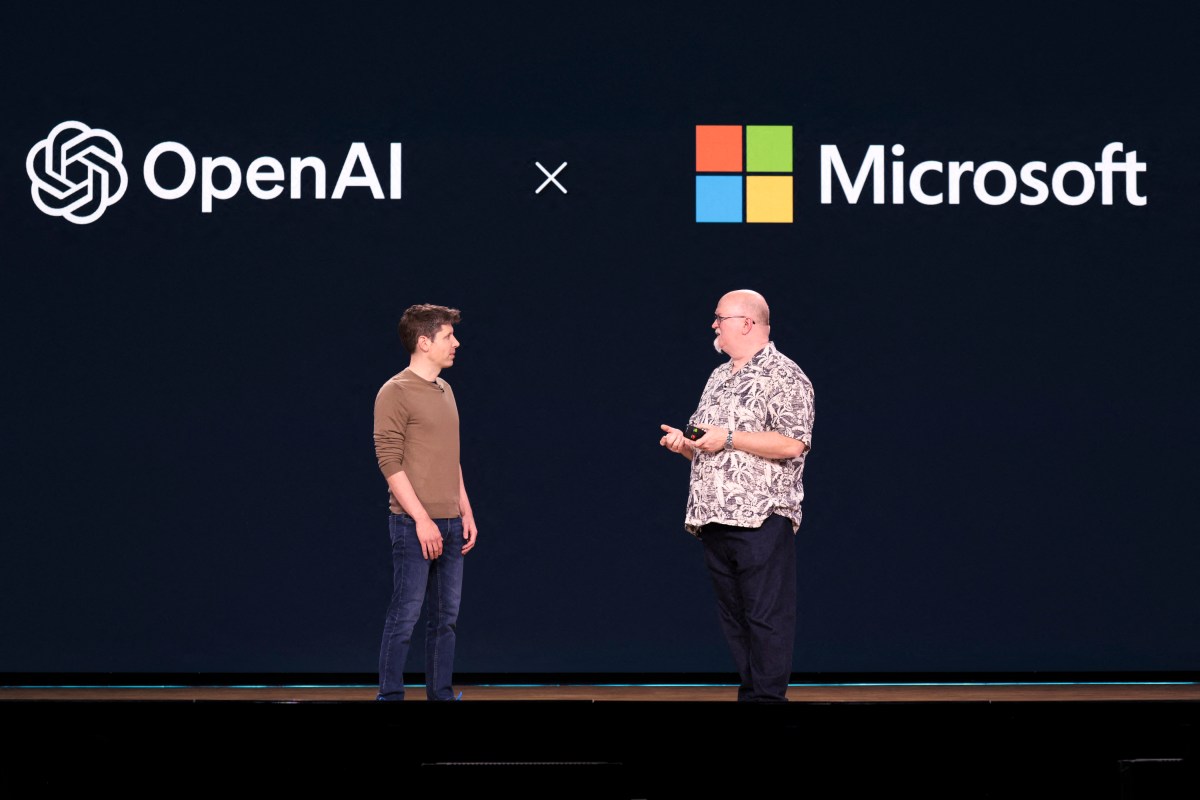
Satya Nadella says he’s ready to ‘exploit’ the new OpenAI deal
Microsoft has secured the rights to provide OpenAI's technology to its cloud customers without incurring any costs. CEO Satya Nadella expressed the company's intention to fully leverage this opportunity to enhance its cloud services. This strategic move highlights Microsoft's commitment to integrating advanced AI capabilities into its offerings, aiming to attract more clients and strengthen its position in the competitive cloud market. The announcement comes as part of Microsoft's ongoing efforts to innovate and expand its technological portfolio, ensuring that it remains at the forefront of the rapidly evolving digital landscape.
AI Enterprise TC Microsoft OpenAI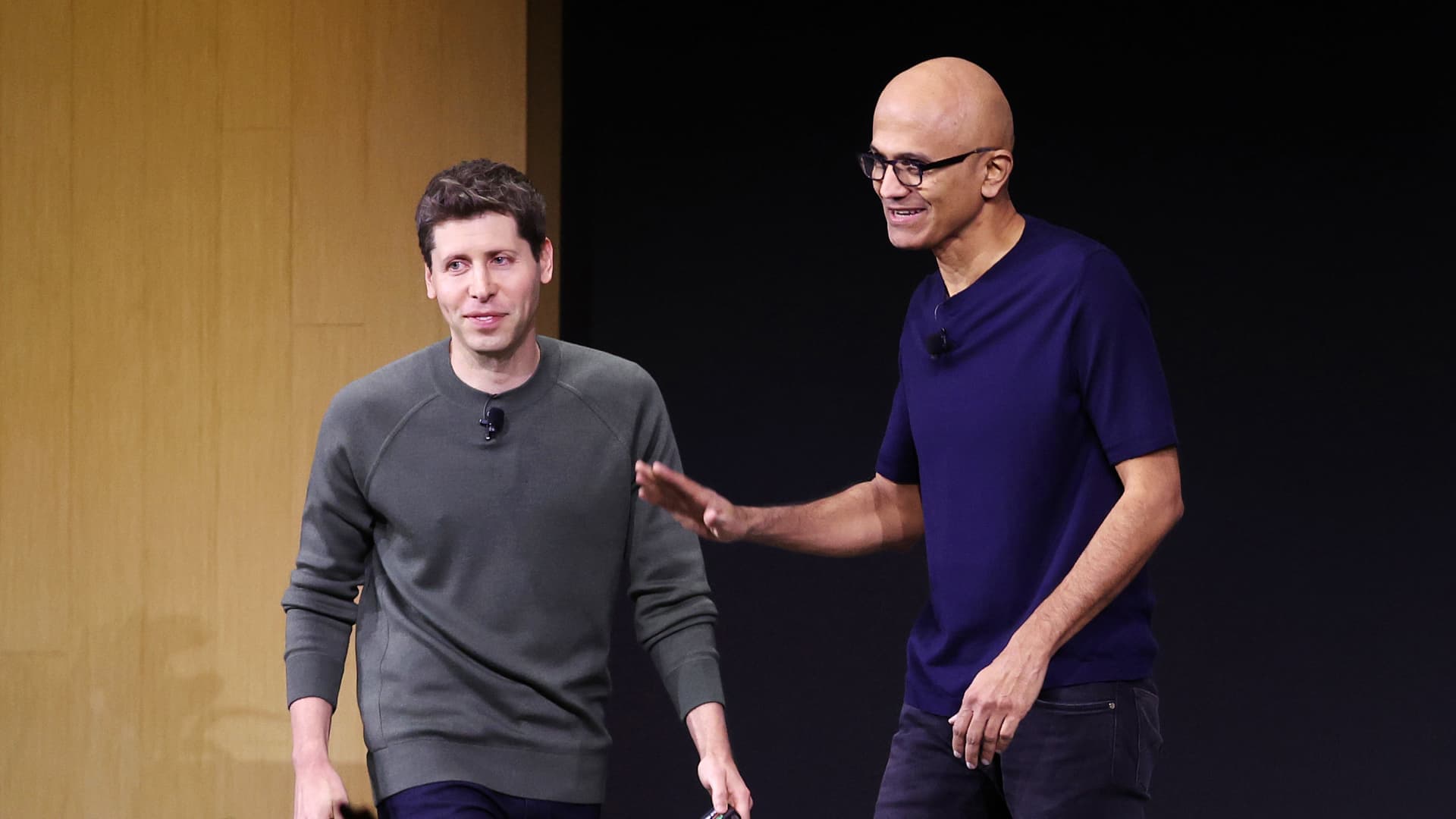
OpenAI’s subtle drift from Microsoft has become an aggressive move toward Amazon
OpenAI is intensifying its competitive efforts against Amazon while maintaining its partnership with Microsoft. The AI company has been strategically expanding its presence in sectors traditionally dominated by Amazon, signaling a shift in its business focus. This move comes as OpenAI seeks to leverage its advanced artificial intelligence technologies to capture market share and enhance its offerings. The initiative is part of a broader trend in the tech industry, where companies are increasingly vying for dominance in AI and cloud computing services. As of October 2023, OpenAI's aggressive push into Amazon's territory highlights the evolving landscape of technology partnerships and rivalries.
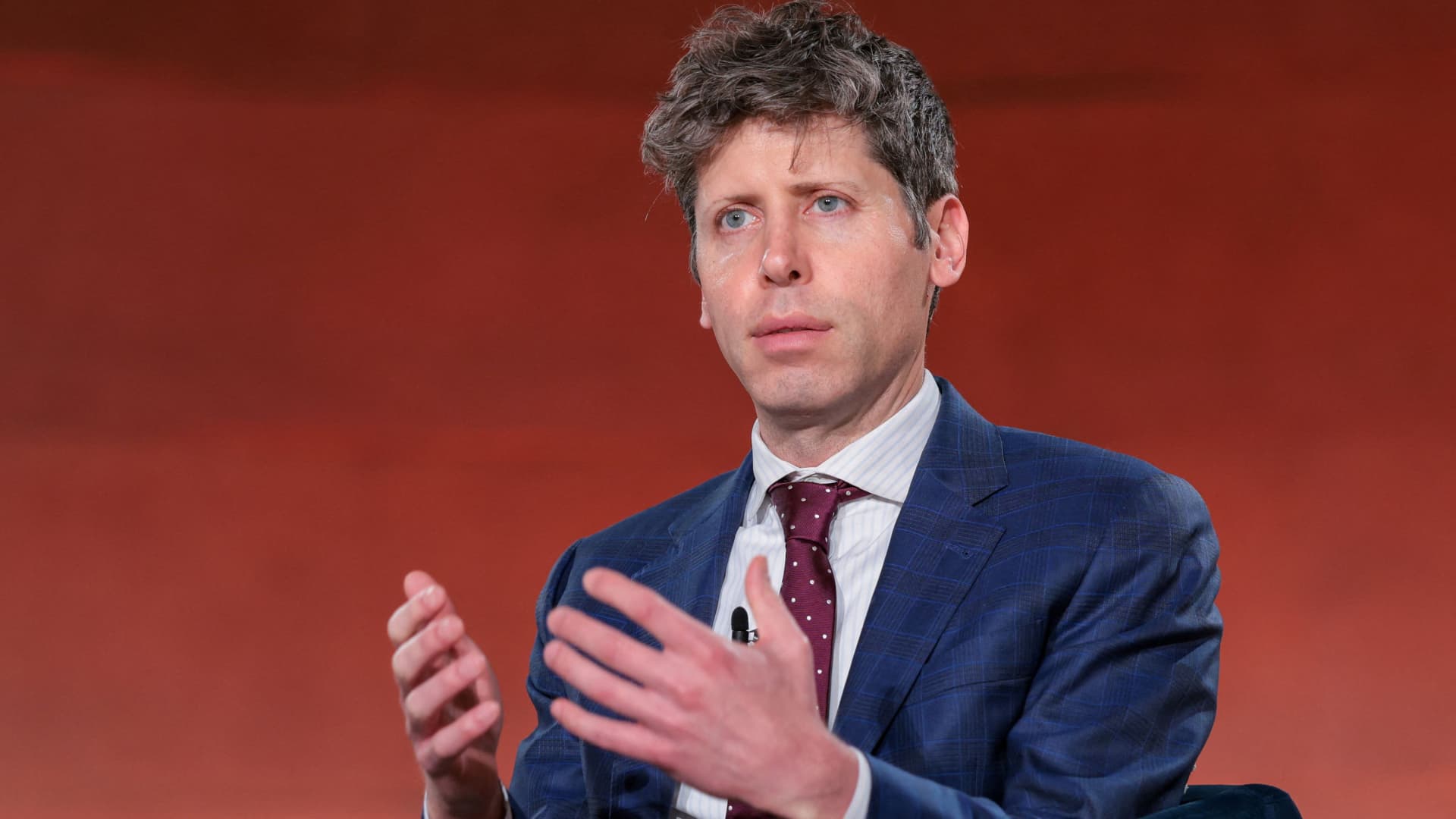
OpenAI looms over earnings from tech hyperscalers
Tech giants Amazon, Alphabet, Meta, and Microsoft are set to release their quarterly earnings reports after the market closes today. Analysts anticipate that discussions surrounding OpenAI will feature prominently in these reports, reflecting the growing influence of artificial intelligence on their business strategies. With the tech industry increasingly focused on AI advancements, investors are keen to see how these companies are integrating OpenAI's innovations into their operations and the potential impact on their financial performance. The results are expected to provide insights into the companies' growth trajectories and their responses to the evolving technological landscape.

Amazon is already offering new OpenAI products on AWS
In a significant development for the artificial intelligence landscape, Amazon Web Services (AWS) has unveiled a range of offerings based on OpenAI models, including a new agent service. This announcement comes just one day after OpenAI reached an agreement with Microsoft to terminate exclusive rights to its technology. The move by AWS signals a competitive shift in the AI market, as the company seeks to enhance its cloud services and attract more customers by integrating advanced AI capabilities. By leveraging OpenAI's models, AWS aims to provide businesses with innovative tools that can improve efficiency and drive growth. This strategic initiative highlights the increasing collaboration and competition among major tech players in the rapidly evolving field of artificial intelligence.
AI TC
OpenAI brings its models to Amazon's cloud after ending exclusivity with Microsoft
OpenAI has announced that its generative AI models will now be accessible on Amazon's cloud platform, marking a significant shift in its partnerships. This development comes just one day after OpenAI restructured its longstanding collaboration with Microsoft. The move aims to broaden the availability of OpenAI's advanced AI technologies, allowing more businesses and developers to integrate these tools into their applications. By leveraging Amazon's extensive cloud infrastructure, OpenAI seeks to enhance its reach and provide users with more flexible options for utilizing its AI capabilities. This strategic decision reflects OpenAI's commitment to expanding its influence in the AI landscape while adapting to the evolving demands of the market.

OpenAI ends Microsoft legal peril over its $50B Amazon deal
OpenAI has secured significant concessions from its primary investor, Microsoft, enabling the artificial intelligence company to market its products on Amazon Web Services (AWS). This development comes as part of a new revenue-sharing agreement that will also provide Microsoft with increased financial returns. The arrangement marks a strategic shift for OpenAI, allowing it to expand its distribution channels while simultaneously enhancing Microsoft's cash flow from its investment. This partnership is expected to bolster both companies' positions in the competitive AI landscape, as they leverage each other's strengths to reach a broader customer base.
AI Enterprise Amazon Microsoft OpenAI
AI breakup: Microsoft and OpenAI drop exclusivity, open door to rival clouds
Microsoft and OpenAI have announced the end of their exclusive partnership, marking a significant shift in the landscape of artificial intelligence collaboration. This decision comes after several years of working closely together to develop advanced AI technologies. The announcement was made on October 10, 2023, during a joint press conference held in San Francisco, where both companies outlined their future plans for AI development. The move allows OpenAI to explore new partnerships and collaborations with other tech companies, broadening its reach and potential for innovation. Microsoft, on the other hand, aims to integrate AI capabilities from various sources into its products and services, enhancing its competitive edge in the tech industry. This change is driven by a desire for greater flexibility and growth opportunities in the rapidly evolving AI sector. By opening up their collaborations, both companies hope to foster a more diverse ecosystem of AI solutions that can benefit a wider range of users and industries. As they transition into this new phase, Microsoft and OpenAI are committed to continuing their respective missions of advancing AI technology while ensuring ethical considerations remain at the forefront of their developments. The implications of this shift could reshape the dynamics of AI research and application, paving the way for new innovations and partnerships in the tech world.
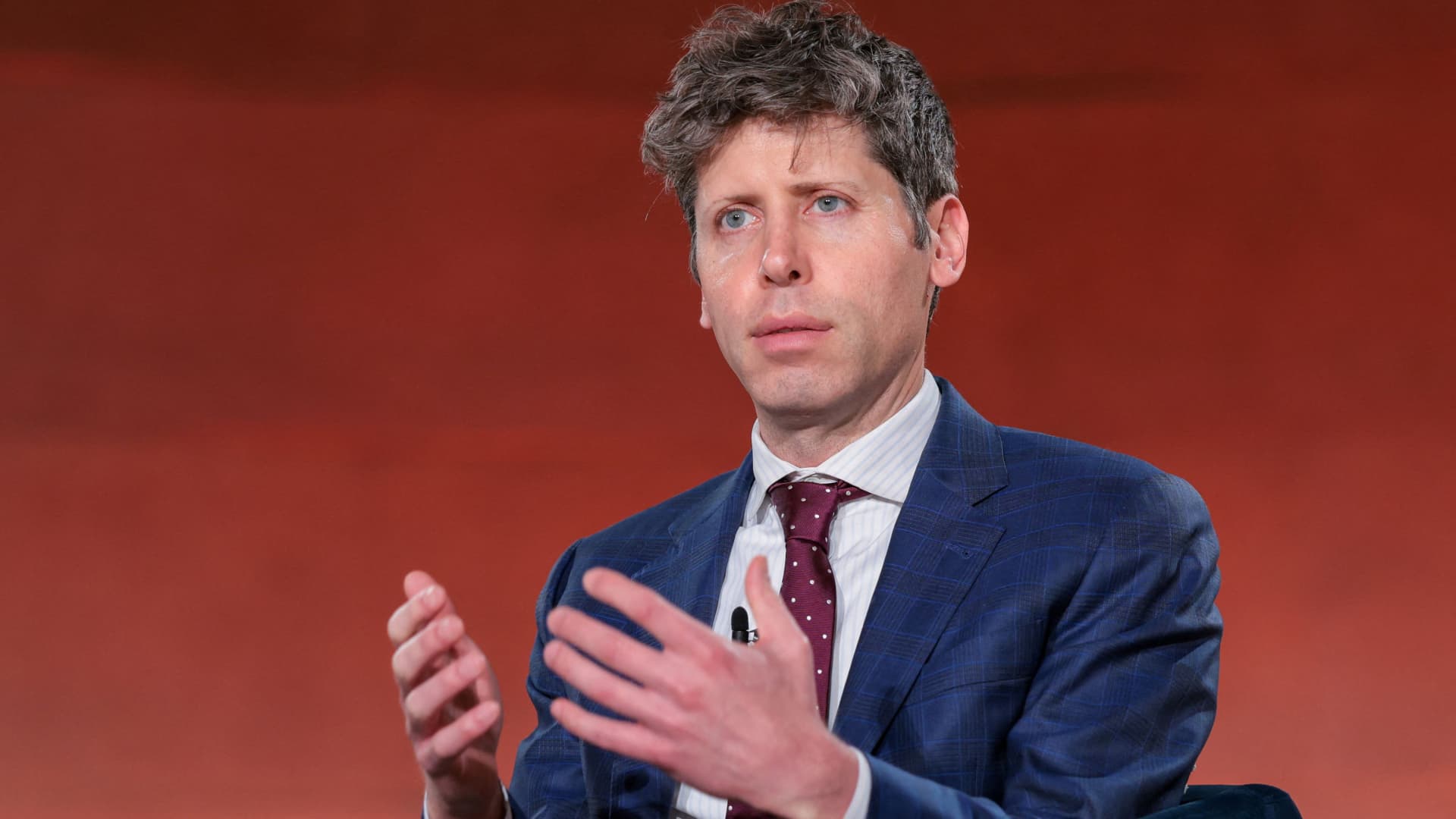
OpenAI shakes up partnership with Microsoft, capping revenue share payments
In a significant shift within the tech landscape, Microsoft and OpenAI have solidified a broad agreement following OpenAI's restructuring in October 2023. This partnership aims to enhance collaboration on artificial intelligence technologies, reflecting both companies' commitment to advancing AI capabilities. The agreement comes at a time when the demand for innovative AI solutions is surging across various industries, prompting both organizations to leverage their strengths for mutual benefit. By combining Microsoft's extensive resources and infrastructure with OpenAI's cutting-edge research, the collaboration seeks to accelerate the development of AI applications that can transform business operations and improve user experiences. This strategic alliance underscores the growing importance of AI in the global market and positions both companies at the forefront of technological advancement.
The Week Ahead in AI: Musk vs Altman, Cannes AI Film Festival, Is AI Cheaper than Human Workers, Plus Big Week Ahead for Earnings
Elon Musk's long-standing legal dispute with OpenAI is set to go to trial on Monday in California. The lawsuit, initiated by Musk, accuses OpenAI and its CEO, Sam Altman, of various grievances related to the development and management of artificial intelligence. This trial marks a significant moment in the ongoing tensions between Musk and the organization he co-founded, as it seeks to address the implications of AI technology and its governance. The outcome could have far-reaching consequences for the future of AI development and the responsibilities of its creators.
AI Insights Robotics AI Dev 26 x SF Alphabet Amazon
OpenAI releases GPT-5.5, bringing company one step closer to an AI ‘super app’
OpenAI has announced the launch of its latest model, which boasts enhanced capabilities across a wide range of categories. This development, revealed in October 2023, aims to improve the performance and versatility of AI applications. By leveraging advanced training techniques and a more extensive dataset, the new model is designed to provide users with more accurate and efficient responses. OpenAI's commitment to pushing the boundaries of artificial intelligence continues to drive innovation in the field, as the organization seeks to address diverse user needs and applications.
AI sam altman OpenAI greg brockman ChatGPT GPT-5.5
OpenAI’s New GPT-5.5 Powers Codex on NVIDIA Infrastructure — and NVIDIA Is Already Putting It to Work
OpenAI's Codex, an advanced AI coding application, is set to transform knowledge work by enhancing how developers process information, solve complex problems, and generate innovative ideas. This evolution in AI technology aims to streamline workflows and drive innovation across various sectors. With the capabilities of Codex, developers can expect significant improvements in efficiency and creativity, allowing them to tackle more intricate challenges and produce novel solutions. As the technology continues to evolve, it is anticipated that AI will play an increasingly vital role in shaping the future of work, particularly in fields that require high levels of cognitive engagement.