

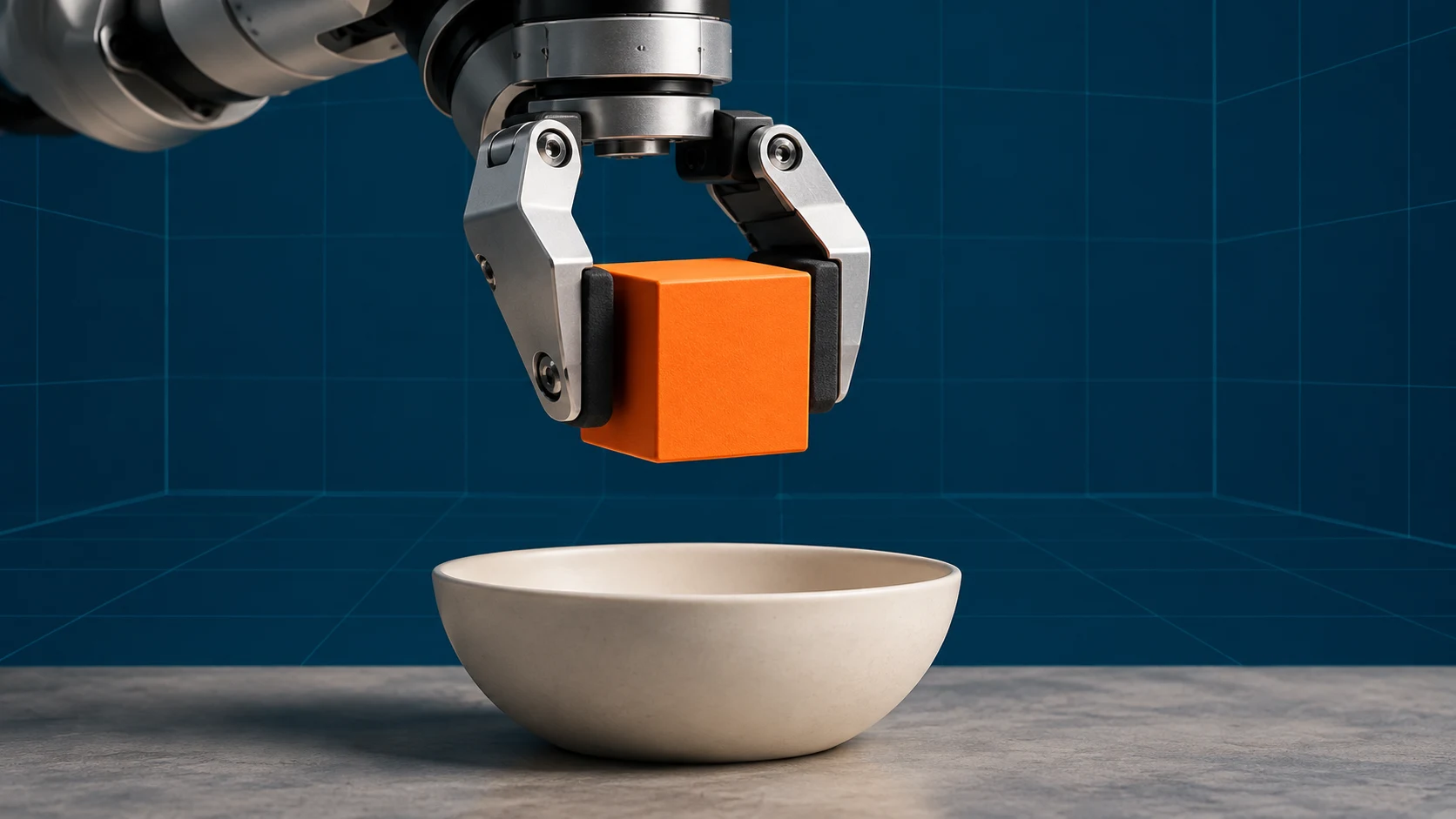
OpenAI's GPT-6 Astra has achieved a remarkable 95% success rate in a gross pick-and-place task using dual I2RT YAM robotic arms, according to evaluation data from RoboCurve. This performance highlights Astra's advancements in spatial reasoning and physical manipulation, surpassing competitors like Anthropic's Claude Fable models.
However, the trials also revealed limitations in Astra's zero-shot physical reasoning capabilities, particularly in precision tasks requiring sub-millimeter tolerances. In a precision puzzle task, Astra only succeeded in 2 out of 20 attempts, indicating that while it excels in certain areas, it still faces challenges similar to earlier models.
Looking ahead, RoboCurve's Jay Chooi suggests that if current performance trends continue, large language models like Astra could potentially control robotic arms in real time within the next two to three years. This development could significantly impact the robotics industry, particularly in applications requiring high precision and efficiency.
Editor's Note
The advancements demonstrated by OpenAI's GPT-6 Astra in physical manipulation tasks underscore the ongoing evolution of AI in robotics. As companies continue to explore the integration of AI with robotic systems, the balance between efficiency and precision remains a critical focus. The insights from RoboCurve's evaluations may influence future investments and developments in this space.






























Leave a comment