

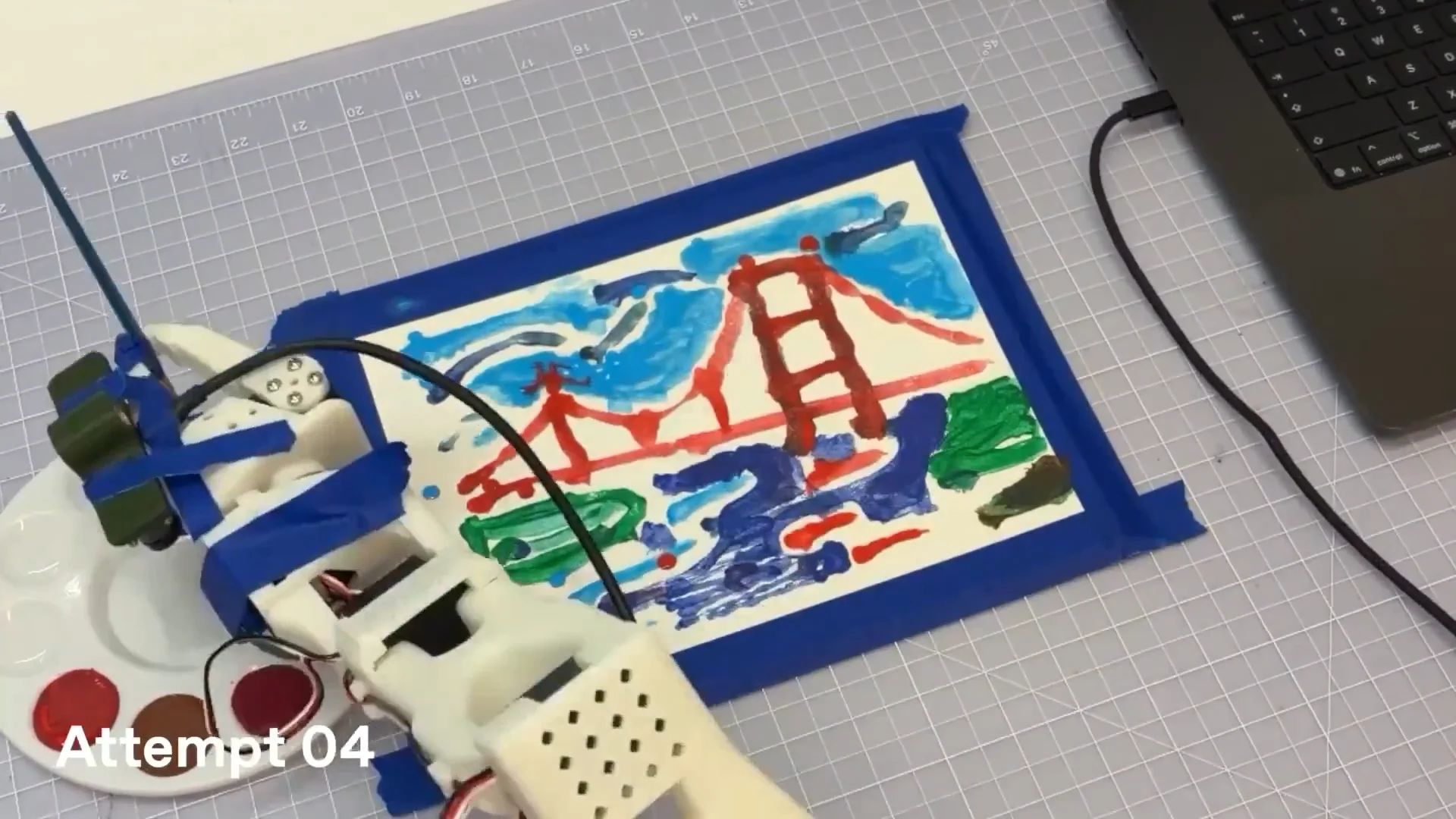
OpenAI's GPT-6 Astra has made headlines by painting a rendition of San Francisco's Golden Gate Bridge using a robotic arm, showcasing its visual reasoning capabilities. This experiment, conducted by a 20-year-old roboticist named Thijs, involved Astra autonomously deducing the necessary movements to create the artwork without manual scripting, highlighting a significant advancement in robotics.
The implications of this development are profound, as it raises questions about the future of specialized AI startups versus general-purpose models in the robotics sector. Observers are noting that Astra's ability to adapt to physical tasks without prior programming could signify a pivotal moment in the industry, potentially overshadowing dedicated robotics firms that have raised substantial funding for their specialized models.
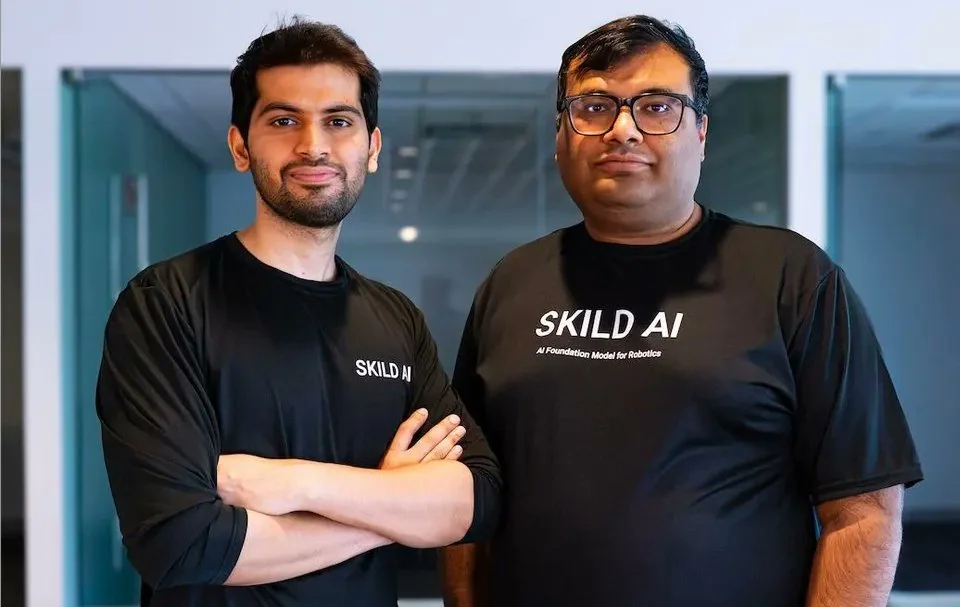
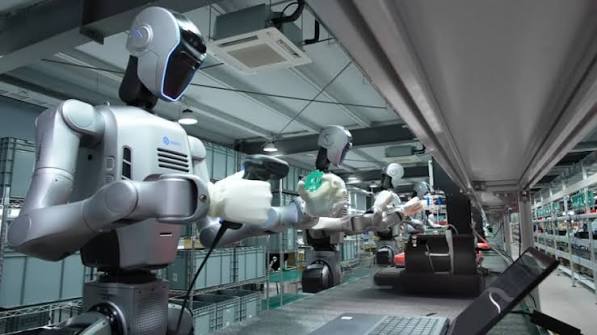
As the debate unfolds, industry experts like Zeeshan Zia from Amazon Alexa suggest that OpenAI may dominate the robotics landscape, challenging the viability of startups like Physical Intelligence and Skild AI. The performance of GPT-6 Astra in hardware benchmarks further complicates the narrative, achieving a 95% success rate in pick-and-place tasks, which may shift the focus towards general models in robotics applications.
Editor's Note
The emergence of general-purpose models like OpenAI's GPT-6 Astra is reshaping the competitive landscape in robotics. As these models demonstrate capabilities traditionally reserved for specialized AI, industry stakeholders must reassess their strategies. The ongoing debate about the future of embodied AI and the role of dedicated startups versus general models will be crucial for investment and development decisions in the coming years.






















Leave a comment