

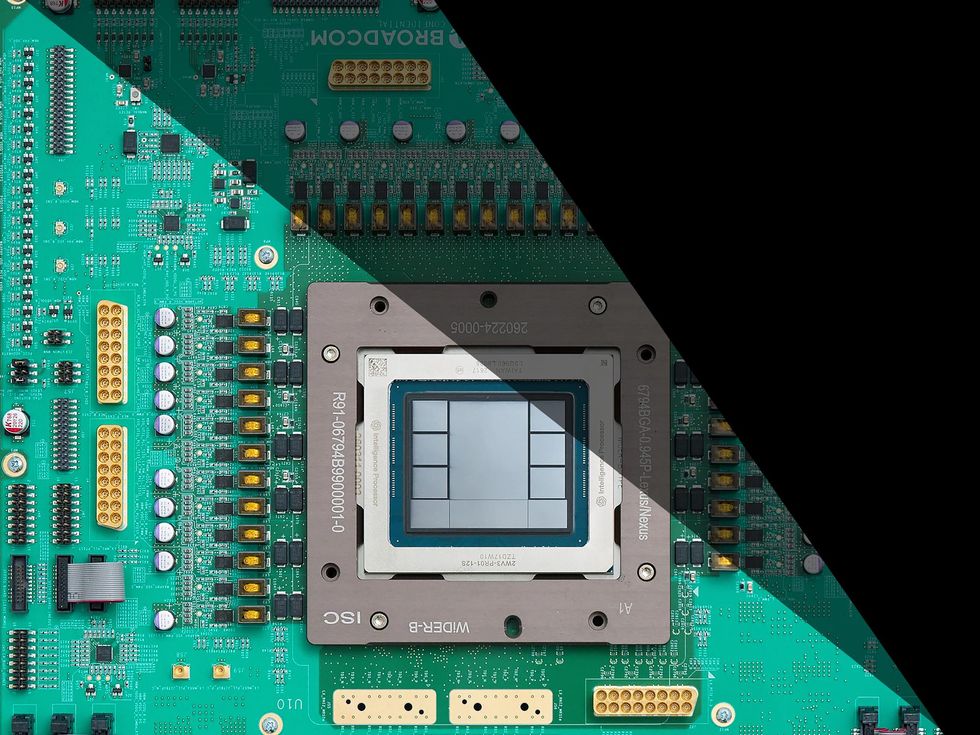
On August 25, OpenAI introduced Jalapeño, its first AI accelerator chip, achieving up to 13.4 petaflops of 4-bit compute and accessing 232 gigabytes of advanced memory at 15.4 terabytes per second. Jalapeño reportedly reduces end-to-end latency by up to 3.6 times compared to Nvidia's GB300 while consuming less power.
The significance of Jalapeño lies not only in its performance metrics but also in the innovative design process, which was expedited using OpenAI's large language models (LLMs). The chip's development timeline spanned under 20 months, with only nine months from the first RTL code to tapeout, showcasing the potential of LLMs in chip design.
Looking ahead, OpenAI's collaboration with Broadcom and the integration of LLMs into chip design tools could lead to even faster development timelines. As LLM capabilities improve, the industry may witness a transformation in how chips are designed and manufactured, with OpenAI at the forefront of this evolution.
Editor's Note
OpenAI's introduction of the Jalapeño chip highlights a significant advancement in chip design through the integration of large language models. This approach not only accelerates the design process but also sets a precedent for future innovations in semiconductor technology. As companies increasingly adopt AI-driven methodologies, the competitive landscape in chip manufacturing is likely to evolve rapidly, impacting supply chains and production timelines.































Leave a comment