Industry Briefing
A single destination for timely, editor-curated robotics news from around the world.

New Tariffs on Imported Drones and Components Announced by White House
President Donald Trump has announced new tariffs on imported drones and specific drone components following a national security investigation by the Commerce Department. The tariffs, which range from 25% to 100%, are set to take effect on September 3, 2026, for most products, while certain component tariffs will begin on February 9, 2027. The investigation, initiated on July 1, 2025, highlighted concerns over U.S. reliance on foreign unmanned aircraft systems (UAS) and components. The significance of these tariffs lies in their potential impact on national security, as the White House emphasized the critical role of drones in military operations, law enforcement, agriculture, and disaster relief. The highest tariffs will apply to drones over 25 kilograms and those equipped with thermal imaging, with a 100% tariff imposed on these products. Smaller drones without thermal imaging will face a 25% tariff, reflecting the administration's strategy to bolster domestic manufacturing and reduce foreign dependency. Looking ahead, the tariffs are expected to reshape the U.S. drone market and supply chains, particularly as the proclamation acknowledges that many domestically produced UAS still rely on foreign components. No further timeline was disclosed at the time of publication.
Drone News Drone News Feeds Drones in the News Dual Use Feature 1 News
Drones and Federal Resources Combat New World Screwworm in Texas
Drones and federal border surveillance resources are being deployed in Texas to combat the New World screwworm, a parasitic fly that inflicts severe damage on warm-blooded animals. The U.S. Department of Agriculture (USDA) has conducted over 1,000 drone surveillance flights since June 3, 2026, observing more than 20,000 animals as part of a wildlife surveillance initiative in collaboration with the Texas Parks and Wildlife Department. This initiative is crucial as New World screwworm infestations can devastate livestock, posing a significant threat to the agricultural sector. The USDA's Animal and Plant Health Inspection Service (APHIS) utilizes drones equipped with advanced technology to identify animals that may require veterinary inspection, thereby enhancing the response to this agricultural threat. The Department of Homeland Security (DHS) is also involved, providing support for surveillance and training personnel to effectively respond to screwworm cases. Looking ahead, the USDA's efforts include monitoring over 100 dedicated traps and more than 8,000 insect traps across multiple states. The agency is also collaborating with Mexico to enhance trapping and control measures in high-risk areas. No further timeline was disclosed at the time of publication.
Agriculture Applications Drone News Drone News Feeds Drones in the News News
Lantronix and Swarmer Develop New Edge-Computing Platform for Military Drones
U.S. defense technology firms Lantronix and Swarmer are collaborating to create a compact computing platform that enhances small military drones' onboard processing power by four times. This new system integrates Lantronix’s Open-Q 6490CS System-on-Module with Swarmer’s autonomy software, aiming to improve autonomous operations for Group 1 unmanned aircraft systems. The significance of this development lies in its potential to enable small, cost-effective drones to perform complex tasks such as visual navigation, automated target recognition, and object tracking without relying on cloud computing. This capability is particularly crucial for military operations in environments with disrupted GPS signals and electronic warfare, as highlighted by the ongoing needs of Ukraine and allied forces. Looking ahead, the collaboration aims for a production commitment exceeding 10 years, ensuring the platform's adaptability for future defense programs. No further timeline was disclosed at the time of publication.
Military
Israel Defense Forces Establish New Branch for Unmanned Systems and AI Integration
The Israel Defense Forces (IDF) are launching a new branch dedicated to unmanned systems and artificial intelligence, as announced by Chief of Staff Lt. Gen. Eyal Zamir. This initiative aims to adapt to the rapidly evolving battlefield, emphasizing the integration of robotics, drones, and AI technologies. The establishment of the Unmanned Systems and Artificial Intelligence Branch is a significant step for the IDF, reflecting a strategic shift towards modern warfare capabilities. Zamir highlighted that these advancements will enhance operational effectiveness and save lives, marking a transformative moment for military operations. Looking ahead, the IDF plans to fully inaugurate this new branch by early December. The focus will be on harnessing technologies across land, air, and sea domains, with an emphasis on maritime capabilities as part of the IDF’s broader multi-year plan, Hoshen. No further timeline was disclosed at the time of publication.
Air Warfare Global Land Warfare AI & Autonomy Air Force Army
Mouser Launches Qorvo eBook on RF Solutions for Drones, SATCOM, and IIoT Markets
Mouser Electronics has released a new eBook focusing on RF solutions tailored for modern applications such as drones, satellite communications, and industrial IoT. This resource highlights the evolving landscape of RF systems, emphasizing the need for higher speed, flexibility, and scalability in response to market demands. The eBook addresses the transition from traditional, highly customized architectures to more agile development strategies. This shift is crucial for meeting the rapid timelines associated with next-generation technologies, ensuring that developers can adapt to the fast-paced nature of the industry. As the demand for advanced RF solutions continues to grow, stakeholders should monitor how these developments influence the design and implementation of RF systems. No further timeline was disclosed at the time of publication.
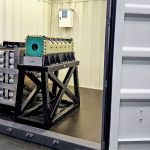
Auriga Space Completes First Field Test of Hermes Electromagnetic Launcher Against Drones
On August 25, Auriga Space announced the successful completion of the first field test of Hermes, an electromagnetic launcher designed to target drones. The test took place in the Mojave Desert, where Hermes demonstrated its capability to launch projectiles at speeds exceeding Mach 1 without chemical propellants, showcasing its potential for rapid deployment in remote areas. This development is significant as it addresses the growing challenge of low-cost drones that require expensive interceptors for defense. By utilizing electricity for propulsion, Hermes reduces the need for frequent ammunition resupply, potentially lowering operational costs and enhancing the efficiency of air defense systems. Looking ahead, Auriga plans a second field test in fall 2026 to further refine Hermes for harsher environments and improve its operational capabilities. The company aims to position Hermes as a counter-UAS solution for military clients, emphasizing its logistical advantages and reusability in air defense operations.
Military
Survey Reveals Construction Industry's Heavy Reliance on Chinese Drones
A recent survey by the Associated Builders and Contractors (ABC) highlights the construction industry's reliance on Chinese-made drones, with 97.1% of drone-using member companies favoring DJI products. The survey indicates that 36% of respondents utilize drones for various operations, showcasing a growing trend in technology adoption within the sector. The implications of increasing regulatory scrutiny on foreign drone manufacturers could lead to higher costs for construction firms, as federal officials aim to limit the use of foreign drones. ABC's vice president, Matt Abeles, noted that despite the current adoption rate, there remains significant potential for growth in drone usage across the industry. Looking ahead, ABC plans to leverage the survey data to enhance its construction innovation strategy. Challenges such as regulatory compliance and training were identified as barriers to wider drone adoption, suggesting that addressing these issues will be crucial for future advancements in construction technology.
Applications Construction DJI Drone News Drone News Feeds News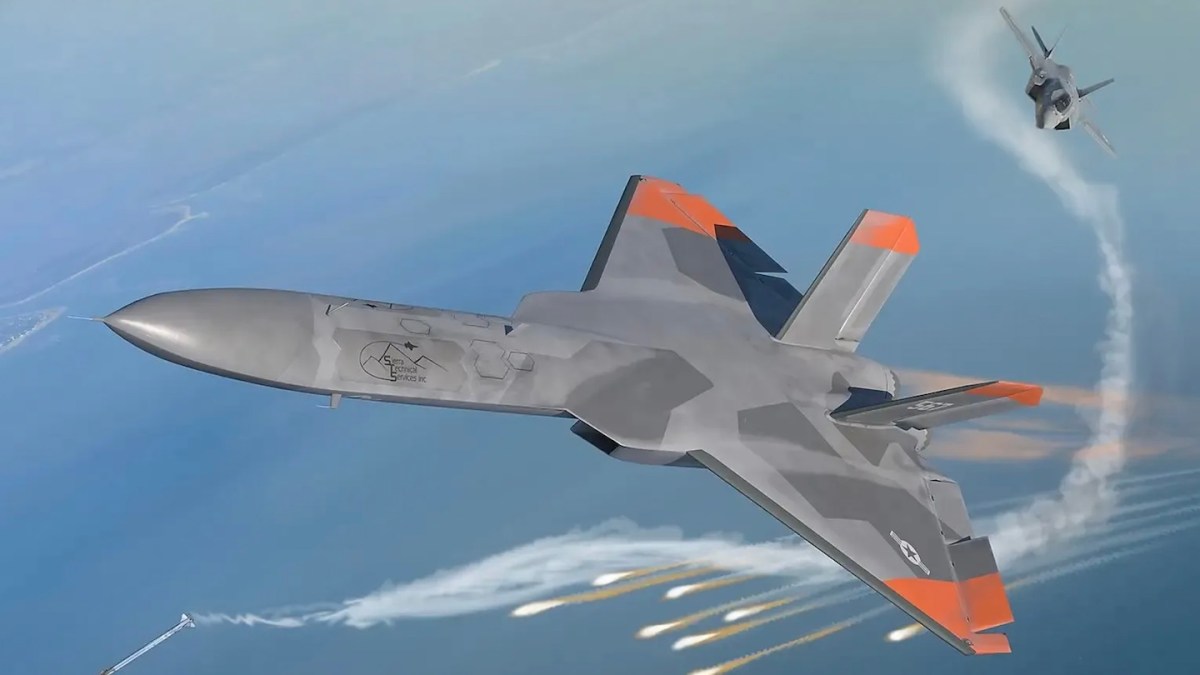
U.S. Air Force Seeks New Family of Expendable Target Drones for Diverse Threat Simulation
The U.S. Air Force is pursuing a new family of aerial targets designed to replicate a wide range of airborne threats, including stealth fighters and UAV swarms. This initiative aims to create realistic yet cost-effective targets that can be routinely used and destroyed during testing, as outlined in a recent Request for Information (RFI). The Air Force's requirements emphasize the need for these targets to be inexpensive and simple to manufacture, allowing them to be treated as expendable. This marks a shift from existing aerial targets like the QF-16, which is based on a converted fighter aircraft. The new targets are expected to leverage commercial technologies and manufacturing methods to enhance scalability and reduce costs. The proposed systems will cater to various threat categories, with specific requirements for advanced fighter aircraft, including supersonic capabilities and advanced radar cross-section profiles. Responses to the RFI are due by September 28, and the Air Force is particularly interested in non-traditional solutions that can offer advantages over legacy systems.
Air Air Forces Drones News & Features U.S. Air Force
FAA NextGen Fact Sheet Highlights Future Integration of Drones and Aircraft
On August 17, the Federal Aviation Administration (FAA) released a NextGen fact sheet detailing updates to the National Airspace System (NAS) and ongoing modernization efforts. The Next Generation Air Transportation System, or NextGen, has significantly advanced U.S. air traffic management technology, transitioning to digital communications, satellite navigation, and integrated data sharing. The FAA reports that NextGen programs are now operational and have generated $10.9 billion in benefits from 2010 to 2023. The modernization efforts include the implementation of over 20 capabilities across the country, enhancing air traffic management through technologies like Automatic Dependent Surveillance-Broadcast (ADS-B) and Performance Based Navigation. These advancements allow for more precise navigation and real-time data sharing, shifting the focus from traditional air traffic control to a more strategic, integrated management approach. The FAA emphasizes the importance of accommodating non-traditional aviation forms, including uncrewed aircraft systems (UAS). Looking ahead, the FAA is developing traffic management concepts to safely integrate UAS and other emerging aircraft into the NAS. Technologies such as DroneZone and the Low Altitude Authorization and Notification Capability (LAANC) are pivotal in supporting this growth. The agency is also exploring concepts for UAS Traffic Management and Urban Air Mobility, indicating a significant shift in airspace management strategies in the coming years.
Drone News Drone News Feeds Drones in the News FAA News ADS-B
F-Drones Unveils LITAVR+ Interceptor Drone to Combat Shahed Kamikaze Drones
A Ukraine-based defense company, F-Drones, has introduced the LITAVR+ interceptor drone designed to target the Shahed kamikaze drones utilized by Russia in the ongoing conflict. The Shahed drones, developed in Iran, are favored by Russian forces due to their cost-effectiveness and precision in attacks. The LITAVR+ can intercept these drones at speeds exceeding 250 mph, providing a significant advantage in air defense. The introduction of the LITAVR+ is crucial as the Shahed-136 drones, priced around $35,000, pose a substantial threat, especially given the higher costs associated with existing air defense systems. The upgraded LITAVR+ features advanced navigation capabilities that allow it to operate without GPS and a target guidance system for autonomous last-mile engagement. This innovation is expected to enhance Ukraine's defense capabilities against the increasing use of kamikaze drones. Looking ahead, F-Drones is also establishing a manufacturing facility in the United States to produce compliant drones for defense applications. The LITAVR+ represents a significant step in Ukraine's efforts to localize drone production and reduce reliance on foreign components, which is vital for rapid deployment in the current conflict.
Military
DJI Warns FCC Proposal Could Retroactively Ban Agricultural Spray Drones
The US Federal Communications Commission (FCC) has proposed new regulations that could effectively ban the sale of foreign-made agricultural spray drones, according to DJI. This move follows a December 2025 ruling that blocks new foreign models and components, significantly impacting the agricultural drone market dominated by overseas manufacturers. DJI argues that the FCC's definition of 'military-grade' drones includes many civilian models used for crop spraying, which could lead to increased costs and limited availability for American farmers. The proposal, open for public comment until September 2, targets drones with specific capabilities, potentially crippling agricultural operations that rely on these technologies to enhance efficiency and reduce costs. As the situation develops, stakeholders in the agricultural sector should monitor the FCC's actions closely. The implications of this proposal could reshape the market for agricultural drones, affecting both current users and future sales of essential farming technologies. No further timeline was disclosed at the time of publication.
Agtech Policy & regulation Precision agriculture US & Canada drones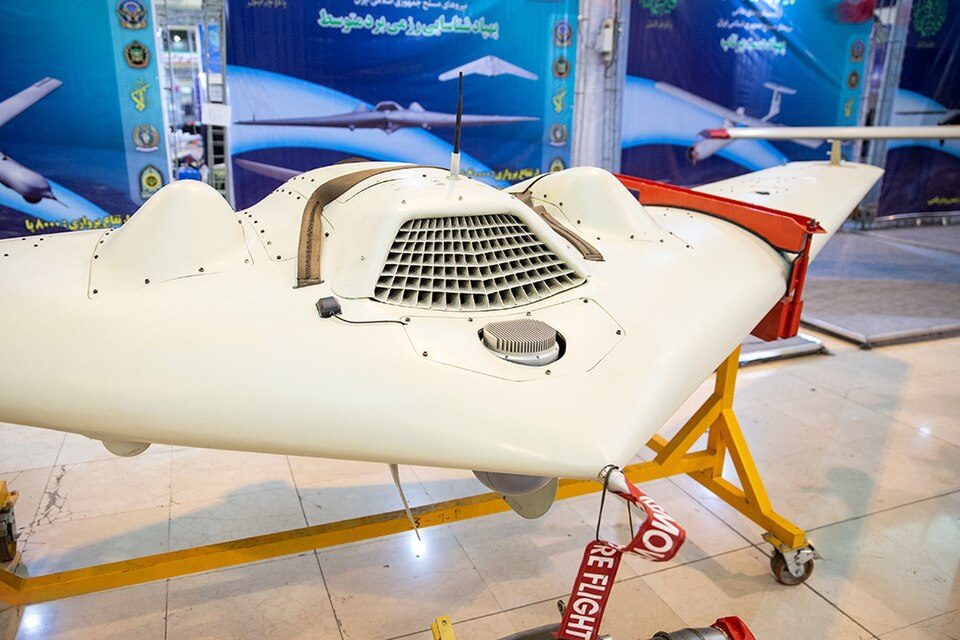
U.S. Department of War's New Guide Indicates Shift in Counter-Drone Strategy
The U.S. Department of War’s Joint Interagency Task Force 401 has published a guide titled 'Small Drones, Big Problems: A First Principles Approach to Countering-UAS.' This document signals a significant shift in how government leaders perceive drones, advocating for a comprehensive understanding of drone threats rather than viewing them as isolated challenges. The report emphasizes that drones have become a permanent aspect of the security landscape, akin to the historical 'Happy Time' of German U-boats during World War II. It argues that while drones have enjoyed advantages due to inadequate defenses, the long-term battle will be one of adaptation between attackers and defenders. Looking ahead, the guide encourages a systems approach to counter-UAS strategies, focusing on understanding the operator, platform, control process, and payload. This perspective is crucial for federal agencies, law enforcement, and critical infrastructure operators as they integrate counter-drone measures into broader security frameworks, reflecting an evolving landscape in drone technology and security planning.
C-UAS defense Drone News Drone News Feeds Dual Use News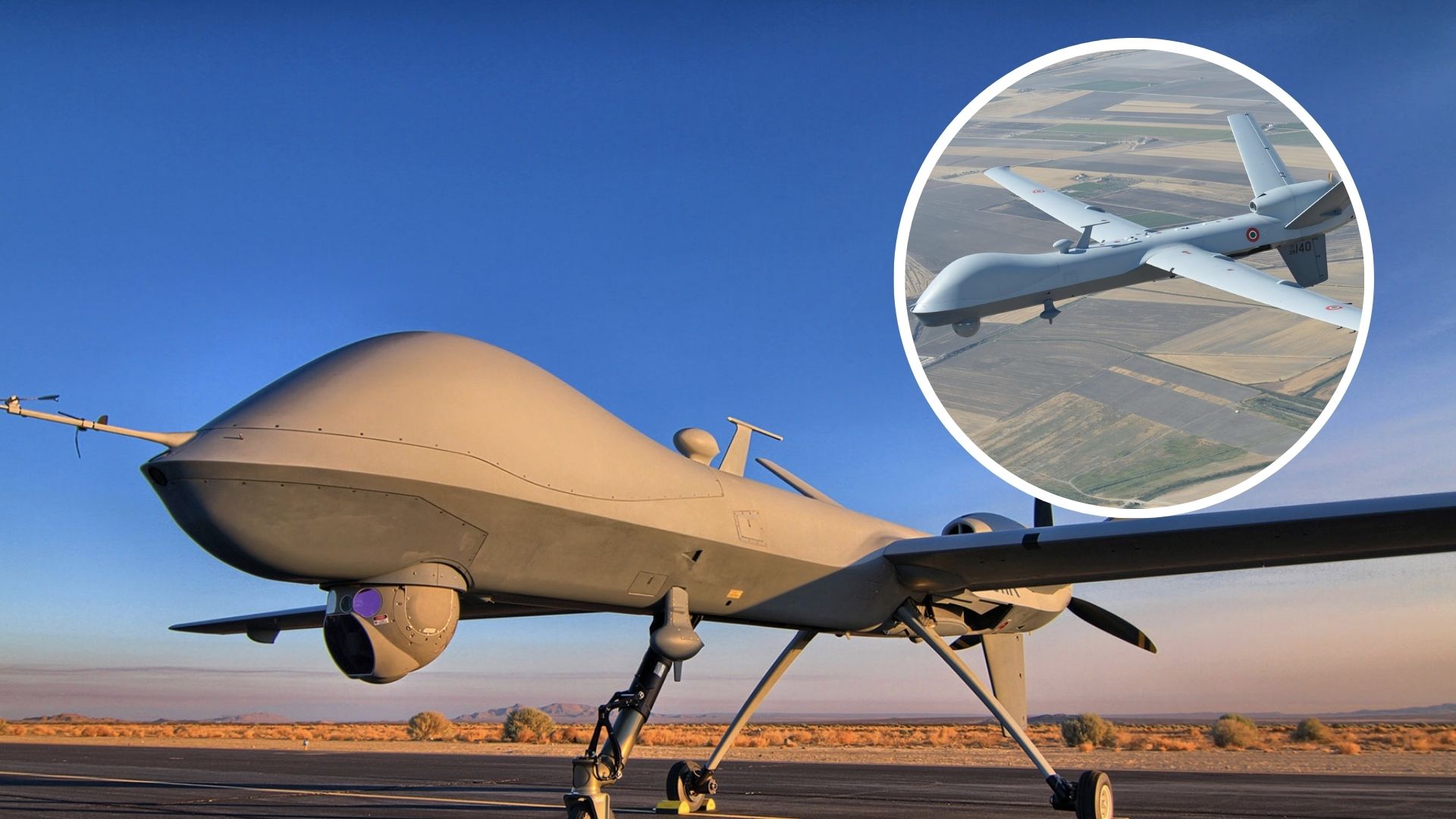
U.S. Department of Defense Launches Massed Modular Aircraft Initiative for Cost-Effective Drones
The U.S. Department of Defense is initiating the Massed Modular Aircraft (MMA) program to develop low-cost combat drones capable of performing missions similar to the MQ-9A Reaper. This initiative reflects a strategic shift towards utilizing affordable, expendable drones in modern warfare, particularly in light of recent conflicts that have exposed the vulnerabilities of high-value aircraft in contested airspace. The Pentagon aims to create a fleet of modular, long-range unmanned aircraft that can be rapidly reconfigured for various missions, significantly reducing operational costs while maintaining effectiveness against advanced enemy defenses. This shift is driven by the need for a more sustainable military approach, as the loss of MQ-9 Reapers during operations against Iran has highlighted the financial burden of relying on expensive platforms. With each MQ-9 costing approximately $30 million, military planners recognize that a strategy focused solely on high-value aircraft is increasingly untenable. The MMA initiative seeks to provide a flexible, risk-tolerant option that can deploy large numbers of drones to overwhelm enemy defenses, thereby ensuring operational capability despite potential losses. Looking ahead, the Pentagon's focus on massed modular aircraft indicates a significant evolution in military tactics. The ability to deploy swarms of low-cost drones could complicate enemy air defenses and enhance reconnaissance and strike capabilities. No further timeline was disclosed at the time of publication, but the emphasis on affordability and modularity suggests a proactive response to the changing dynamics of modern warfare and the need for cost-effective solutions in defense operations.
Military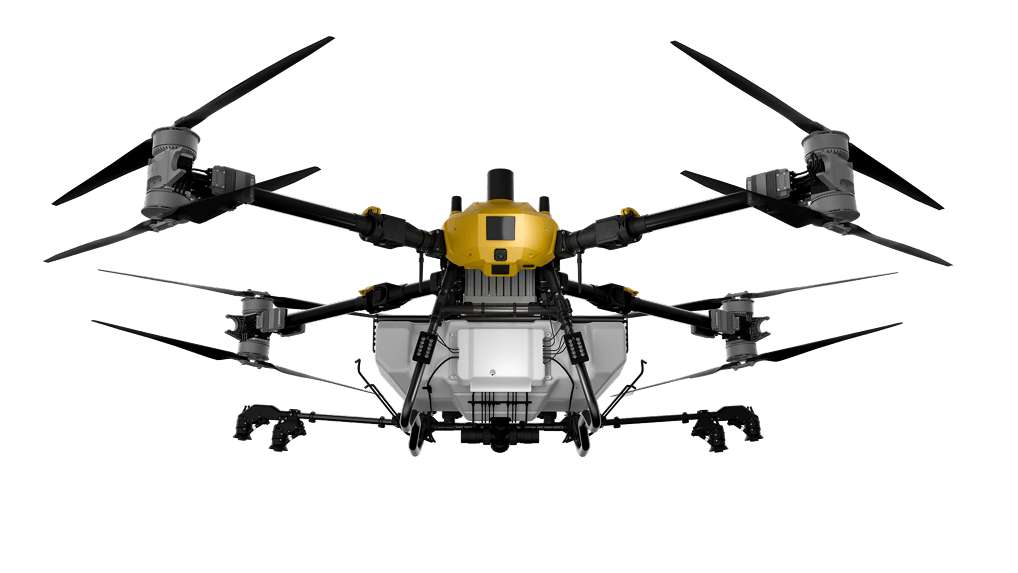
Theft of Agricultural Spray Drones in New Jersey Raises Security Questions
Federal investigators and public safety officials are responding to the theft of 15 agricultural spraying drones in New Jersey, an incident that has raised significant concerns about the misuse of drone technology. The Federal Bureau of Investigation is currently conducting an investigation into the theft, which highlights the increasing focus on counter-unmanned aerial systems (UAS) preparedness. The incident underscores long-standing worries regarding the security implications of drone misuse in agricultural and other sectors. As authorities work to address these issues, the incident serves as a reminder of the vulnerabilities associated with drone operations and the need for enhanced protective measures.
Agriculture Anti-drone technology Applications Drone News News agricultural drones
FirstEnergy Foundation Funds Drone Training for Educators and Law Enforcement in New Jersey
The FirstEnergy Foundation has awarded a $15,000 grant to Warren County Community College to enhance drone training for educators and police officers. This funding will support training for 20 high school STEM teachers and 10 police officers, preparing them for the FAA's Part 107 Remote Pilot Certificate exam, along with live flight training. This initiative is part of a larger $55,000 funding effort by the FirstEnergy Foundation aimed at supporting five educational programs in New Jersey, focusing on STEM fields. Doug Mokoid, FirstEnergy’s president of New Jersey, emphasized the importance of preparing the next generation for careers in electrical systems and drone operations, highlighting New Jersey's legacy of innovation. As police departments increasingly utilize drones for various operations, training costs can be a barrier for smaller agencies. The program has already seen participation from officers across 10 police departments in New Jersey and Pennsylvania, with Delaware Township Police Chief Robert Illes noting the critical role drones will play in future law enforcement operations. No further timeline was disclosed at the time of publication.
Applications Drone News Drone News Feeds Education Featured – Safety and Security Fire and Police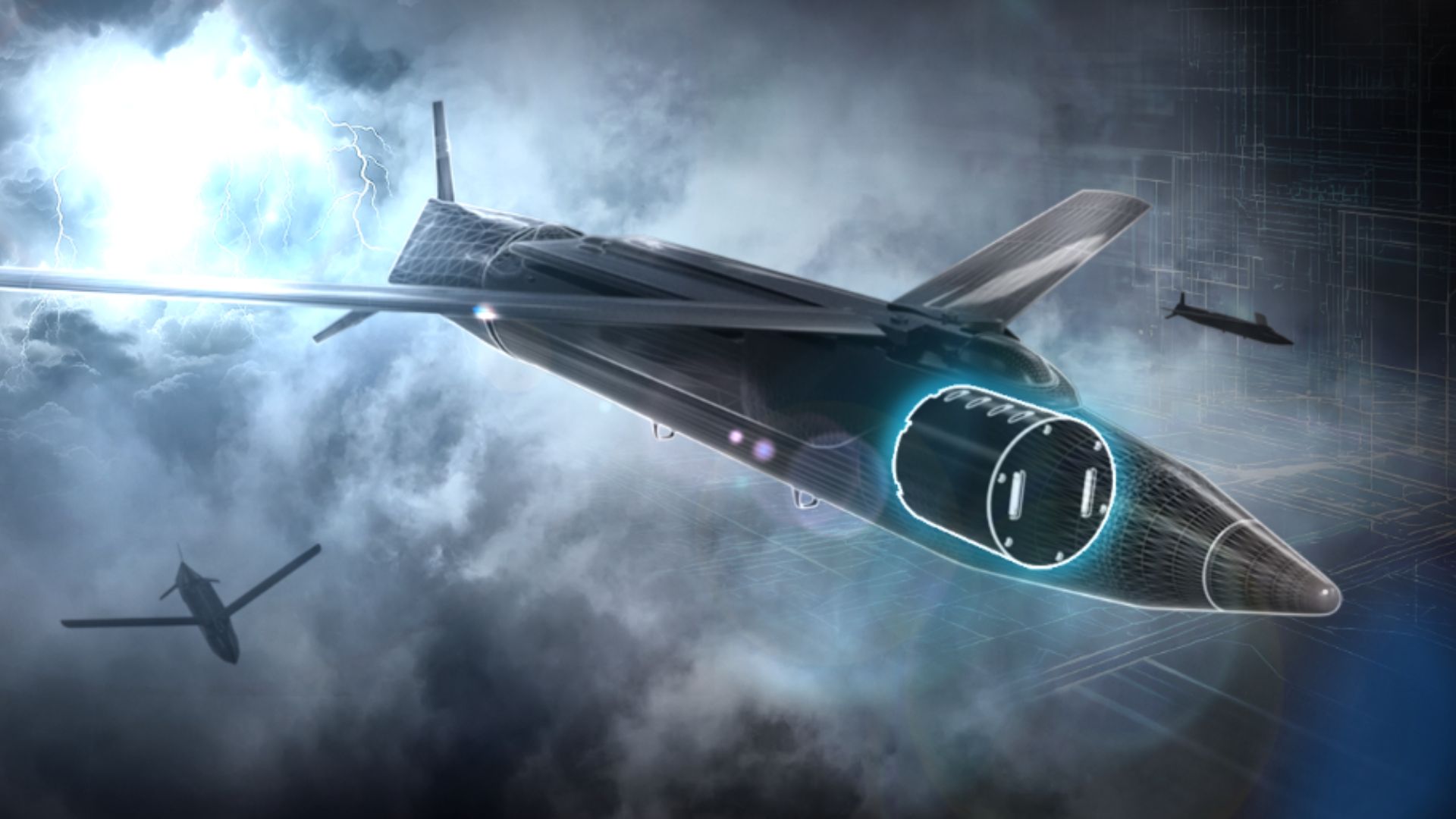
BAE Systems Introduces Shadow Electronic Warfare Family for Enhanced Drone Protection
BAE Systems has launched a new family of electronic warfare systems, known as Shadow EW, designed to enhance the protection of small aircraft in contested airspace. This initiative responds to the increasing demand for compact electronic warfare solutions that can be integrated into space-constrained platforms, utilizing commercially available microchips to streamline production and supply chains. The Shadow EW family is significant as it addresses the limitations of traditional electronic warfare systems, which are often too large and heavy for small drones and other airborne systems. By focusing on lightweight hardware and open architecture principles, BAE Systems aims to provide adaptable solutions that can be updated post-deployment, ensuring operators can effectively counter evolving electronic threats. Looking ahead, BAE Systems plans to leverage established manufacturing methods to scale production of the Shadow EW systems, making them more accessible for military applications. As the U.S. military seeks cost-effective ways to equip a growing number of autonomous systems, the ability to produce electronic warfare capabilities at scale will be crucial for maintaining operational effectiveness in complex environments.
Military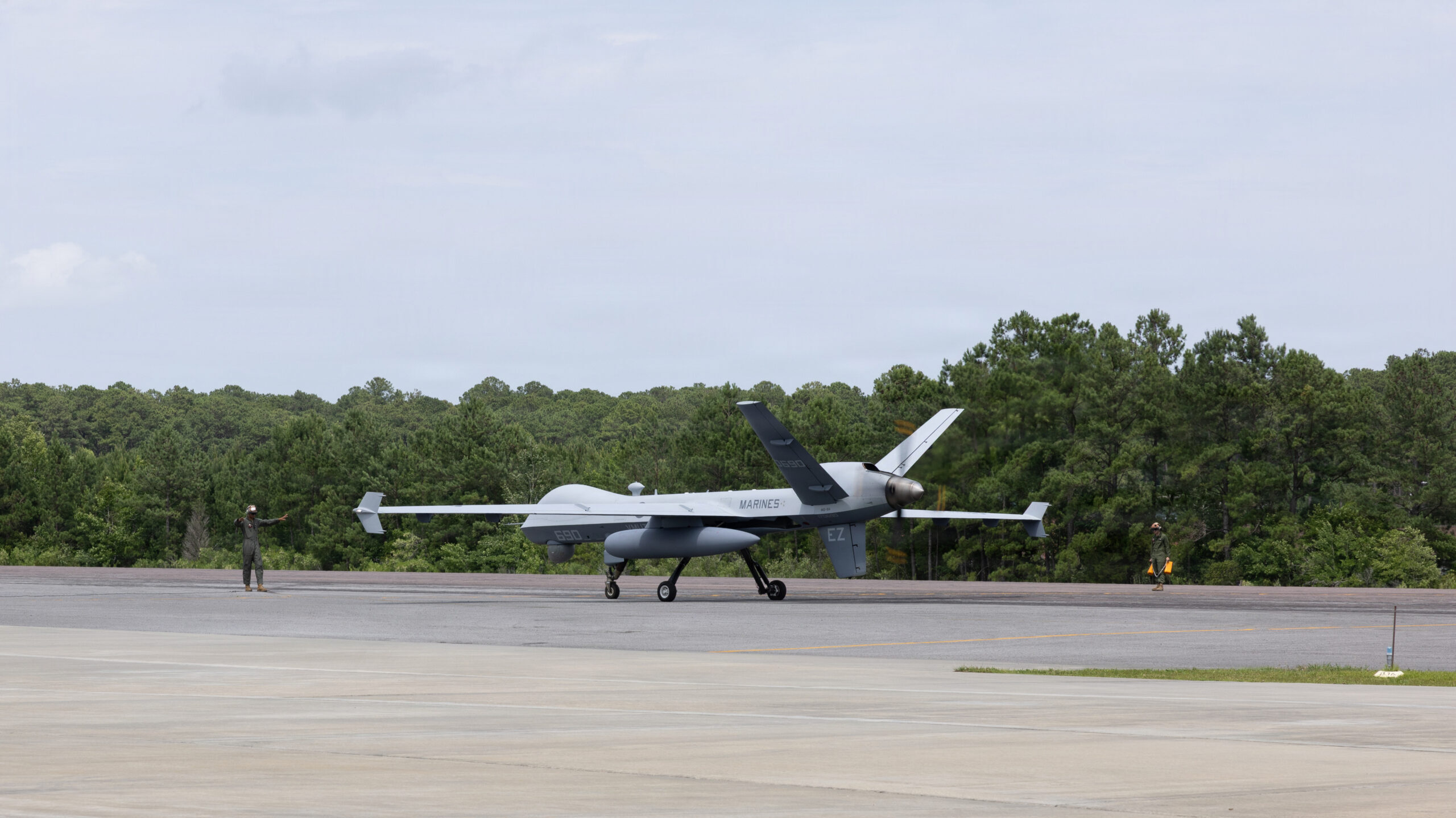
Italy Orders Two MQ-9A Reaper Block 5 Drones Amid US Concerns
Italy has placed an order for two additional MQ-9A Reaper Block 5 drones from General Atomics, scheduled for delivery by the end of 2027. This decision comes despite the US Air Force's concerns regarding recent losses of the drone type in Iran, highlighting the ongoing partnership between Italy and General Atomics for over two decades. The significance of this order lies in Italy's role as a leader in utilizing MQ-9A drones for intelligence, surveillance, and reconnaissance missions, particularly in support of NATO operations. The US State Department had previously approved a Foreign Military Sale for up to six MQ-9 Block 5 aircraft, with an estimated cost of $738 million, indicating strong international interest in the Reaper platform despite operational challenges. Looking ahead, the US Air Force is reportedly seeking to accelerate the replacement program for MQ-9 drones due to concerning combat losses, with at least 45 Reapers lost since February 2026. As General Atomics prepares to build Gambit aircraft in Europe, the future of drone procurement and operational strategies will be closely monitored by defense analysts and military officials.
Air Warfare Air Force Drones Europe General Atomics Italy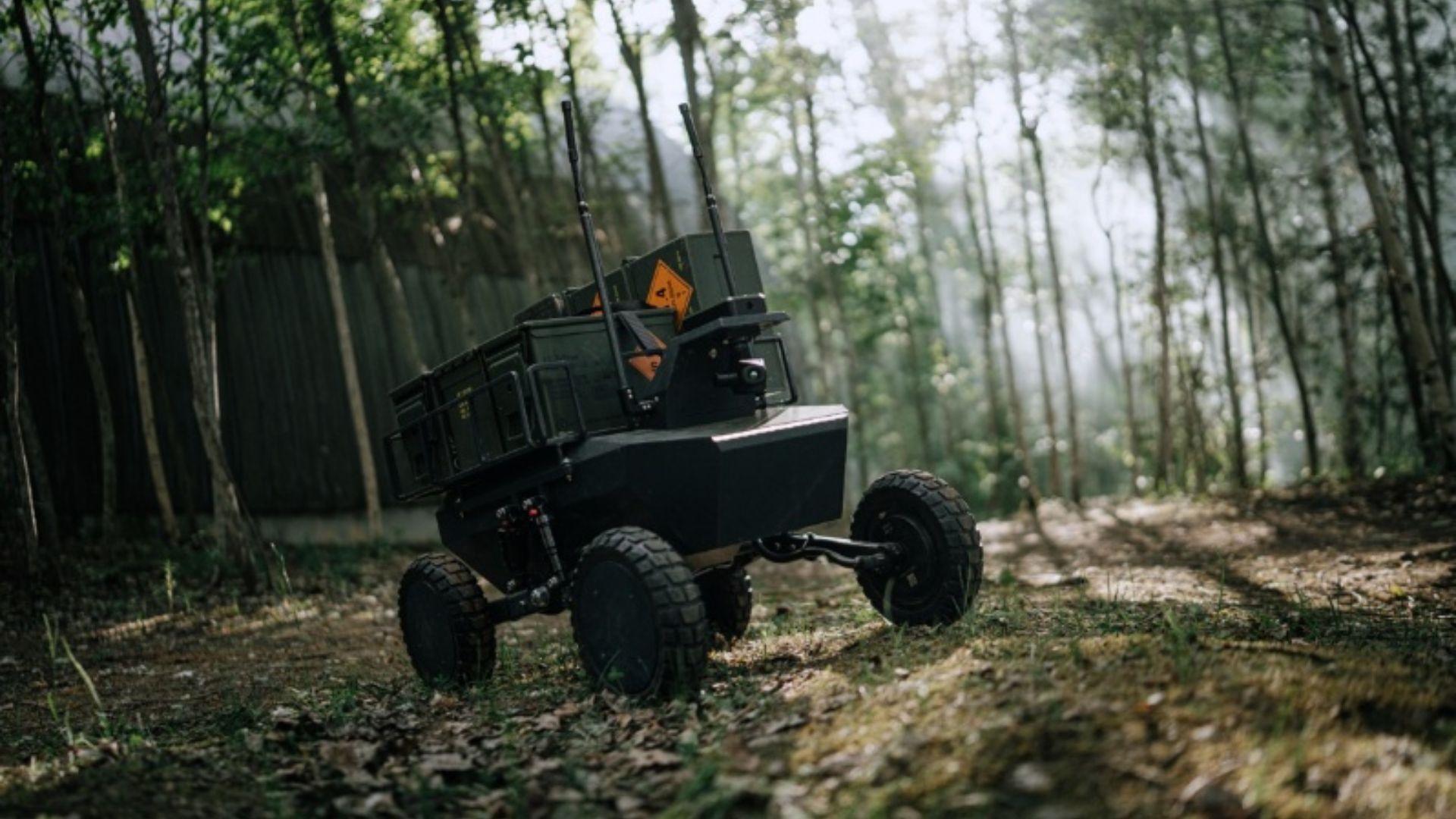
XTEND Expands Robotics Portfolio with AtlasROVER Ground Robot Deployment
Israeli physical AI firm XTEND has launched its AtlasROVER ground robot, marking its first delivery to a customer in the Asia-Pacific region. This deployment integrates XTEND’s XOS operating software, which is designed to unify control across various robotic platforms, including aerial and ground systems. The introduction of the AtlasROVER signifies XTEND's strategic shift to create a cohesive software ecosystem for robots operating in diverse environments. By utilizing XOS, XTEND aims to streamline operator workflows and enhance mission-specific capabilities across its robotic offerings, thereby improving operational efficiency. Looking ahead, XTEND's focus will be on further integrating XOS into its ground robotics portfolio, following the acquisition of Latvia-based Atlas. This move is expected to enhance XTEND's engineering and manufacturing capabilities in Europe, while also expanding the operational roles of its robotic systems. No further timeline was disclosed at the time of publication.
AI and Robotics
Japan Requests Record $55.6 Billion Defense Budget for Extended-Range Missiles and Drones
Japan's defense ministry has proposed a record budget of 8.89 trillion yen ($55.6 billion) for the upcoming fiscal year, focusing on advanced weaponry including Northrop Grumman's AGM-88G AARGM-ER anti-radar missile. This marks Japan's first interest in dedicated anti-radar capabilities, reflecting a shift in military priorities. The significance of this budget lies in Japan's strategic pivot towards enhancing its defense capabilities amid regional tensions, particularly with China and Russia. The request highlights a preference for stand-off missiles, drones, and AI technologies, indicating a modernization of Japan's defense posture. Looking ahead, the budget request anticipates the release of key national security documents that will clarify procurement priorities. Notably, Japan aims to develop domestic missile systems and enhance its unmanned capabilities, including the acquisition of additional MQ-9B SeaGuardian drones and interceptor drones, which will play a crucial role in its defense strategy.
Air Warfare Global AARGM Air Force Asia Defense Budget
U.S. Navy Exercise Demonstrates Sonar Network Tracking for Various UUVs
The U.S. Navy's Exercise Lanternfish 26 showcased the capabilities of ThayerMahan's ShorePicket and Outpost systems in detecting unmanned underwater vehicles (UUVs). These systems successfully tracked UUVs ranging from six inches to extra-large sizes, highlighting the importance of distributed acoustic sensors in maritime security. This exercise, involving U.S., British, and Australian personnel, aimed to evaluate emerging undersea technologies in realistic environments. With 50 technologies from 26 industry partners, the event focused on enhancing interoperability under AUKUS Pillar II, emphasizing the need for effective detection methods in the challenging underwater environment. Looking ahead, the integration of ThayerMahan's TransparenSea software with acoustic data processing and AI-assisted analysis will be crucial for real-time maritime situational awareness. No further timeline was disclosed at the time of publication.
Military
Ultra Maritime Showcases New Underwater Surveillance System at U.S. Navy's 2026 Exercise
Ultra Maritime demonstrated a new underwater surveillance system during the U.S. Navy’s 2026 Lanternfish exercise. The system integrates the Sea Spear passive sonar with the SSQ-125B active sonobuoy to enhance detection capabilities for unmanned underwater vehicles (UUVs). This combination allows for continuous monitoring and precise localization of underwater threats. The significance of this demonstration lies in its potential to improve naval operations against UUVs and submarines. By utilizing both passive and active sonar technologies, Ultra Maritime aims to provide naval forces with a comprehensive understanding of underwater activity across extensive maritime areas. The Sea Spear's passive capabilities enable persistent surveillance, while the SSQ-125B enhances target localization. Looking ahead, Ultra Maritime's system is part of the broader “Ocean of Things” initiative, which envisions a network of underwater sensors deployed from various platforms. This approach could revolutionize maritime security by enabling long-term monitoring of critical areas such as ports and busy sea routes. No further timeline was disclosed at the time of publication.
Military
Shibaura Institute Develops Cost-Effective Catalyst for Lithium-Oxygen Batteries
Researchers at the Shibaura Institute of Technology in Japan have created a new platinum-free catalyst for lithium-oxygen batteries, addressing a significant barrier to their market entry. This innovation could enable electric vehicles to drive cross-country and drones to fly for extended periods, thanks to the batteries' potential energy density, which is up to ten times greater than that of standard lithium-ion cells. The development is crucial as lithium-oxygen batteries face challenges due to slow oxygen reactions during charging and discharging, which leads to energy inefficiency. The new catalyst, designed by Professor Takahiro Ishizaki's team, combines perovskite and spinel oxides to enhance catalytic performance while remaining cost-effective and sustainable. Future advancements in this technology could significantly impact energy storage solutions. The researchers achieved a record-low potential gap of 1.14 V between charging and discharging, indicating less wasted power. As the field progresses, the effectiveness of this composite catalyst in practical applications will be closely monitored, particularly in the context of electric vehicles and drone technology.
Energy
China Implements Stricter Export Controls on Drones, Impacting U.S. Supply Chains
China has introduced new export control measures affecting specific drones and related technologies bound for the United States, as announced by the Ministry of Commerce on August 5, 2026. These measures require stricter case-by-case reviews for exports already listed on China's dual-use export control list, which could complicate supply chains for U.S. manufacturers reliant on Chinese components. The significance of these controls lies in their potential impact on U.S. drone manufacturers, many of whom still depend on Chinese suppliers for essential components like motors, batteries, and sensors. While the announcement does not ban all drone exports, it imposes tighter licensing requirements that could lead to longer lead times and increased compliance burdens, particularly for smaller manufacturers with limited sourcing options. Looking ahead, the new licensing requirements may slow product introductions and extend delivery schedules, affecting manufacturing more than field operations. The evolving regulatory landscape on both sides of the supply chain underscores the growing importance of navigating export controls and national security policies in the global drone market. No further timeline was disclosed at the time of publication.
Drone Manufacturing Drone News Drone News Feeds Drones in the News Dual Use Feature 1
UK Civil Aviation Authority's New Vision for BVLOS Drone Operations in Airspace
The UK Civil Aviation Authority has unveiled its Airspace Architecture Concept of Operations, aiming to transition Beyond Visual Line of Sight (BVLOS) drone operations from isolated trials to widespread commercial use across UK airspace. Published on July 30, 2026, the document outlines how drones and other airspace users can operate routinely at scale, emphasizing the need for integrated commercial operations rather than bespoke approvals. This initiative is part of the CAA’s Airspace Modernisation Strategy and Future of Flight programme, which recognizes the current limitations of BVLOS flights that rely on dedicated airspace arrangements. The Concept of Operations builds on the UK BVLOS Roadmap and introduces five key technology and process pillars, including electronic detection systems, conflict-avoidance systems, reliable communication links, digital traffic management services, and information sharing among operators and air traffic services. The CAA envisions a future where drone technology can deliver significant economic and societal benefits, with target use cases including faster inspections of critical infrastructure and support for emergency services. As technology evolves, the CAA expects the document to adapt, paving the way for a more integrated airspace system that maintains safety standards while fostering innovation. No further timeline was disclosed at the time of publication.
Drone News Drone News Feeds News aerial infrastructure inspection Airspace Architecture Concept of Operations Airspace Modernisation Strategy
Ukraine and NATO Initiate Joint Funding Program for Counter-Drone Innovations
Ukraine's defense technology cluster Brave1, in collaboration with NATO, has launched a new innovation program aimed at funding defense companies. This initiative, which opened on Tuesday, focuses on developing counter-drone systems specifically targeting FPV and Shahed-type drones. The program allows for funding of up to €500 million ($569.6 million) per partner for joint ventures between Ukrainian firms and NATO member companies. This program is significant as it addresses the urgent need for advanced counter-drone technologies amid ongoing conflicts, particularly with the increasing use of drones by Russian forces. Brave1 has identified five key areas of interest for development, including active protection systems and electromagnetic attack technologies. The initiative aims to leverage Ukraine's expertise in drone warfare while enhancing the capabilities of NATO allies in countering drone threats. Looking ahead, stakeholders will be monitoring the progress of applications and the development of technologies funded through this program. The collaboration between Ukraine and NATO is expected to strengthen defense capabilities against the growing number of unmanned systems deployed by Russia. No further timeline was disclosed at the time of publication.
Air Warfare Global Land Warfare Air Force Army Business & Industry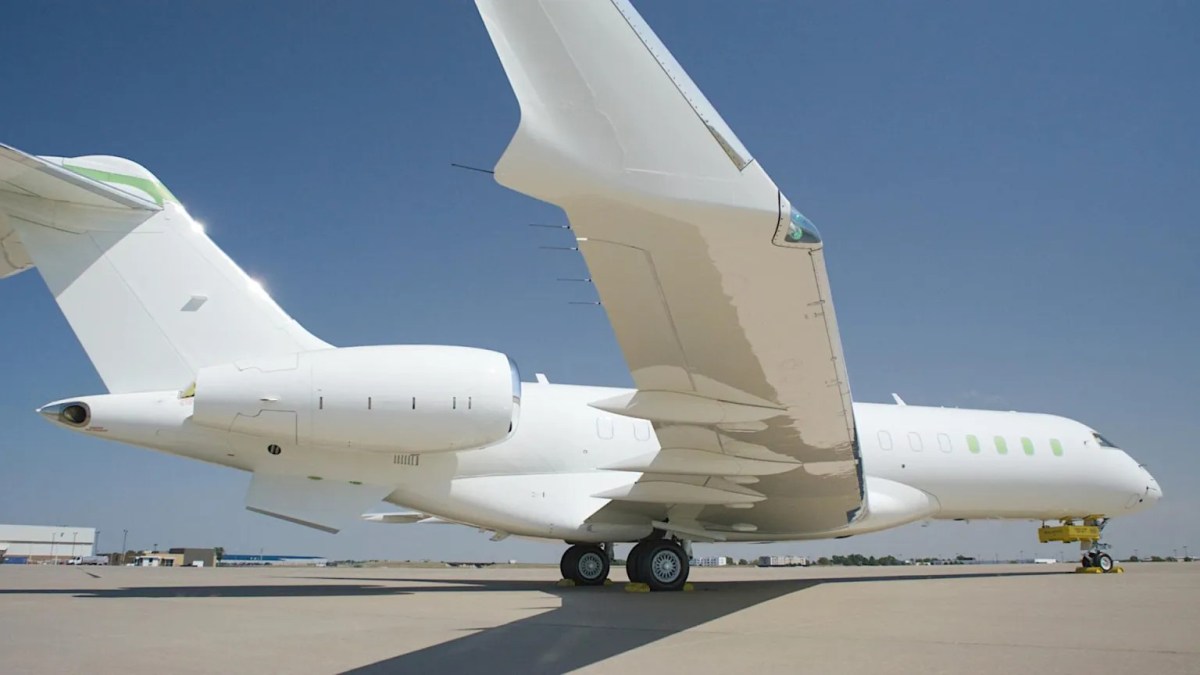
U.S. Army to Establish HADES Aircraft and Drone Battalion at Fort Hood
The U.S. Army has announced that its future fleet of ME-11B High Accuracy Detection and Exploitation System (HADES) aircraft will be stationed at Fort Hood, Texas. This initiative includes the formation of a unique operational drone battalion, aimed at consolidating aerial intelligence, surveillance, and reconnaissance (ISR) assets following the retirement of turboprop ISR planes last year. This development is significant as it marks a pivotal step in modernizing the Army's global aerial ISR capabilities. The relocation of the 116th Military Intelligence Brigade from Fort Gordon to Fort Hood is part of this strategy, enhancing the Army's ability to conduct multi-domain and large-scale combat operations. The ME-11B jets, converted from Bombardier Global 6500 business jets, are expected to improve operational efficiency with higher speed, altitude, and advanced sensor capabilities. Looking ahead, the Army anticipates the delivery of the first ME-11B prototype by the end of the year, with plans to acquire at least six production models. The HADES system is designed to extend the Army's intelligence-gathering reach significantly, utilizing long-range drones to enhance operational effectiveness while minimizing exposure to threats. No further timeline was disclosed at the time of publication.
Air Armies Drones Land Manned ISR News & Features
New Autonomous Drone System Maps Volcanic Gases to Predict Eruptions
Researchers at the Technical University of Munich (TUM) have developed an autonomous measurement system that utilizes drones and lasers to map volcanic gas concentrations with a low measurement error of approximately 5%. This innovative system aims to enhance volcanic eruption forecasting by tracking the ratio of carbon dioxide to sulfur dioxide, providing insights into subterranean volcanic processes. The significance of this technology lies in its potential to prevent natural disasters by offering accurate measurements of volcanic gases. Traditional methods have faced challenges due to background emissions and equipment damage from corrosive plumes. TUM's solution involves a ground station that shoots a laser through gas clouds, allowing for precise data collection while keeping equipment safe from harsh conditions. Looking ahead, TUM plans to further automate the measurement and mapping processes, incorporating artificial intelligence to interpret the data. This advancement could lead to safer volcanic forecasting, particularly on the Aeolian island of Vulcano, which remains in an active degassing phase despite not having experienced a major eruption since the late 19th century.
Science
FCC Proposes New Rules for Drone Sales to Enhance Transparency and Security
The Federal Communications Commission (FCC) has proposed new regulations aimed at increasing transparency in online drone sales. The rules would require e-commerce platforms to display FCC certification IDs for wireless devices, including drones and their components, addressing a loophole that has allowed restricted electronic components to enter the U.S. market. This initiative is significant for various stakeholders, including drone manufacturers like DJI, online retailers such as Amazon, and consumers. By mandating the display of FCC IDs, the FCC aims to help buyers verify the authorization status of wireless devices, thereby enhancing consumer protection and regulatory oversight. Looking ahead, the FCC's proposal also seeks to close a loophole concerning the use of restricted components in devices. The agency plans to extend restrictions to nearly all logic-bearing hardware components, which could impact the manufacturing and sale of drones and related technology. No further timeline was disclosed at the time of publication.
News
FCC Proposes New Rules for Drone Sales Transparency and Component Restrictions
The Federal Communications Commission (FCC) has proposed new regulations aimed at enhancing transparency in online drone sales. Under the proposed rules, e-commerce platforms like Amazon would be required to display FCC certification IDs for wireless devices, including drones and their components. This initiative is part of a broader effort to ensure that consumers can verify the authorization status of electronic devices before purchase, addressing a significant loophole in current regulations. The significance of this proposal lies in its potential impact on the drone market and consumer safety. By mandating the display of FCC IDs, the FCC aims to prevent unauthorized electronic equipment from entering the U.S. market, thereby protecting consumers and ensuring compliance with national security standards. The proposal also seeks to close a loophole that allows products containing restricted components to be sold if they are integrated into devices by other manufacturers, which could compromise device integrity. Looking ahead, the FCC's proposal marks a critical step in regulating the drone industry and enhancing consumer protection. The agency has been working on this initiative since 2021, with the latest proposal expanding restrictions to nearly all logic-bearing hardware components. No further timeline was disclosed at the time of publication for when these rules might take effect or how they will be implemented across online marketplaces.
News
Russia’s new rifle calibre bullets disintegrate into 3 mid-flight, can hit high-speed drones
A Russian company has unveiled an innovative type of rifle caliber bullet designed to split into multiple projectiles upon impact. This development, announced recently, aims to enhance the effectiveness of firearms by increasing the potential damage inflicted on targets. The new ammunition is expected to provide military and law enforcement agencies with a tactical advantage in various combat scenarios. The company claims that the design allows for greater accuracy and lethality, making it a significant advancement in ammunition technology. As global interest in advanced weaponry continues to rise, this breakthrough could influence future arms development and military strategies.
Military
New DroneShield software targets faster, harder-to-track drones
As drones become faster, smarter, and more difficult to track, counter-drone technology has to keep pace. That’s the thinking behind DroneShield’s latest quarterly software release, which the Australian company says delivers significant improvements in radio-frequency (RF) detection, tracking speed, and overall operational performance across its counter-drone platform.
News
New laser weapon system uses rapid pulses to defeat drones swarms in seconds
Israeli startup Esh-Tech has unveiled an innovative laser-based air defense system aimed at countering the increasing threat of aerial attacks. The announcement was made during a technology showcase in Tel Aviv on October 15, 2023. This advanced system is designed to provide a cost-effective and efficient solution for intercepting drones and other airborne threats, which have become more prevalent in recent conflicts. Esh-Tech's motivation stems from the urgent need for enhanced security measures in the region, as traditional defense systems often face limitations in terms of cost and effectiveness against modern aerial threats. The laser technology allows for precise targeting and engagement, significantly reducing the expense associated with conventional missile systems. The development process involved extensive research and collaboration with defense experts, ensuring that the system meets the rigorous demands of military applications. Esh-Tech aims to position its product as a vital tool for both national defense and private sector security, potentially transforming the landscape of air defense strategies in Israel and beyond.
Military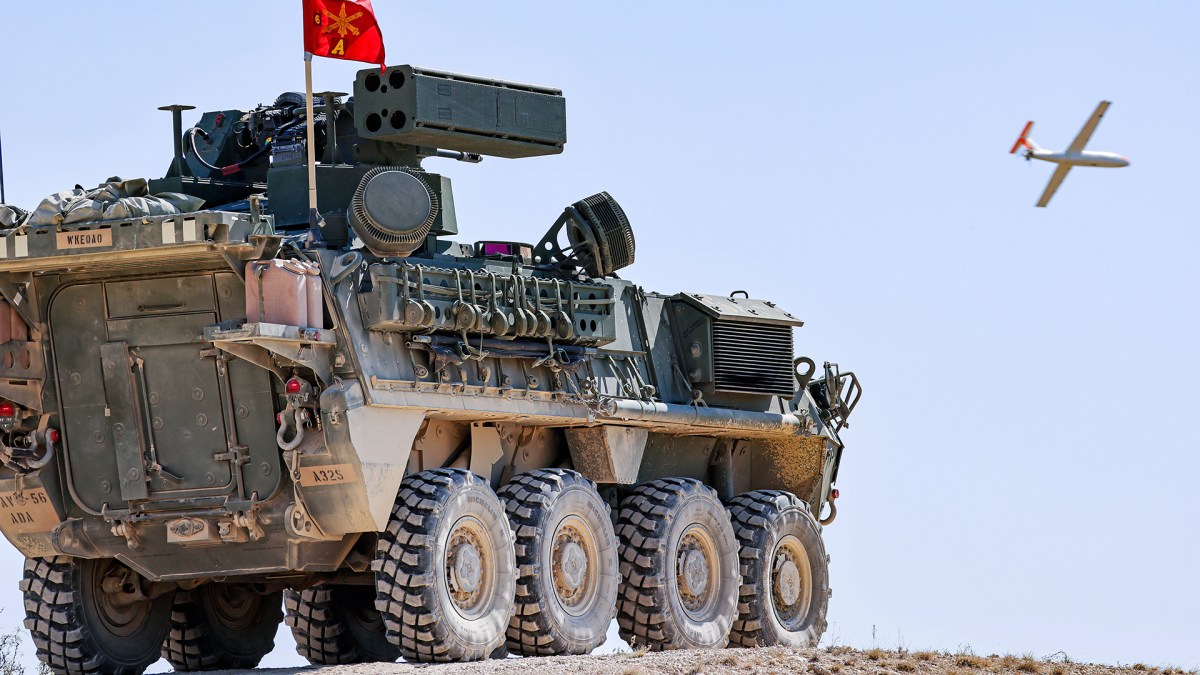
Army’s Newest Unit Aims To “Overwhelm” Adversary With Drones In Pacific Fight
The U.S. Army has established the 7th Infantry Division Multi-Domain Command – Pacific, a new unit designed to integrate drone warfare with the operational strengths of Stryker brigades. This initiative aims to enhance the military's capabilities in the Pacific region, allowing for a more versatile and overwhelming response to potential adversaries. The command will leverage advanced drone technology to support ground operations, providing a strategic advantage in modern warfare. The formation of this unit reflects the Army's commitment to adapting its tactics and resources in response to evolving threats in the region.
Air Armies Around The Globe Drones Indo-Pacific Land
New RapidStriker system uses 360-degree vision and automated fire to neutralize drones
Thales has introduced a new line of advanced battlefield drones as military forces worldwide strive to keep pace with the increasing use of unmanned aerial vehicles in combat. This announcement comes amid growing concerns over the evolving nature of warfare, where drones are becoming a pivotal element on the front lines. The unveiling took place during a defense technology exhibition in Paris, highlighting the company's commitment to enhancing military capabilities in response to modern threats. Thales aims to provide innovative solutions that not only improve operational efficiency but also ensure the safety of personnel in high-risk environments. The new drones are designed to integrate seamlessly with existing military systems, offering enhanced surveillance and combat support. As nations invest heavily in drone technology, Thales's latest offerings reflect the urgent need for armed forces to adapt to these advancements and maintain strategic advantages on the battlefield.
Military
DJI unveils new signal-boosting O4 Ground Station for drones
DJI has introduced the DJI O4 Ground Station, a new transmission system aimed at addressing a significant challenge for drone pilots: maintaining a strong and reliable connection in challenging environments. Announced recently, this innovative system is designed to significantly enhance drone communications, particularly in areas prone to signal interference, obstacles, or long distances that can disrupt operations. By improving reliability, the O4 Ground Station seeks to empower drone users to operate more effectively in difficult conditions, ultimately enhancing their overall flying experience.
News
Thales upgrades its laser guided rocket with new LiDAR sensor to target drones
Thales Belgium has announced the integration of an advanced sensor into its guidance kit, enhancing its targeting capabilities. This new technology activates as the kit approaches its target, improving precision and effectiveness. The development was confirmed by a company official in an interview with Breaking Defense, highlighting Thales Belgium's commitment to advancing military technology. This innovation is expected to bolster the operational efficiency of their defense systems, reflecting the company's ongoing efforts to stay at the forefront of the defense industry.
Global Drones Europe EUROSATORY 2026 guided rocket Middle East
New radar system can detect high-speed drones nearby ports, vessels in extreme environment
A cutting-edge radar system has been developed to enhance the detection of drones operating near ports, vessels, harbors, and other critical maritime areas. This innovative technology aims to bolster maritime security by providing real-time surveillance and threat assessment capabilities. The radar is designed to identify and track drones, which have increasingly become a concern for safety and security in busy maritime environments. The system's deployment is expected to take place in the coming months, with trials set to occur at various strategic locations along coastlines. By integrating advanced detection algorithms and high-resolution imaging, the radar will enable authorities to respond swiftly to potential threats, ensuring the safety of maritime operations and protecting vital infrastructure. This initiative reflects a growing recognition of the need for enhanced security measures in response to the rising prevalence of drone activity in sensitive areas.
Innovation Military
Thales’ new radio frequency weapon destroys 80 drones with zero ammo use in trials
A cutting-edge radio frequency weapon has demonstrated its effectiveness by successfully neutralizing 80 drones in recent tests. Developed by a leading defense technology company, this innovative system aims to address the growing threat posed by unmanned aerial vehicles. The tests were conducted in October 2023 at a designated military facility, showcasing the weapon's capabilities in real-world scenarios. The motivation behind this development stems from increasing concerns over drone usage in both military and civilian contexts, where they can be employed for surveillance or attacks. By disrupting the communication signals of these drones, the radio frequency weapon effectively renders them inoperable, providing a strategic advantage in airspace security. The successful deployment of this technology marks a significant advancement in counter-drone measures, as military forces around the world seek reliable solutions to mitigate potential risks associated with drone operations.

ePropelled launches new integrated propulsion unit for agricultural drones
The agricultural drone market is experiencing rapid growth, prompting manufacturers to enhance their technology to secure a larger share of this expanding sector. Recently, a new drone unit featuring advanced propulsion and power technology has been introduced, aimed at significantly improving performance in agricultural applications. This innovation is expected to meet the increasing demand for efficient and effective farming solutions, as farmers seek to leverage UAVs for precision agriculture and crop management. The launch of this cutting-edge technology underscores the industry's commitment to advancing aerial capabilities in agriculture, ultimately enhancing productivity and sustainability in farming practices.
Drones autonomous technology drone technology precision agriculture
Artemis moon base will cover 'hundreds of square miles' with hopping drones and new lunar rovers, NASA says
NASA has announced ambitious plans for a moon base that will span hundreds of square miles, with the potential use of scout drones to monitor its perimeter. To kickstart this initiative, the agency has awarded contracts totaling $1 billion. This funding aims to facilitate the development and construction of the lunar facility, which is part of NASA's broader strategy to establish a sustainable human presence on the Moon. The contracts were awarded recently, marking a significant step forward in lunar exploration efforts. The project is expected to enhance scientific research and pave the way for future missions to Mars and beyond.
The moon Astronomy Solar System
Fiber-optic drones add new dimension to Myanmar's civil war
In a significant development in Myanmar's ongoing civil war, both the military and resistance groups are increasingly utilizing fiber-optic drones, which are resistant to jamming, to enhance their combat capabilities. On March 20, members of the Chinland Defense Force-Hakha were seen preparing one of these unmanned aerial vehicles in Chin state. The drones have been employed for various tactical purposes, including delivering explosives in targeted attacks. A recent incident captured on video showcased a drone loaded with explosives approaching a crowd gathered outside a building in western Myanmar, only for the feed to abruptly cut out just before impact. This shift towards advanced drone technology highlights the escalating intensity of the conflict, as both sides seek to gain an upper hand in a war that has already inflicted severe humanitarian consequences across the nation.
China to promote drones and flying cars via new safety department
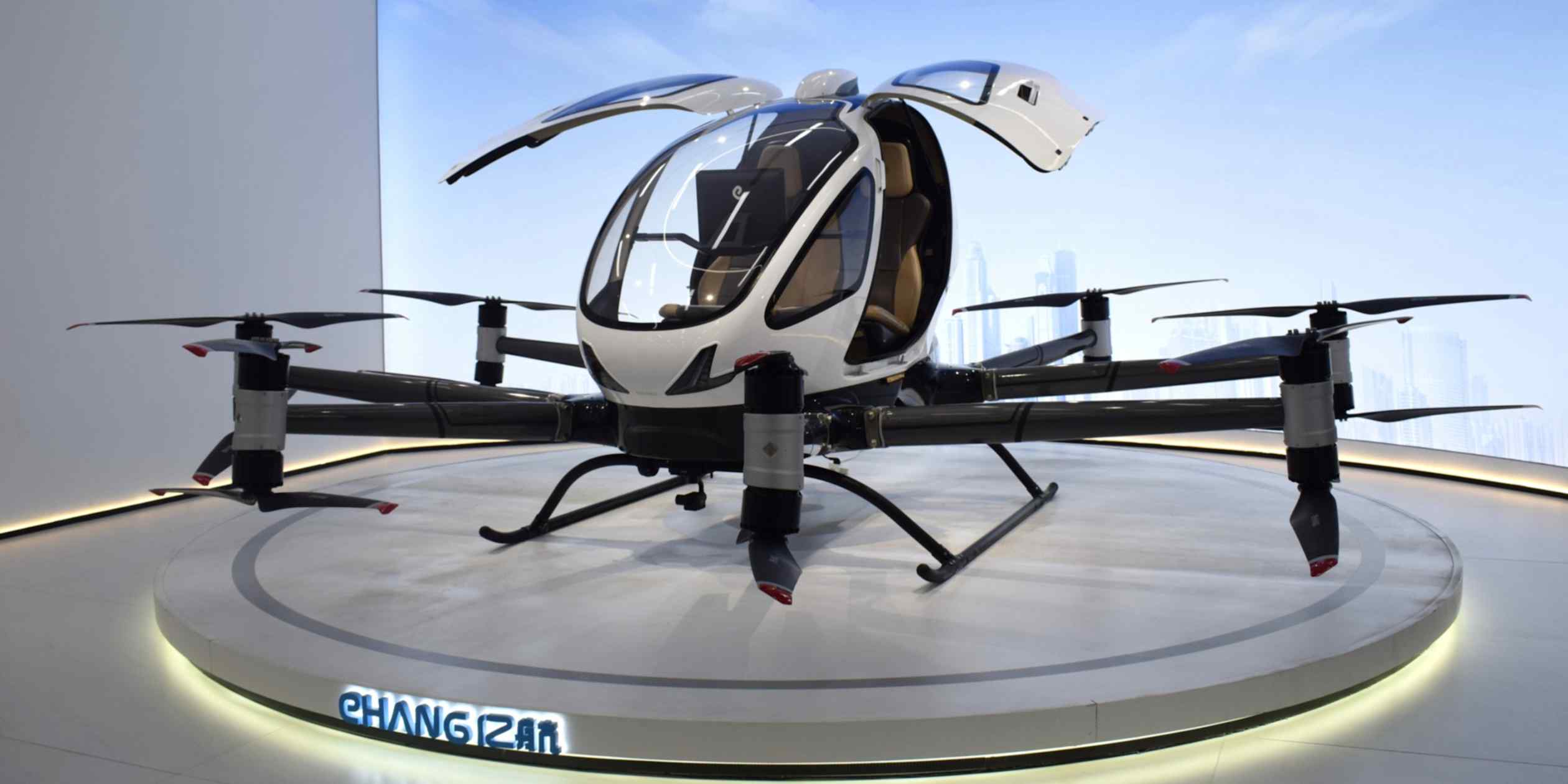
The Chinese government has launched a new agency aimed at promoting the development and operation of drones and flying cars, signaling a significant push into the low-altitude economy. This initiative, announced on May 26, 2026, in Guangzhou, is part of a broader strategy to double the country's low-altitude economy over the next decade. The establishment of this agency comes as Chinese drone startup EHang has made headlines by becoming the first company in China to secure an operating license for its flying taxi service. This move reflects China's ambition to enhance its technological capabilities in the aviation sector and capitalize on emerging markets in urban air mobility. The government’s support is expected to facilitate innovation and regulatory frameworks that will enable the safe integration of these advanced aerial vehicles into the national airspace.
USAF’s New Turbocharged ULTRA Surveillance Drones Are Heading To The Middle East
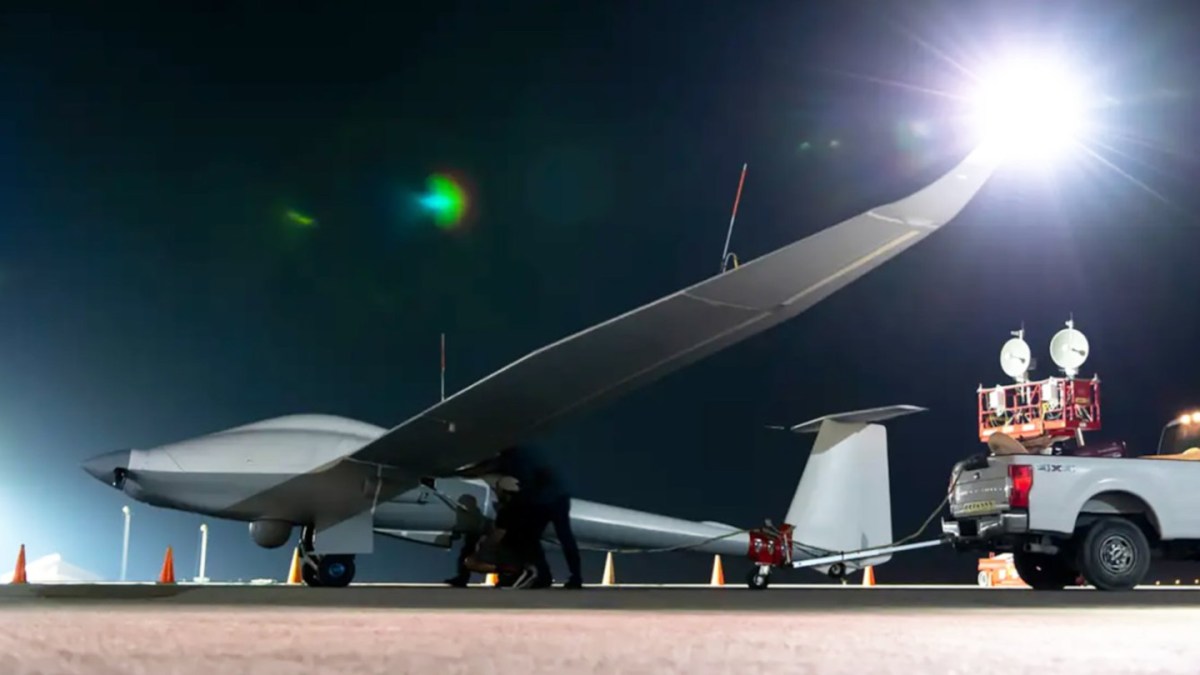
The U.S. Air Force is deploying its new turbocharged ULTRA surveillance drones to the Middle East, responding to increasing demand for advanced surveillance capabilities. This move comes in the wake of recent losses of MQ-9 drones during conflicts with Iran, highlighting the need for more resilient and effective aerial reconnaissance options. The ULTRA drones, resembling gliders, are designed to enhance surveillance operations in the region, providing critical intelligence and monitoring capabilities. The decision to send these drones underscores the Air Force's commitment to adapting its strategies and technologies in response to evolving threats and operational challenges in the Middle East.
News & Features Air Air Forces Drones U.S. Air Force Unmanned
IAI’s new Diamond naval offering envisions flexible drones, missiles for small vessels
A new defense strategy is being implemented that features a network of small satellite ships equipped with various defensive systems. This innovative approach allows these ships to operate independently while remaining connected to a central mother ship, creating a disaggregated model of naval defense. The initiative aims to enhance maritime security and adaptability in response to evolving threats. By utilizing this modular system, naval forces can improve their operational flexibility and resilience in various combat scenarios. The deployment of these satellite ships is expected to take place in the coming months, with the goal of bolstering national defense capabilities and ensuring a more robust presence in contested waters.
Global Middle East Naval Warfare Drones industry Israel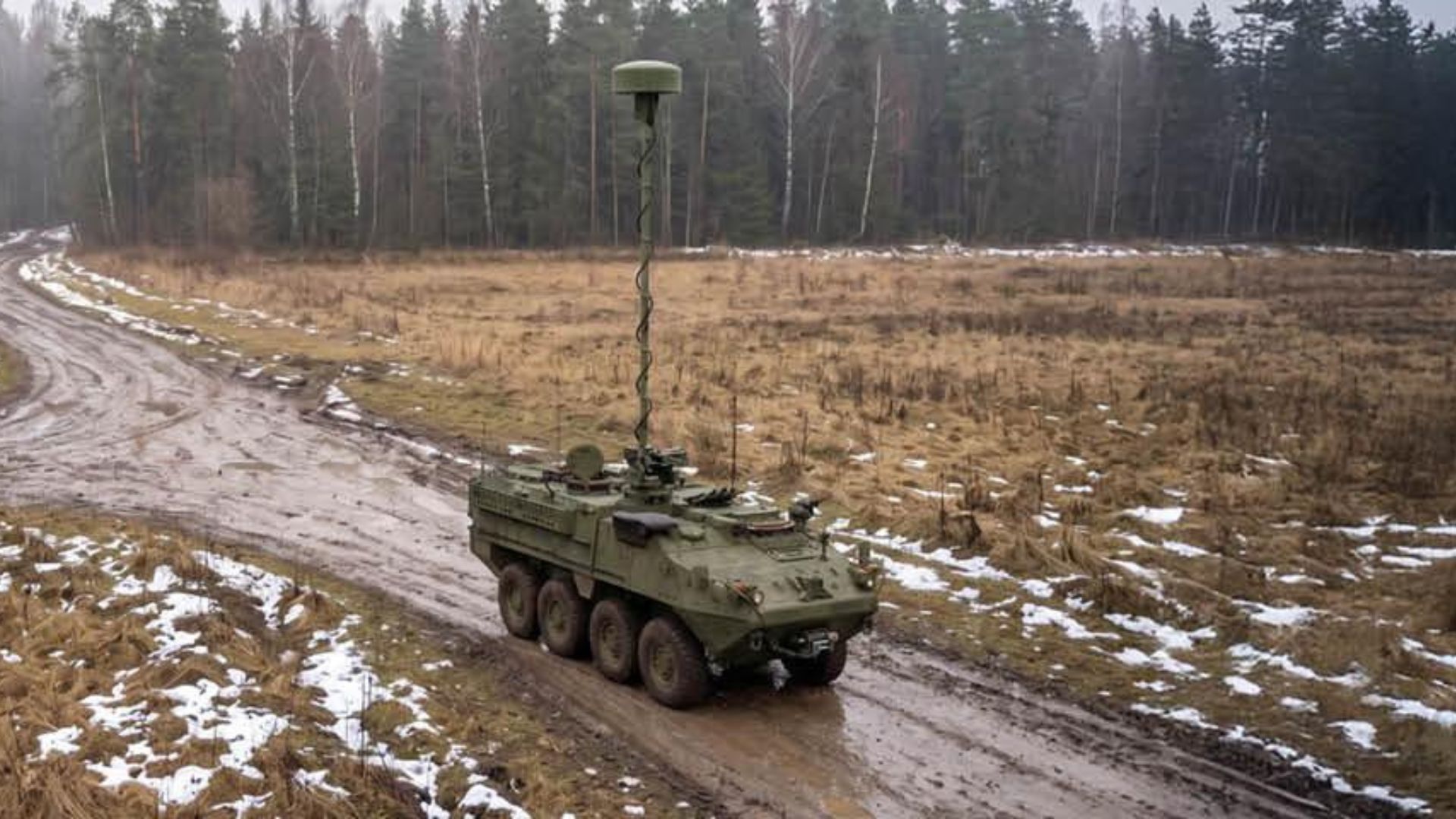
New electronic warfare system can locate enemy drones, radars without sending signals
Leonardo has unveiled a cutting-edge electronic warfare and signals intelligence system designed to enhance the capabilities of military troops. This innovative technology was introduced during a recent defense exhibition held in London, showcasing the company's commitment to advancing military operations. The system aims to provide armed forces with improved situational awareness and the ability to counteract potential threats in real-time. By integrating advanced data processing and analysis features, the new system allows for more effective communication and coordination among units on the battlefield. Leonardo's development of this technology reflects the growing need for enhanced defense solutions in an increasingly complex global security environment.

New carbon nanotube wires for next-gen EVs, drones could match copper power
Researchers at the IMDEA Materials Institute in Madrid have successfully developed a scalable manufacturing method for carbon-based materials. This innovative technique, unveiled recently, aims to enhance the production efficiency of carbon materials, which are crucial for various applications, including energy storage and electronics. The breakthrough comes as the demand for sustainable and high-performance materials continues to rise, driven by the need for more efficient energy solutions and advancements in technology. By streamlining the manufacturing process, the researchers hope to make these materials more accessible and cost-effective, potentially revolutionizing industries reliant on carbon composites. The team's findings are expected to contribute significantly to the field, paving the way for further research and development in sustainable material production.

New Intelic Platform Lets European Militaries Find and Deploy Drones Faster
A European defense technology company, Intelic, has launched a new platform called Intelic BASE, aimed at accelerating the deployment of unmanned systems across European militaries. Announced on May 4, 2026, in Amsterdam, this innovative procurement hub is designed to enhance interoperability among various defense systems, enabling governments to more efficiently locate and deploy drones. The initiative responds to the growing need for streamlined processes in military operations, ultimately improving the effectiveness of defense strategies in Europe.
Applications Defense defense Drone News Drone News Feeds Dual Use
Can Drones Replace High-Speed Police Pursuits? BRINC’s Guardian Points to a New Model
At a recent event hosted by Motorola Solutions, BRINC CEO Blake Resnick presented a groundbreaking vision aimed at transforming police pursuits, specifically addressing the dangers associated with high-speed vehicle chases. Traditionally, while drones have been utilized to enhance public safety, their effectiveness in active pursuit situations has been limited. However, Resnick introduced BRINC’s Guardian drone, which promises to redefine this dynamic by potentially replacing conventional high-speed chases with a safer, drone-assisted approach. This innovation seeks to mitigate risks for both law enforcement and the public, marking a significant shift in policing strategies.
Applications Drone News Drone News Feeds emergency response Featured – Safety and Security News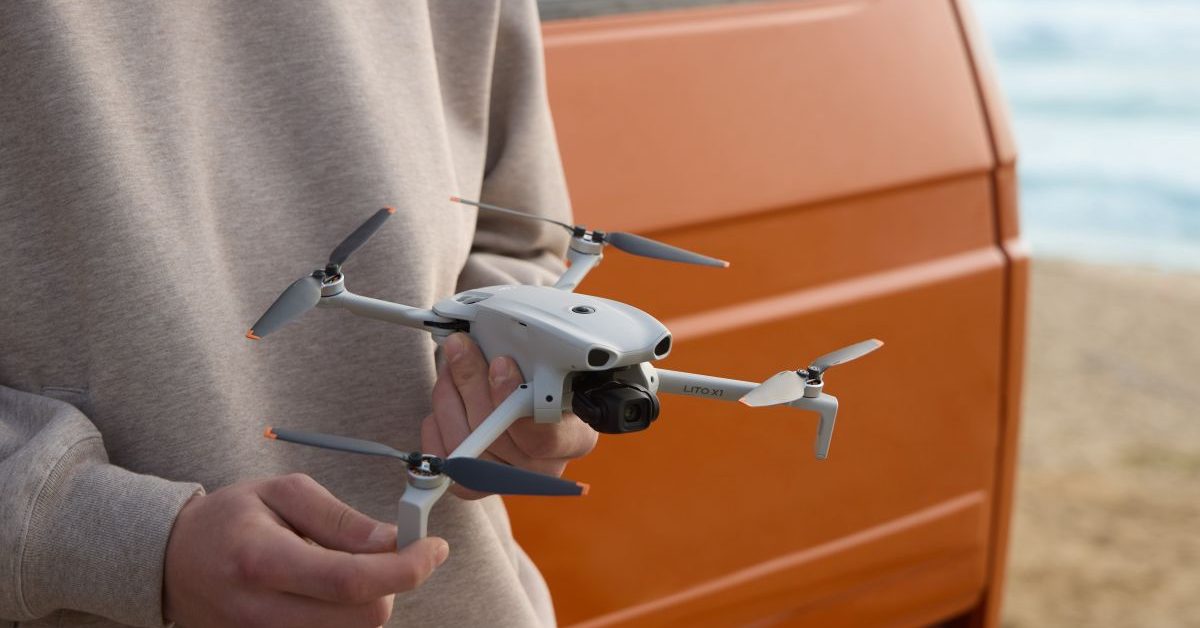
DJI launches new Lito budget drones, US misses out
DJI has unveiled two new budget-friendly camera drones, the Lito X1 and Lito 1, designed to attract American consumers with their affordable pricing, advanced safety features, high-quality cameras, and user-friendly controls. However, despite their appealing attributes, these models will not be available in the United States market. The launch, which took place today, highlights DJI's ongoing efforts to expand its product lineup while navigating regulatory challenges that may limit the availability of certain devices in specific regions.
News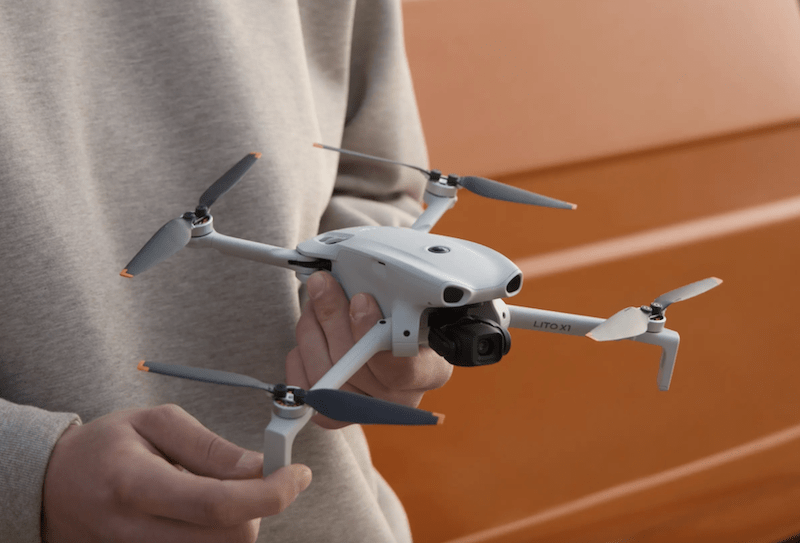
New DJI Drones Launch Globally, But Not in the U.S.
Drone manufacturer DJI has launched its latest consumer drones, the Lito X1 and Lito 1, targeting entry-level users with features designed to attract new pilots. Despite the strong initial interest and positive early coverage, these models will not be available for purchase in the United States. This restriction stems from regulatory challenges imposed by the Federal Communications Commission (FCC), which has limited the availability of certain drone products in the U.S. market. As DJI continues to expand its global offerings, the absence of these new models in the U.S. highlights ongoing concerns regarding compliance with local regulations and the impact on consumer access to innovative drone technology.
DJI Drone News Drone News Feeds News consumer drones DJI LitoRobotics needs a service framework.
RSF defines a common language for robot service capability, lifecycle operations, certification pathways, and service-provider networks.
Join the RobotToday community on LinkedIn
Daily robotics news, in-depth analysis, conference highlights, and discussions with professionals worldwide.