

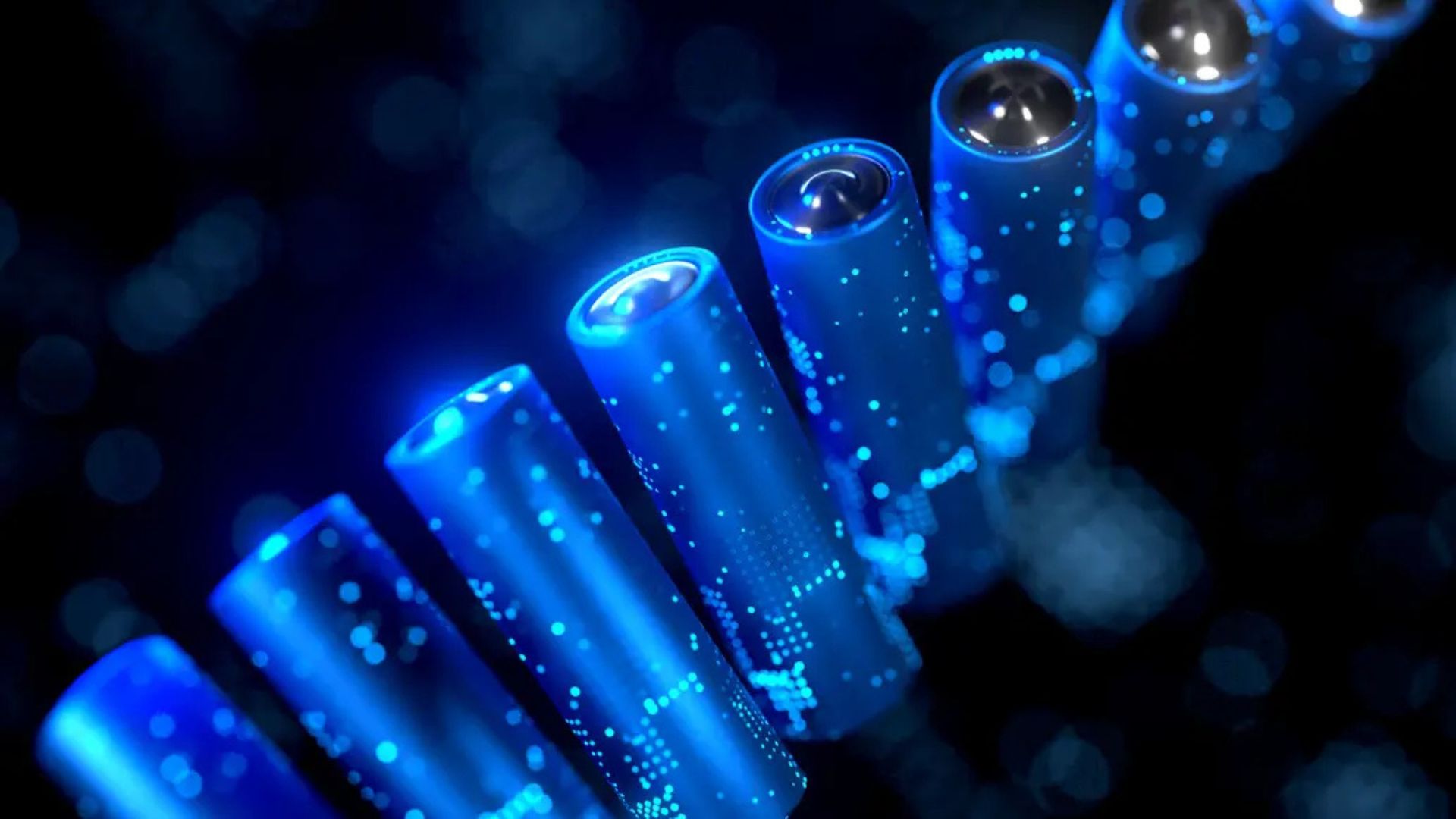
Researchers at the Shibaura Institute of Technology in Japan have created a new platinum-free catalyst for lithium-oxygen batteries, addressing a significant barrier to their market entry. This innovation could enable electric vehicles to drive cross-country and drones to fly for extended periods, thanks to the batteries' potential energy density, which is up to ten times greater than that of standard lithium-ion cells.
The development is crucial as lithium-oxygen batteries face challenges due to slow oxygen reactions during charging and discharging, which leads to energy inefficiency. The new catalyst, designed by Professor Takahiro Ishizaki's team, combines perovskite and spinel oxides to enhance catalytic performance while remaining cost-effective and sustainable.
Future advancements in this technology could significantly impact energy storage solutions. The researchers achieved a record-low potential gap of 1.14 V between charging and discharging, indicating less wasted power. As the field progresses, the effectiveness of this composite catalyst in practical applications will be closely monitored, particularly in the context of electric vehicles and drone technology.
Editor's Note
The development of cost-effective catalysts for lithium-oxygen batteries is a significant step toward enhancing energy storage solutions in electric vehicles and drones. As the industry seeks to overcome existing limitations in battery technology, this innovation could lead to broader adoption and improved performance in various applications, impacting supply chains and manufacturing processes.


































Leave a comment