


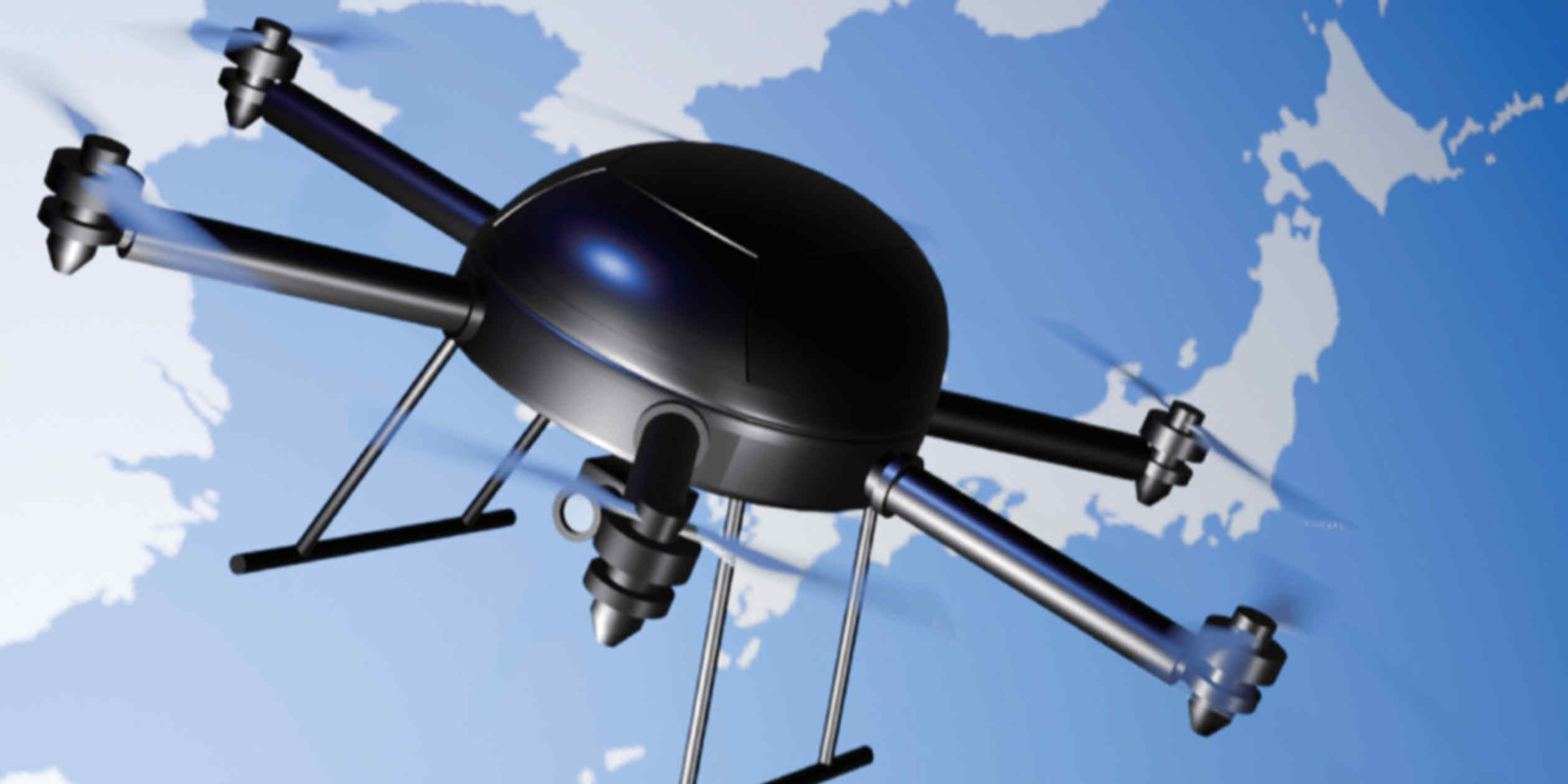
In a recent address, Defense Secretary Pete Hegseth outlined a vision for establishing a new Autonomous Warfare Command. This initiative aims to expedite the integration of drones and robotic systems into the hands of servicemembers, enhancing operational capabilities.
The significance of this proposal lies in its potential to transform military operations by leveraging advanced technologies. By streamlining the deployment of autonomous systems, the Pentagon seeks to improve efficiency and effectiveness on the battlefield, which is increasingly reliant on such innovations.
Looking ahead, the Pentagon is transitioning its autonomy portfolio office into Project Agincourt as a preliminary measure toward the new command. This initiative is expected to require congressional approval, and stakeholders will be watching closely for developments regarding its implementation.
Editor's Note
The establishment of an Autonomous Warfare Command reflects a growing trend in military strategy towards automation and advanced technologies. As defense organizations prioritize the integration of drones and robotic systems, understanding the implications for procurement and operational readiness becomes crucial for industry stakeholders.
Copyright Notice
This briefing is an independently written summary based on publicly available reporting and is provided for industry information and news discovery. The original report and source publication are credited and linked where applicable. RobotToday does not claim ownership of third-party source material.
Rights concerns? If you believe any material in this briefing infringes your copyright or other rights, please contact [email protected] with the relevant URL and details. We will review the matter and take appropriate action where warranted.































Leave a comment